Students explore the 'grammar' of mathematics by comparing numerical expressions, algebraic expressions, and equations to English phrases and sentences, using visual analogies from a provided video.
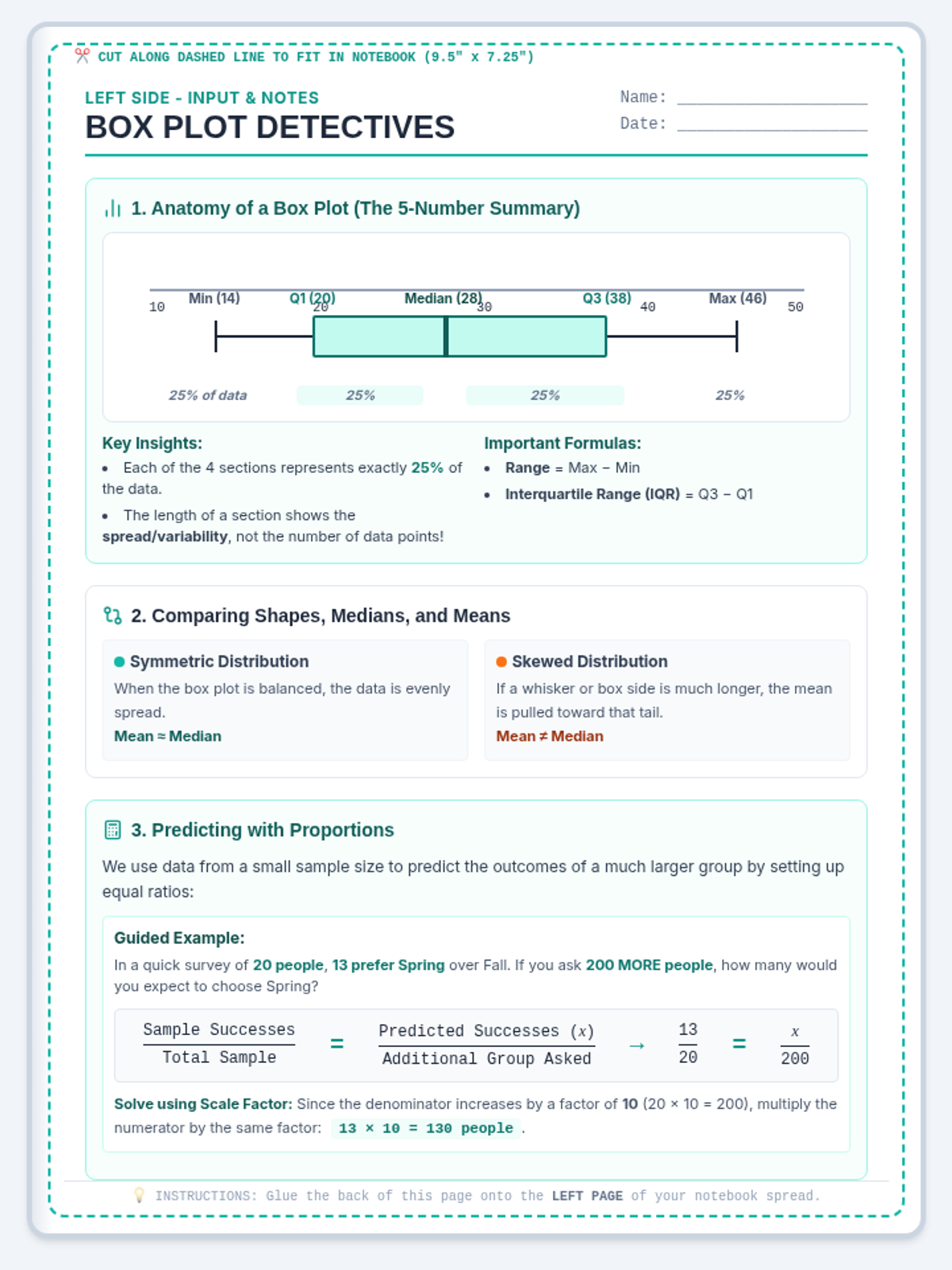
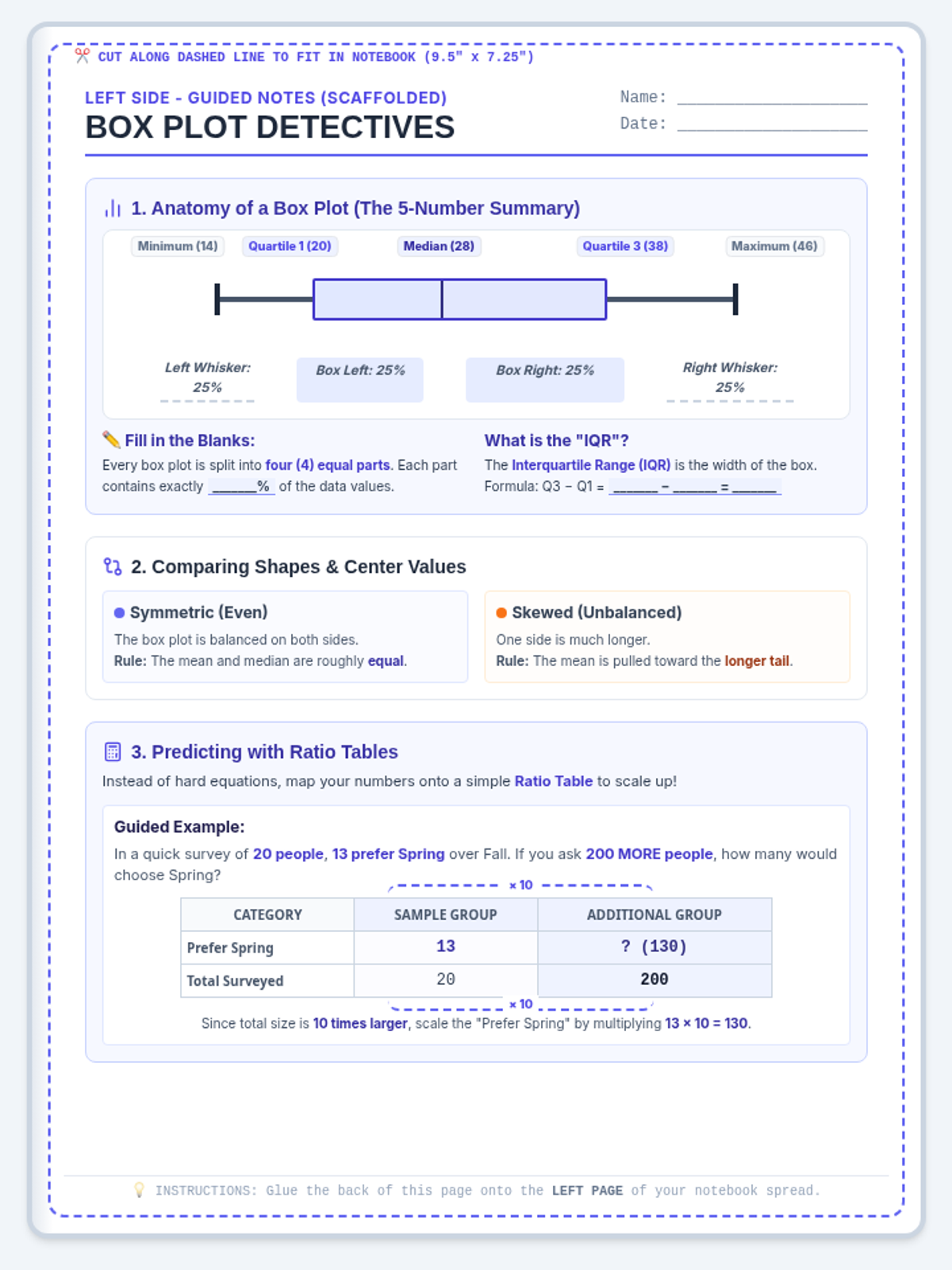
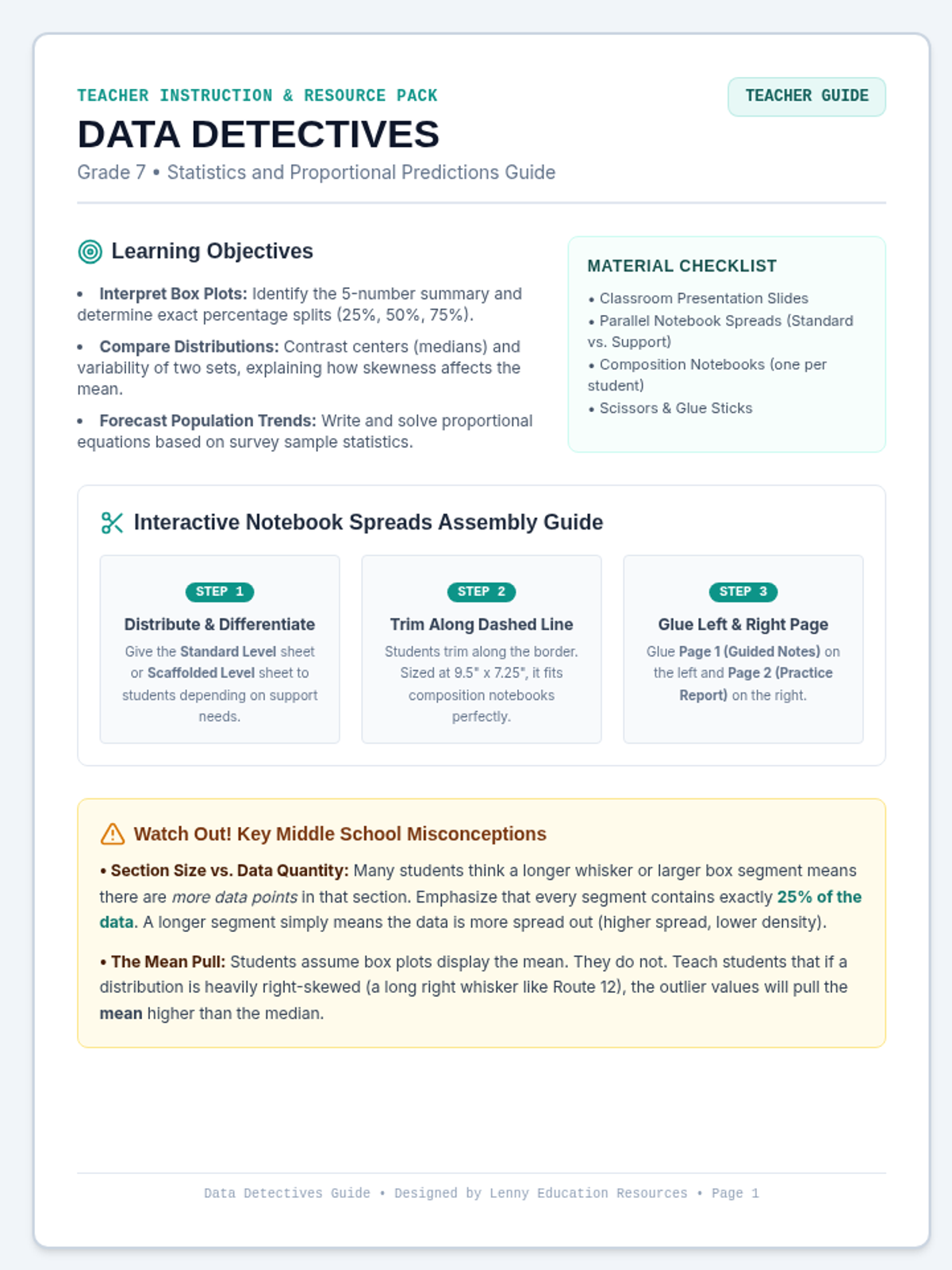
A middle school statistics lesson focused on comparing box plots, understanding quartiles, and making proportional predictions using sample data. Includes parallel standard and scaffolded interactive notebook spreads.
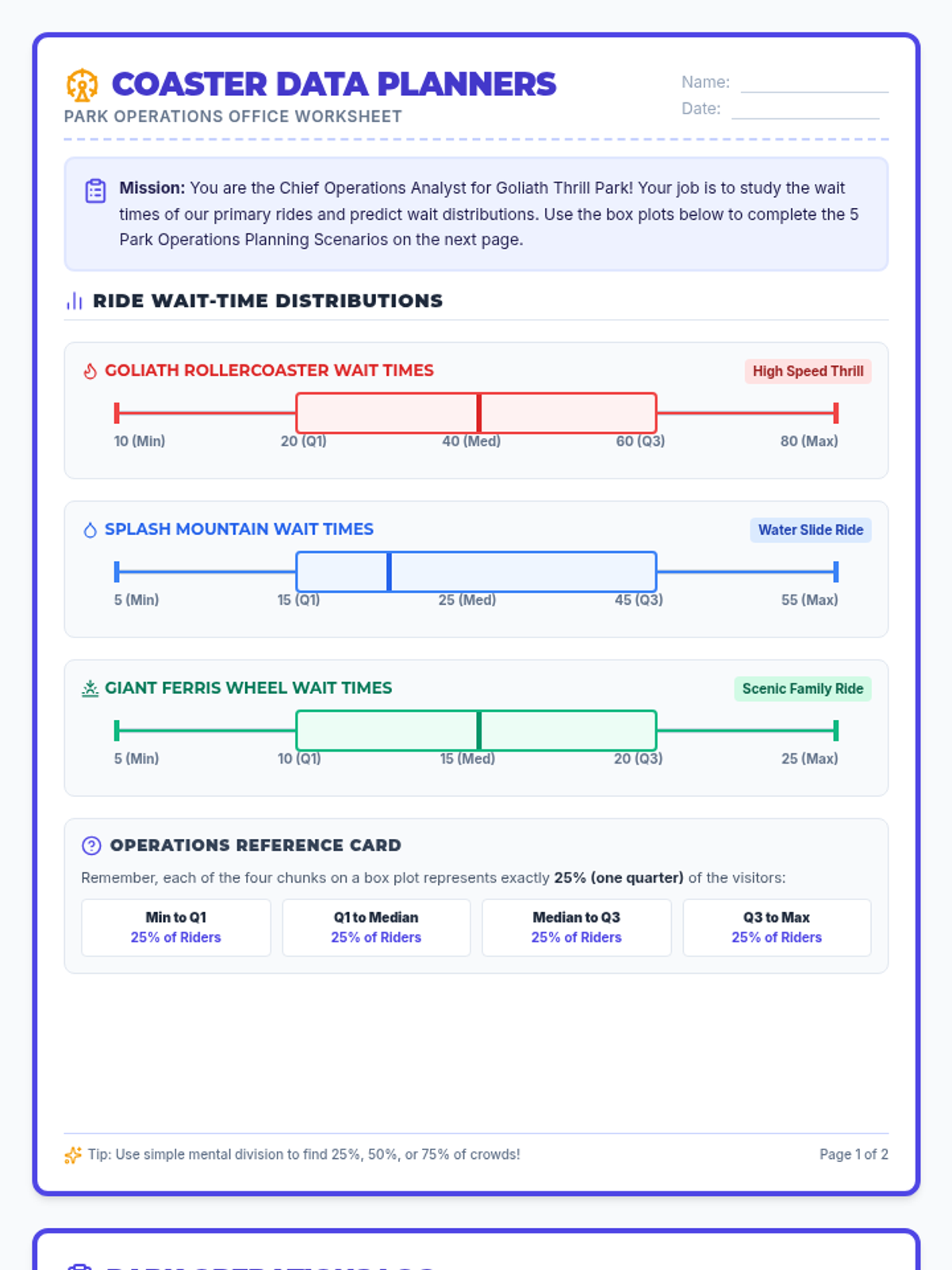
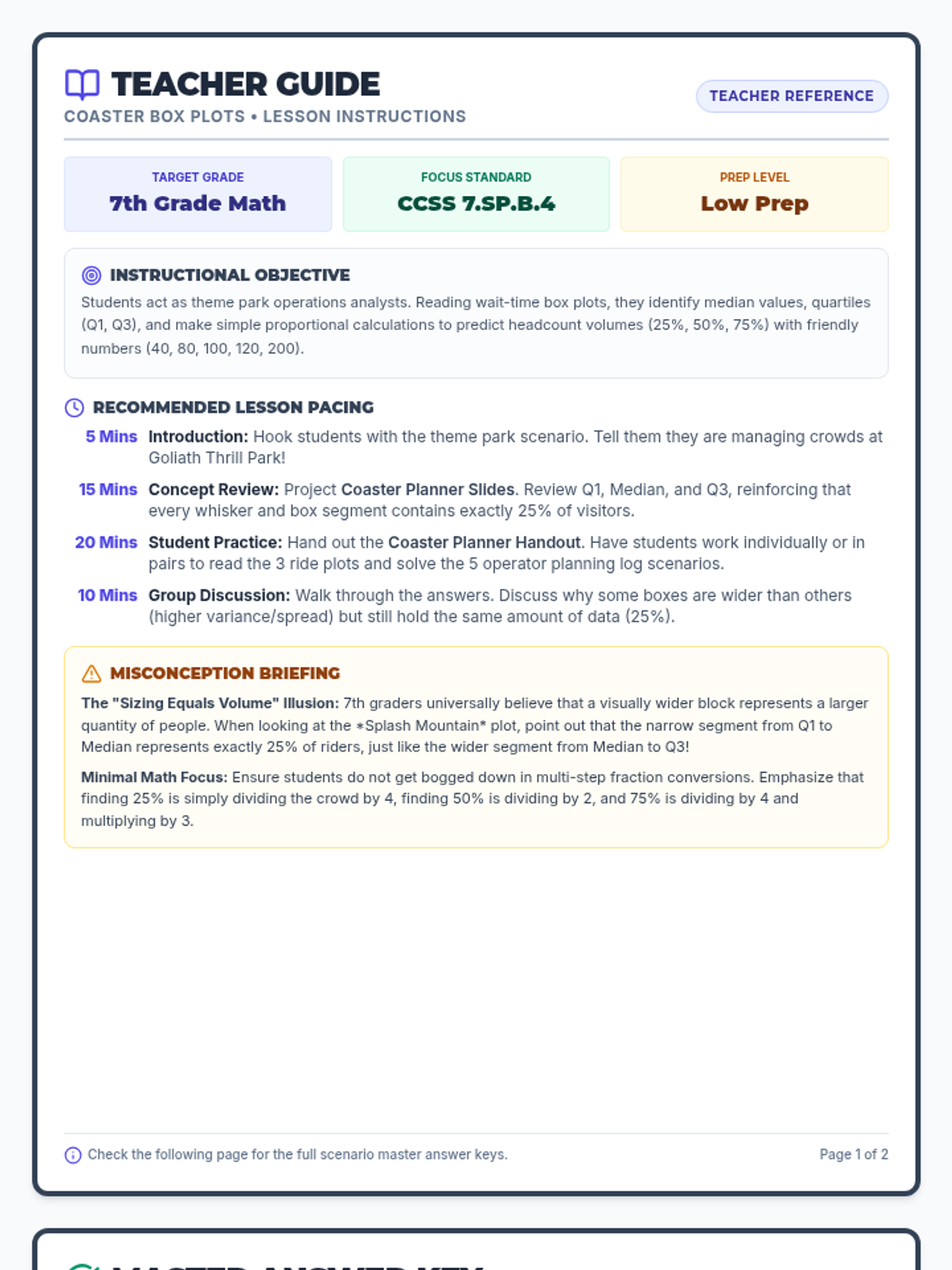
An engaging amusement park themed math lesson where 7th-grade students act as park planners. Reading ride wait-time box plots, students solve realistic visitor volume predictions with simple percentage calculations.
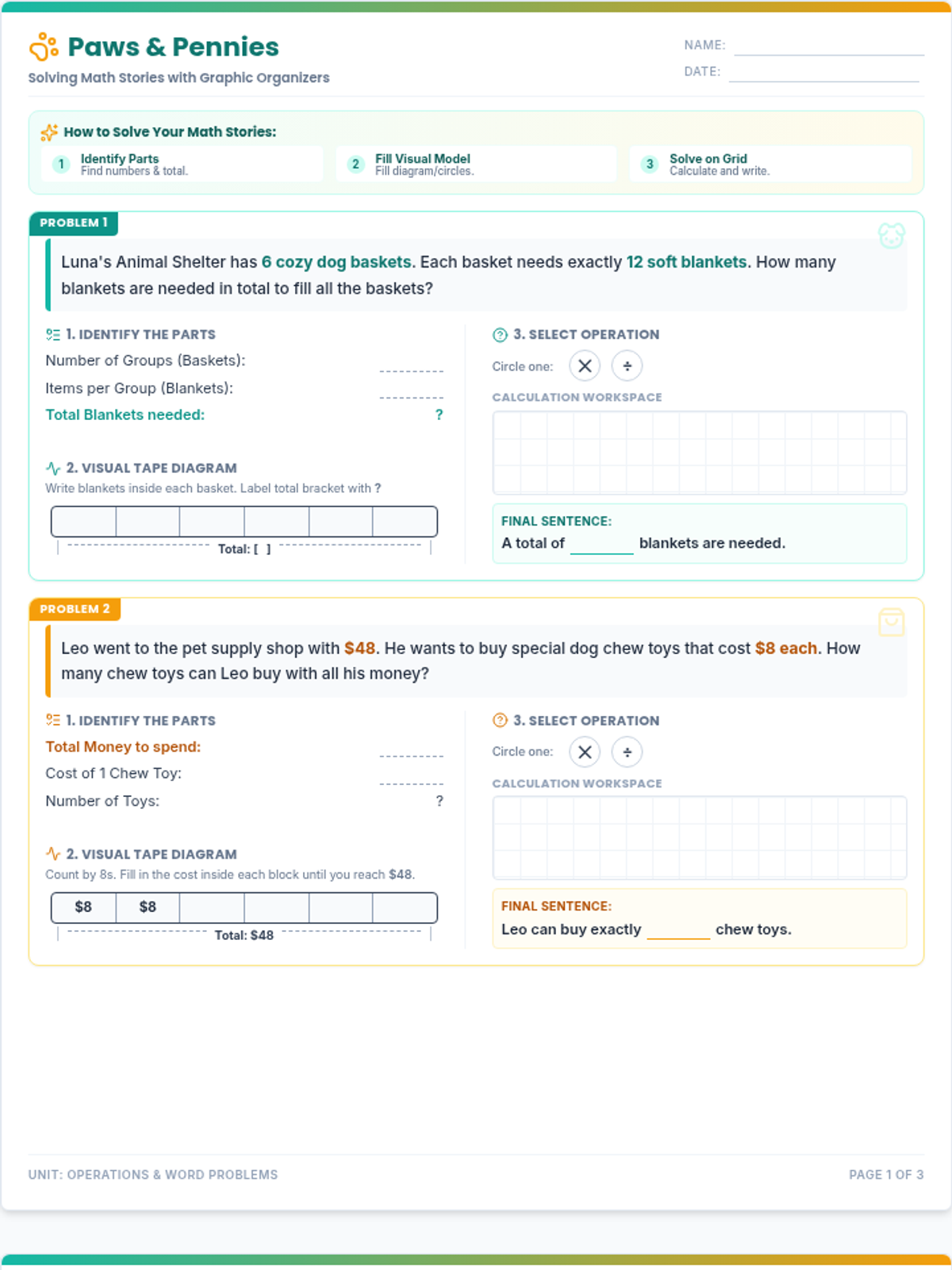
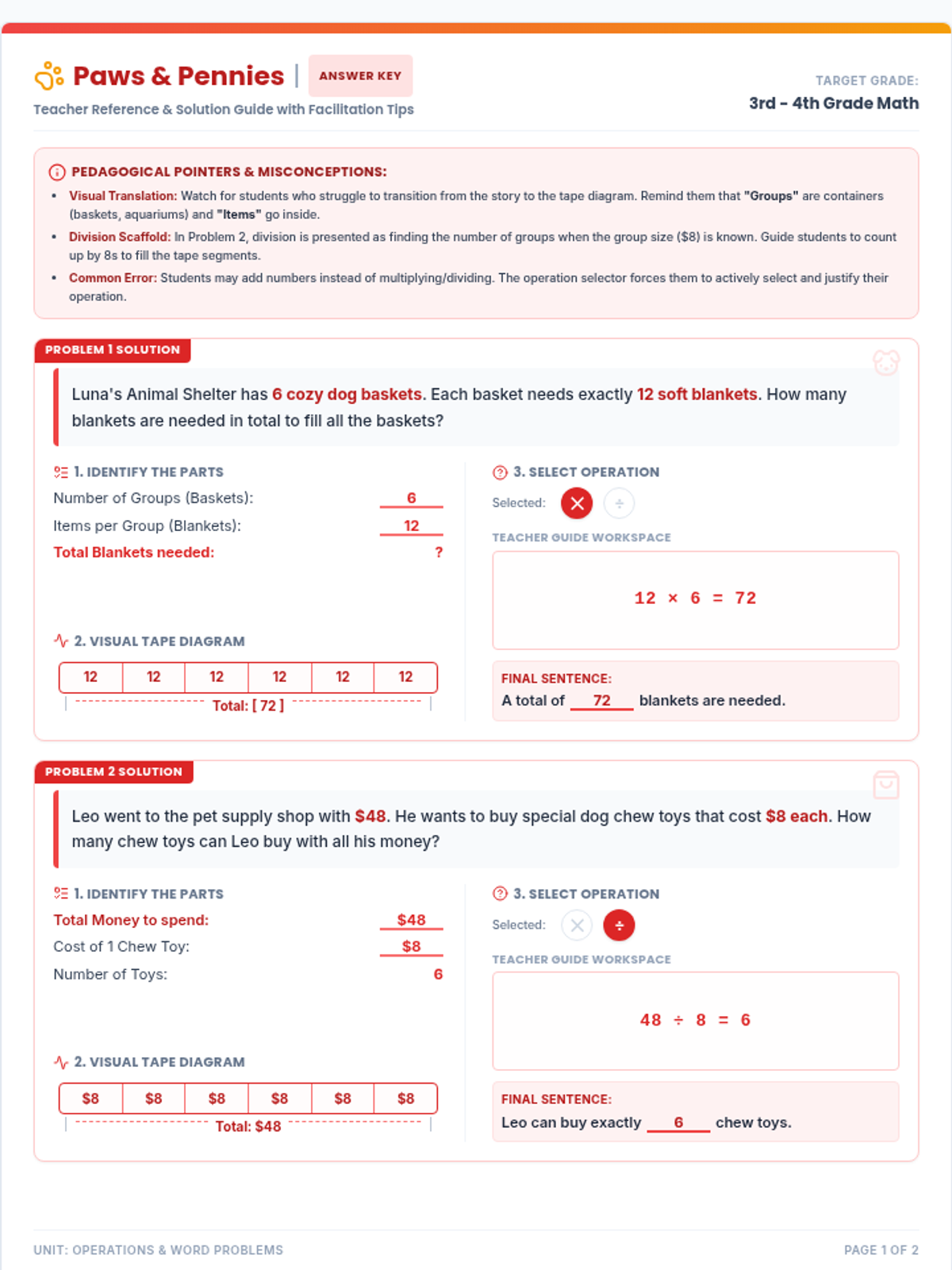
A lesson focusing on solving one-step multiplication and division word problems involving single and double-digit numbers, themed around animal care and shopping transactions. Students use structured visual graphic organizers to break down problems, identify operations, and calculate answers.
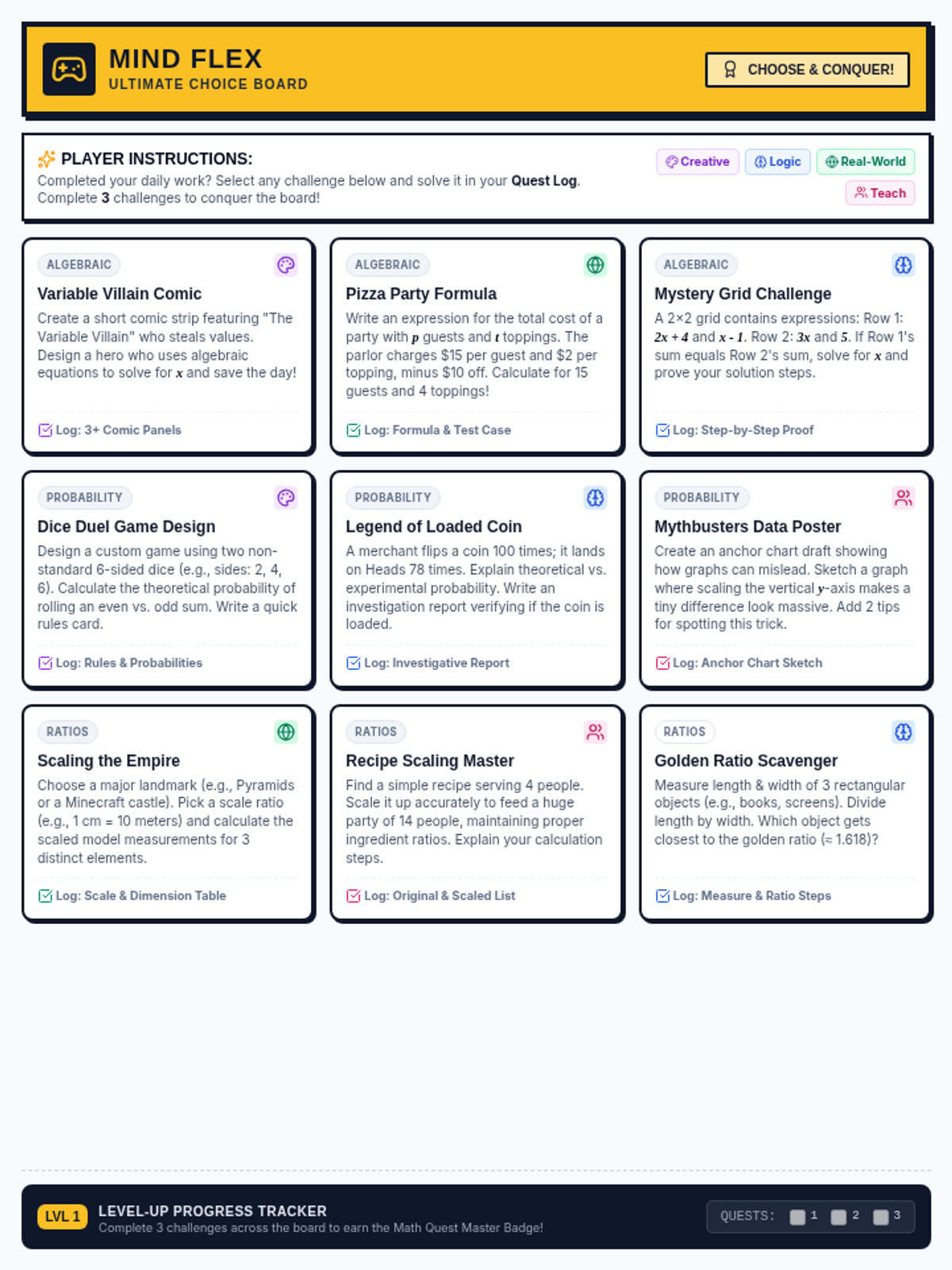
A collection of high-interest, independent math challenges for early finishers, covering Algebraic Expressions, Probability & Statistics, and Ratios & Proportions. Features creative projects, real-world applications, logic puzzles, and peer-teaching activities.
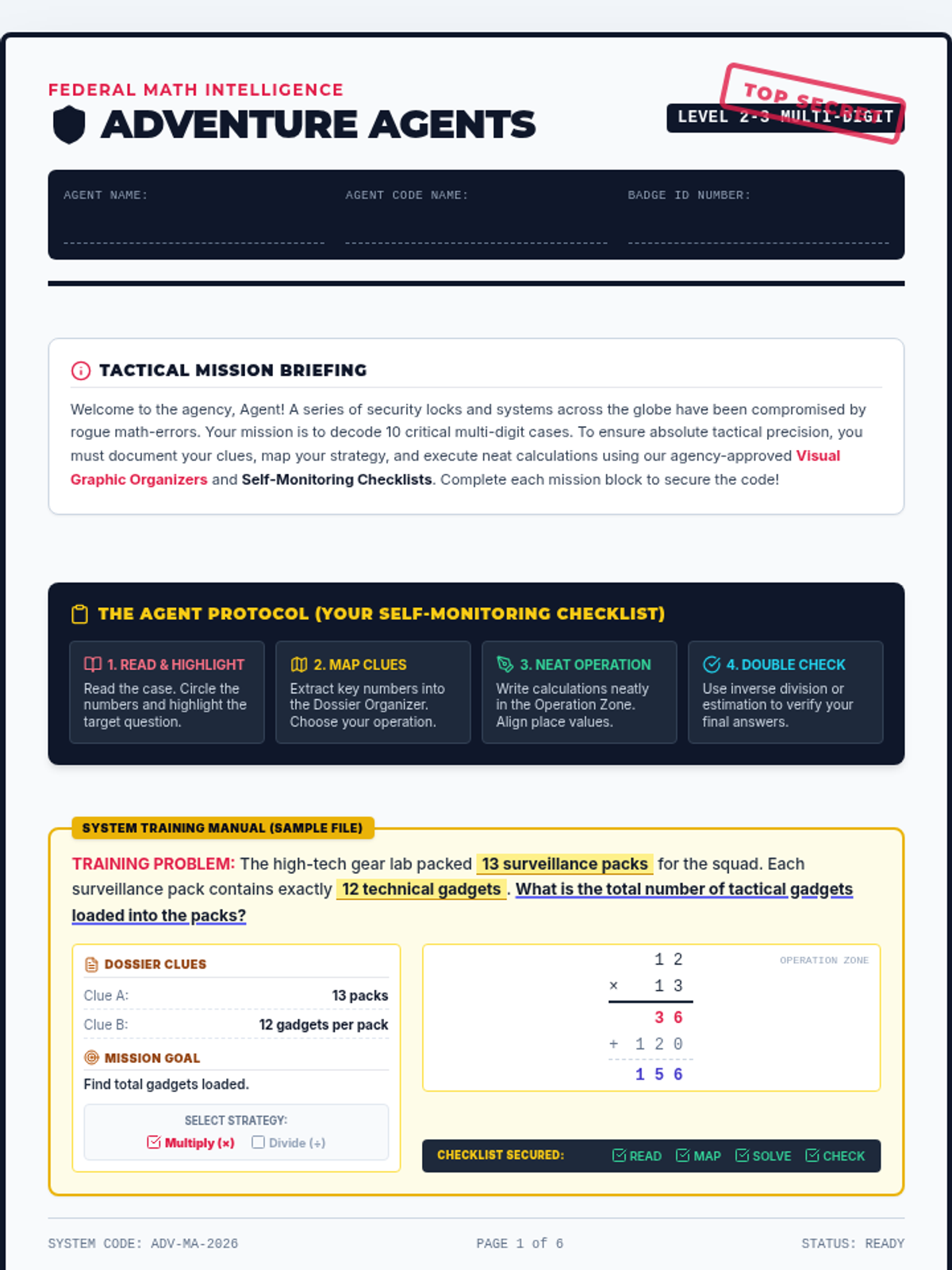
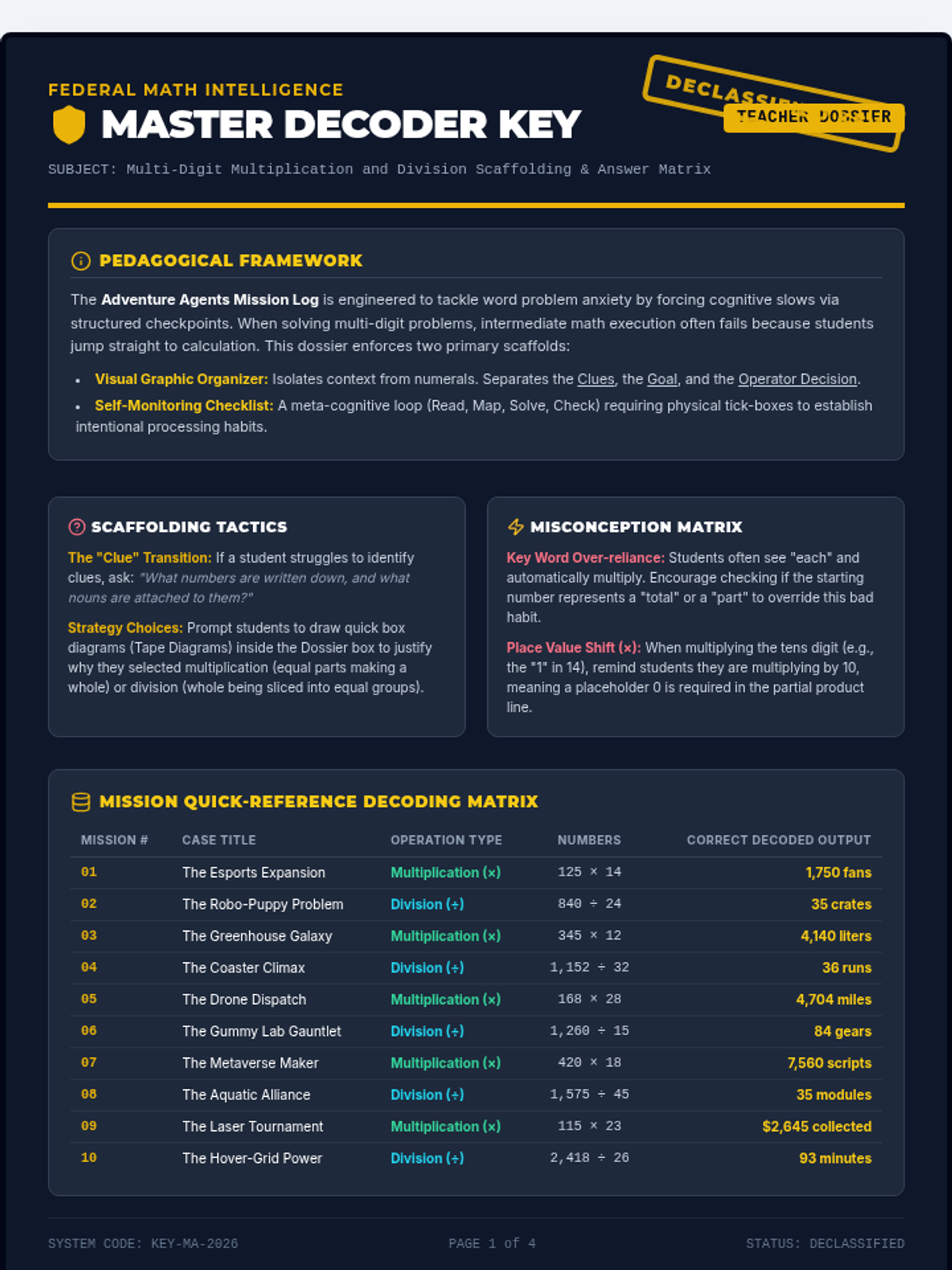
A high-interest word problem mission where students use visual graphic organizers and self-monitoring checklists to solve multi-digit multiplication and division challenges.
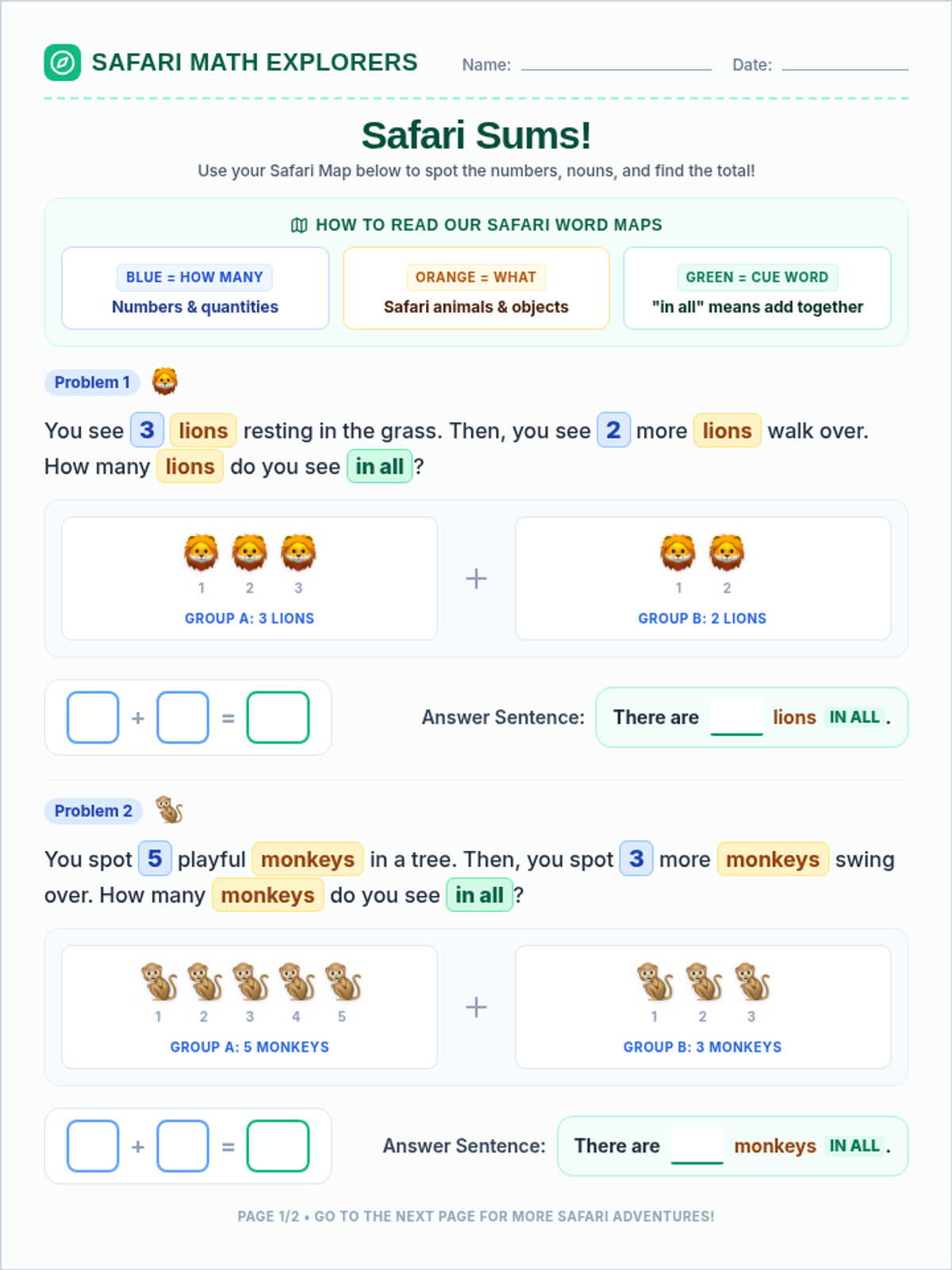
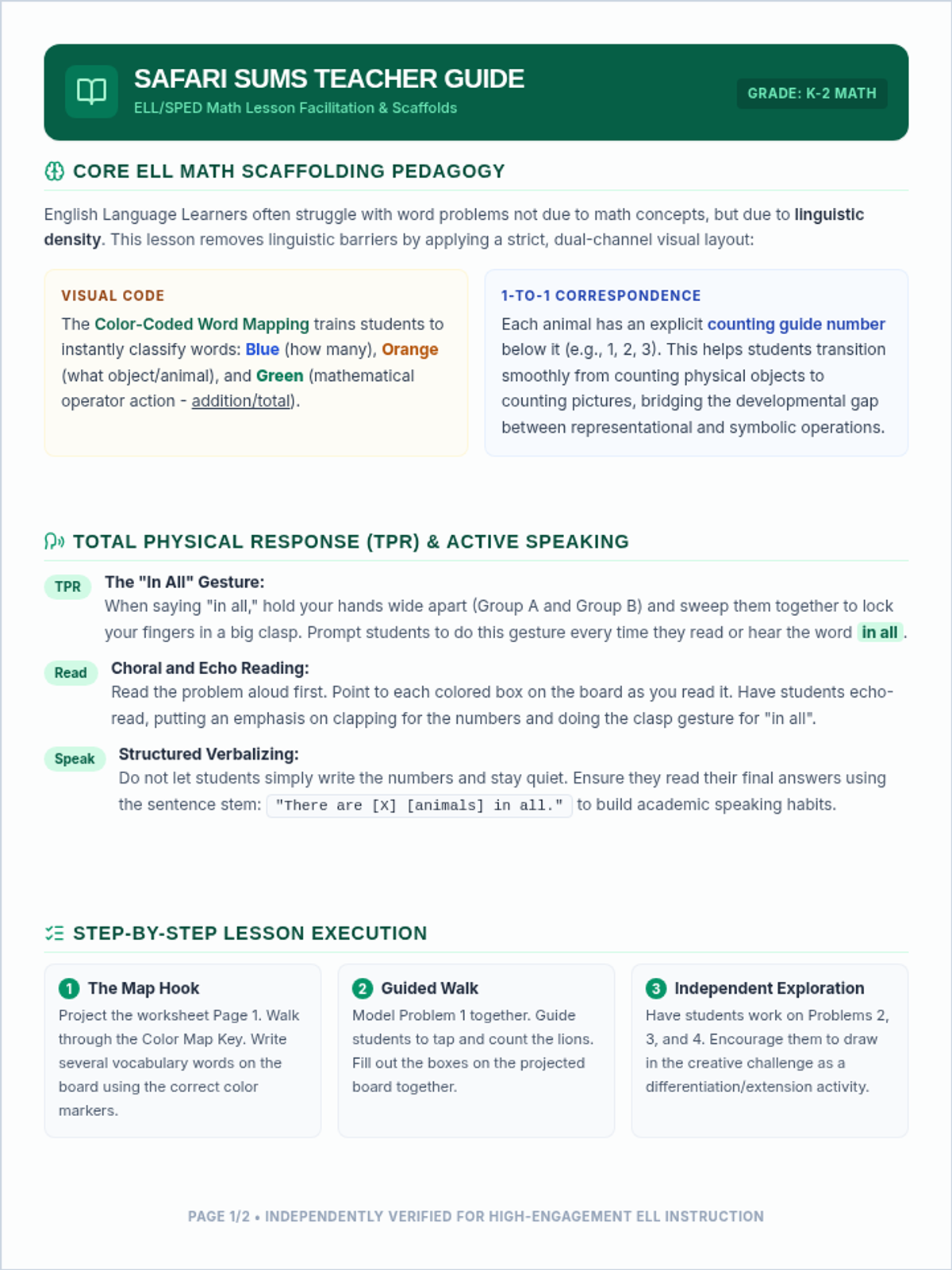
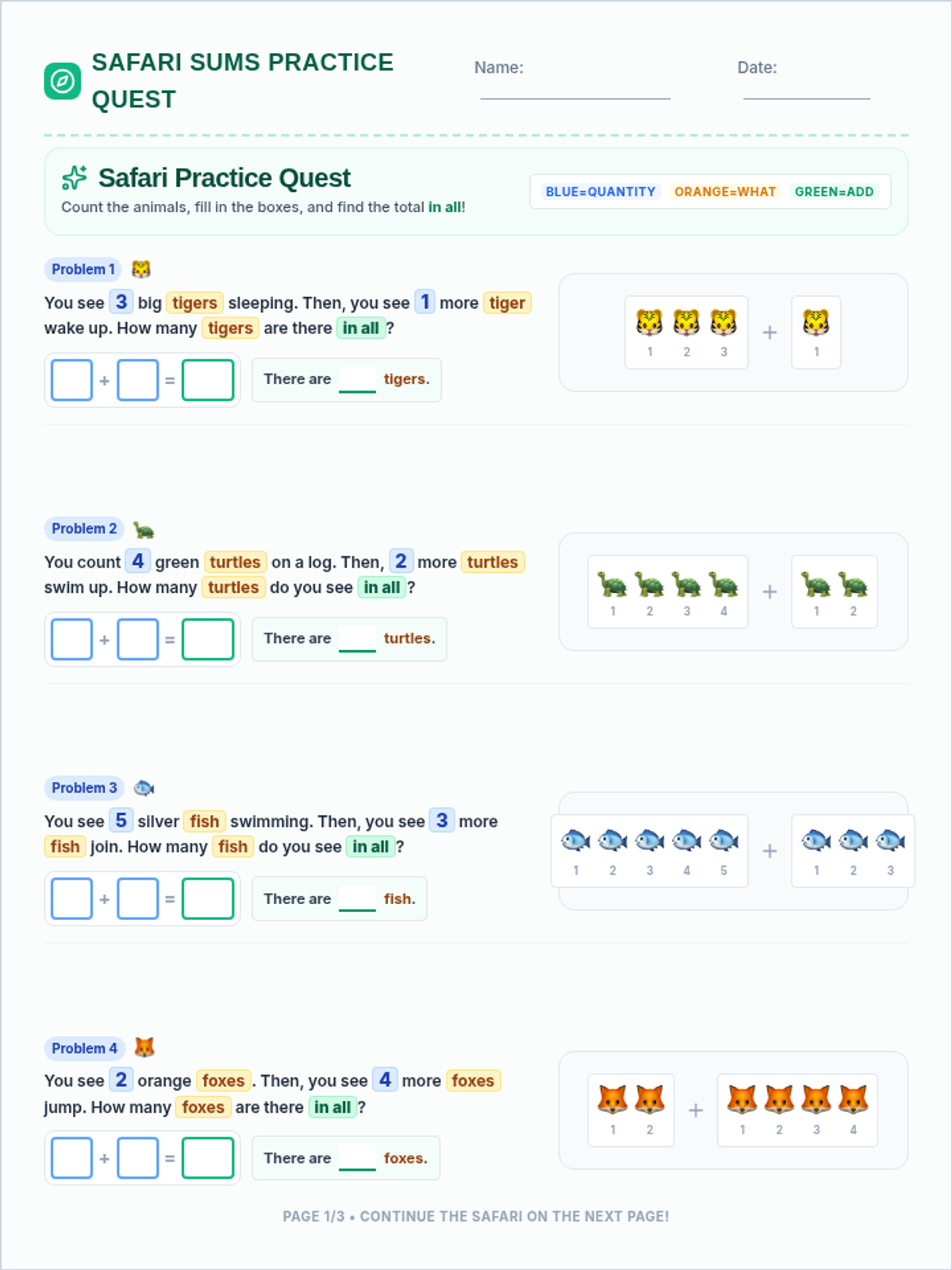
A visual addition lesson designed for English Language Learners (ELL) to master single-digit word problems. It utilizes a Safari theme, clear icon-based pictorial support, and color-coded text highlighting to build confidence in identifying quantities, key nouns, and the 'in all' action cue.
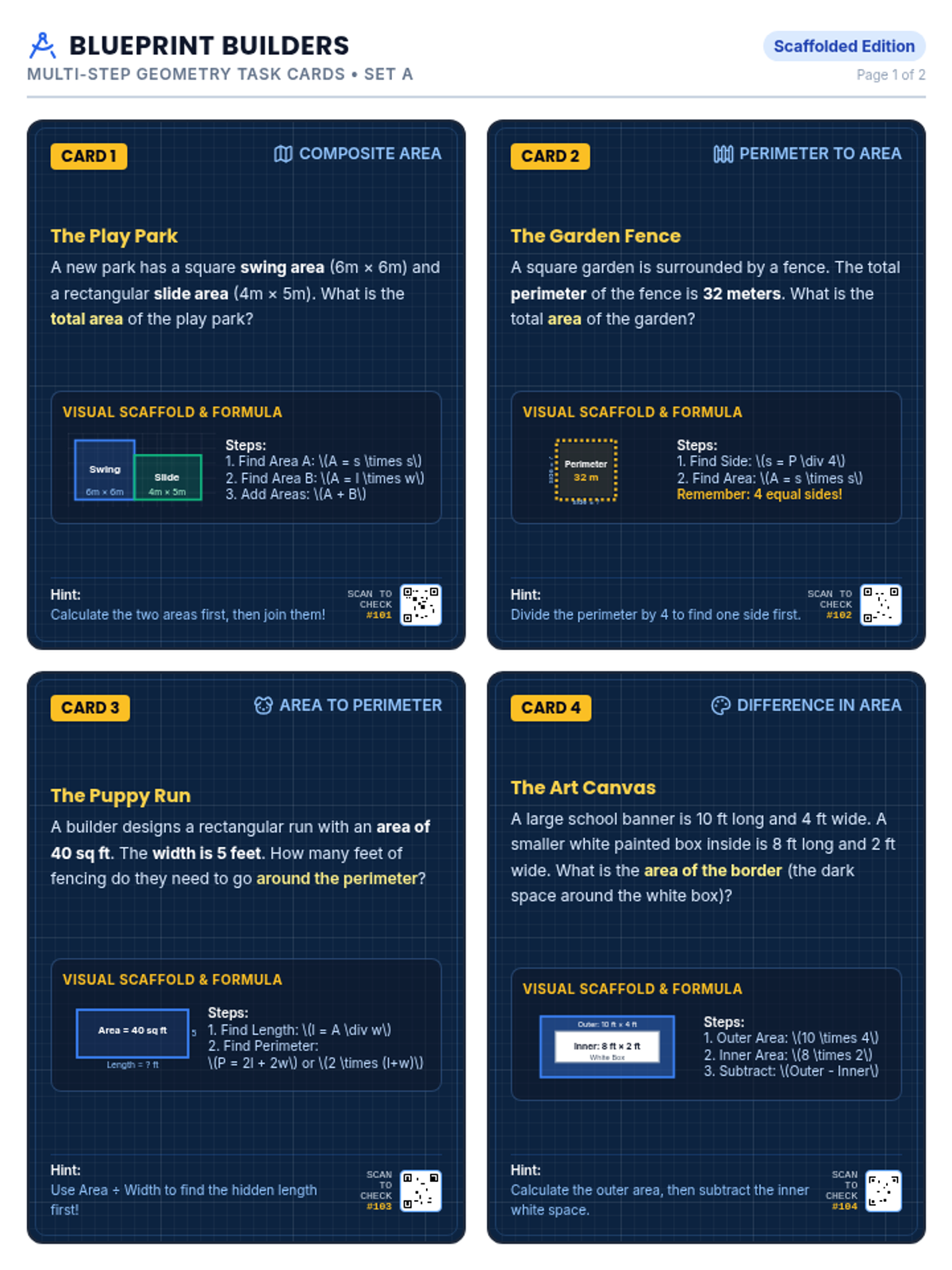
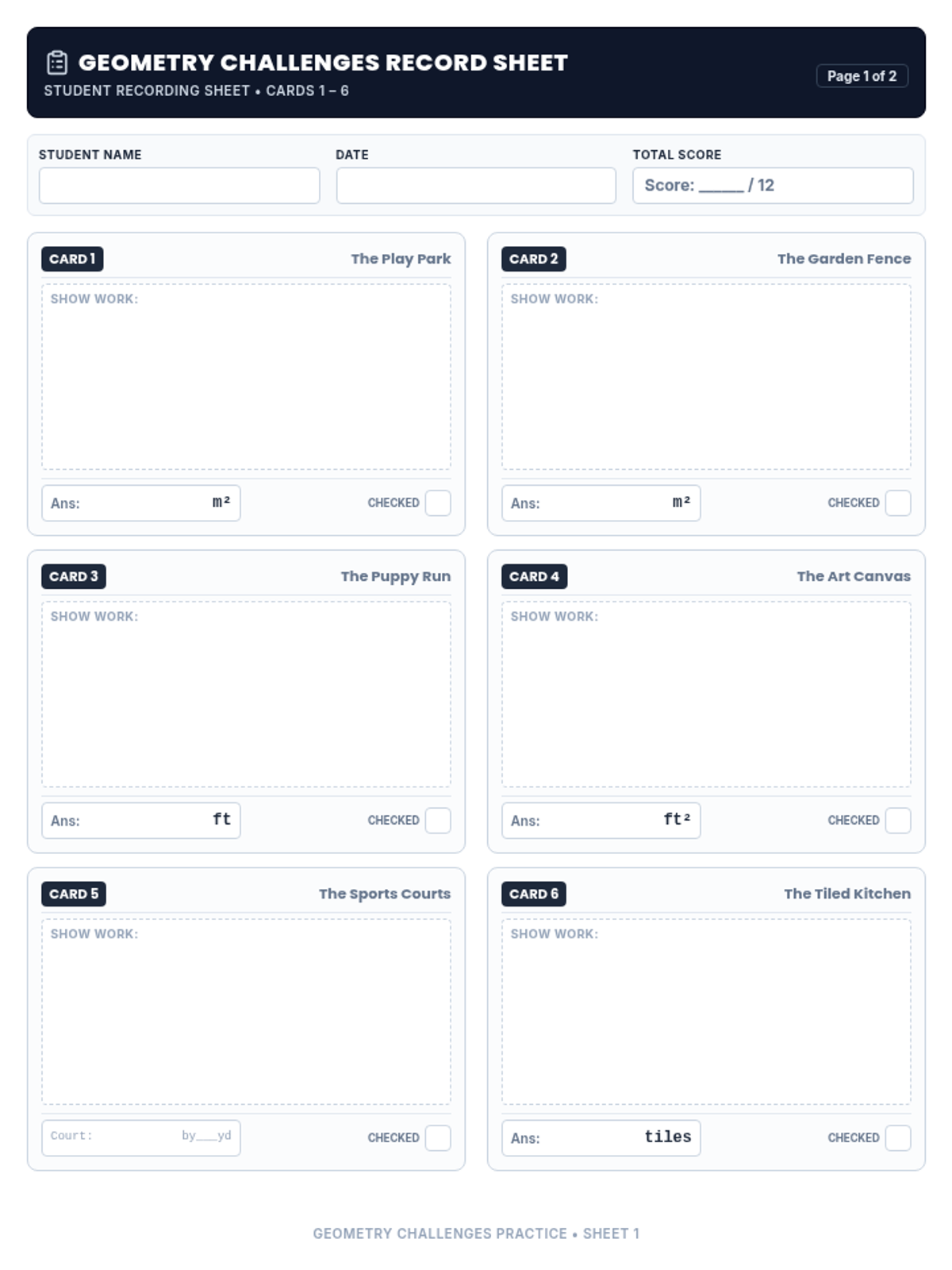
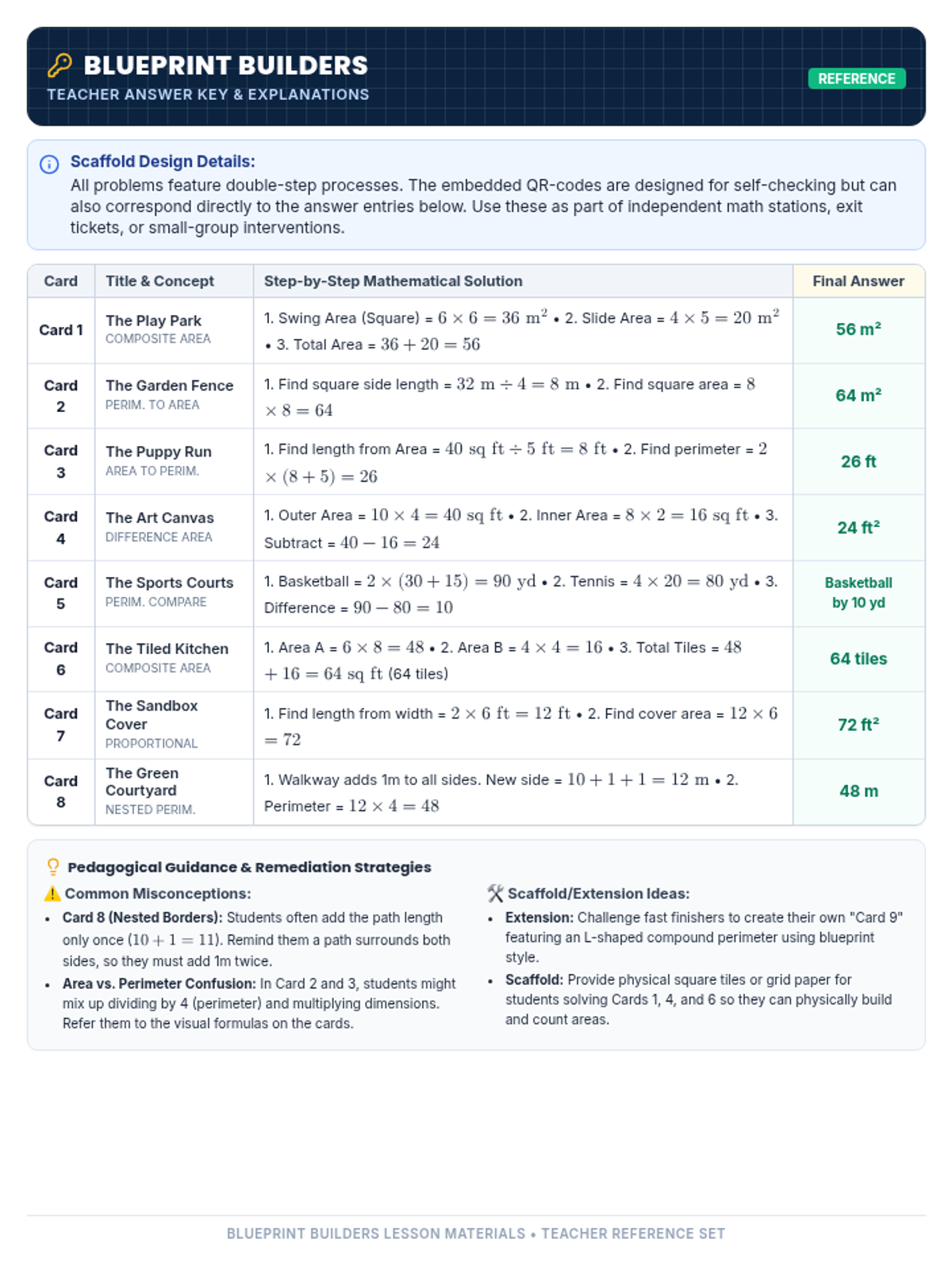
A minimalist, high-contrast geometry lesson where students solve multi-step area and perimeter problems. It features clean, print-friendly task cards with visual scaffolds and simplified language to support diverse learners.
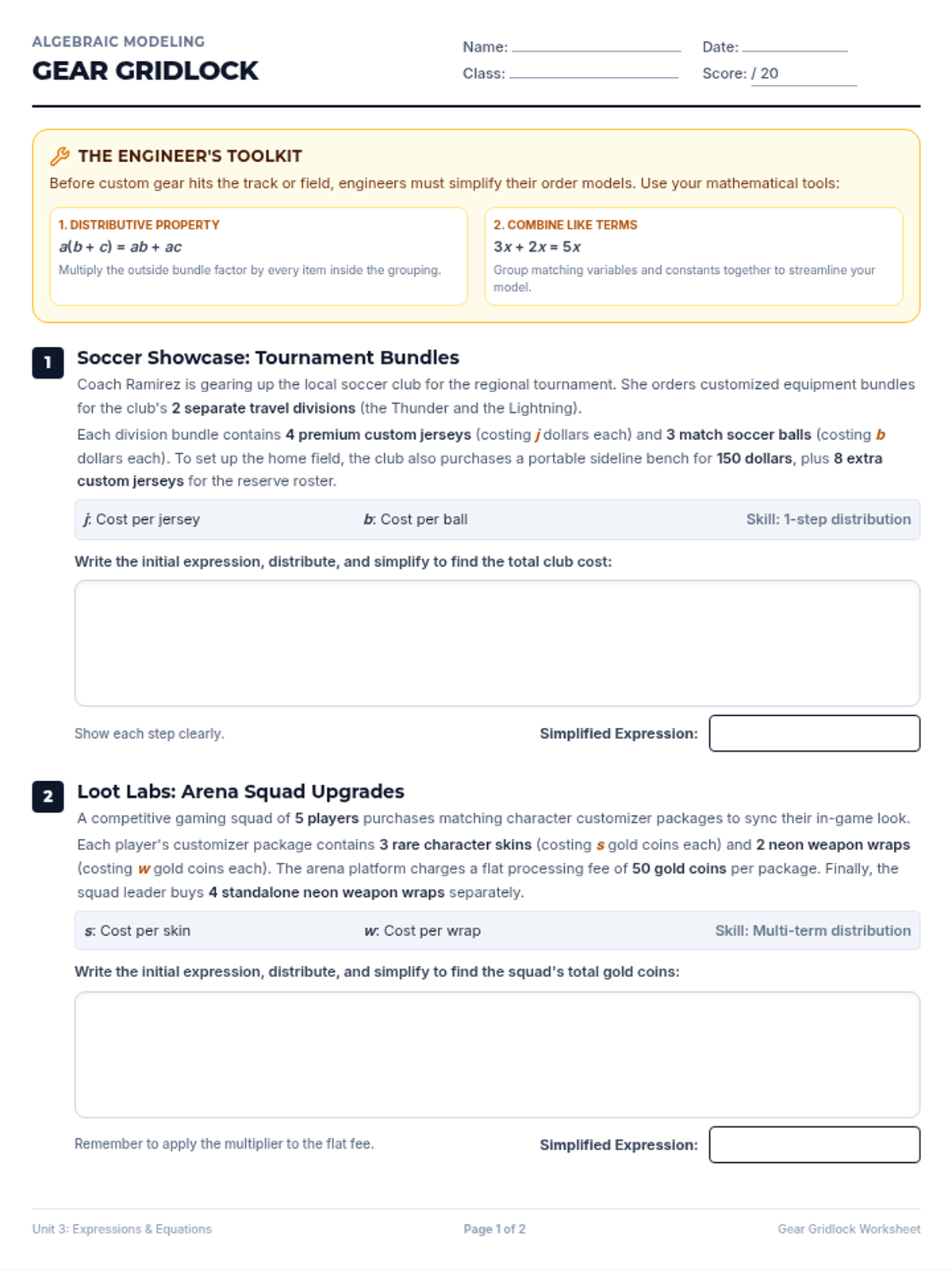
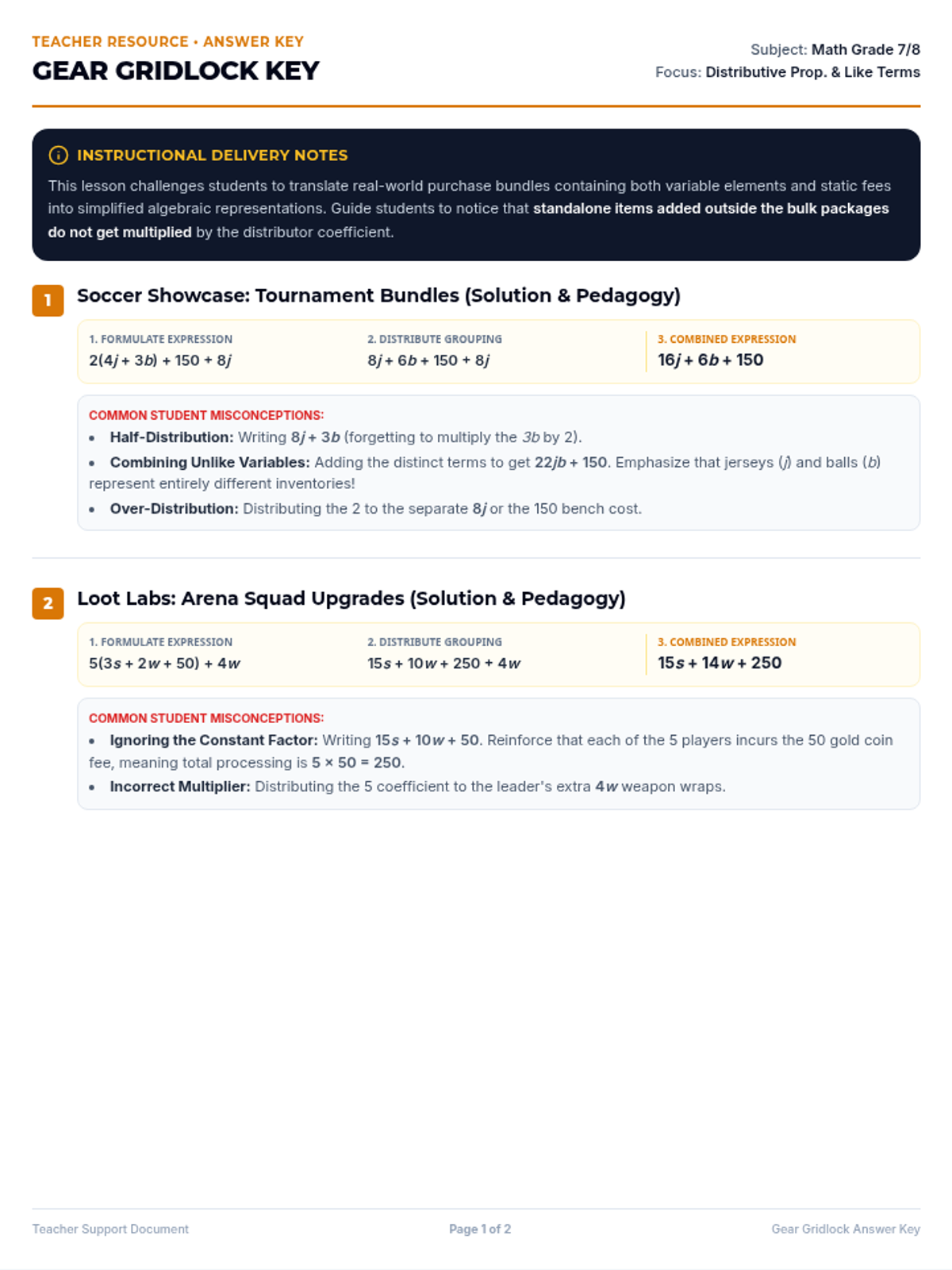
A middle school algebraic modeling lesson. Students use the distributive property and combine like terms to simplify expressions inspired by real-world gears, soccer bundles, customized sneakers, gaming loot packages, and dirt bike maintenance packs.
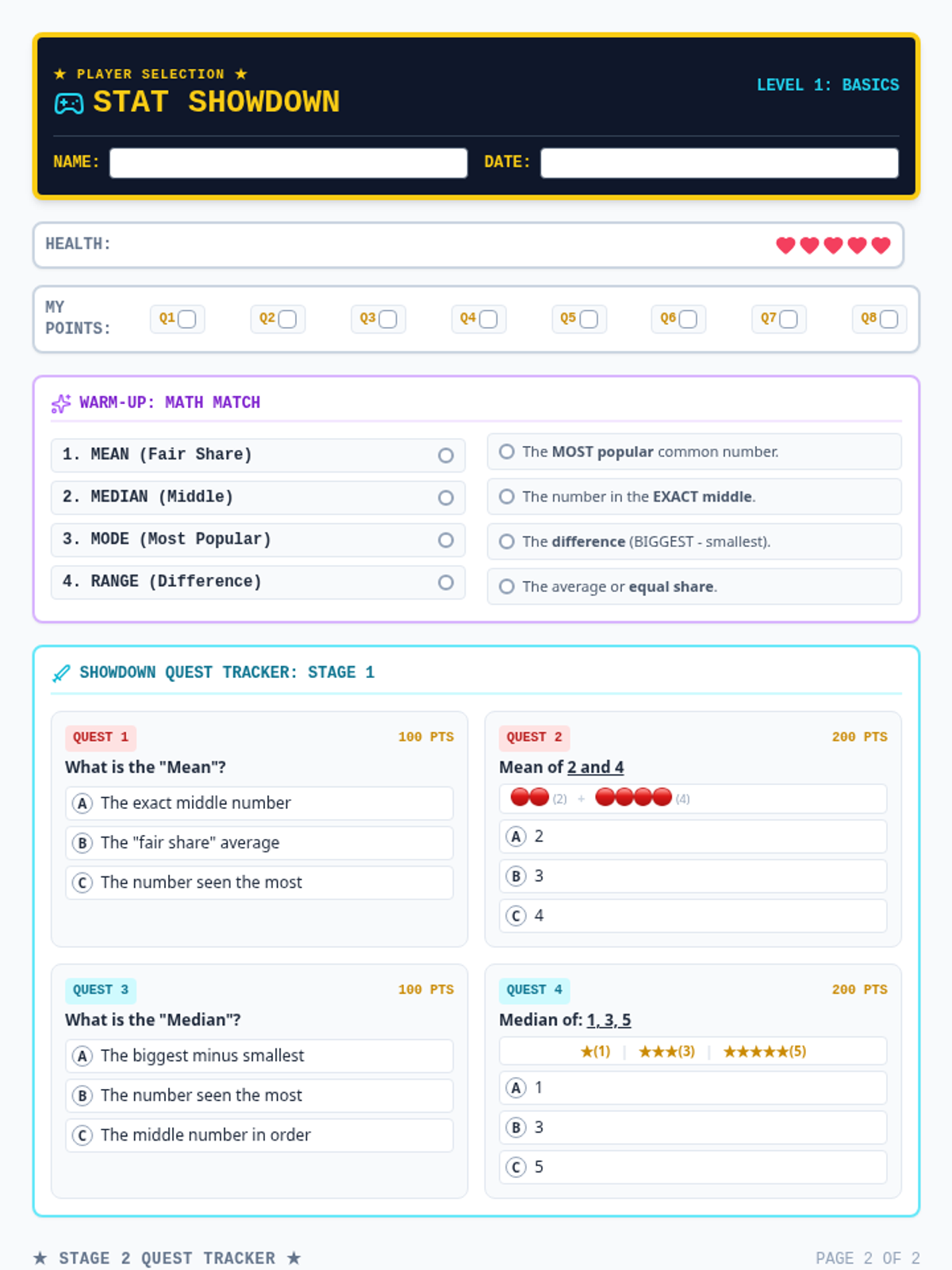
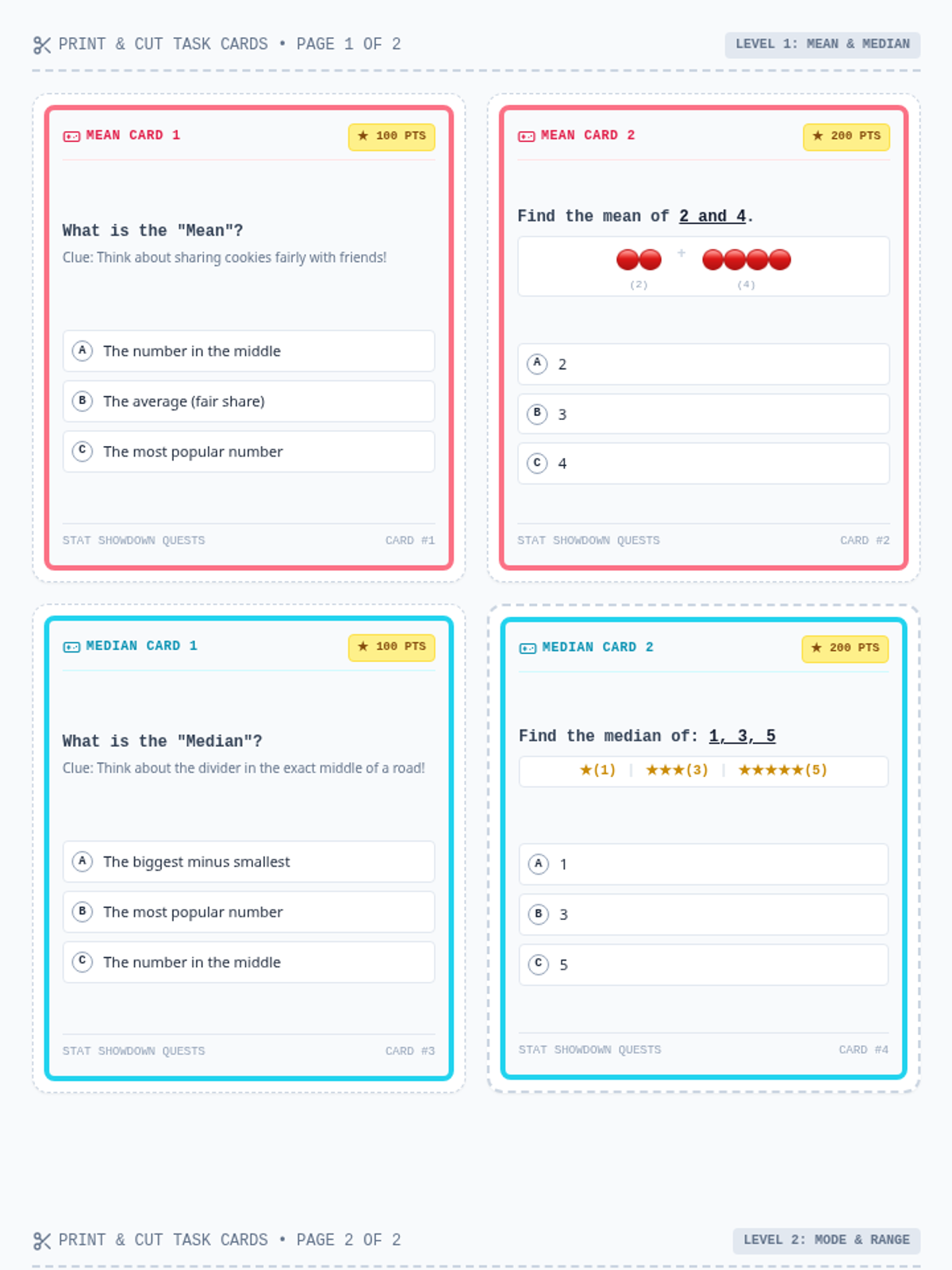
A retro-arcade themed lesson on mean, median, mode, and range modified for IEP students. Features simplified definition-focused questions, single-digit numbers with visual counters, and multiple-choice options.
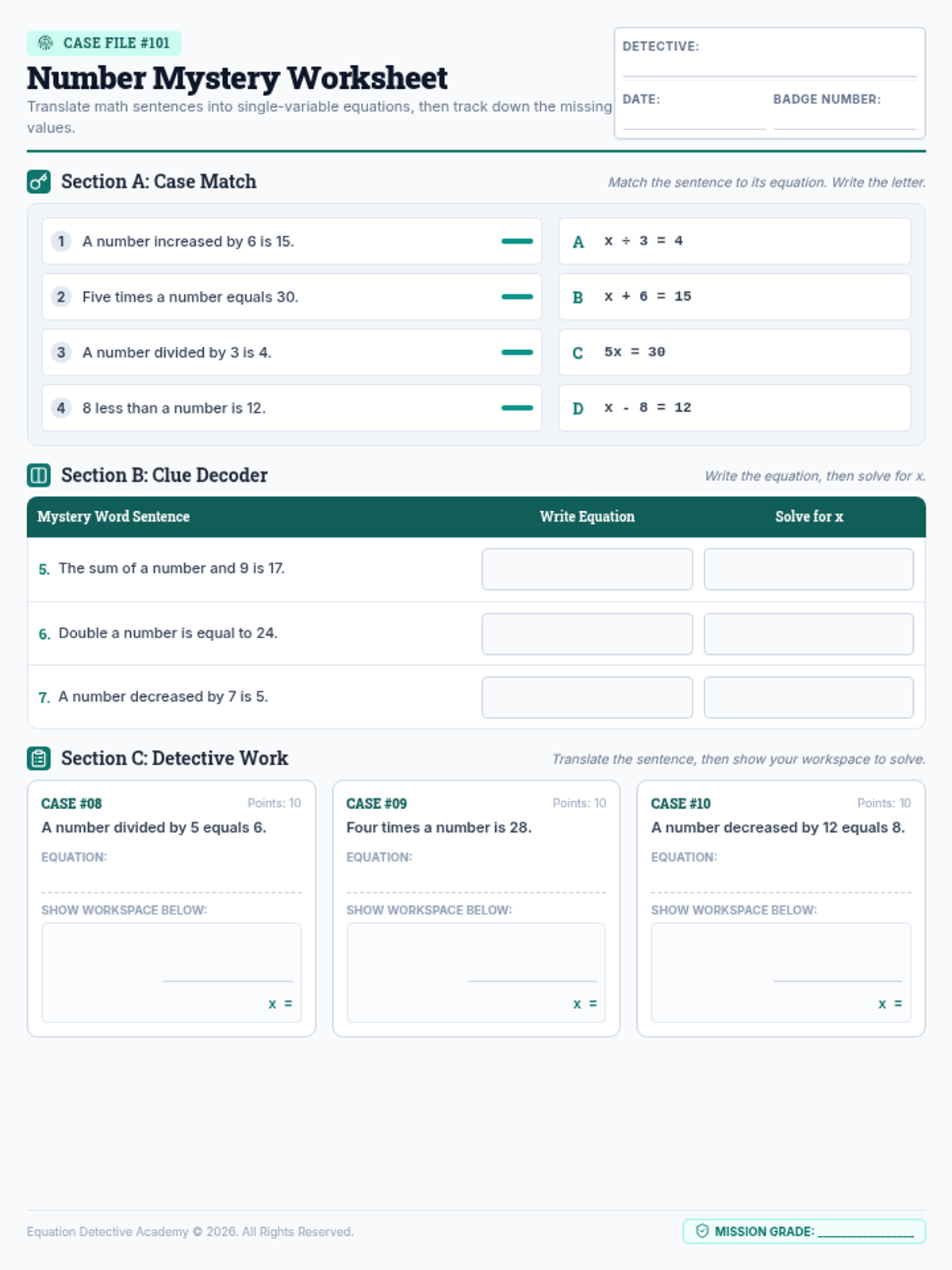
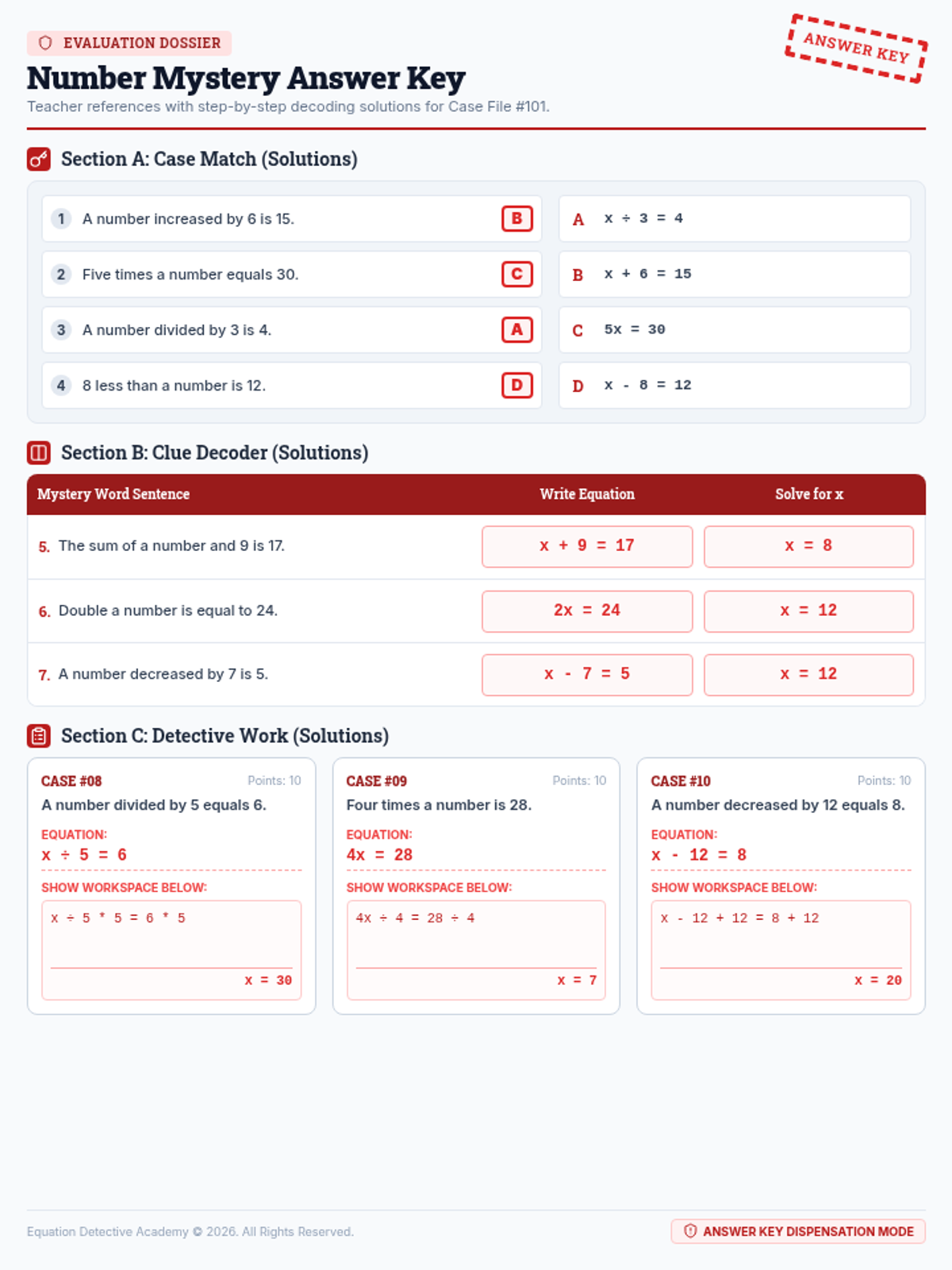
A beginner-friendly algebra lesson focused on translating word sentences into single-variable equations and solving them. Students learn to decode mathematical language and apply inverse operations using only positive whole numbers.
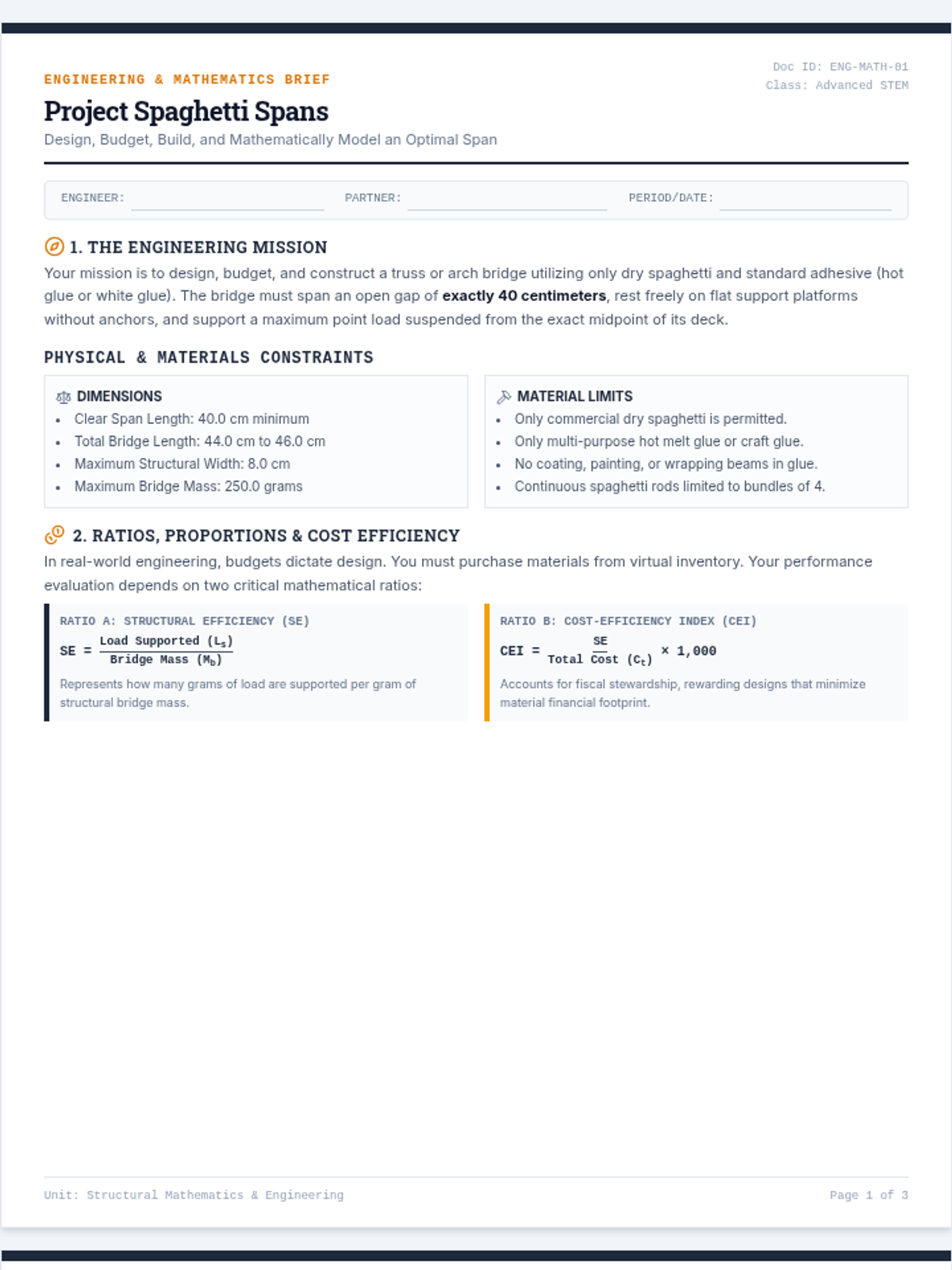
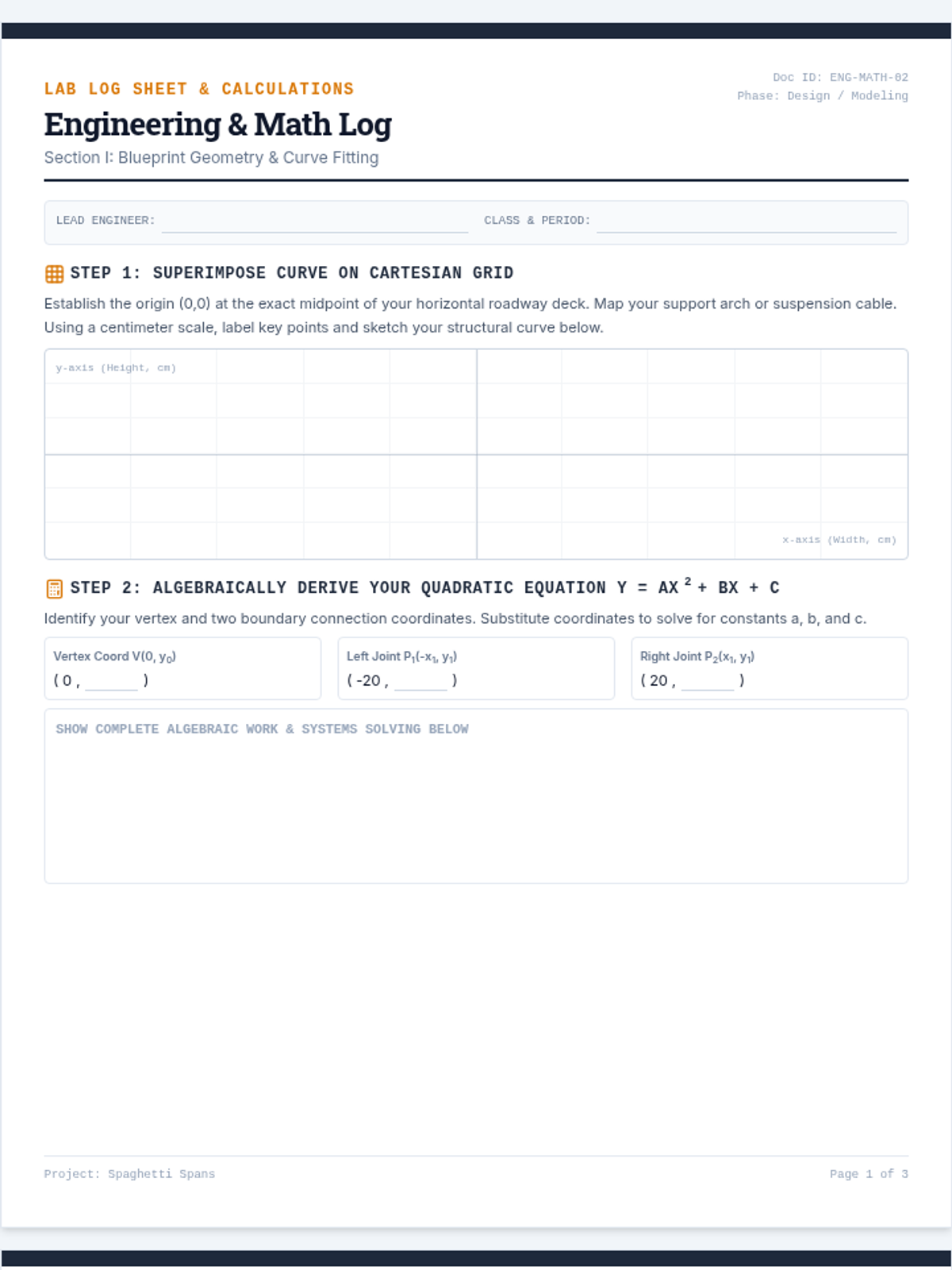
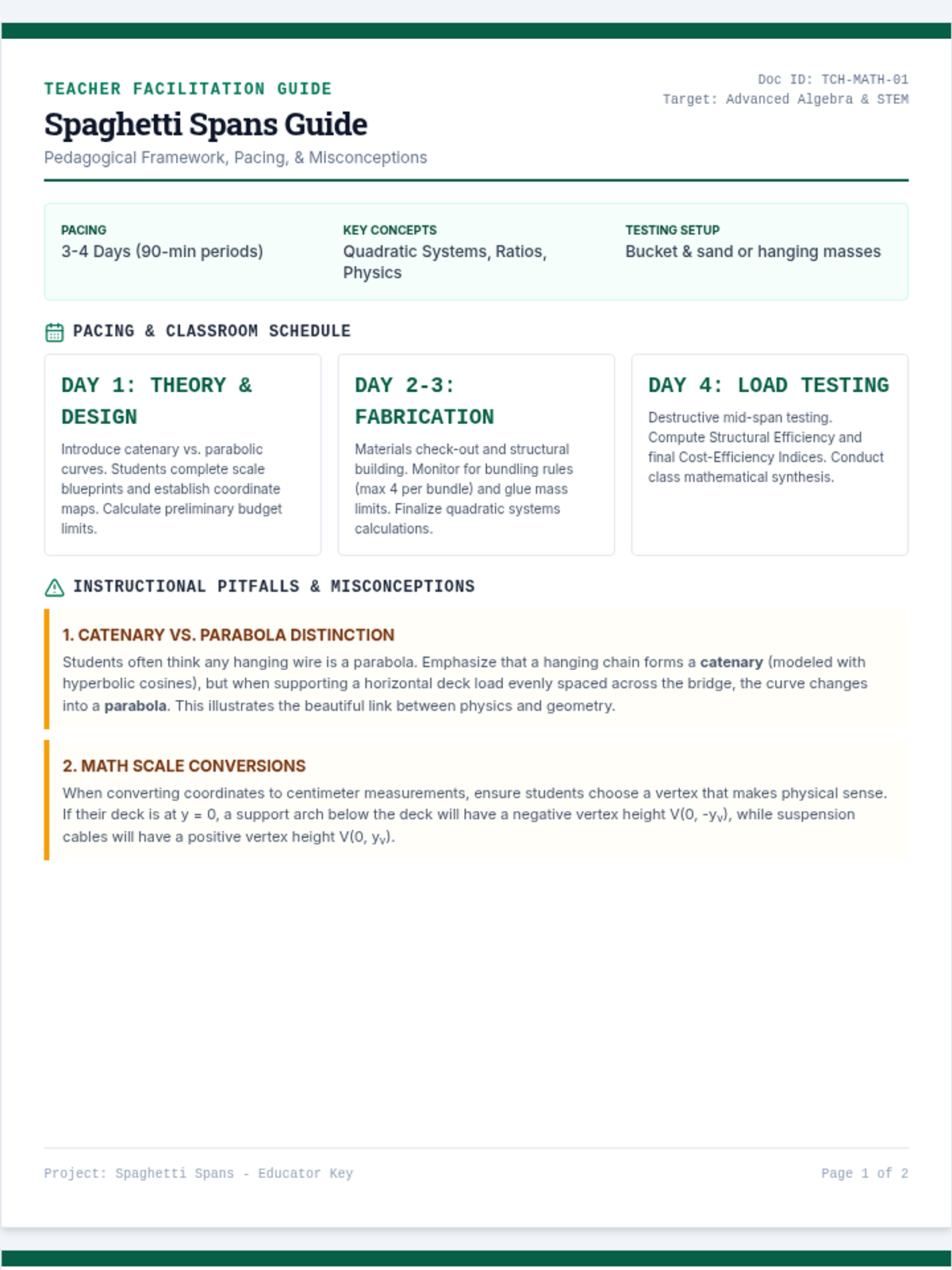
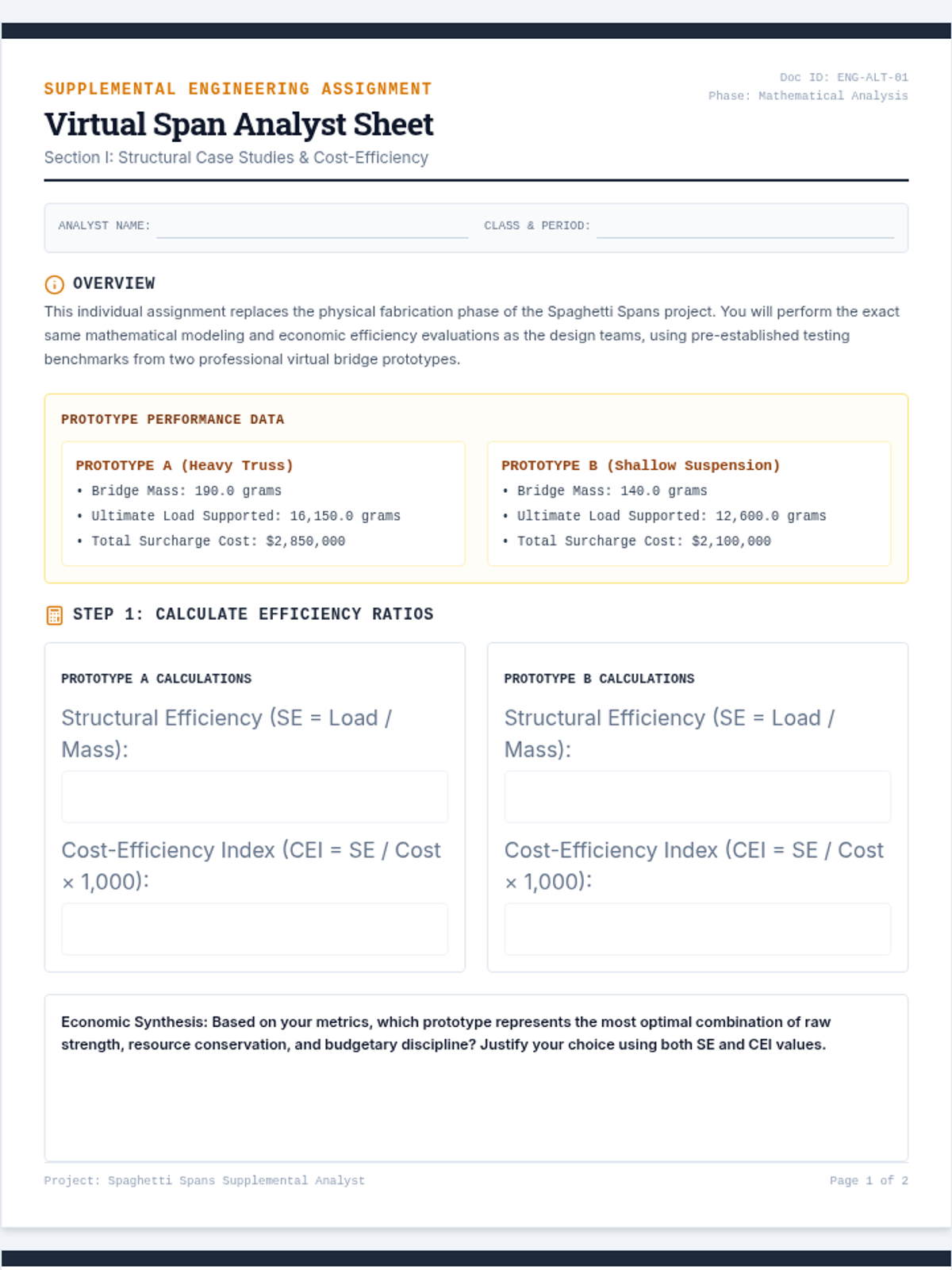
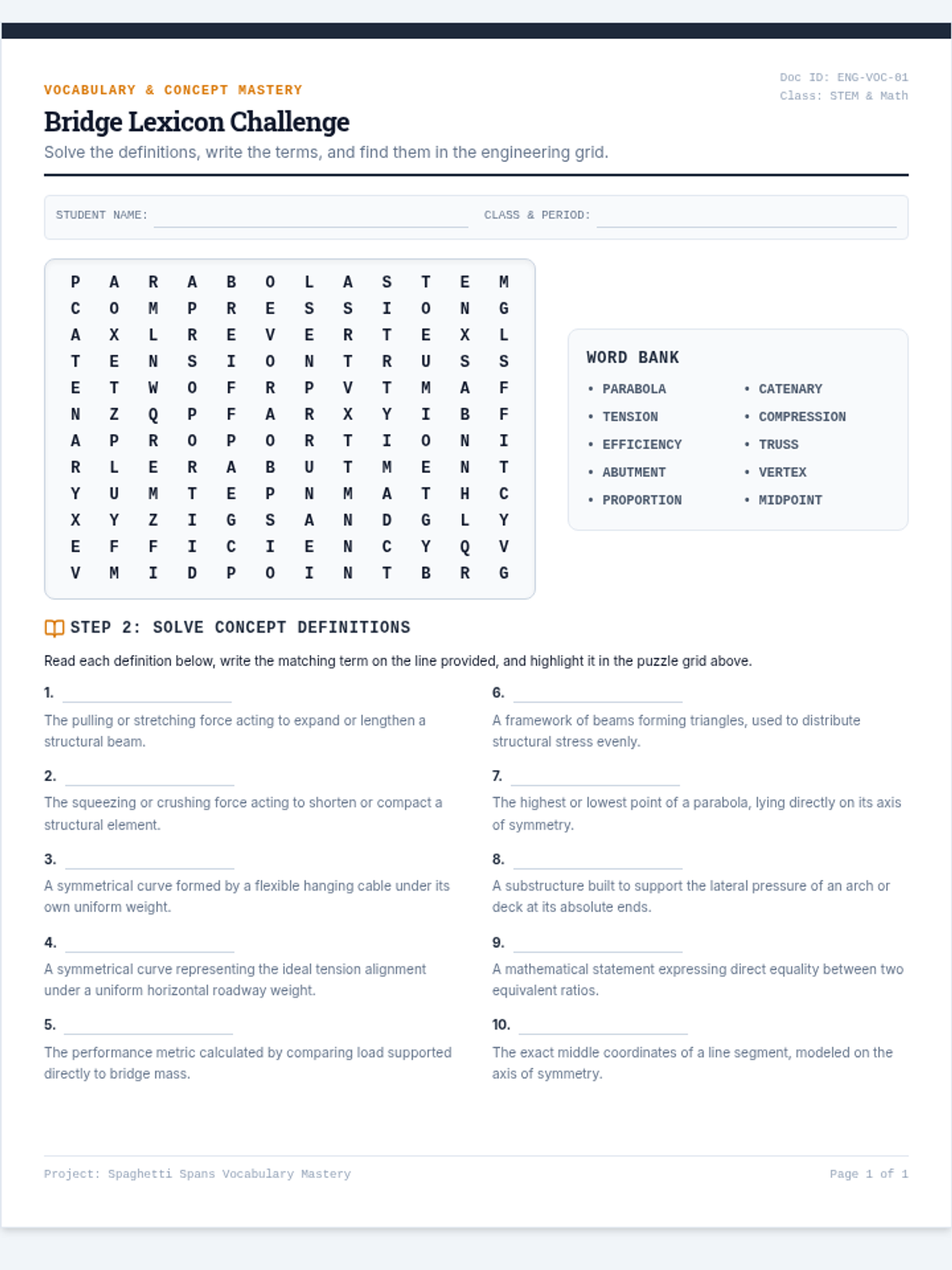
A rigorous STEM project combining structural engineering with advanced mathematics. Students design, budget, build, and test spaghetti bridges using ratios, proportions, cost-efficiency metrics, quadratic modeling, and catenary curves.
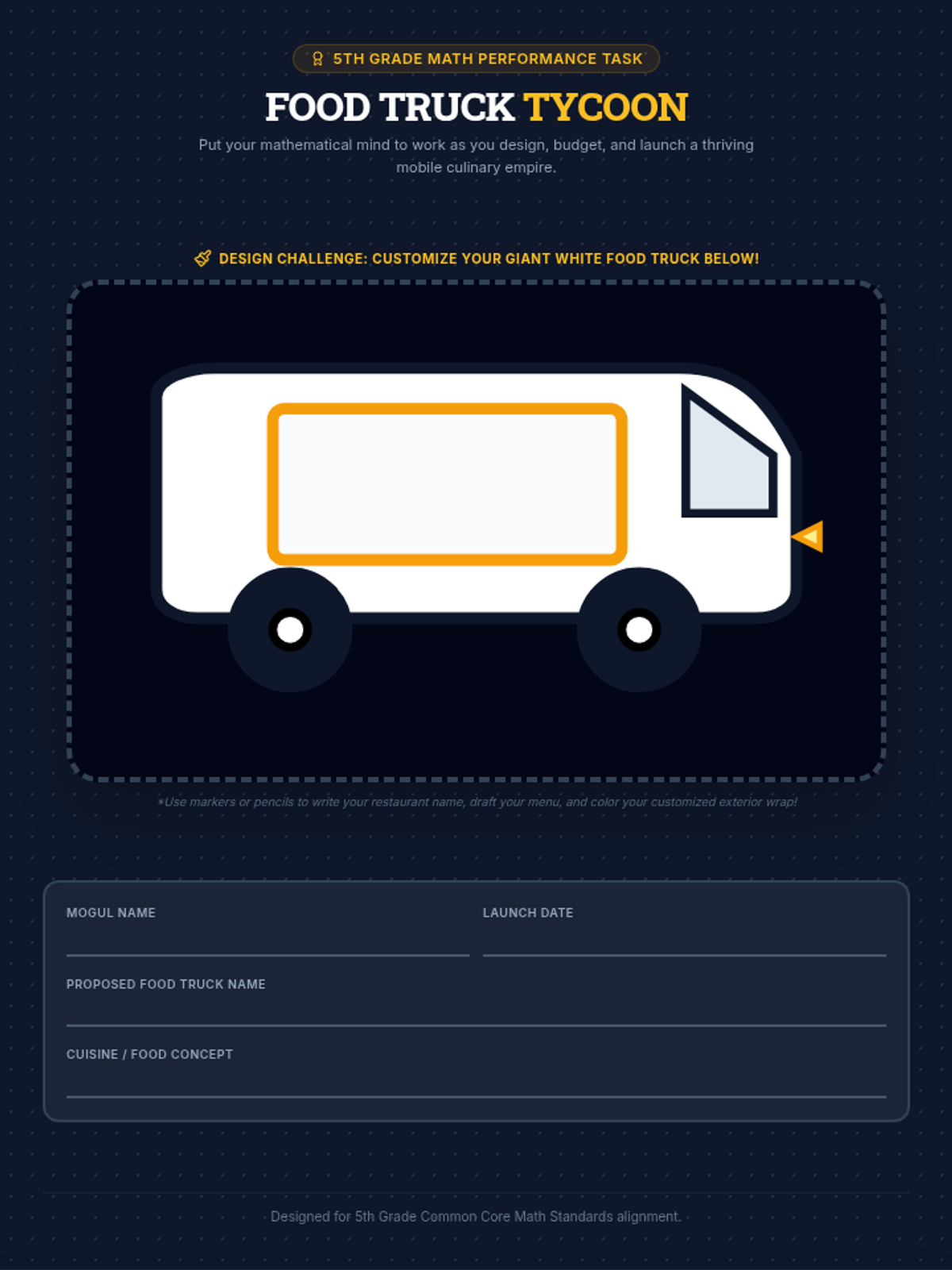
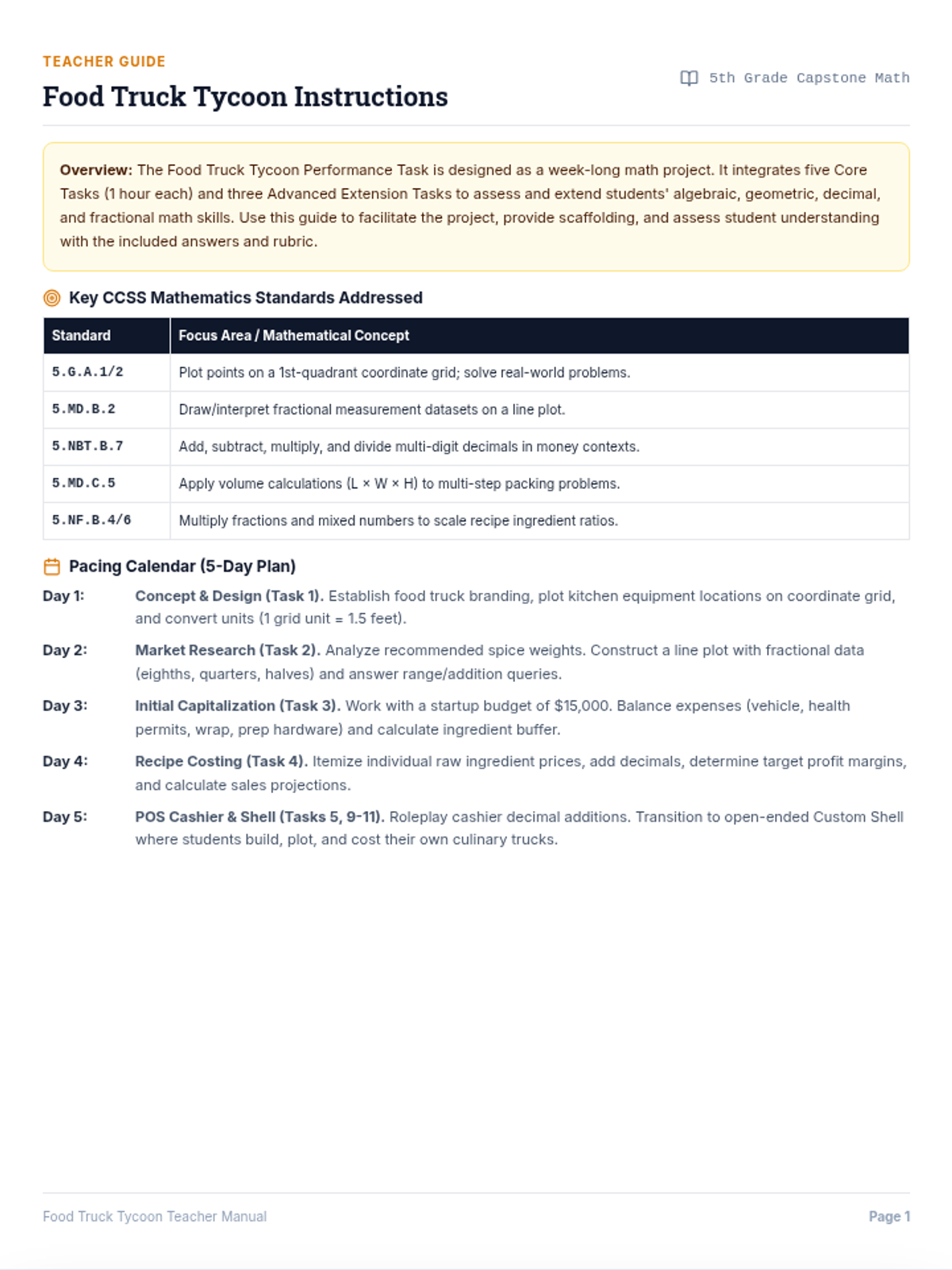
A comprehensive, 5th-grade math performance task where students plan, budget, and operate their own food truck business. Includes a student workbook covering coordinates, data plotting, decimal operations, and real-world budgeting, along with differentiated tasks for higher-level learners.
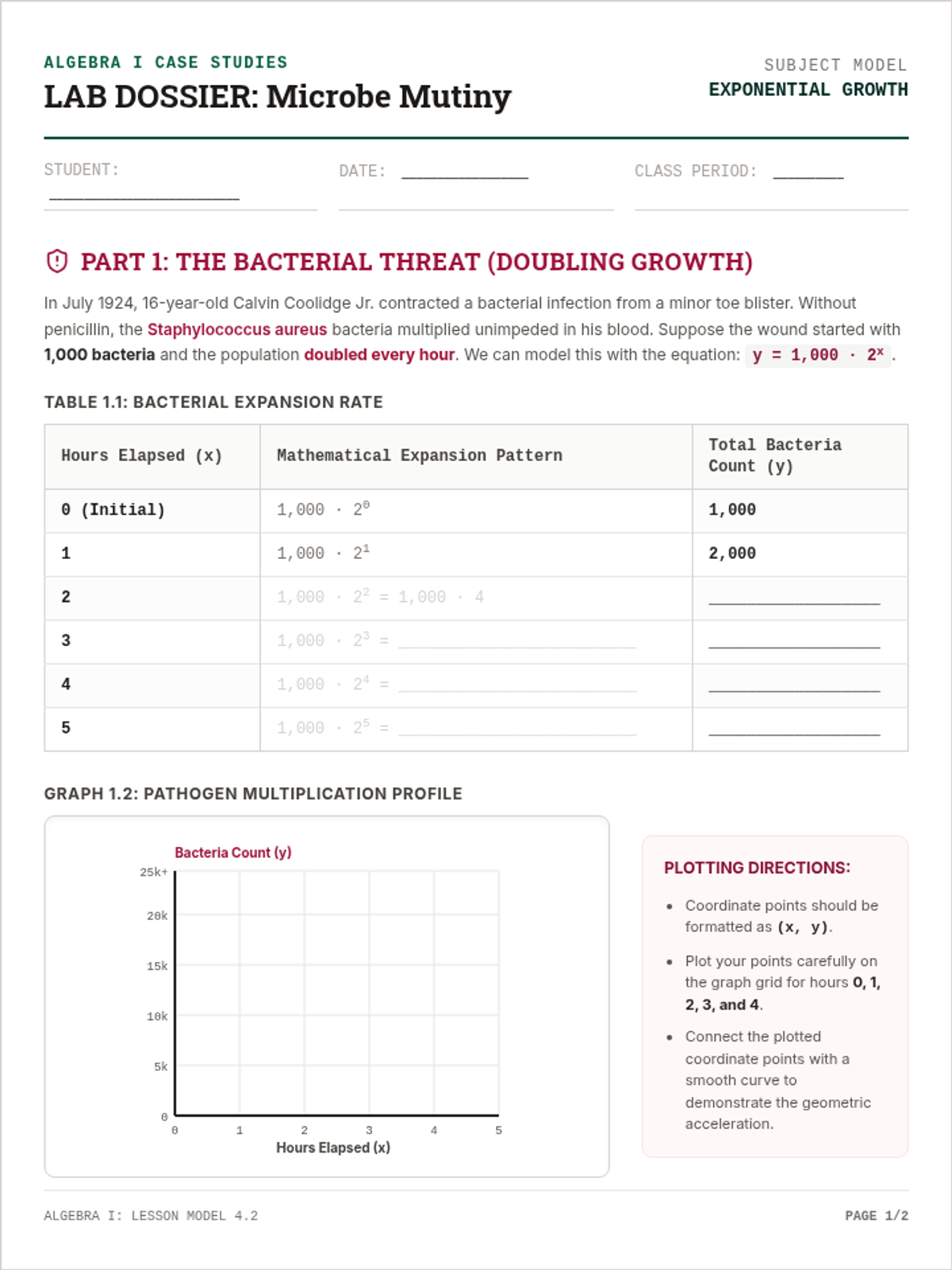
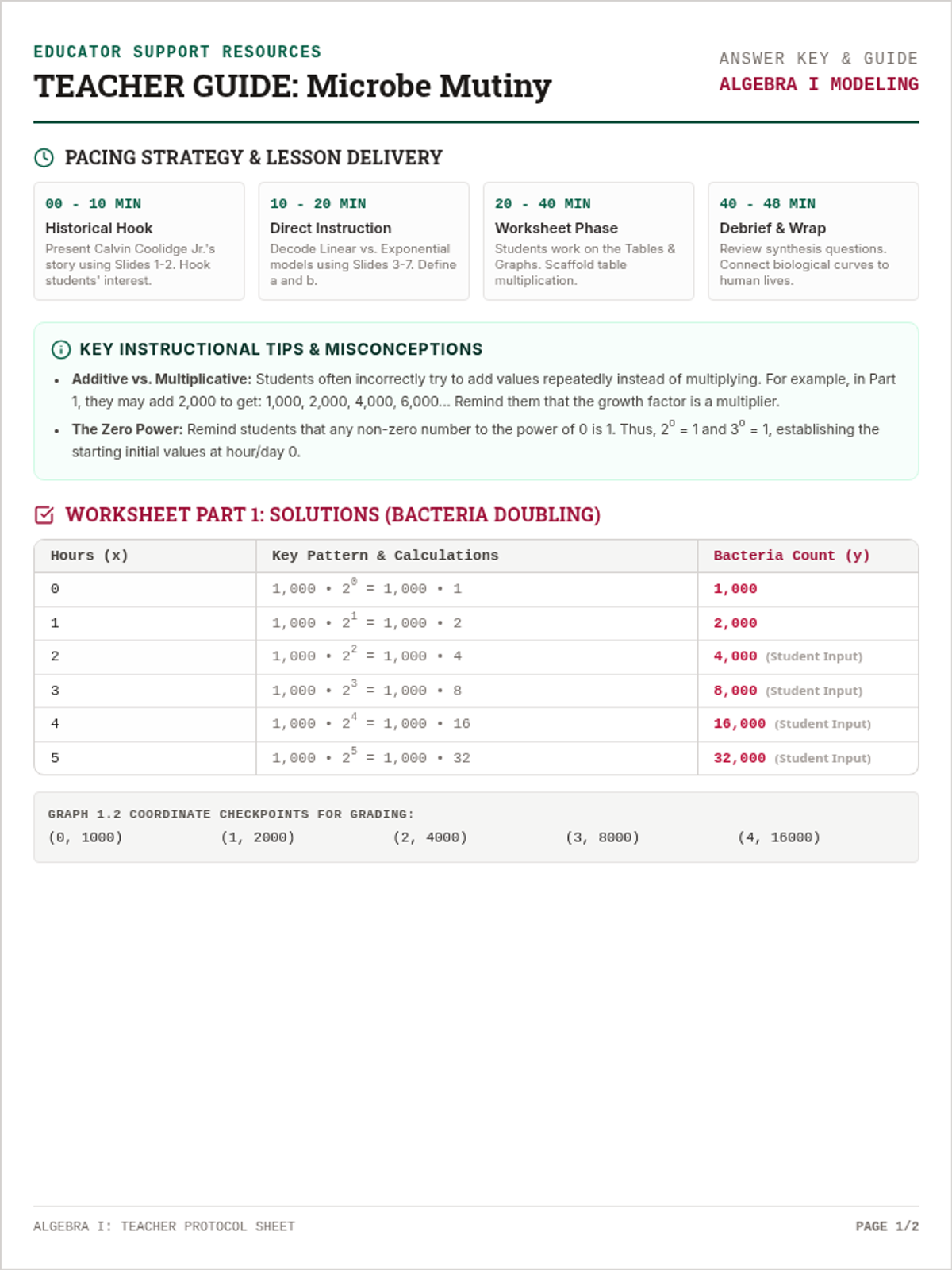
An 8th-grade Algebra lesson introducing exponential growth. Students investigate linear vs. exponential growth models by examining the tragic 1924 history of Calvin Coolidge Jr.'s fatal bacterial infection and how the exponential growth of Penicillium mold led to the discovery of life-saving penicillin.
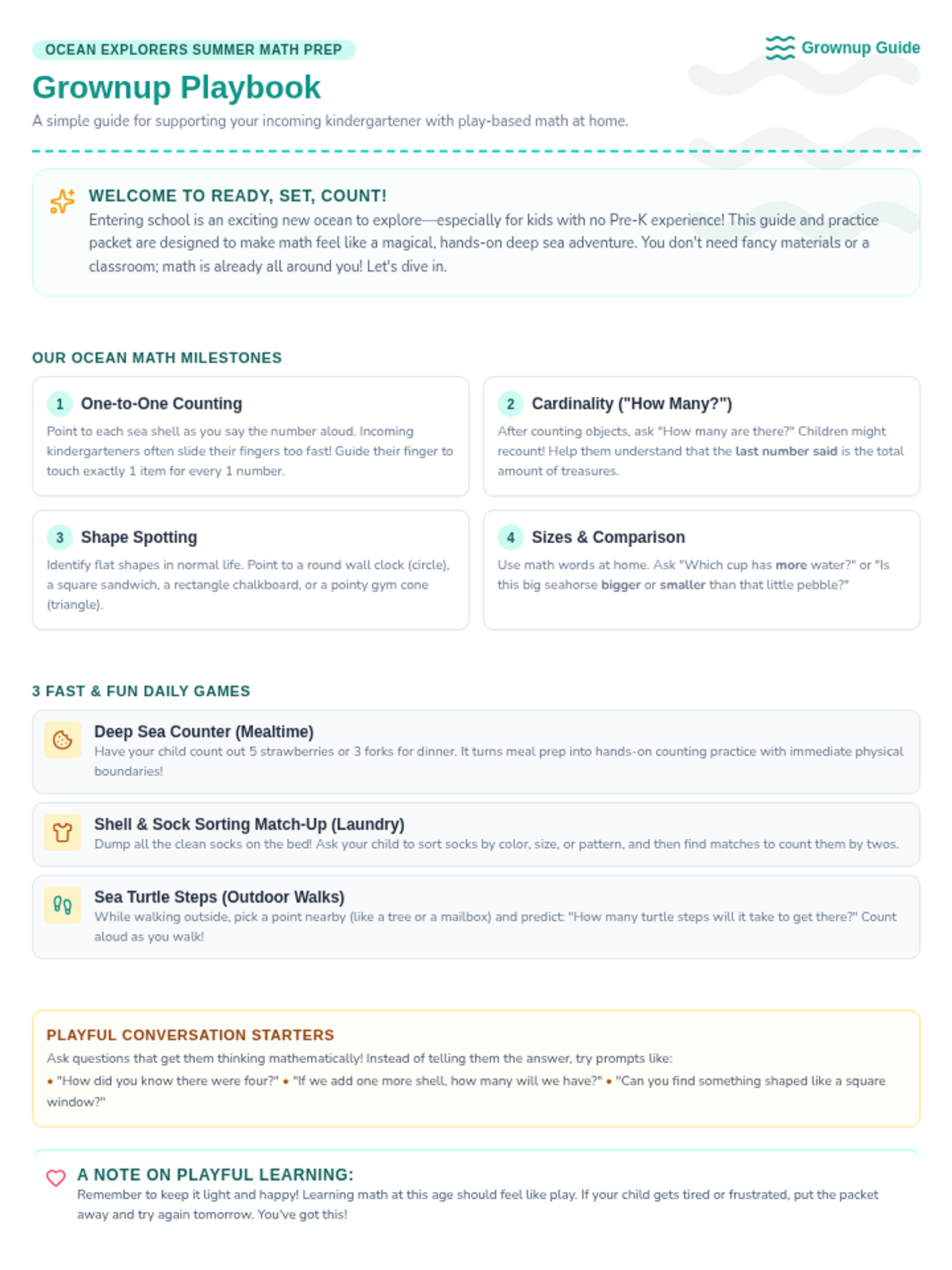
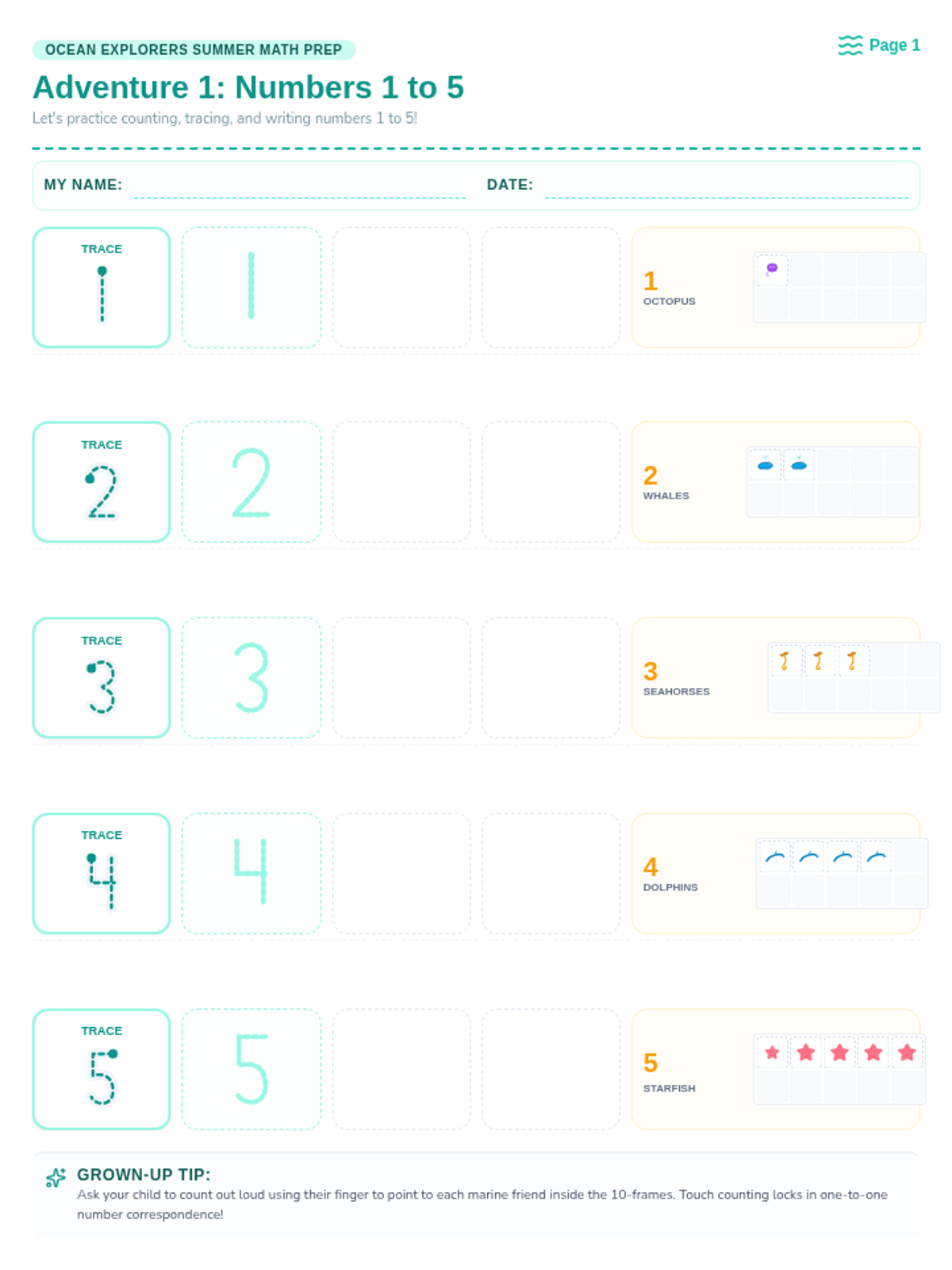
An ocean-themed summer math preparation program designed for incoming kindergarten students with no Pre-K experience, styled with a magical, kid-friendly Under the Sea theme. It provides engaging play-based practice in foundational math ready-to-learn skills.
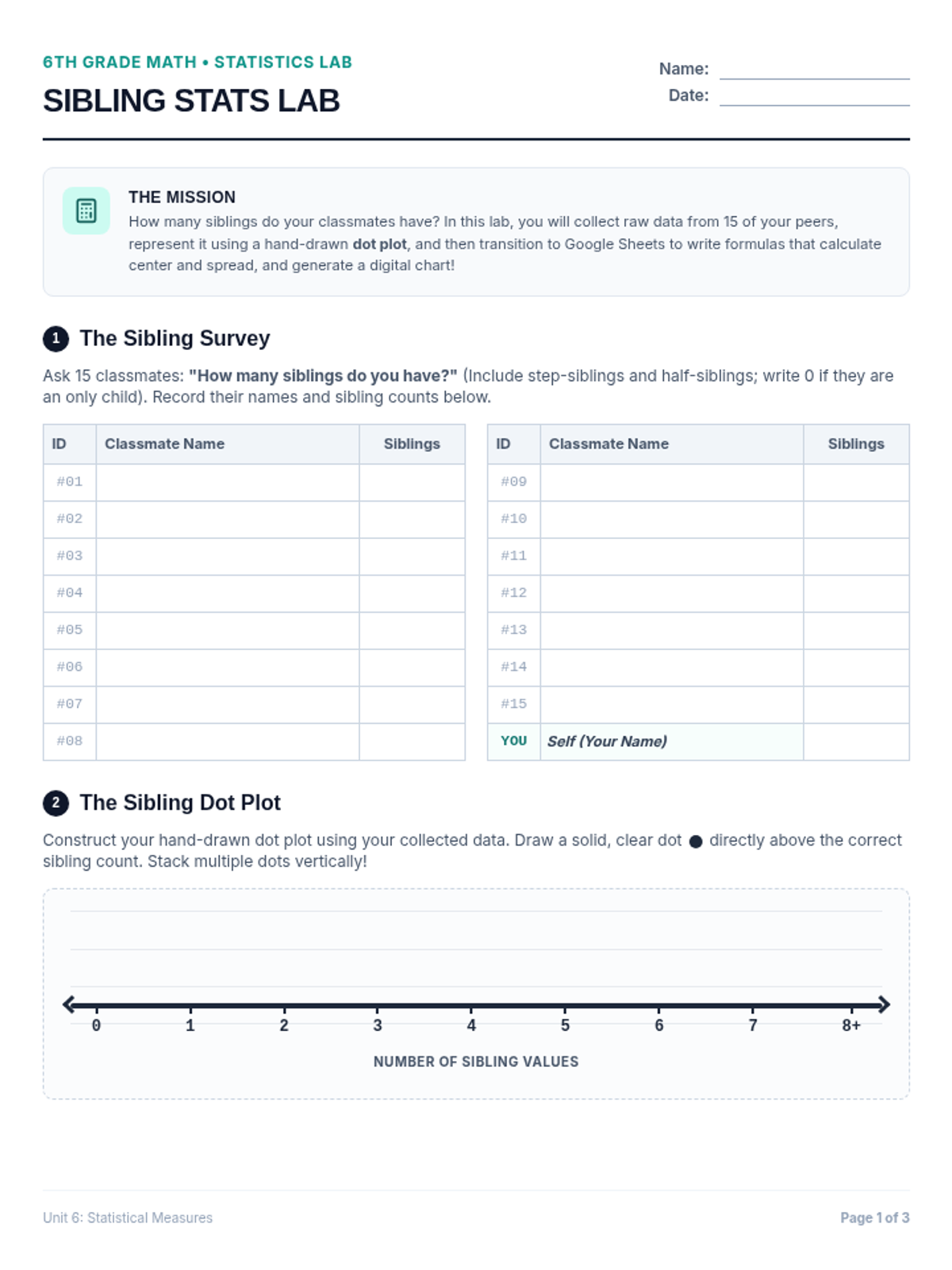
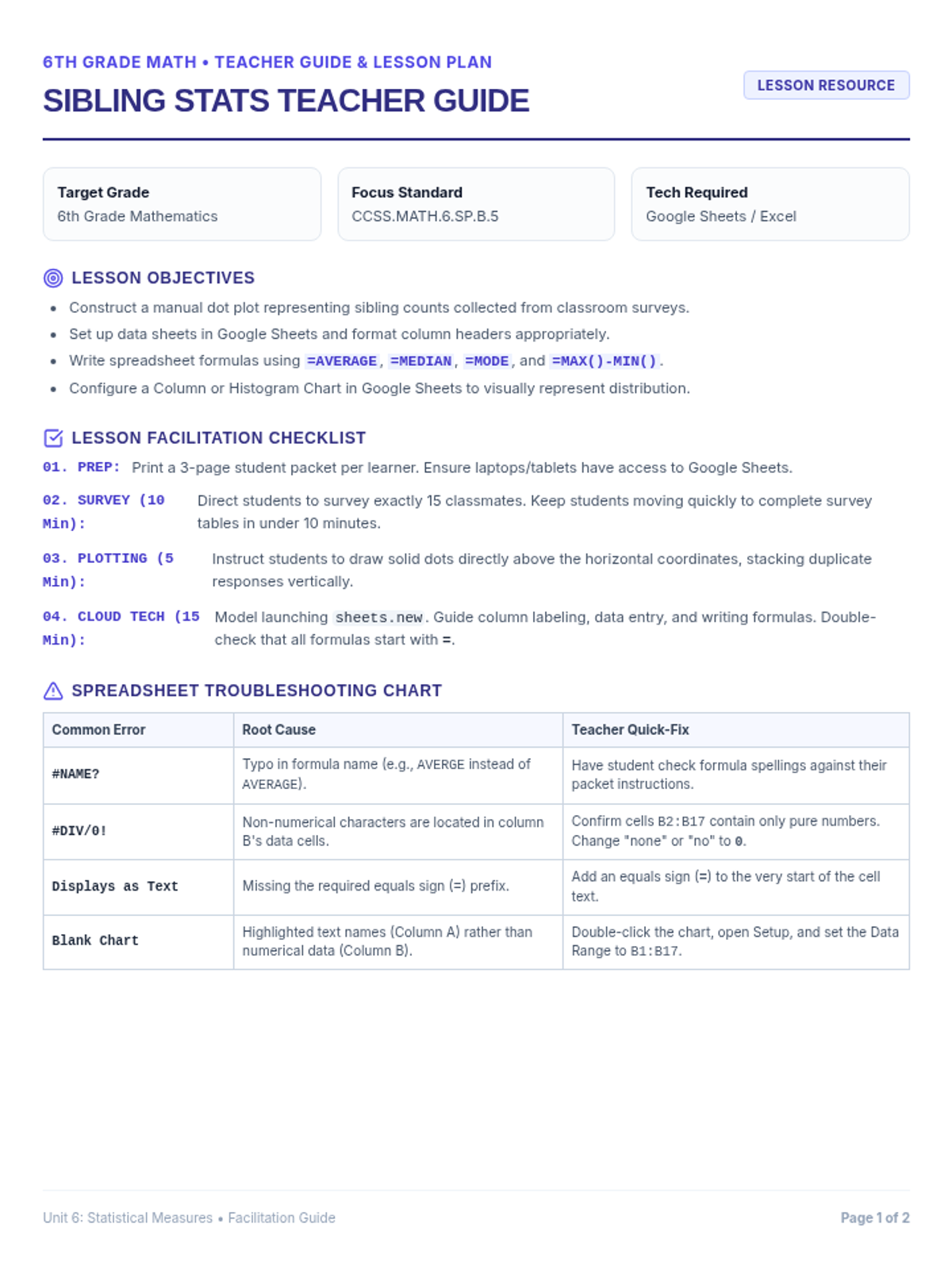
A hands-on 6th-grade statistics lesson where students collect sibling data from classmates, construct a physical dot plot, and then transition to Google Sheets to calculate key statistical measures (mean, median, mode, range) and generate digital charts.
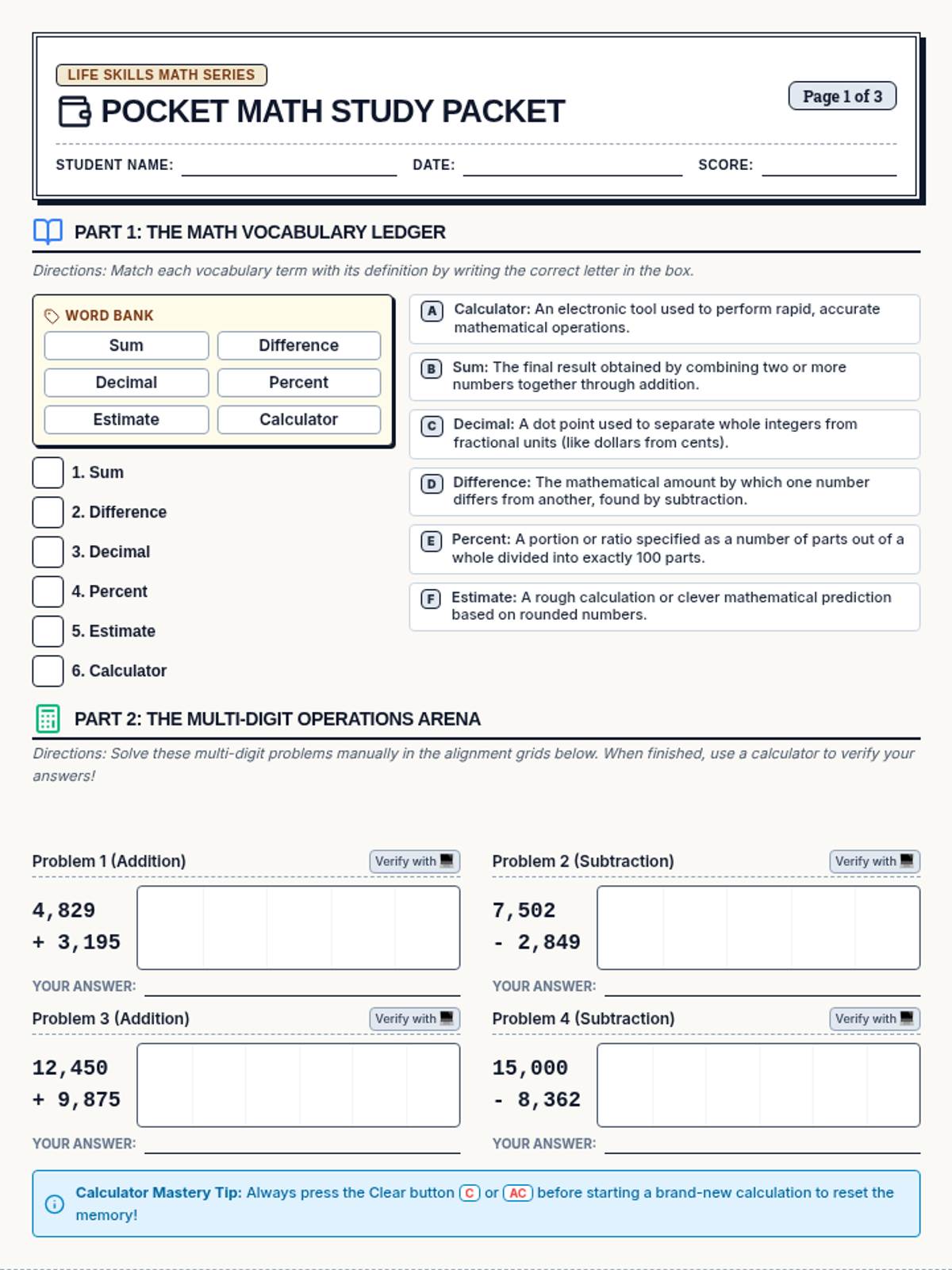
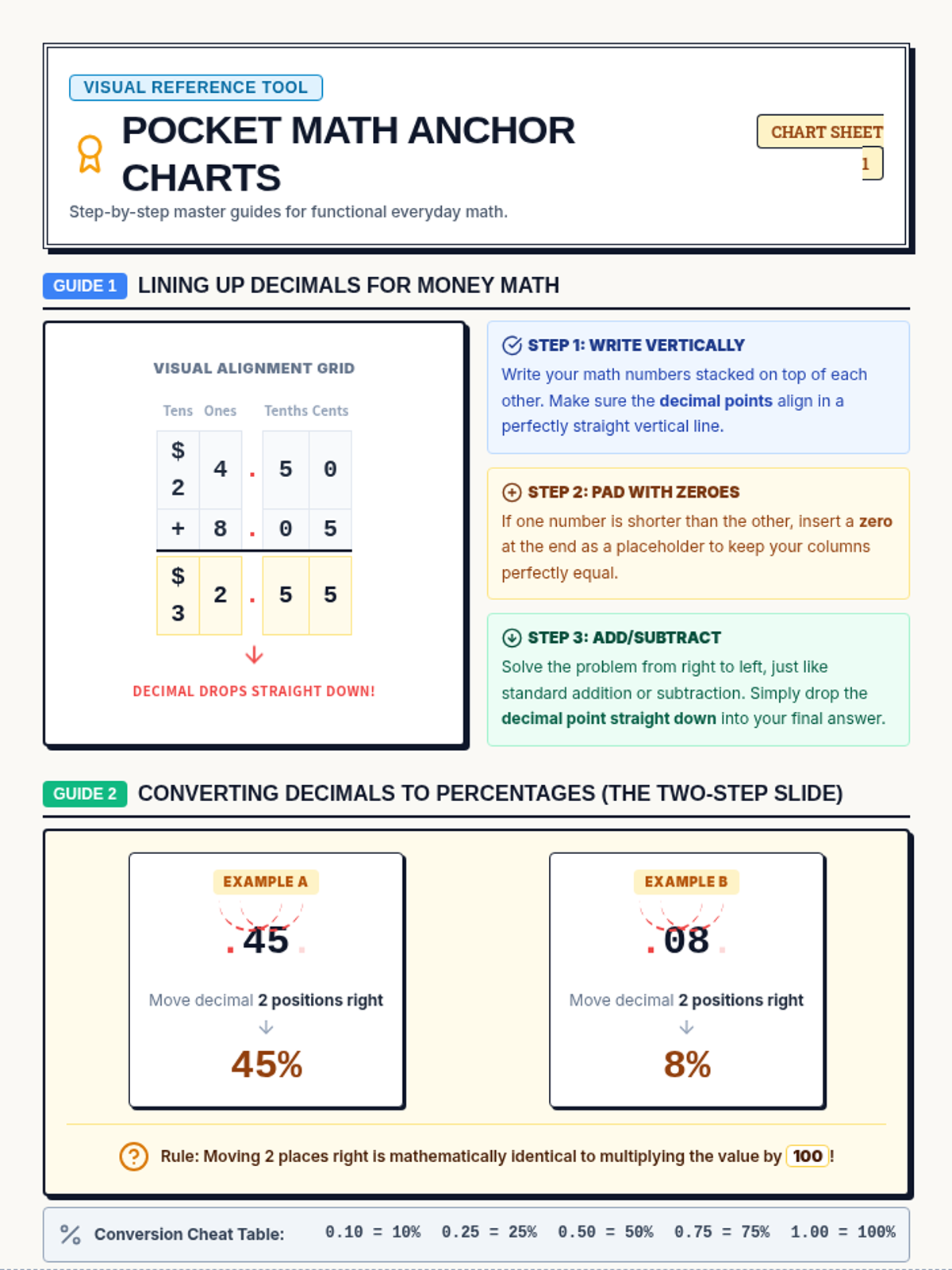
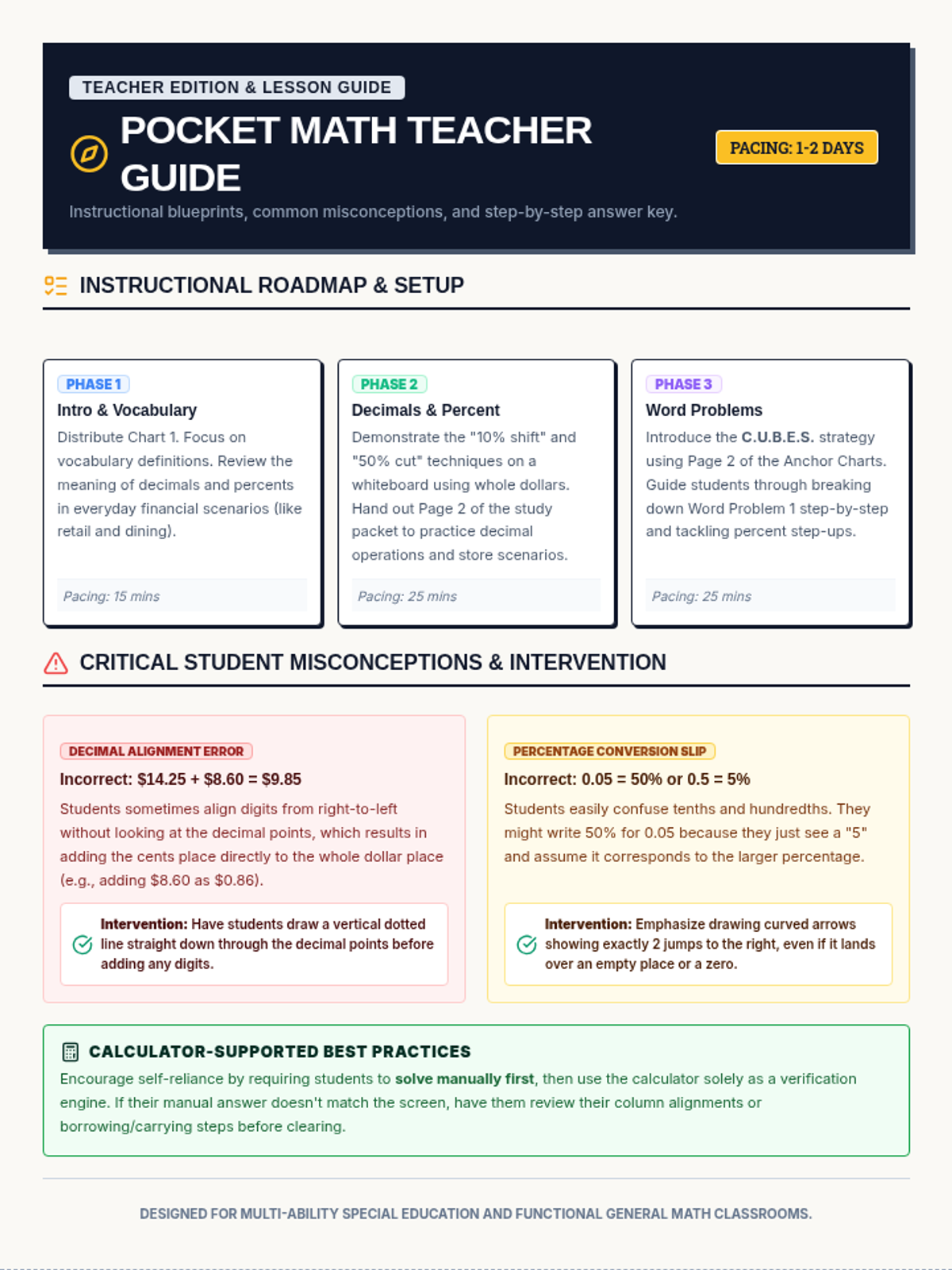
A structured math lesson focused on functional real-world math skills, covering decimals, money, multi-digit operations, percentages (10% and 50%), and word problem solving. Includes a 3-page study packet, a visual anchor chart reference sheet, and a complete teacher guide.
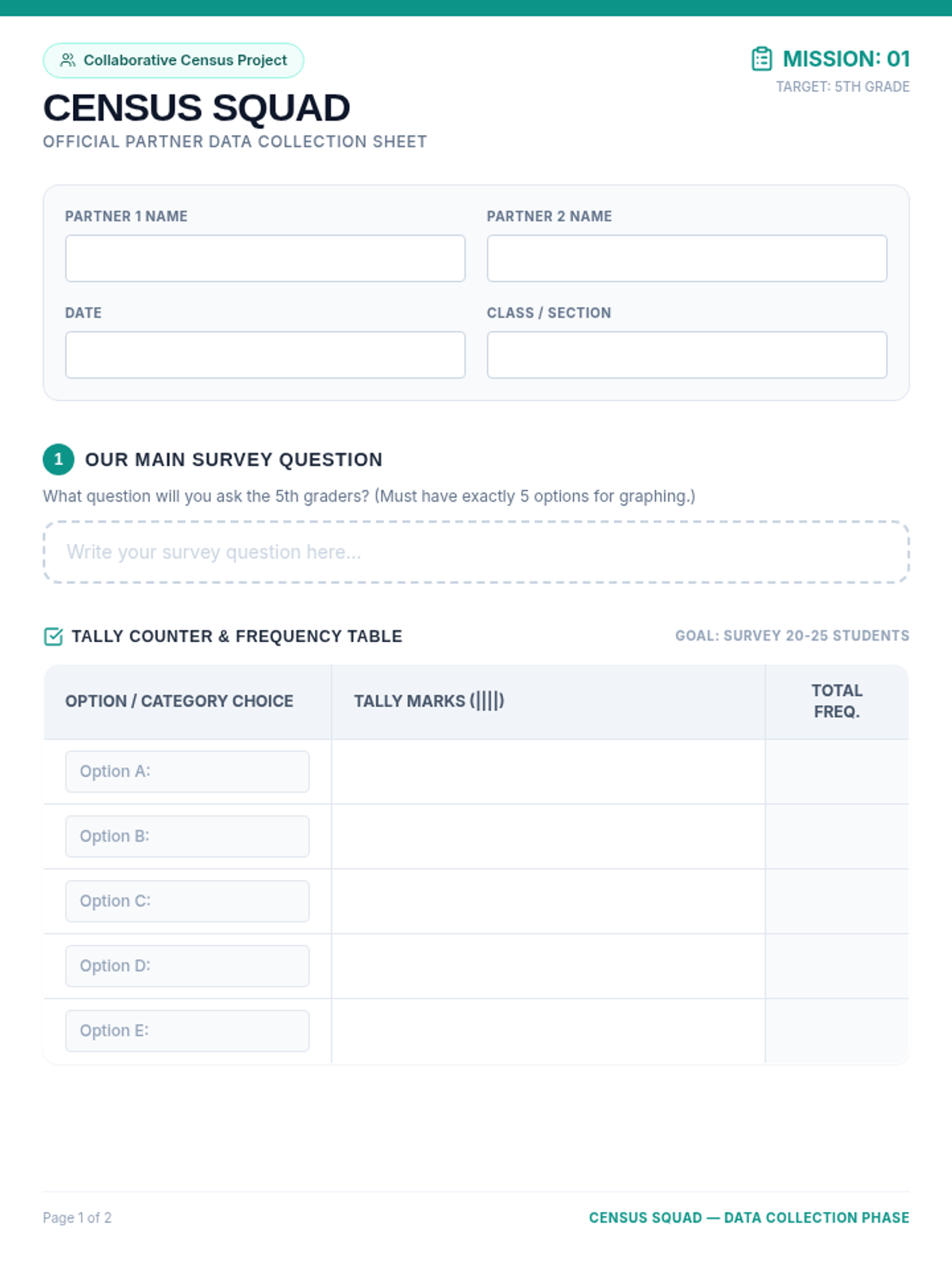
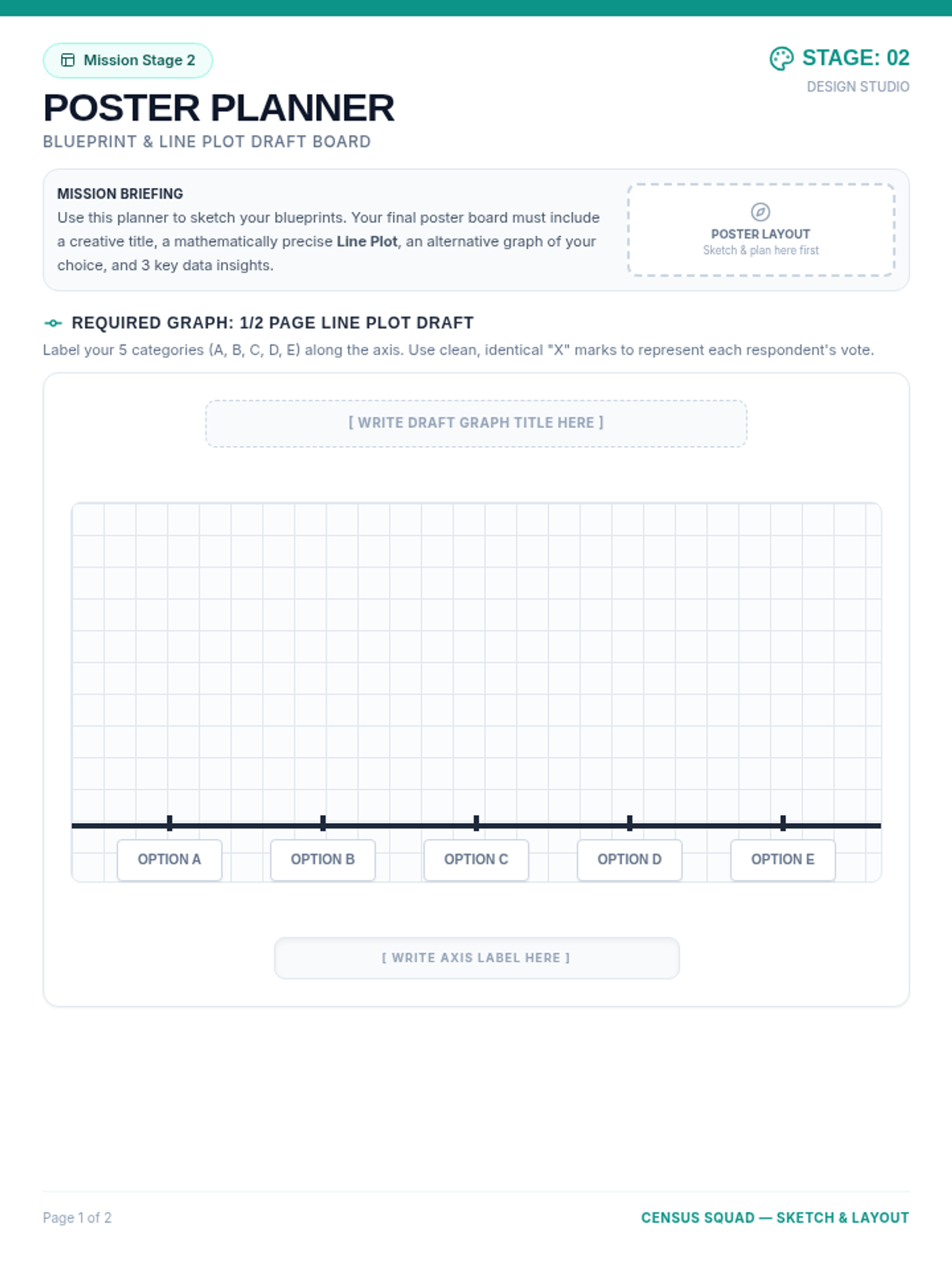
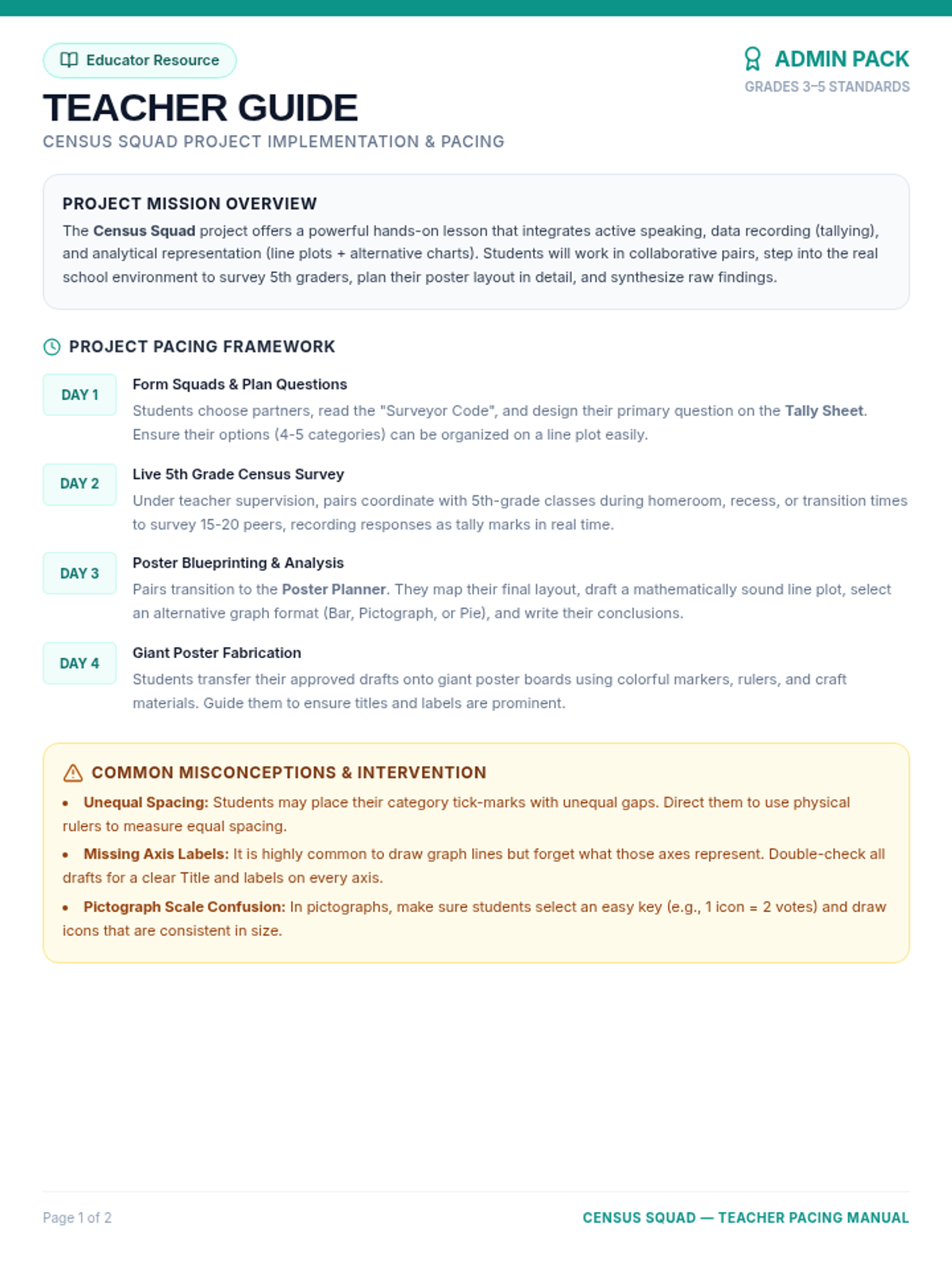
A collaborative data collection and graphing project where students partner up to survey 5th graders, collect tally mark data, and design a custom poster featuring a line plot and an alternative graph style.
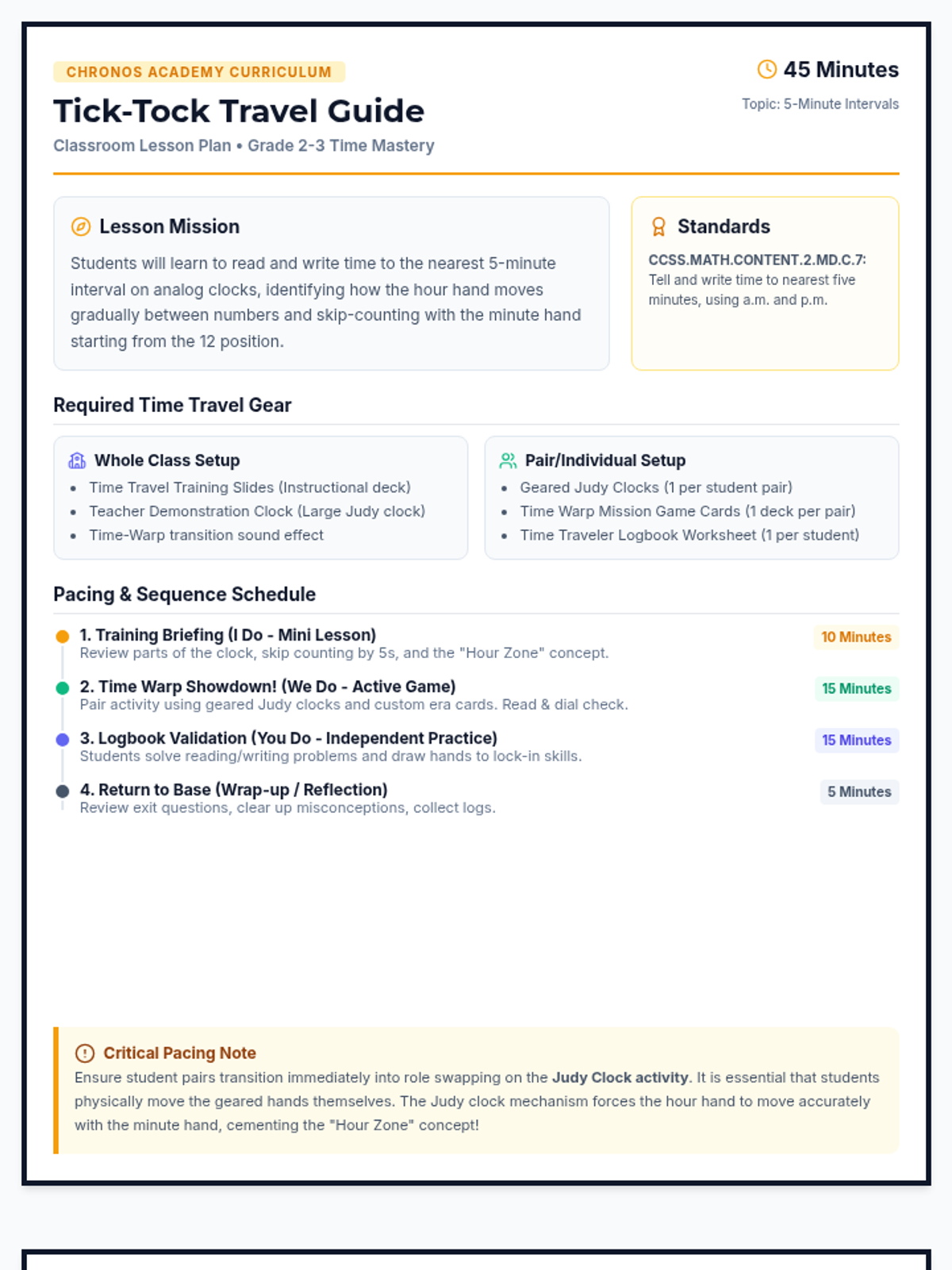
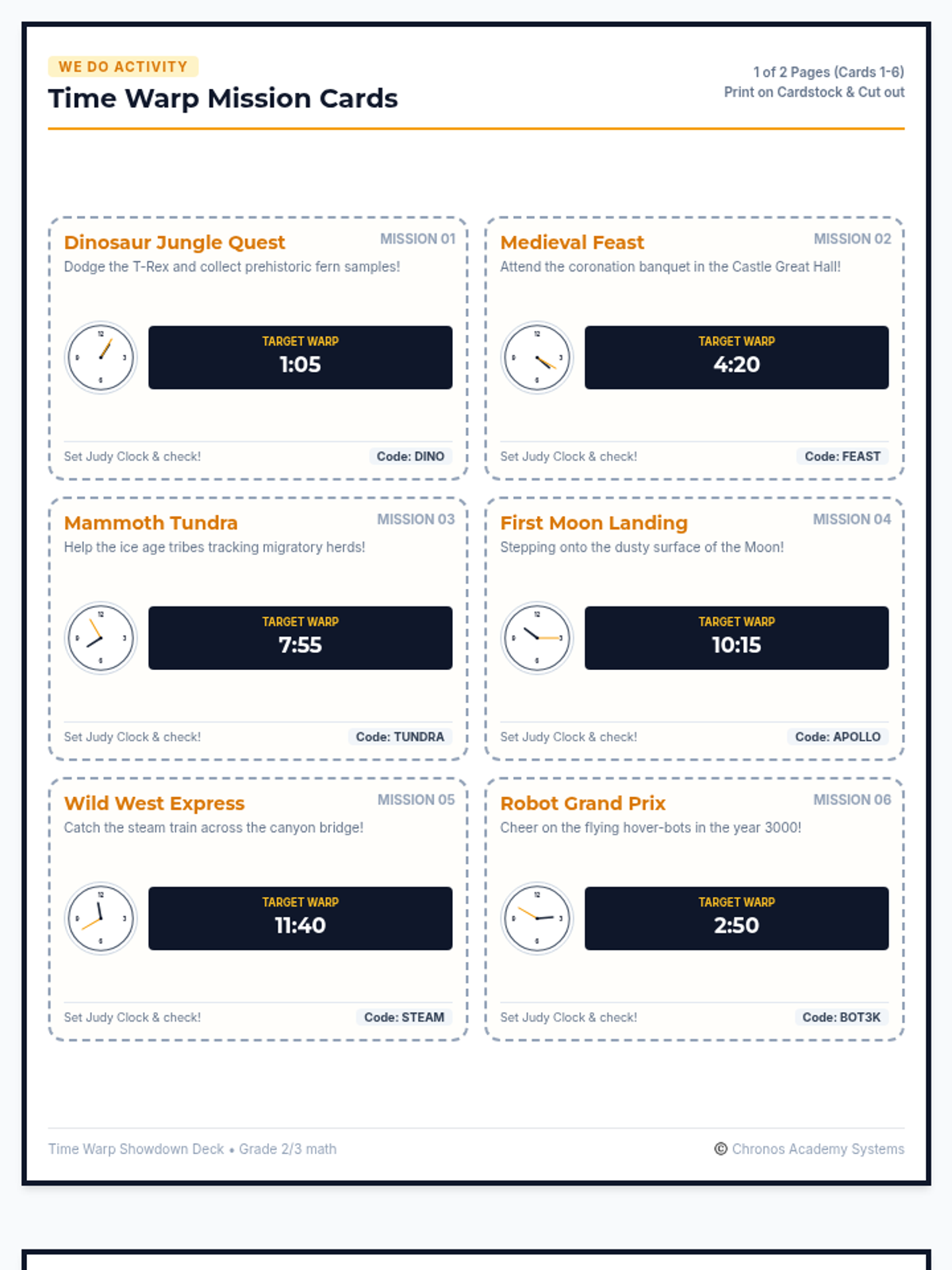
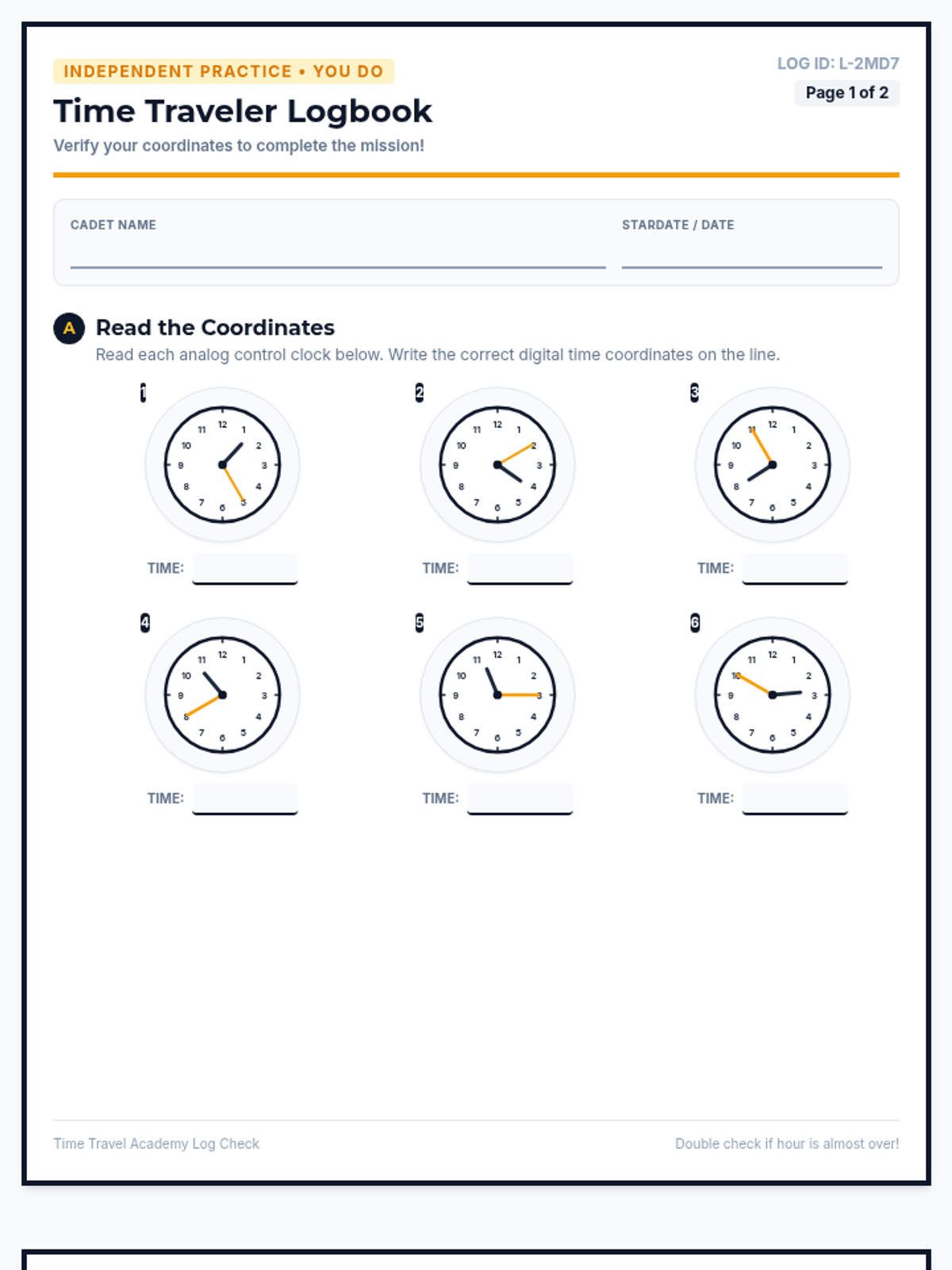
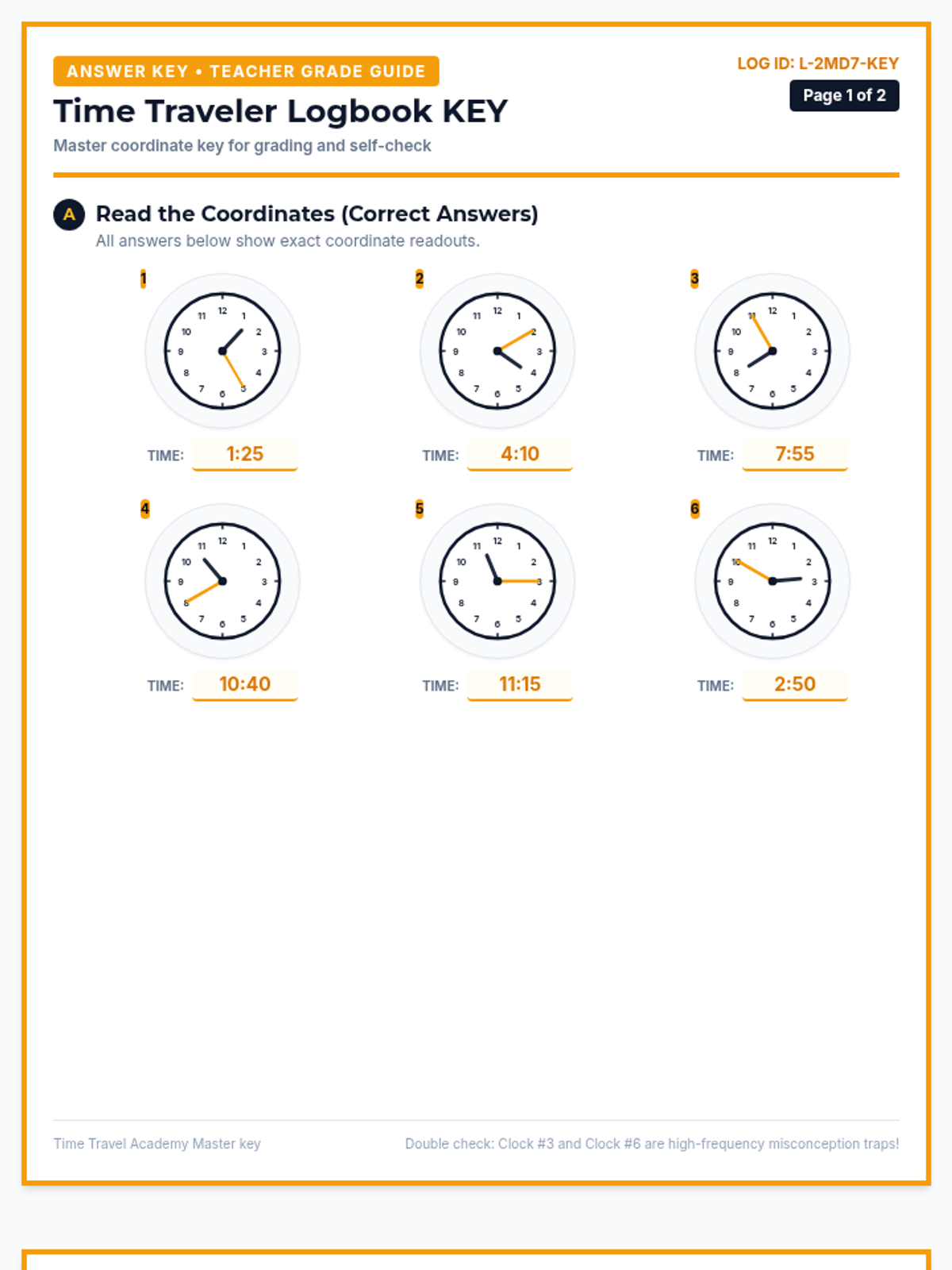
An engaging, 45-minute lesson on reading analog clocks at 5-minute intervals. Follows the I Do, We Do, You Do model, incorporating instructional slides, an active Judy clock team game, and an independent logbook worksheet.
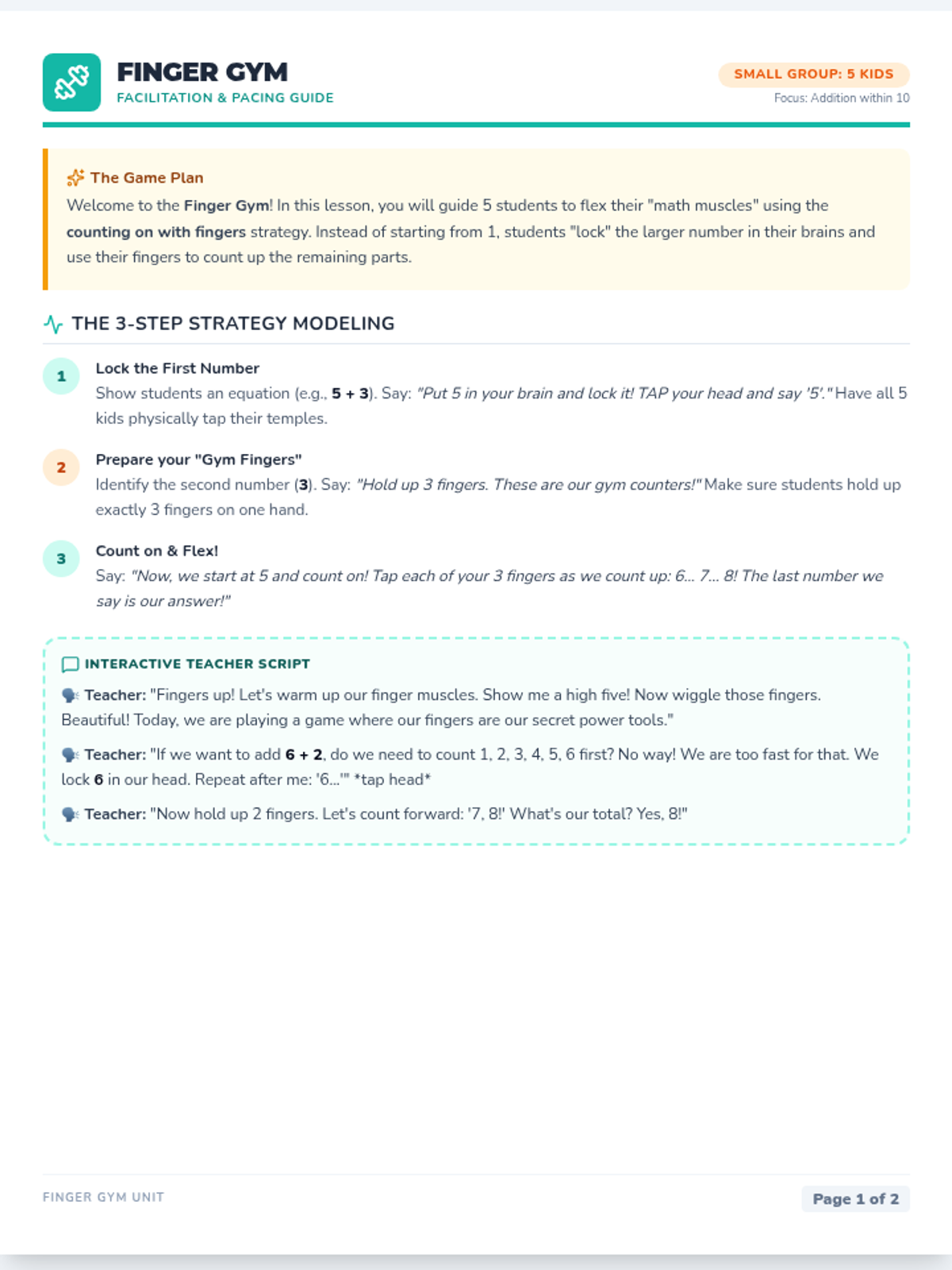
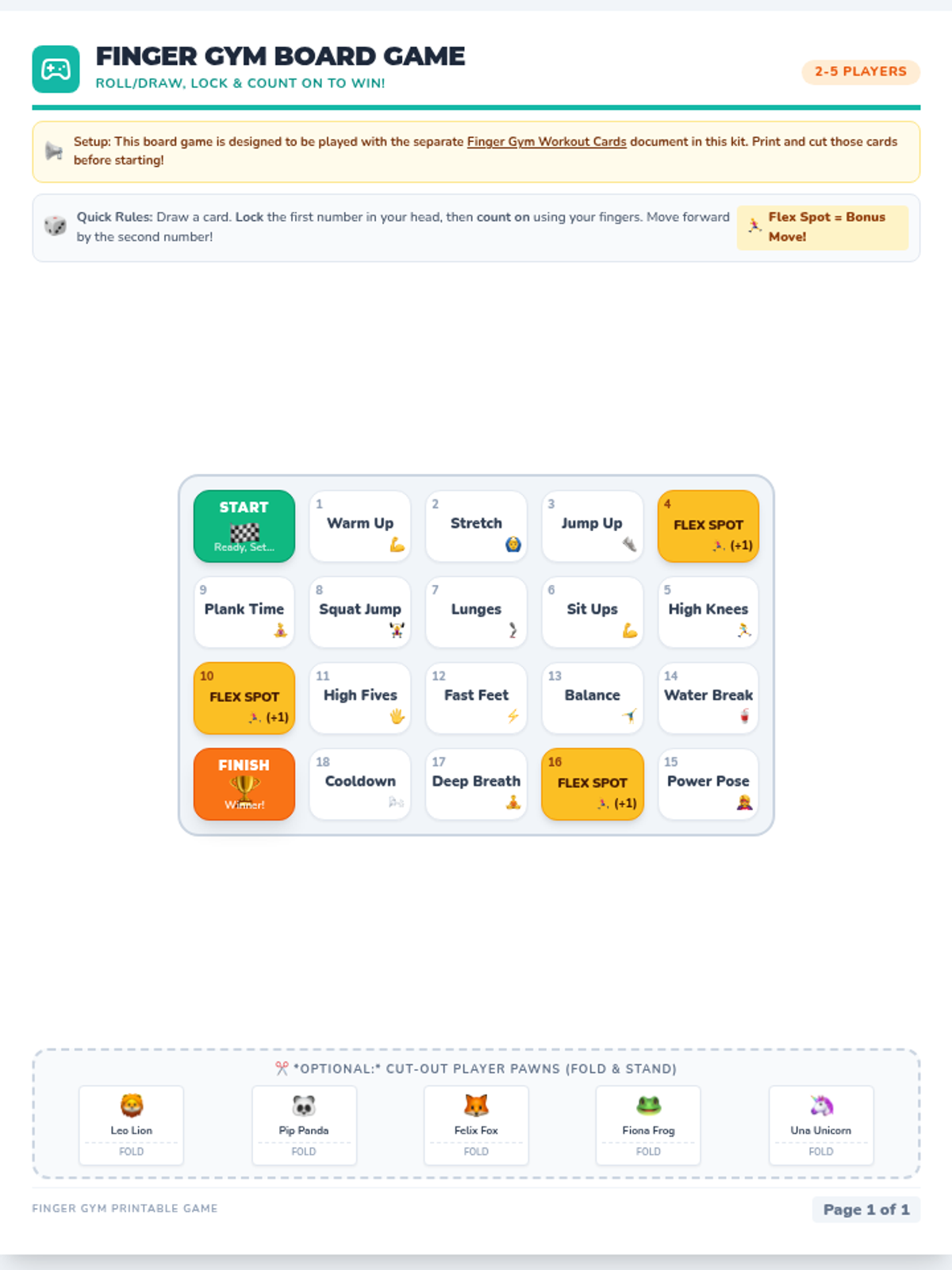
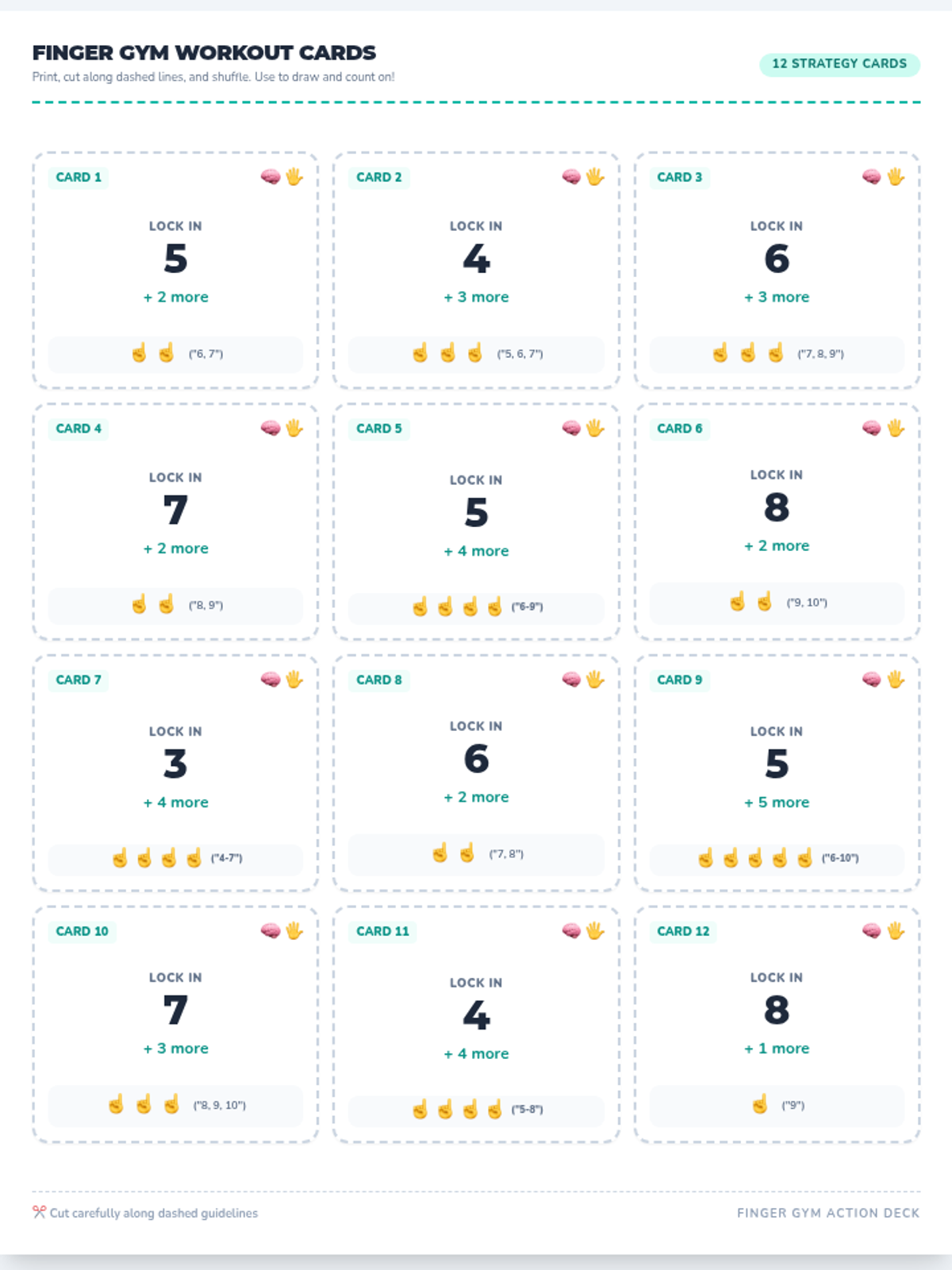
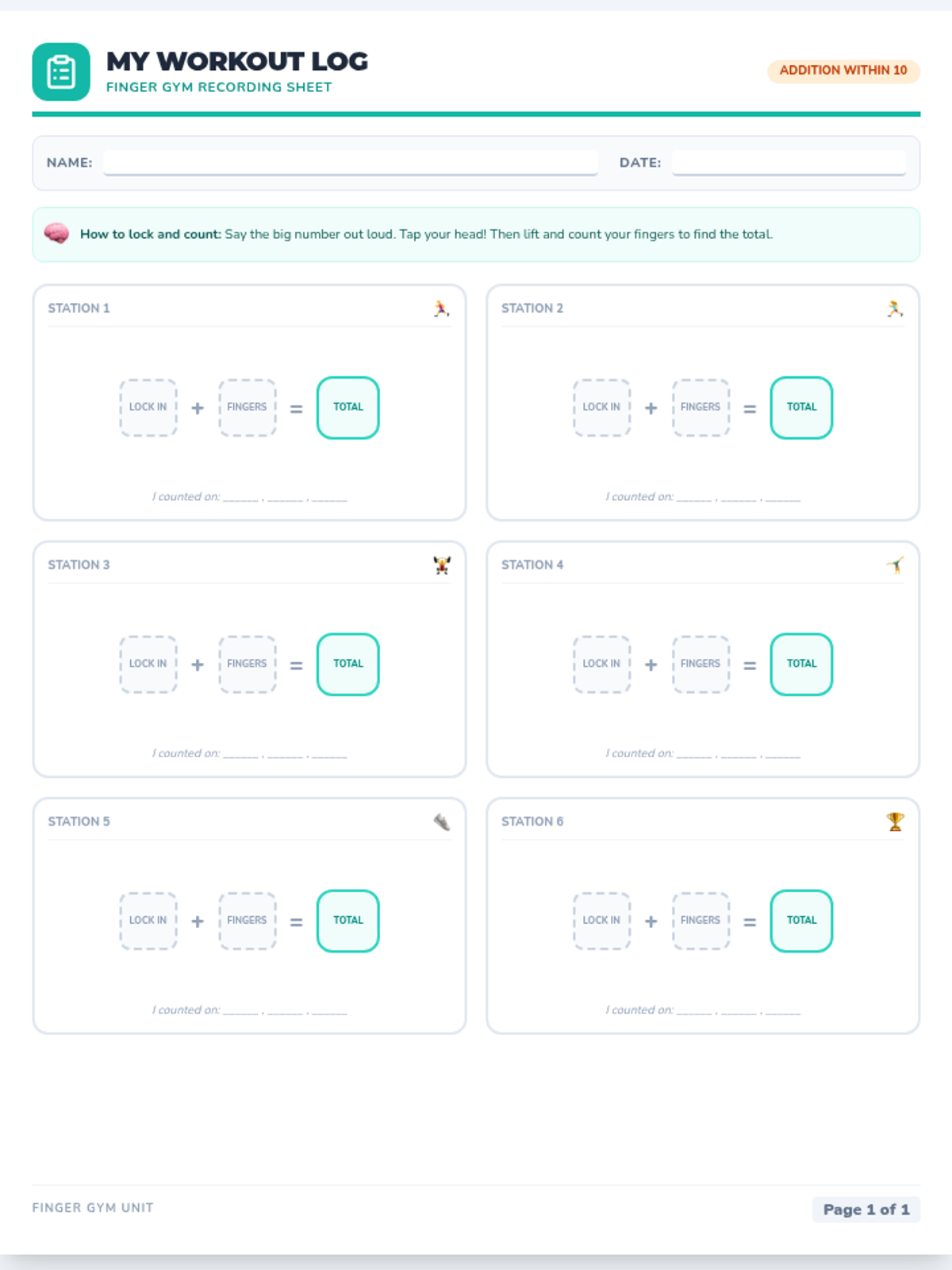
An active, hands-on small group math lesson for kindergarten and 1st grade students to master adding within 10 using the 'counting on with fingers' strategy. Features an engaging printable board game, customized finger-counting task cards, a student workout recording sheet, and a comprehensive facilitation guide.
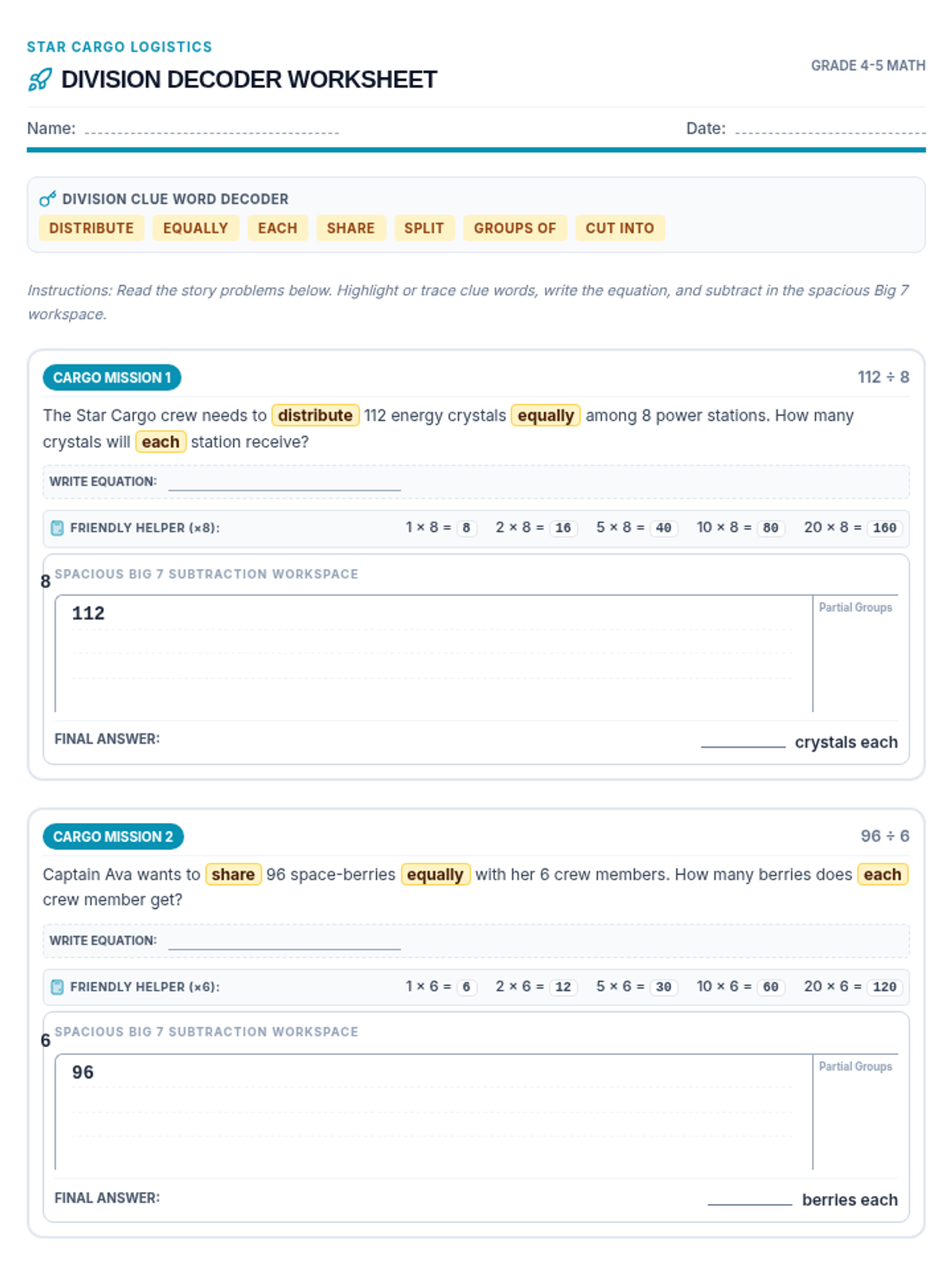
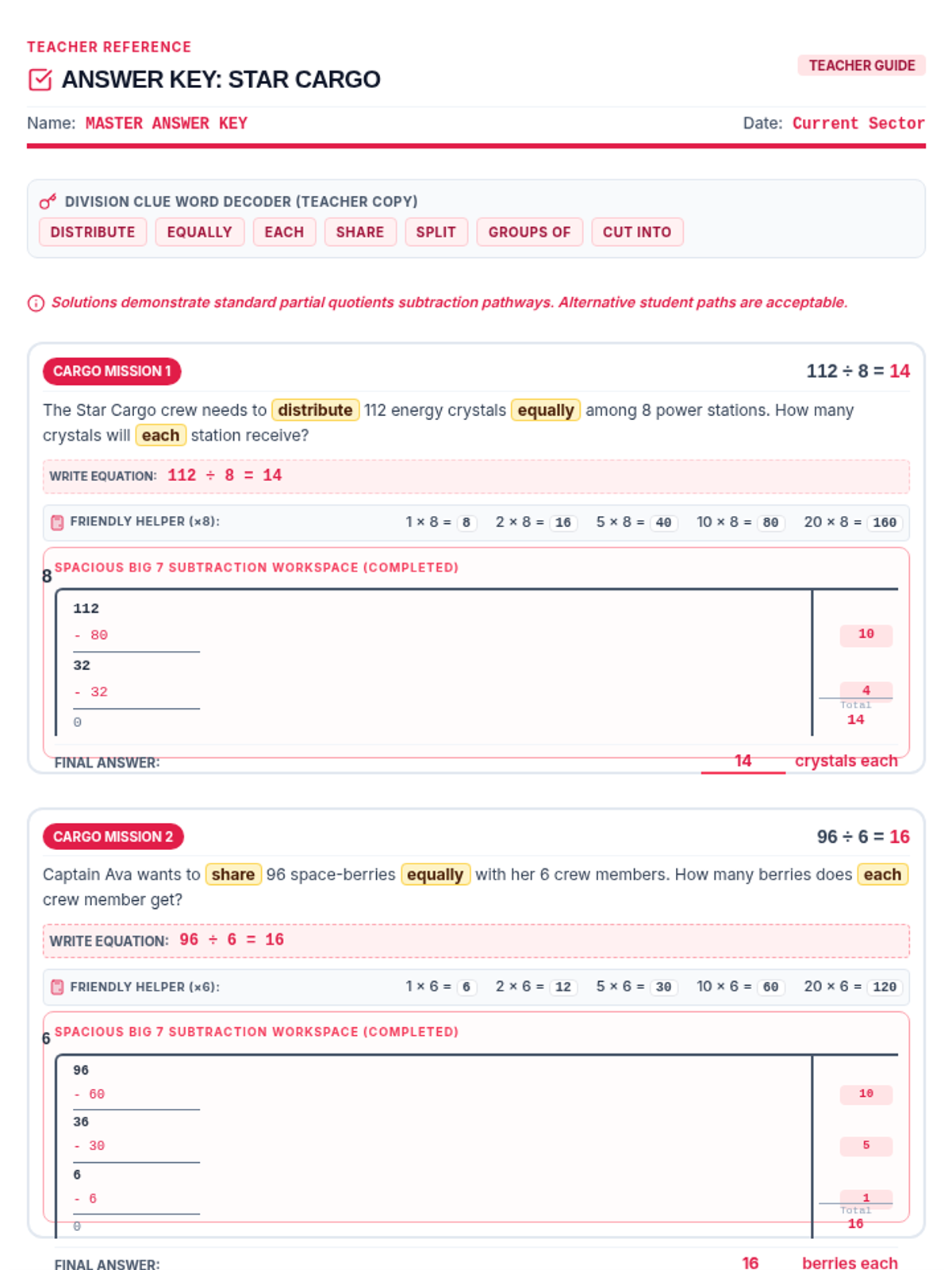
A math lesson on division using the partial quotients (Big 7) method. Students explore division word problems and extra practice using a 'friendly numbers' multiplication helper and subtraction workspace in a sci-fi space cargo theme.
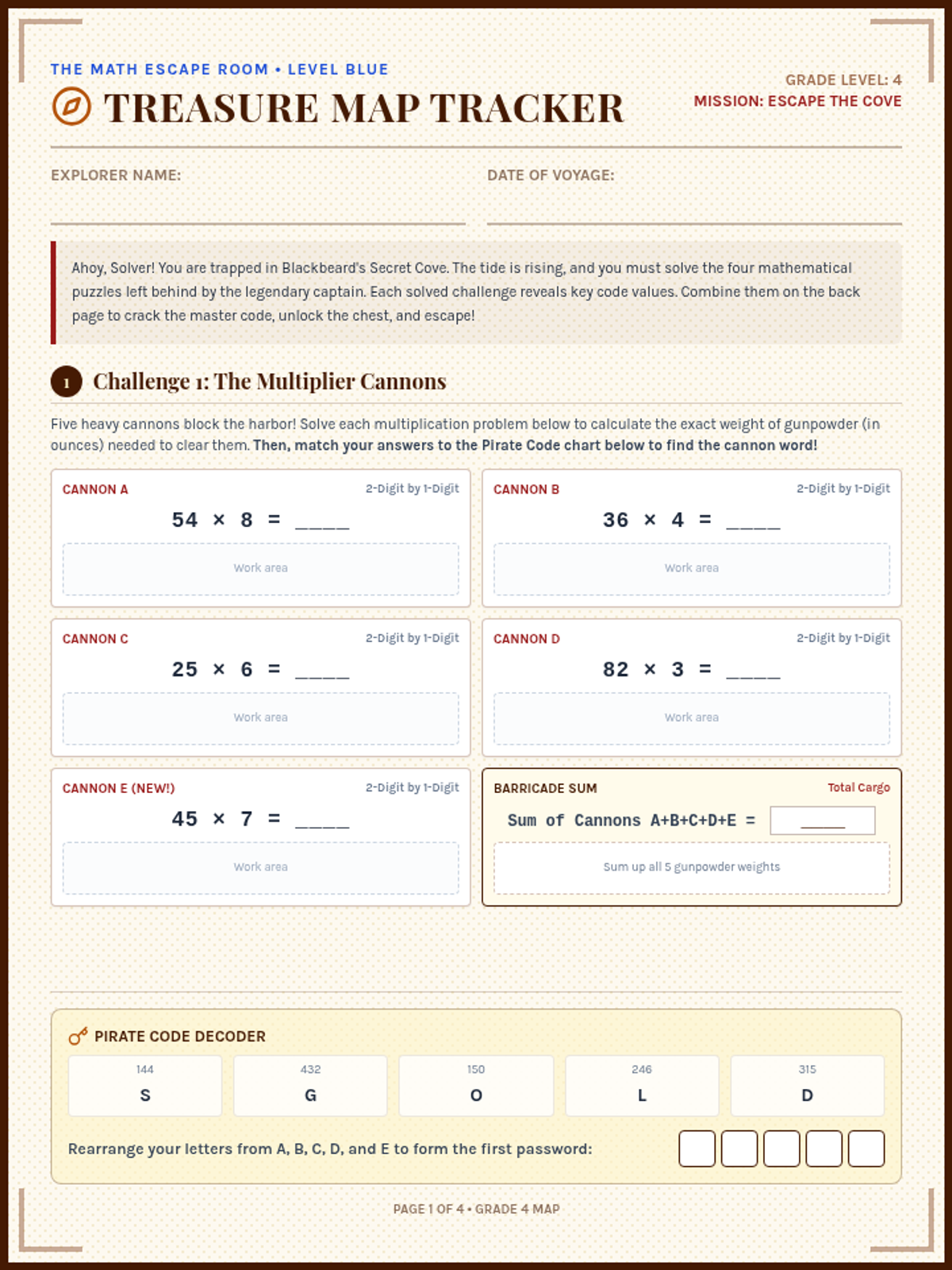
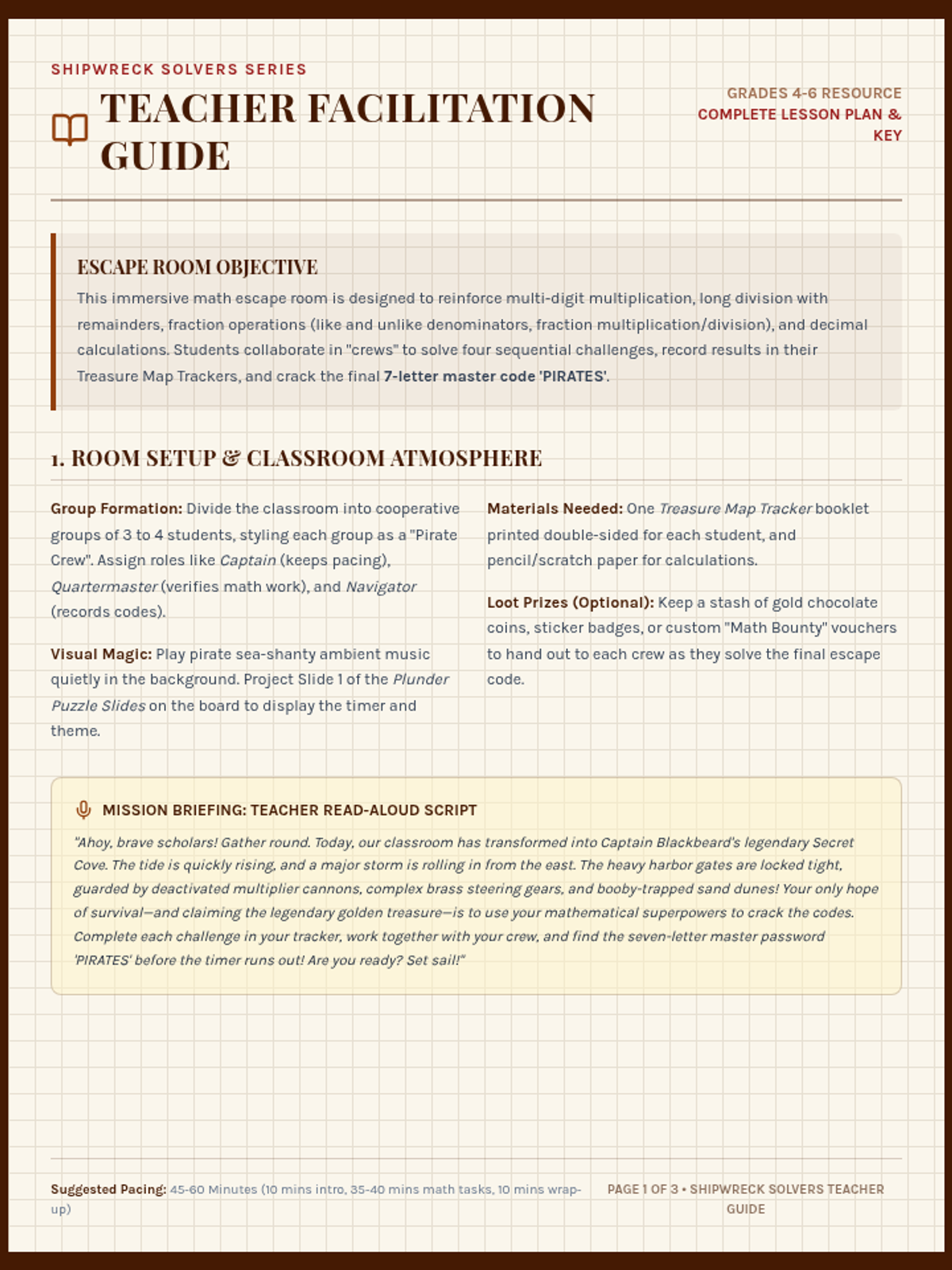
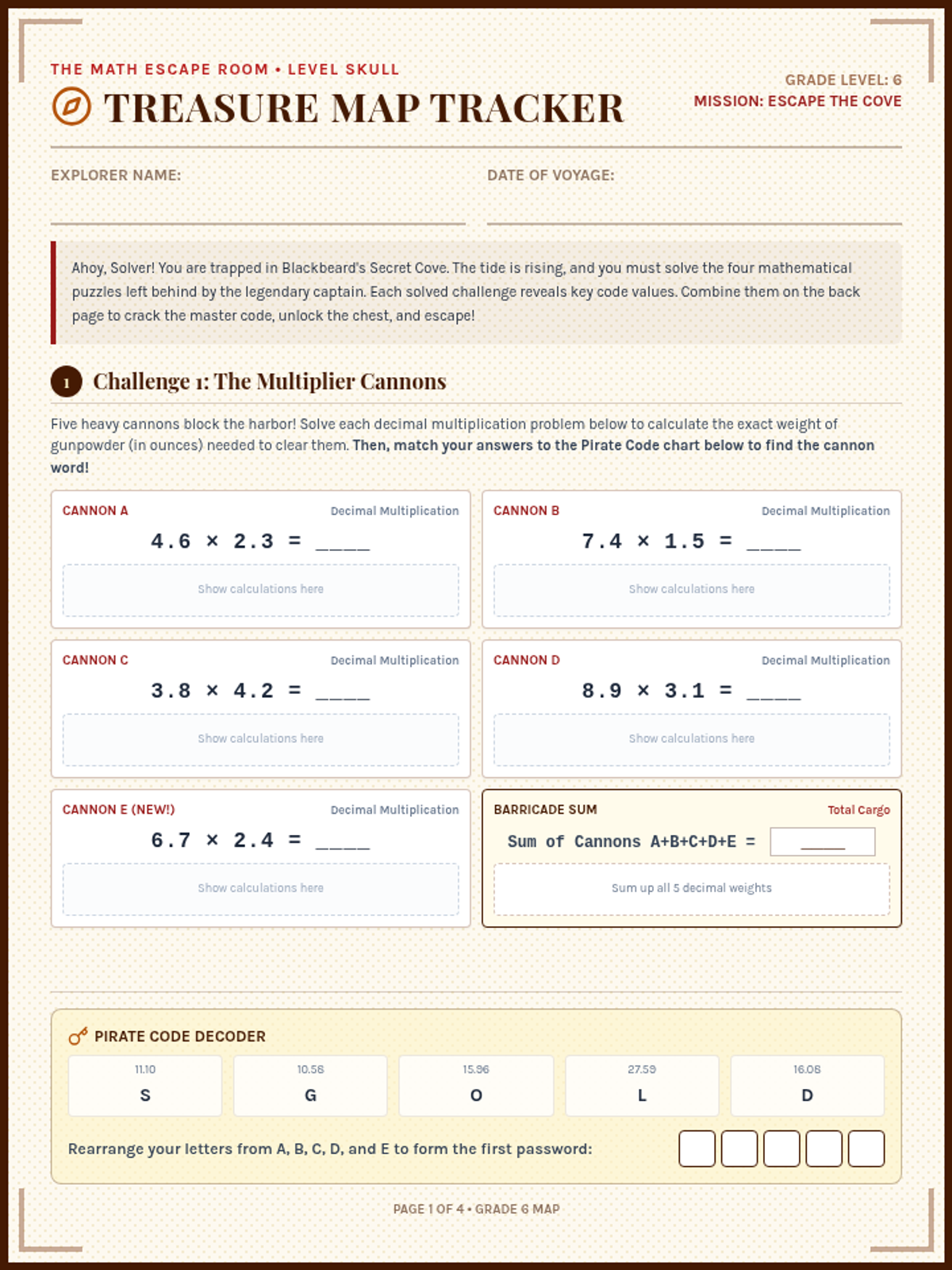
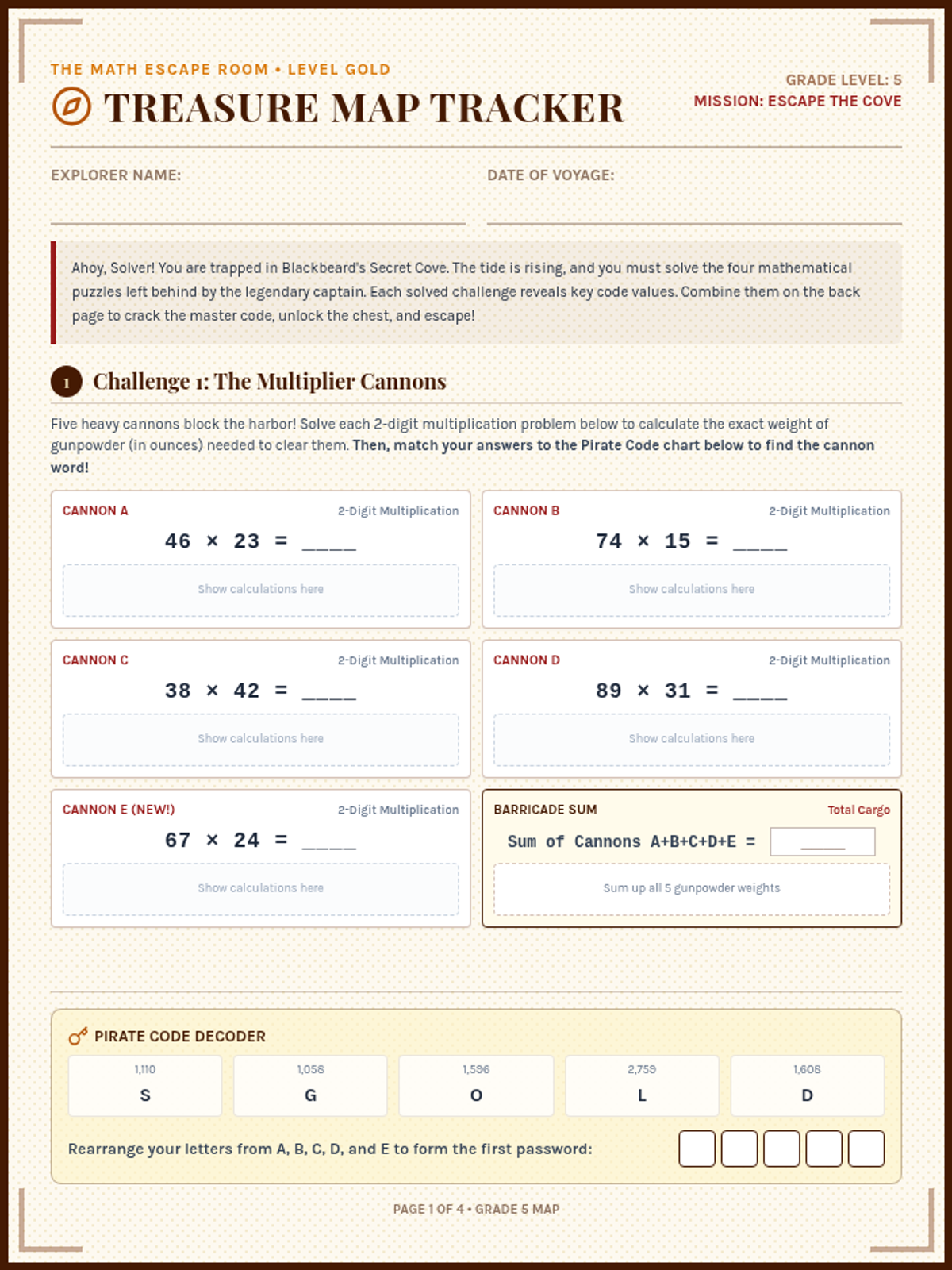
An immersive, pirate-themed math escape room where students solve puzzles in multi-digit multiplication, long division, fraction operations, and decimals to crack codes and discover Captain Blackbeard's legendary lost treasure.
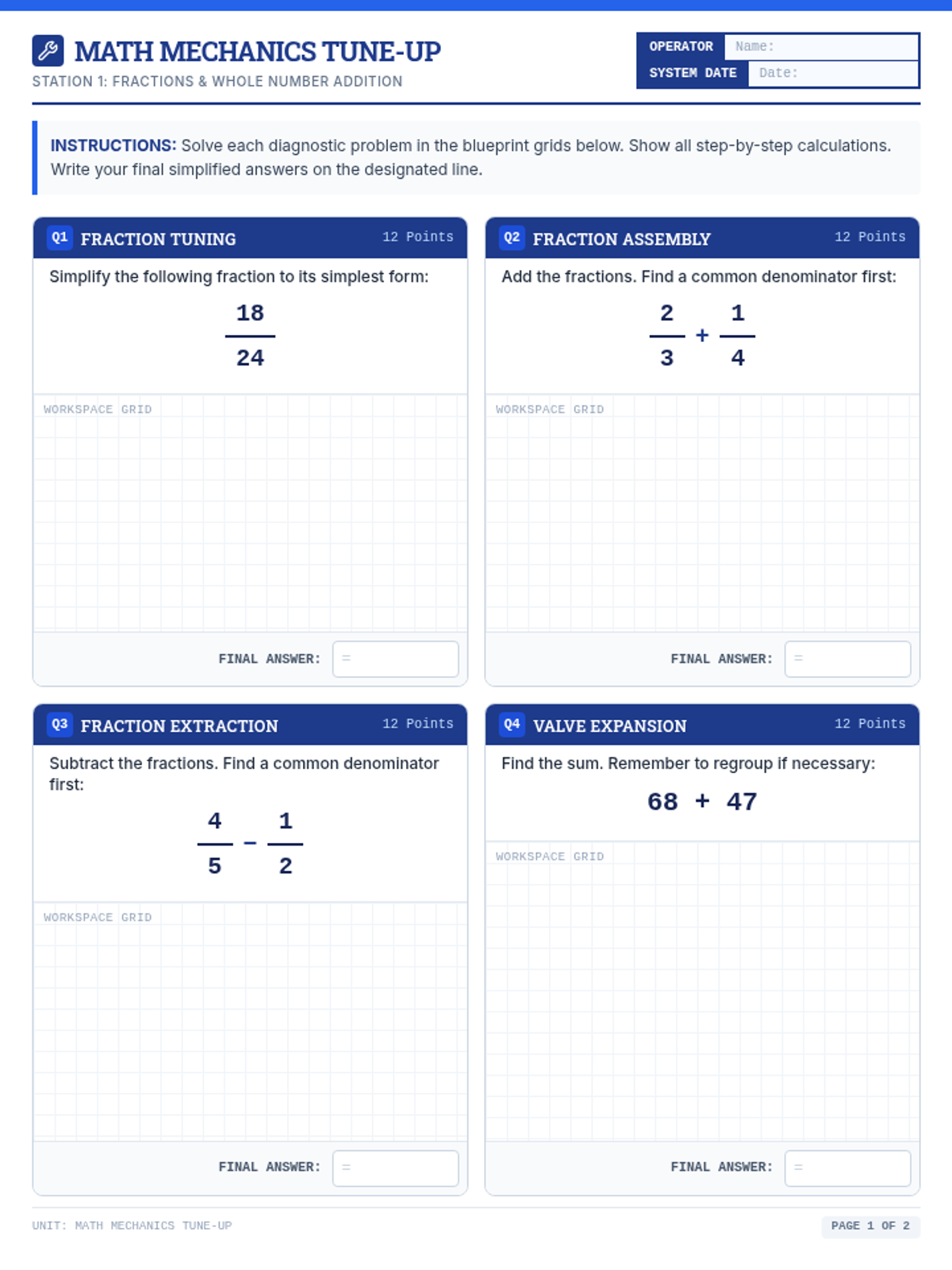
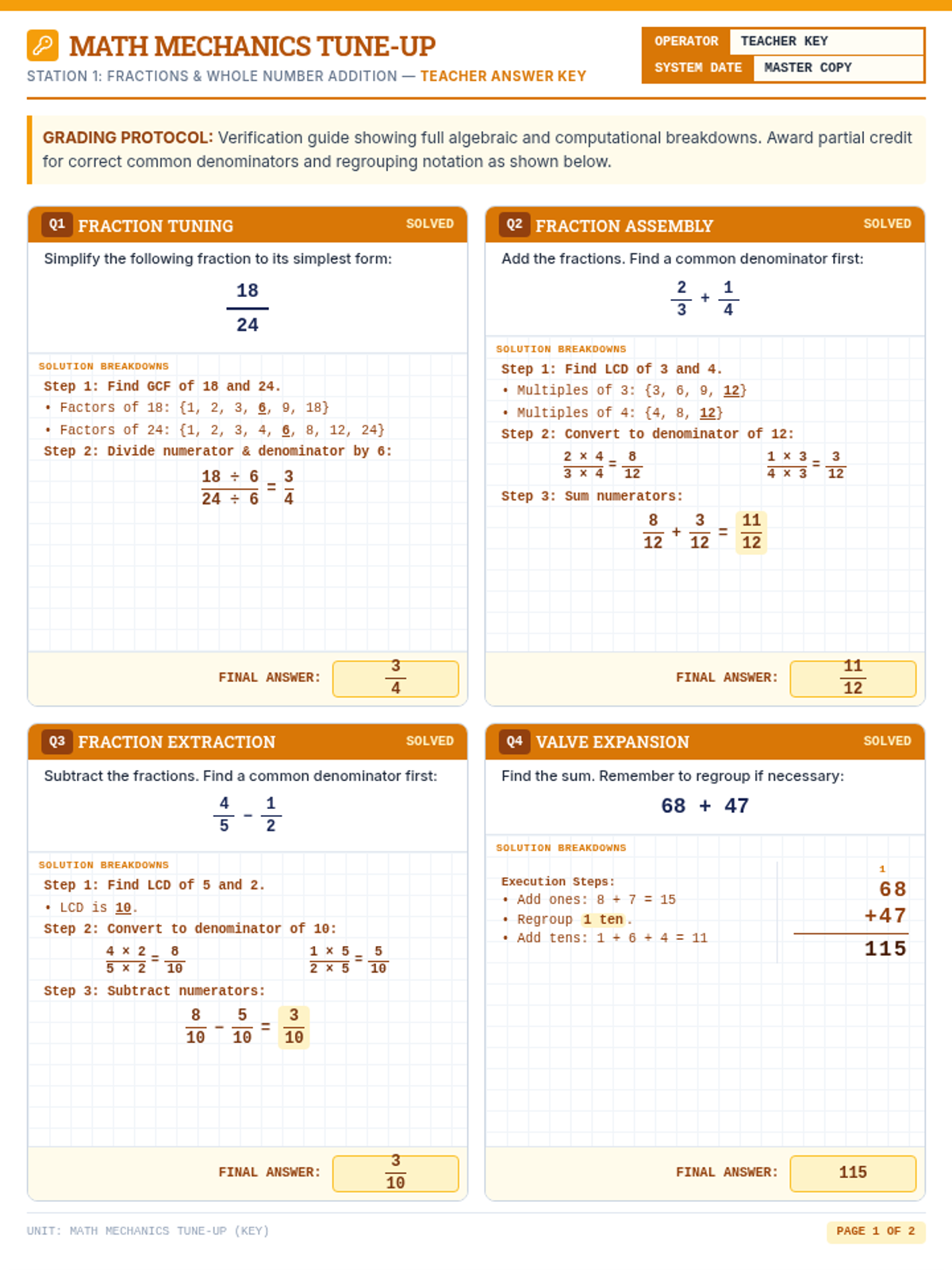
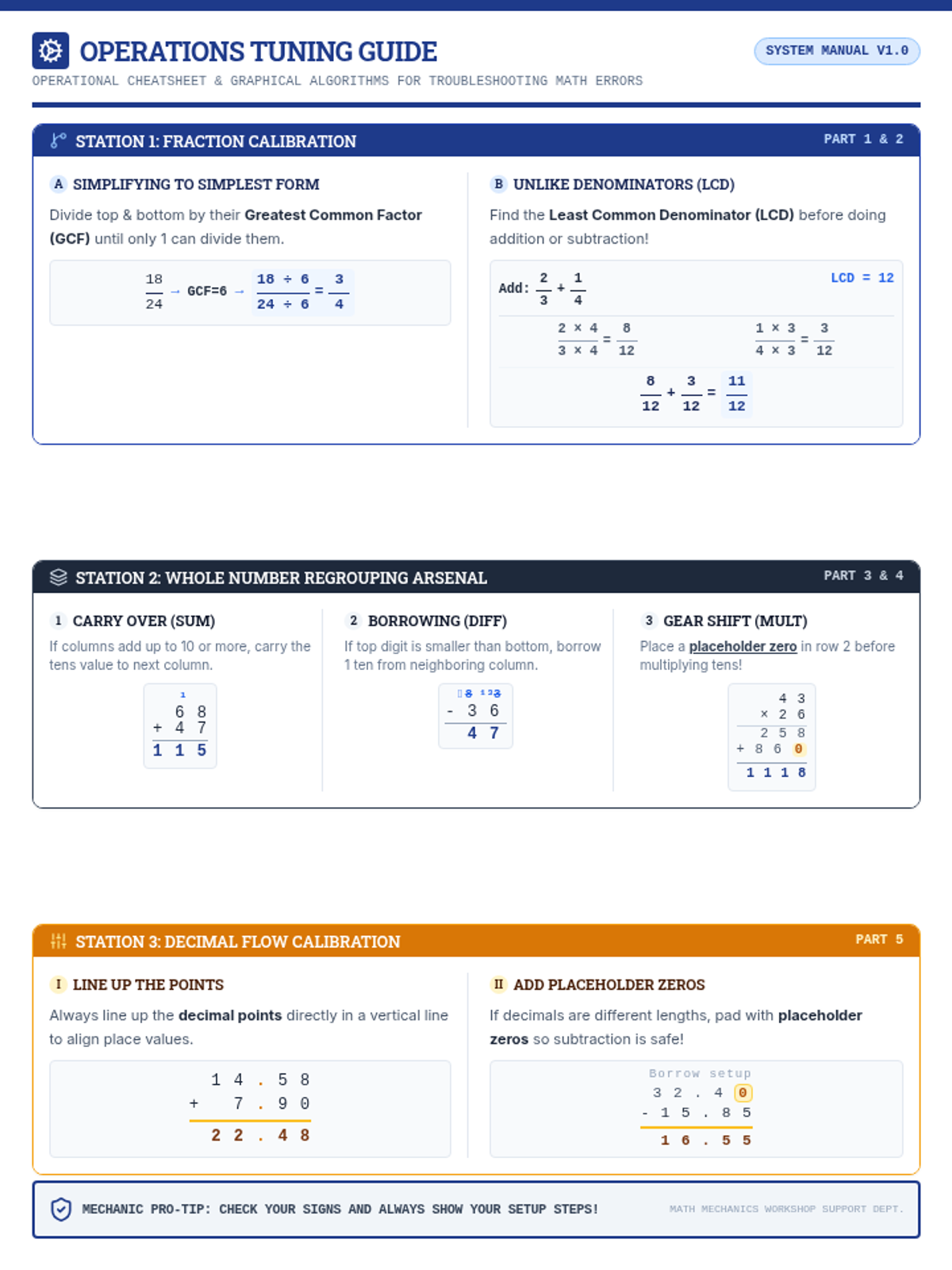
A comprehensive practice and support system designed to reinforce fundamental operations, including fractions, multi-digit integers, and decimals. Features a structured 2-page workspace worksheet, a detailed step-by-step teacher answer key, and a visual diagnostic anchor chart.
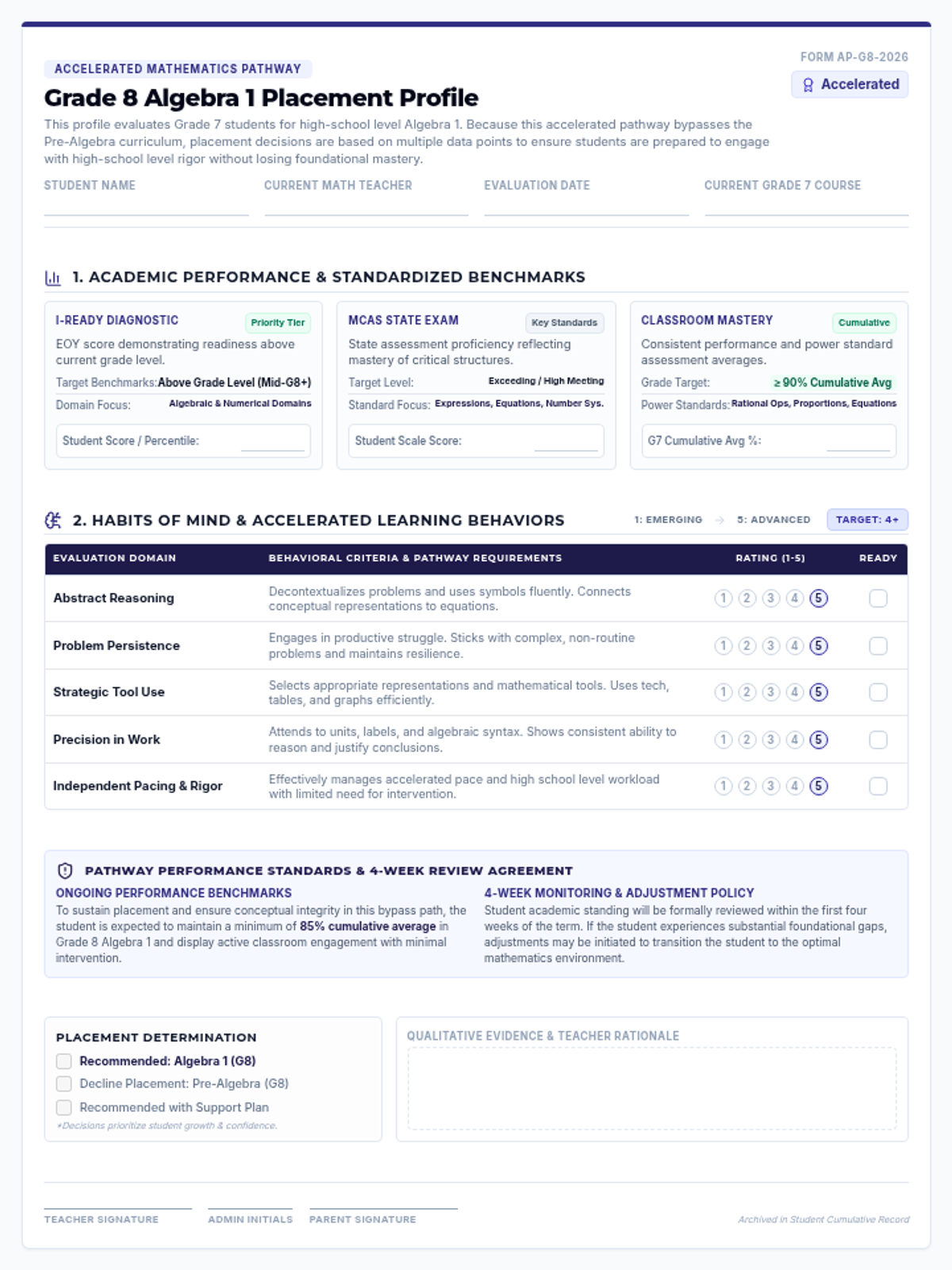
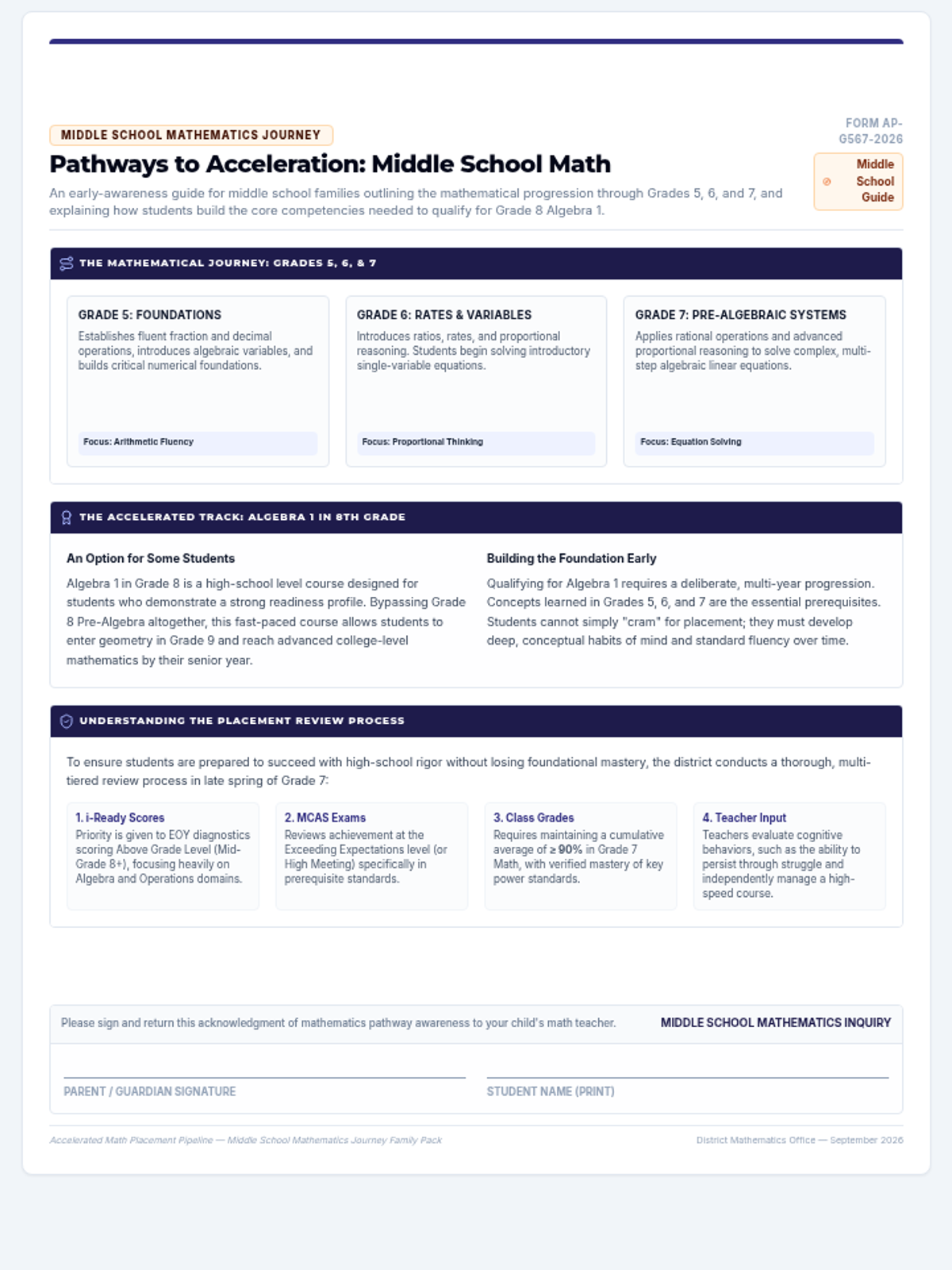
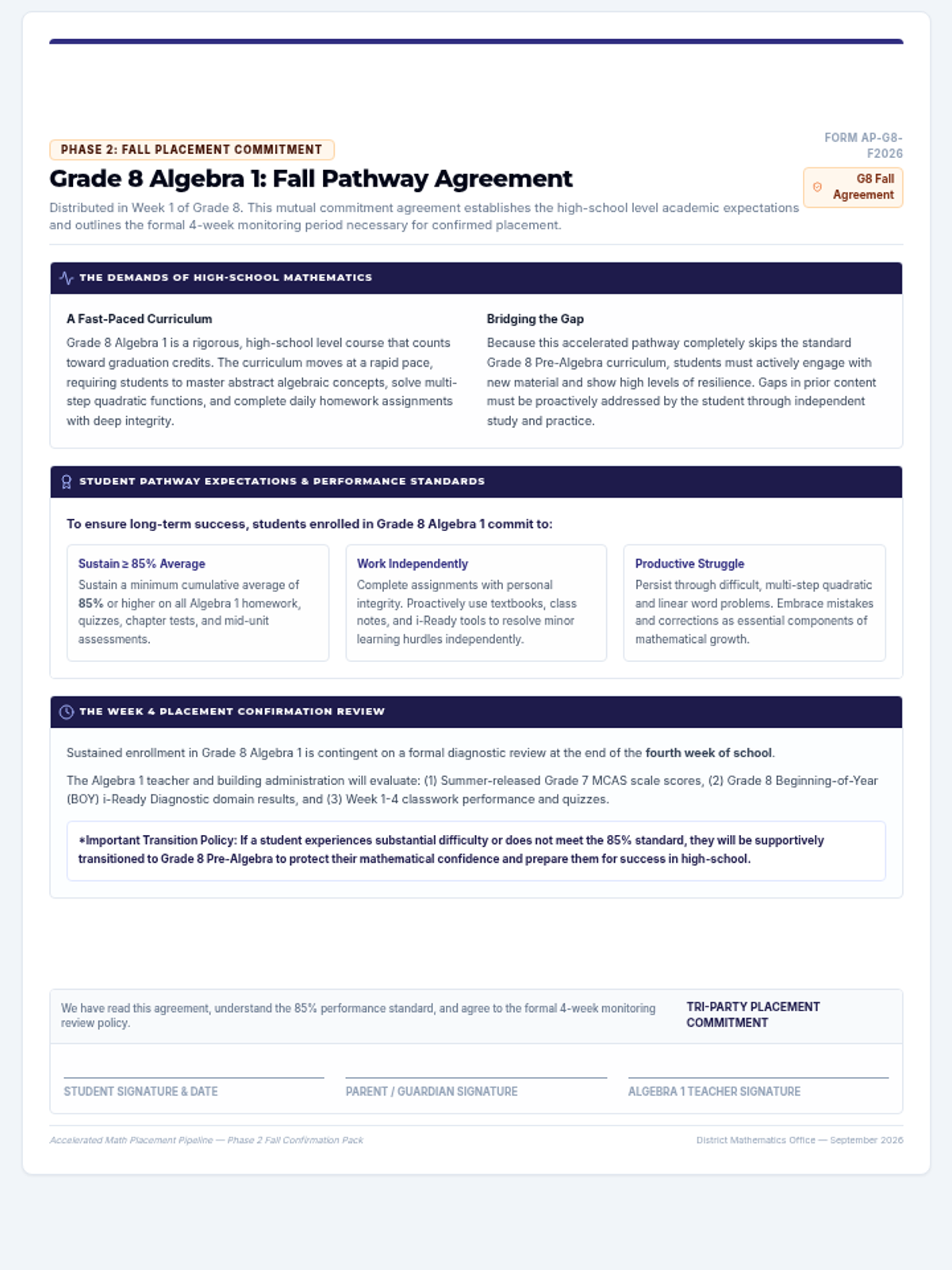
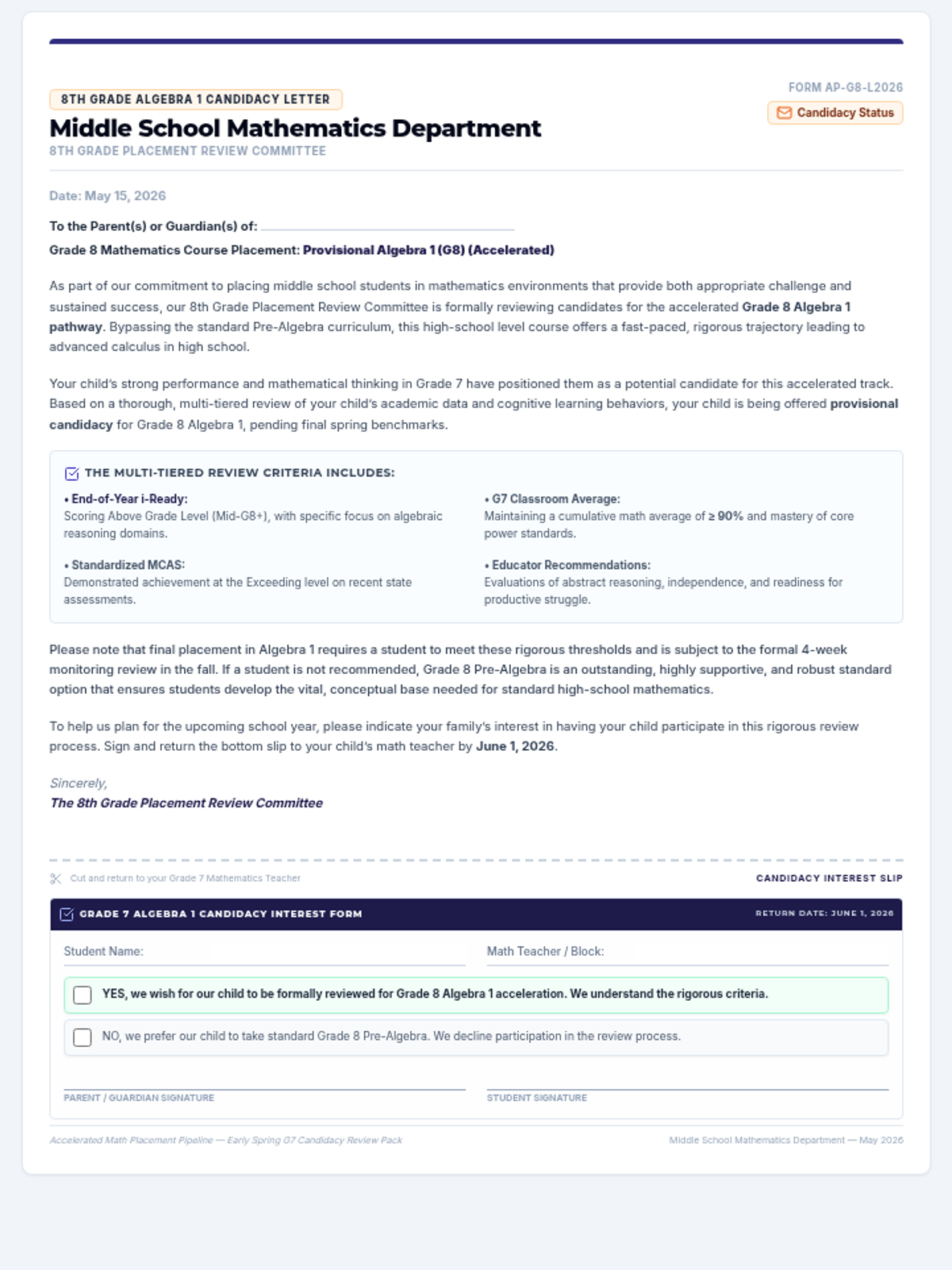
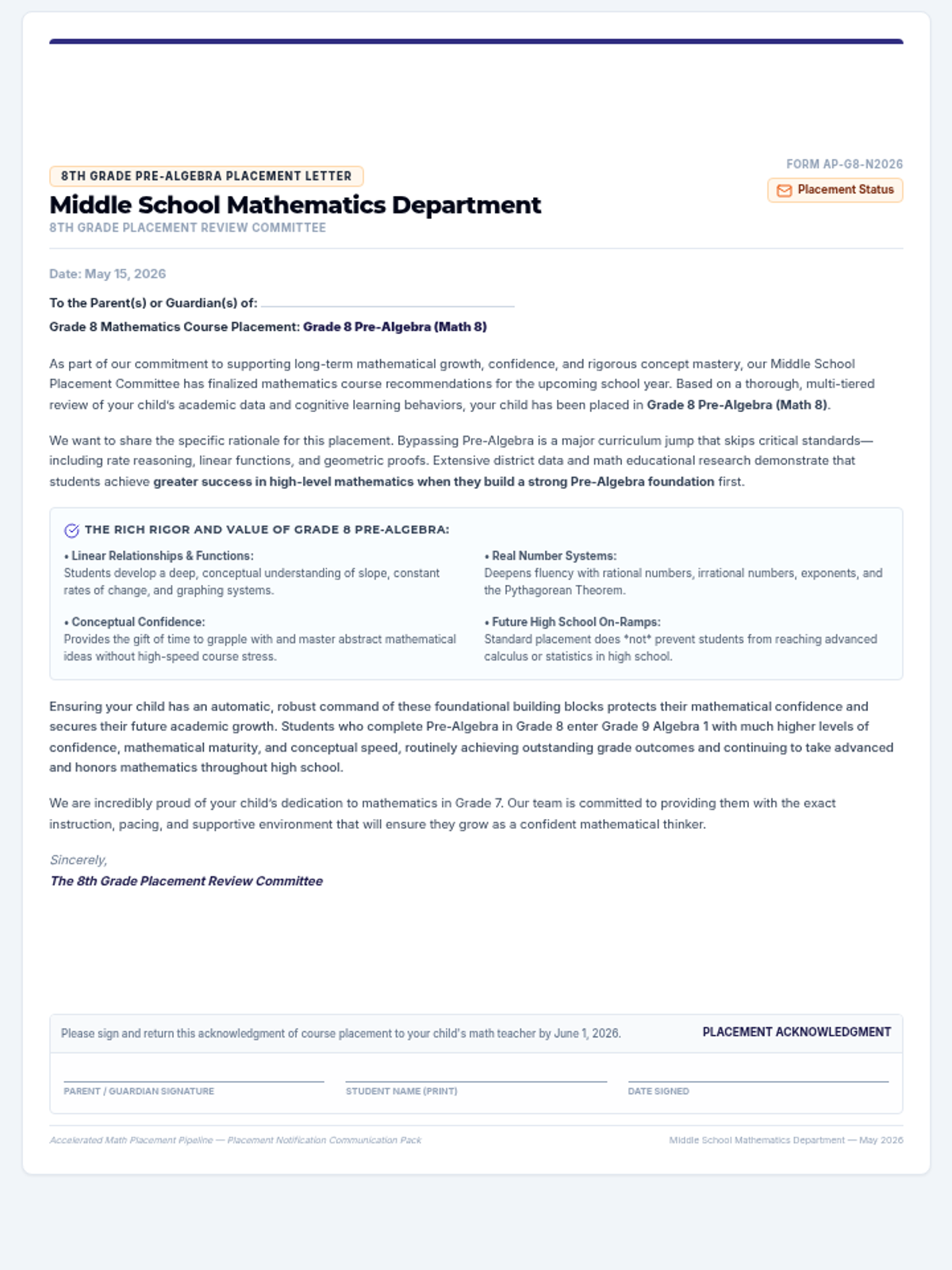
A complete set of tools to evaluate, communicate, and monitor student readiness for accelerated Grade 8 Algebra 1 placement.
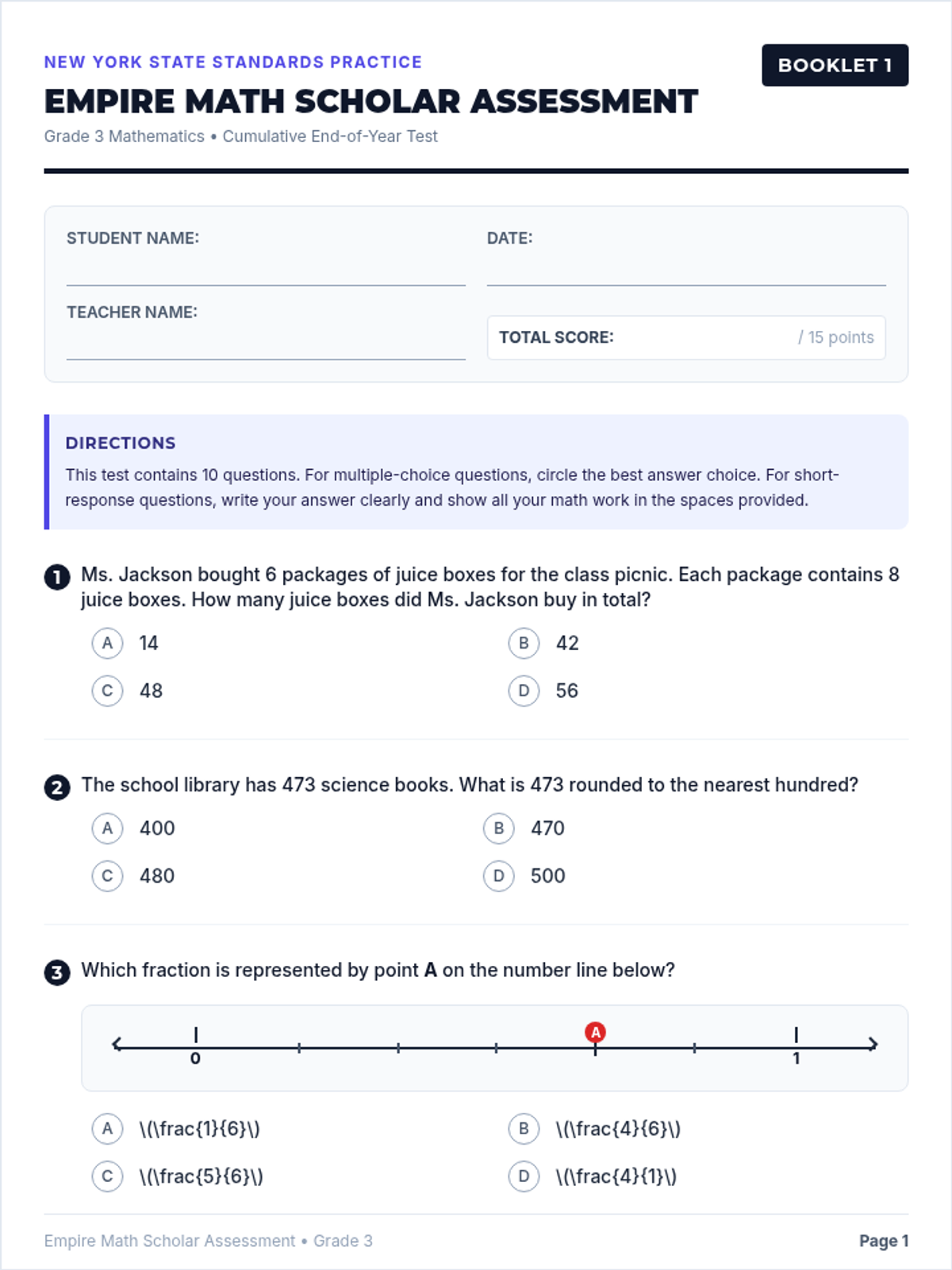
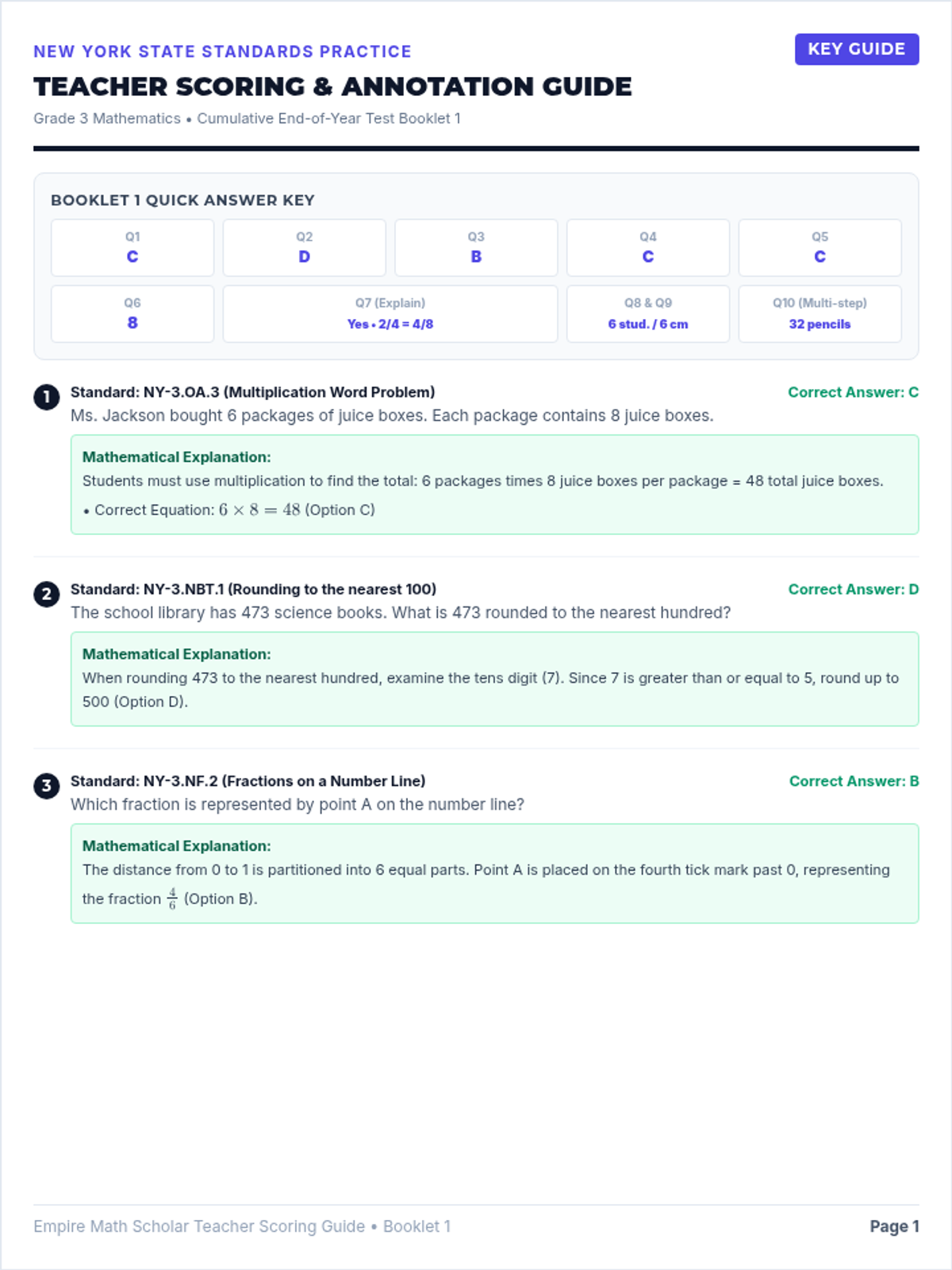
A comprehensive NYS standards-aligned 10-question practice assessment for 3rd-grade math, covering key domains such as algebraic thinking, base ten operations, fractions, measurement, and geometry. Includes a student test booklet and an in-depth teacher scoring guide.
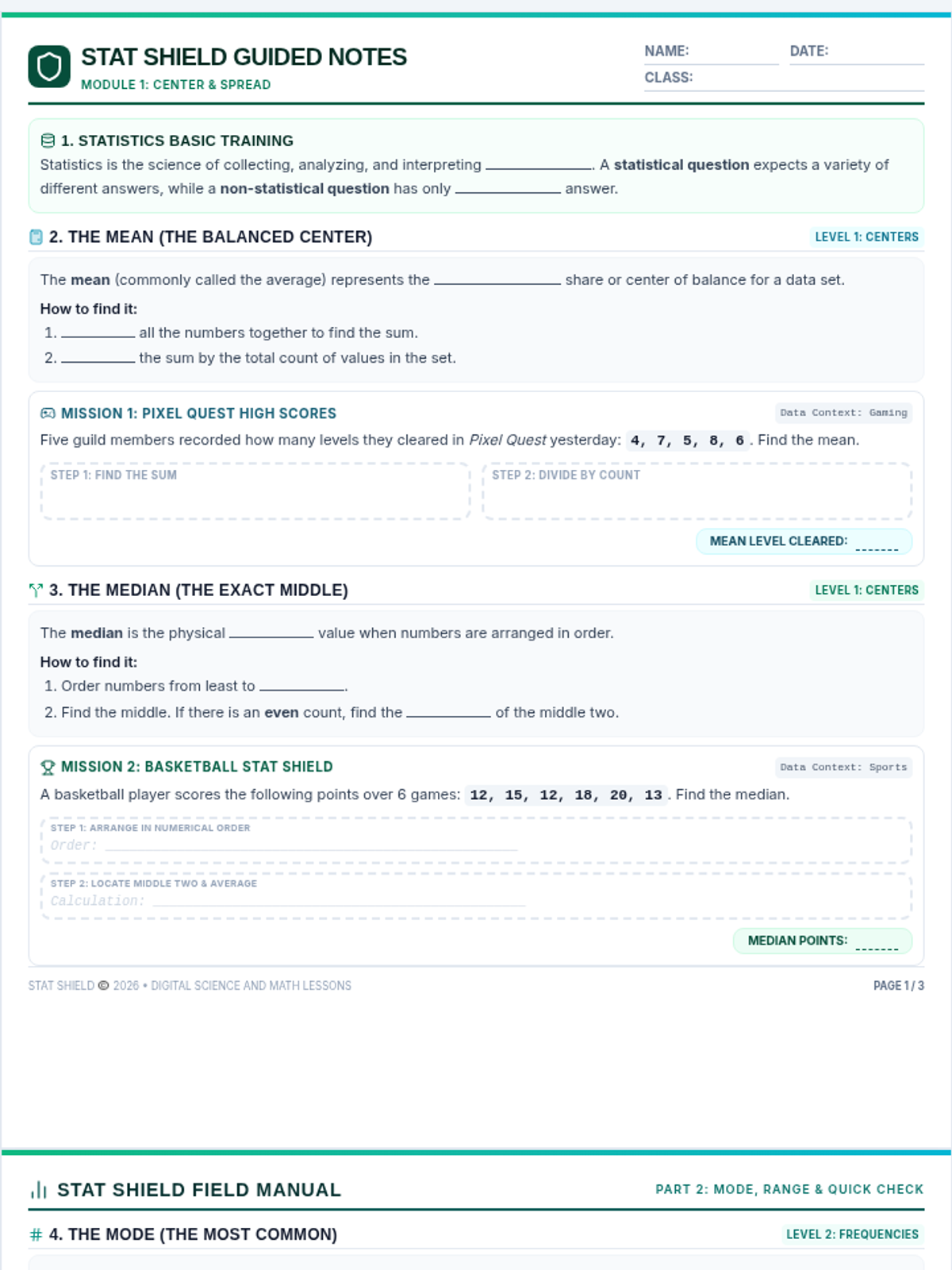
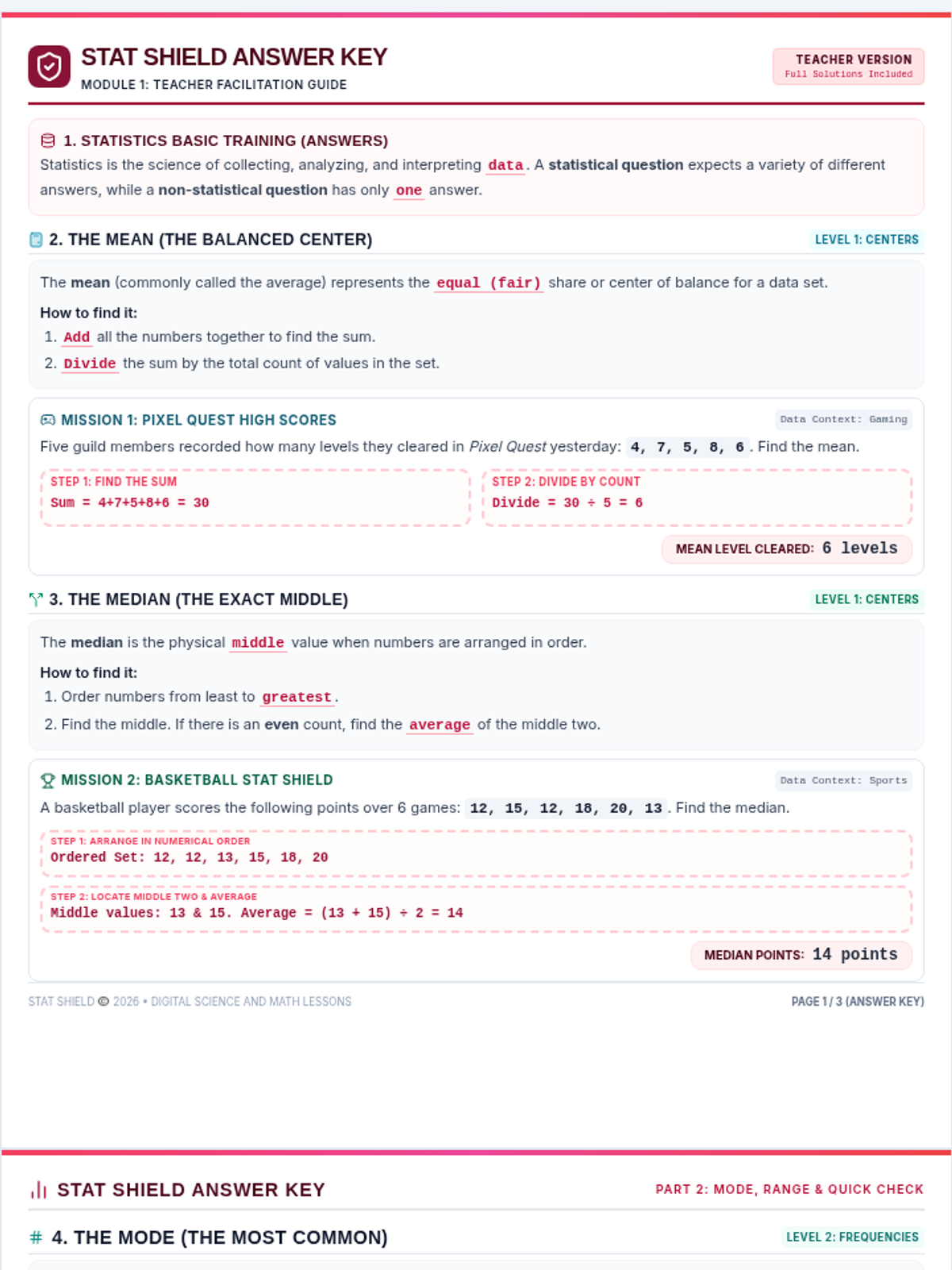
A comprehensive 6th-grade statistics unit resources focusing on Mean, Median, Mode, Range, and Mean Absolute Deviation (MAD), themed around sports, gaming, and the environment.
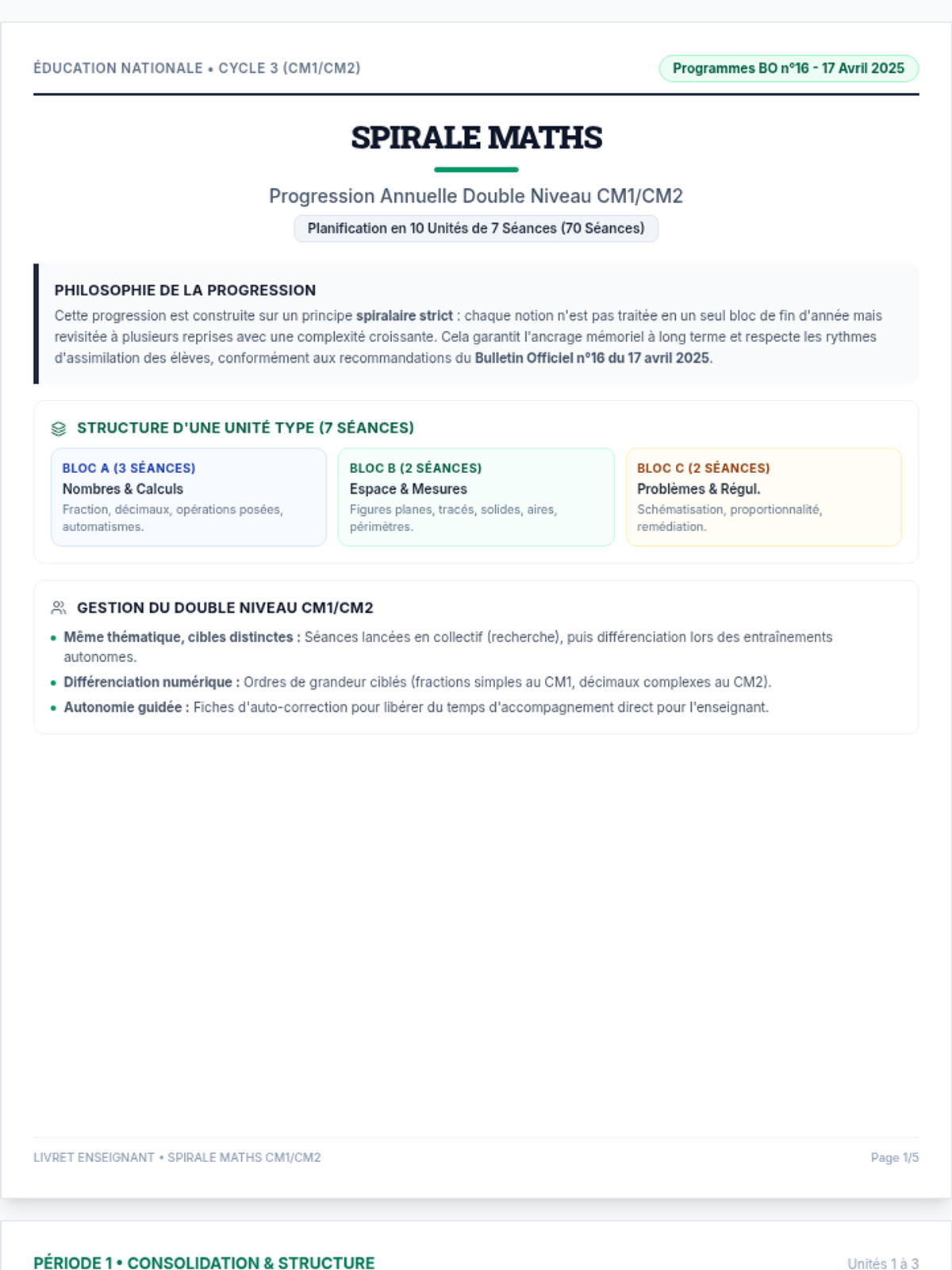
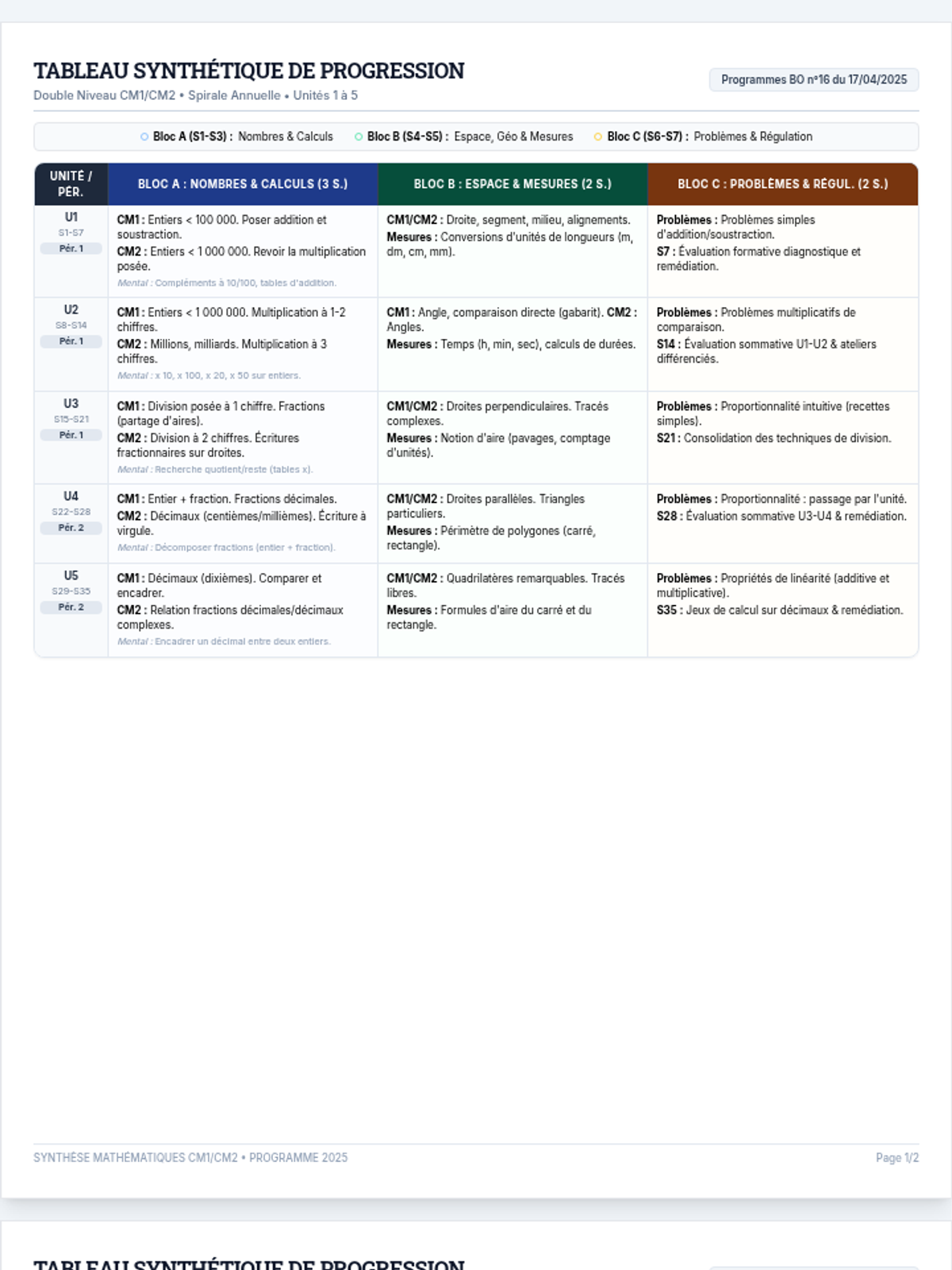
Outils de planification annuelle pour l'enseignant de CM1/CM2, comprenant un livret détaillé unité par unité et un tableau synthétique pour suivre la progression spiralaire conforme au BO du 17 avril 2025.
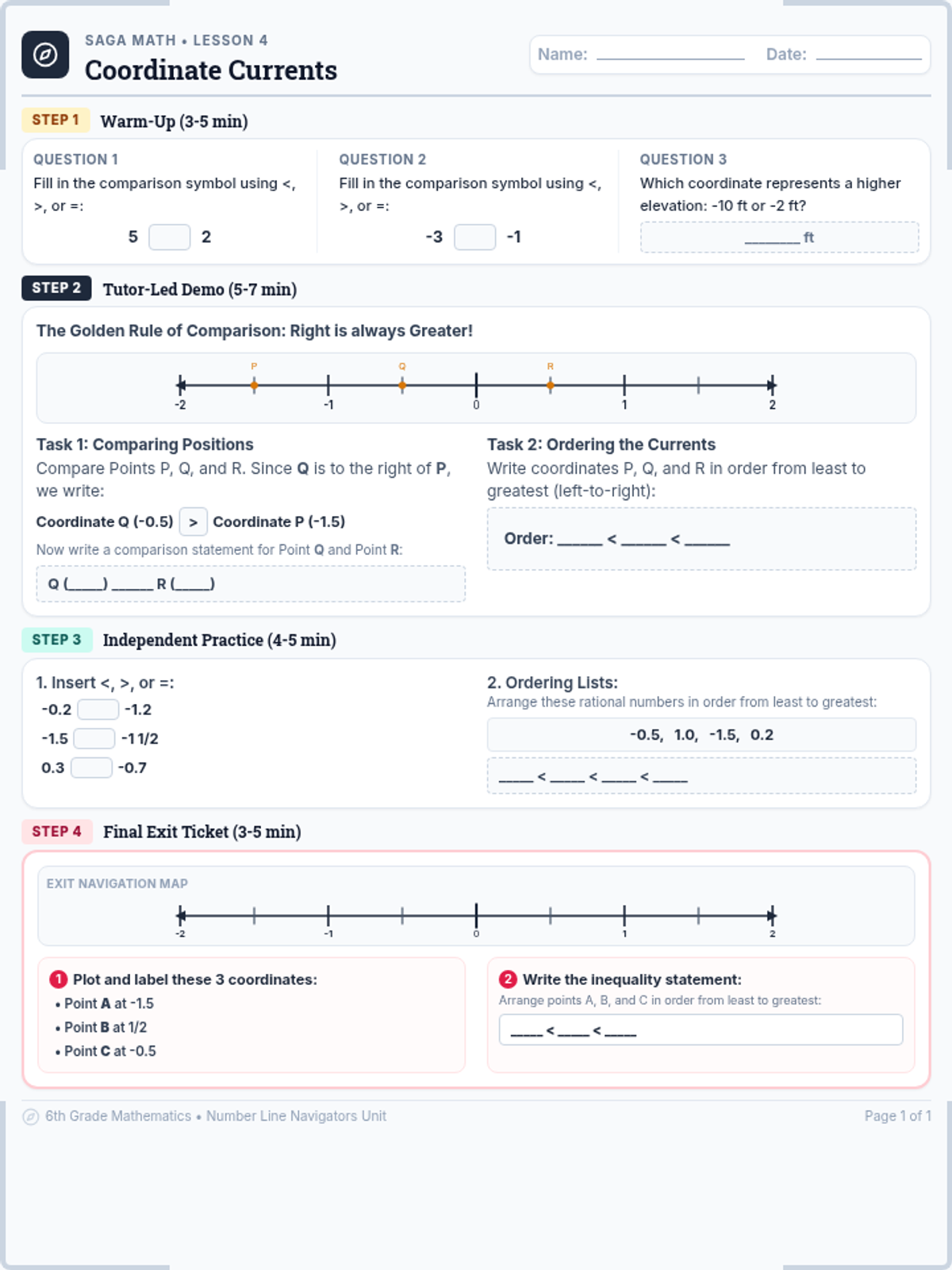
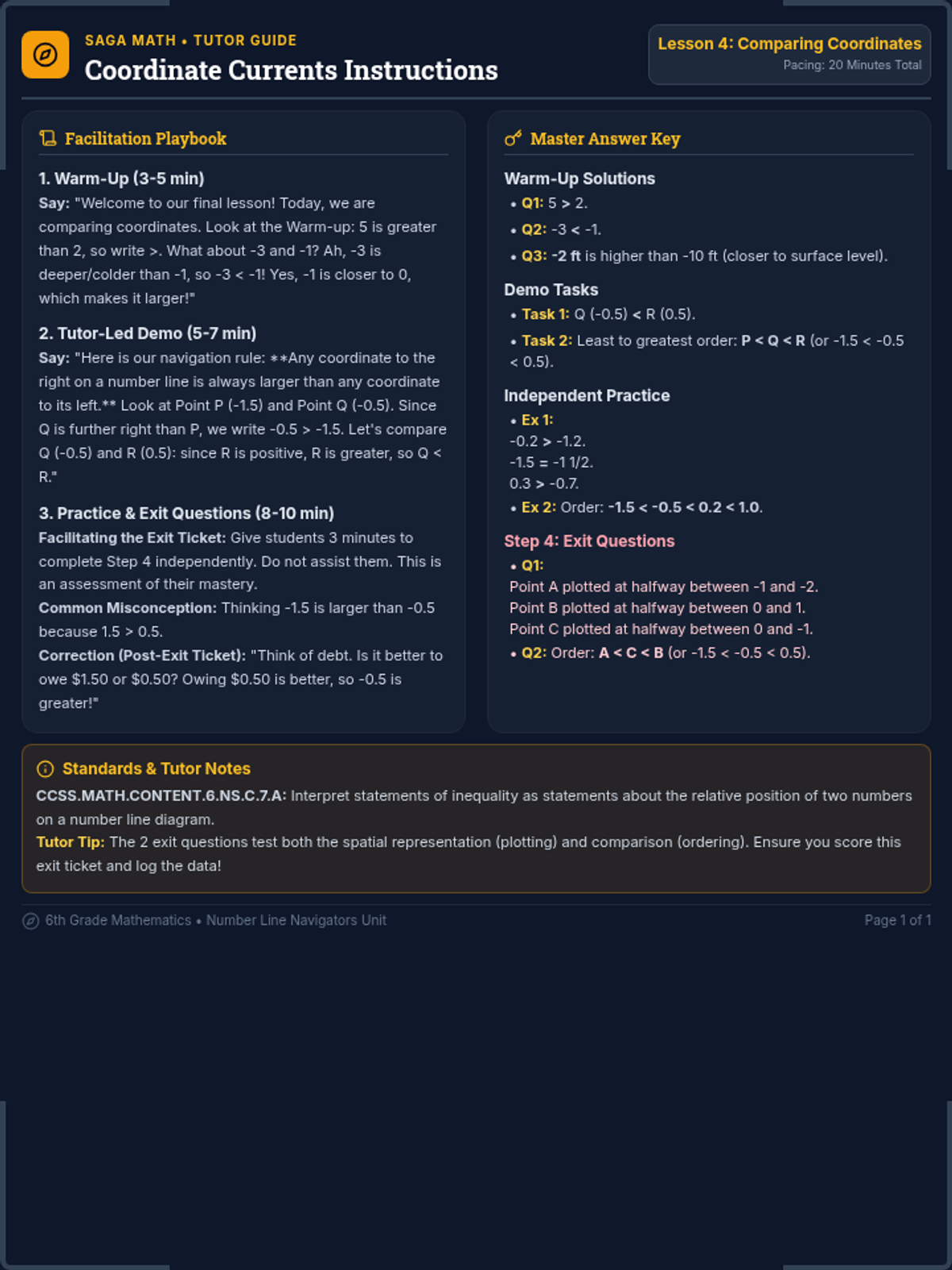
Compare and order integers, fractions, and decimals on a number line using inequality symbols, concluding with two comprehensive exit questions.