A collection of beautiful daily devotionals and remembrance cards designed to accompany the believer throughout the day and night, featuring the Witr prayer, morning remembrances, and evening remembrances.
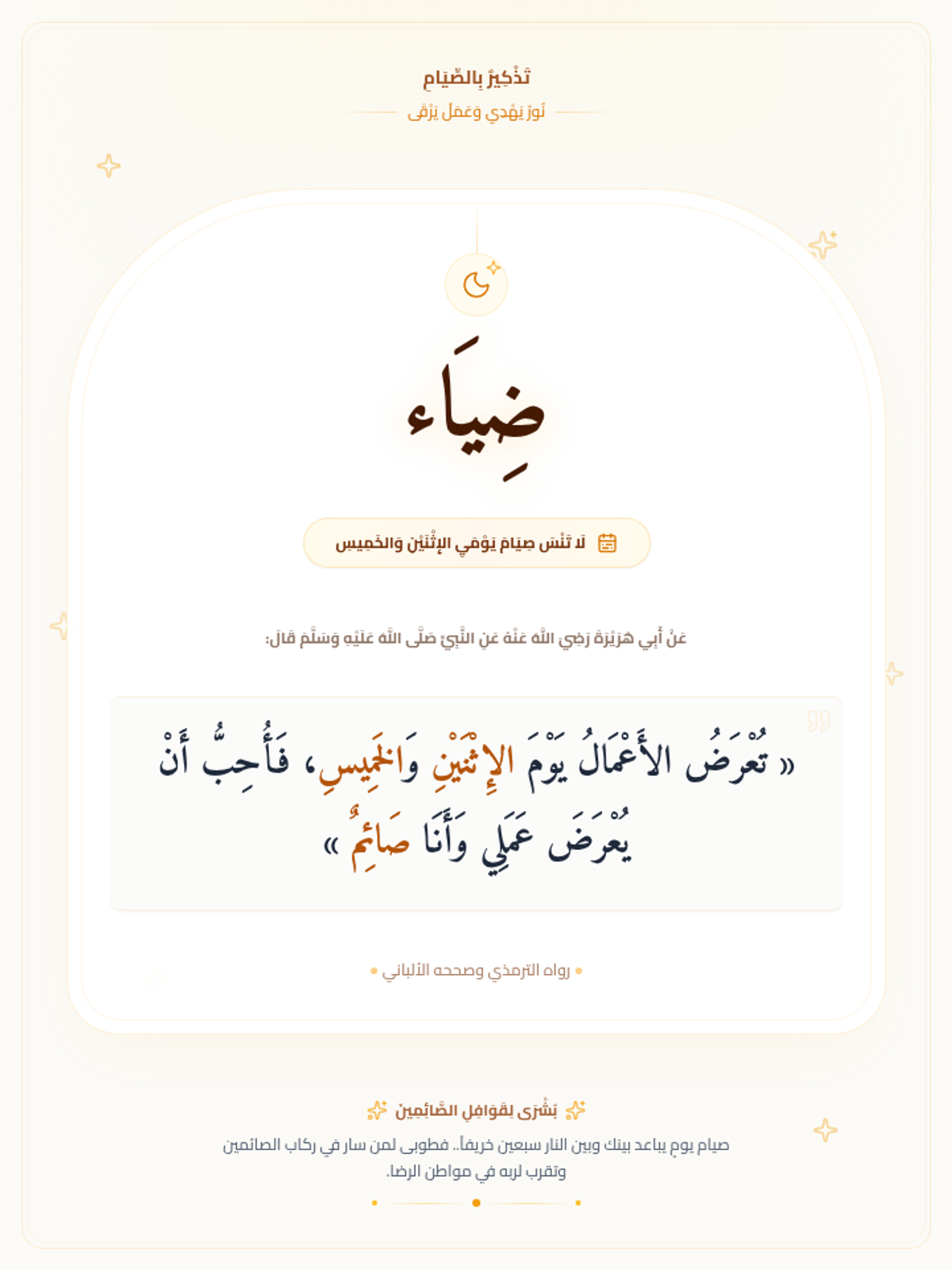
A premium, cohesive collection of beautifully designed spiritual and religious reminders for daily, weekly, and seasonal practices, featuring high-contrast connected Arabic typography, elegant arches, and glowing celestial themes.
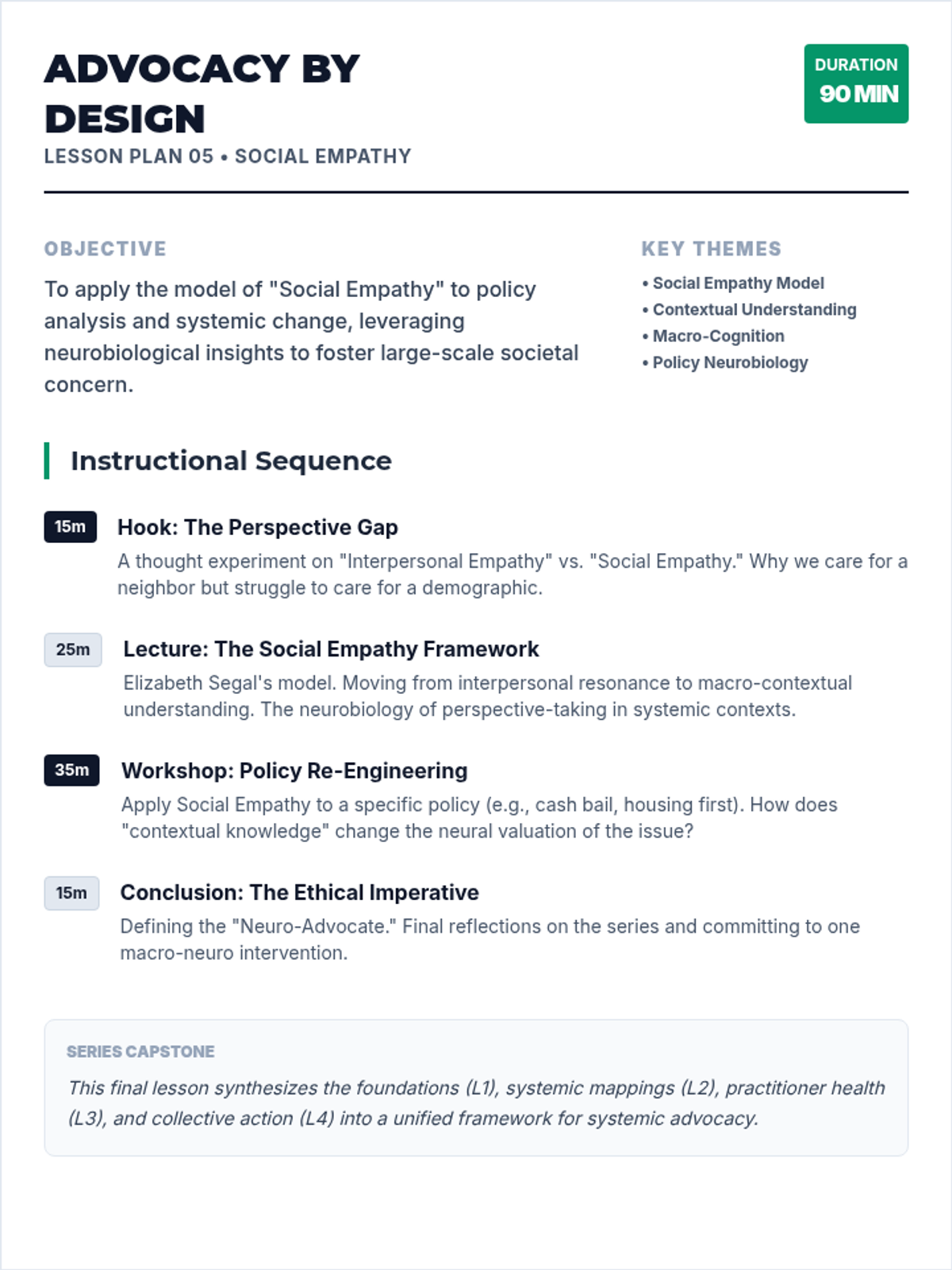
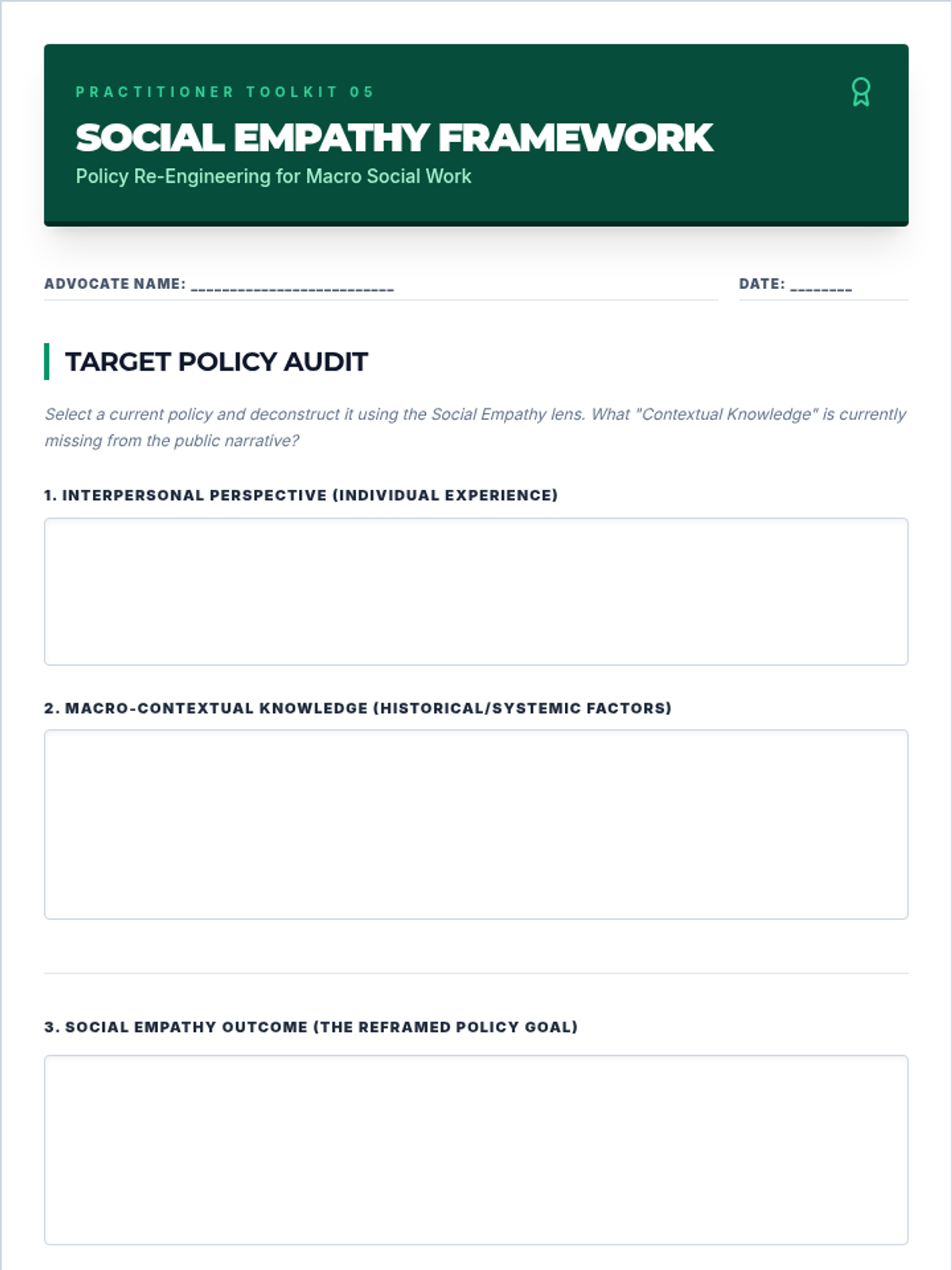
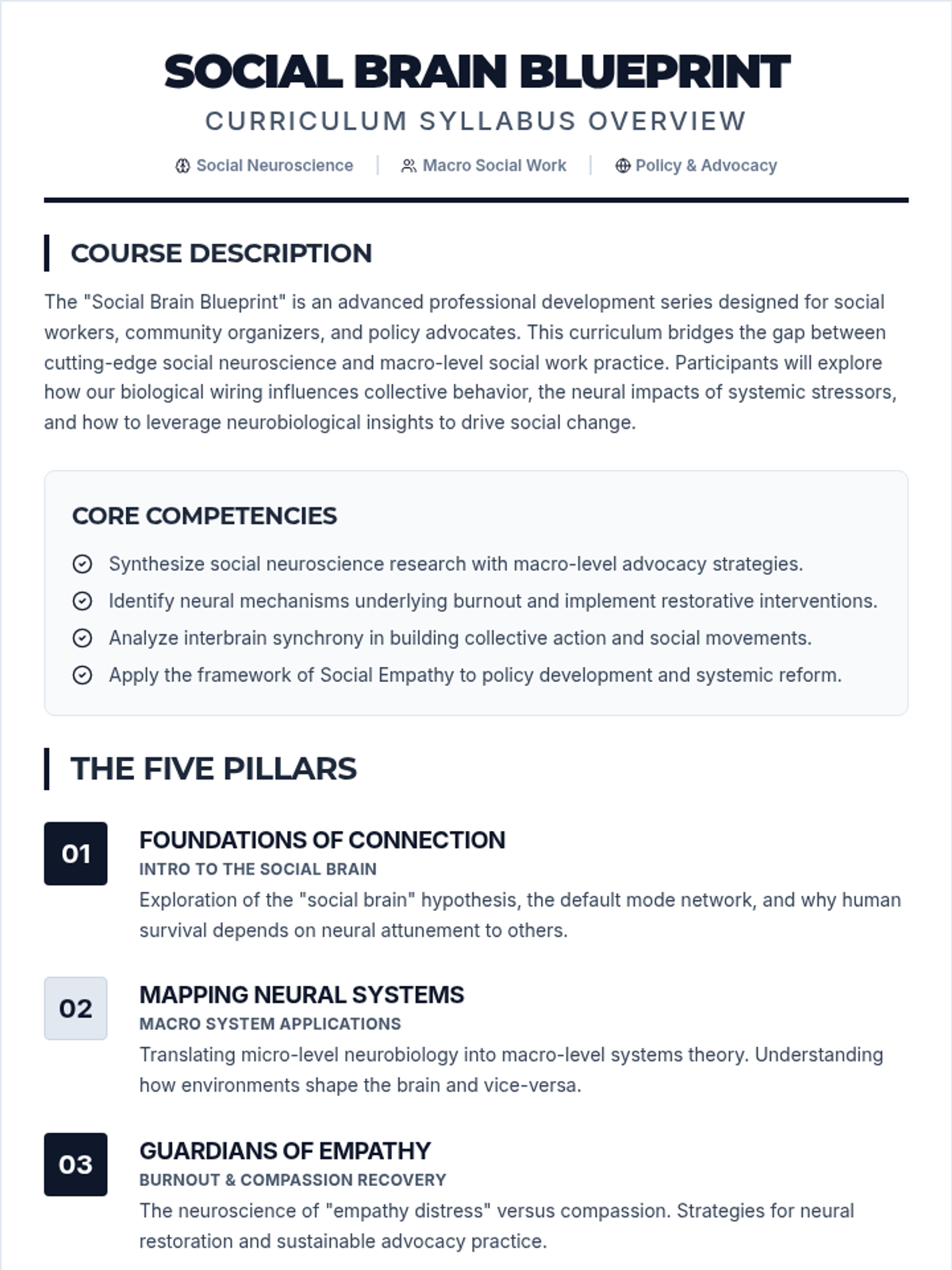
Integrating social empathy and neurobiological insights into systemic advocacy, policy development, and macro-level social change efforts.
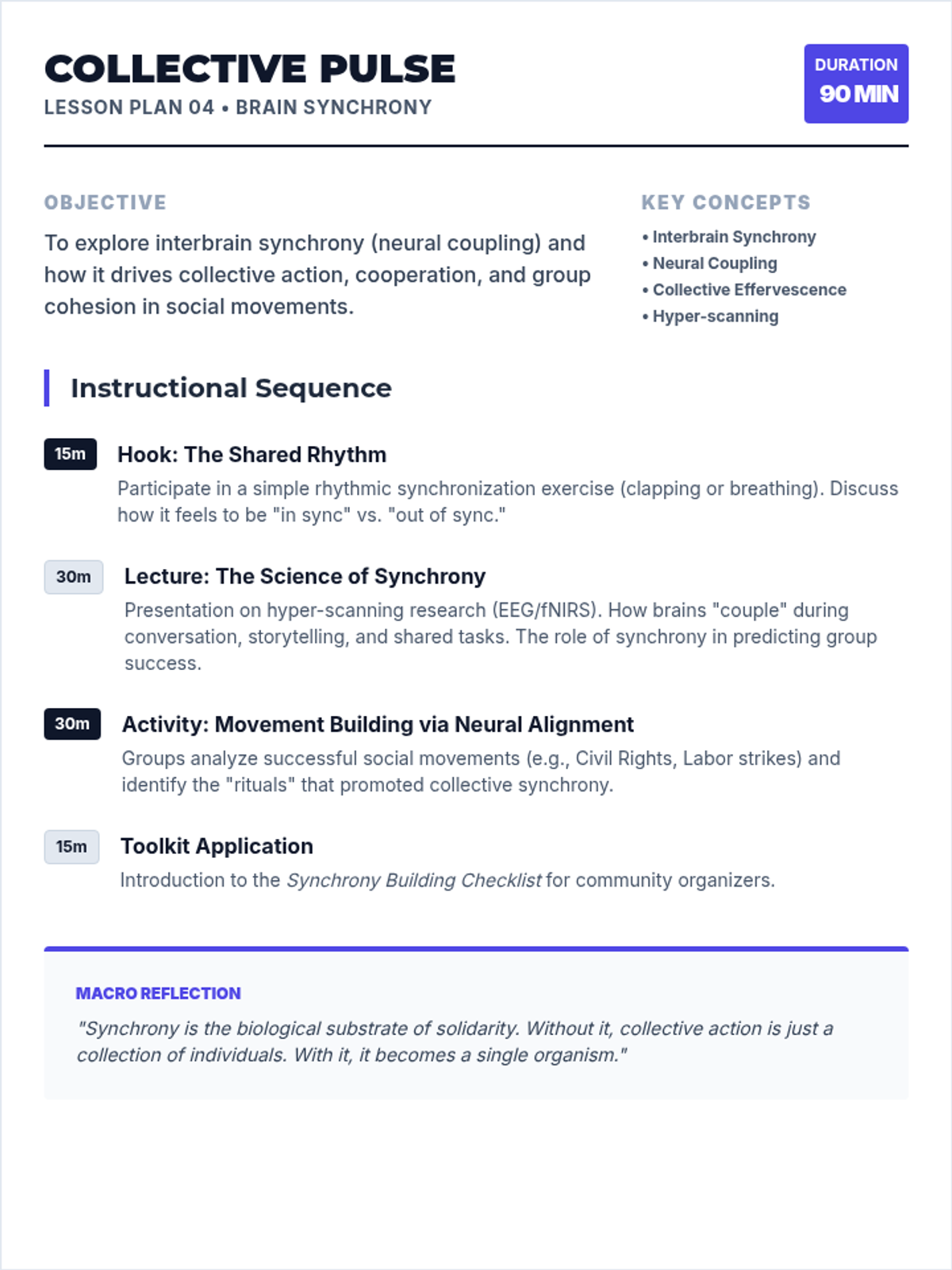
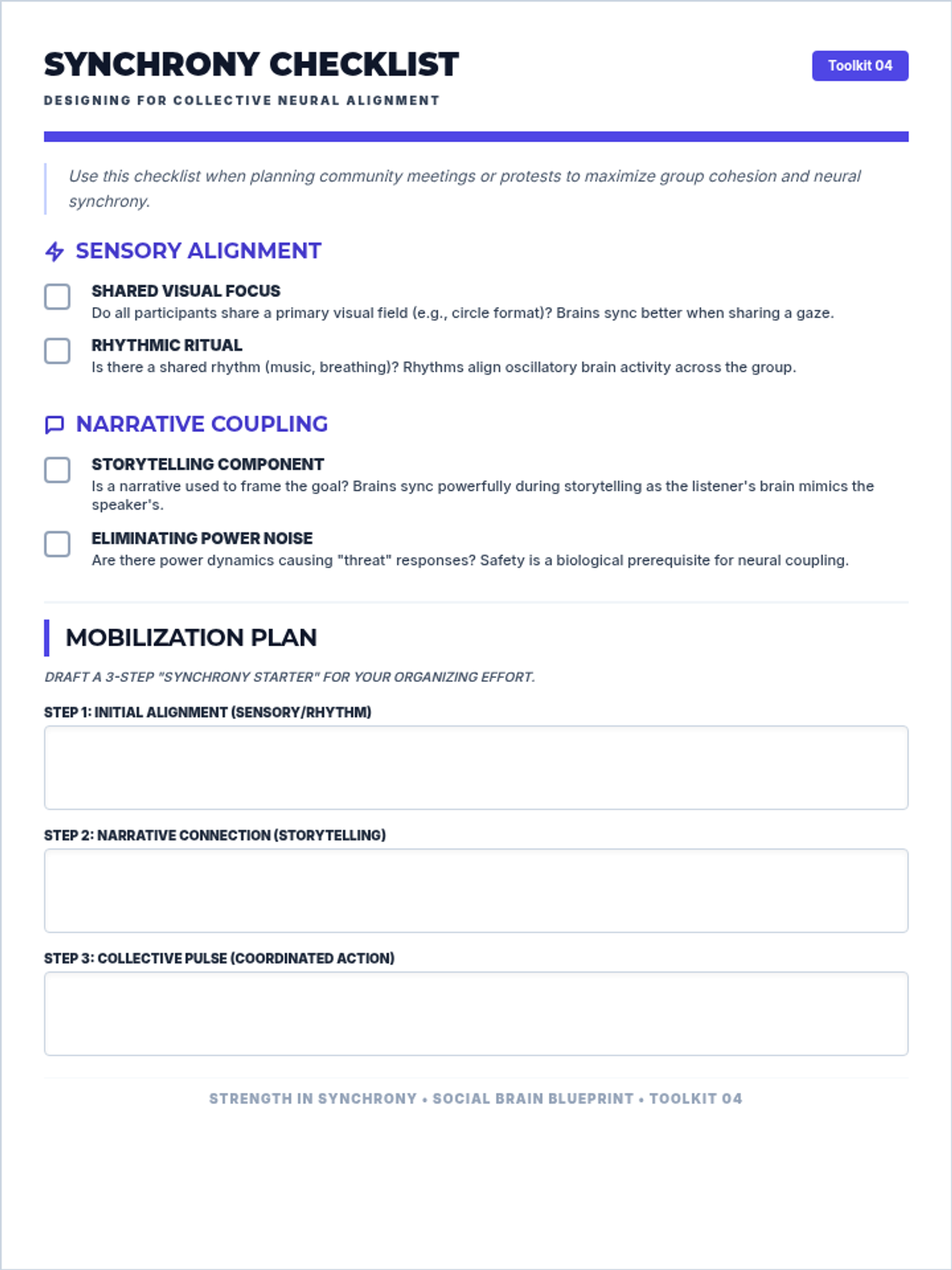
Examining interbrain synchrony and its role in group dynamics, collective action, and building resilient community movements.
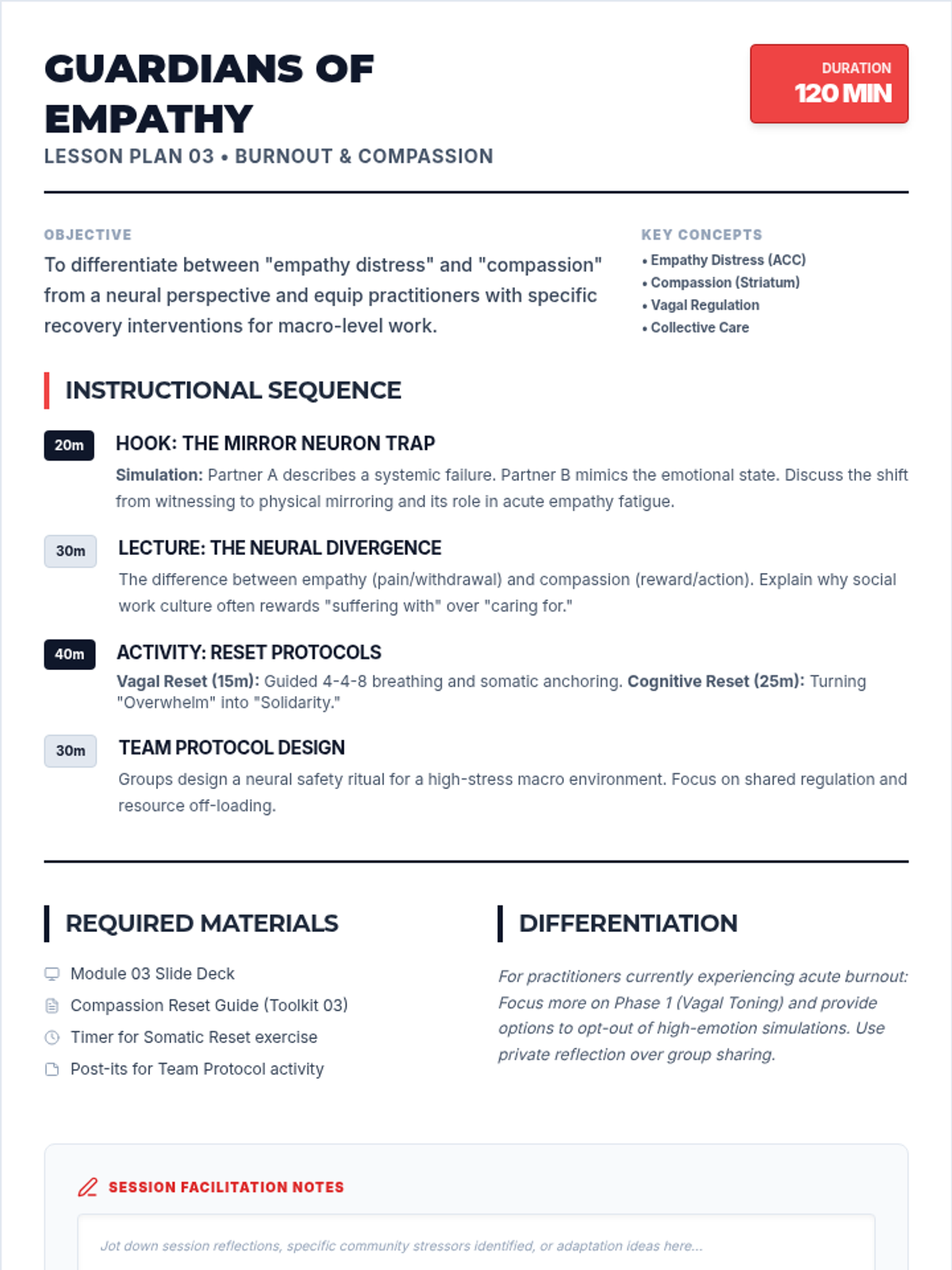
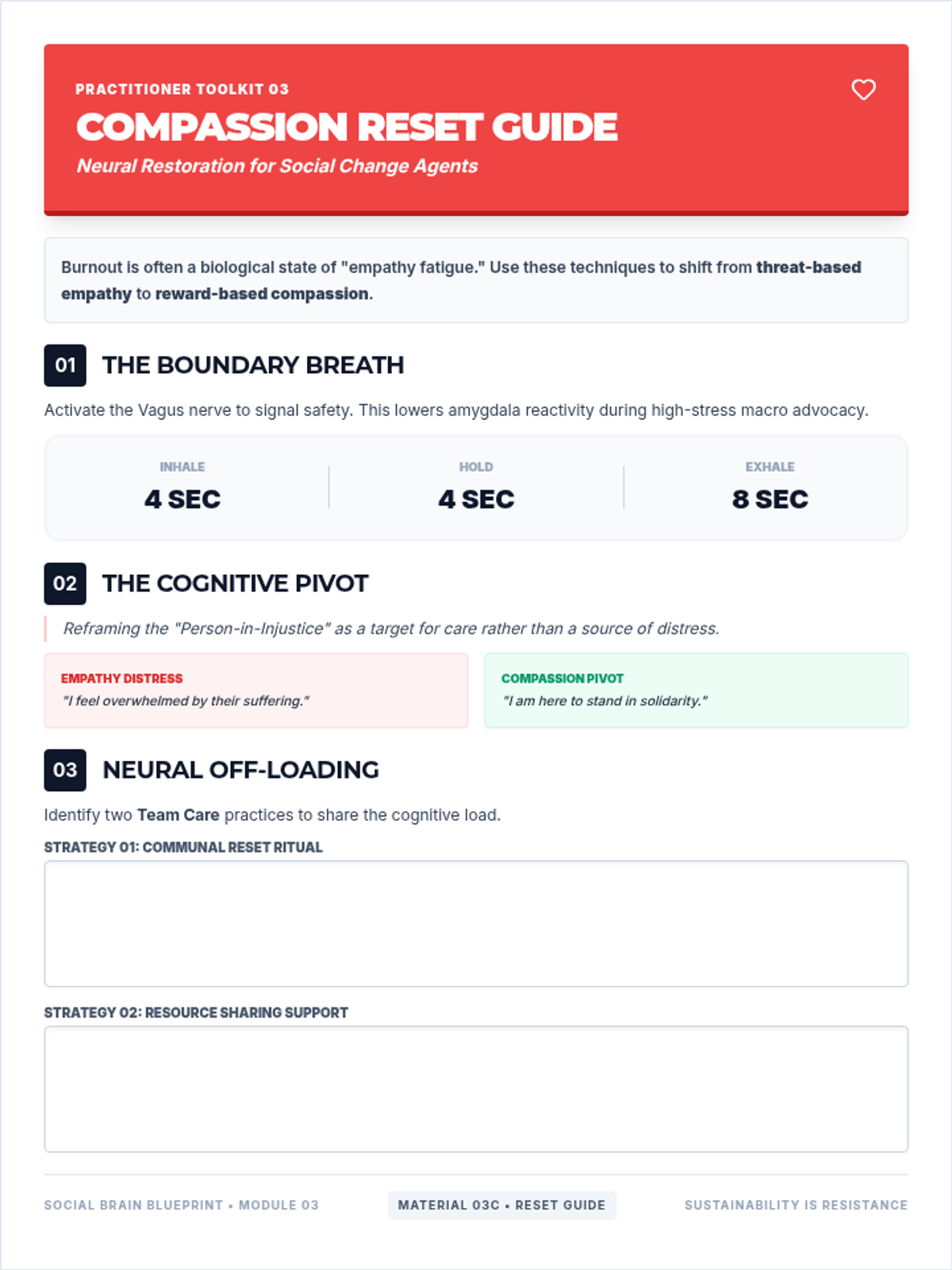
An exploration of the neural mechanisms of burnout and secondary traumatic stress, providing practitioners with evidence-based compassion interventions for recovery.
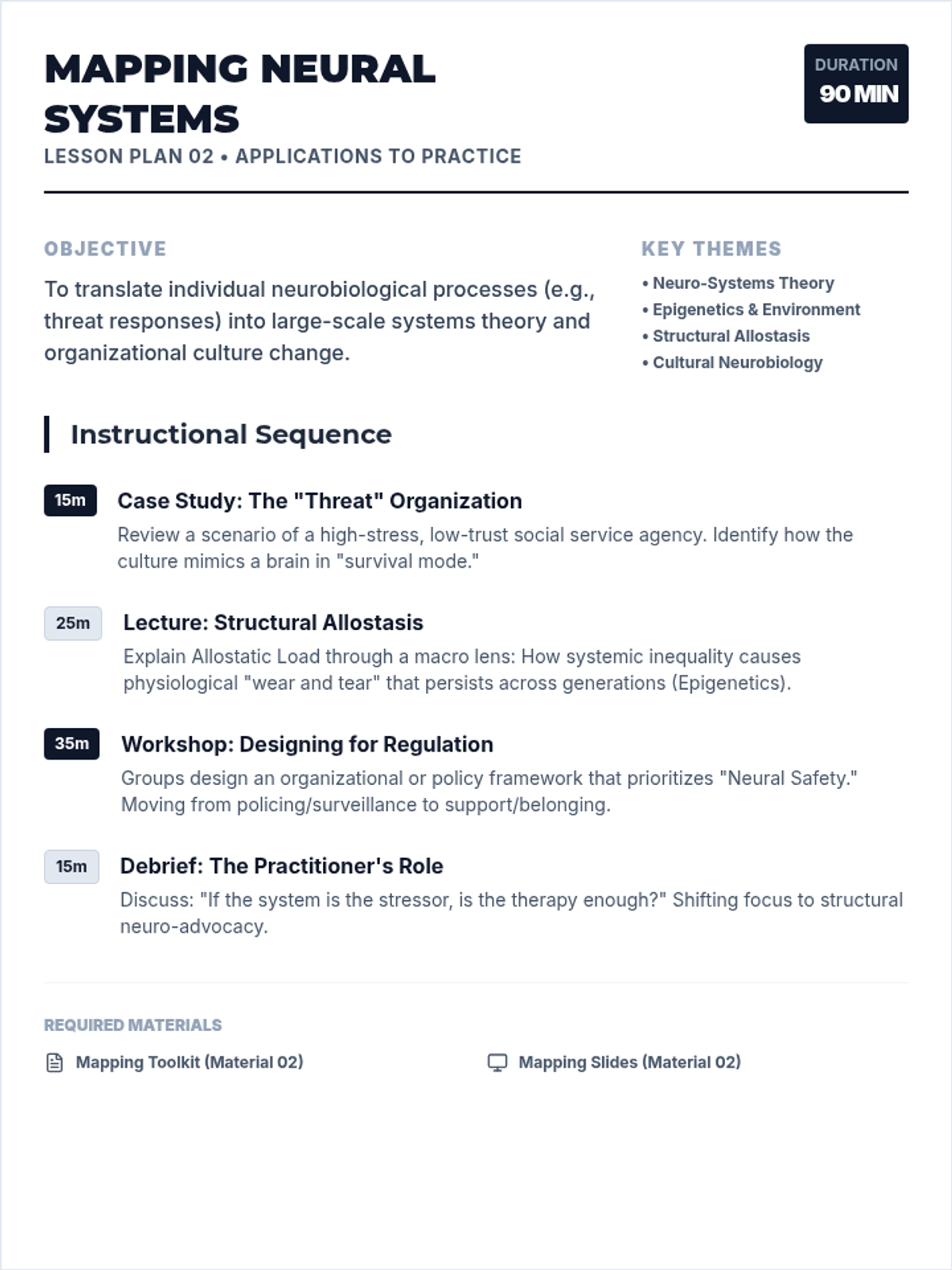
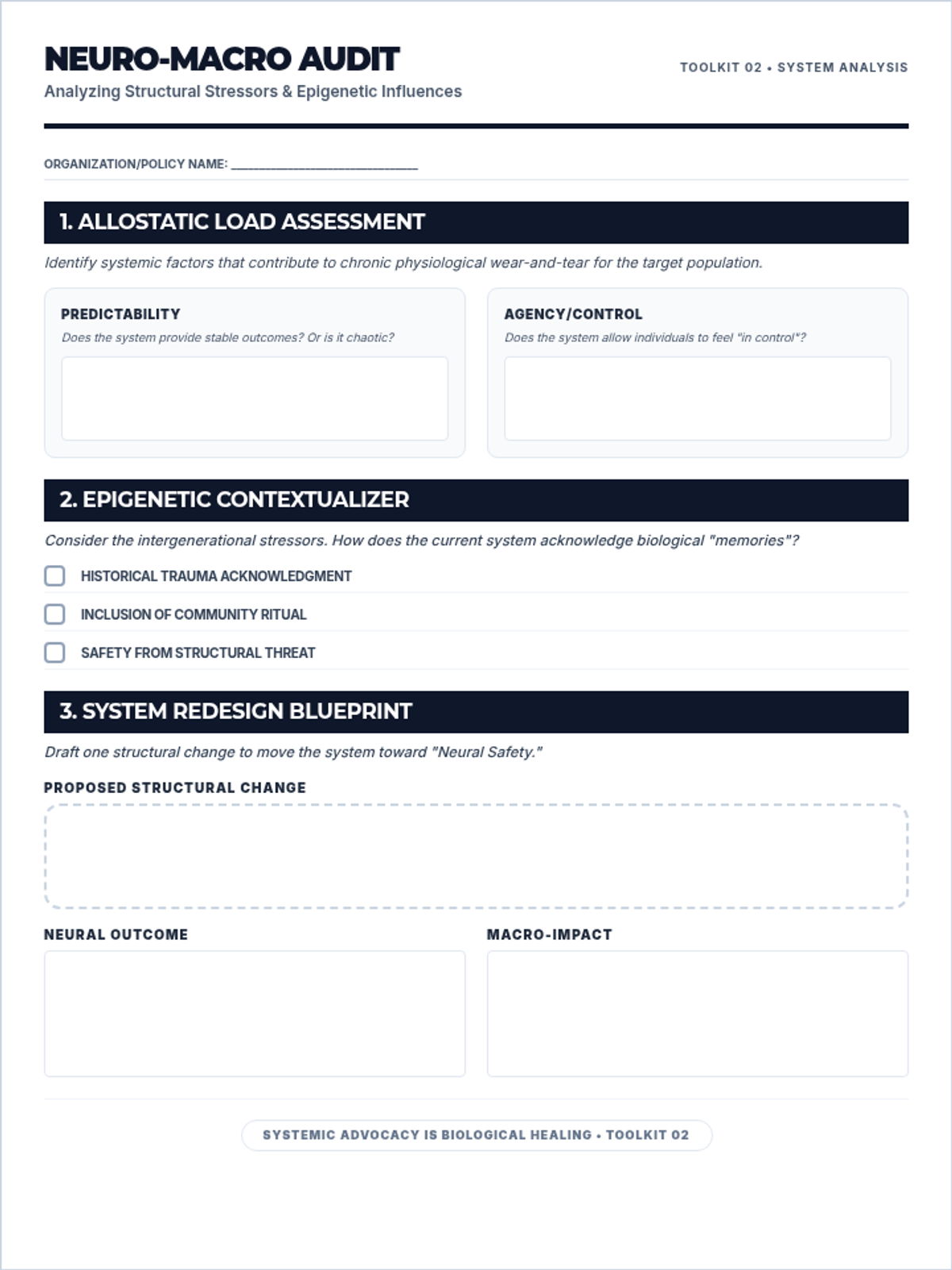
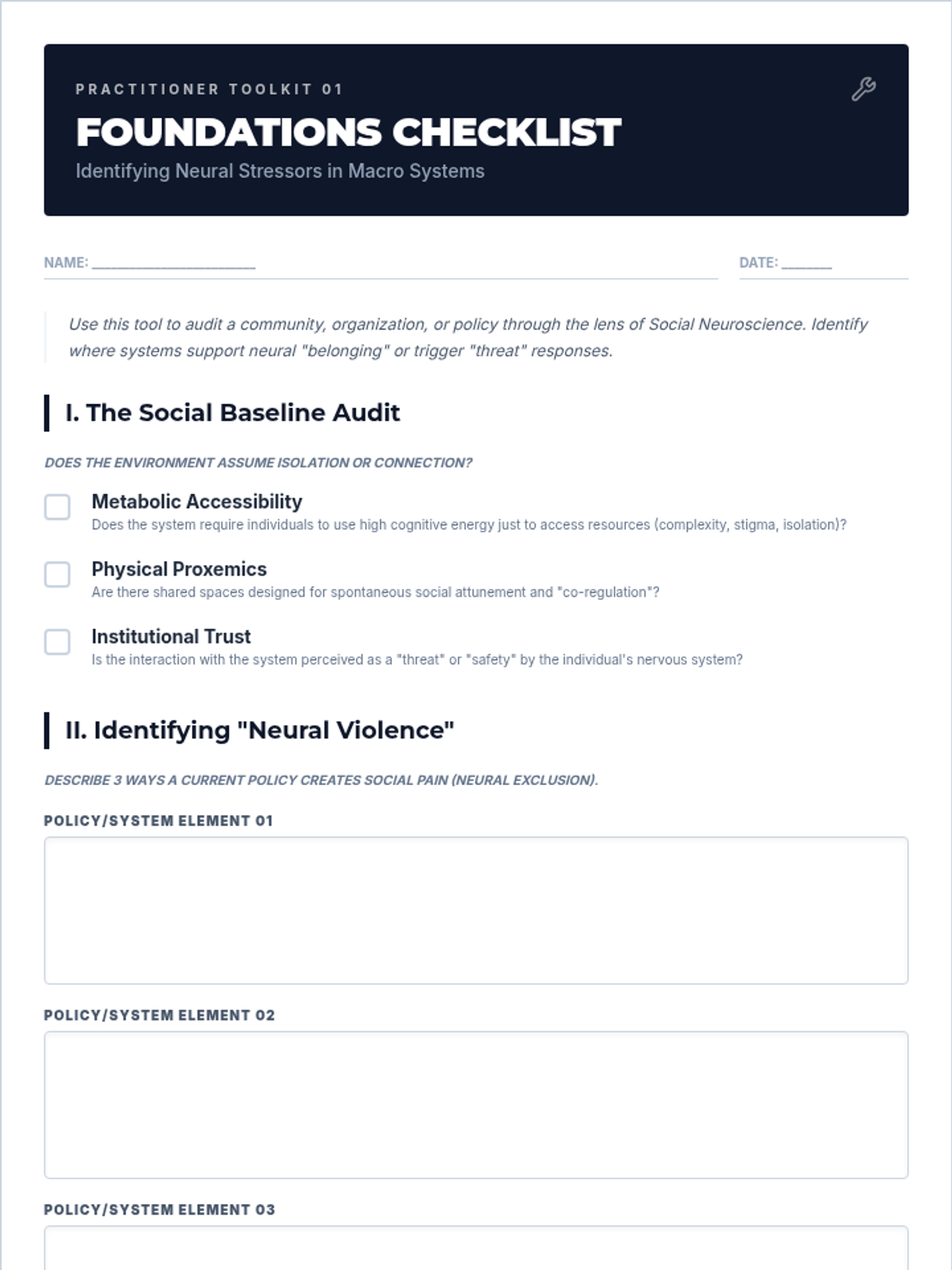
Bridging the gap between individual neurobiology and large-scale social systems, focusing on how neural processes inform macro social work interventions.
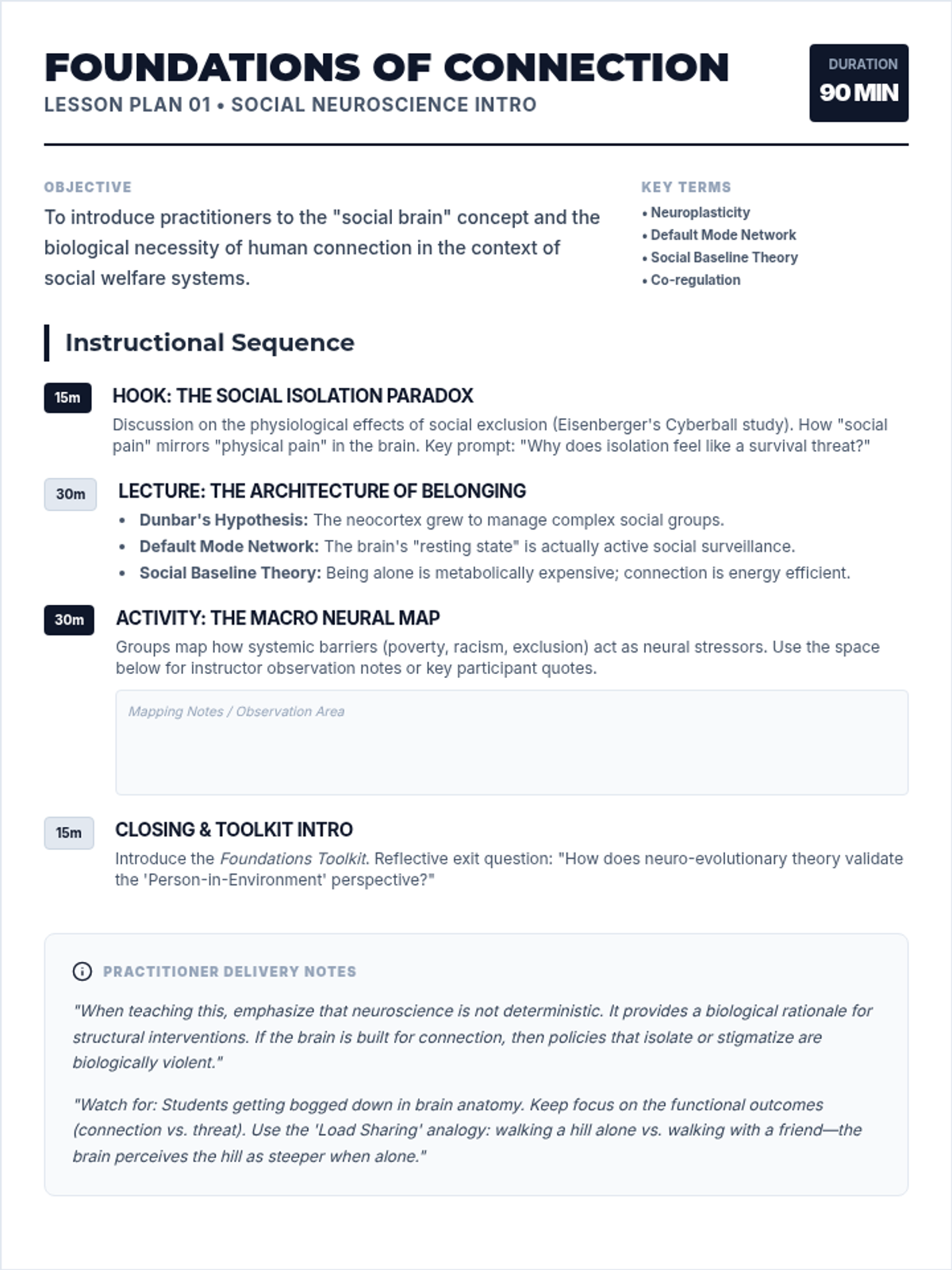
An introduction to the foundational concepts of social neuroscience, exploring how human brains are biologically wired for social interaction and systemic belonging.
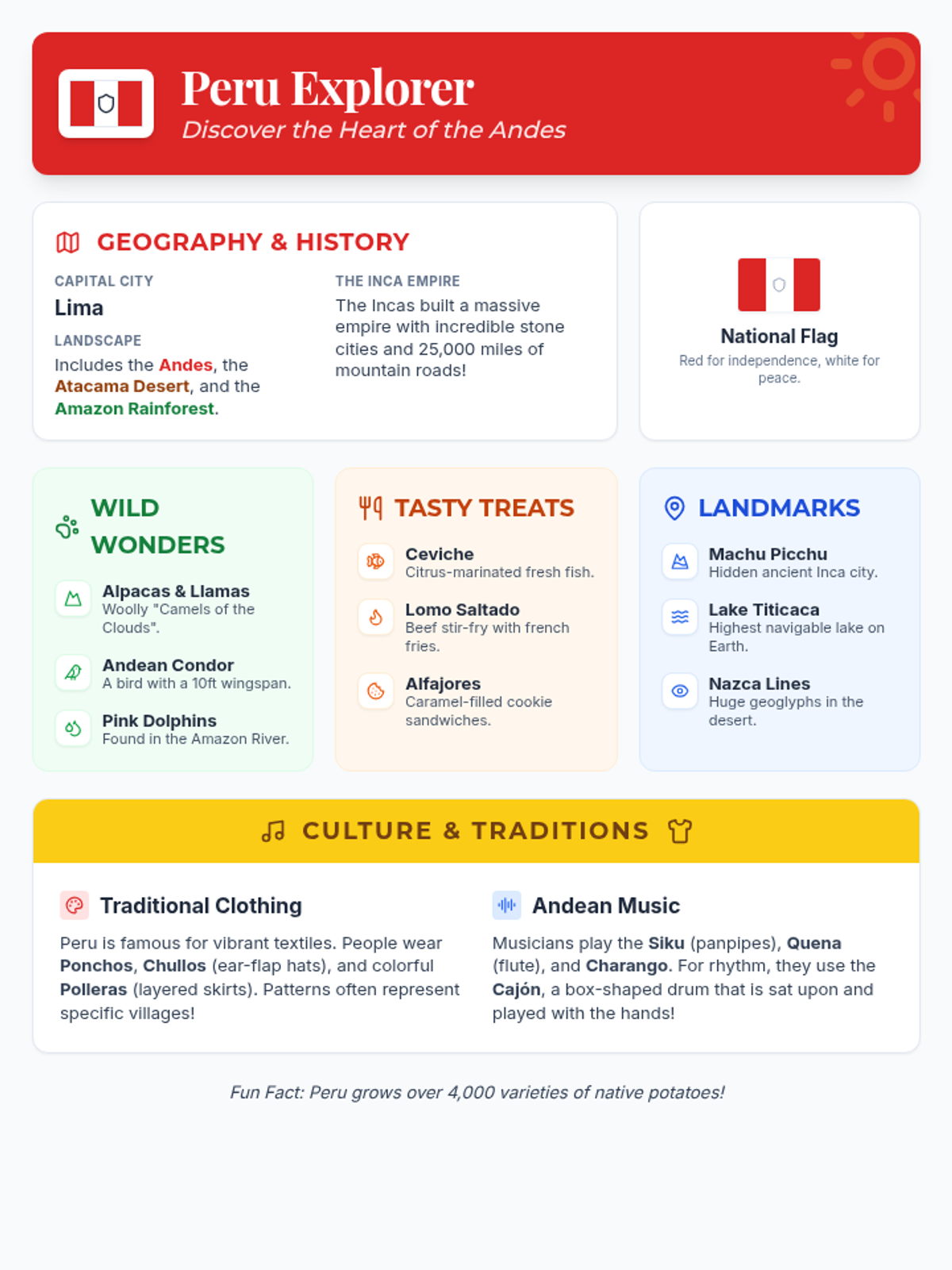
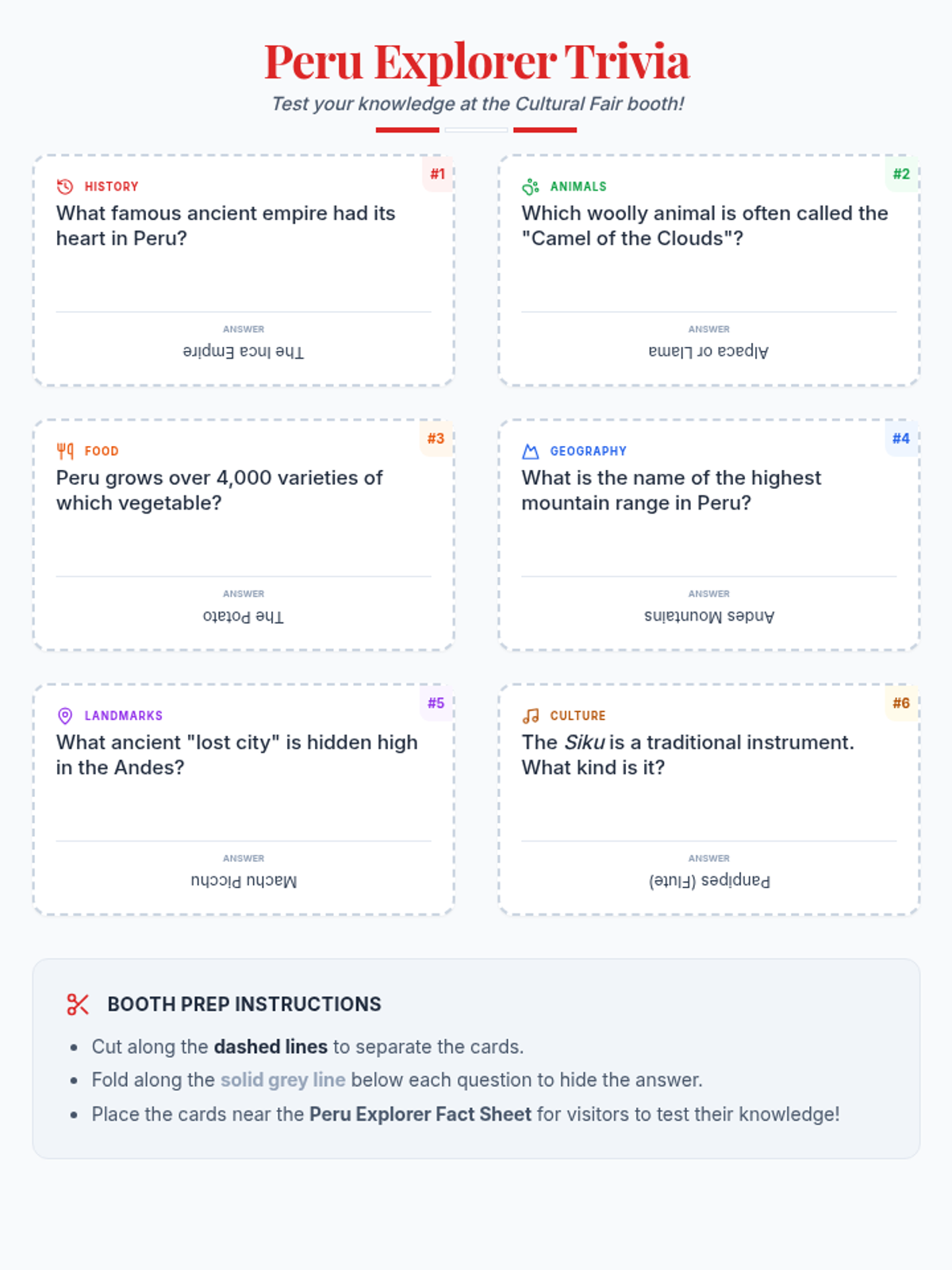
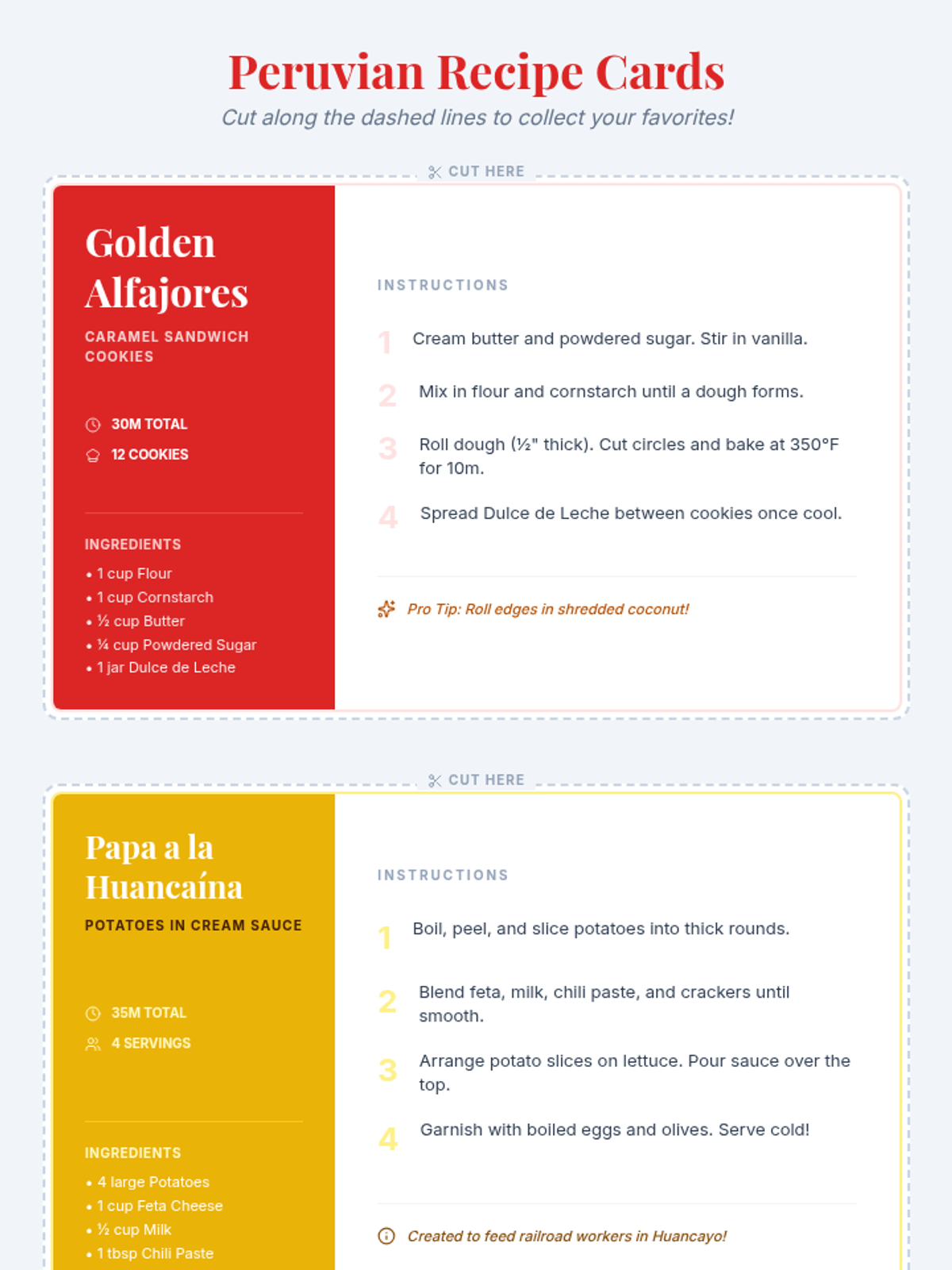
A collection of resources for an educational information booth about Peru at a cultural fair, including a fact sheet and interactive trivia cards.
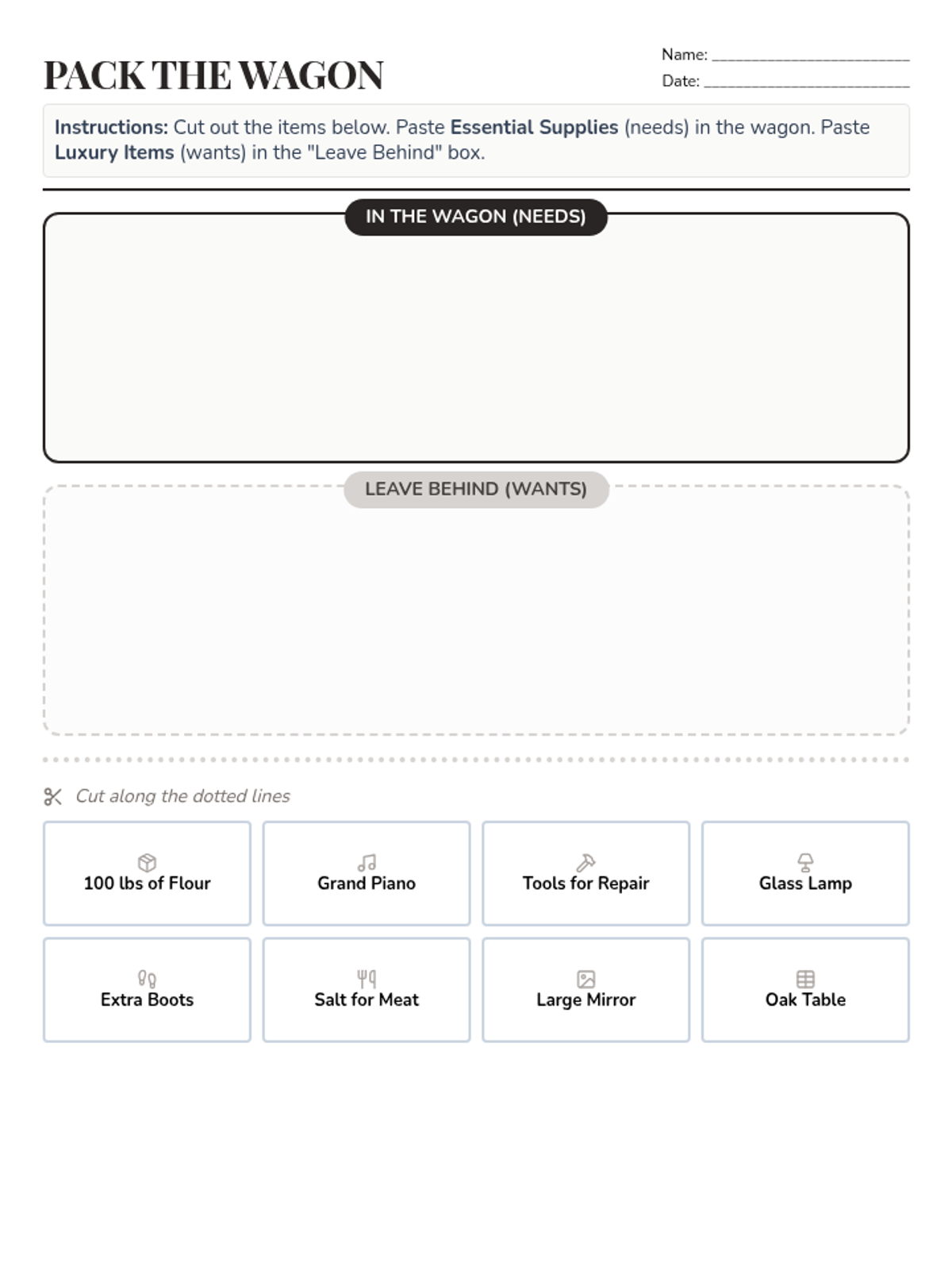
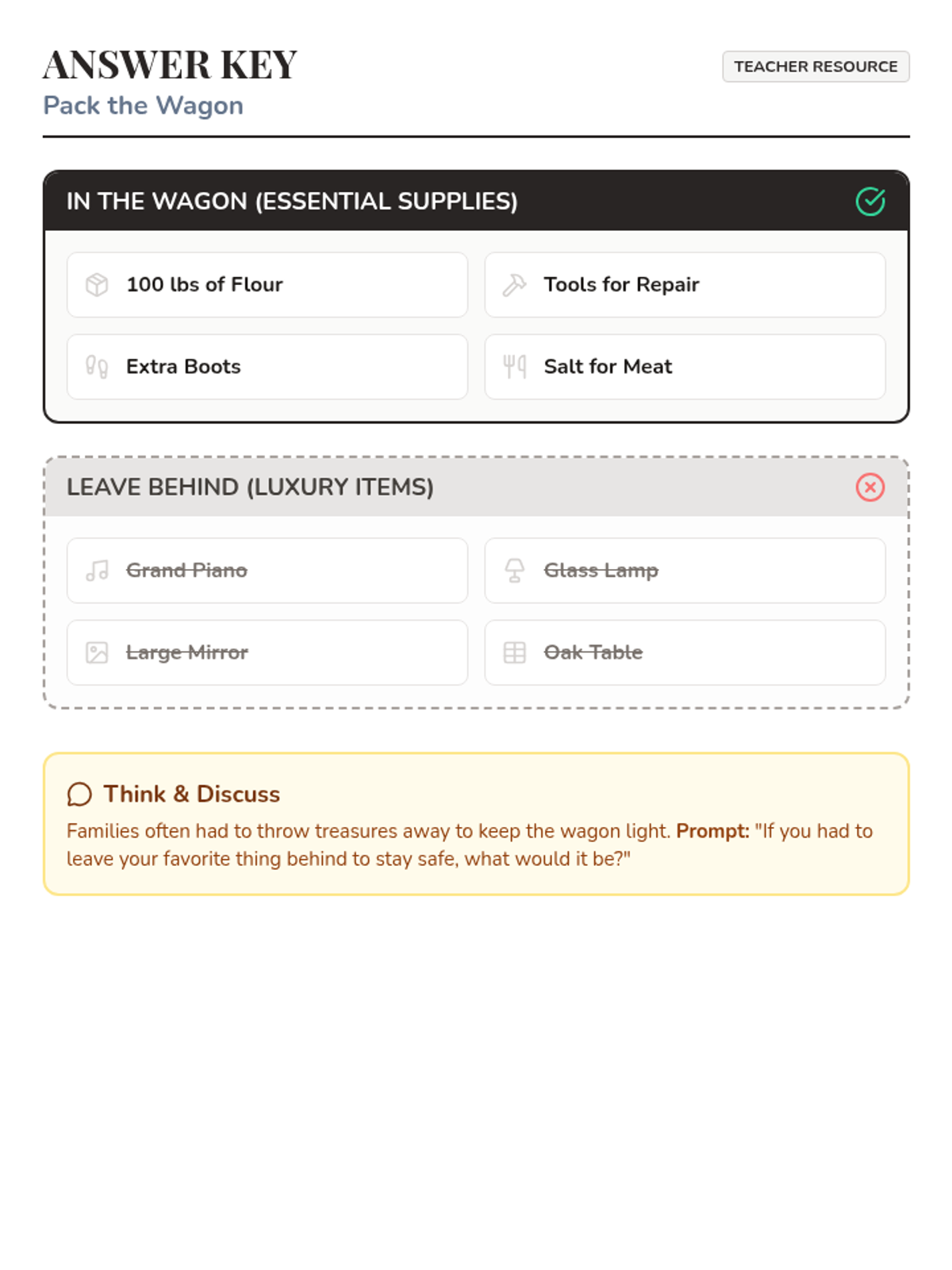
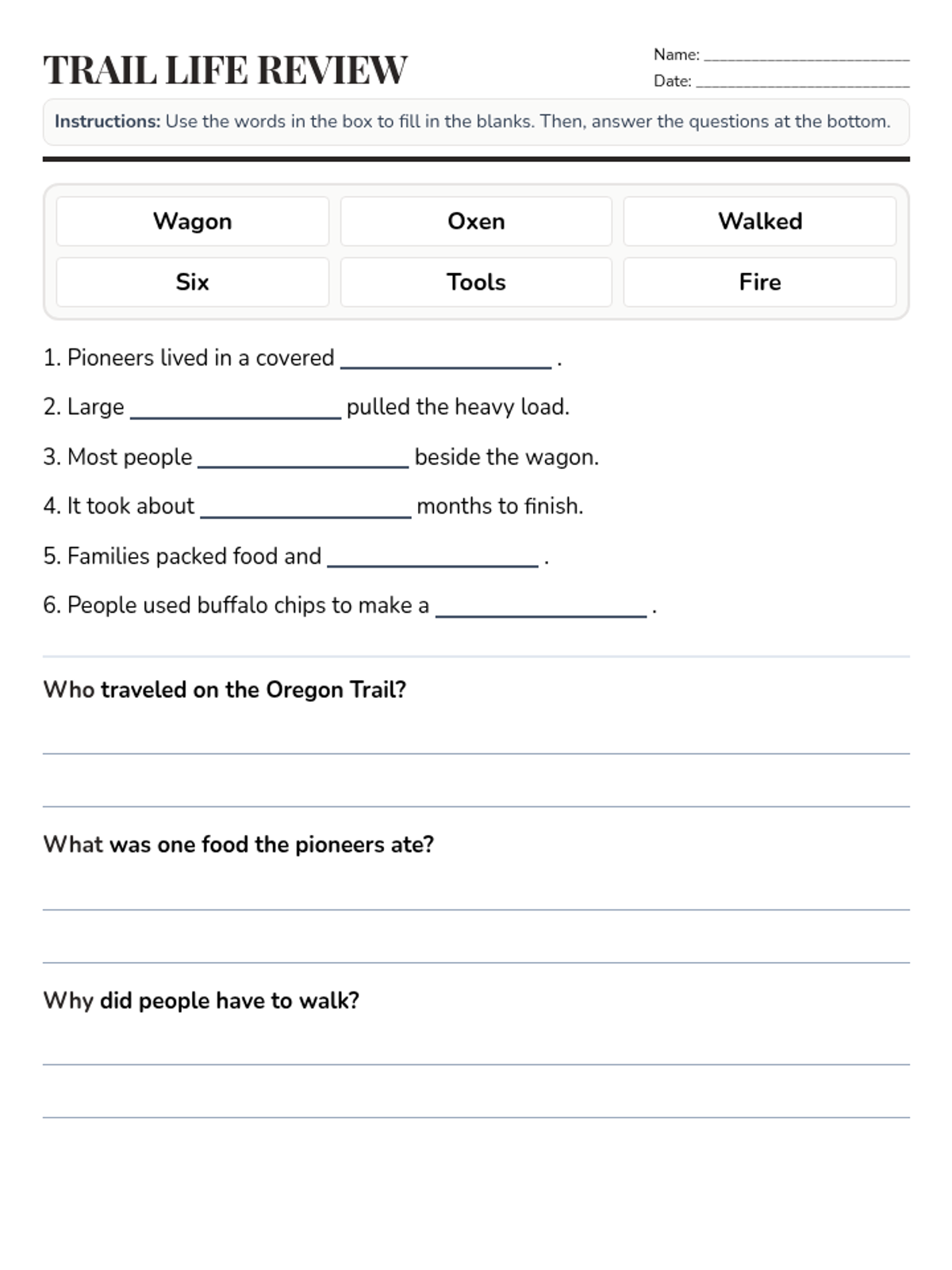
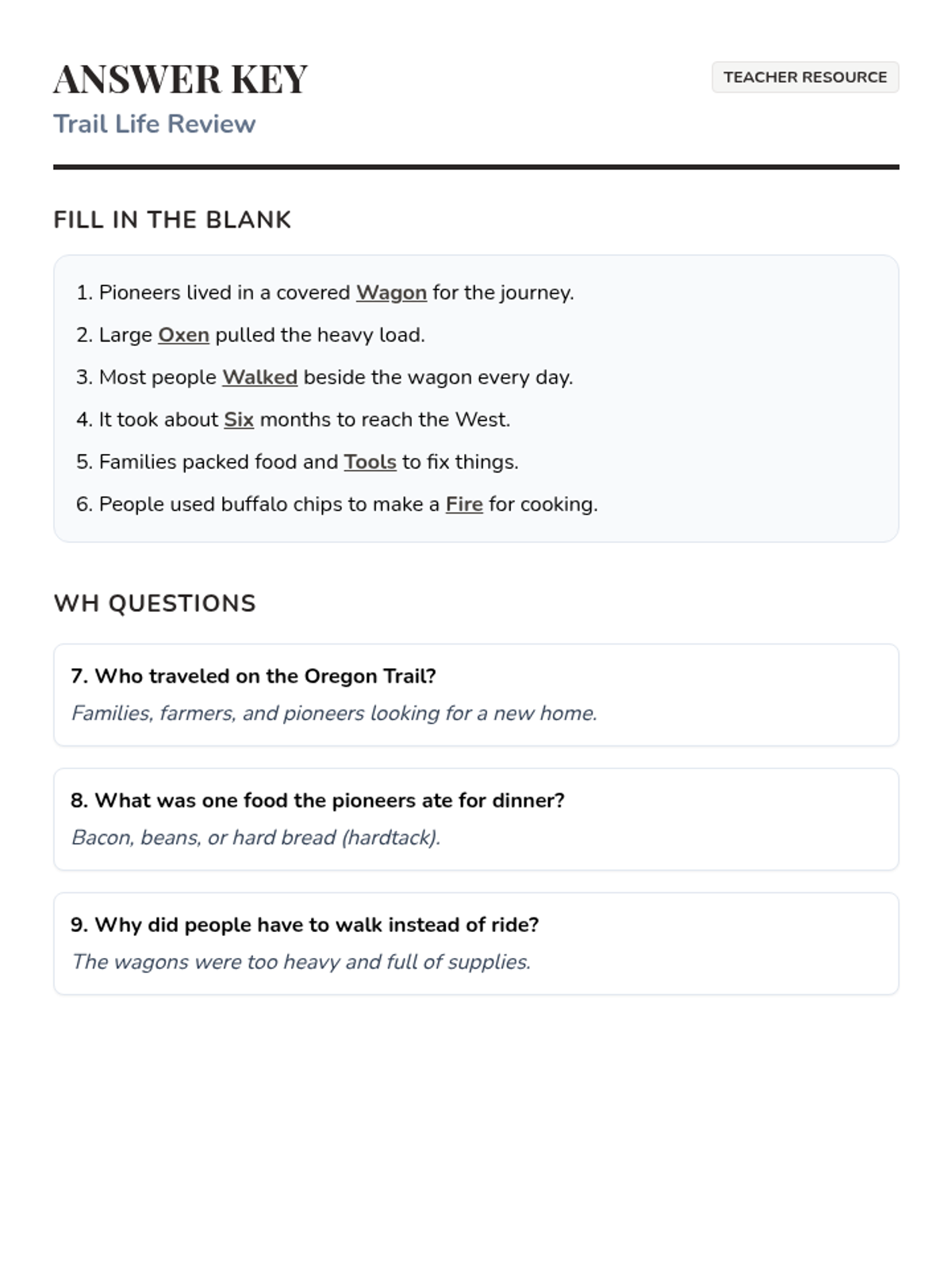
Explores the realities of the Oregon Trail, focusing on how families packed their wagons and the challenges they faced during the long journey.
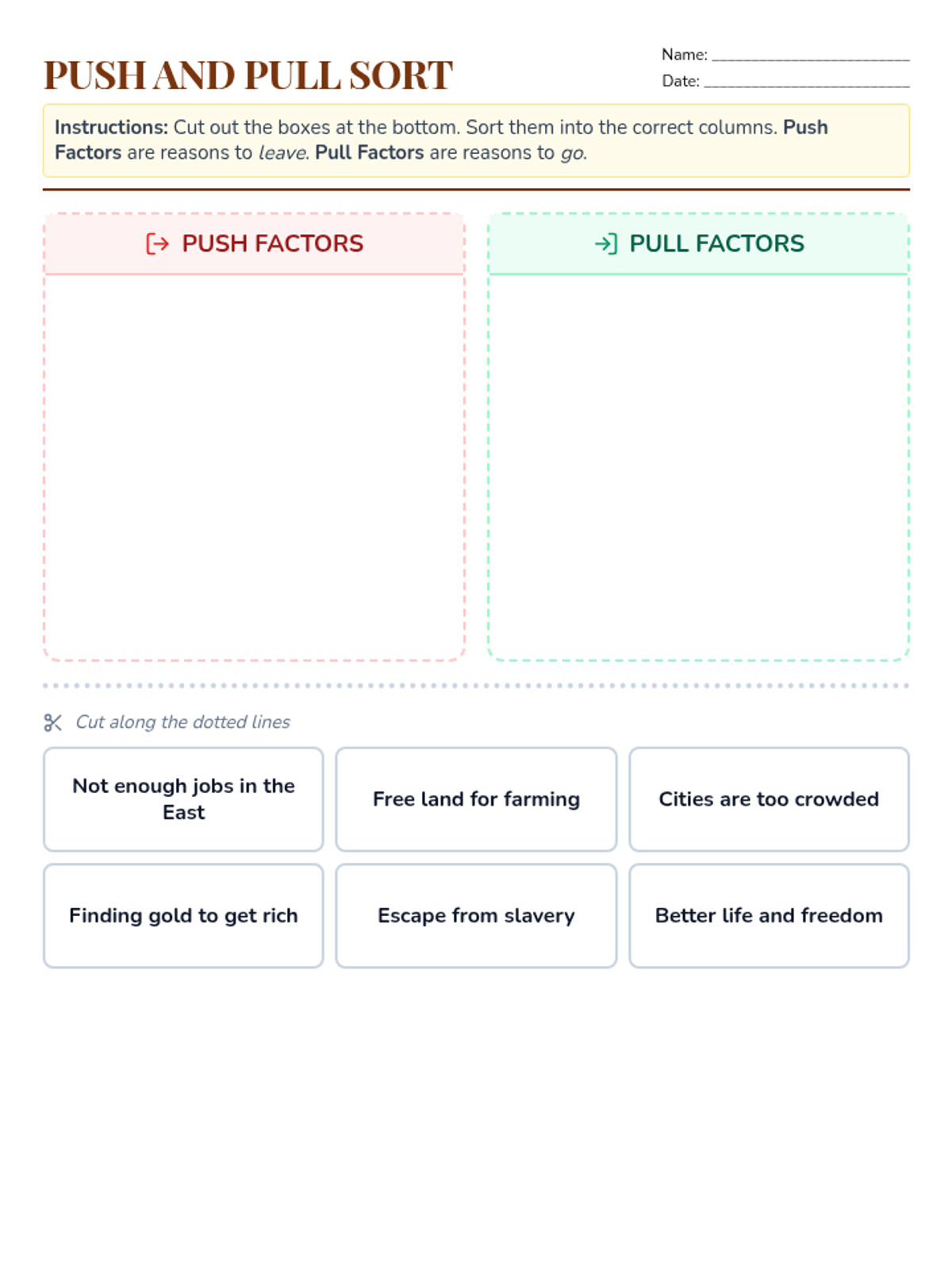
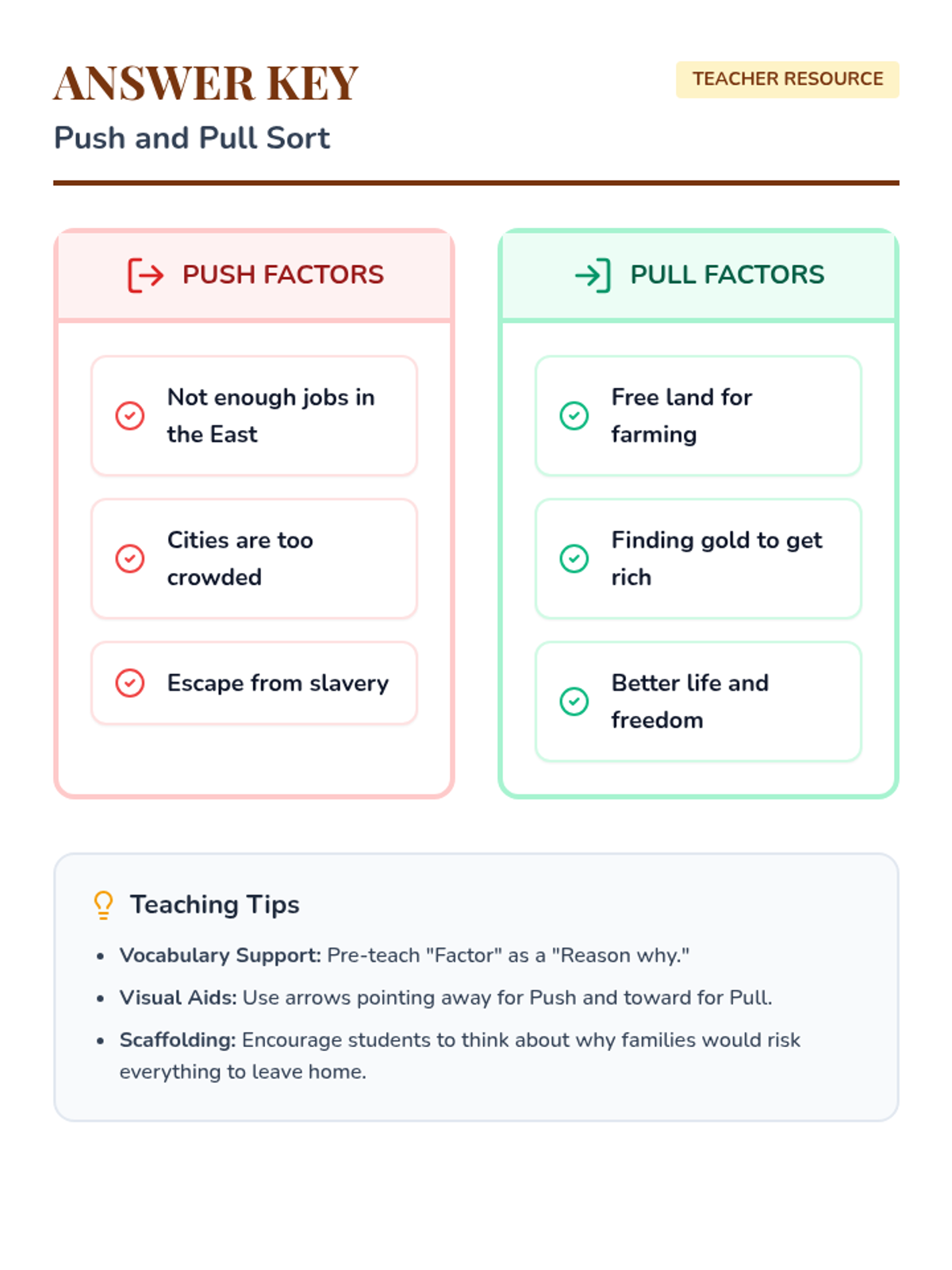
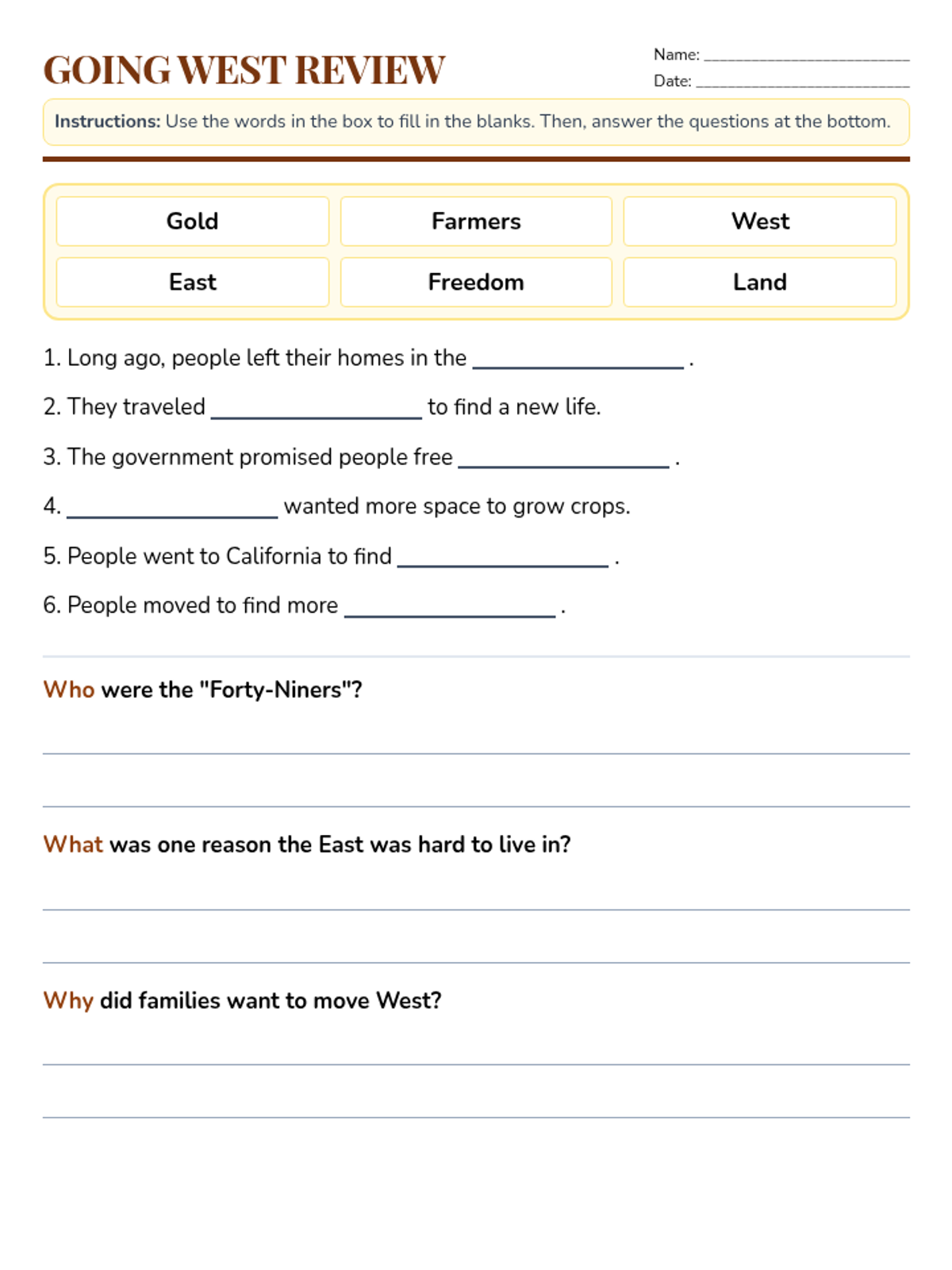
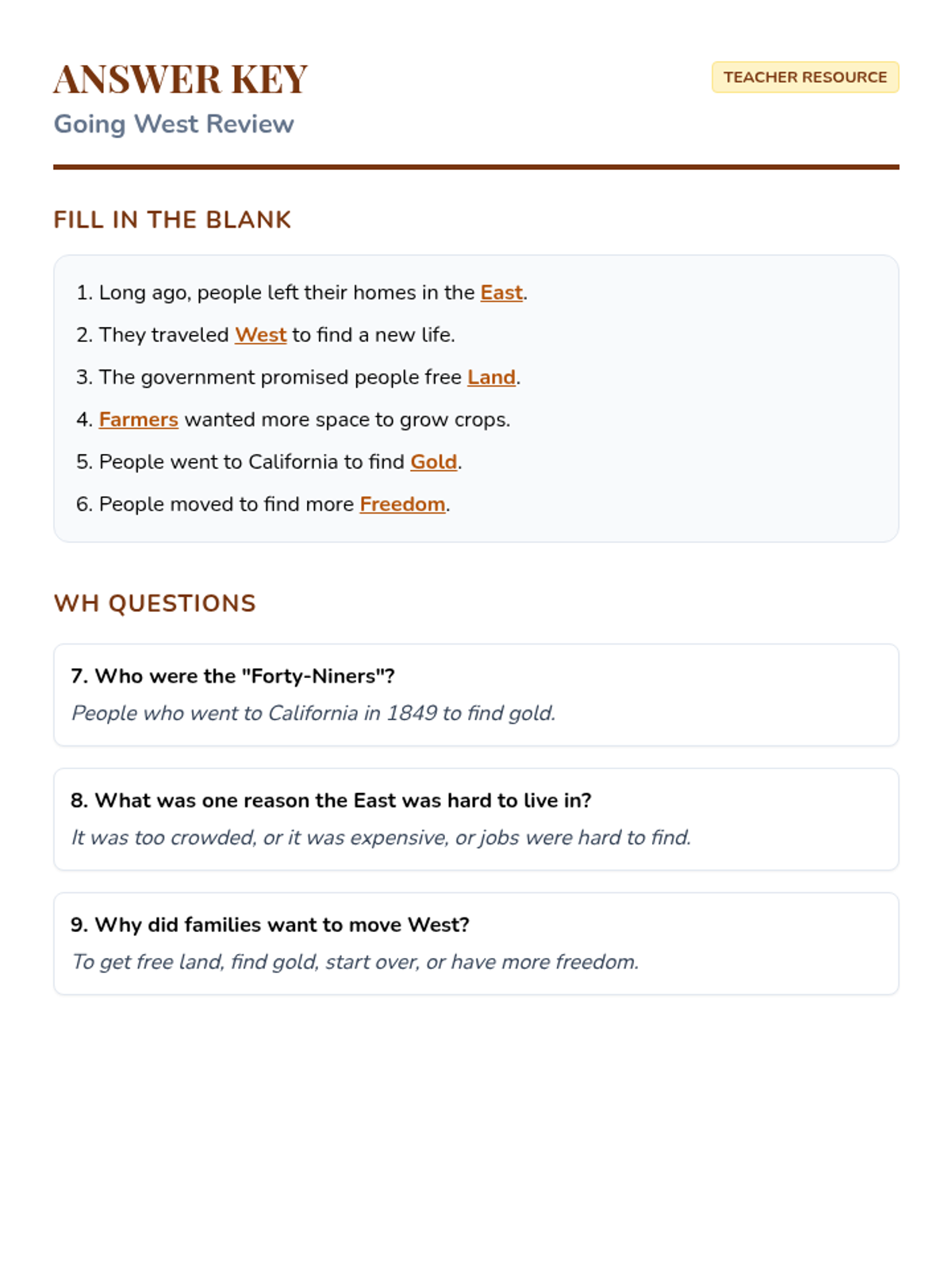
Students learn about the 'push' and 'pull' factors that motivated families to leave their homes and head west, including the promise of land and gold.
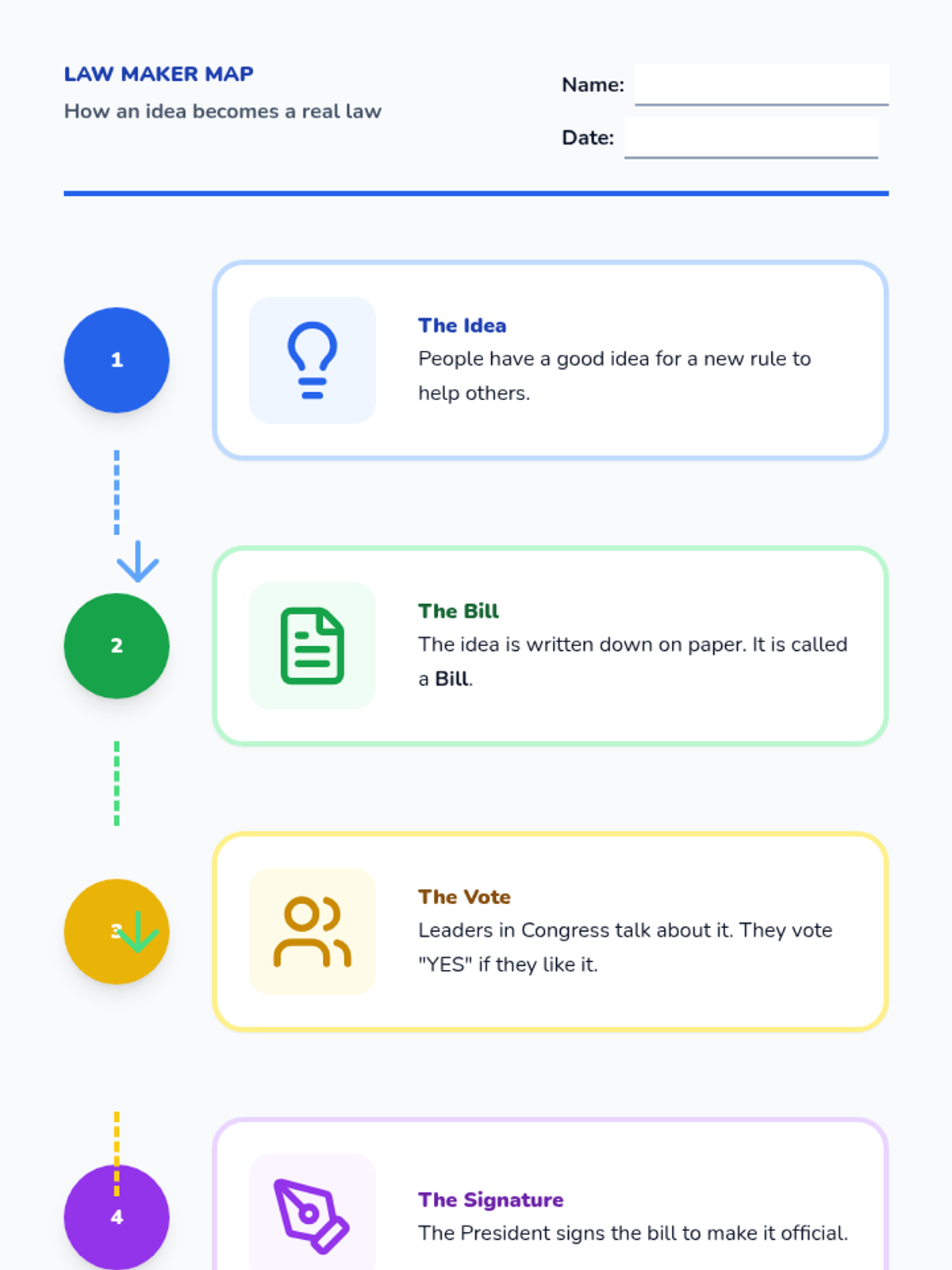
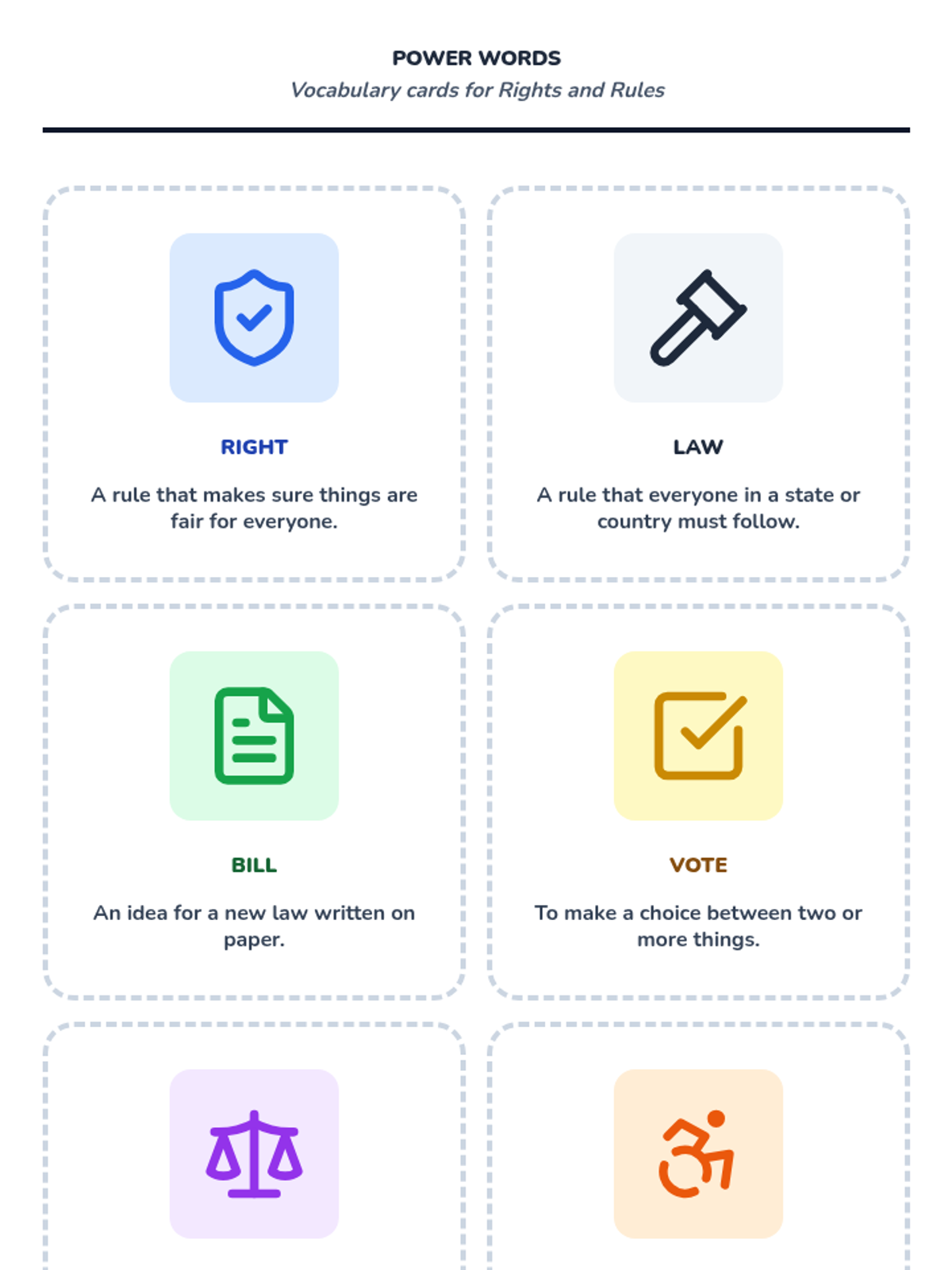
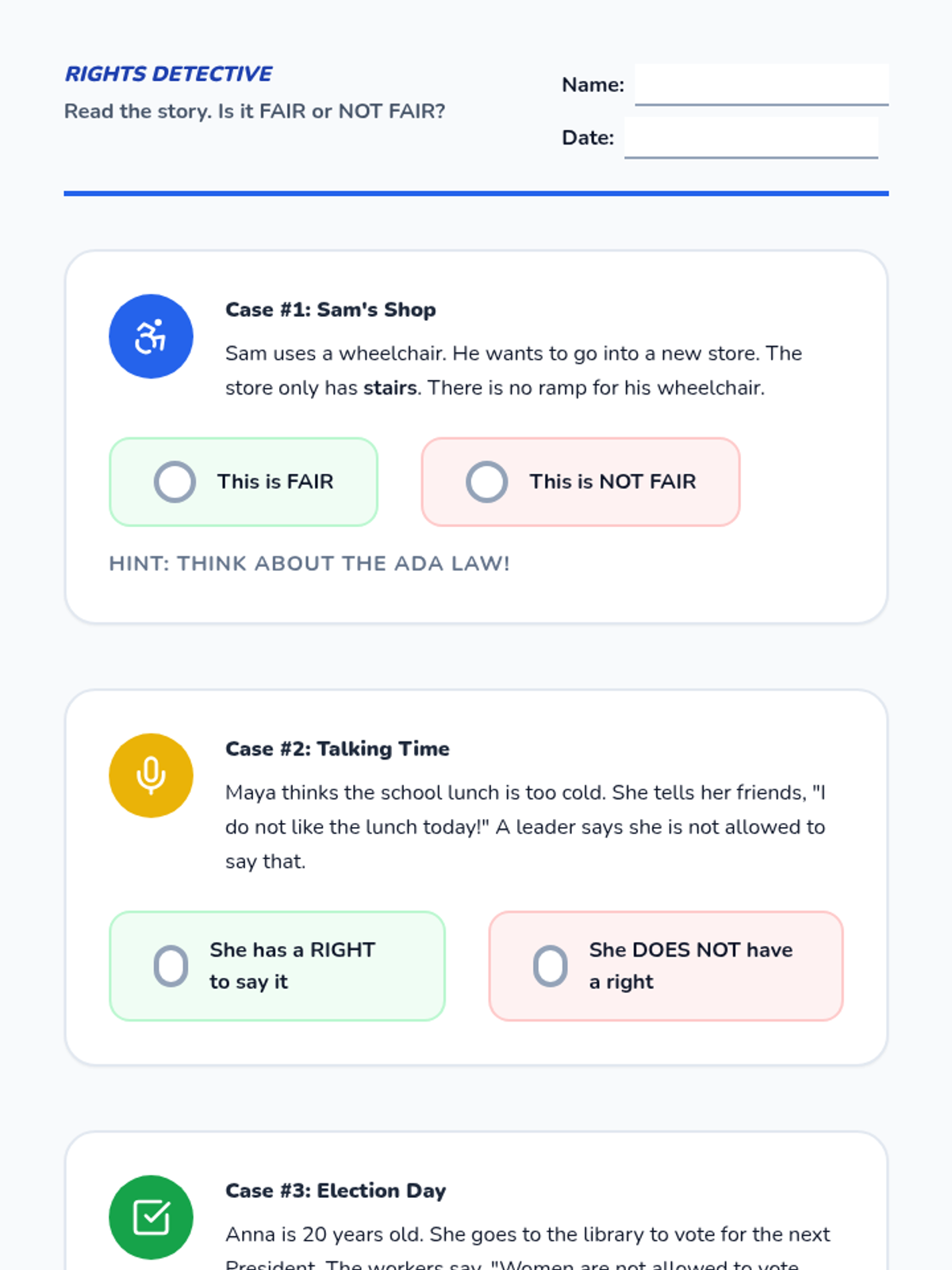
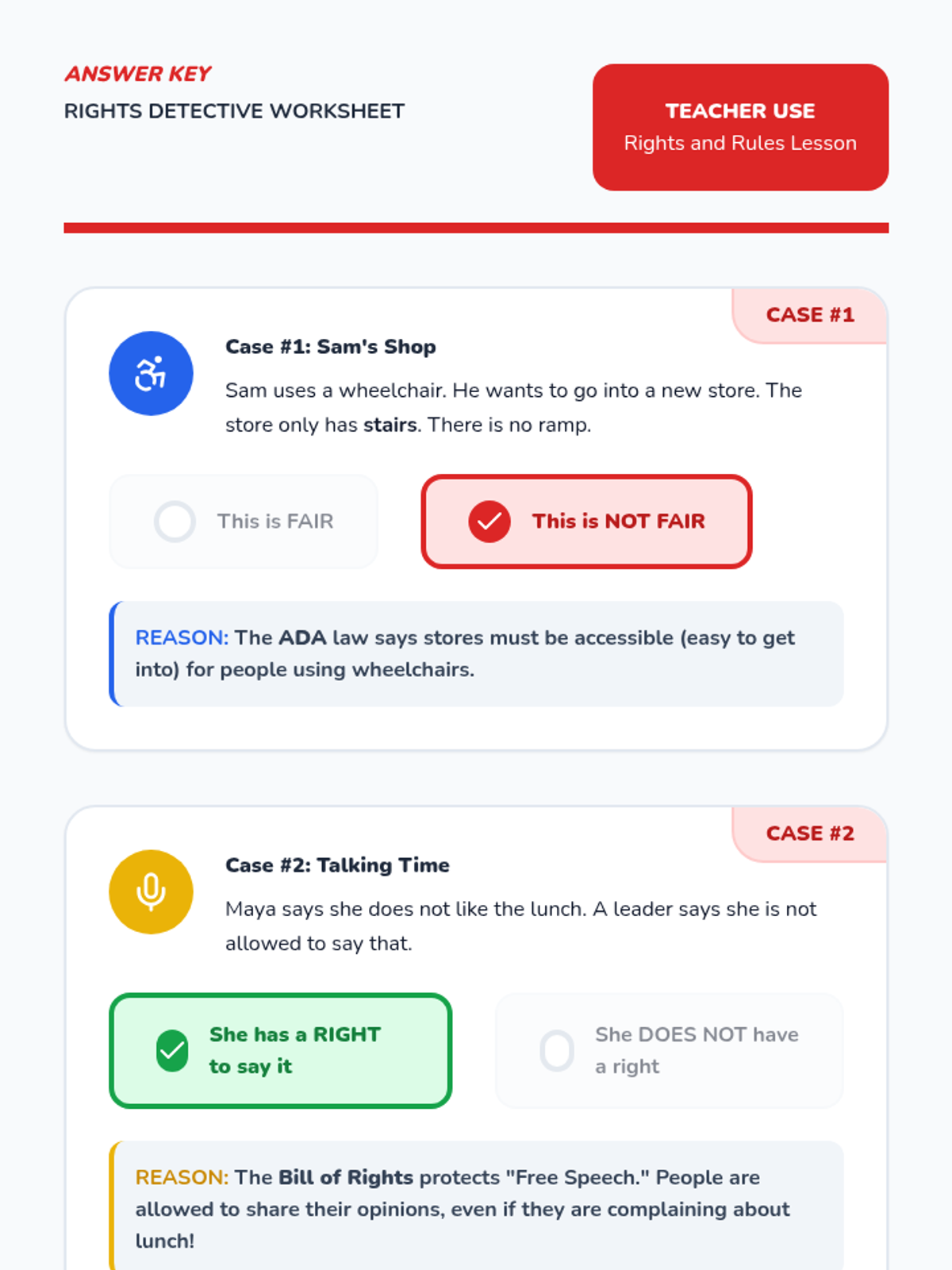
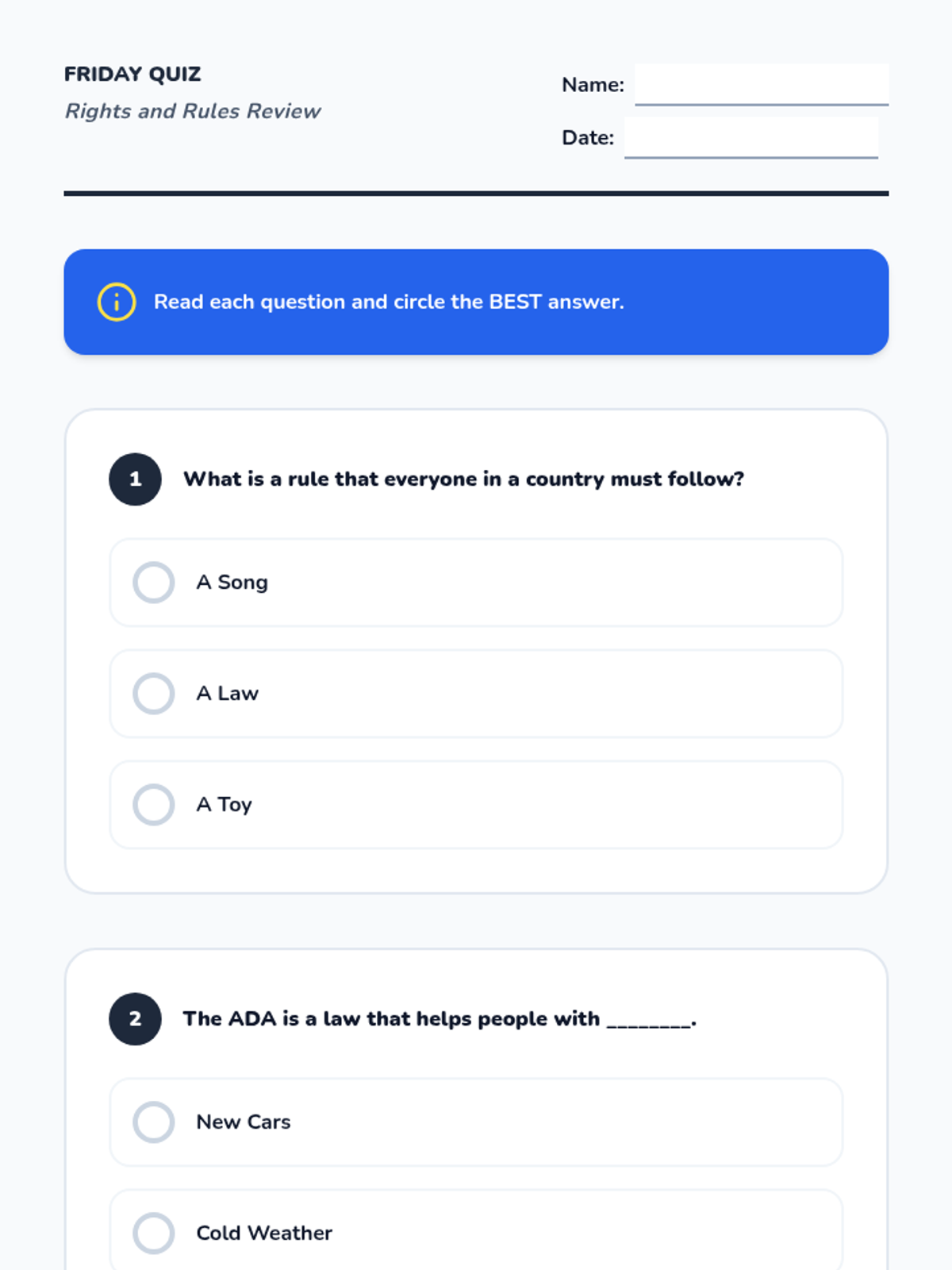
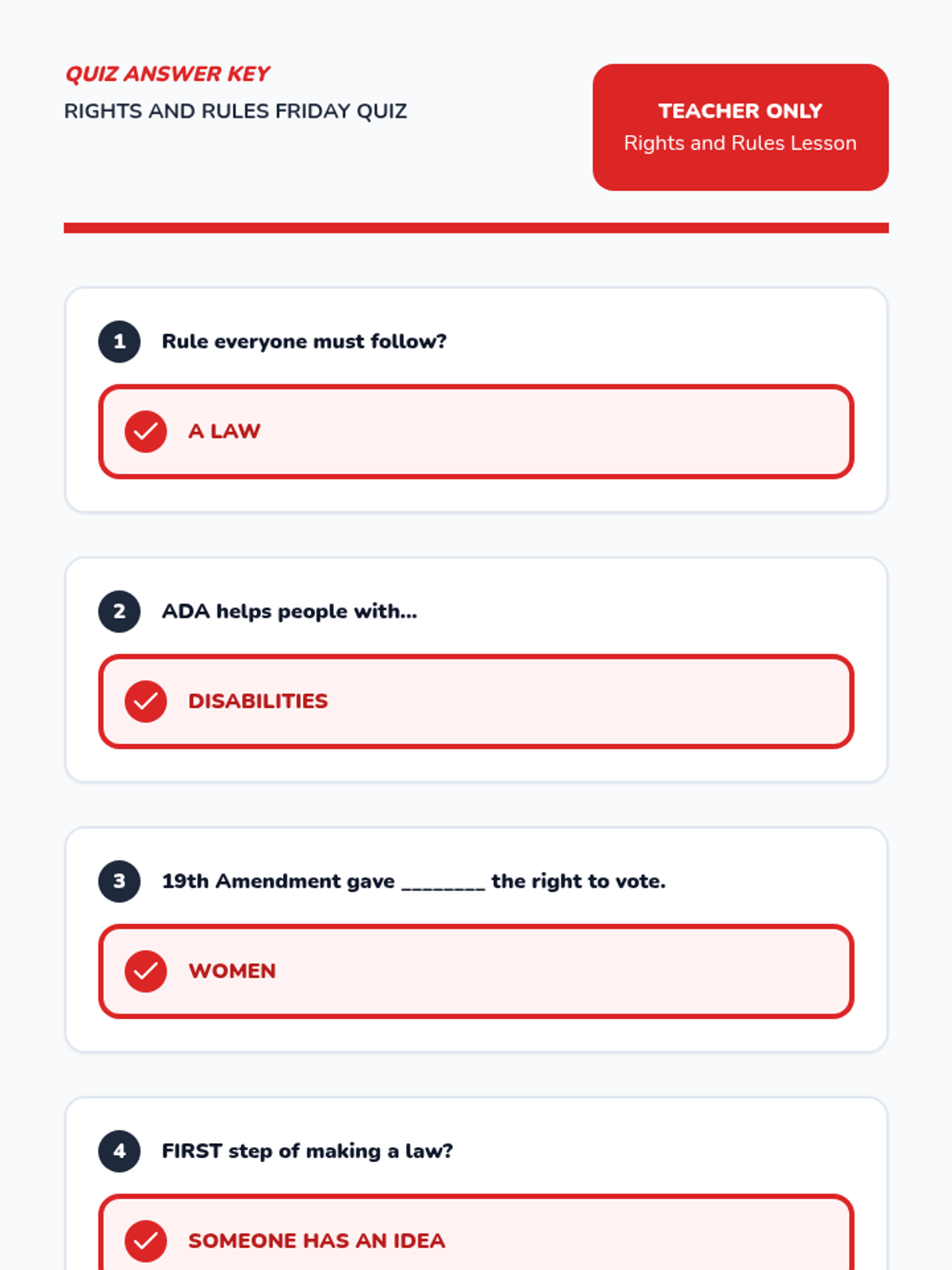
This lesson introduces 8th-grade special education students (reading at a 3rd-grade level) to their civil rights, the Bill of Rights, and the process of how a bill becomes a law through simplified language and visual aids.
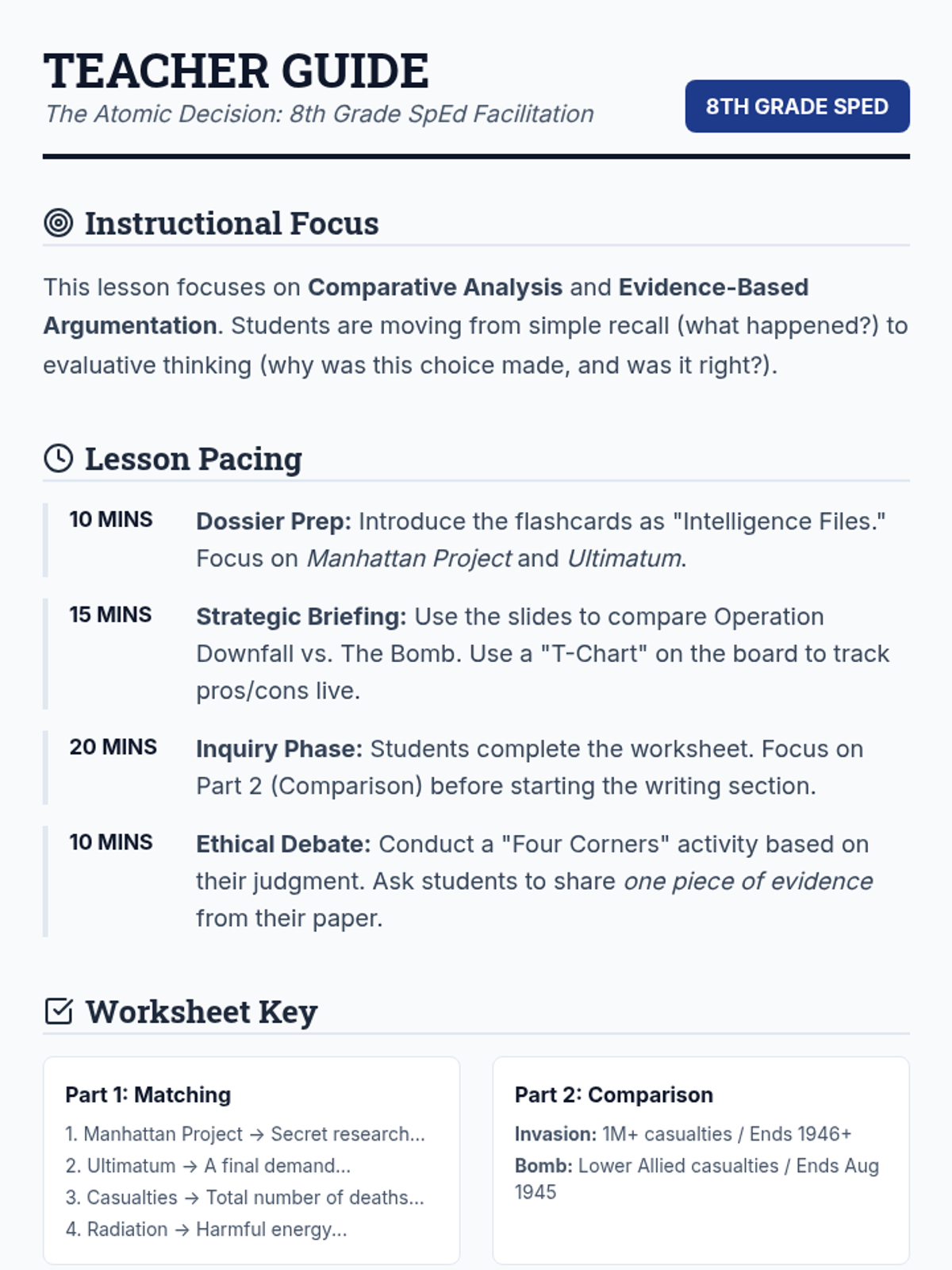
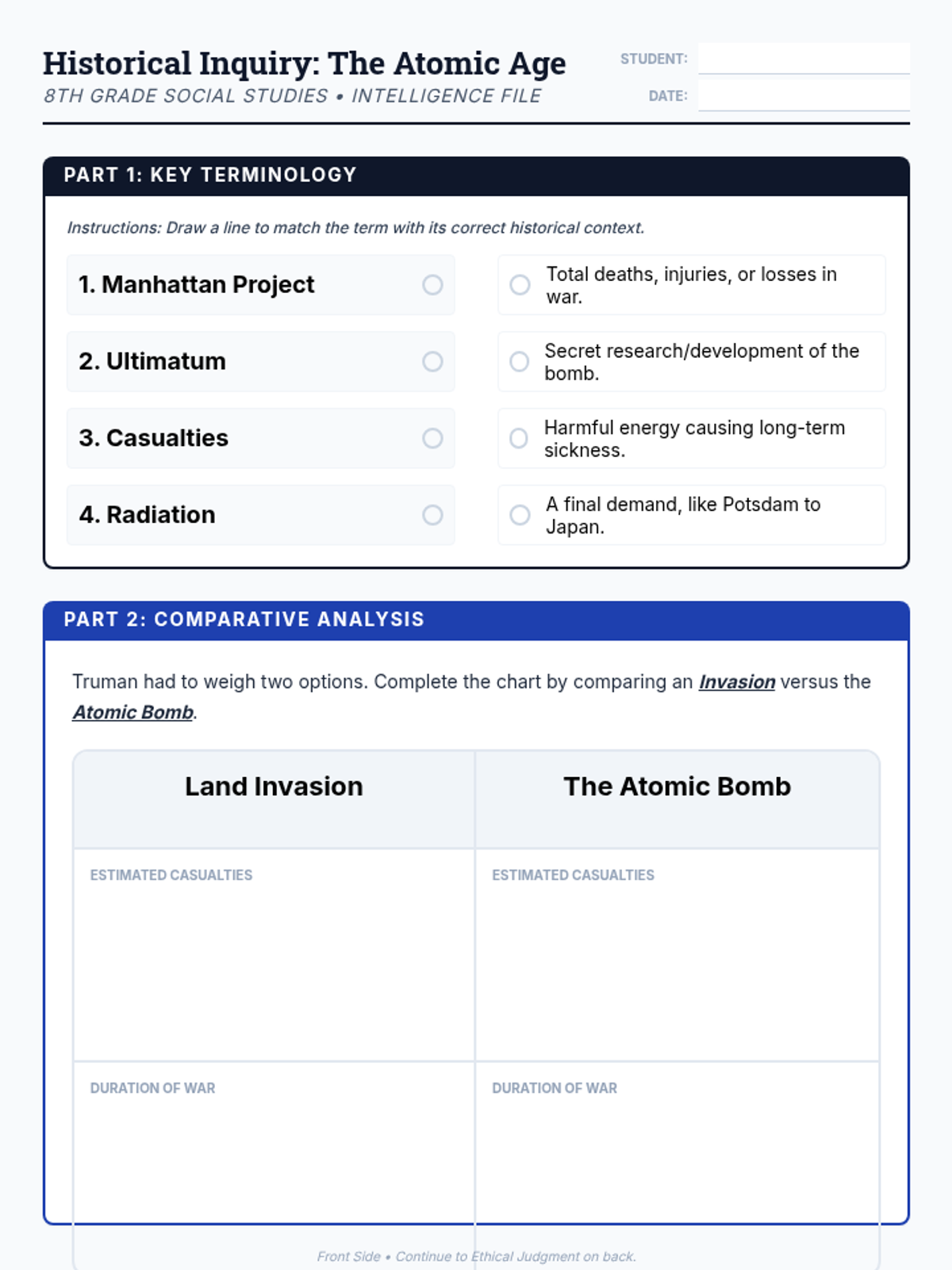
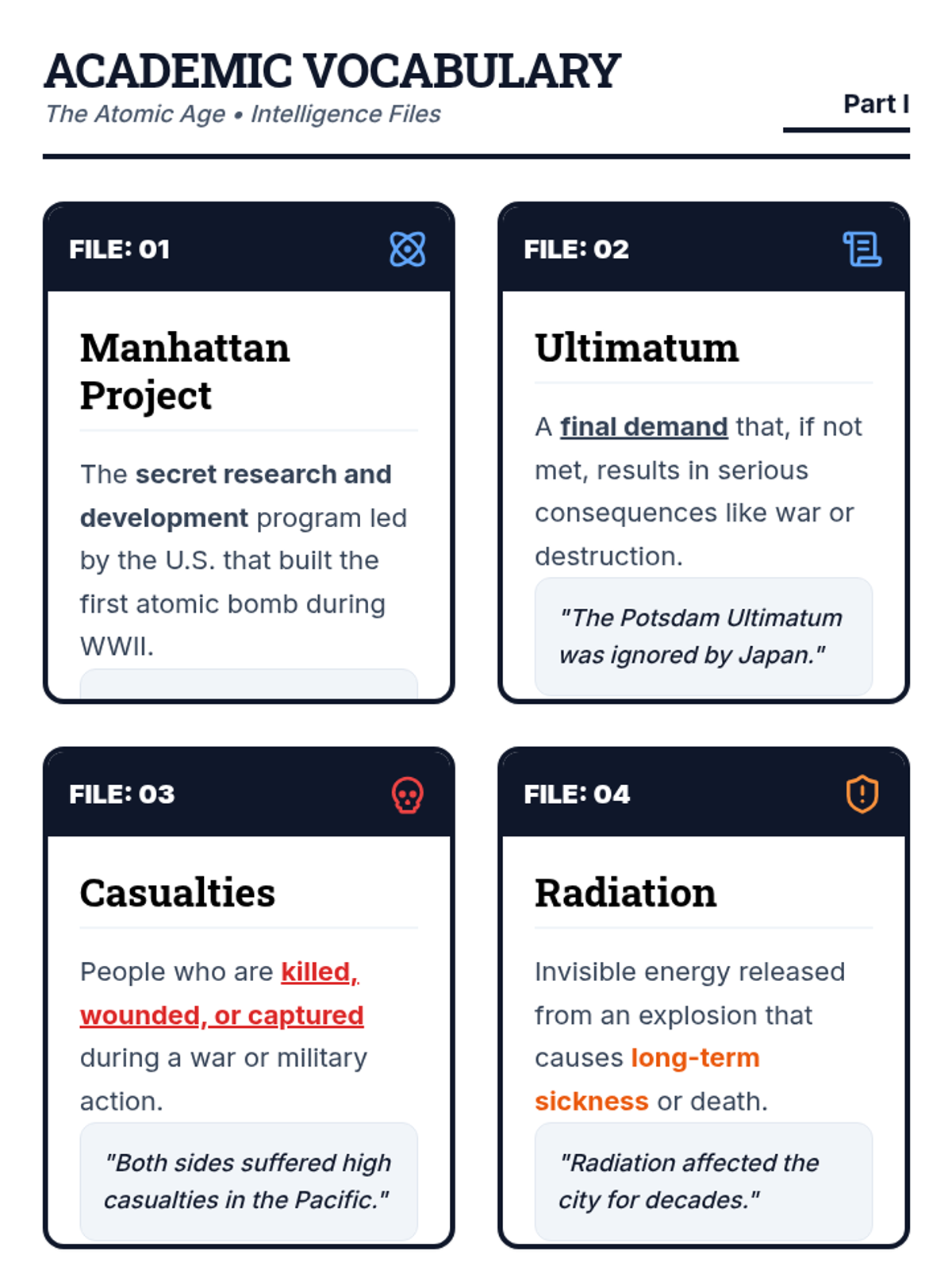
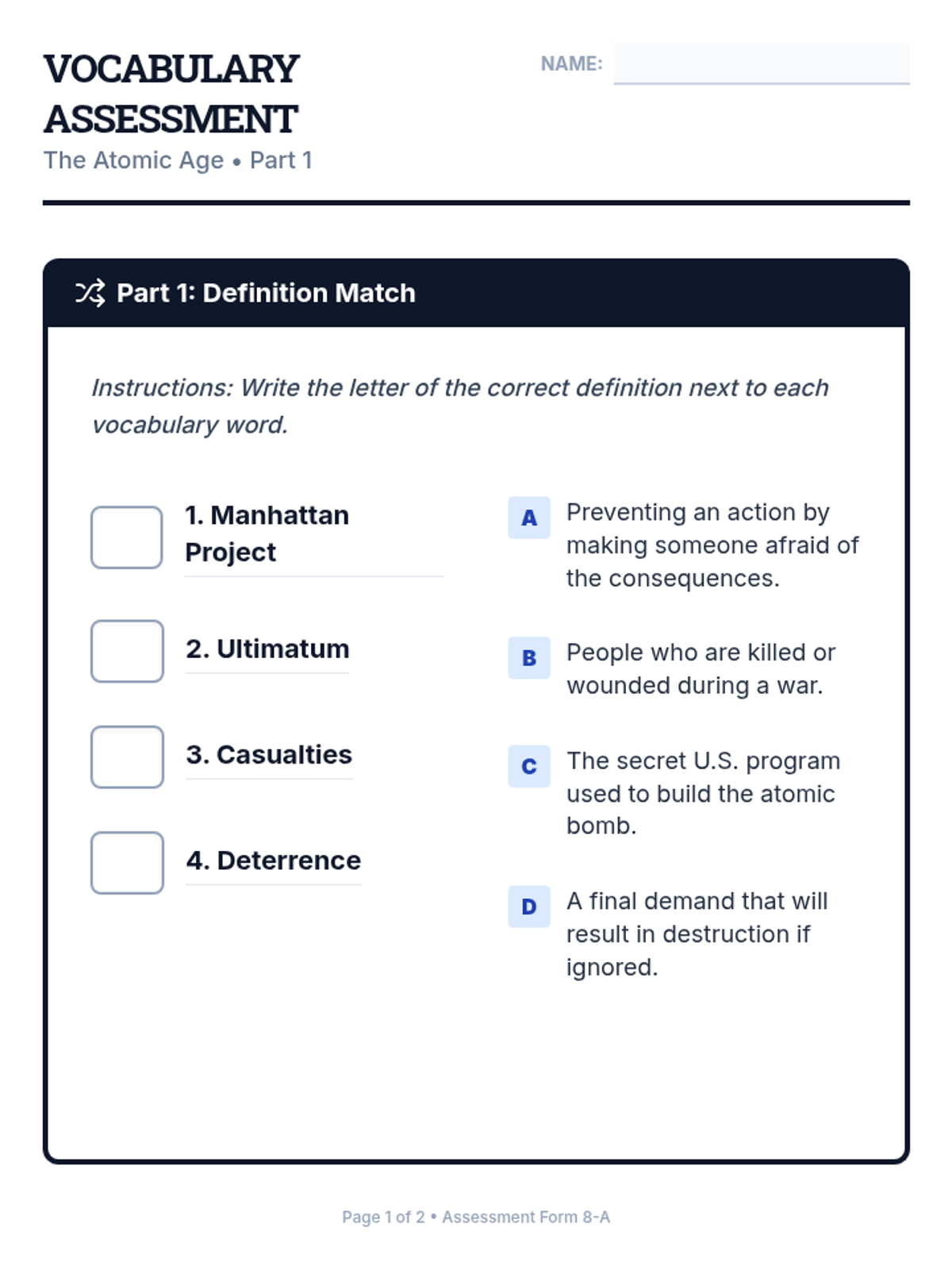
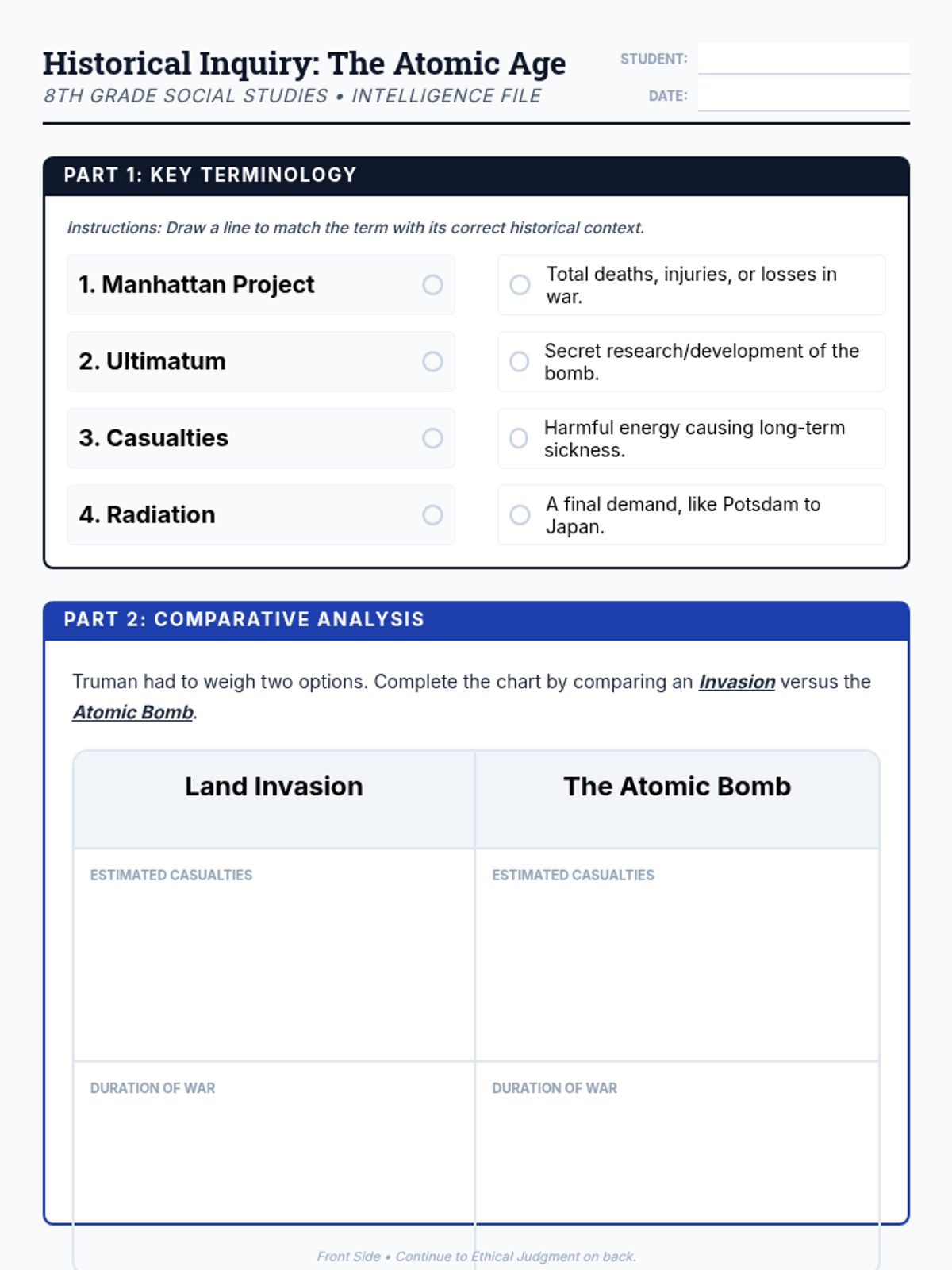
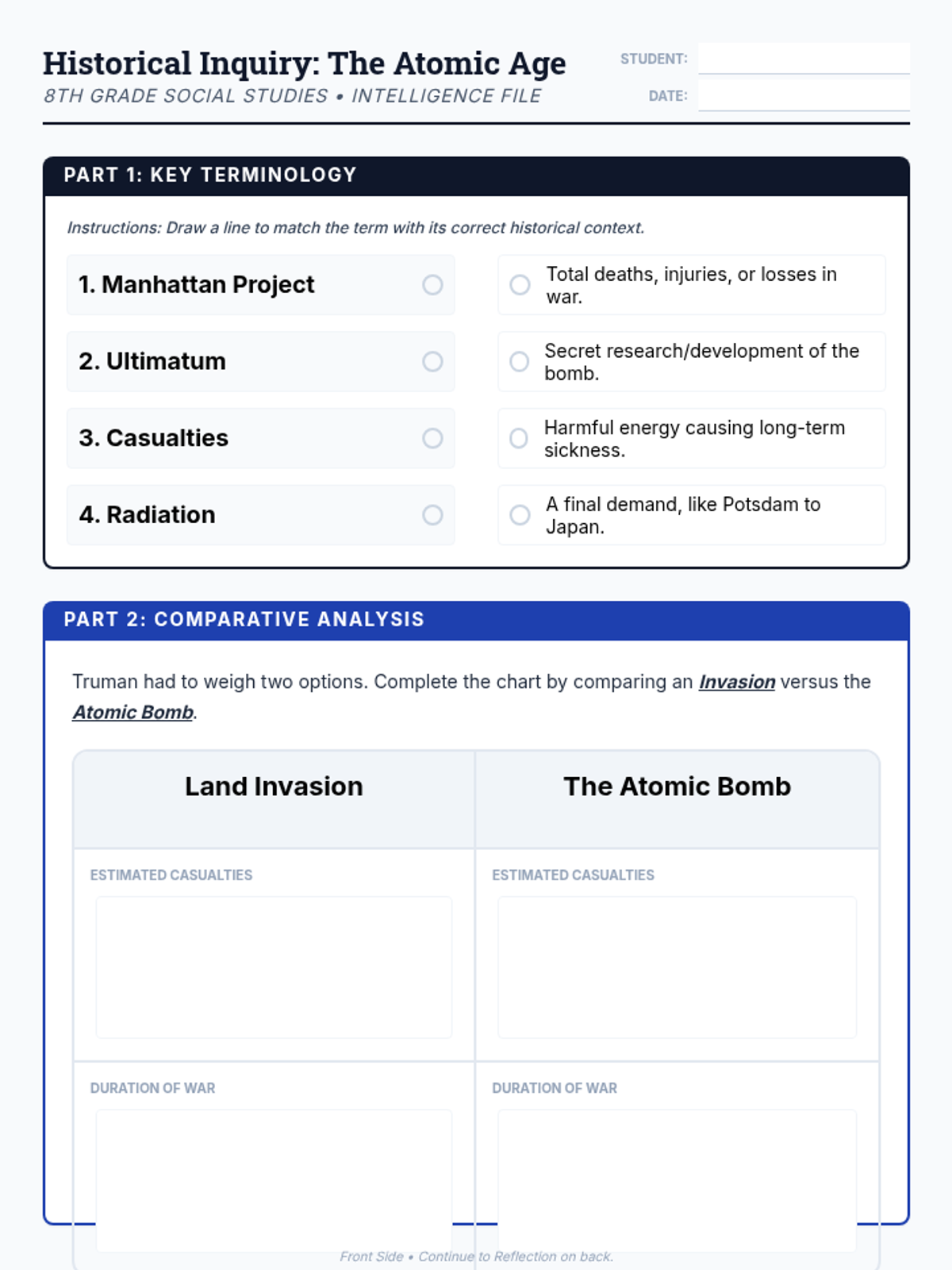
A middle school level special education lesson that challenges students to analyze the military and ethical reasoning behind the use of atomic weapons. Features comparative analysis of invasion vs. bombing and explores the long-term impact on global politics.
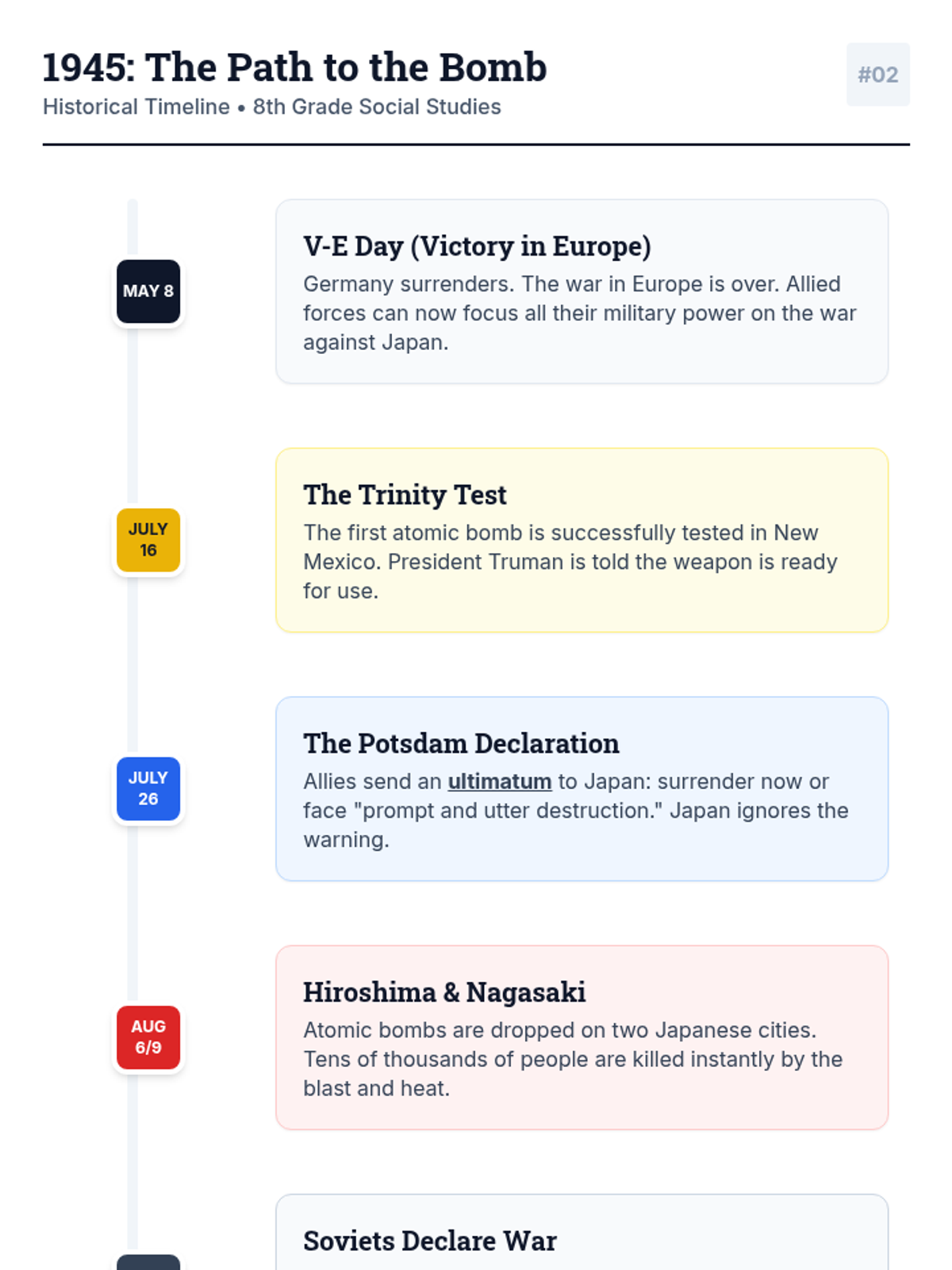
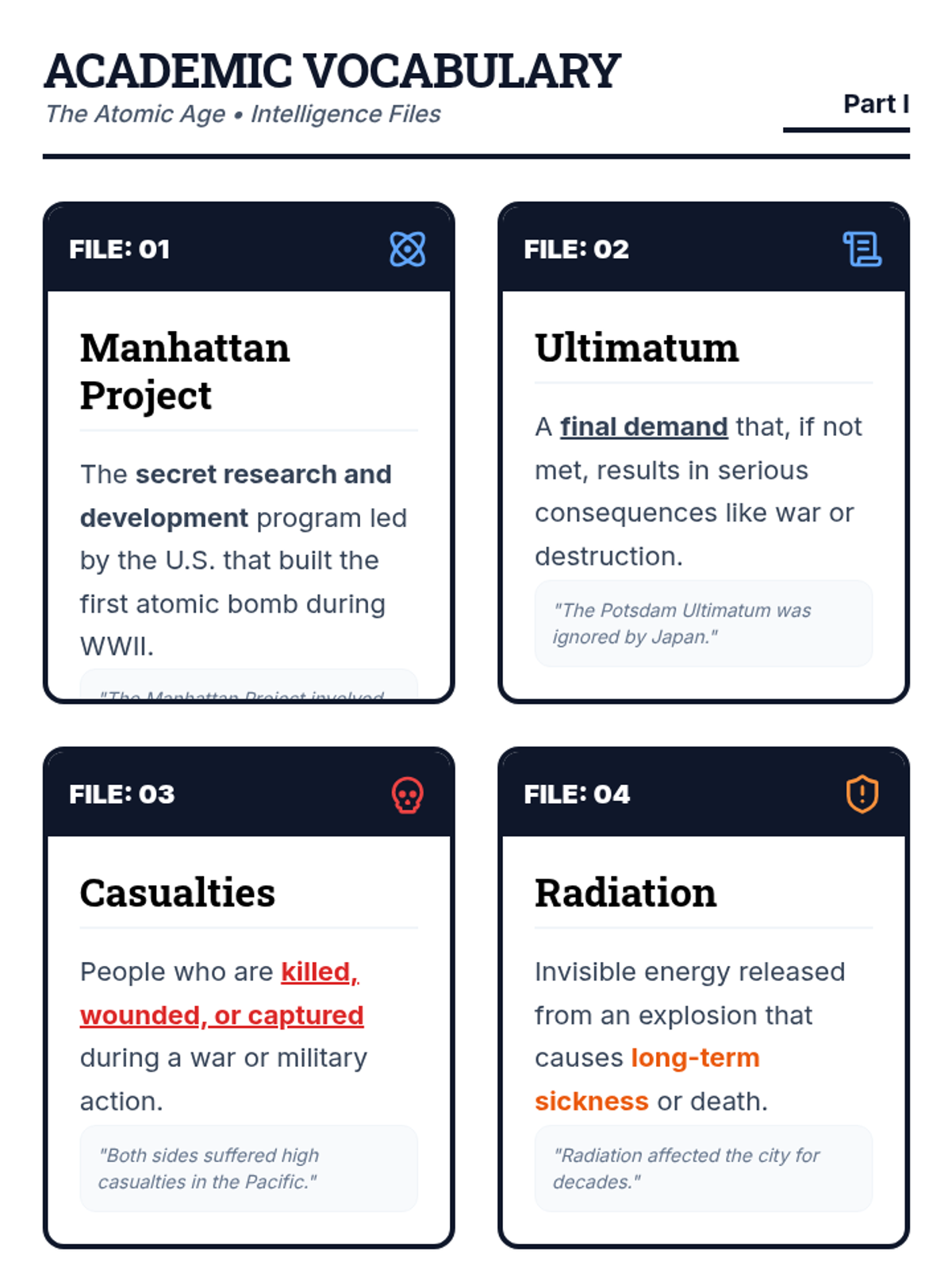
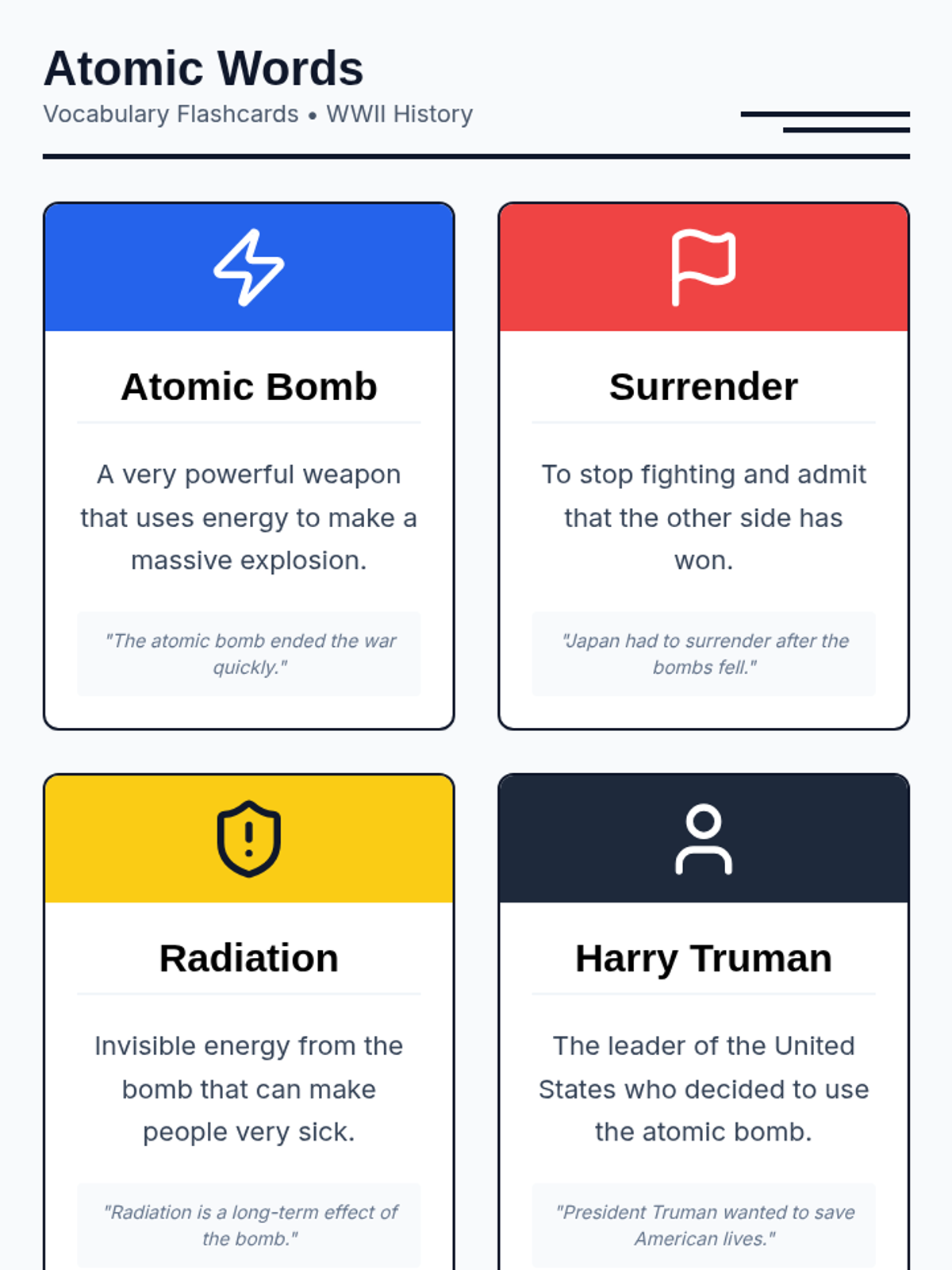
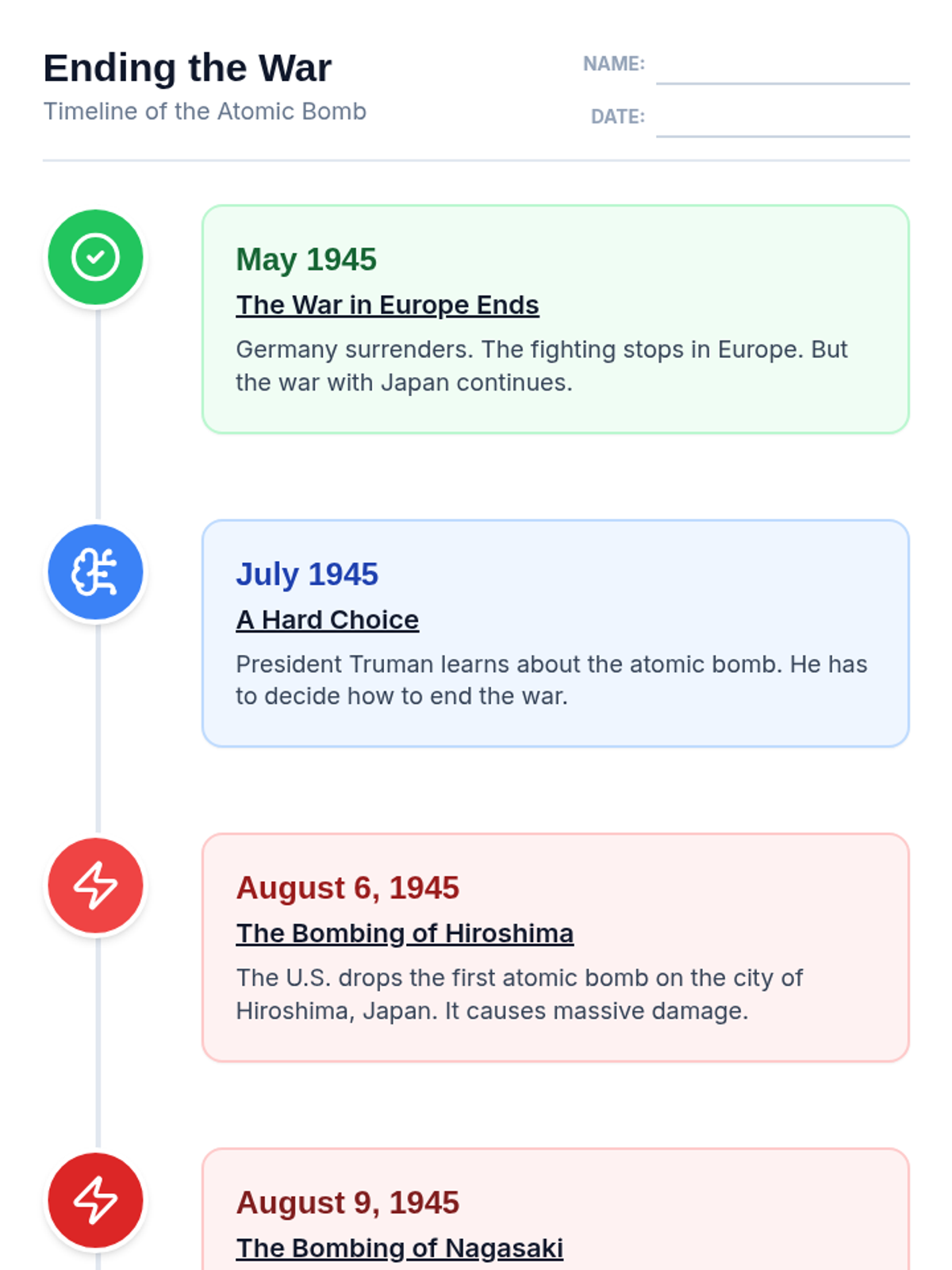
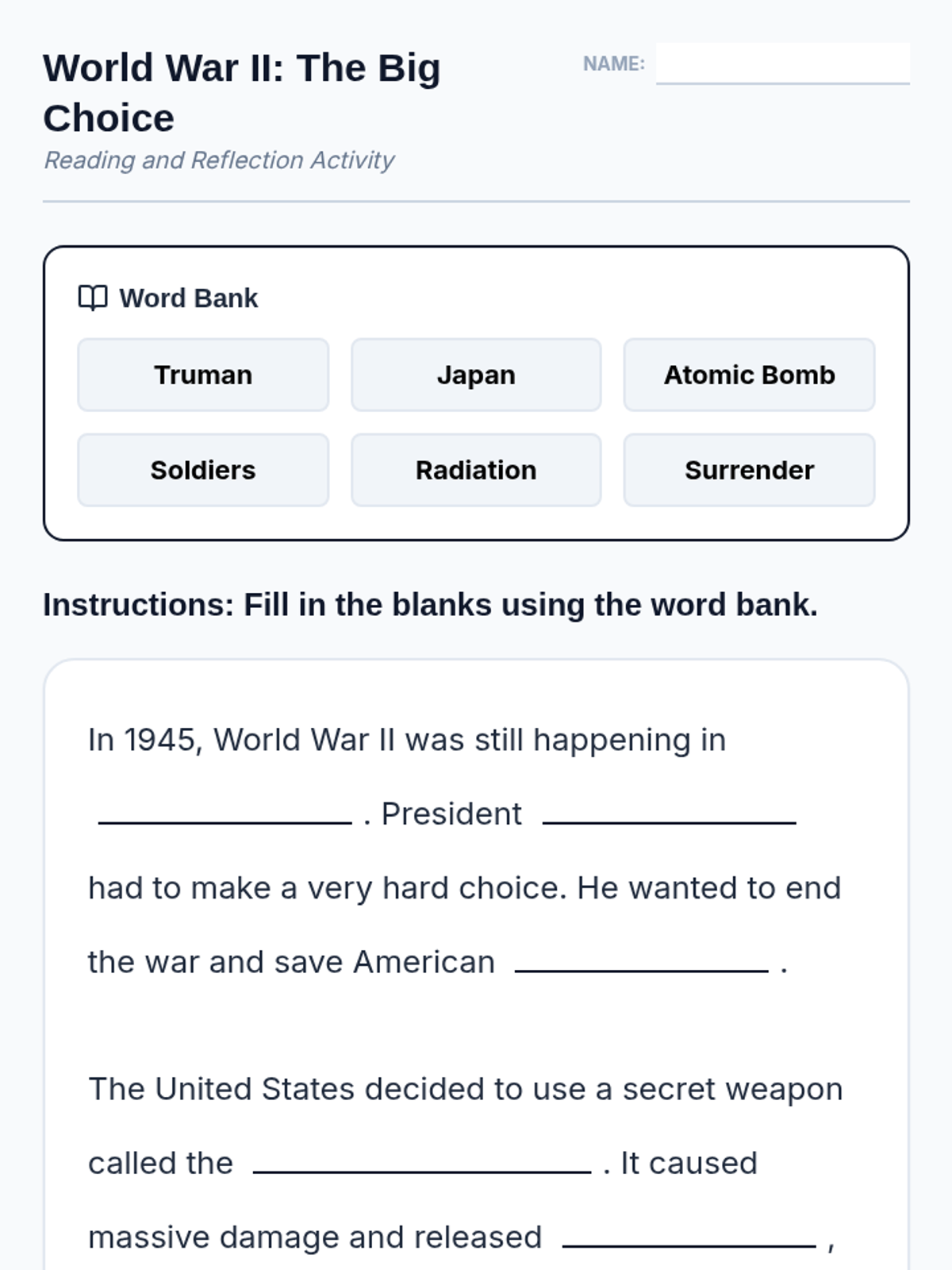
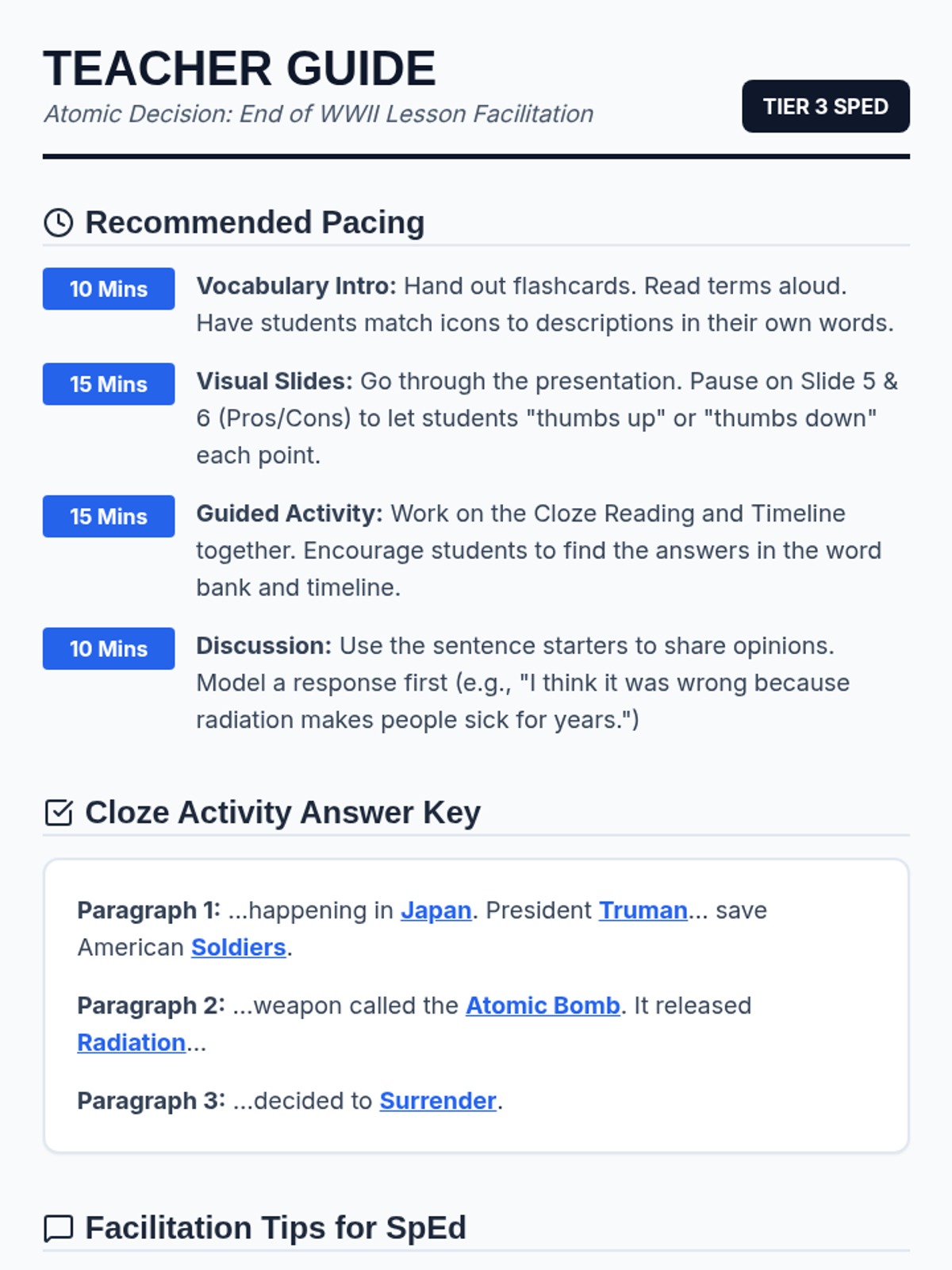
A highly scaffolded lesson for Tier 3 special education students exploring the end of WWII, the Manhattan Project, and the complex decision to use atomic weapons on Hiroshima and Nagasaki. Students use visual timelines, vocabulary cards, and structured sentence starters to analyze the ethical implications and historical impact of these events.
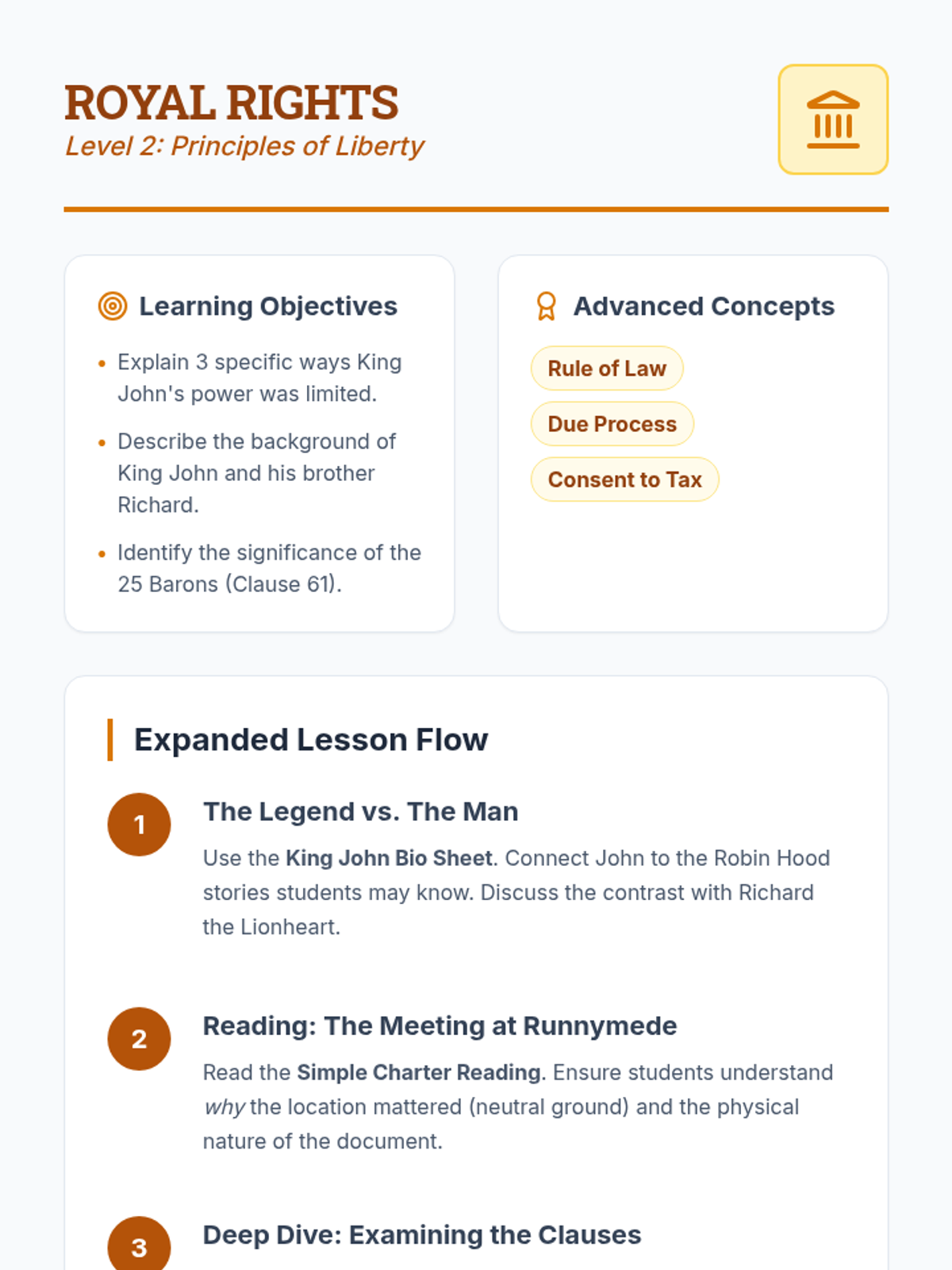
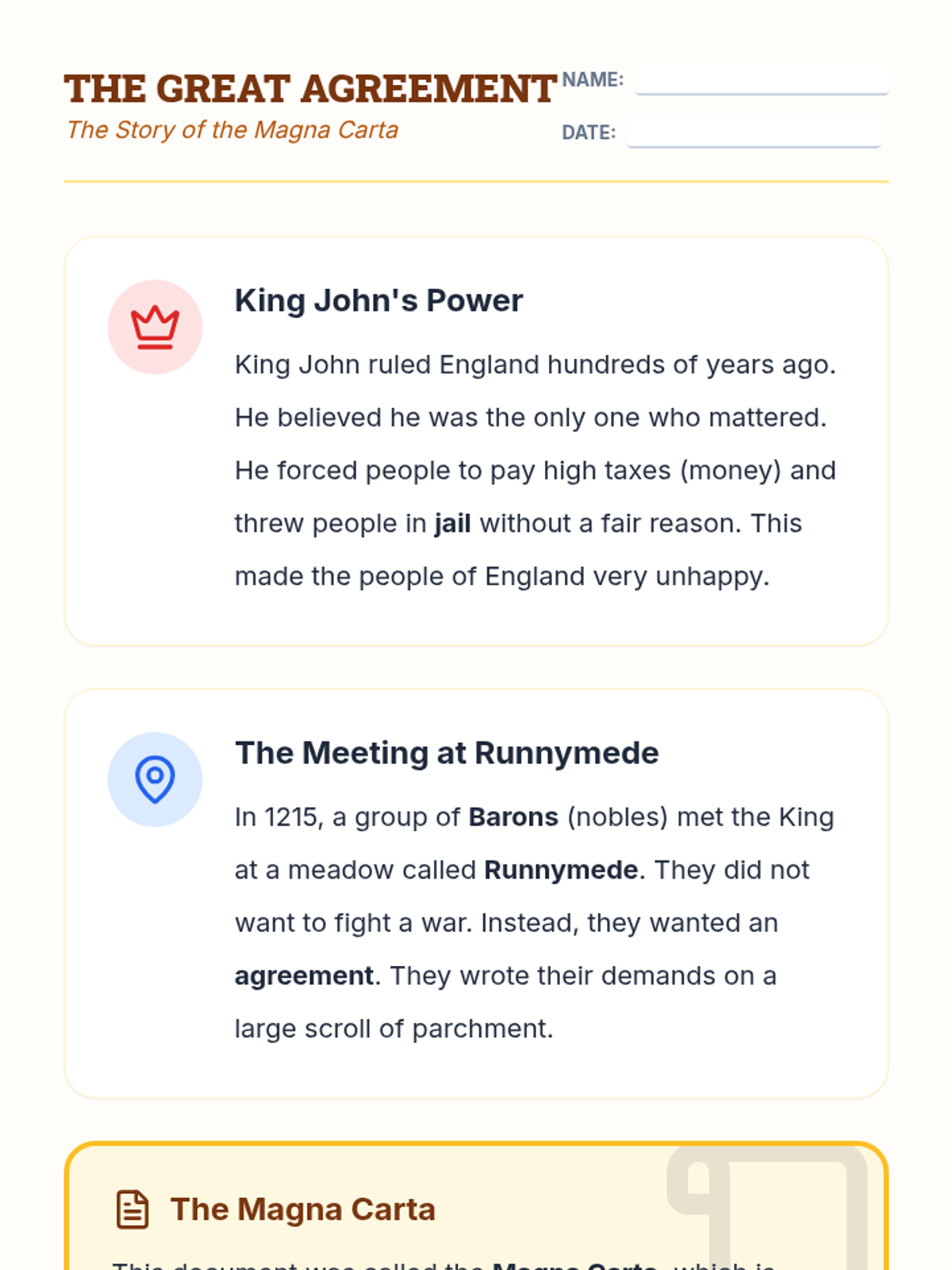
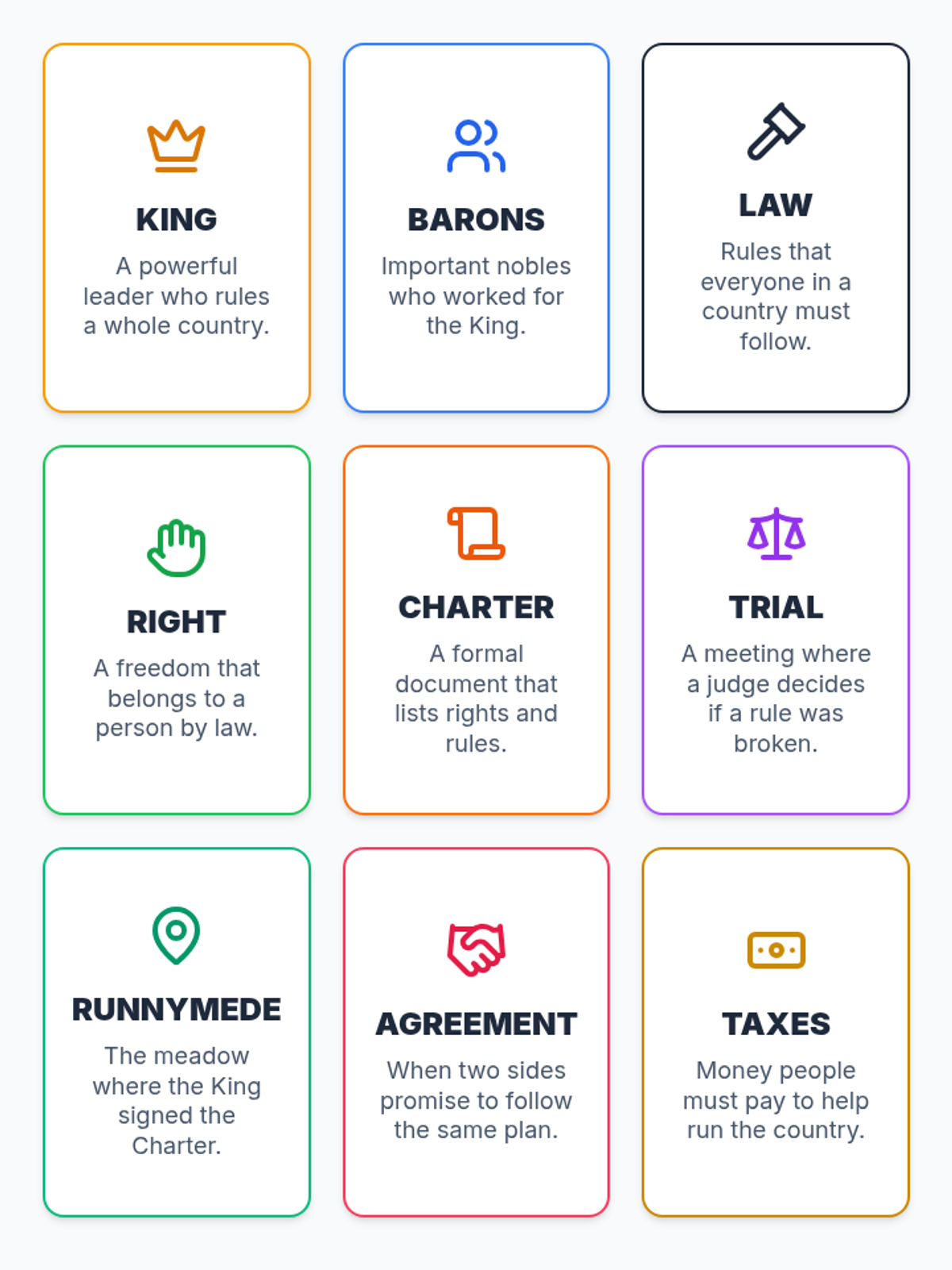
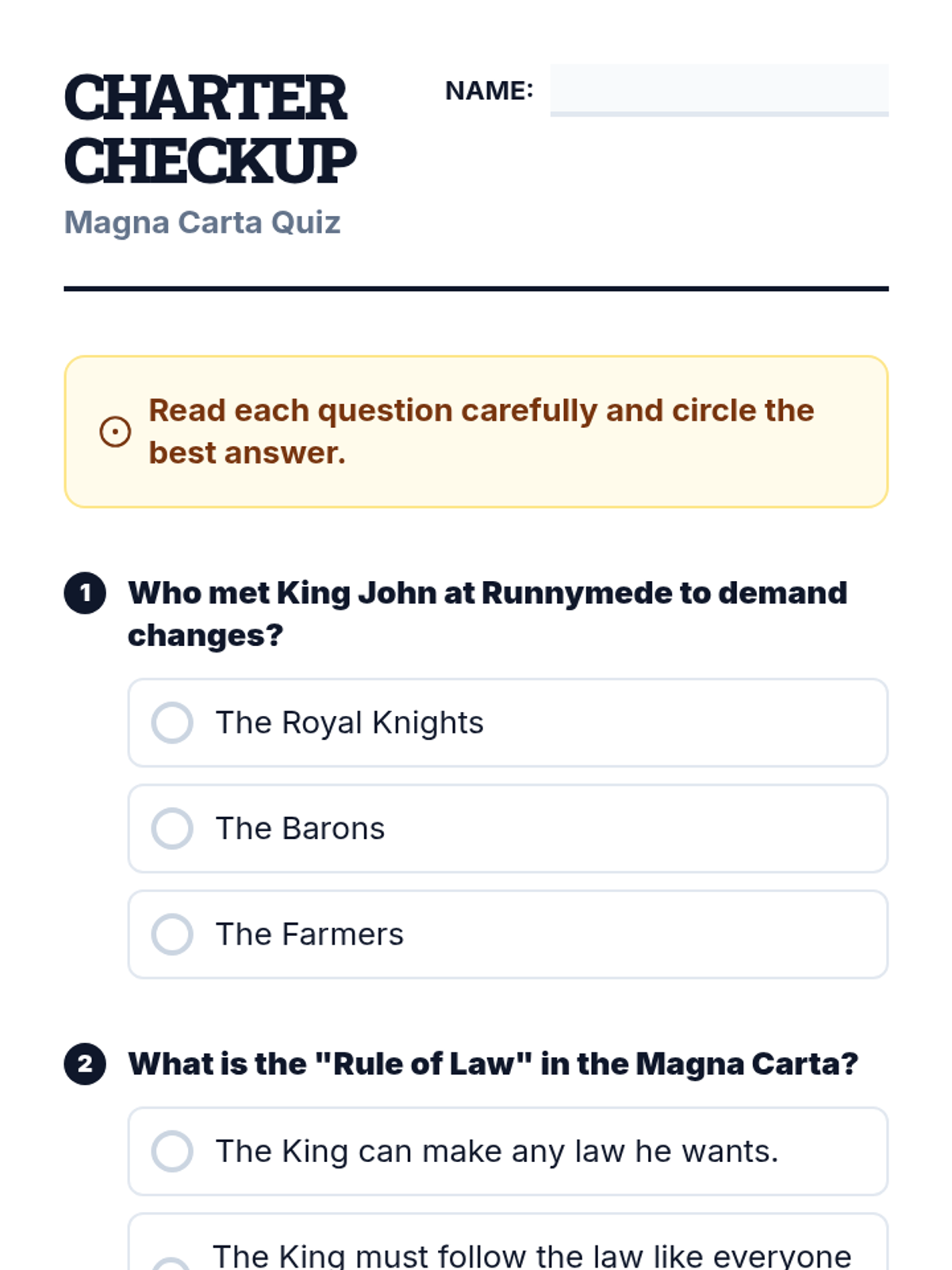
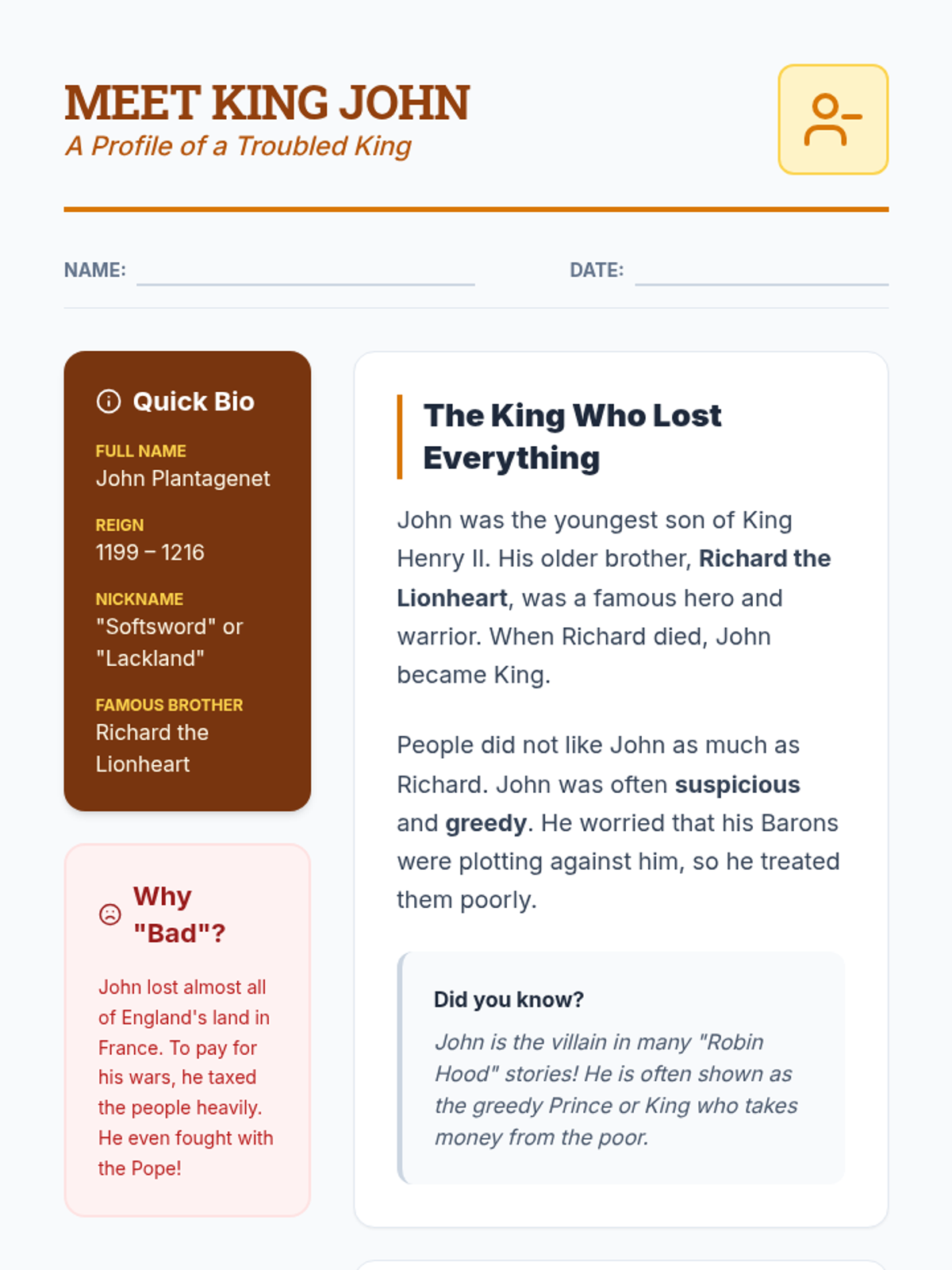
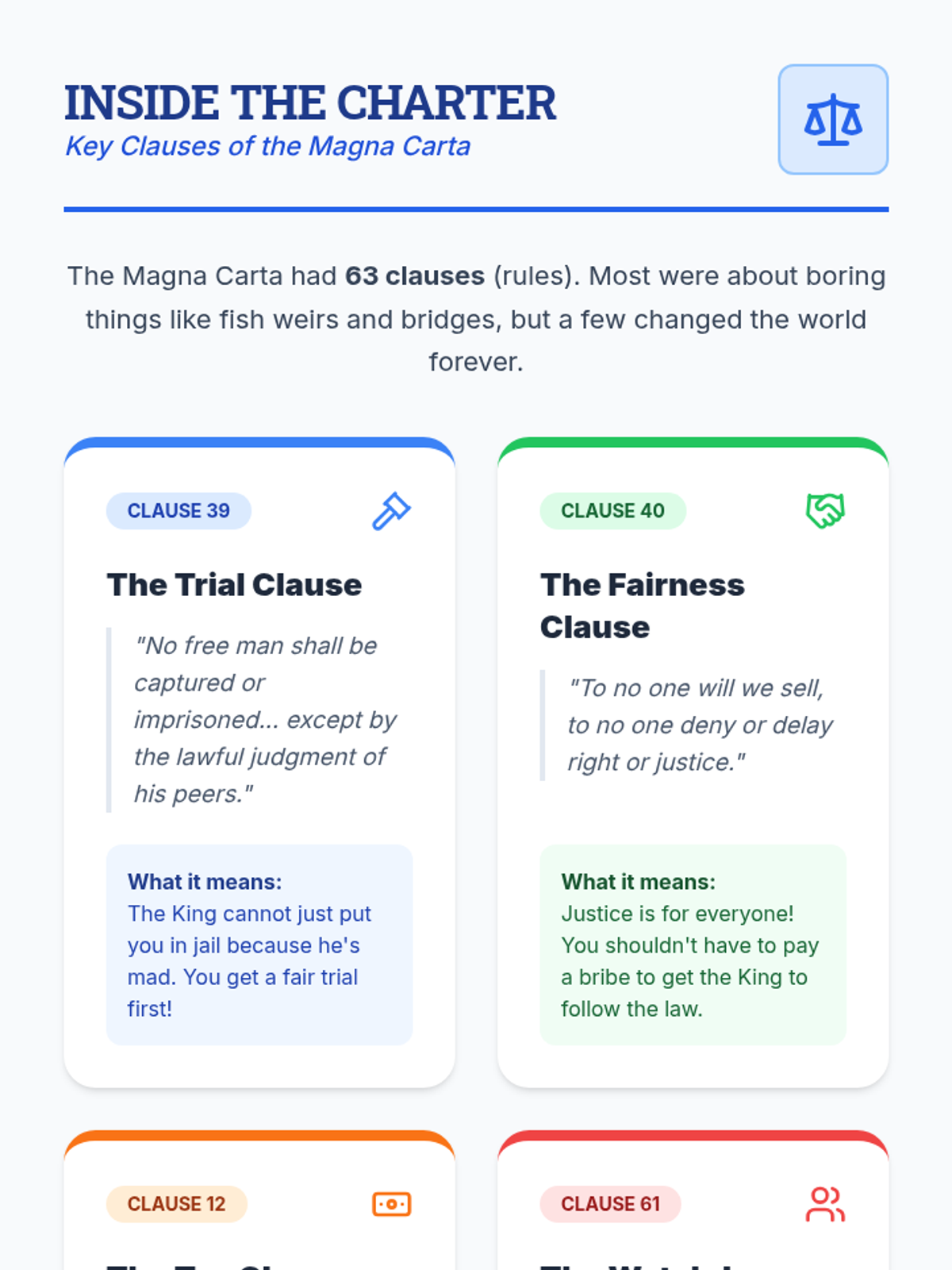
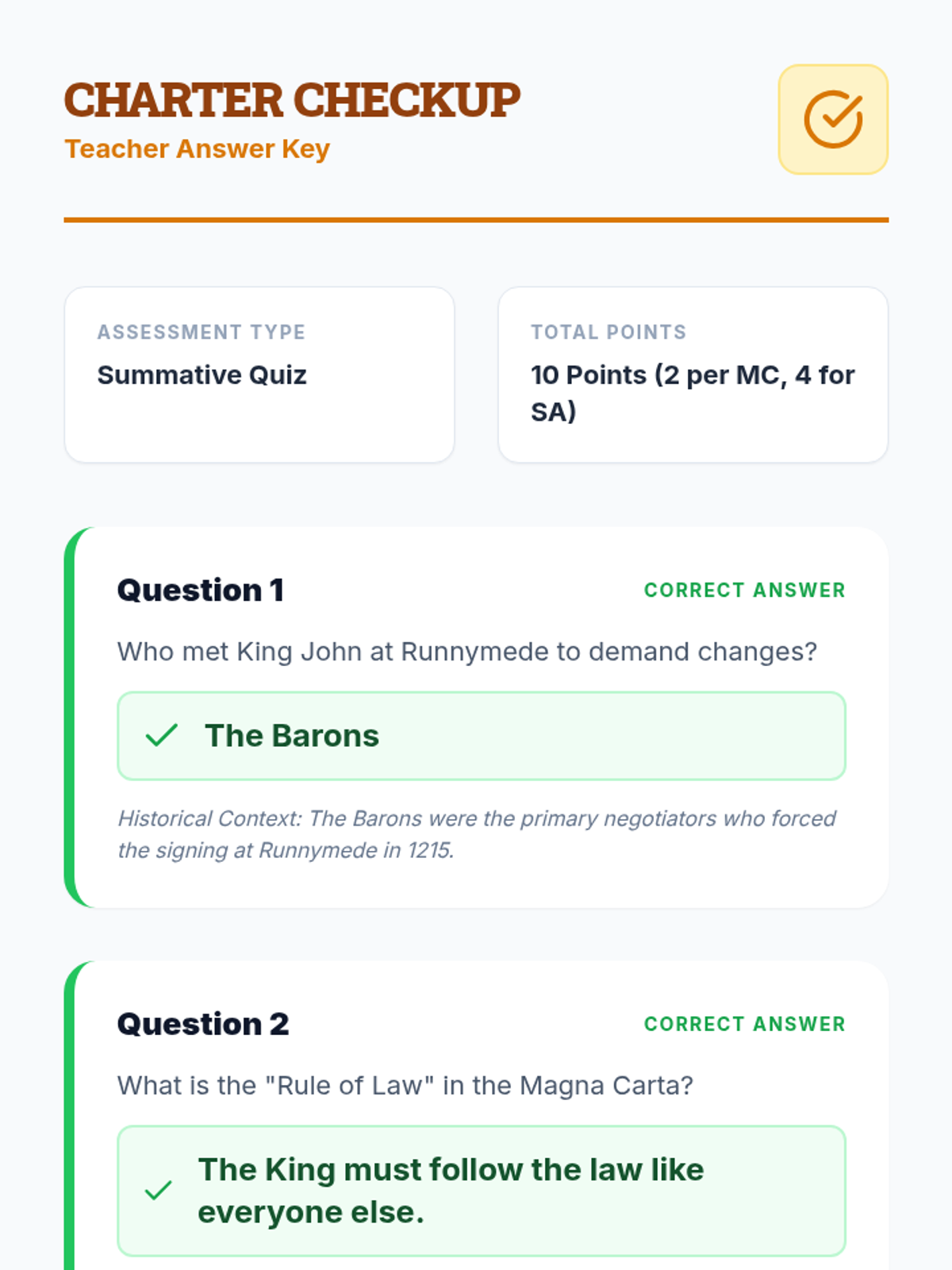
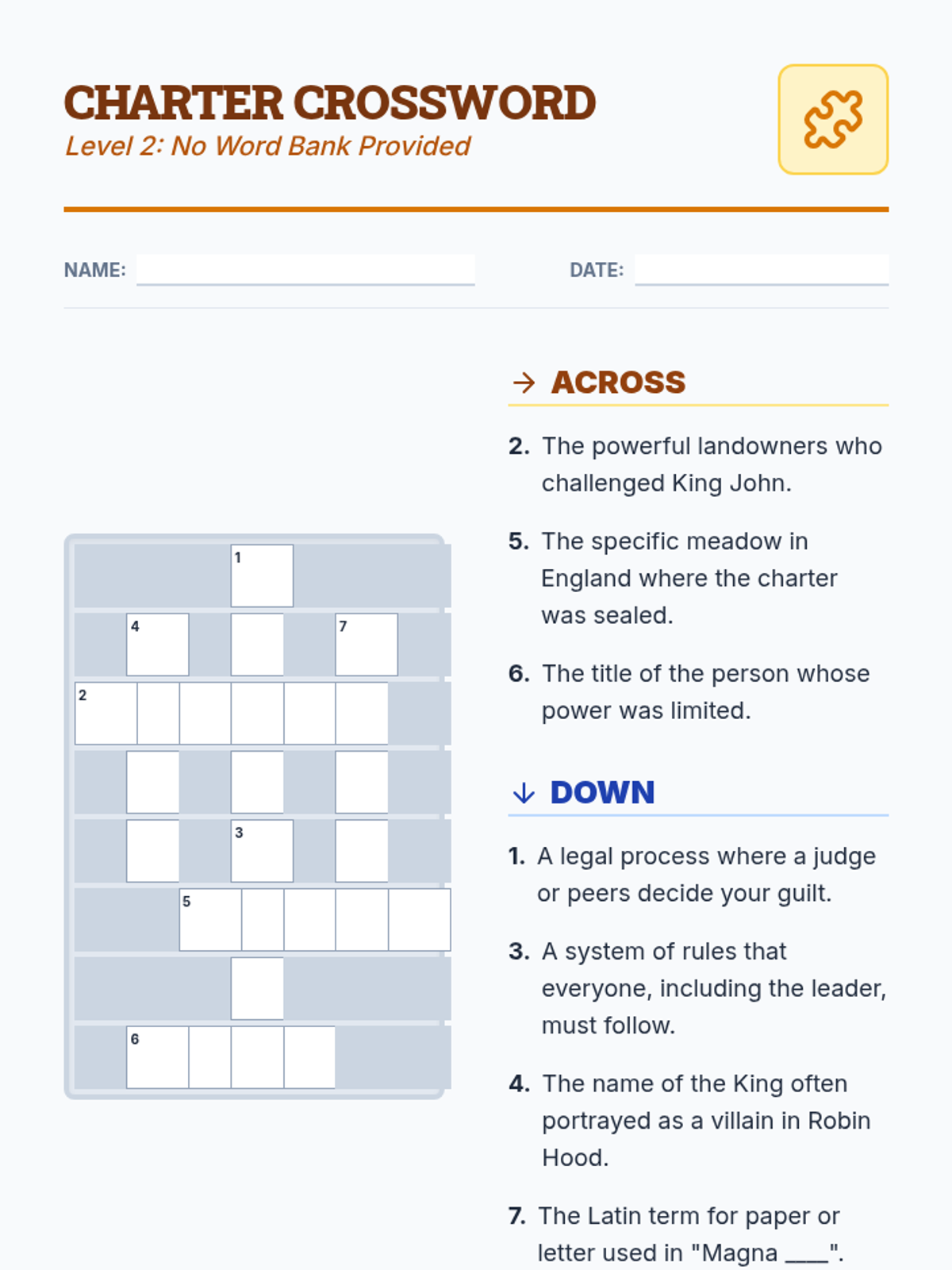
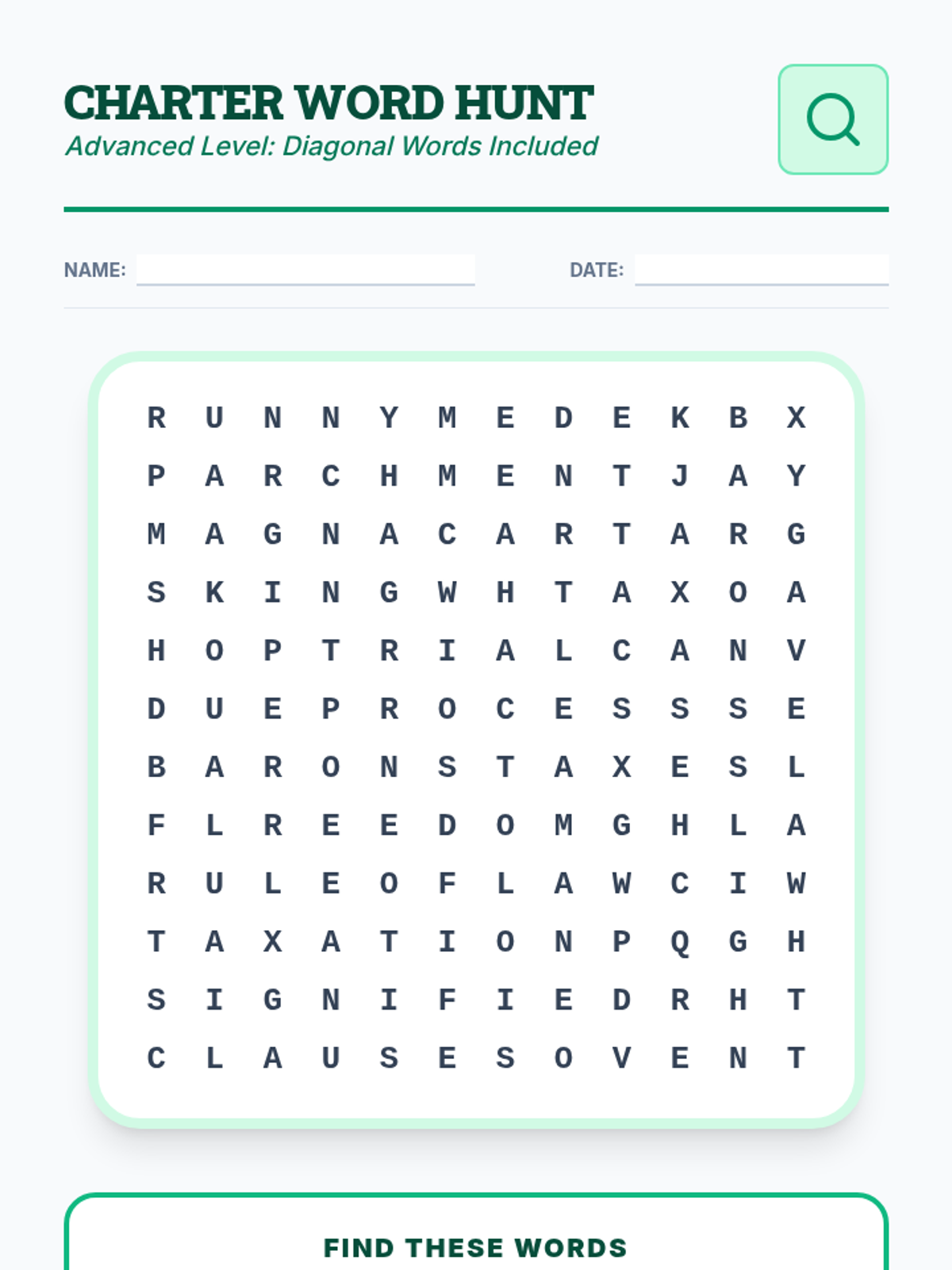
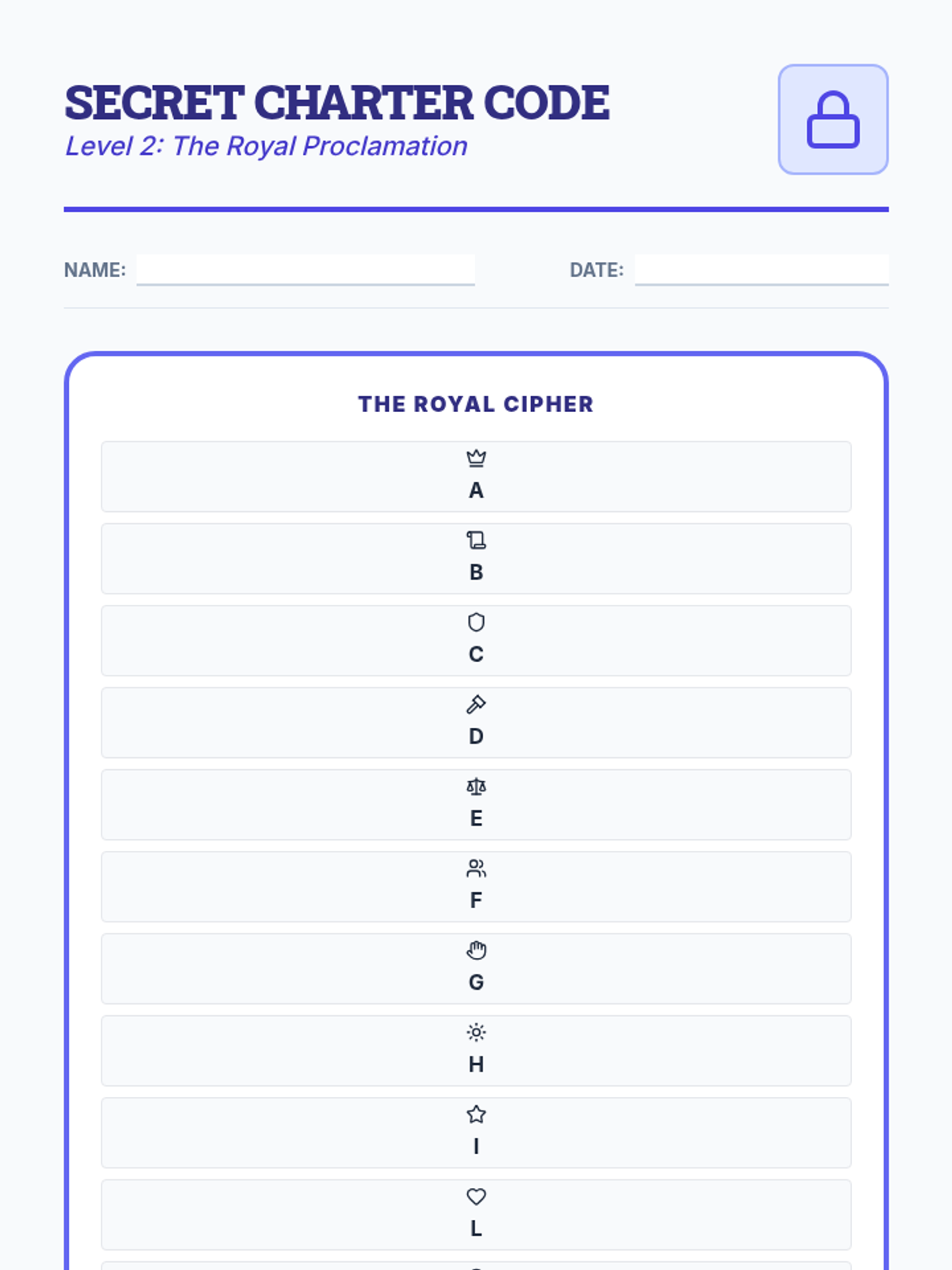
A simplified introduction to the Magna Carta for special education students, focusing on the limitation of royal power and the birth of basic rights through visual aids and modified texts.
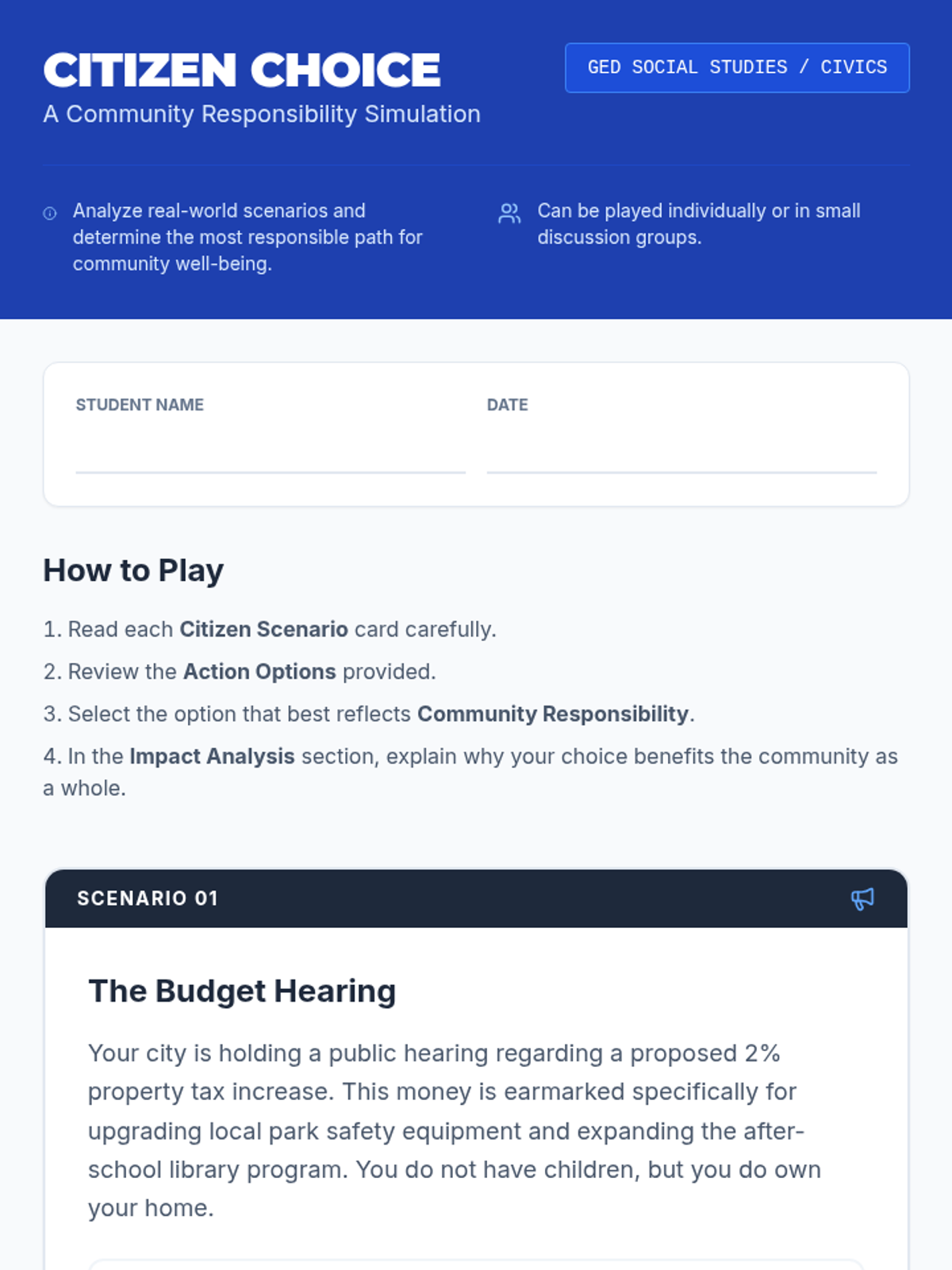
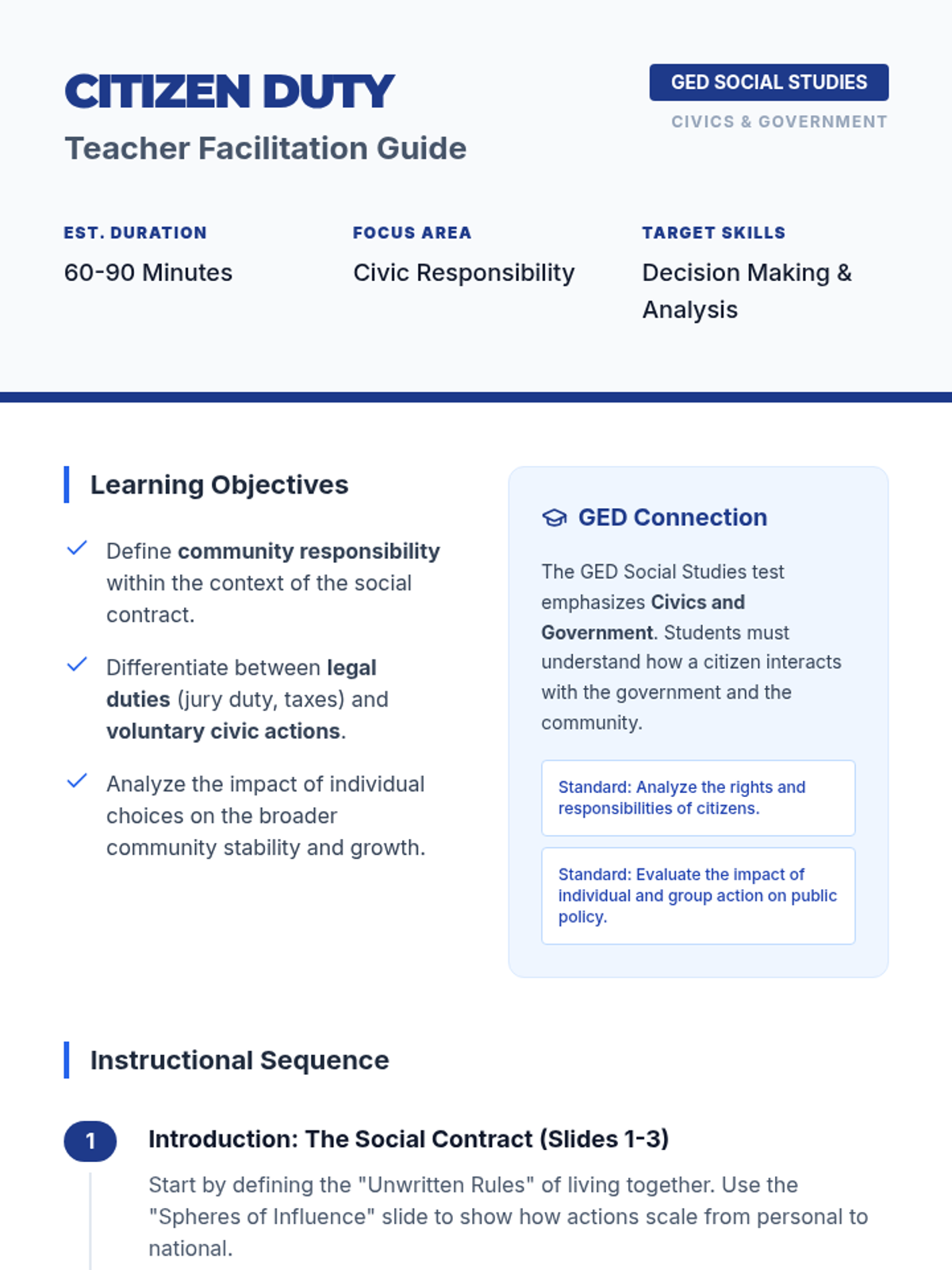
A comprehensive lesson on community responsibility designed for GED students, focusing on civic engagement, local involvement, and individual impact on society.
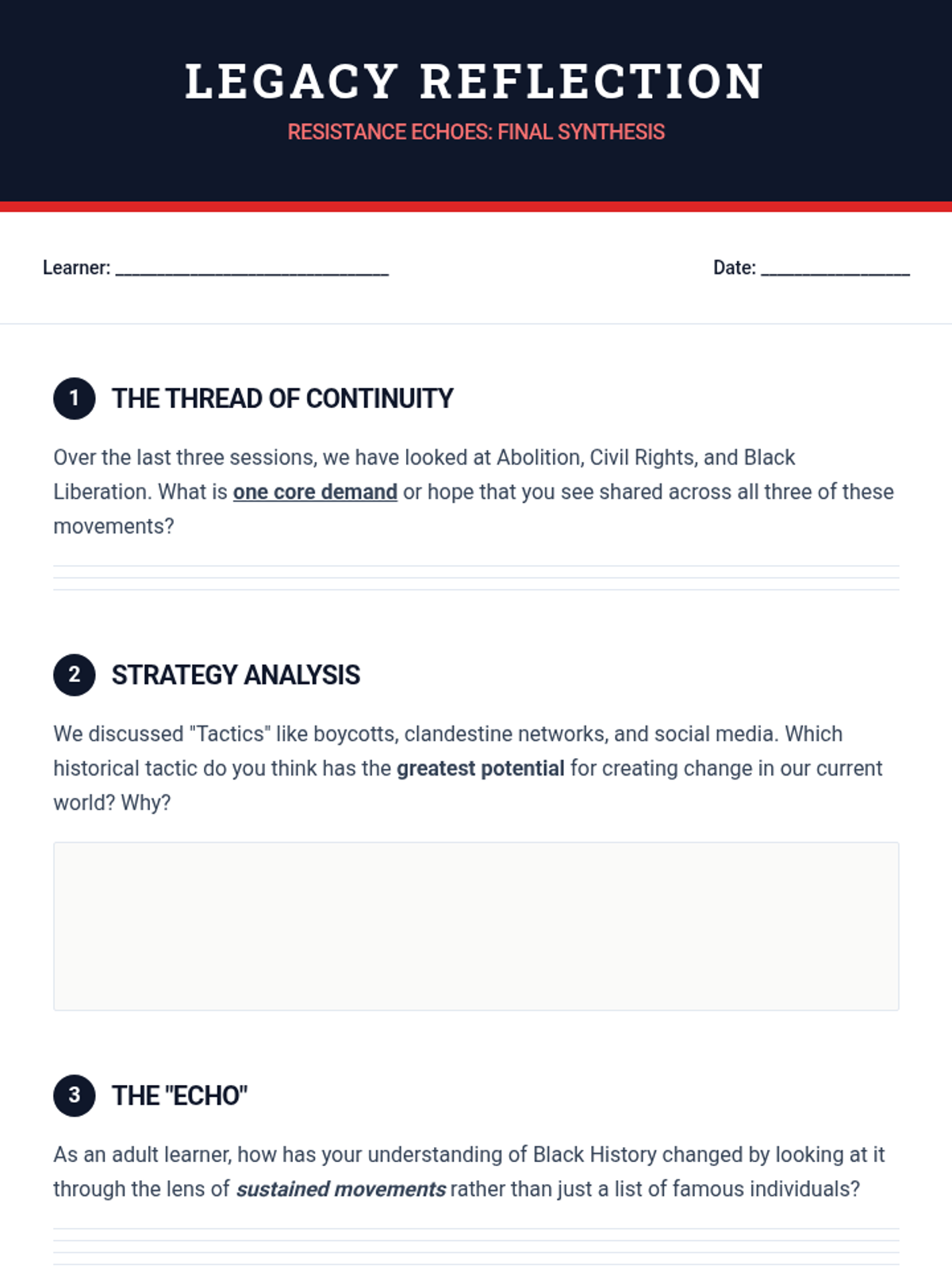
Examines the transition from the Civil Rights Movement to Black Power and the evolution into modern social justice movements like Black Lives Matter, focusing on systemic critique and global solidarity.
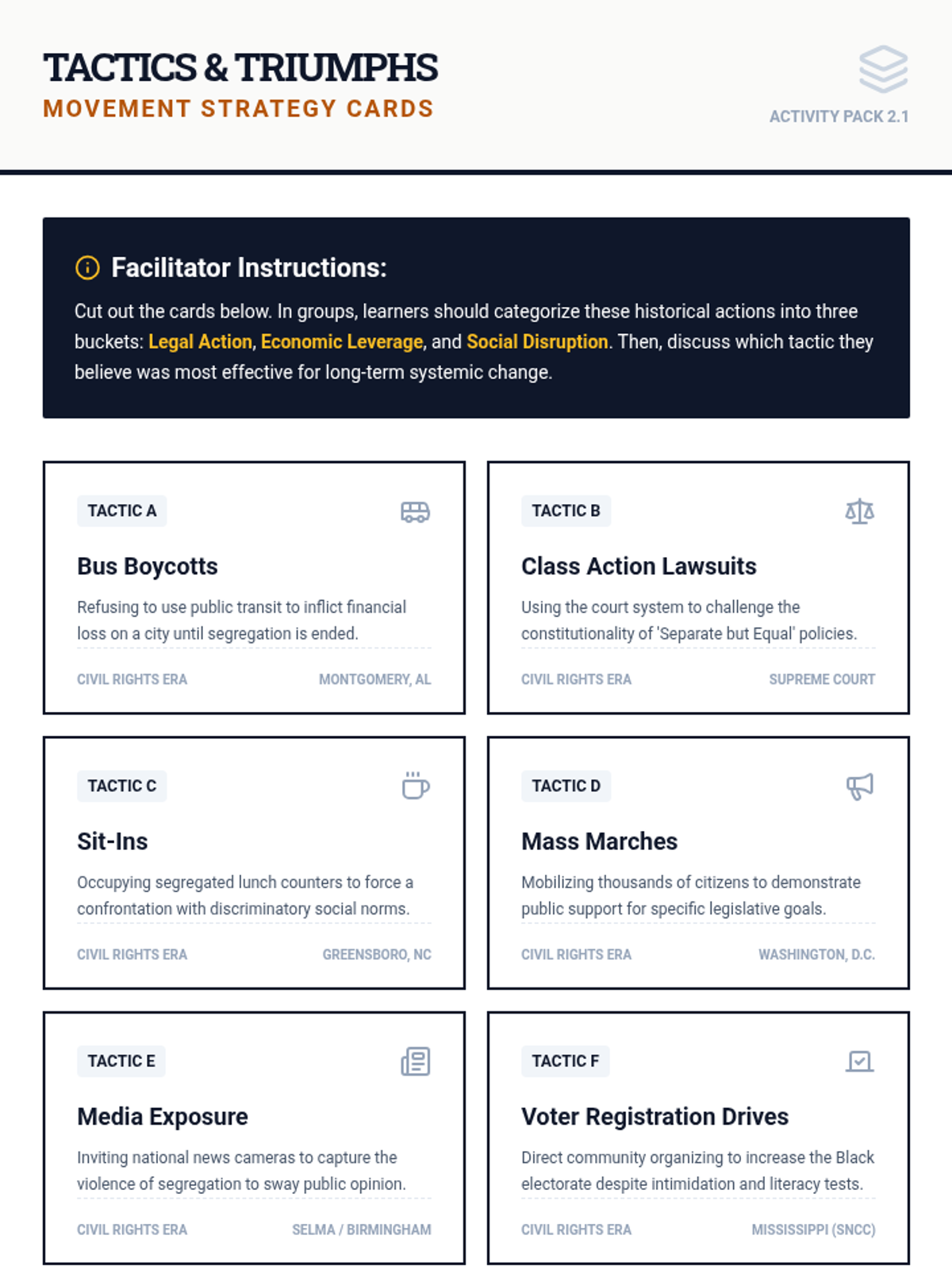
Explores the pivotal era of the mid-20th century Civil Rights Movement, focusing on the strategic shift from legal battles to mass non-violent direct action and the Great Migration's impact on urban resistance.
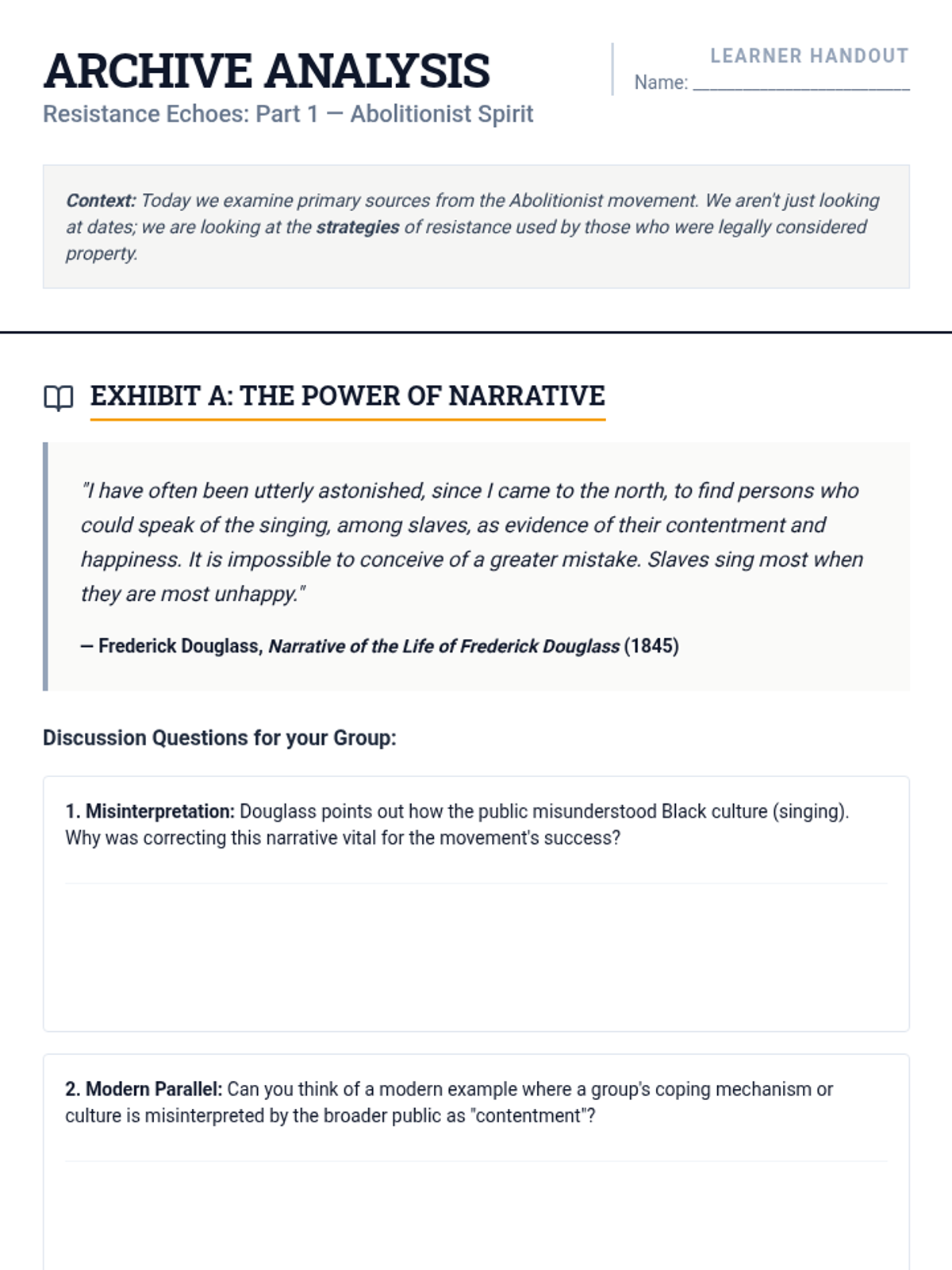
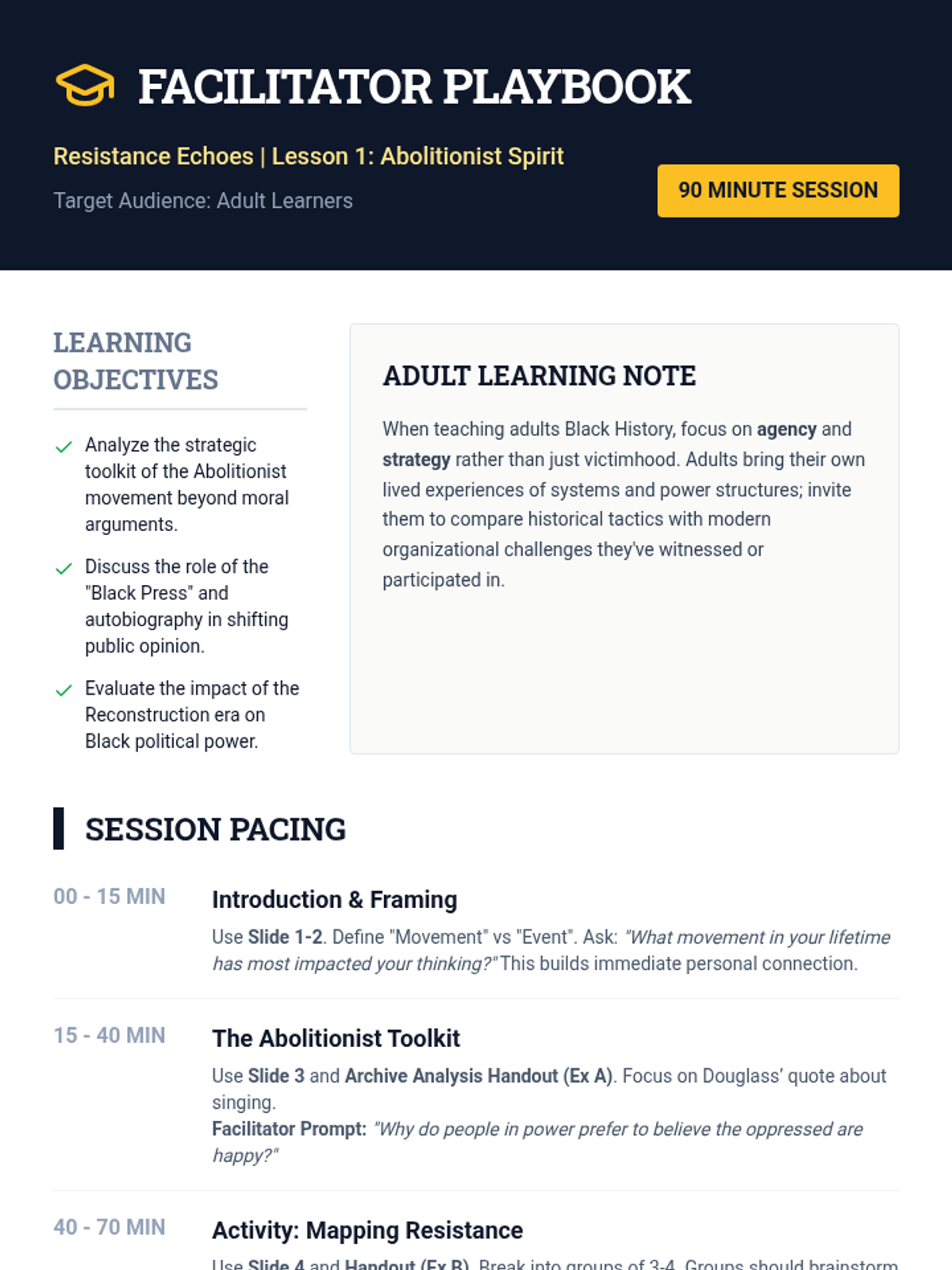
Examines the early foundations of Black resistance in America, focusing on the Abolitionist movement, the Underground Railroad, and the promises and pitfalls of the Reconstruction era.
Synthesize learning to create a comprehensive conflict resolution handbook and formal reporting protocol for a sports organization.
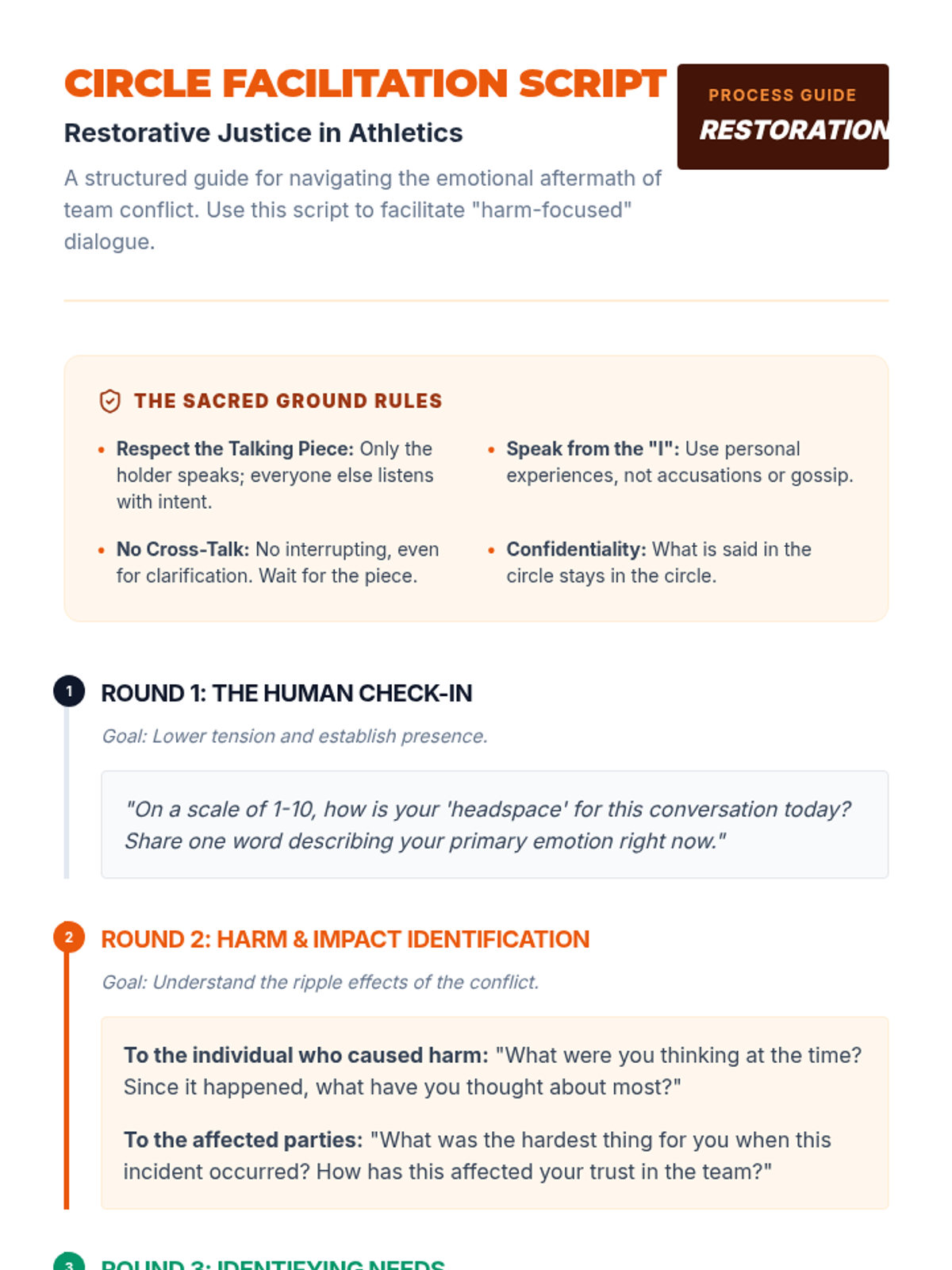
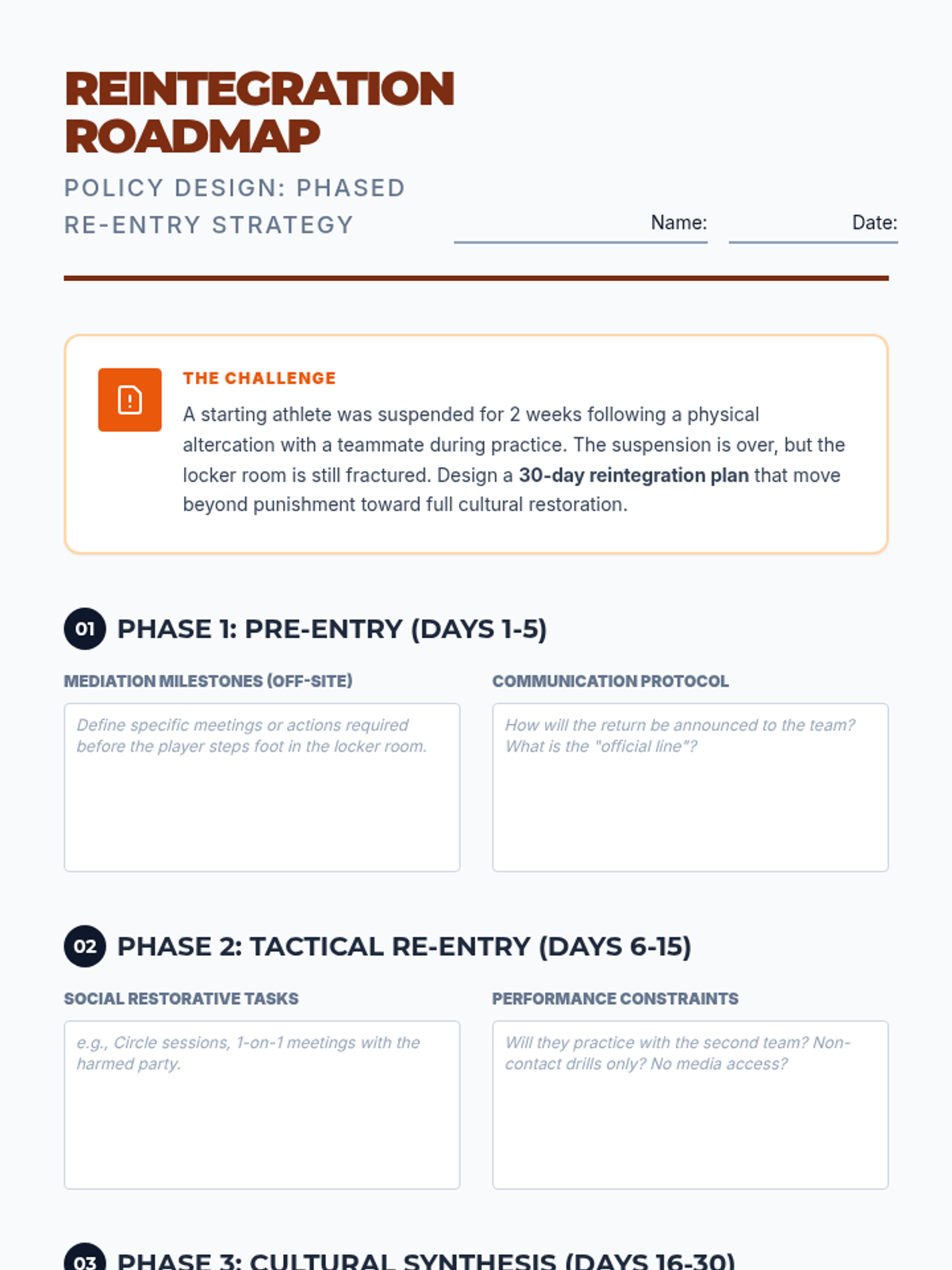
Explore restorative justice frameworks and design re-entry plans to rehabilitate team culture after significant conflict or disciplinary action.
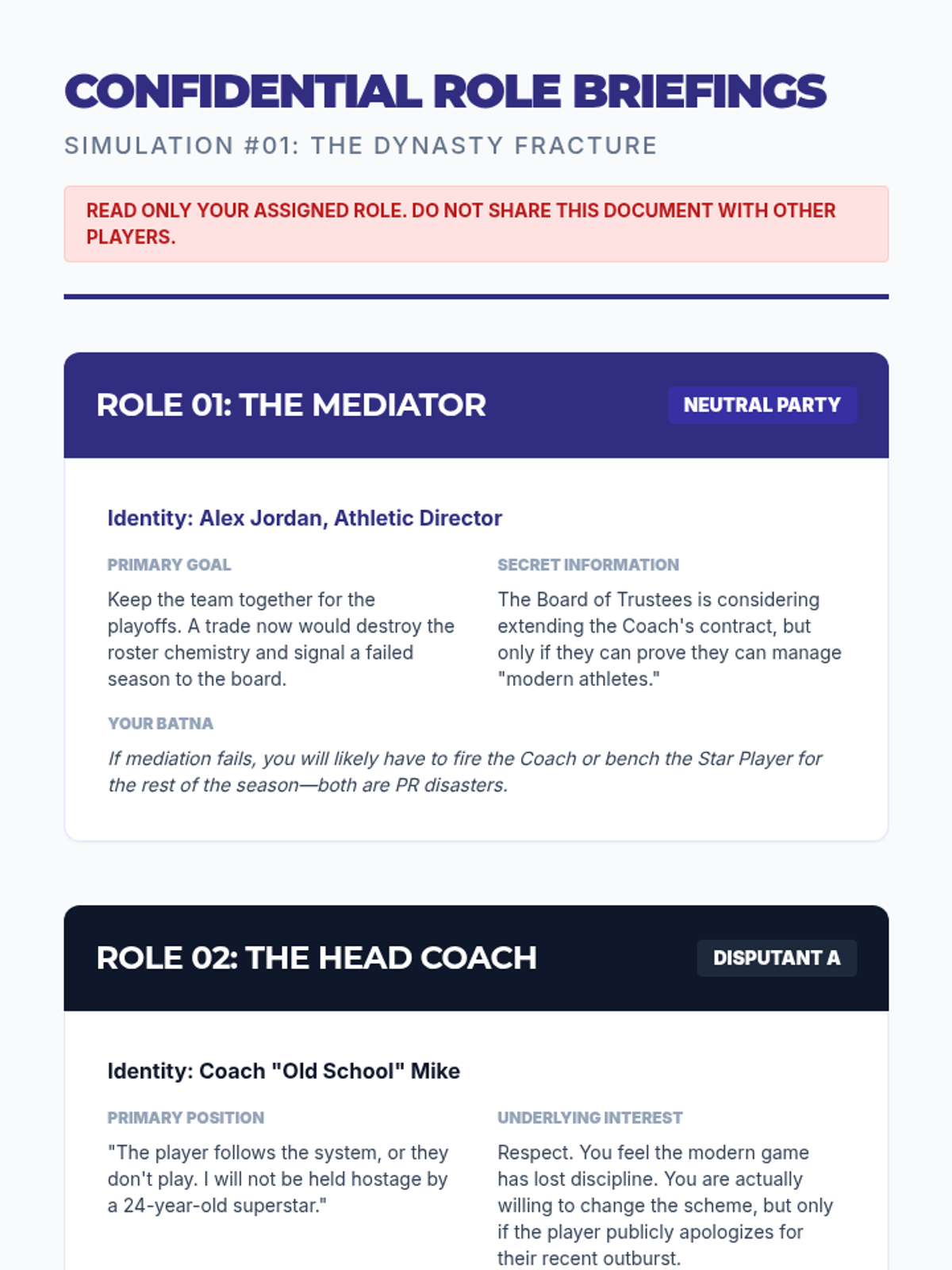
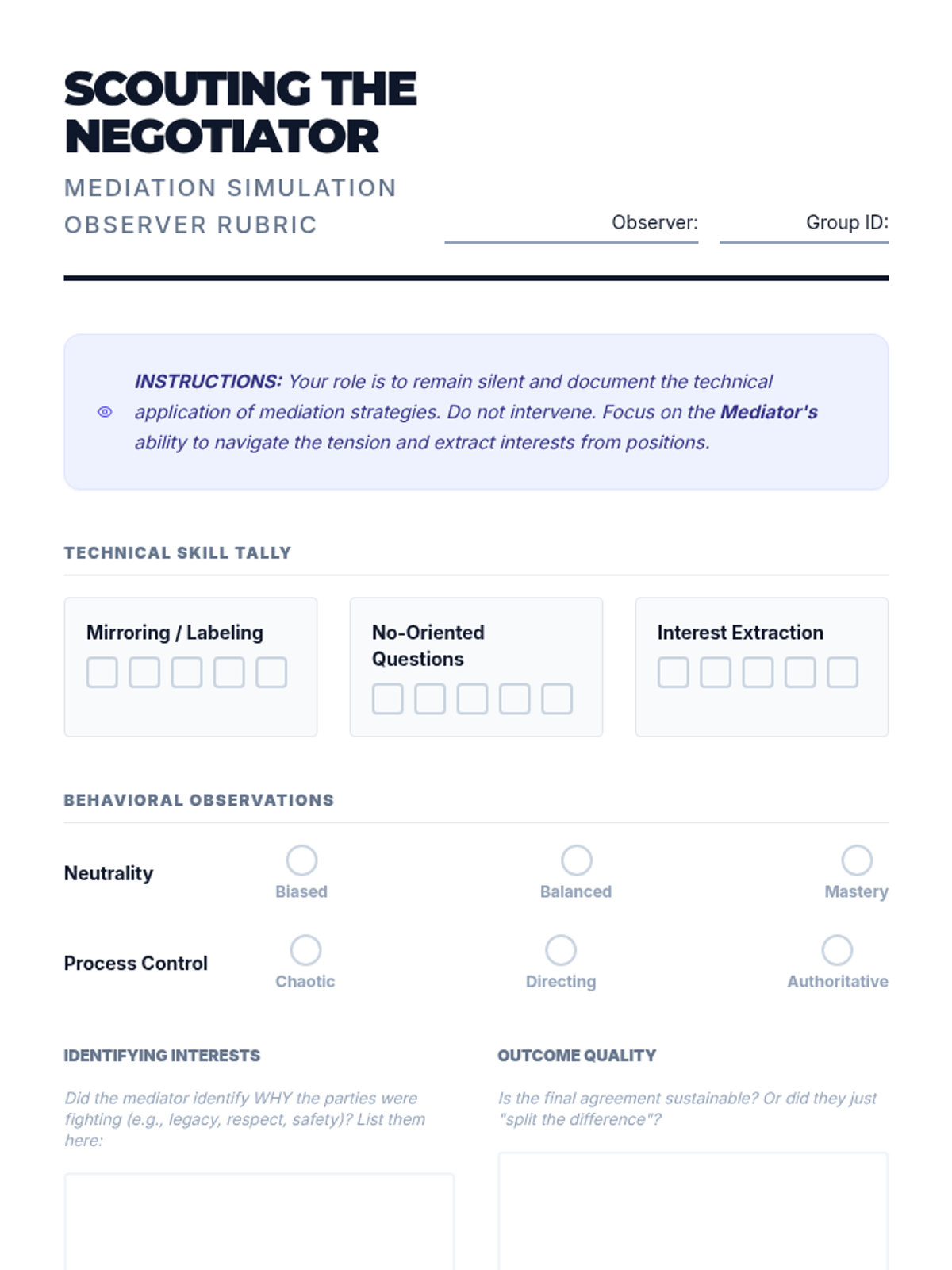
Engage in a high-stakes simulation mediating a dispute between a coach and athlete, applying negotiation strategies in real-time.
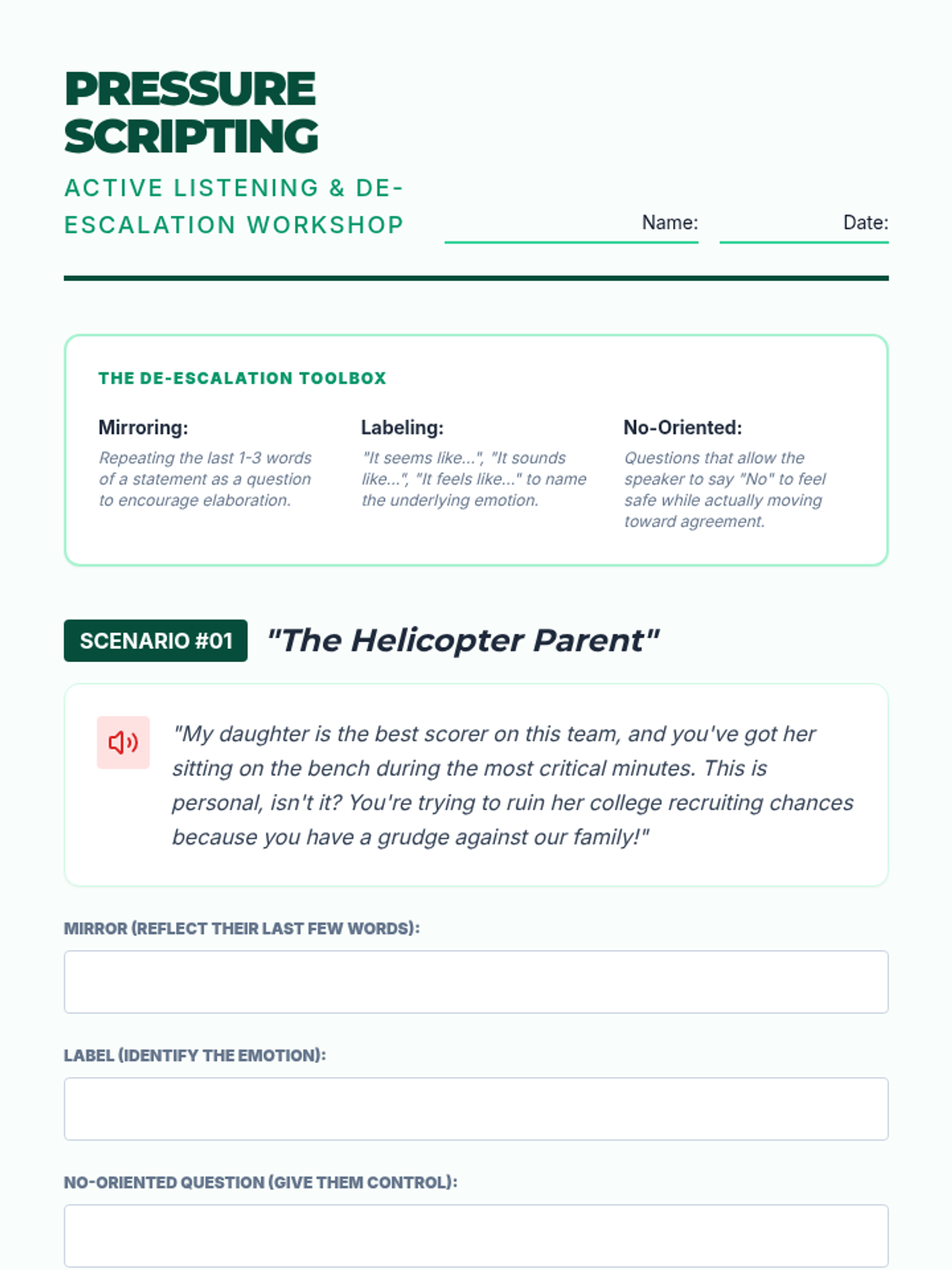
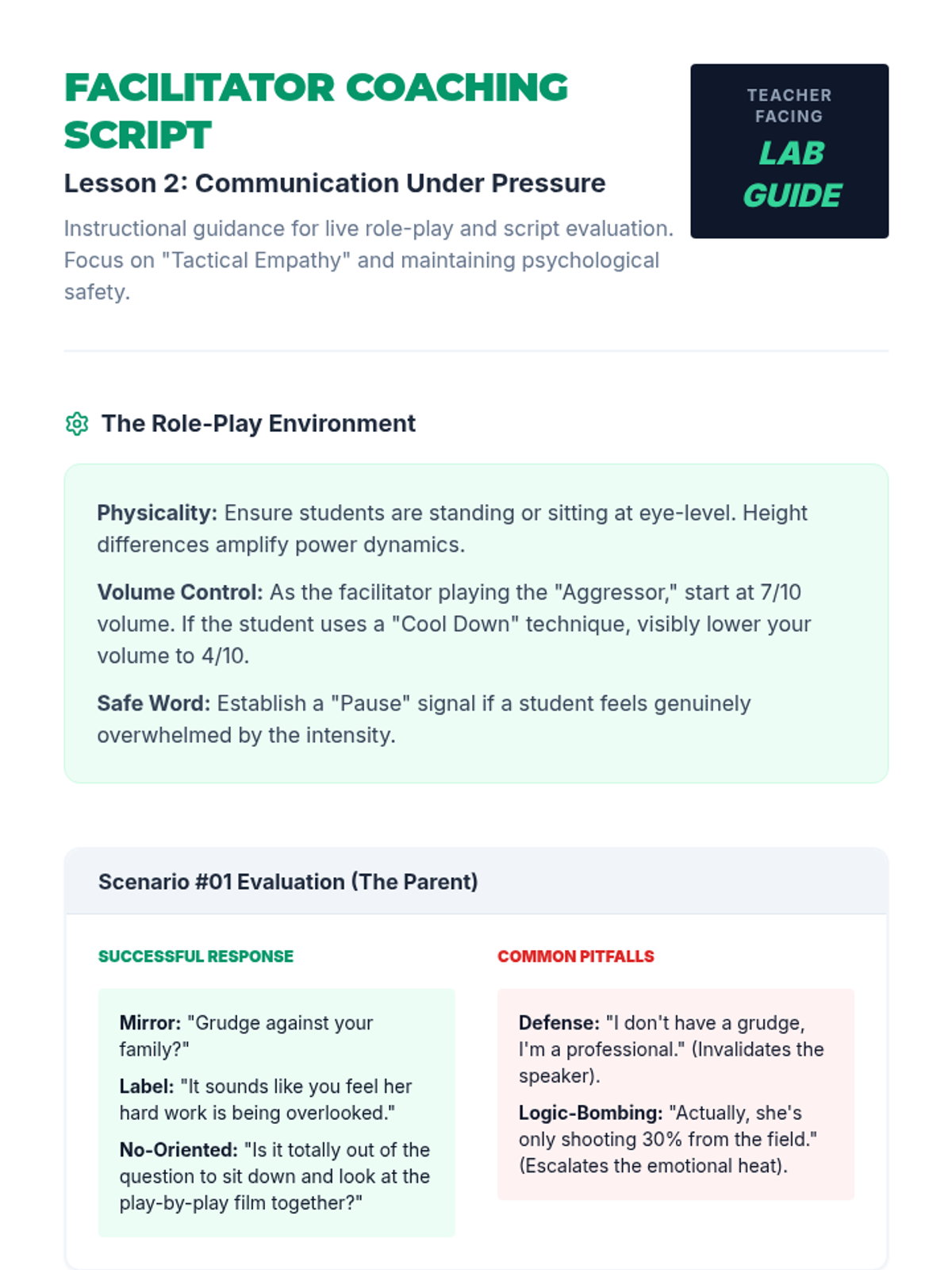
Master high-level de-escalation and active listening frameworks designed for volatile athletic environments and professional stakeholder management.
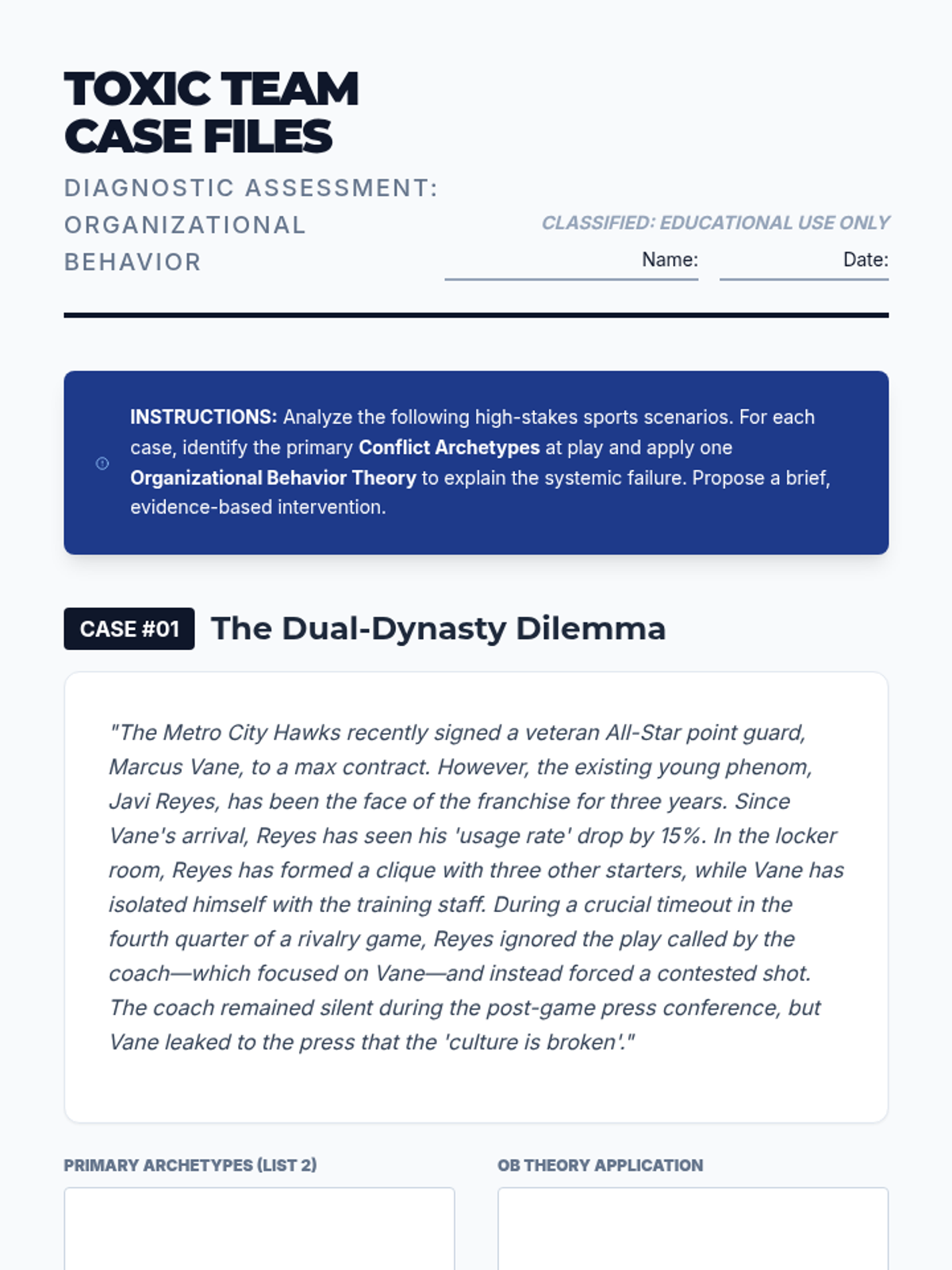
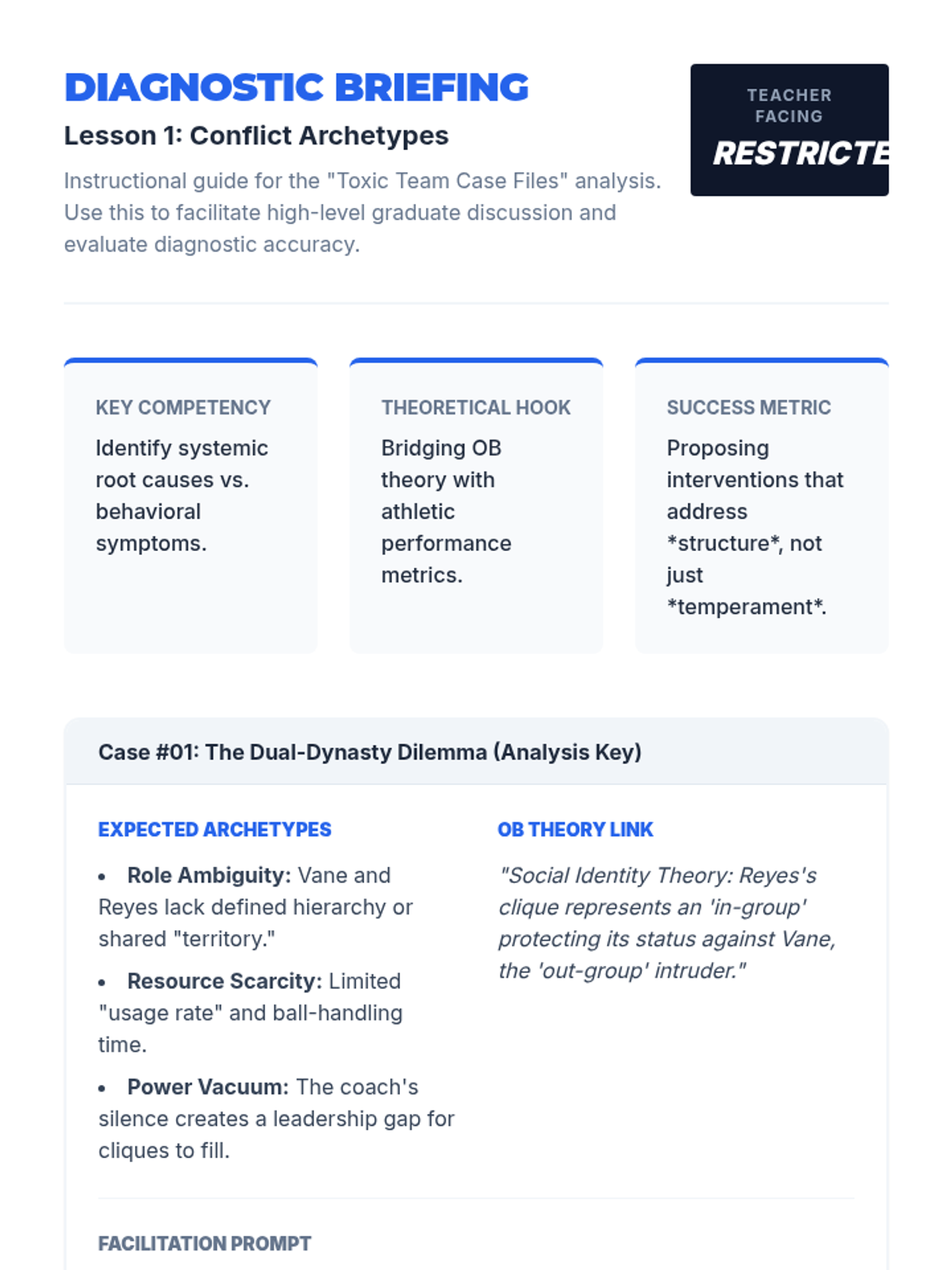
Examine common root causes of sports conflict such as role ambiguity and resource scarcity through organizational behavior theories and forensic case analysis.
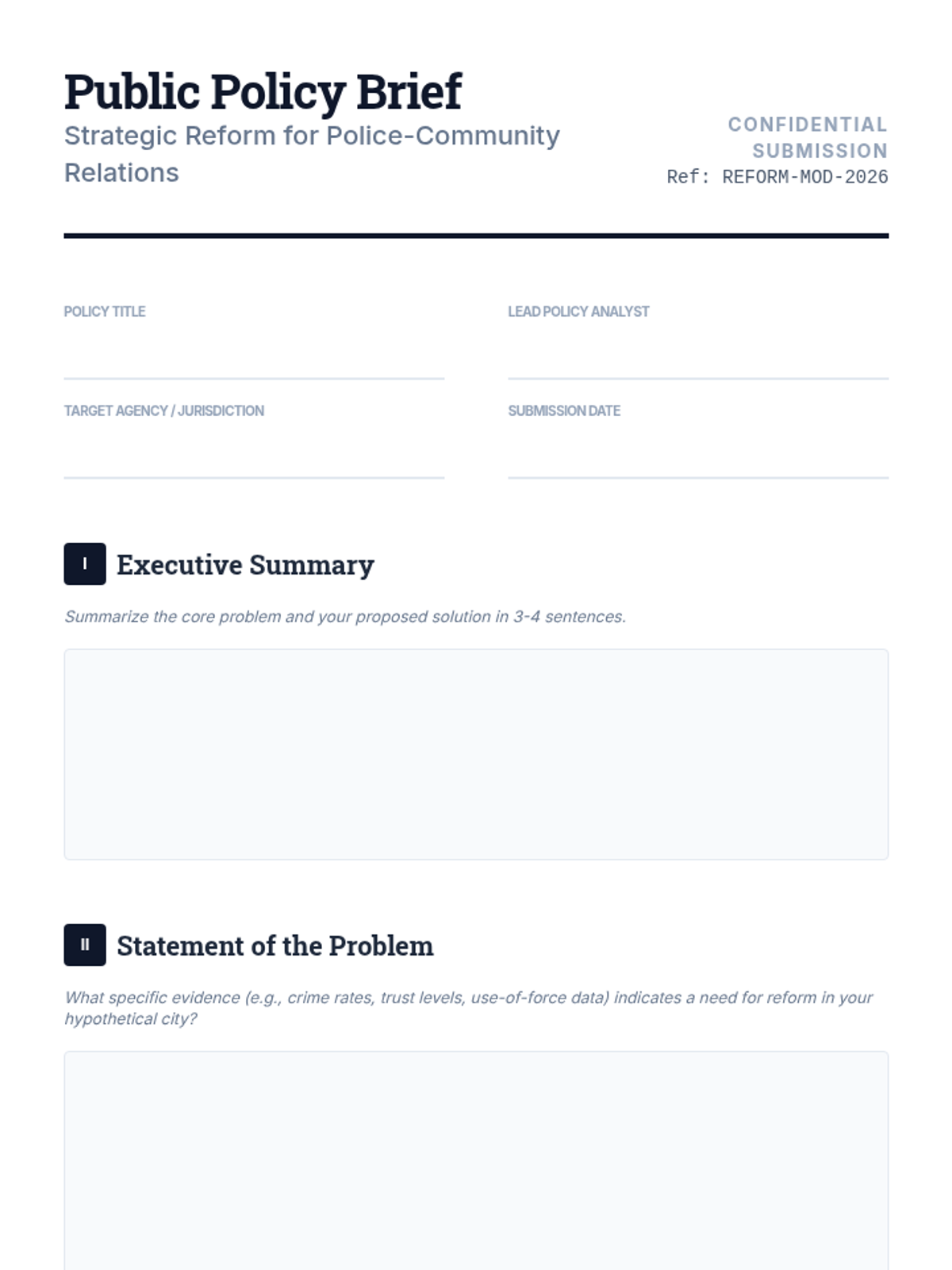
Students evaluate various reform models and draft a policy brief for a local police department to improve community-police relations.
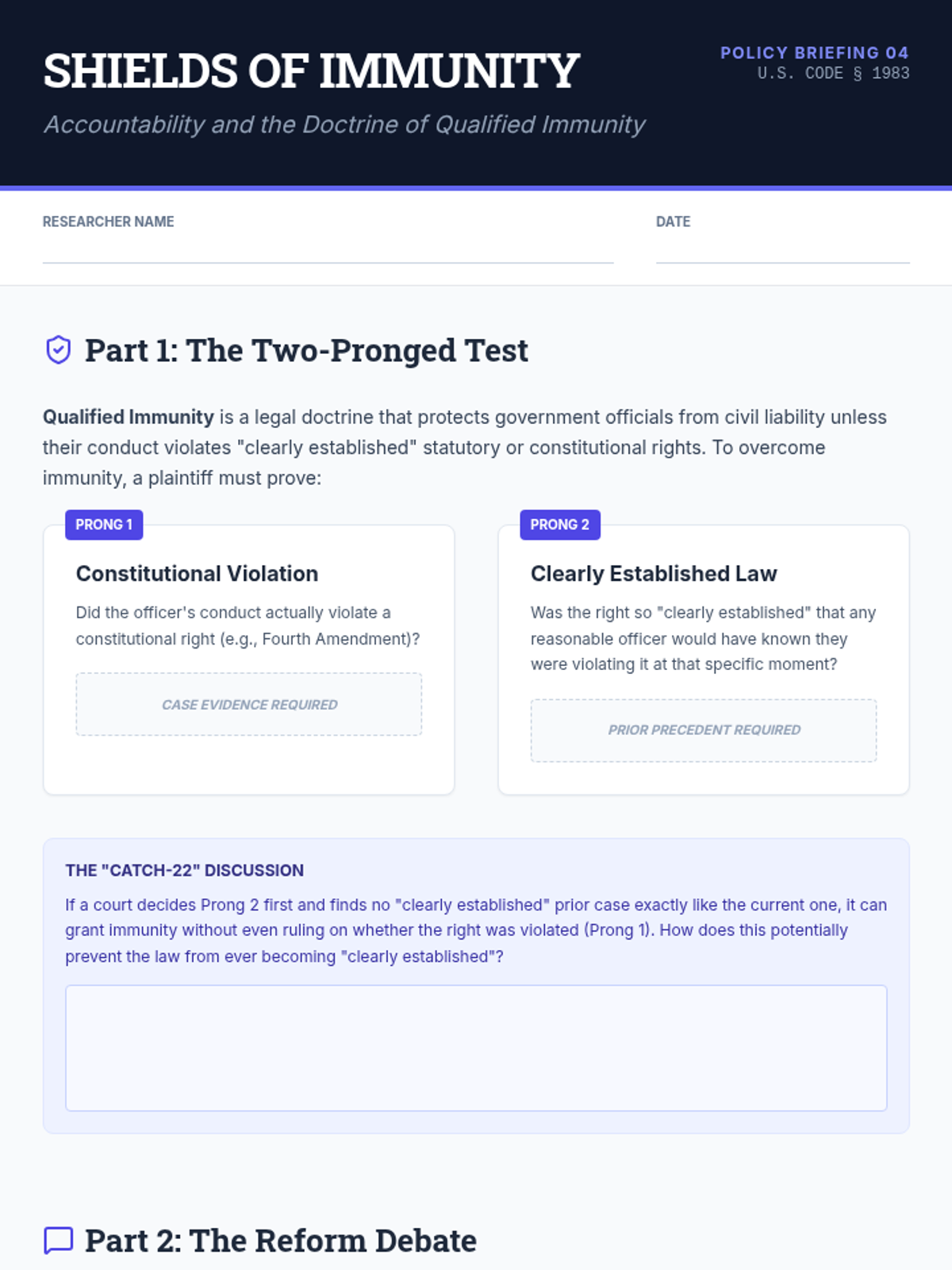
This lesson dives into the civil liability of police officers and the doctrine of qualified immunity, researching arguments for and against legal protection reform.
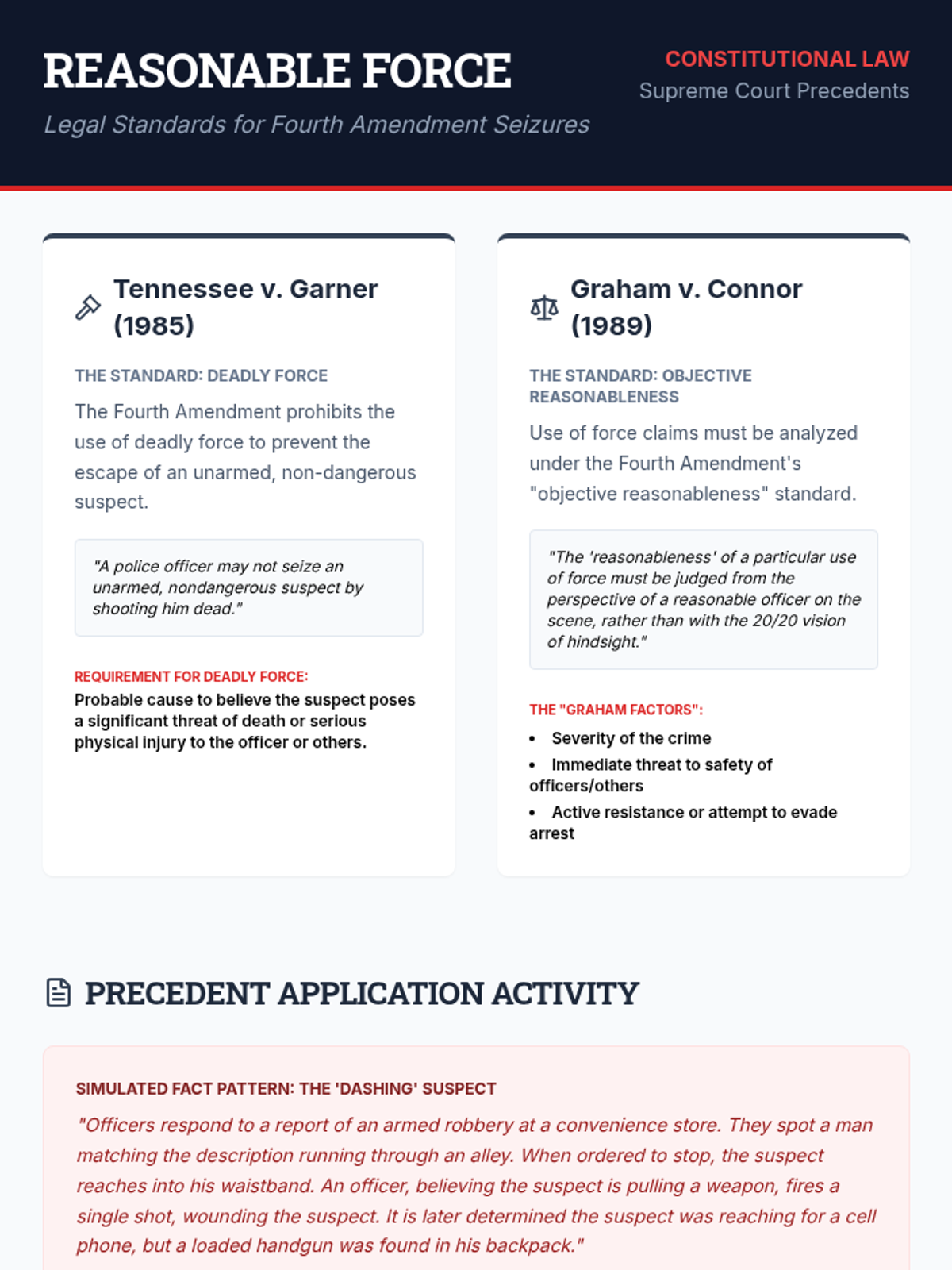
Students examine the legal standards set by Tennessee v. Garner and Graham v. Connor regarding objective reasonableness in the use of force.
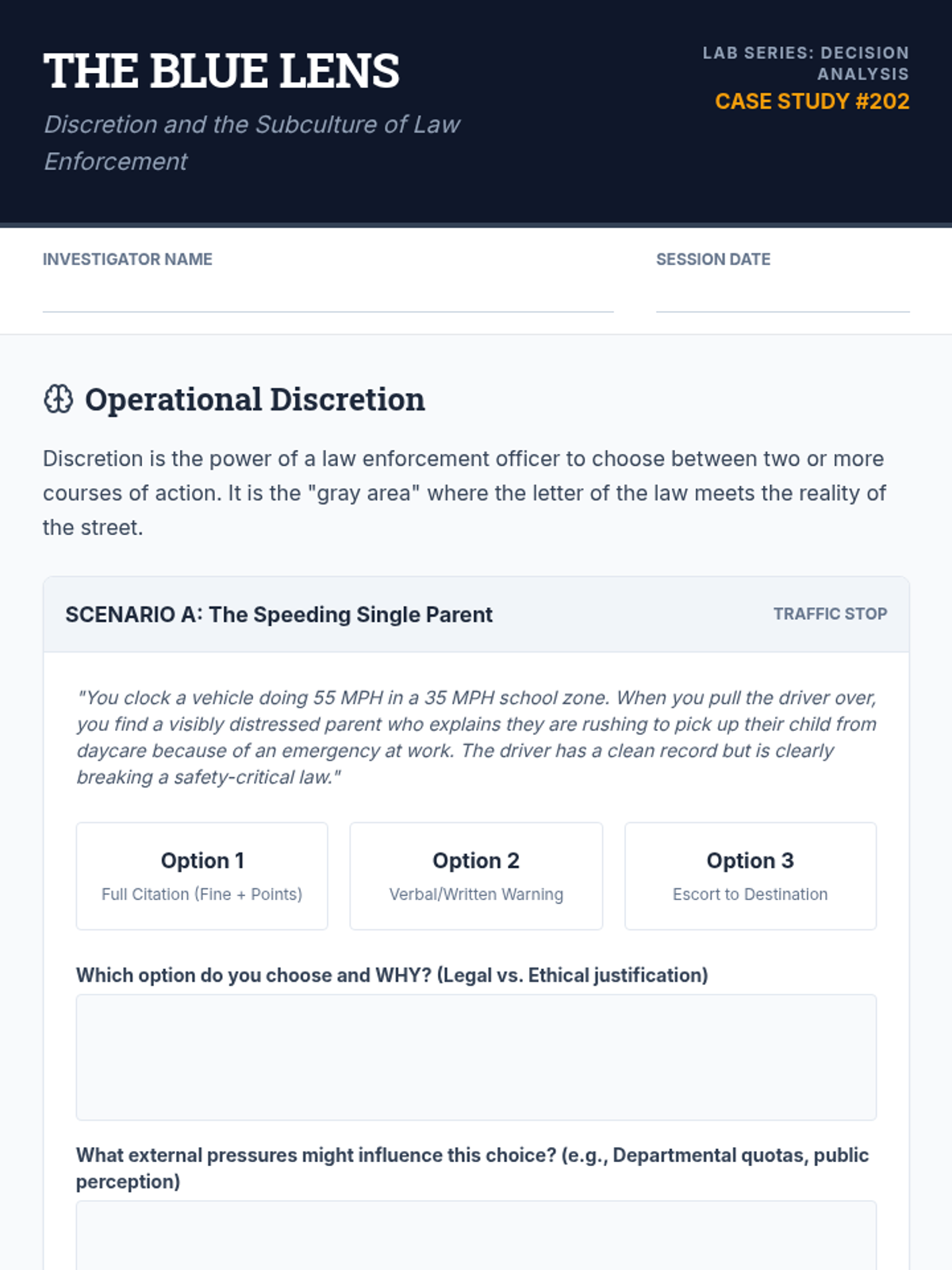
This lesson analyzes the 'blue wall of silence' and the psychological aspects of policing, discussing the necessity and dangers of discretionary power in decision-making.
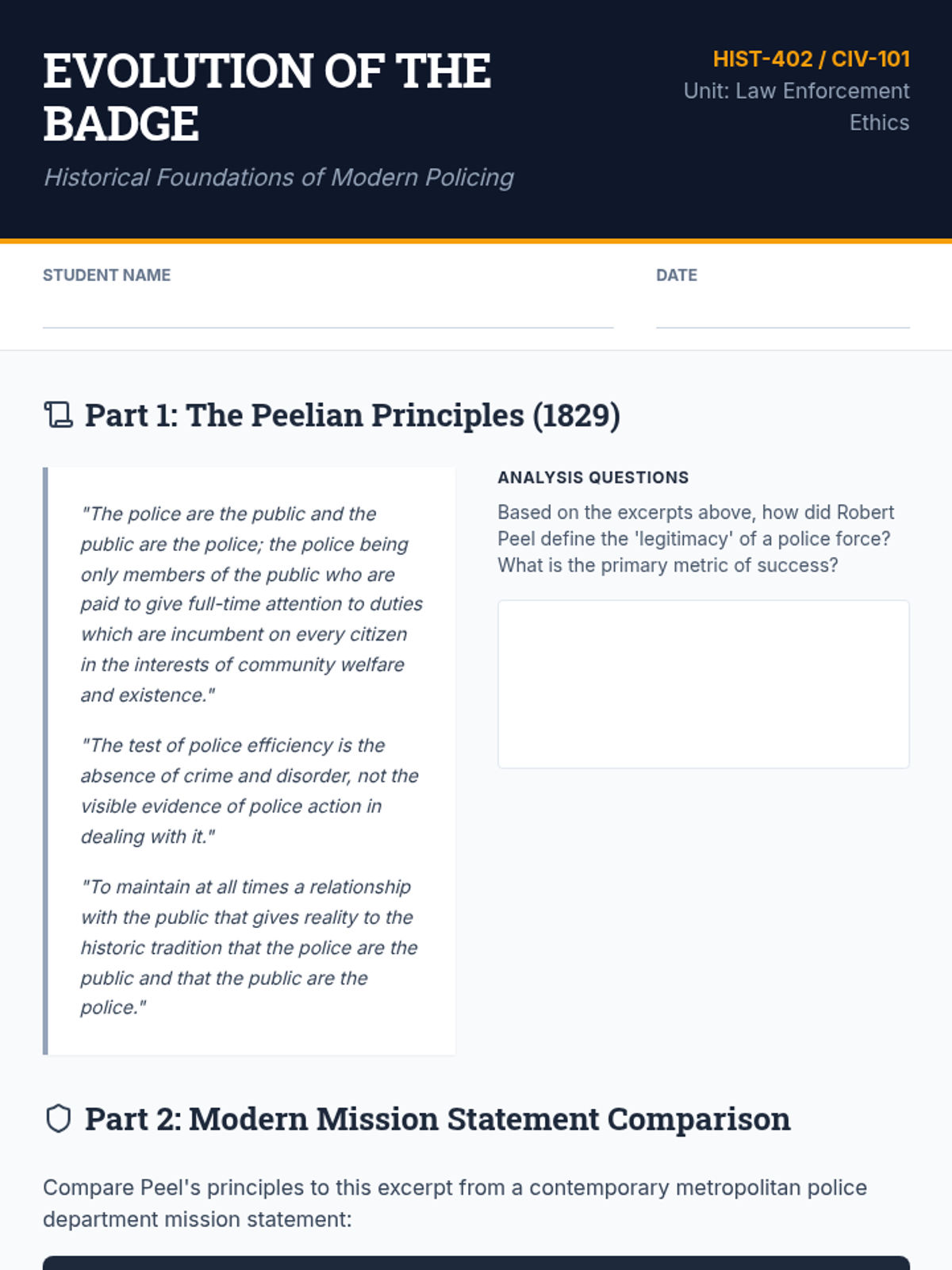
Students trace the origins of US policing from the Peelian principles to the professionalization era, contextualizing current structures within historical shifts in urban governance and social control.
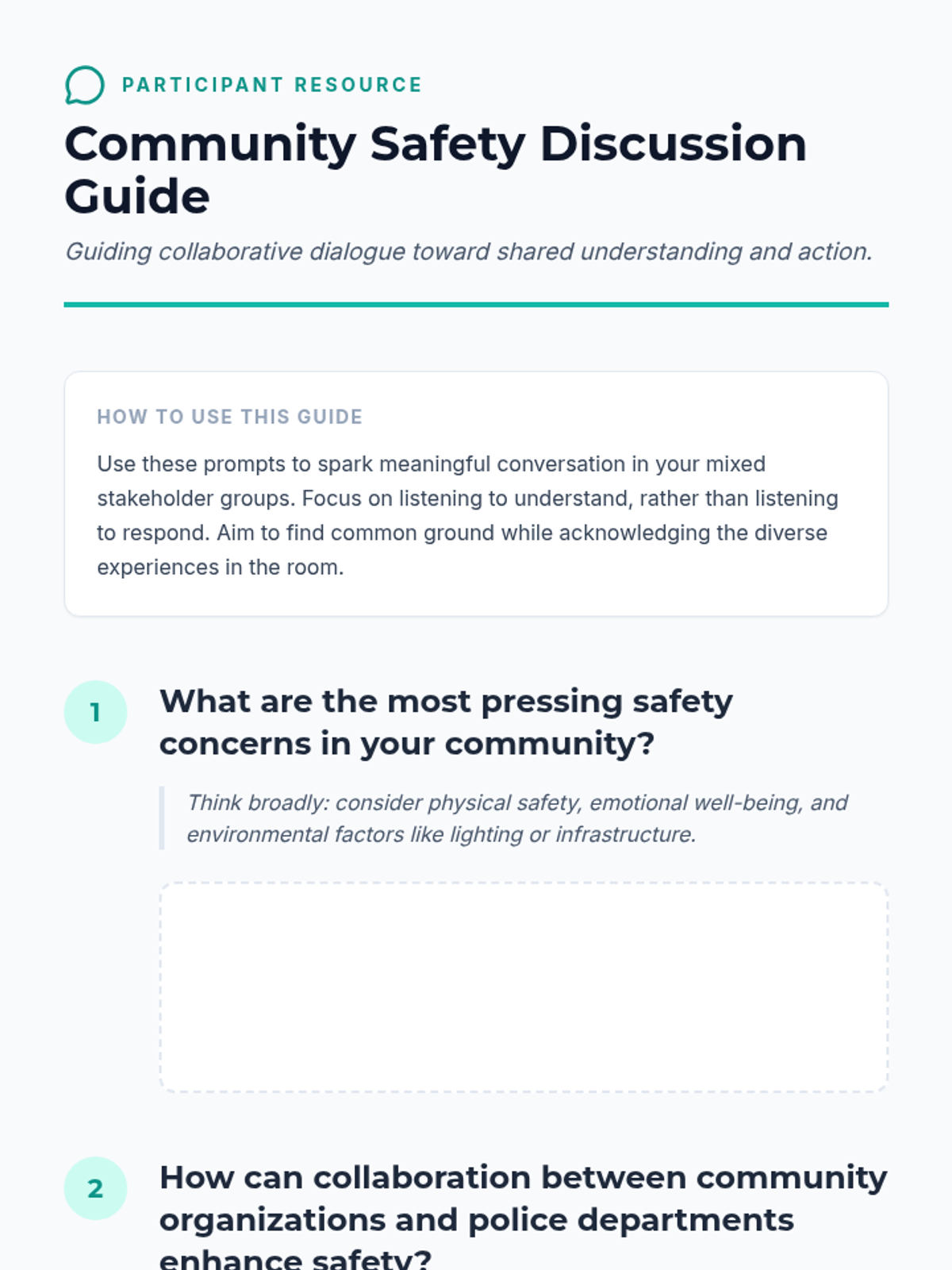
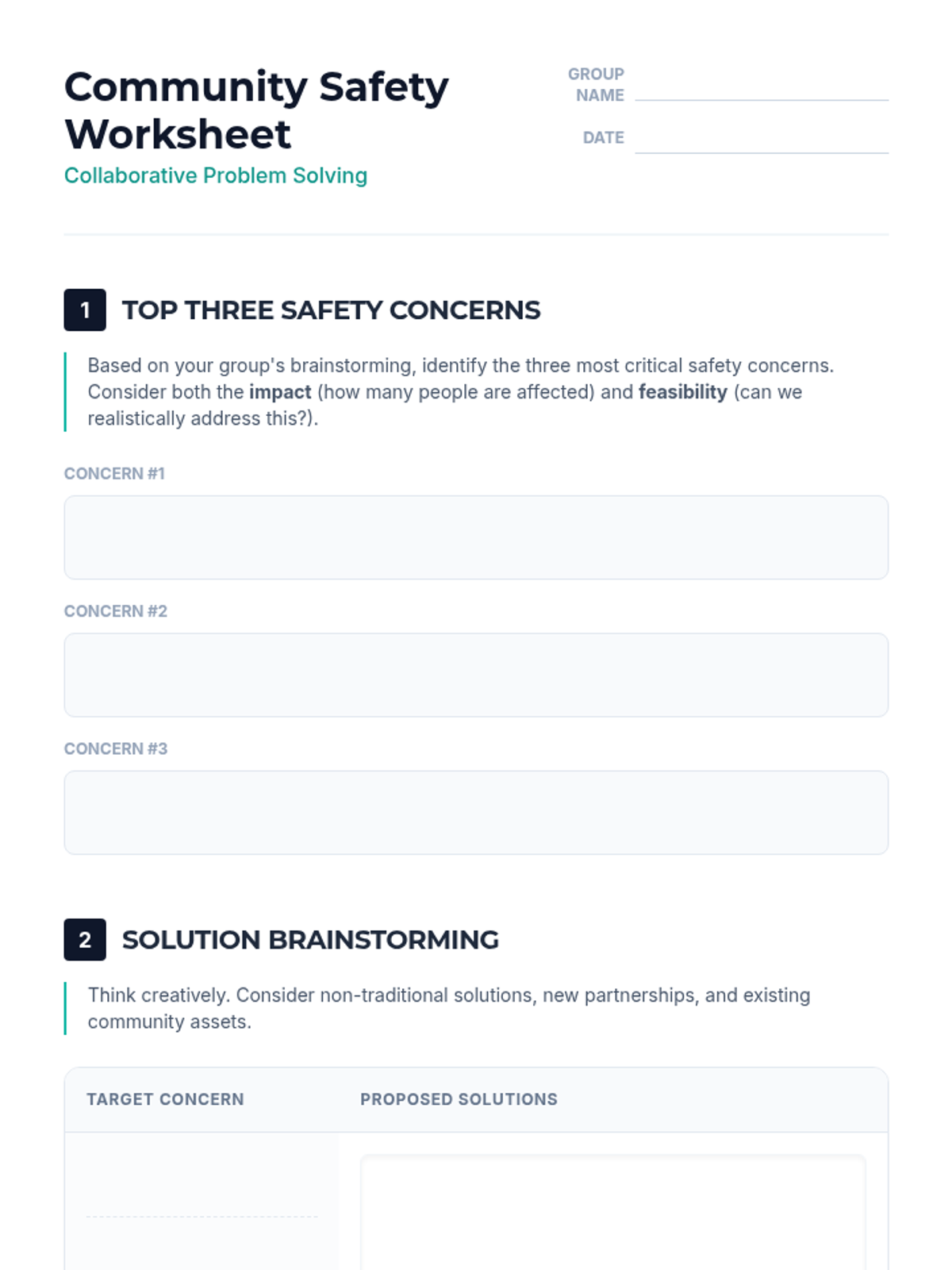
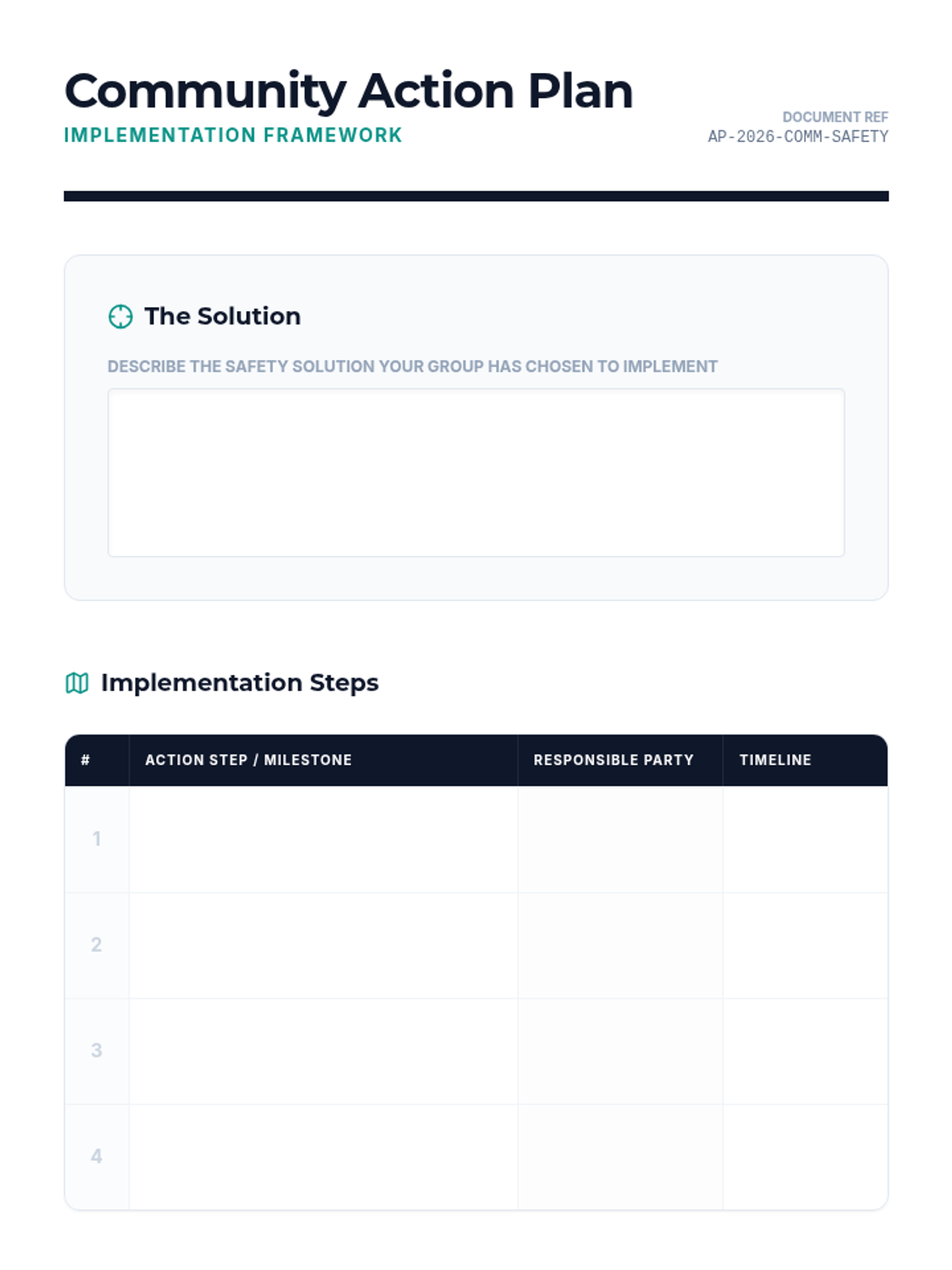
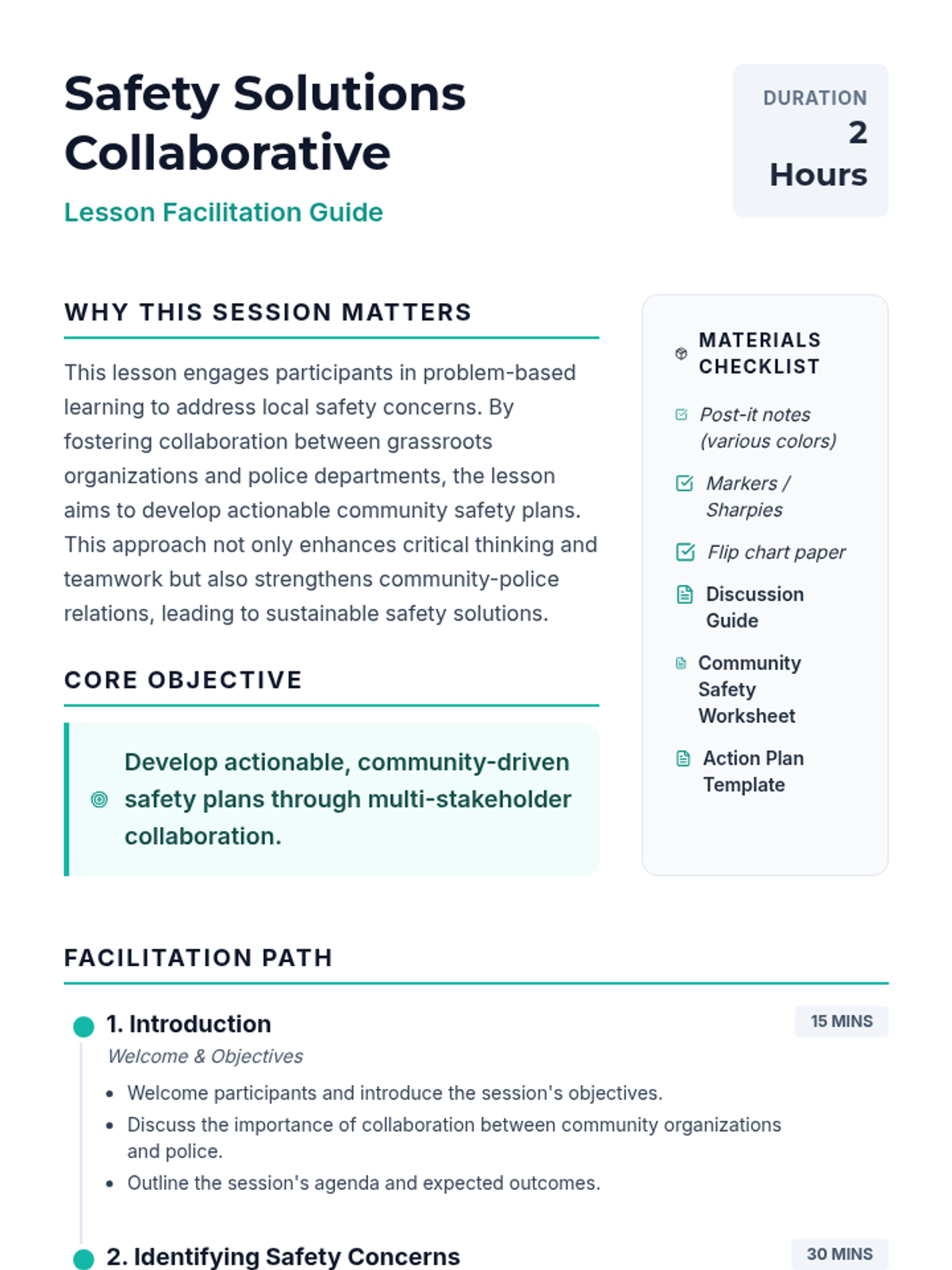
A problem-based learning session for grassroots organizations and police departments to co-create actionable community safety plans and strengthen working relationships.
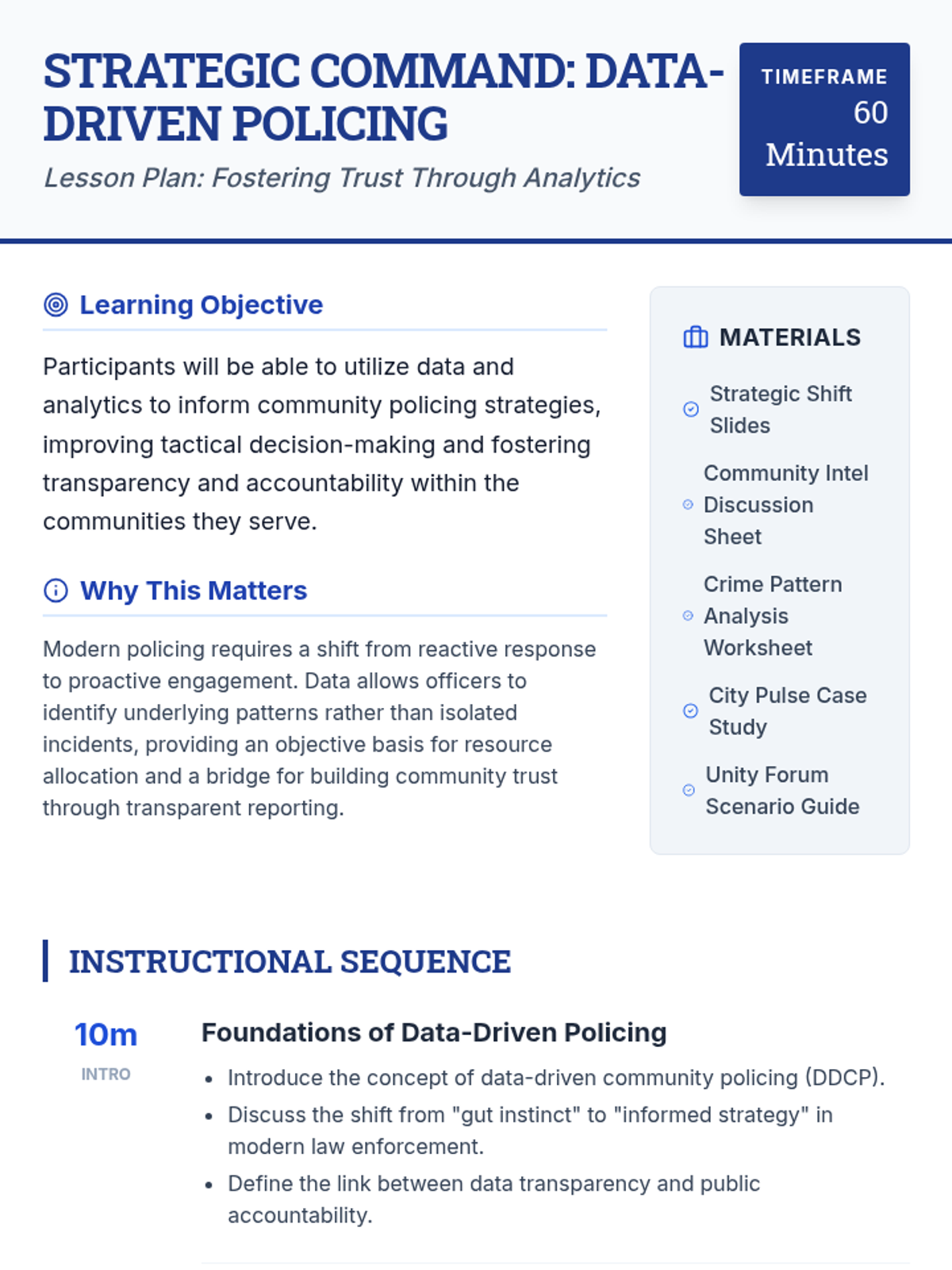
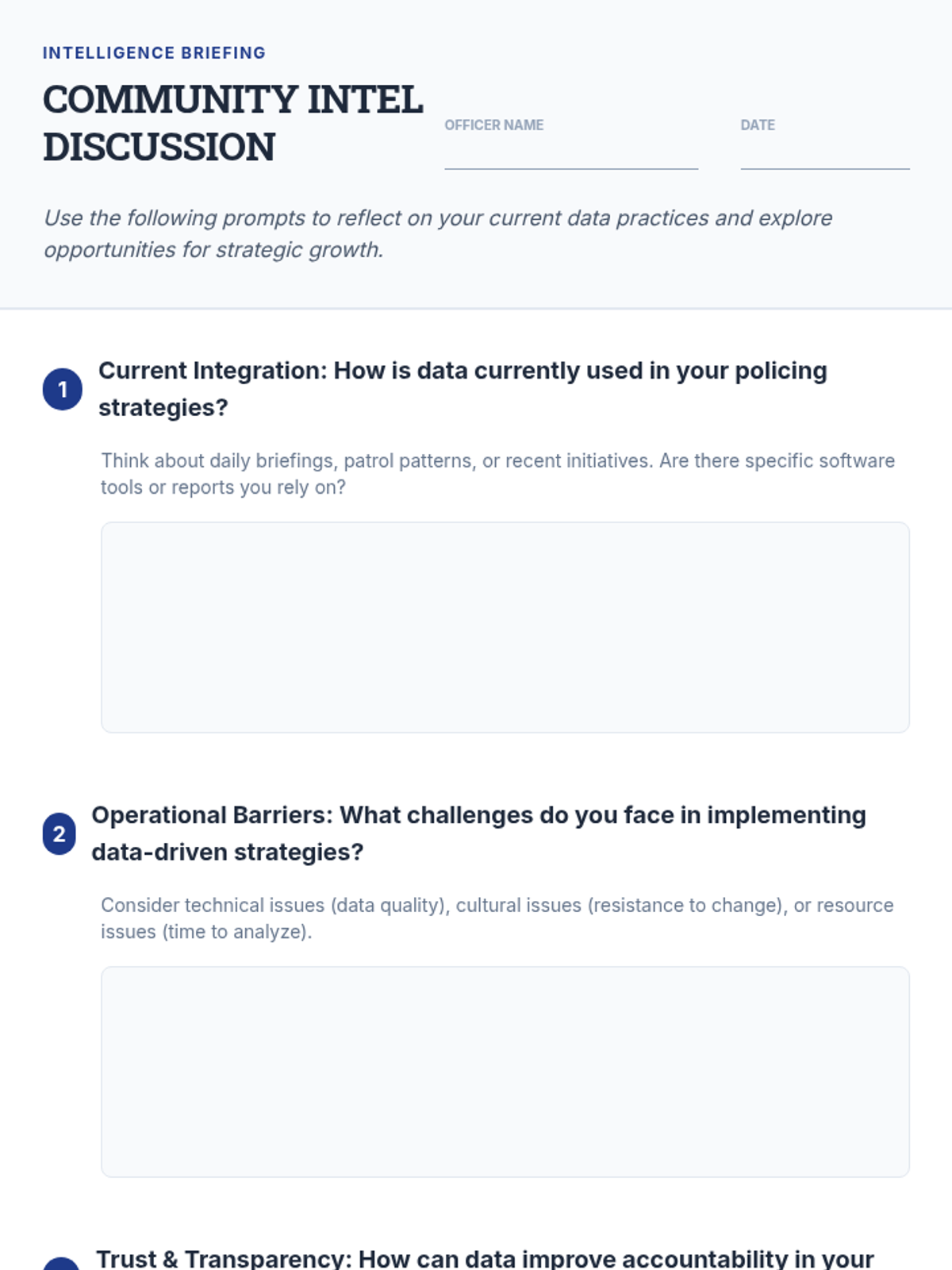
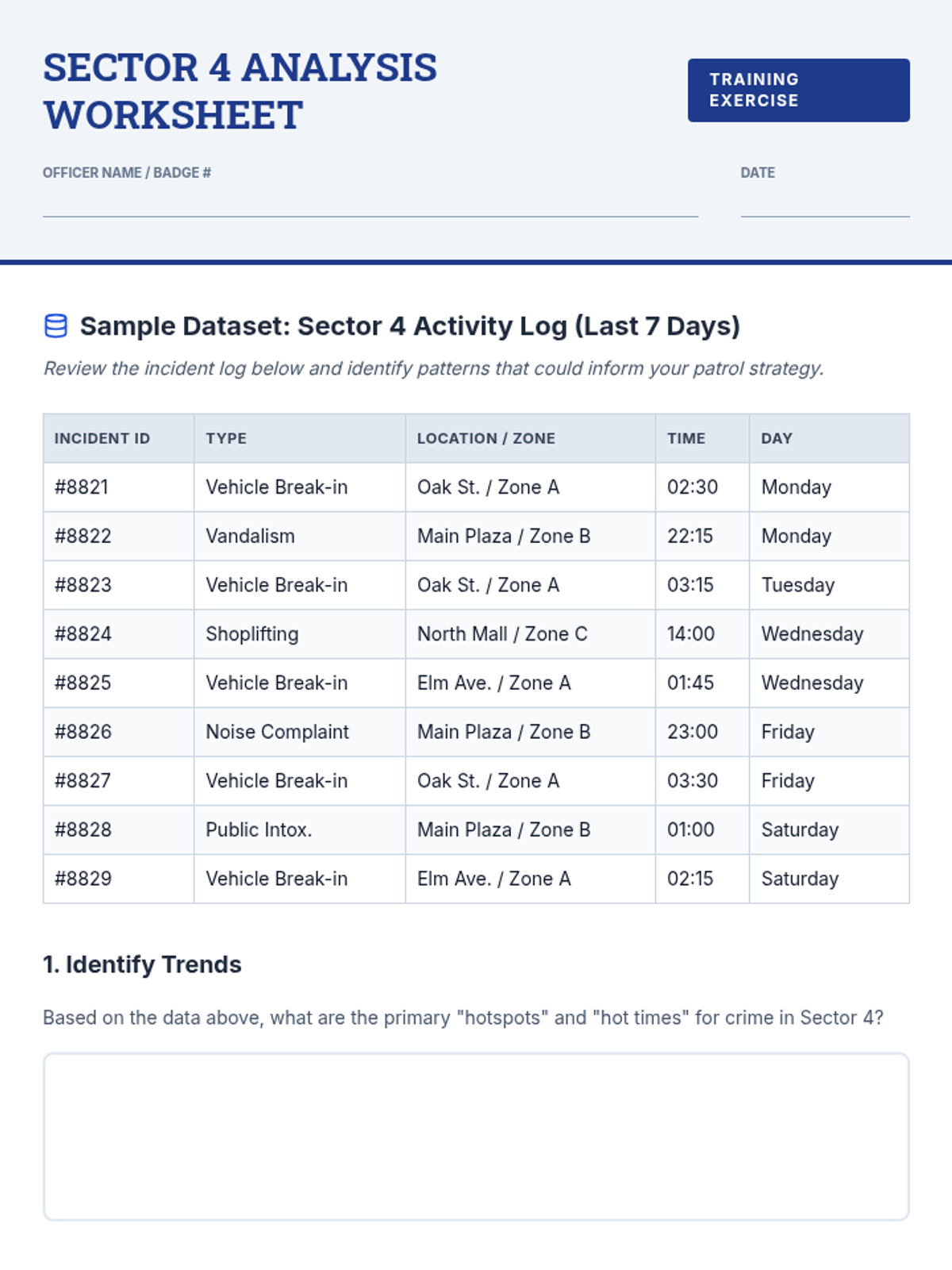
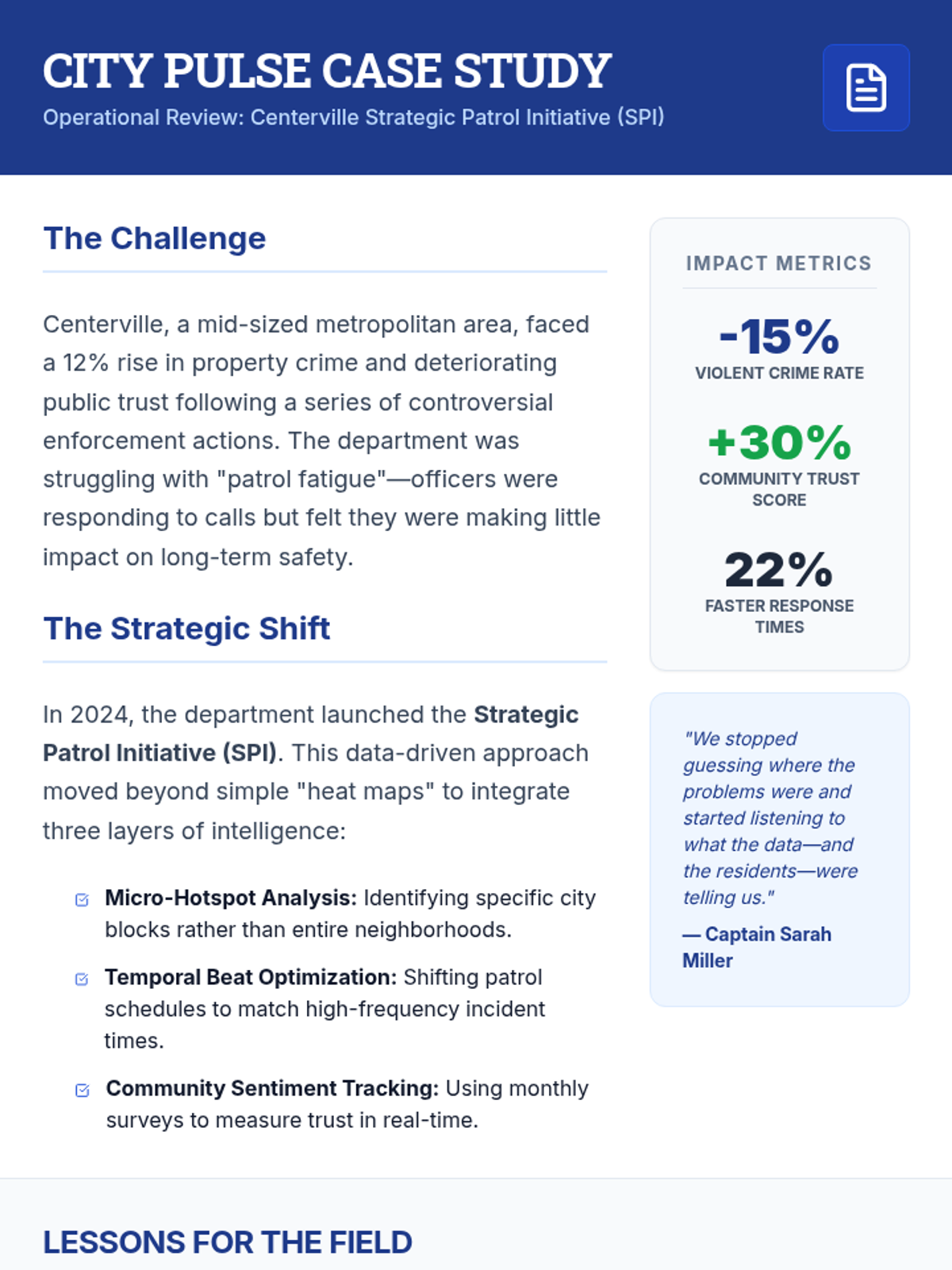
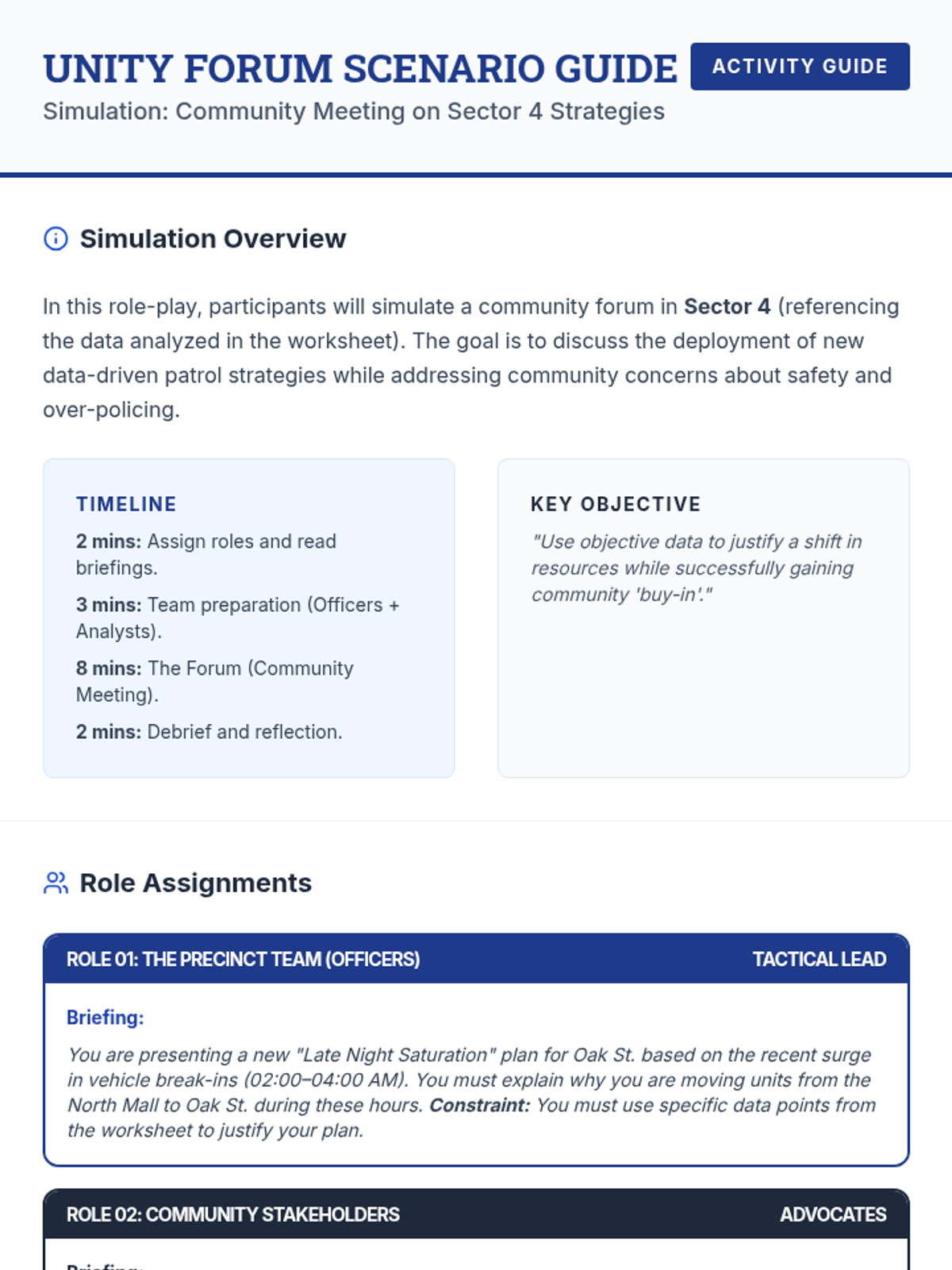
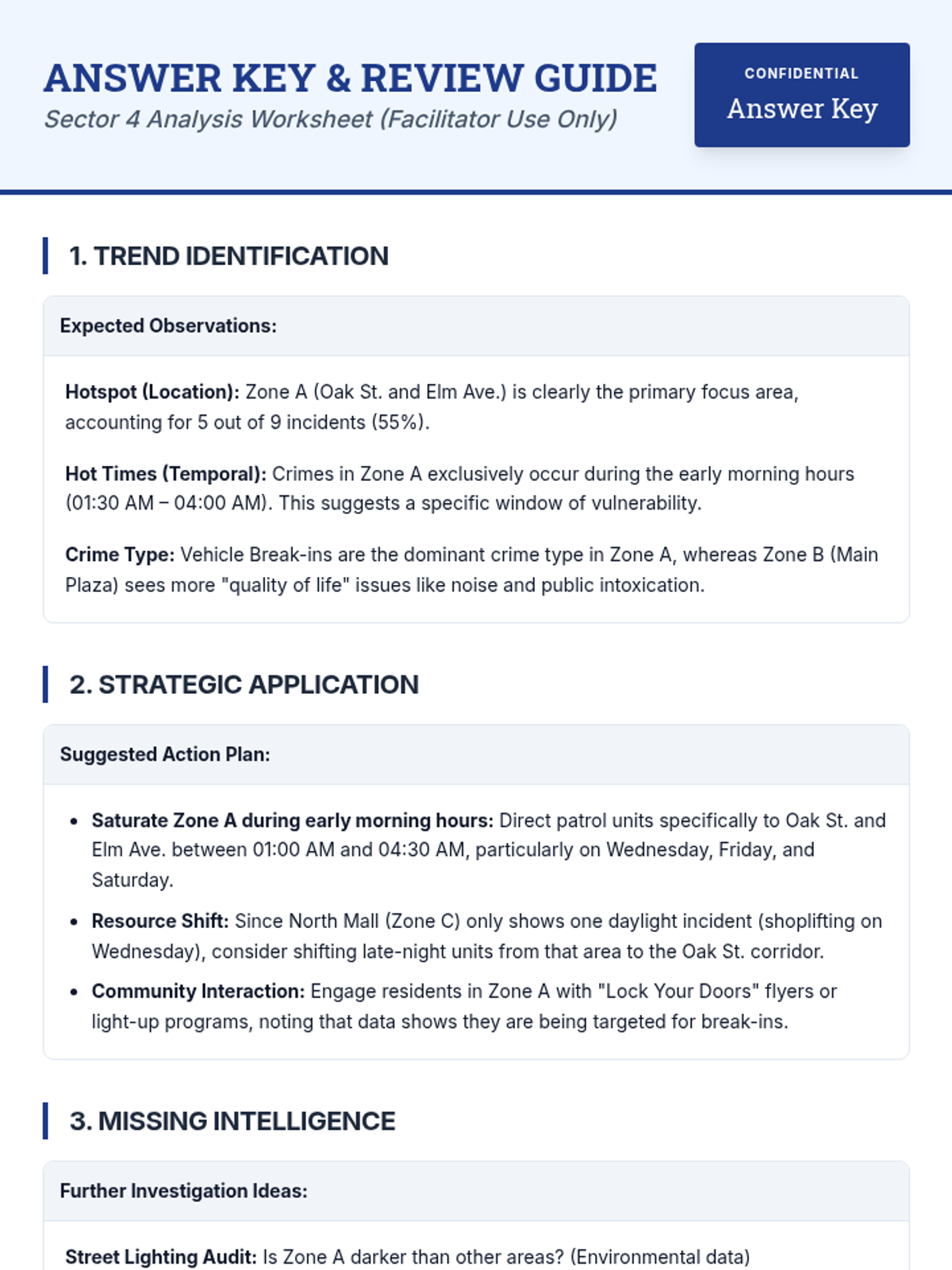
This lesson introduces police officers to the use of data and analytics in community policing, focusing on improving decision-making, accountability, and community trust. Participants will engage in data analysis, role-playing, and case study reviews to practicalize these strategies.
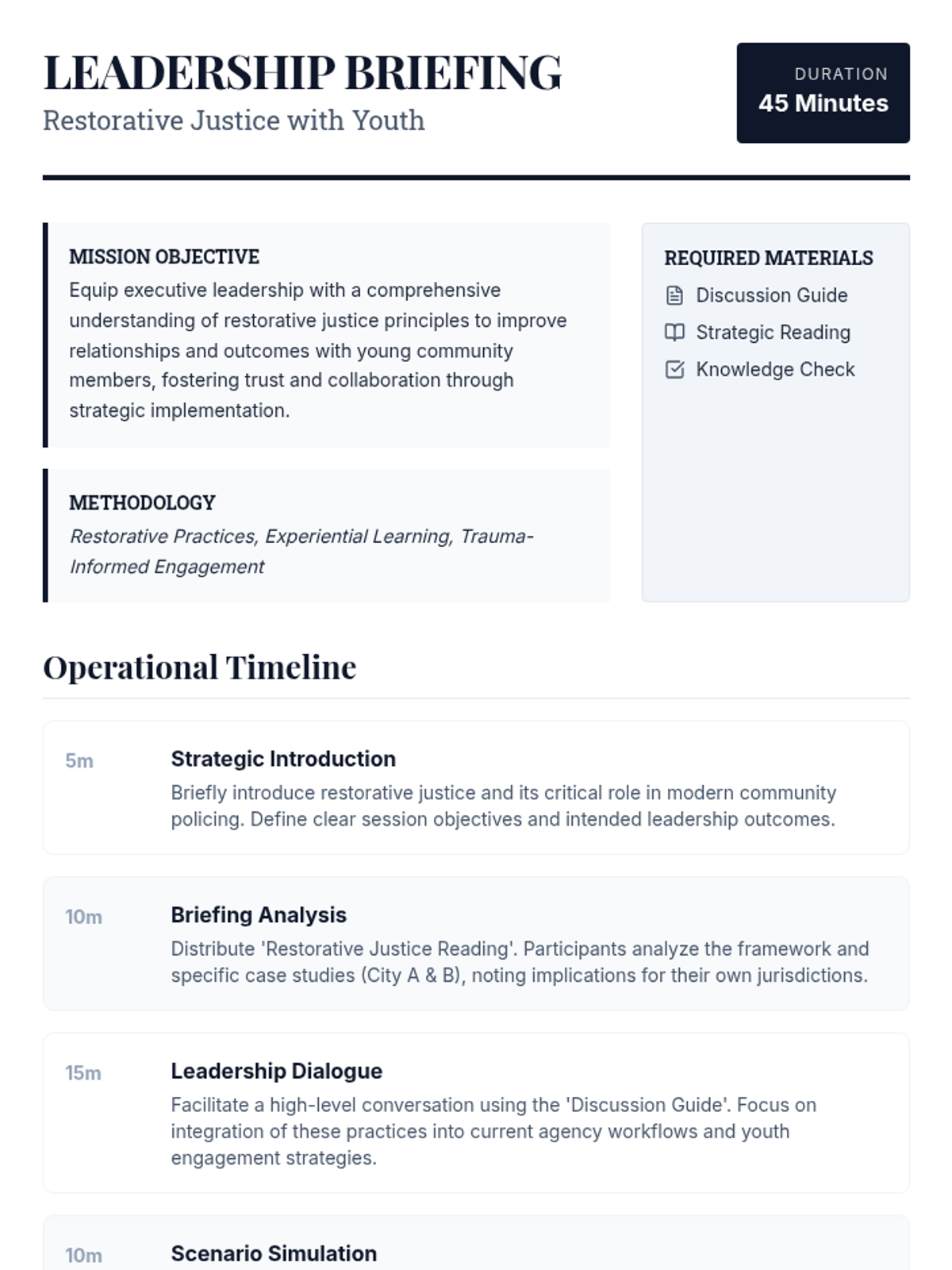
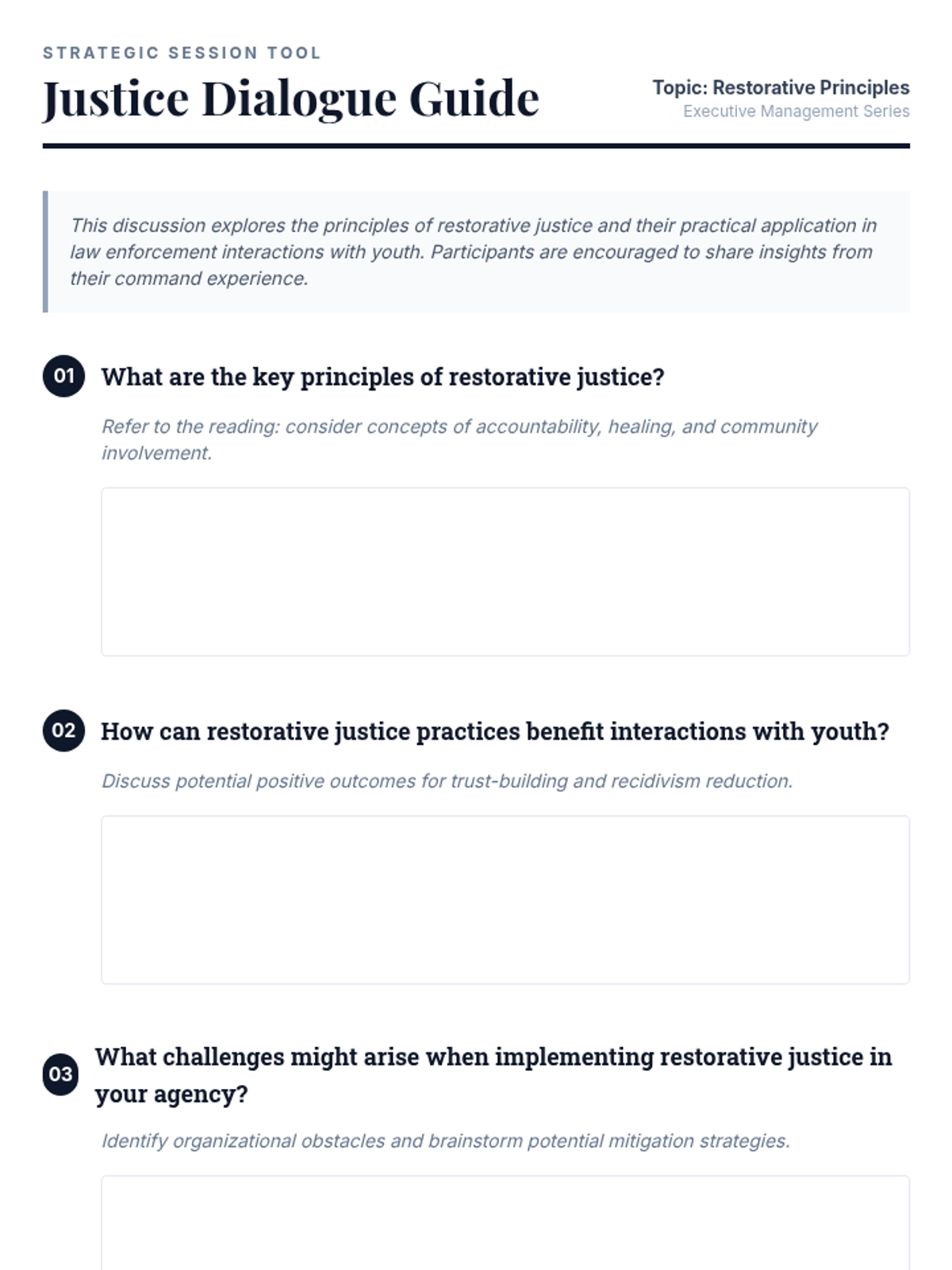
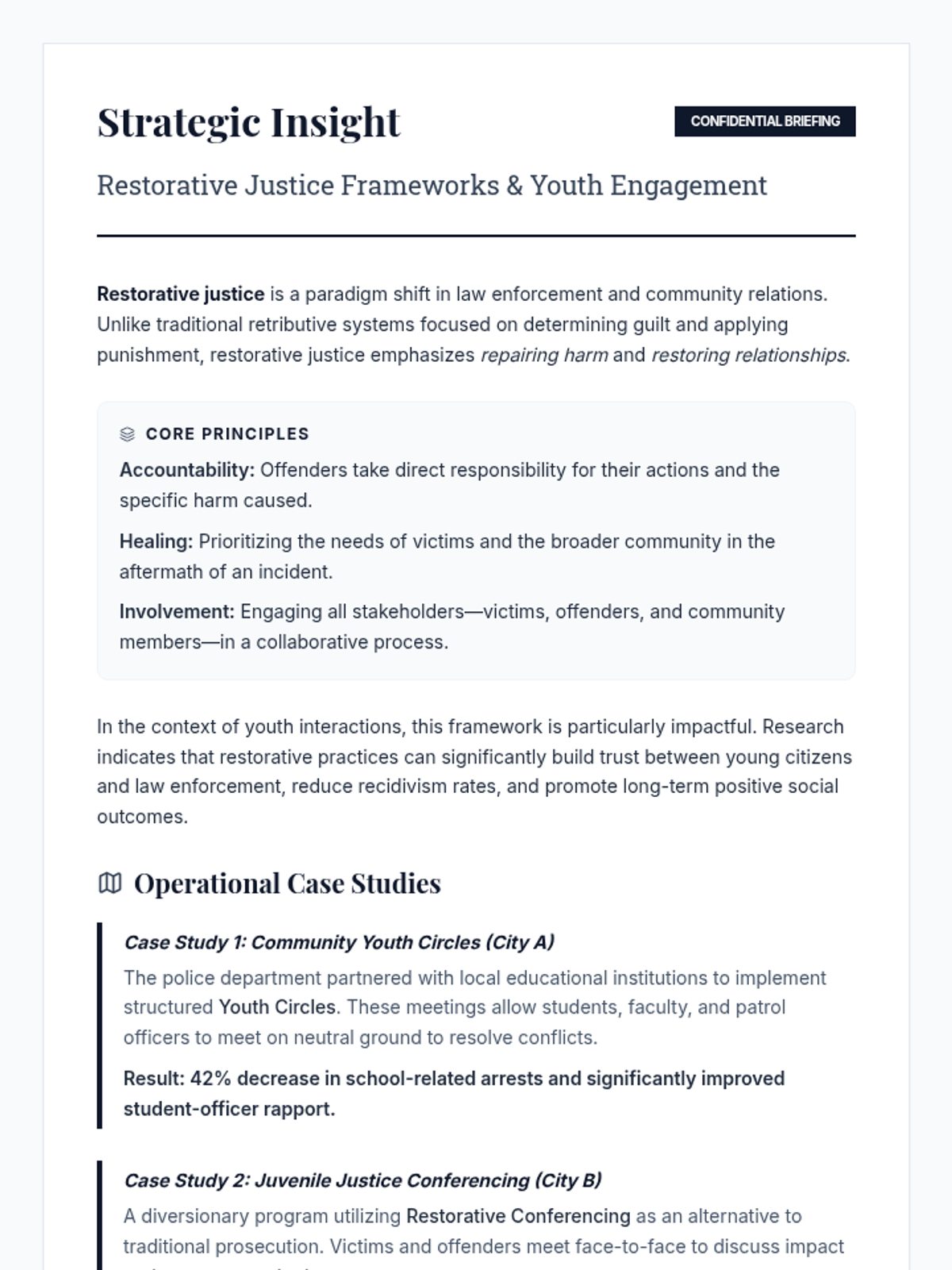
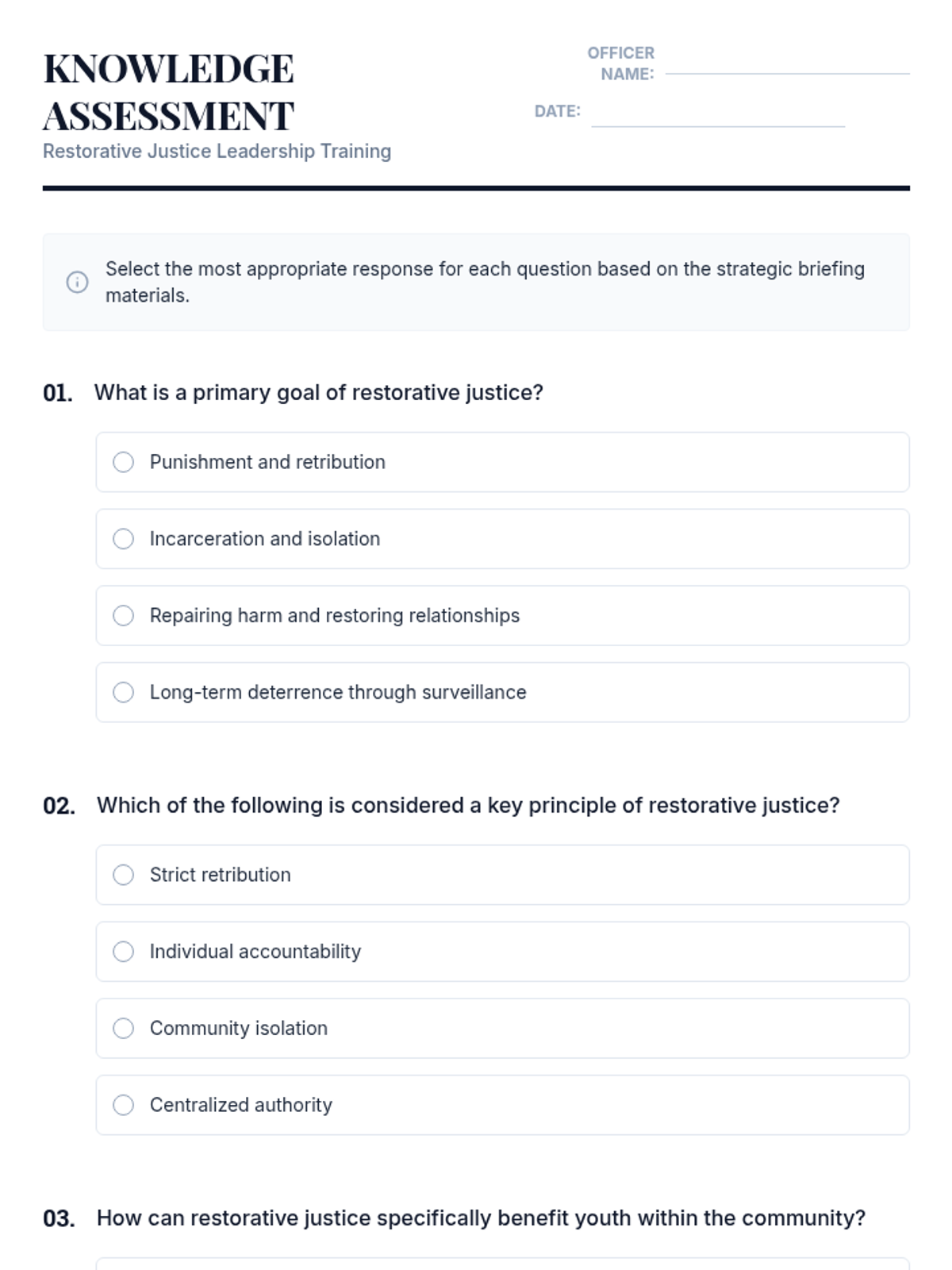
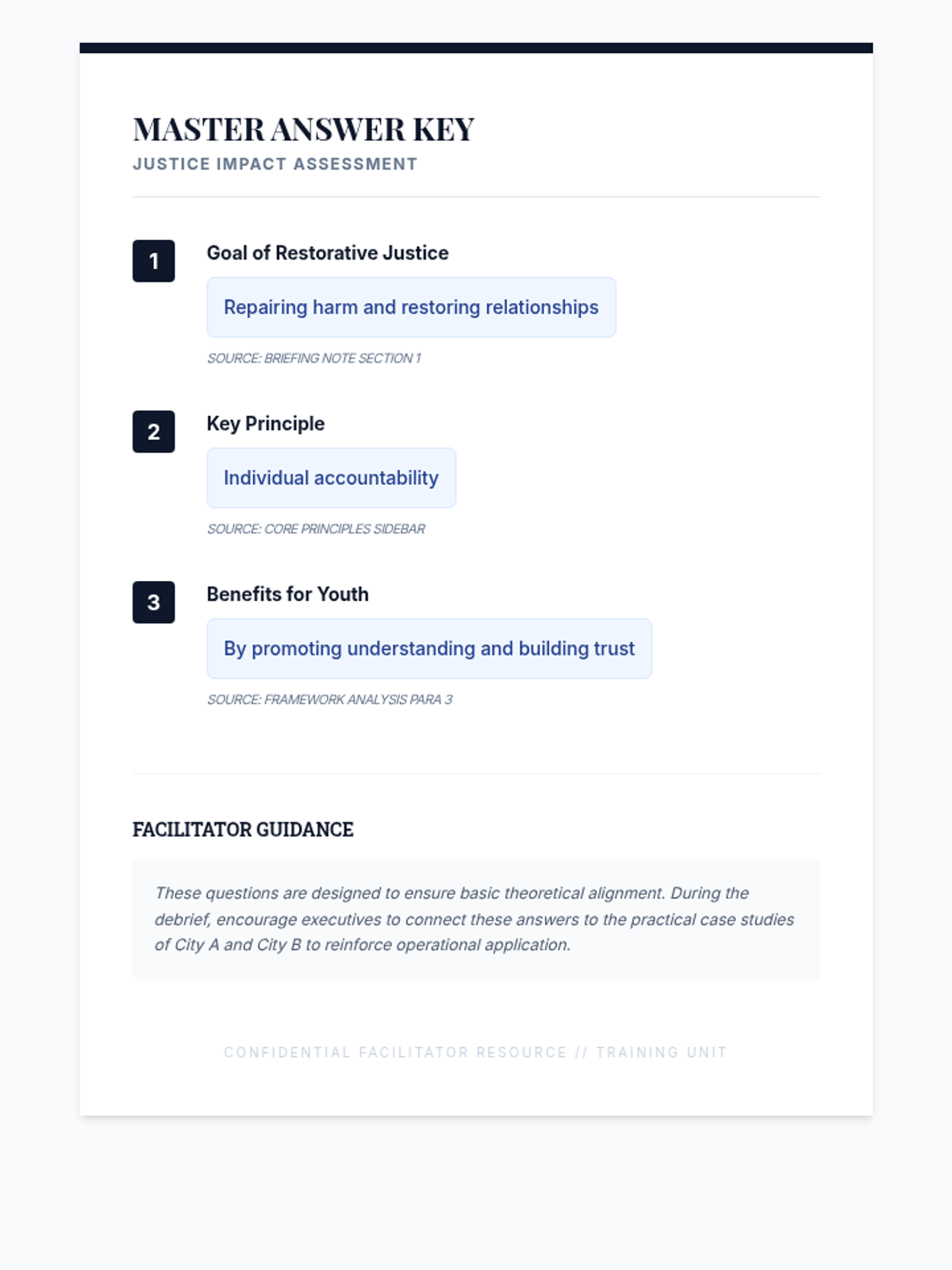
A professional training session for police executive management on restorative justice principles, focusing on repairing harm and building trust with community youth.
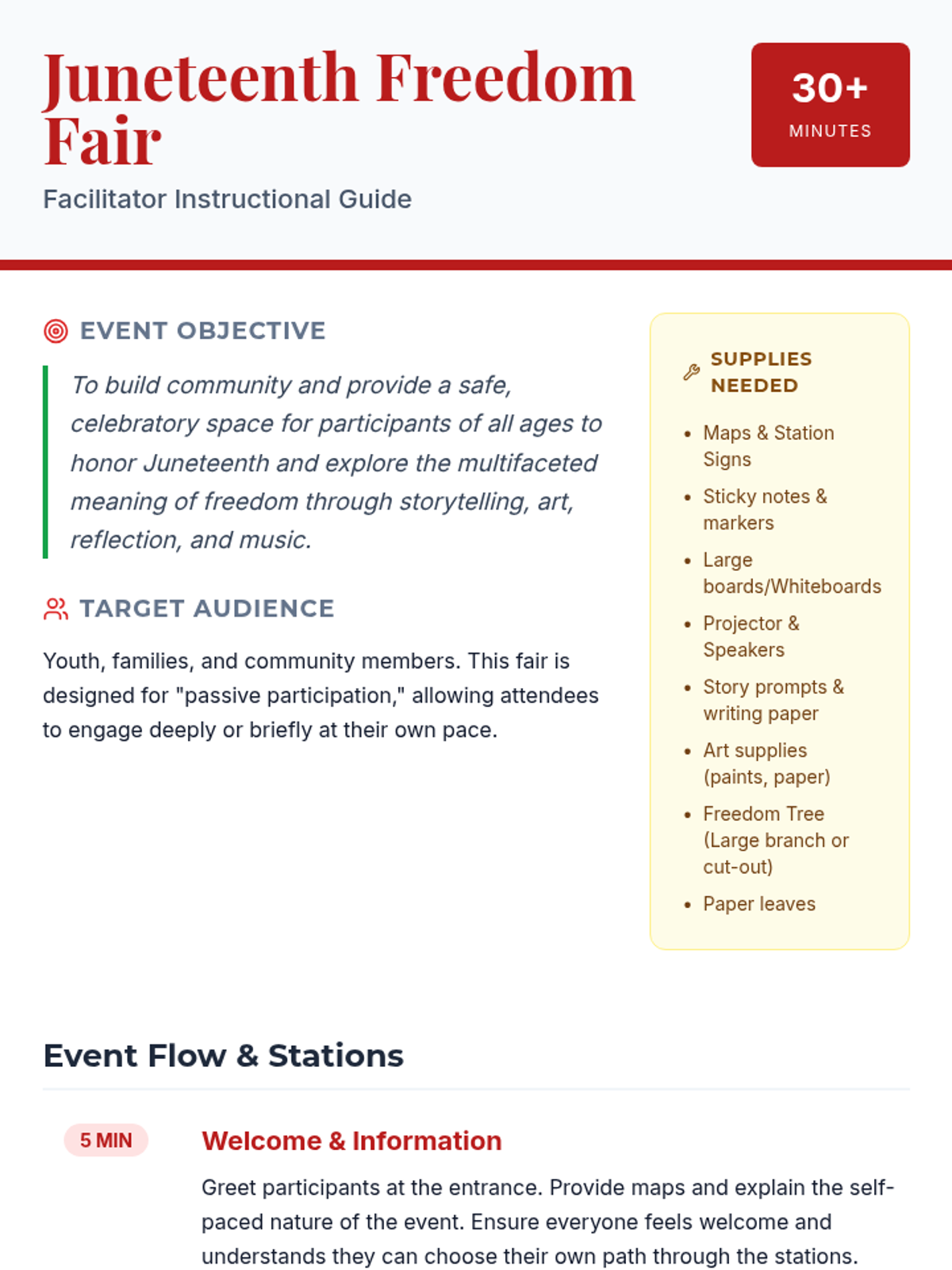
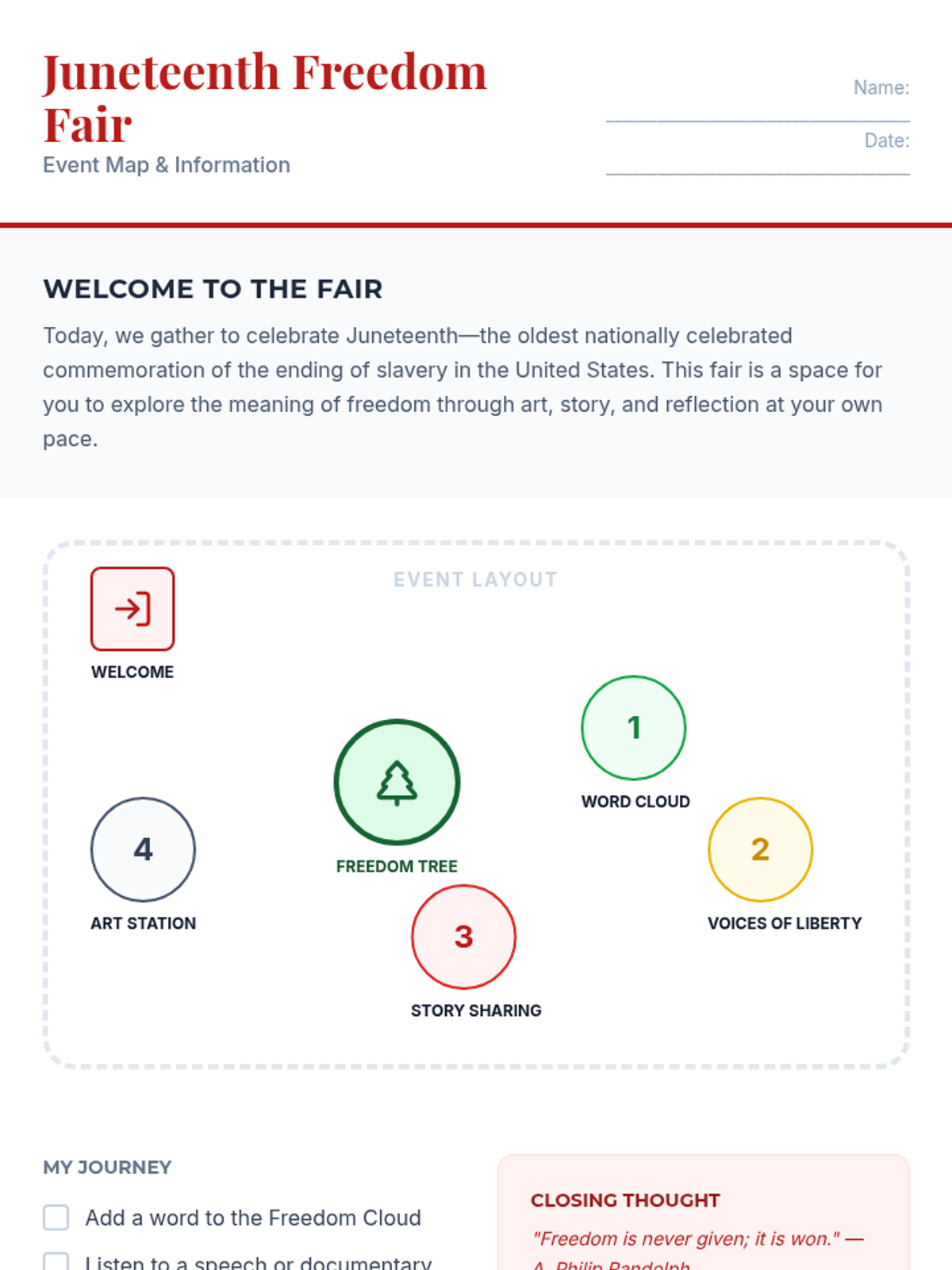
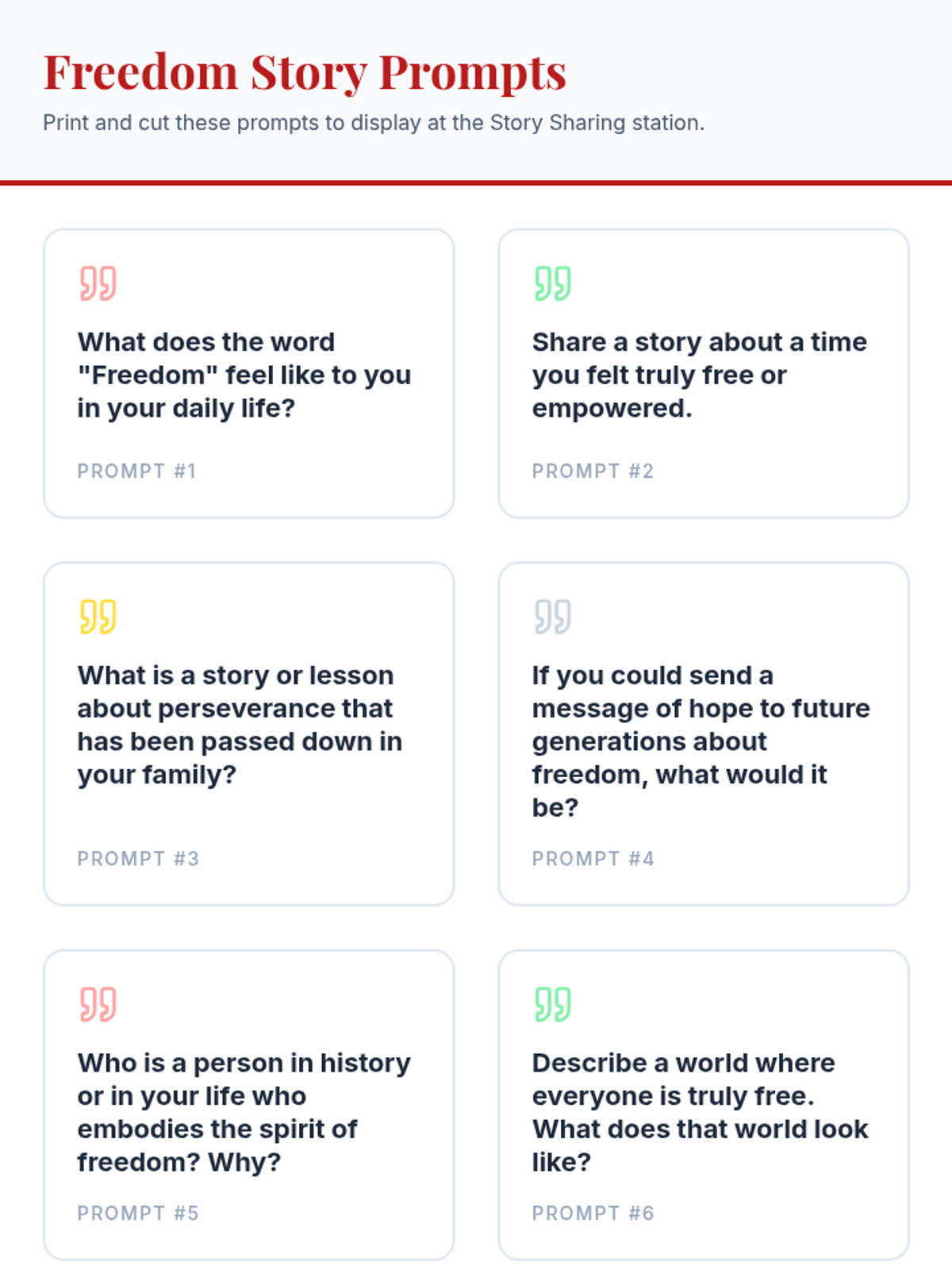
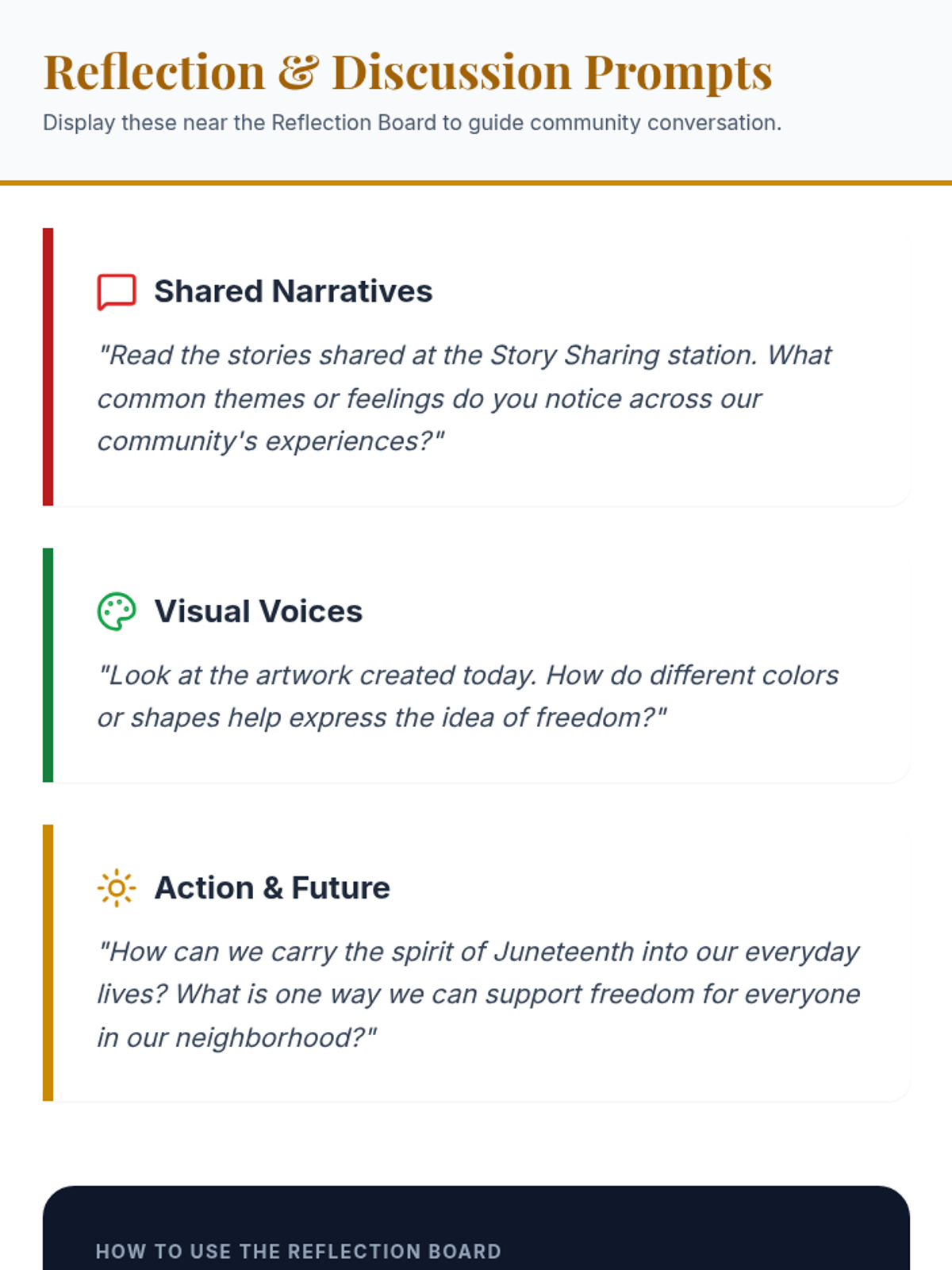
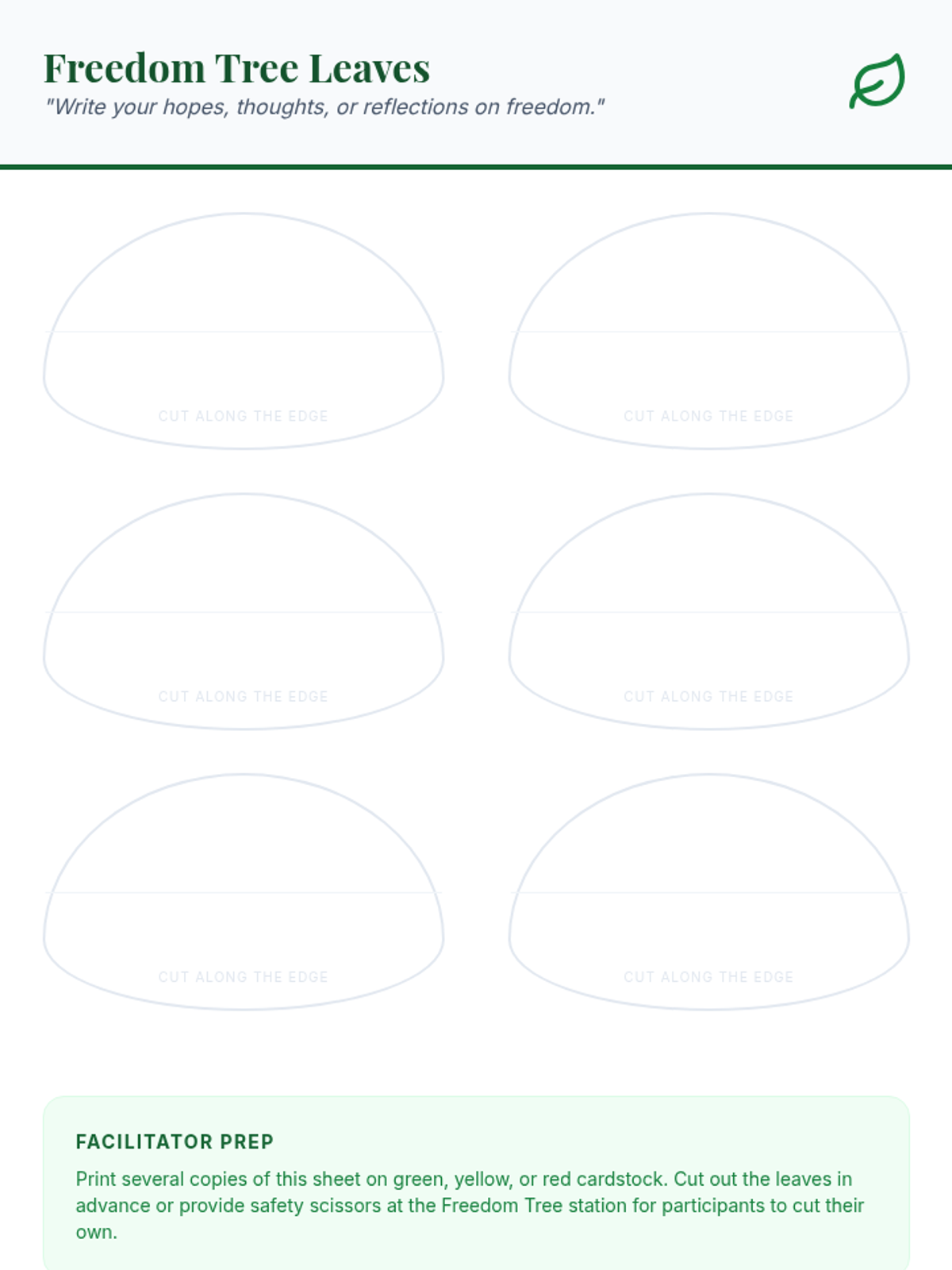
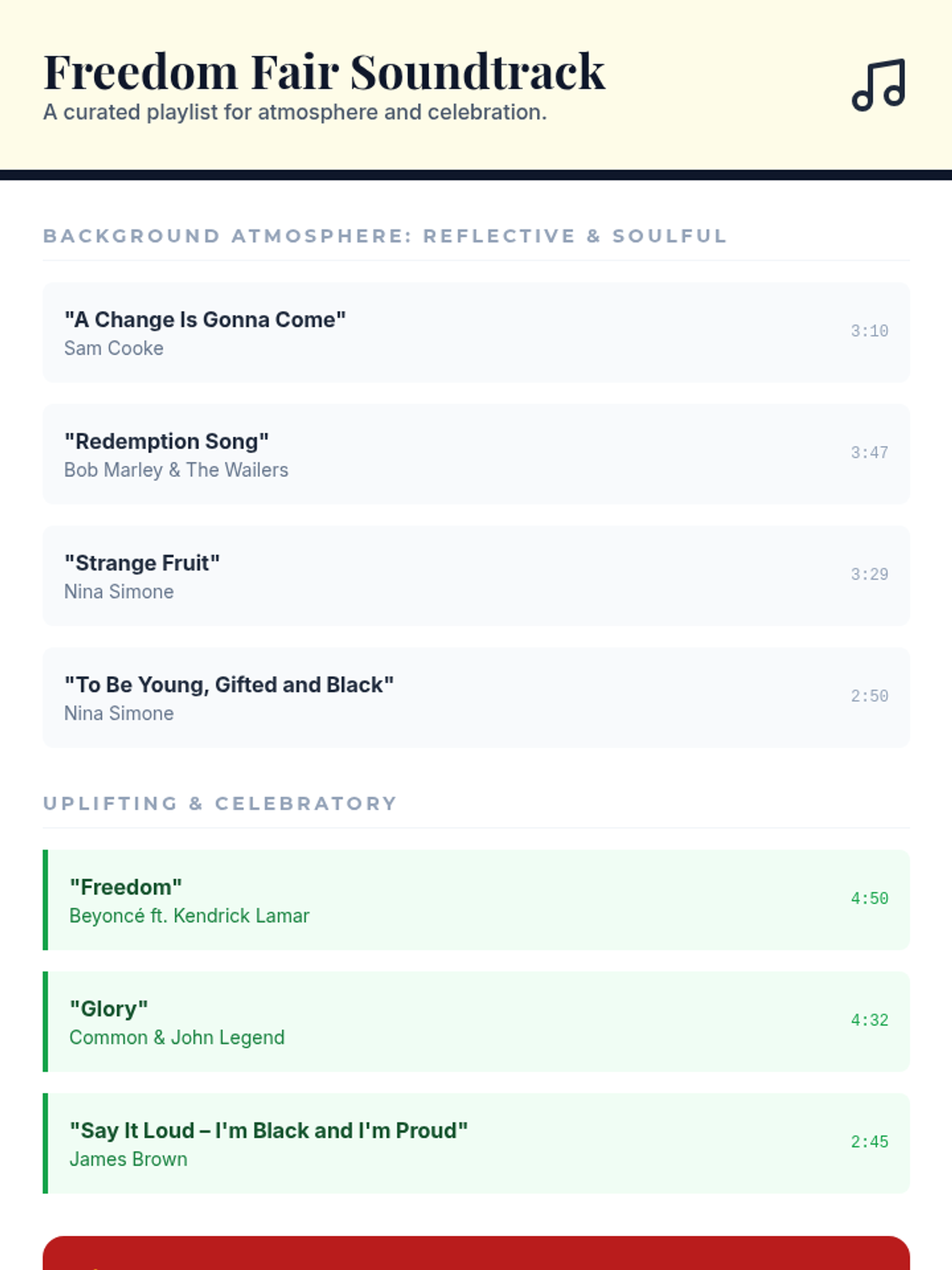
A community celebration event featuring various interactive stations focused on storytelling, art, and reflection to honor Juneteenth and the concept of freedom.