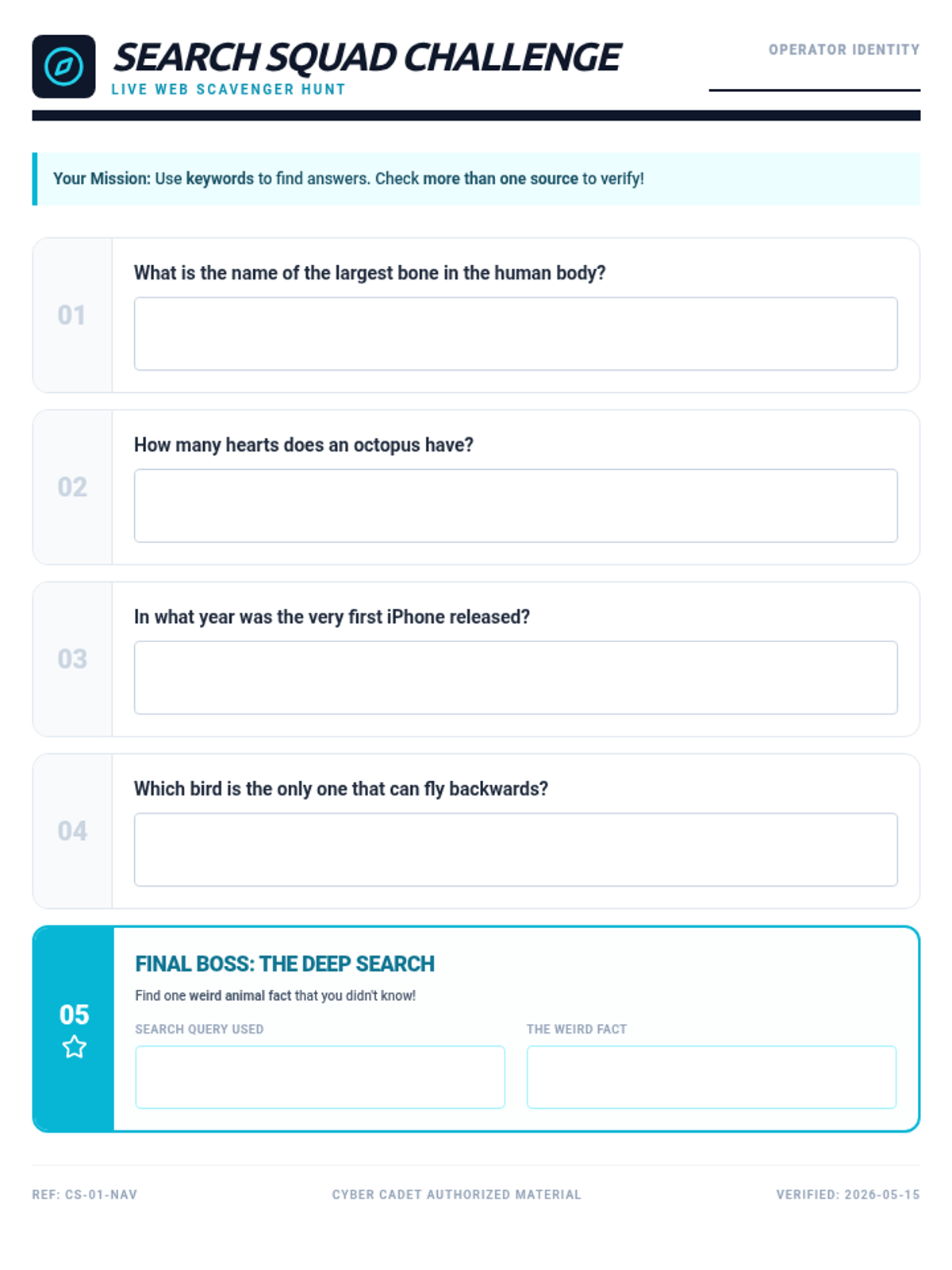
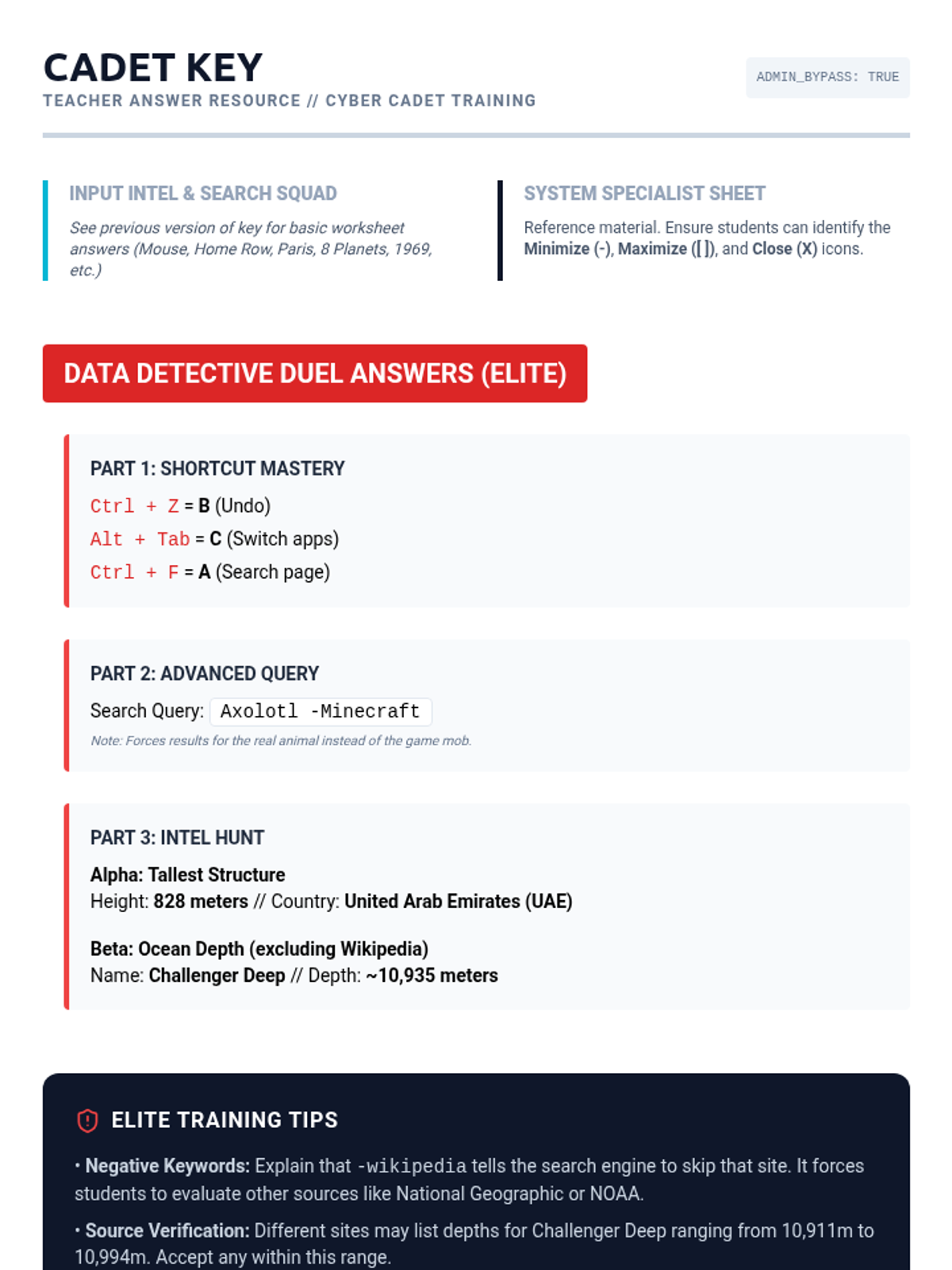
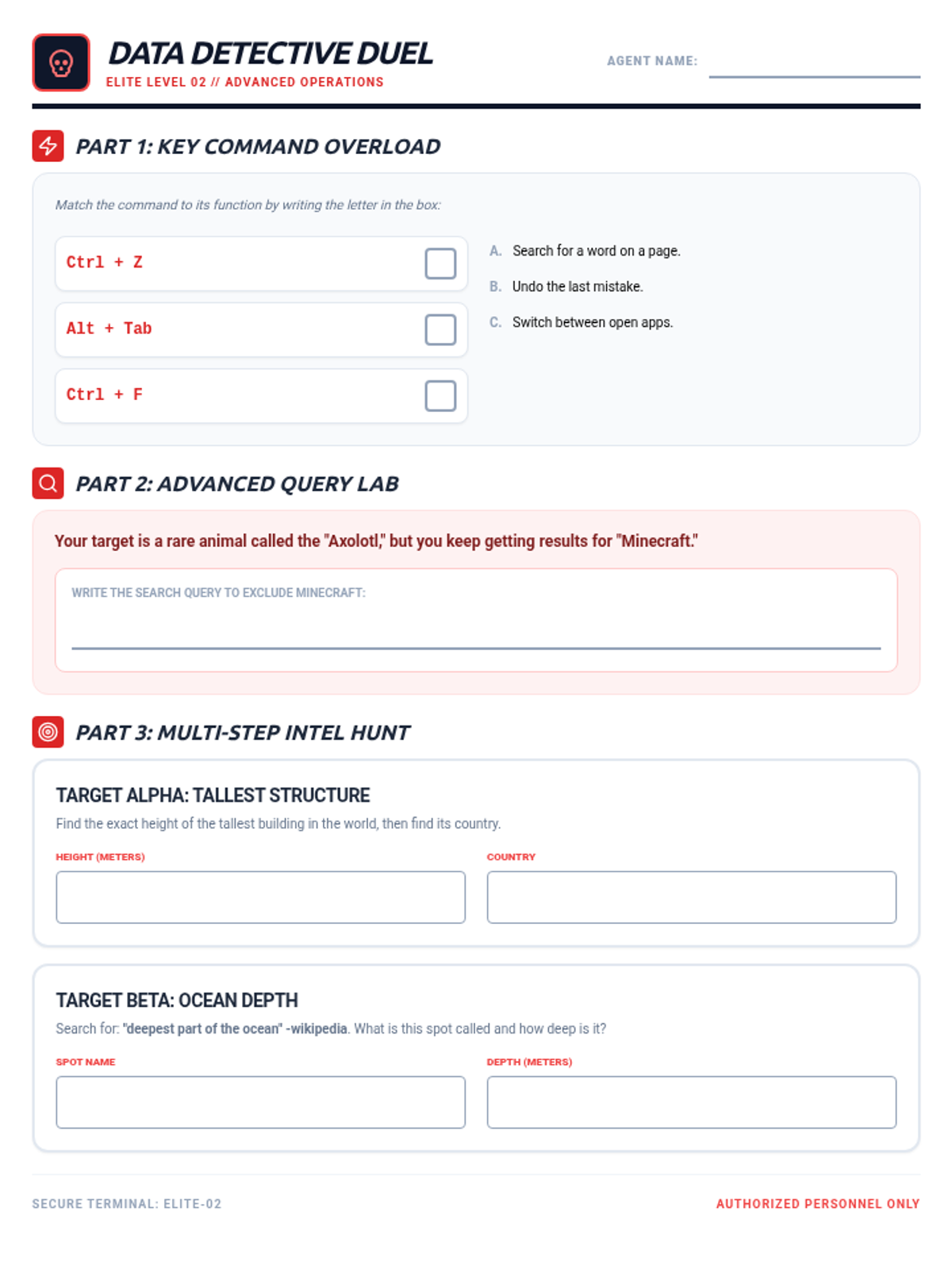
Students apply their skills to solve specific search challenges, using helper words and filters to find efficient answers. A final mastery-based activity tests their ability to handle complex queries.
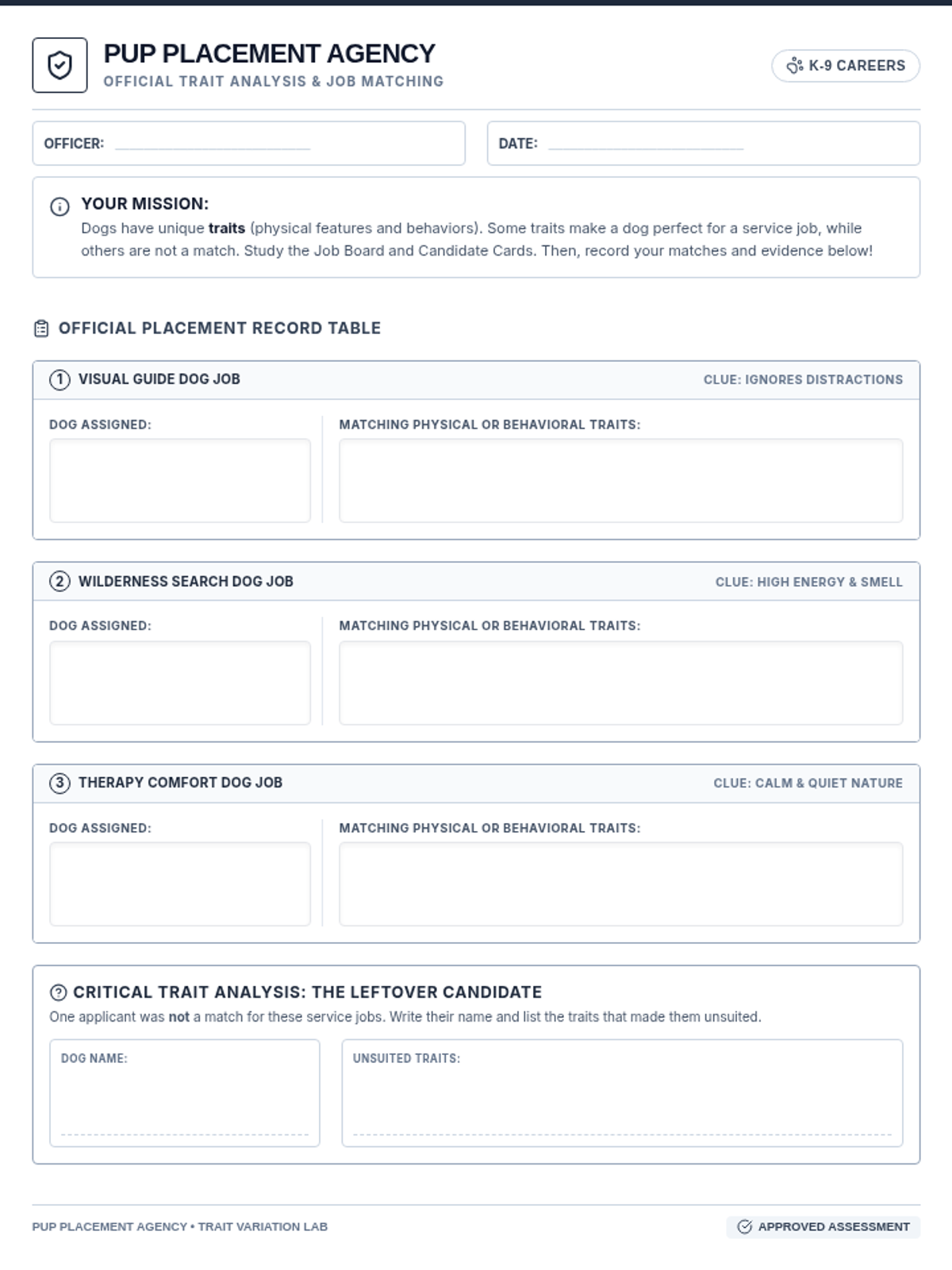
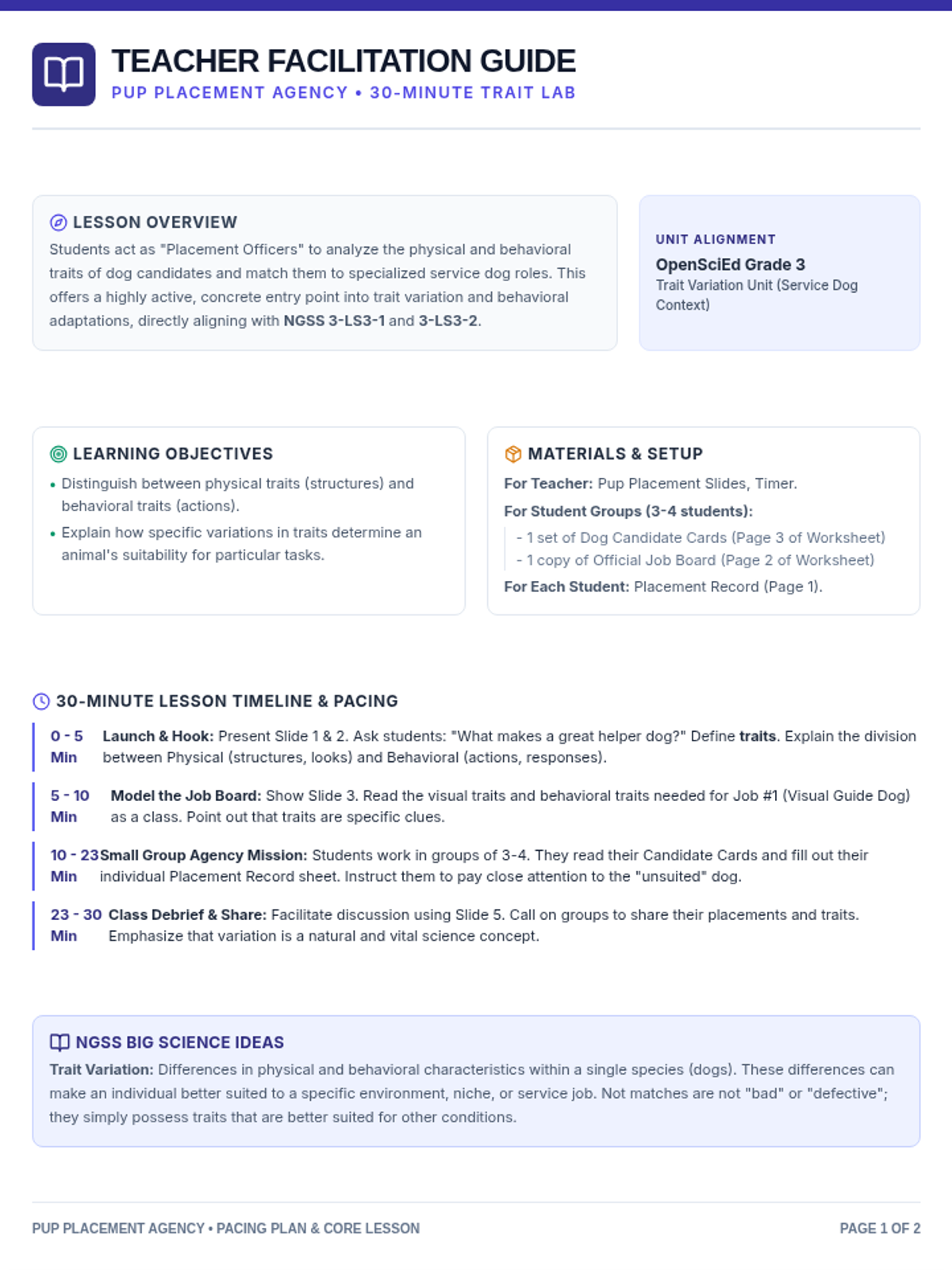
A highly differentiated 30-minute lesson where students act as 'Placement Officers' for the Pup Placement Agency. They analyze physical and behavioral traits of dog candidates and match them with appropriate service dog jobs, aligning with the OpenSciEd Grade 3 Trait Variation unit.
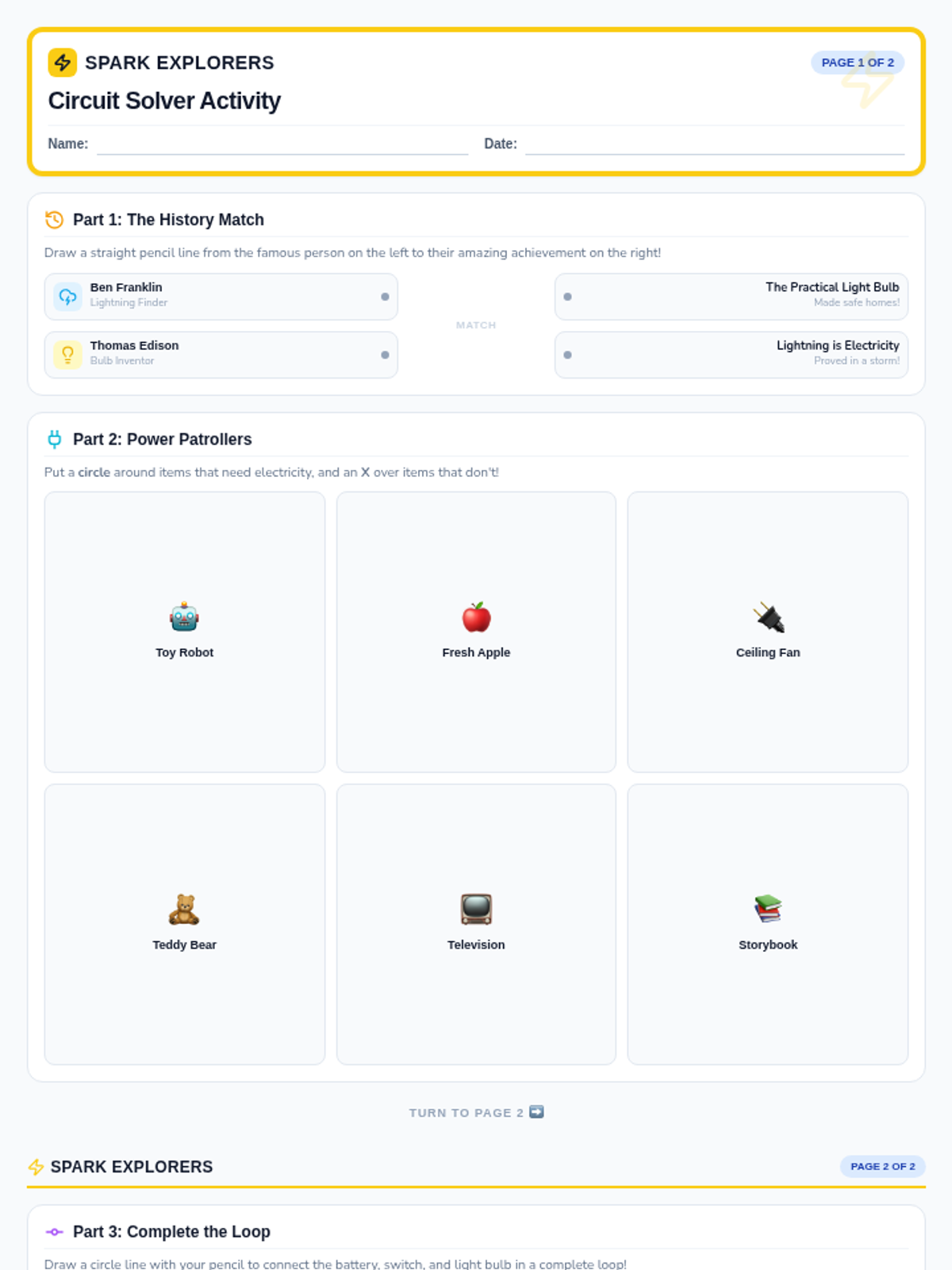
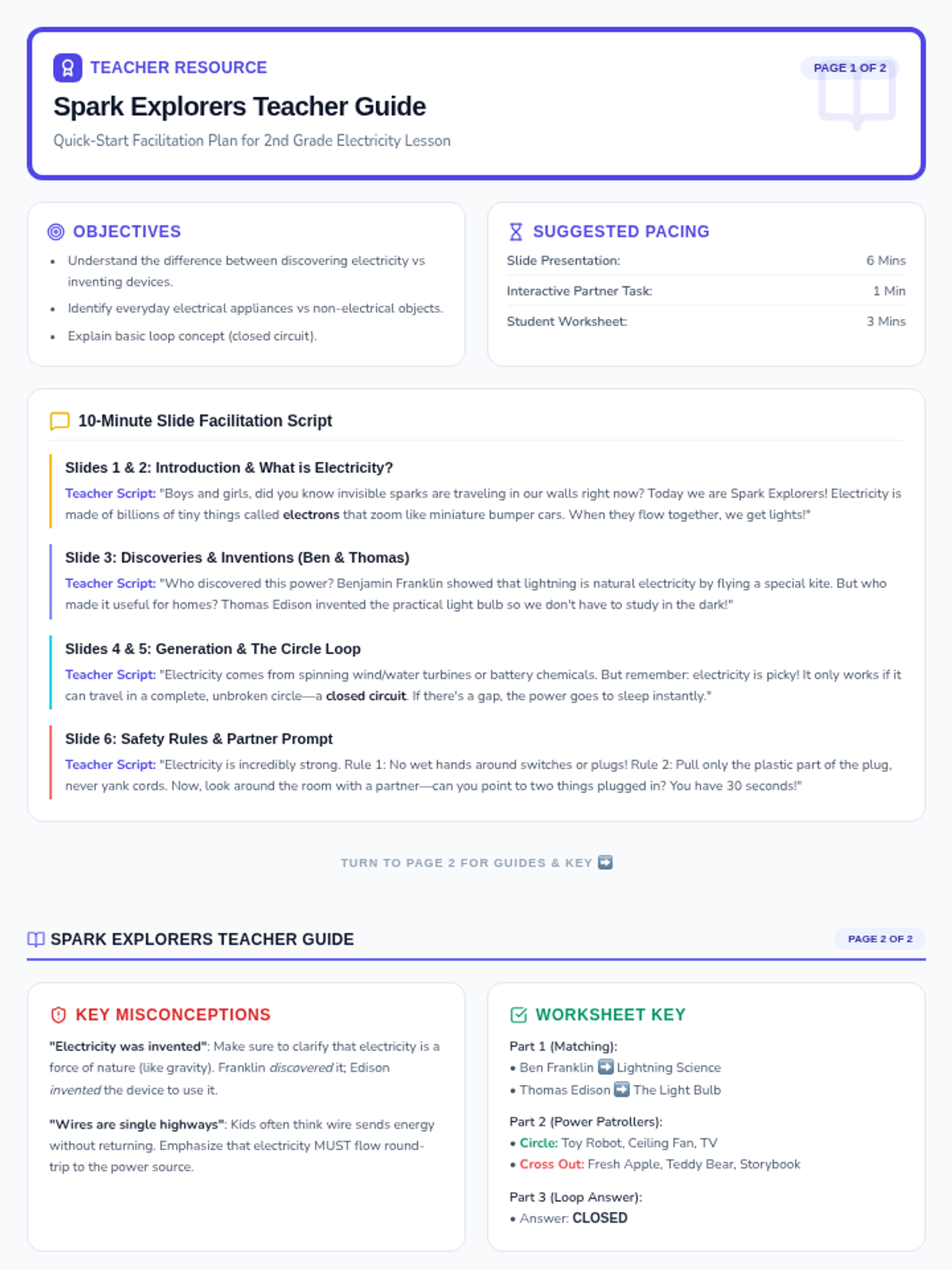
An engaging, kid-friendly lesson introducing 2nd graders to the wonders of electricity, exploring its discovery, how it works through simple circuits, and how it is generated safely.
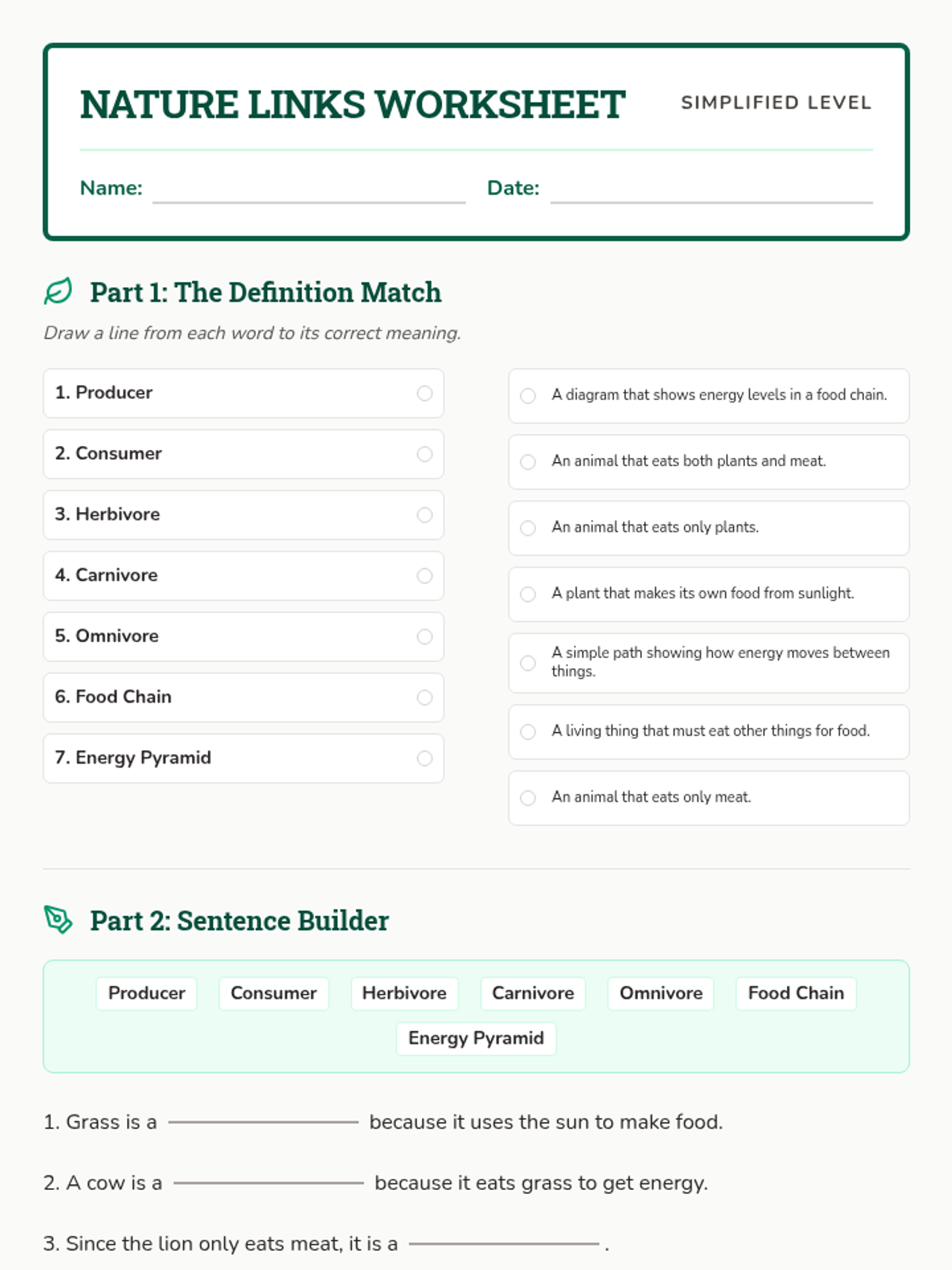
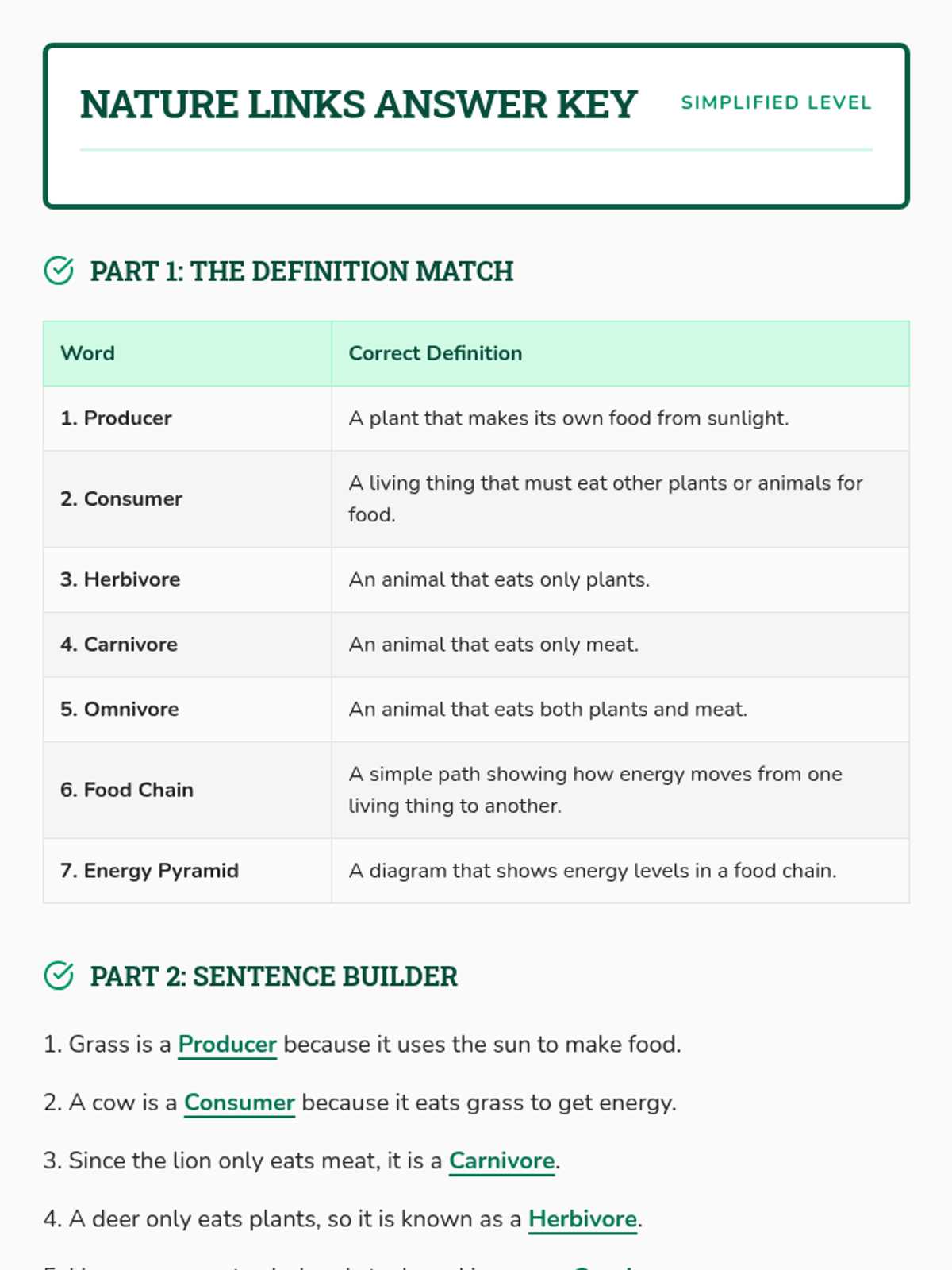
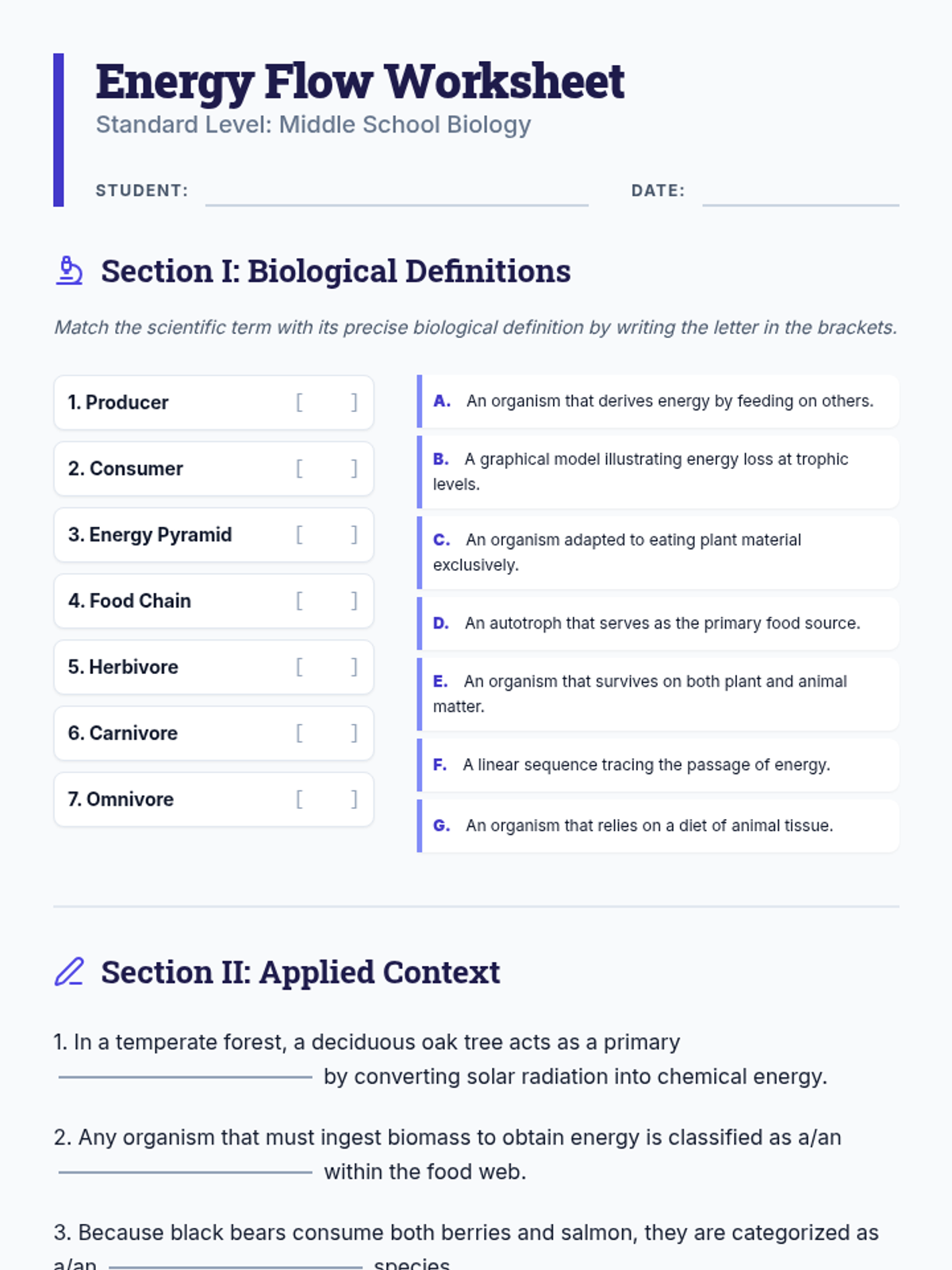
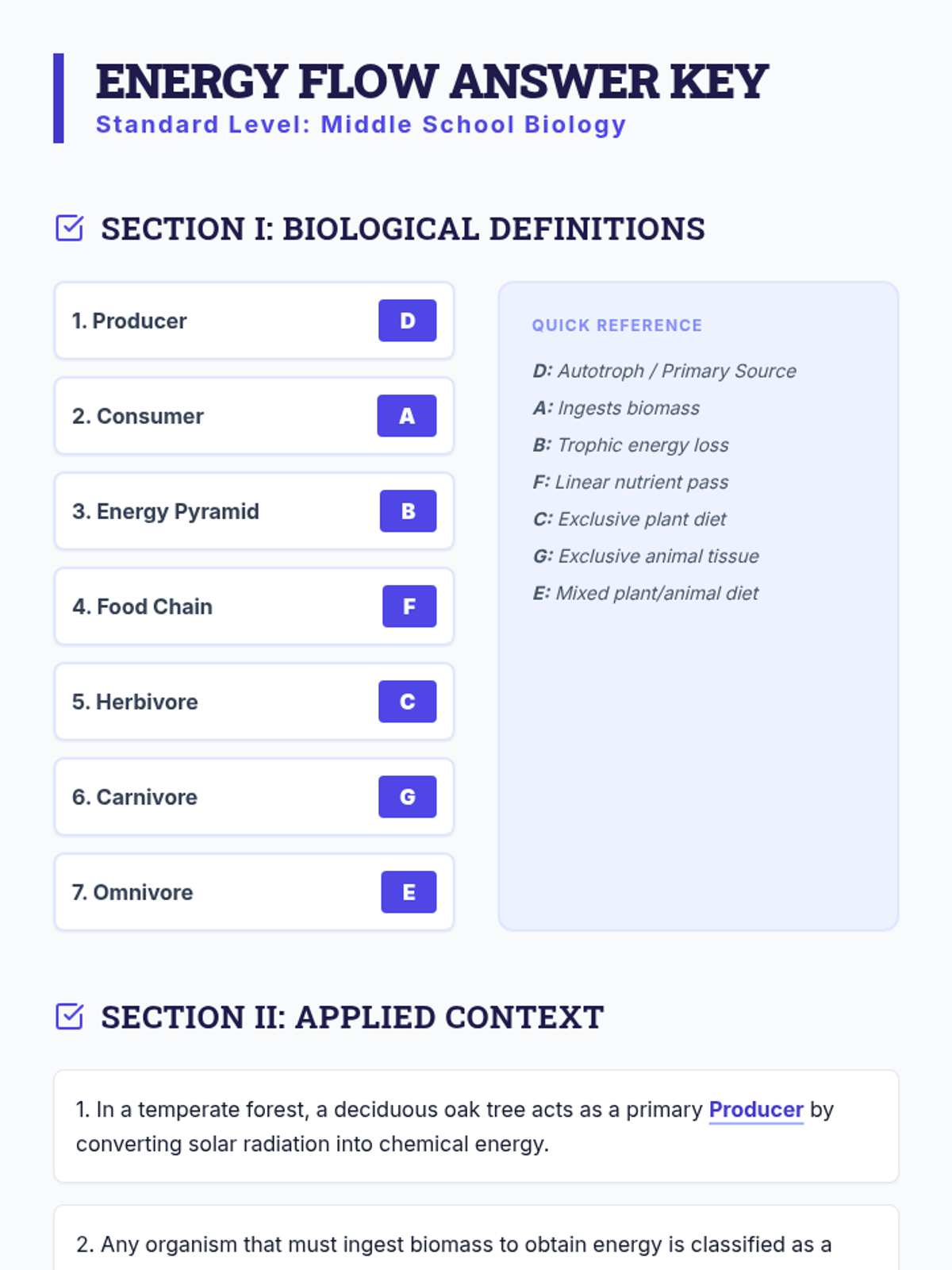
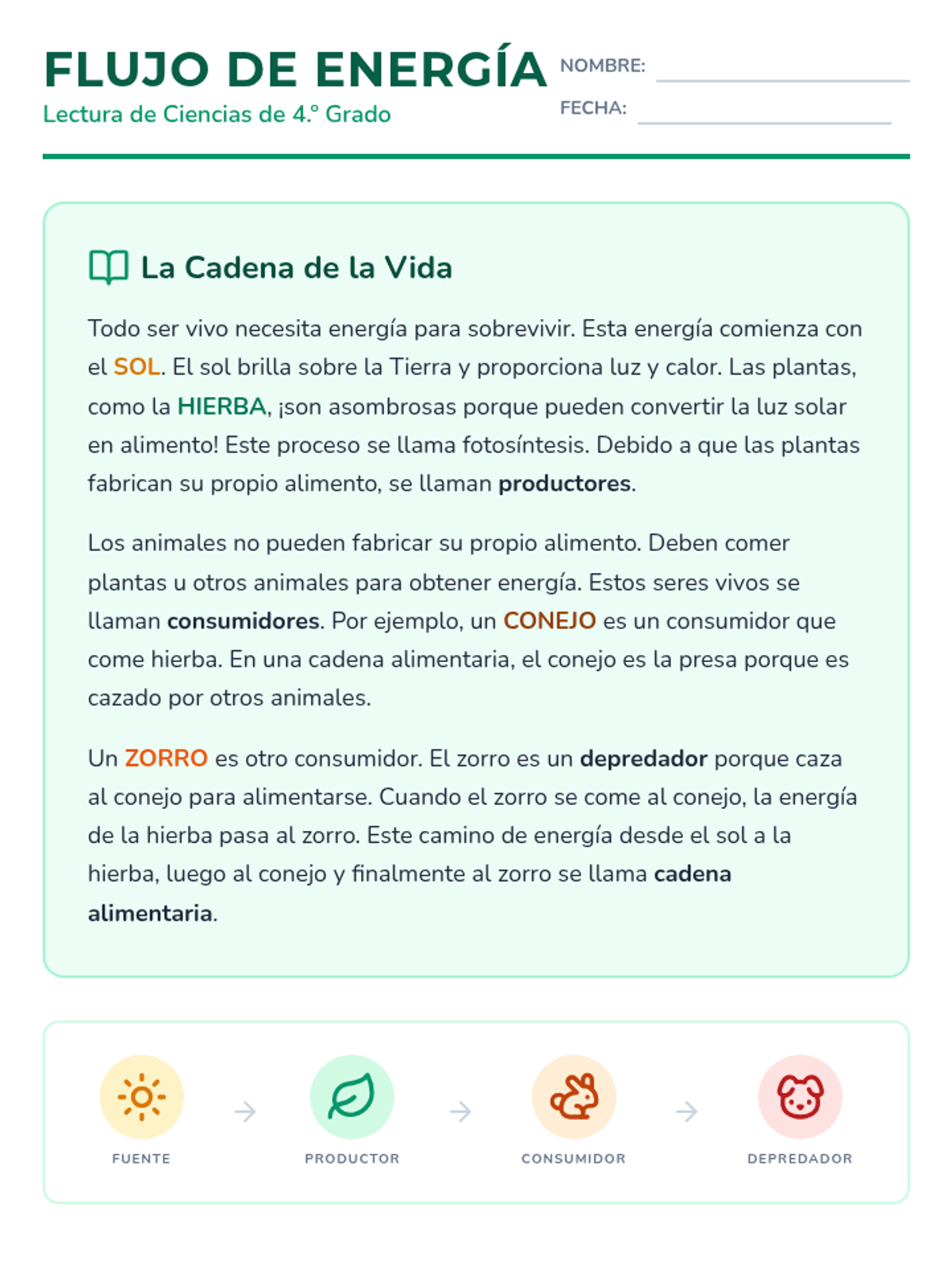
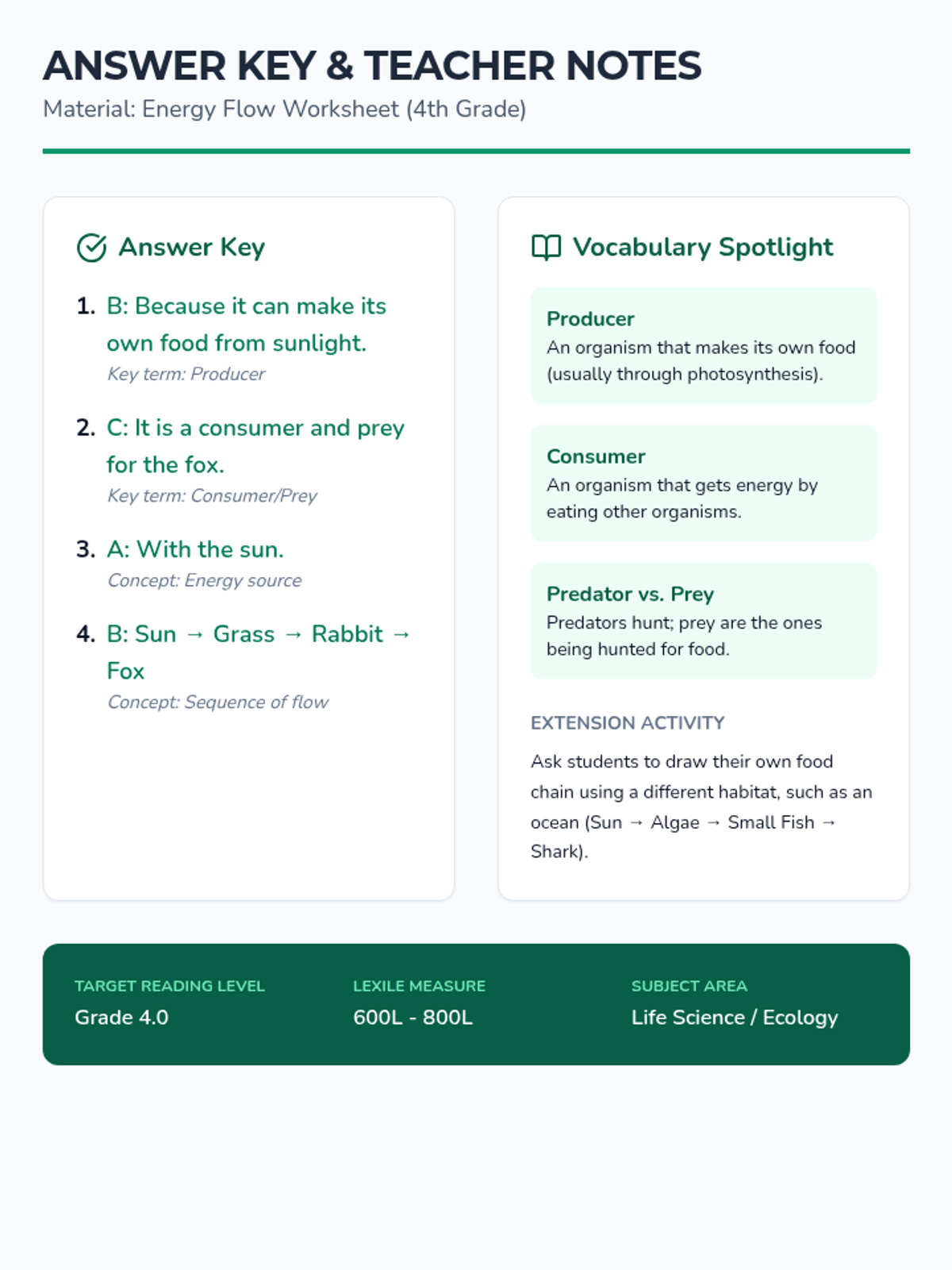
A lesson focusing on ecosystem vocabulary including producers, consumers, and energy flow through food chains and pyramids. Includes tiered materials for elementary and middle school levels.
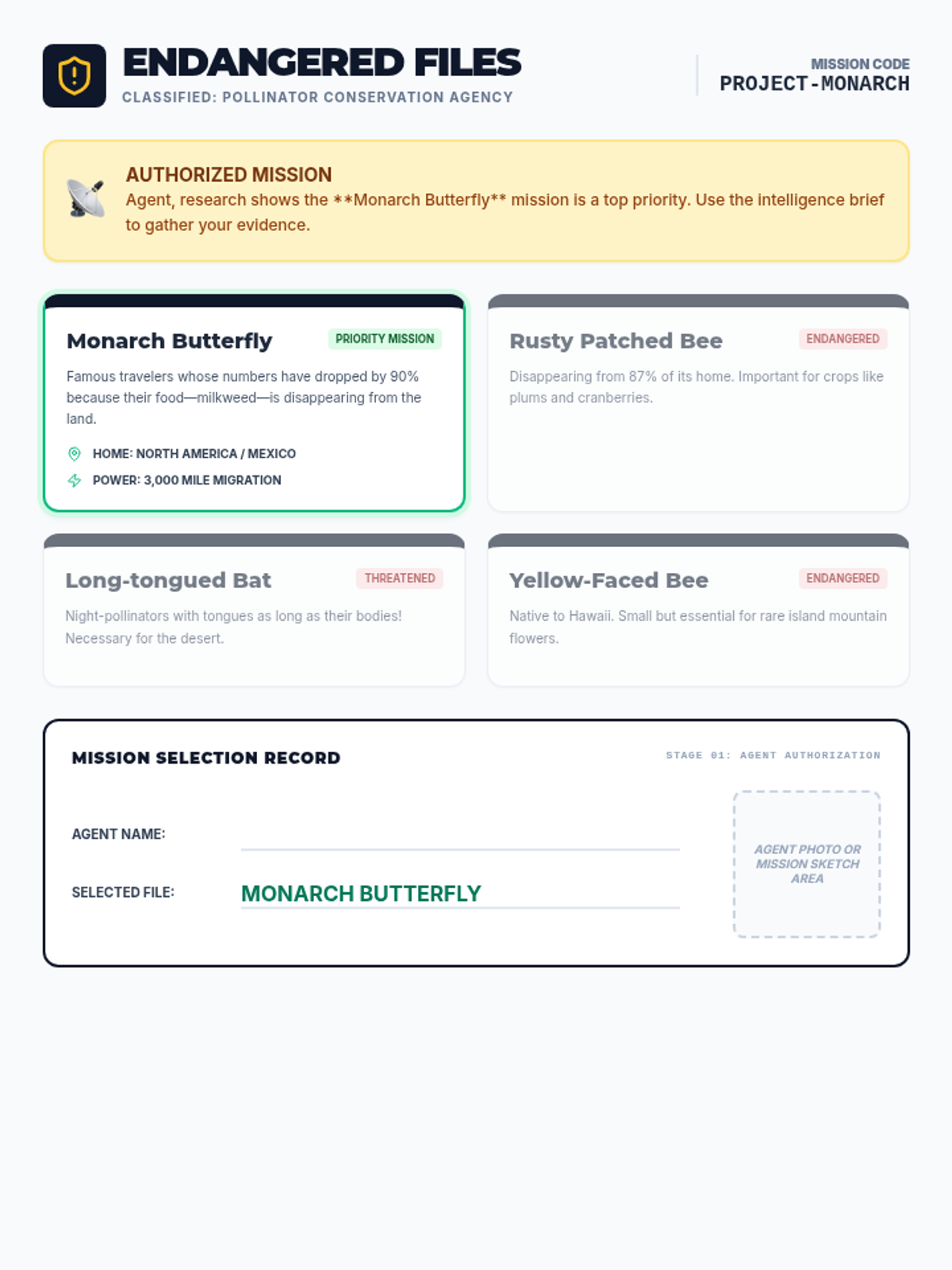
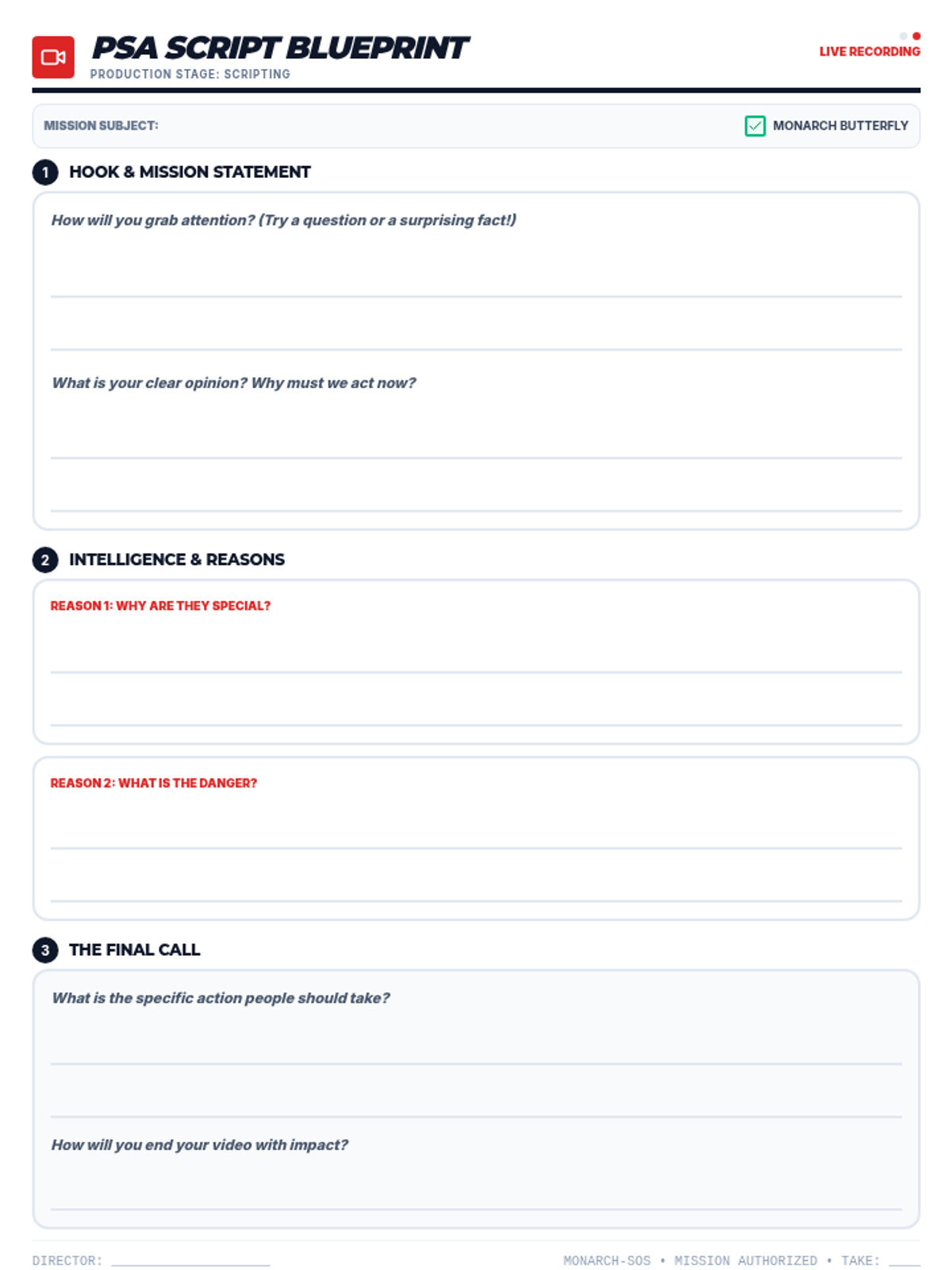
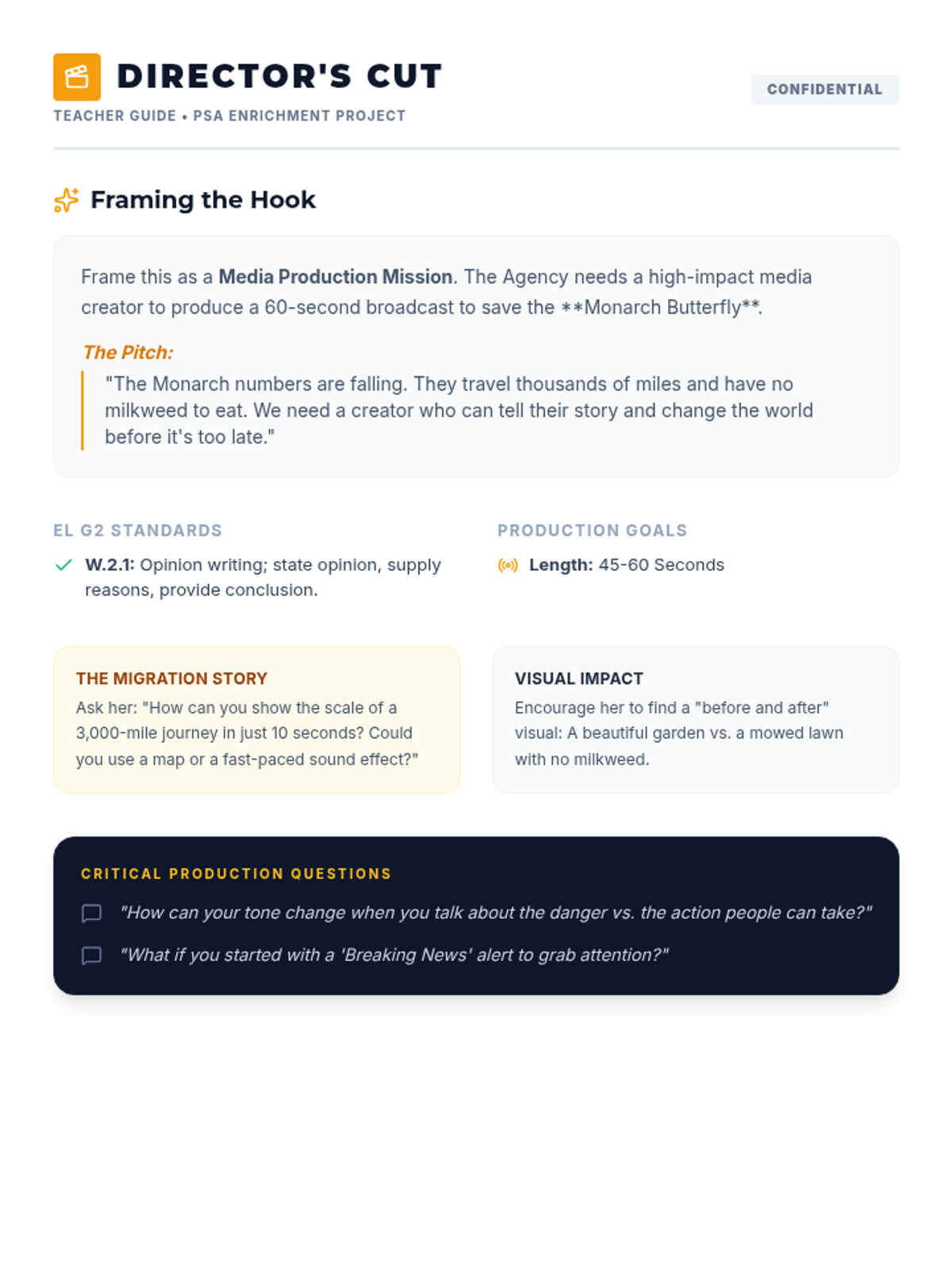
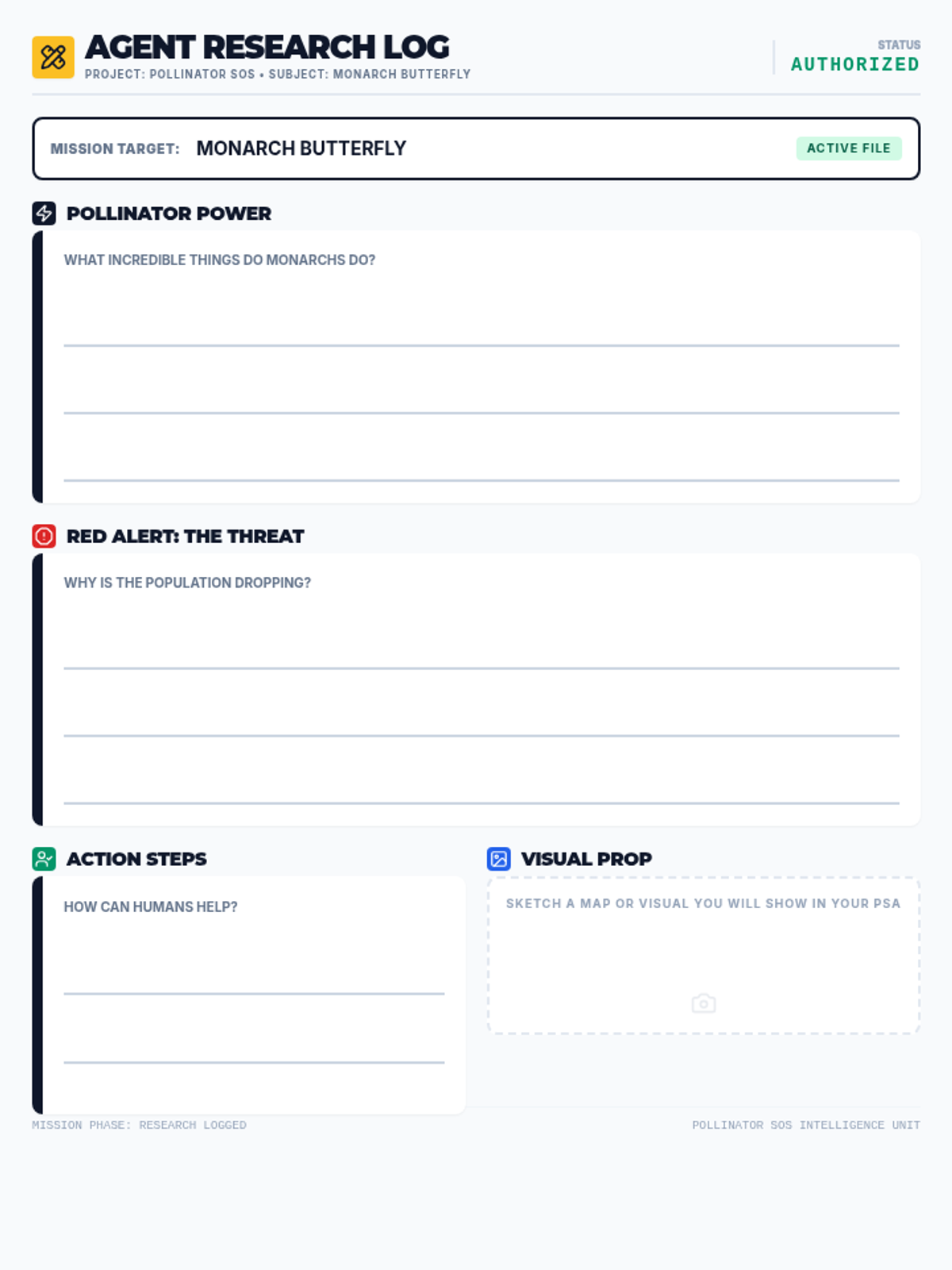
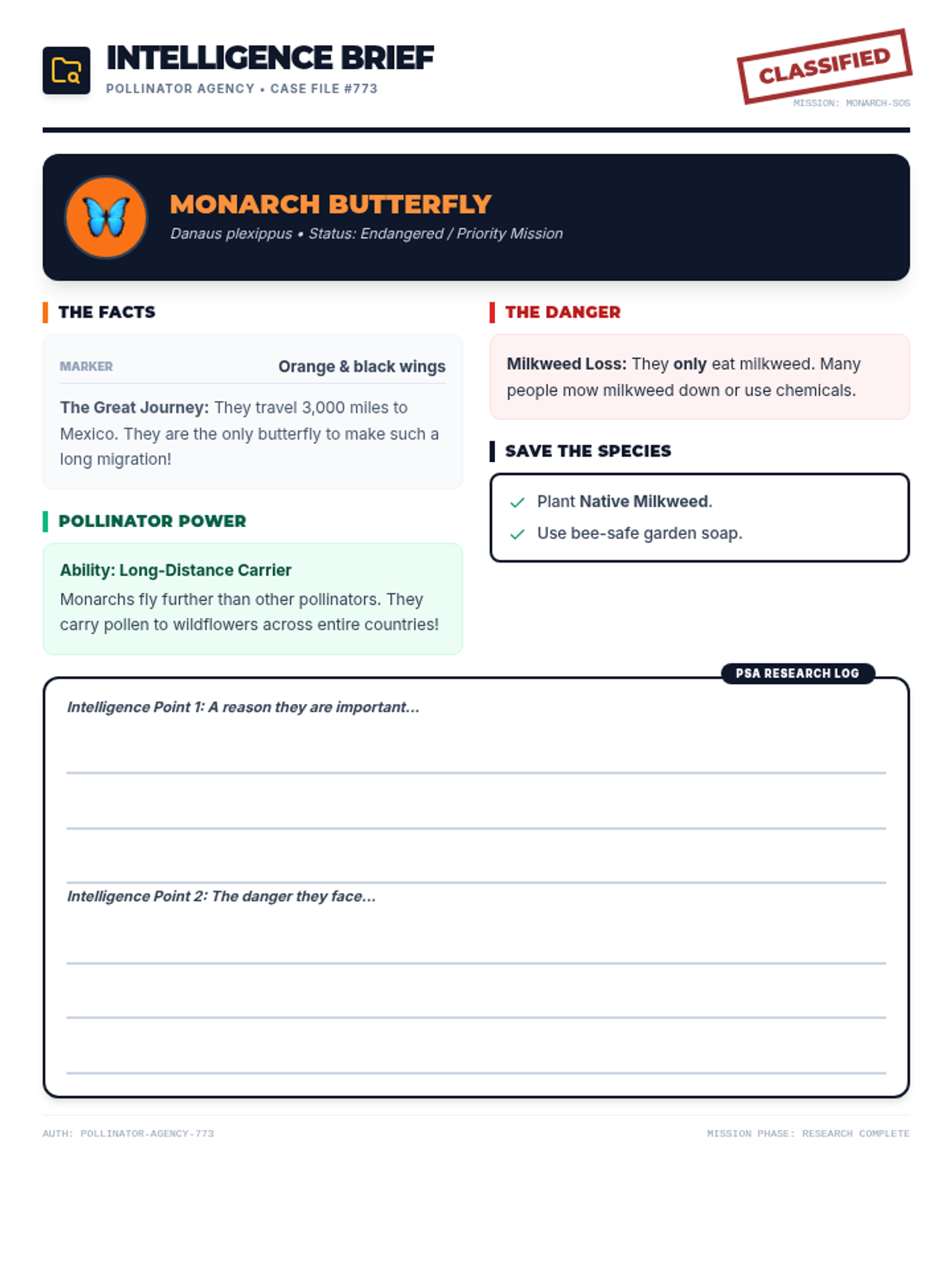
An enriching alternative to the Unit 2 opinion writing piece. Students act as conservation agents, creating a Public Service Announcement (PSA) to advocate for the protection of an endangered pollinator.
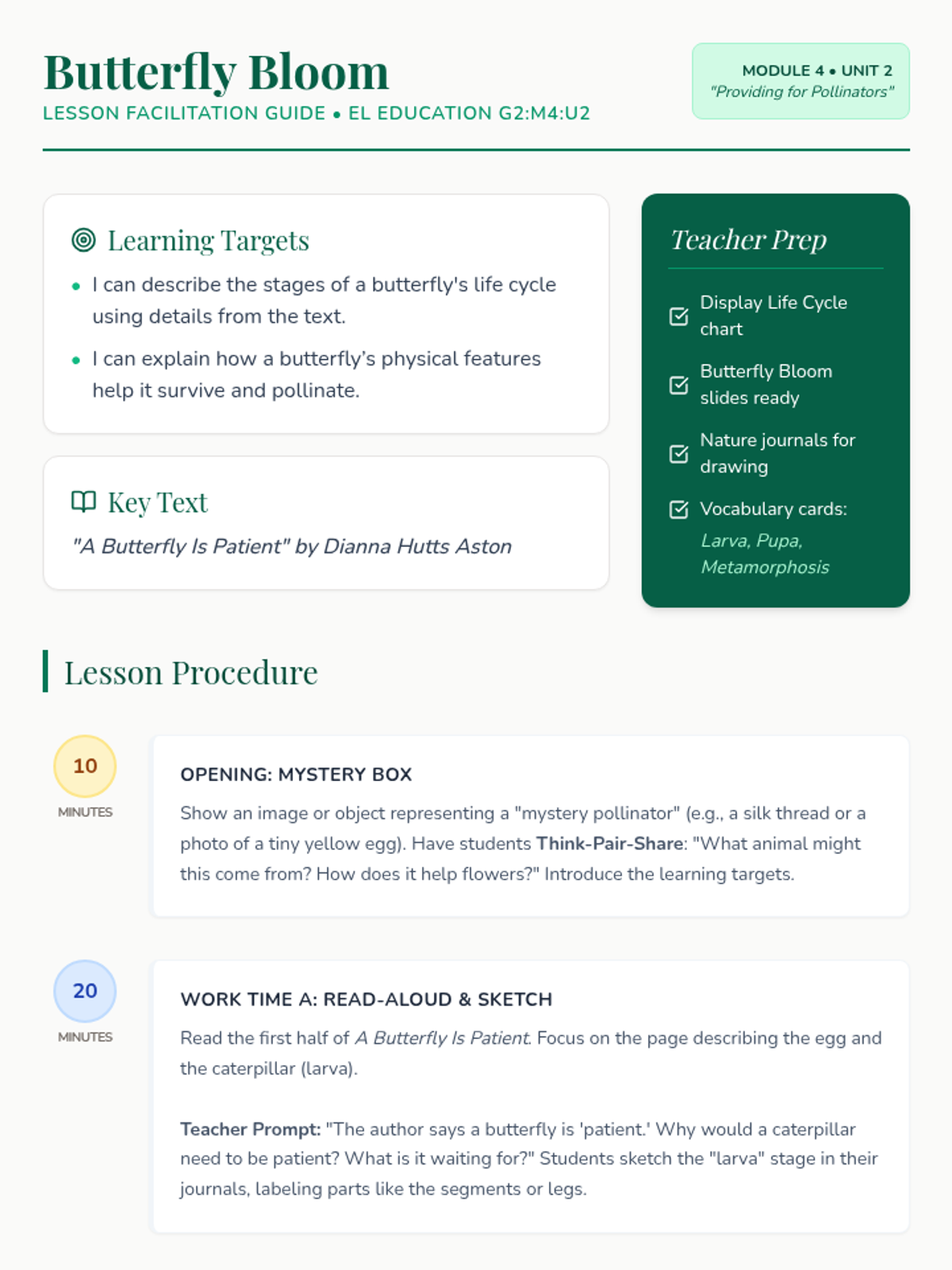
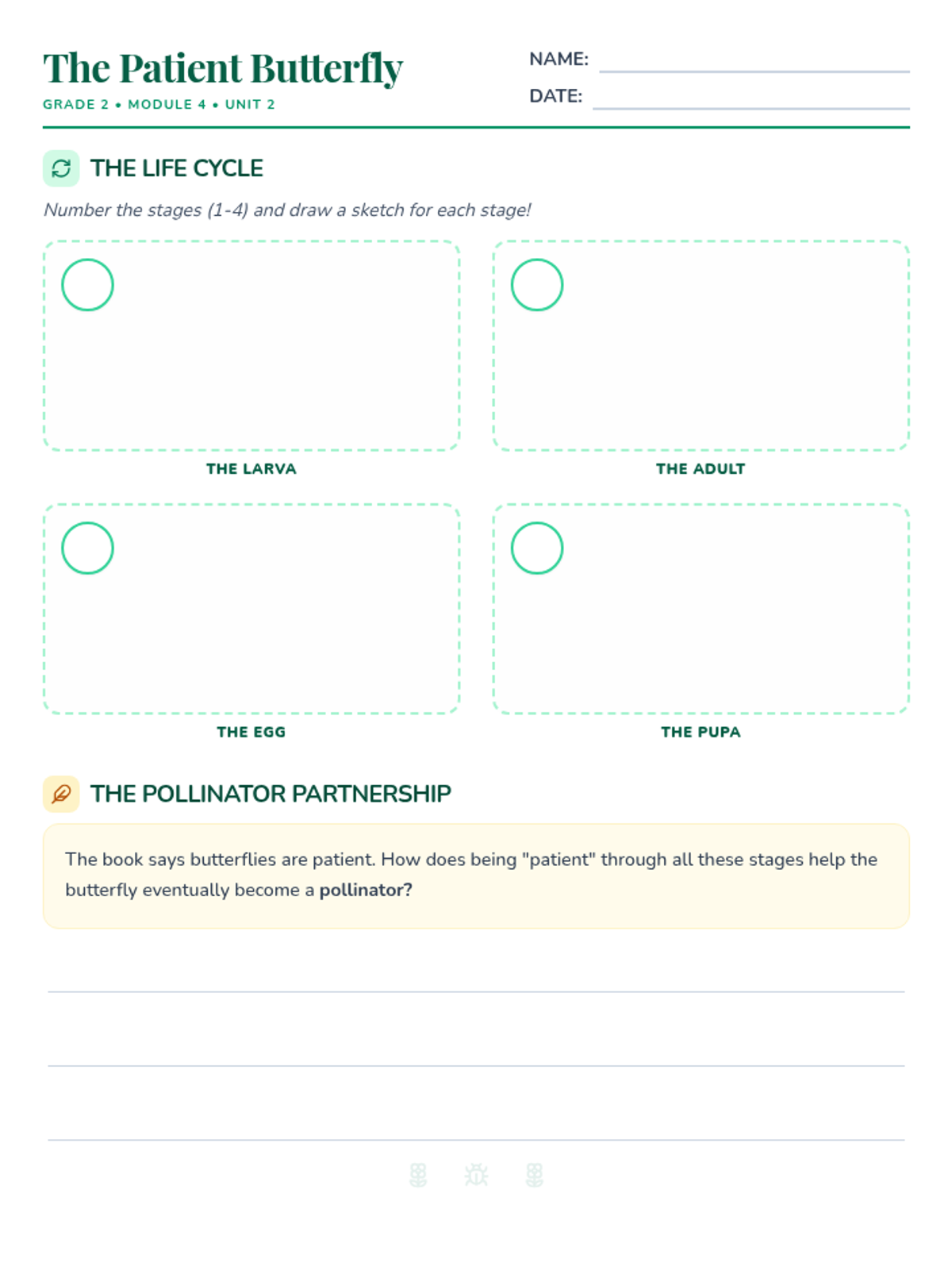
Focuses on the transformation and physical characteristics of butterflies based on the text 'A Butterfly Is Patient.' Students explore the life cycle stages and start to connect these stages to the butterfly's role as a pollinator.
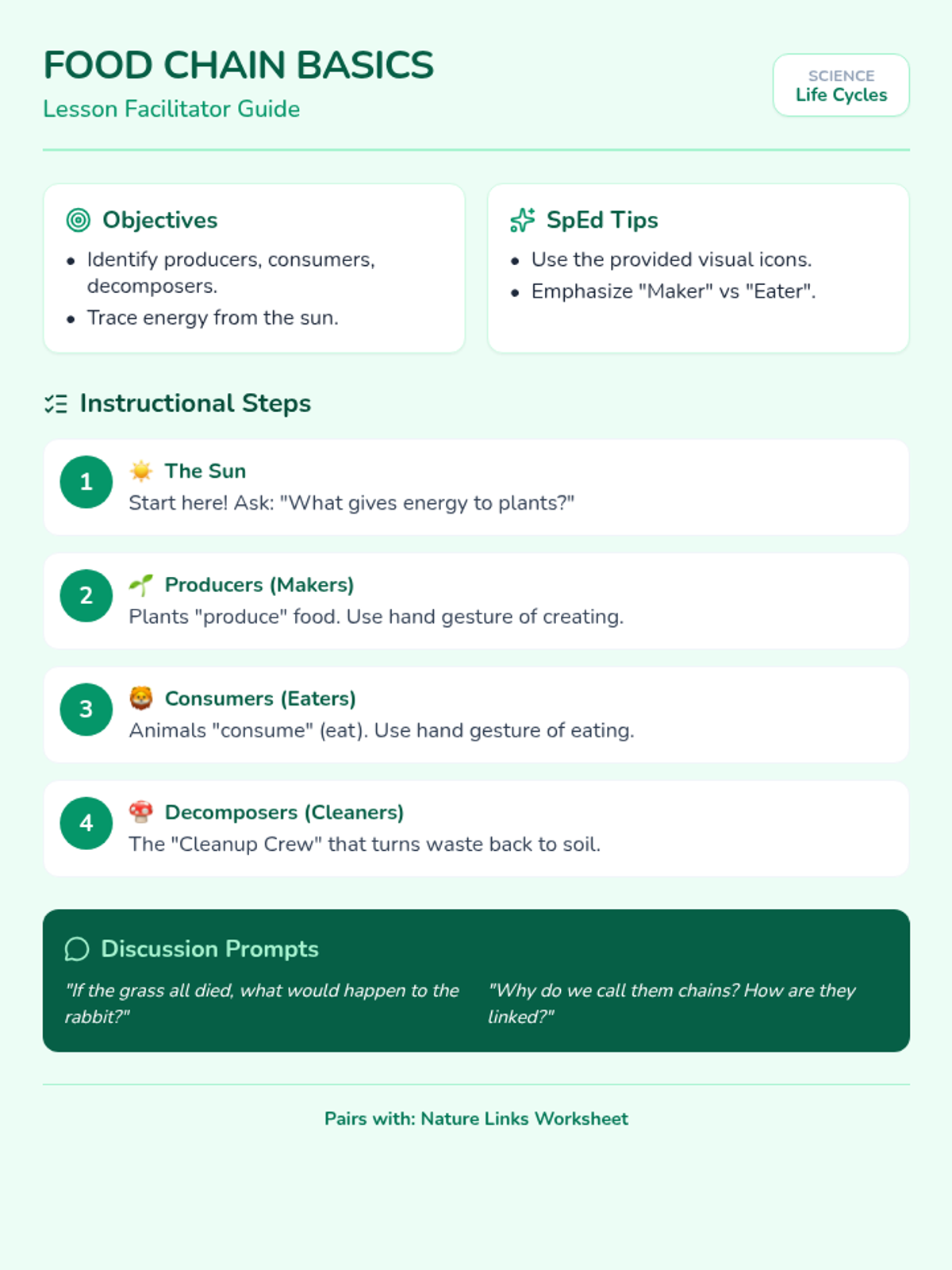
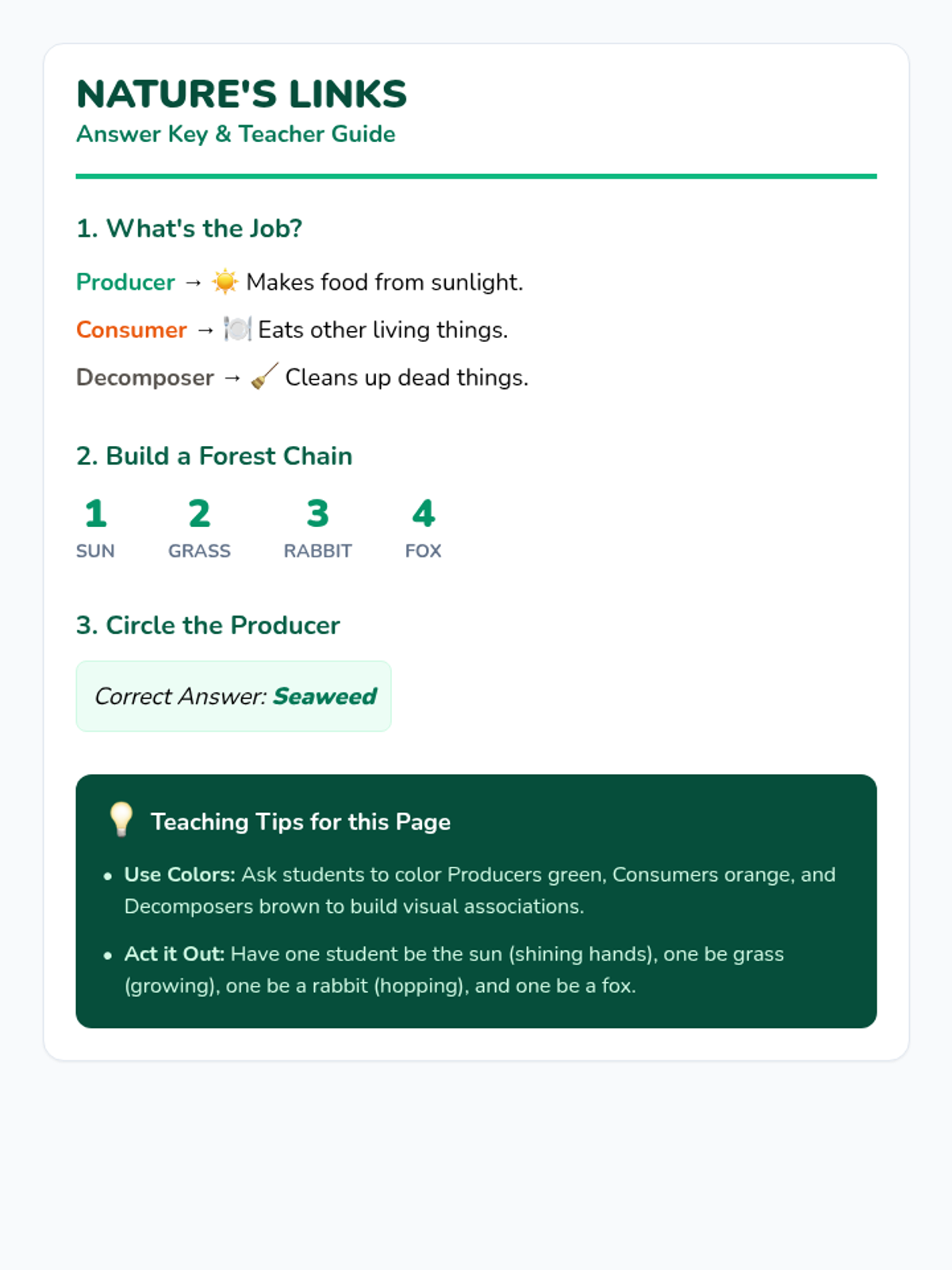
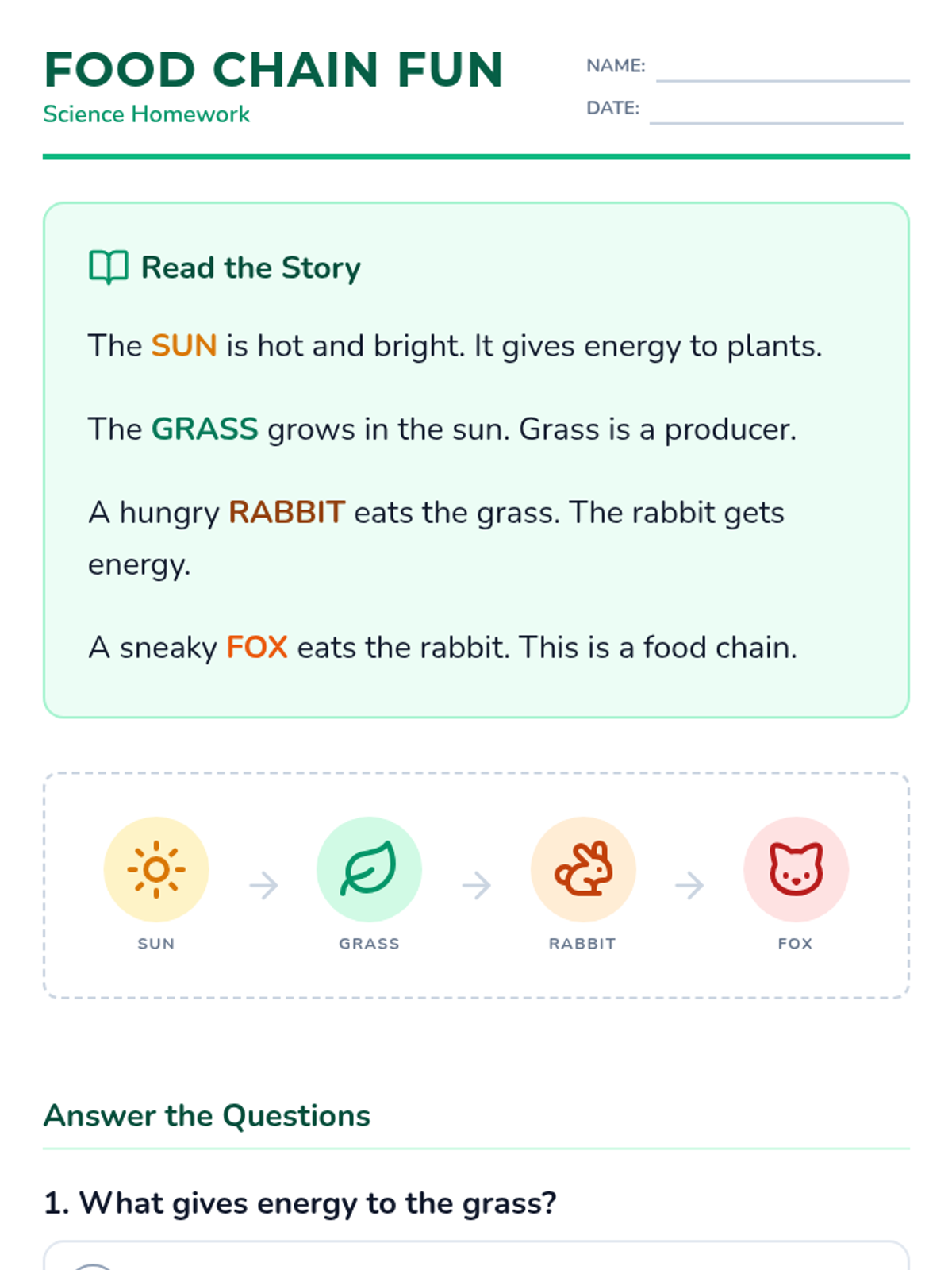
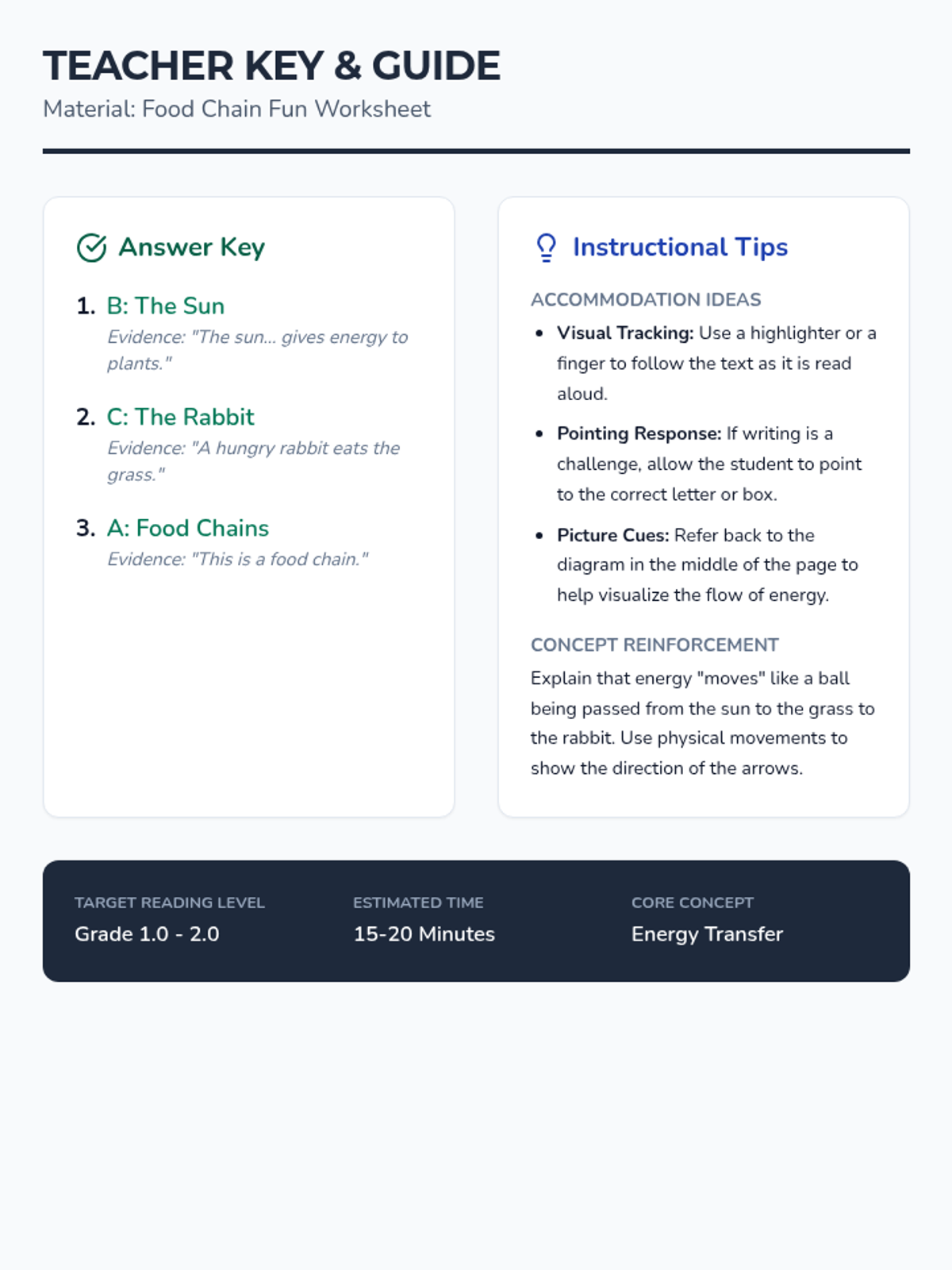
A foundational lesson on food chains across various ecosystems, specifically designed for special education students. Includes visual-heavy instruction on producers, consumers, and decomposers.
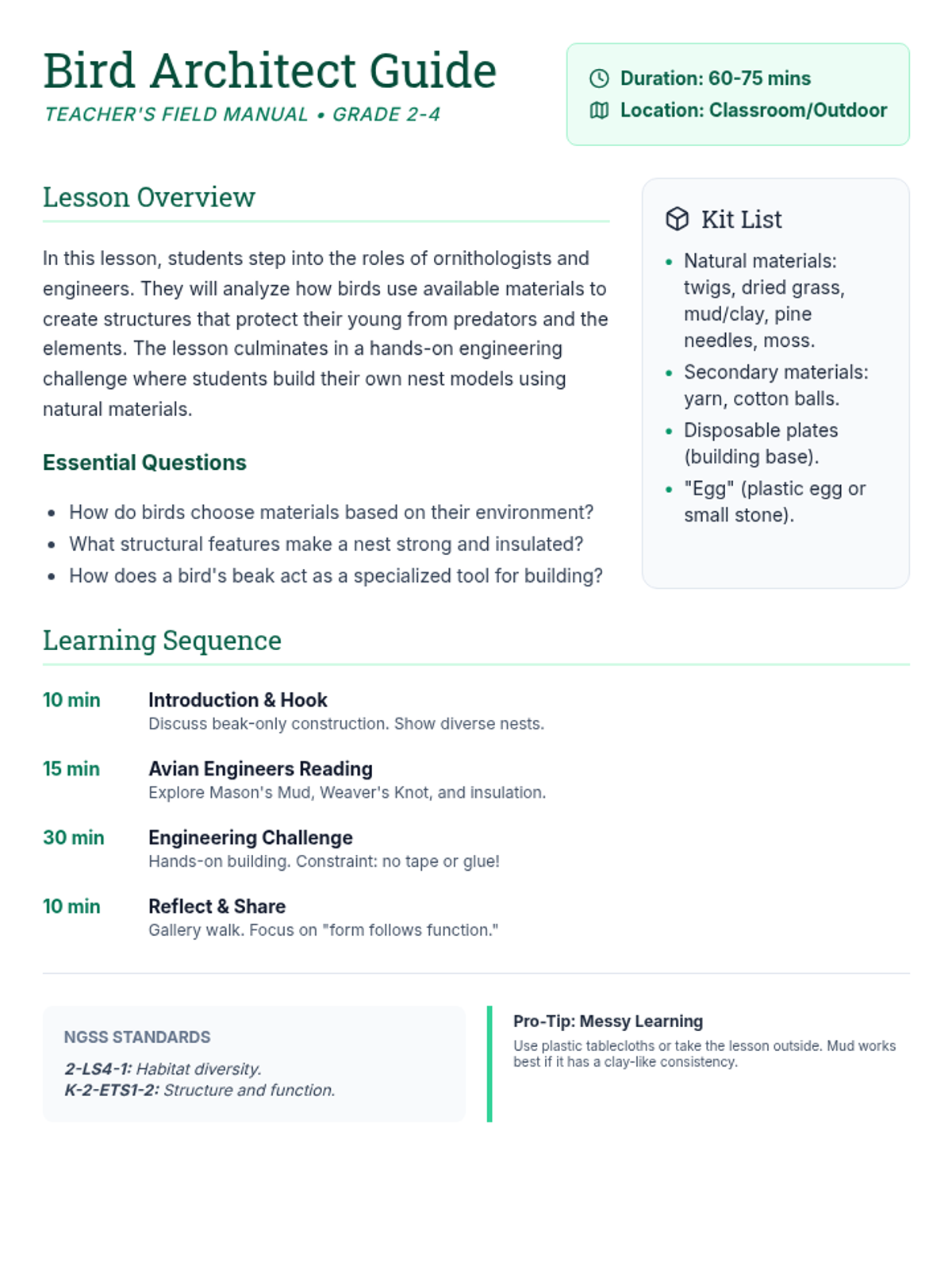
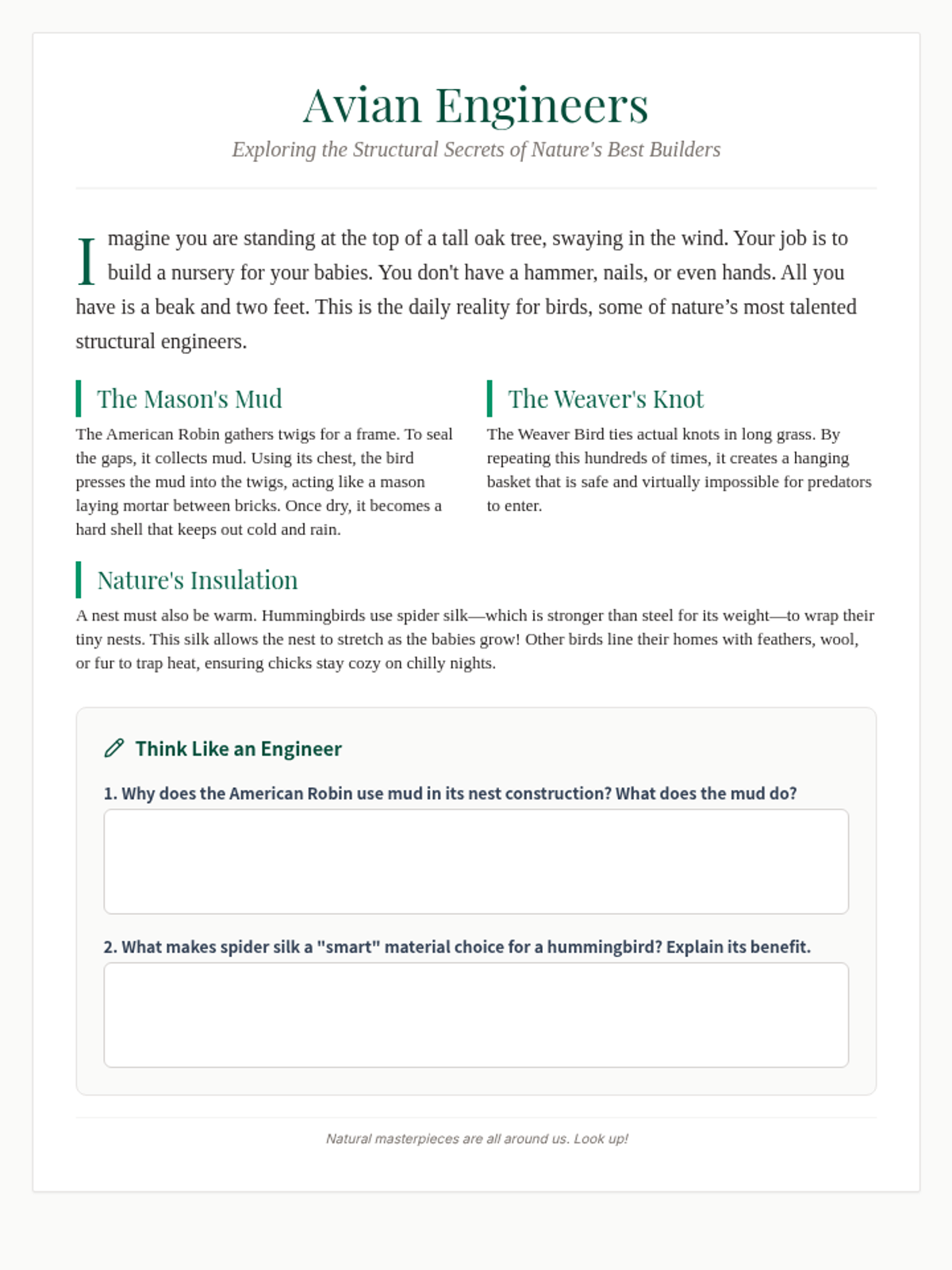
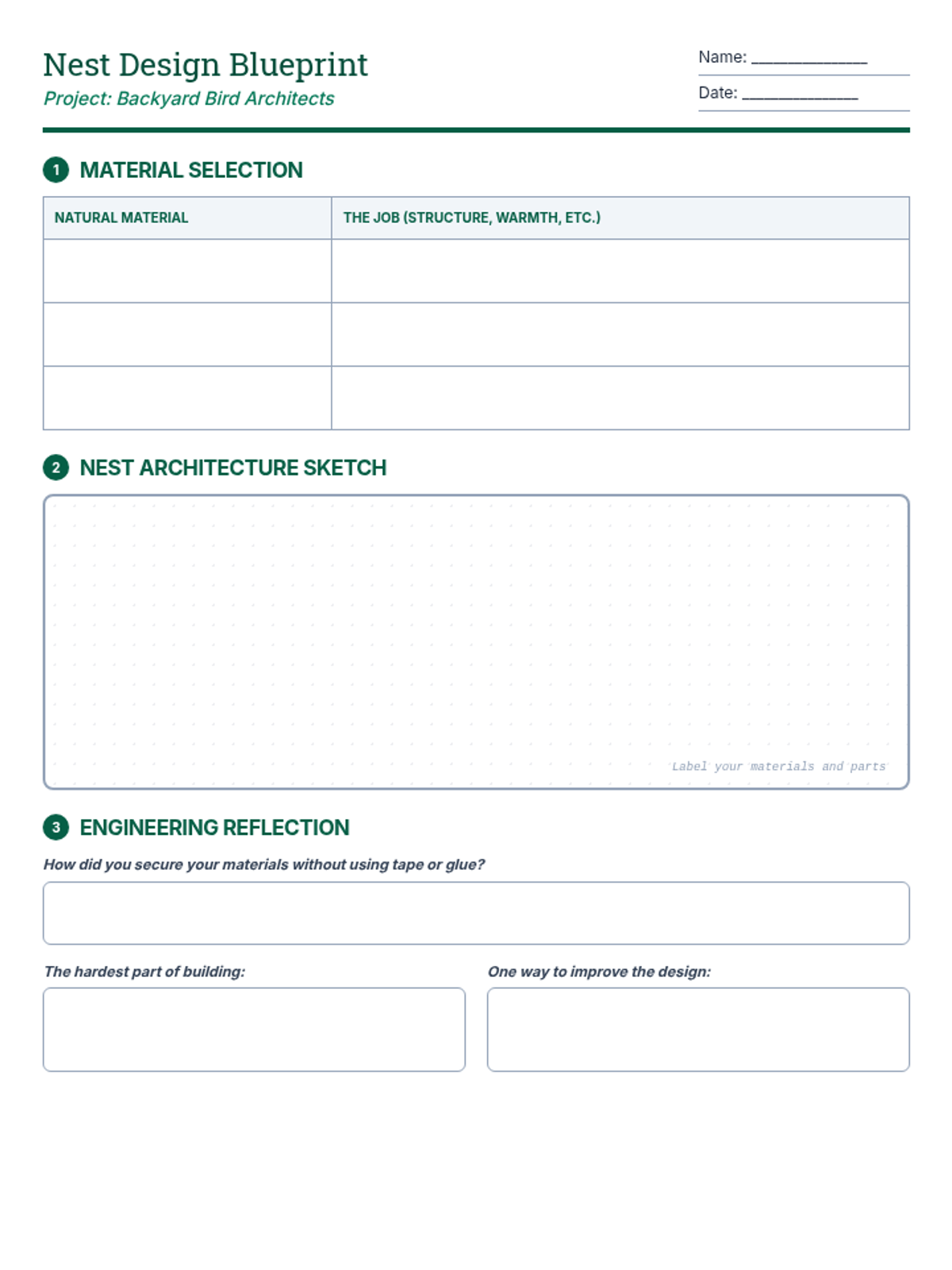
Students explore the engineering wonders of bird nests, observing local bird behavior and designing their own nest models using natural materials to understand animal adaptations and structural design.
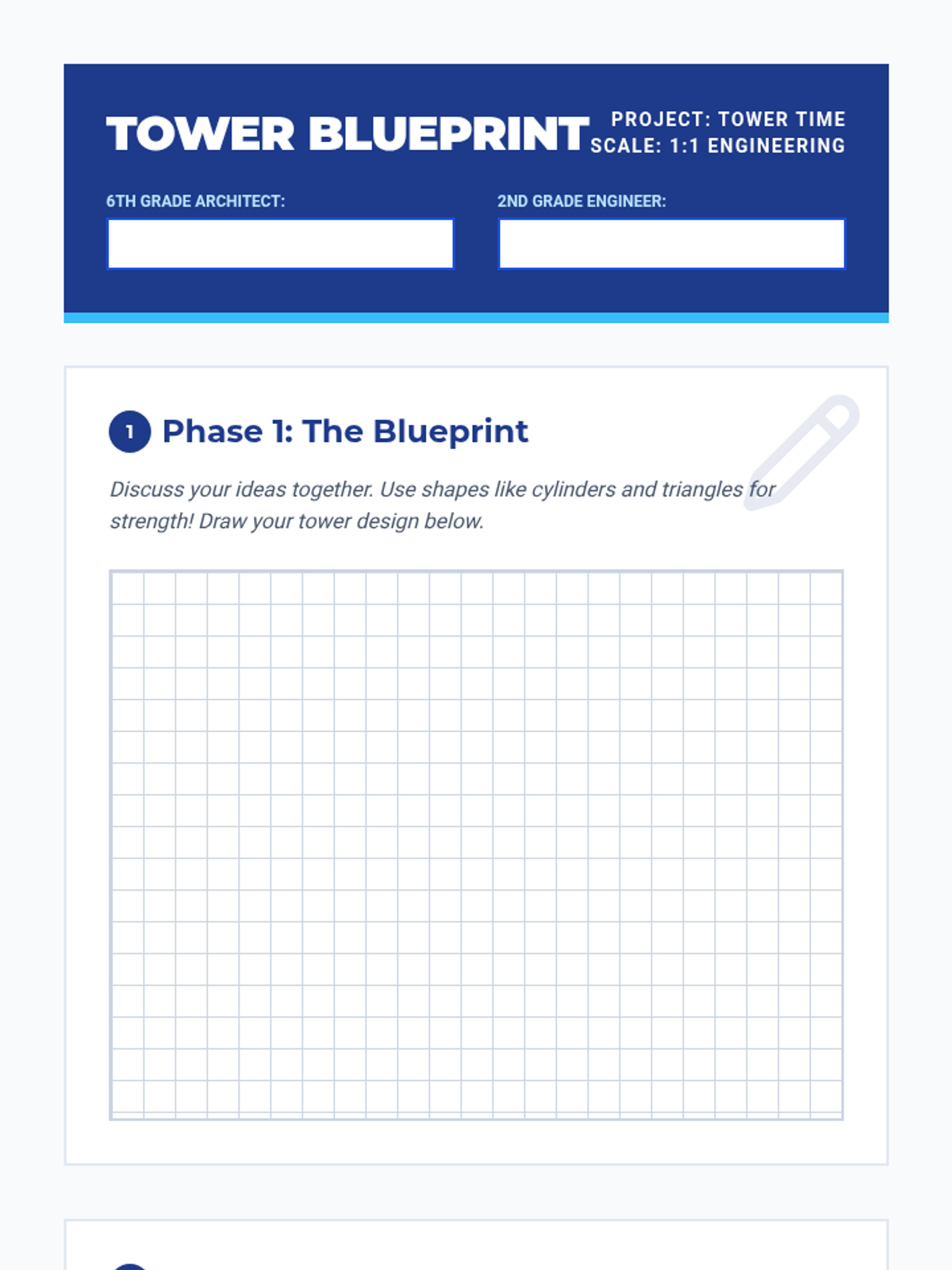
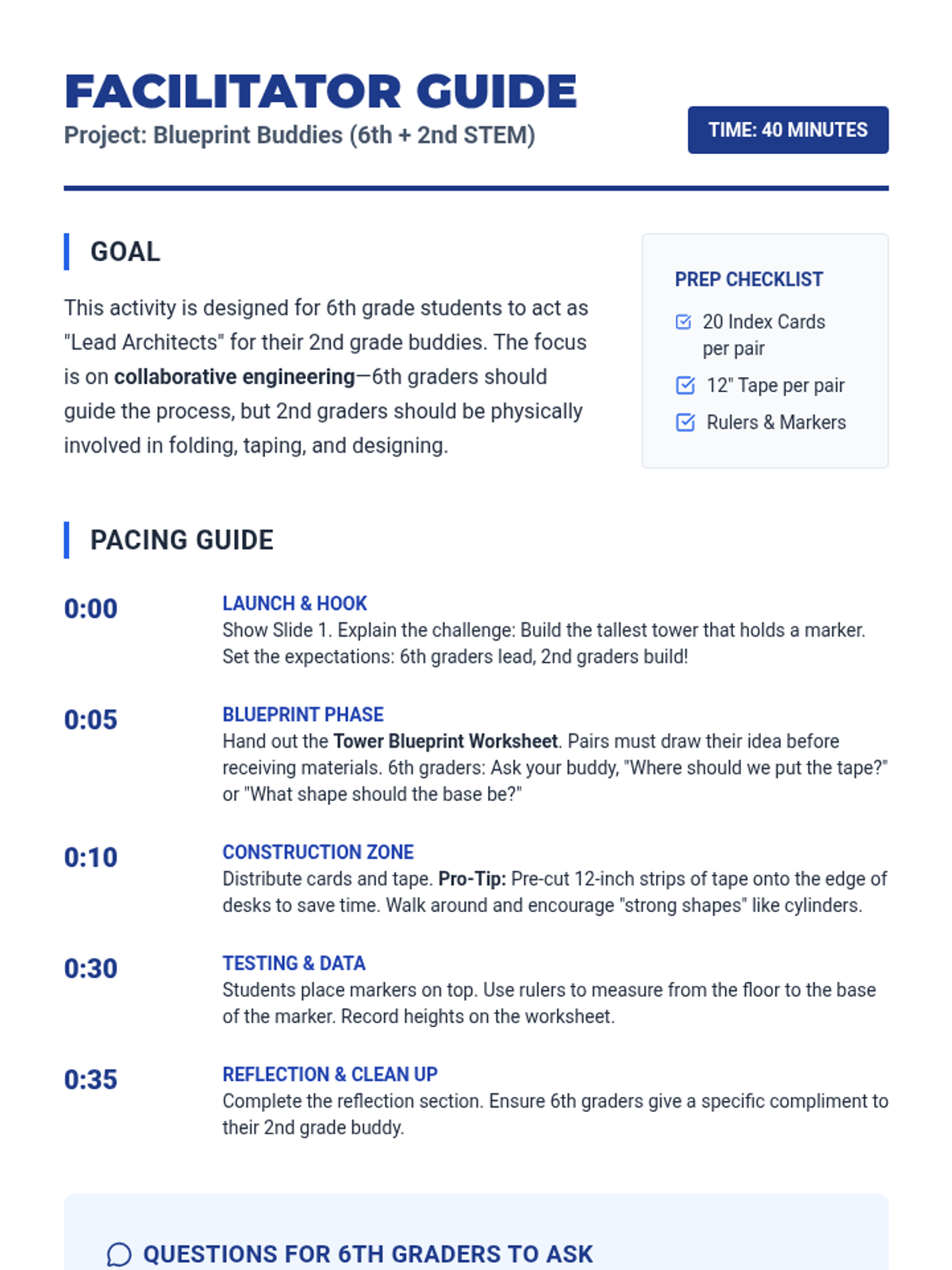
A collaborative STEM challenge where 6th grade mentors guide 2nd grade buddies to design and build the tallest possible tower using only index cards and tape. This lesson focuses on teamwork, engineering design principles, and measurement skills within a 40-minute window.
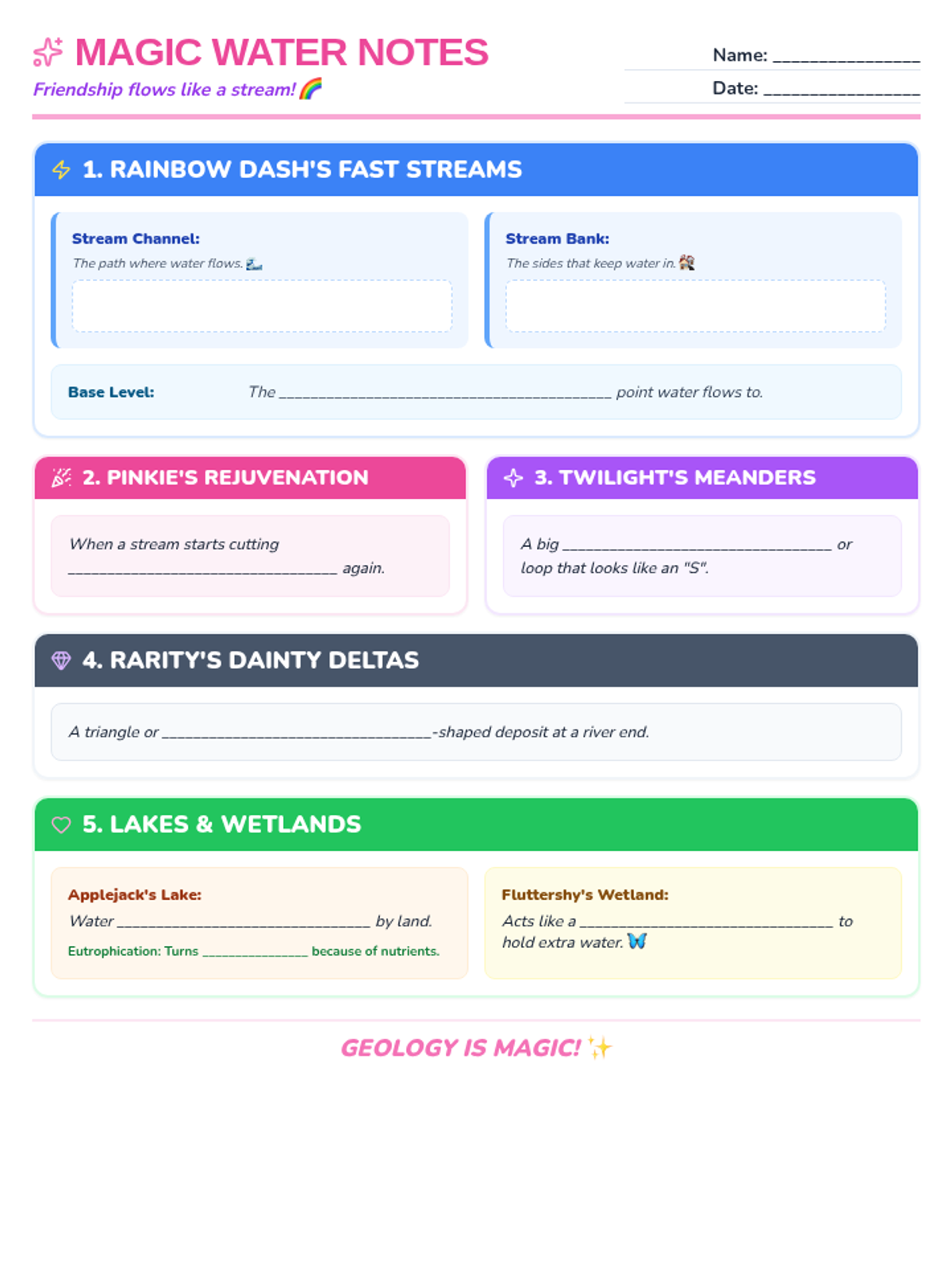
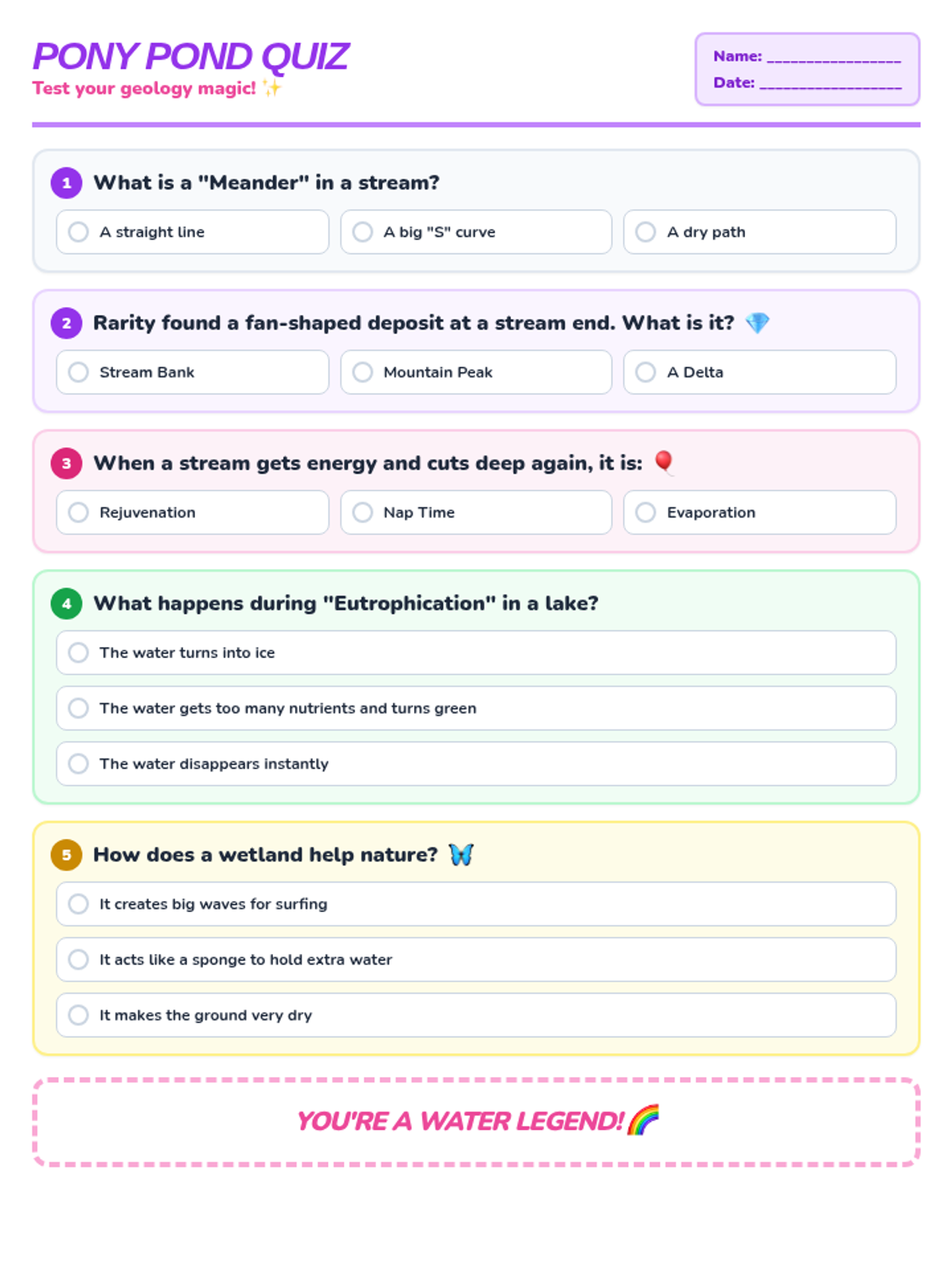
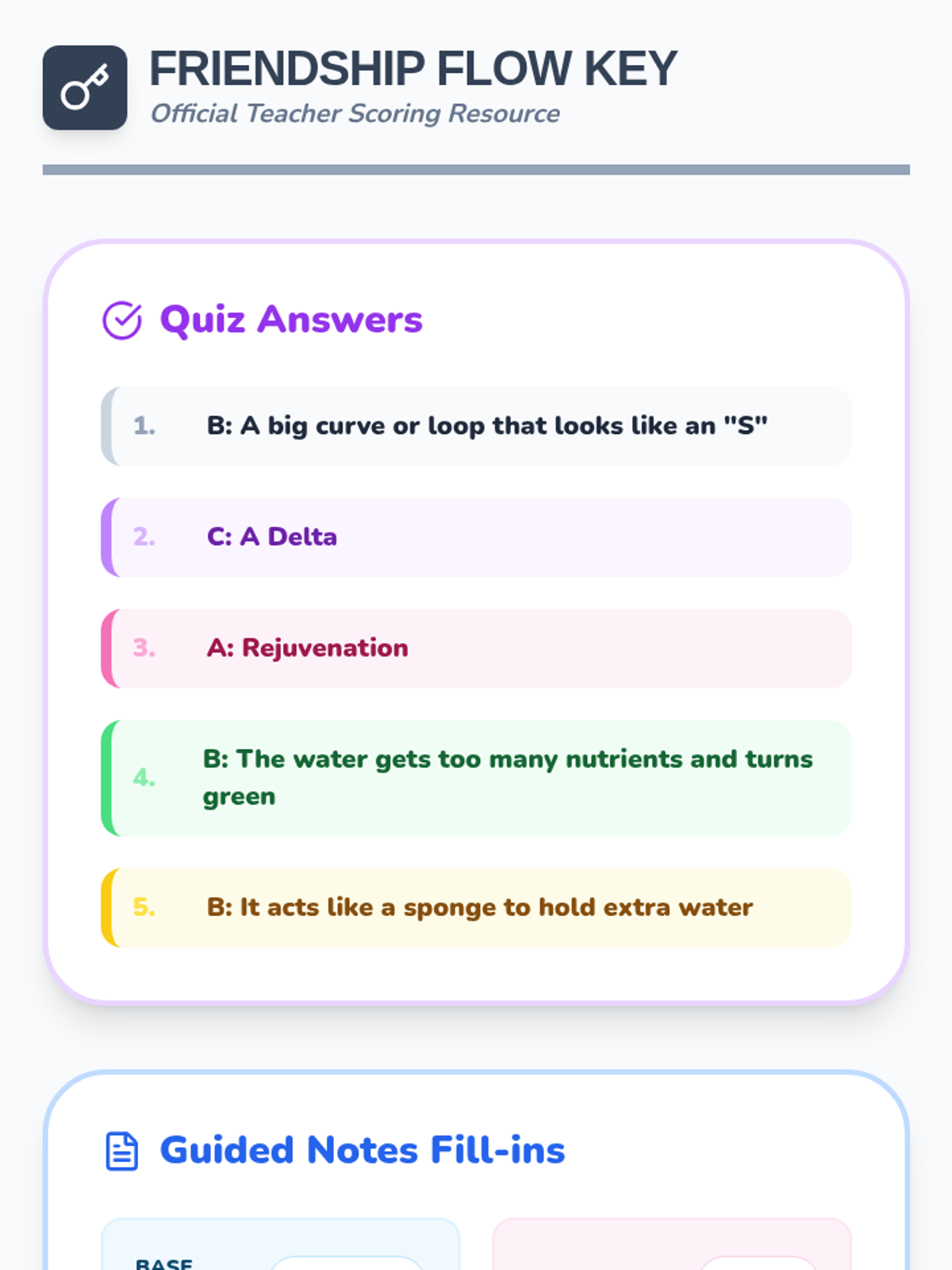
A lesson on surface water interactions with land, featuring My Little Pony characters to explain streams, lakes, and wetlands. Students learn key geological terms through simple bullet points and visual support.
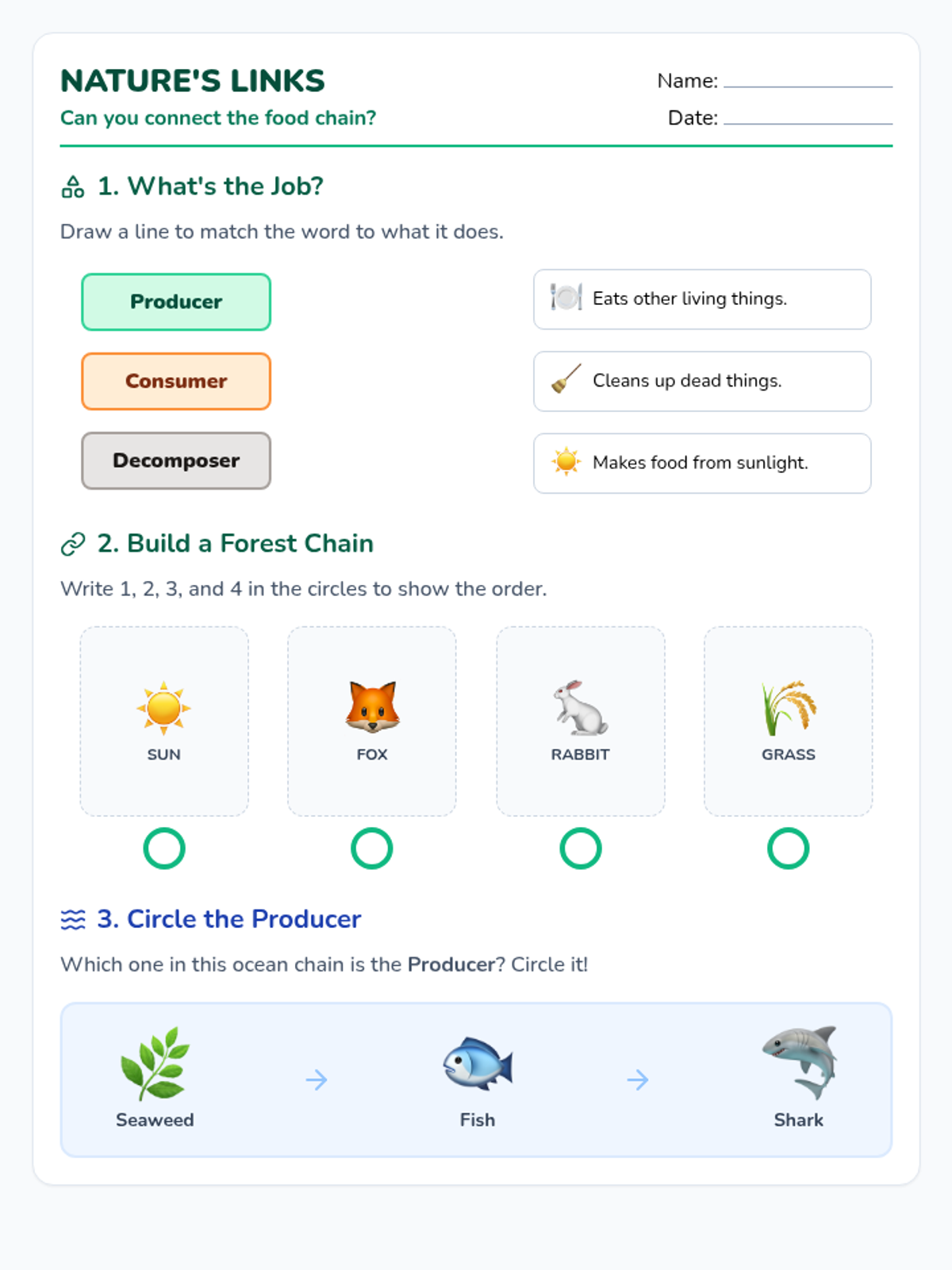
A simplified science lesson on food chains designed for 8th-grade students with severe disabilities, focusing on basic energy flow from sun to predator.
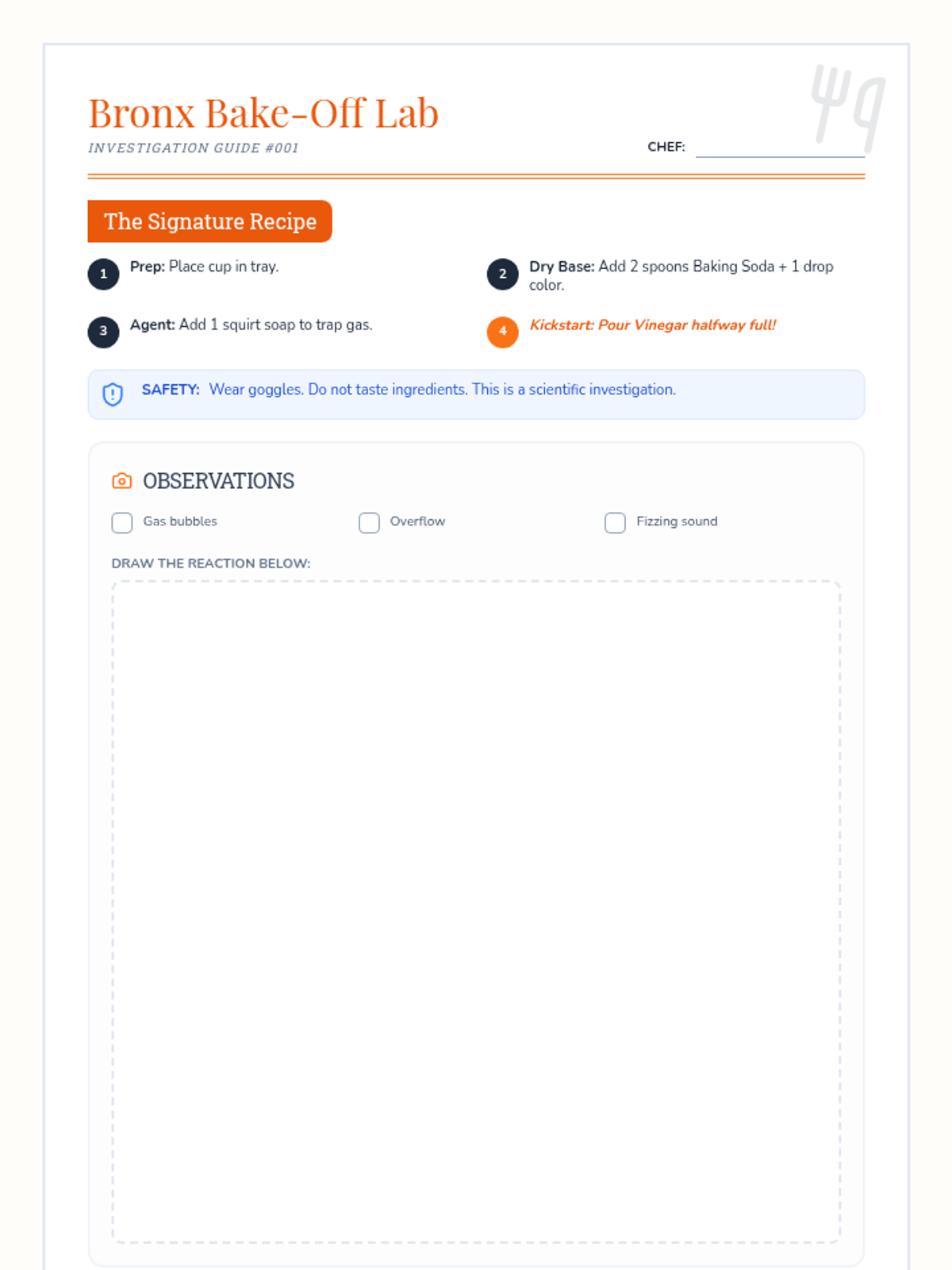
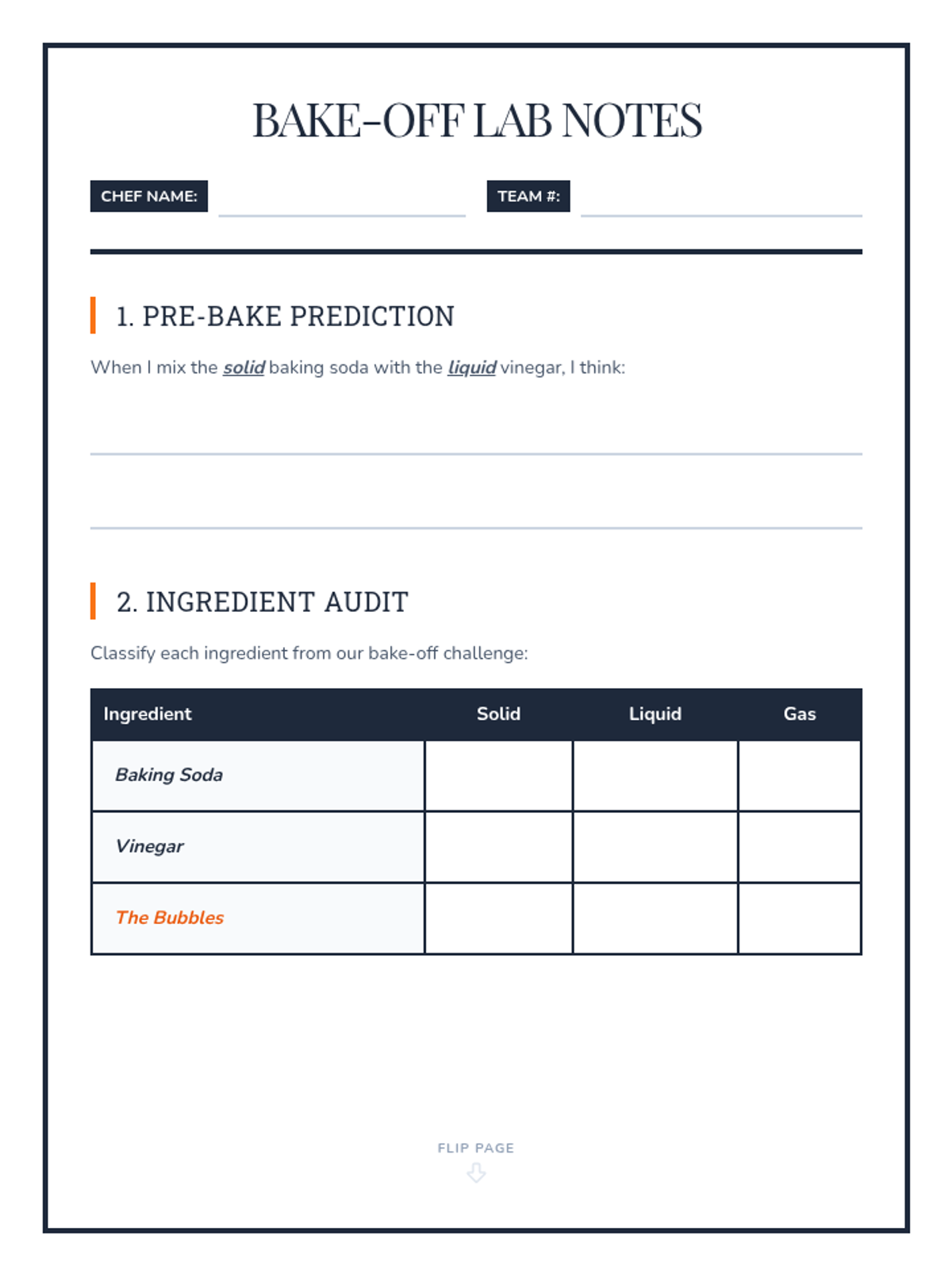
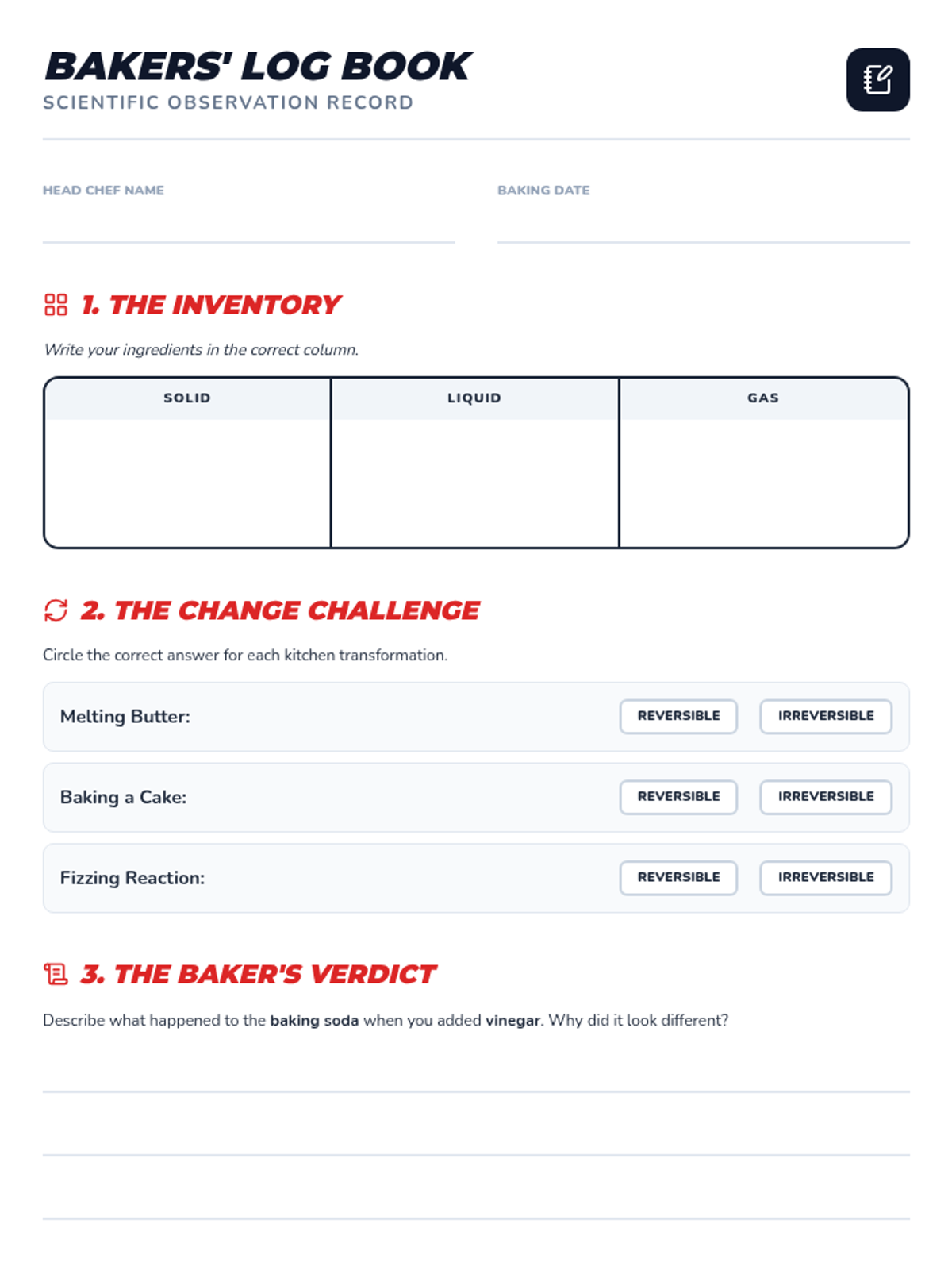
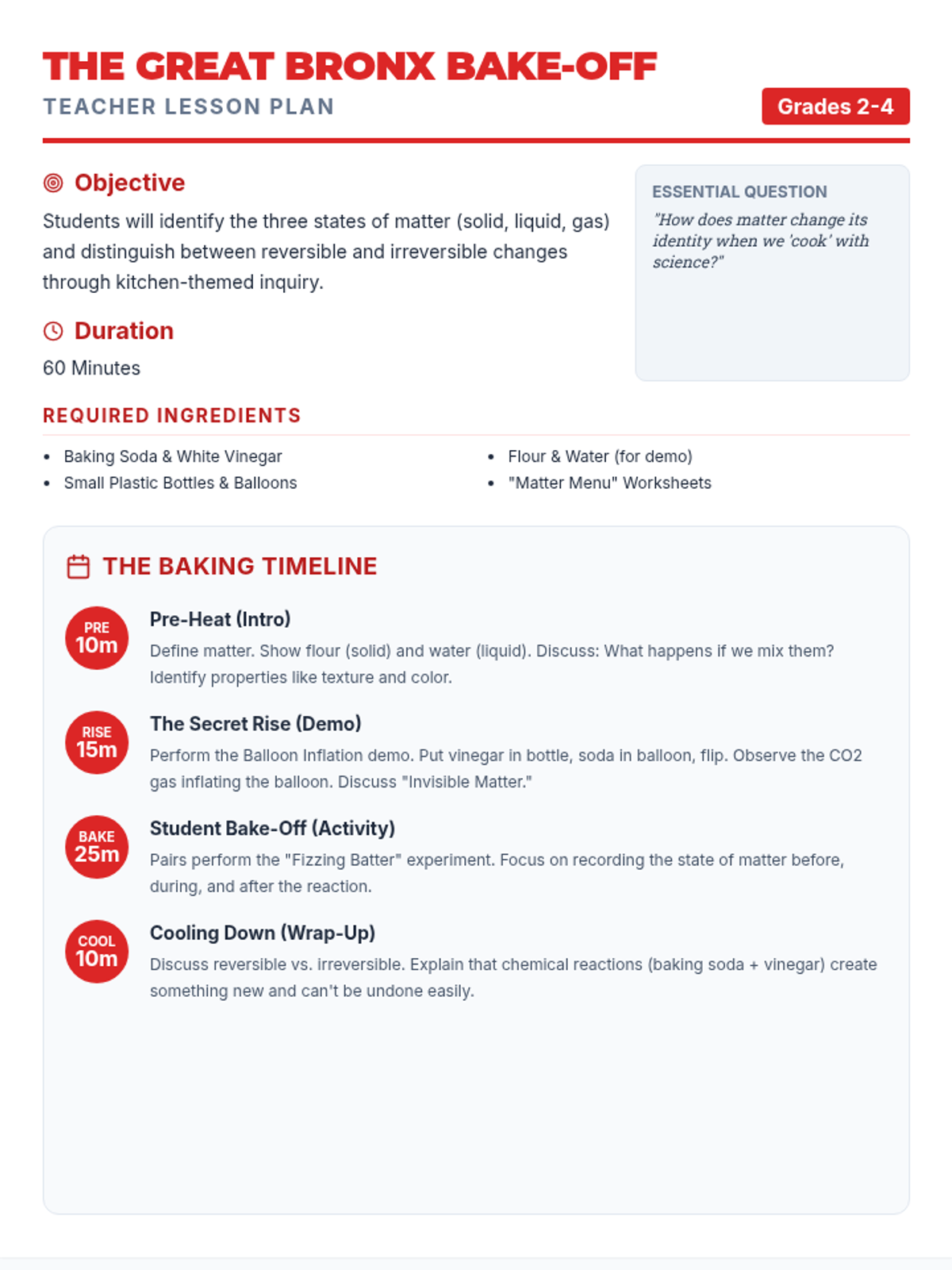
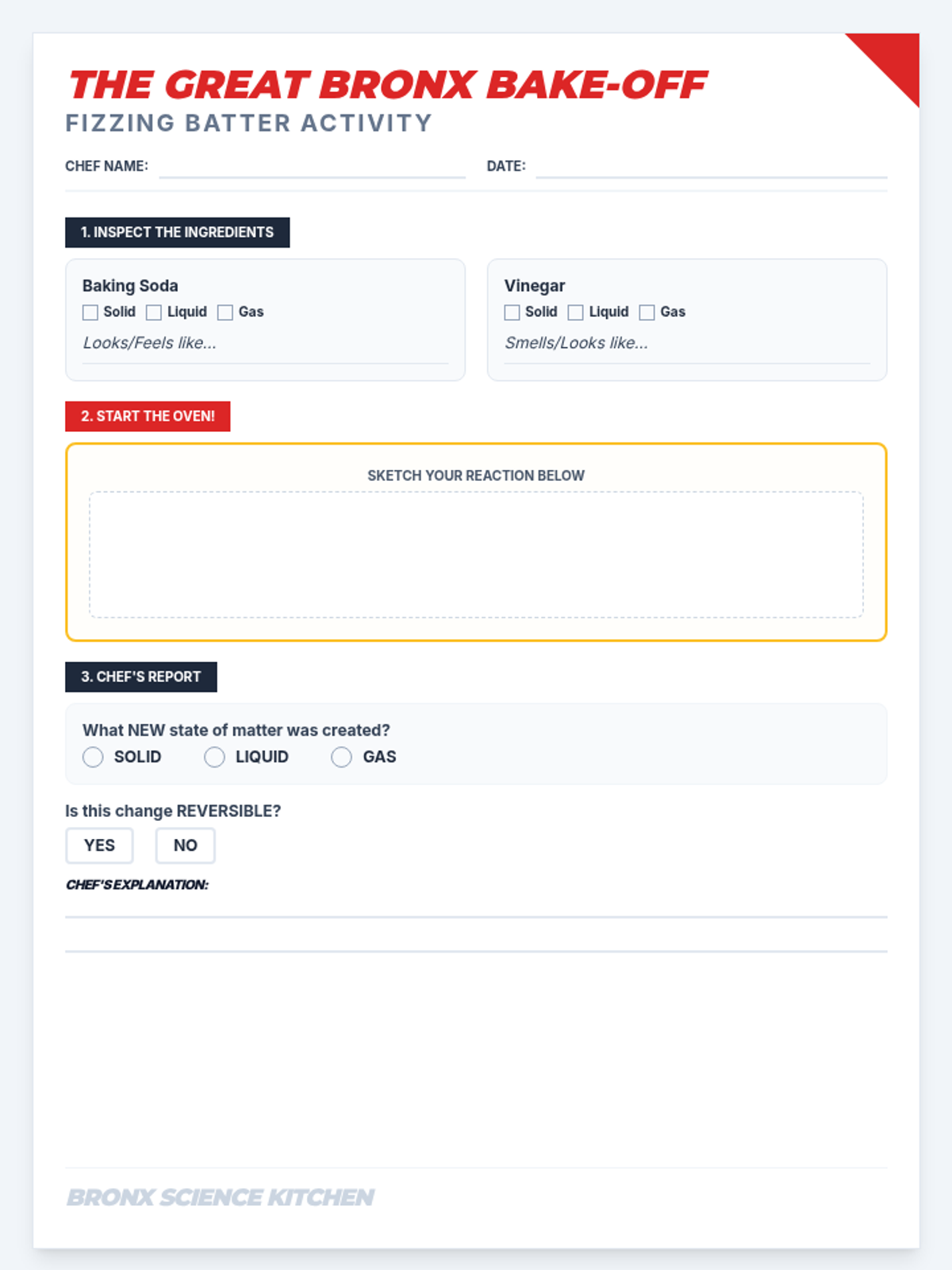
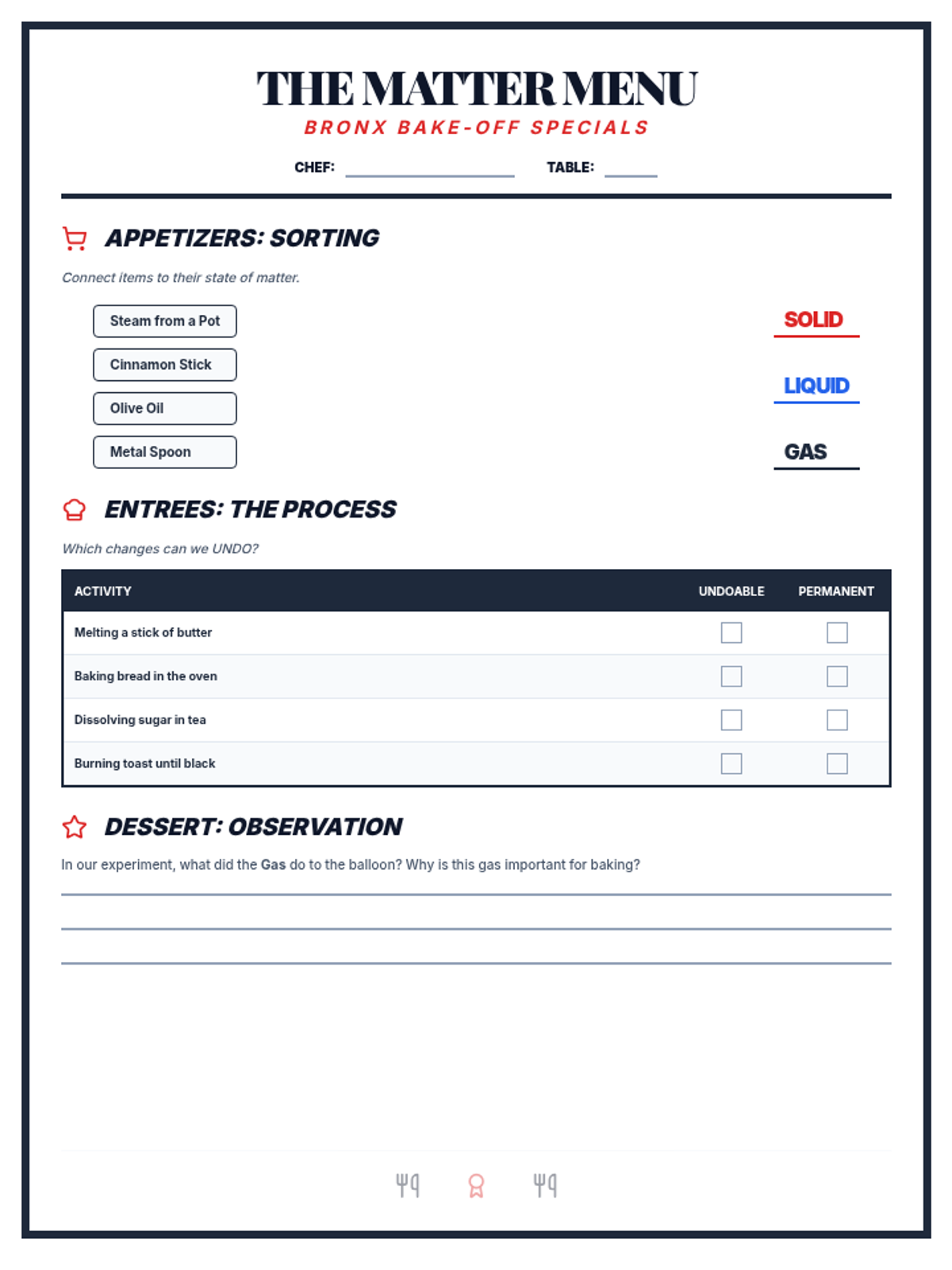
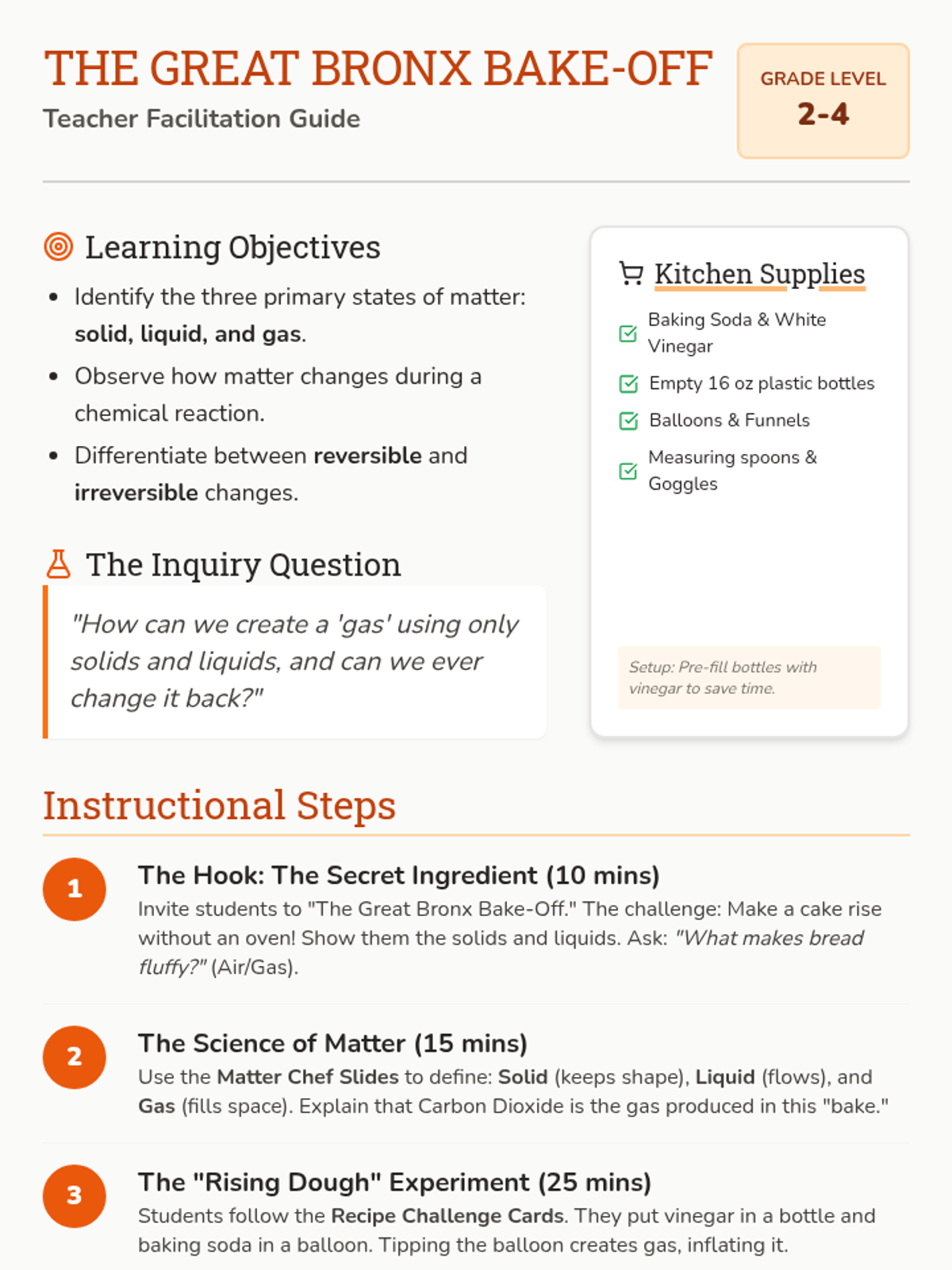
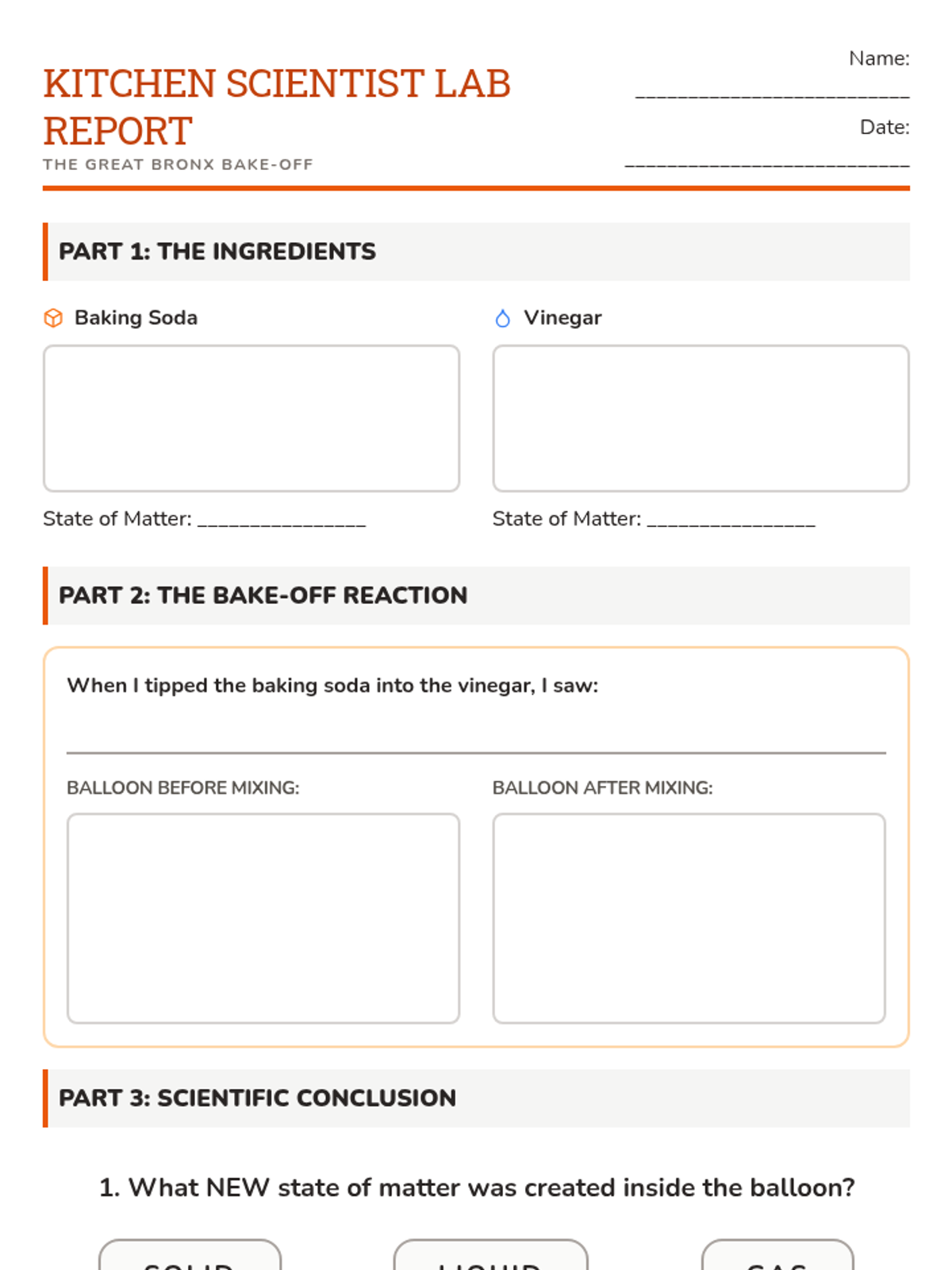
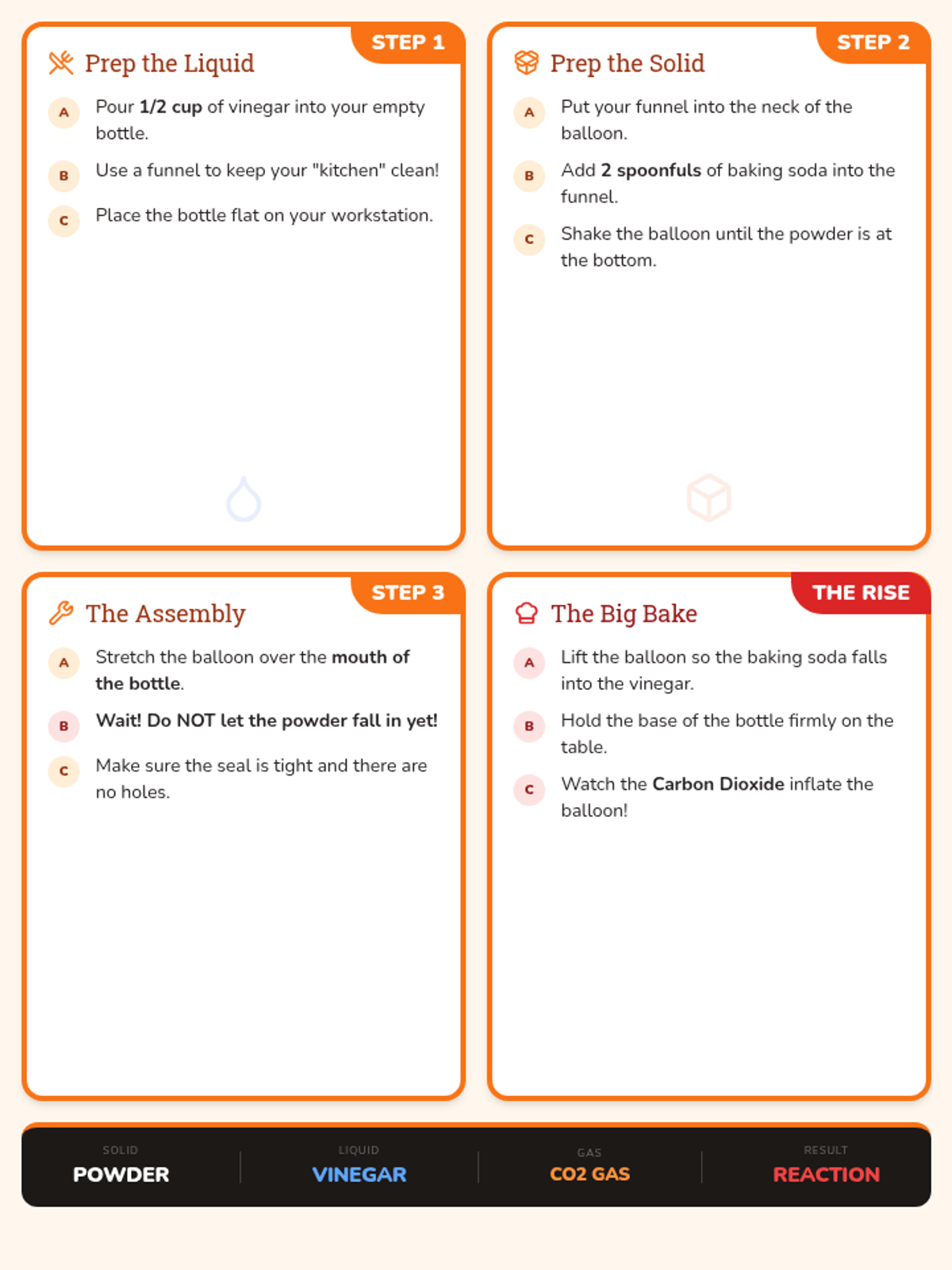
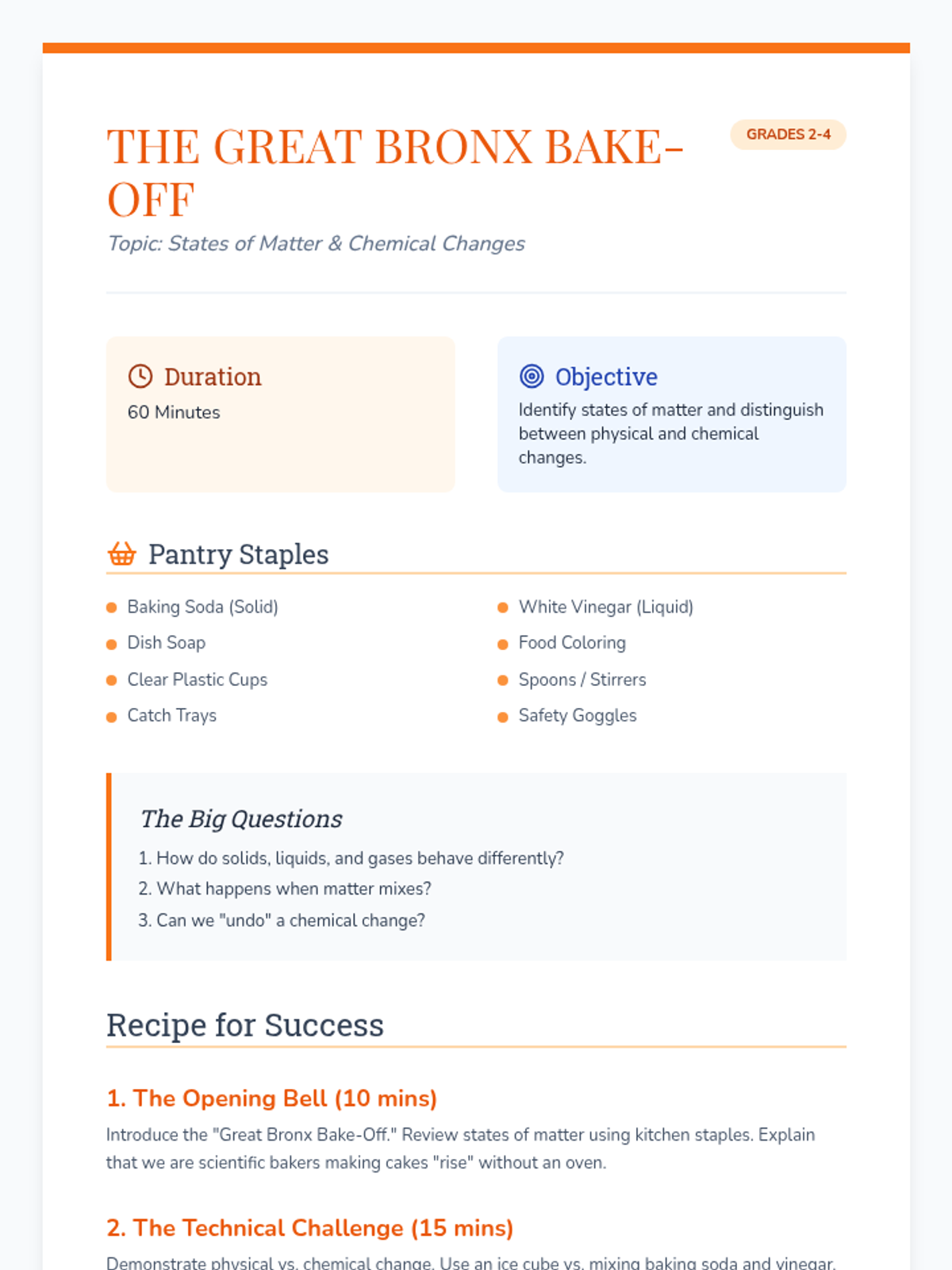
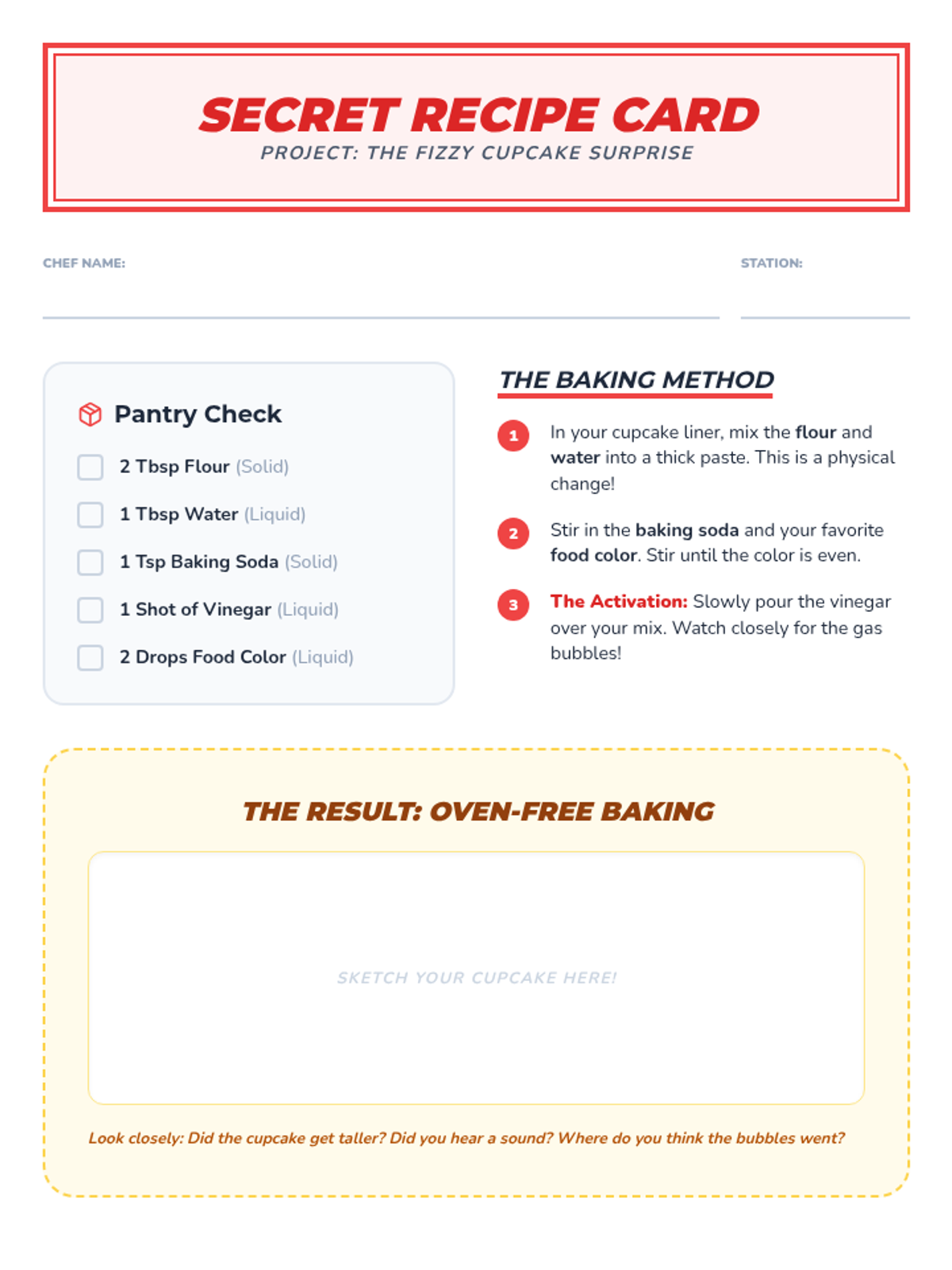
In this kitchen science inquiry, students investigate the three states of matter and observe chemical reactions by creating 'fizzing cakes' using baking soda and vinegar. They explore reversible and irreversible changes while competing in a simulated Bronx-style bake-off challenge.
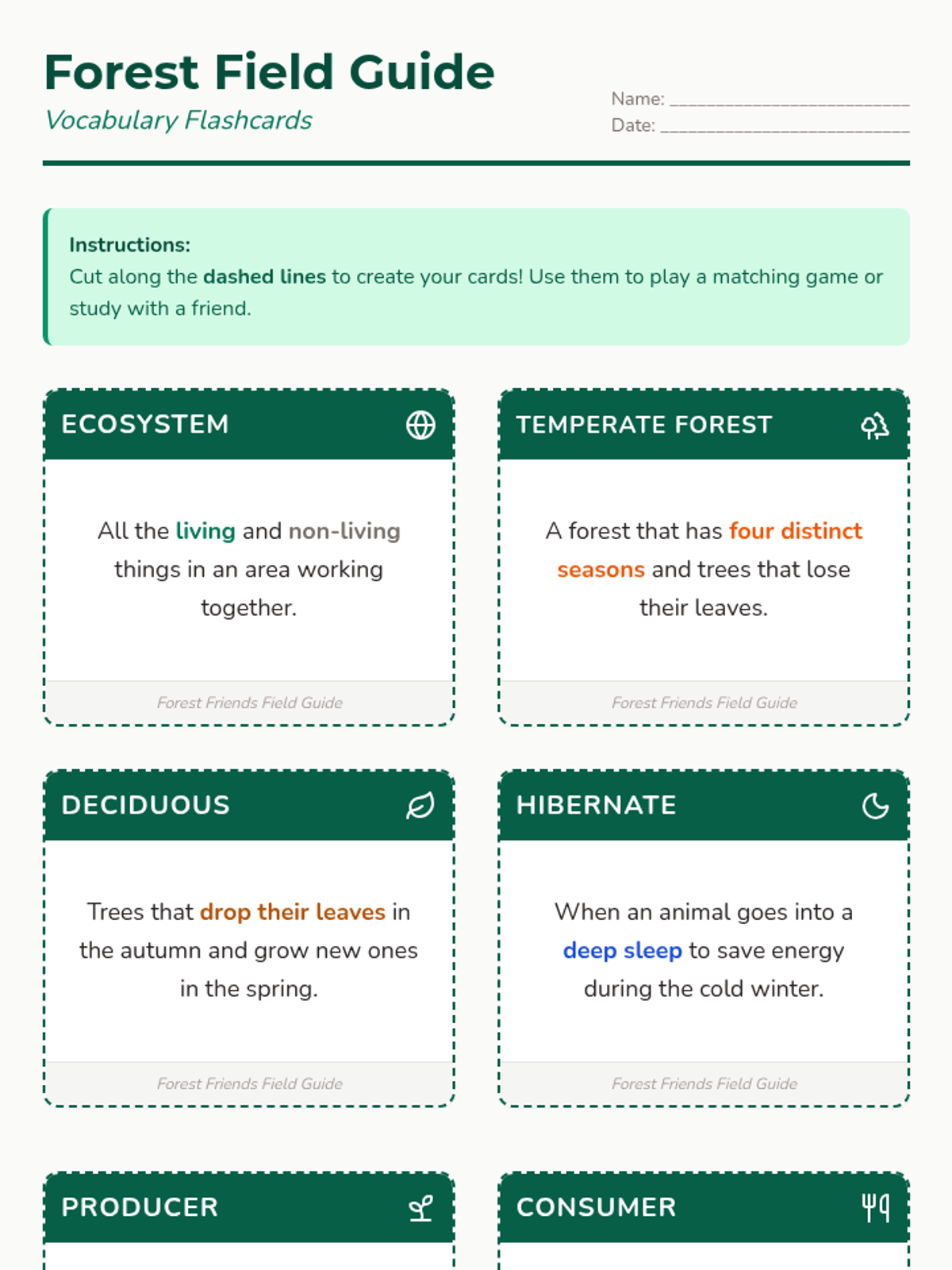
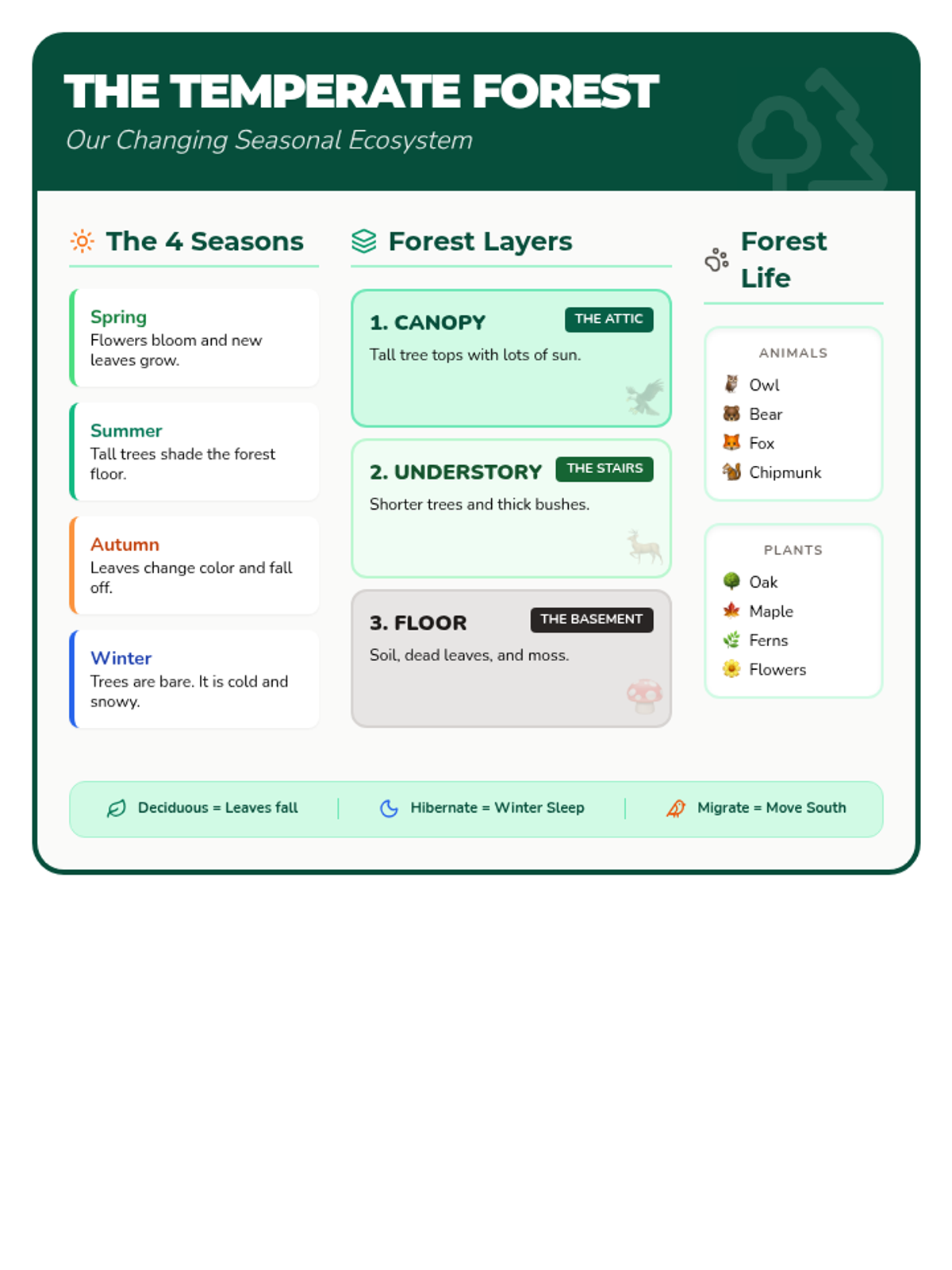
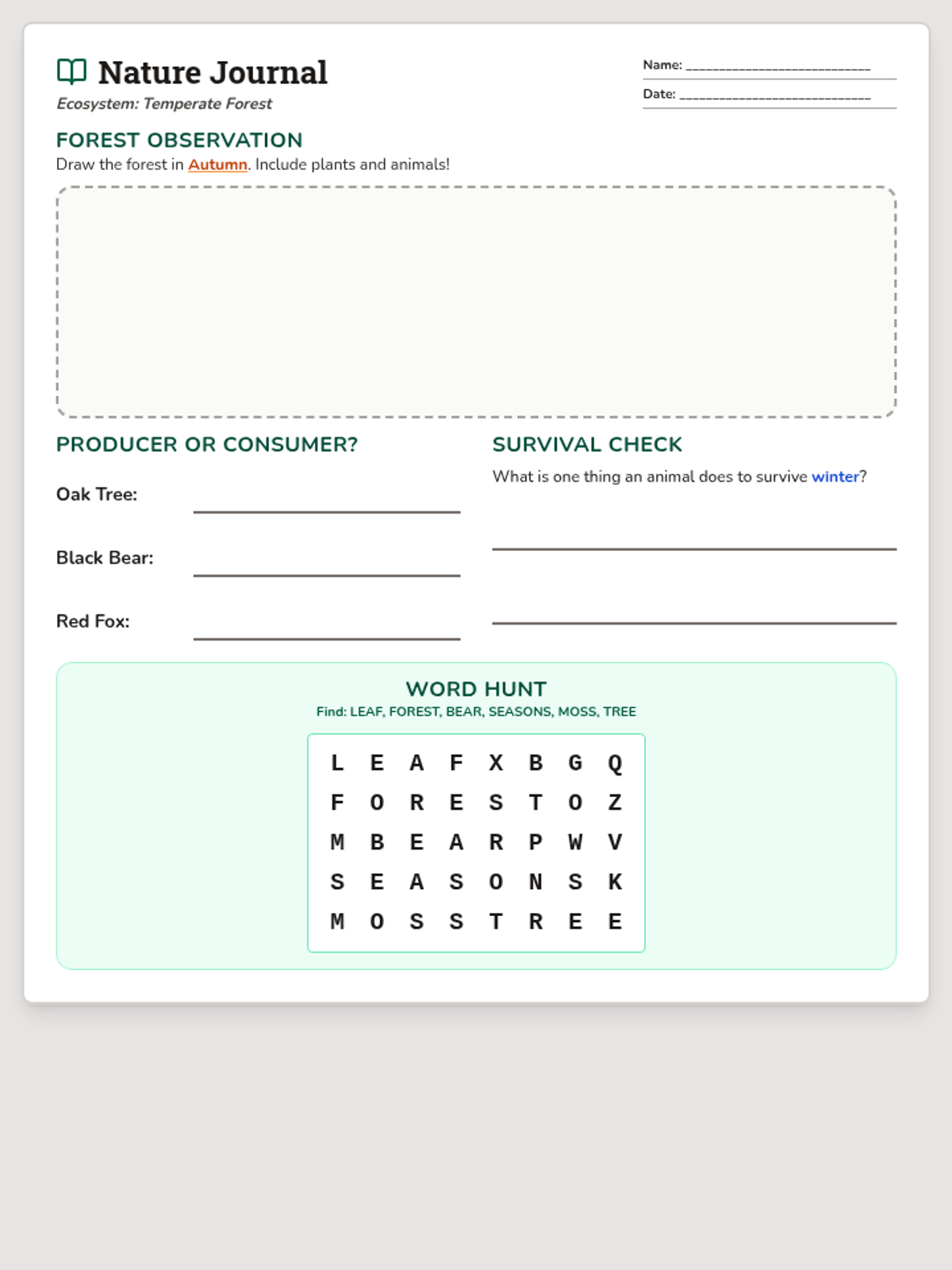
An introduction to the temperate forest ecosystem for 2nd graders, focusing on seasonal changes, plant life, and animal adaptations. Students will build foundational science vocabulary through visual aids and hands-on observation prompts.
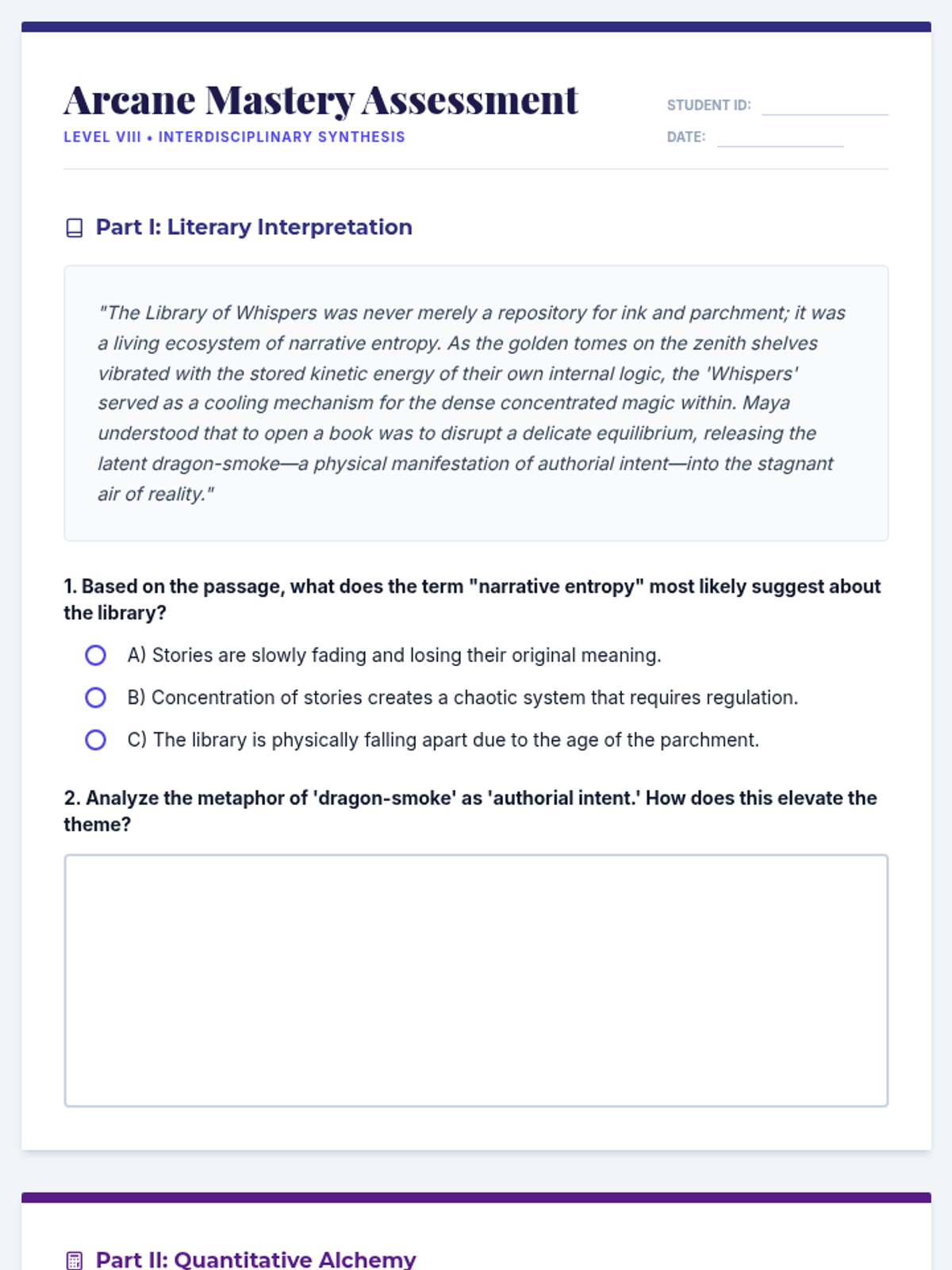
Advanced academic challenges for 8th-grade students, synthesizing reading, math, and science within a complex fantasy framework.
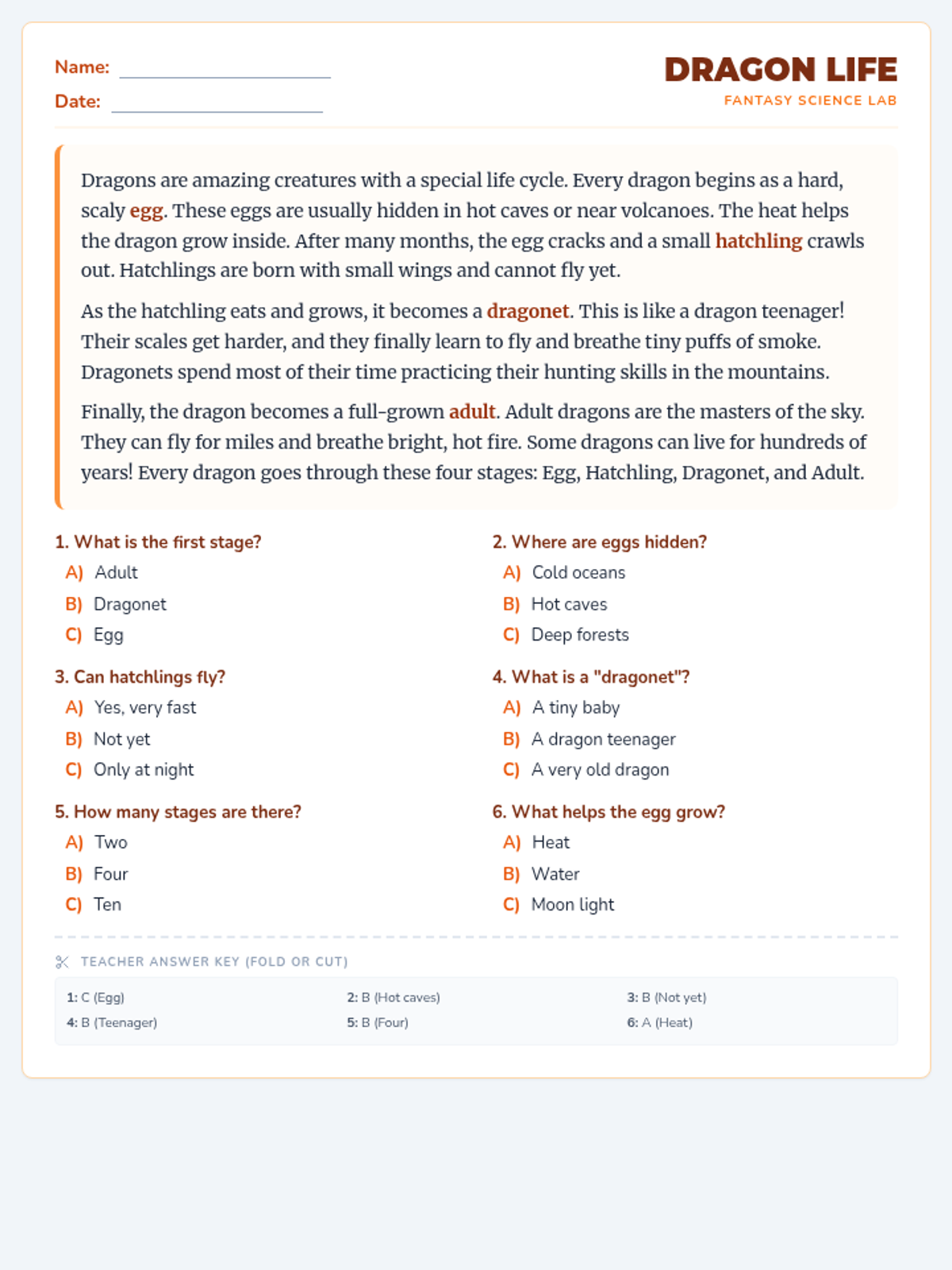
Science exploration through a fantasy lens, covering life cycles, habitats, and simple physical science for 2nd graders.
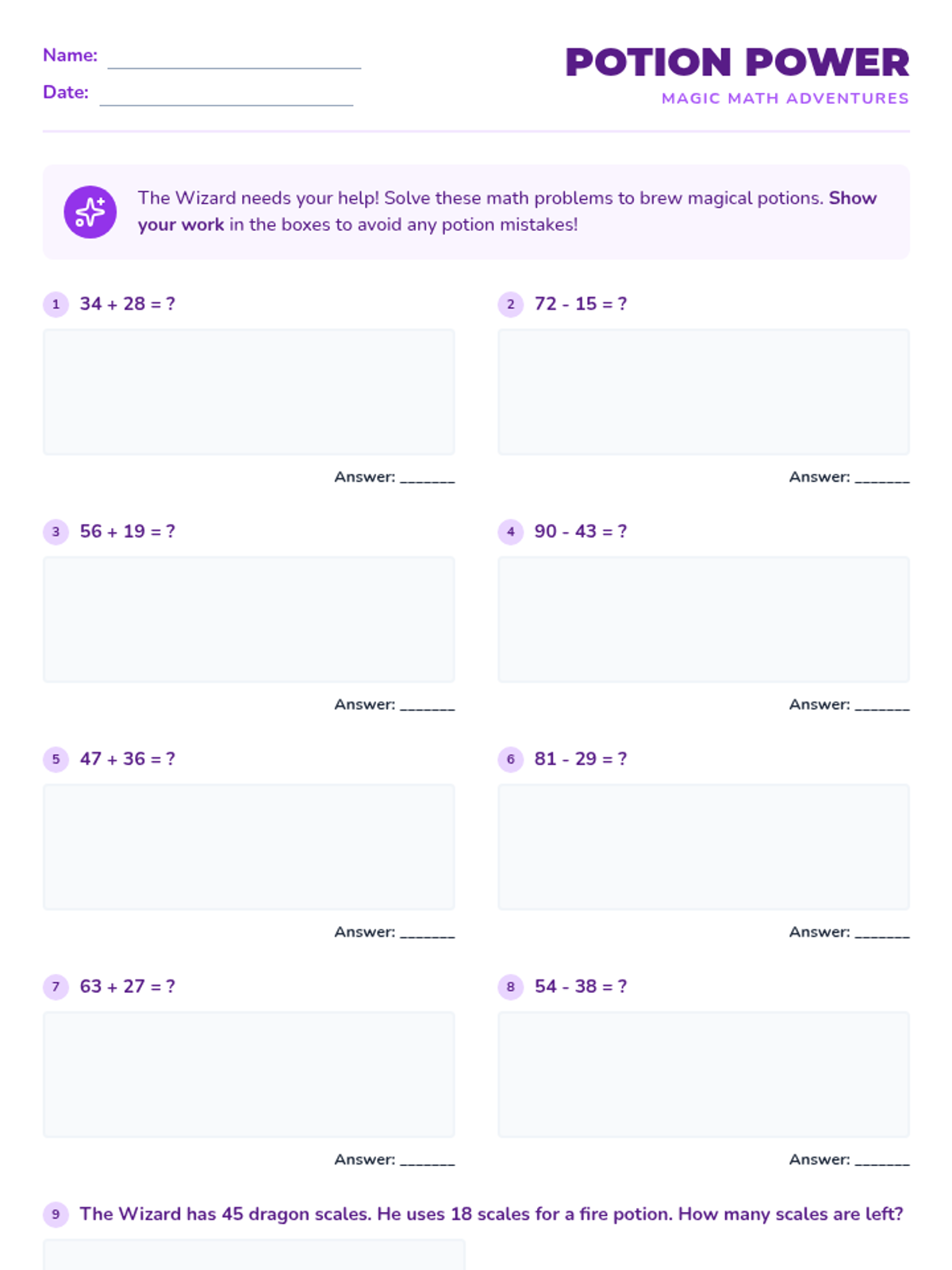
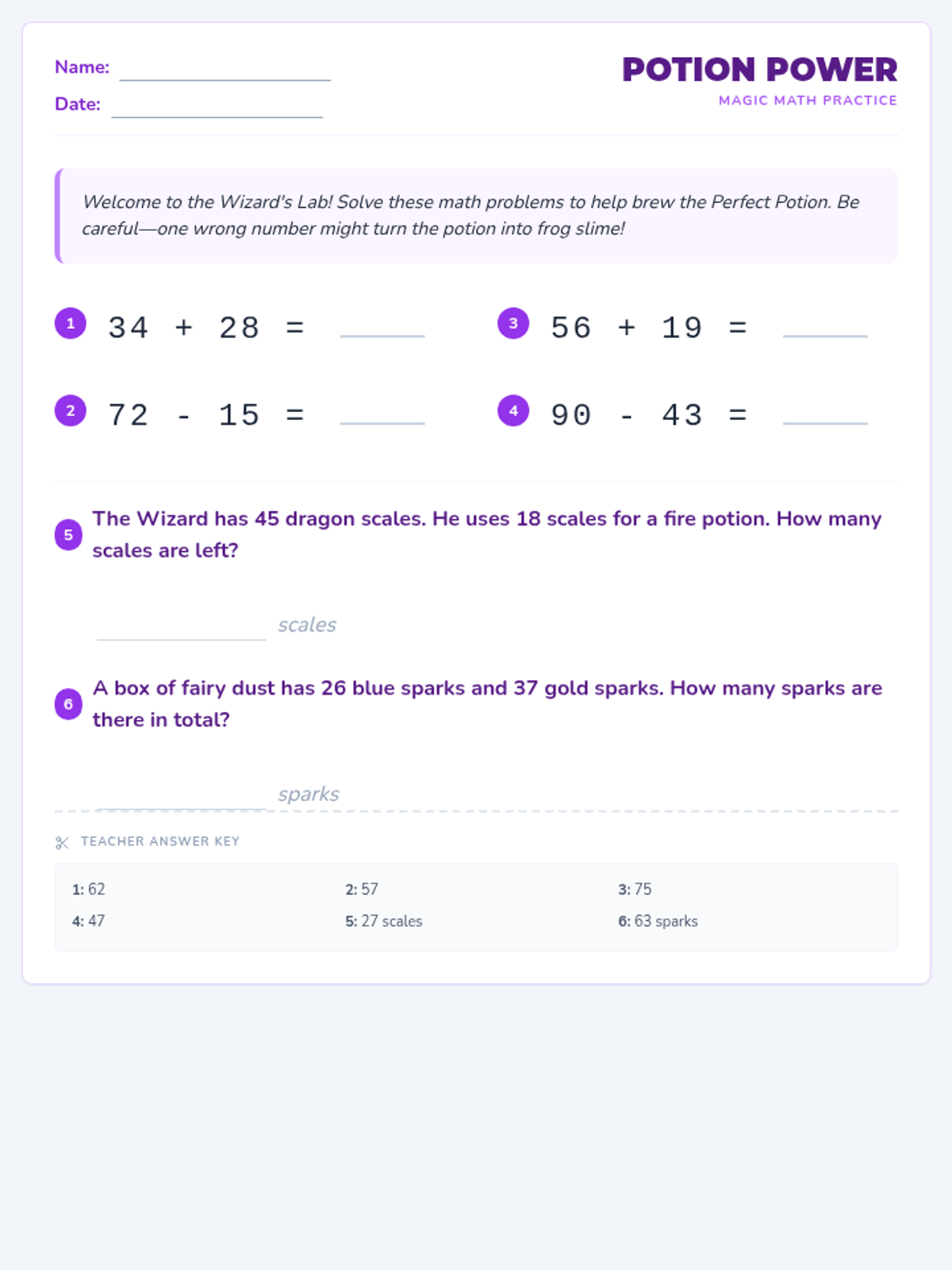
Fantasy-themed math practice for 2nd graders, focusing on addition, subtraction, and word problems in a magical setting.
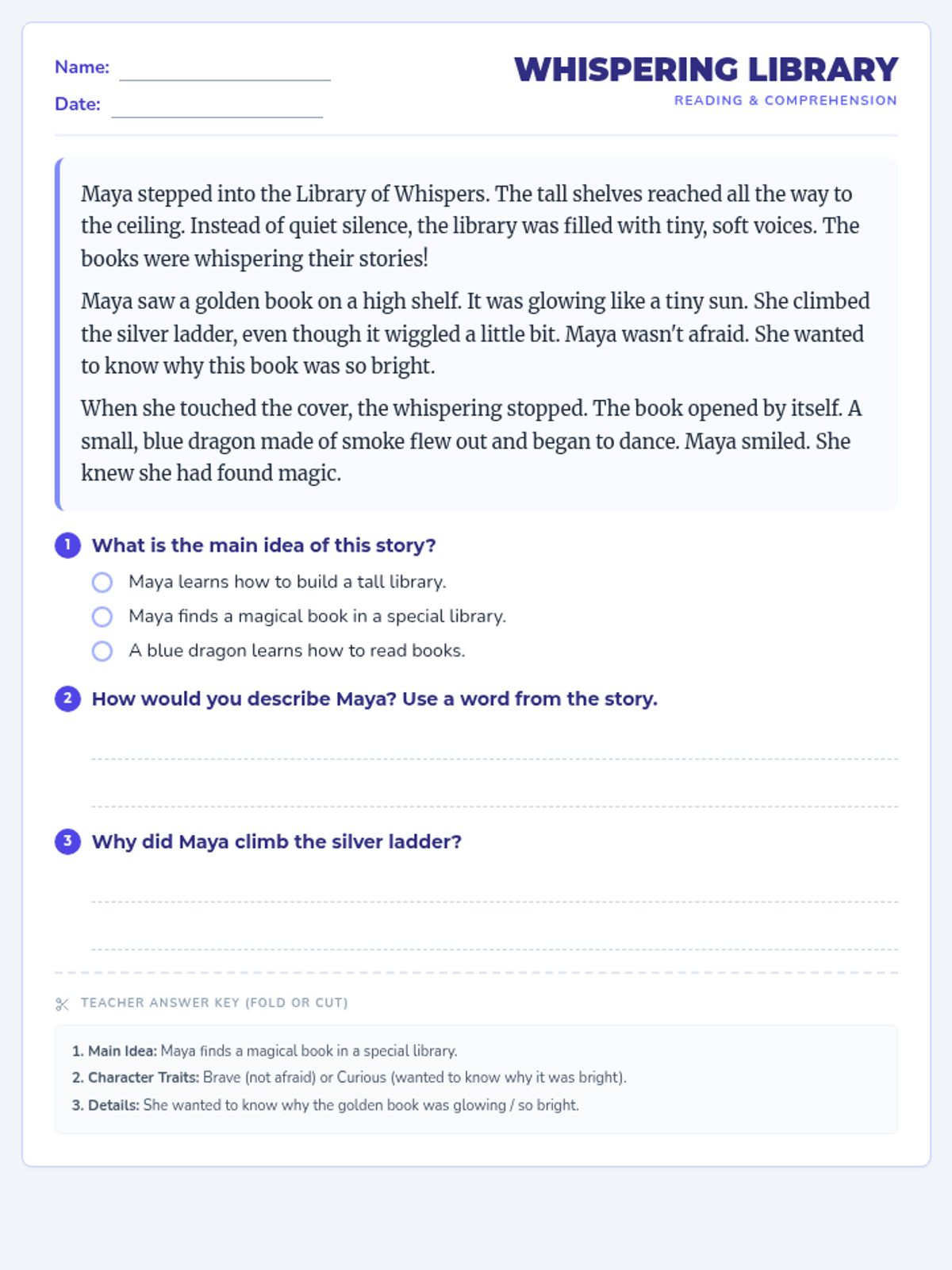
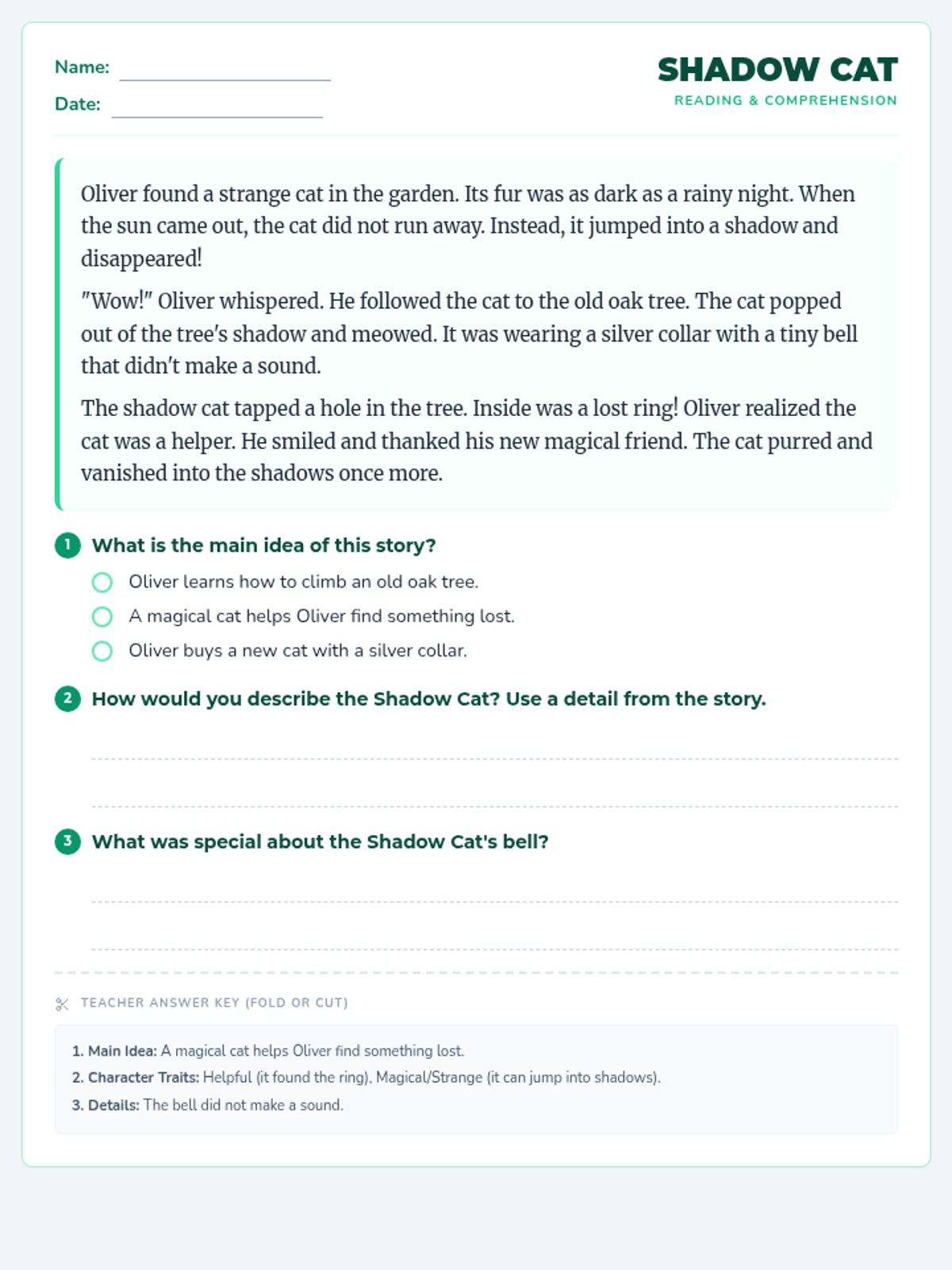
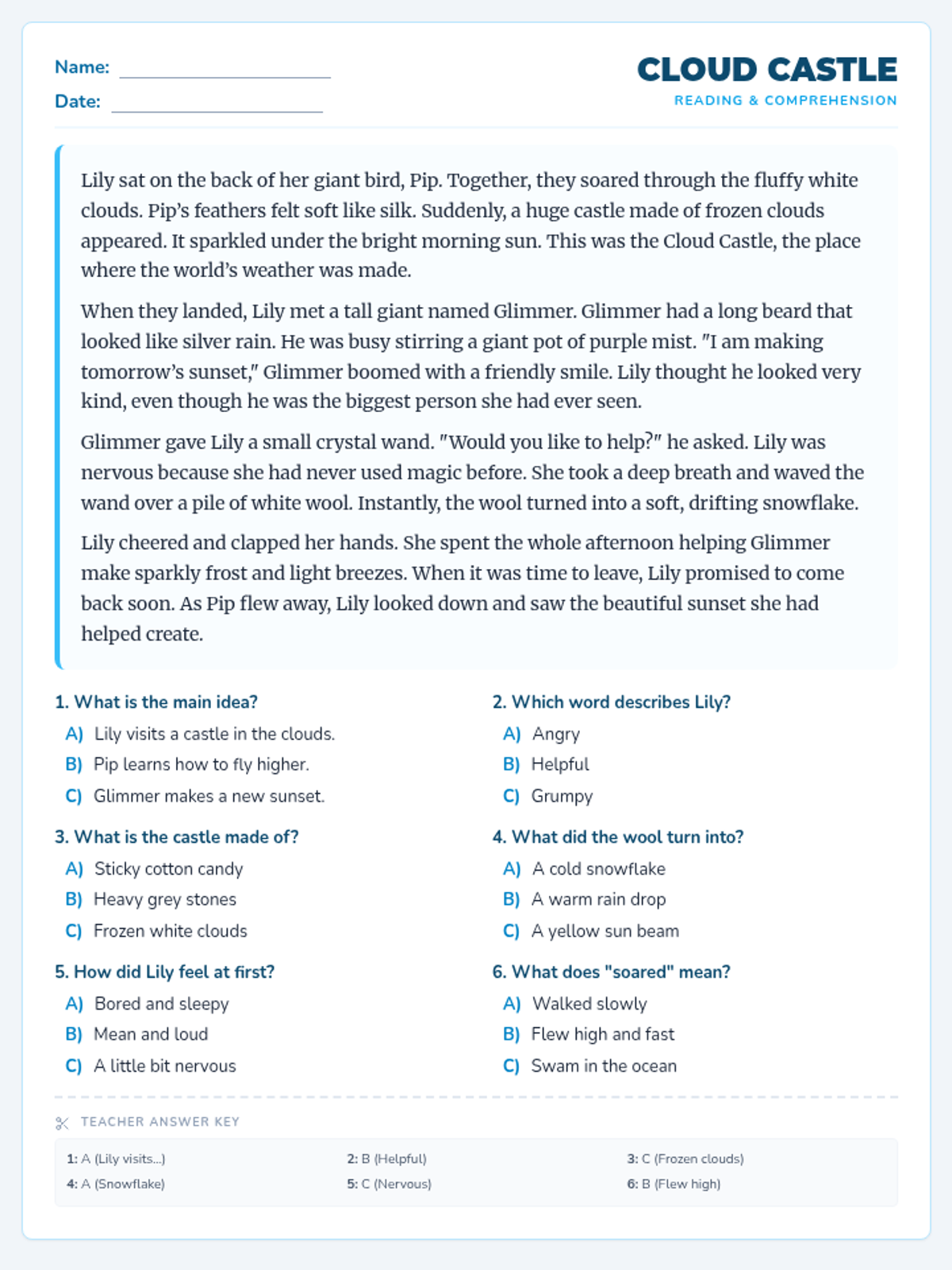
A collection of magical fantasy reading prompts designed for 2nd grade students to practice reading comprehension, main idea identification, and character trait analysis.
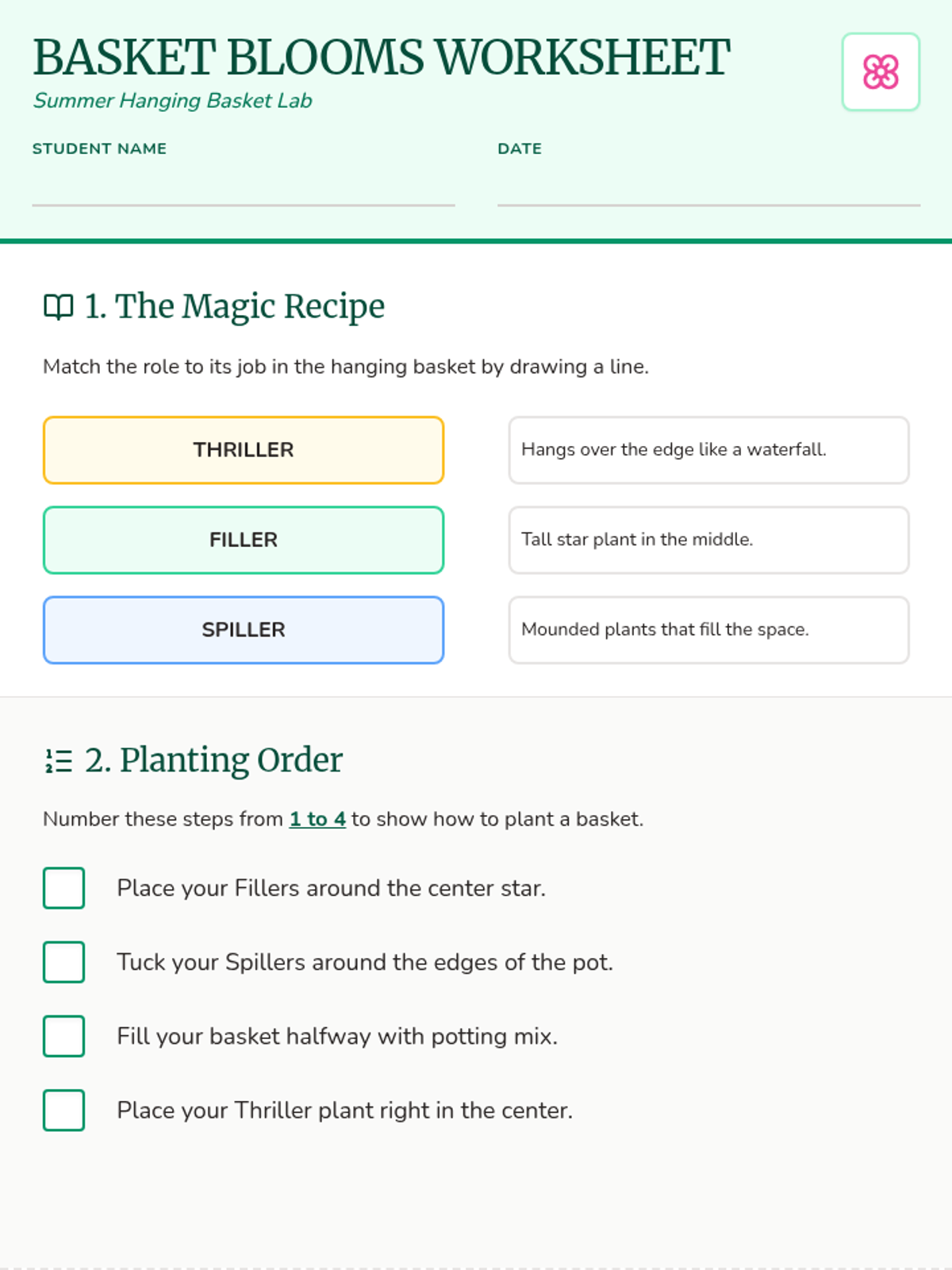
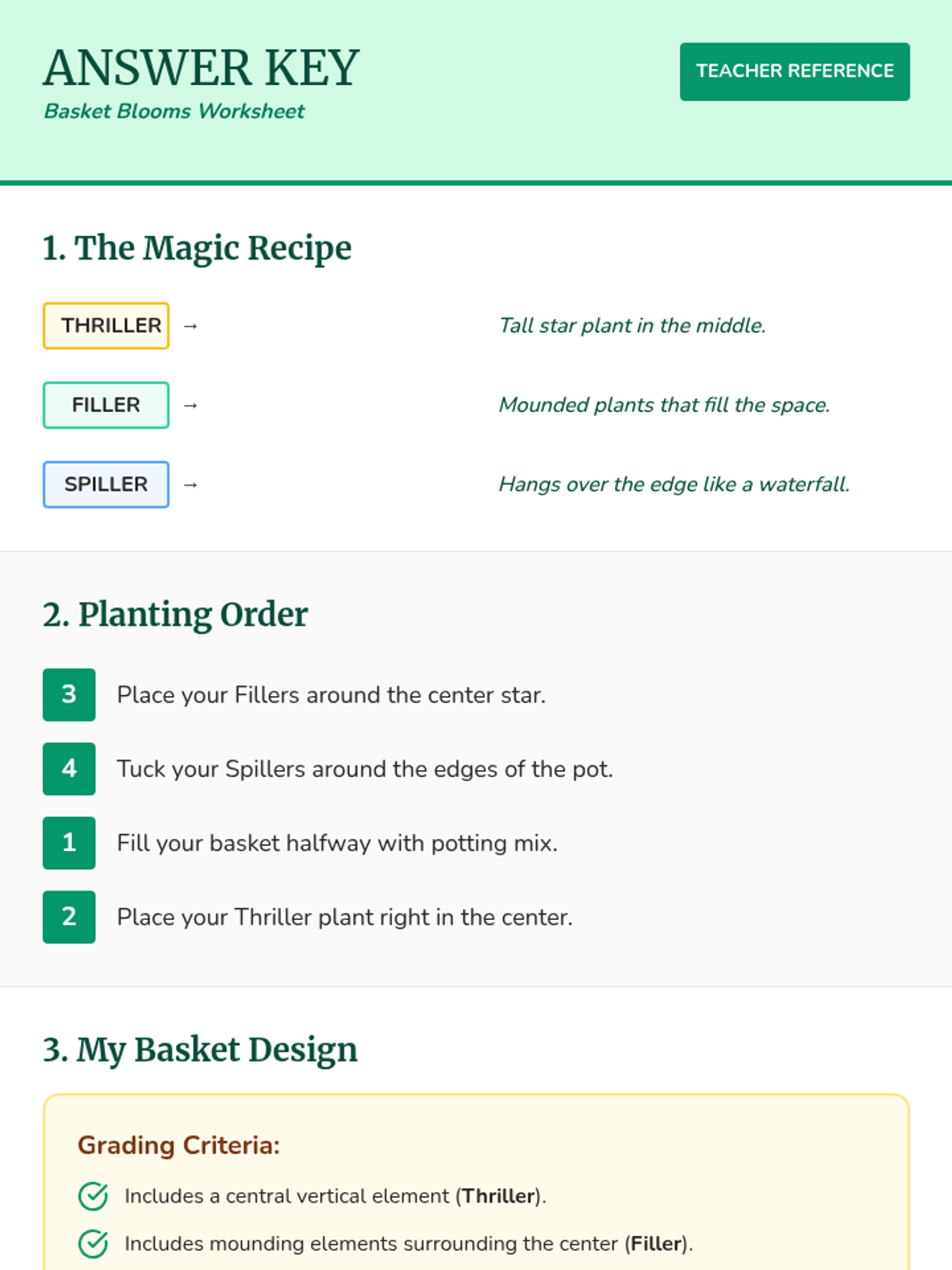
A hands-on lesson for elementary students on how to select plants and assemble a beautiful, healthy summer hanging basket using the 'Thriller, Filler, Spiller' method.
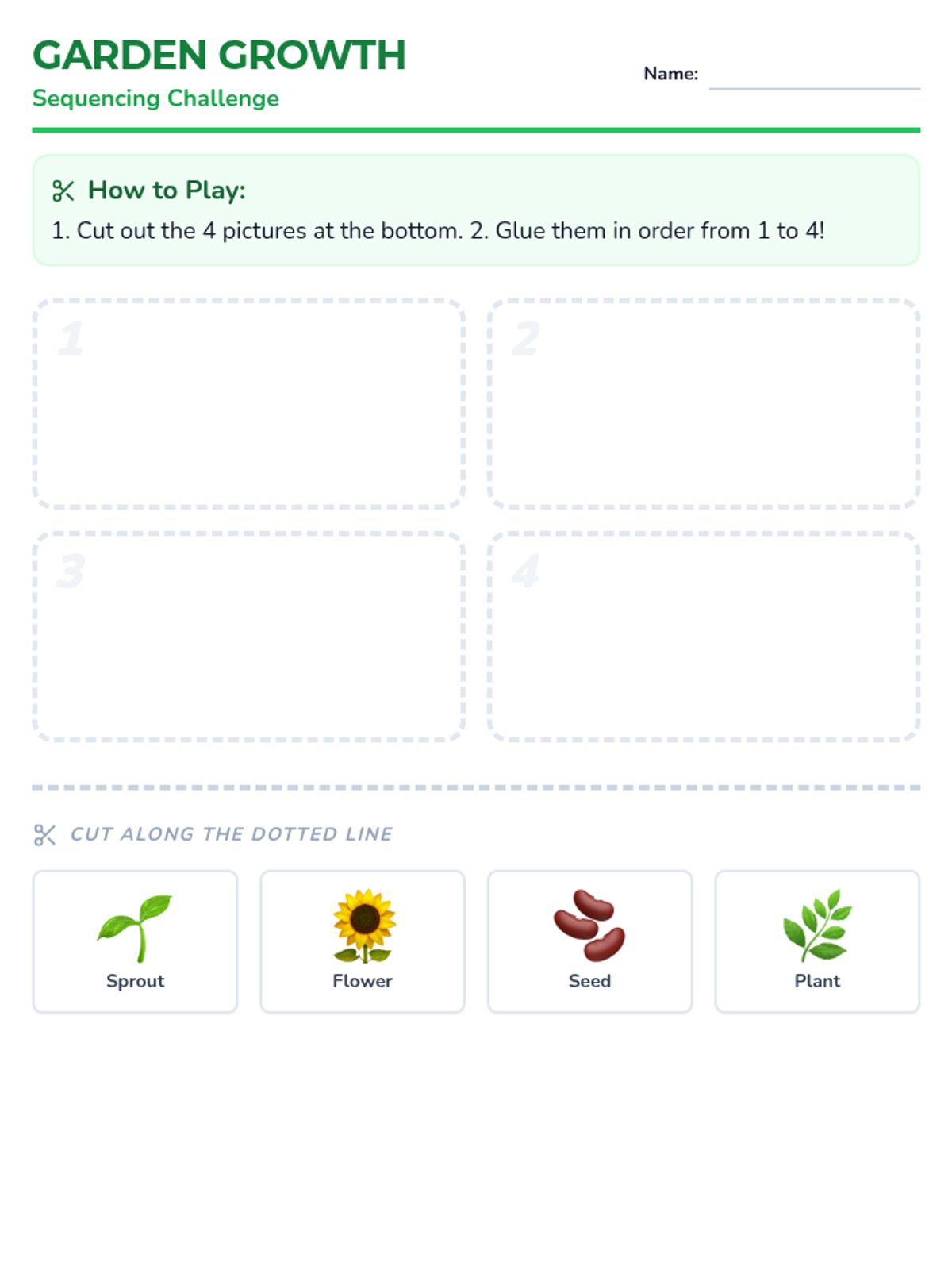
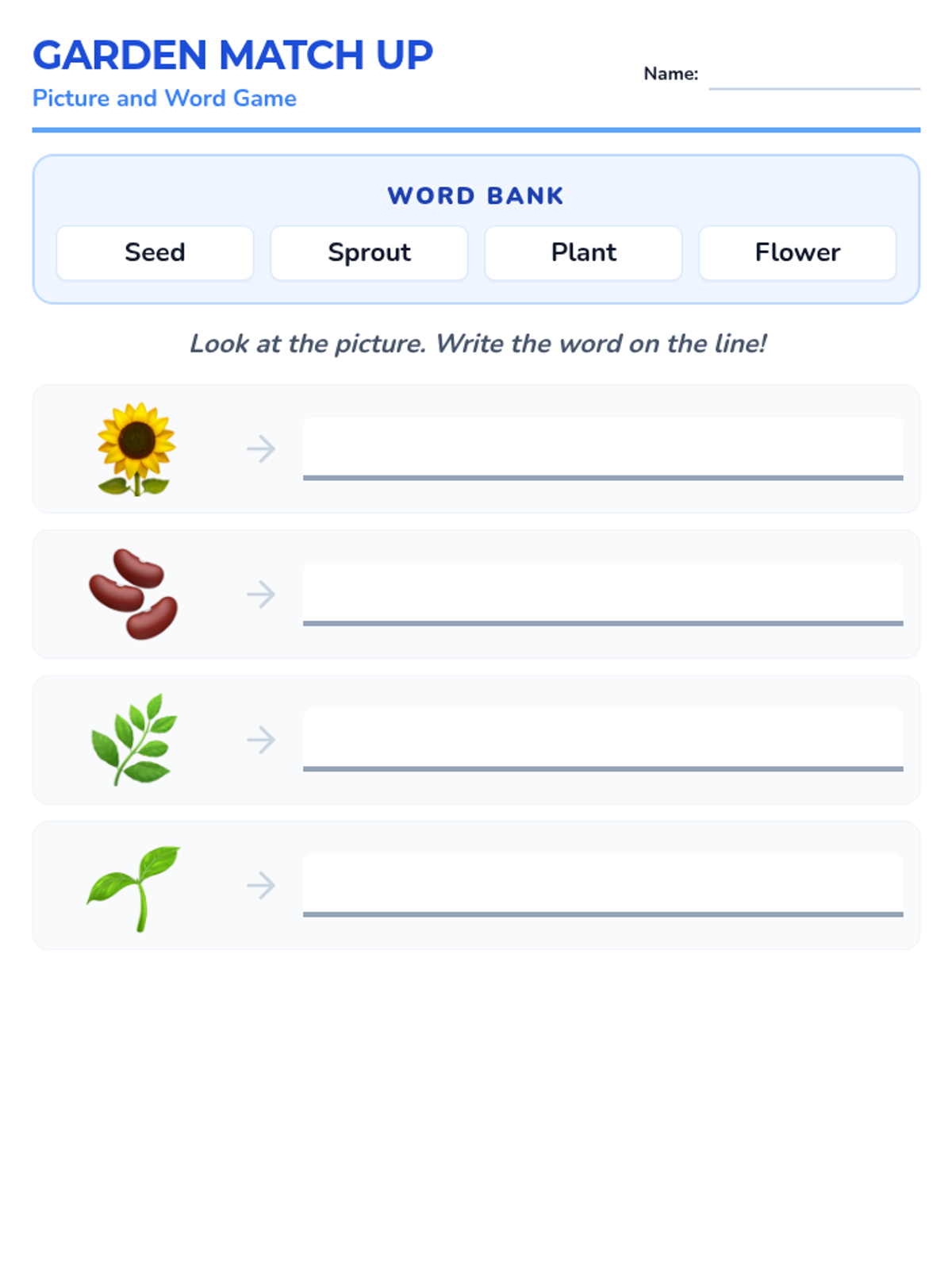
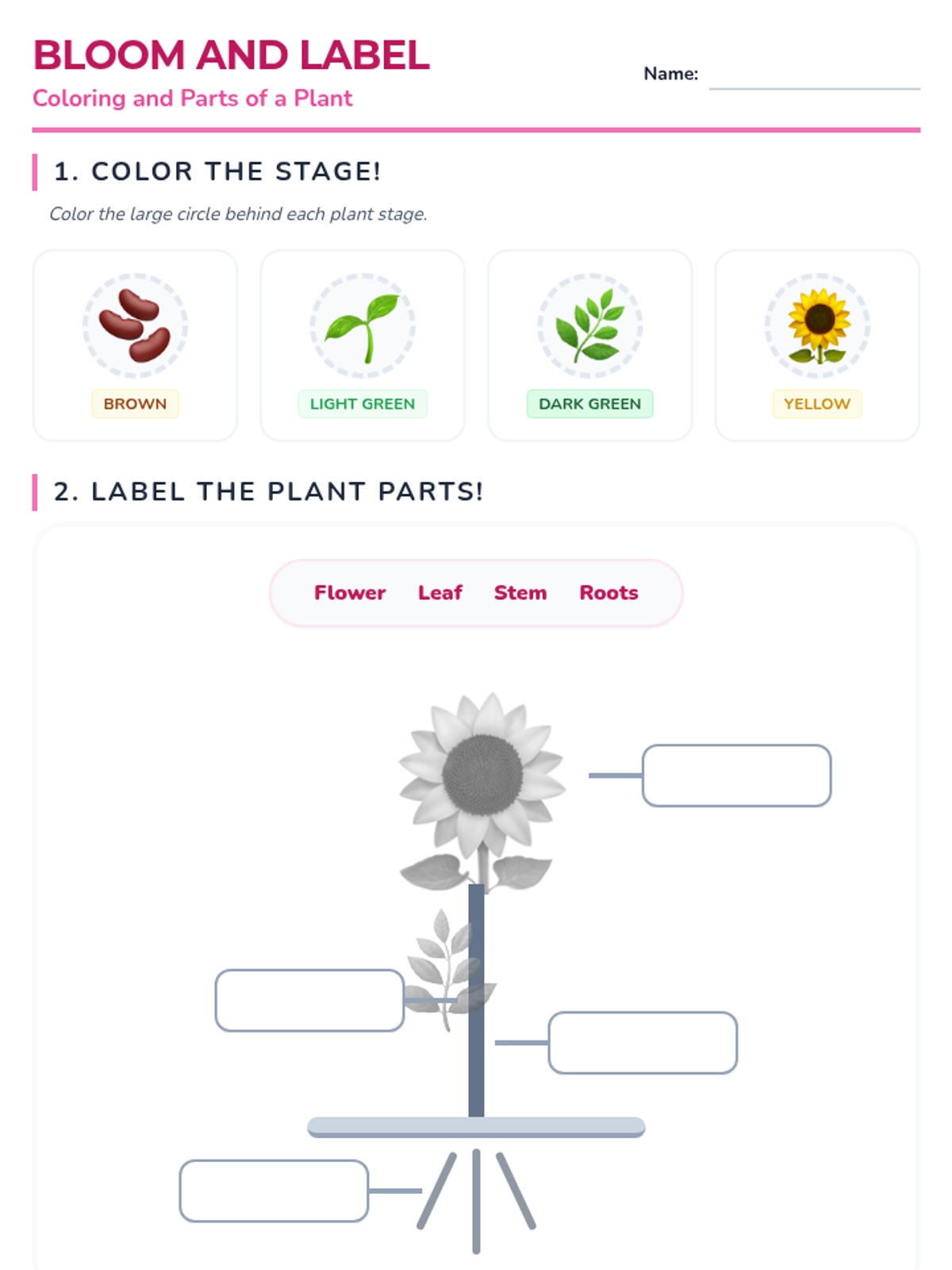
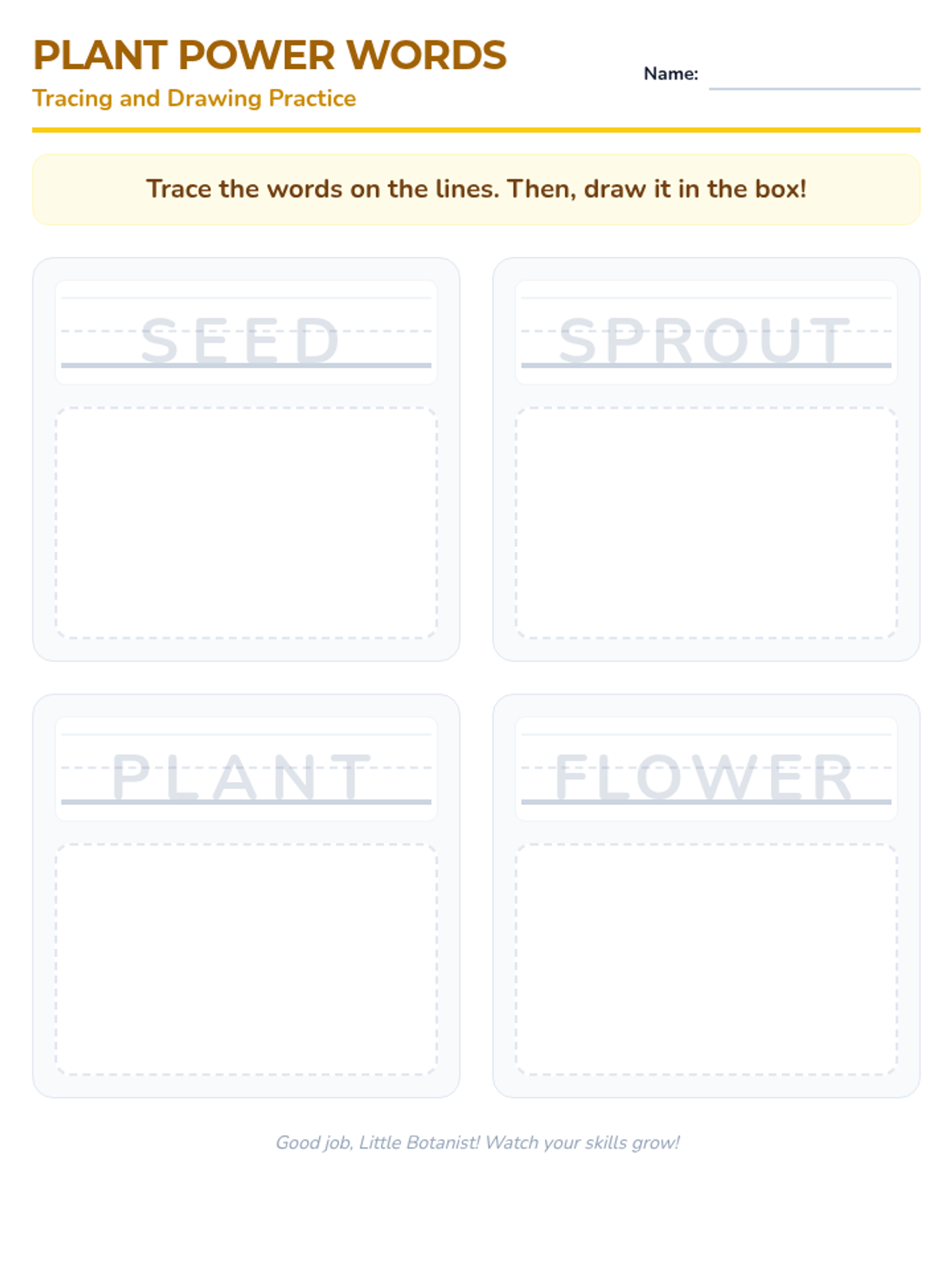
A simplified introduction to the plant life cycle for young learners, focusing on key stages: seed, sprout, plant, and flower. These materials use large fonts, clear visuals, and interactive activities modified for a 1st-2nd grade level.
The final mission involves assessing environmental damage caused by humans and predicting the long-term effects on the ecological grid.
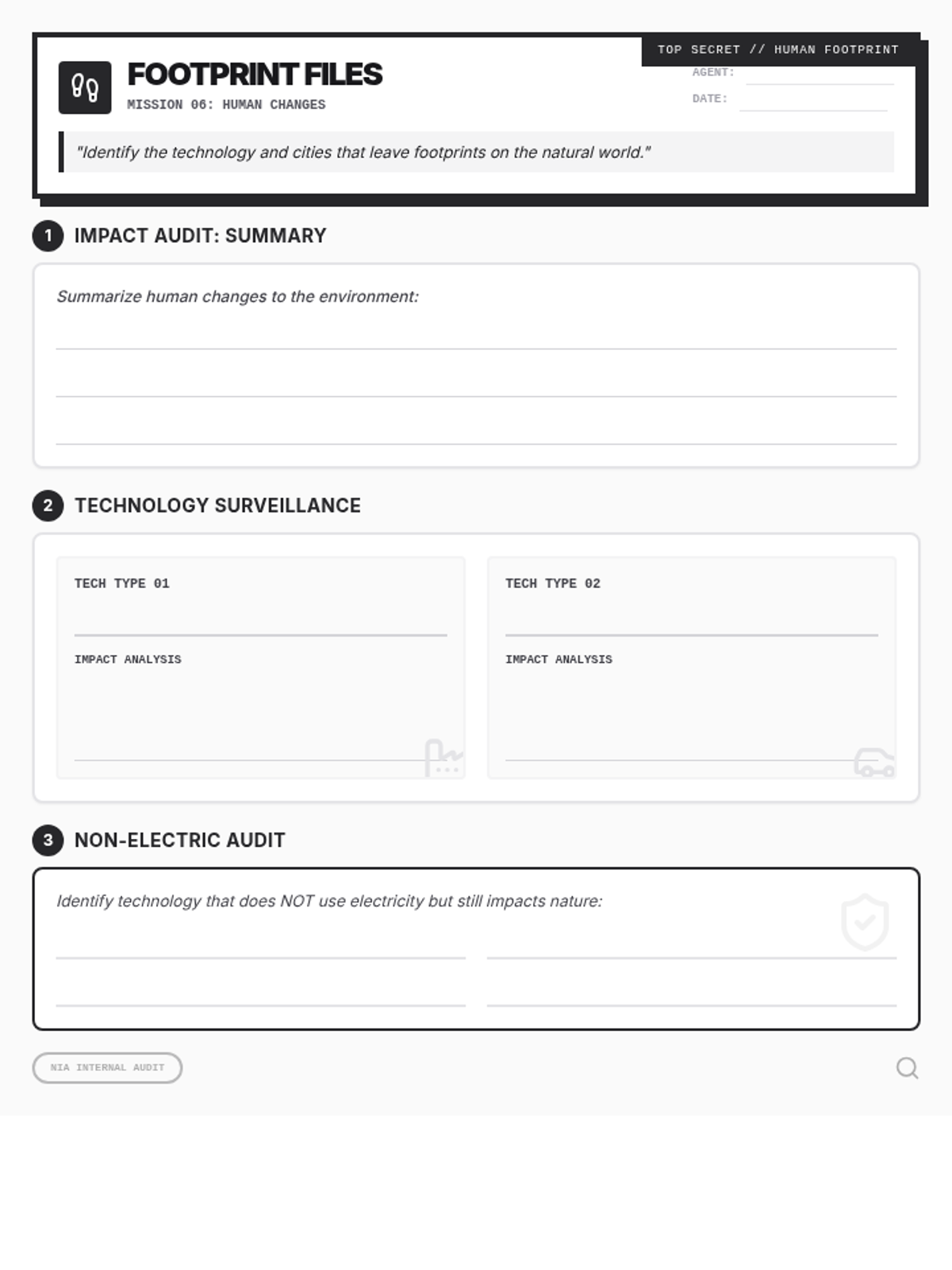
Detectives investigate the impact of human technology and daily habits on the surrounding environment.
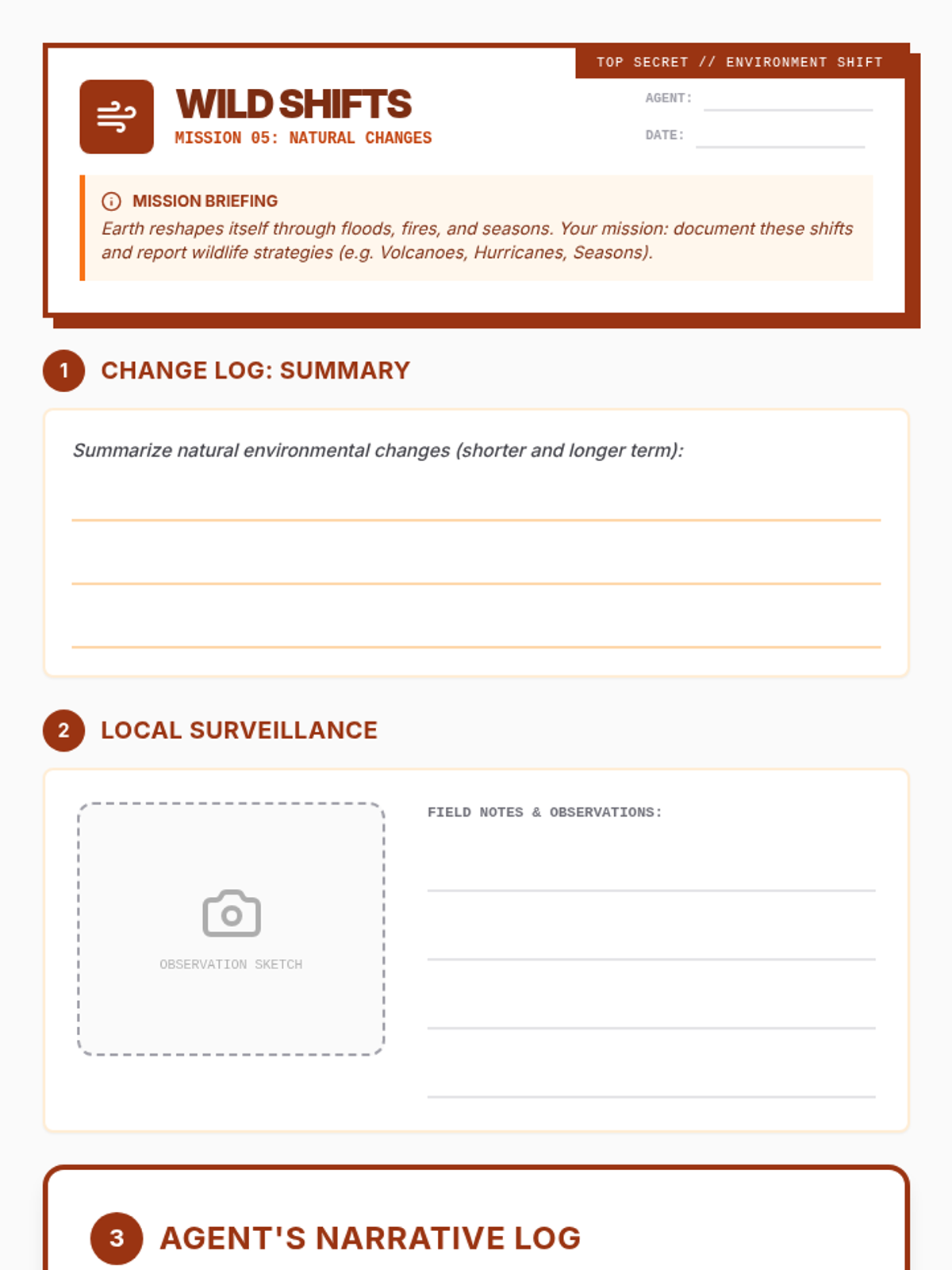
Agents document natural environmental shifts and create creative intelligence reports on how these changes impact local food webs.
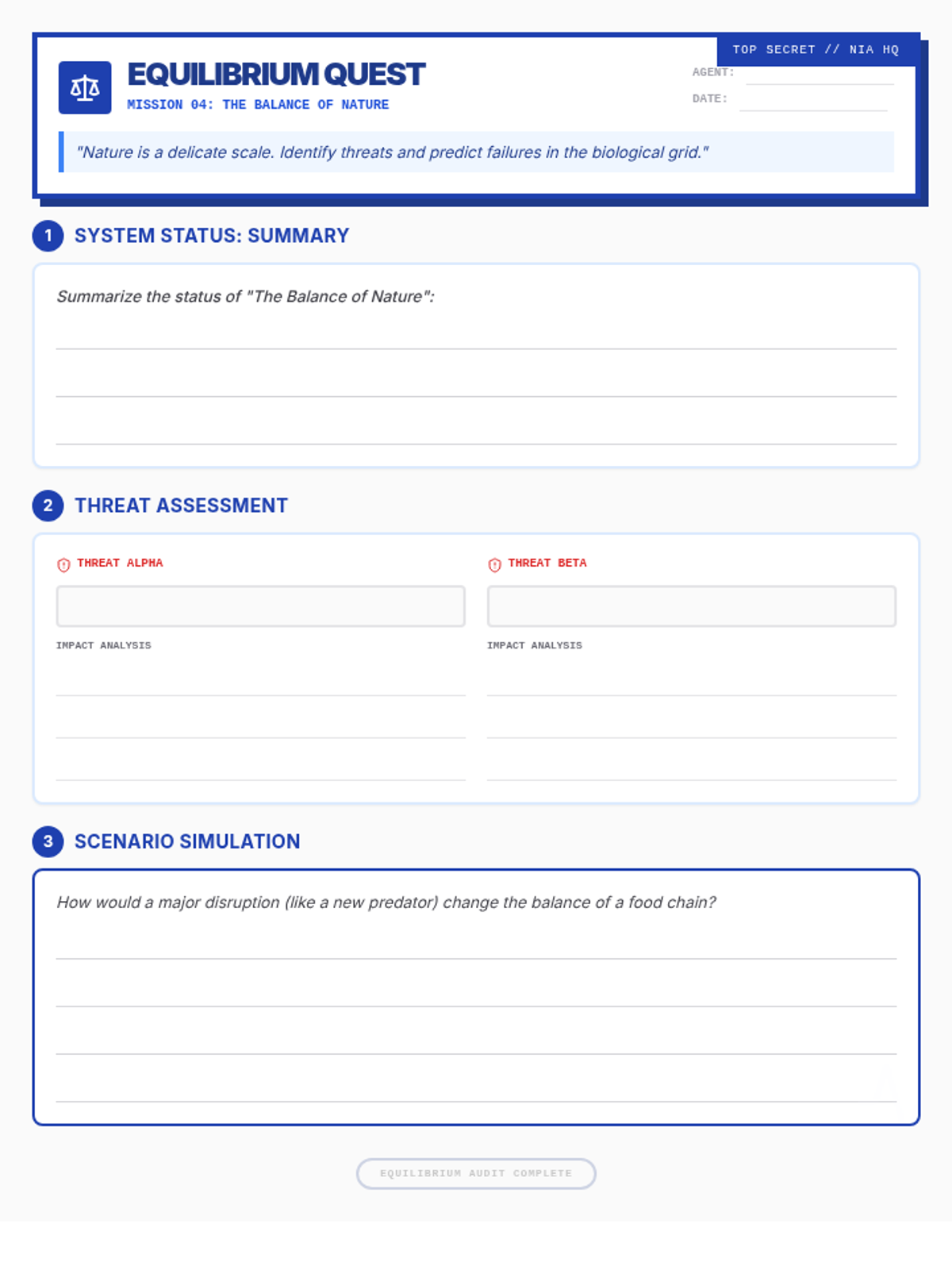
Detectives analyze how ecosystems maintain equilibrium and identify factors that could destabilize the natural order.
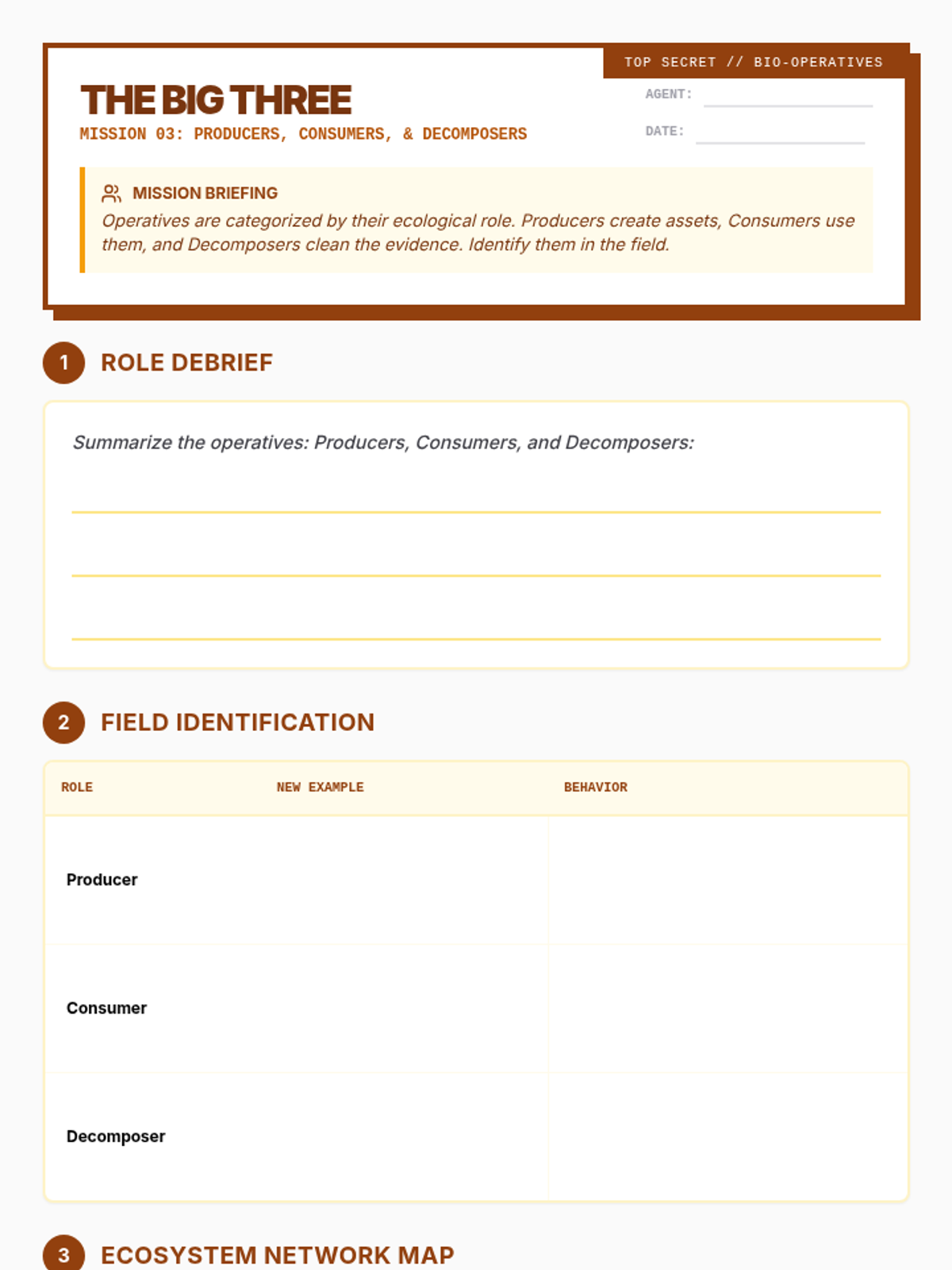
Agents classify the roles of producers, consumers, and decomposers within the ecosystem to map out complex biological relationships.
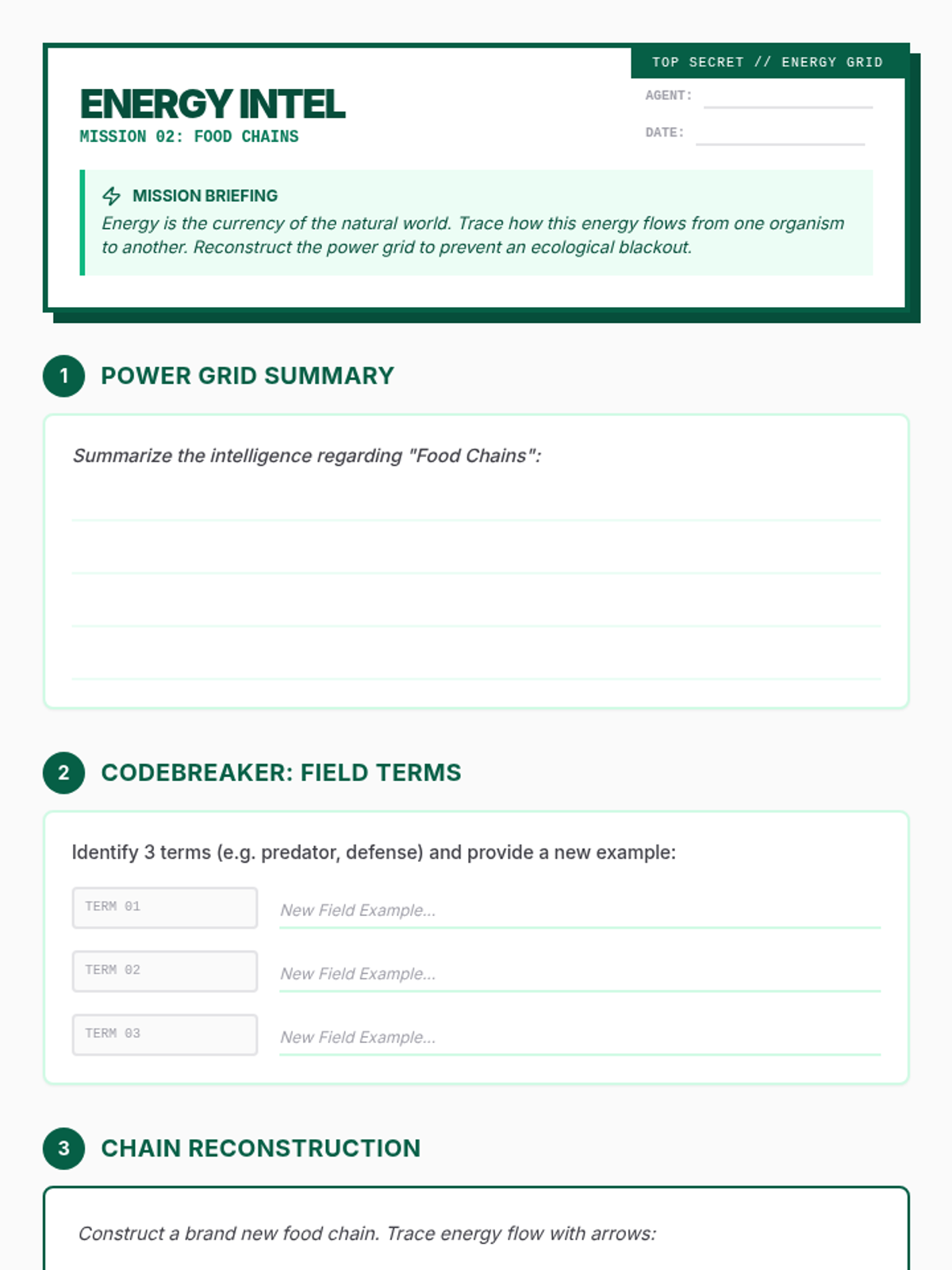
Agents track the flow of energy through ecosystems by decoding food chain terminology and constructing new energy links.
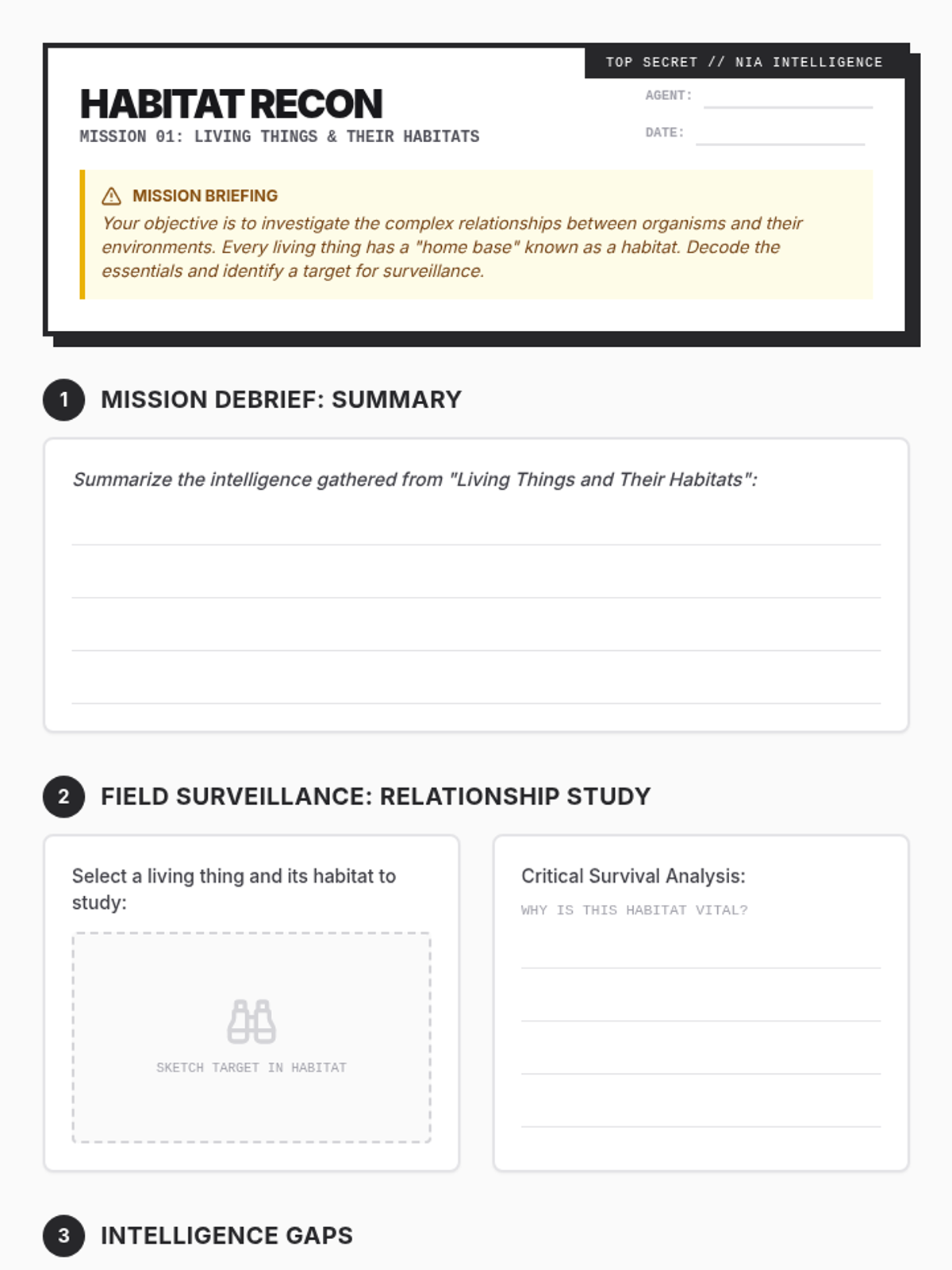
Eco-Detectives investigate how living things interact with their habitats and identify key research questions for the agency.
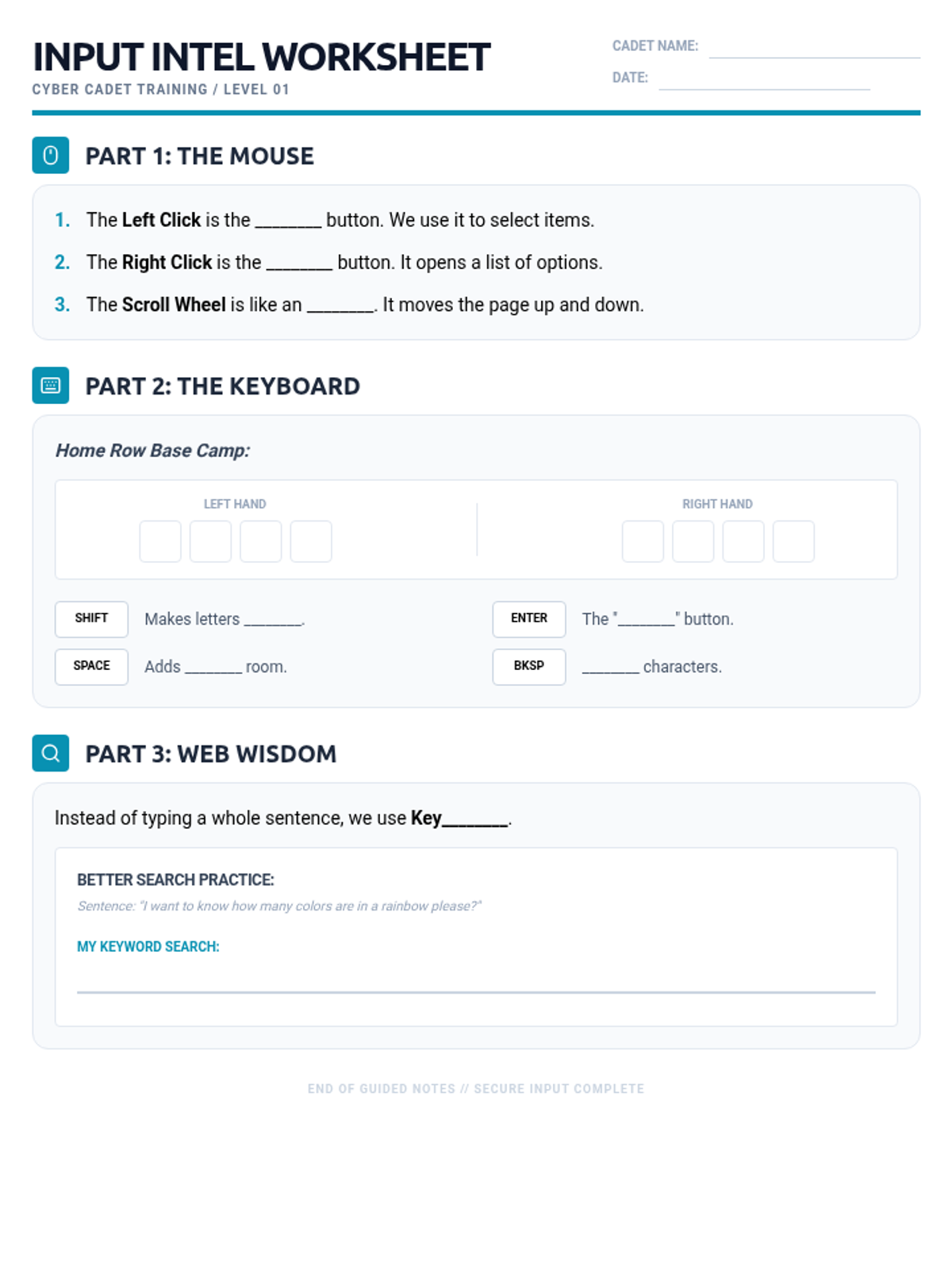
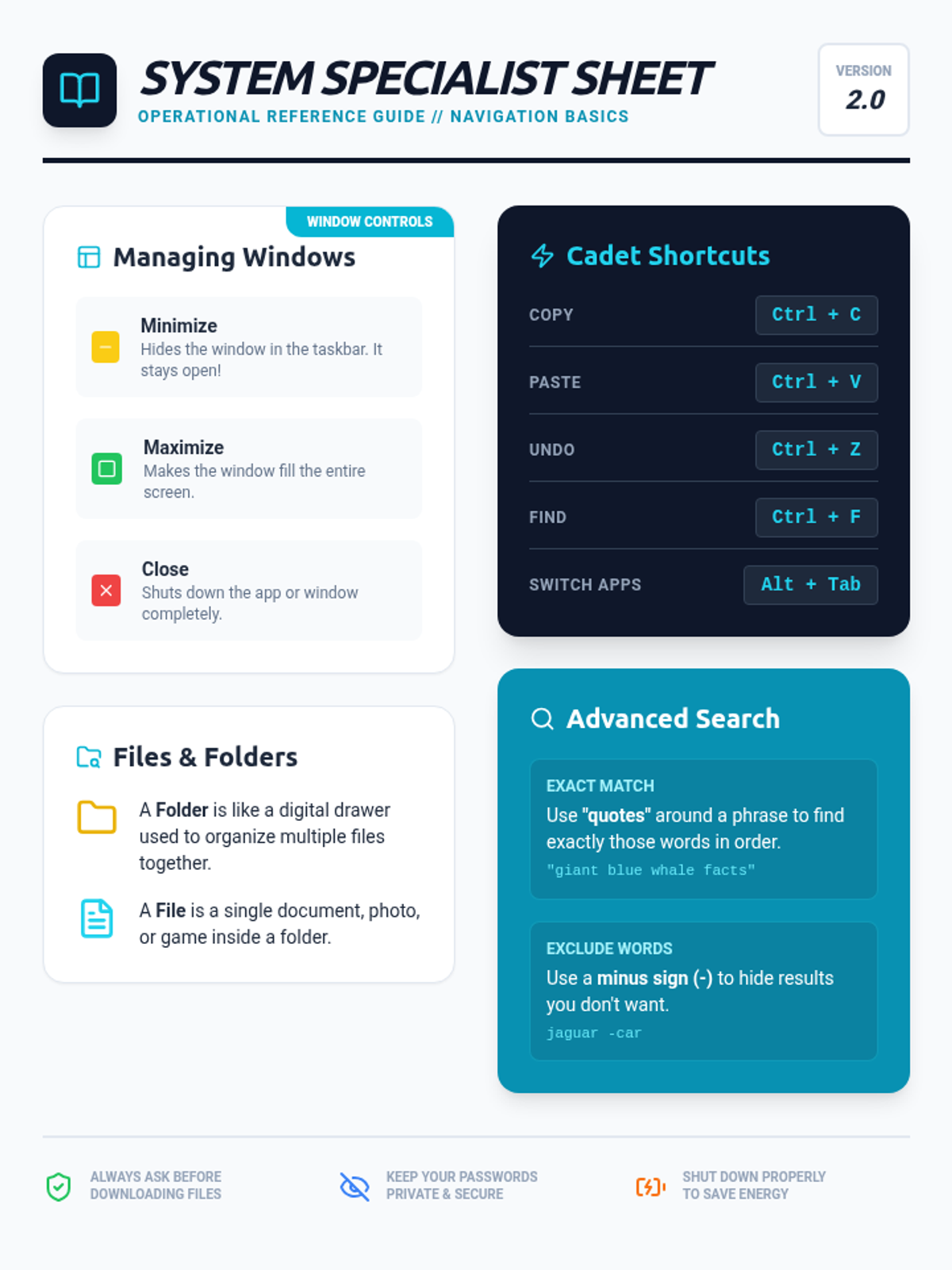
A comprehensive introduction to computer hardware interaction, operating system navigation, and effective web searching strategies for young learners.
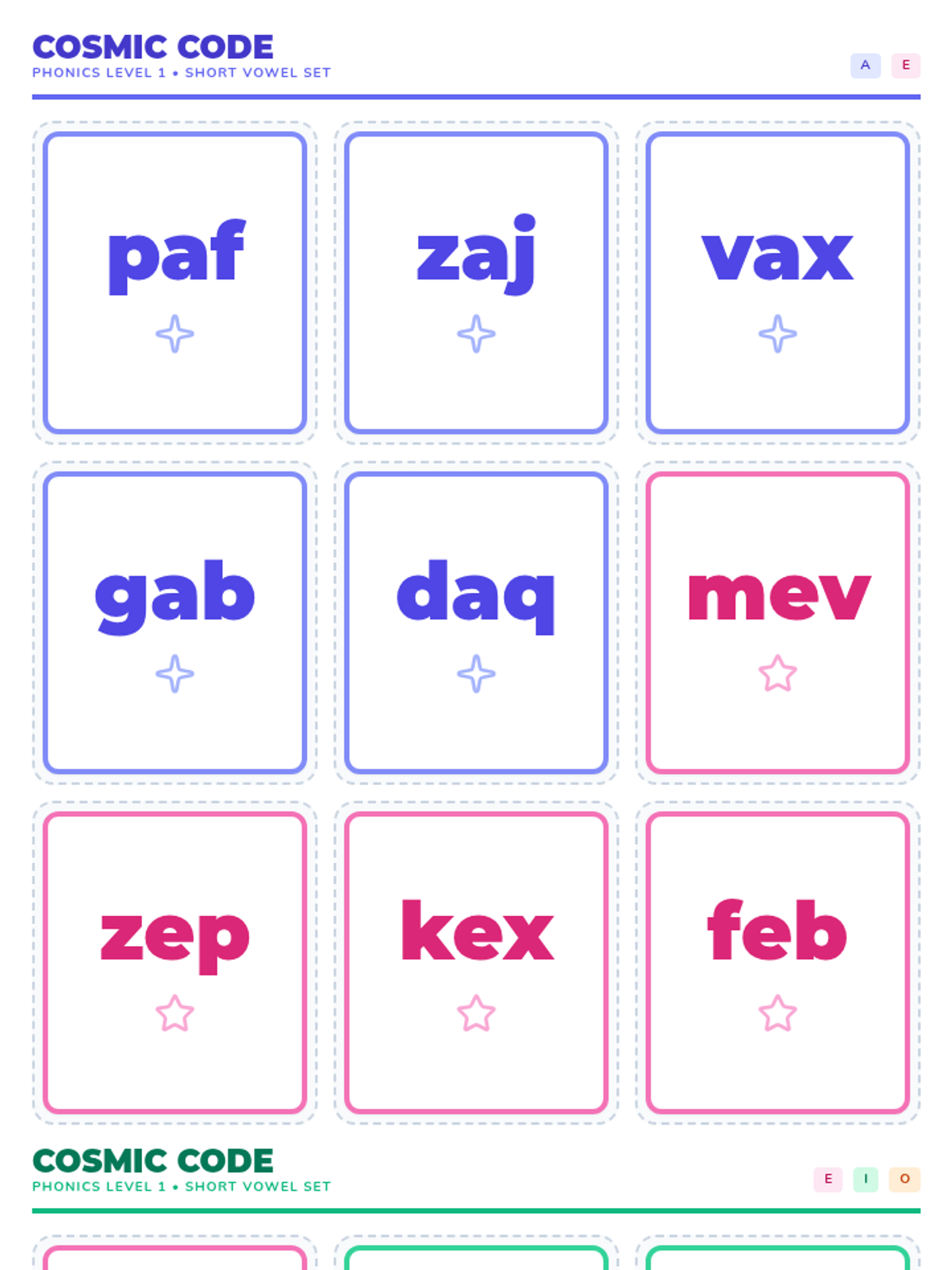
A collection of resources focused on decoding CVC nonsense words using an alien-themed narrative. Students practice phonics skills by "translating" extraterrestrial languages.
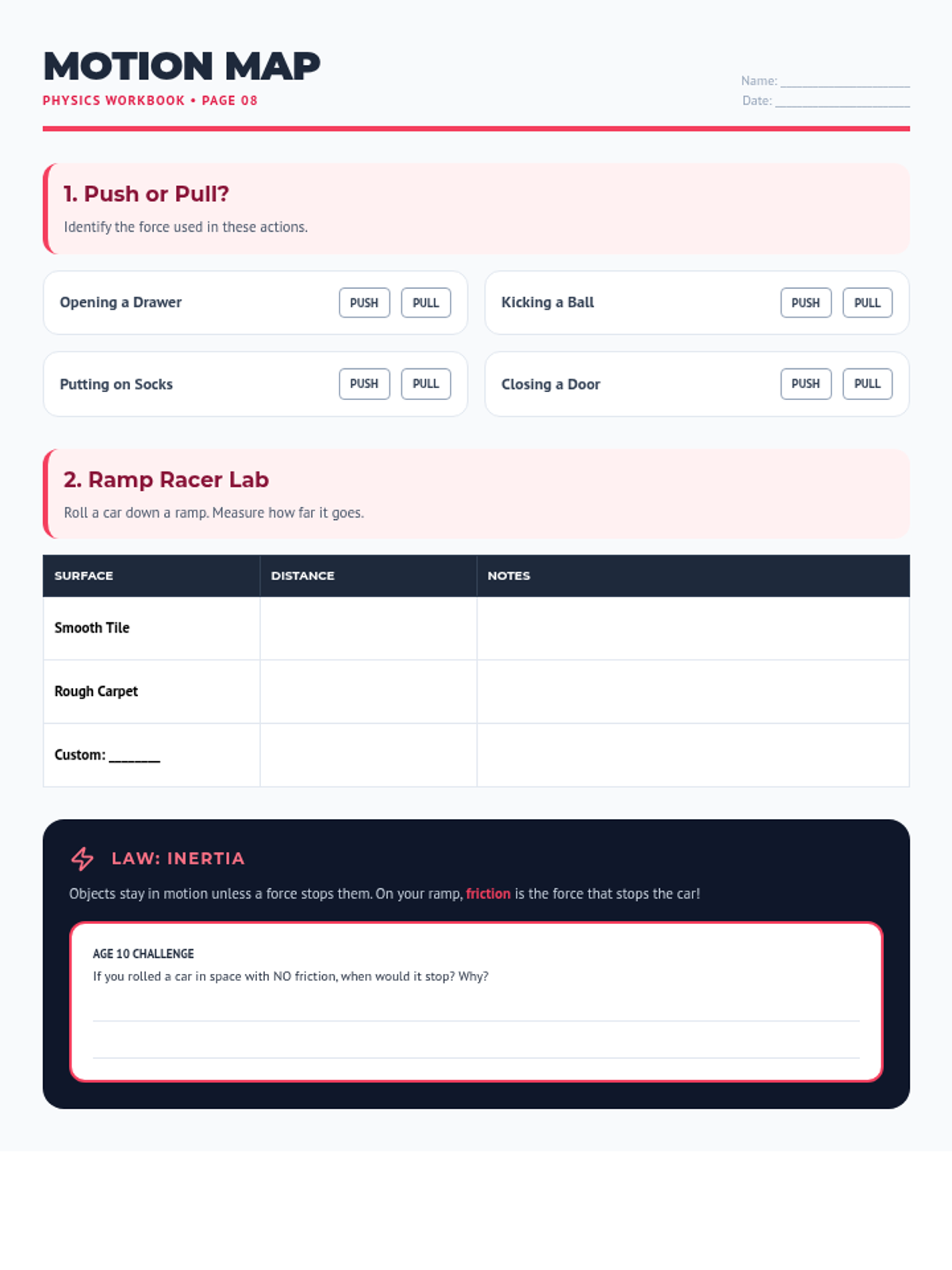
A study of kinetic energy and inertia using simple household objects and inclined planes.
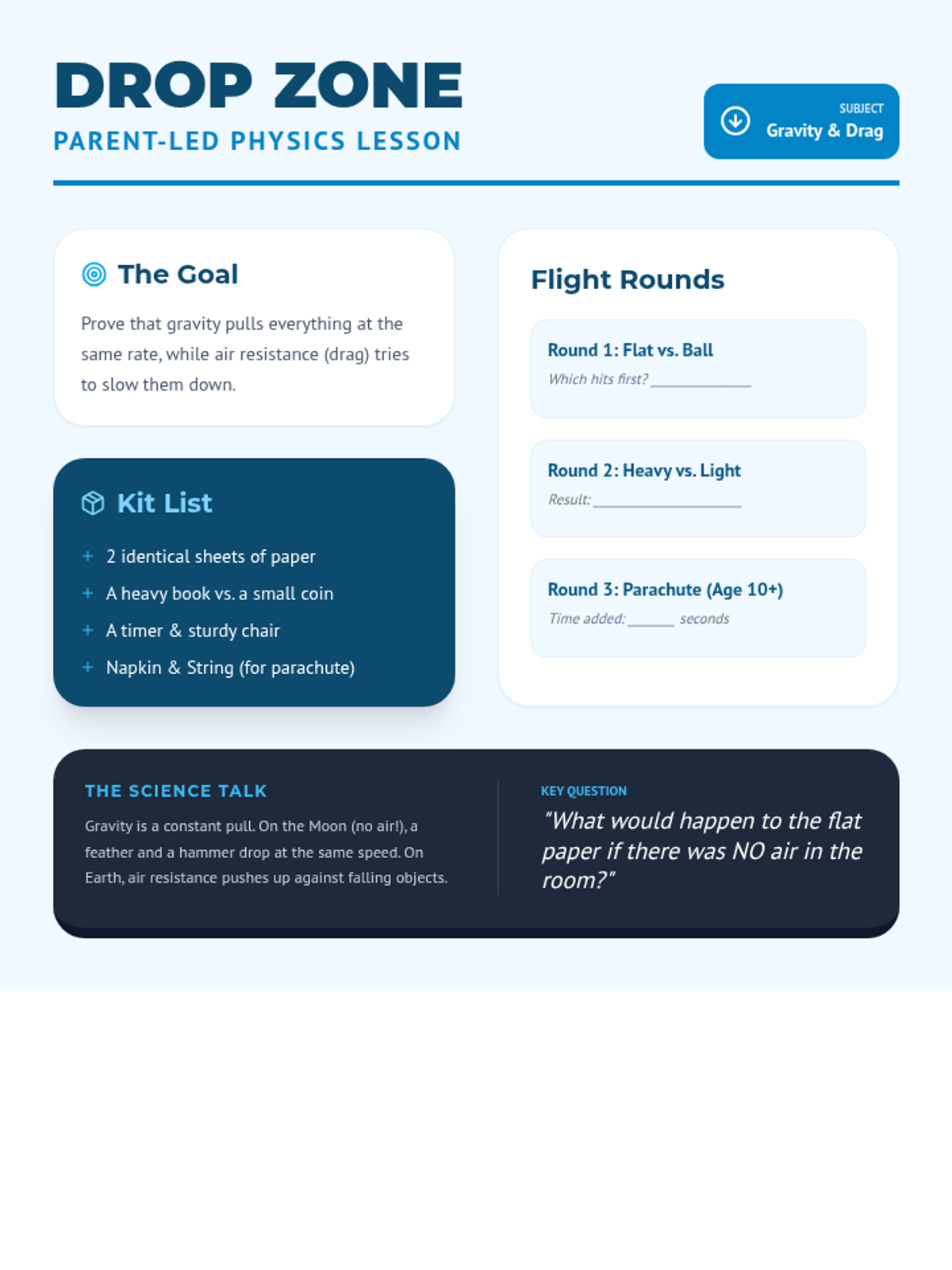
An exploration of gravity and air resistance through a controlled drop experiment.
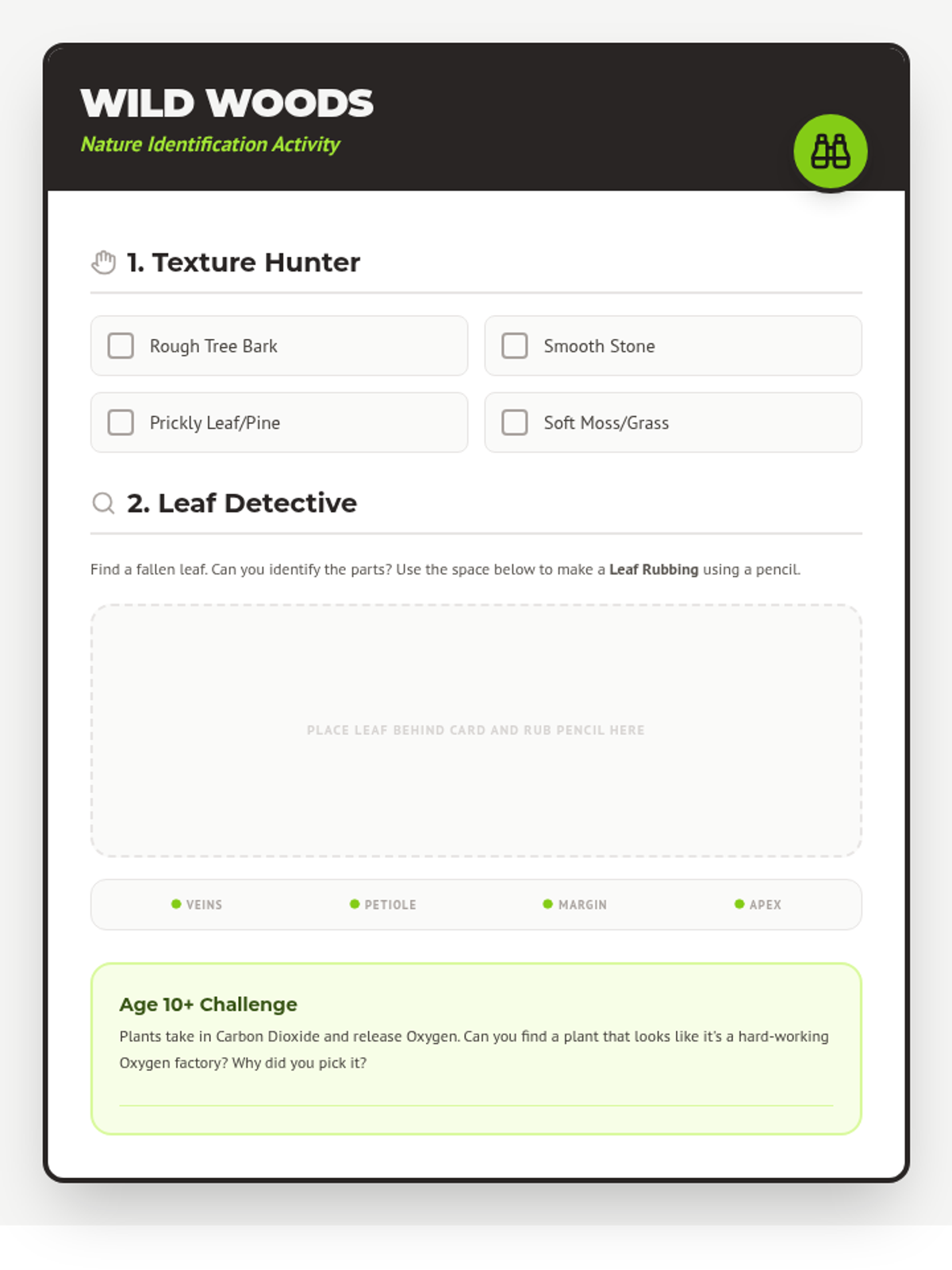
A nature-focused scavenger hunt designed to teach identification and observation skills.
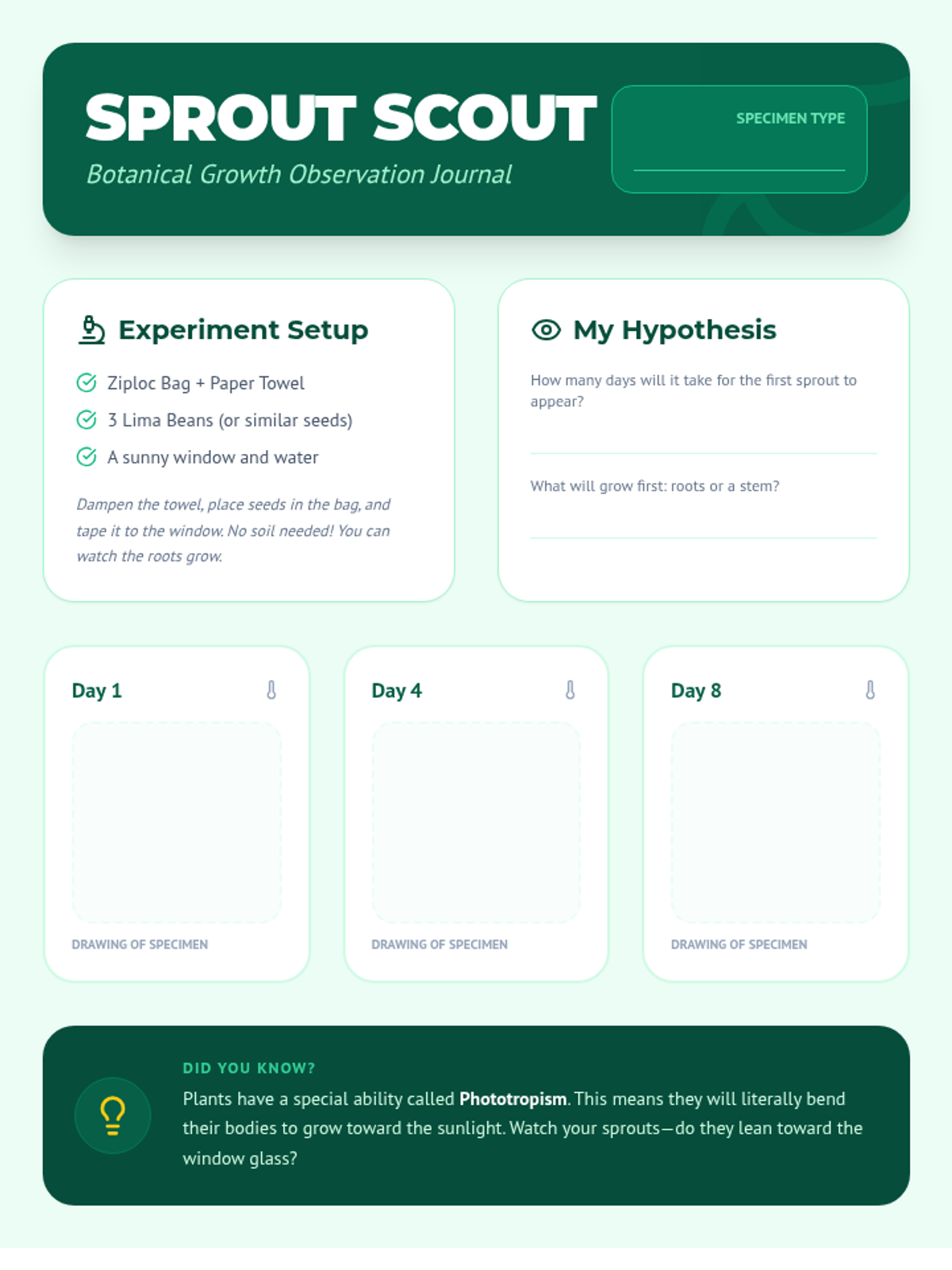
A botanical experiment focused on tracking the germination and early growth of seeds.
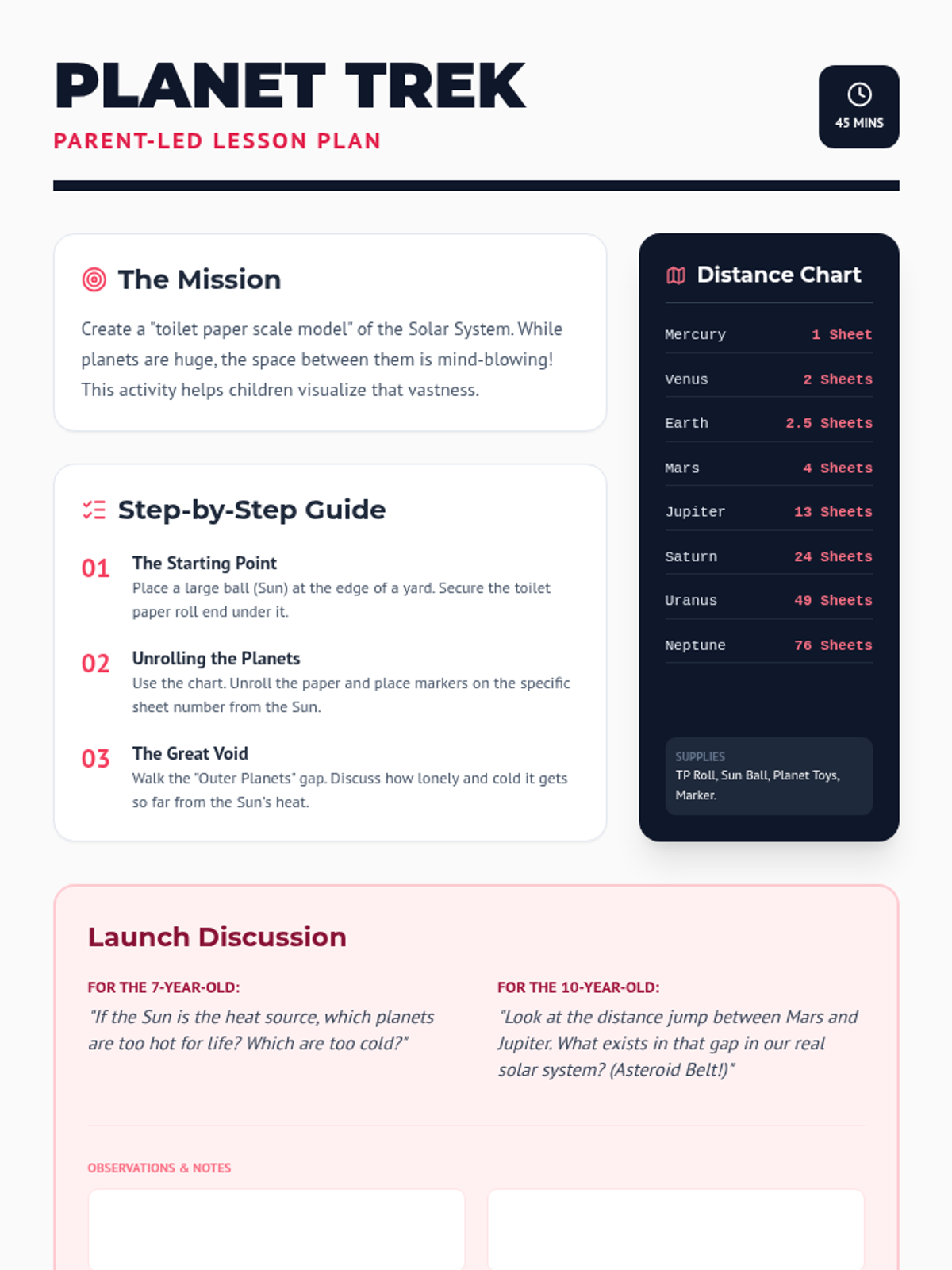
A scale-model activity to visualize the vast distances between planets in our solar system.
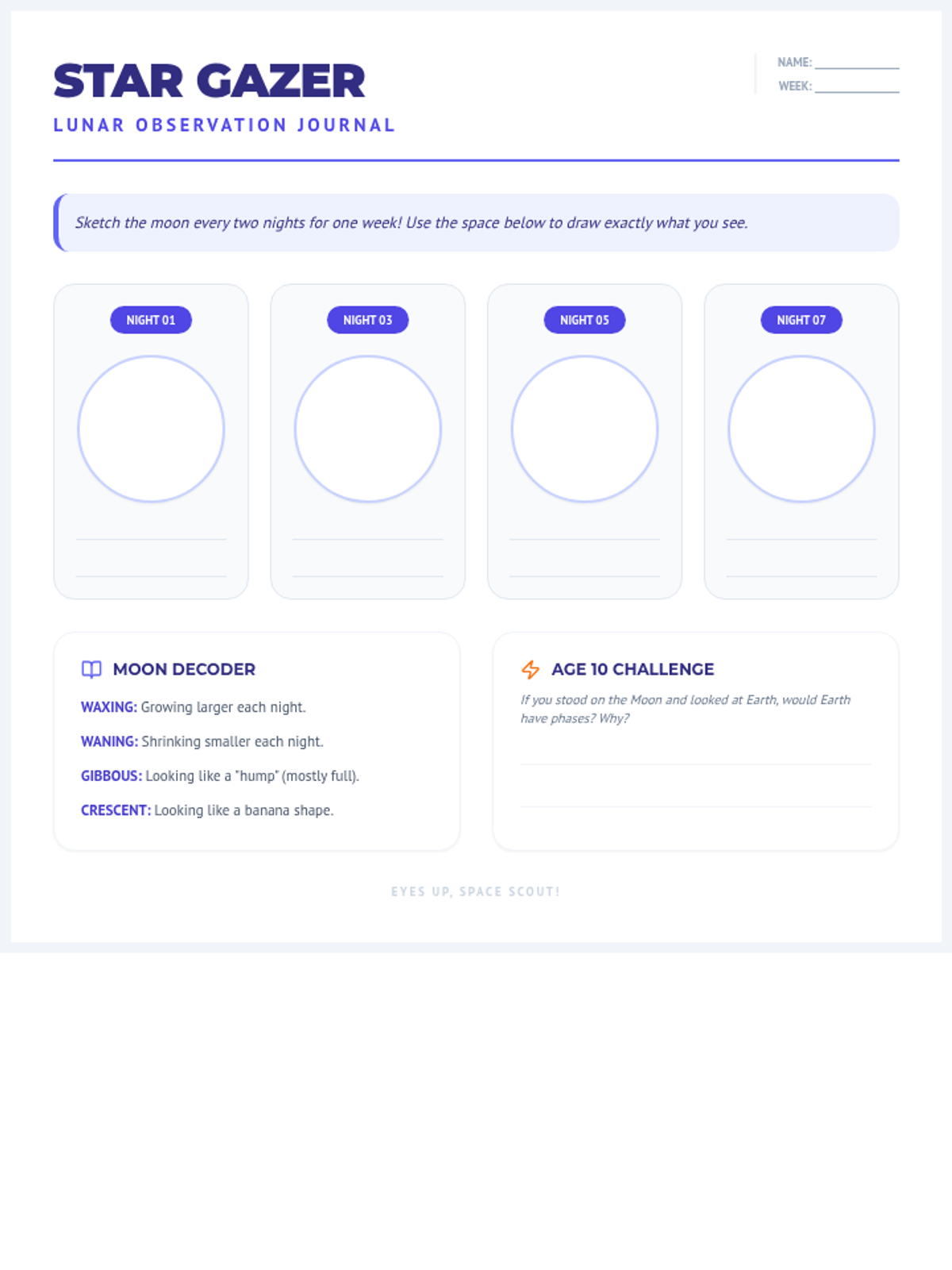
A week-long tracking activity to observe and record the changing phases of the moon.
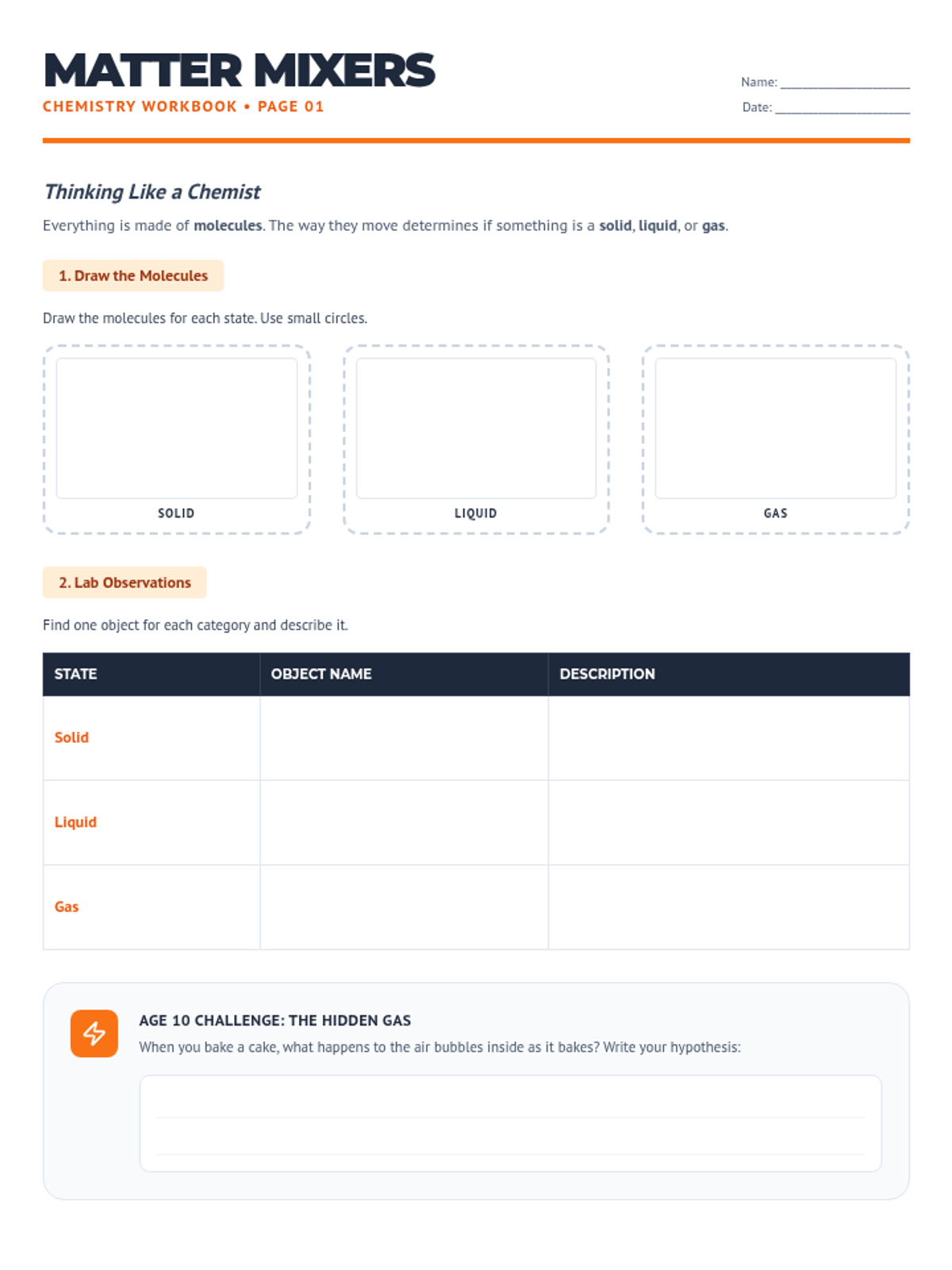
An investigation into the states of matter and how molecules behave in different environments.
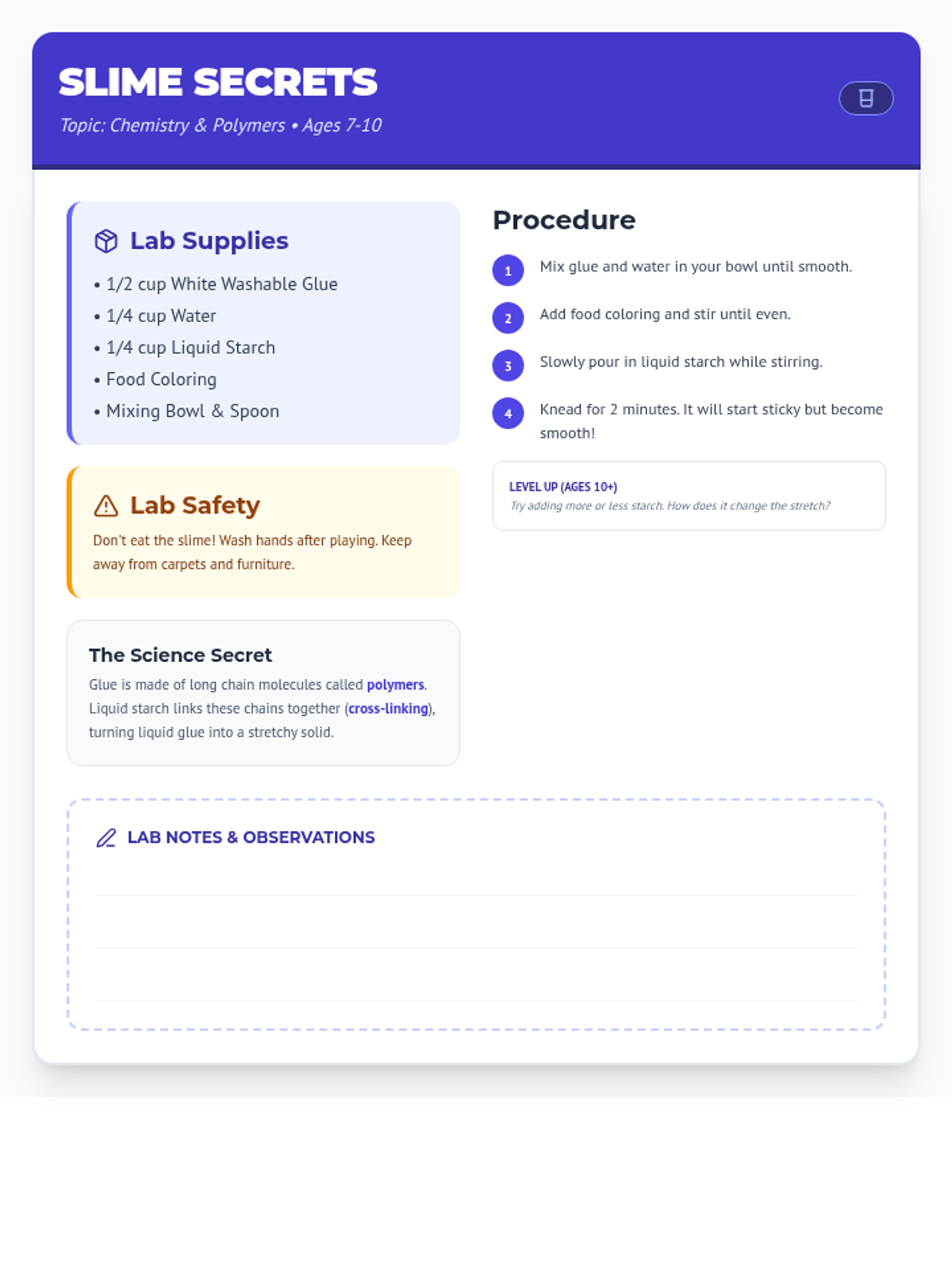
Explore chemical reactions and non-Newtonian fluids through a hands-on slime-making experiment.
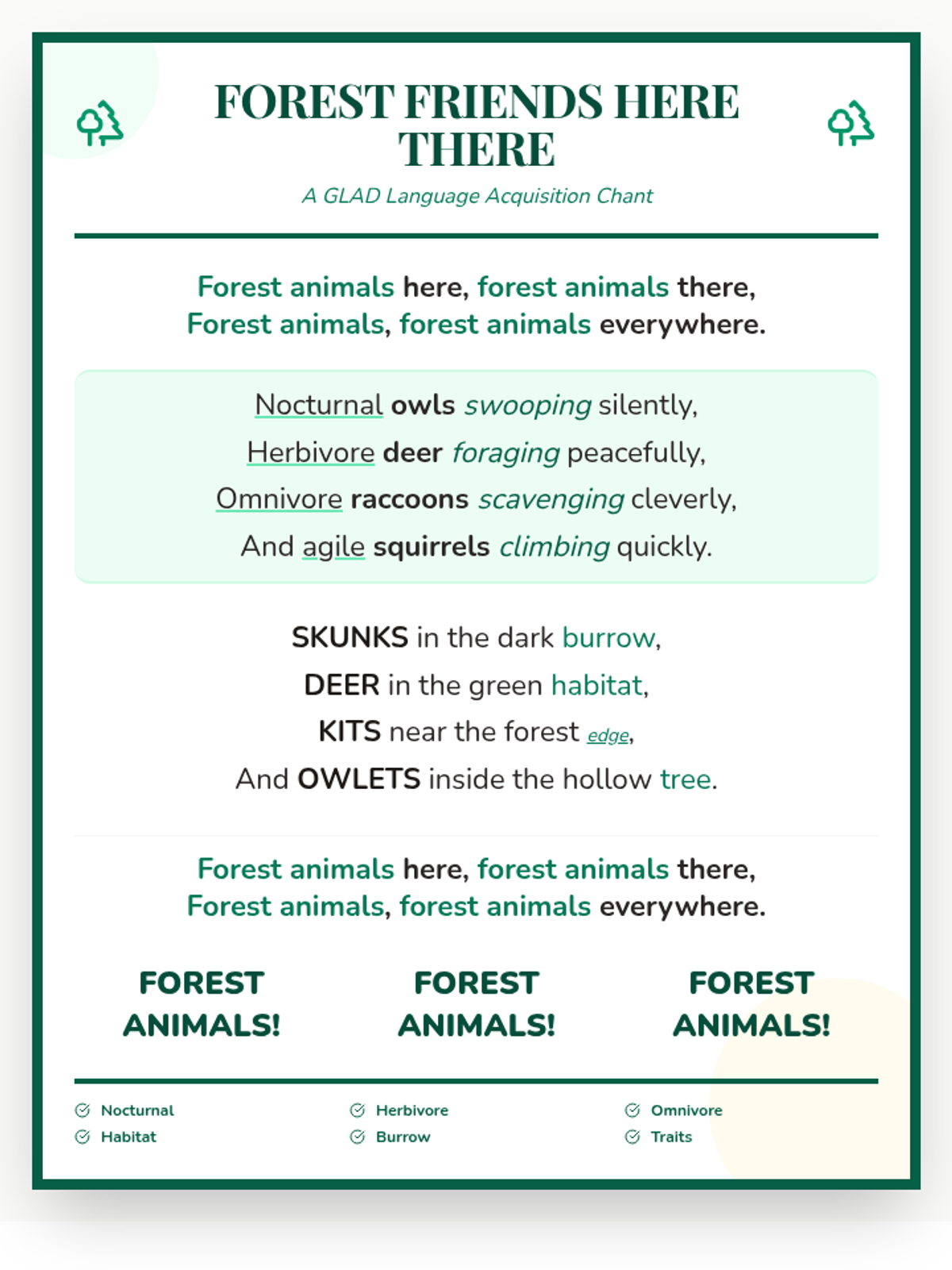
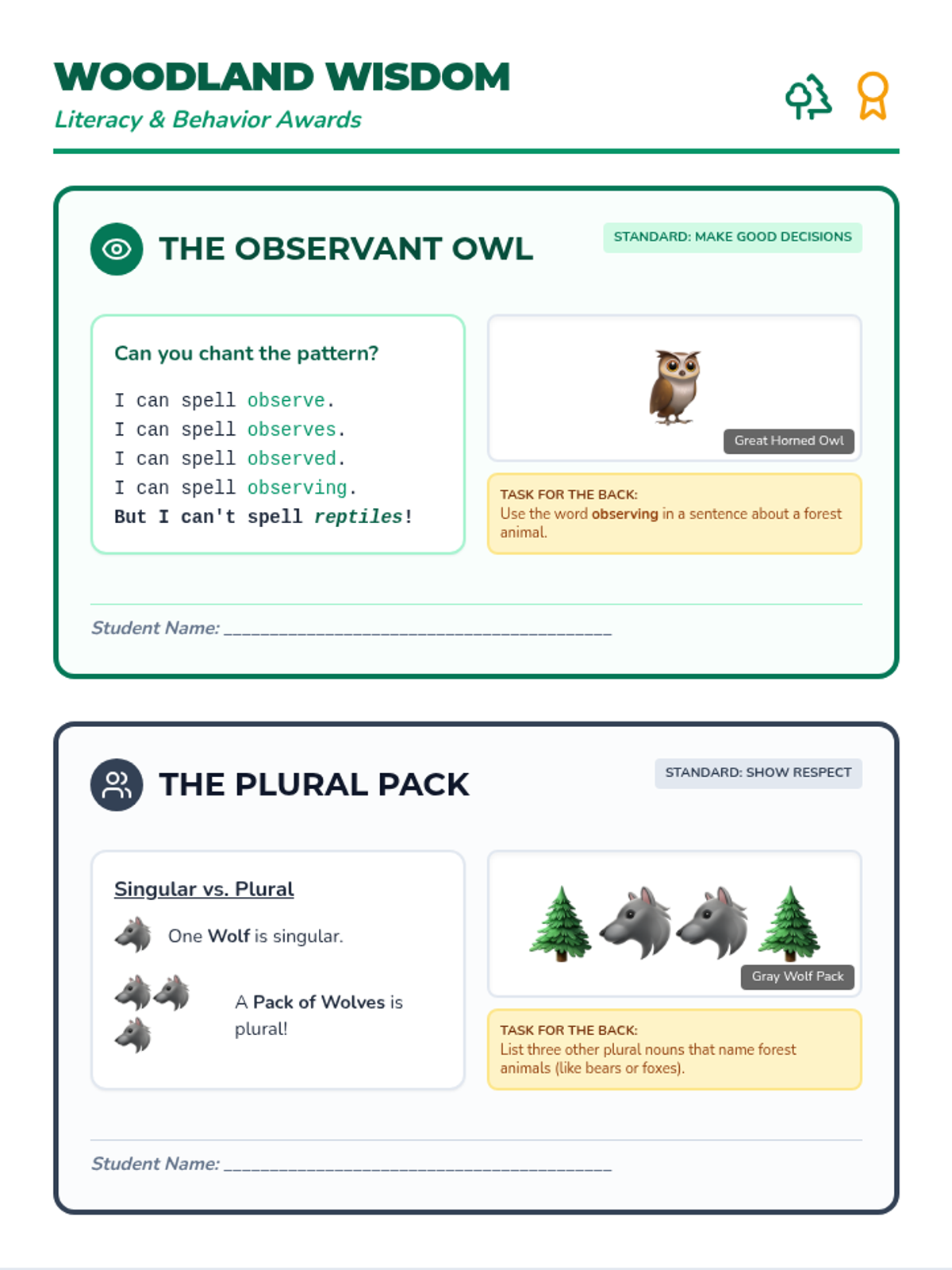
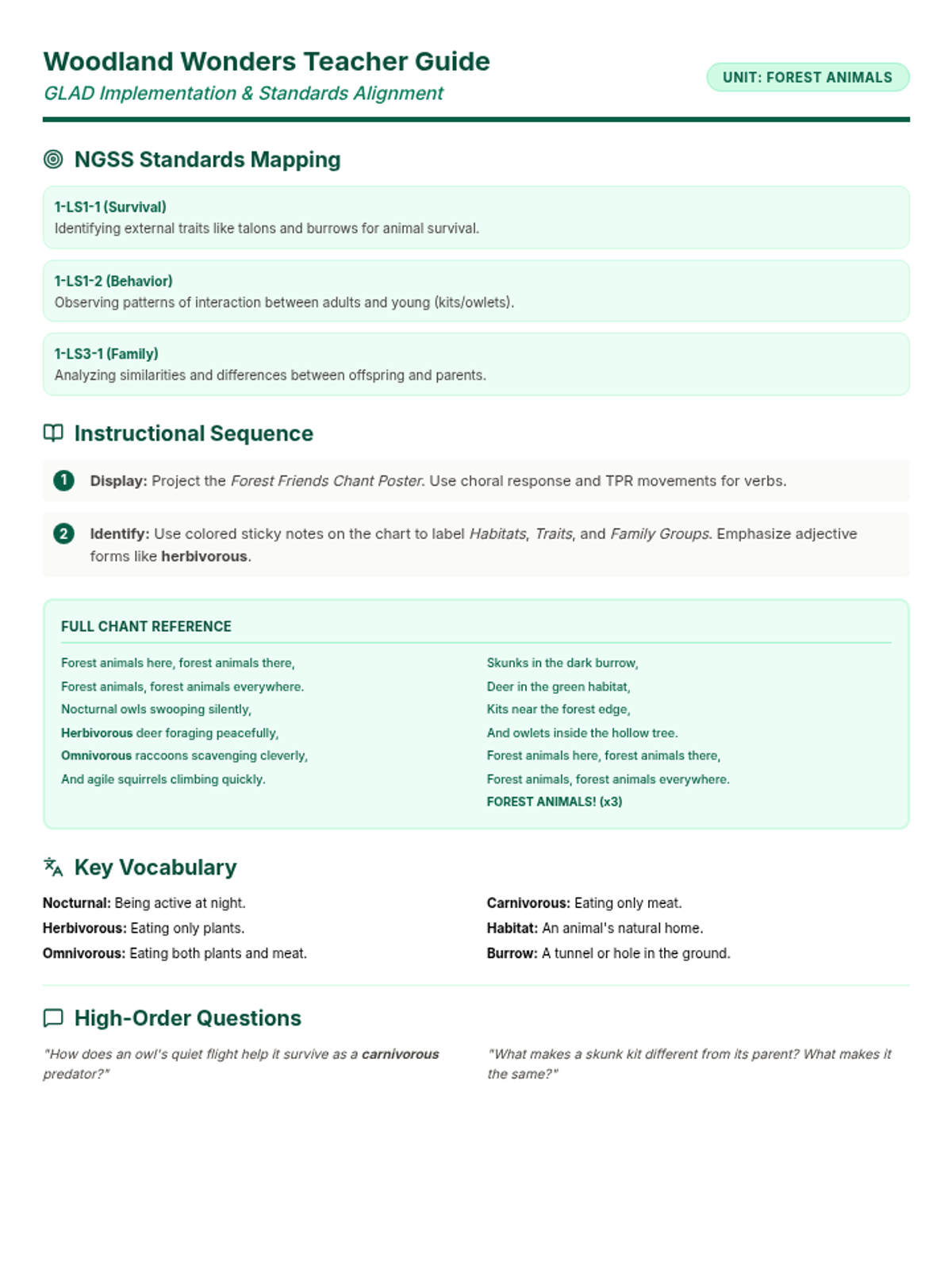
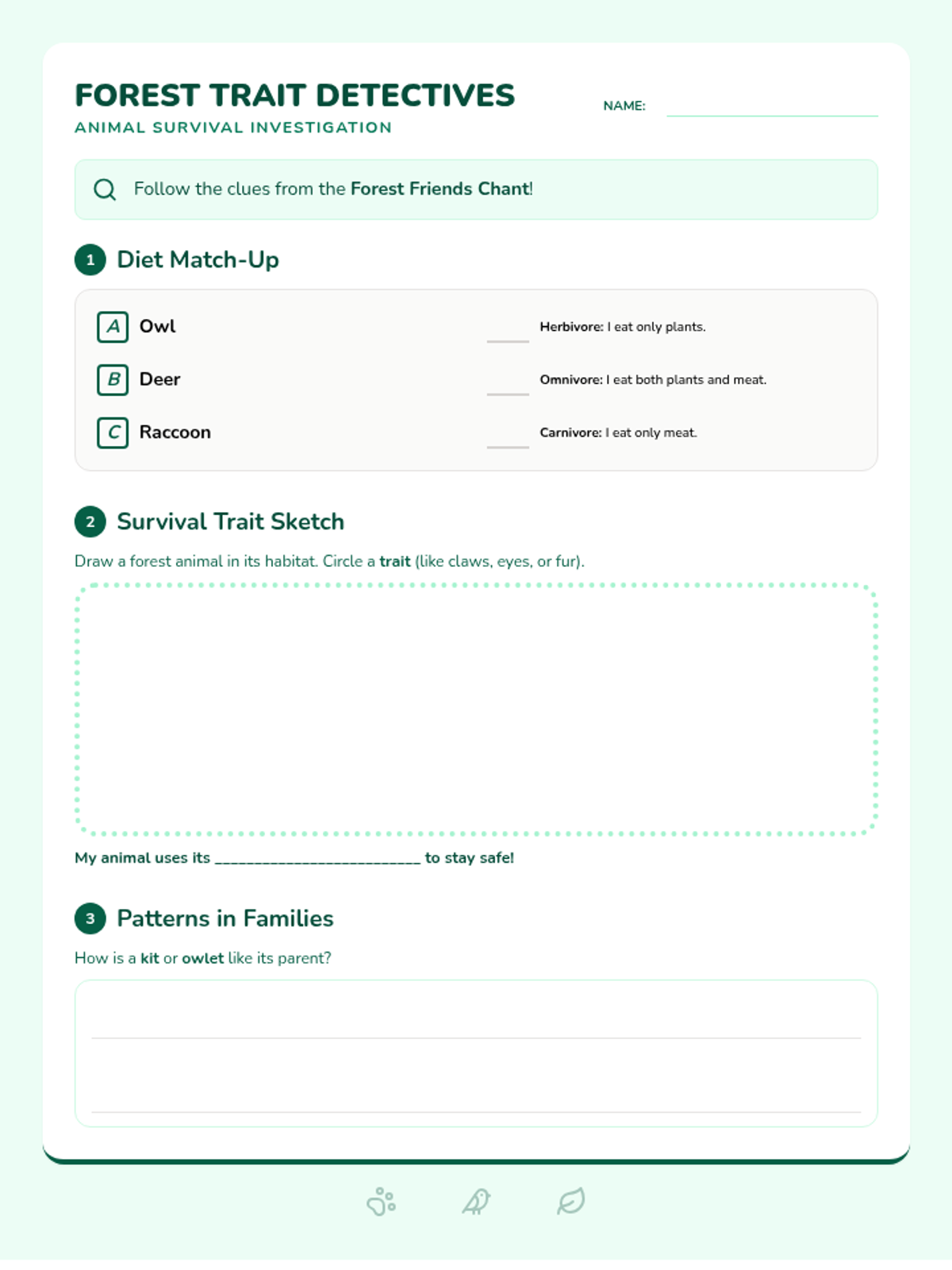
A lesson exploring the survival traits and behaviors of forest animals, focusing on how external parts and family patterns help them thrive in their habitats.
In this inquiry-based science lesson, students step into the roles of master bakers to investigate the states of matter. By observing 'kitchen' reactions and transformations, students learn to identify solids, liquids, and gases while exploring the difference between reversible and irreversible changes.
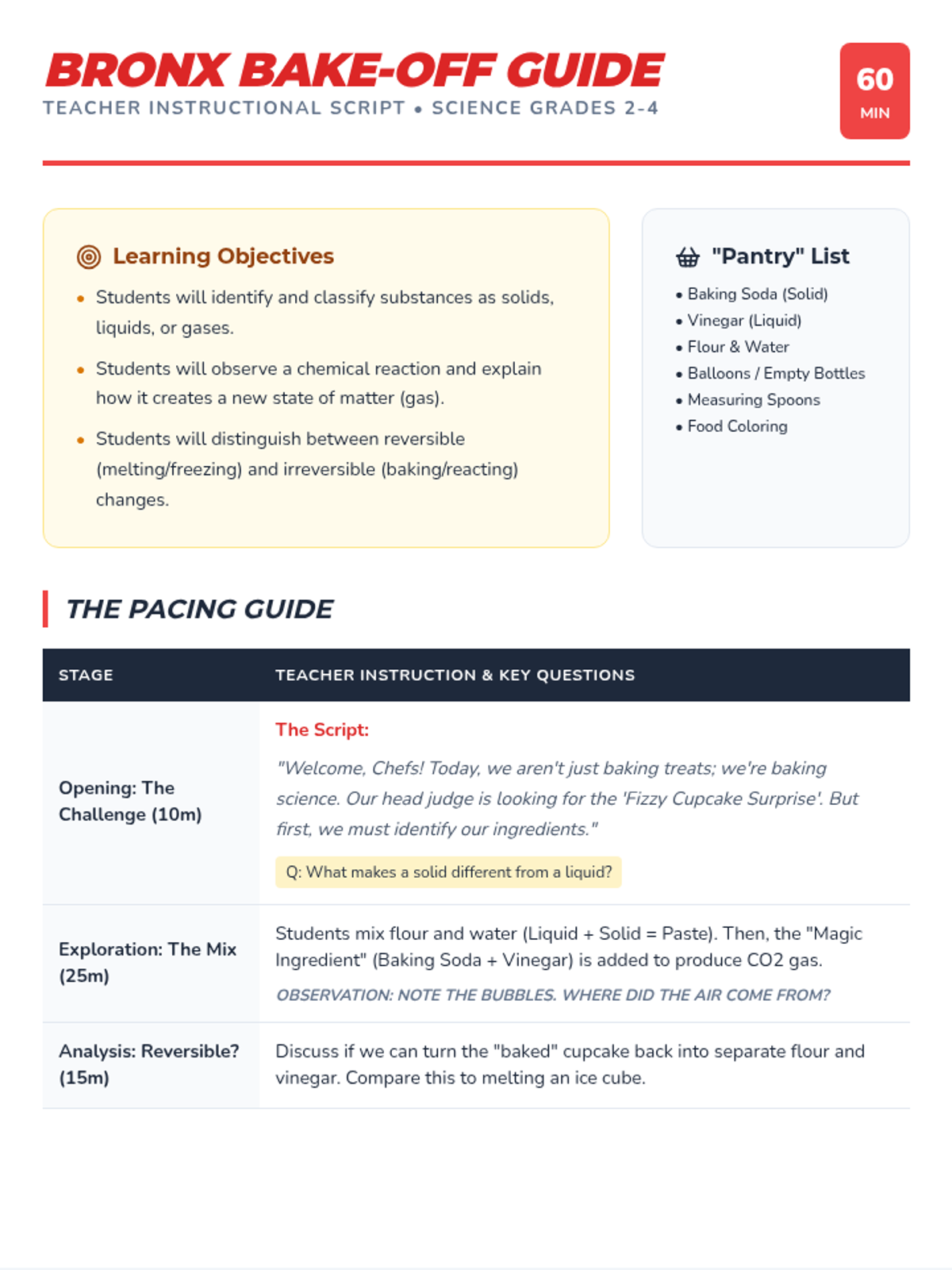
A chemistry-meets-culinary lesson for grades 2-4 where students investigate the states of matter and changes through a 'bake-off' theme using simple kitchen science.
Students step into the roles of pastry chefs to investigate states of matter. Through 'kitchen science,' they observe physical and chemical changes as they simulate baking processes using common household ingredients.
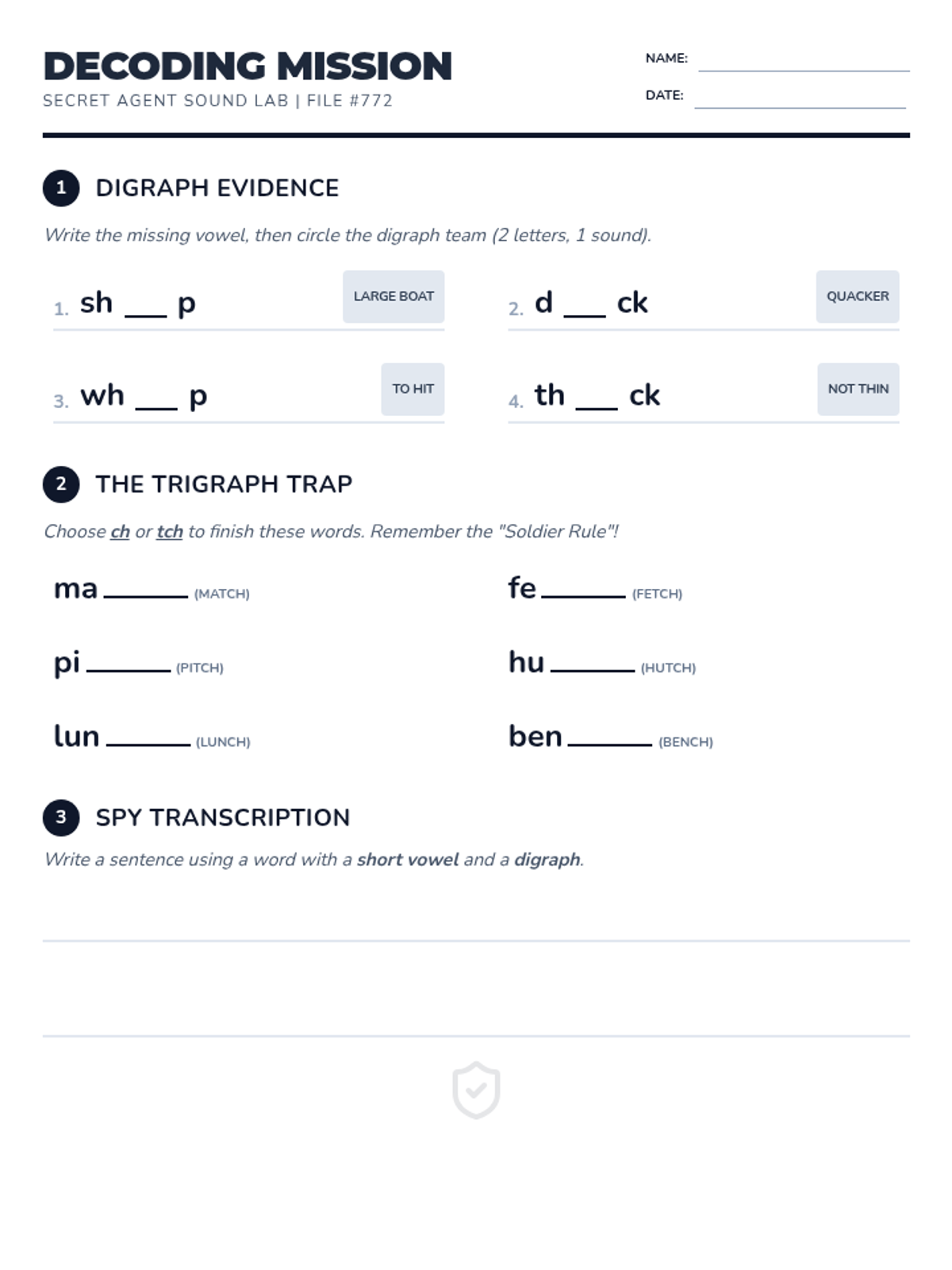
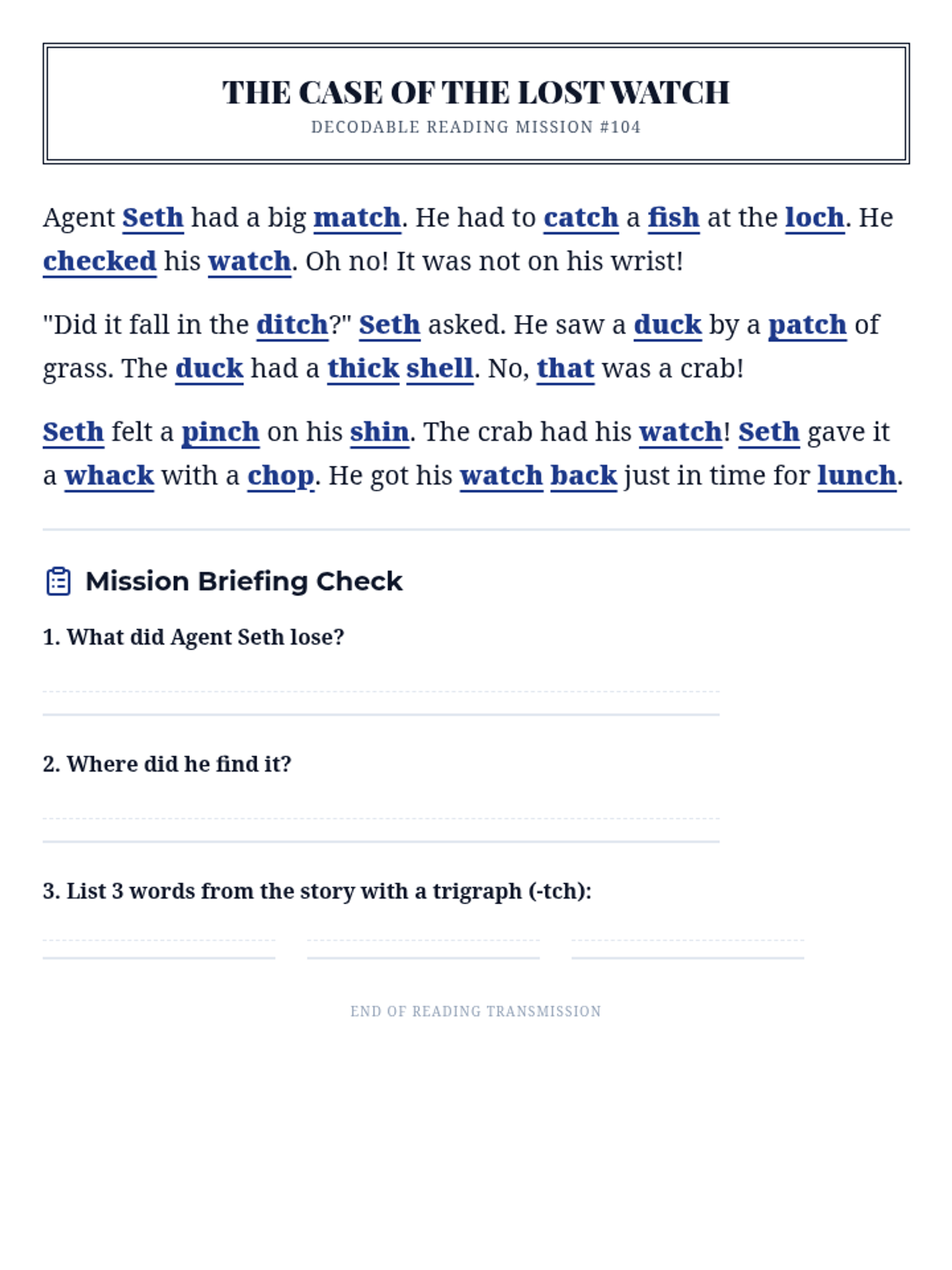
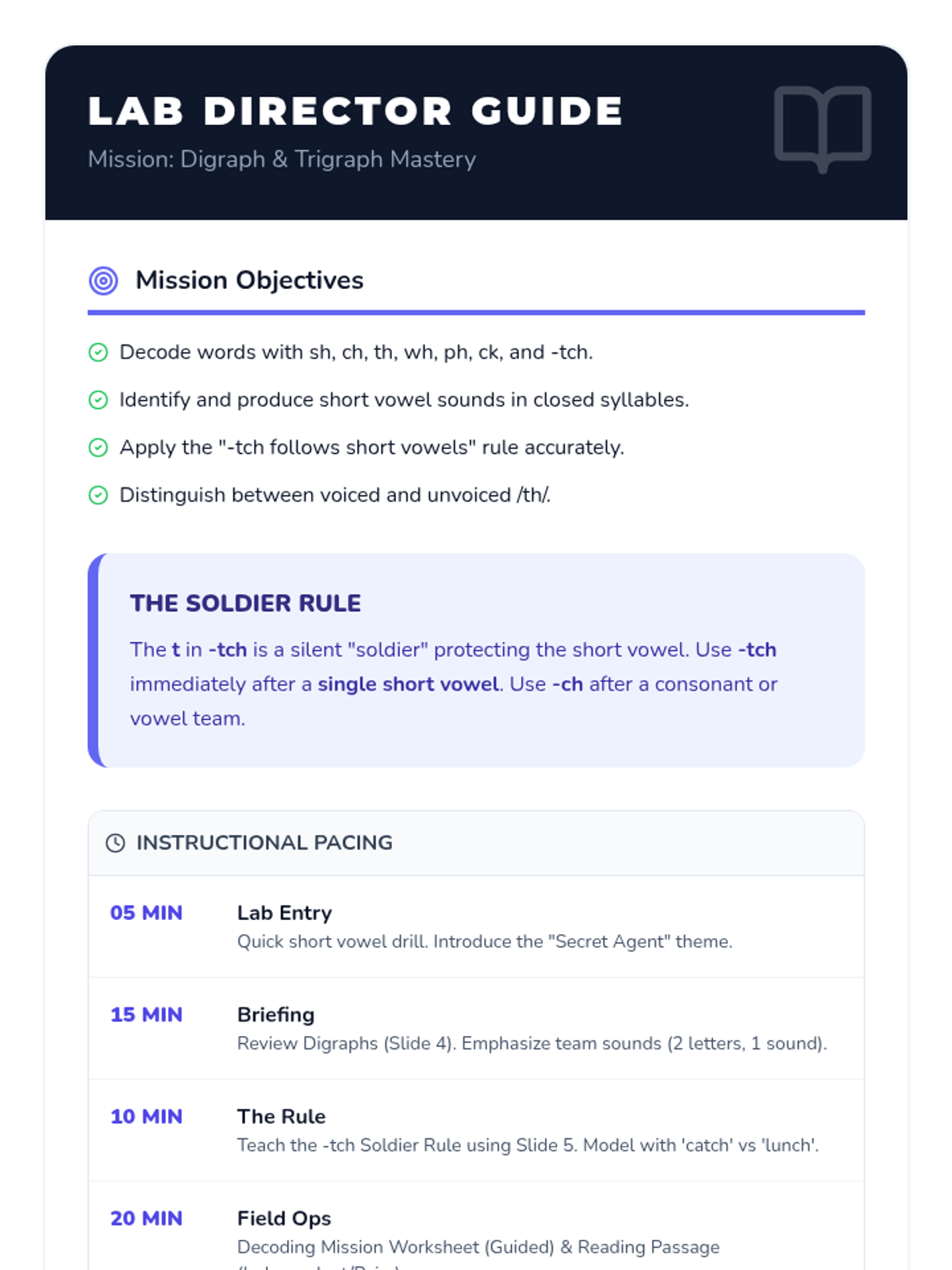
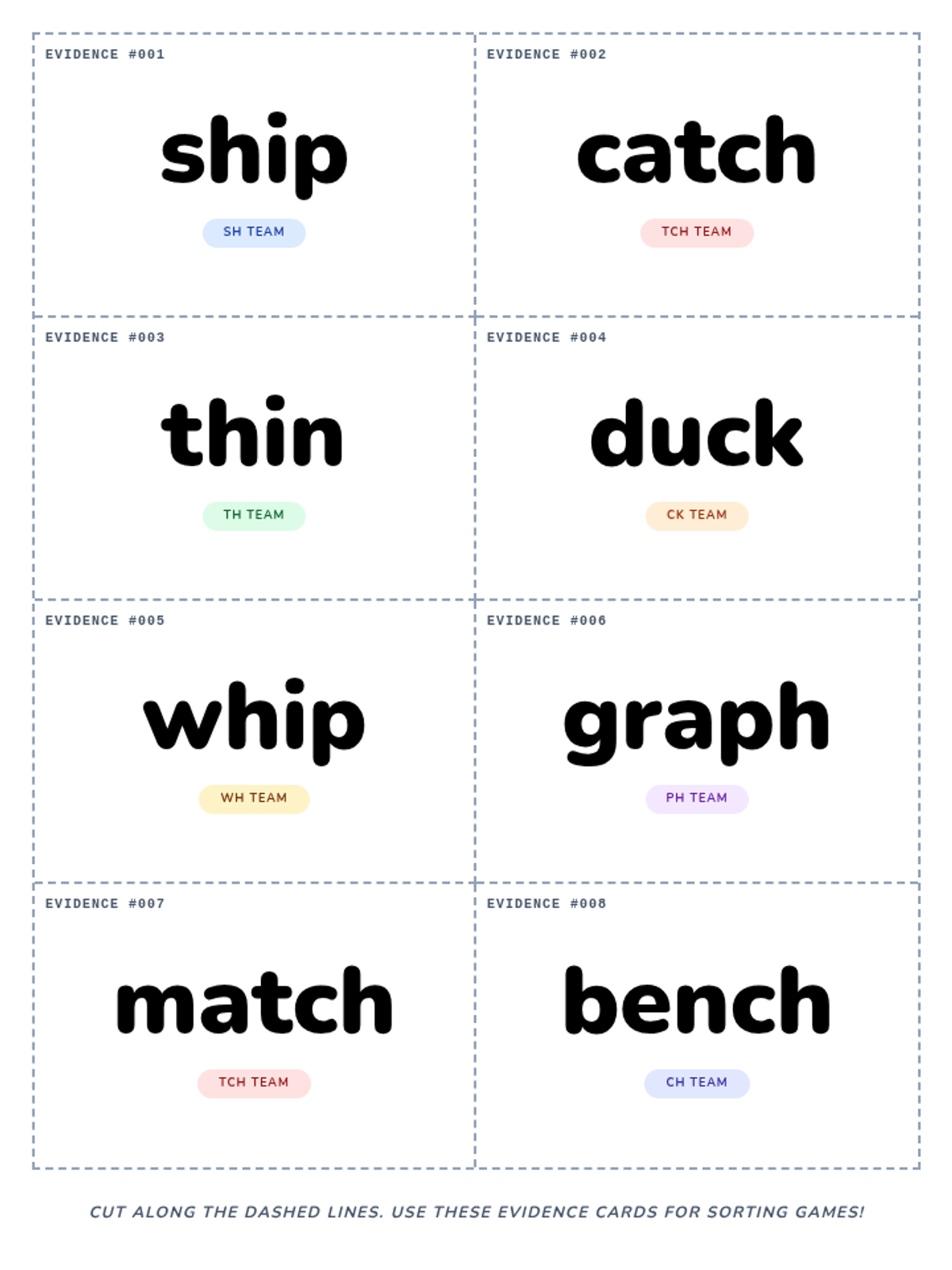
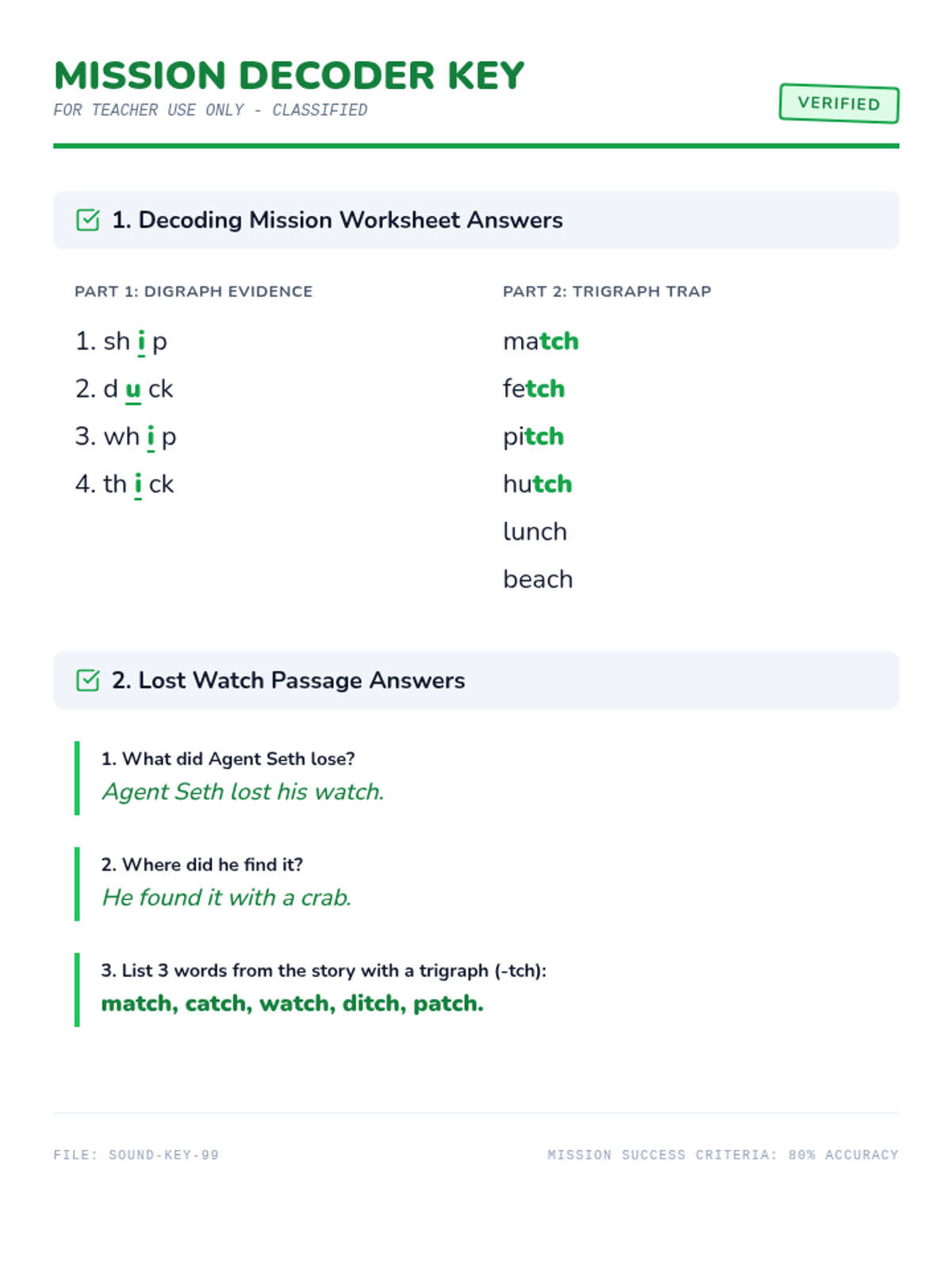
A comprehensive 2nd-grade phonics lesson focusing on short vowels, all common digraphs (sh, ch, th, wh, ph, ck), and the -tch trigraph, themed around a 'Secret Agent Sound Lab'.
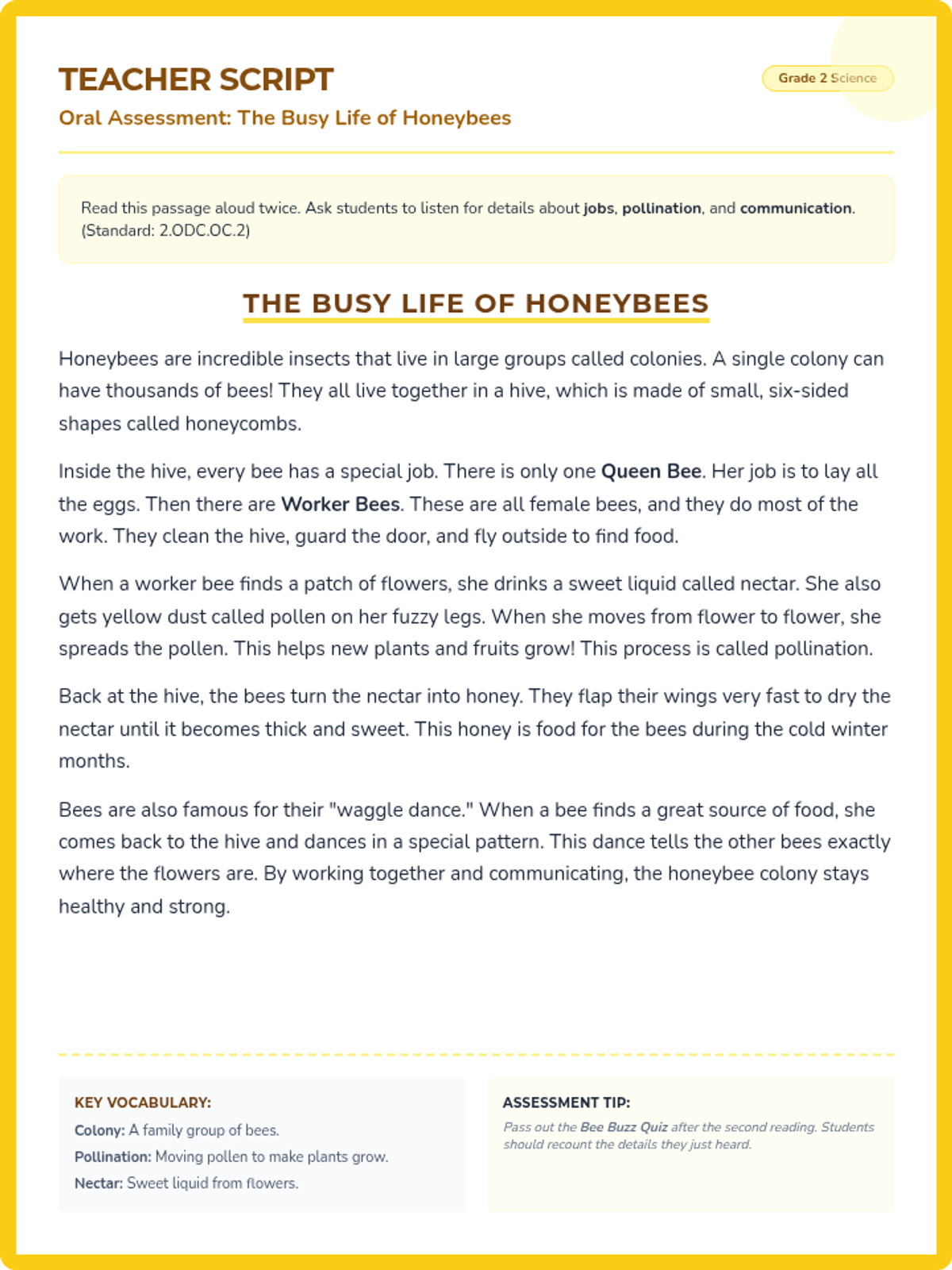
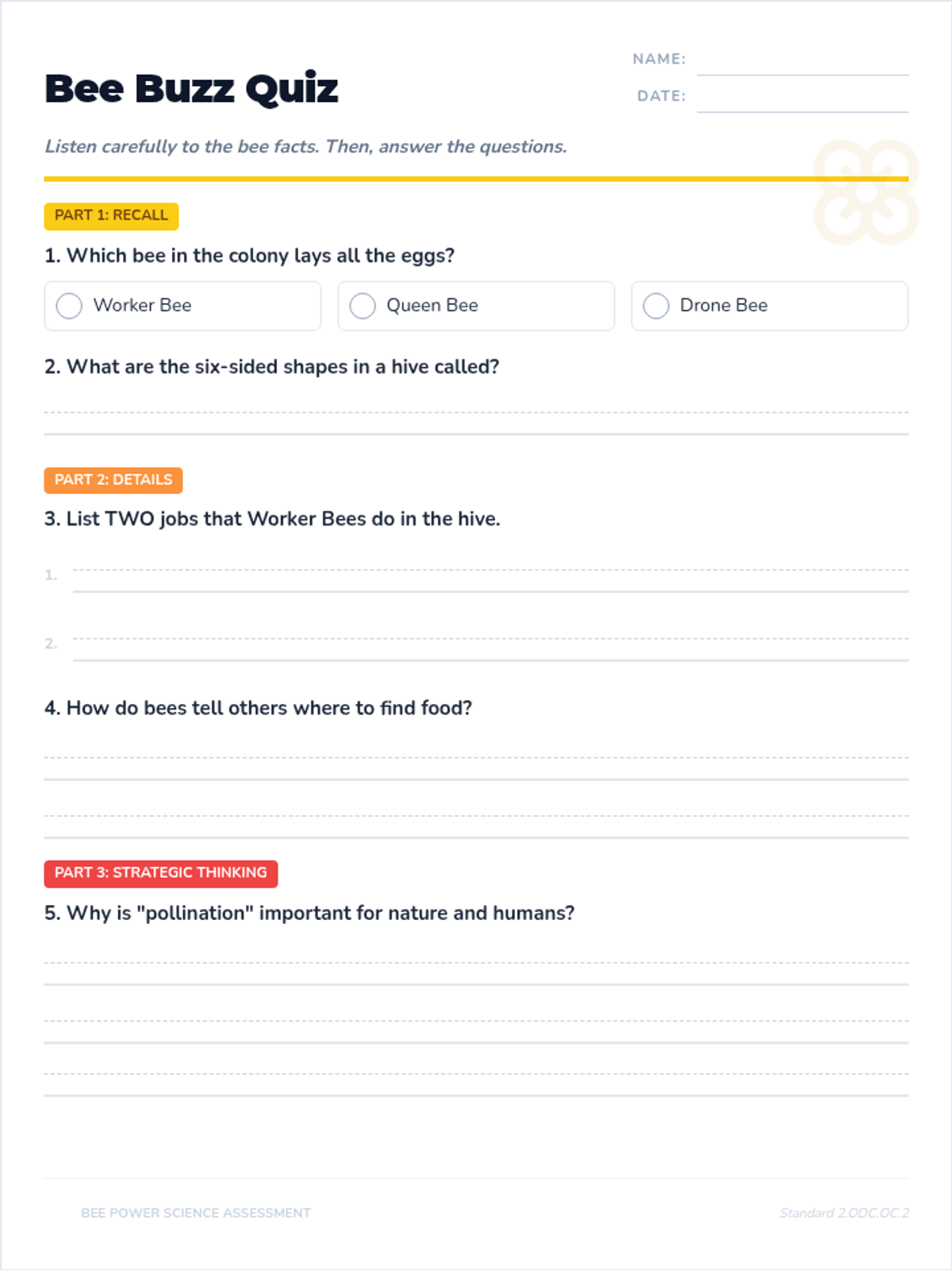
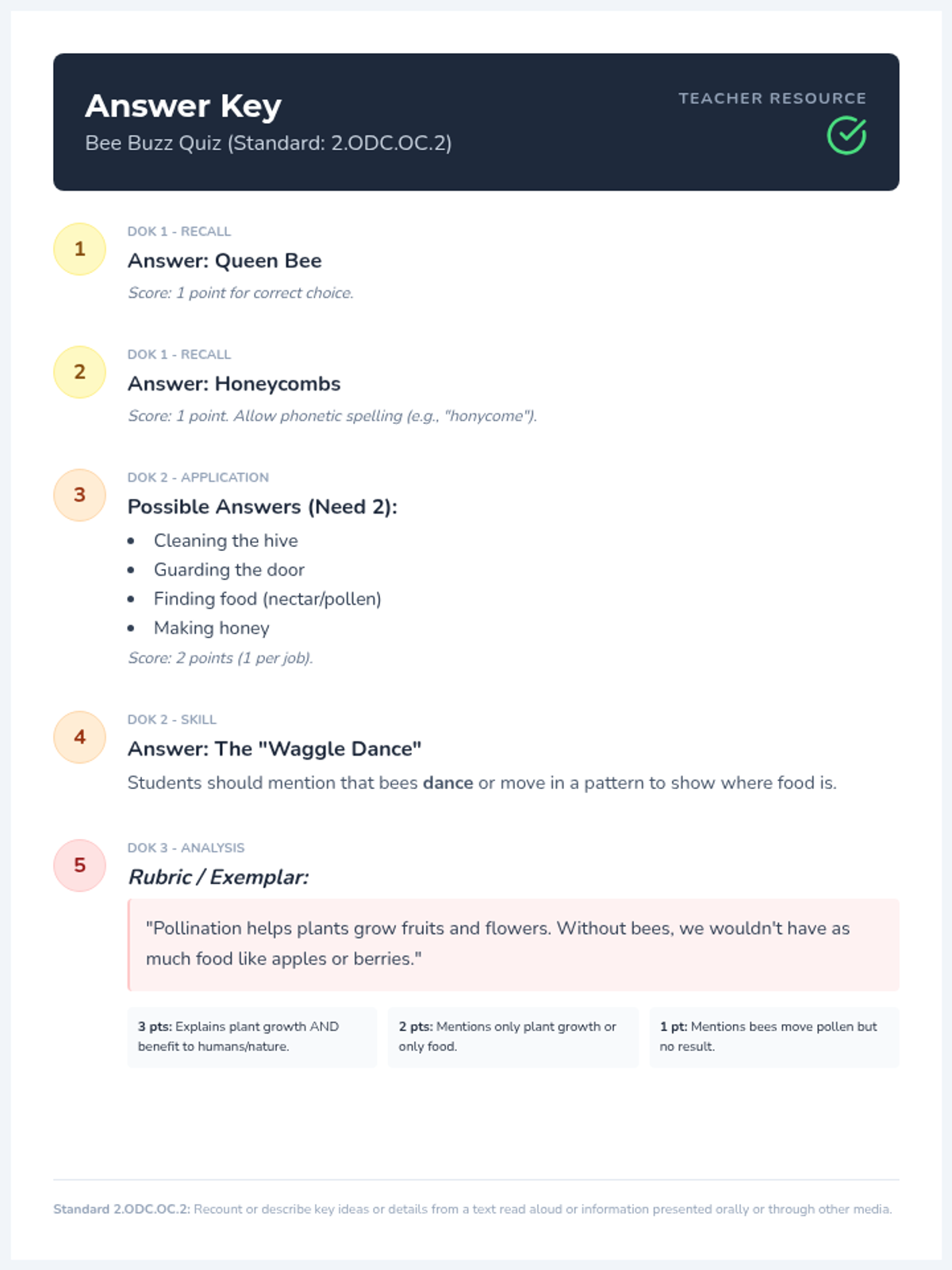
A 2nd-grade science assessment focused on listening comprehension and recounting key details from an oral presentation about honeybees.
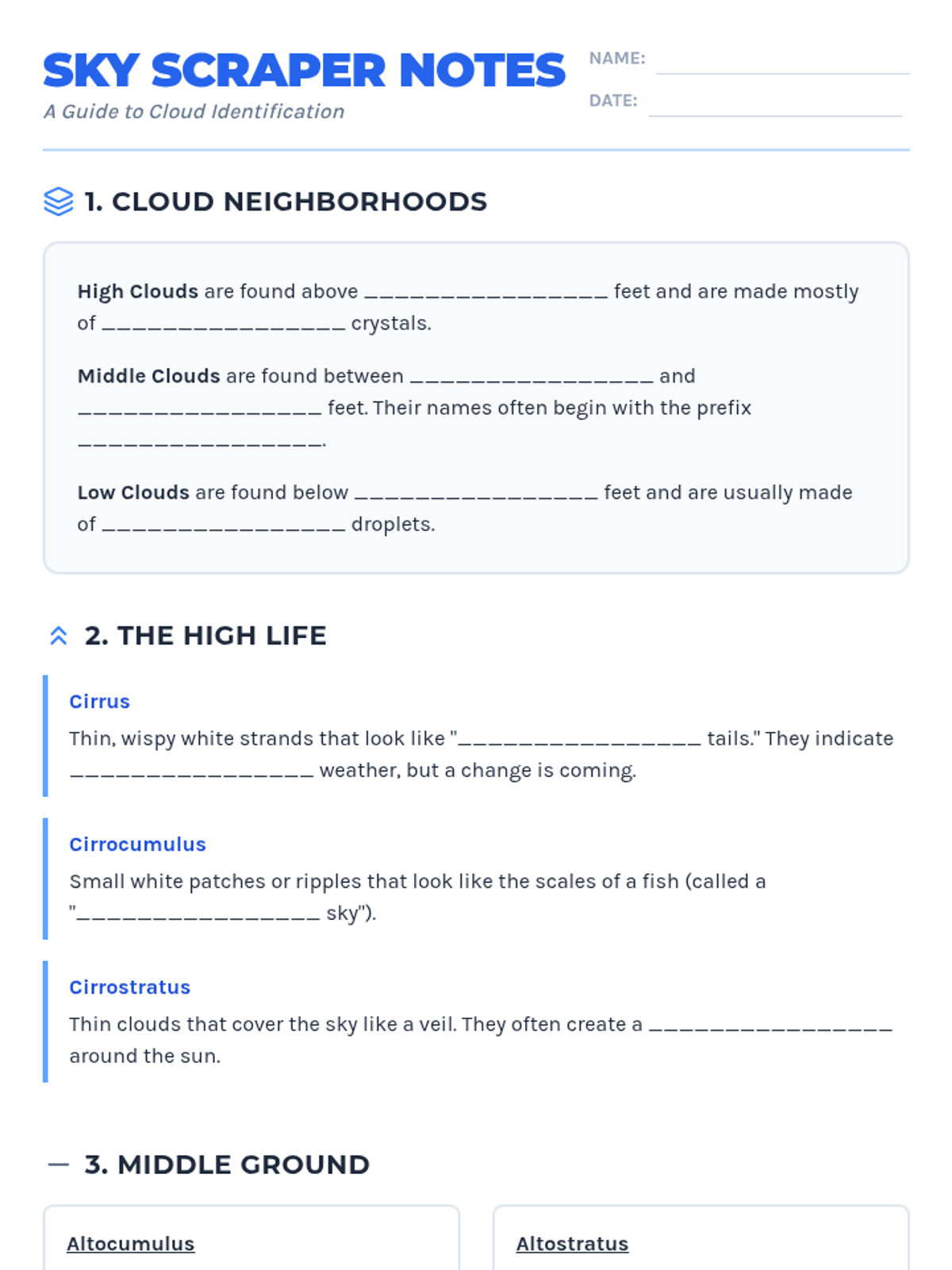
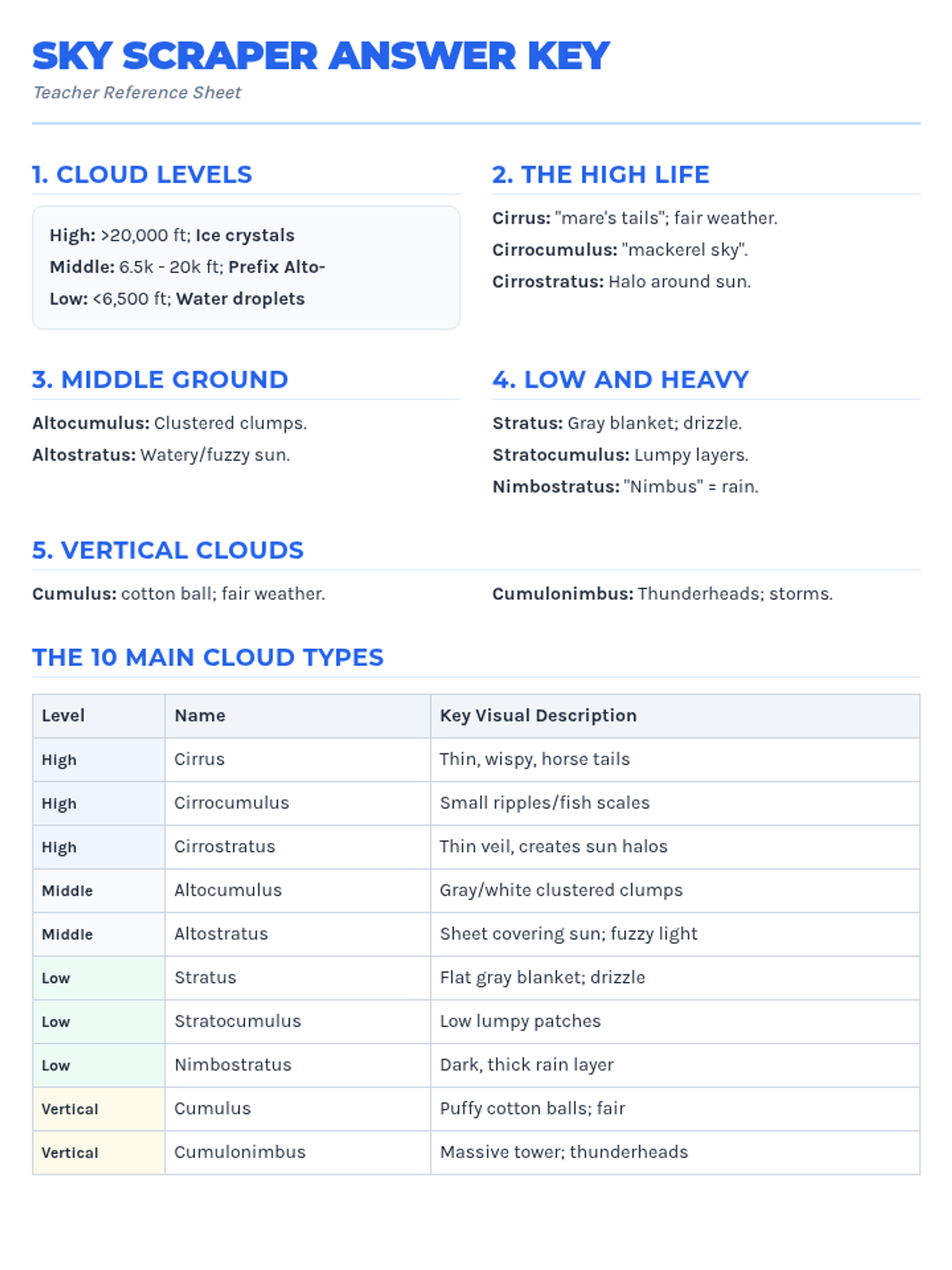
A comprehensive look at the 10 main cloud types, categorized by their altitude, with deep dives into Cirrus, Stratus, and Cumulus clouds.
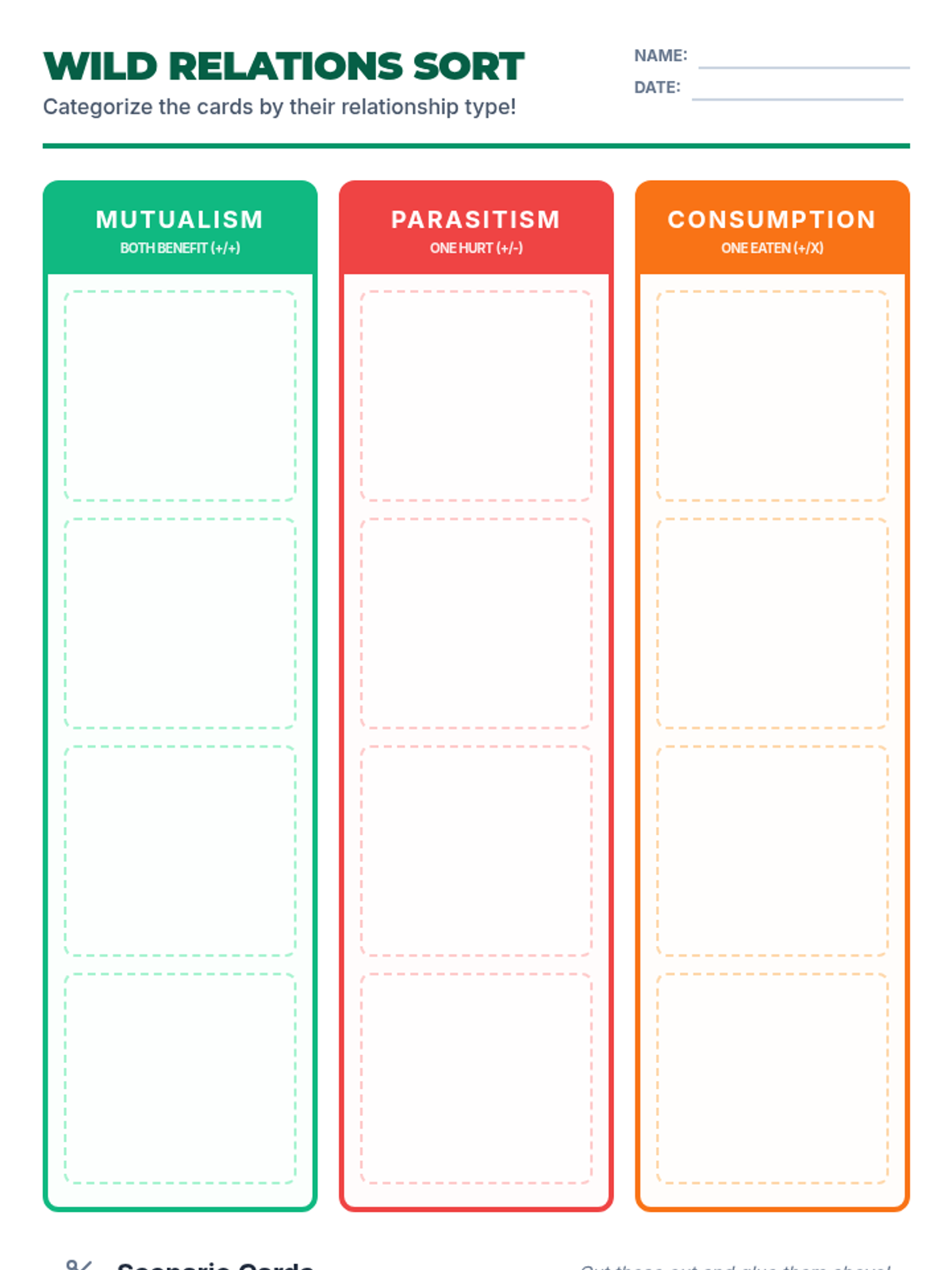
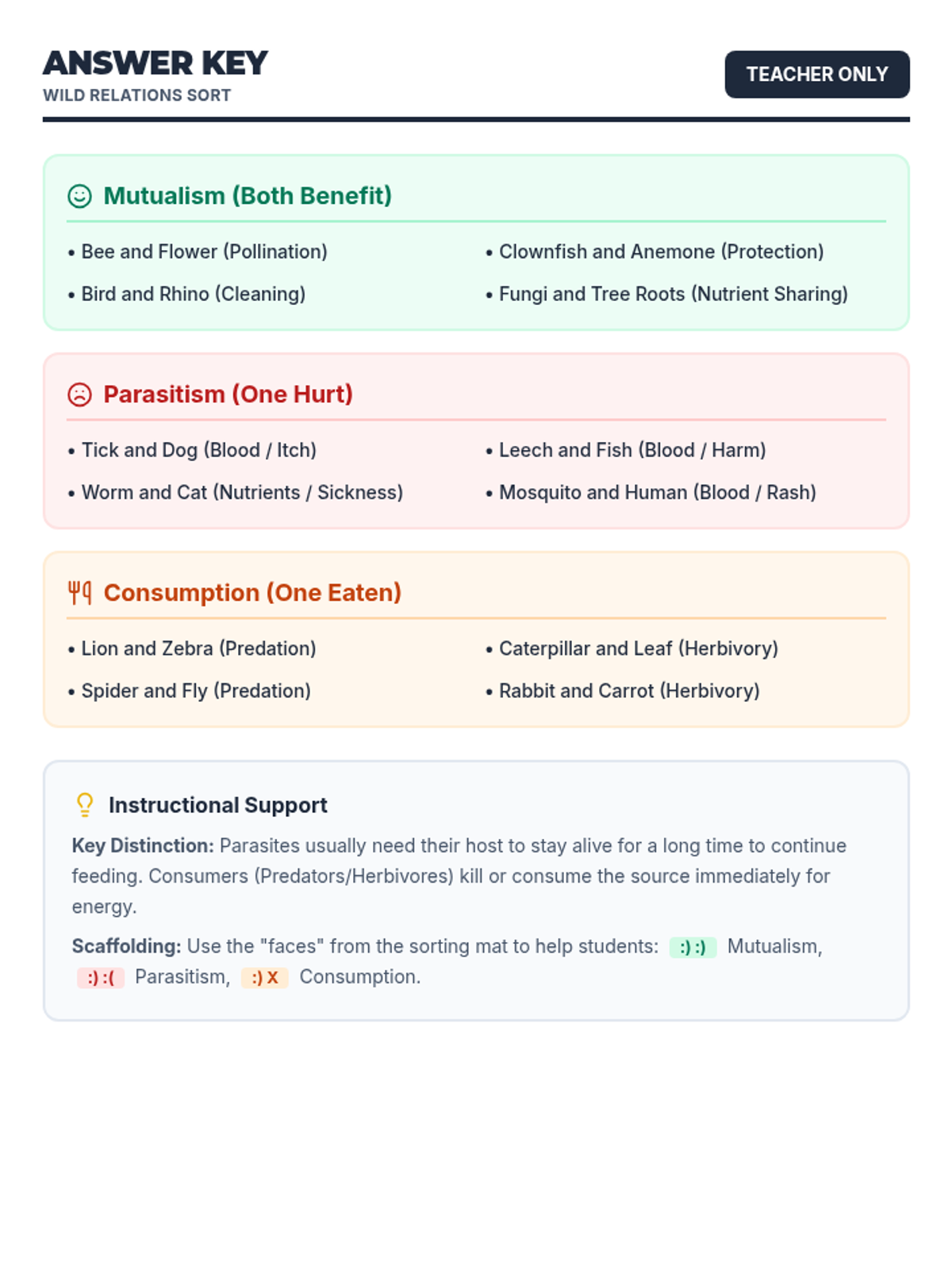
In this lesson, students explore the different ways organisms interact in nature. They will identify and categorize relationships into three types: mutualism, parasitism, and consumerism using visual examples and simple scenarios.
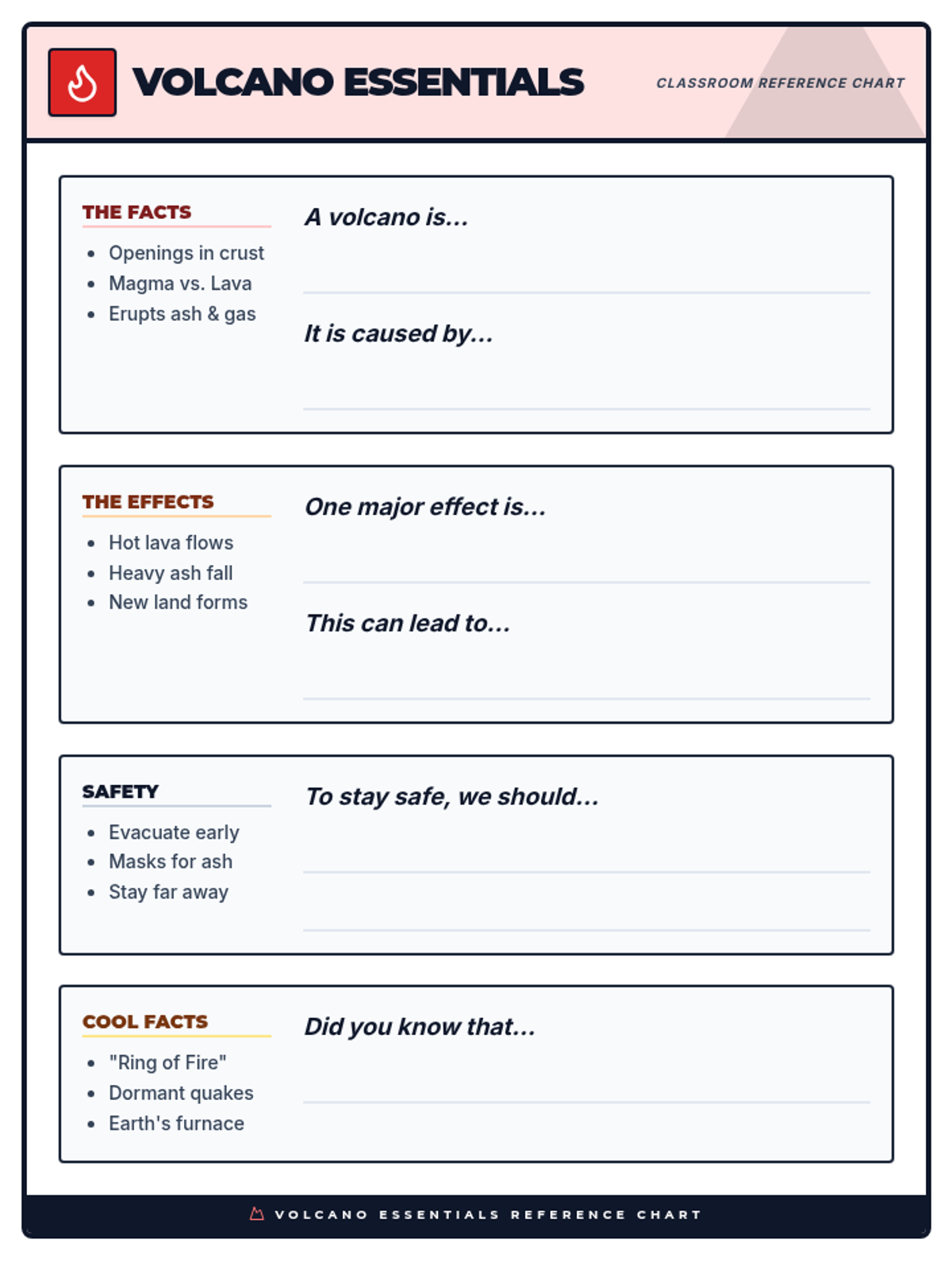
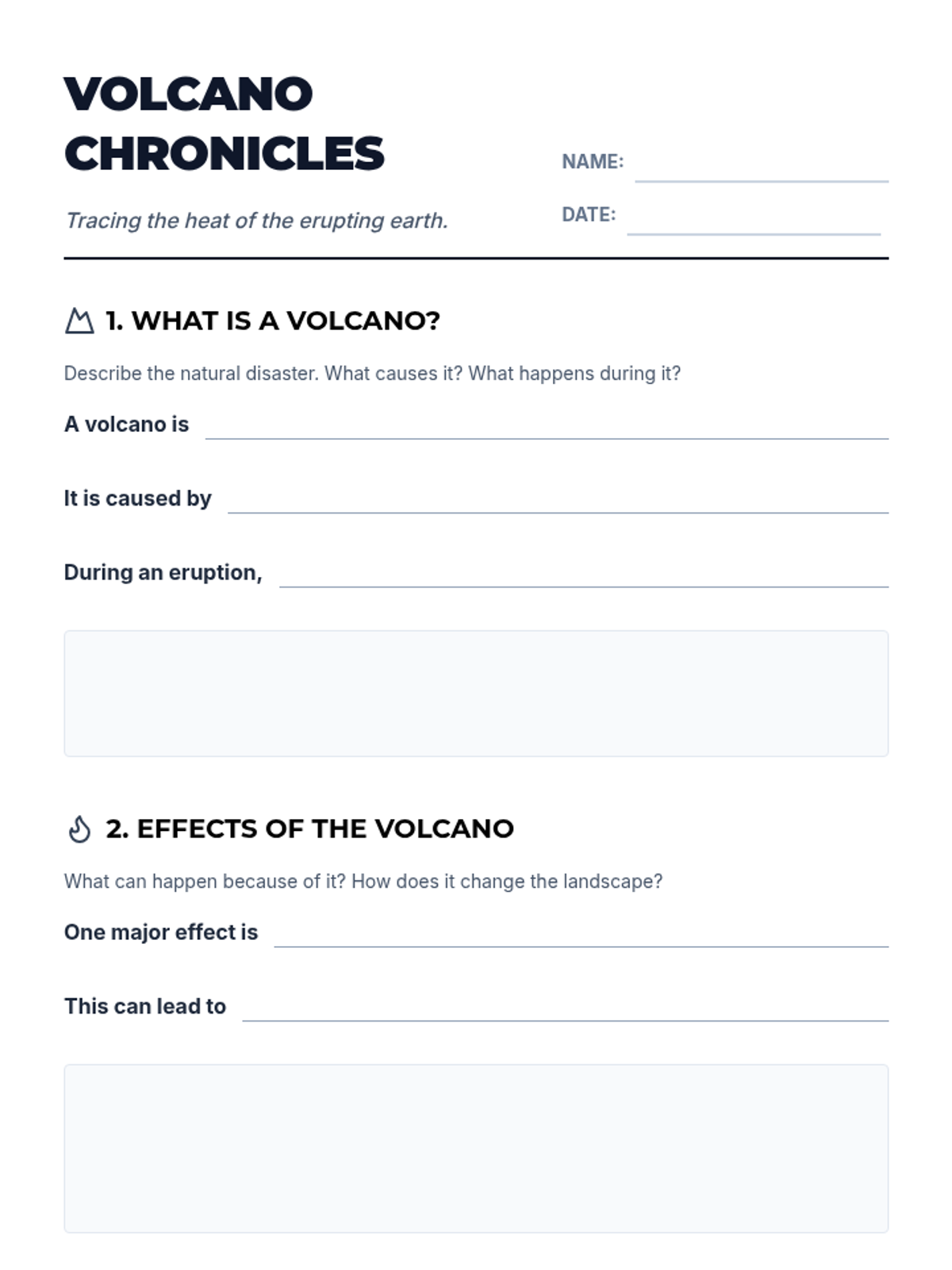
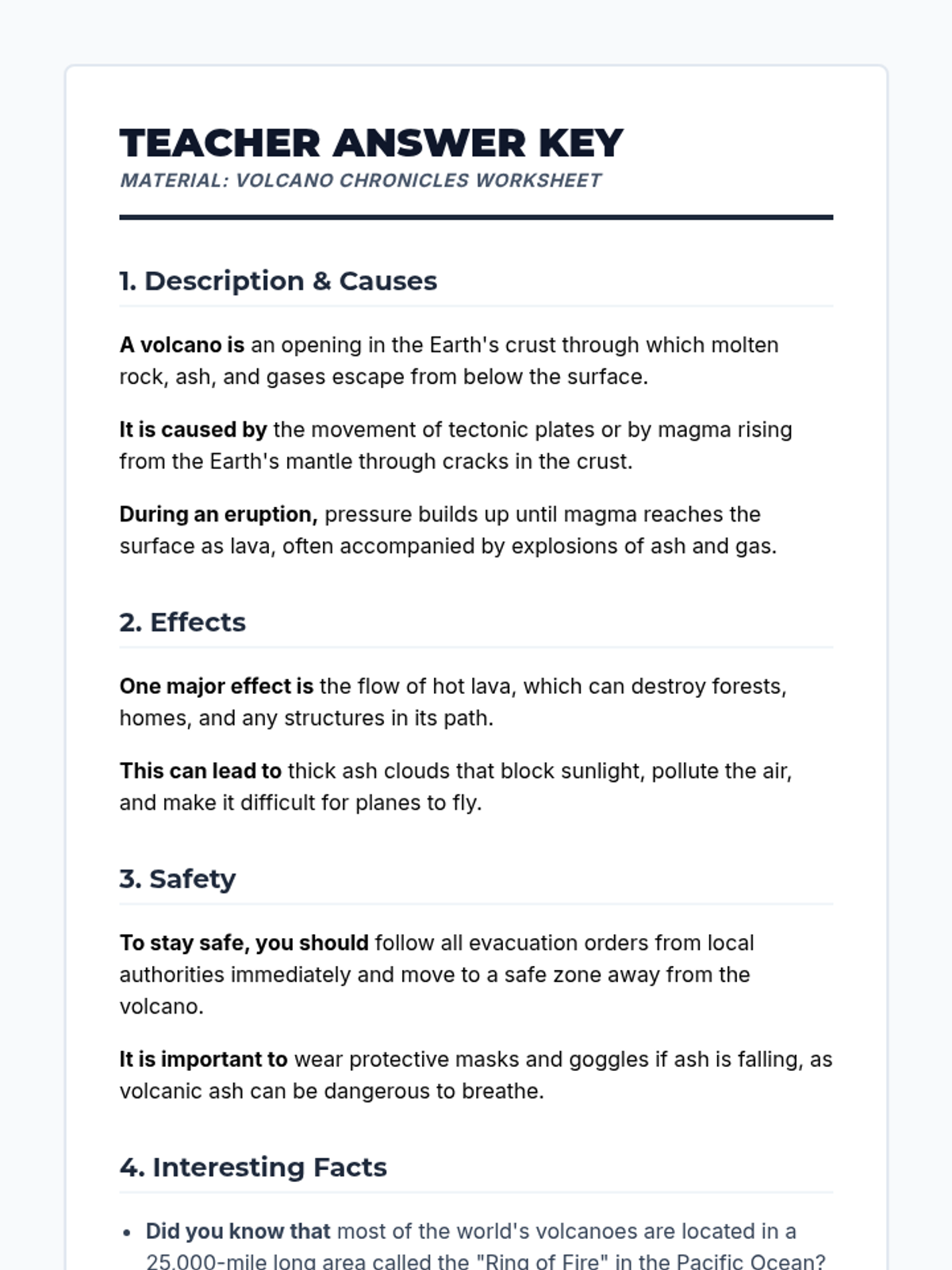
A comprehensive lesson on volcanoes, exploring magma and lava, eruption types, the impact of ash and lava flows, and critical evacuation safety protocols.
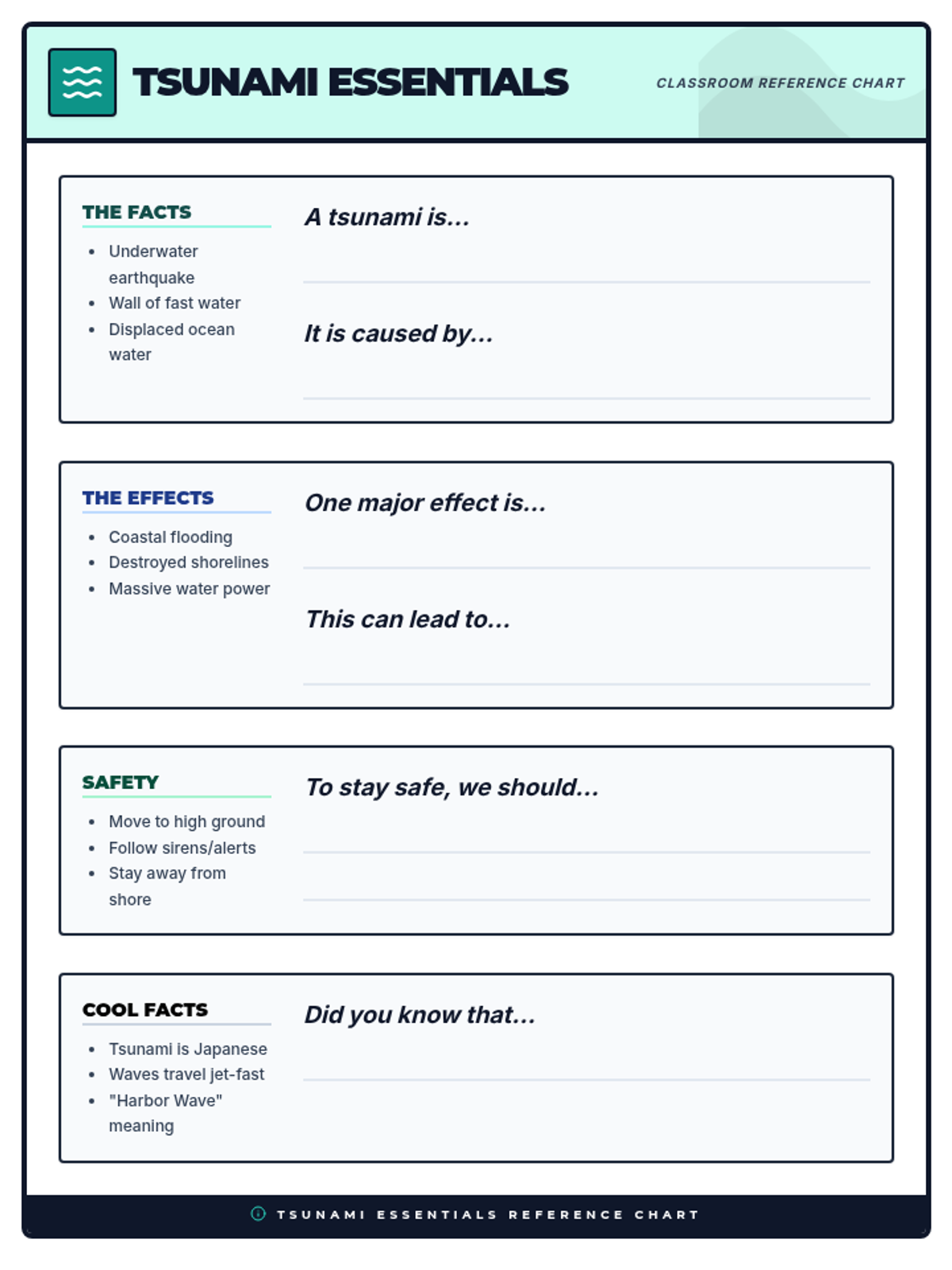
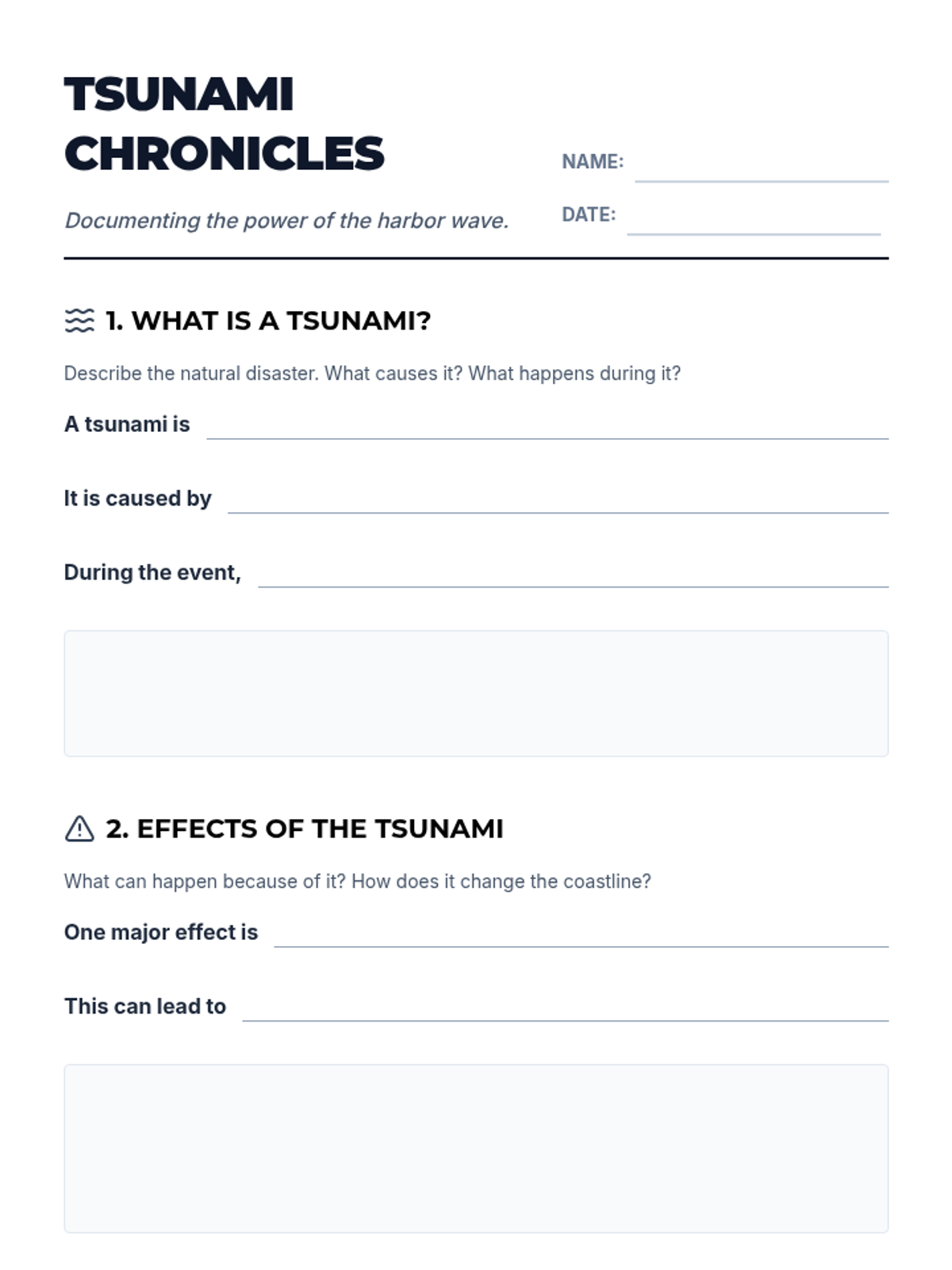
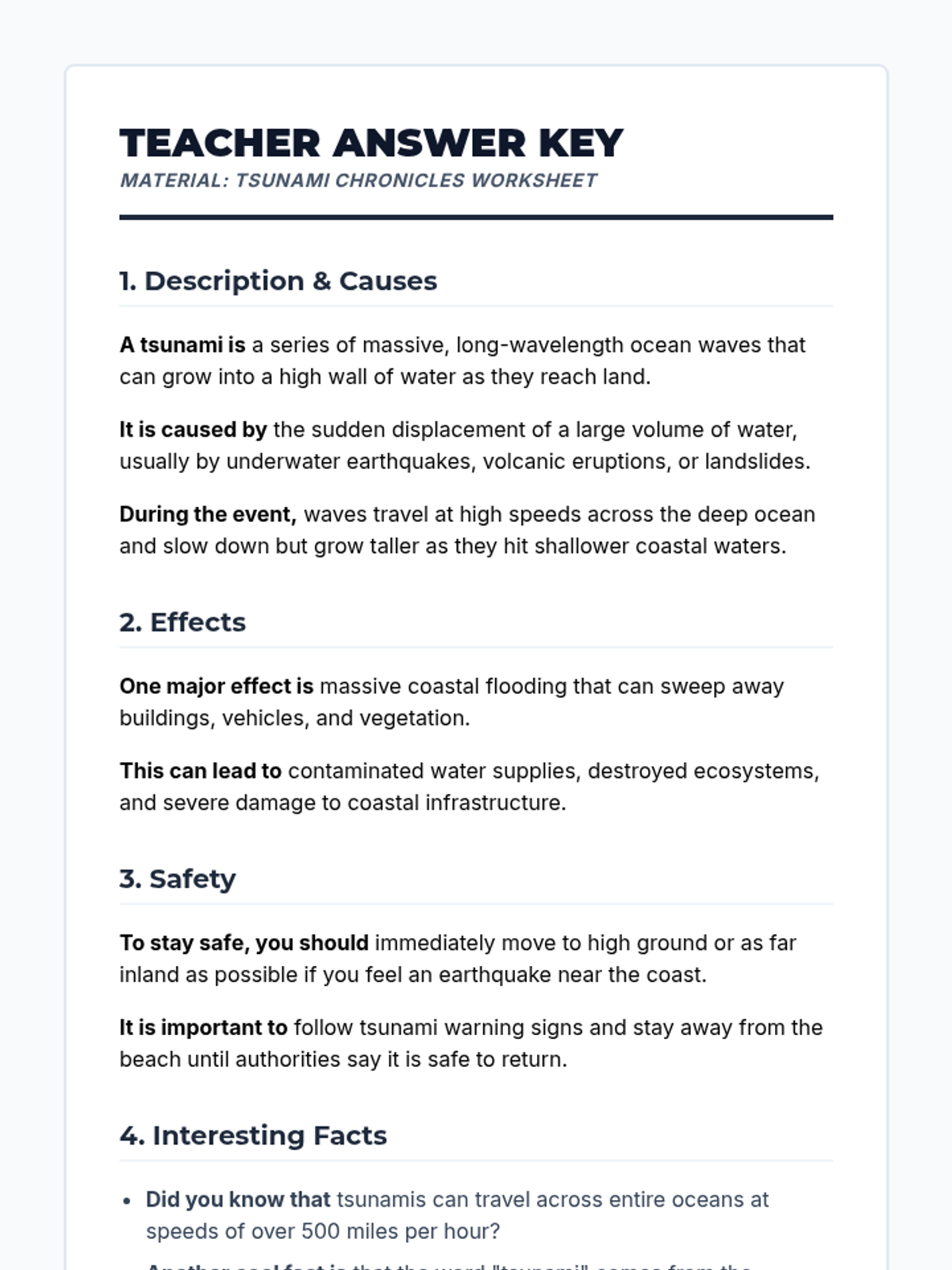
A comprehensive lesson on tsunamis, exploring their triggers like underwater earthquakes, the physics of wall-of-water waves, and critical coastal evacuation safety.
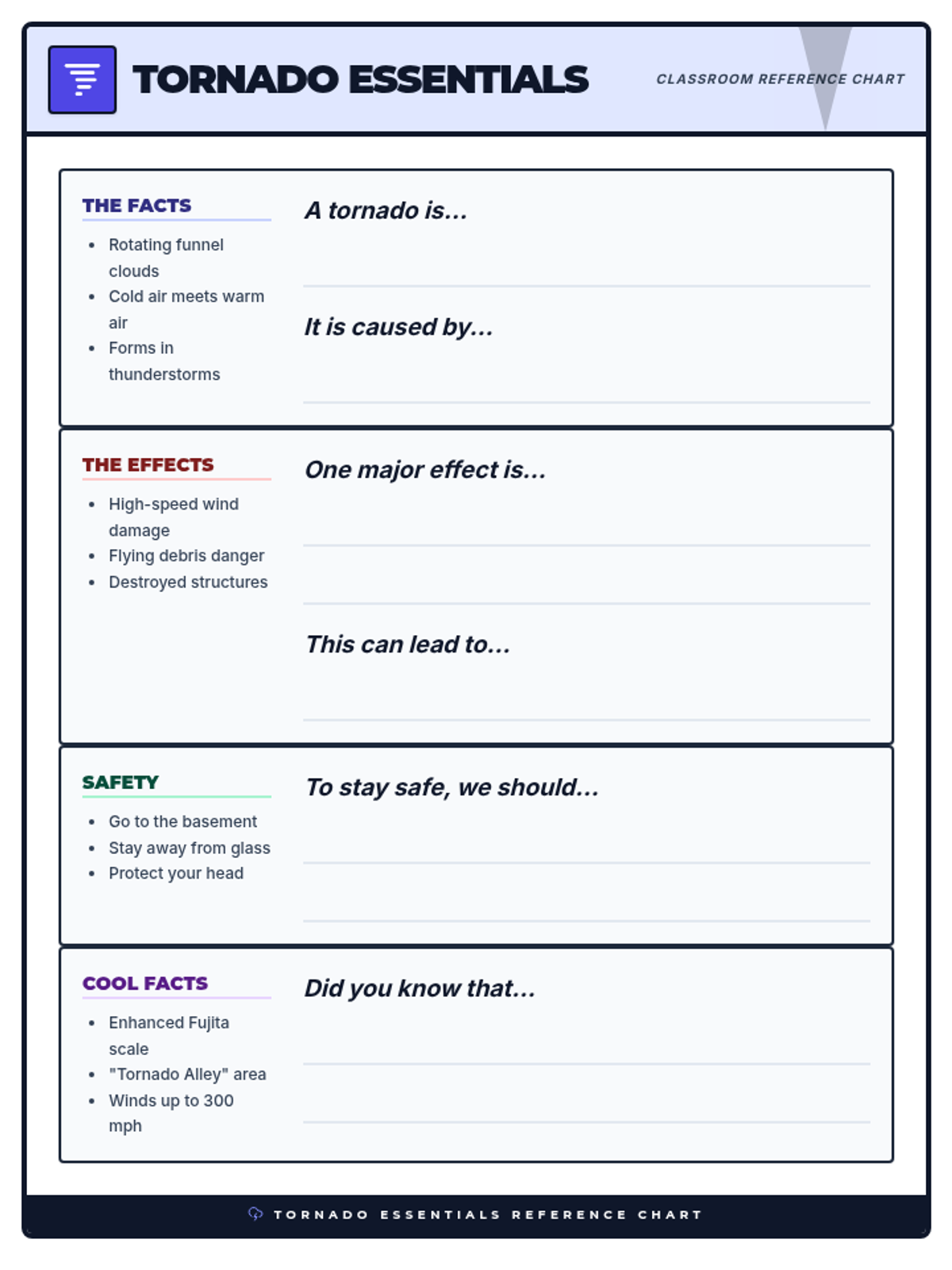
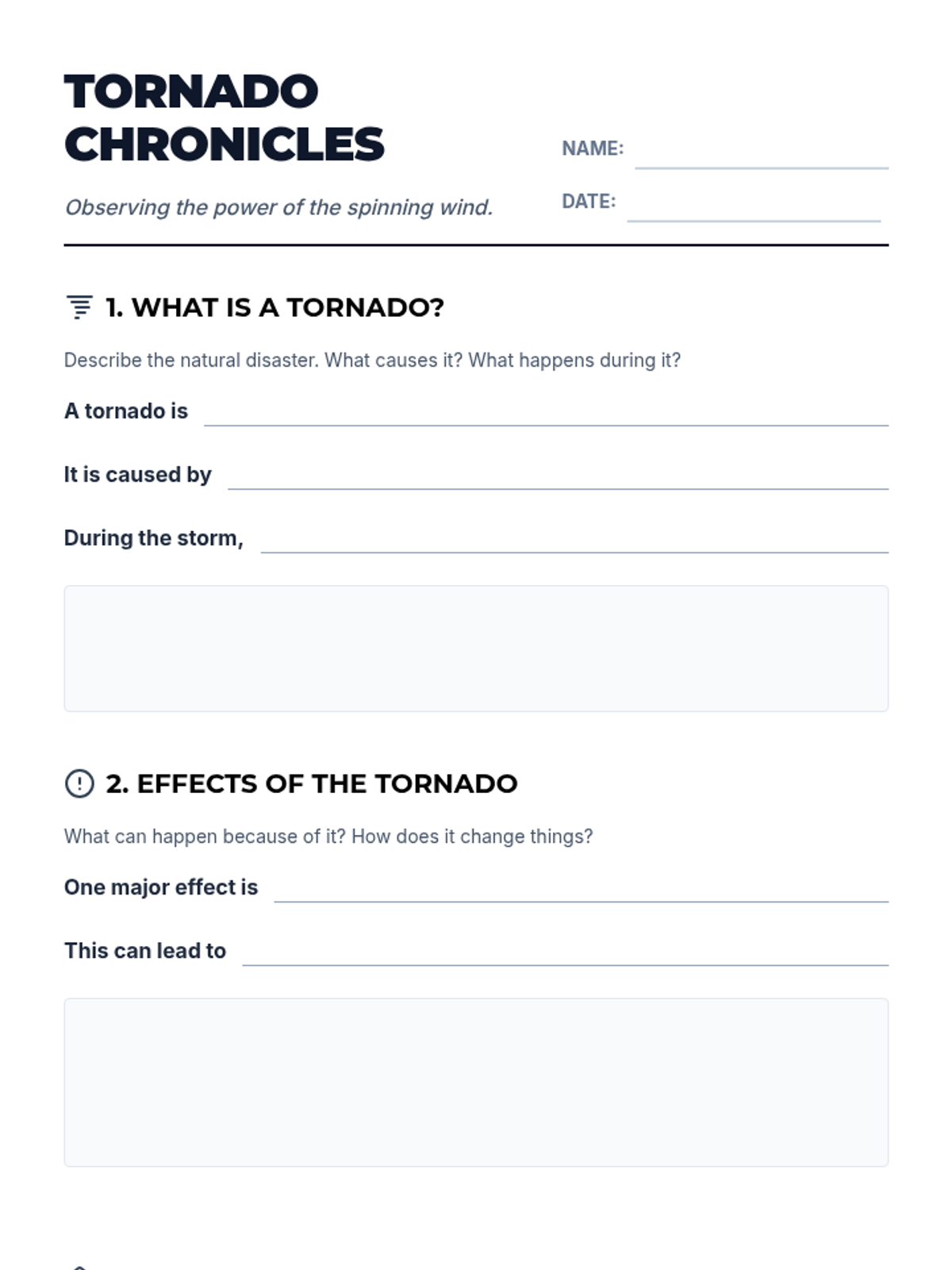
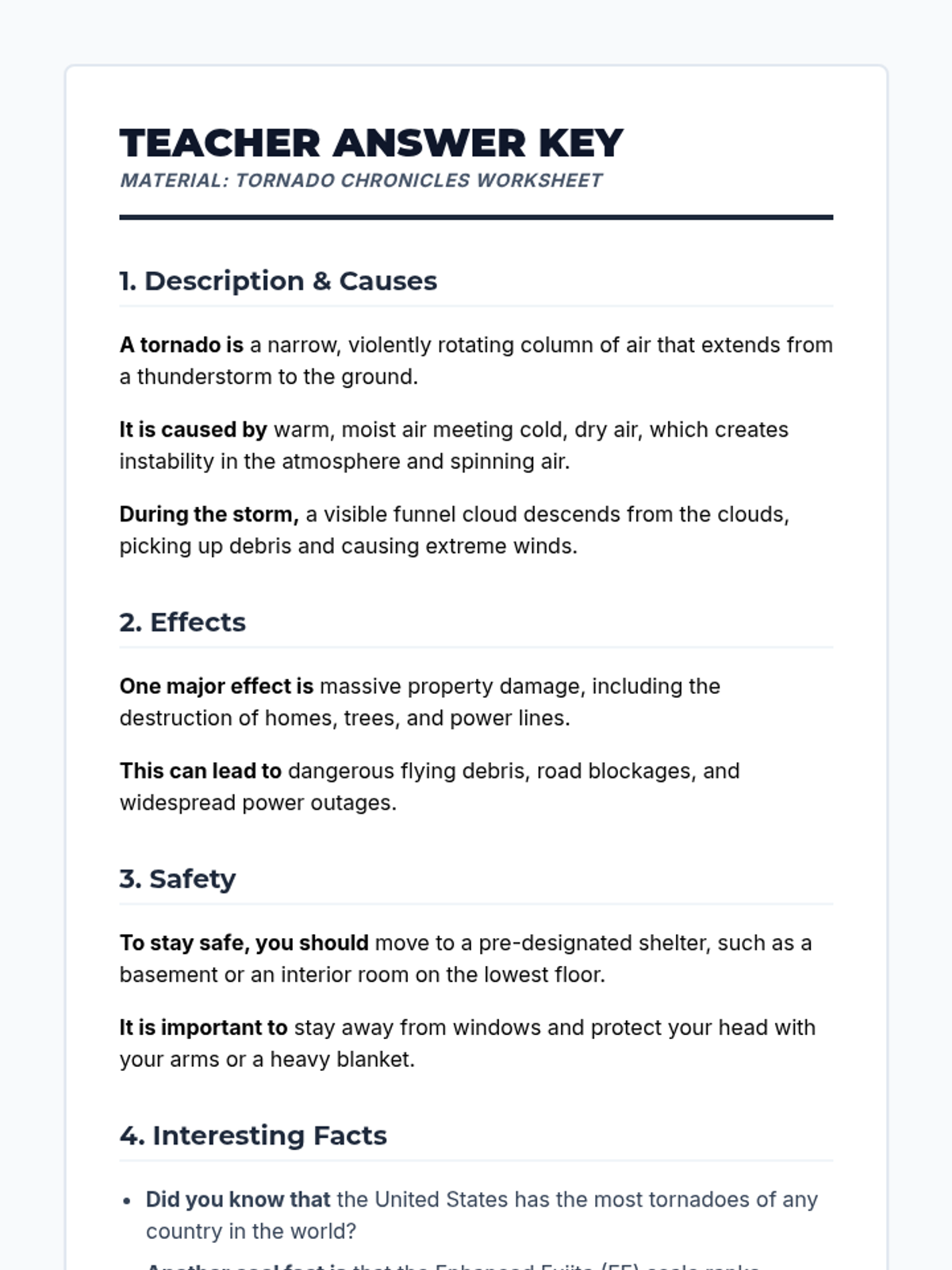
A comprehensive lesson on tornadoes, covering their formation from rotating thunderstorms, their devastating wind impacts, and critical "get low" safety protocols.