A remedial lesson designed to clarify the boundaries of algebraic terms, specifically addressing the misconception that multiplication signs separate terms. Students use hands-on sorting and video analysis to distinguish between terms and factors.
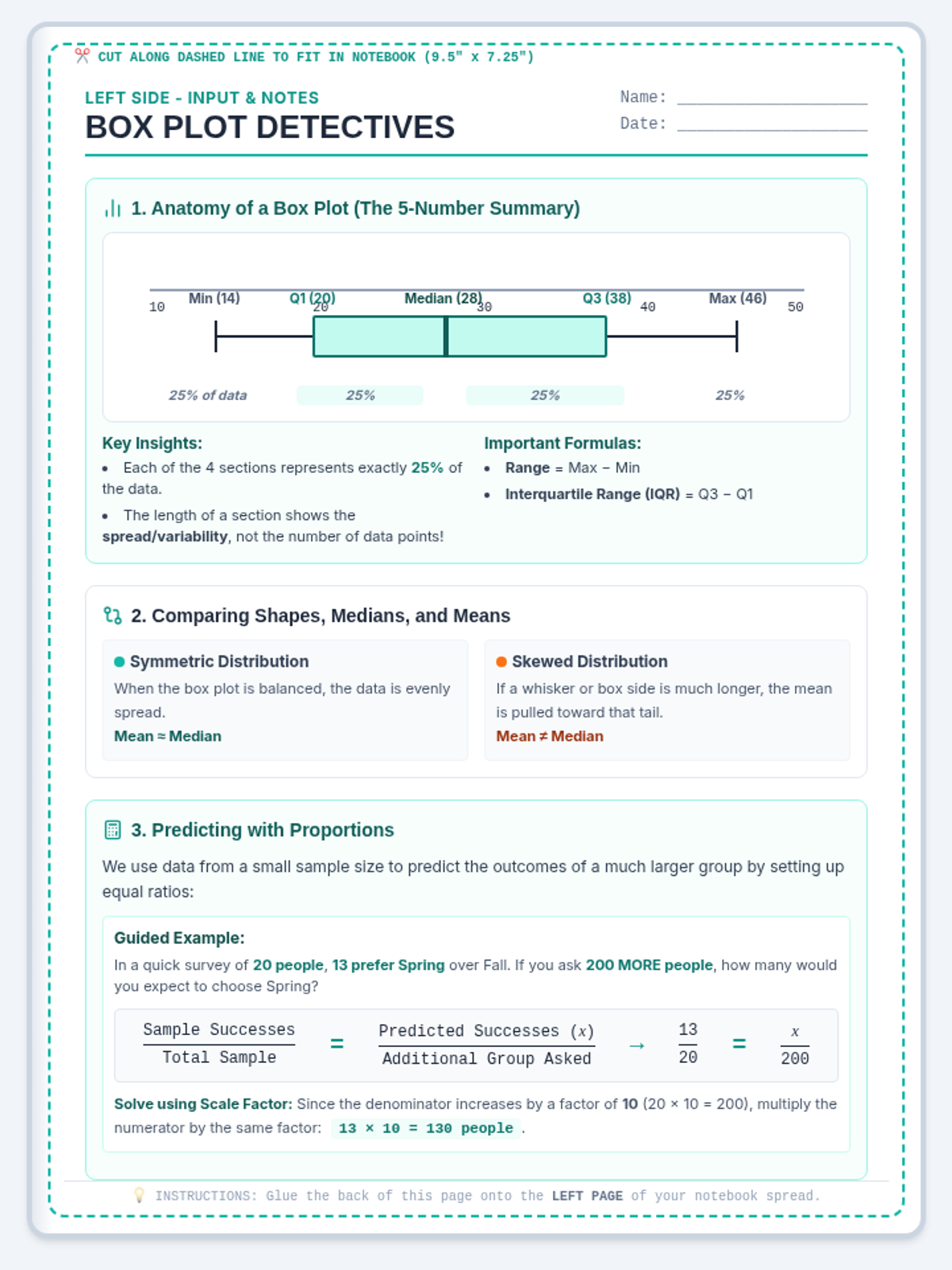
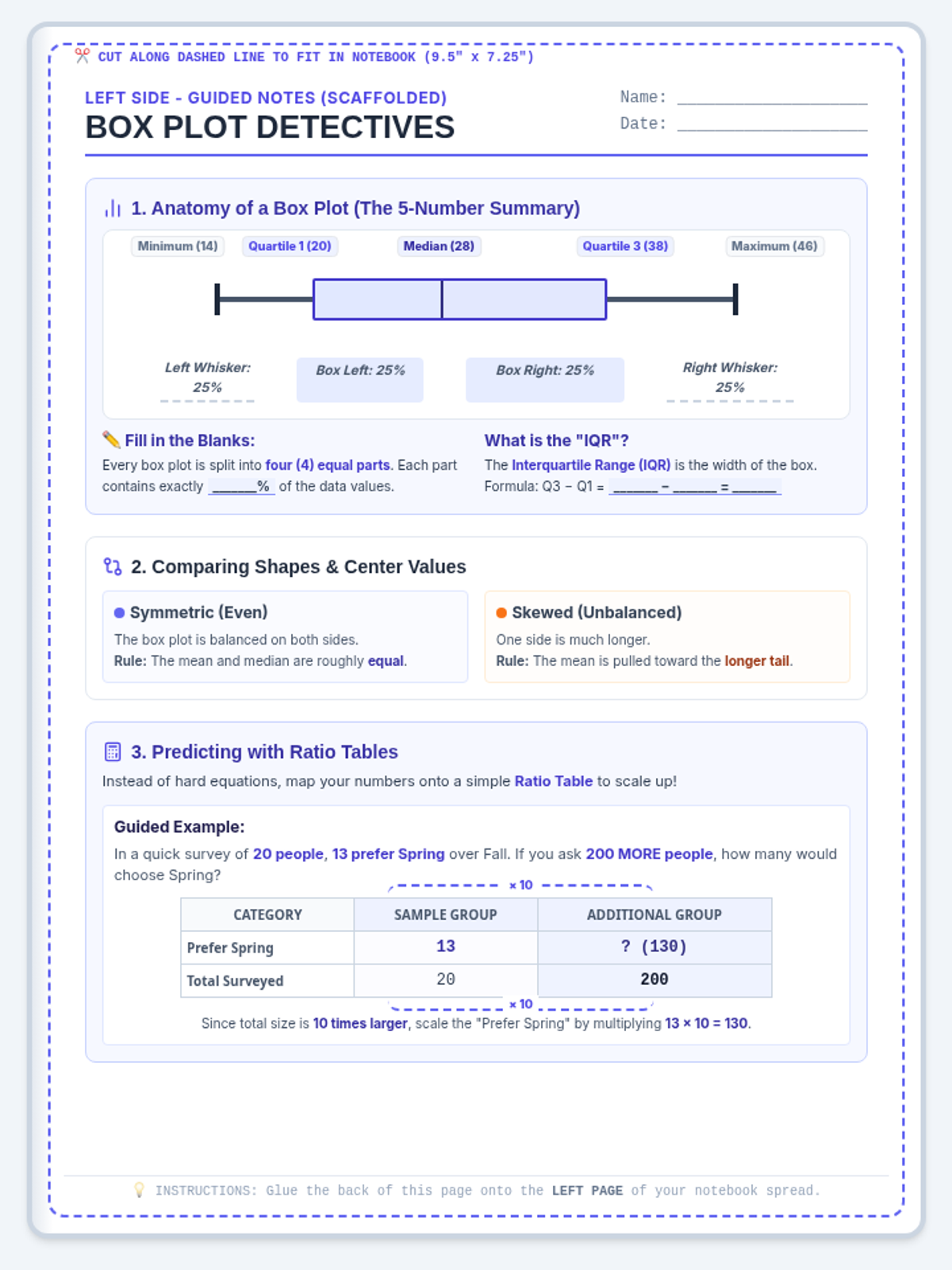
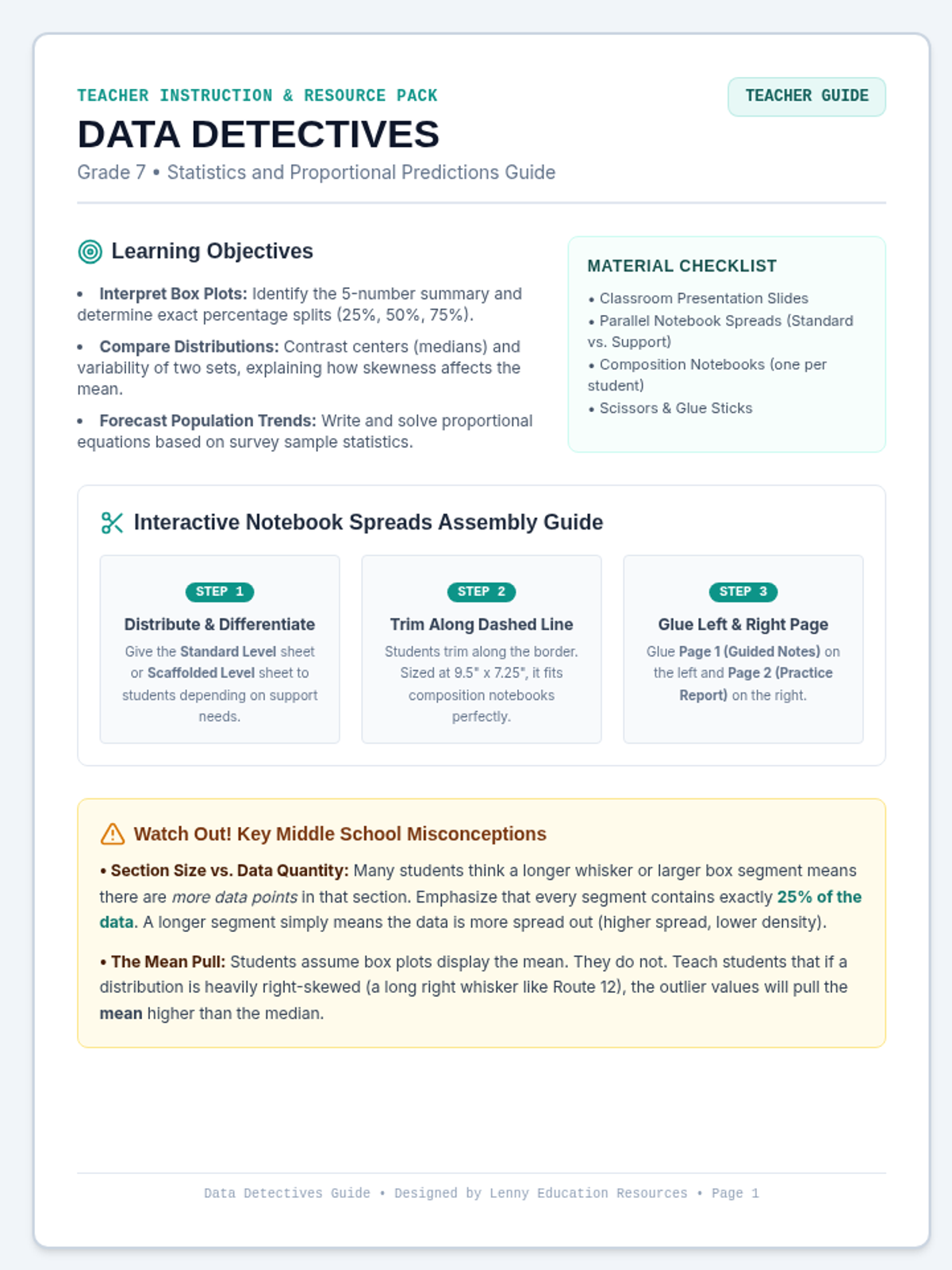
A middle school statistics lesson focused on comparing box plots, understanding quartiles, and making proportional predictions using sample data. Includes parallel standard and scaffolded interactive notebook spreads.
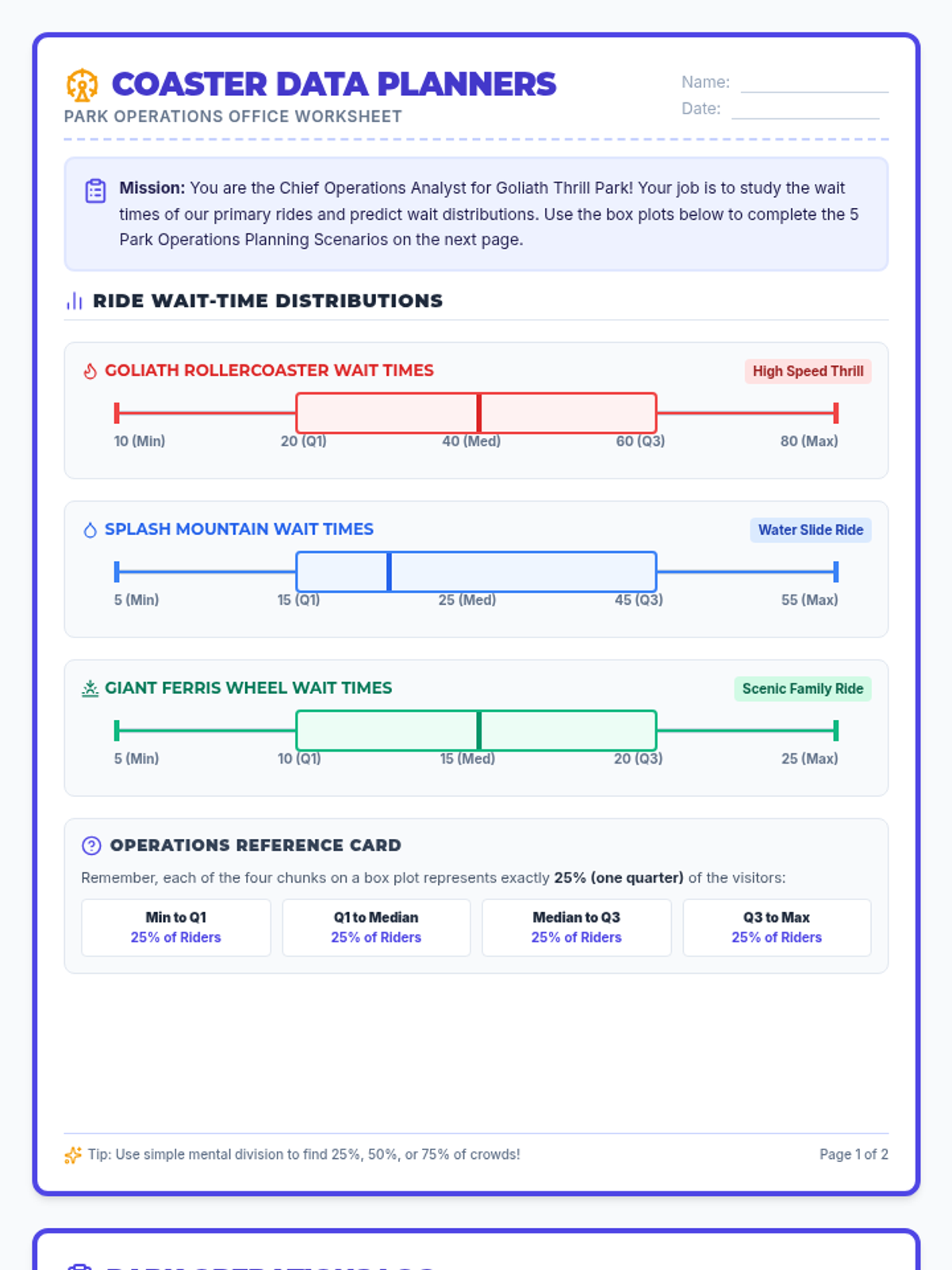
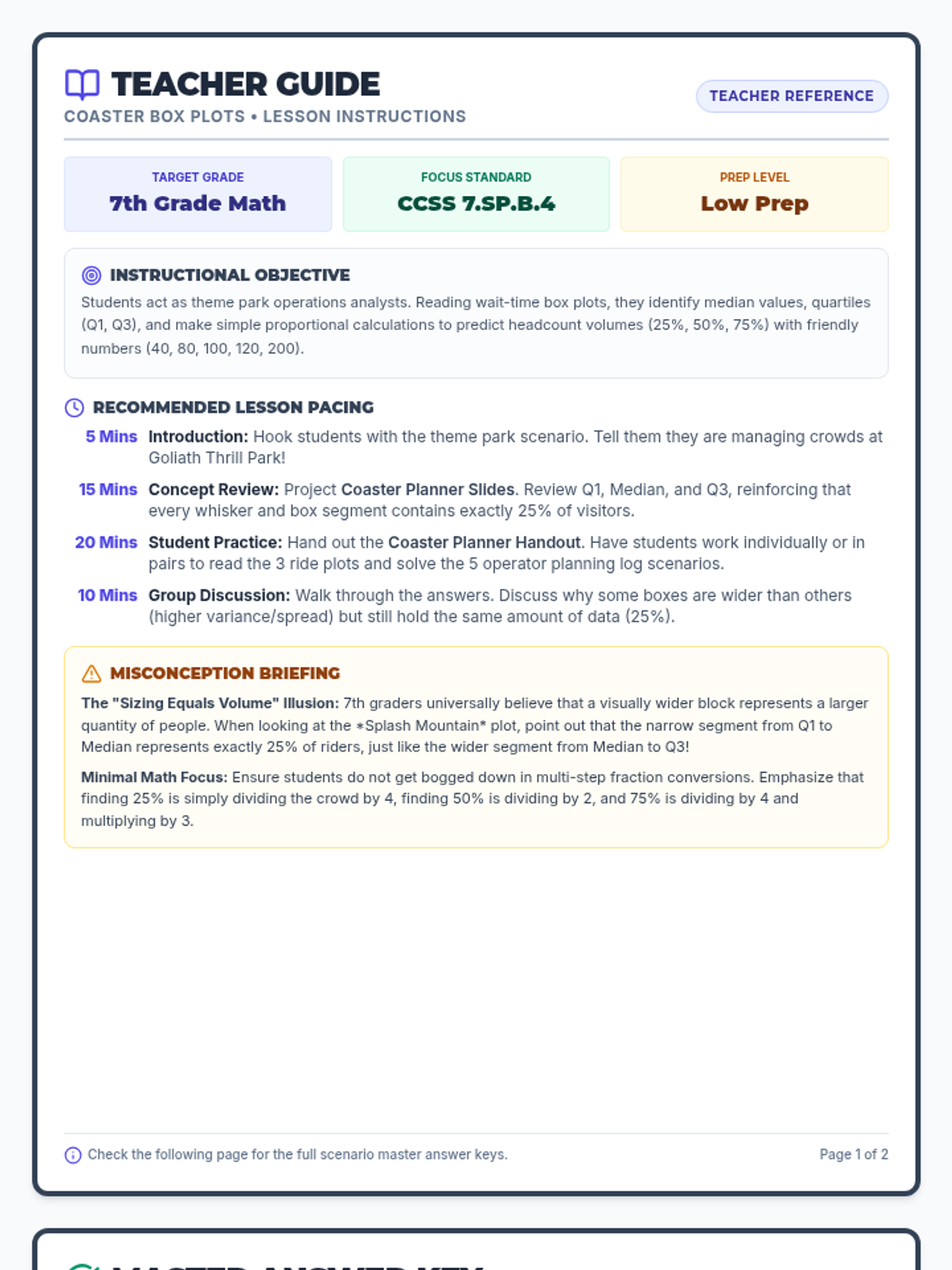
An engaging amusement park themed math lesson where 7th-grade students act as park planners. Reading ride wait-time box plots, students solve realistic visitor volume predictions with simple percentage calculations.
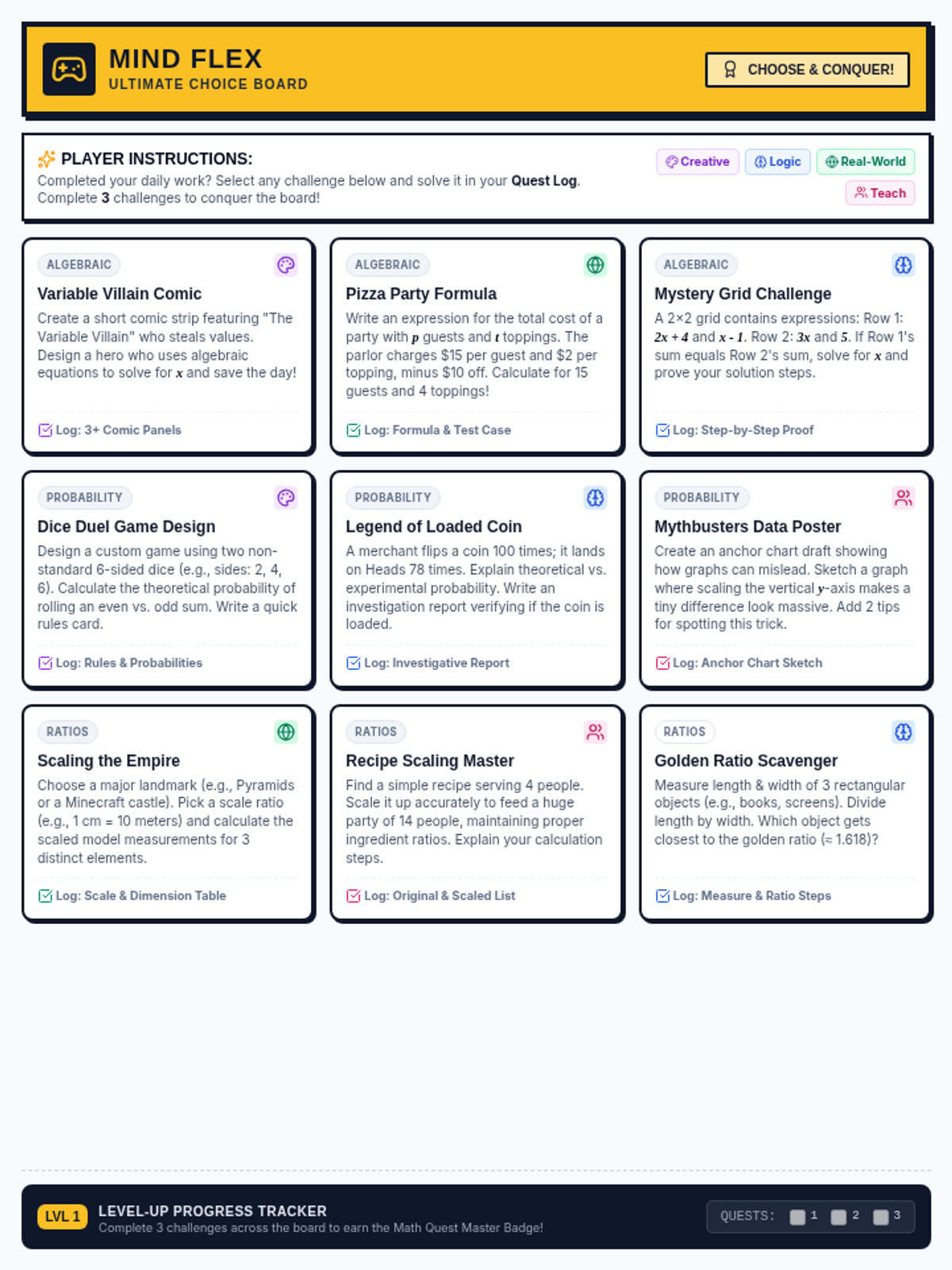
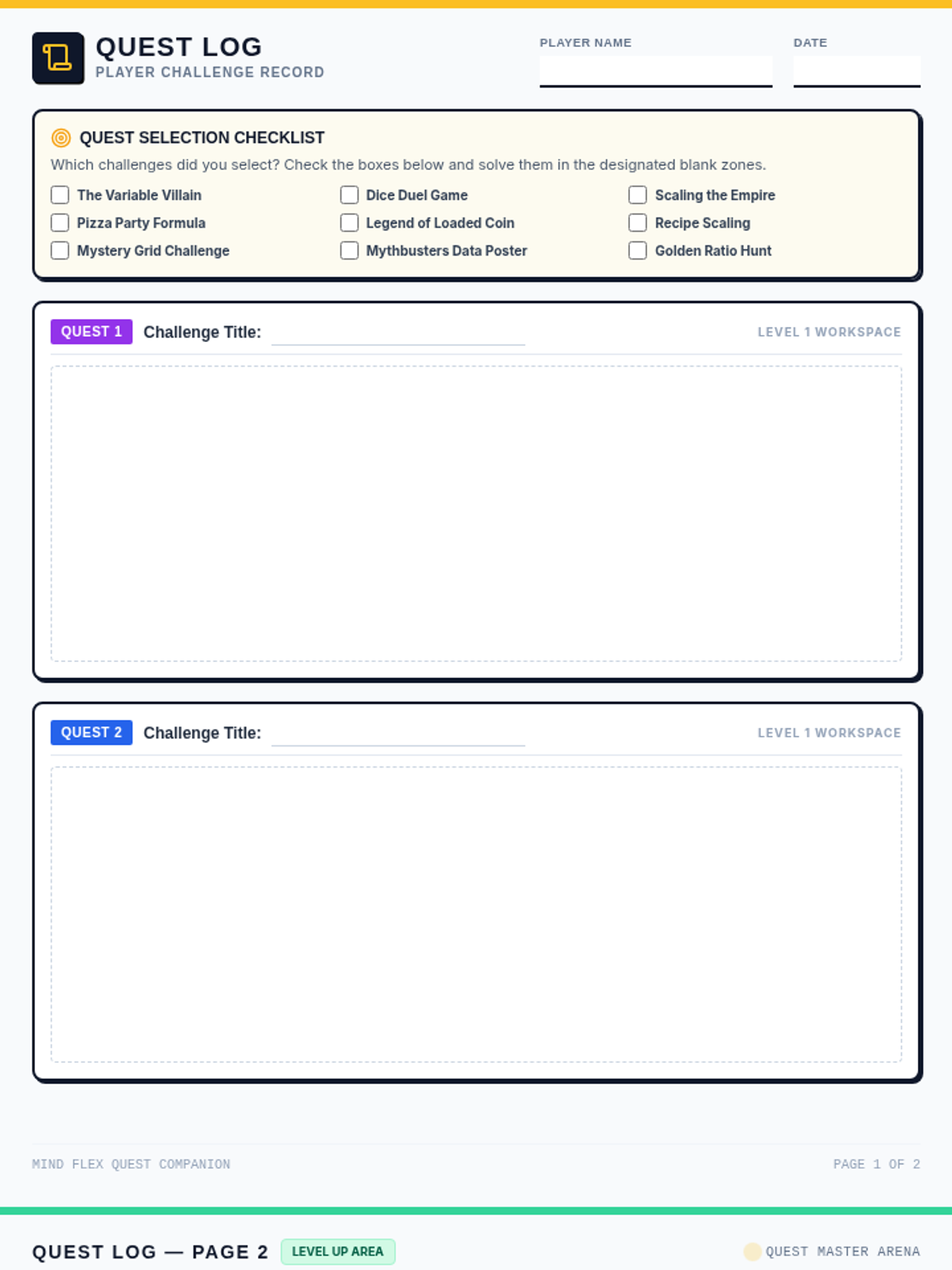
A collection of high-interest, independent math challenges for early finishers, covering Algebraic Expressions, Probability & Statistics, and Ratios & Proportions. Features creative projects, real-world applications, logic puzzles, and peer-teaching activities.
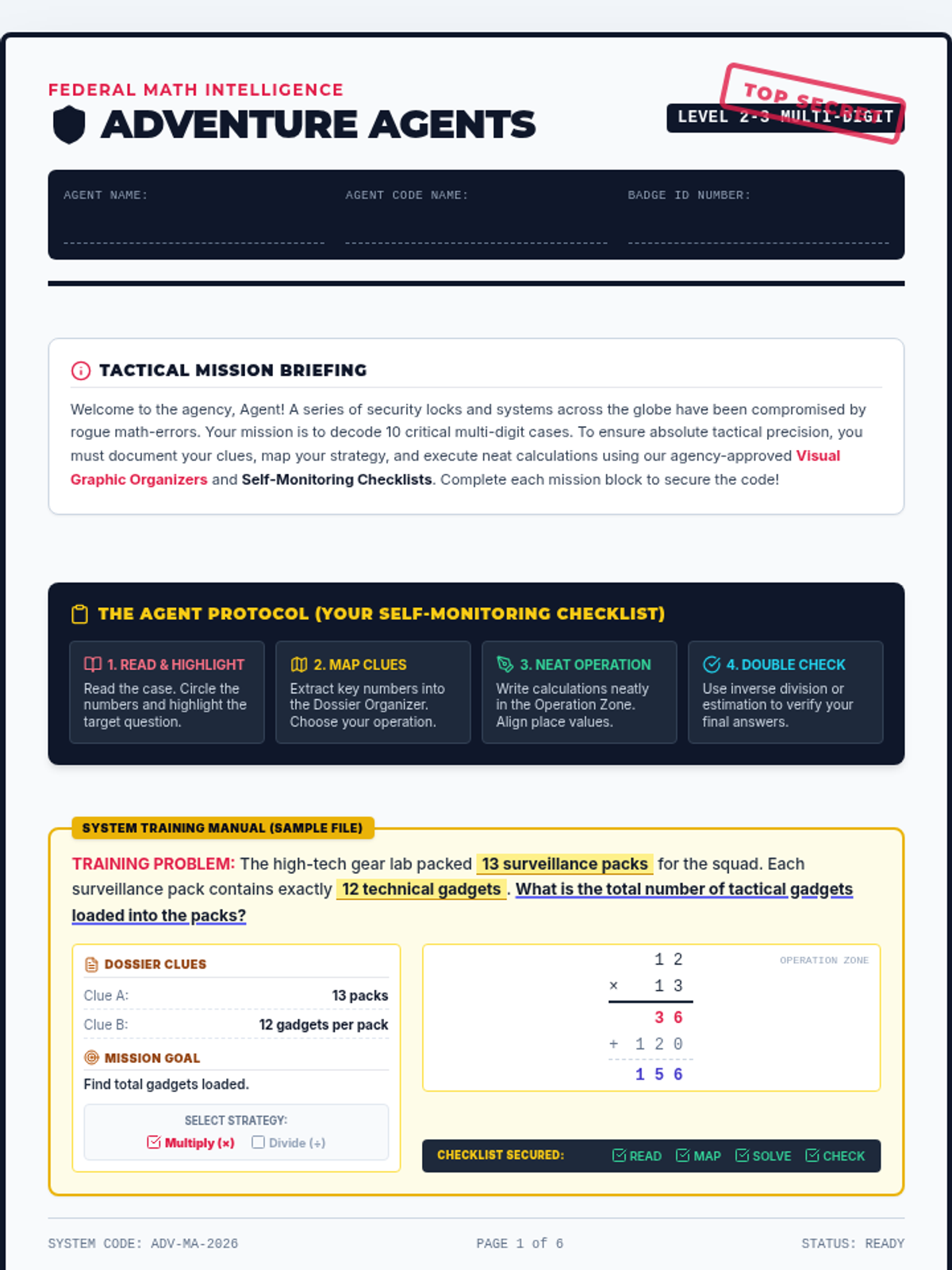
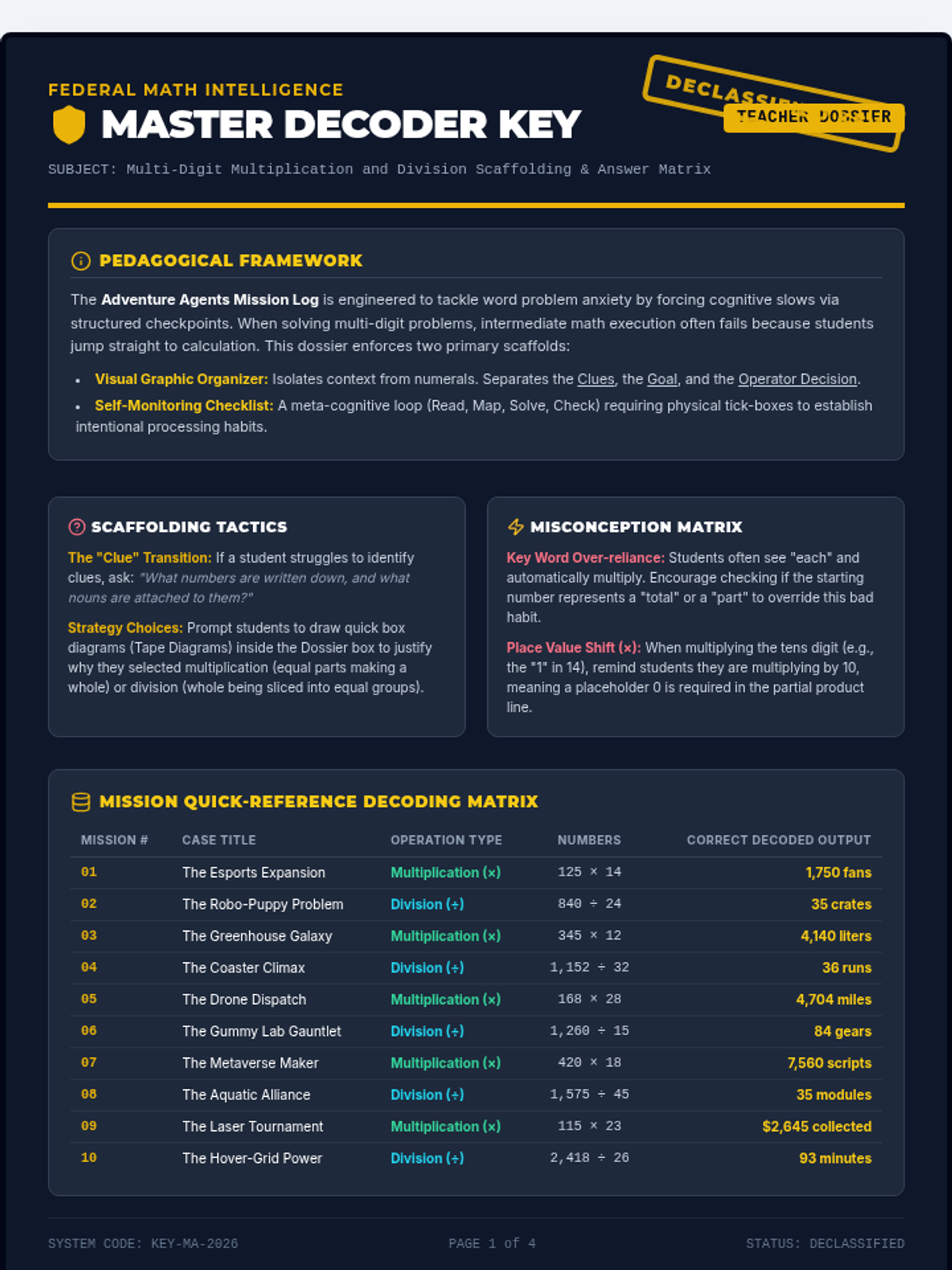
A high-interest word problem mission where students use visual graphic organizers and self-monitoring checklists to solve multi-digit multiplication and division challenges.
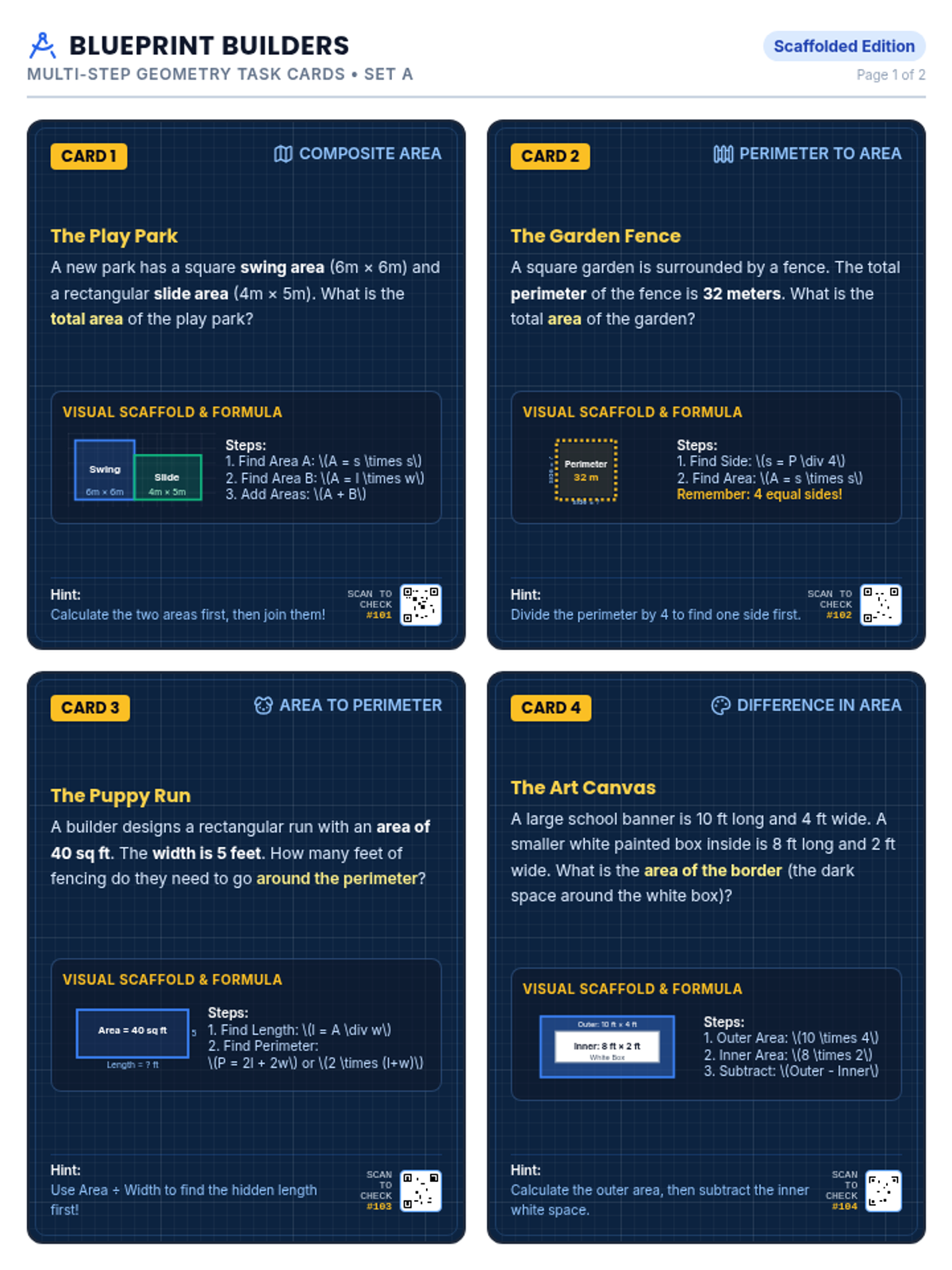
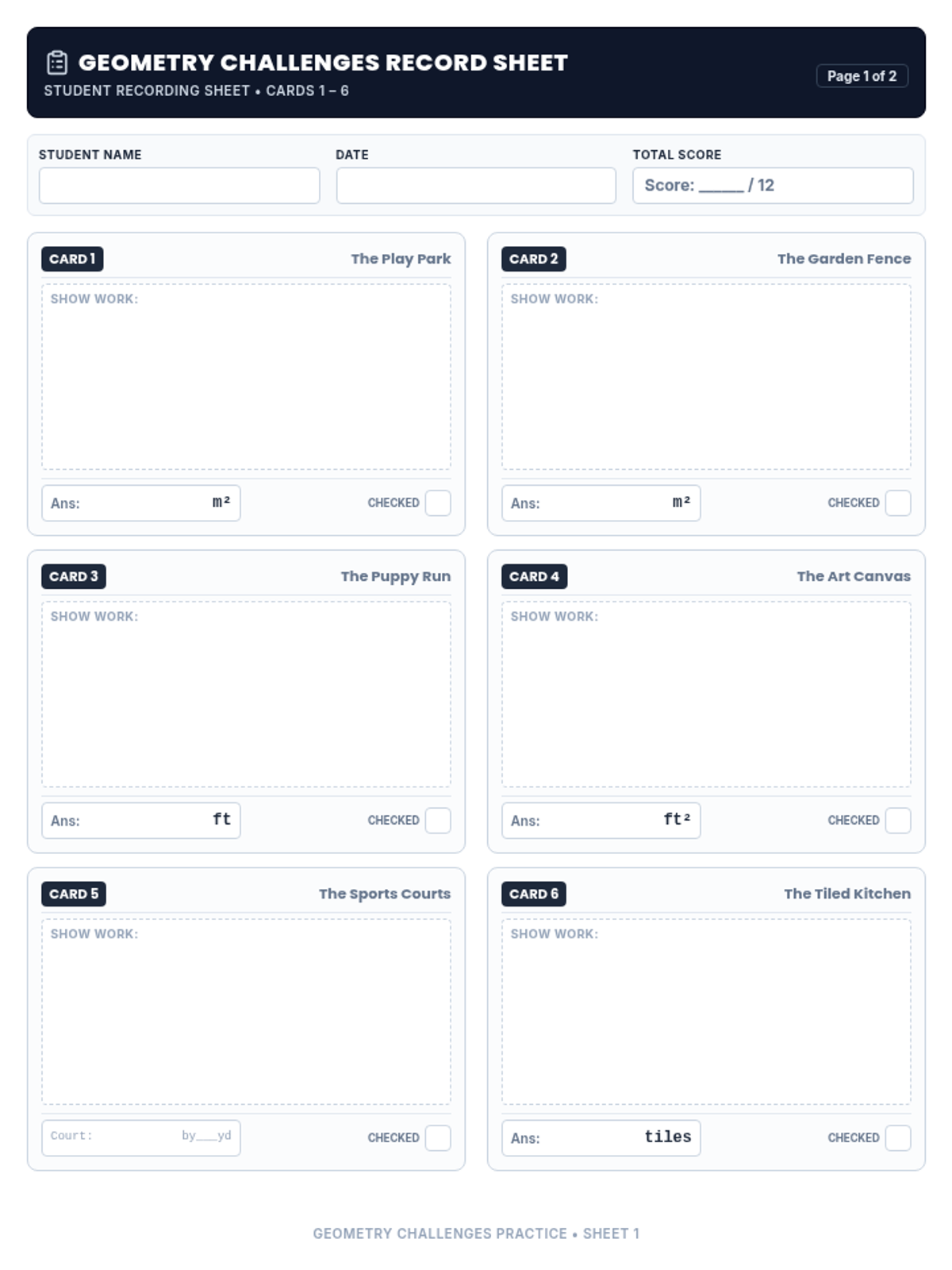
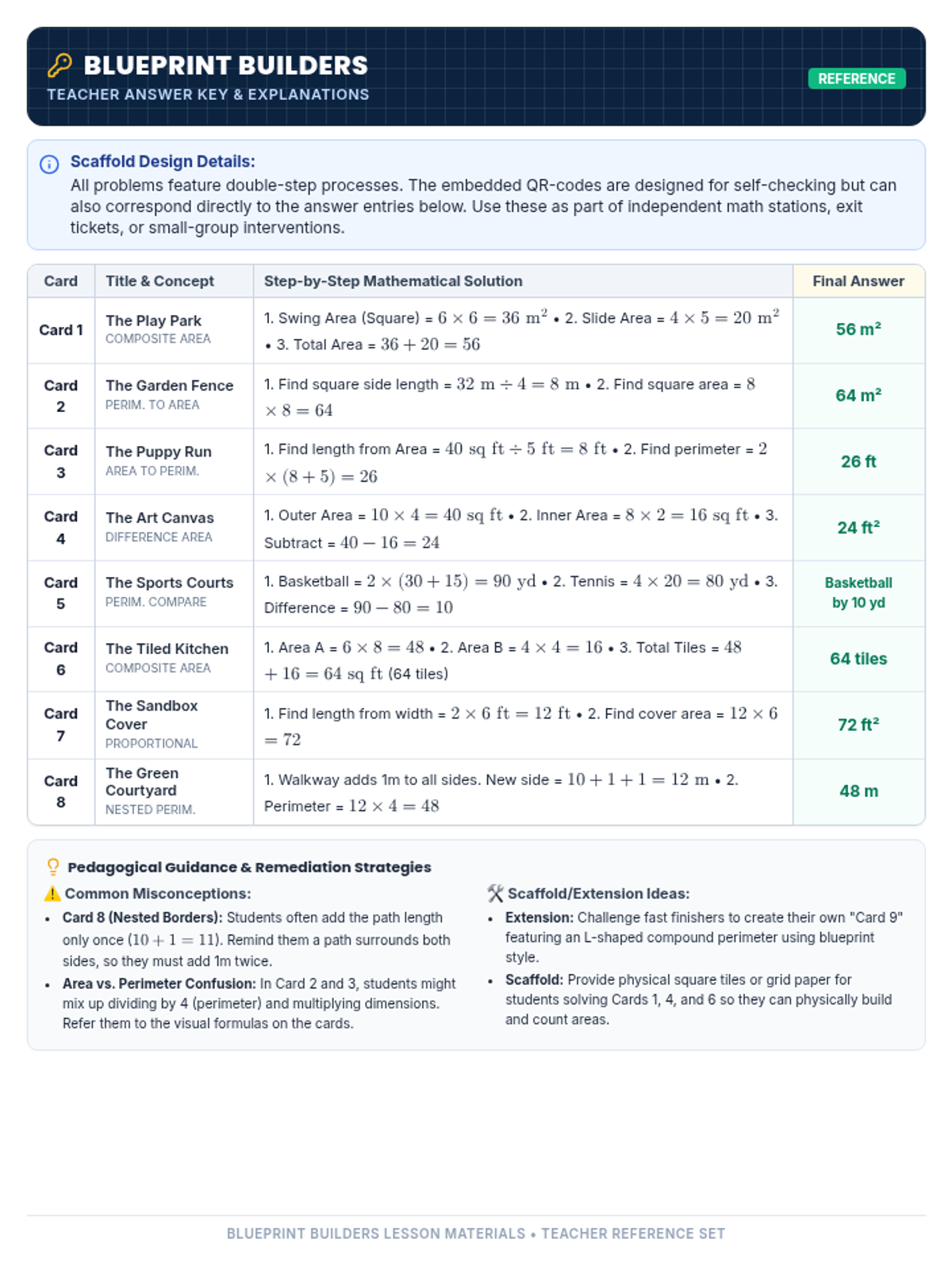
A minimalist, high-contrast geometry lesson where students solve multi-step area and perimeter problems. It features clean, print-friendly task cards with visual scaffolds and simplified language to support diverse learners.
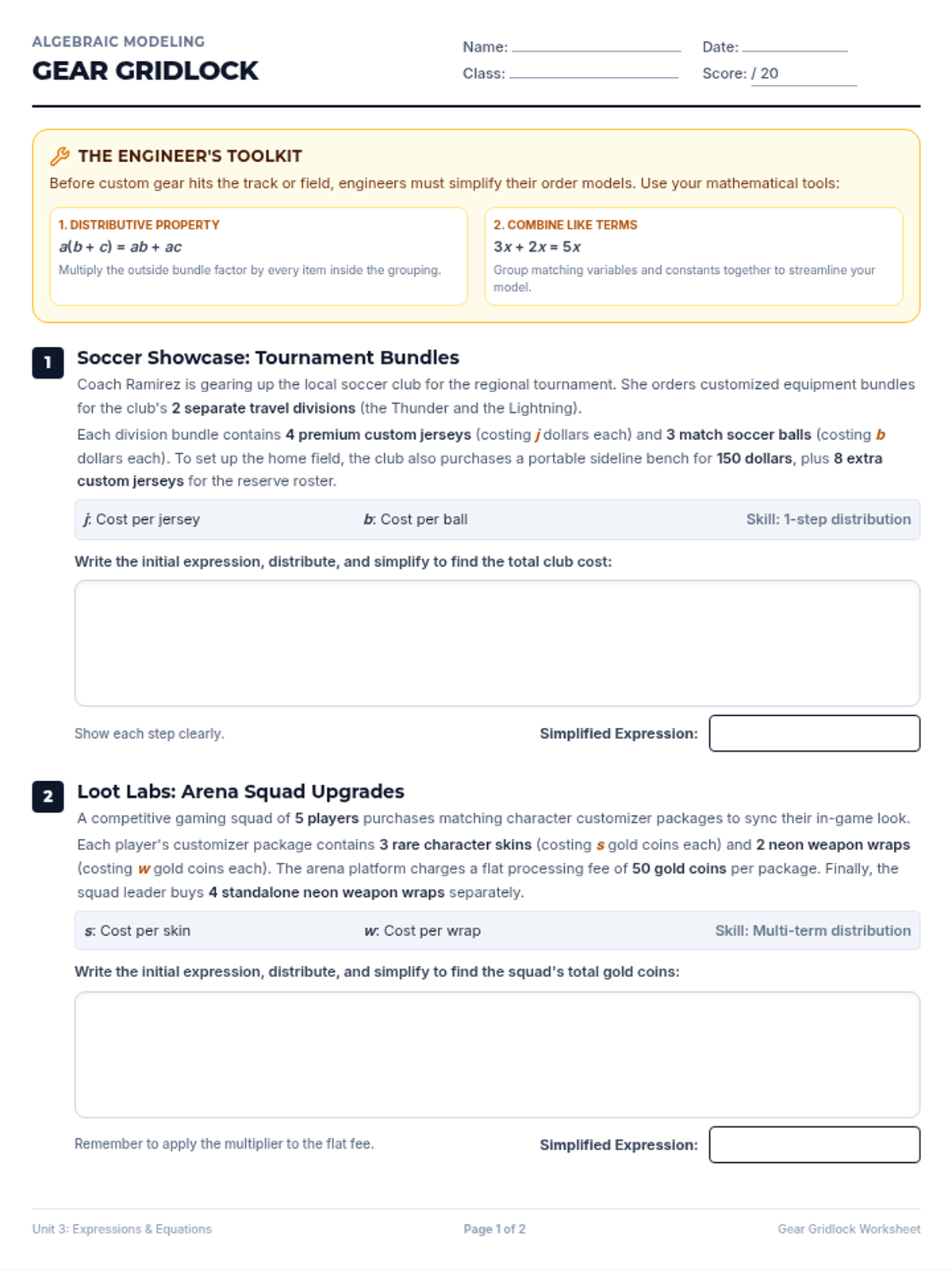
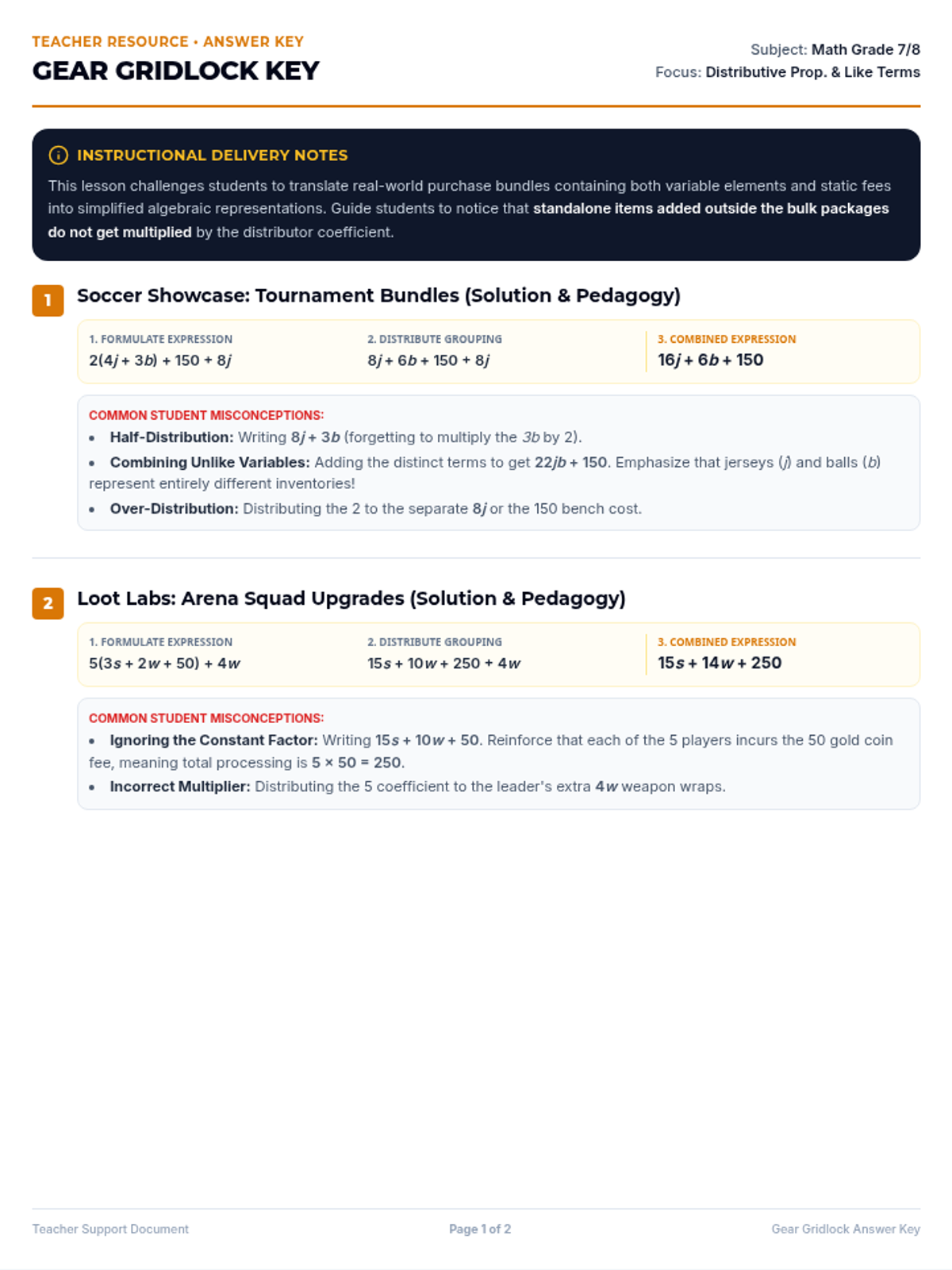
A middle school algebraic modeling lesson. Students use the distributive property and combine like terms to simplify expressions inspired by real-world gears, soccer bundles, customized sneakers, gaming loot packages, and dirt bike maintenance packs.
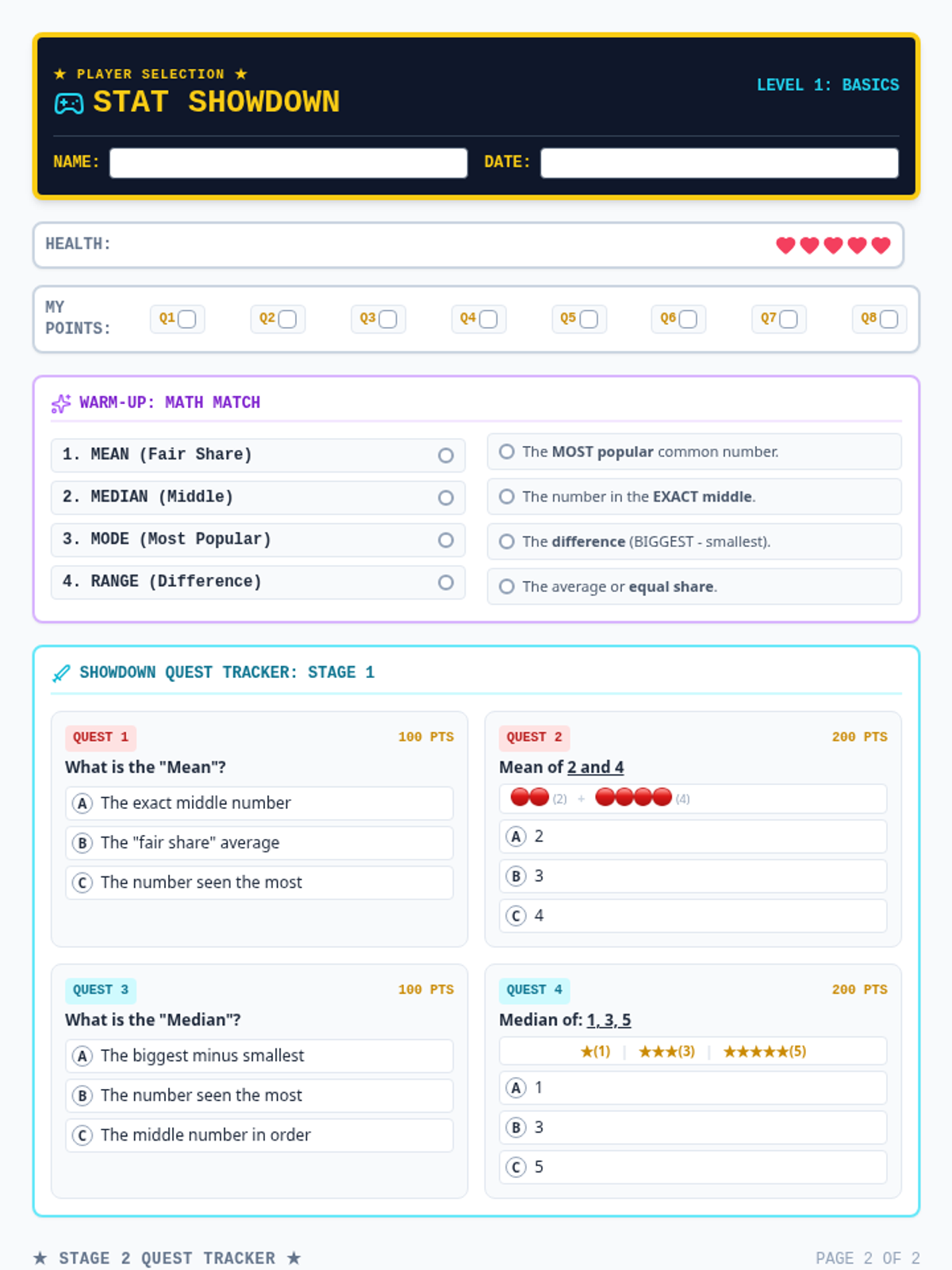
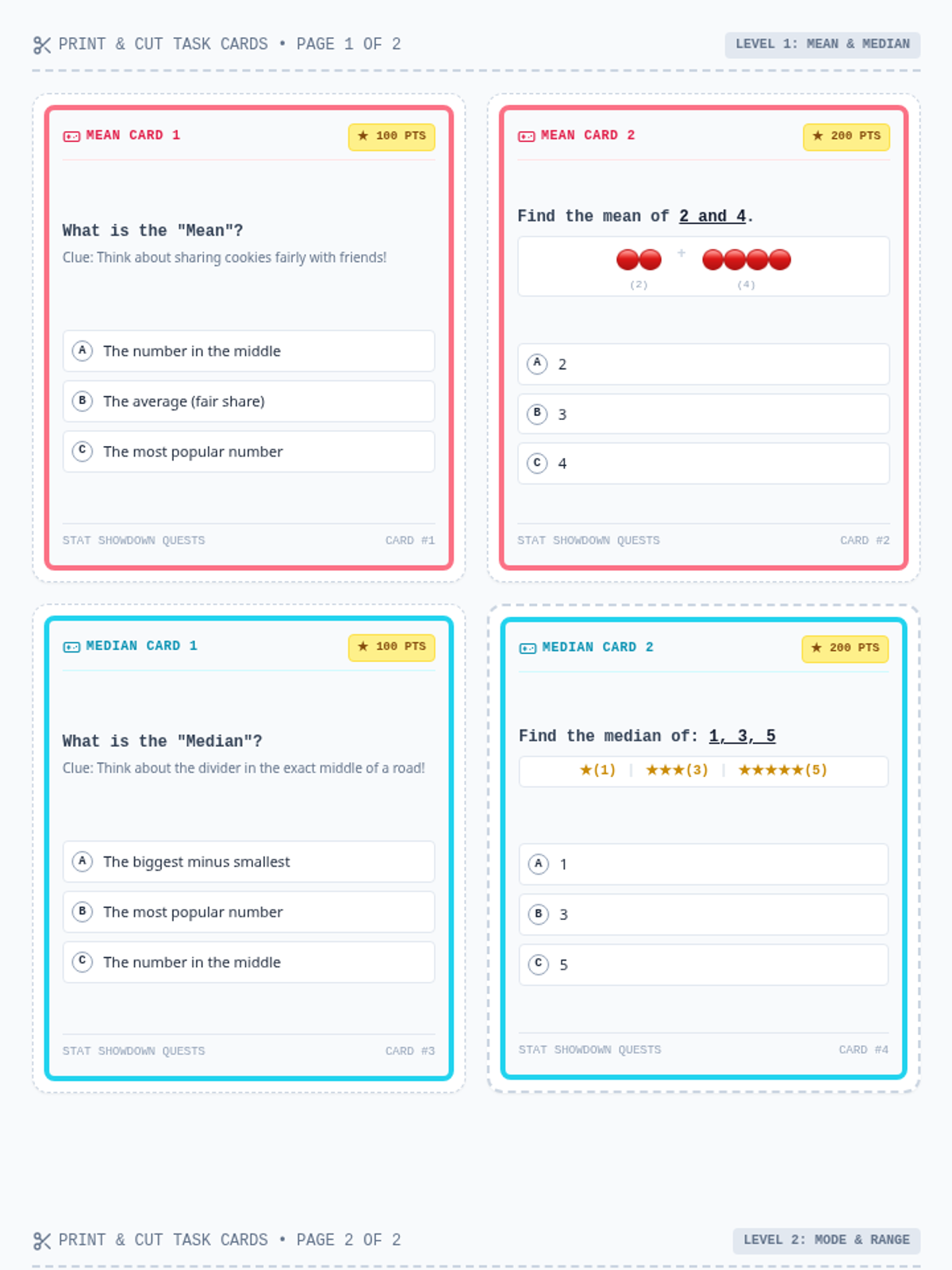
A retro-arcade themed lesson on mean, median, mode, and range modified for IEP students. Features simplified definition-focused questions, single-digit numbers with visual counters, and multiple-choice options.
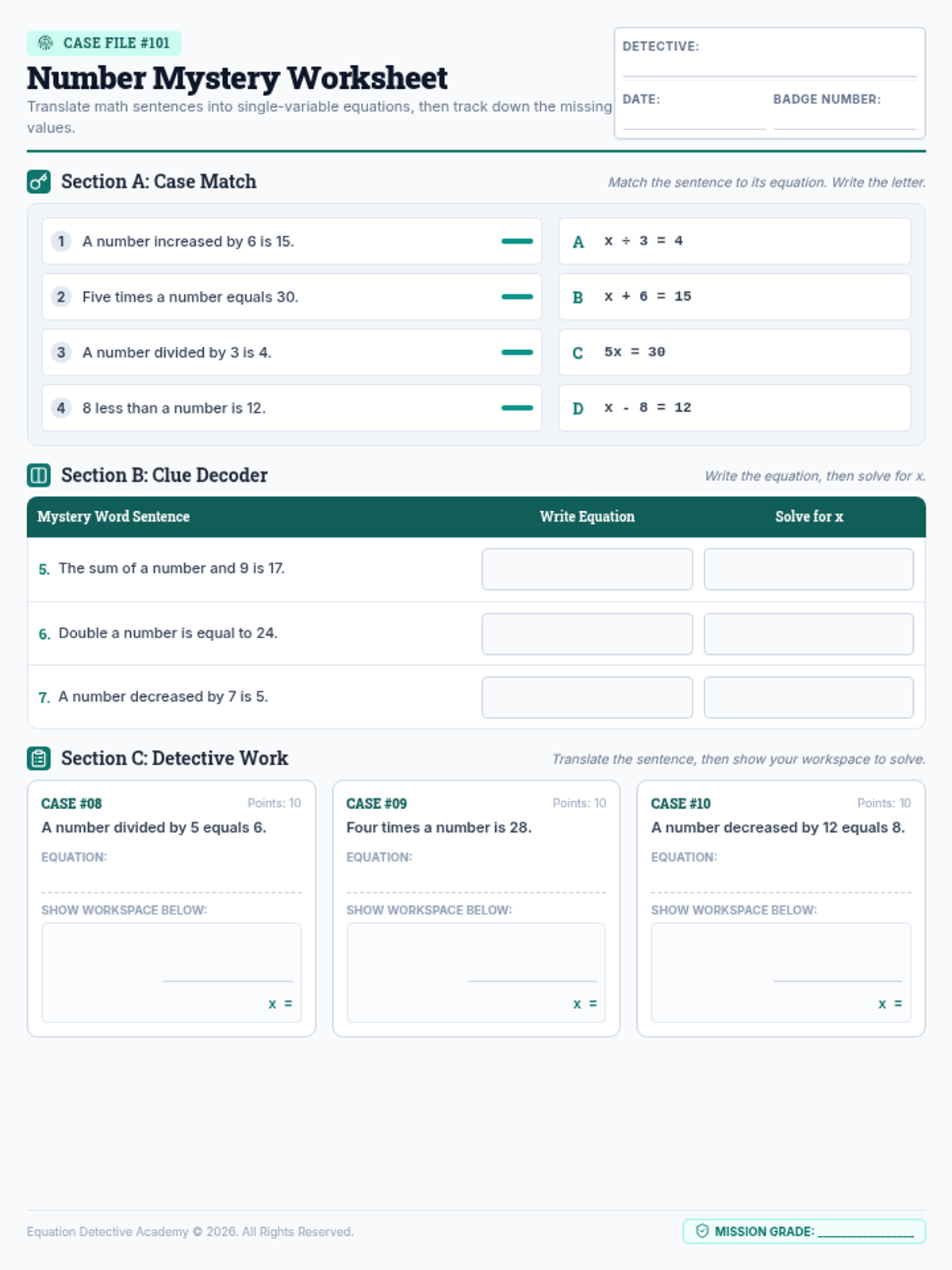
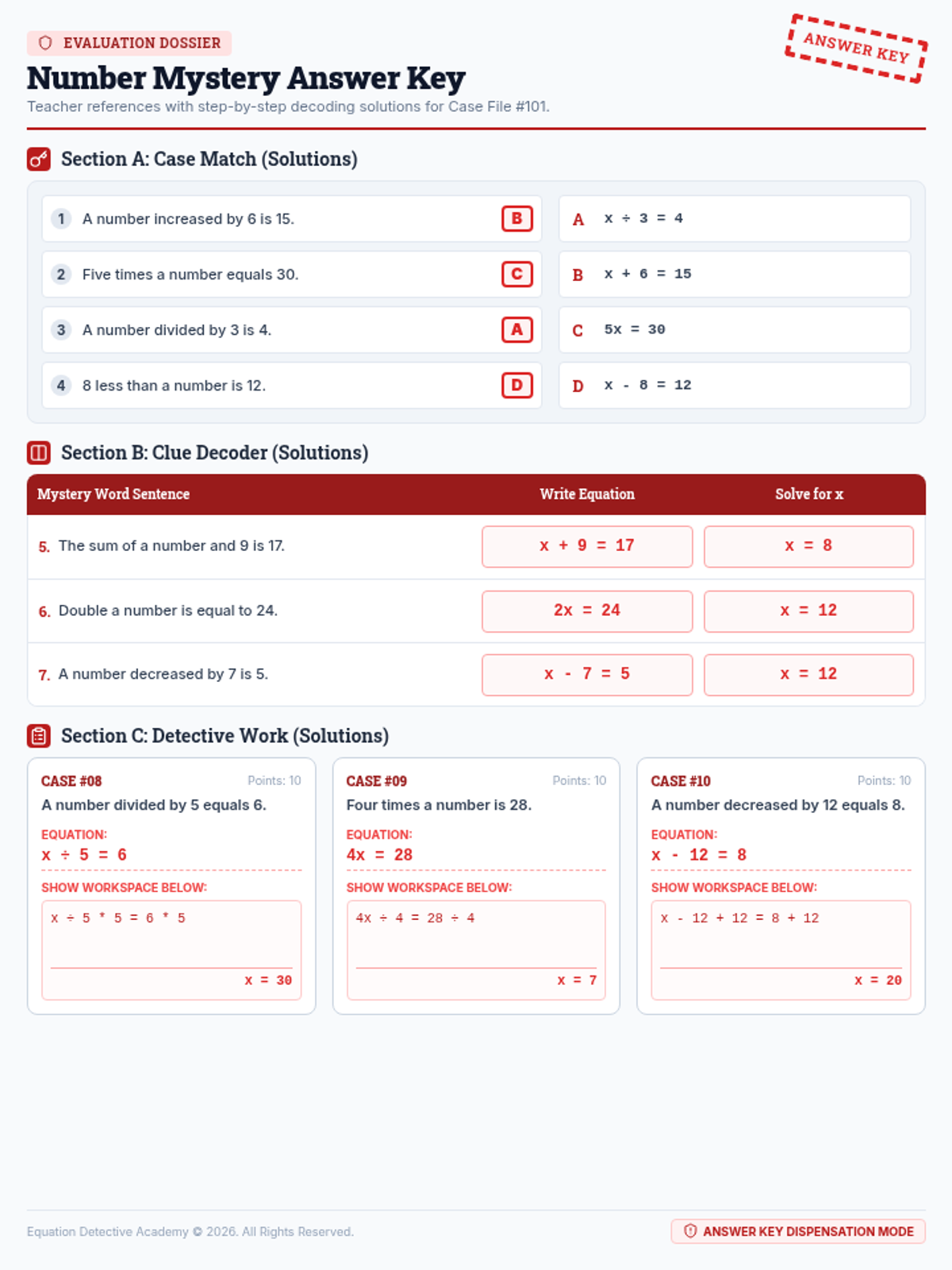
A beginner-friendly algebra lesson focused on translating word sentences into single-variable equations and solving them. Students learn to decode mathematical language and apply inverse operations using only positive whole numbers.
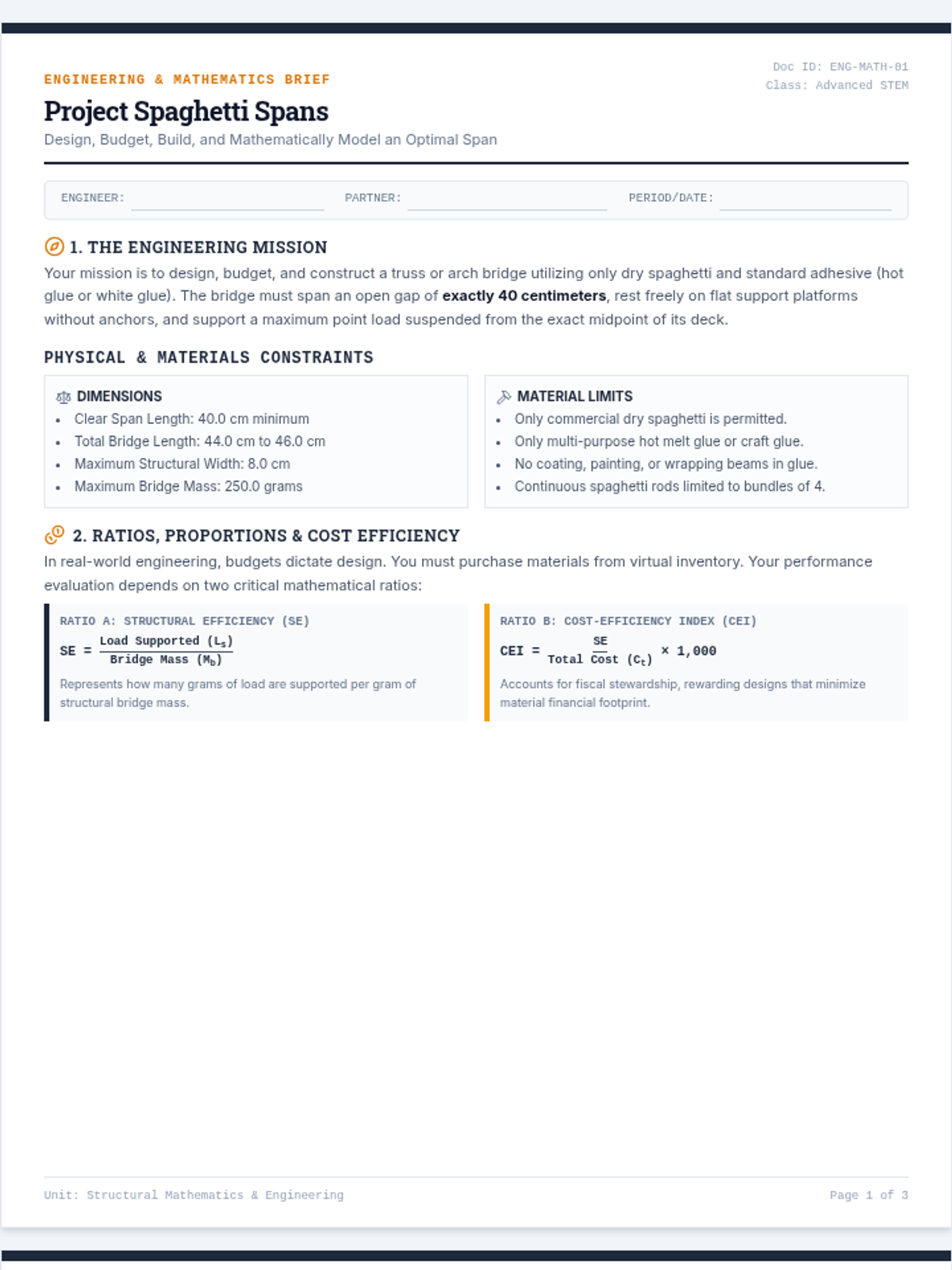
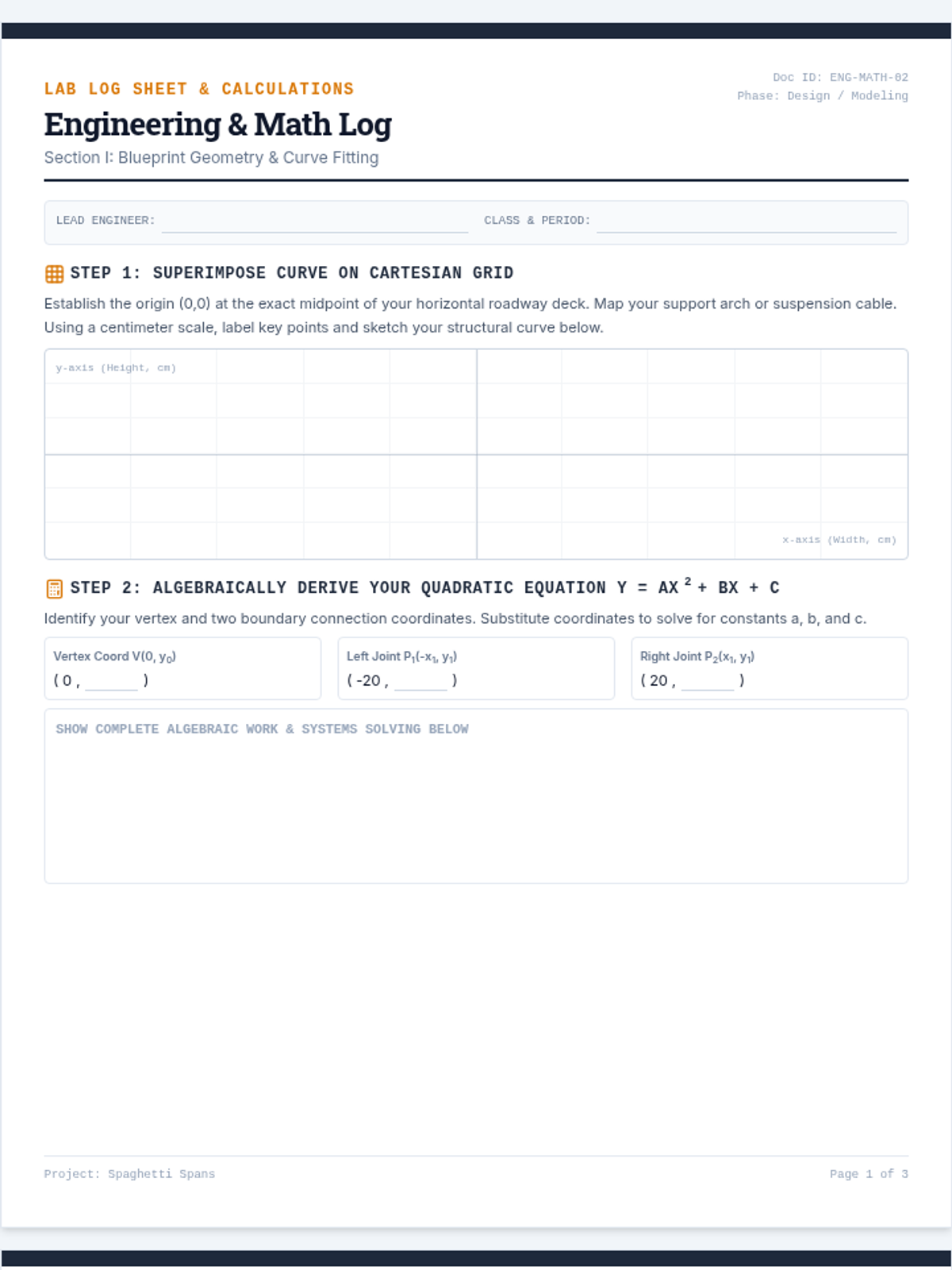
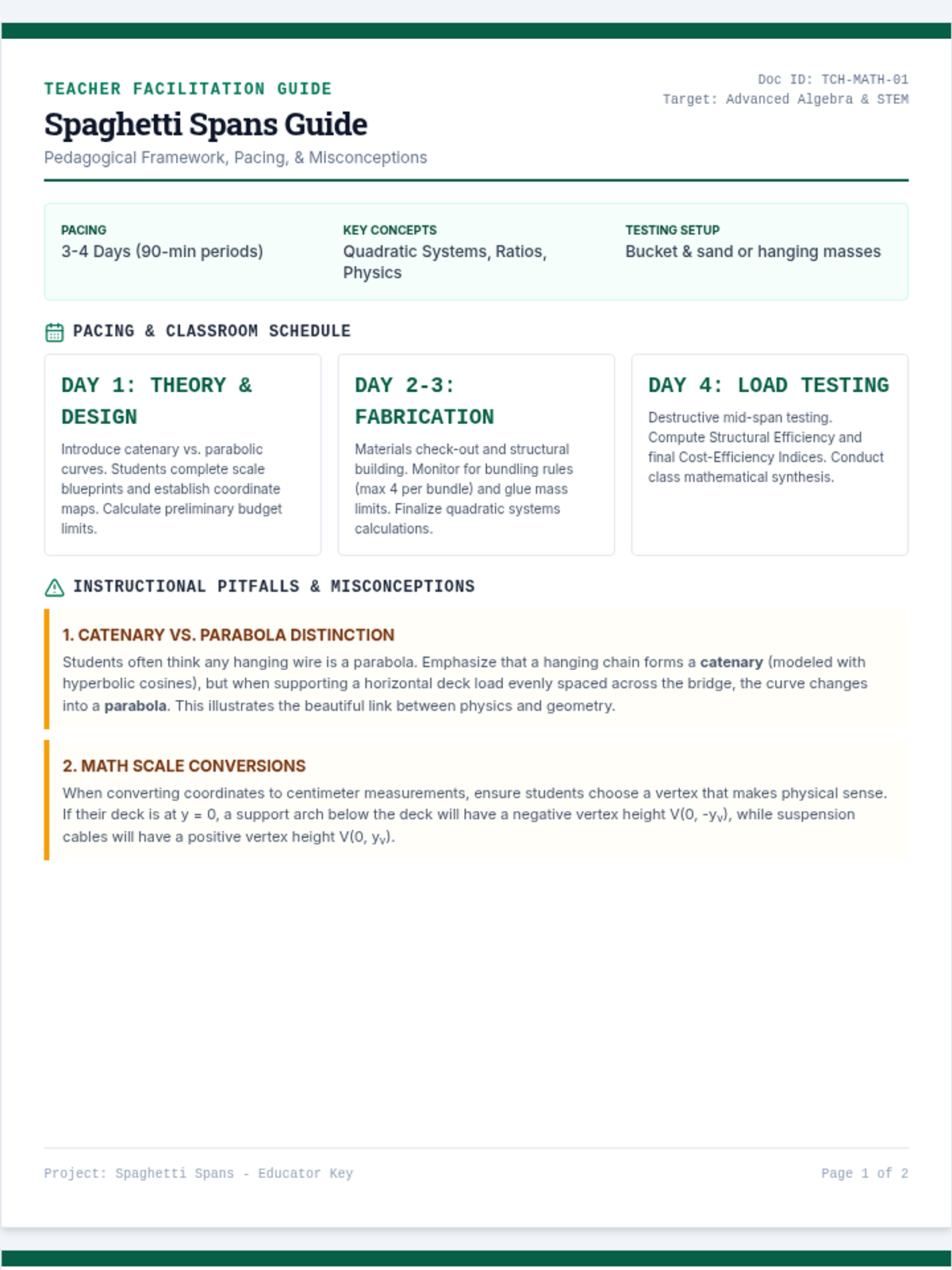
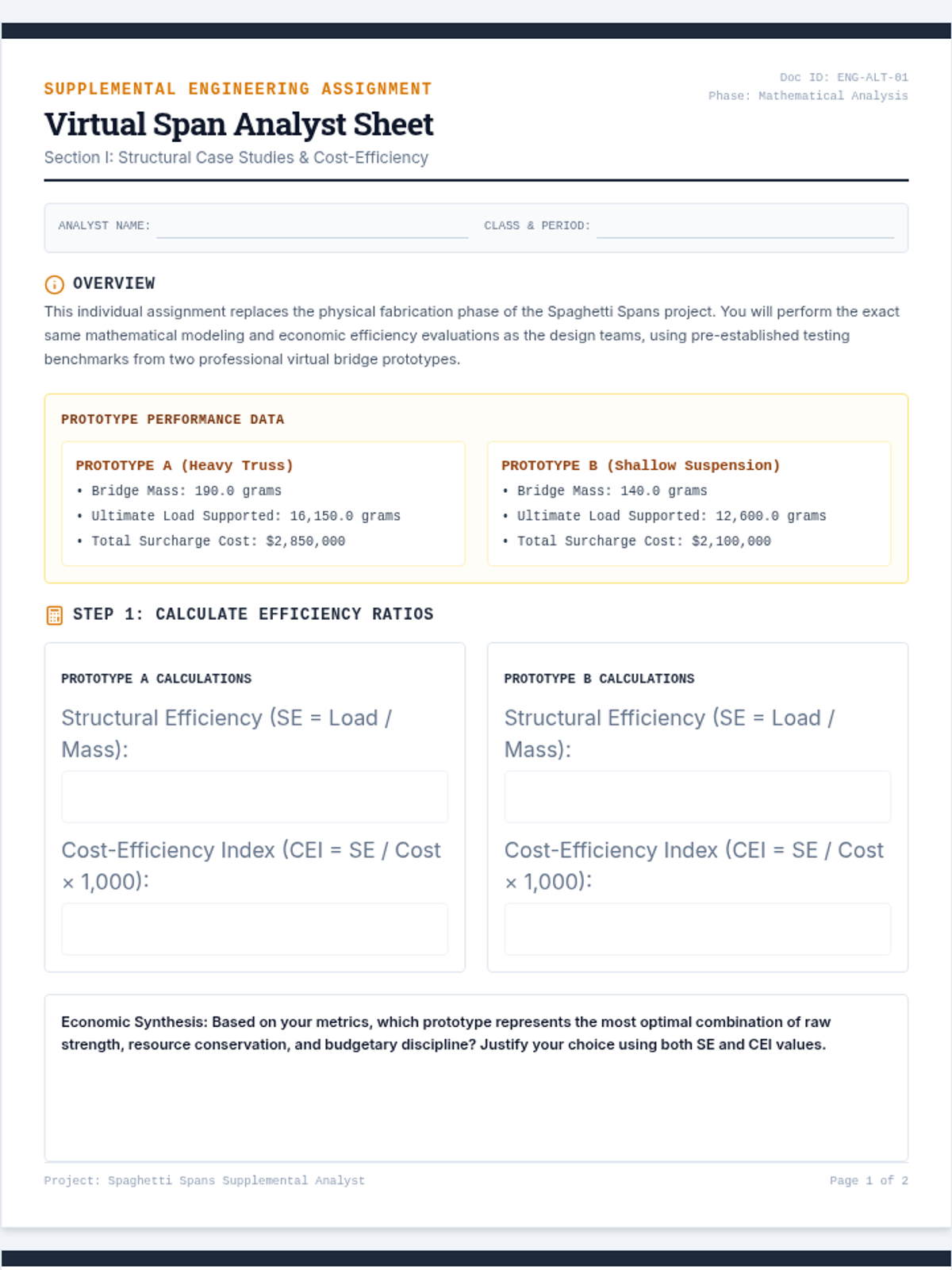
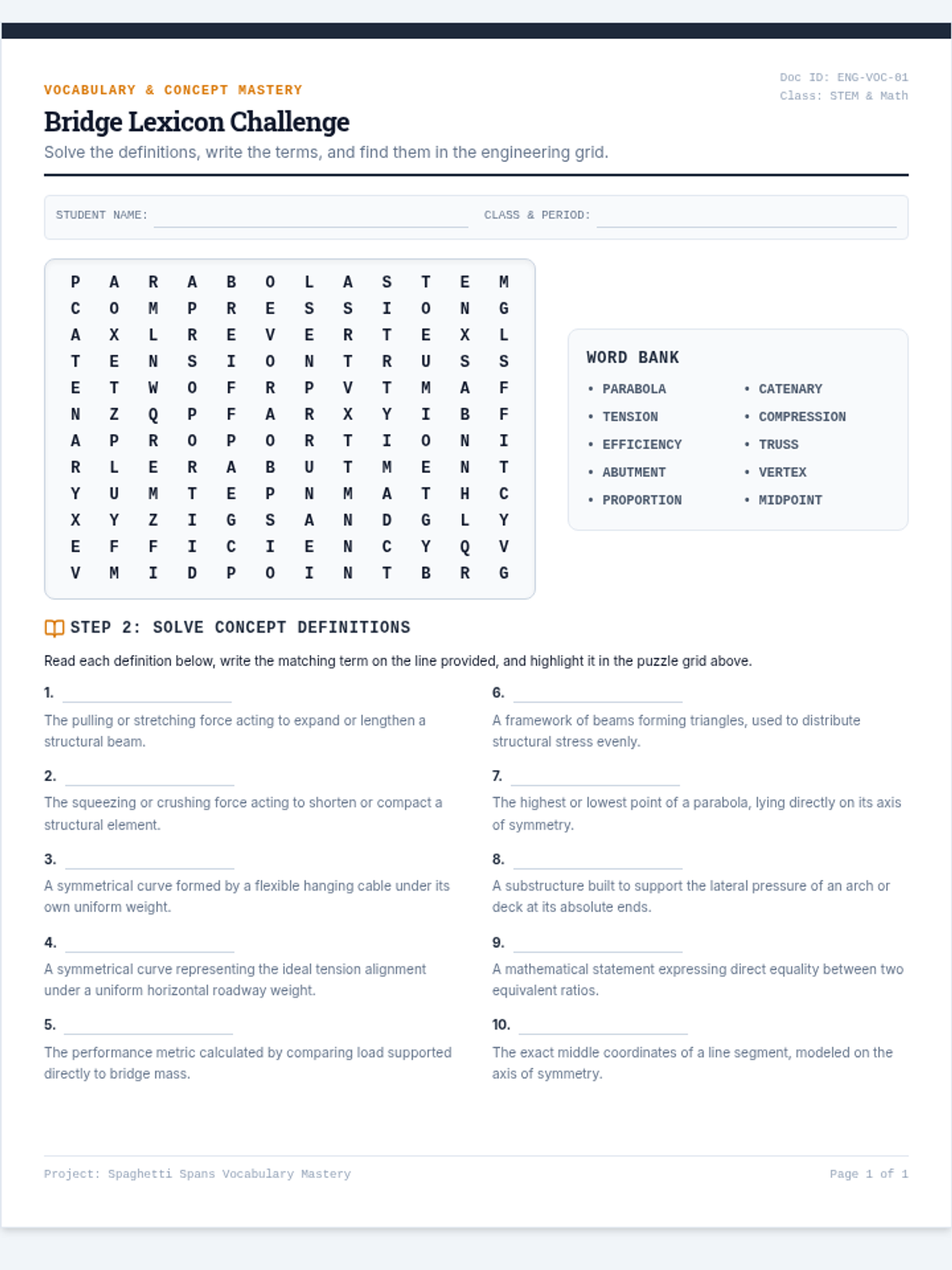
A rigorous STEM project combining structural engineering with advanced mathematics. Students design, budget, build, and test spaghetti bridges using ratios, proportions, cost-efficiency metrics, quadratic modeling, and catenary curves.
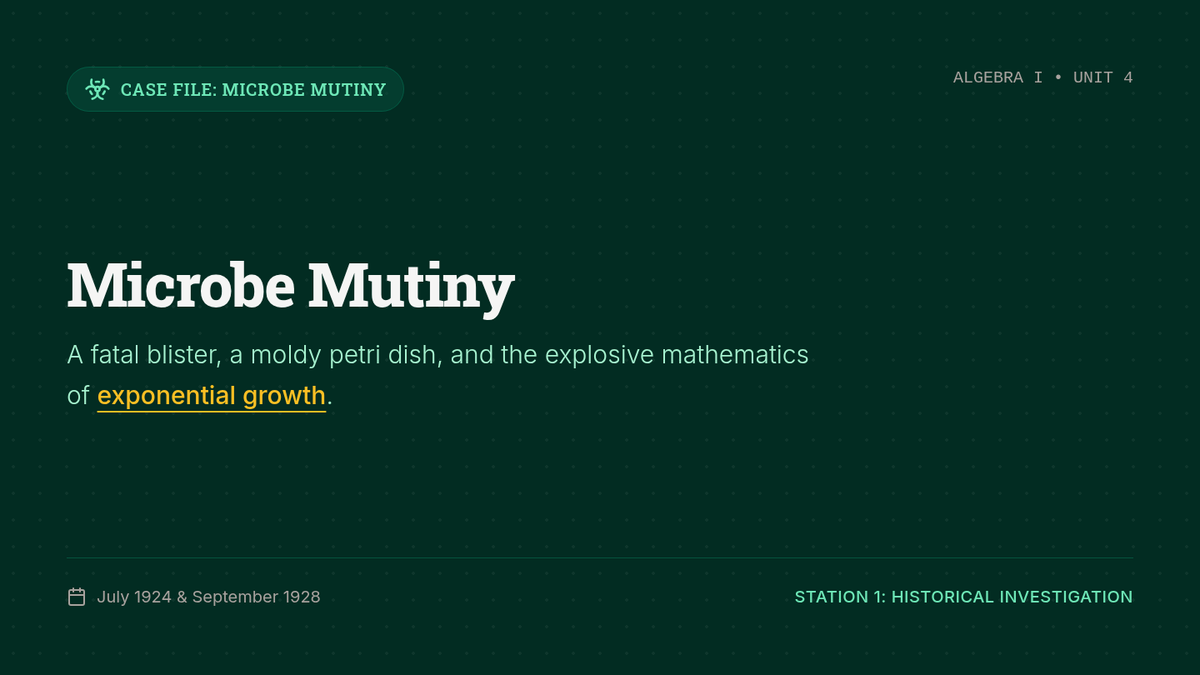
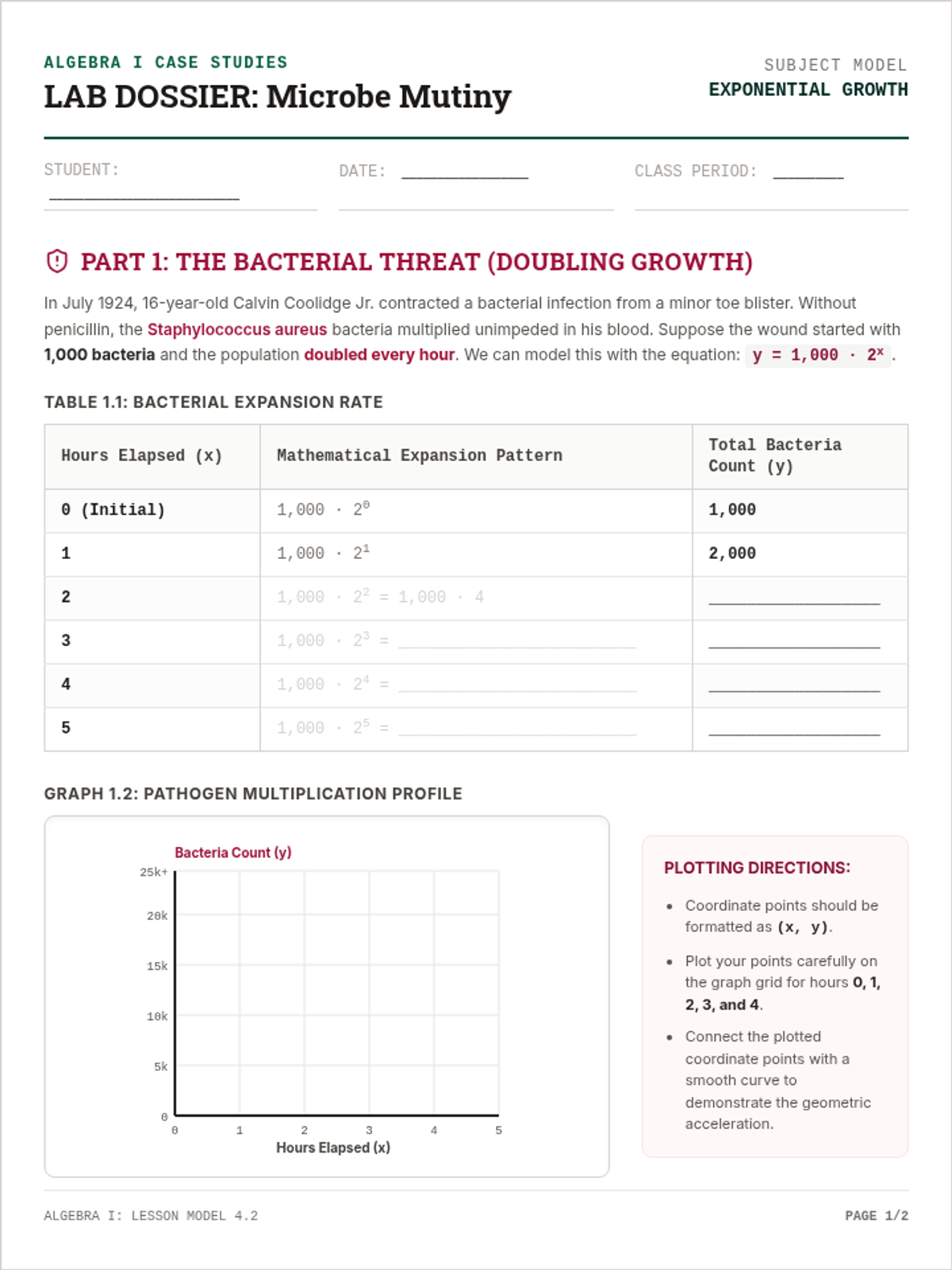
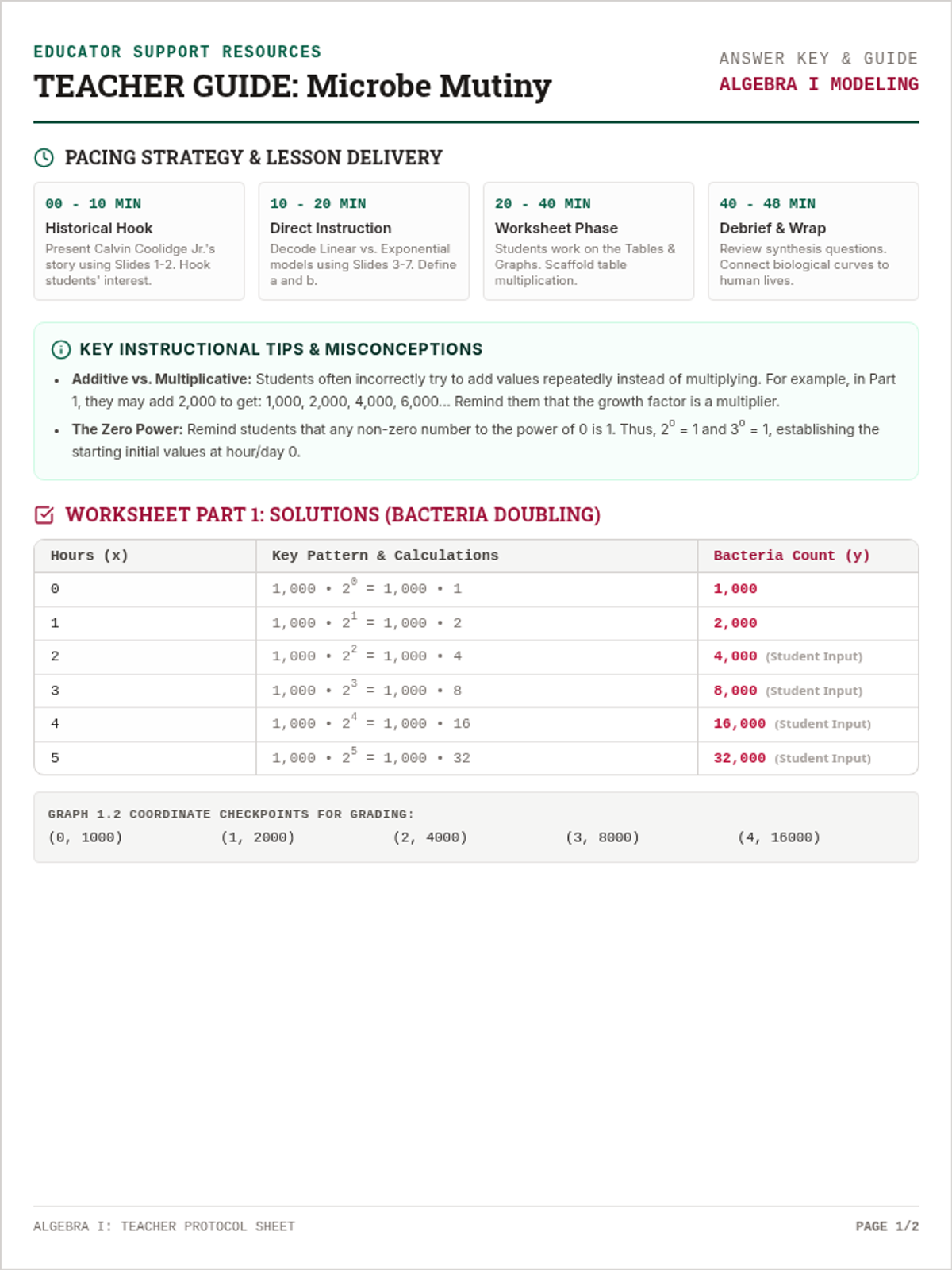
An 8th-grade Algebra lesson introducing exponential growth. Students investigate linear vs. exponential growth models by examining the tragic 1924 history of Calvin Coolidge Jr.'s fatal bacterial infection and how the exponential growth of Penicillium mold led to the discovery of life-saving penicillin.
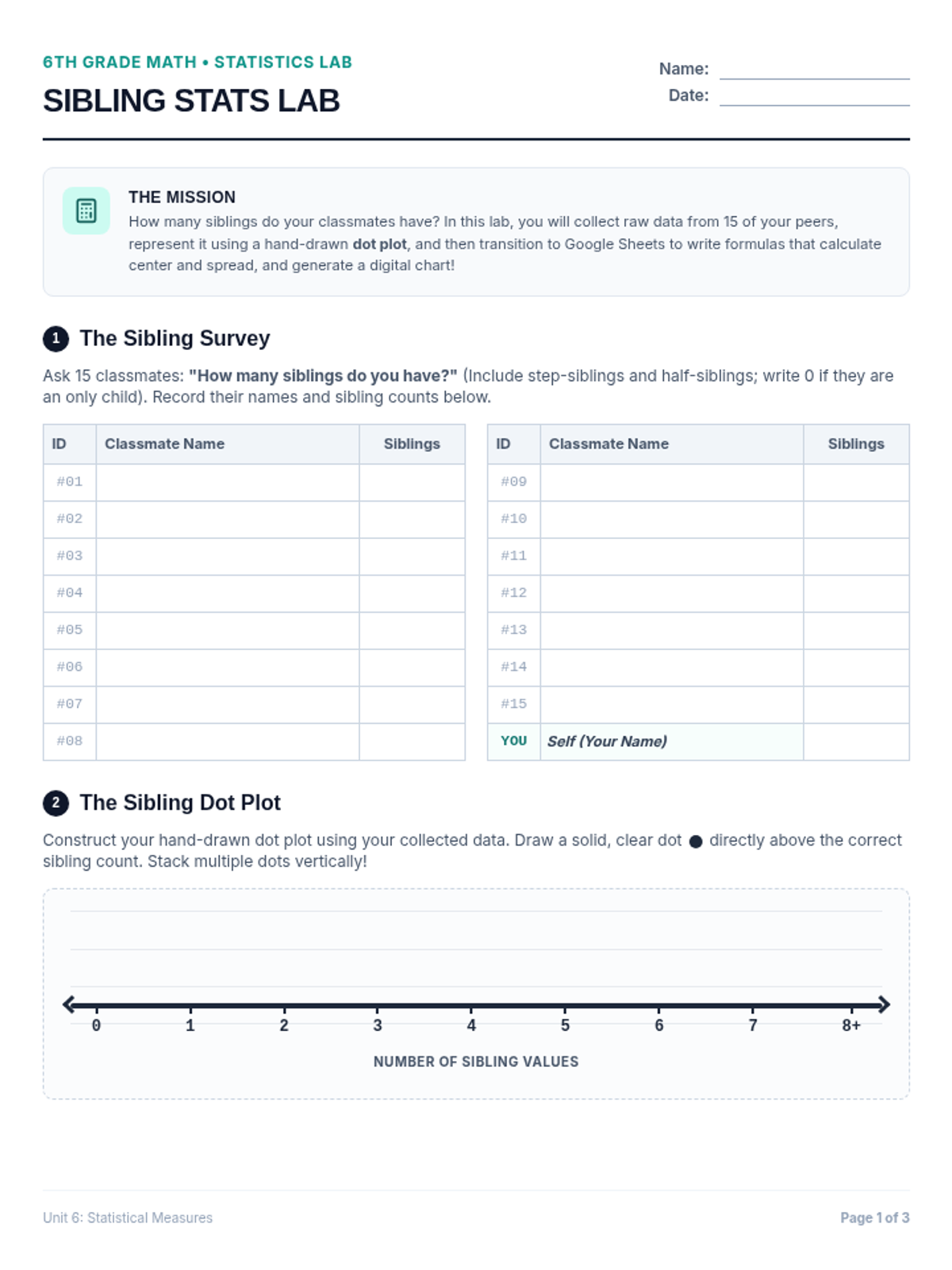
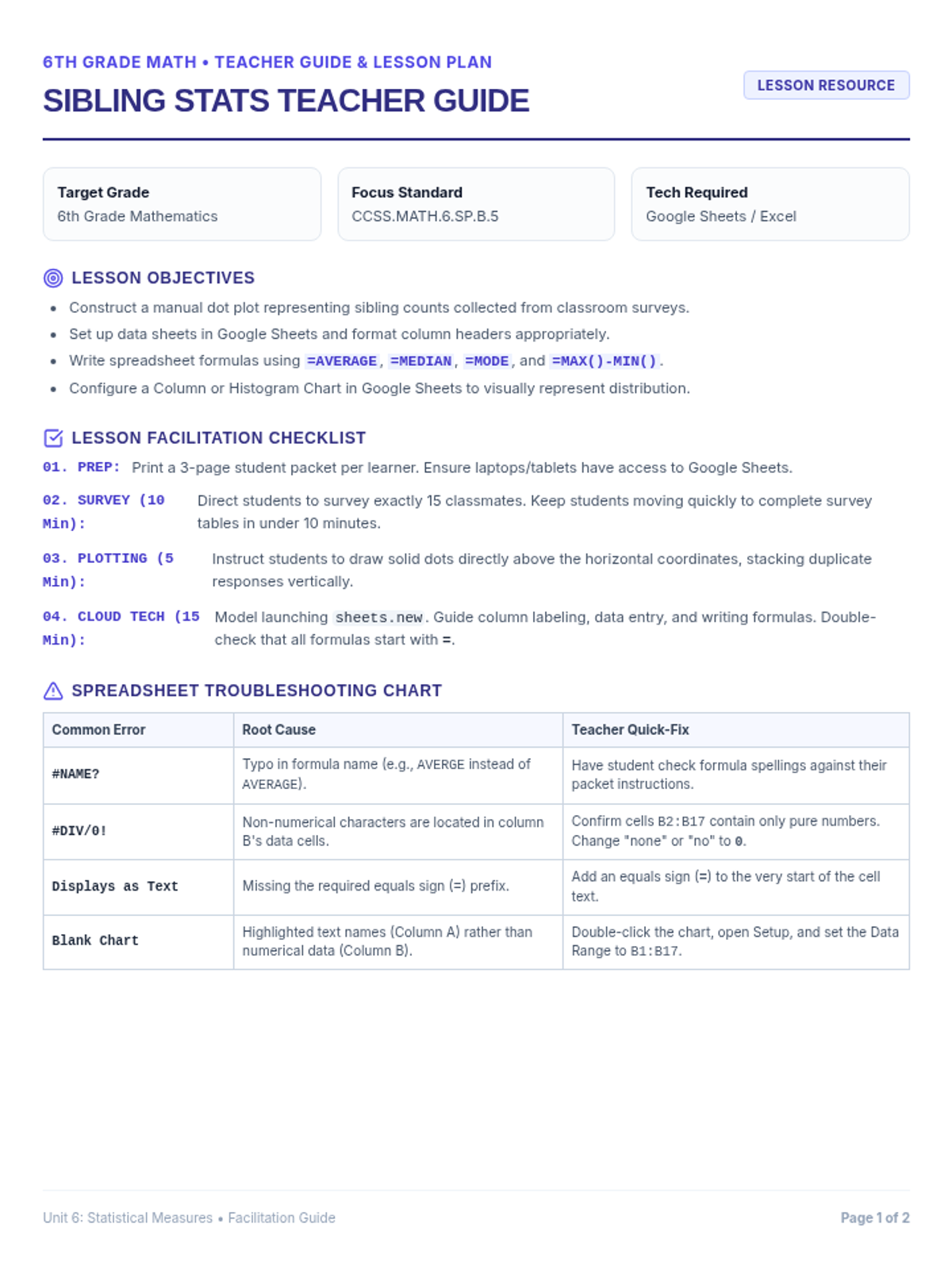
A hands-on 6th-grade statistics lesson where students collect sibling data from classmates, construct a physical dot plot, and then transition to Google Sheets to calculate key statistical measures (mean, median, mode, range) and generate digital charts.
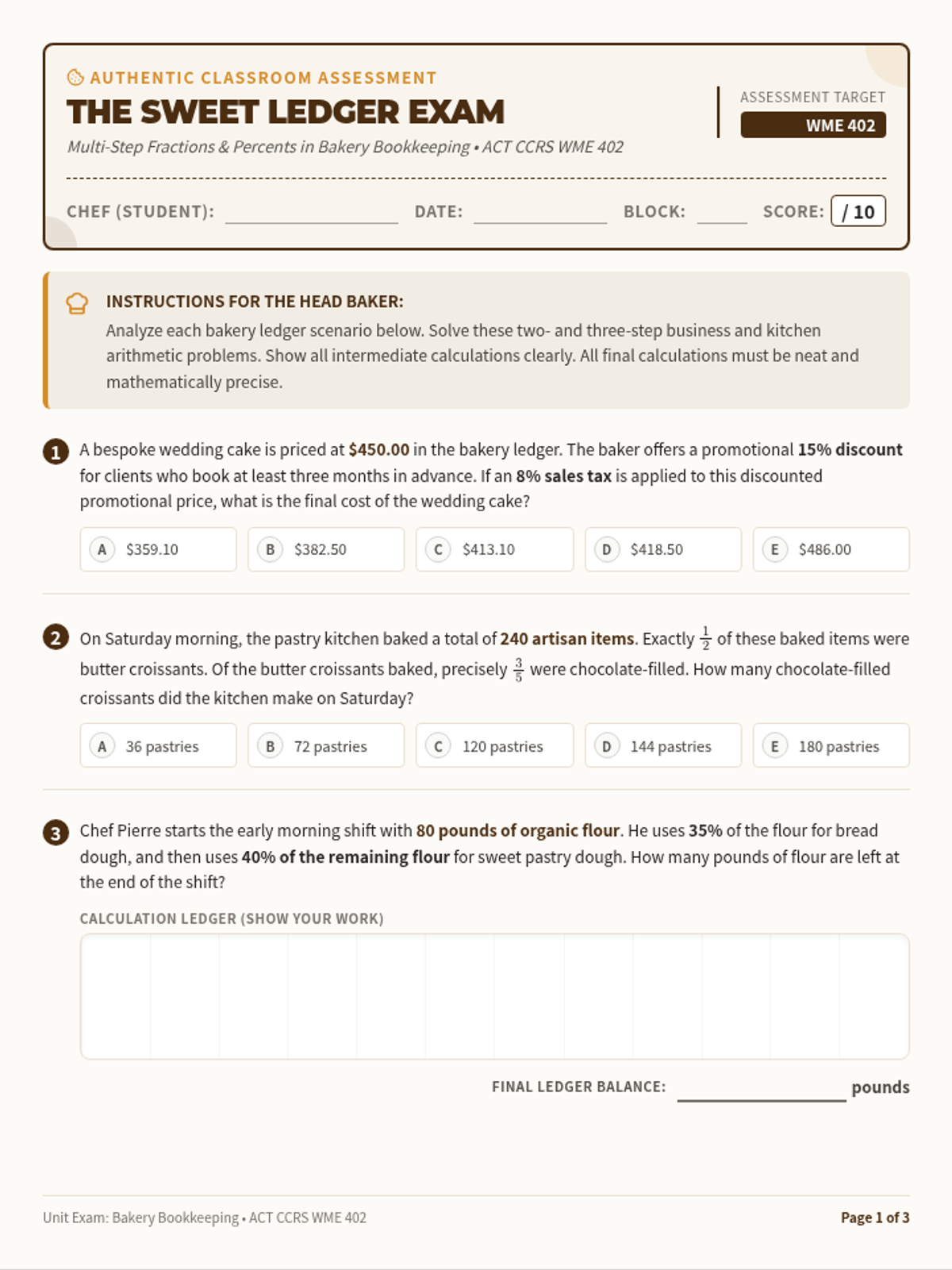
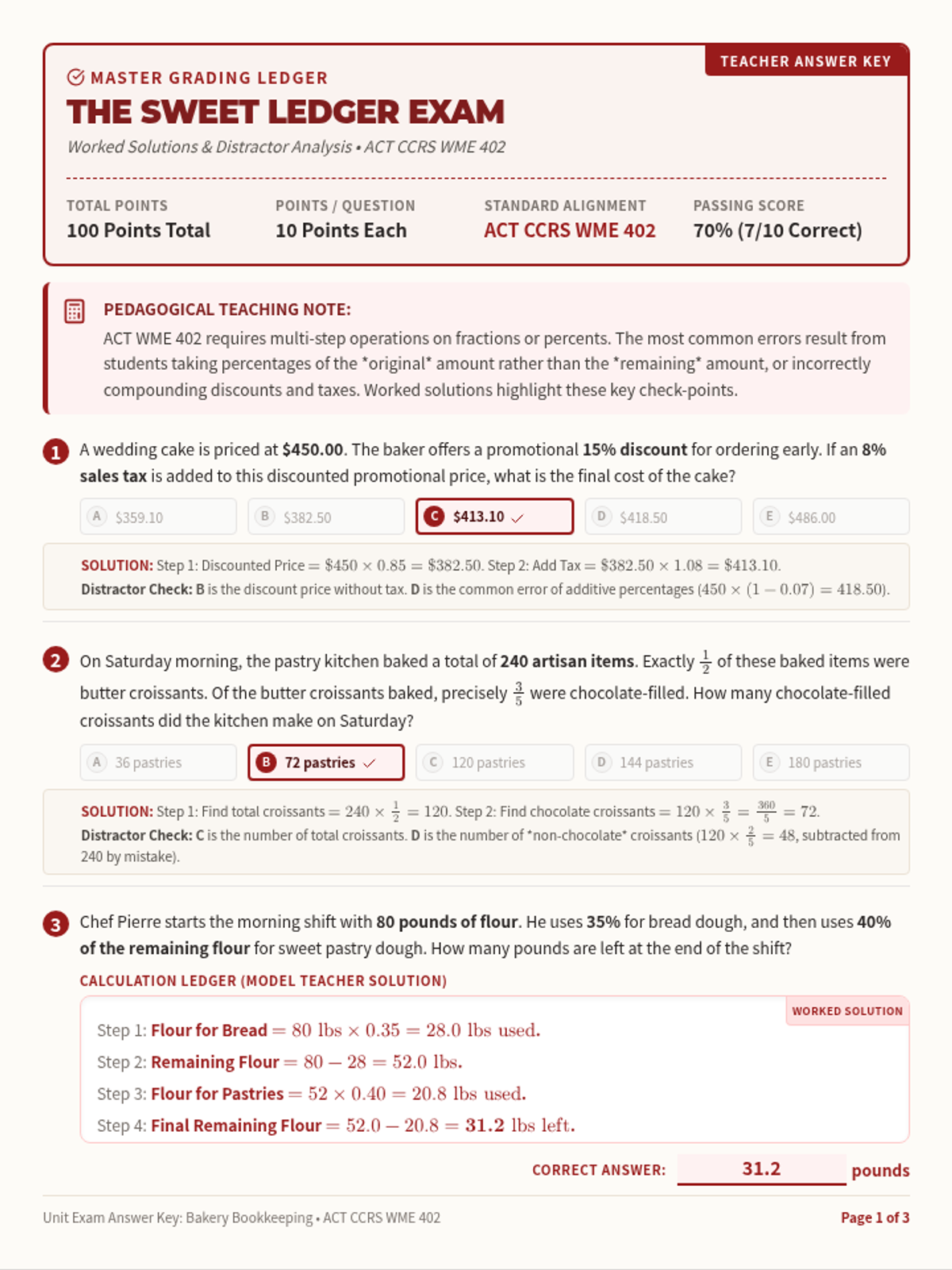
An assessment aligned with ACT CCRS WME 402 focusing on two-step and three-step word problems involving fractions and percents. Students solve practical business and kitchen problems for a boutique bakery.
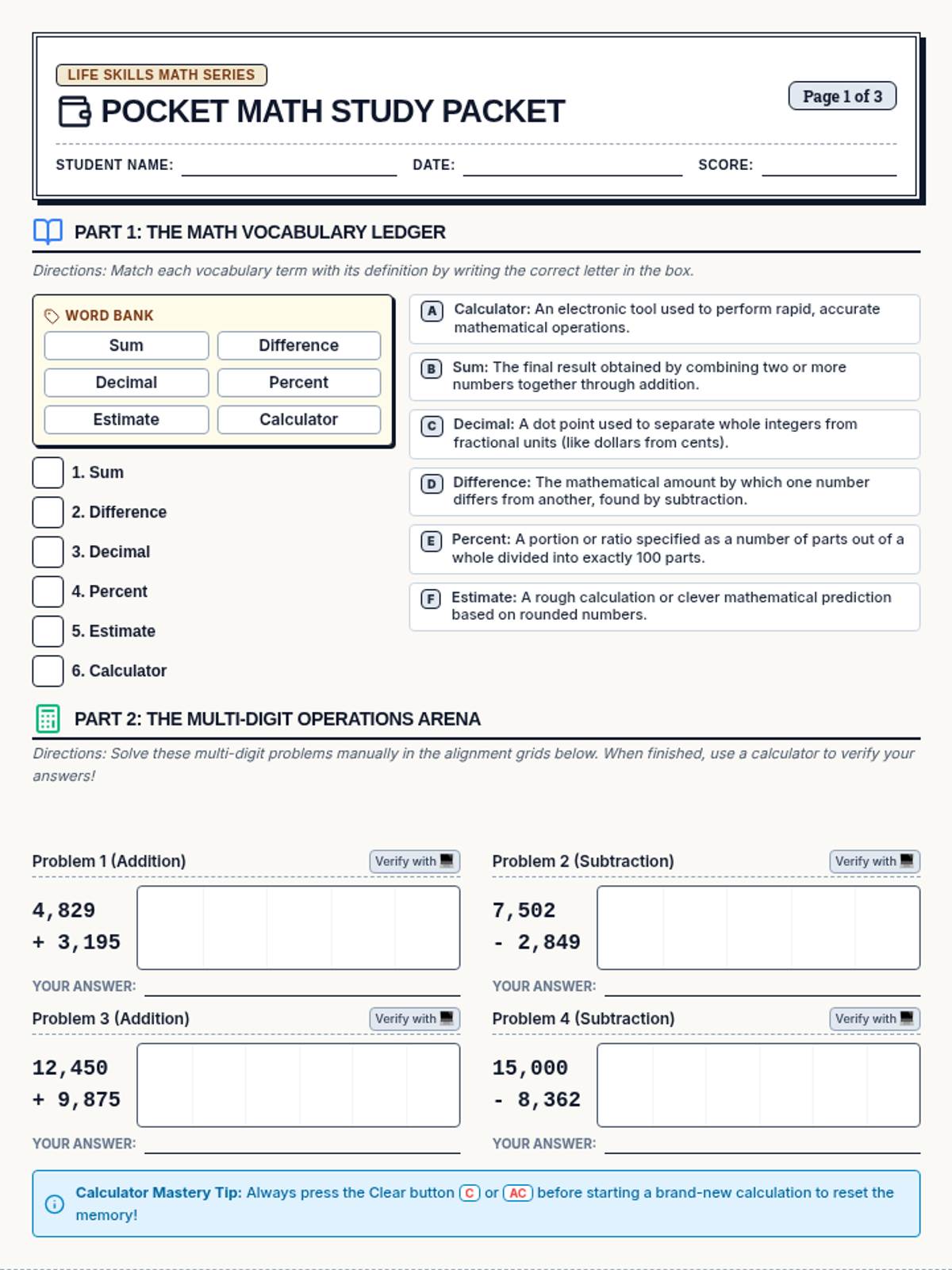
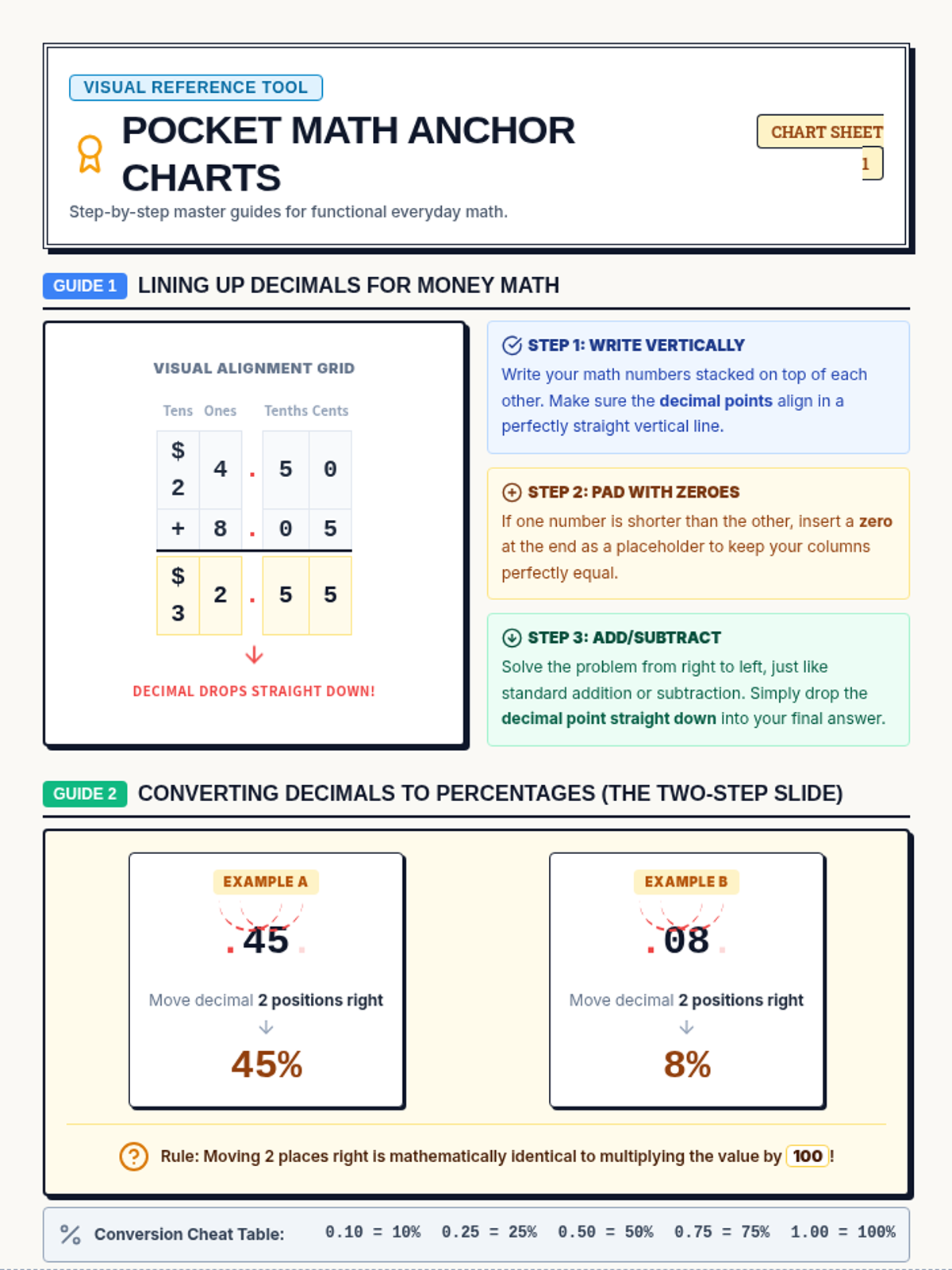
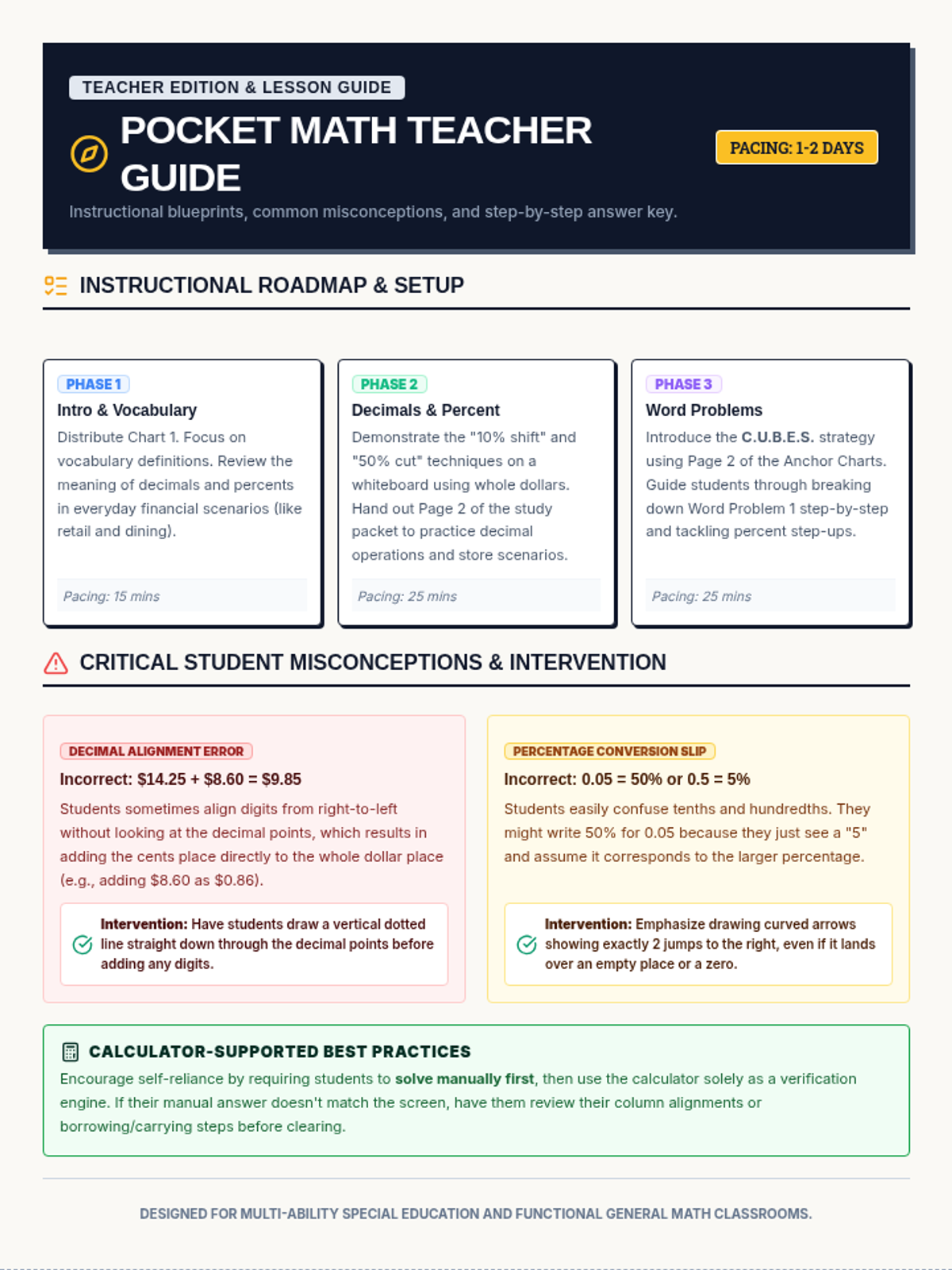
A structured math lesson focused on functional real-world math skills, covering decimals, money, multi-digit operations, percentages (10% and 50%), and word problem solving. Includes a 3-page study packet, a visual anchor chart reference sheet, and a complete teacher guide.
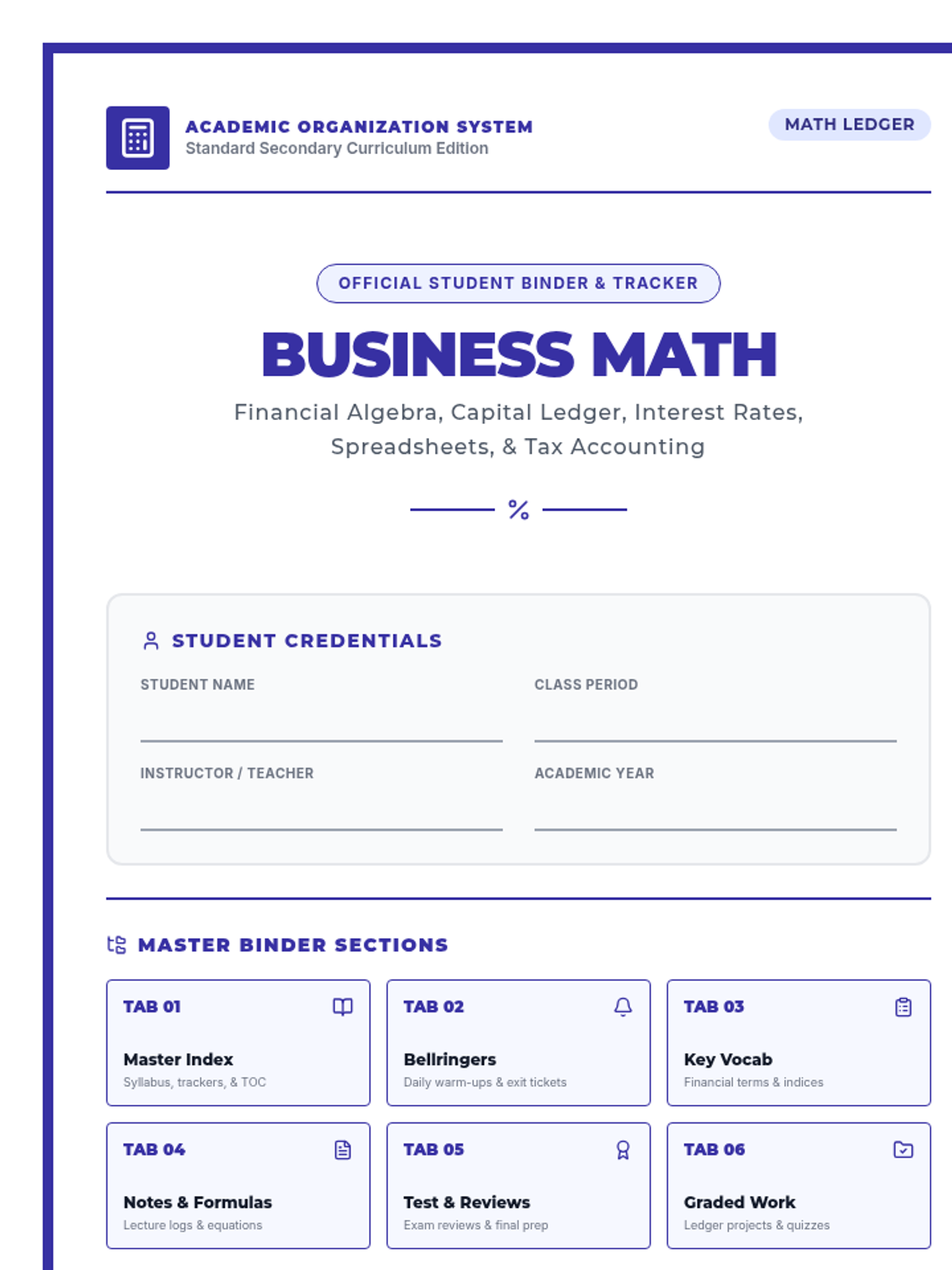
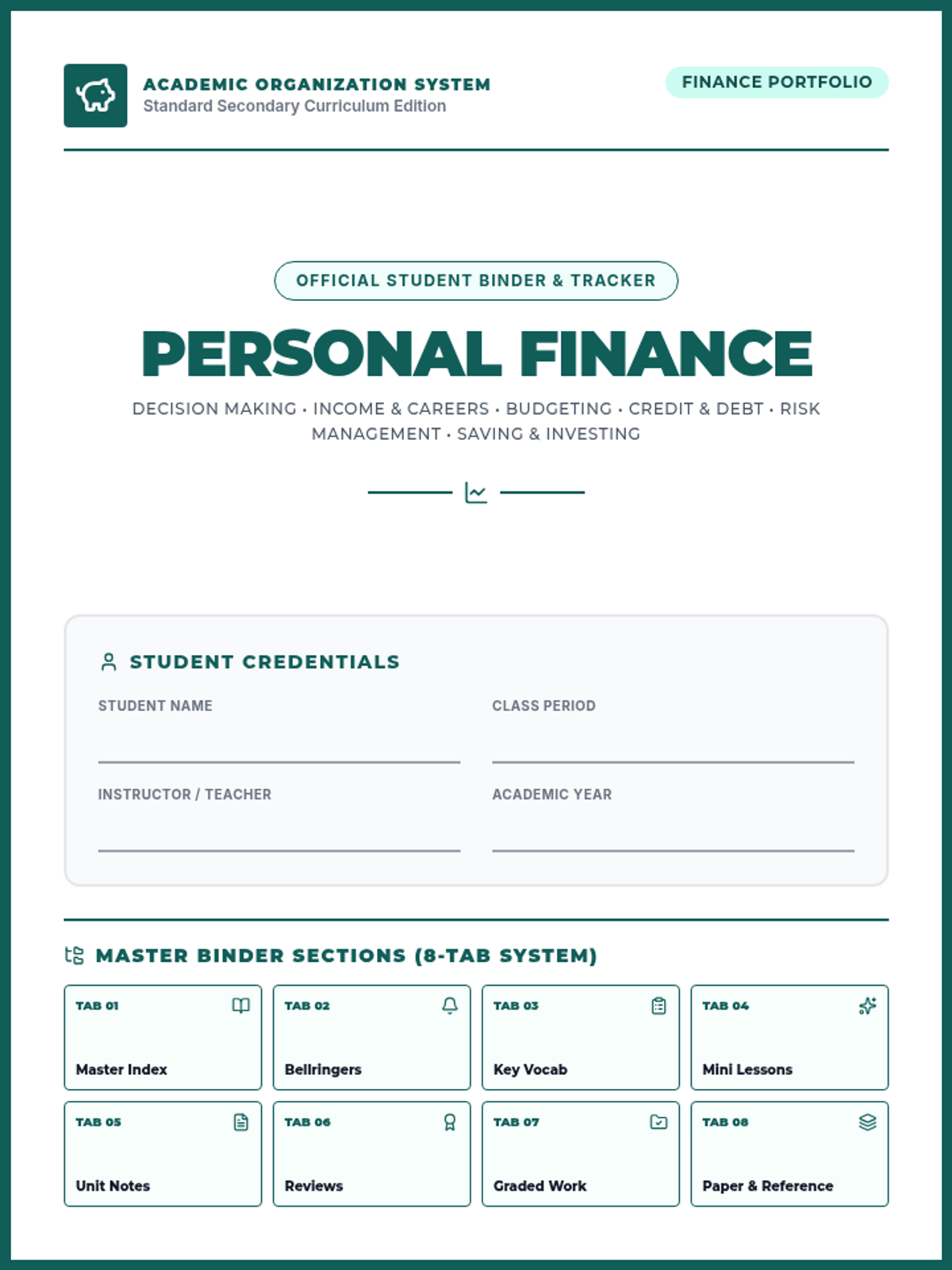
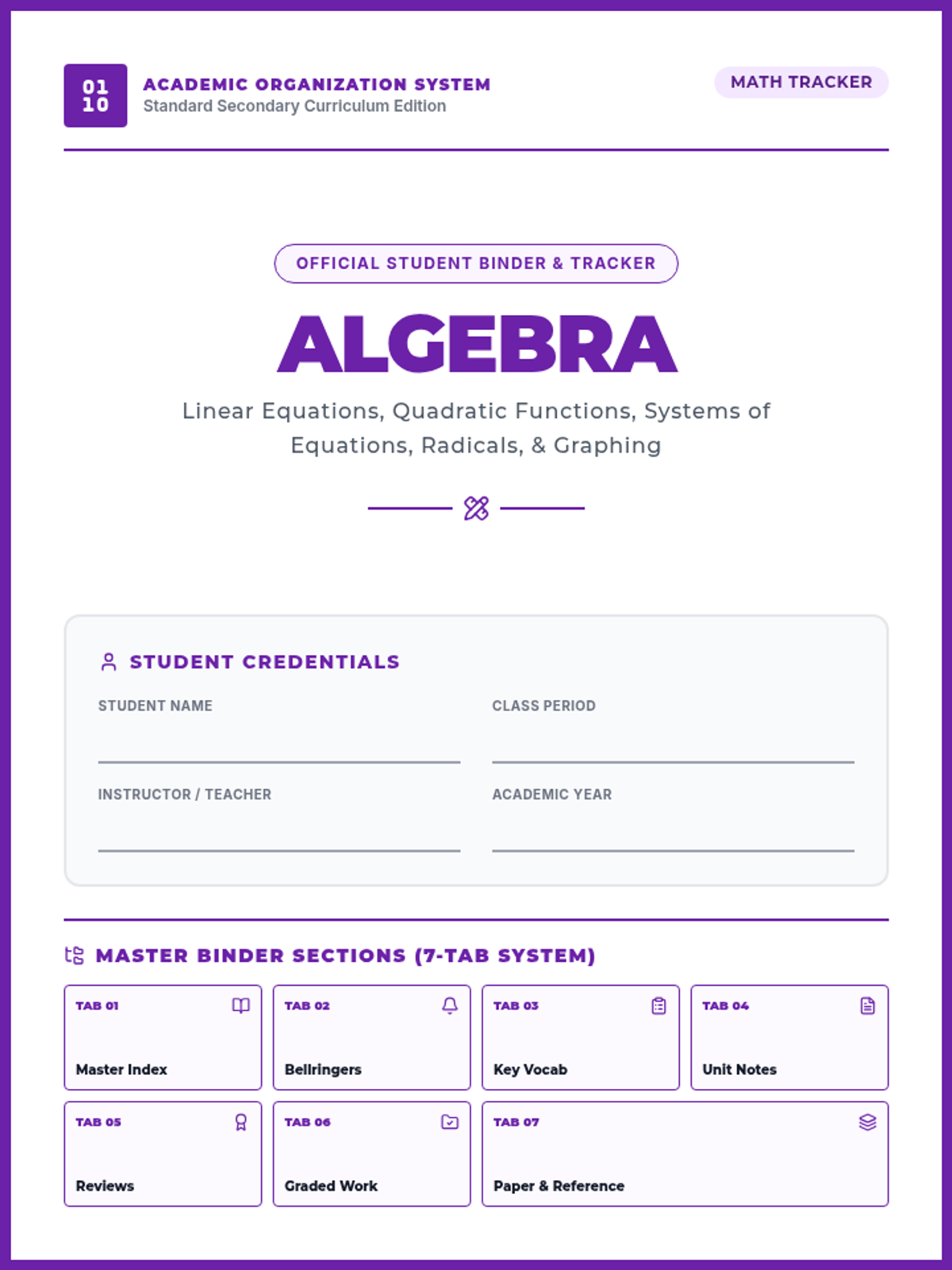
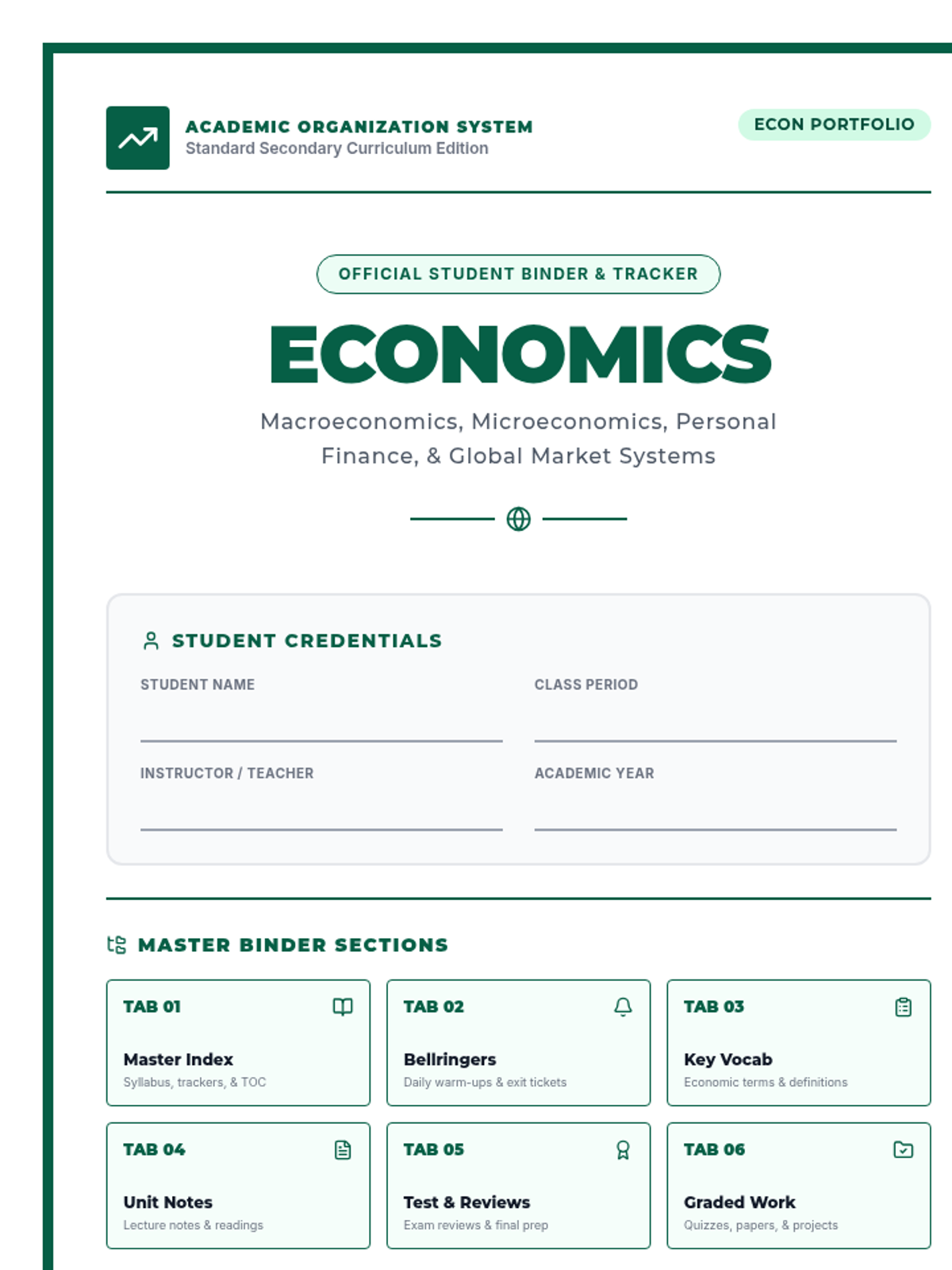
A complete set of high-contrast, professional binder organization kits for Economics, Business Mathematics, Algebra, and Personal Finance. Each kit contains a master index cover page, table of contents, customizable assignment logs, and printable color-coded divider tabs with matching spine inserts.
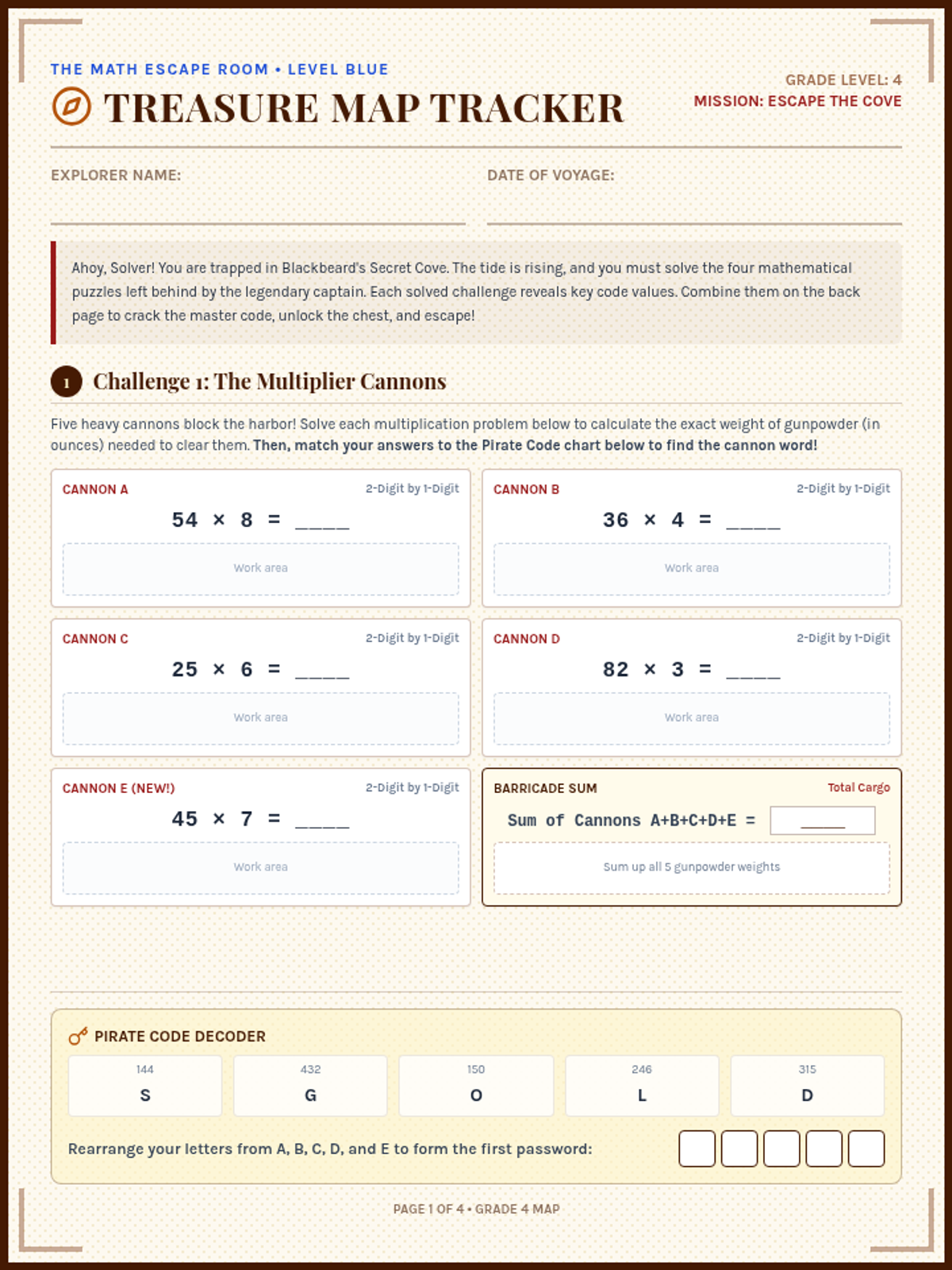
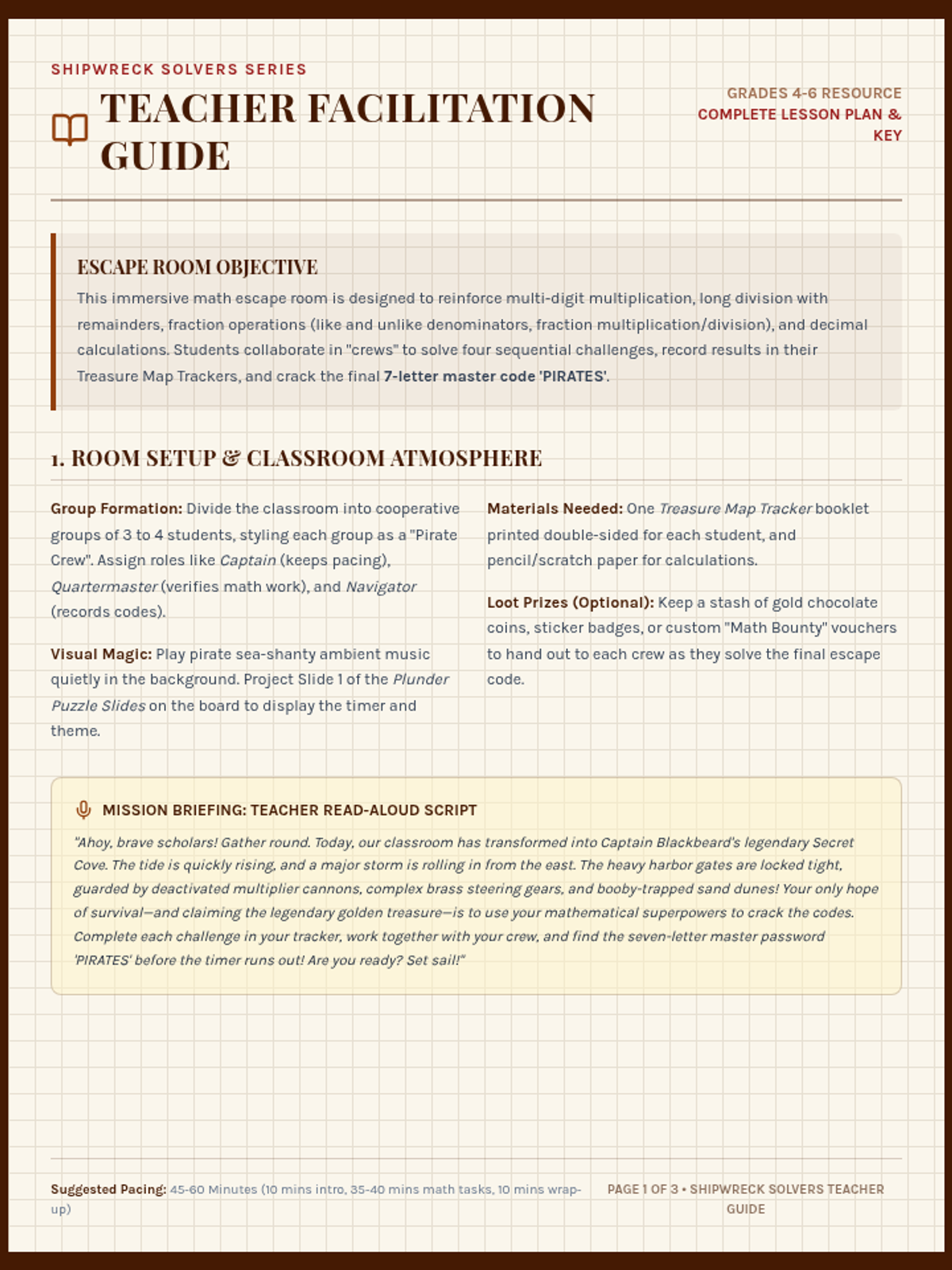
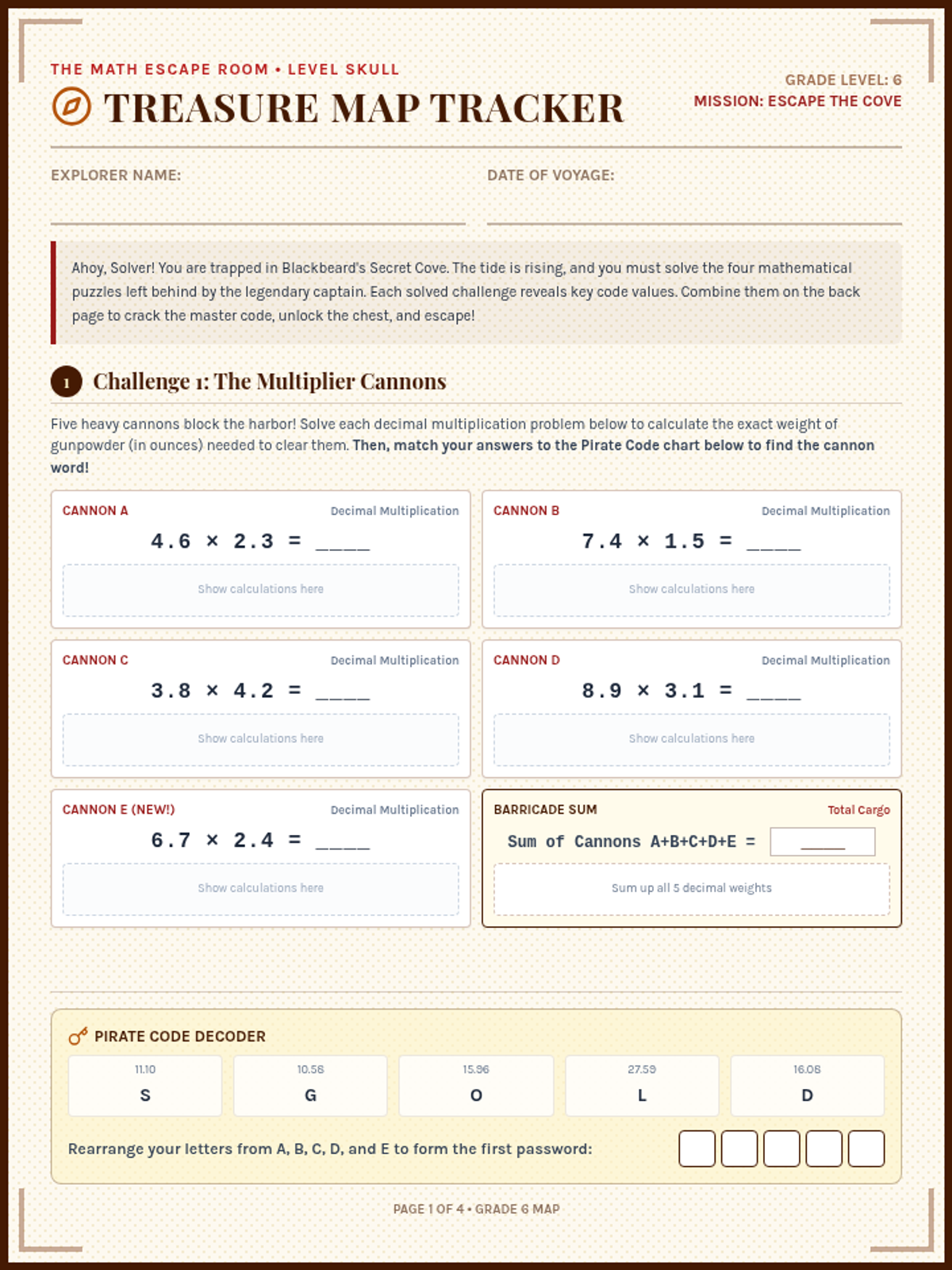
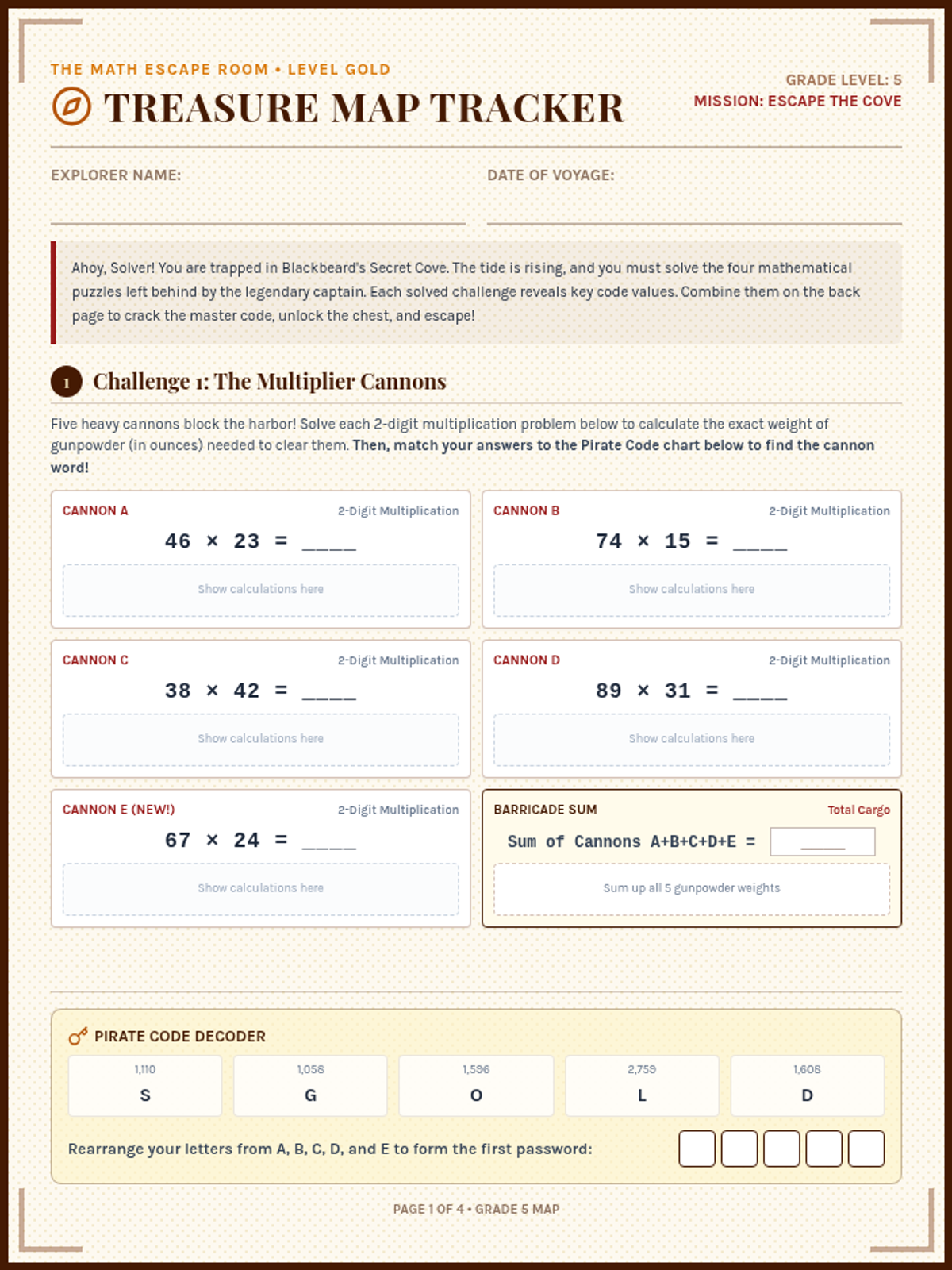
An immersive, pirate-themed math escape room where students solve puzzles in multi-digit multiplication, long division, fraction operations, and decimals to crack codes and discover Captain Blackbeard's legendary lost treasure.
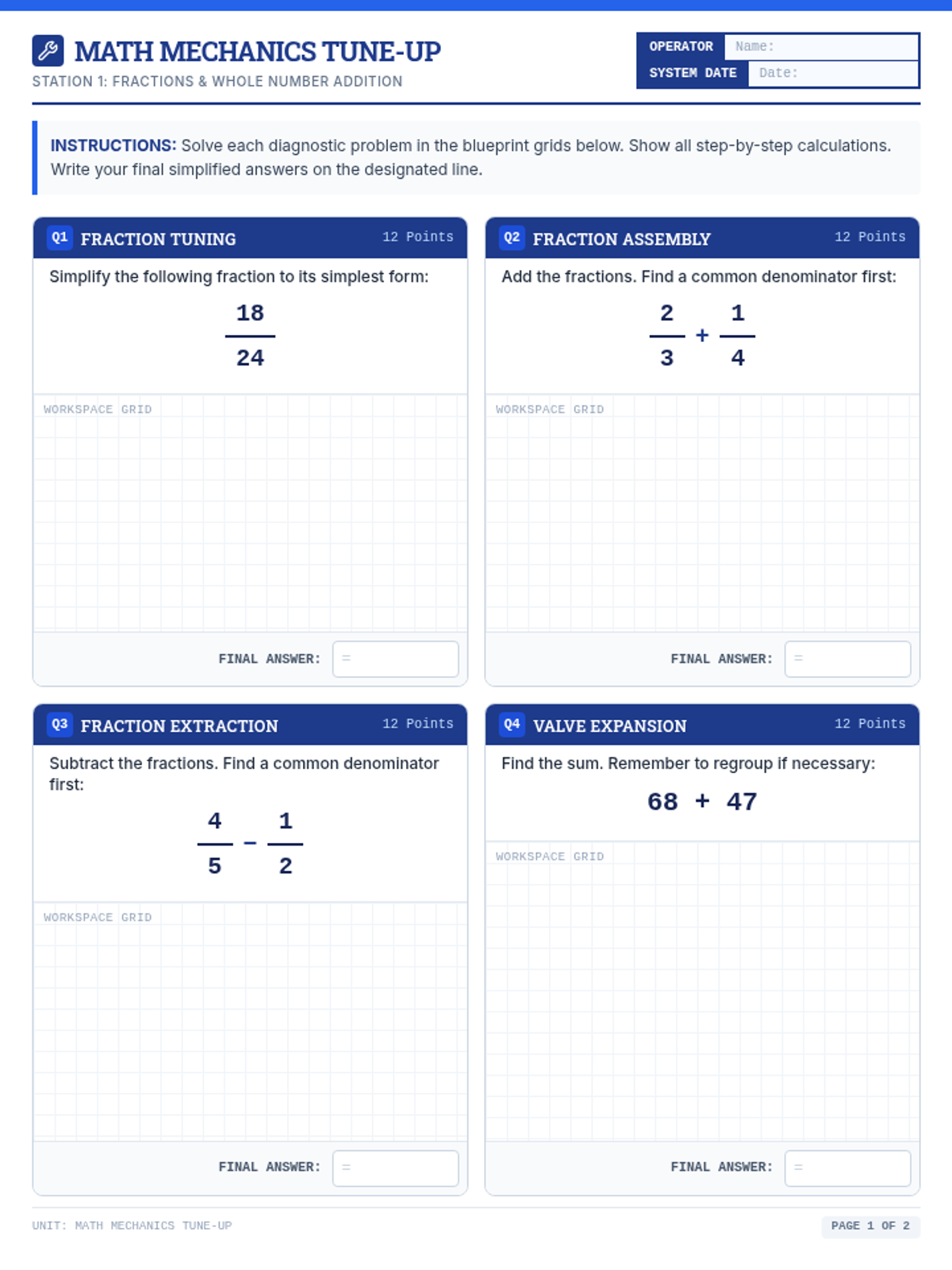
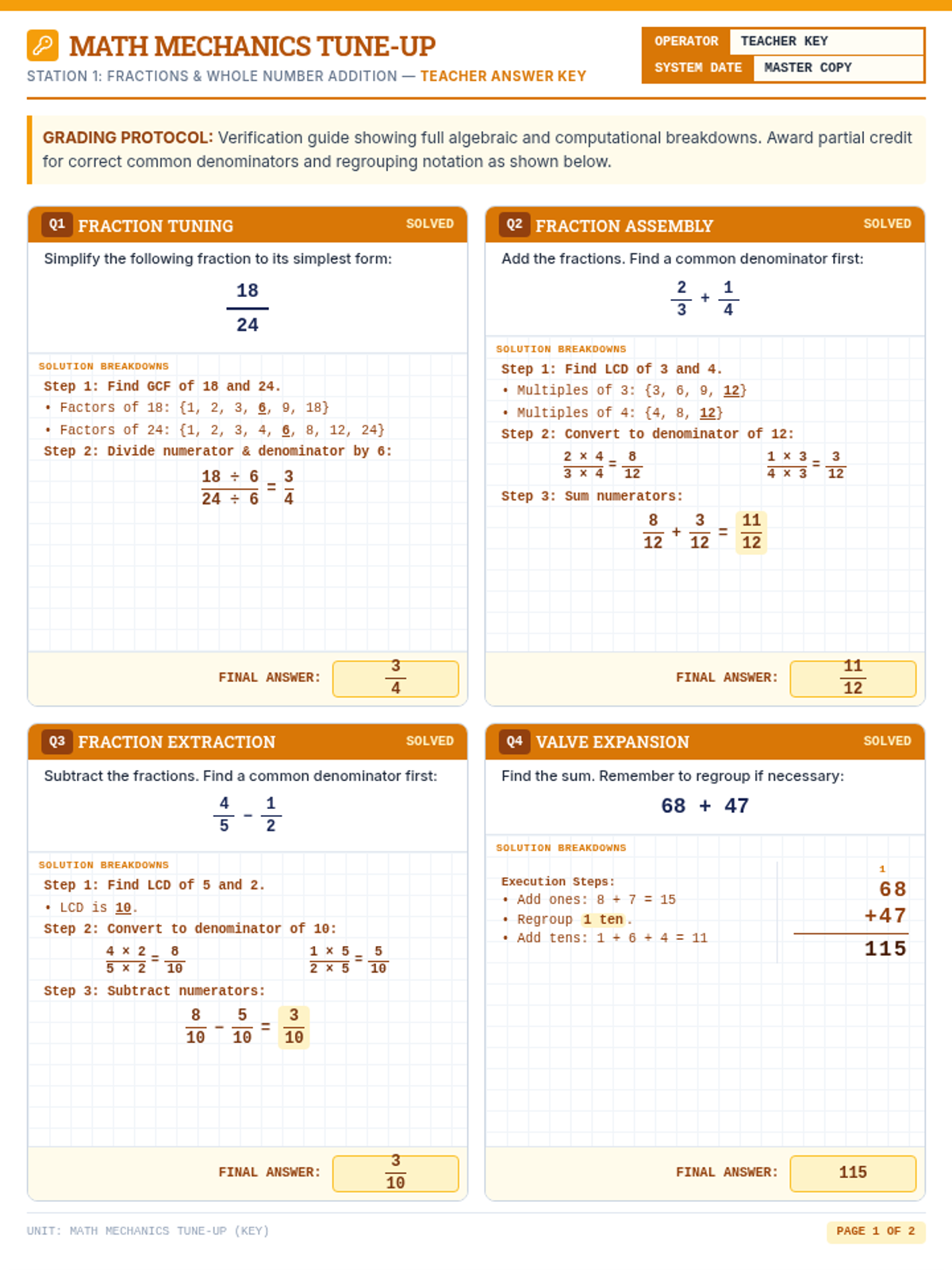
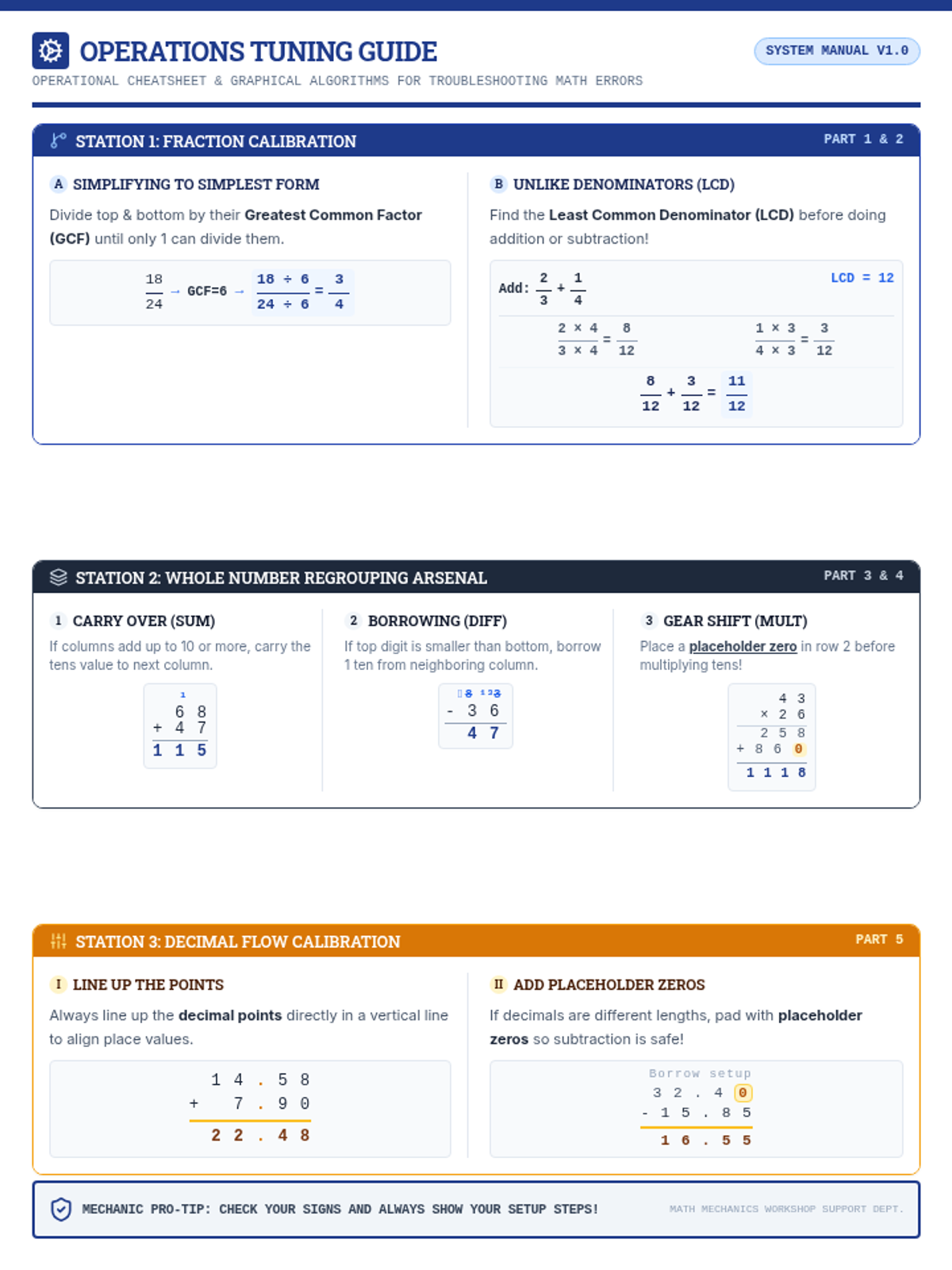
A comprehensive practice and support system designed to reinforce fundamental operations, including fractions, multi-digit integers, and decimals. Features a structured 2-page workspace worksheet, a detailed step-by-step teacher answer key, and a visual diagnostic anchor chart.
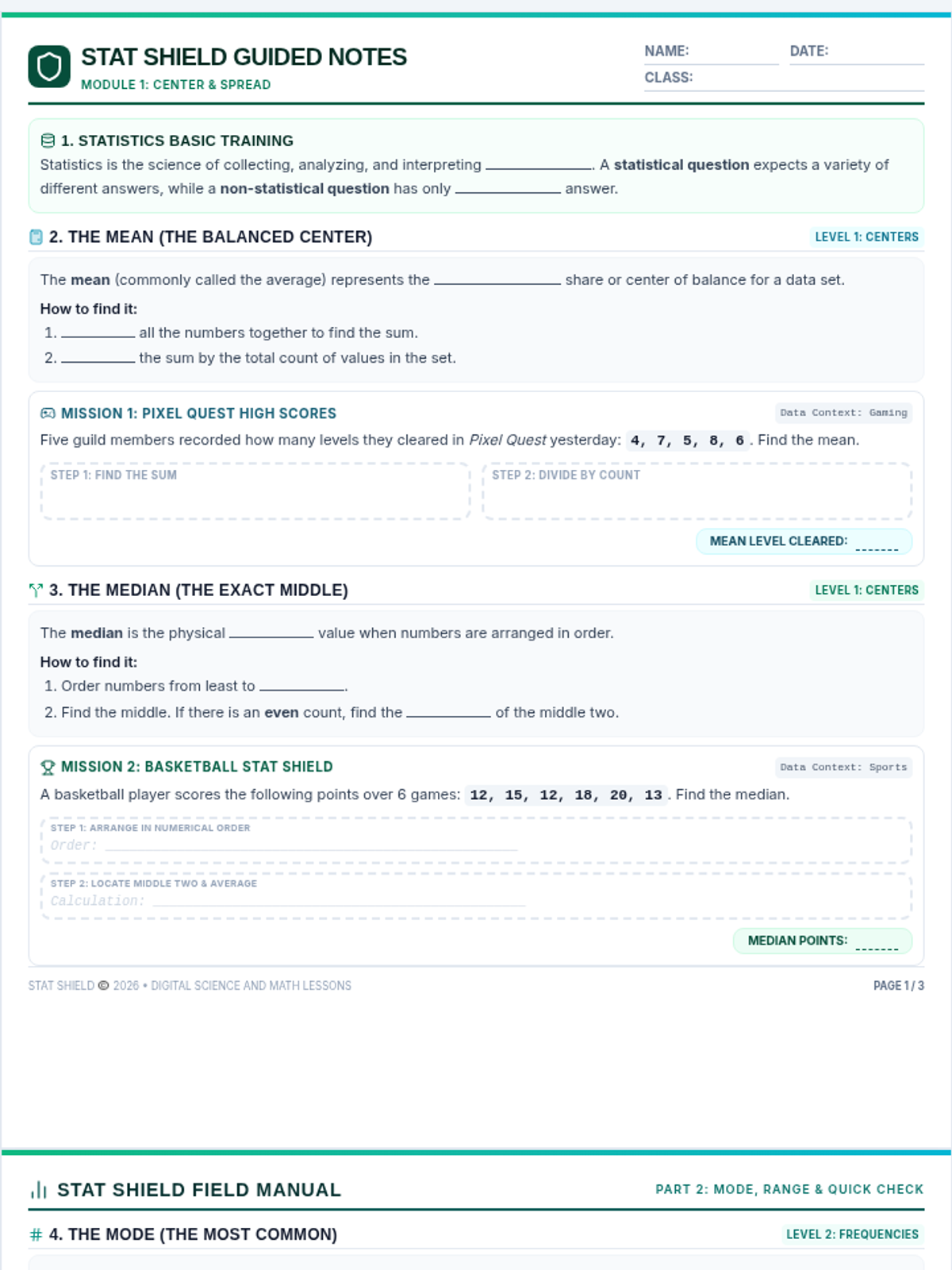
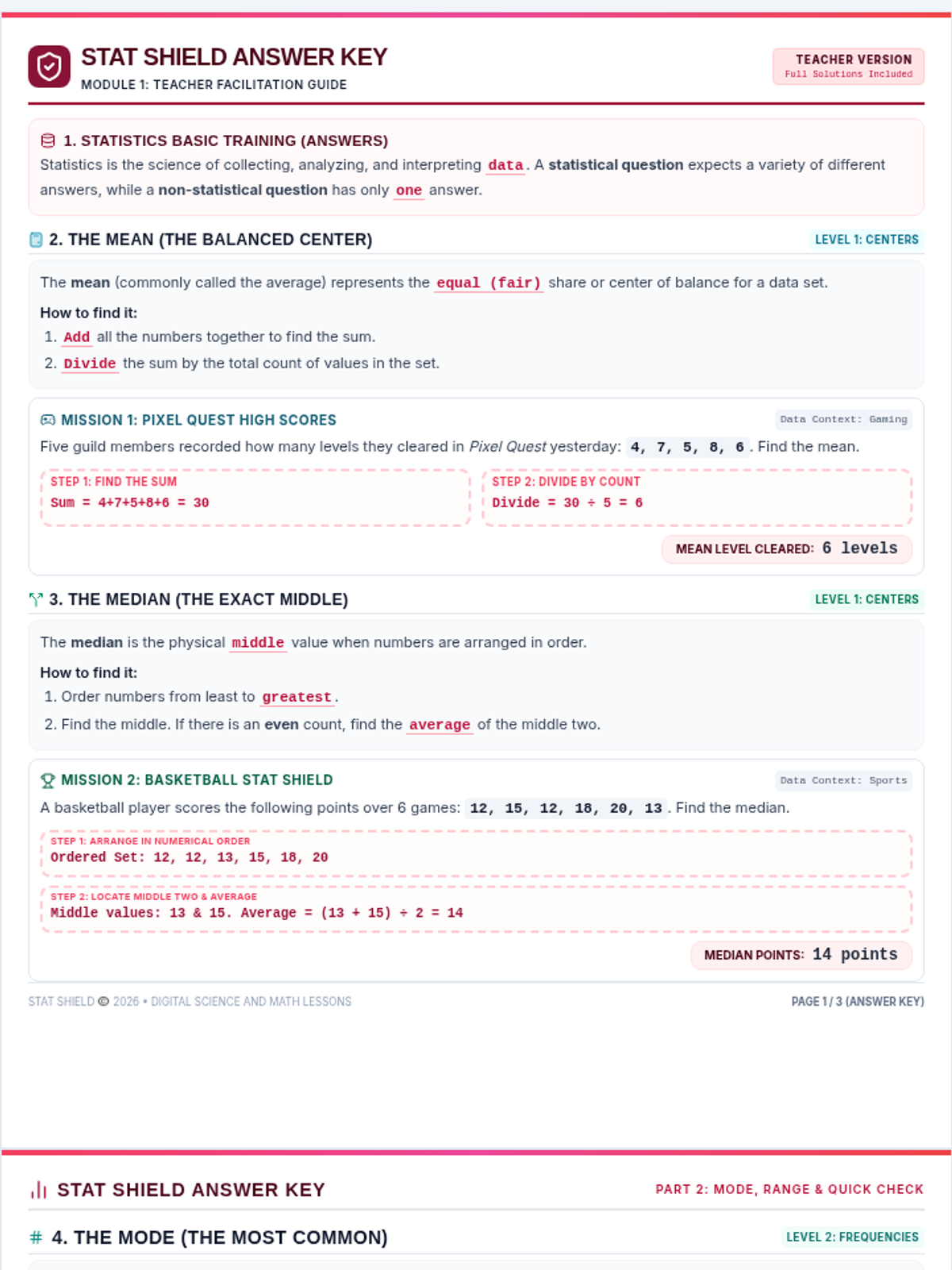
A comprehensive 6th-grade statistics unit resources focusing on Mean, Median, Mode, Range, and Mean Absolute Deviation (MAD), themed around sports, gaming, and the environment.
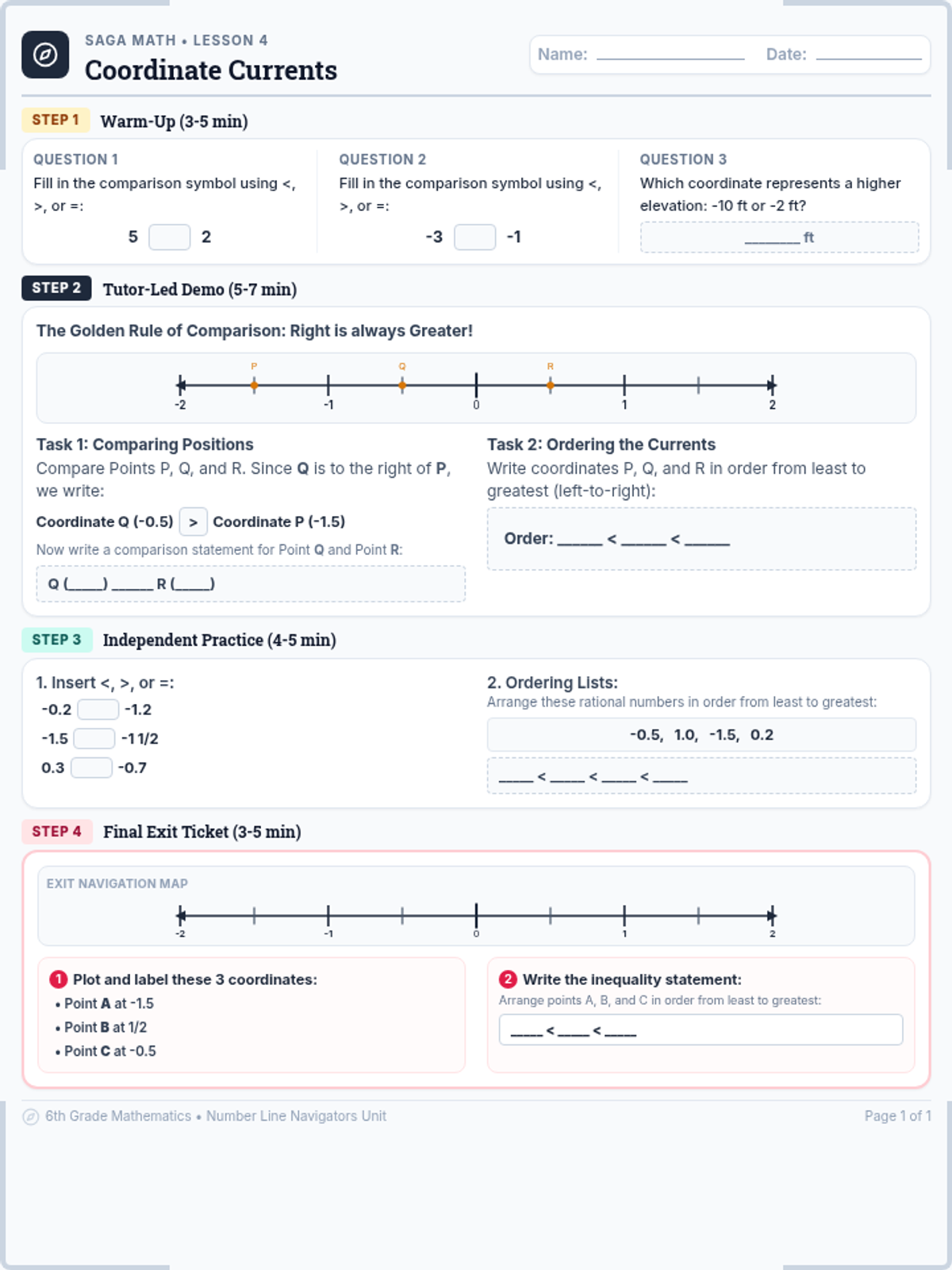
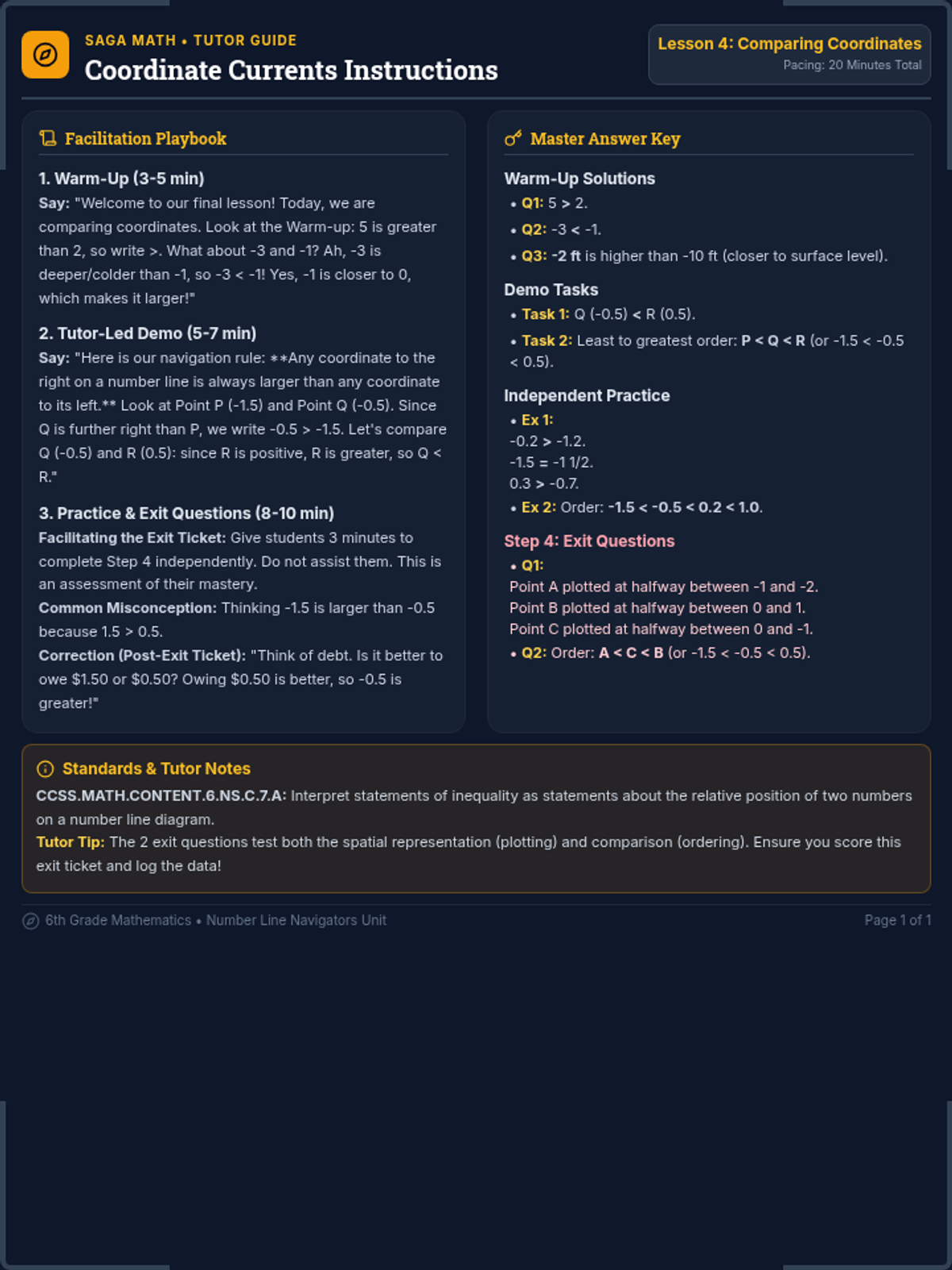
Compare and order integers, fractions, and decimals on a number line using inequality symbols, concluding with two comprehensive exit questions.
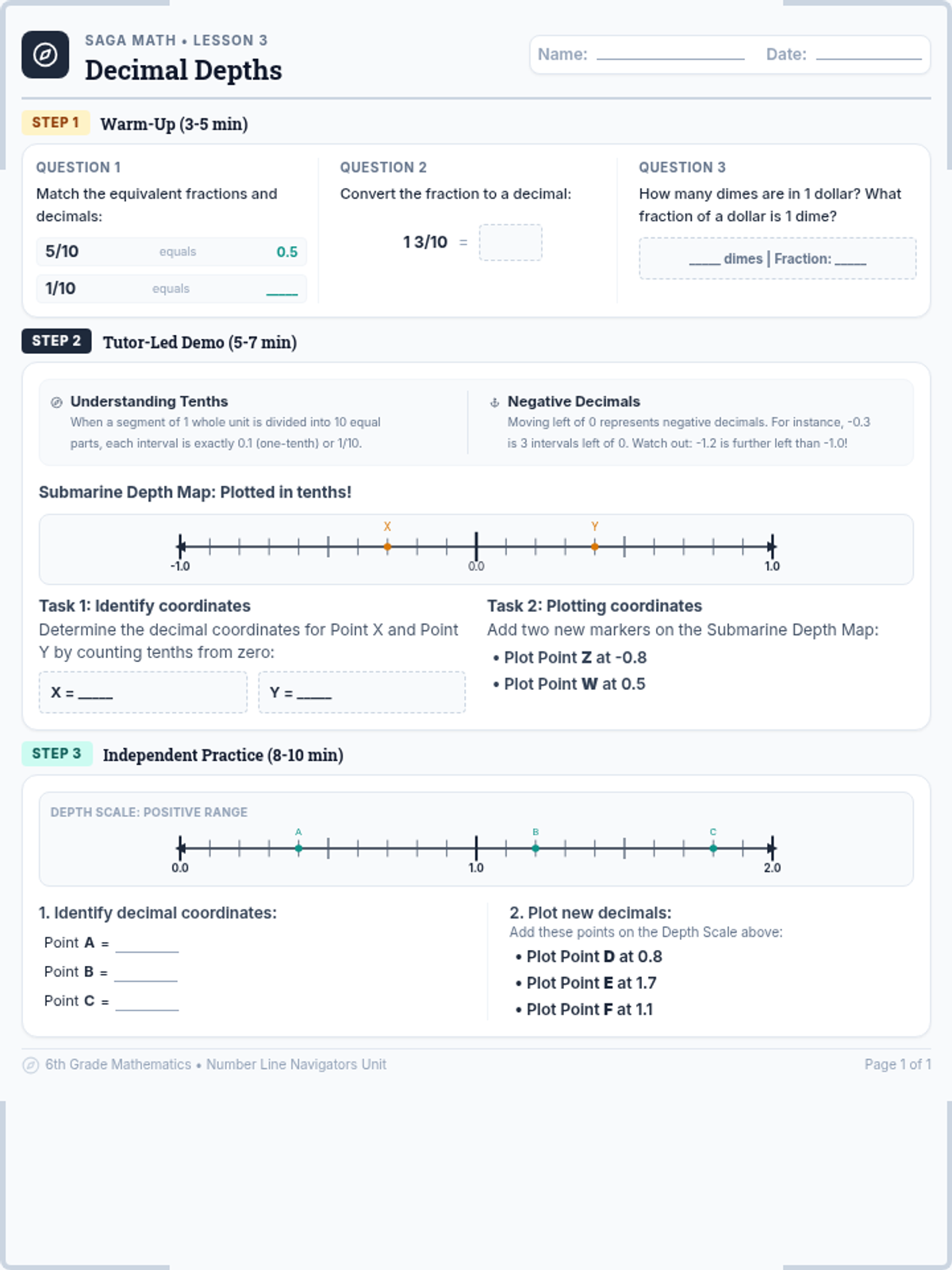
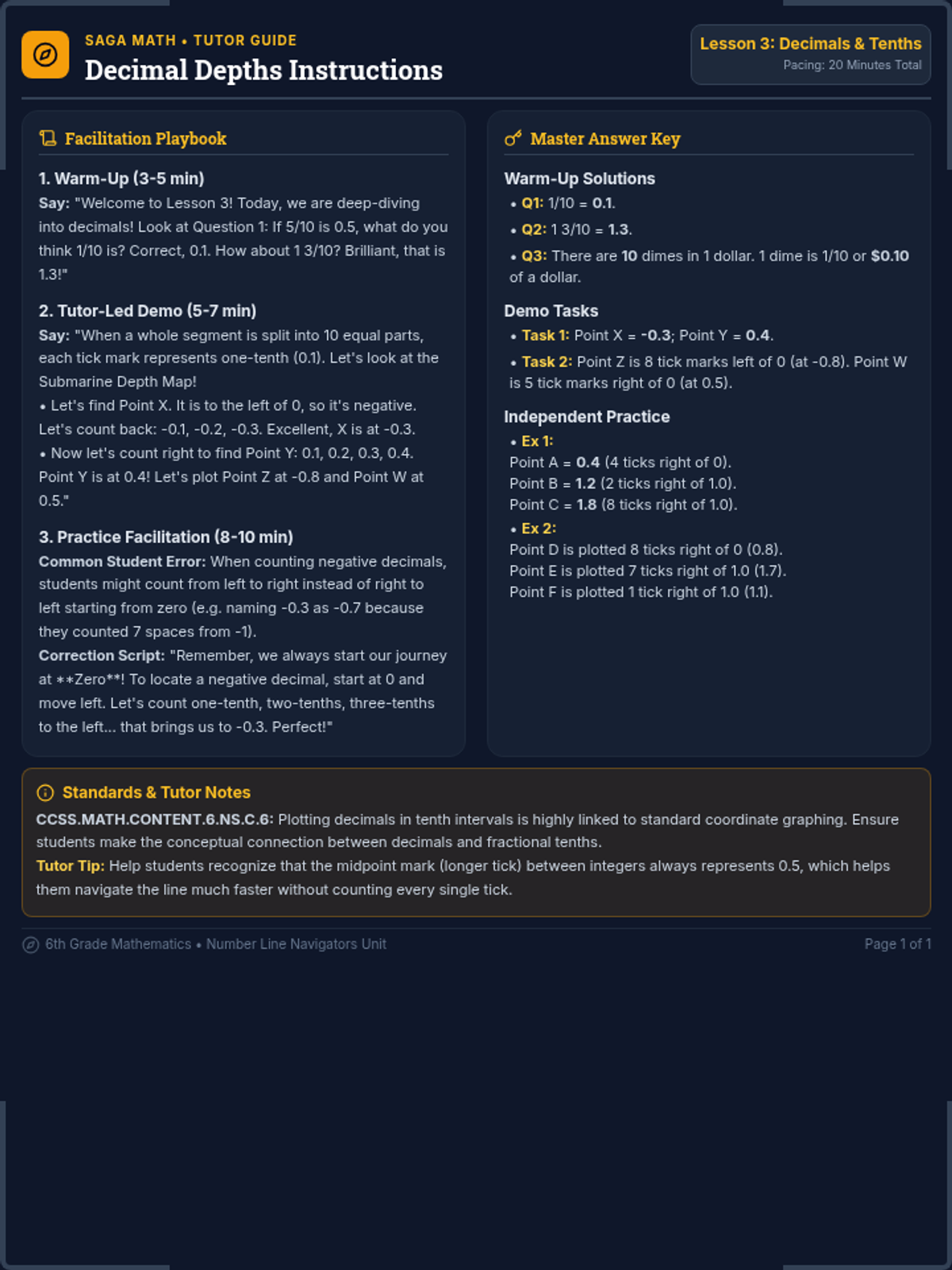
Navigate number lines partitioned into tenths to locate and represent positive and negative decimals.
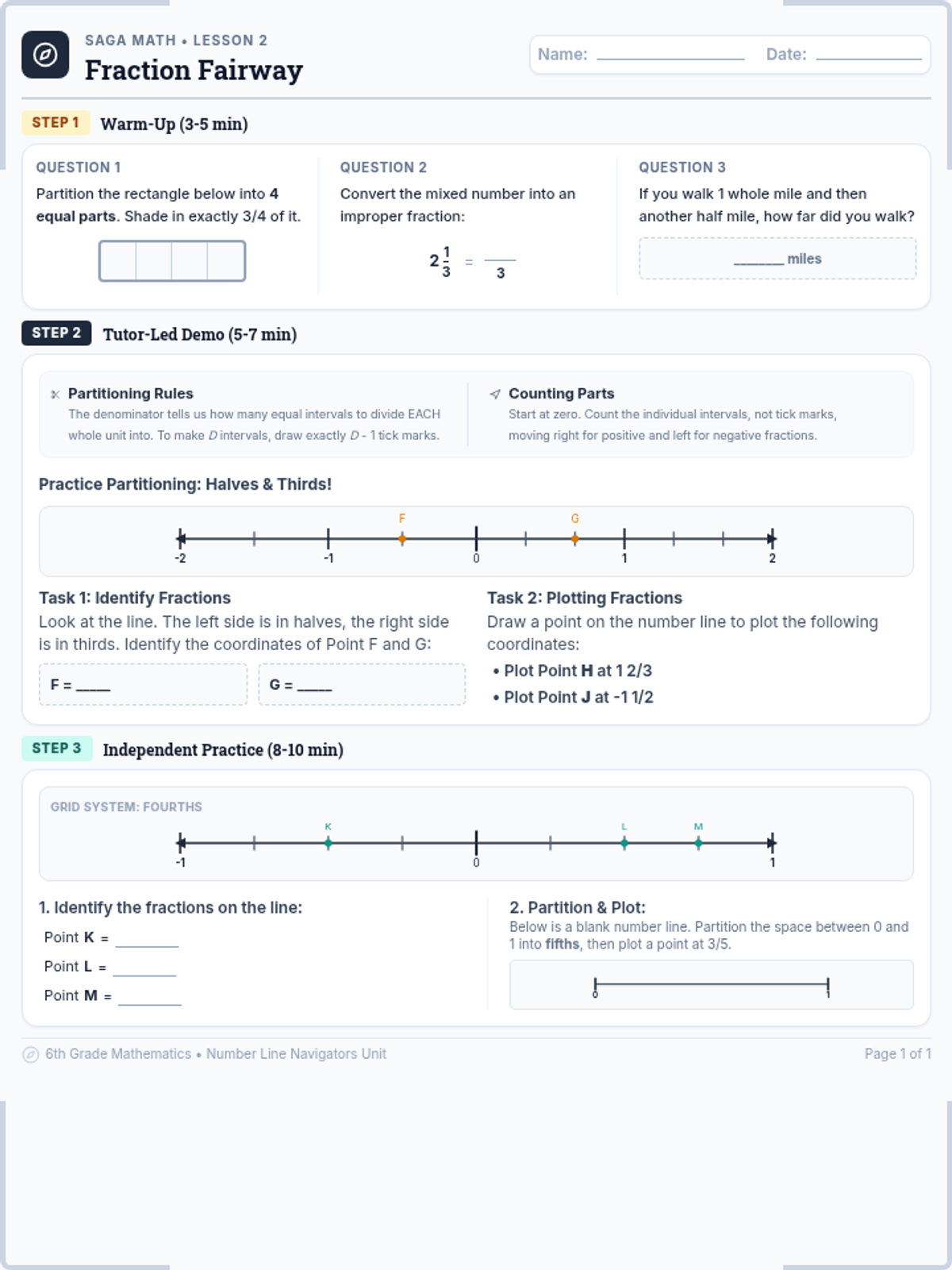
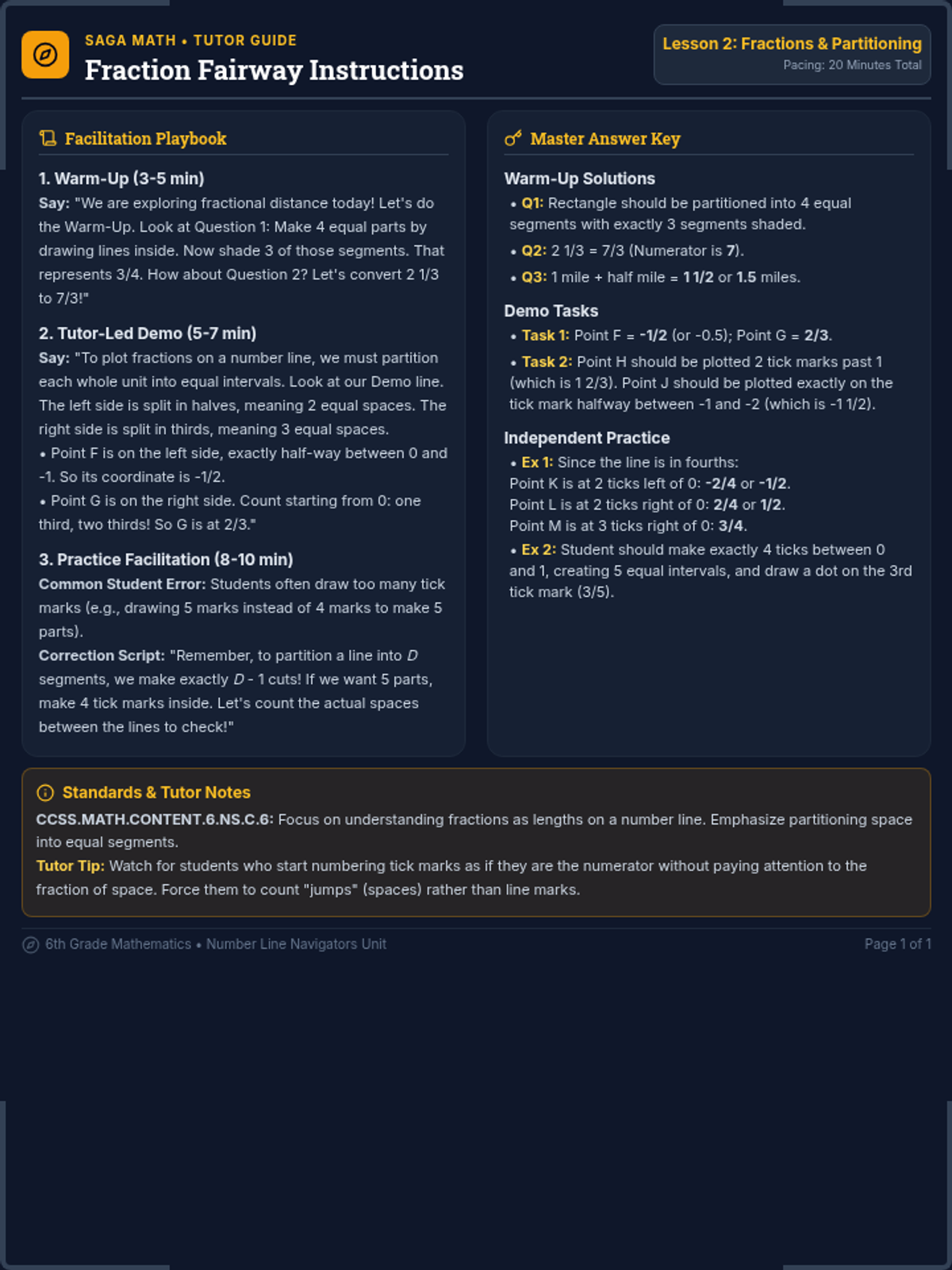
Master partitioning a number line into equal intervals to accurately locate, label, and plot positive and negative fractions and mixed numbers.
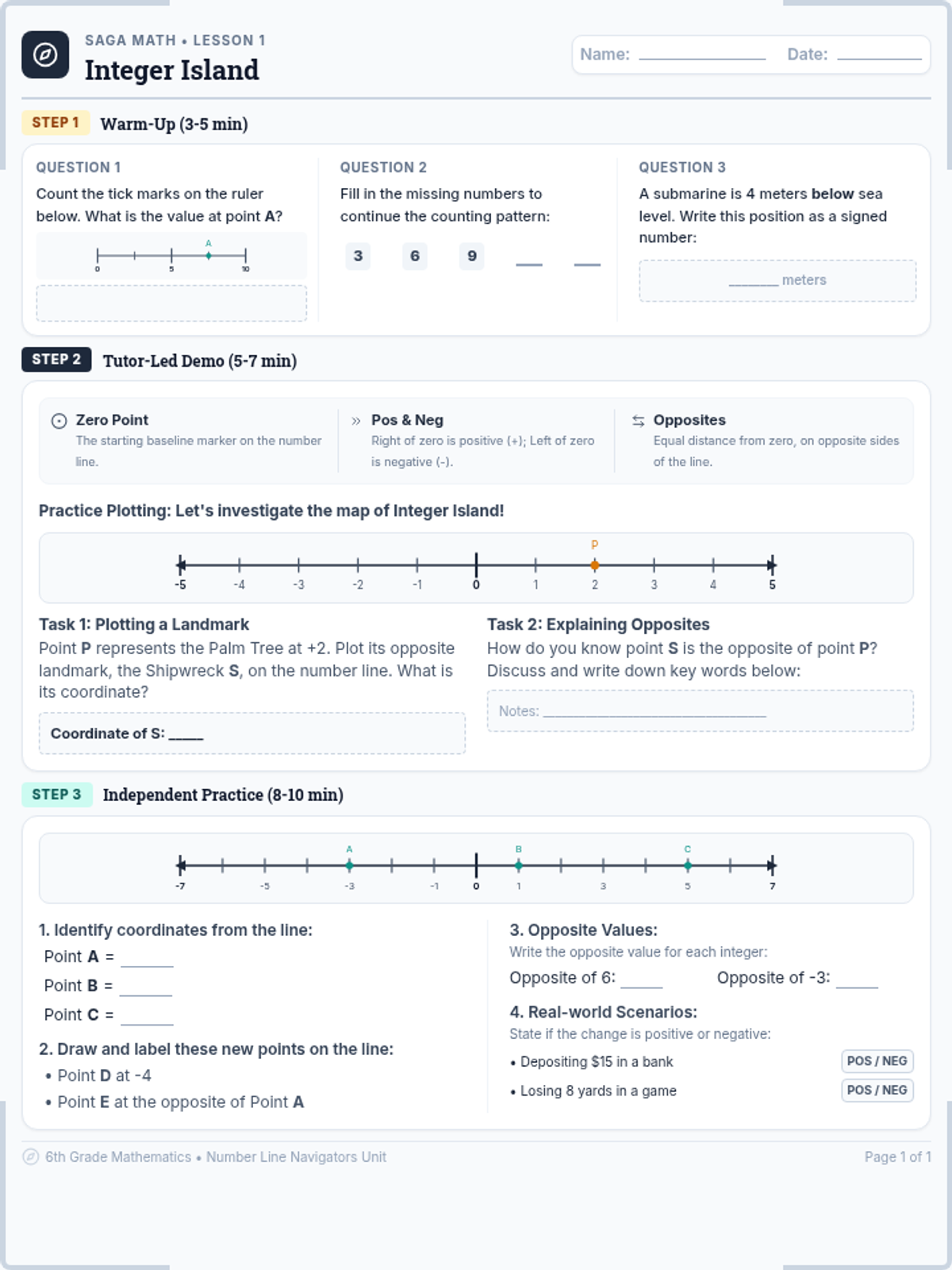
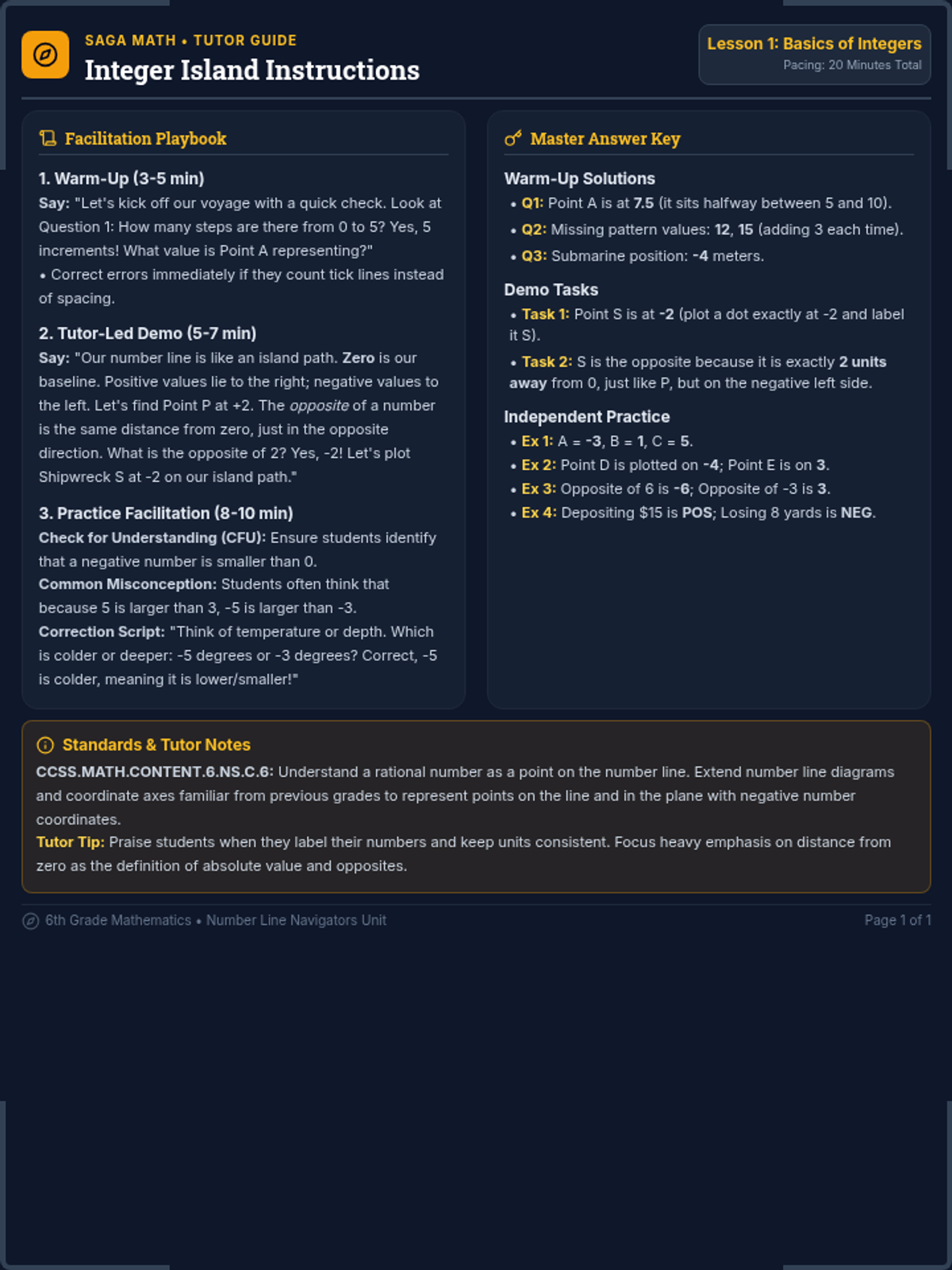
Learn the structure of a number line, identify integers, find opposites, and explore the meaning of zero as a starting reference point.
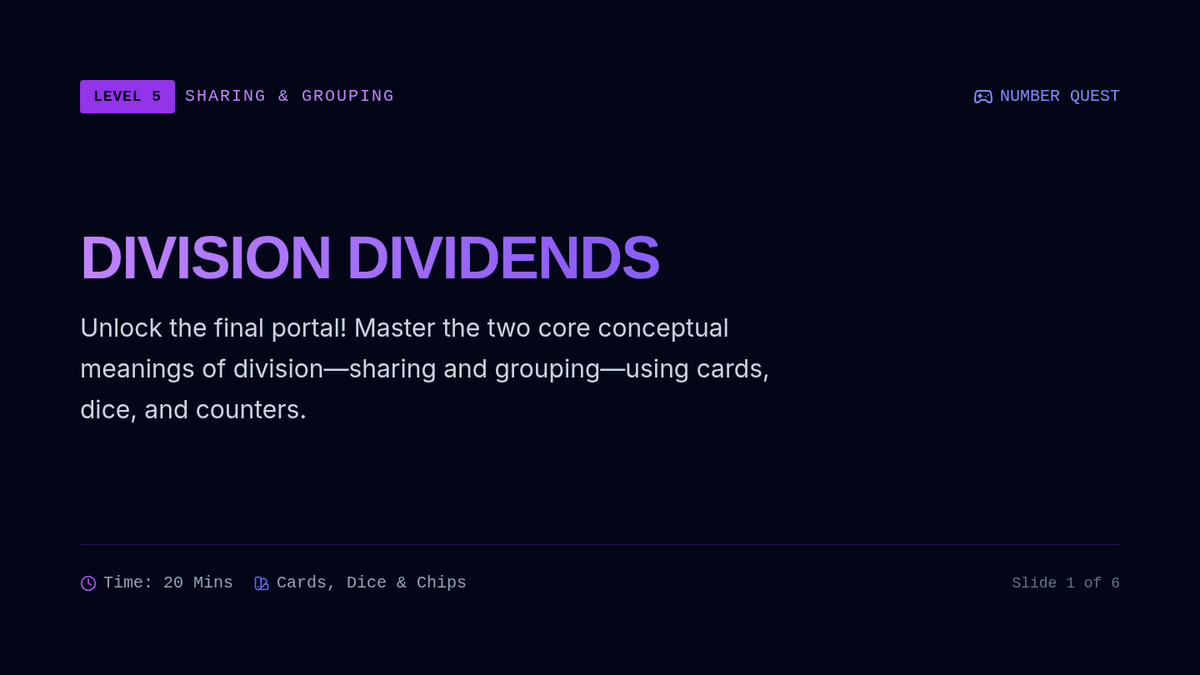
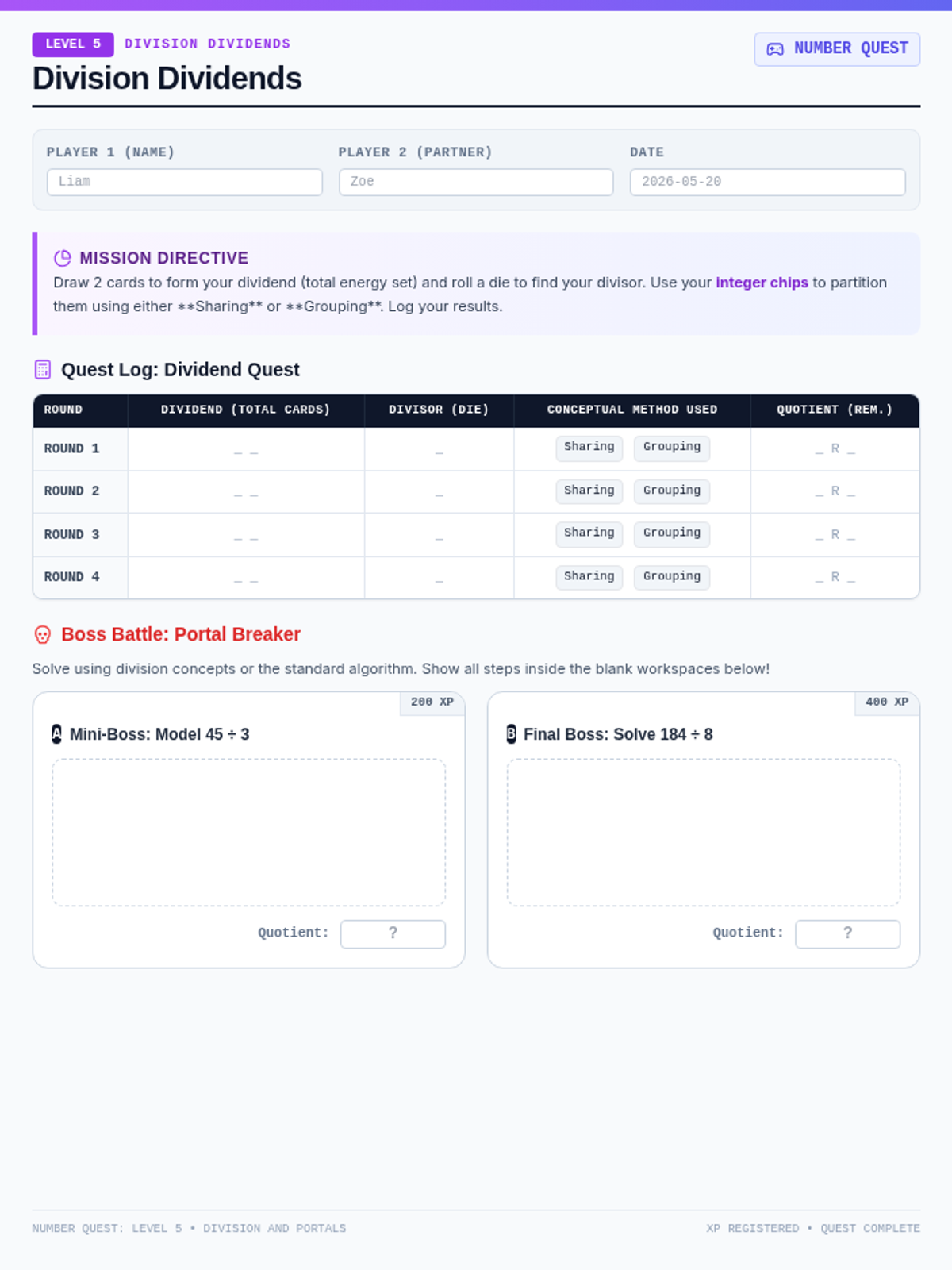
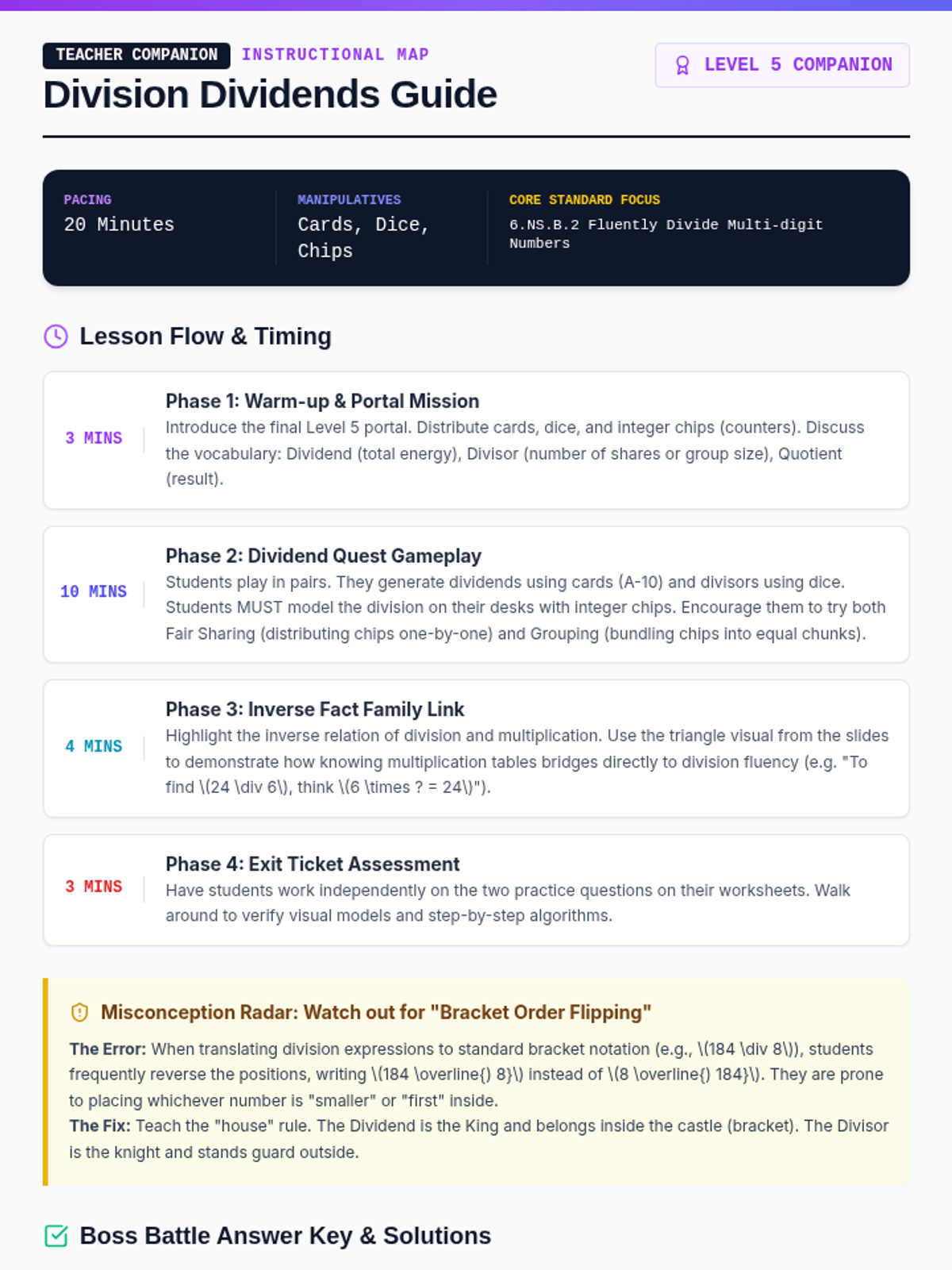
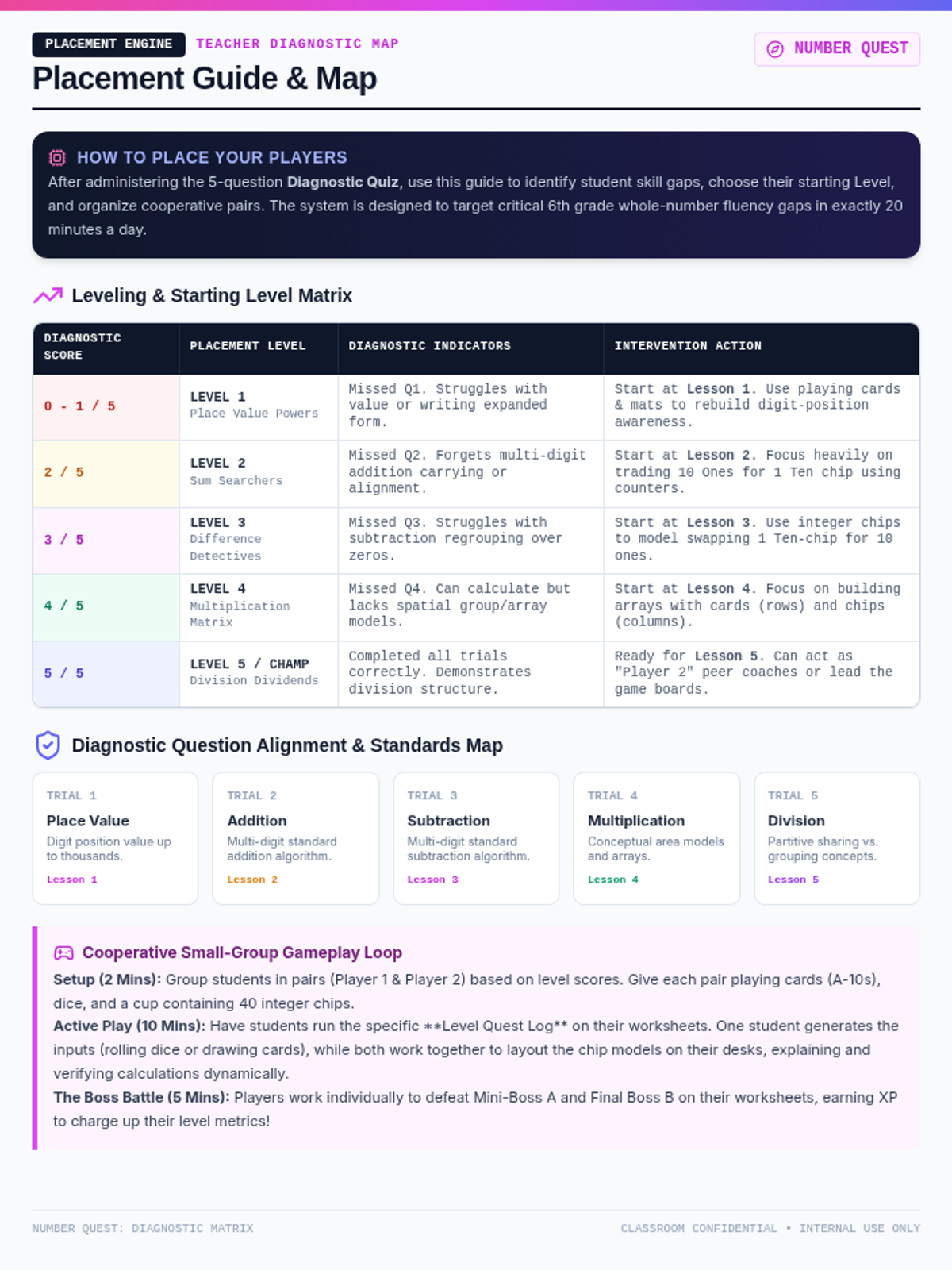
Unlock division's conceptual meanings of sharing and grouping. Students will use dice and cards to determine dividends and divisors, build visual models using counters/chips, and link division back to its inverse, multiplication.
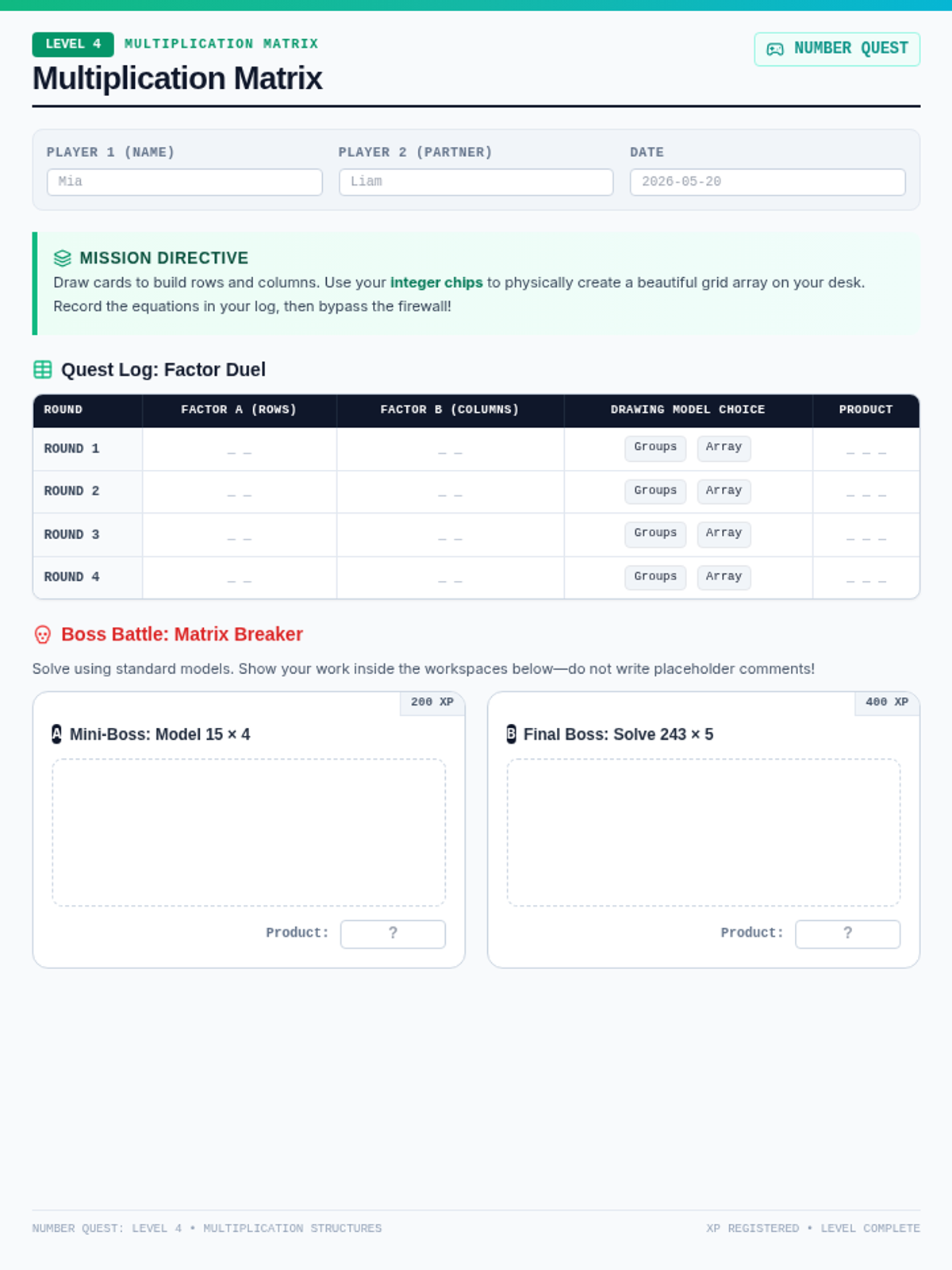
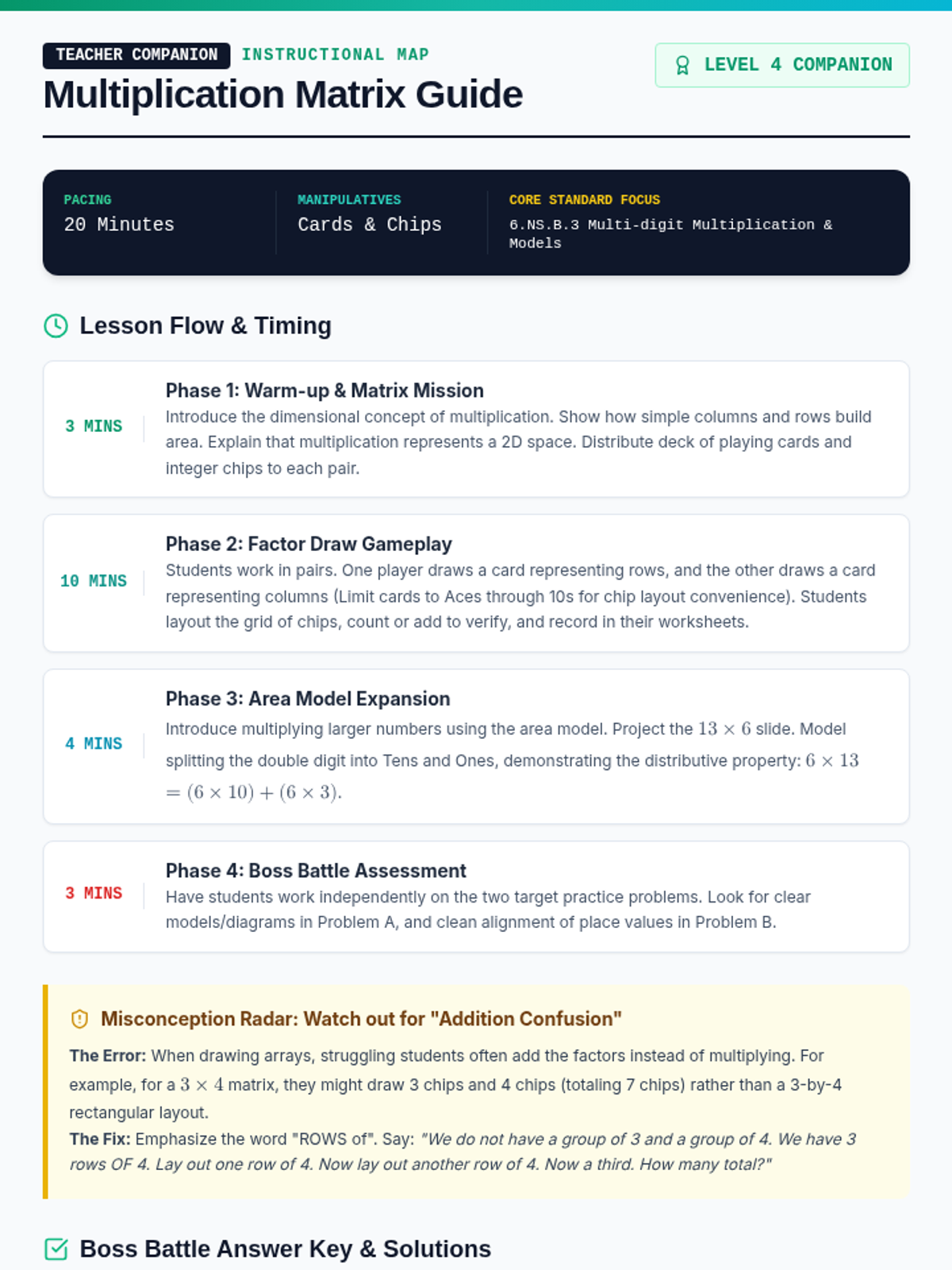
Explore the core conceptual meanings of multiplication (equal groups, arrays, and area models). Students will use playing cards to roll factors and model multiplication concepts using integer chips as counters to build structural understanding.
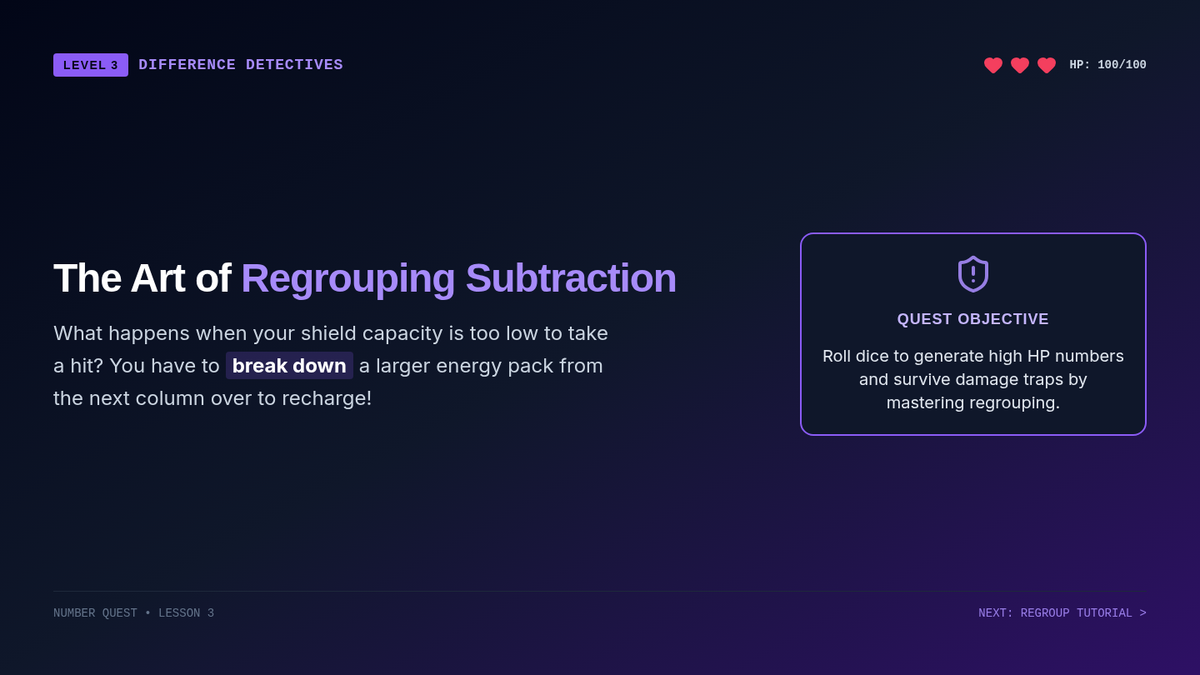
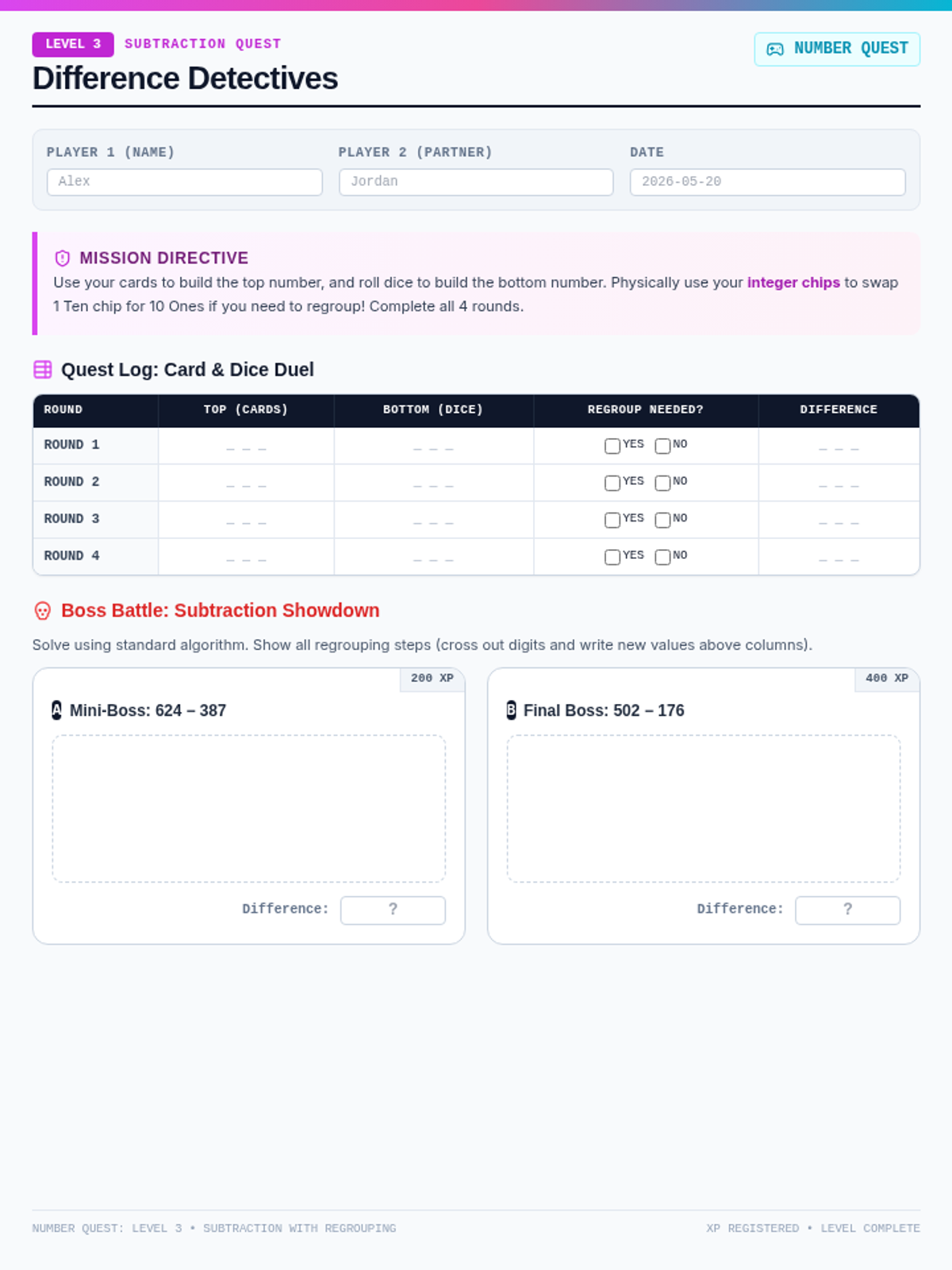
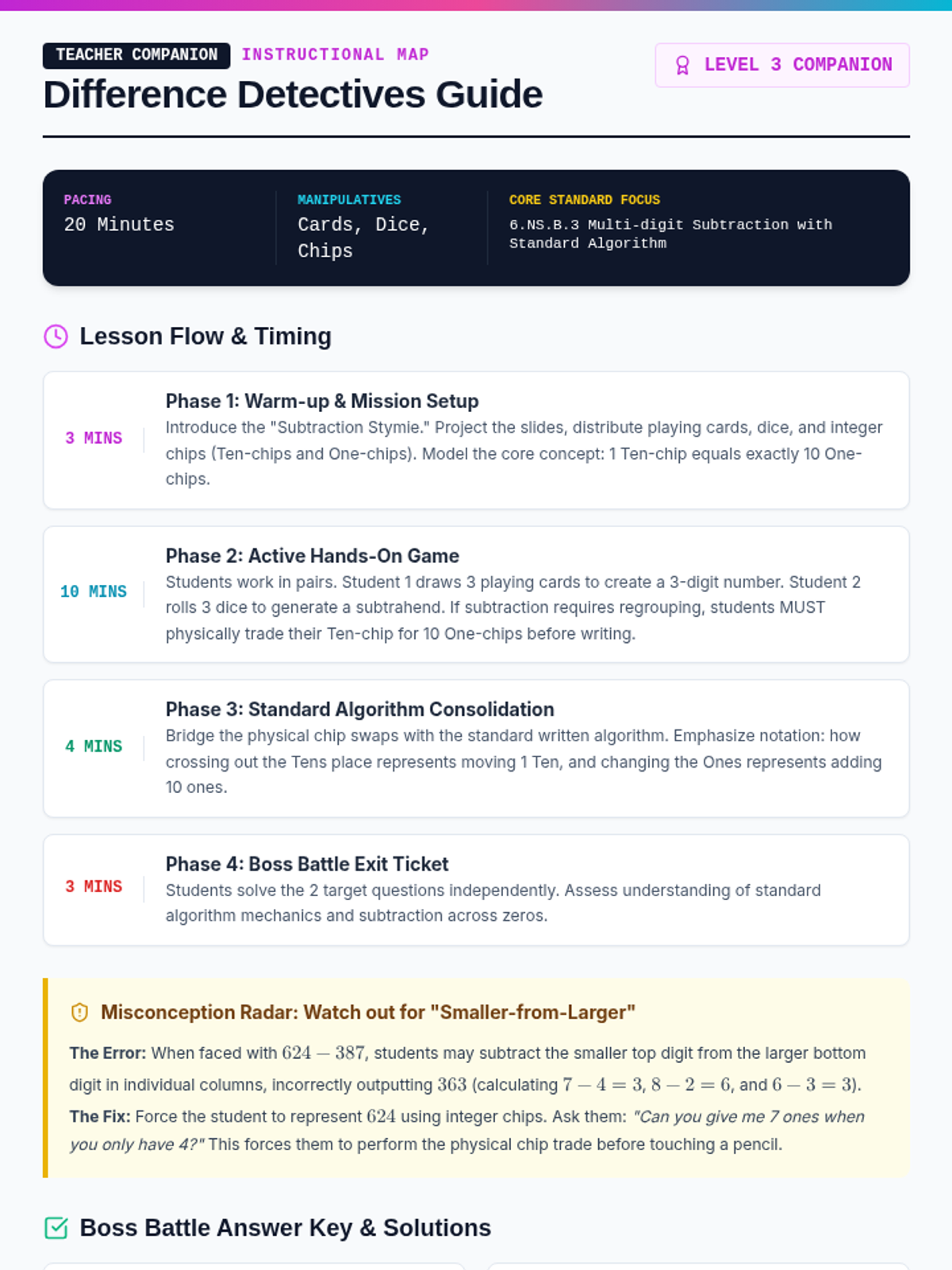
Conquer multi-digit subtraction with regrouping. Students use cards and dice to generate values, set up subtraction problems, and apply the standard algorithm, modeling difficult regrouping scenarios with integer chips for conceptual grounding.
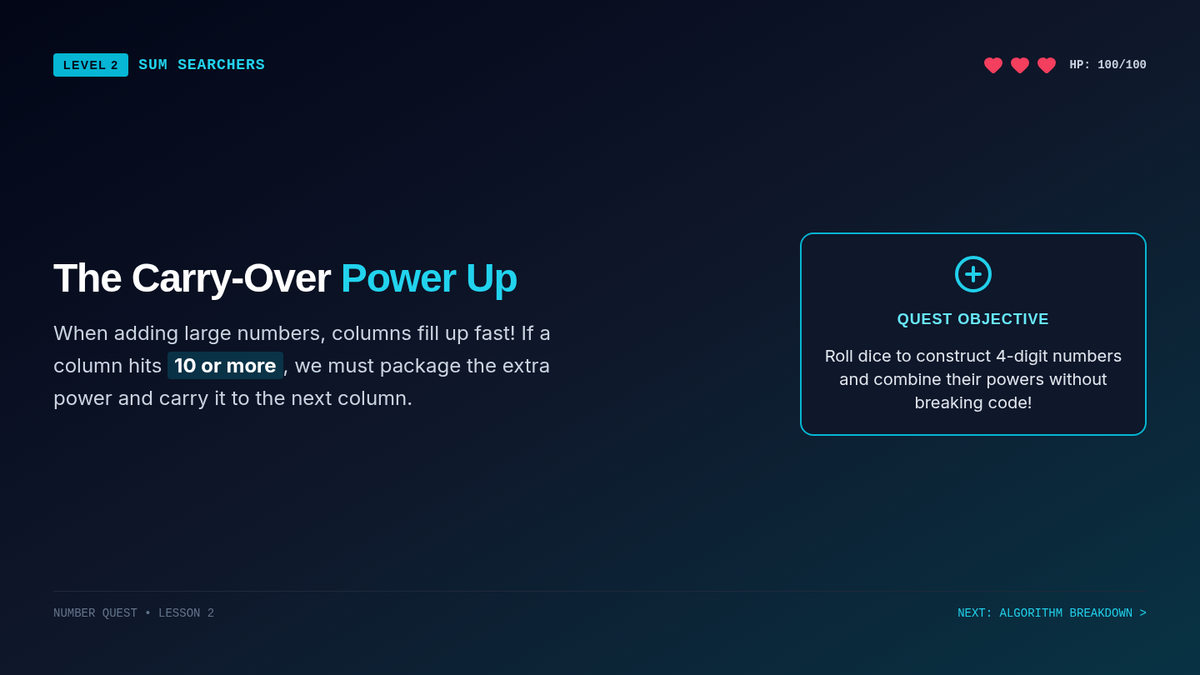
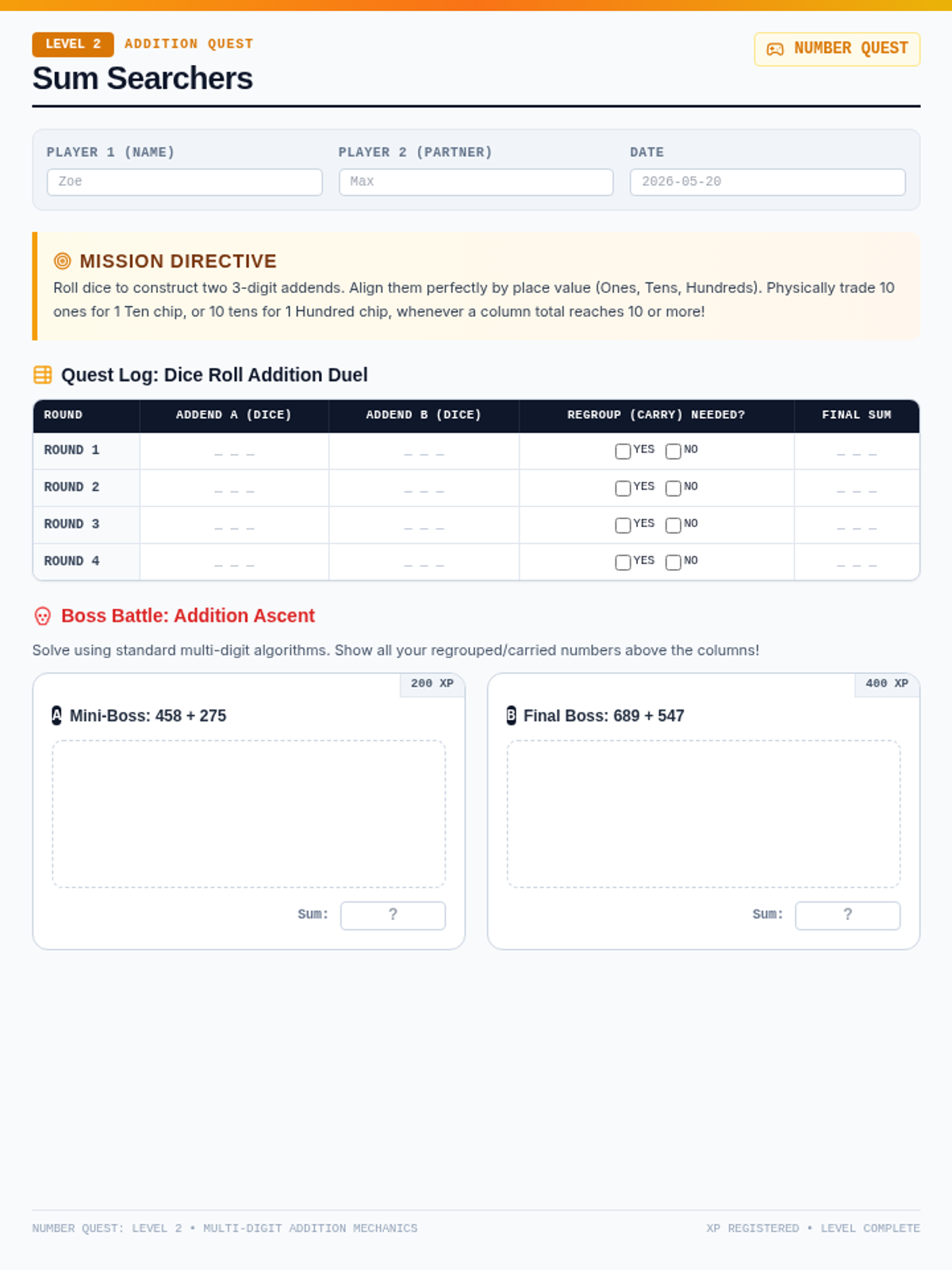
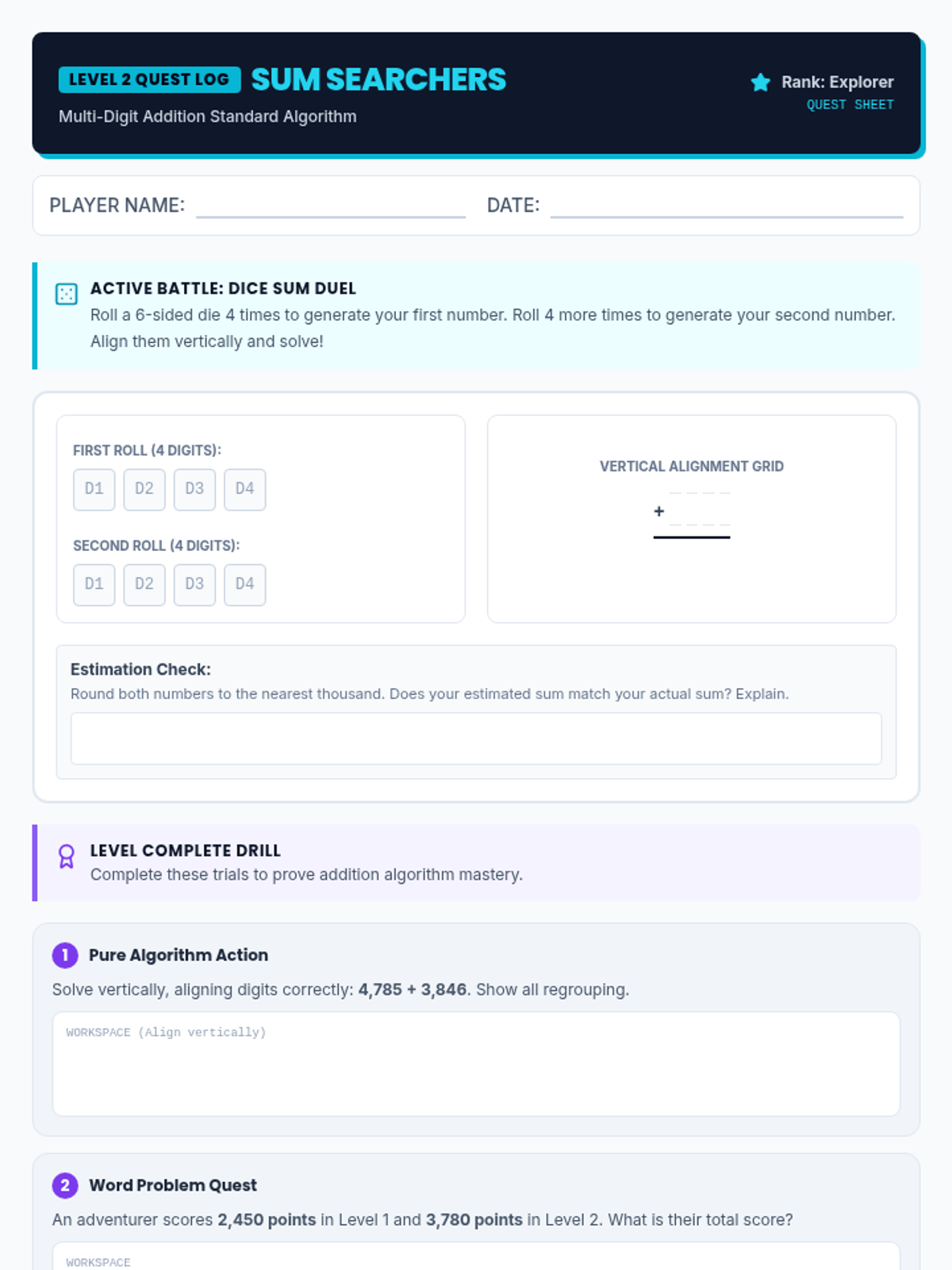
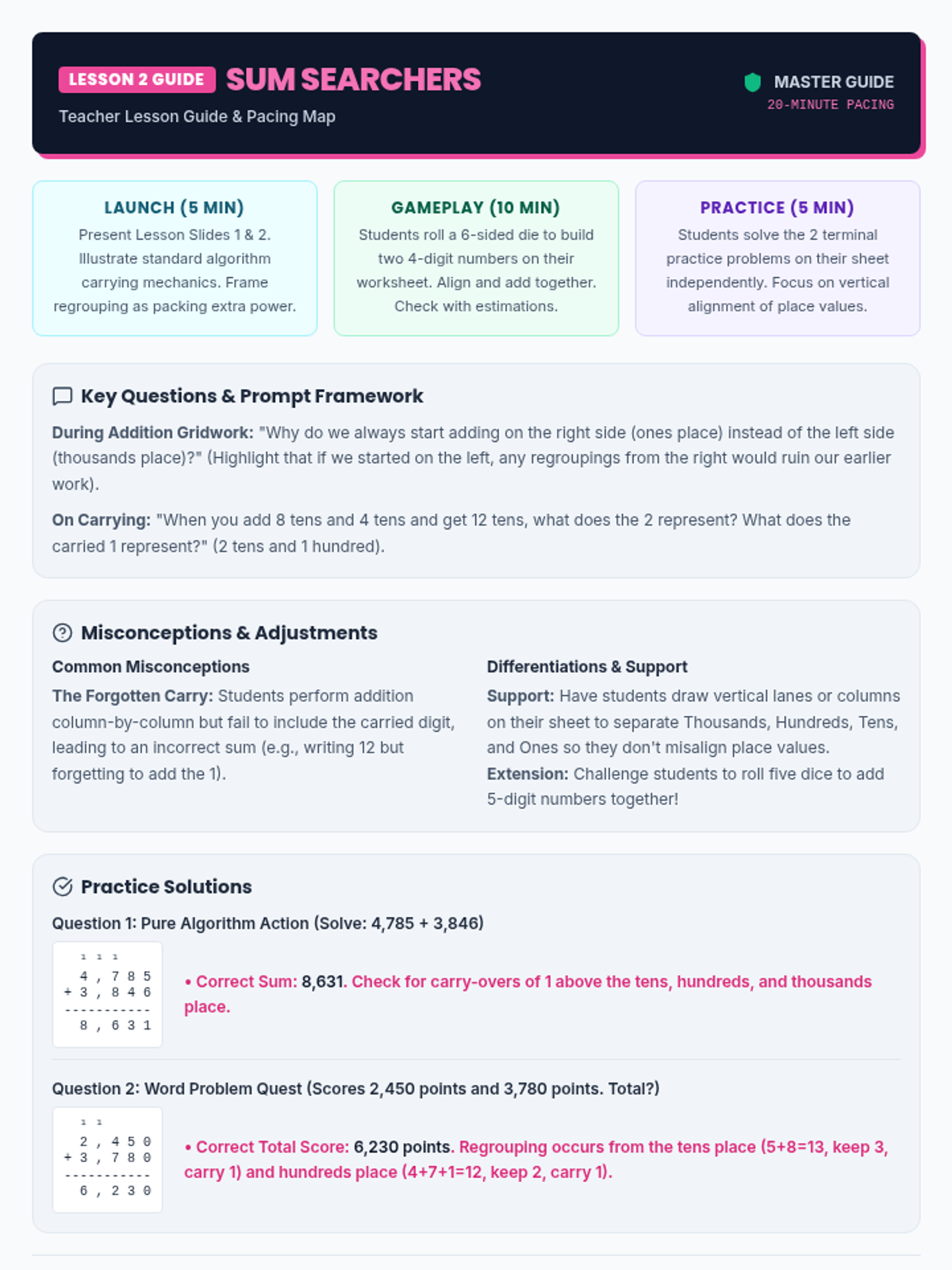
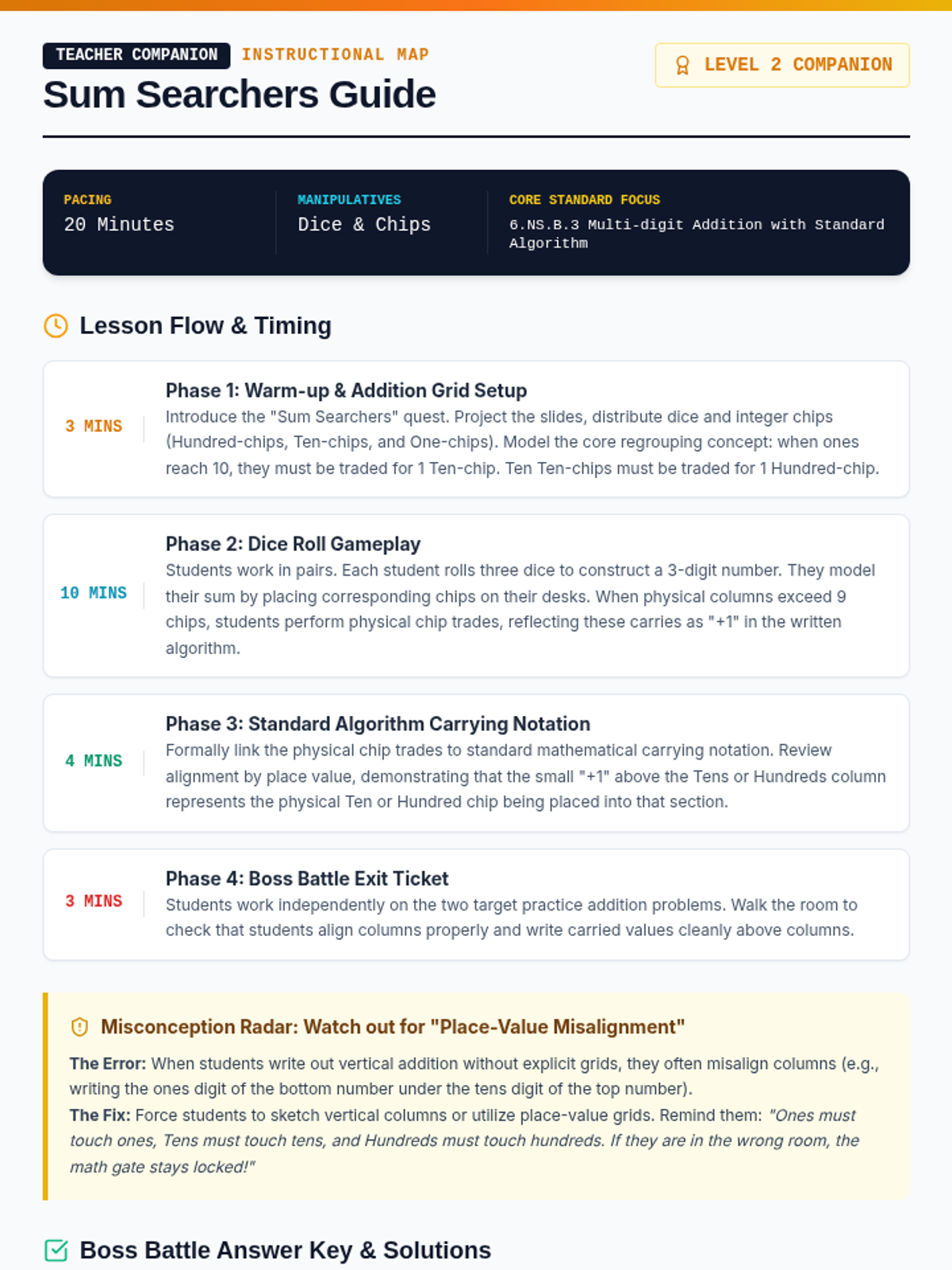
Master multi-digit addition using standard algorithms. Students will participate in a cooperative dice-rolling challenge to construct and solve complex additions, verifying their work using visual estimation and structural properties.
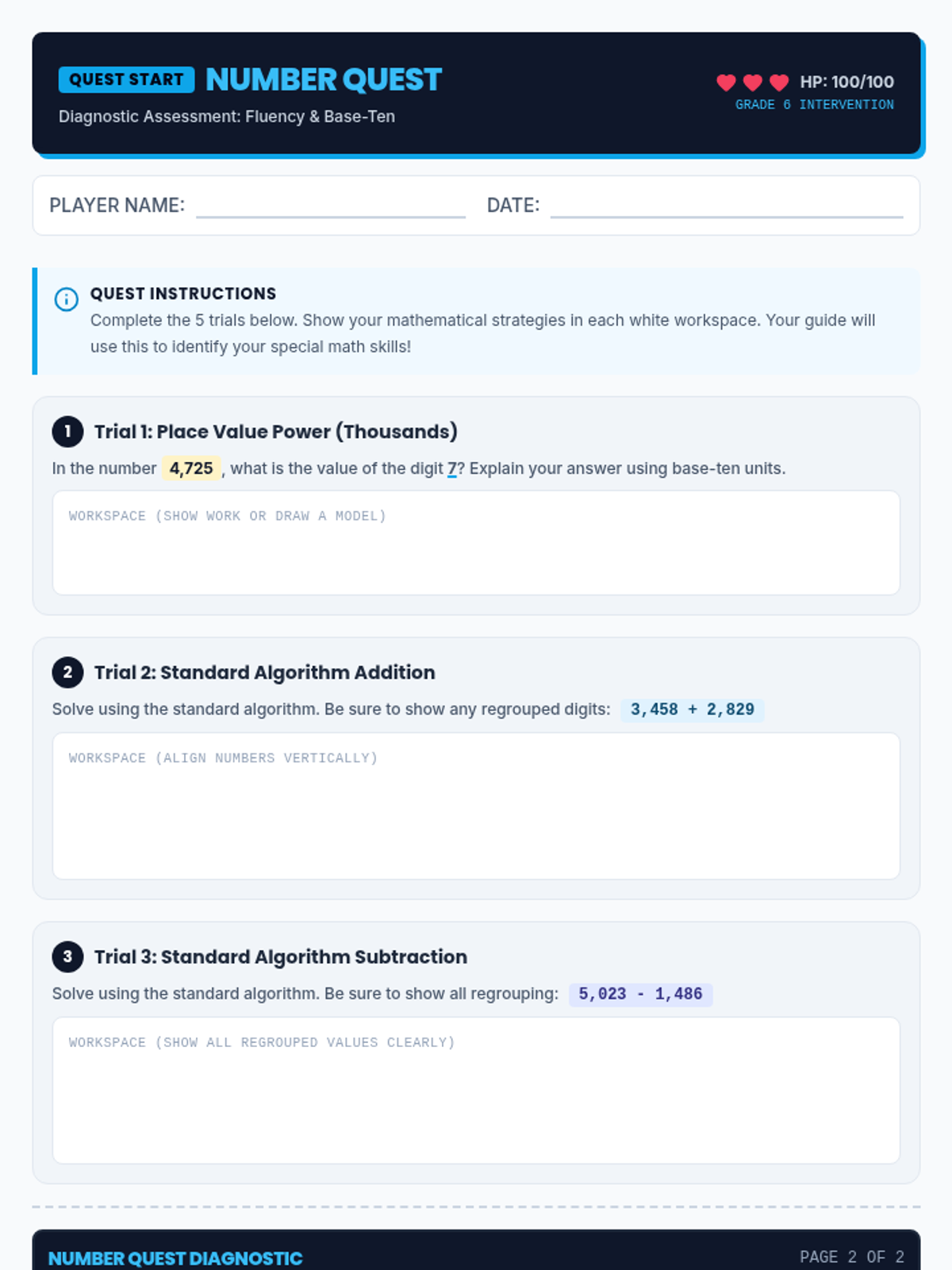
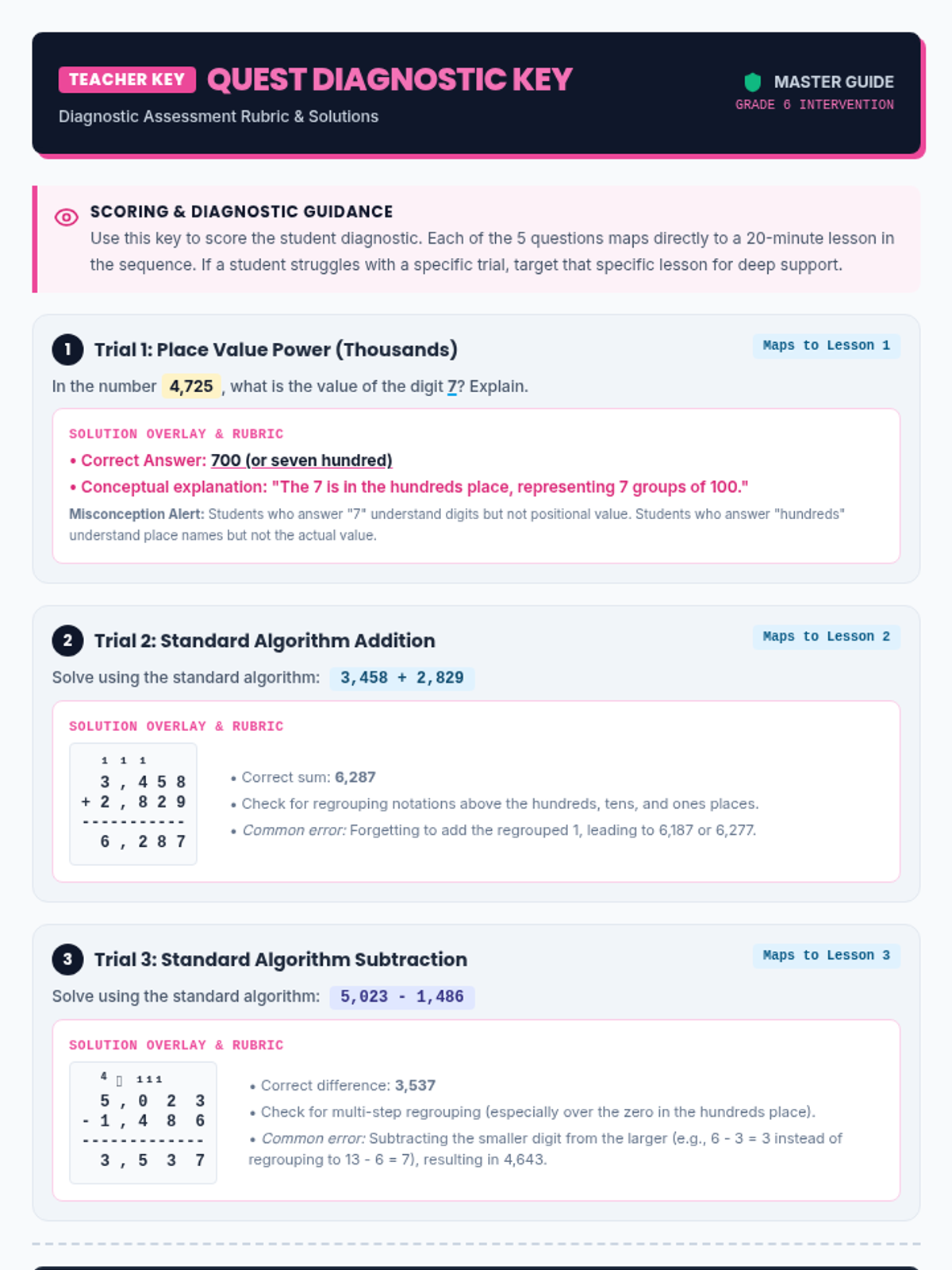
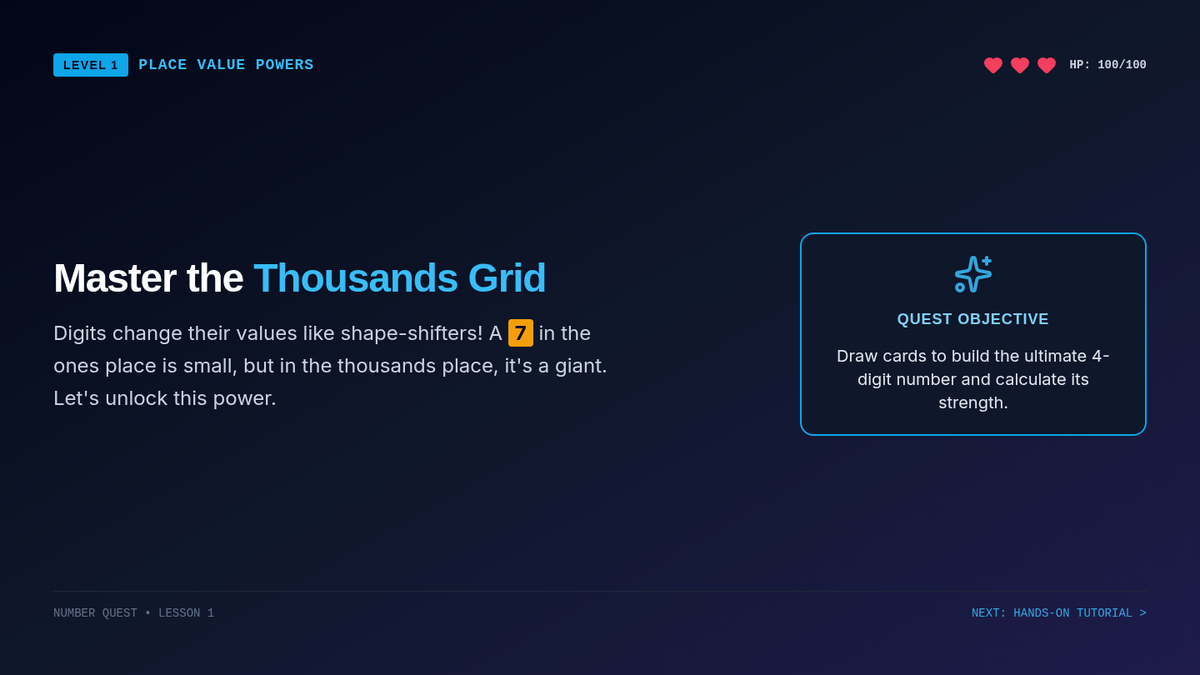
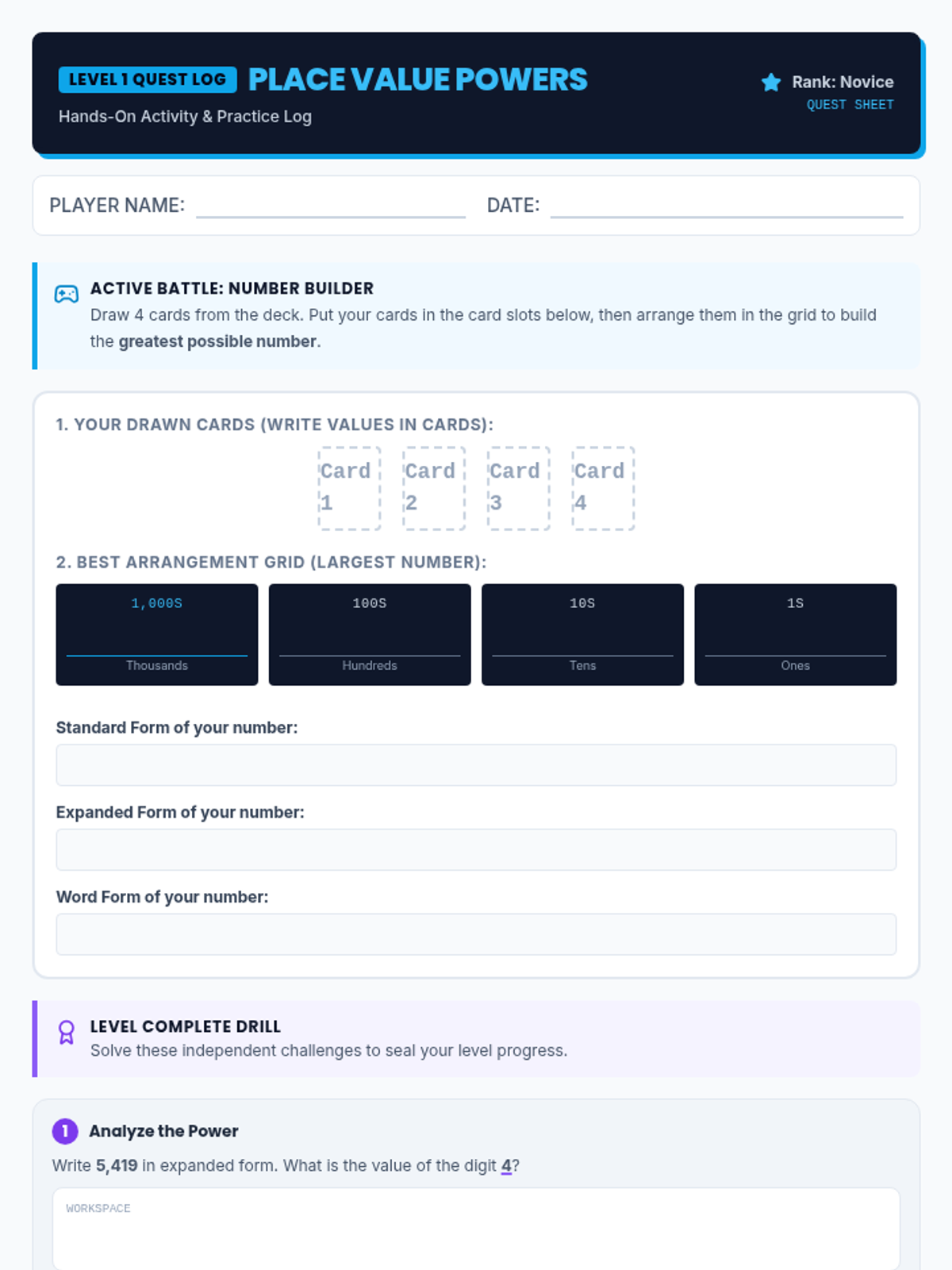
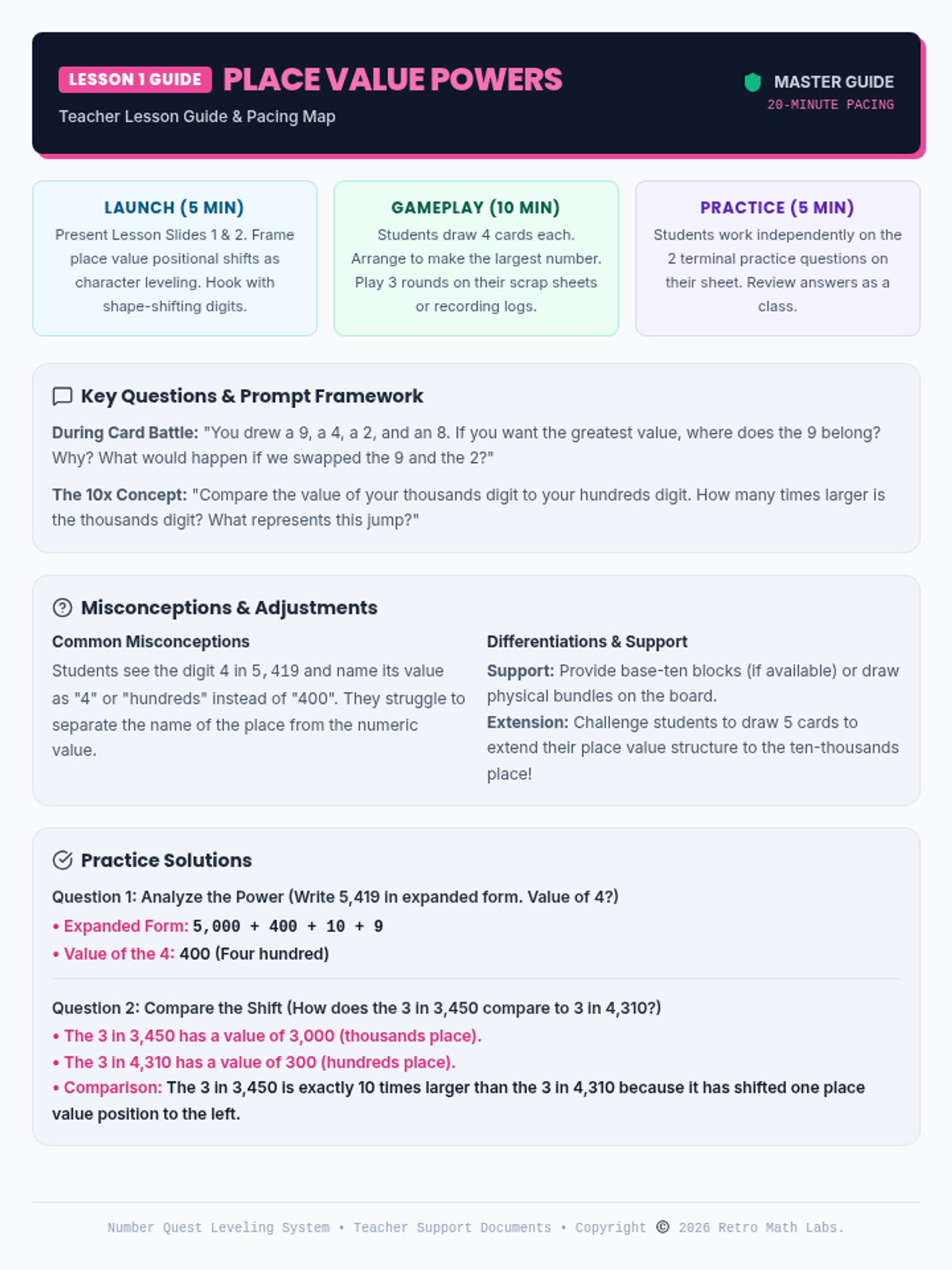
Explore the structure of base-ten numbers up to the thousands place. Students will use playing cards and dice to build large numbers, read them, analyze their values, and establish a foundational understanding of place value.
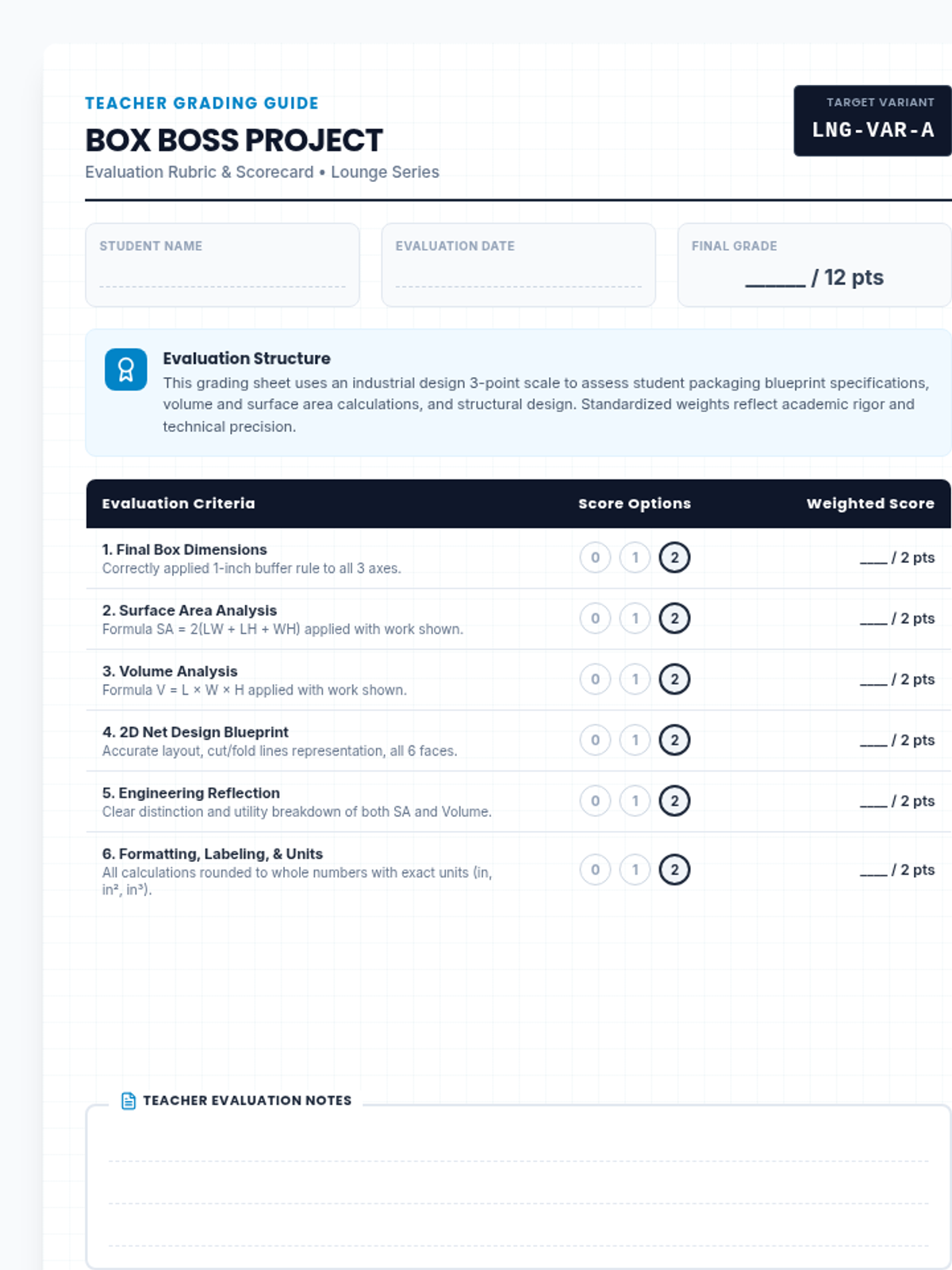
An applied geometry and packaging design project where students calculate surface area, volume, and sketch blueprints for product packaging.
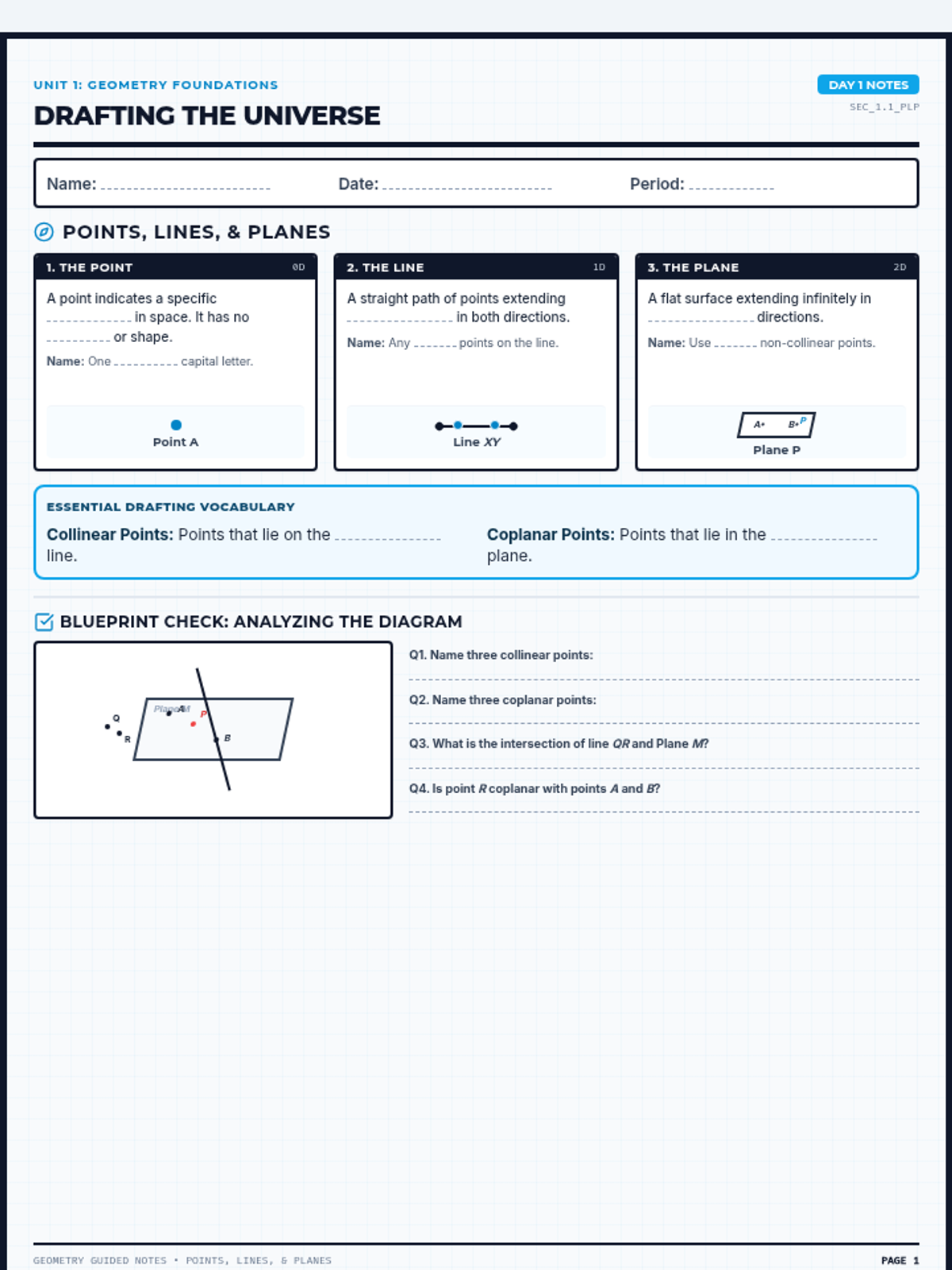
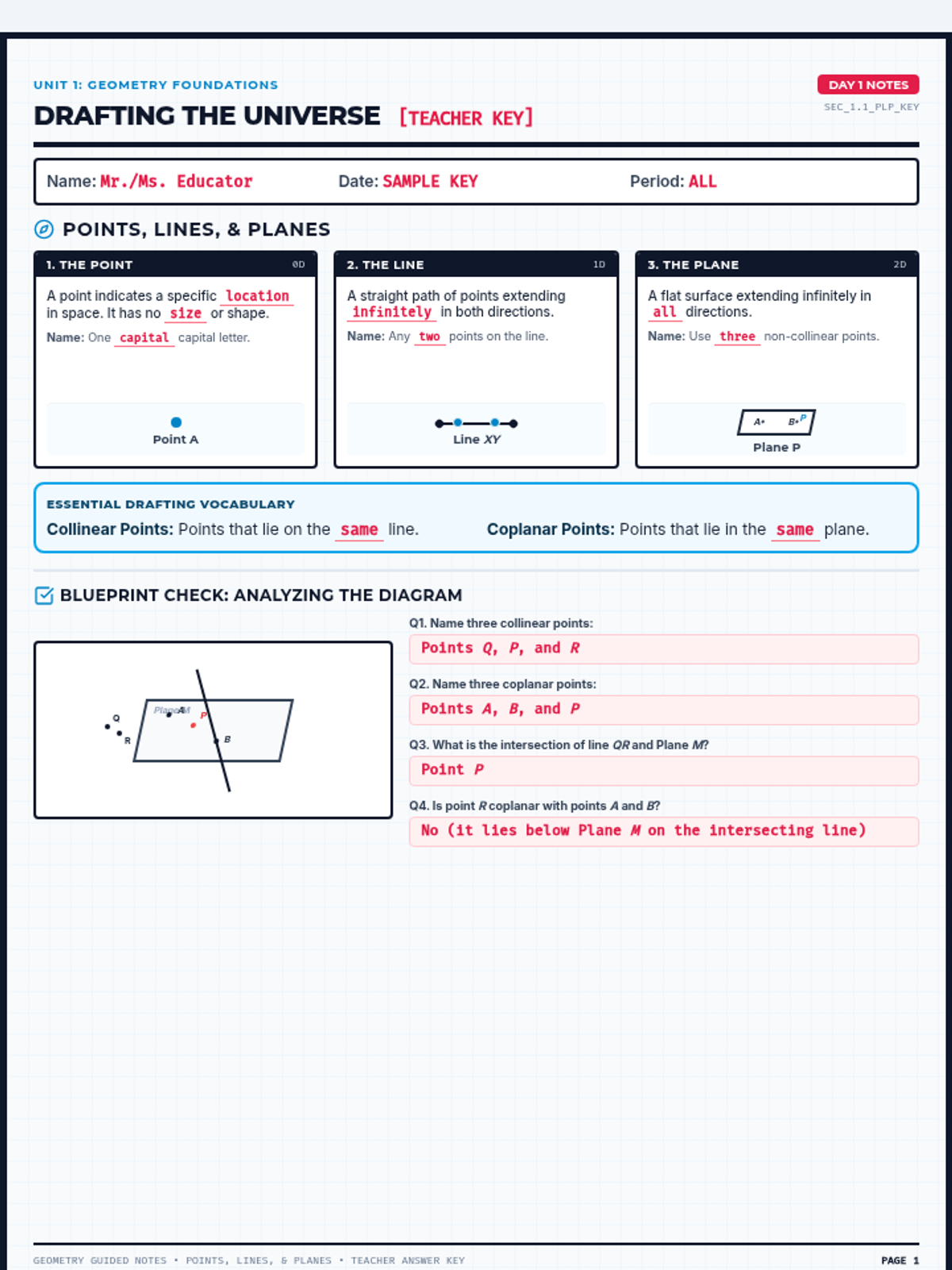
A comprehensive unit introducing the fundamental building blocks of geometry: points, lines, planes, segment addition, distance/midpoint formulas, angle addition, and basic angle relationships. Includes multi-day guided notes and teacher resources.
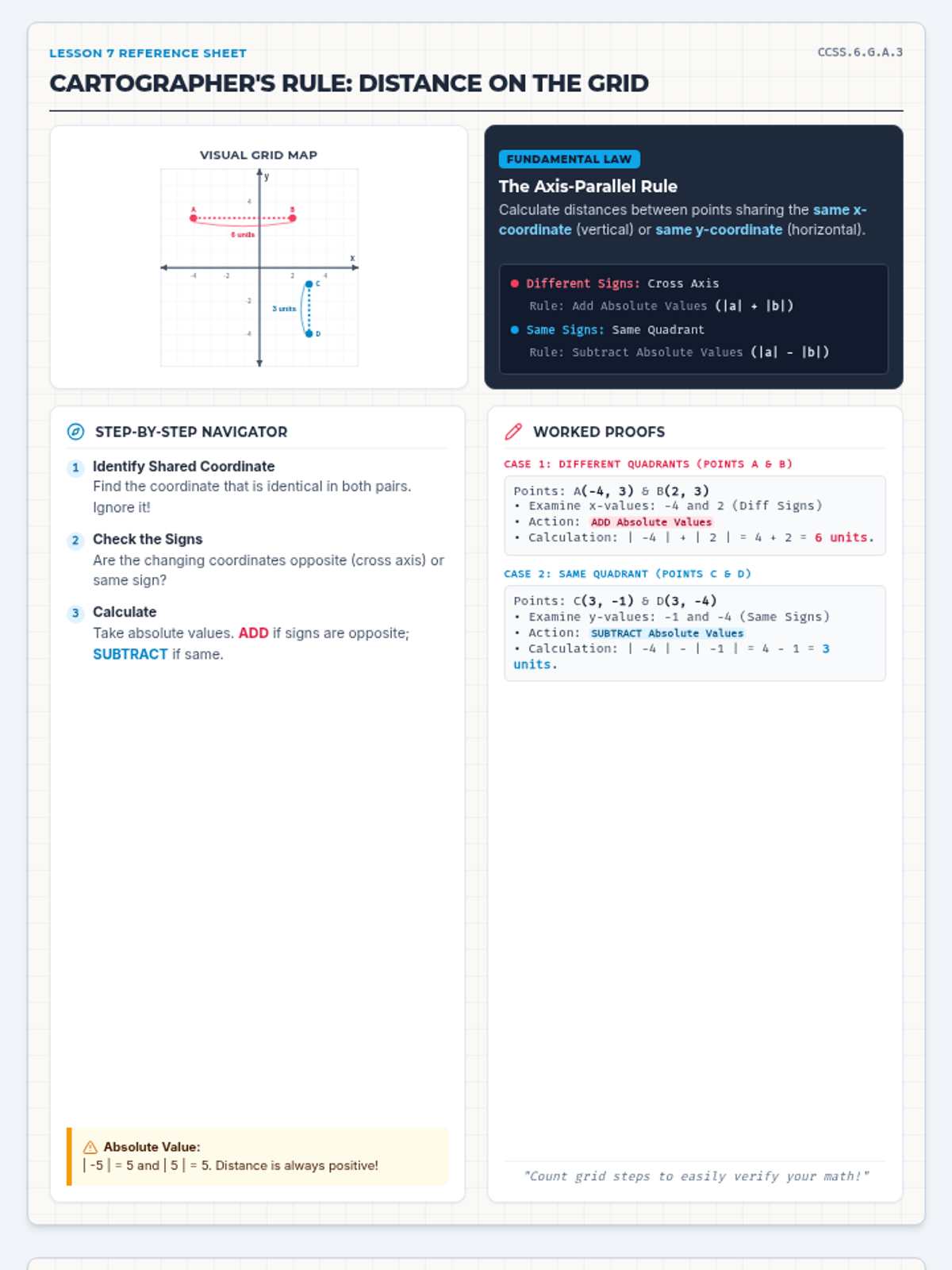
A reference lesson containing comprehensive visual anchor charts and step-by-step guides for distance, drawing polygons, perimeter, area, and real-world scale applications on the coordinate plane.
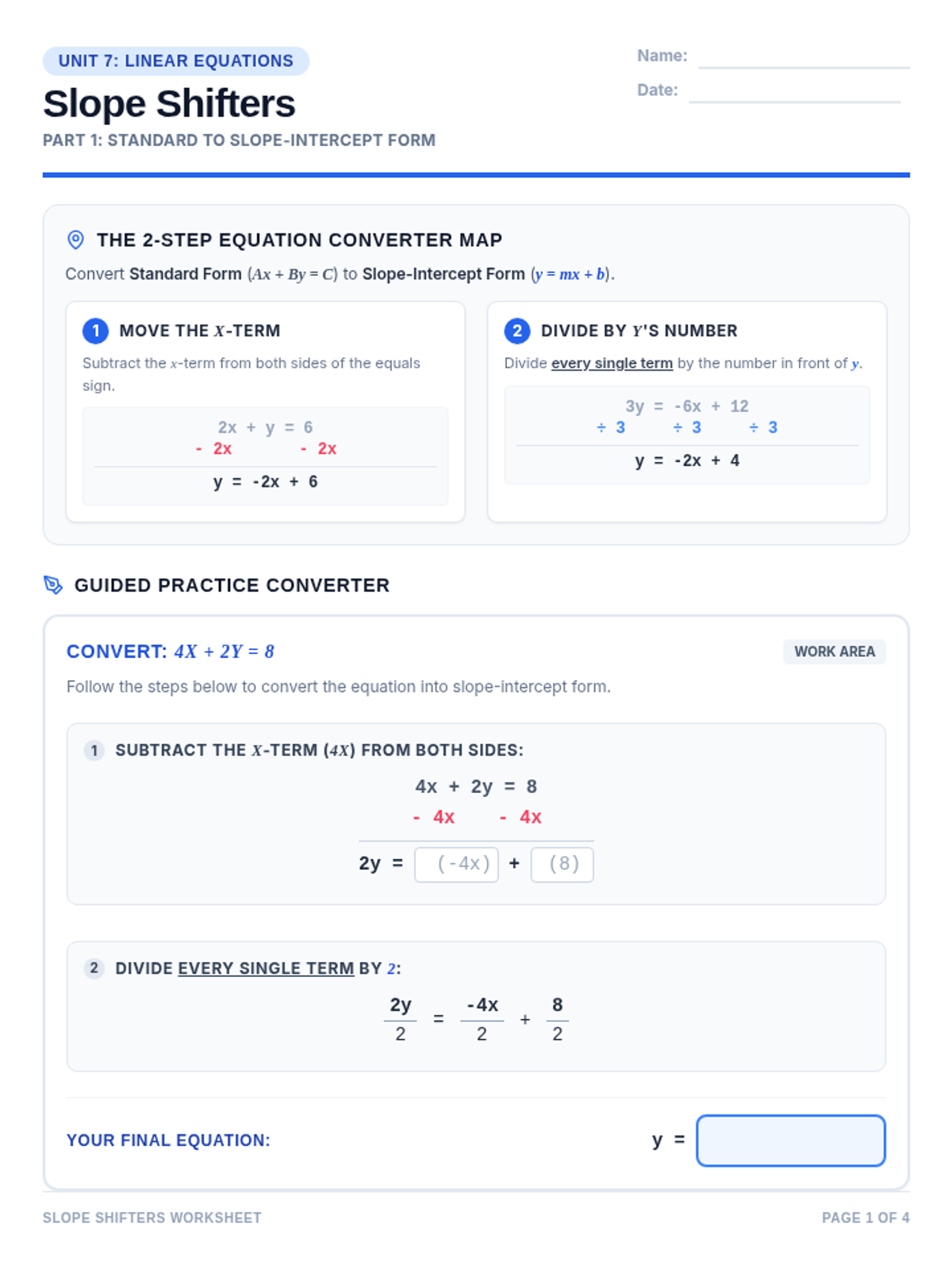
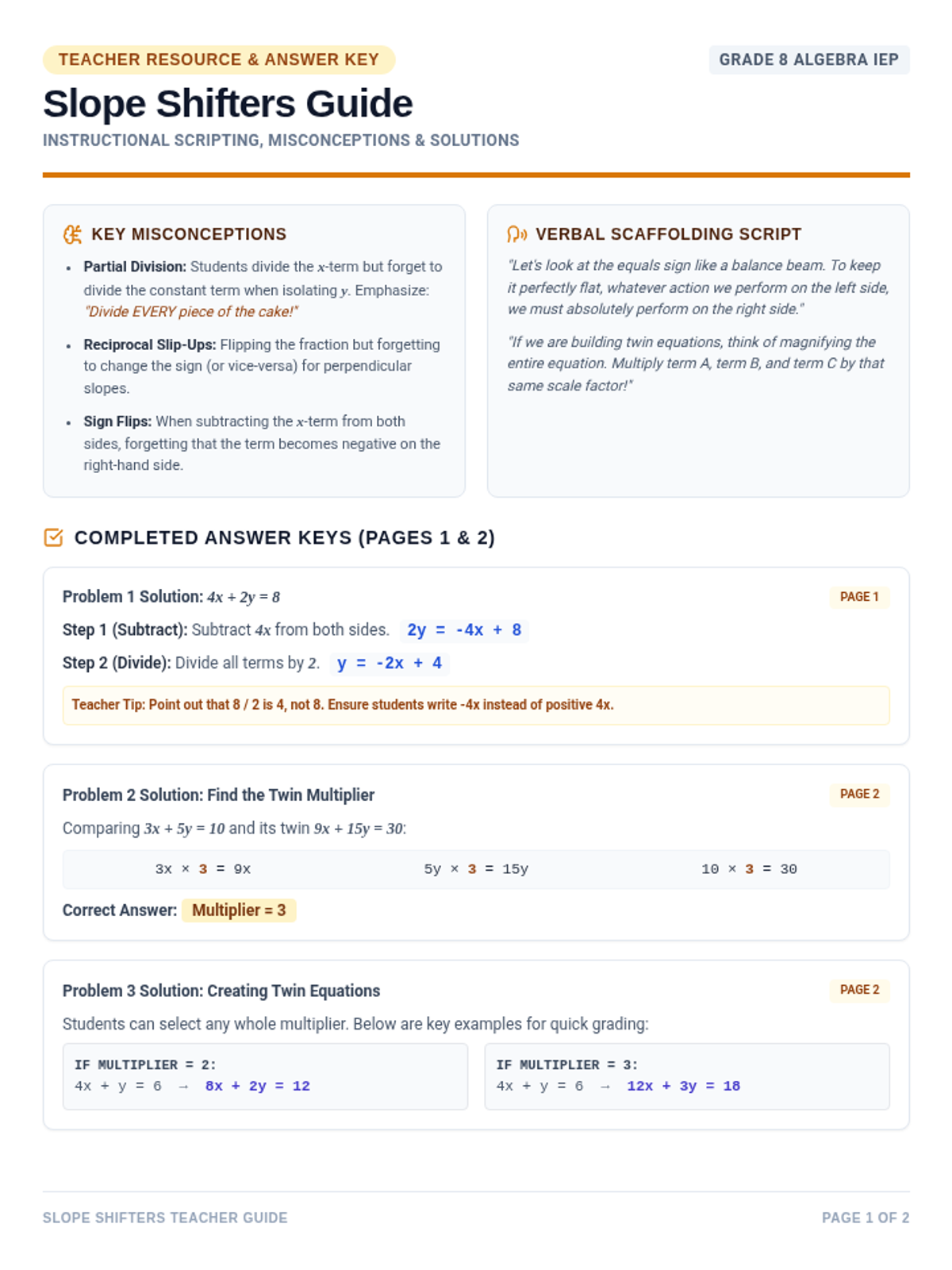
A scaffolded algebra lesson designed for 8th-grade students with IEPs to master converting linear equations, identifying equivalent standard forms, and analyzing parallel and perpendicular lines through graphic organizers and step-by-step visual templates.
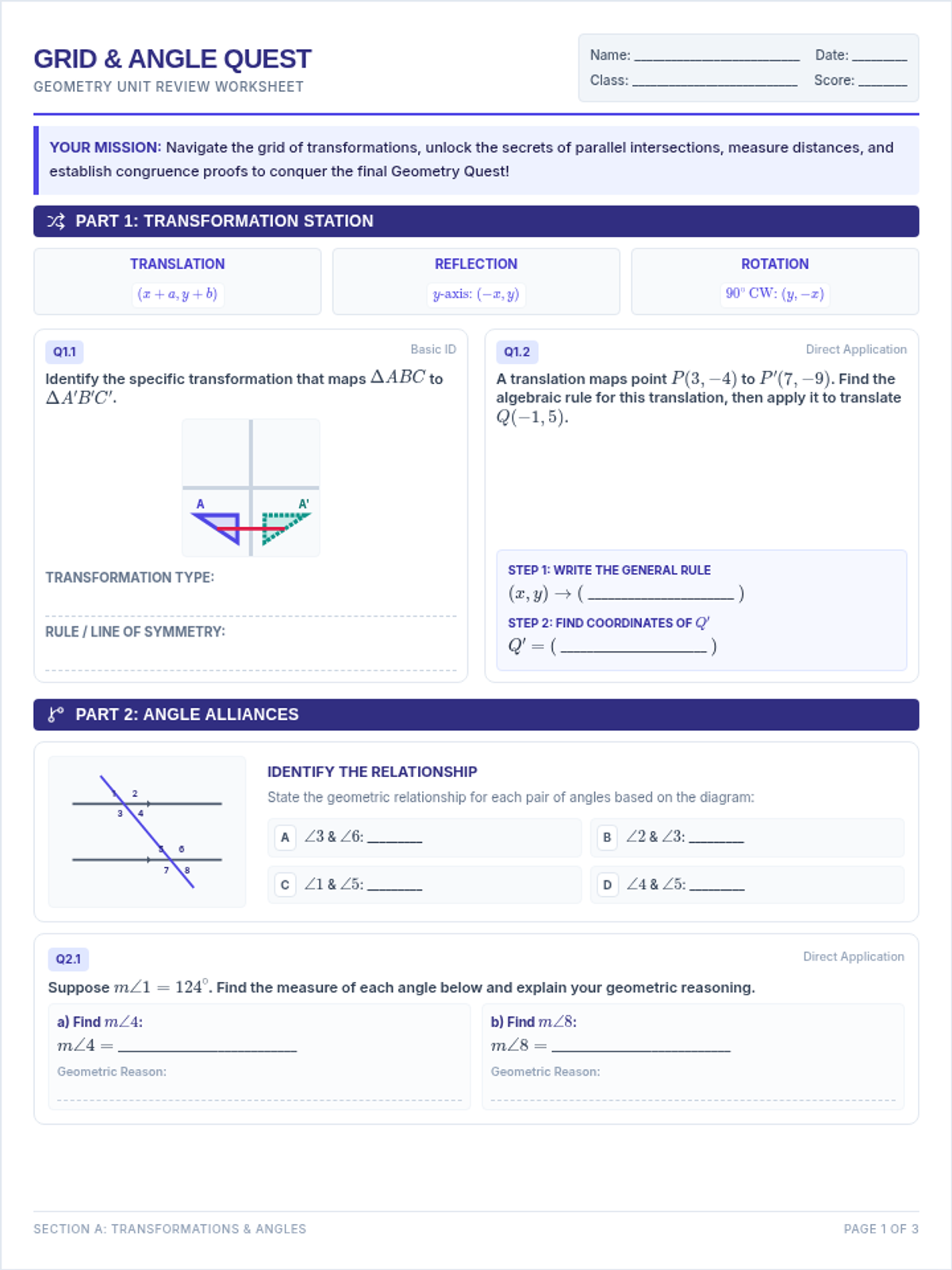
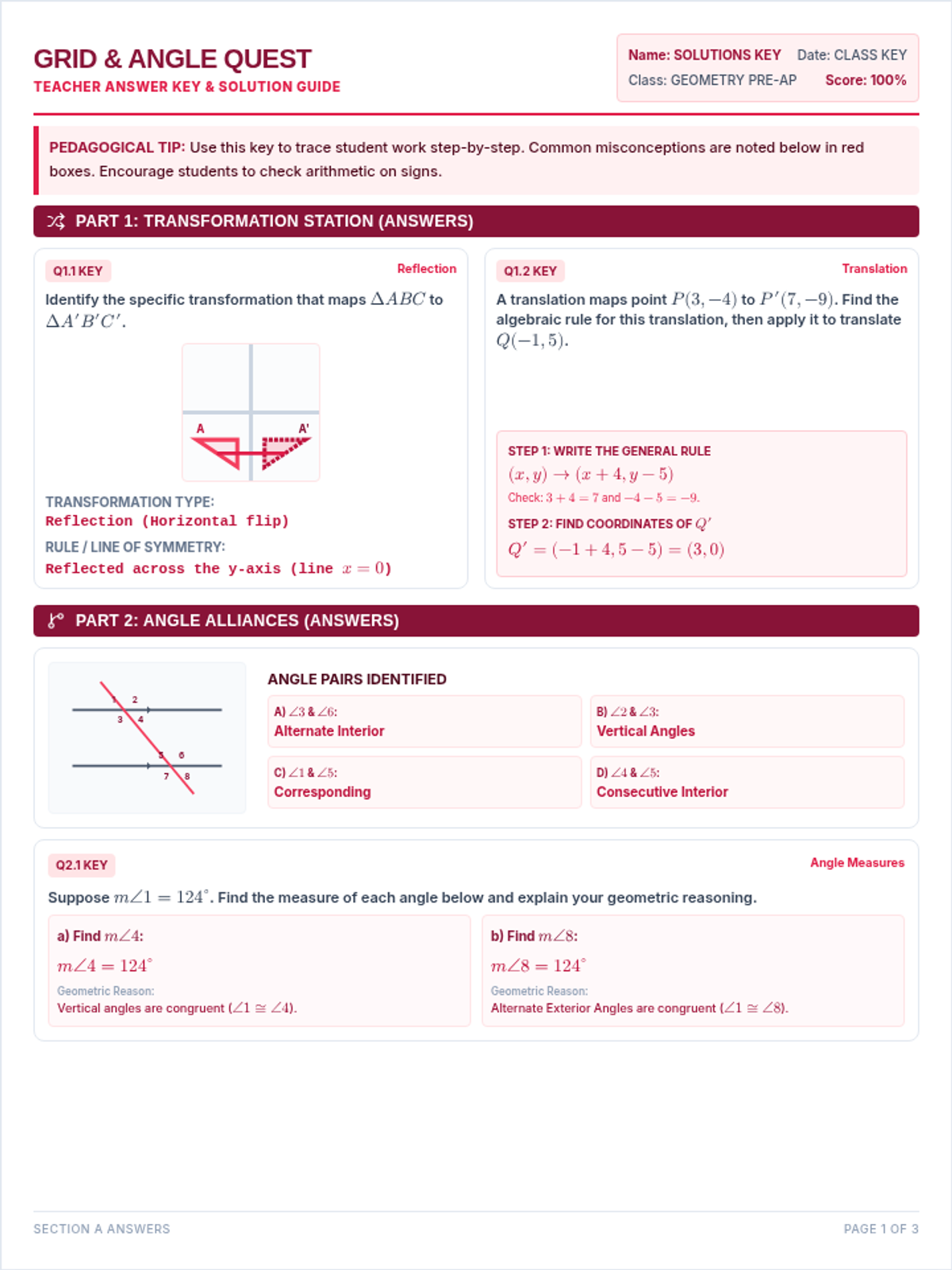
A comprehensive geometry unit review lesson covering transformations, angle relationships, the distance formula, and triangle congruence criteria. This lesson provides students with structured practice and self-contained explanations to solidify basic identification and direct application of these core geometric principles.
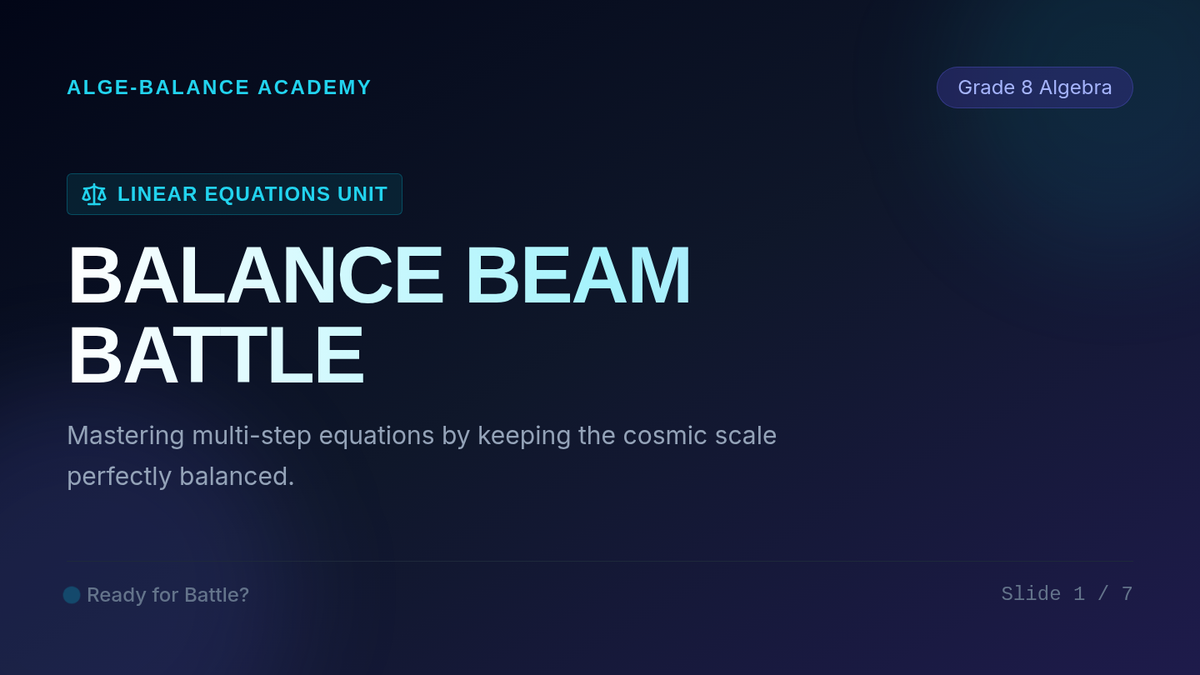
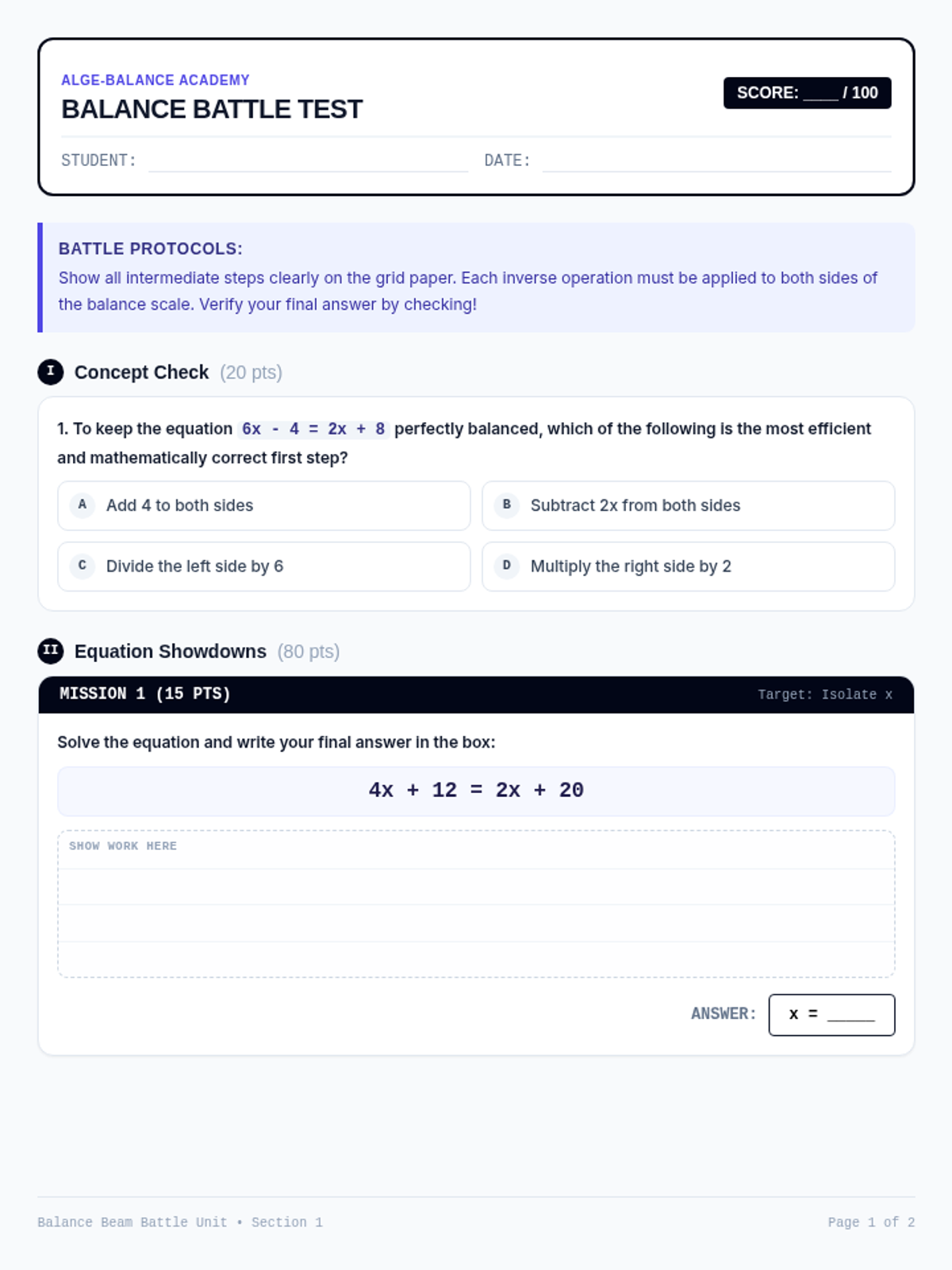
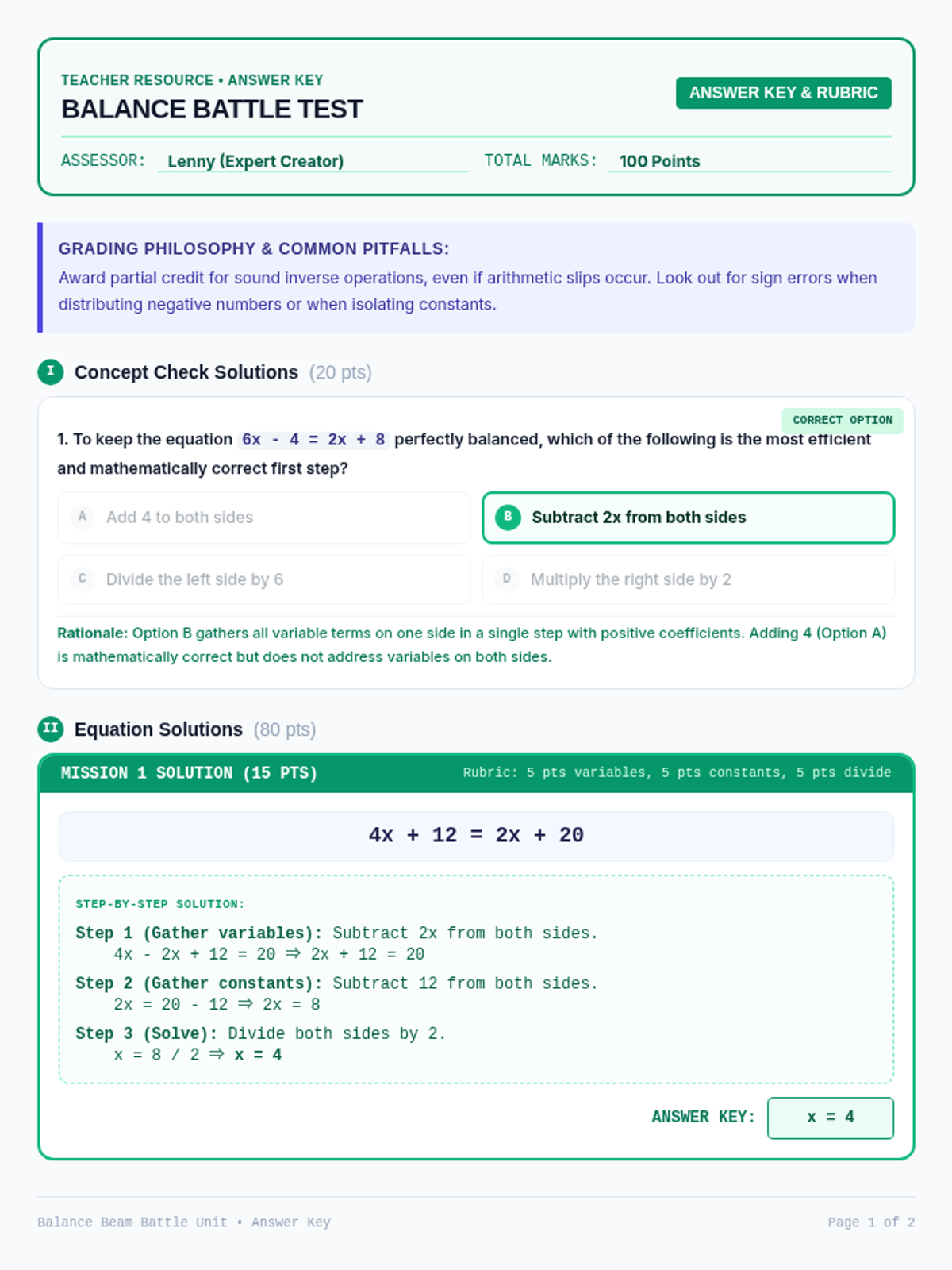
An introductory algebra lesson on solving multi-step equations with variables on both sides. Students use the visual metaphor of a cosmic balance scale to perform operations simultaneously on both sides, working toward isolating the unknown variable.
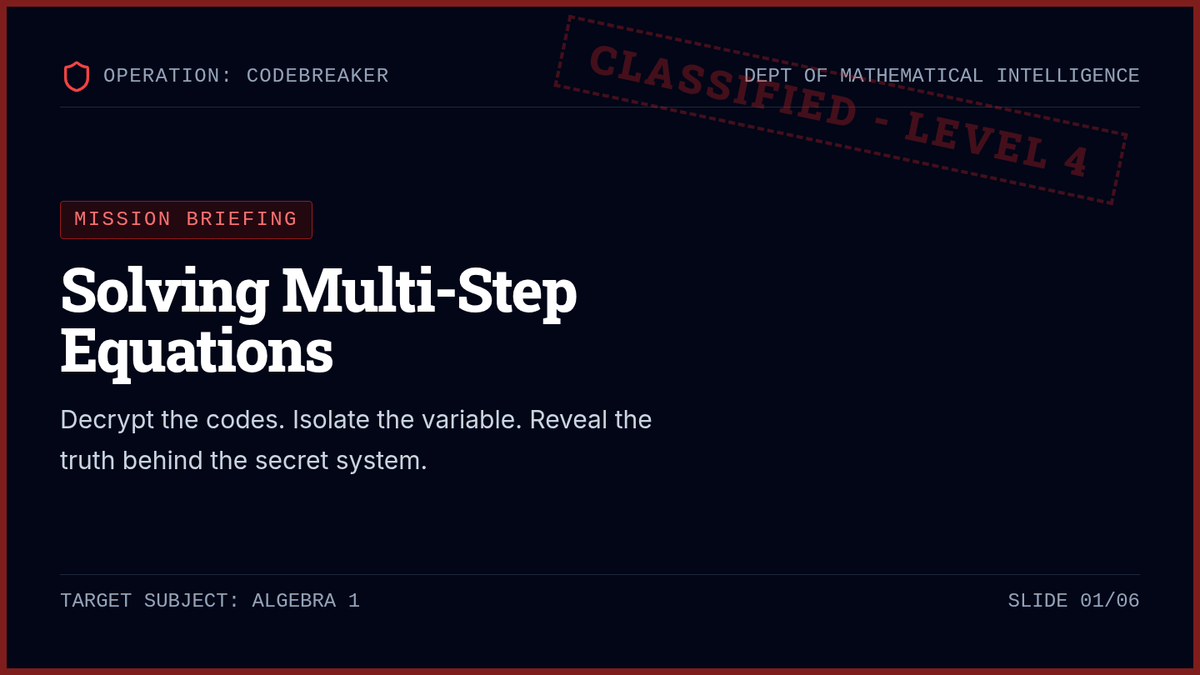
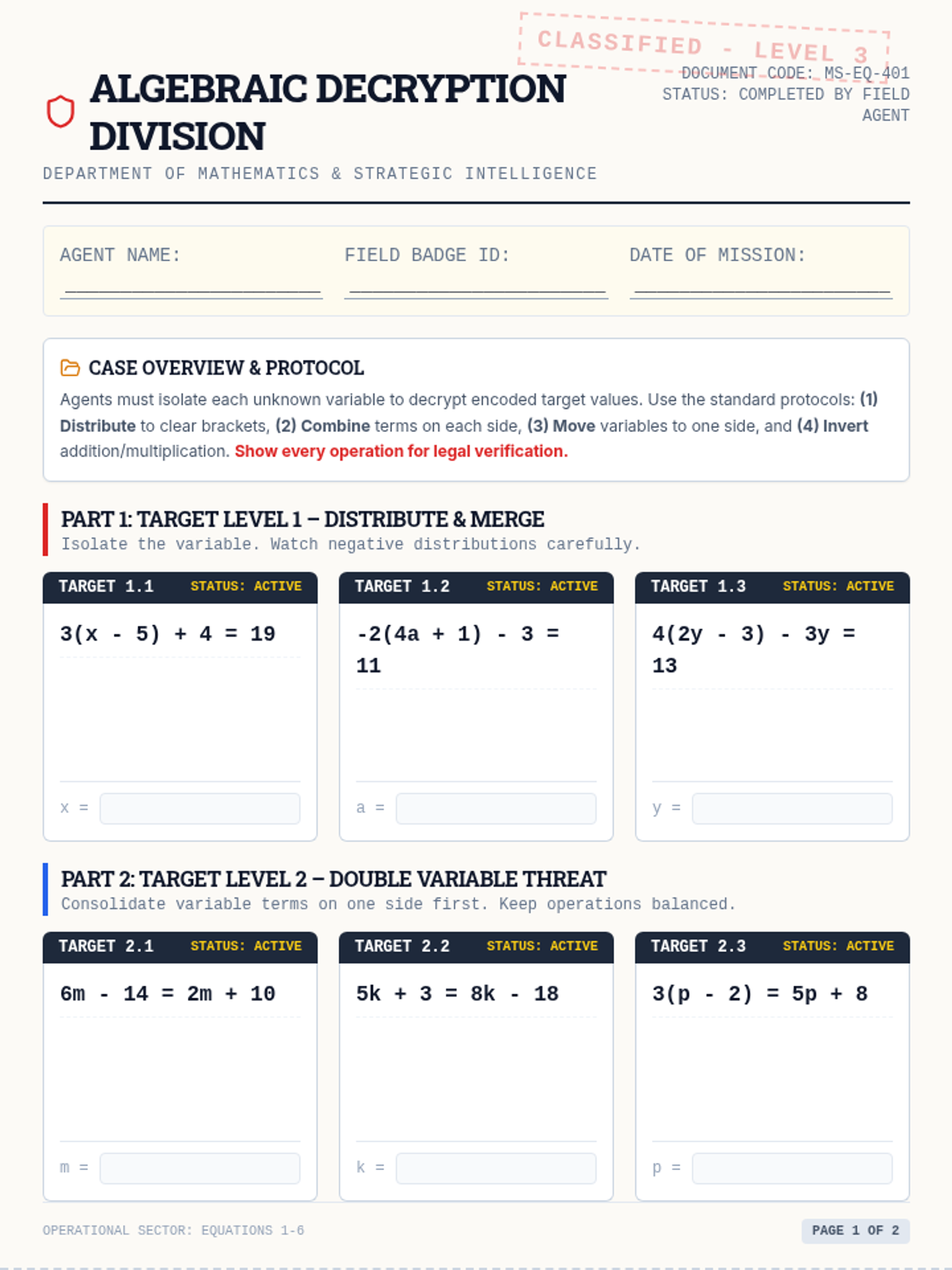
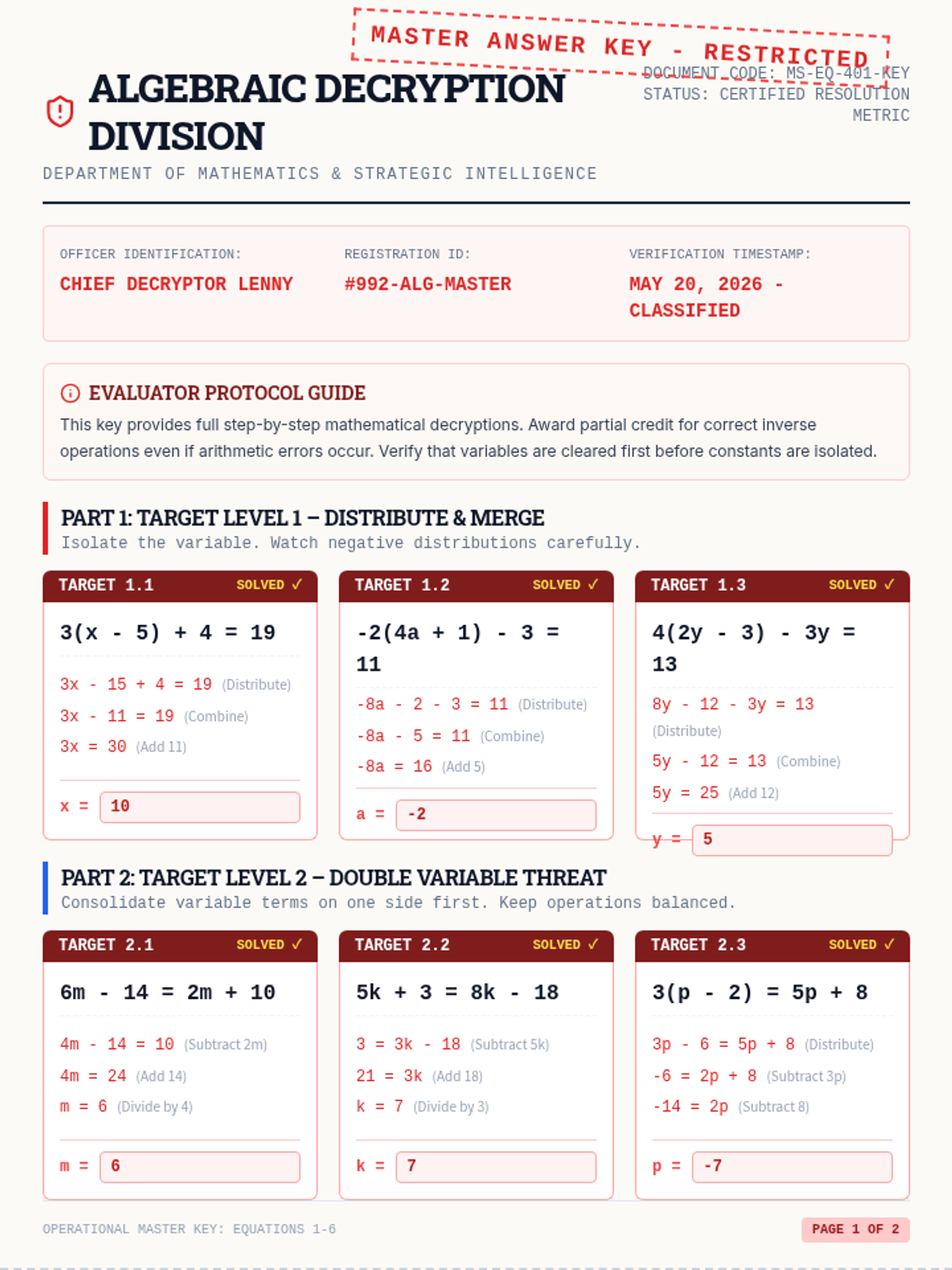
A complete instructional lesson on solving multi-step equations in Algebra 1, utilizing a 'Top-Secret Case File' theme. It includes briefing slides, a structured student case-file worksheet, and a detailed answer key.
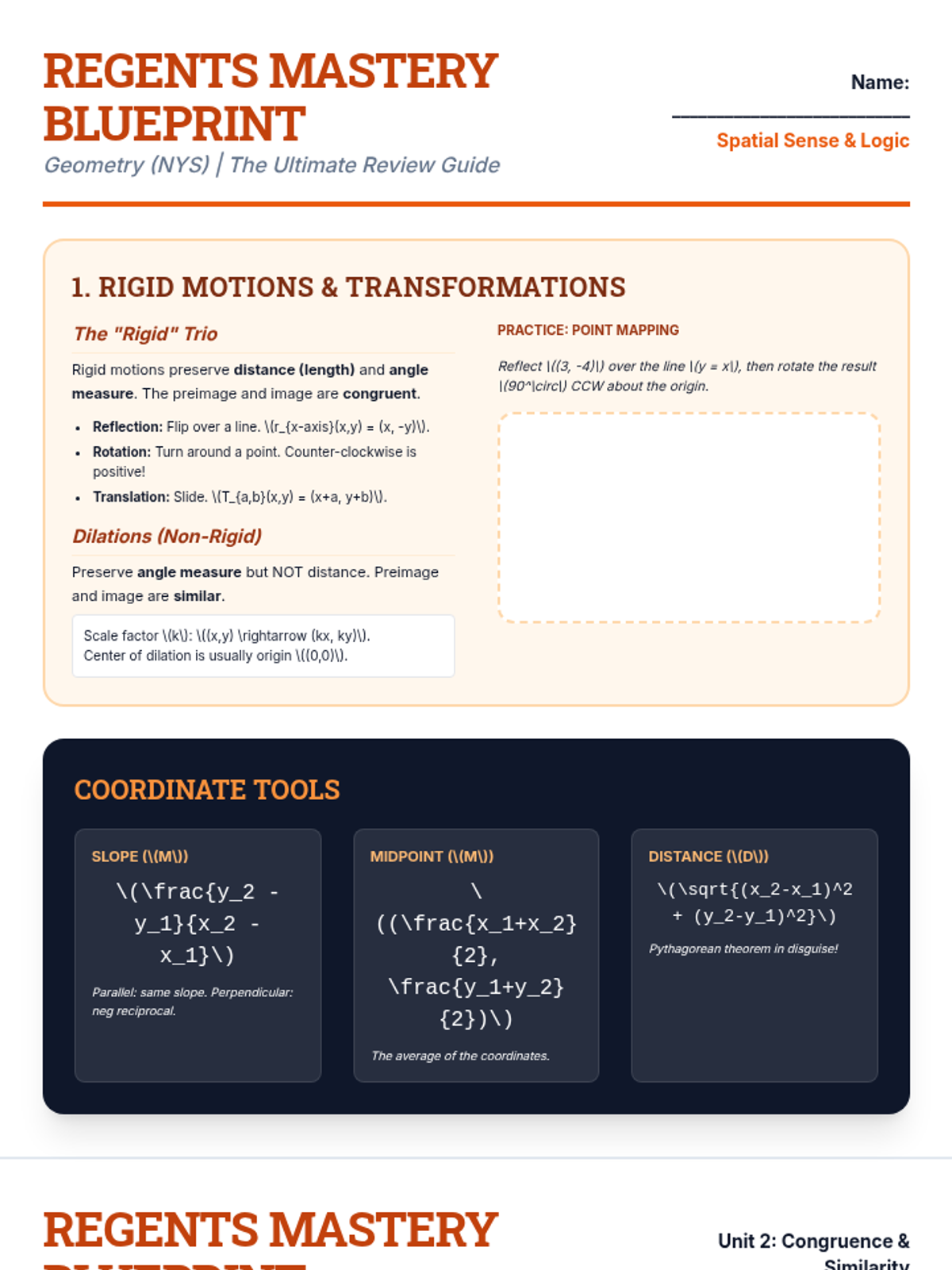
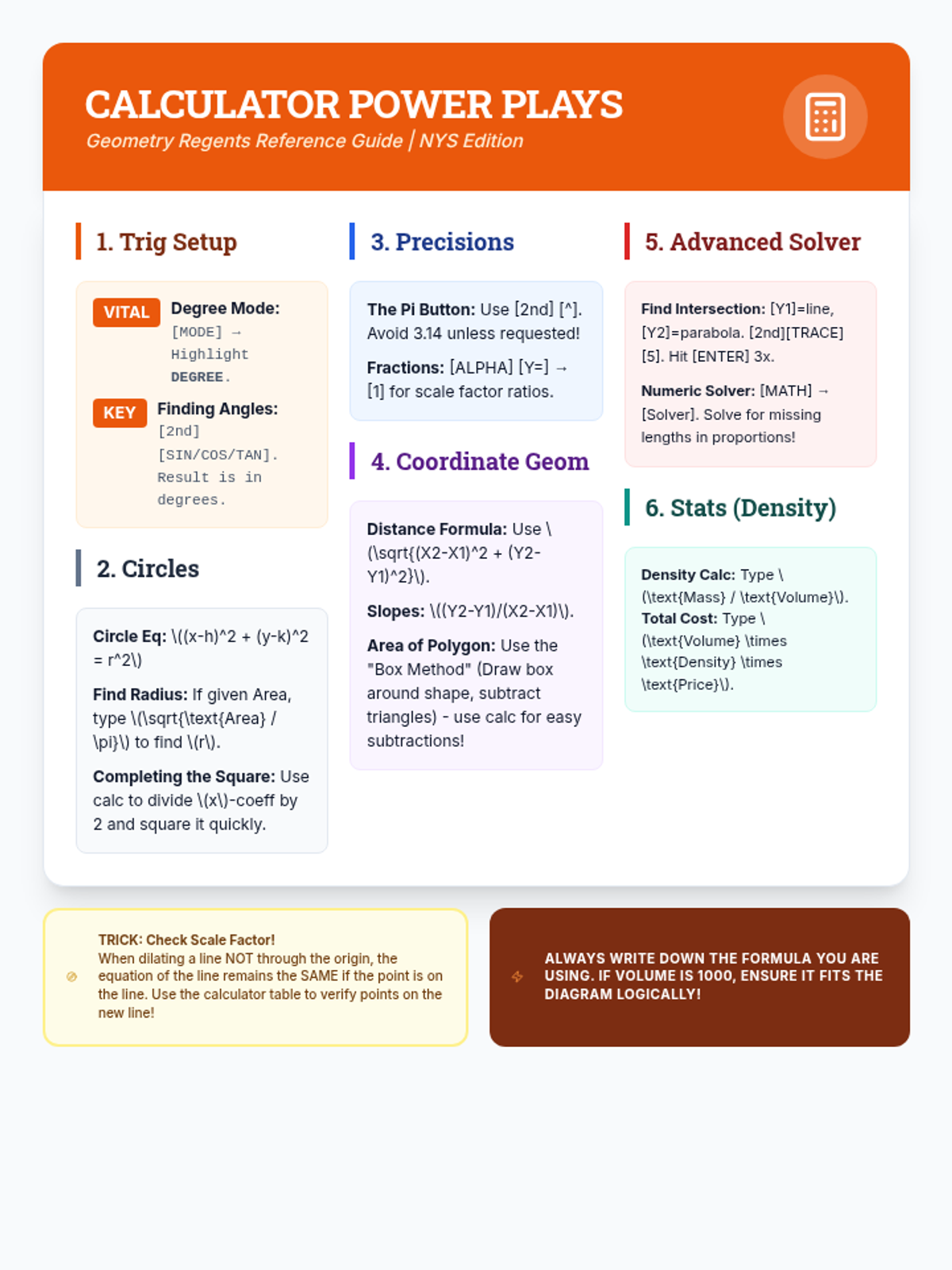
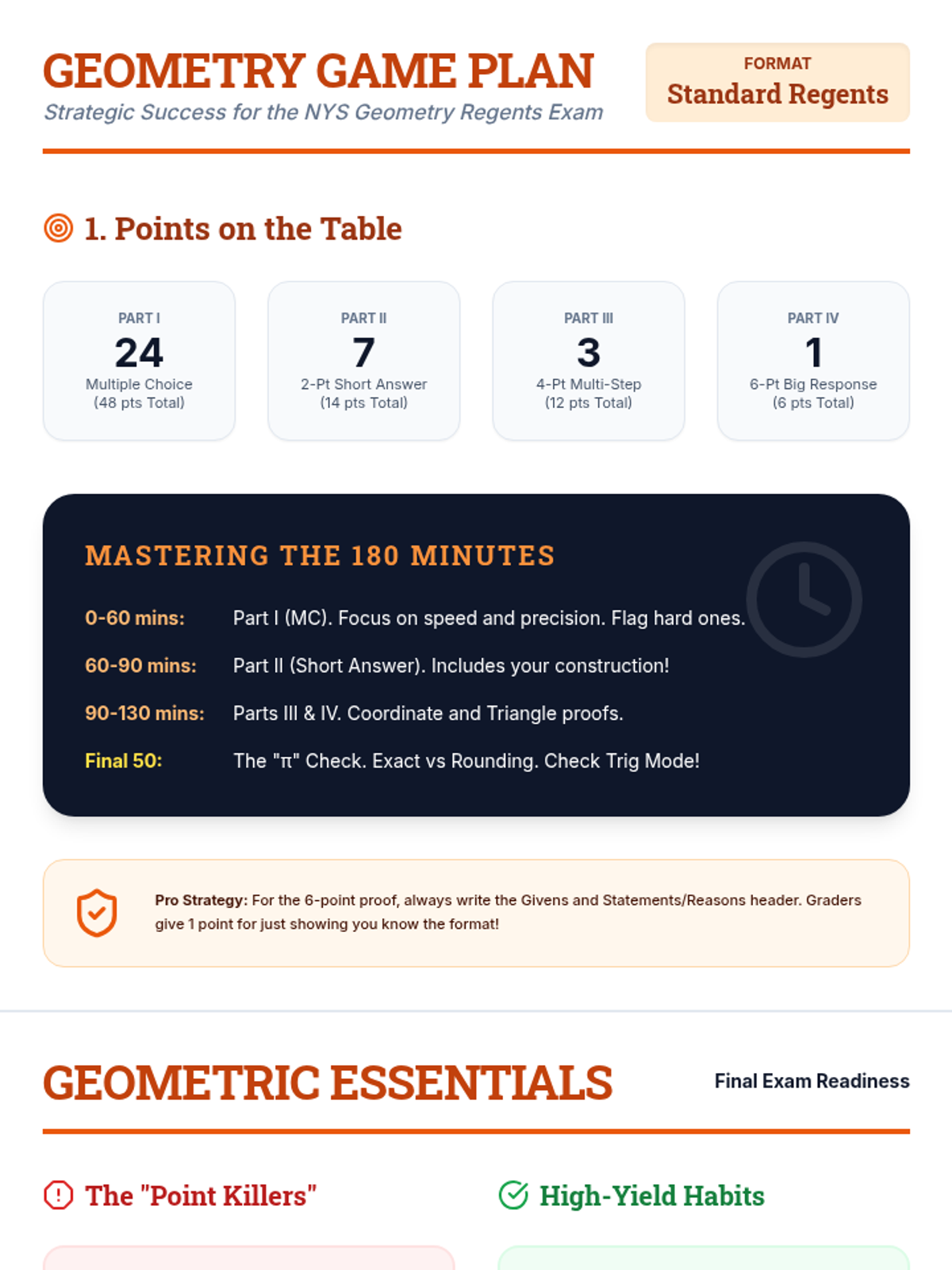
A comprehensive review of the Geometry New York State Regents curriculum, focusing on proofs, transformations, similarity, trigonometry, and coordinate geometry.
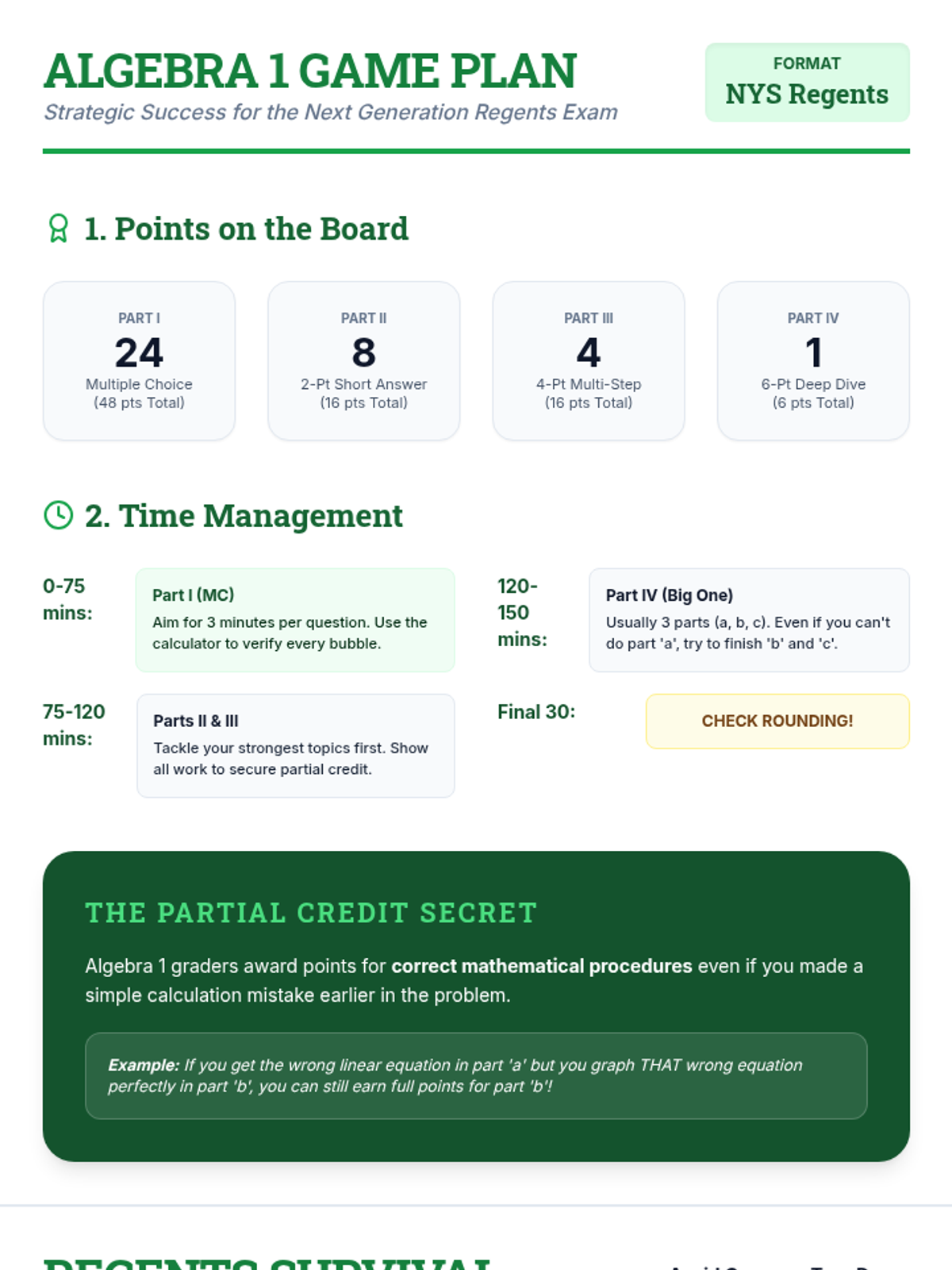
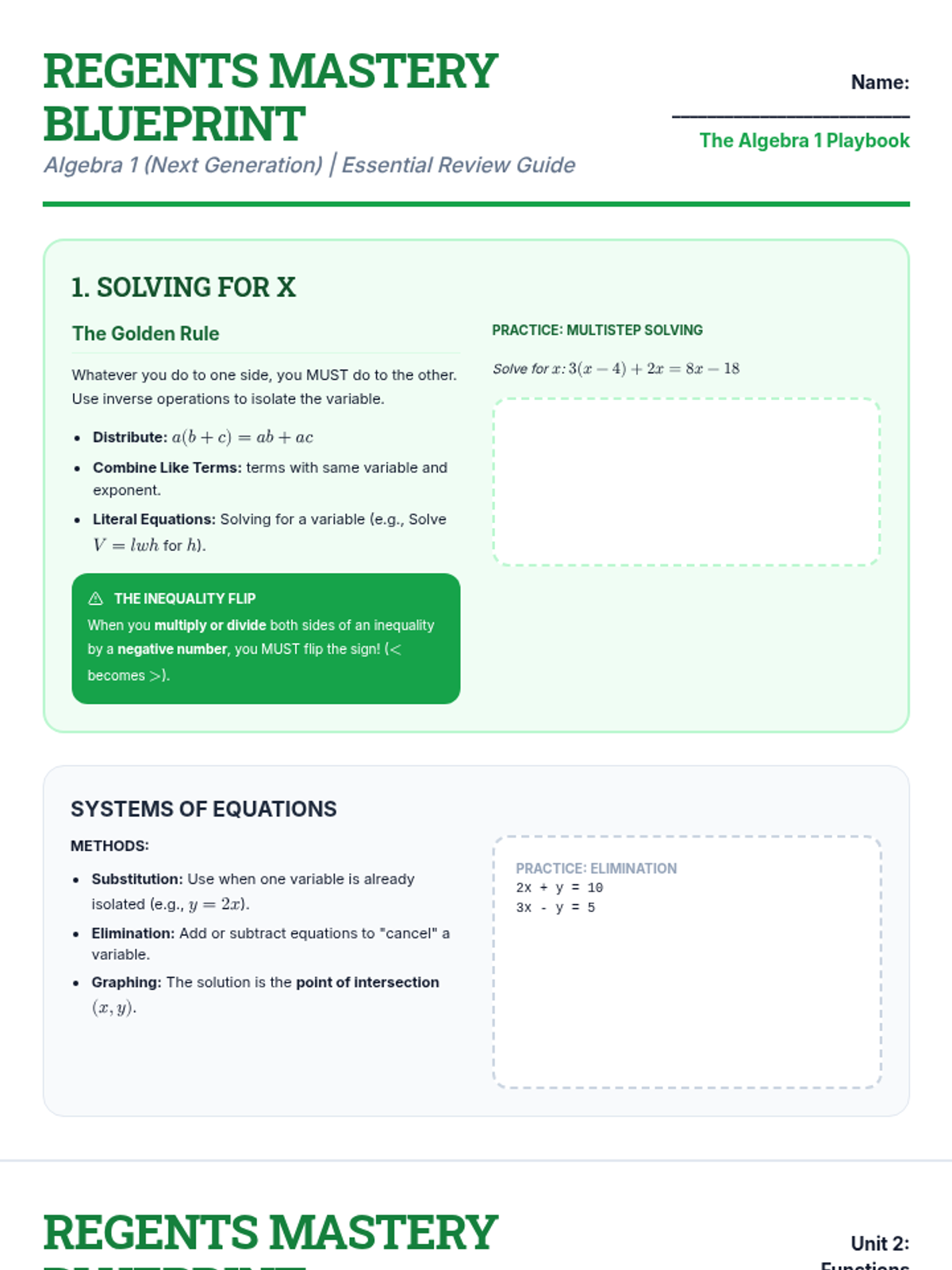
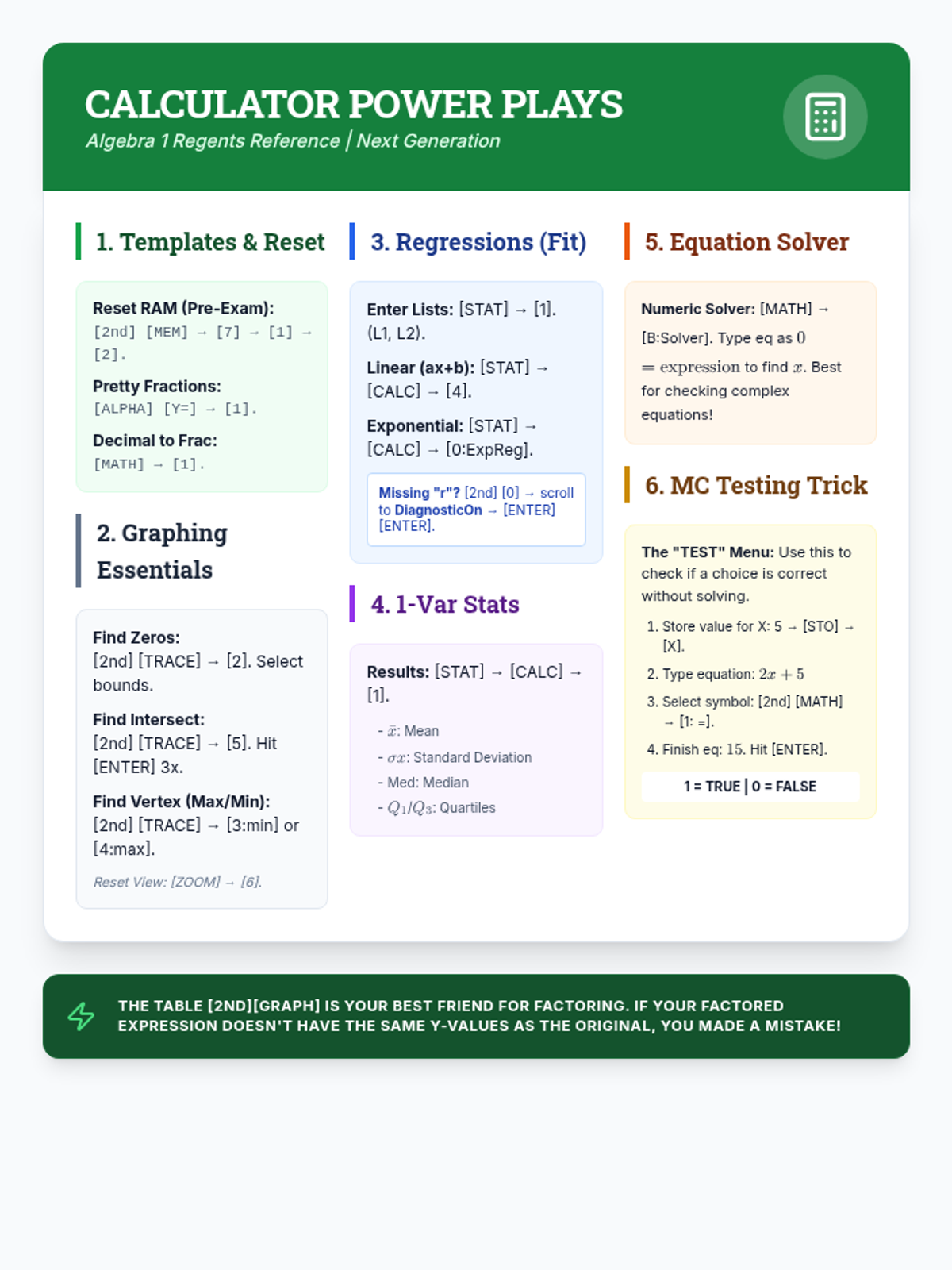
A comprehensive review of the Algebra 1 New York State Next Generation Regents curriculum, focusing on linear, exponential, and quadratic functions, statistics, and algebraic procedures.