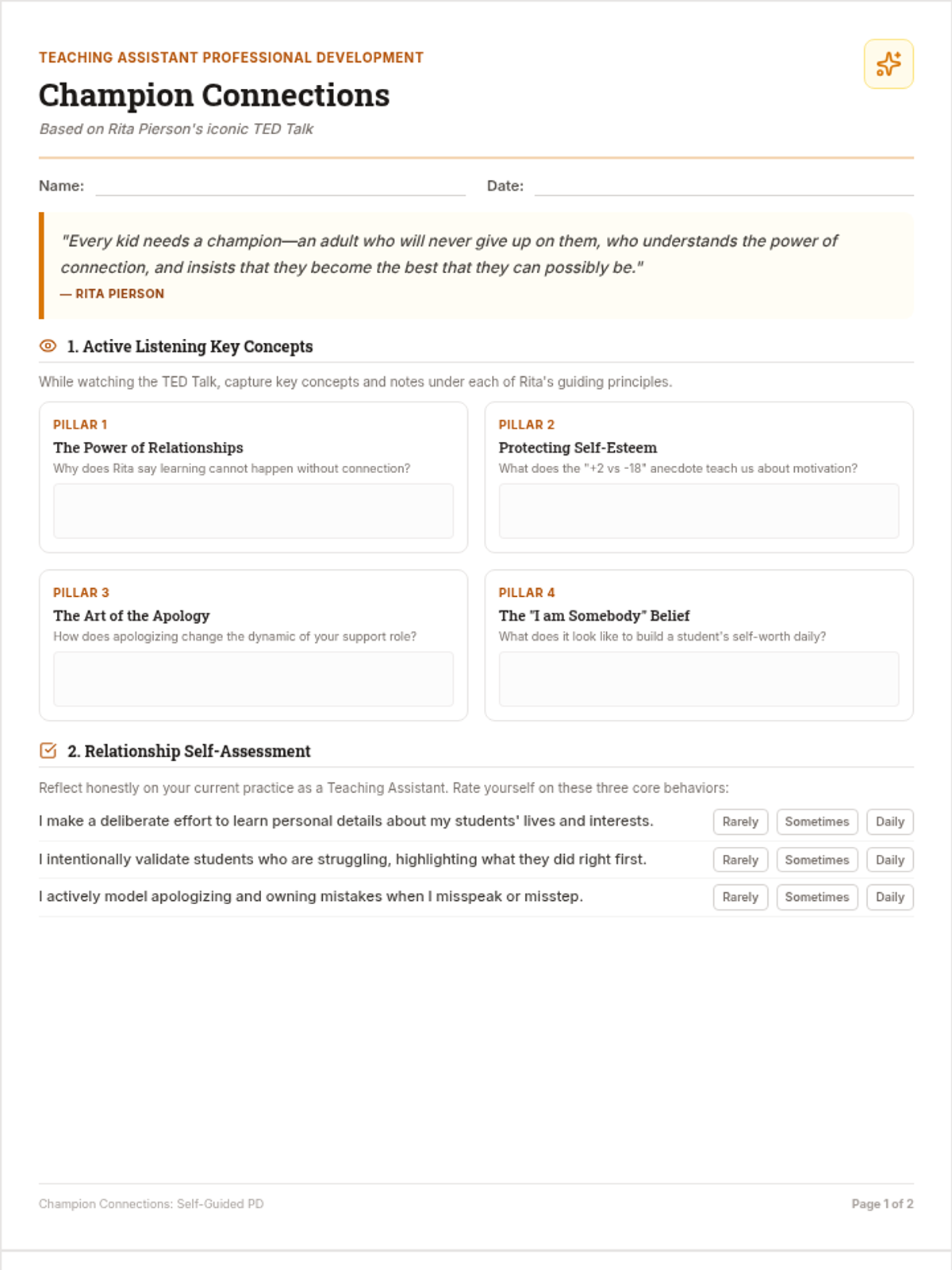
A comprehensive lesson for Pre-K teachers and students to master classroom transitions through play, songs, and visual cues. Focuses on turning everyday routines into engaging "missions" that reduce anxiety and increase cooperation.
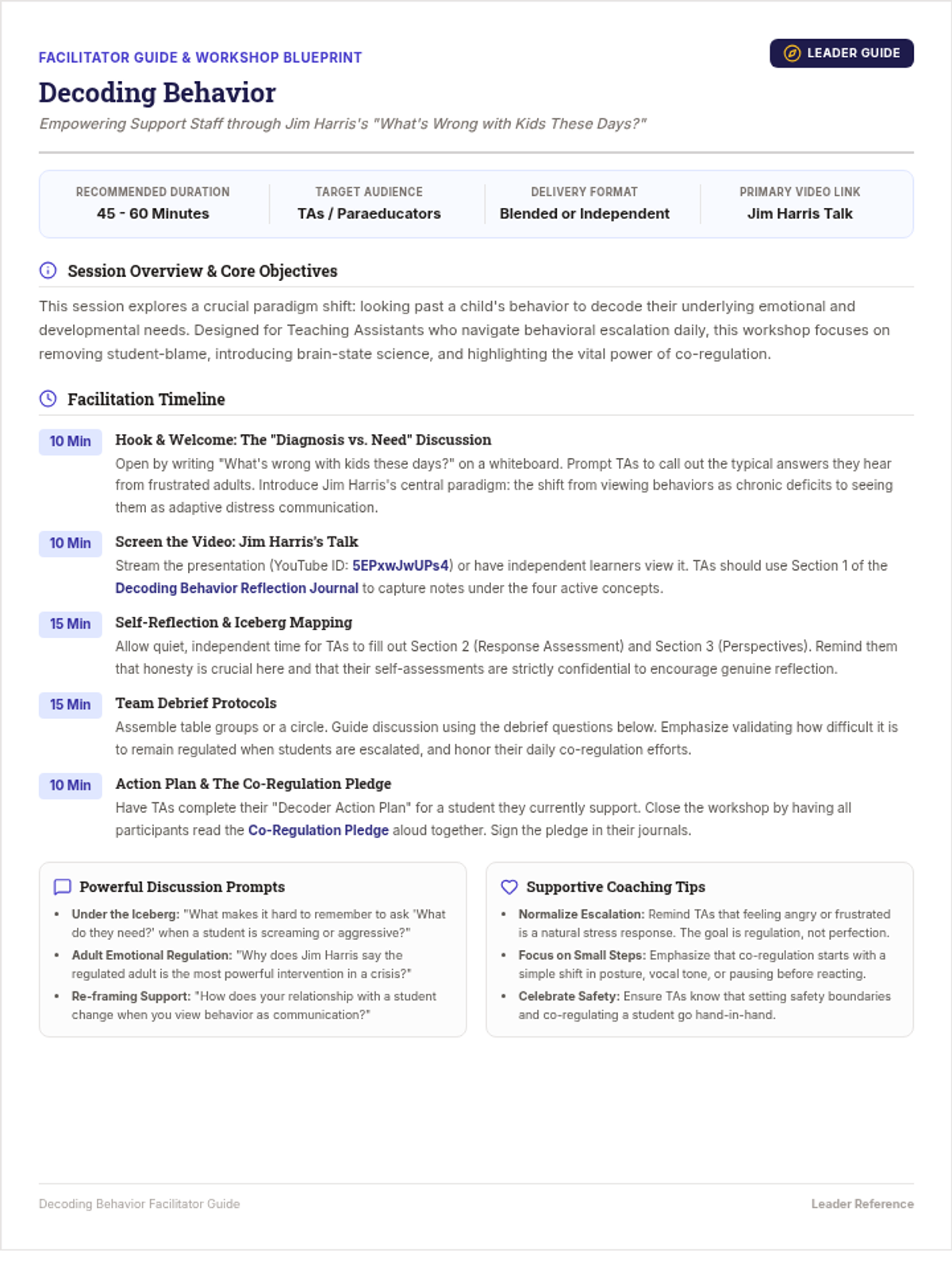
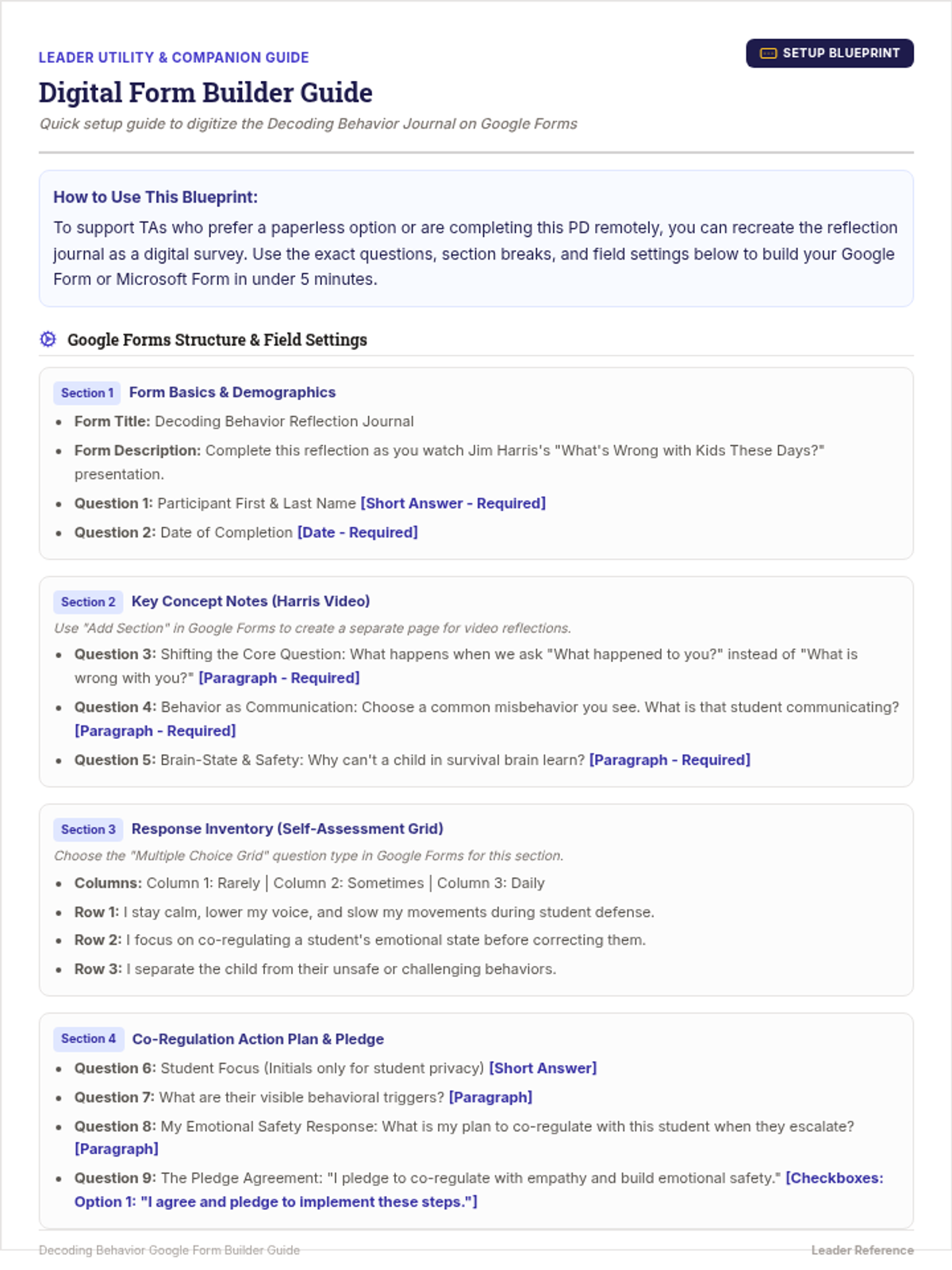
A powerful professional development lesson for teaching assistants based on Jim Harris's eye-opening presentation "What's Wrong with Kids These Days?". This lesson shifts the perspective from diagnosing student deficits to decoding behavioral communication and building emotional safety.
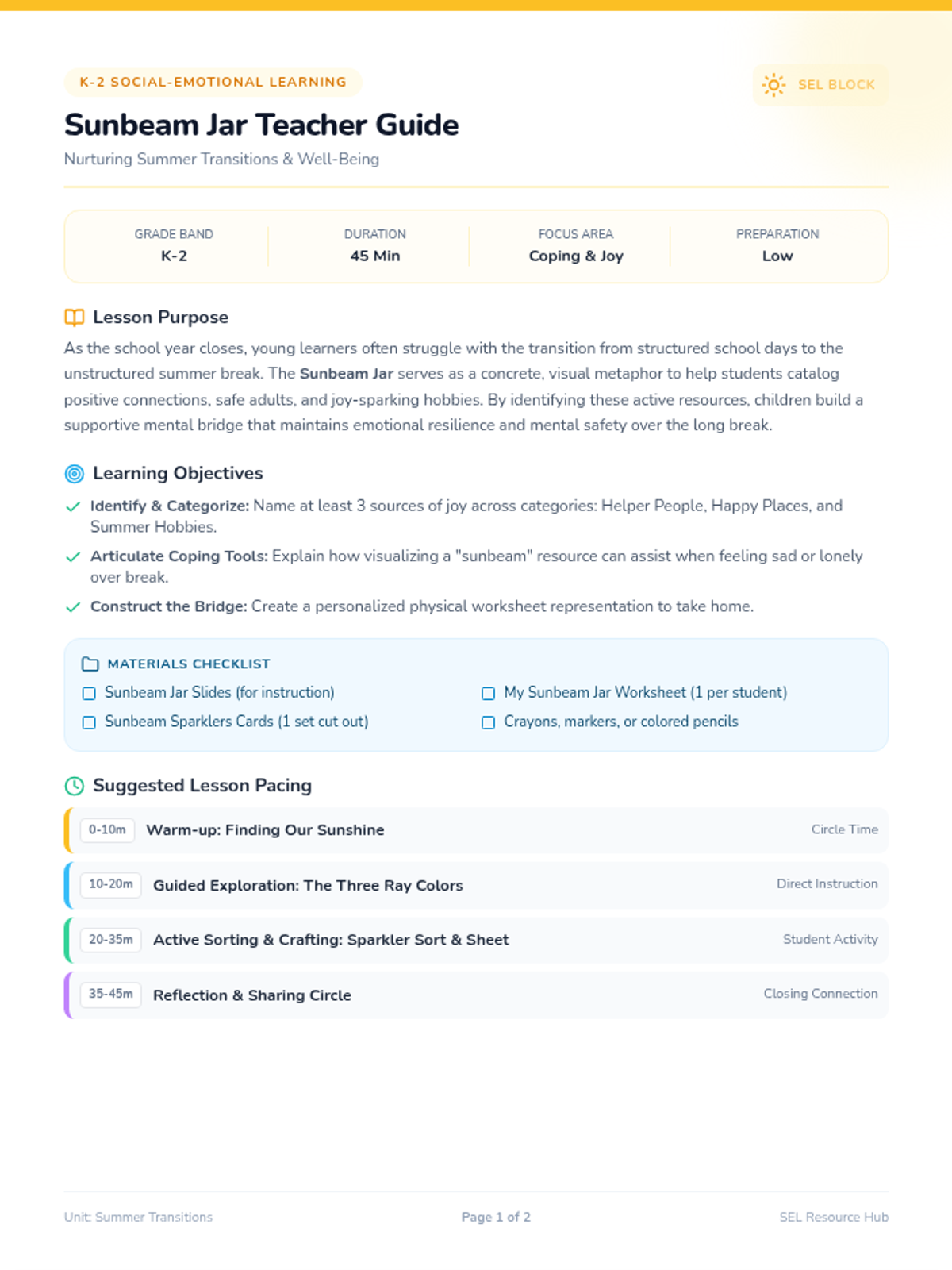
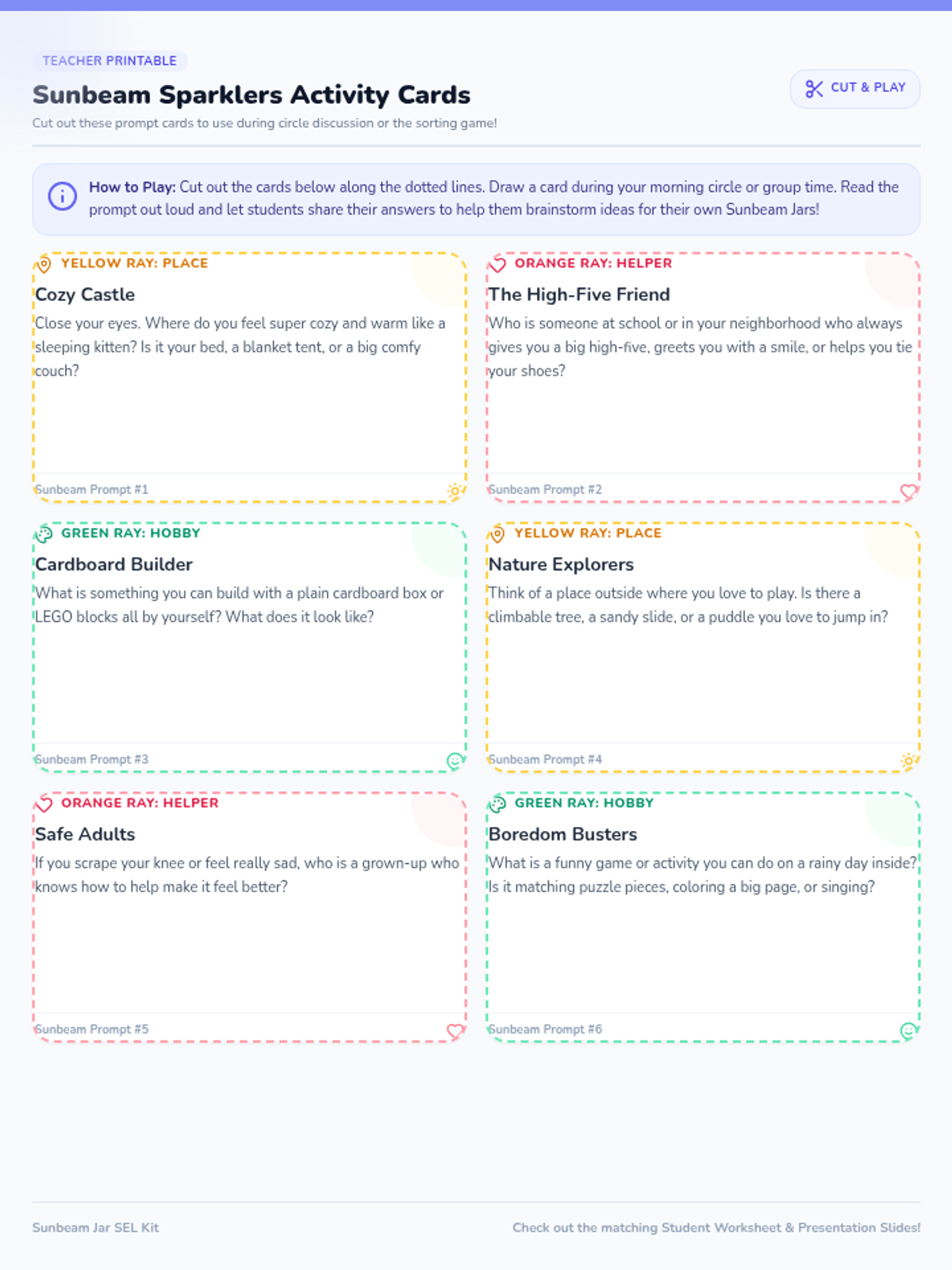
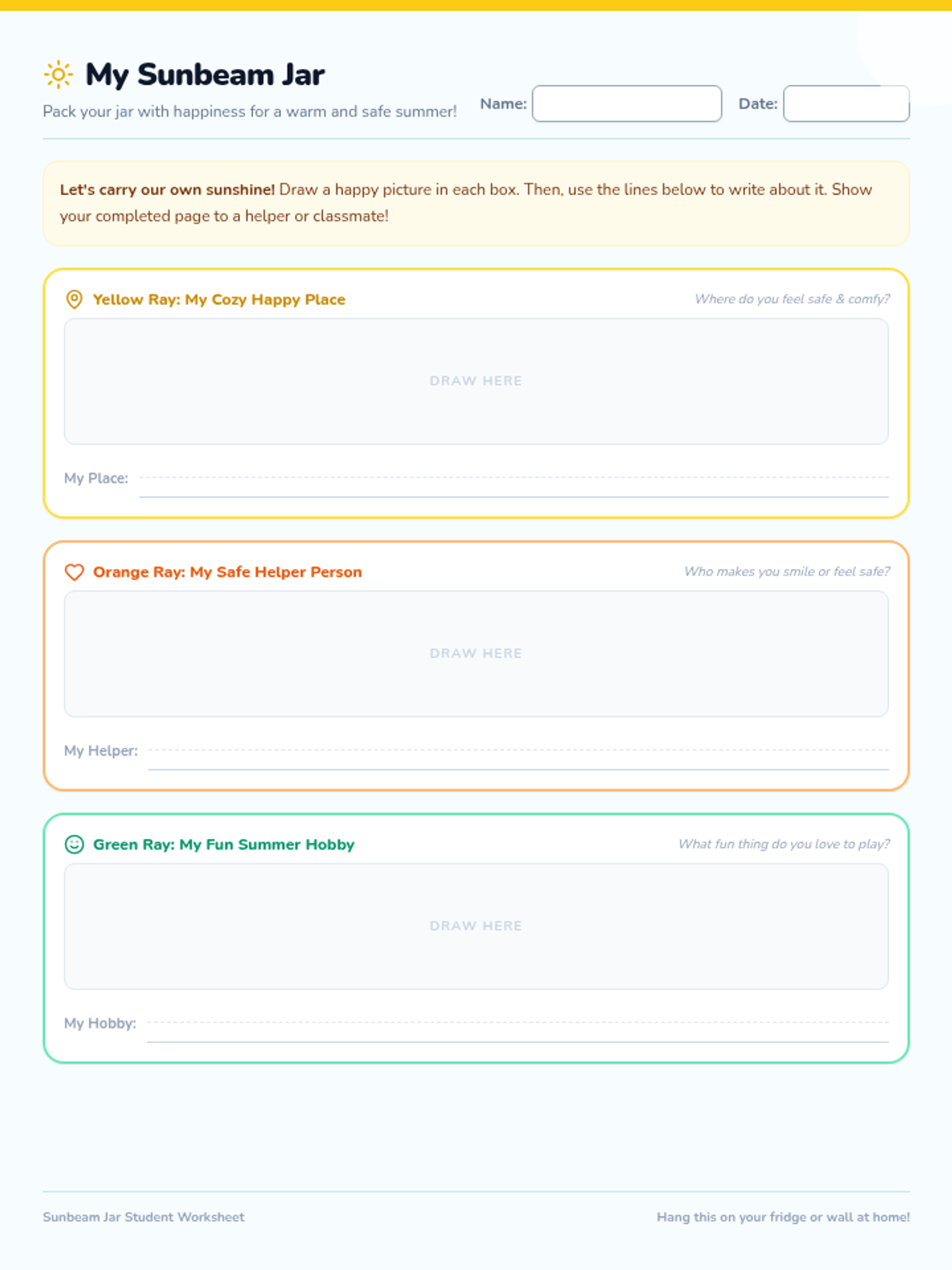
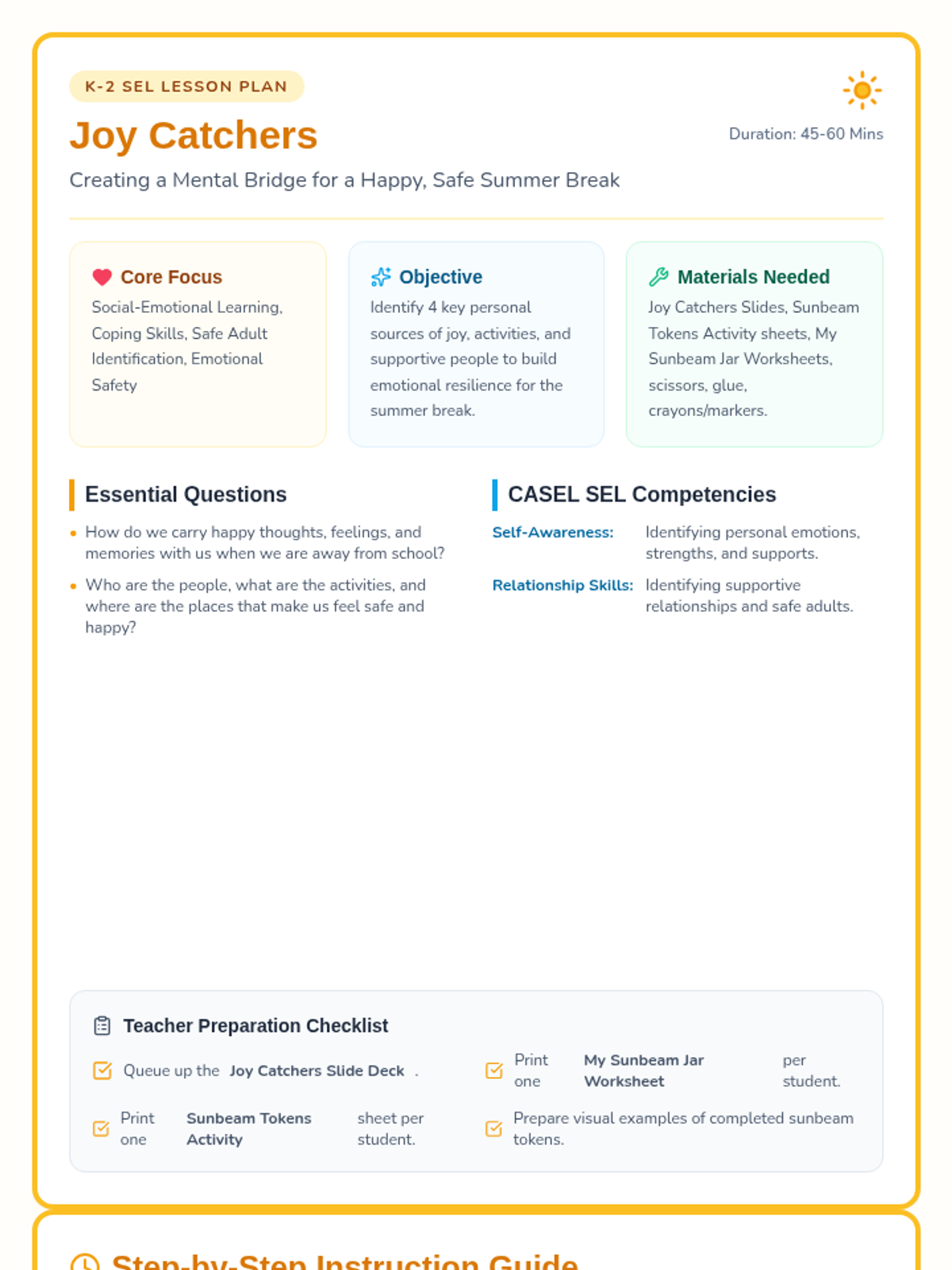
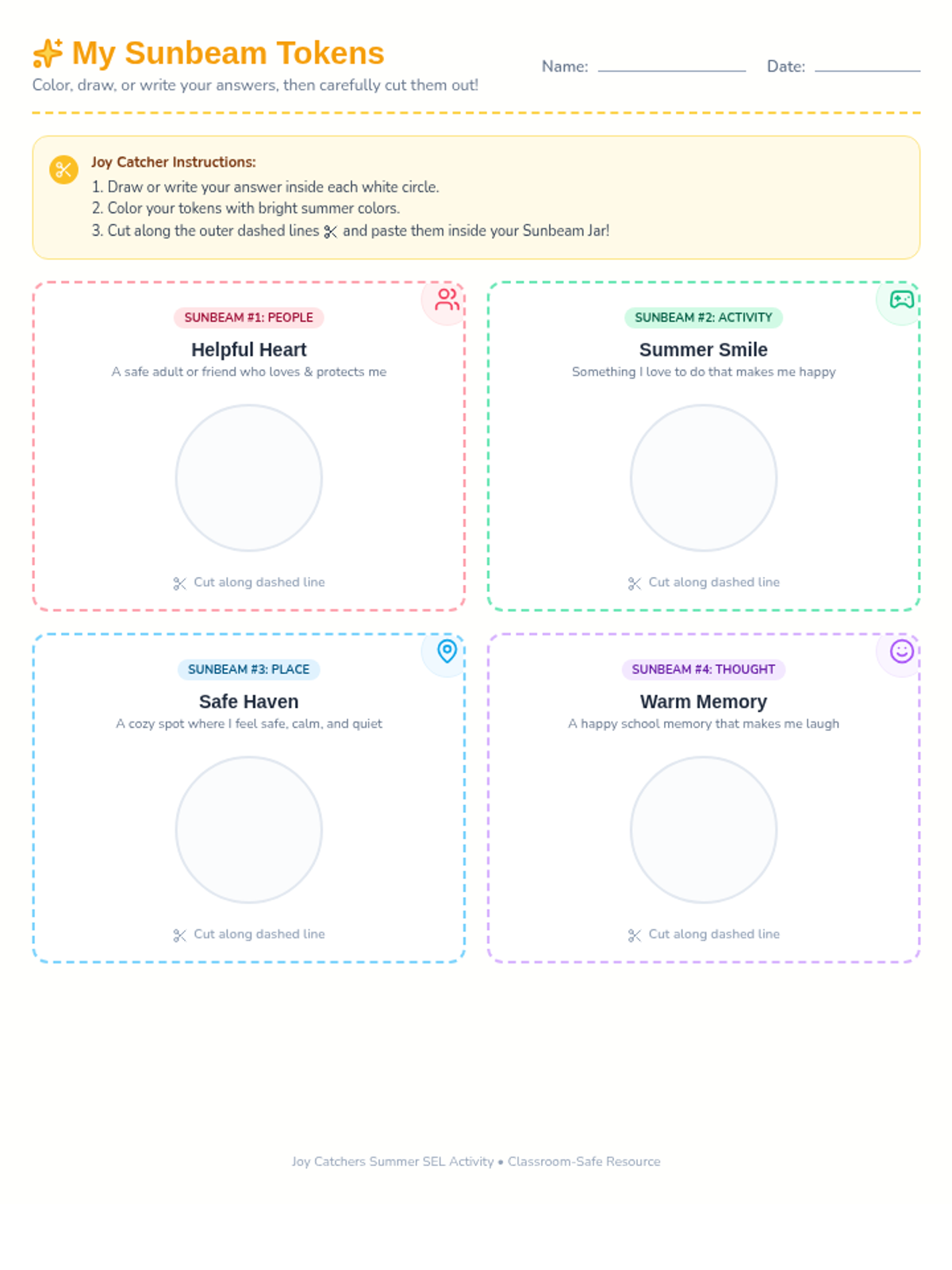
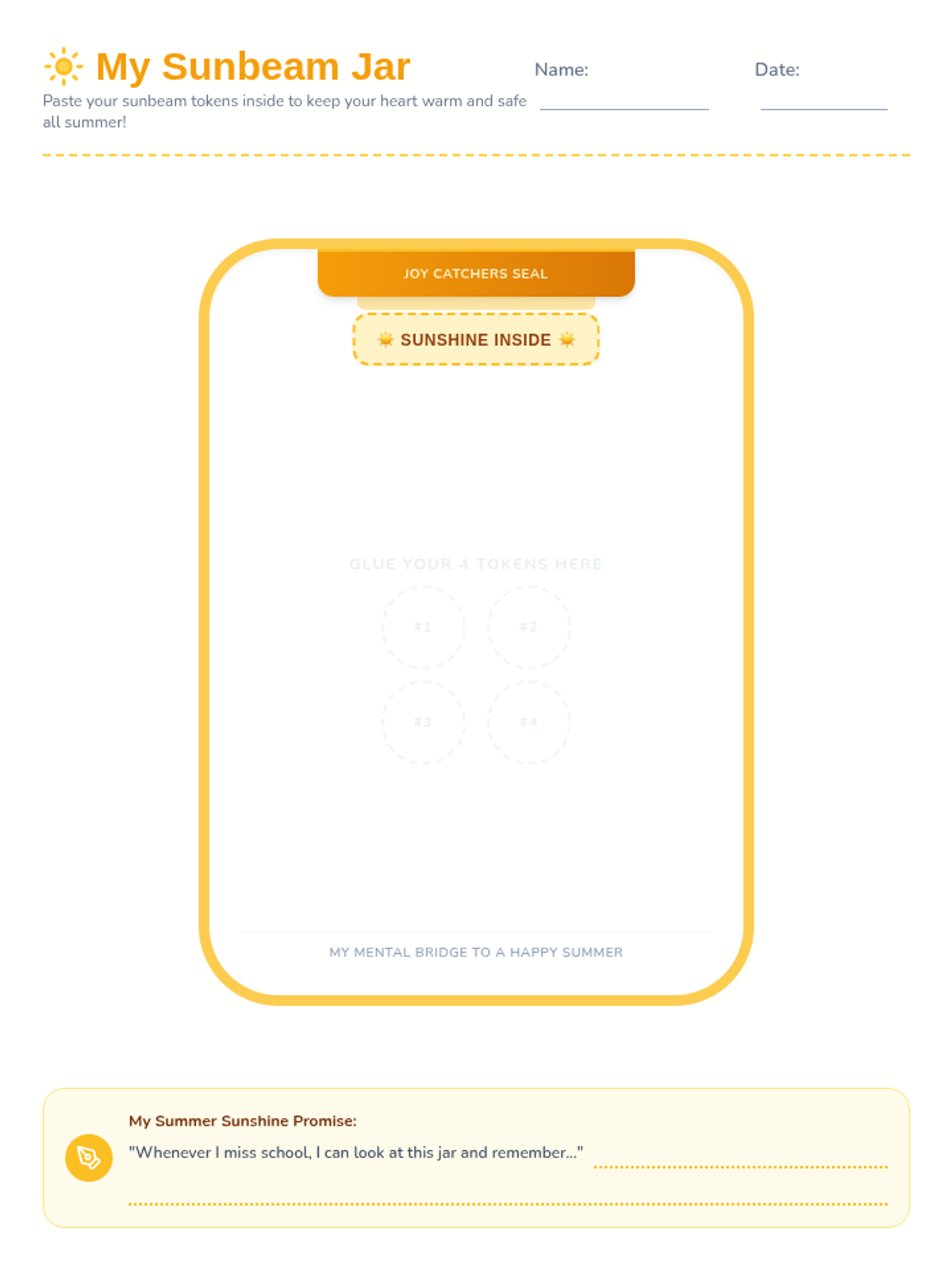
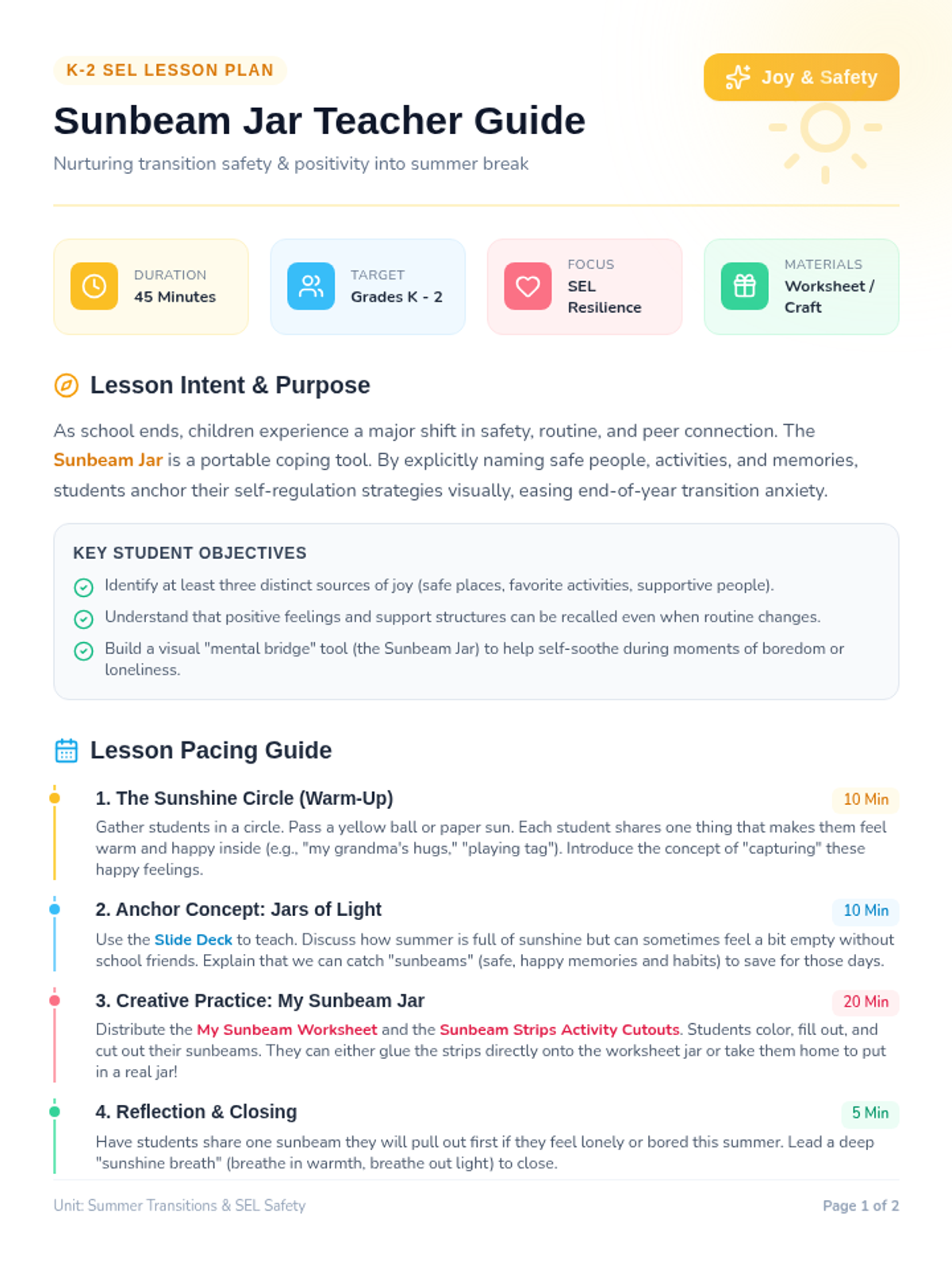
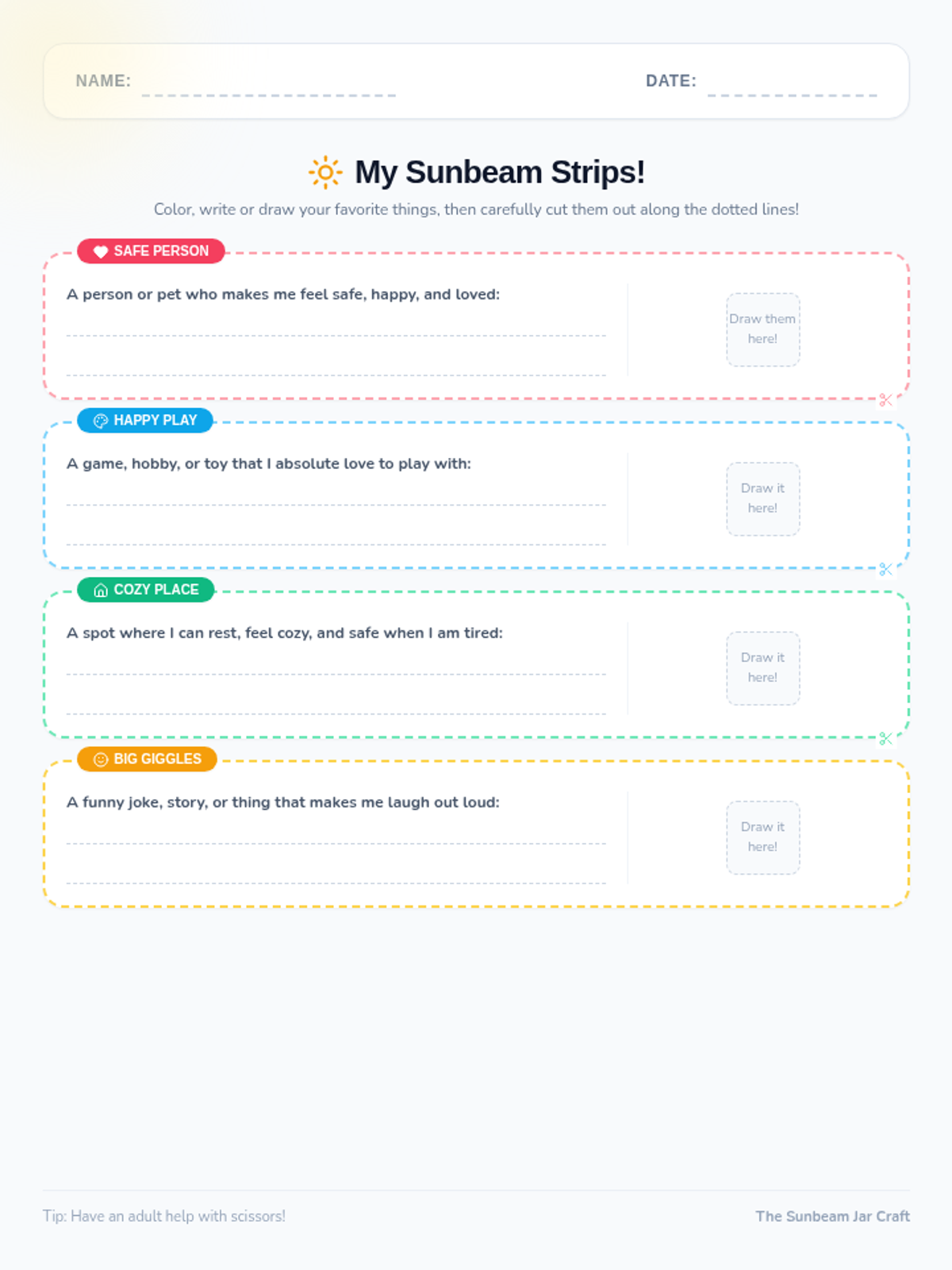
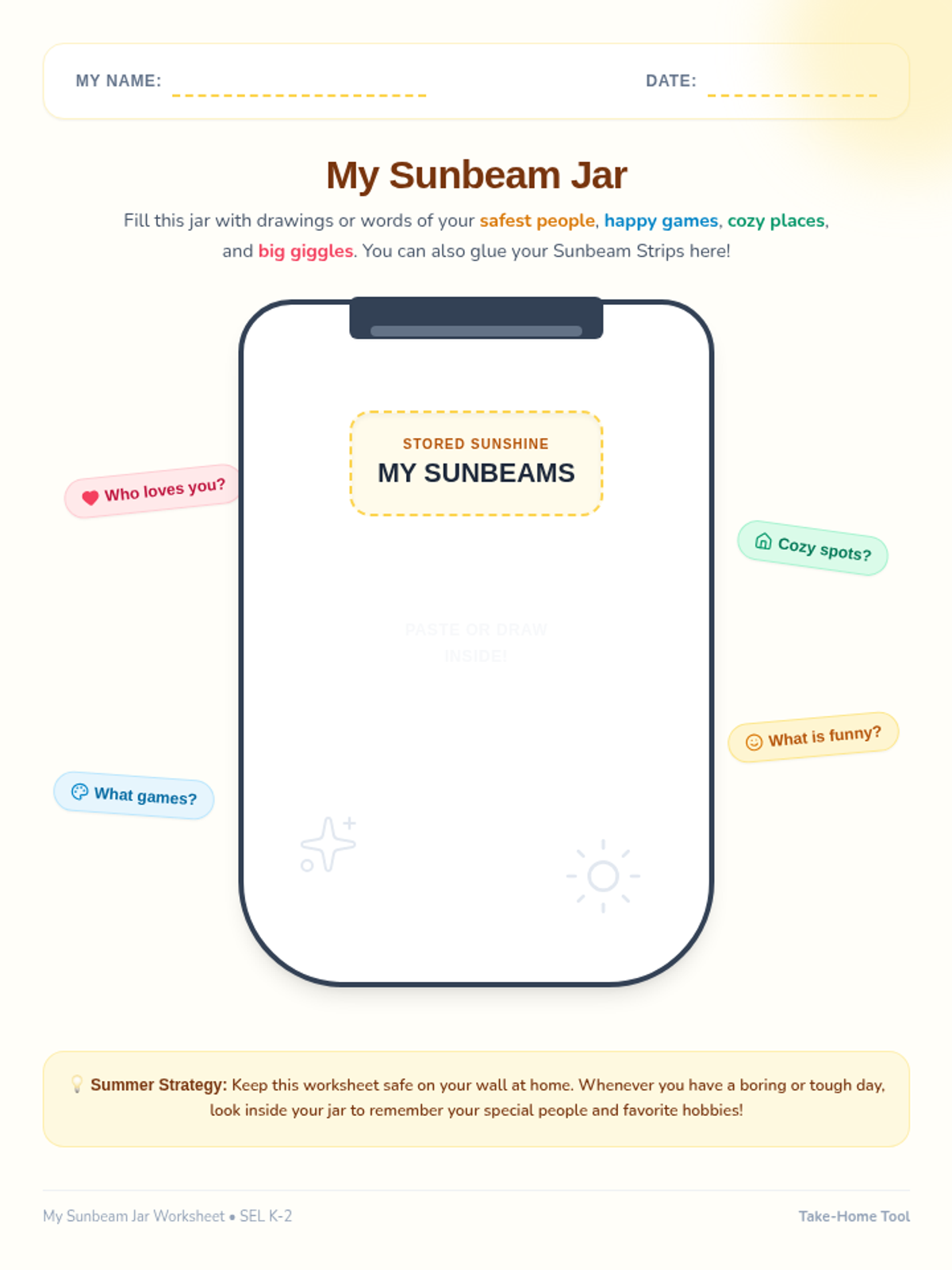
A supportive social-emotional learning lesson for K-2 students to identify sources of joy, emotional safety, and positive connections to carry into the summer break. Students create a visual 'Sunbeam Jar' to serve as a mental bridge for their well-being.
A heartwarming social-emotional learning lesson for K-2 students to identify sources of joy, support, and emotional safety. Students create a visual "Sunbeam Jar" filled with positive memories, hobbies, and supportive people to carry into the summer break.
A nurturing Social-Emotional Learning lesson designed for K-2 students to identify personal sources of joy, support, and emotional safety. By creating a physical or visual 'Sunbeam Jar', children build a portable mental bridge to carry their well-being and positive connections confidently into the summer break.
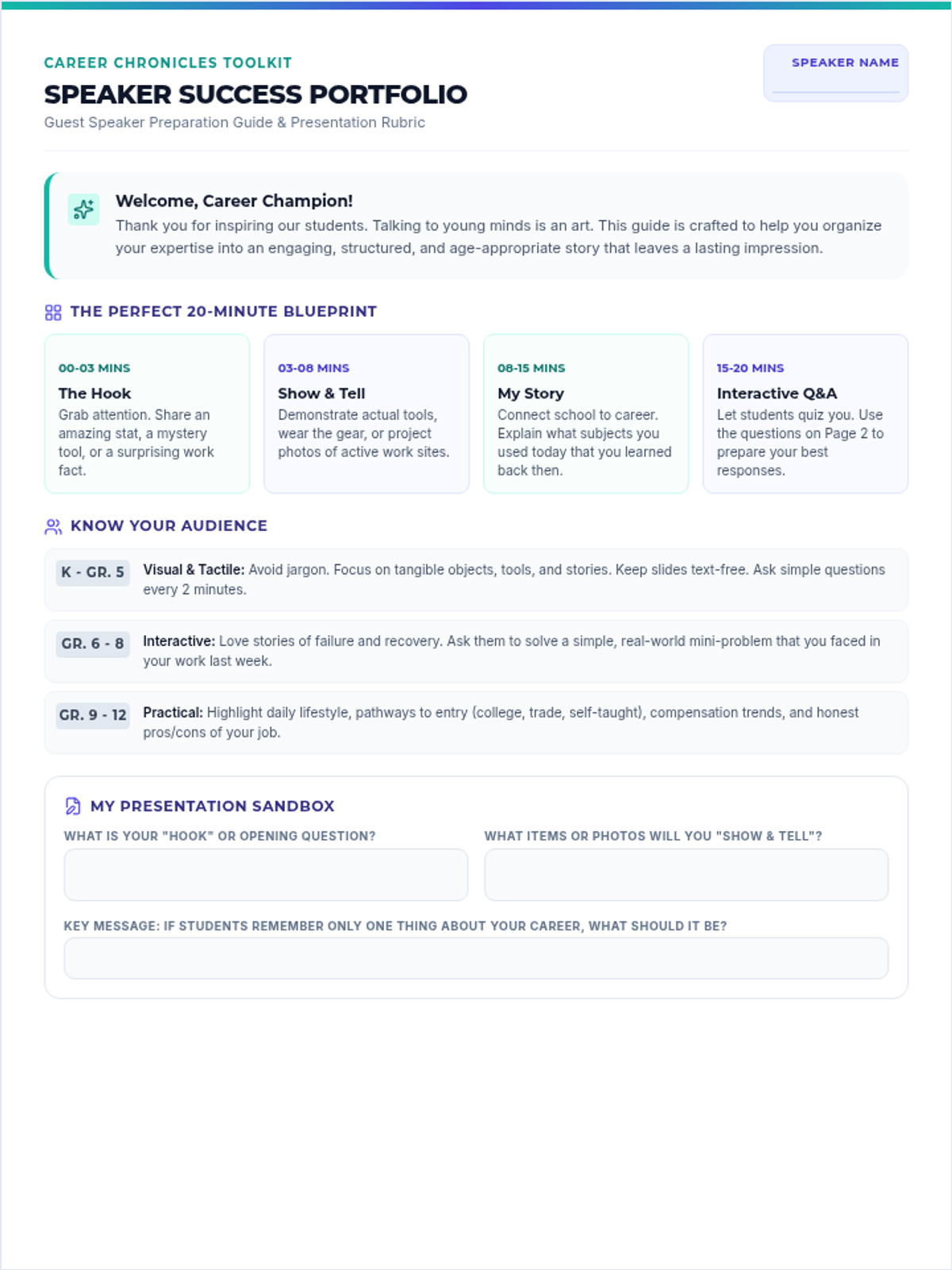
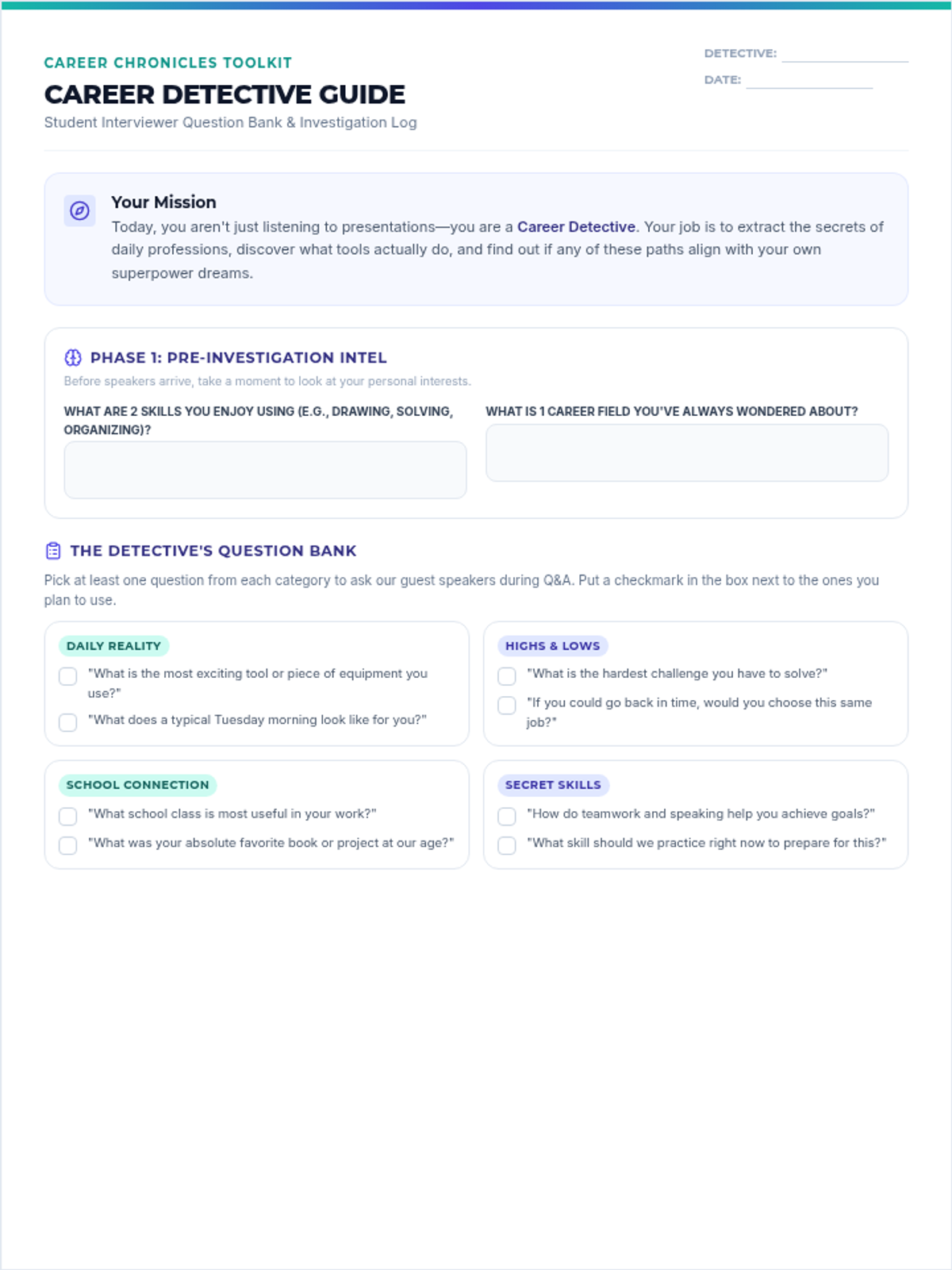
A comprehensive preparation toolkit for Career Day, equipping both guest speakers and student interviewers with structured guides, question banks, and evaluation rubrics to ensure engaging and meaningful professional dialogues.
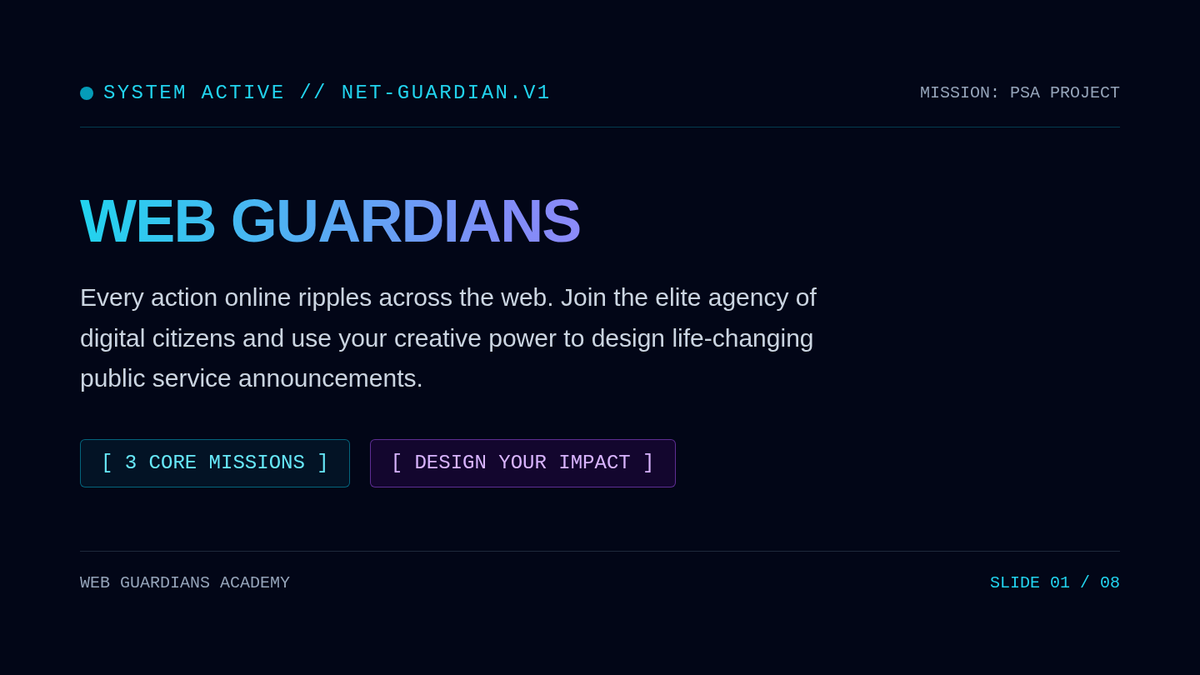
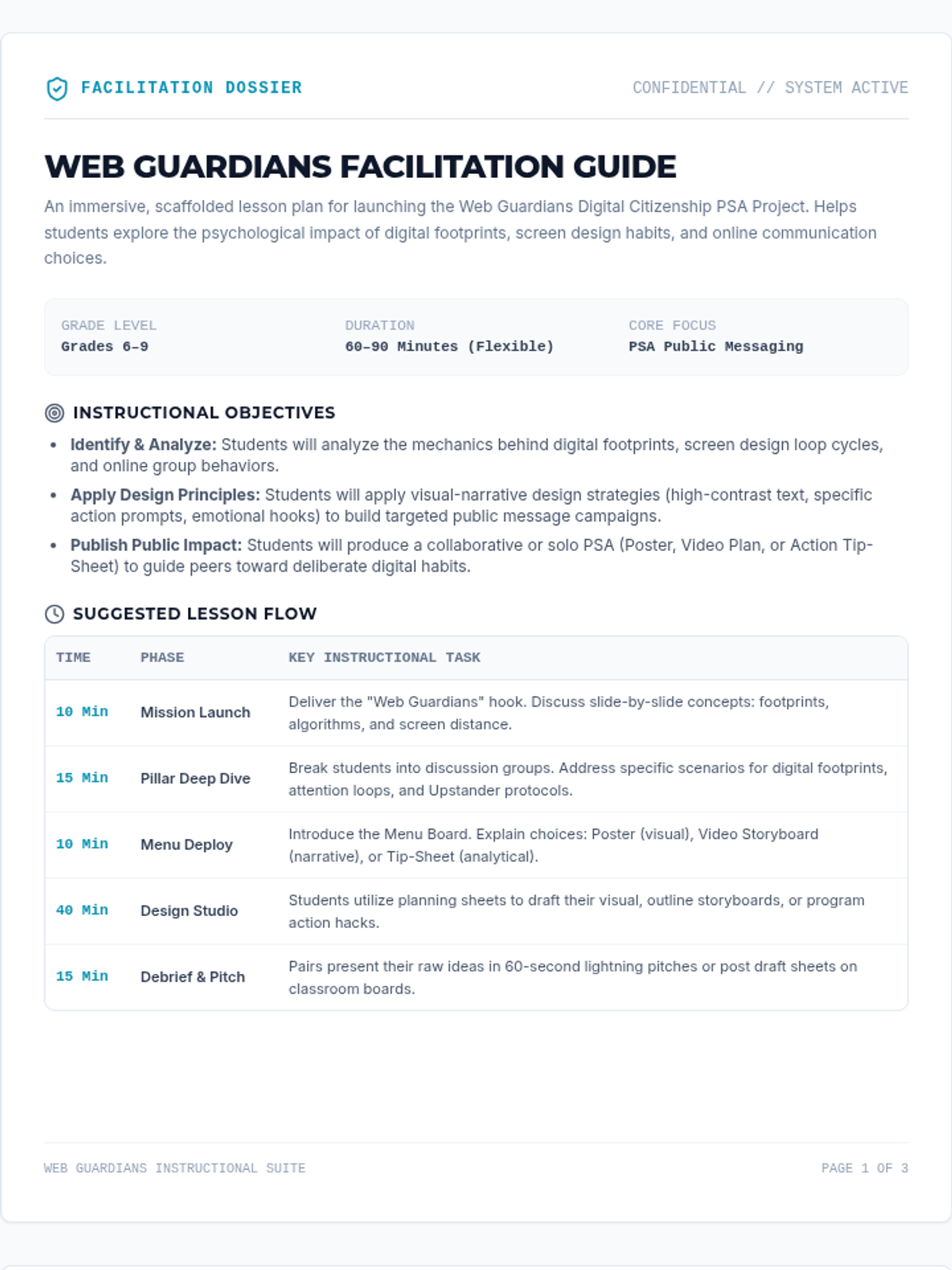
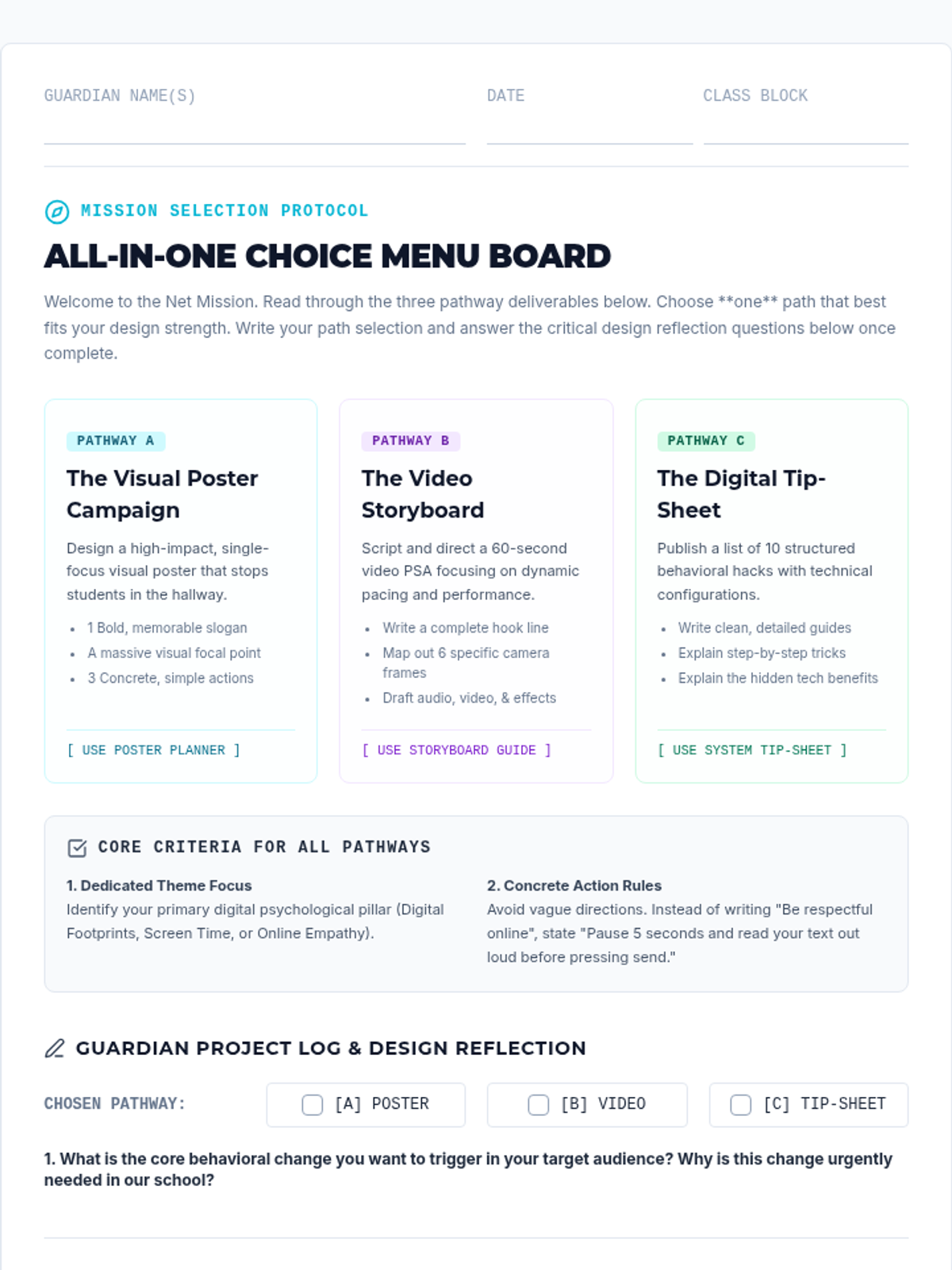
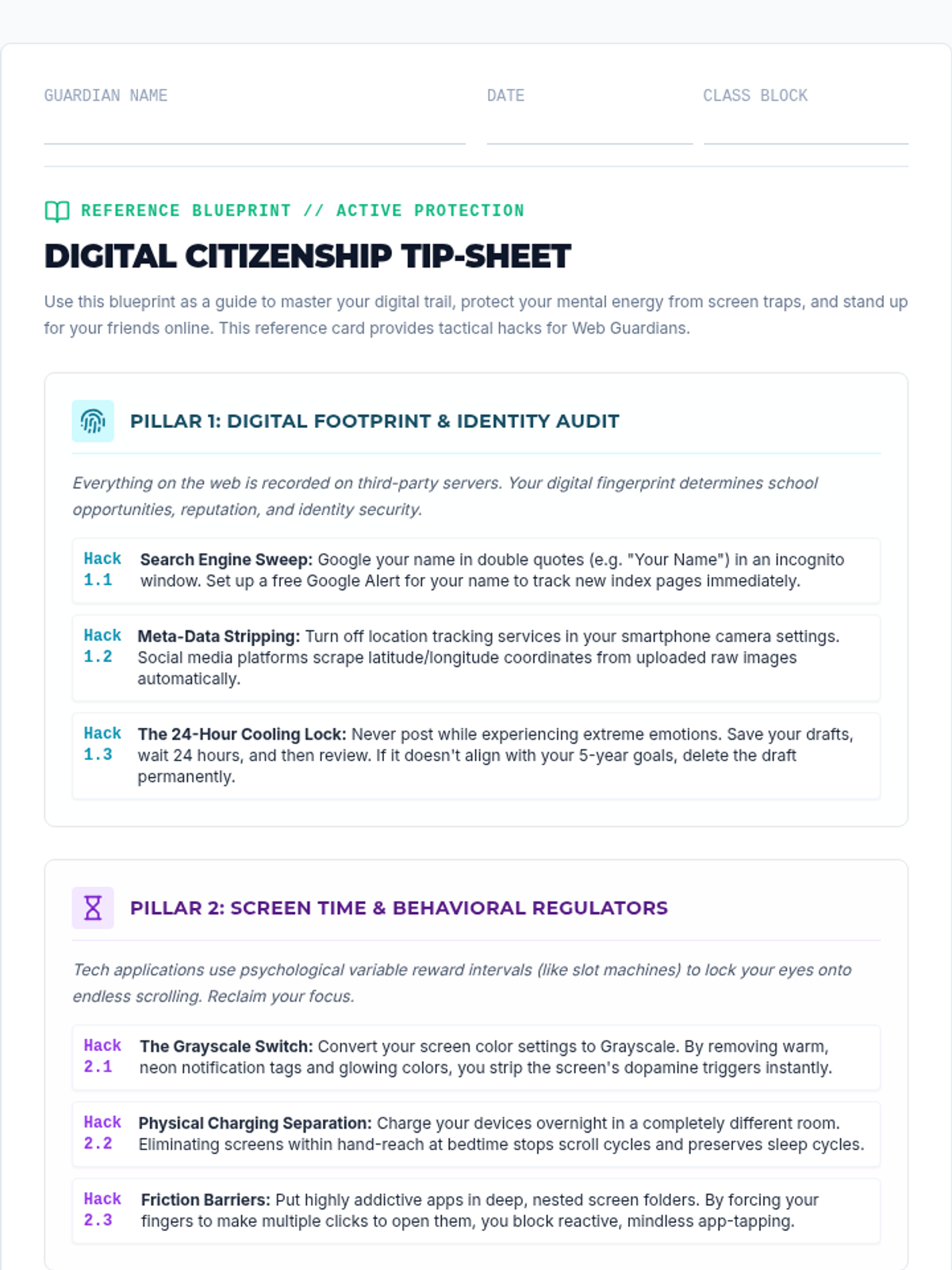
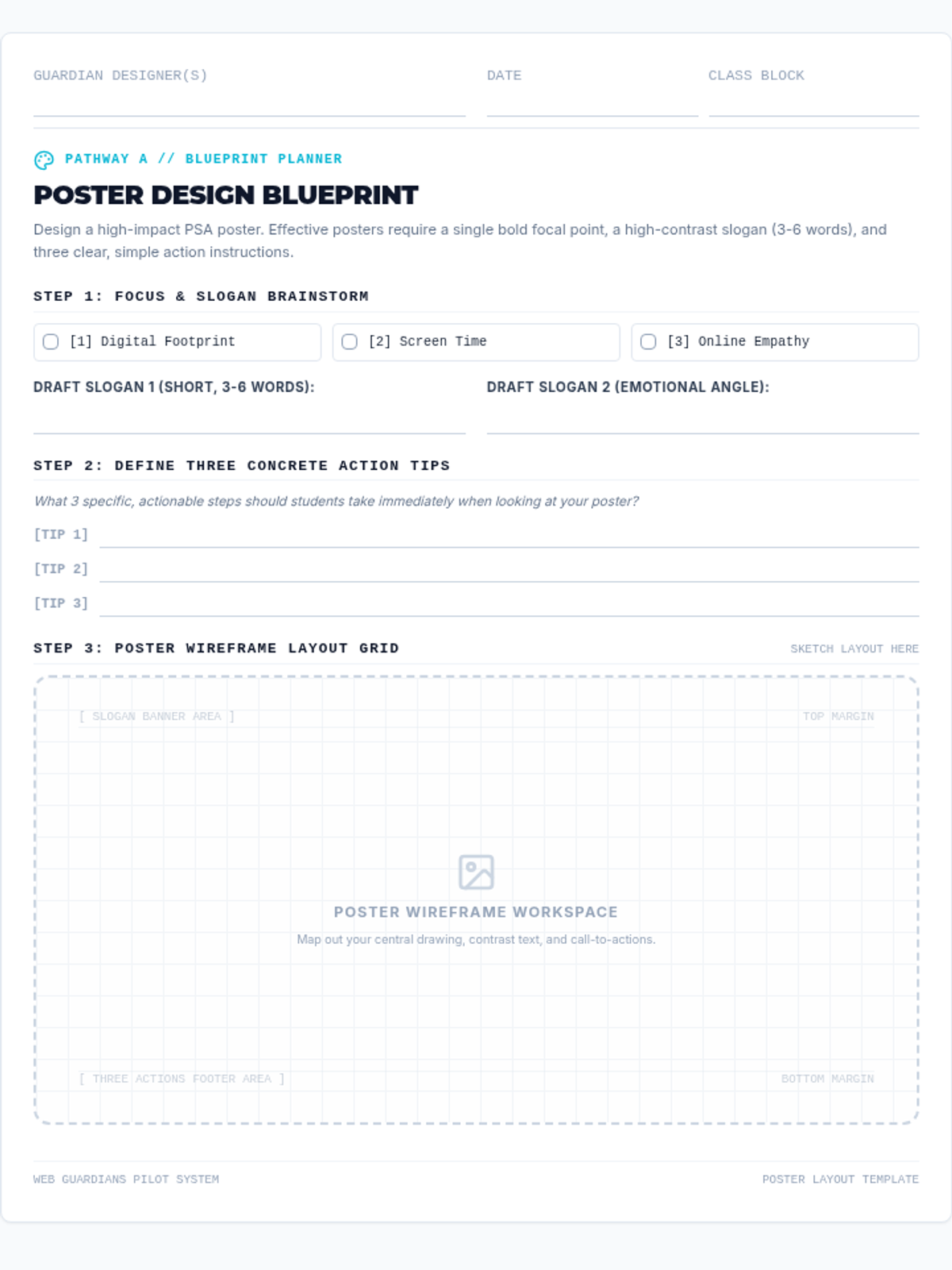
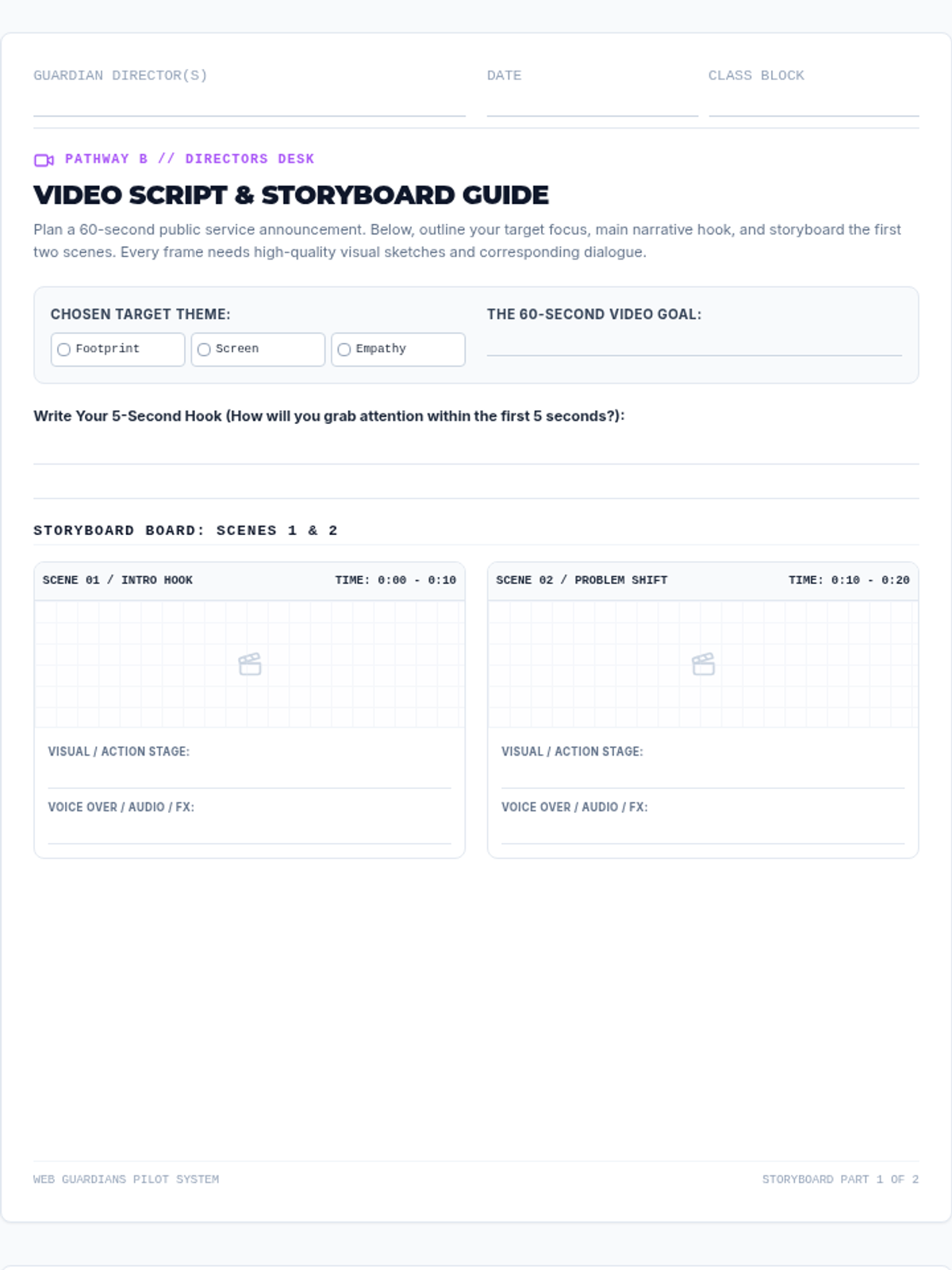
A high-impact digital citizenship project lesson where students become 'Web Guardians' to design PSAs addressing digital footprints, screen time self-regulation, and online empathy. Includes interactive presentation slides, detailed teacher guides, a project menu choice board, visual tip-sheets, and scaffolded planning templates for posters and videos.
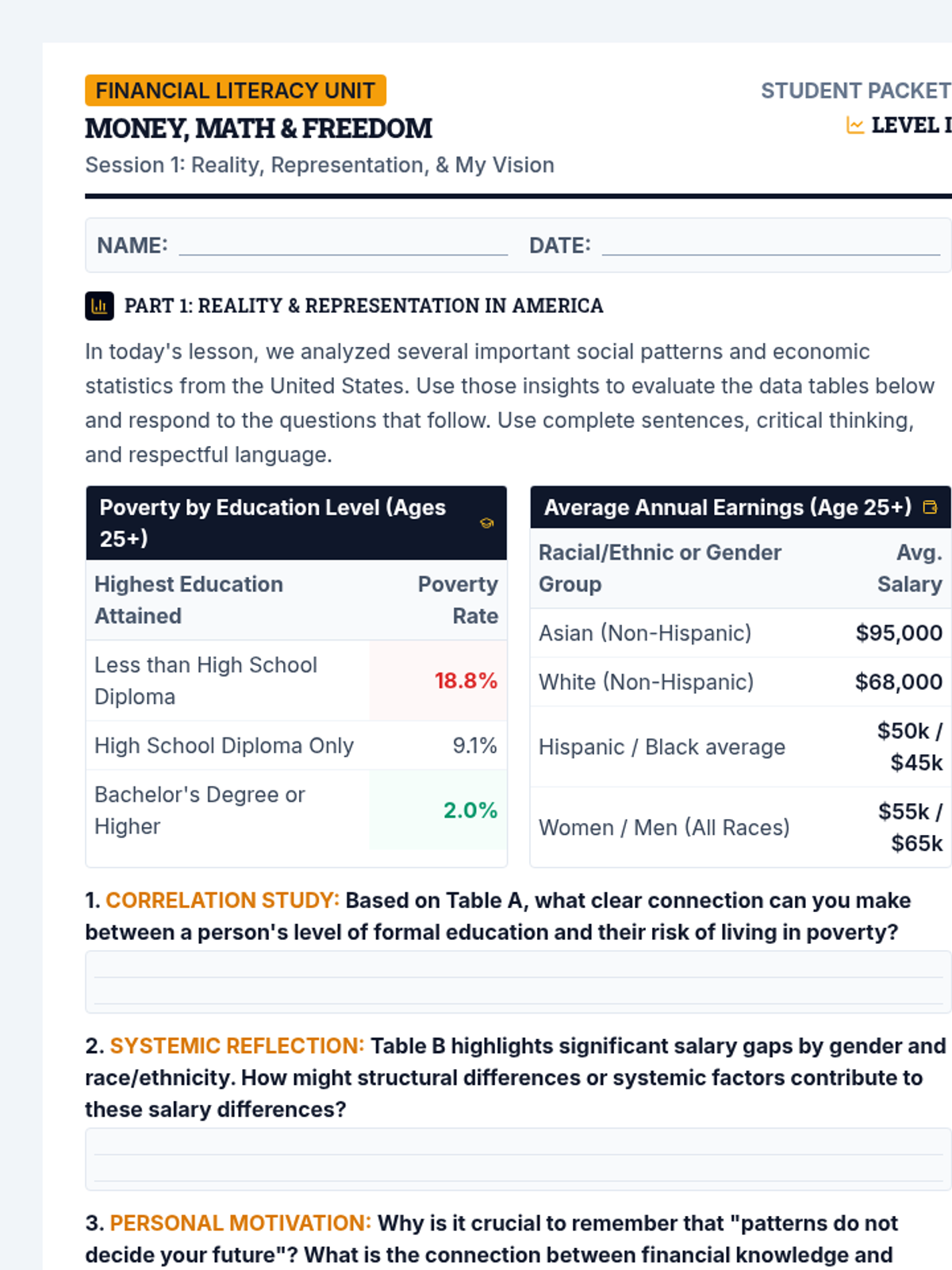
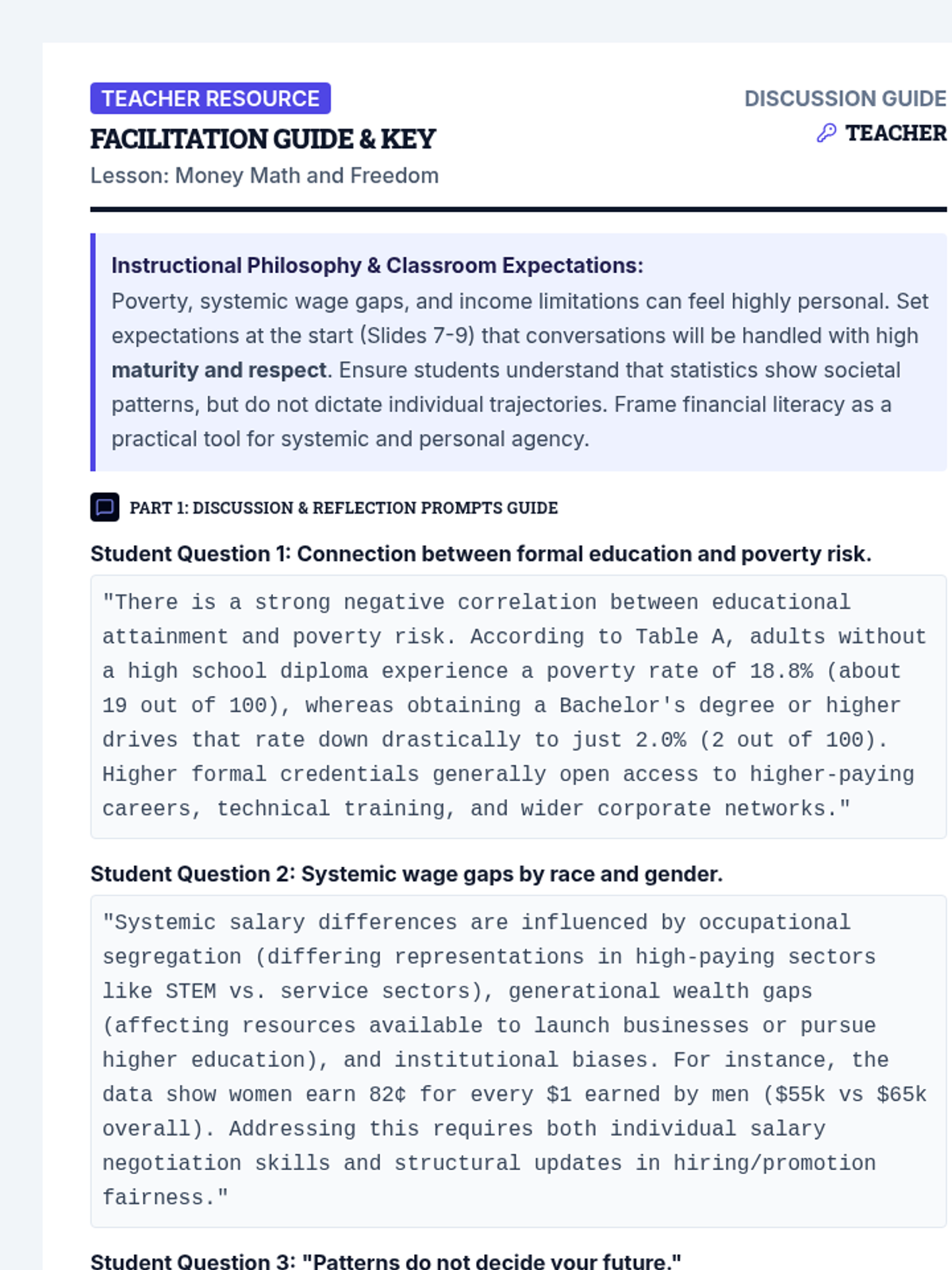
An introductory financial literacy lesson exploring systemic opportunity, critical vocabulary, basic calculations, and personalized future mapping. Includes a student-facing comprehensive work packet and an in-depth teacher discussion guide and answer key.
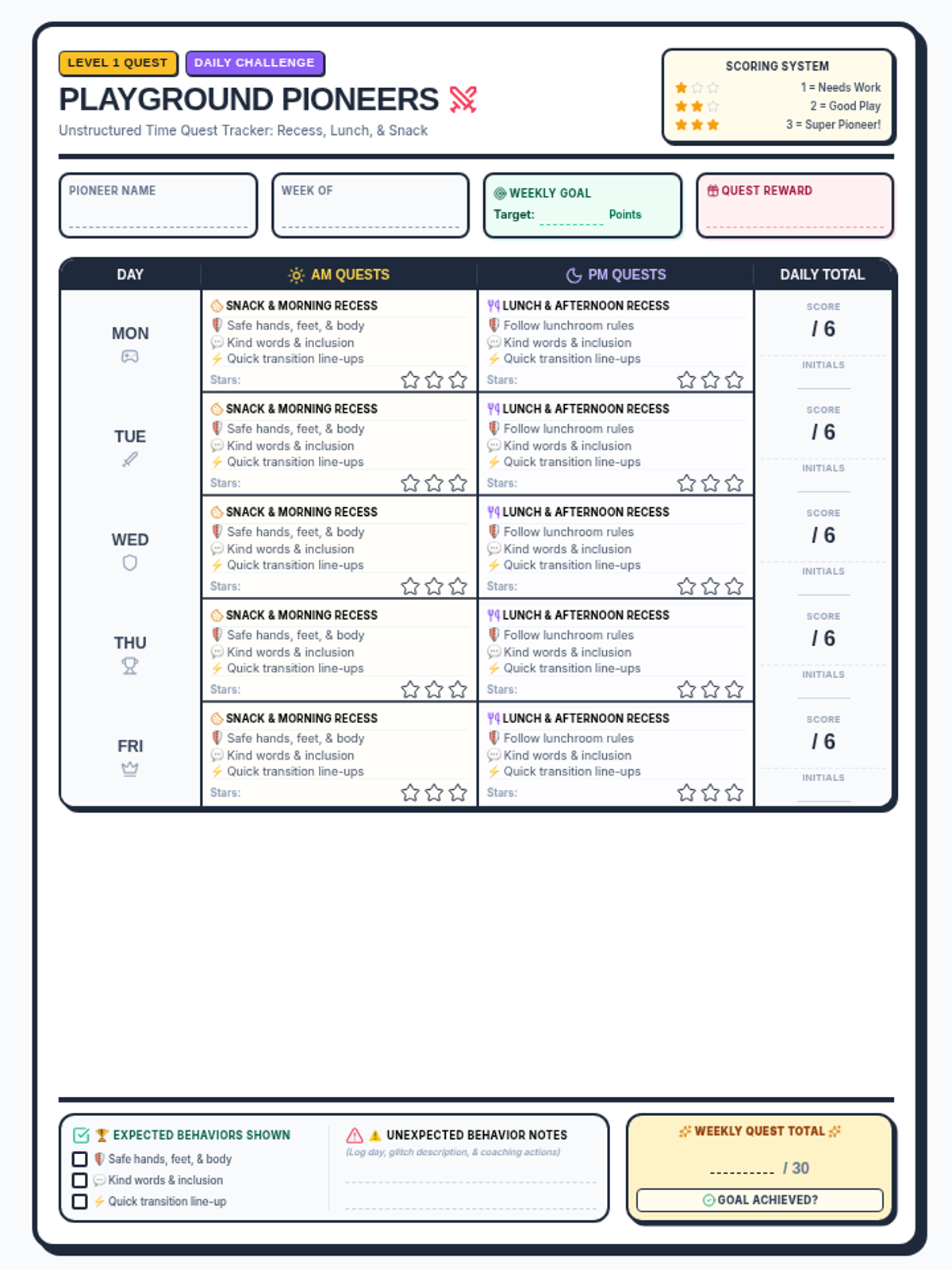
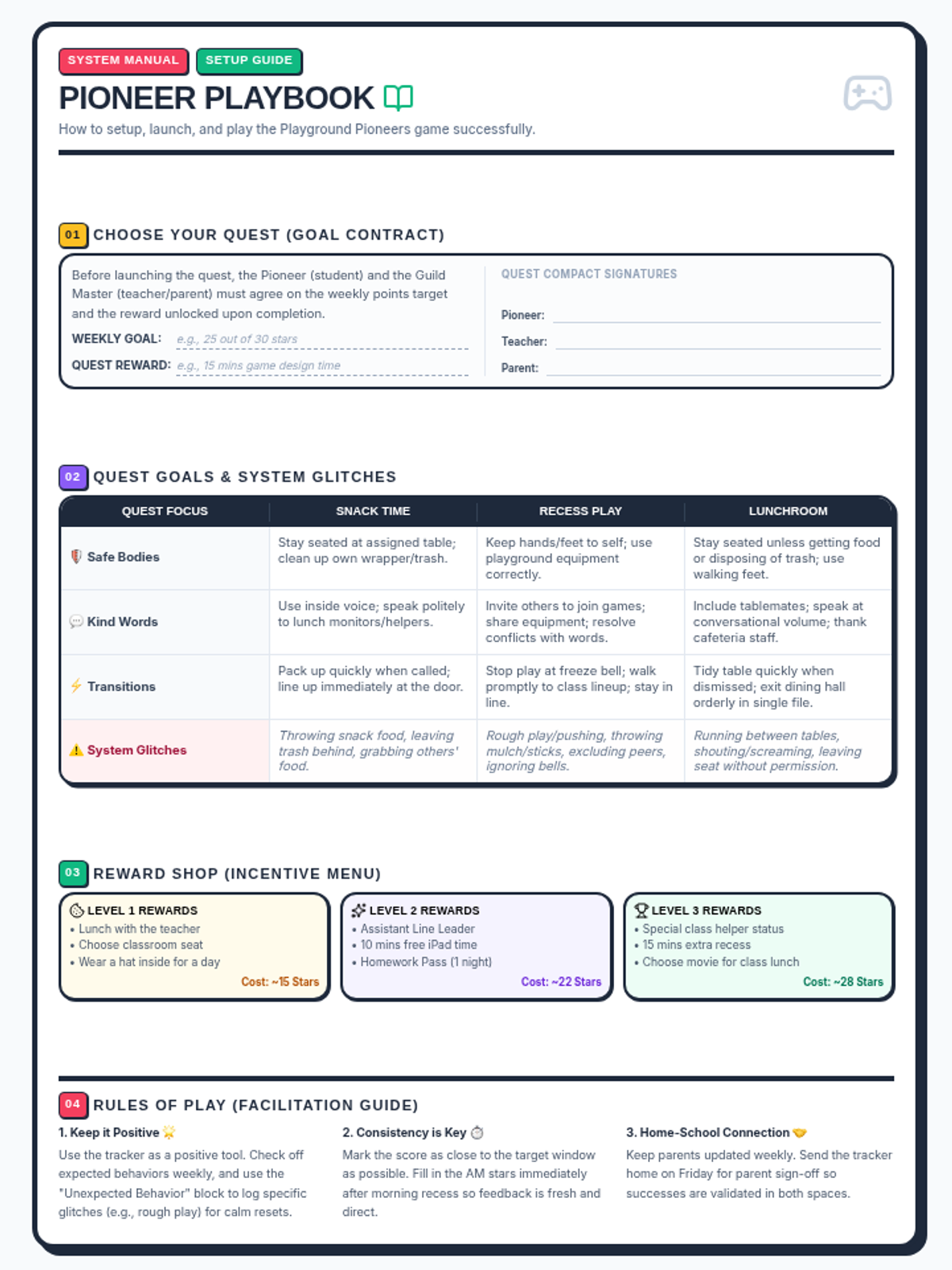
A gamified behavior tracking and support system designed to structure unstructured school times like recess, lunch, and snack. It includes a weekly AM/PM point-tracking chart and a goal-setting setup guide to promote positive peer interactions, safe play, and self-regulation.
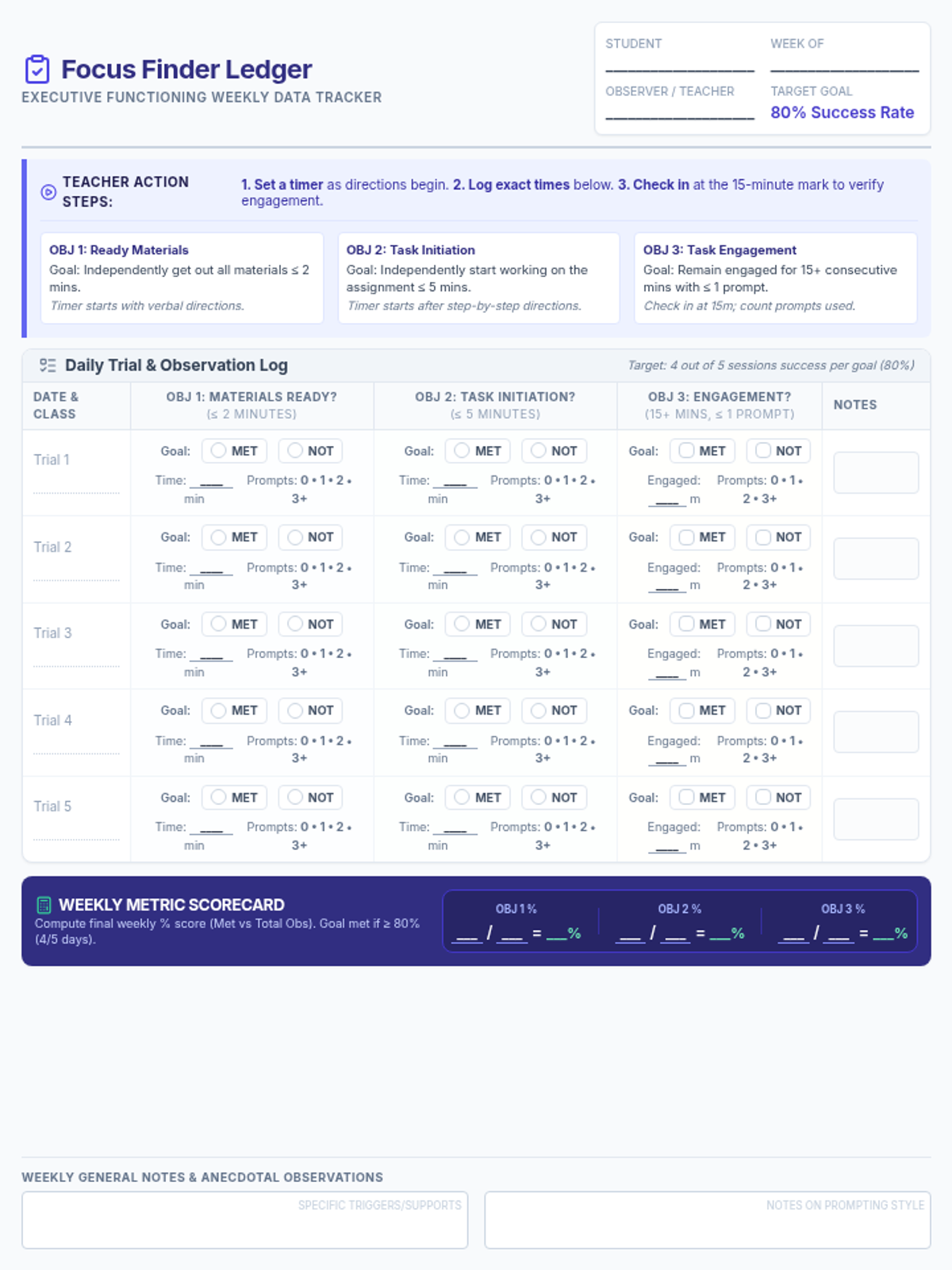
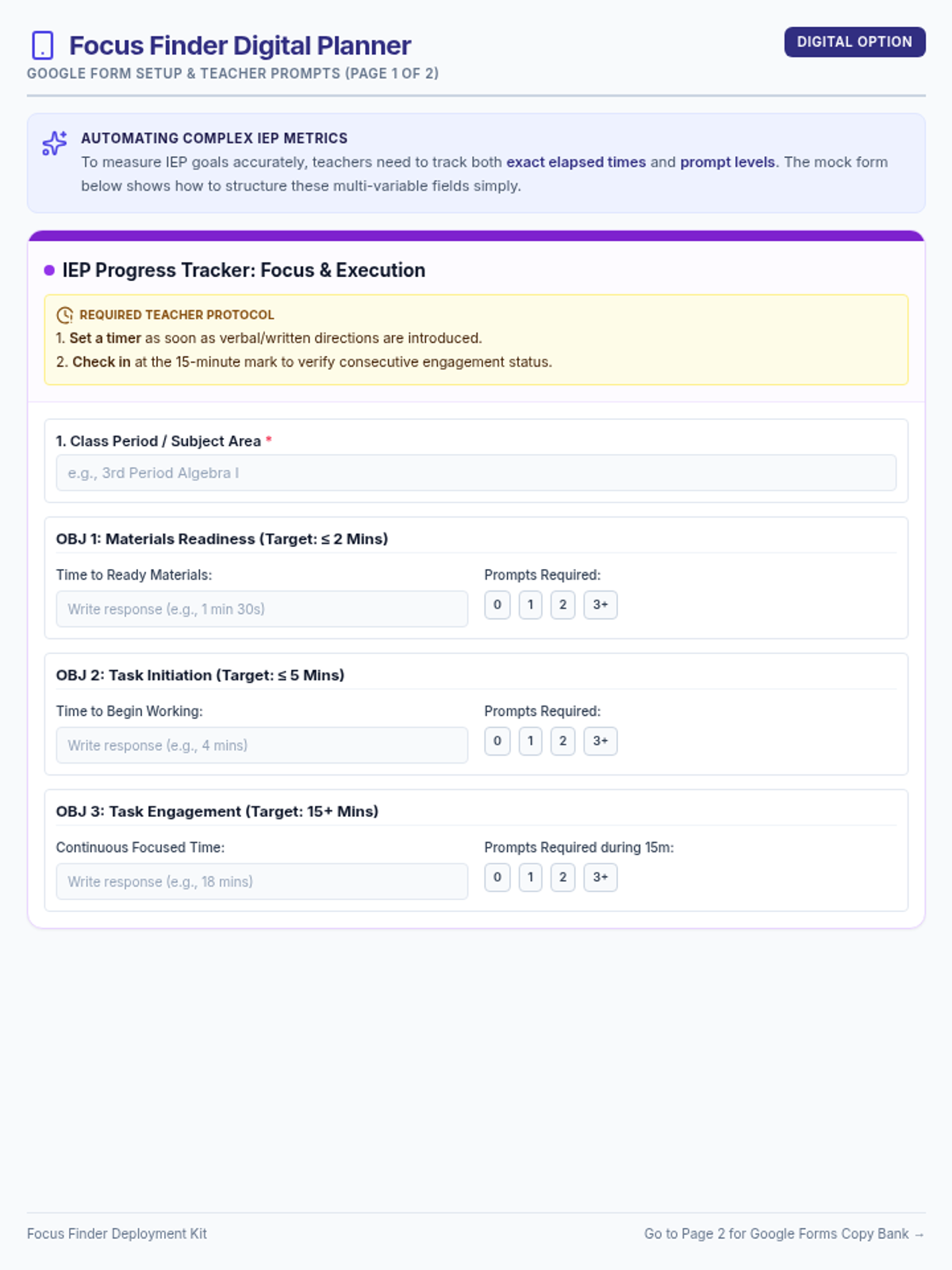
A collection of data tracking tools designed to monitor student progress on executive functioning goals, specifically focusing on materials preparation, task initiation, and sustained attention. Includes both printable ledger sheets and a digital Google Form setup guide.
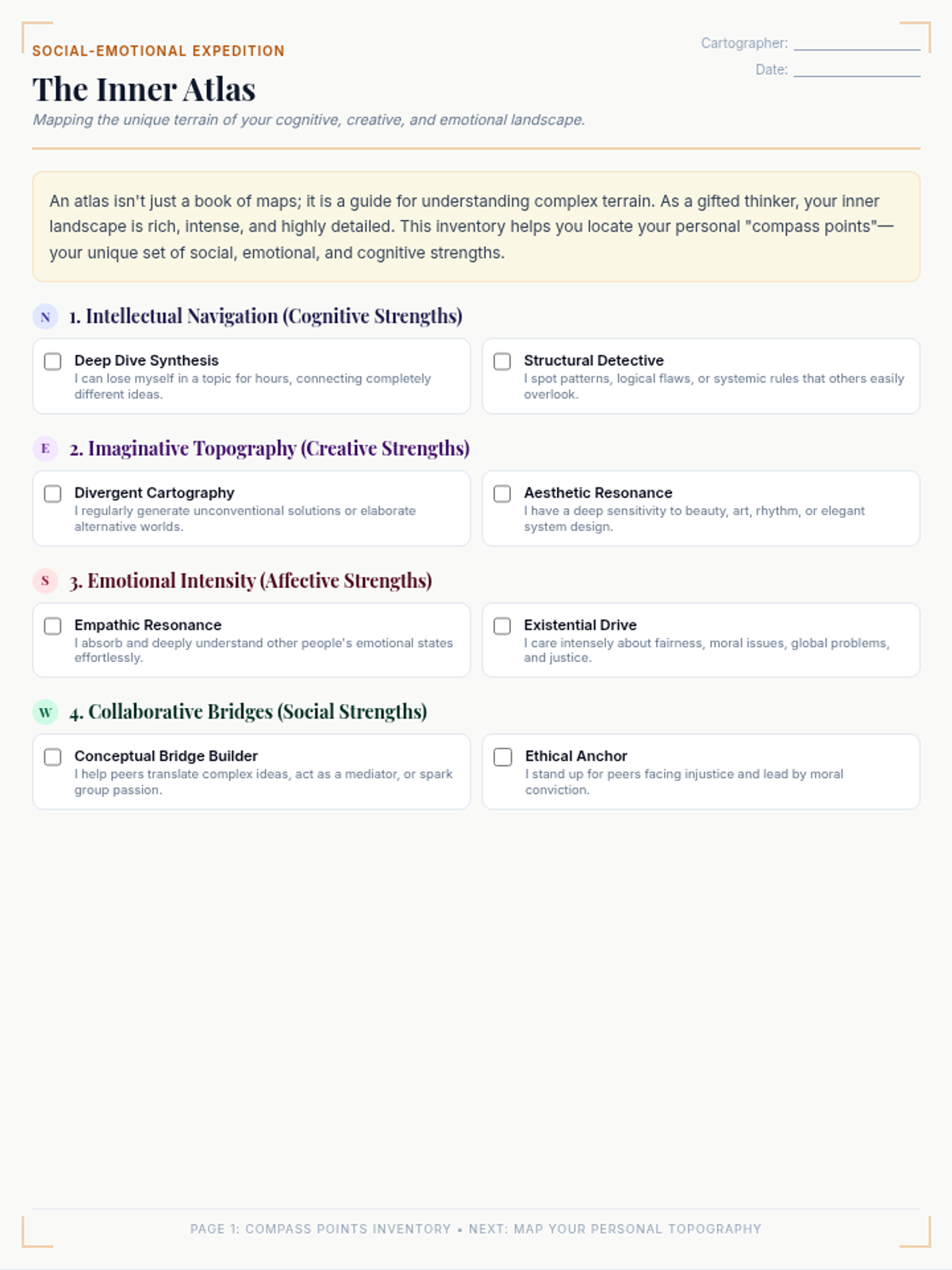
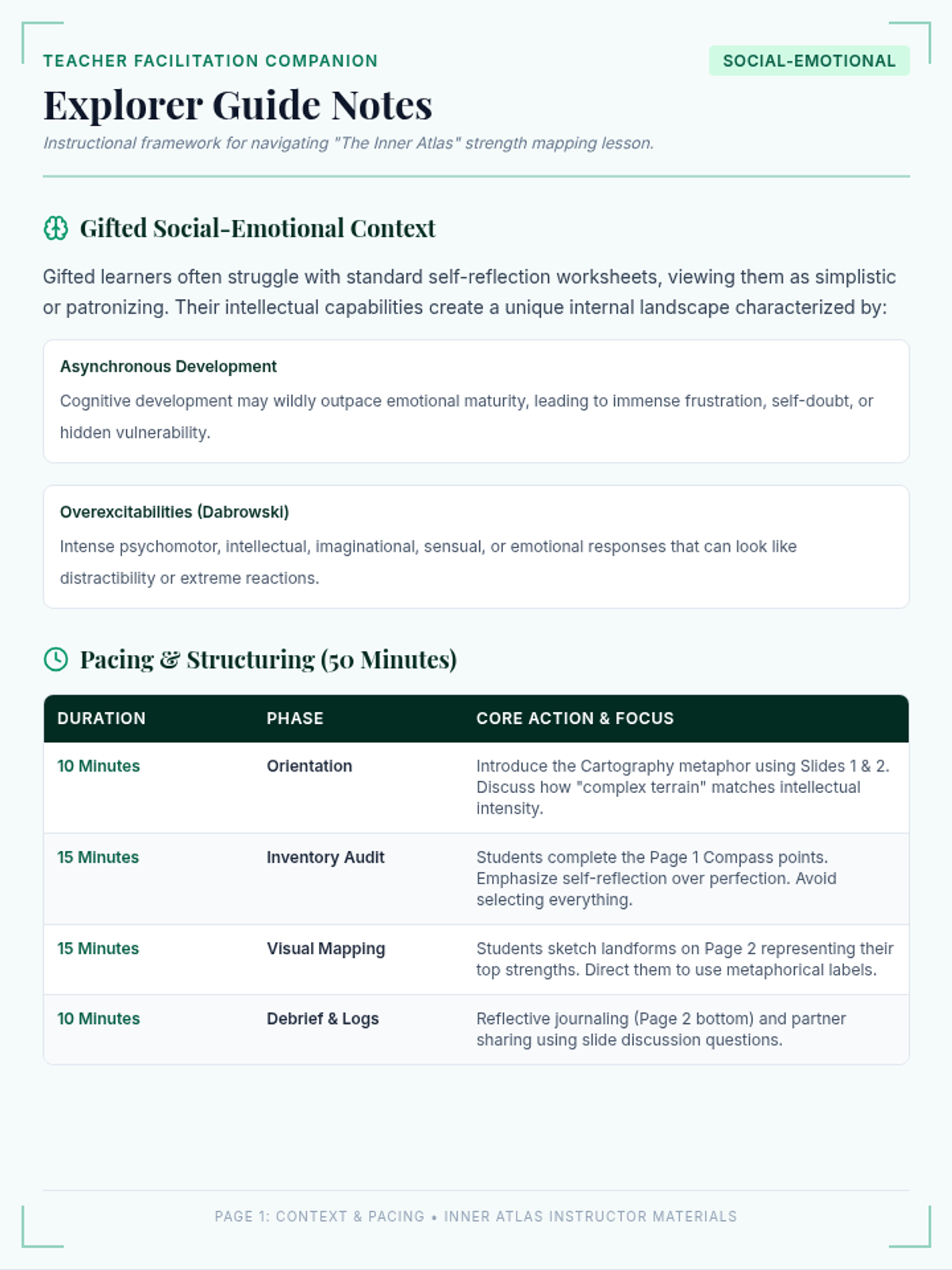
A social-emotional strength inventory lesson designed specifically for middle school gifted students. Using a cartography and exploration theme, students identify, analyze, and map their unique cognitive, creative, and emotional strengths while addressing gifted-specific traits like asynchronous development and overexcitabilities.
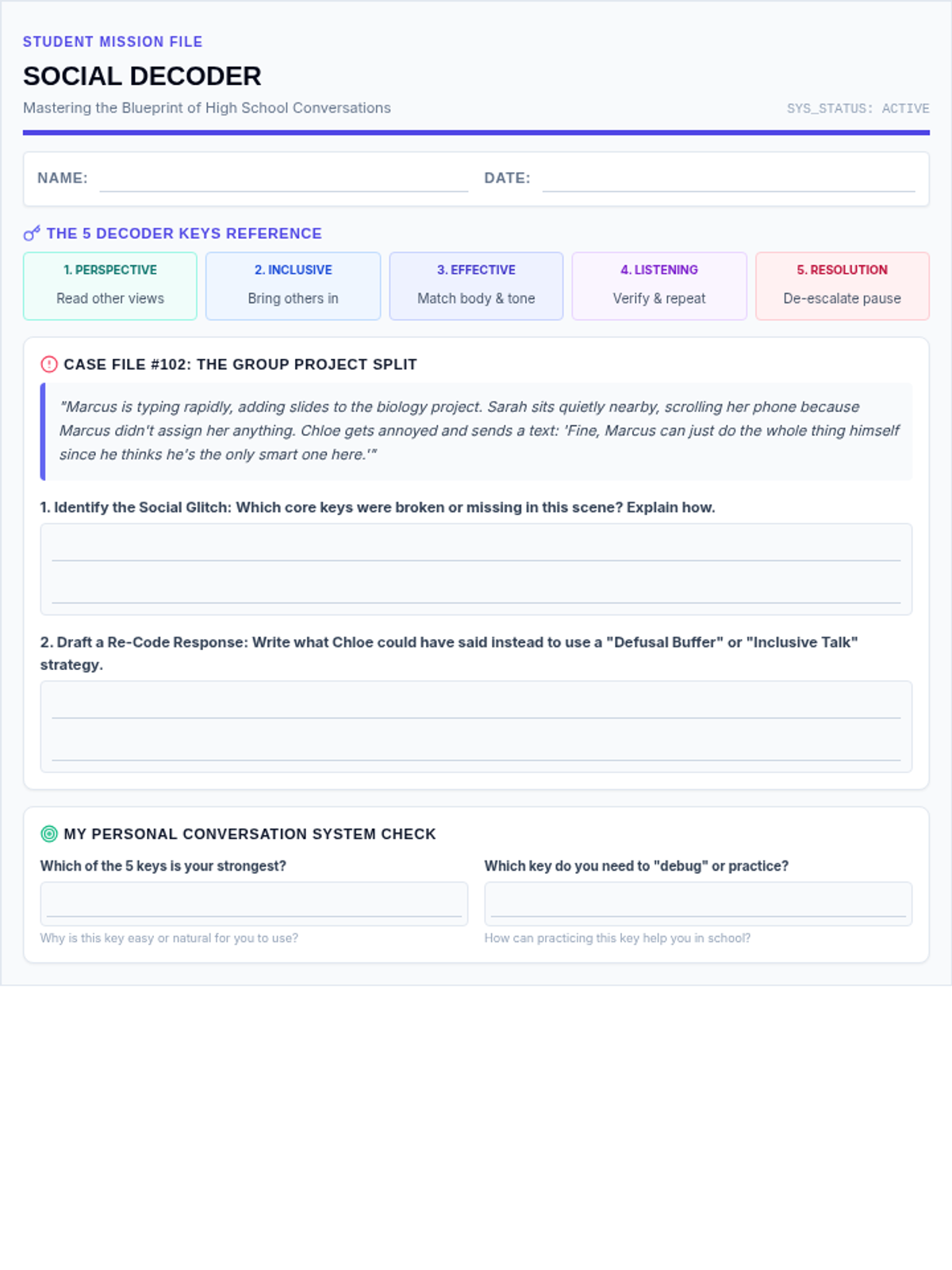
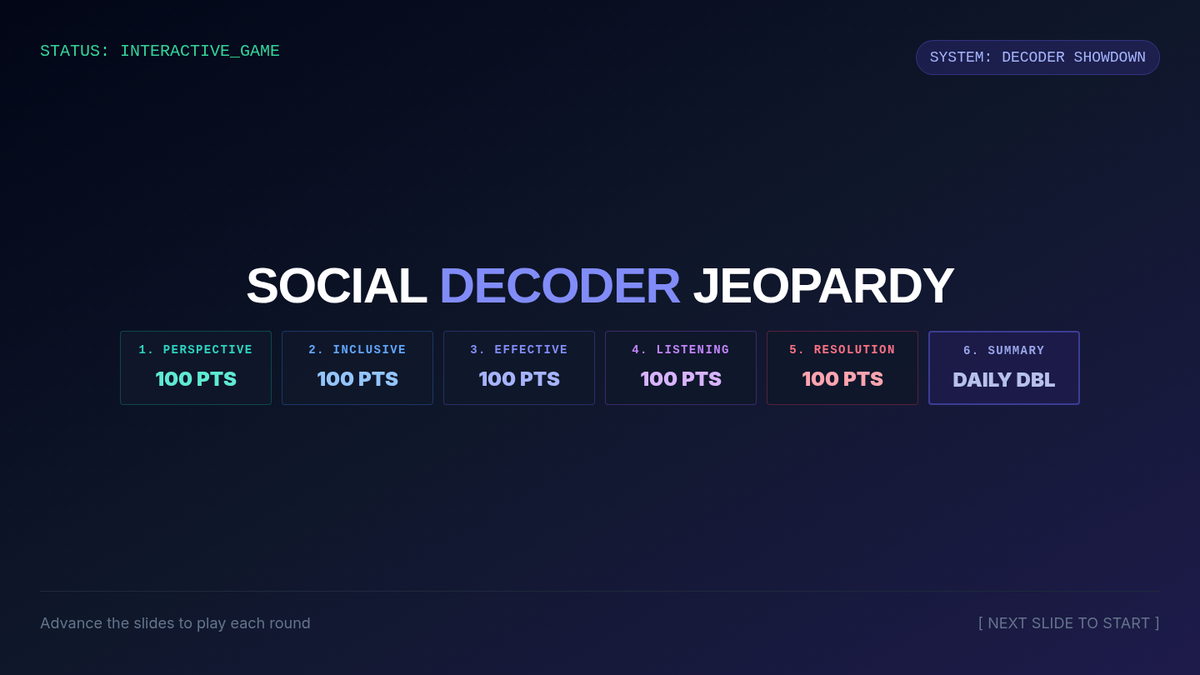
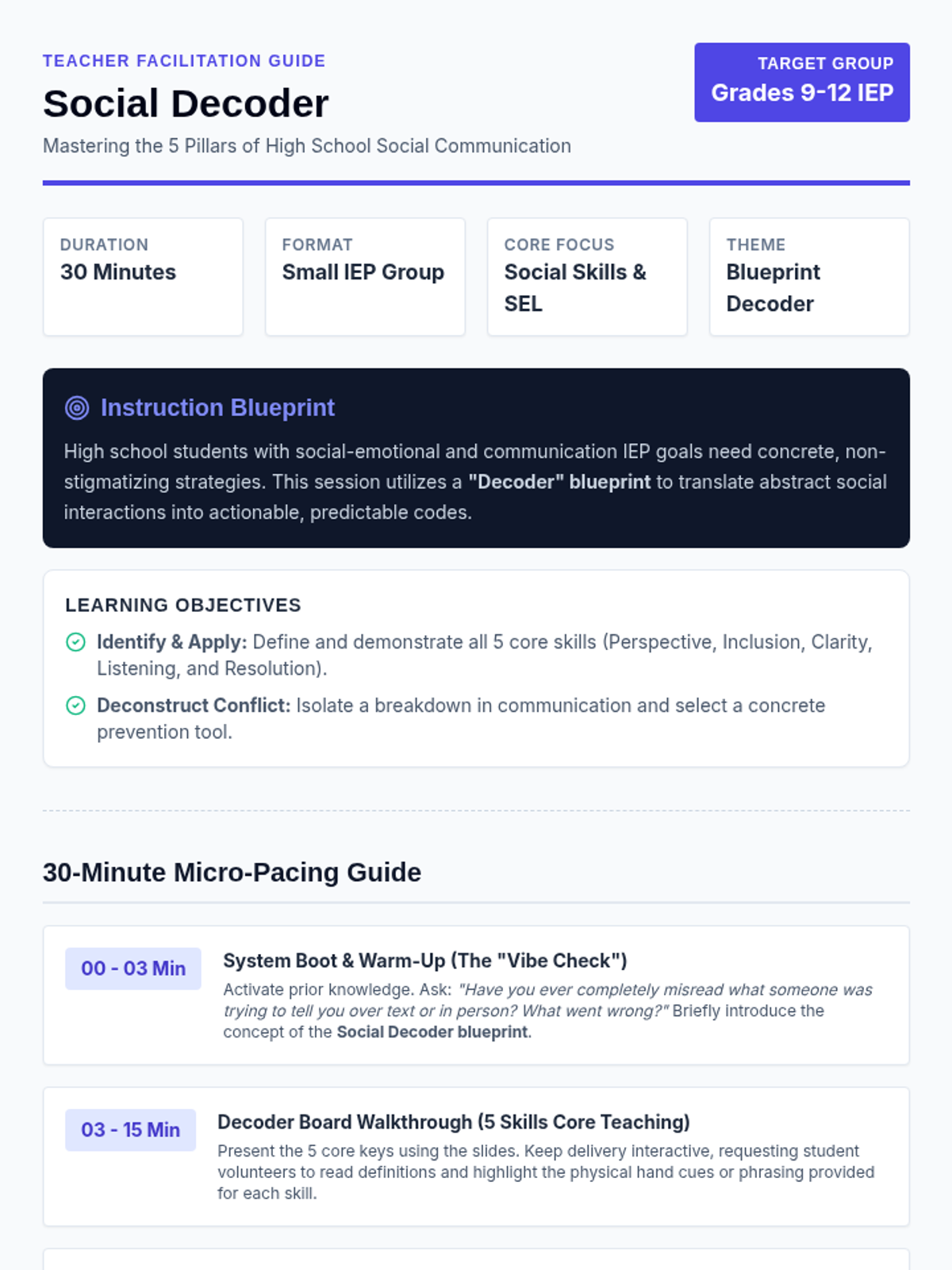
A highly engaging 30-minute social skills lesson designed for high school IEP groups. This lesson covers five essential communication skills—Perspective Taking, Inclusive Communication, Effective Communication, Active Listening, and Conflict Prevention/Resolution—using a modern 'Social Decoder' blueprint theme.
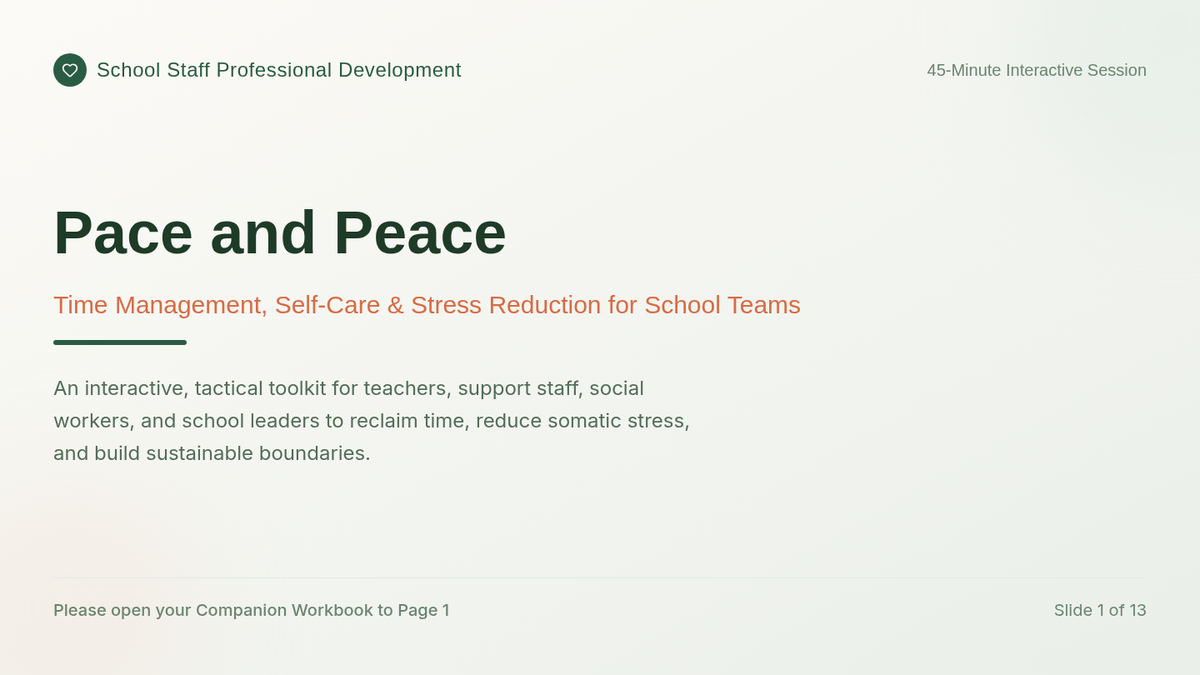
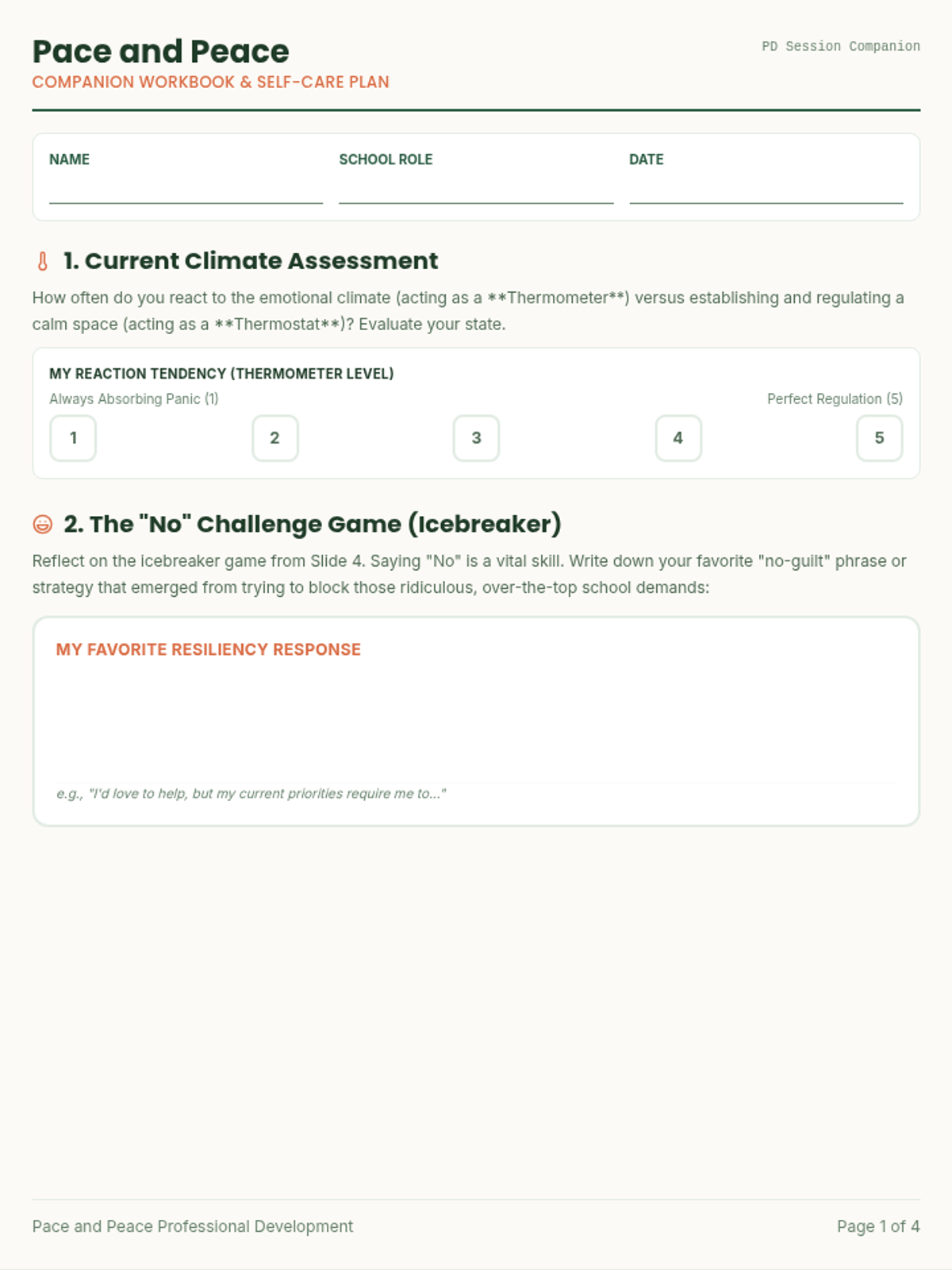
A comprehensive professional development module on self-care and time management designed specifically for school-based staff. This lesson includes an interactive 11-slide presentation and a multi-page reflective companion workbook featuring role-play activities and micro-coping skills.
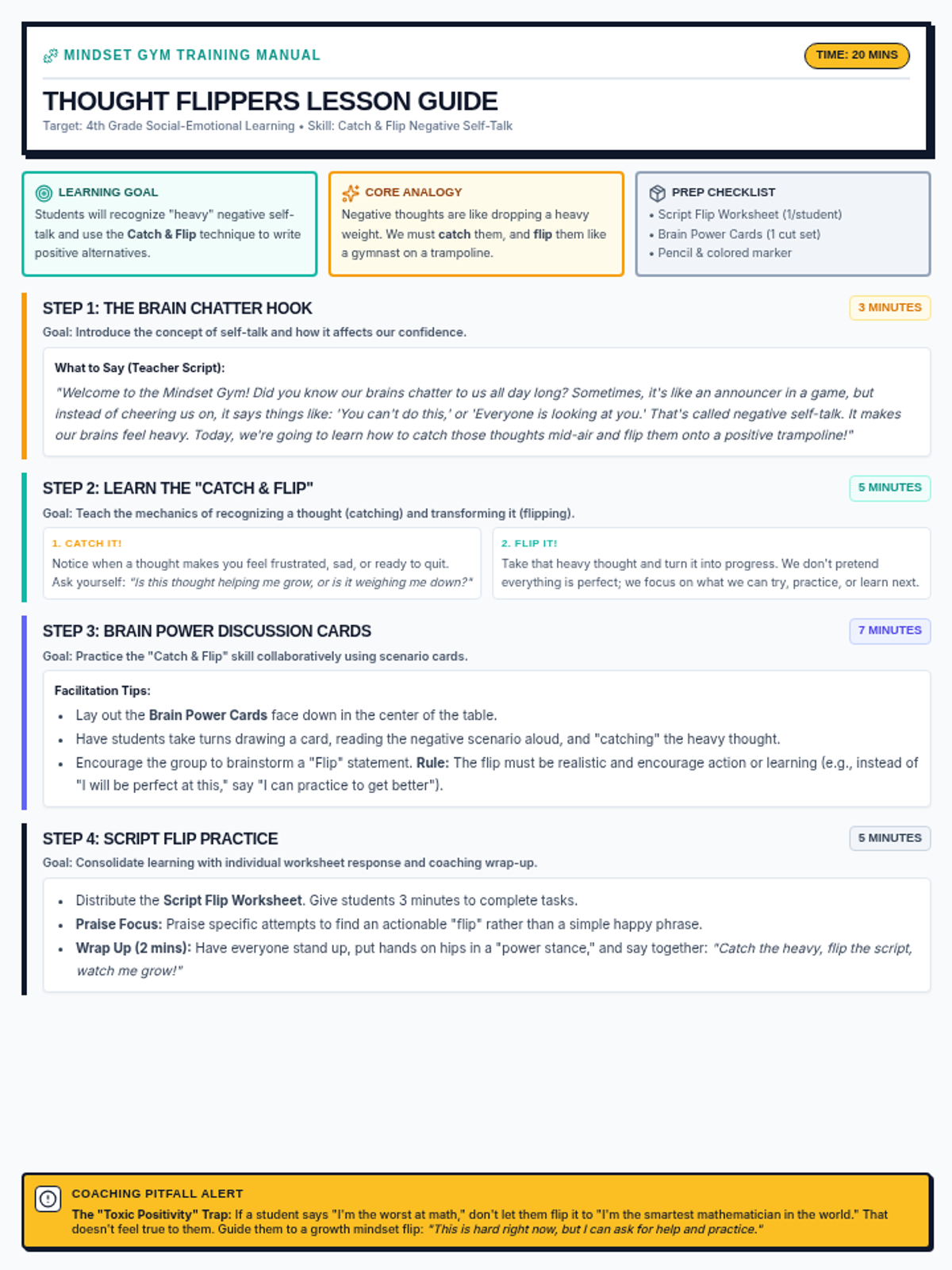
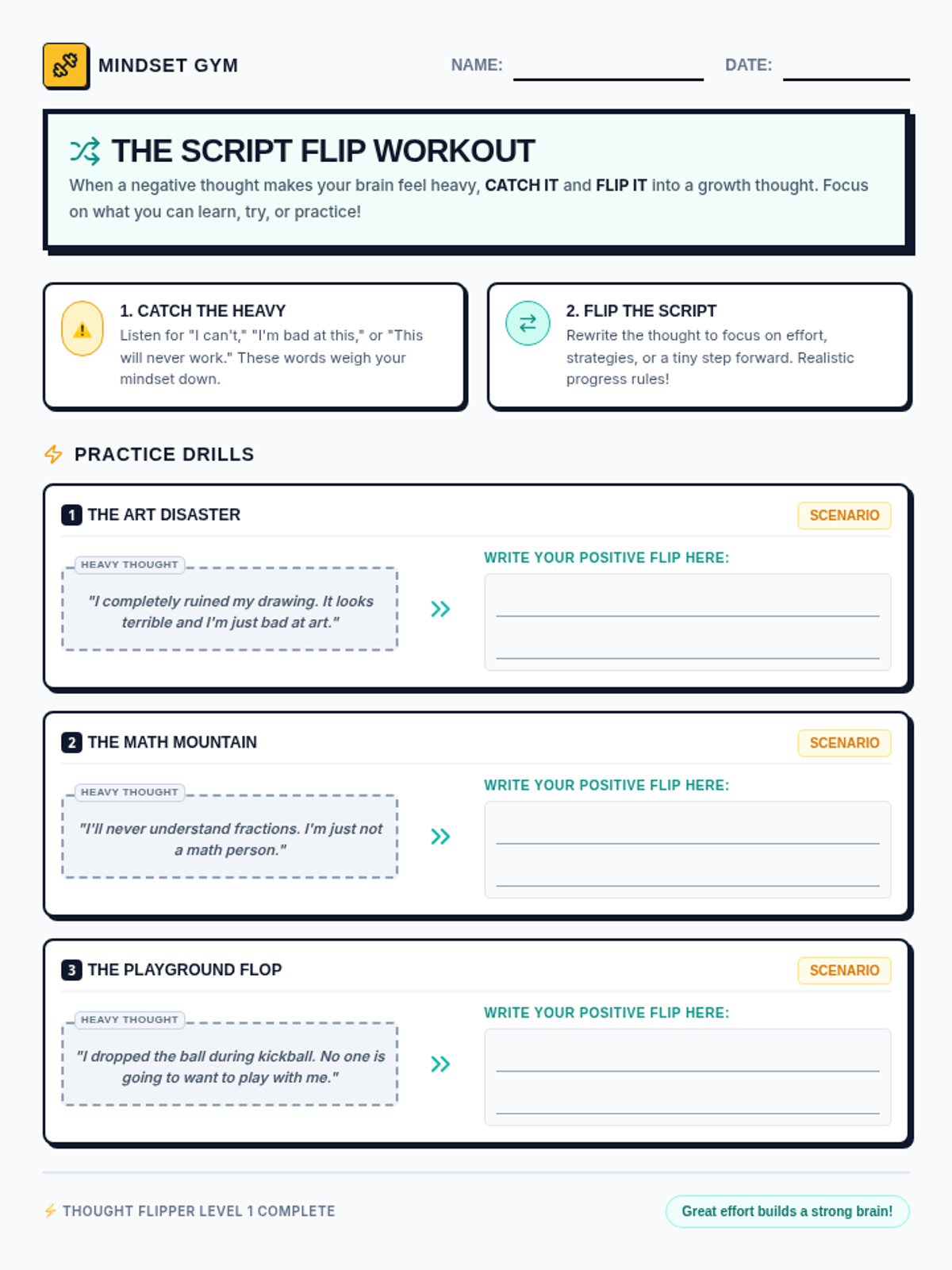
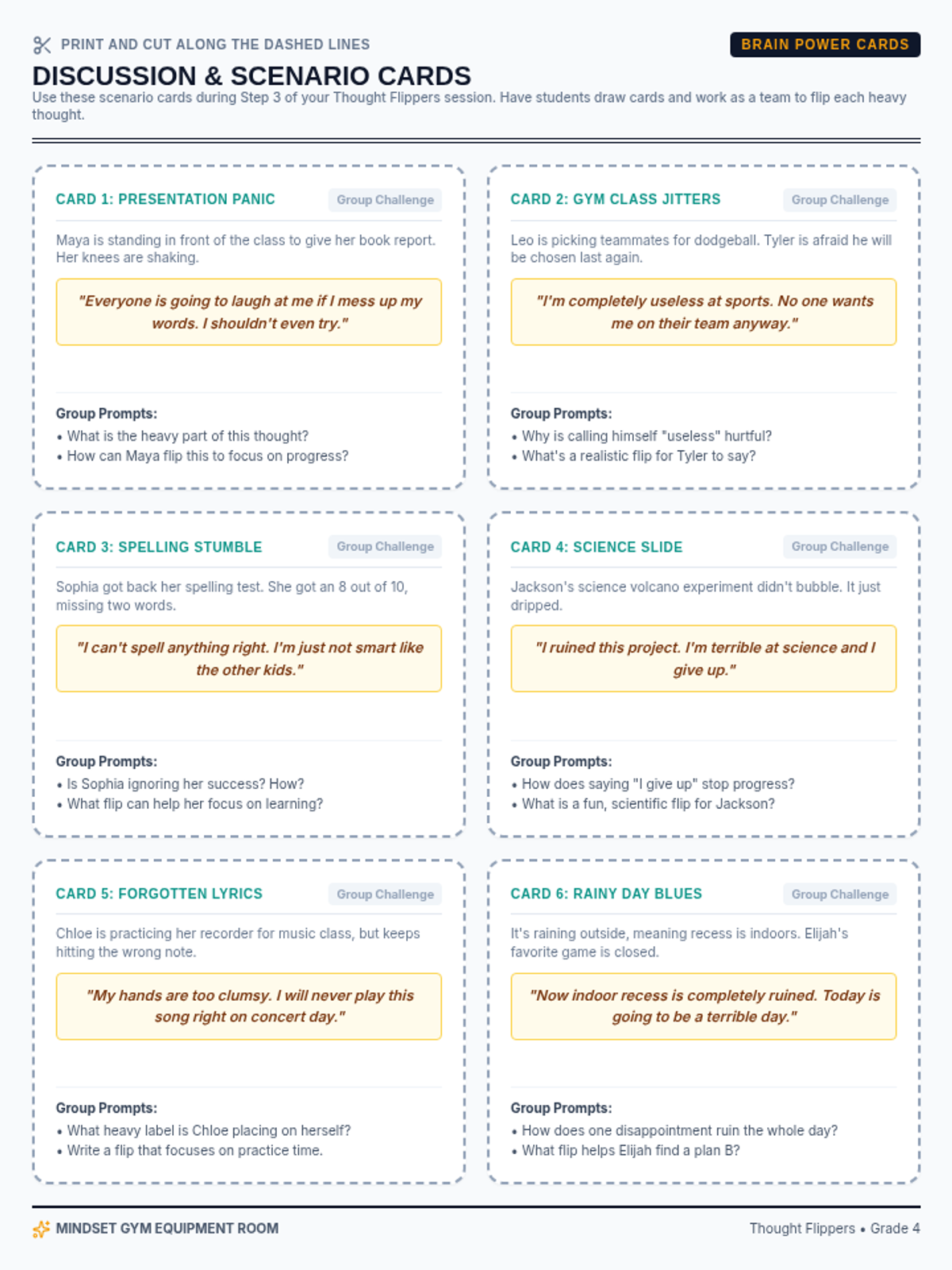
A high-energy, 20-minute small-group lesson for fourth graders focused on identifying negative self-talk and practicing the 'Catch and Flip' technique to build resilience and positive mindsets.
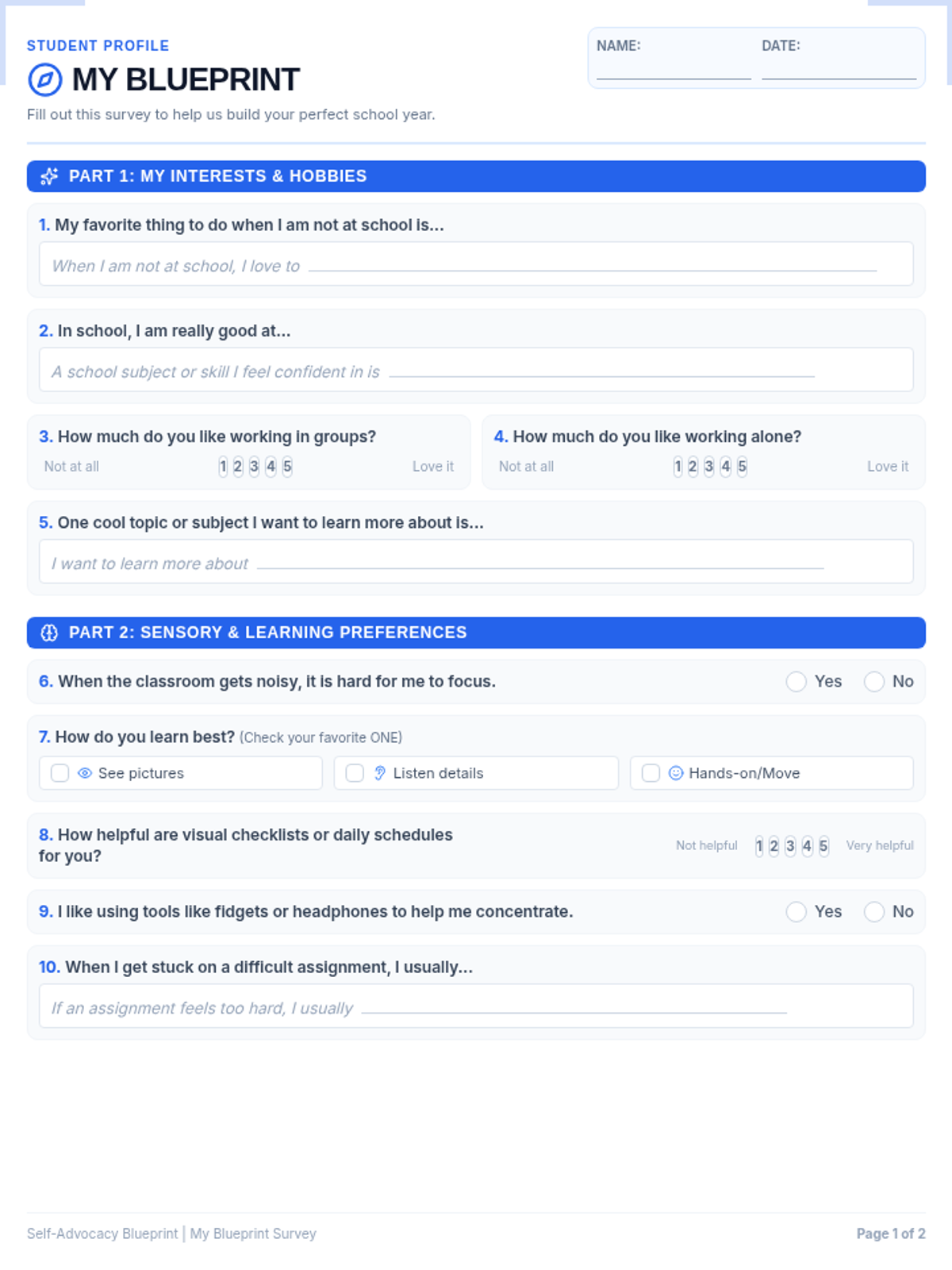
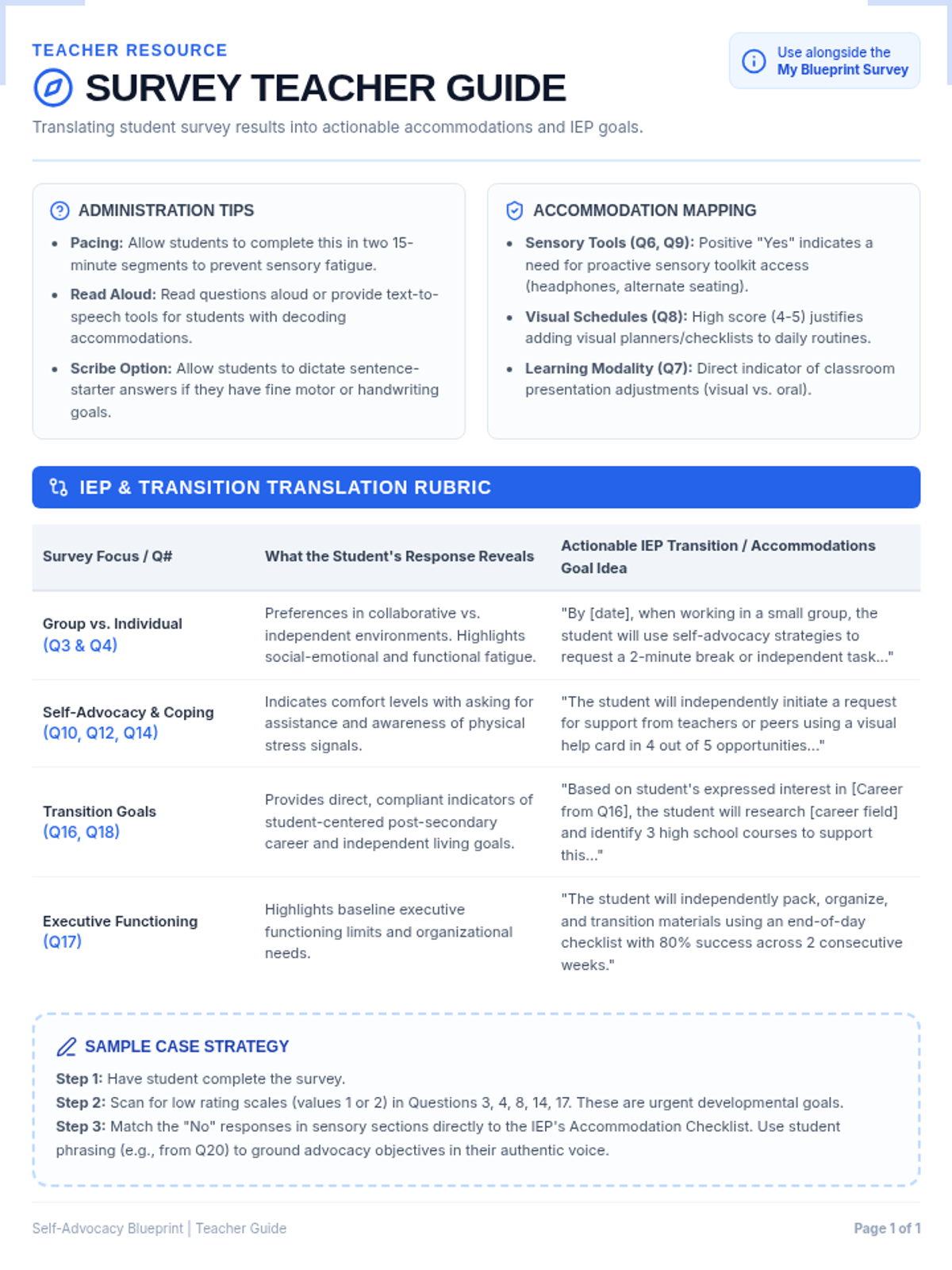
A transition-focused lesson featuring an accessible "All About Me" survey for middle school students with accommodations, alongside a guide for teachers to translate student responses into IEP goals and classroom support strategies.
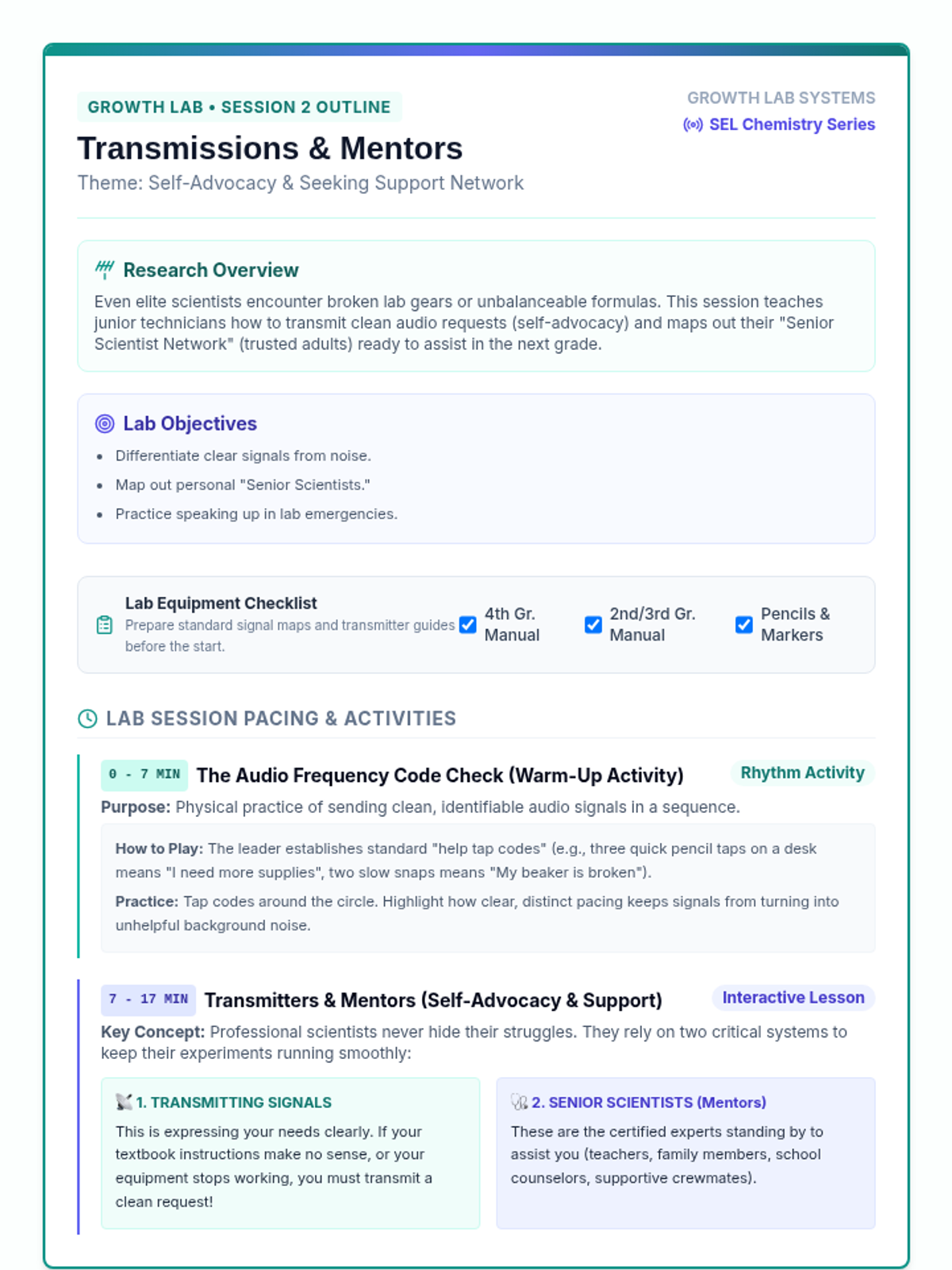
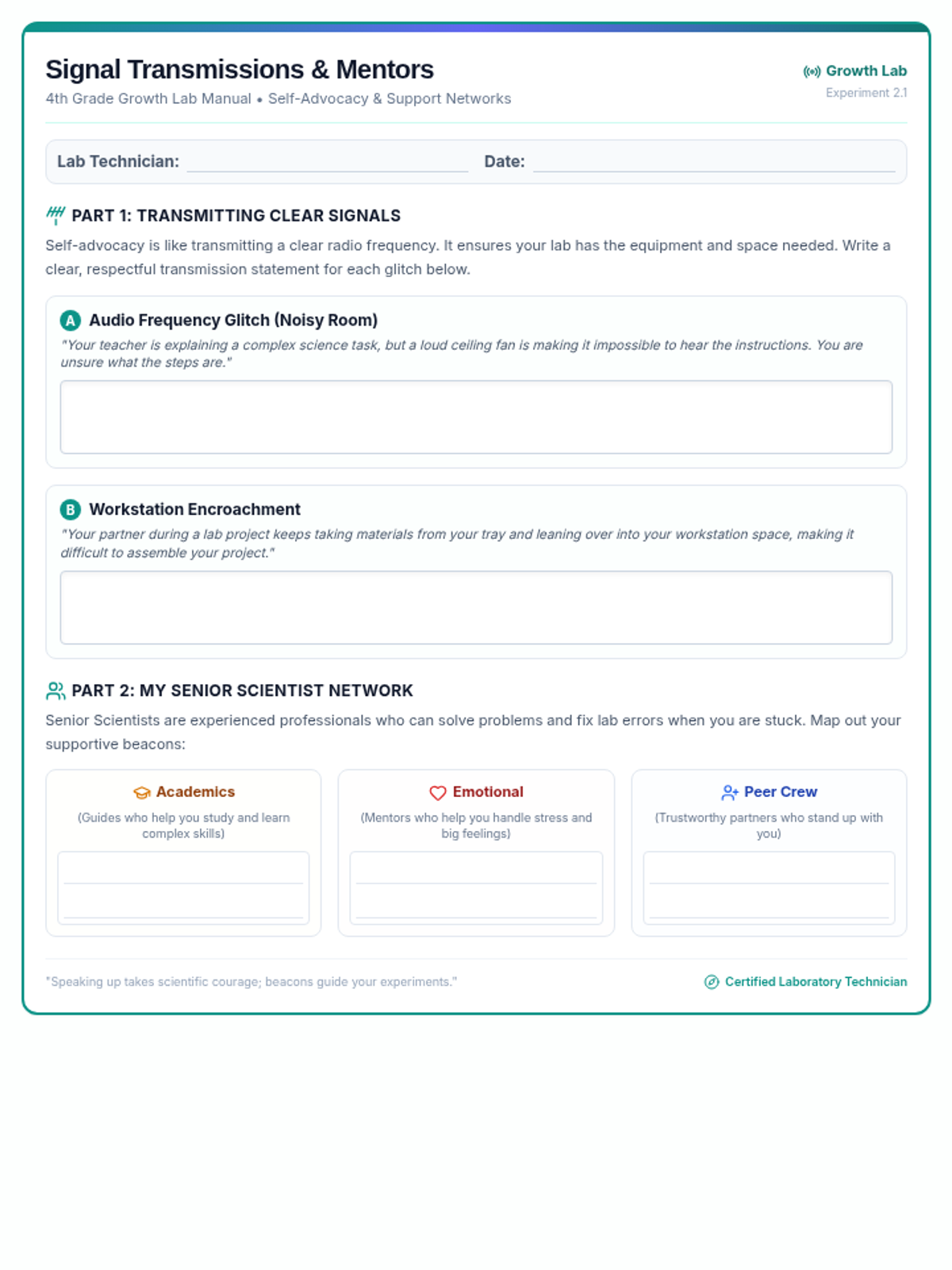
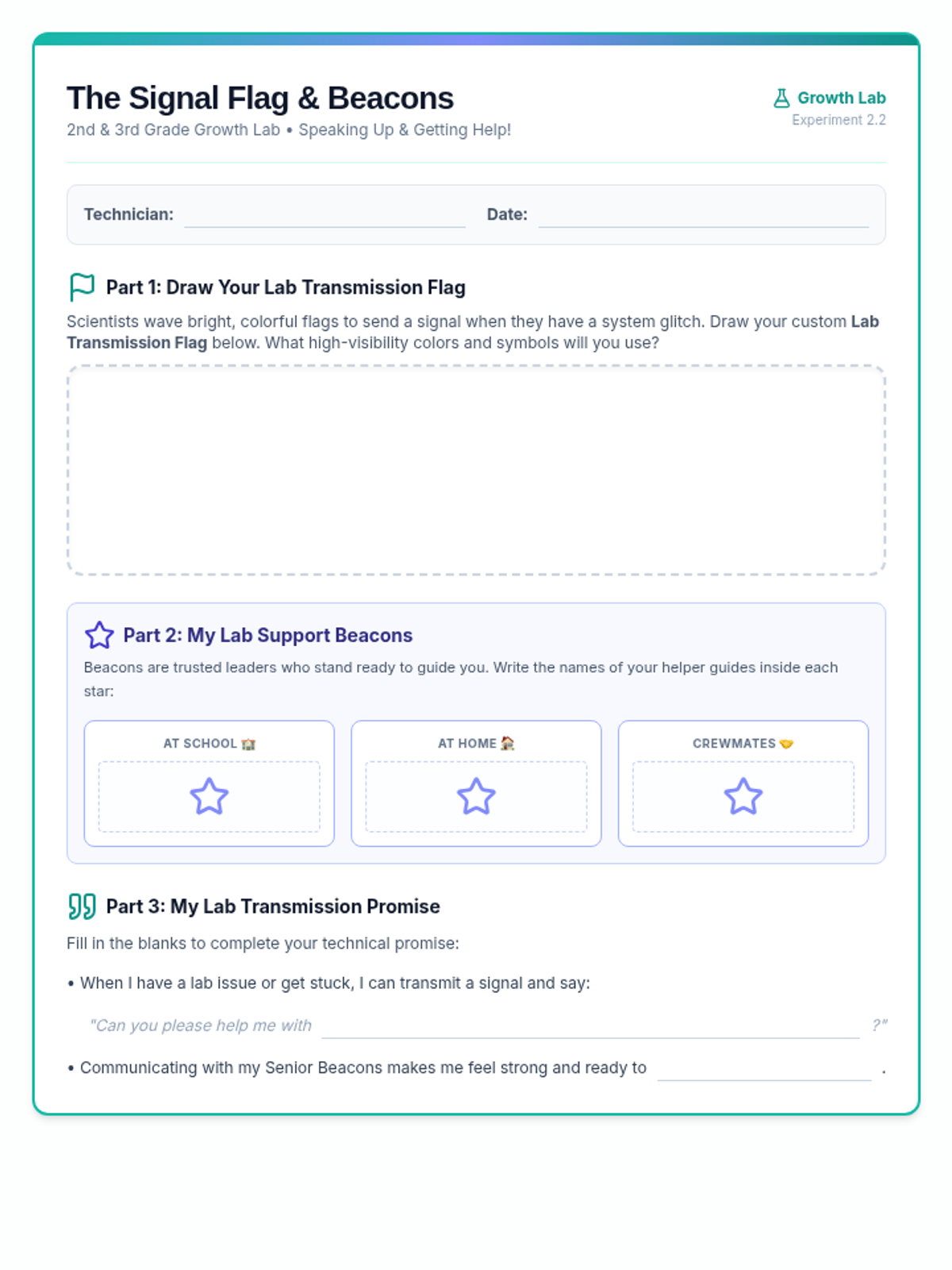
This session focuses on self-advocacy and seeking support. Students learn to recognize when to speak up for their physical and learning needs (trail signals) and identify trusted individuals who can help them navigate challenges (trail guides).
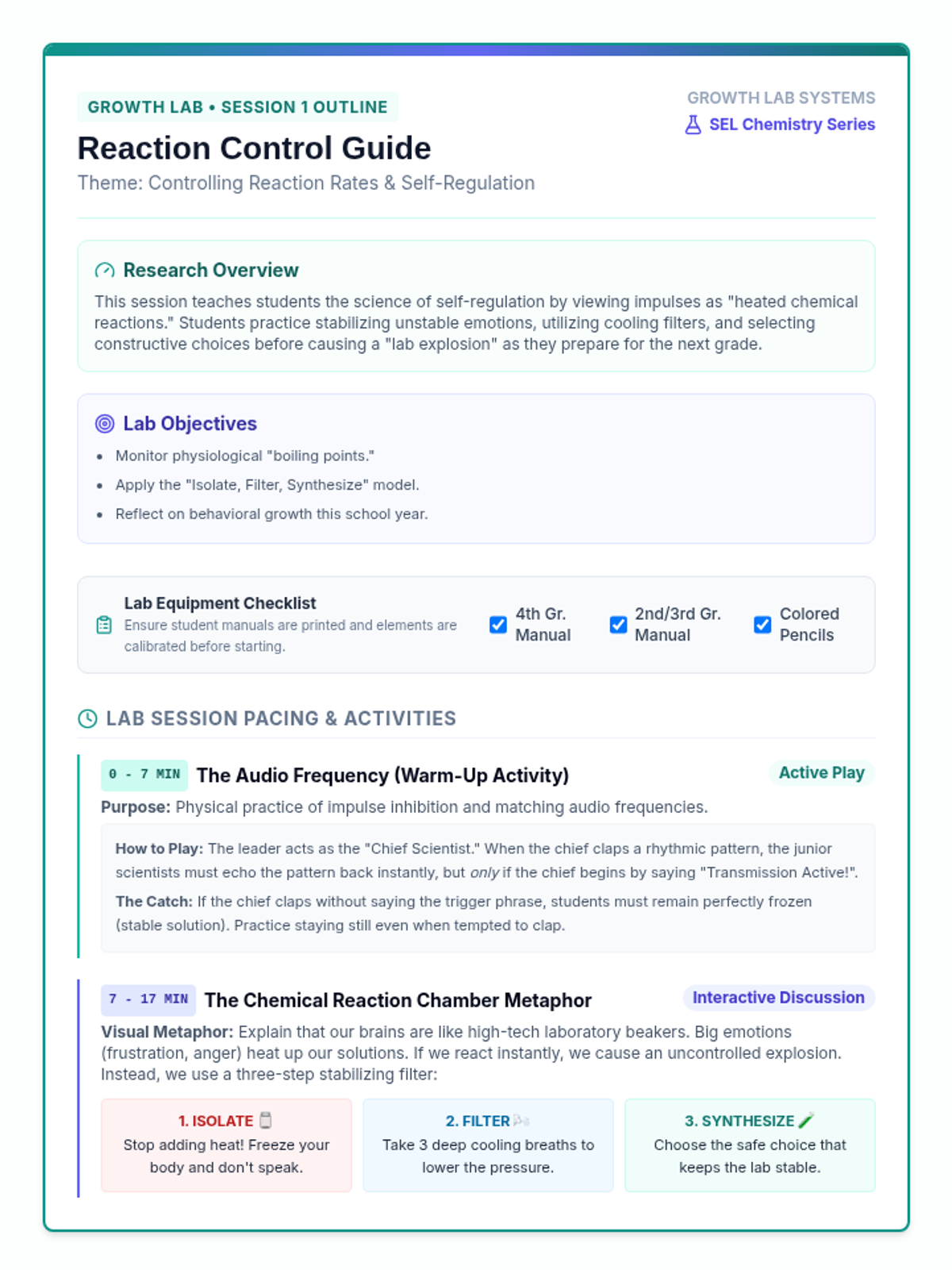
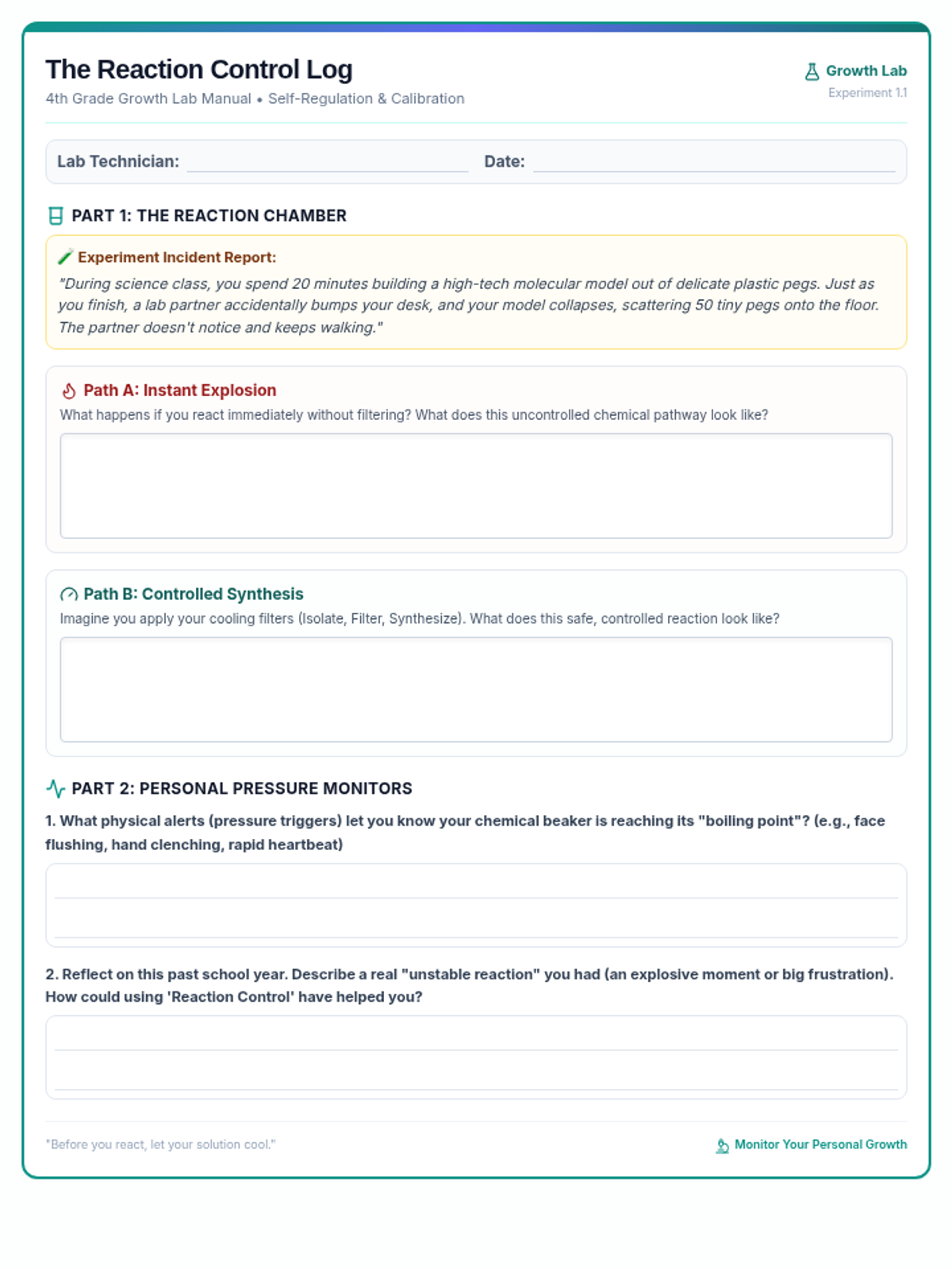
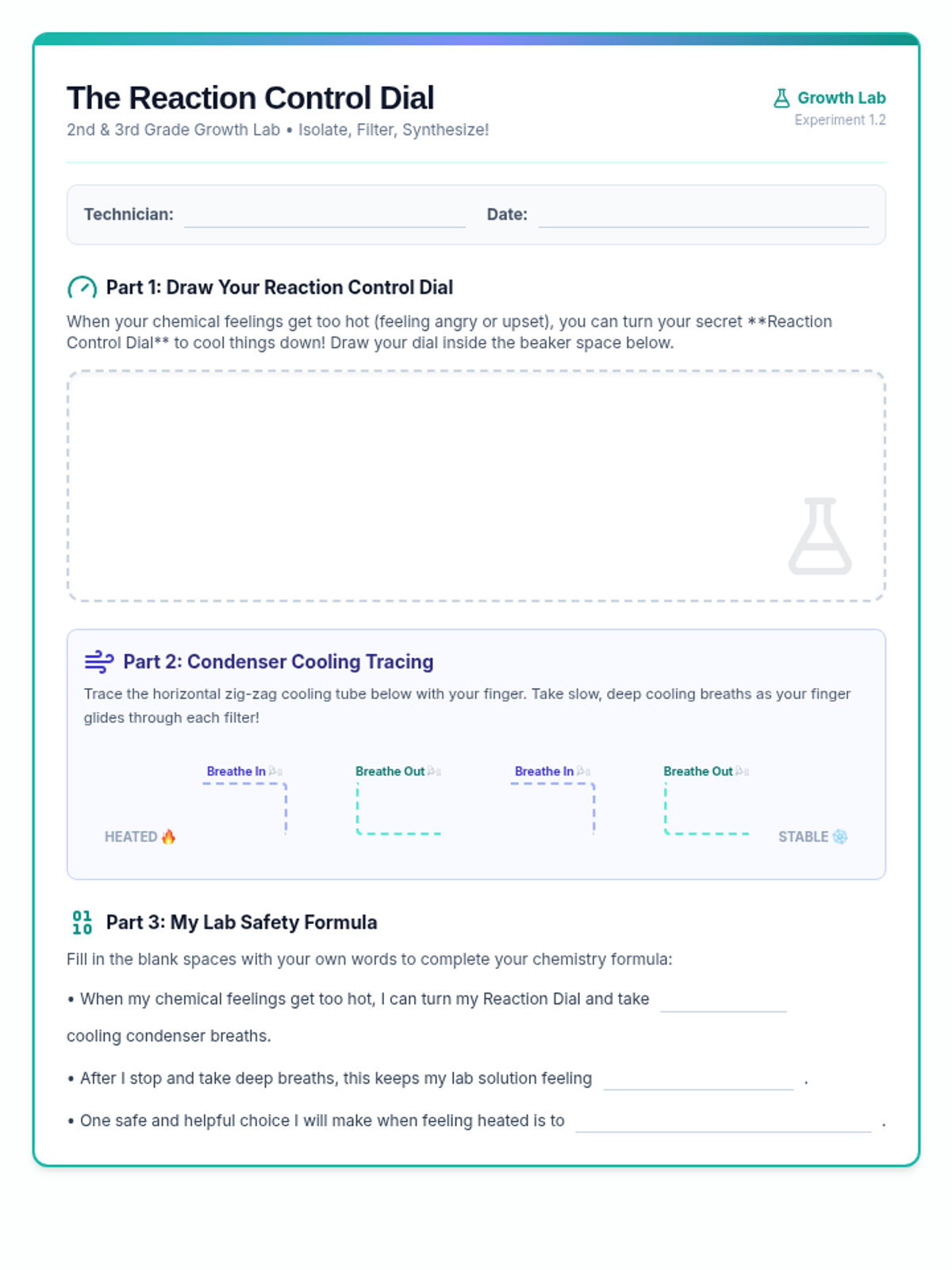
This session teaches students the science of self-regulation and reflection by studying 'reaction control' (thinking before acting). Students explore chemical-themed cooling strategies and reflect on their personal progress over the past school year.
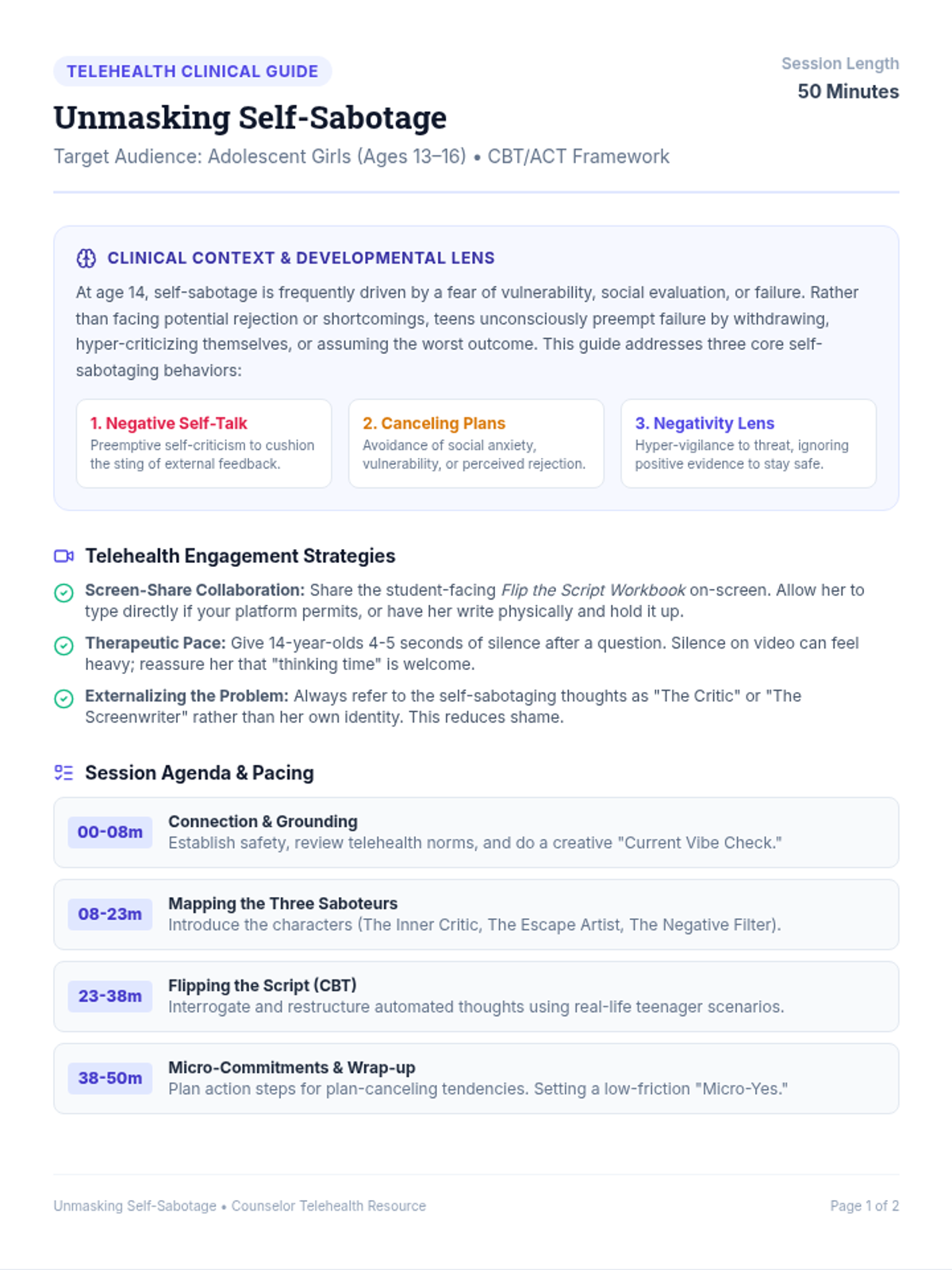
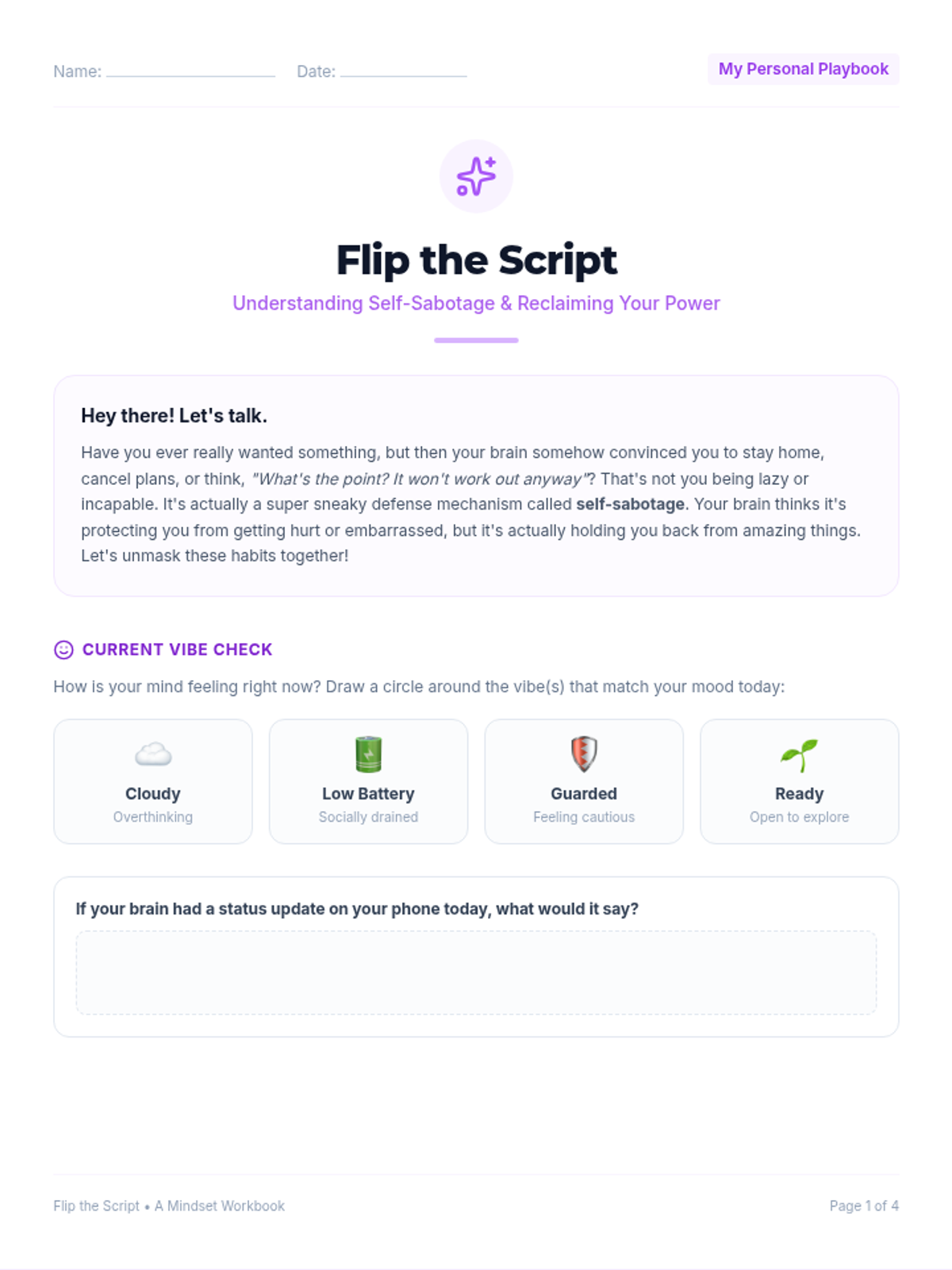
A therapeutic lesson package designed for counselors working with 14-year-old girls struggling with self-sabotage. It includes a structured telehealth counselor guide and a highly aesthetic, Gen Z-friendly reflection workbook focusing on negative self-talk, canceling plans, and negativity bias.
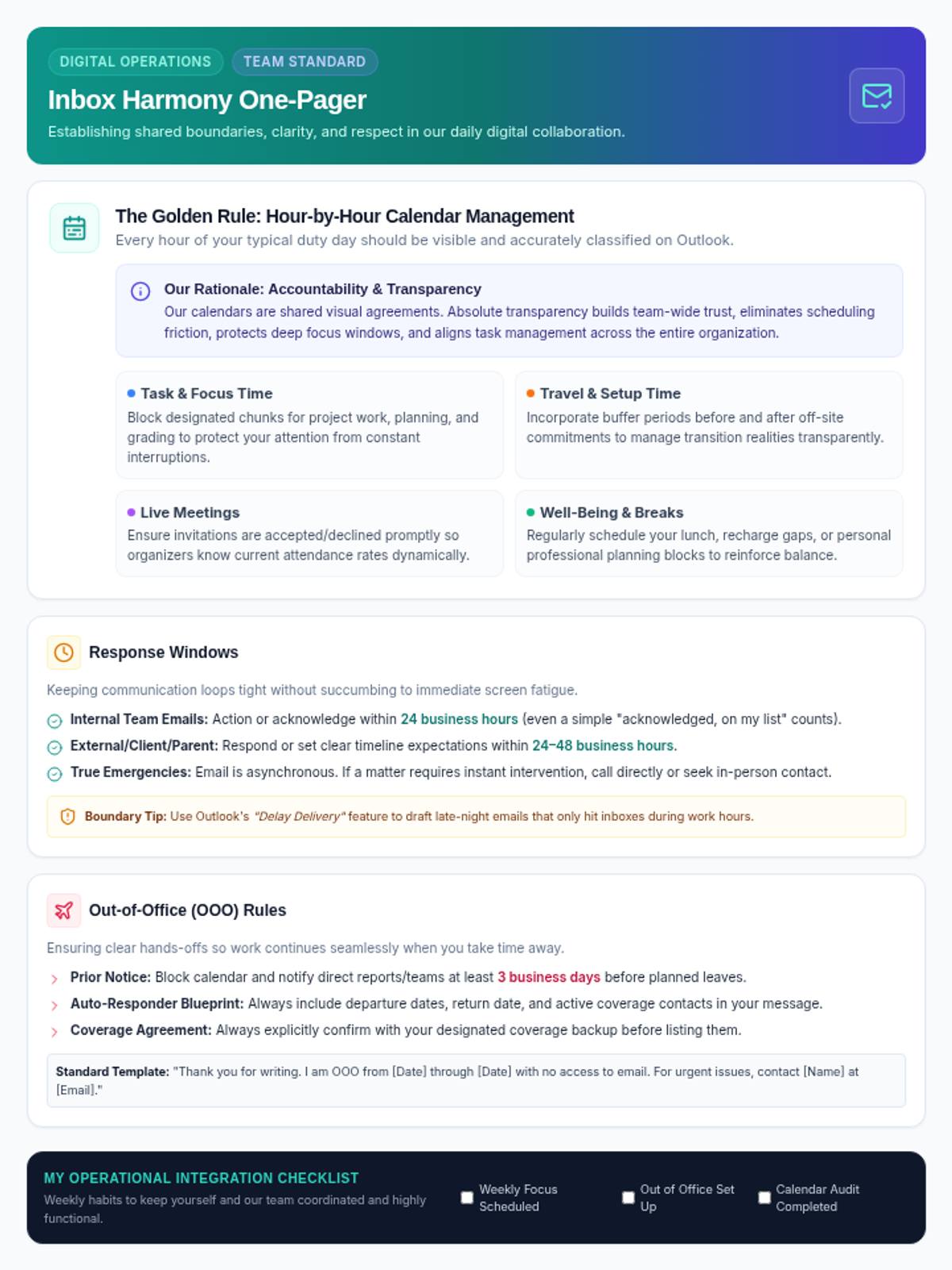
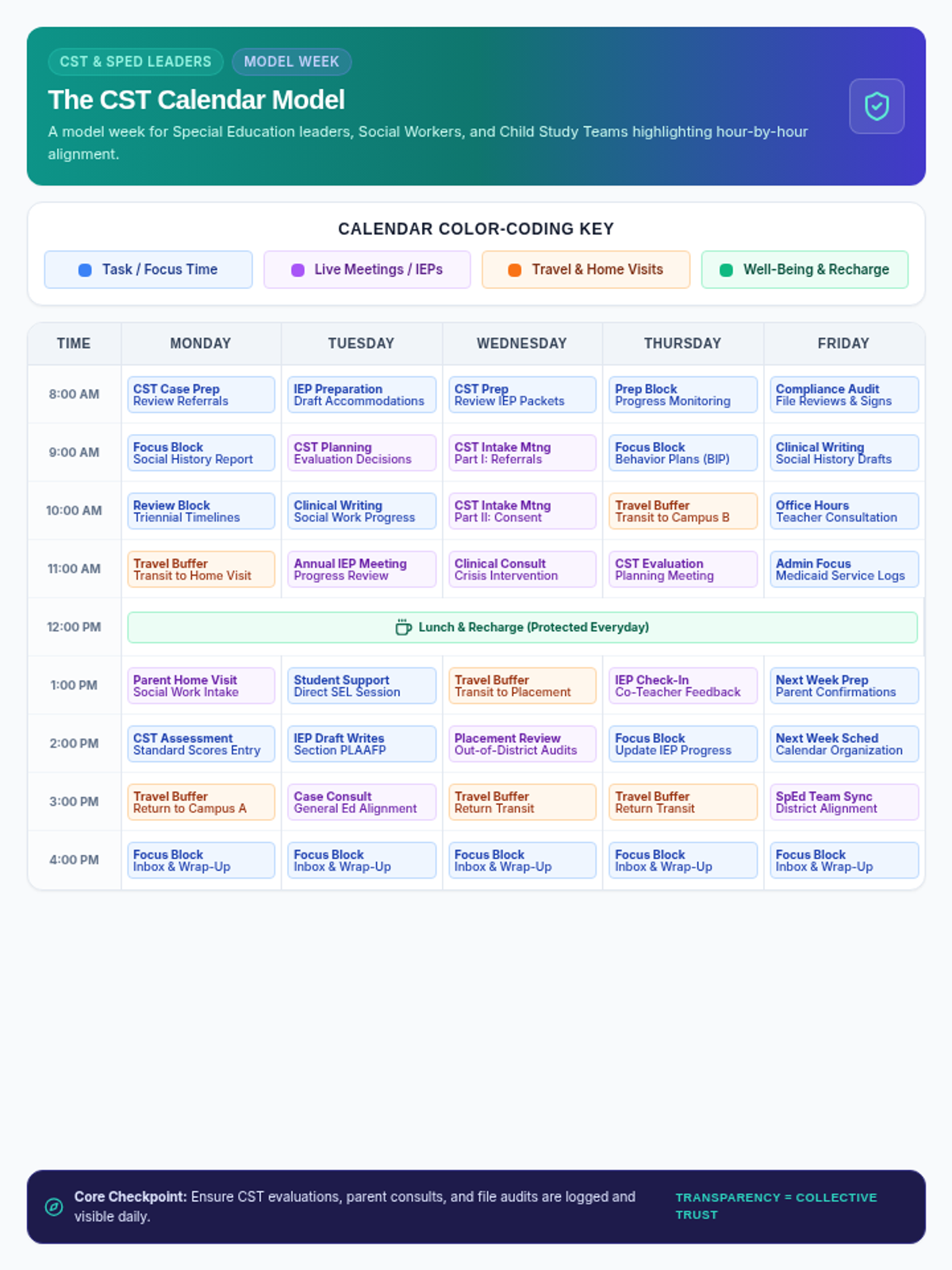
Establish shared protocols and expectations for professional communication, calendar management, and focus boundaries in a collaborative team environment.
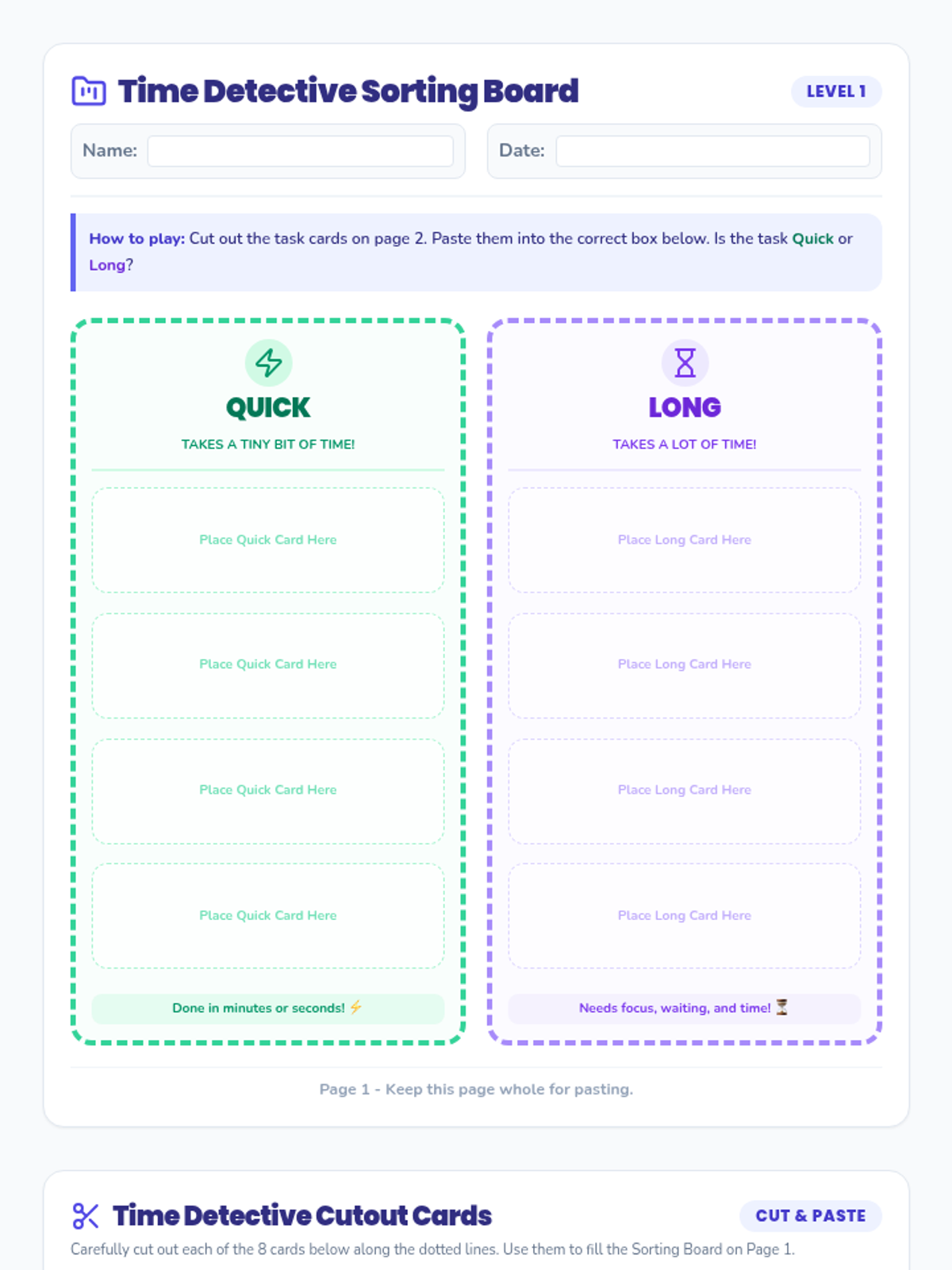
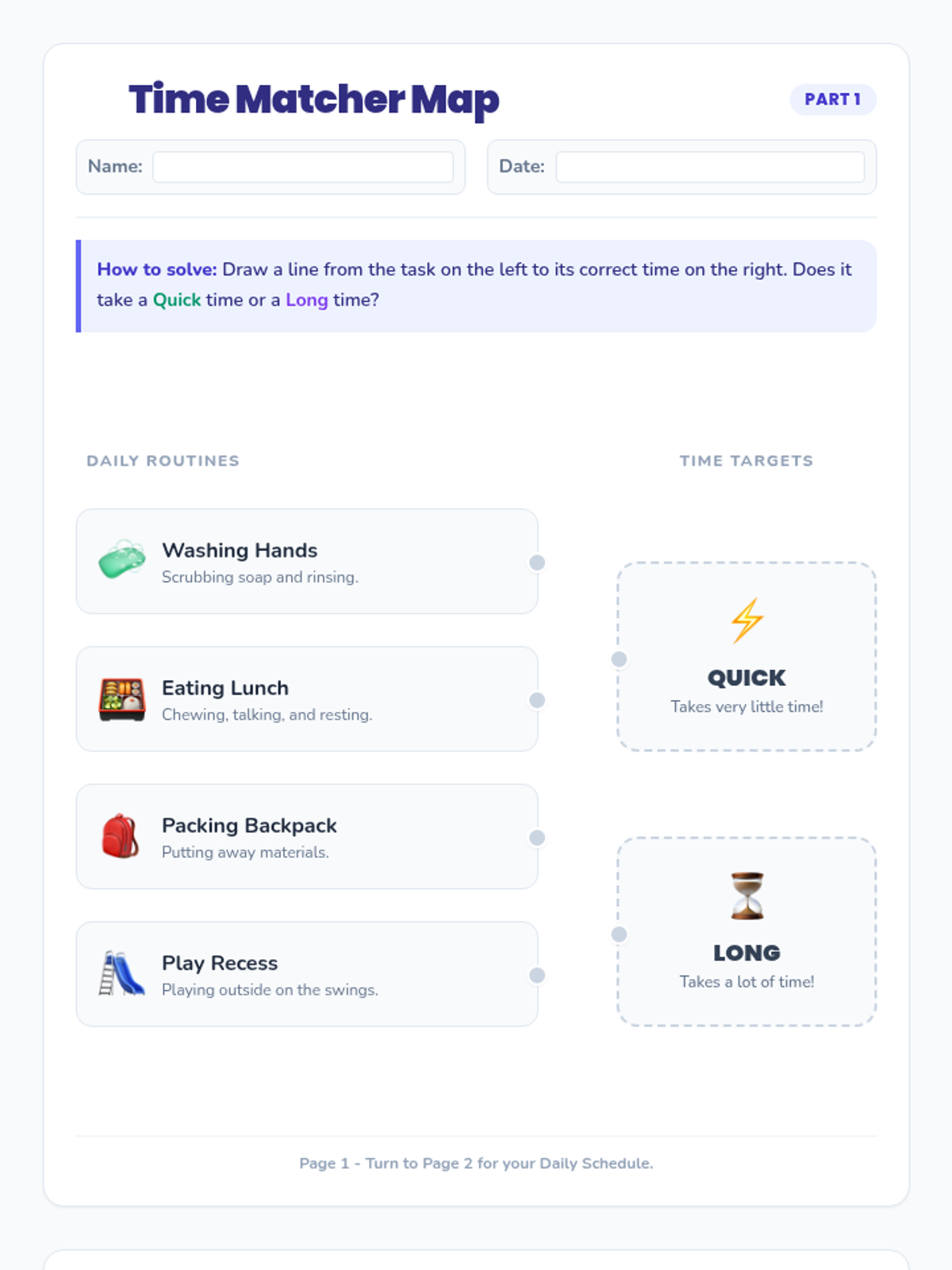
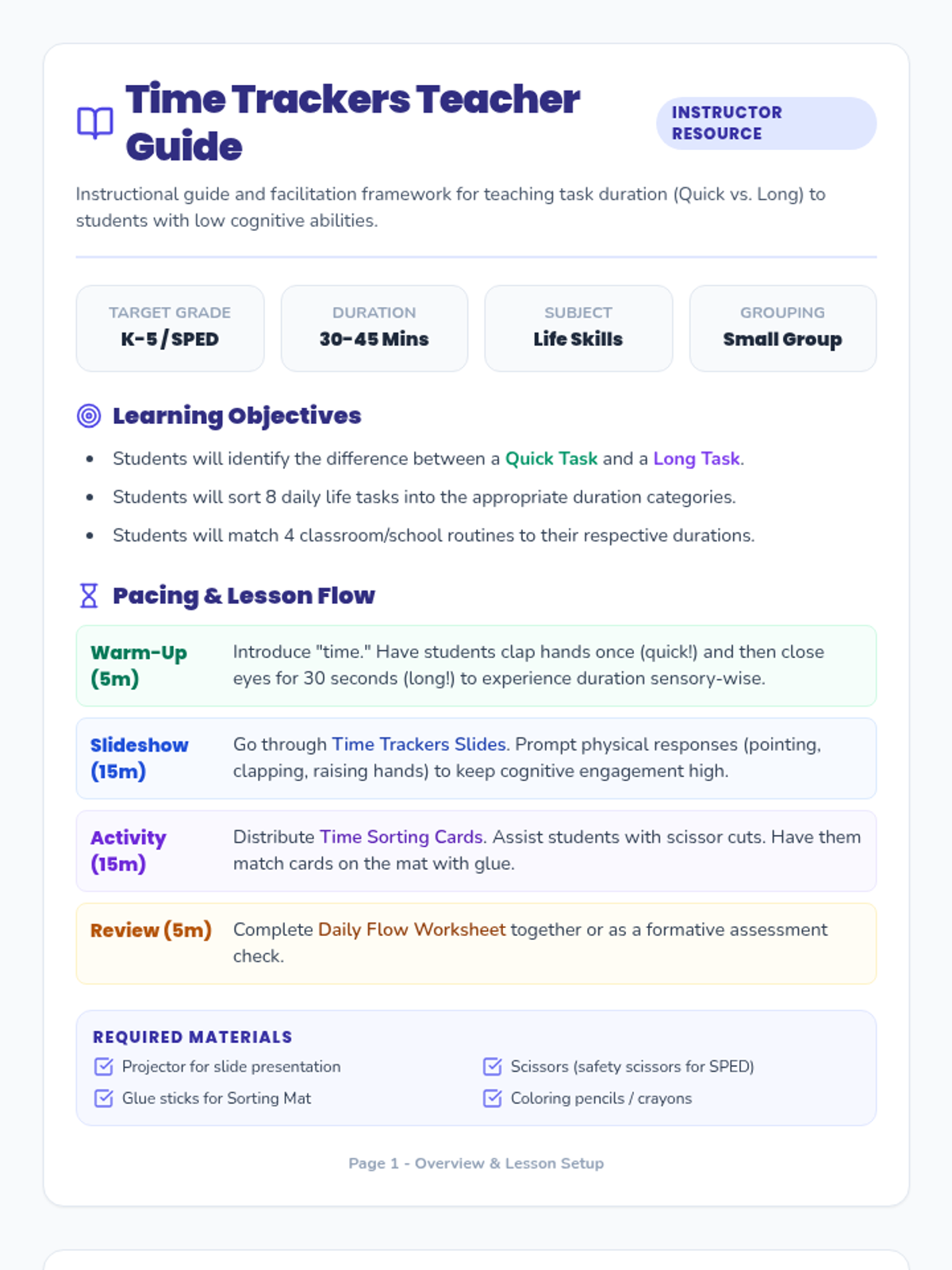
A special education lesson designed to teach students with low cognitive abilities how to estimate and understand task durations (quick vs. long tasks) using highly visual, interactive, and structured activities.
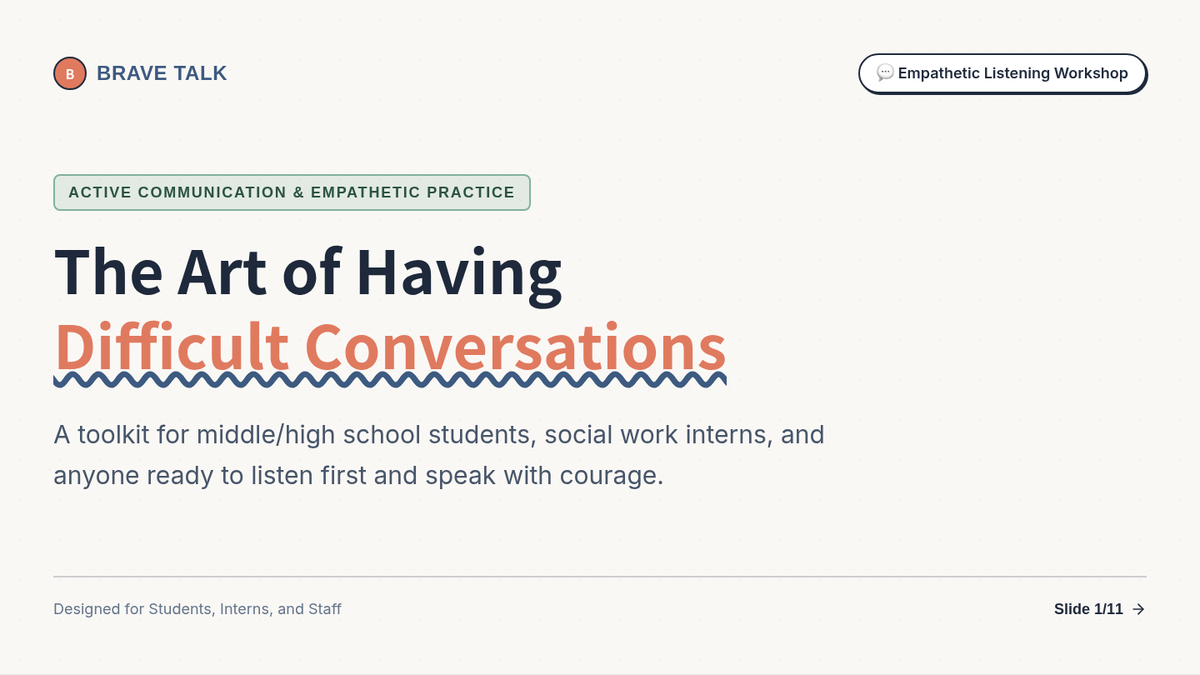
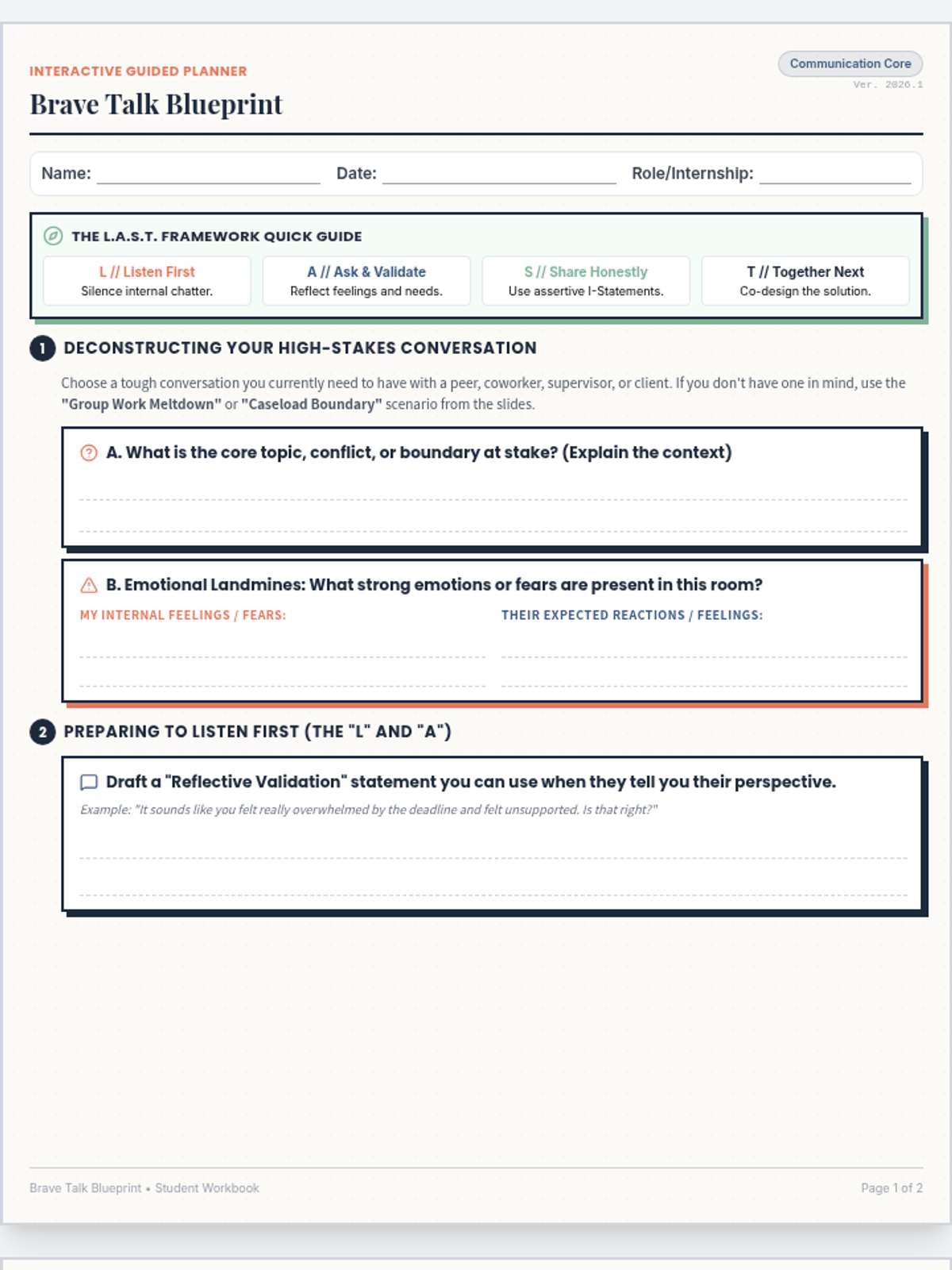
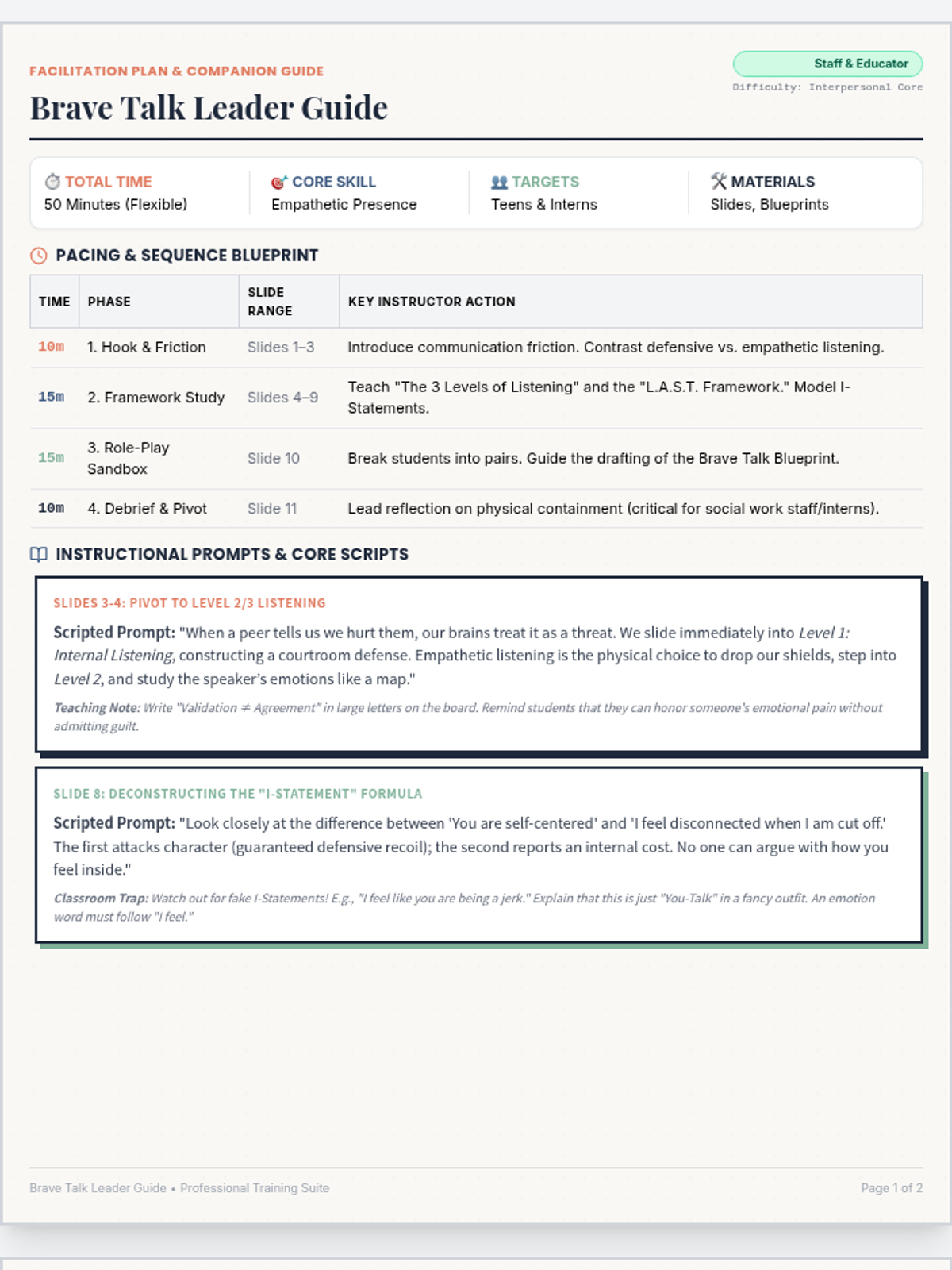
A comprehensive training lesson designed to teach middle/high school students and social work interns how to navigate emotionally charged, difficult conversations using empathetic listening and structured communication frameworks.
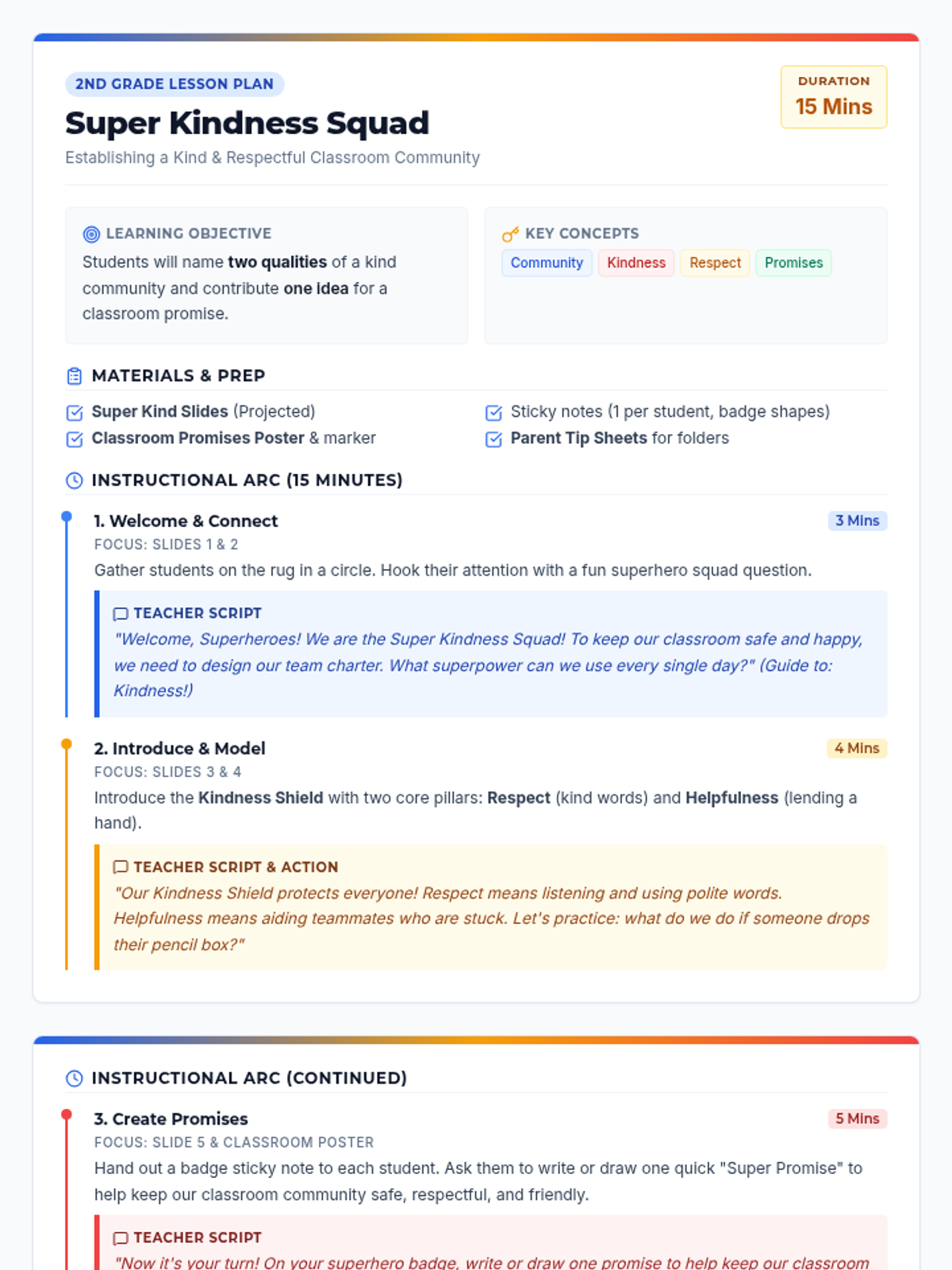
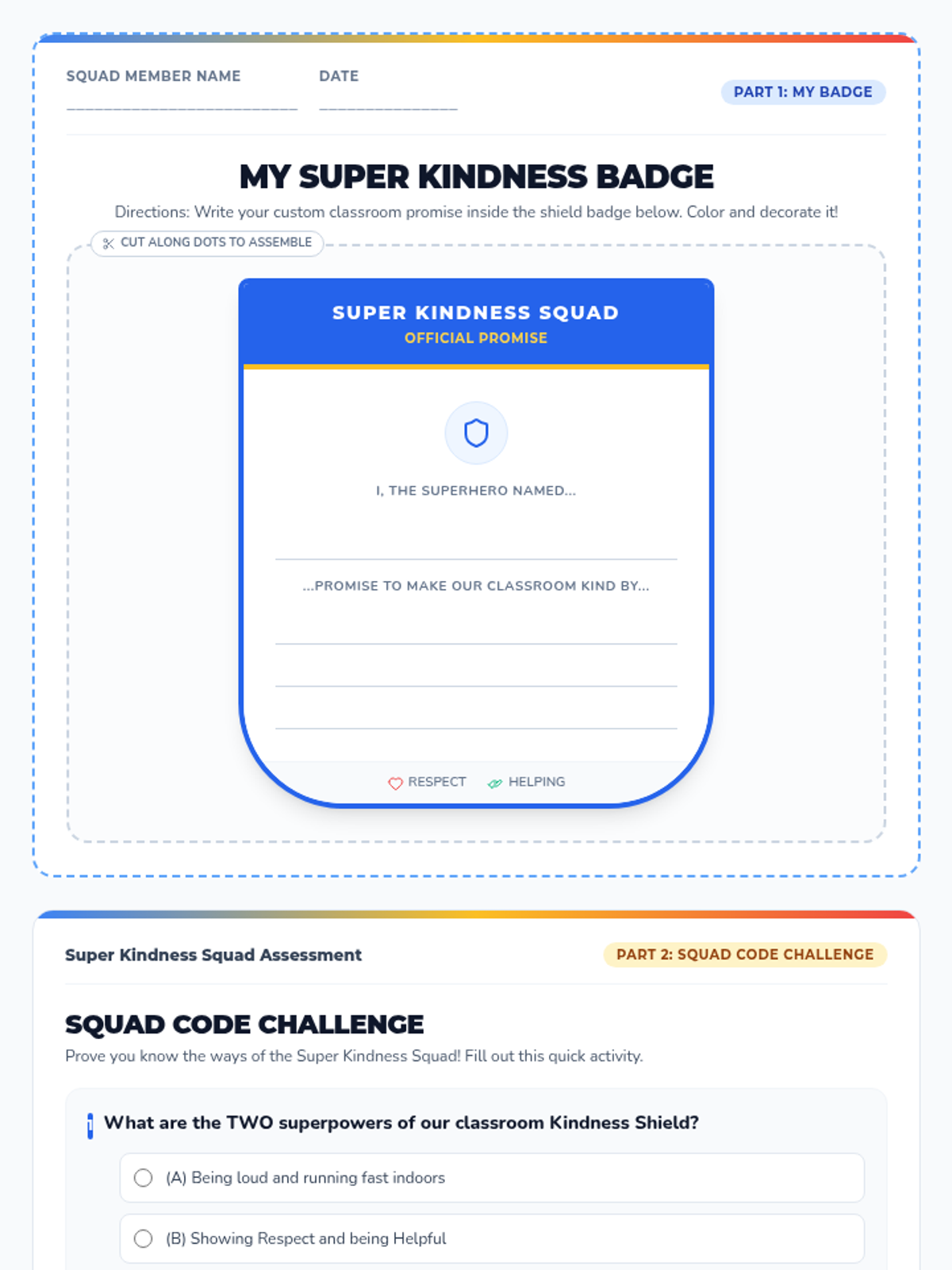
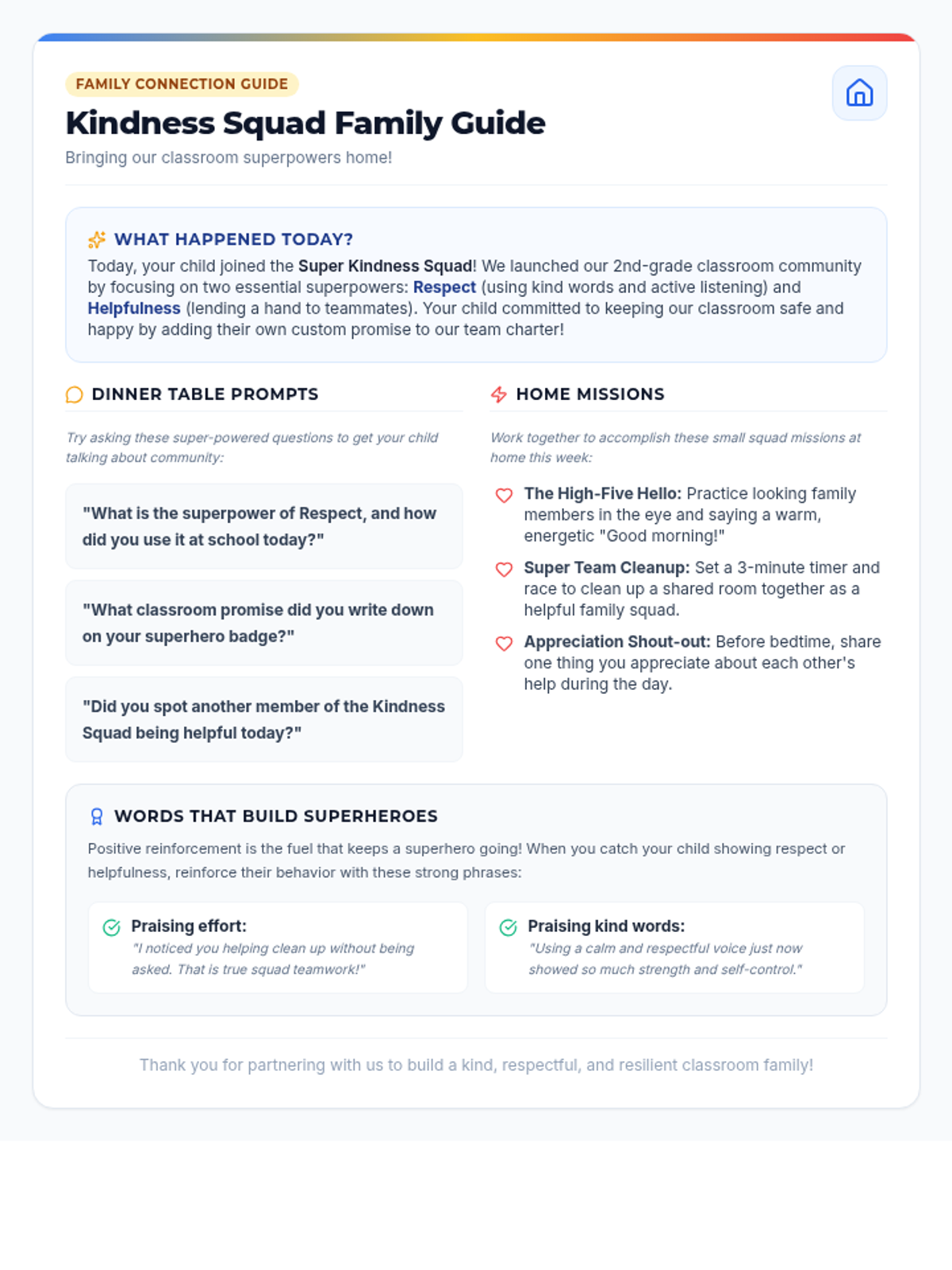
A high-energy, 15-minute introductory lesson for 2nd graders to discover what makes a community kind and respectful. Students will brainstorm and commit to their own Classroom Promises to build a super-powered kind classroom.
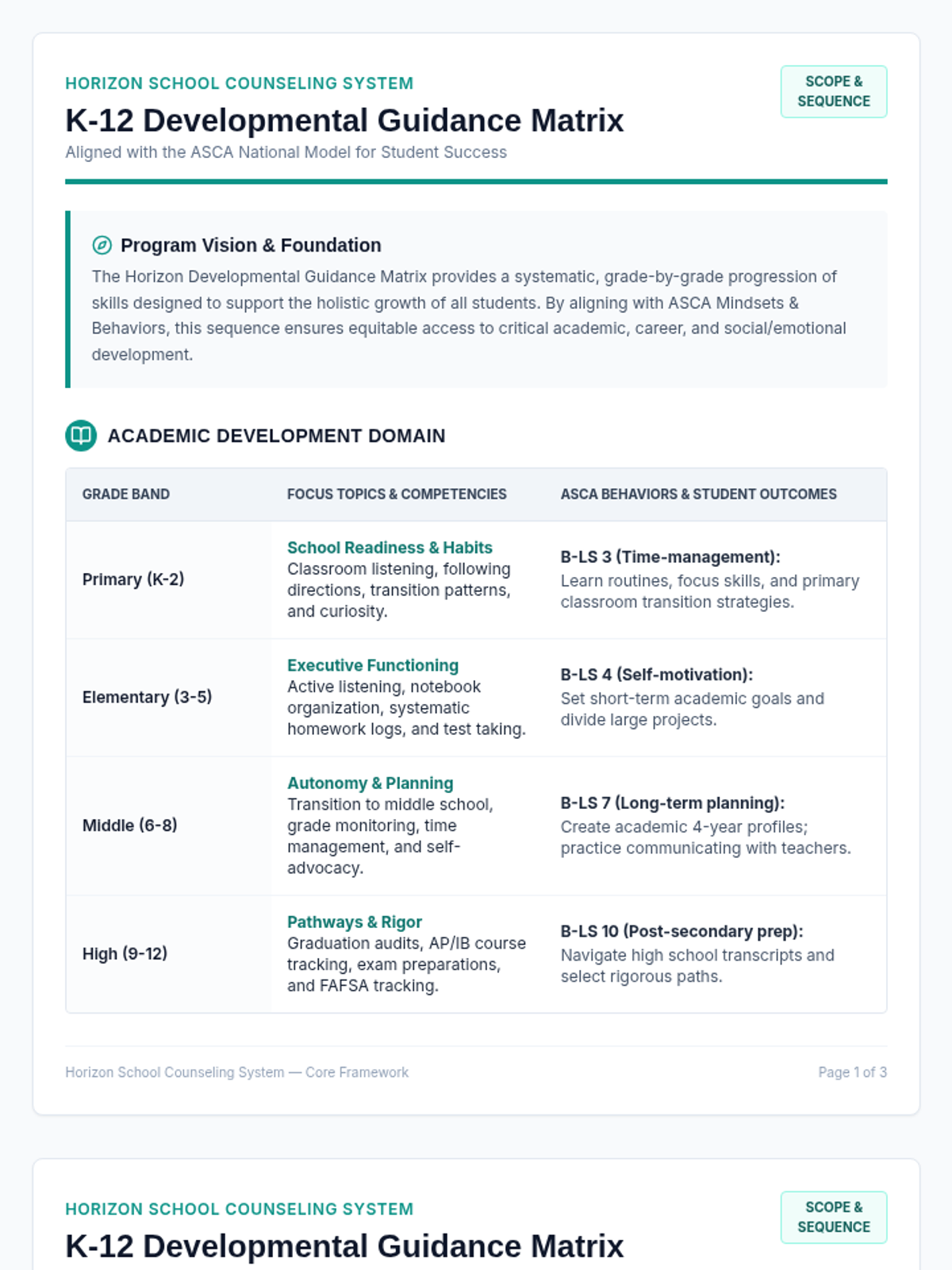
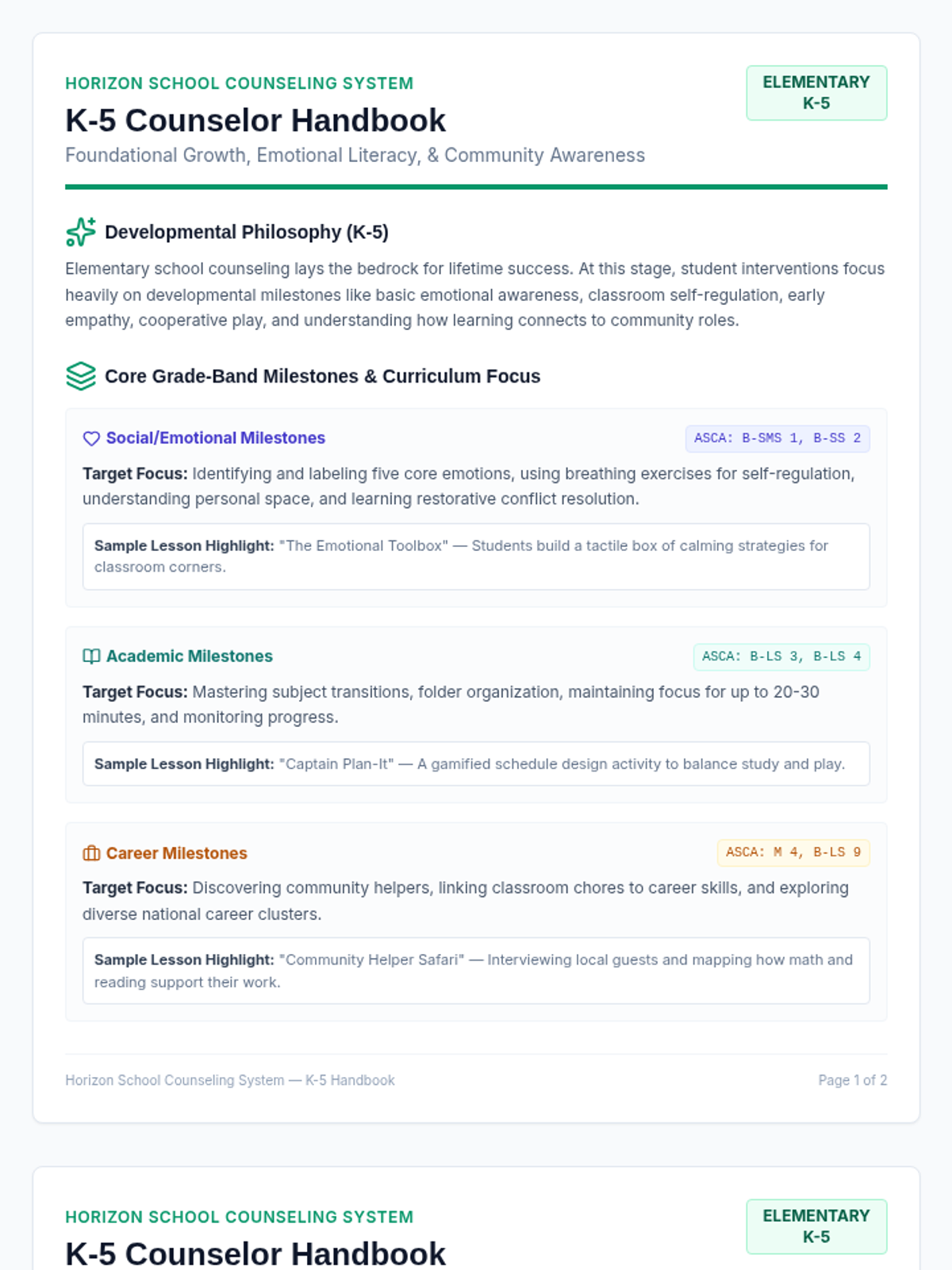
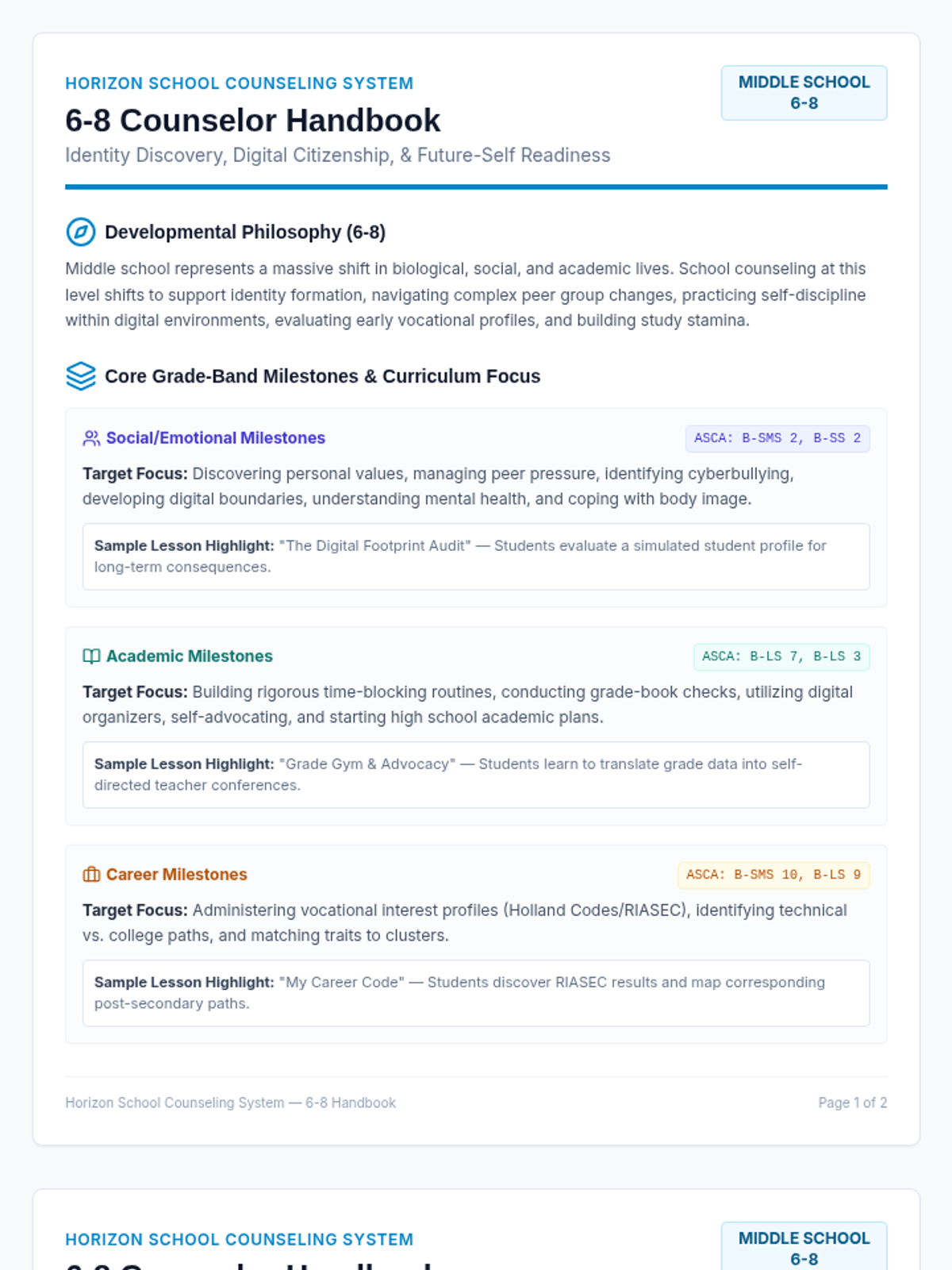
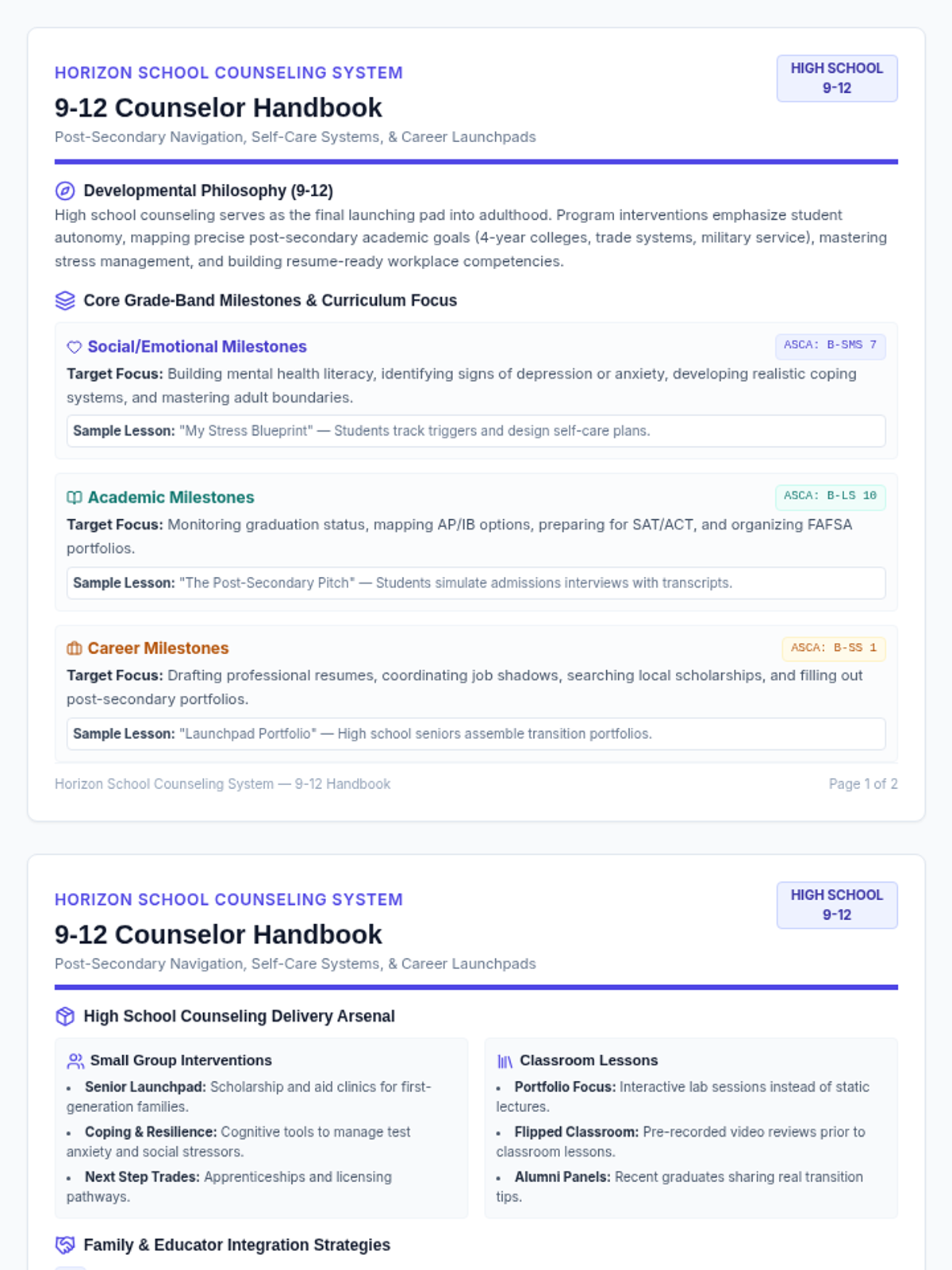
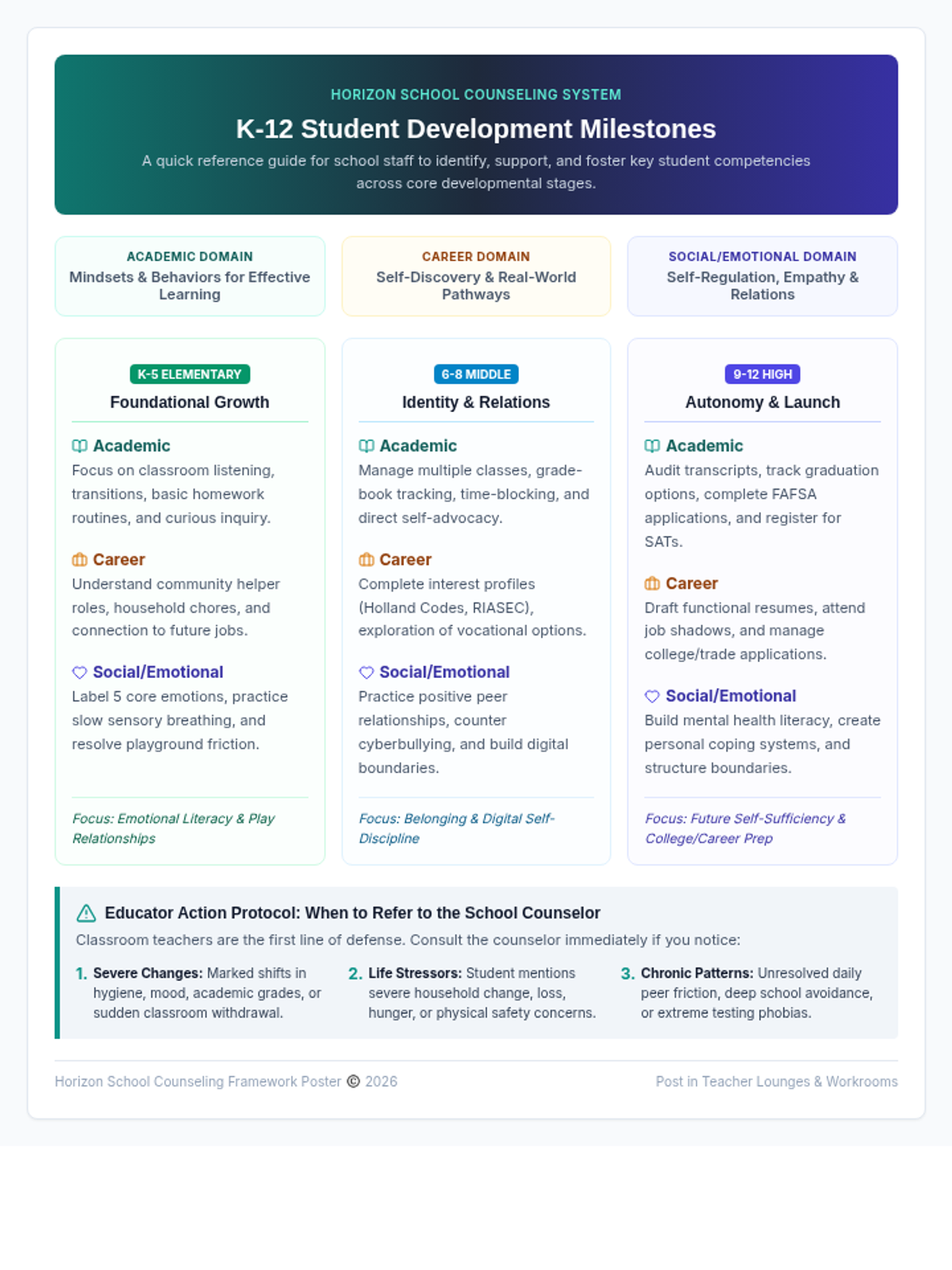
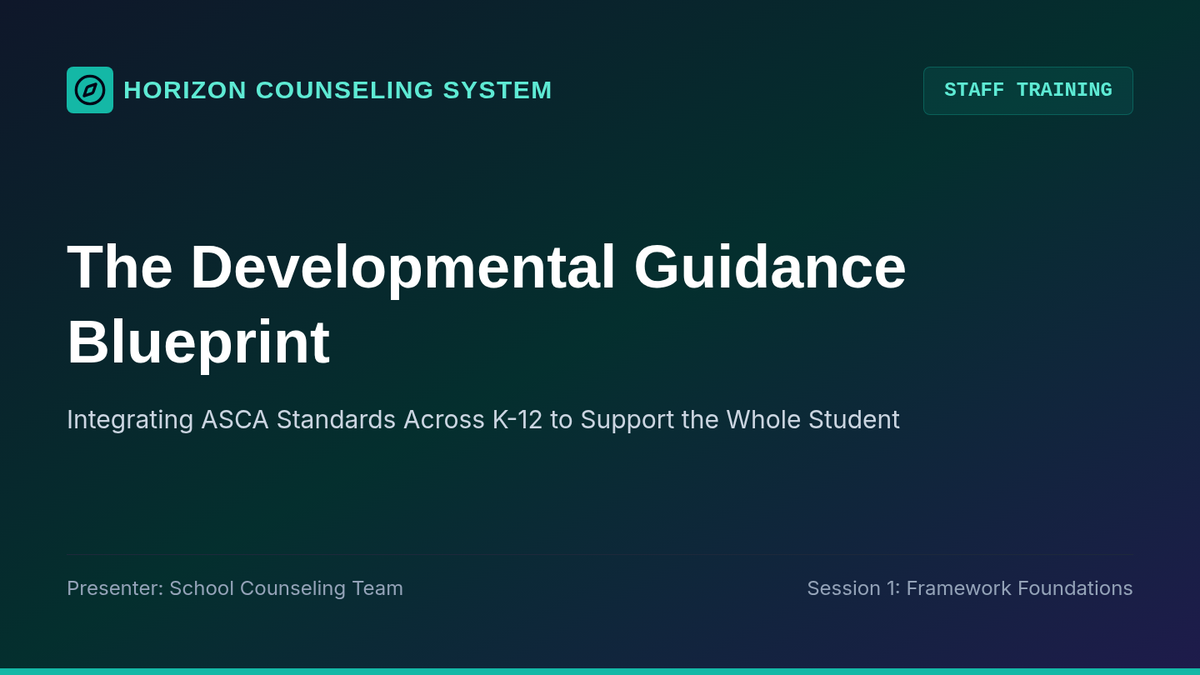
A comprehensive developmental school counseling framework spanning K-12, aligned with ASCA national standards. This blueprint includes a K-12 scope and sequence, grade-band counselor handbooks, a staff reference poster, and professional development slides for counselor-led staff training.
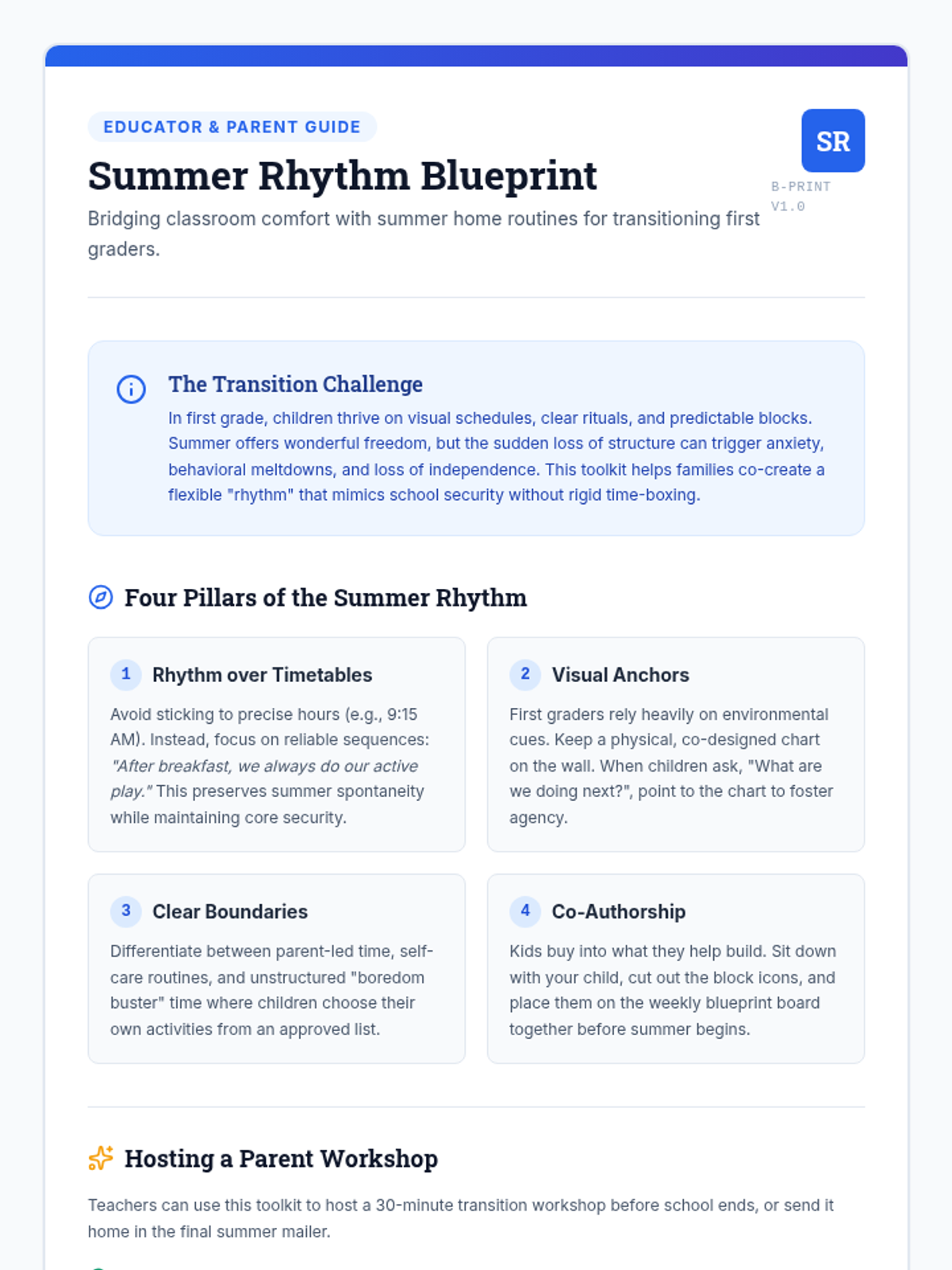
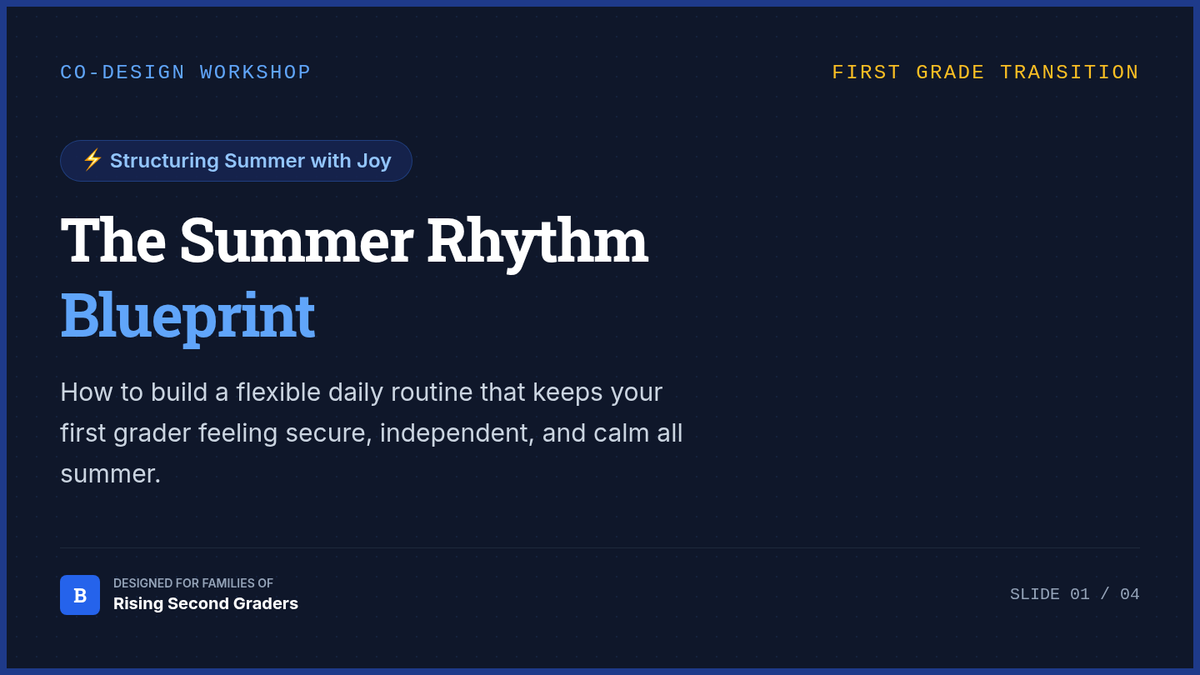
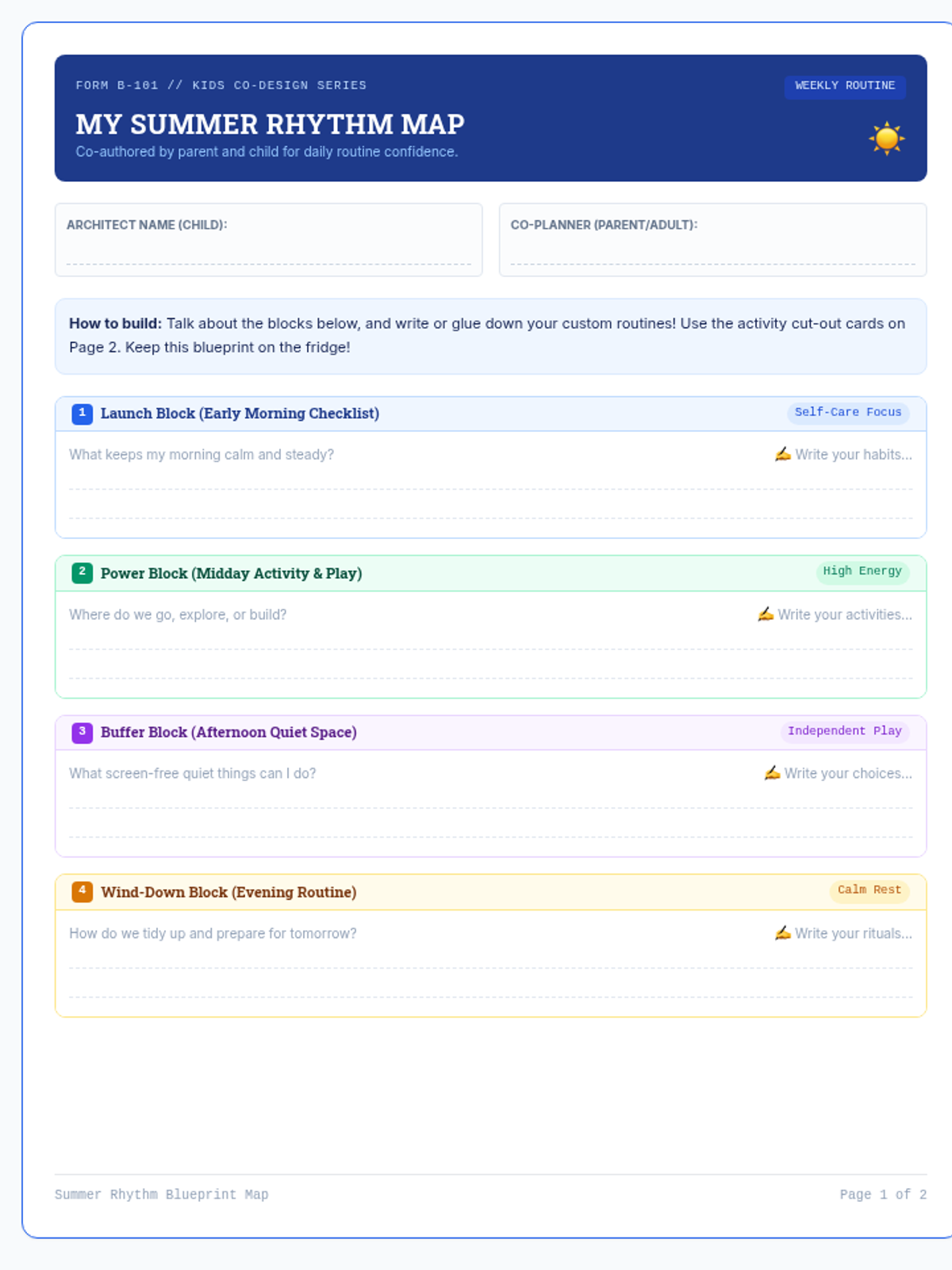
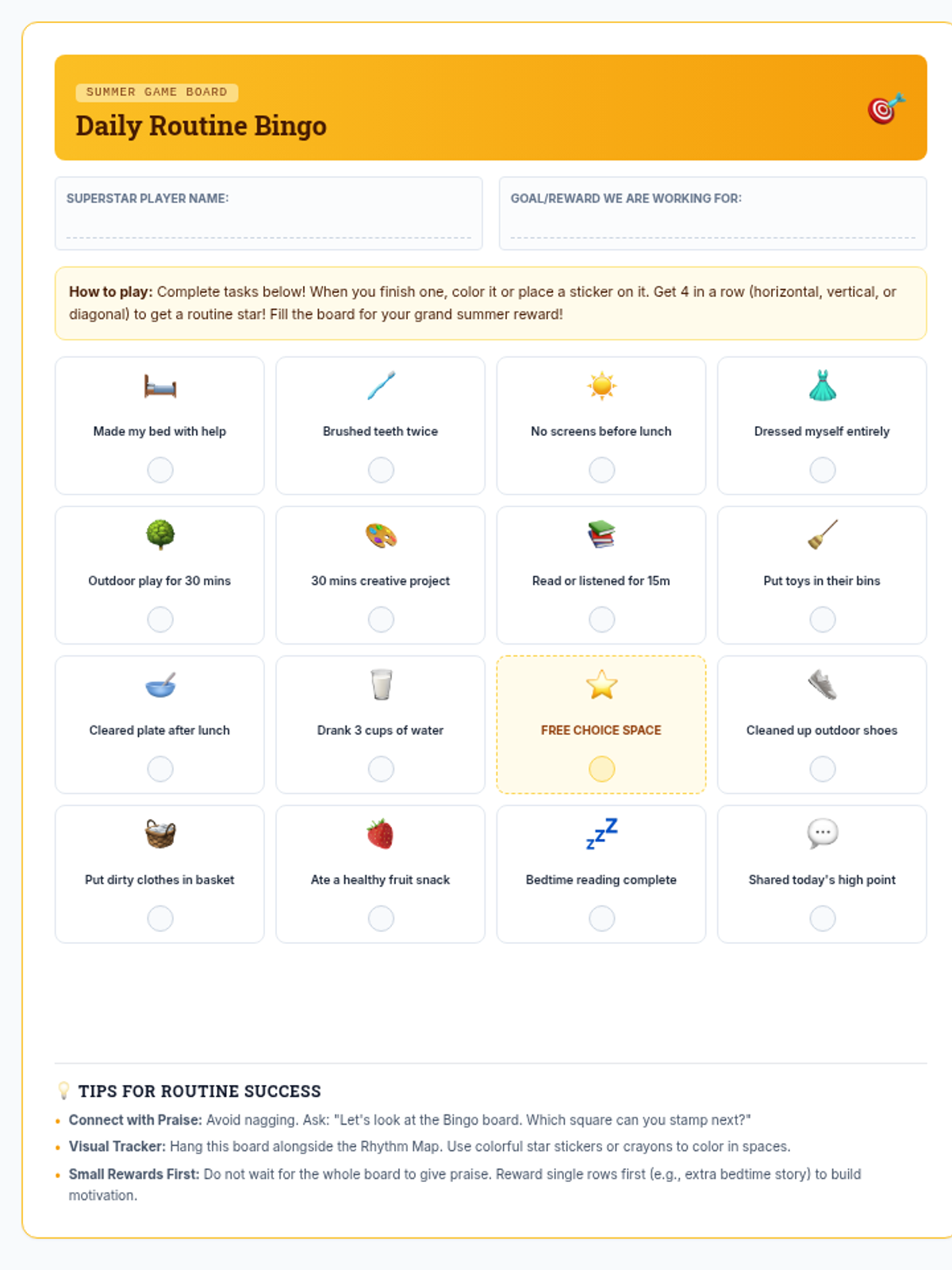
A collaborative toolkit for educators and parents to design a flexible, structured summer schedule for transitioning first graders. Helps children maintain a sense of security through predictable home routines.
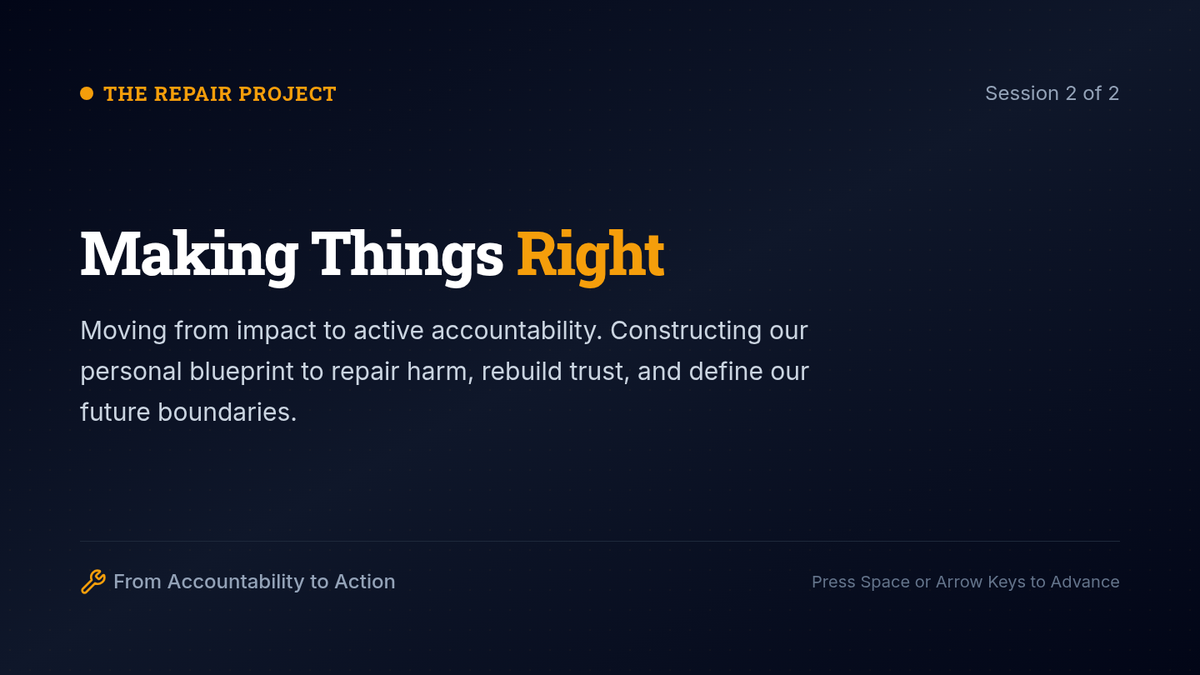
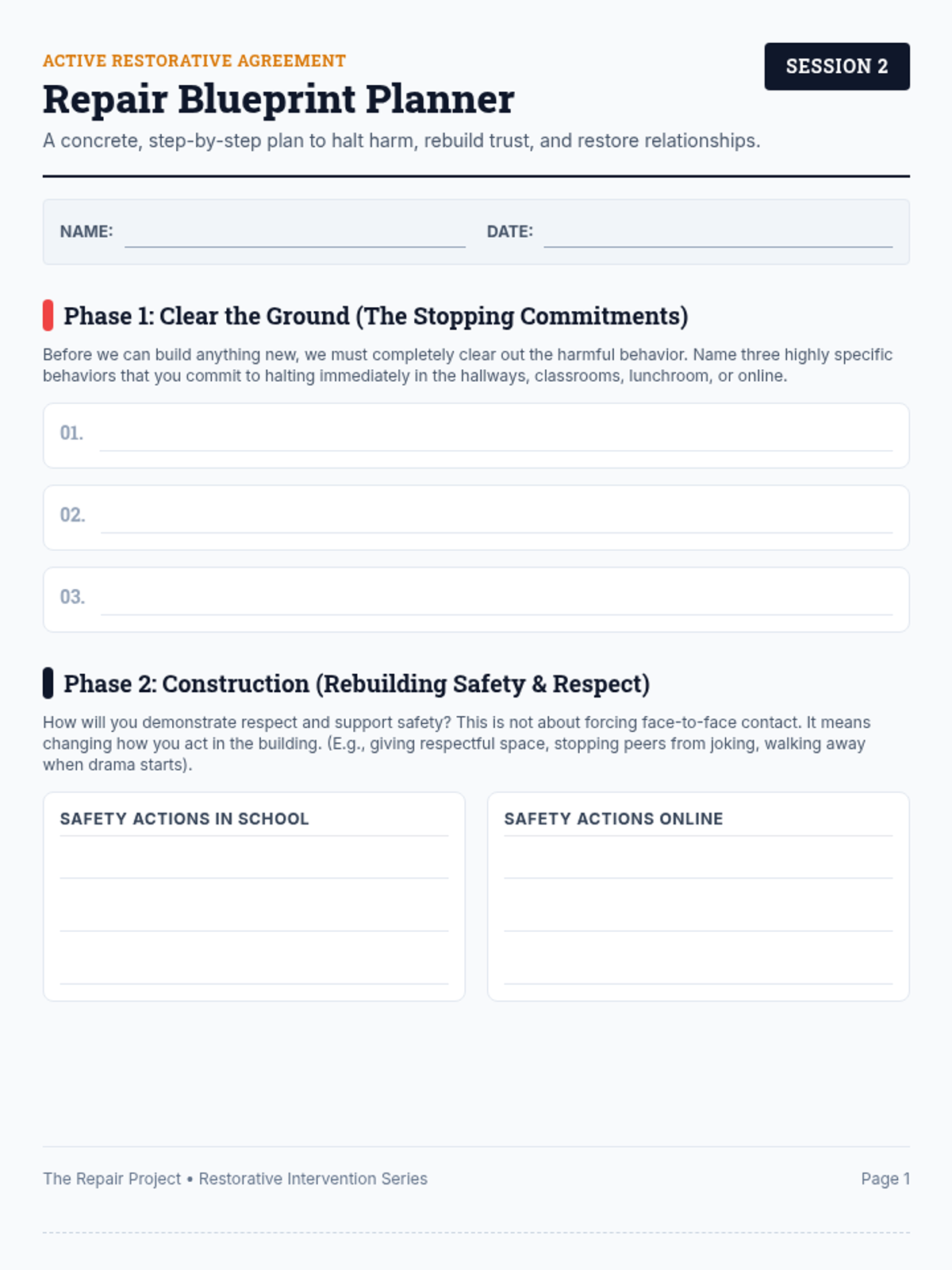
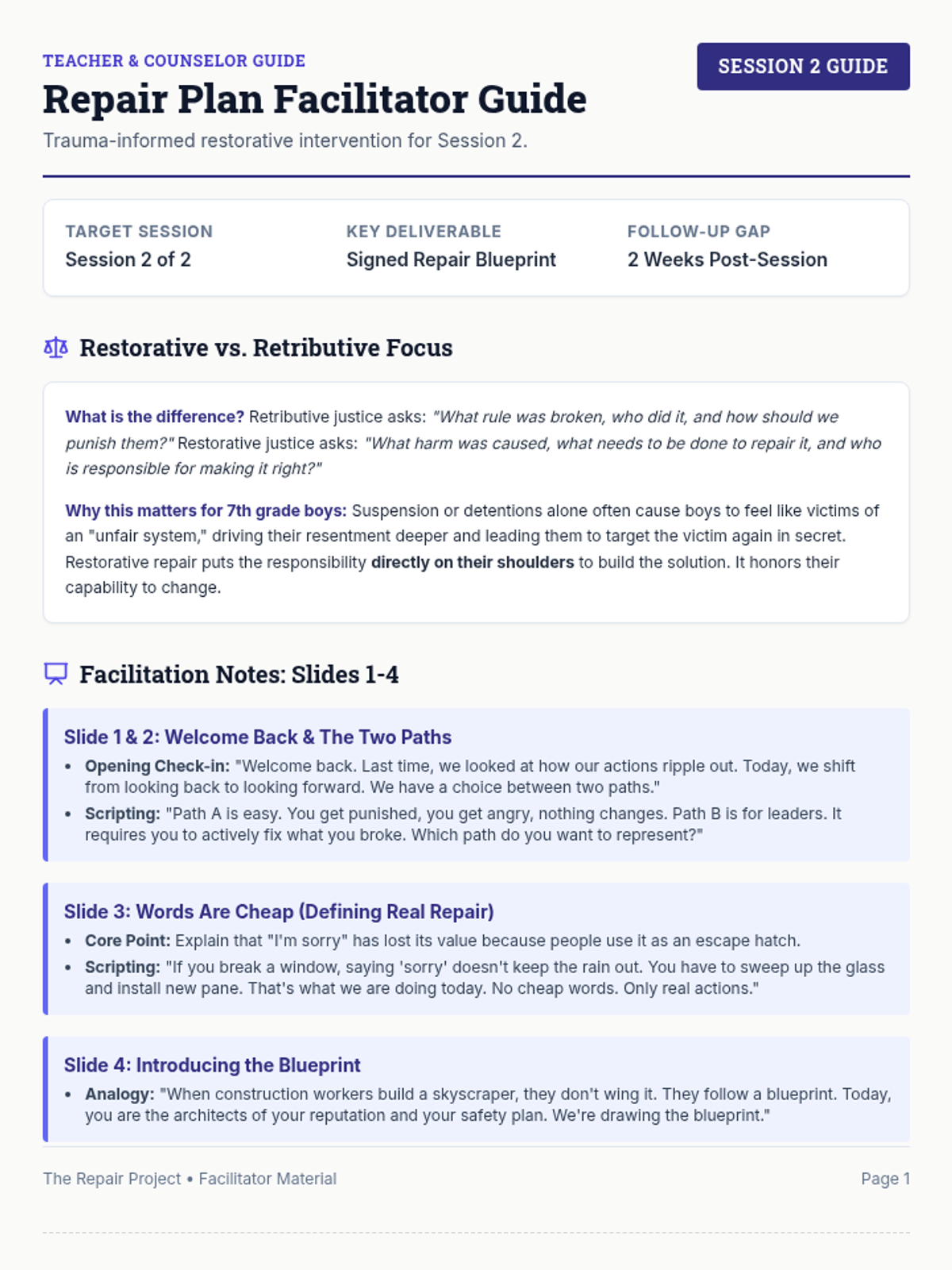
In this second session, students shift from analyzing impact to taking active accountability. They explore restorative justice and draft a concrete "Repair Blueprint" detailing specific actions to rebuild trust and repair the harm.
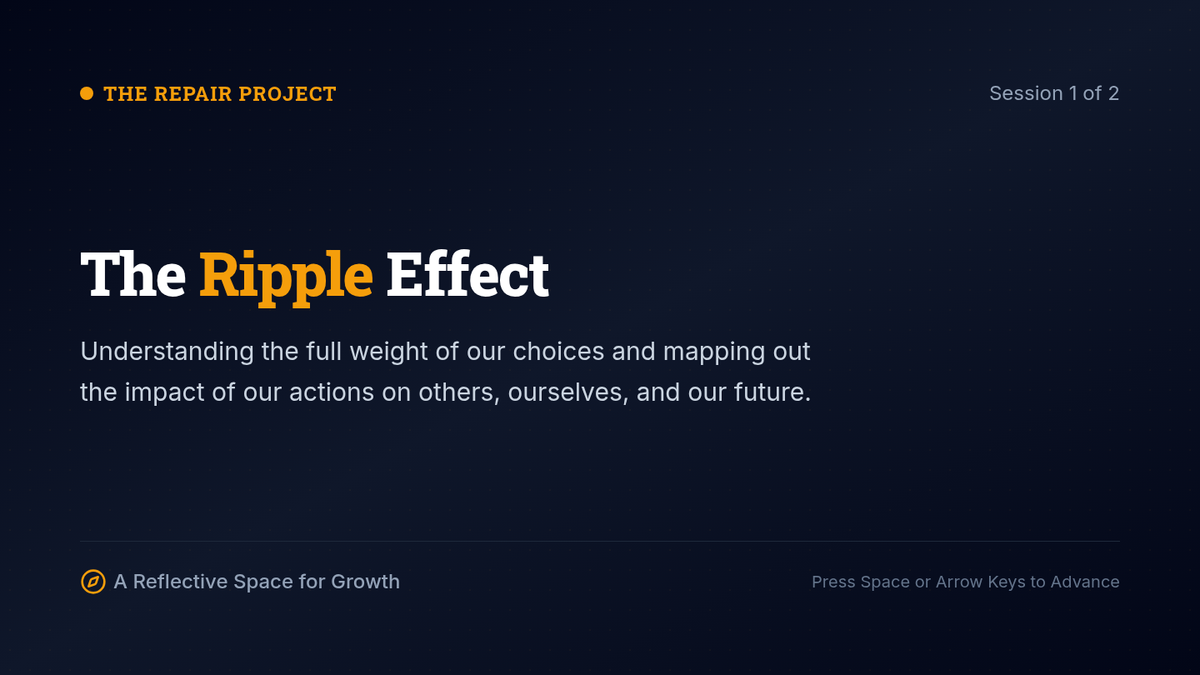
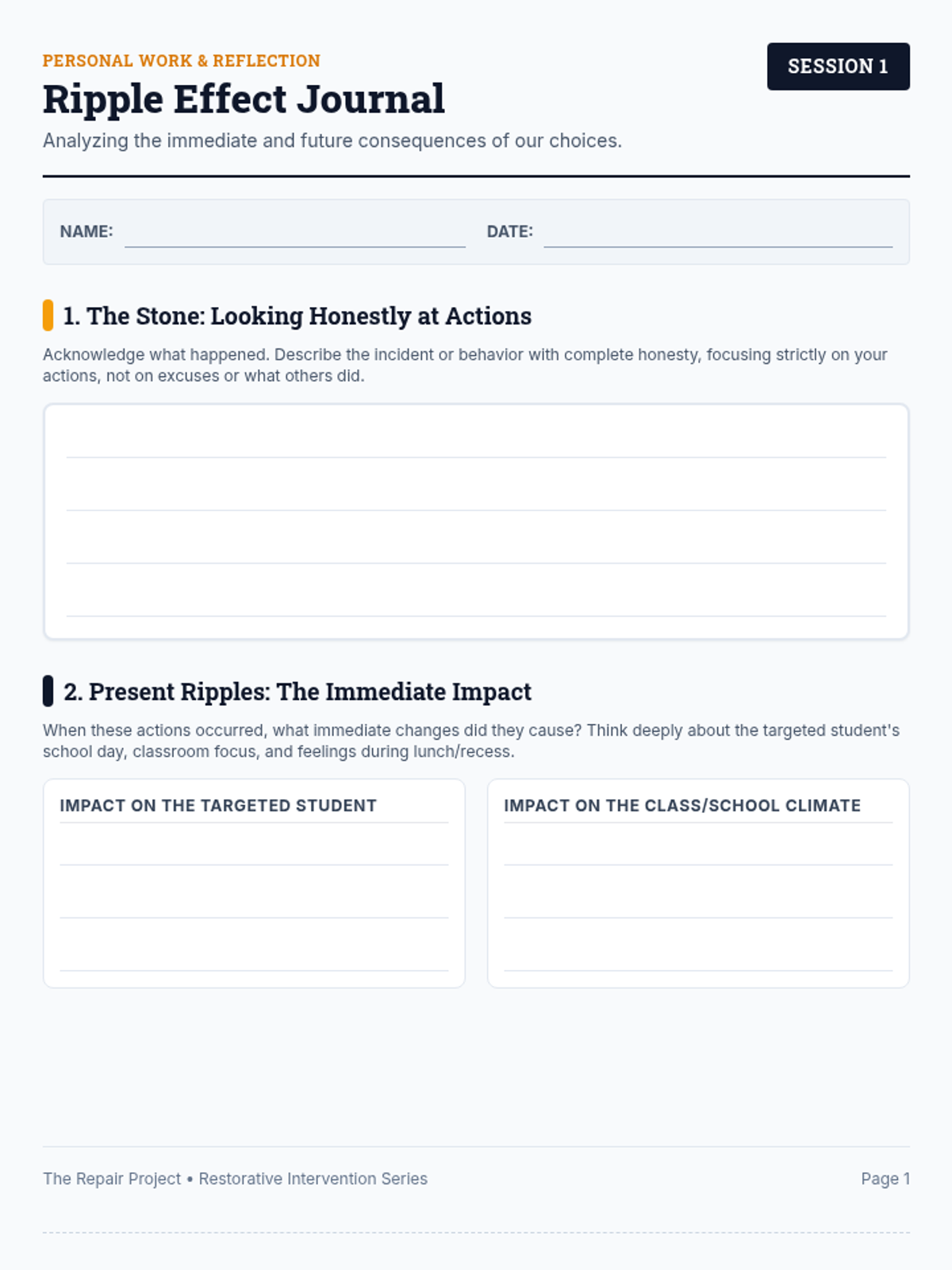
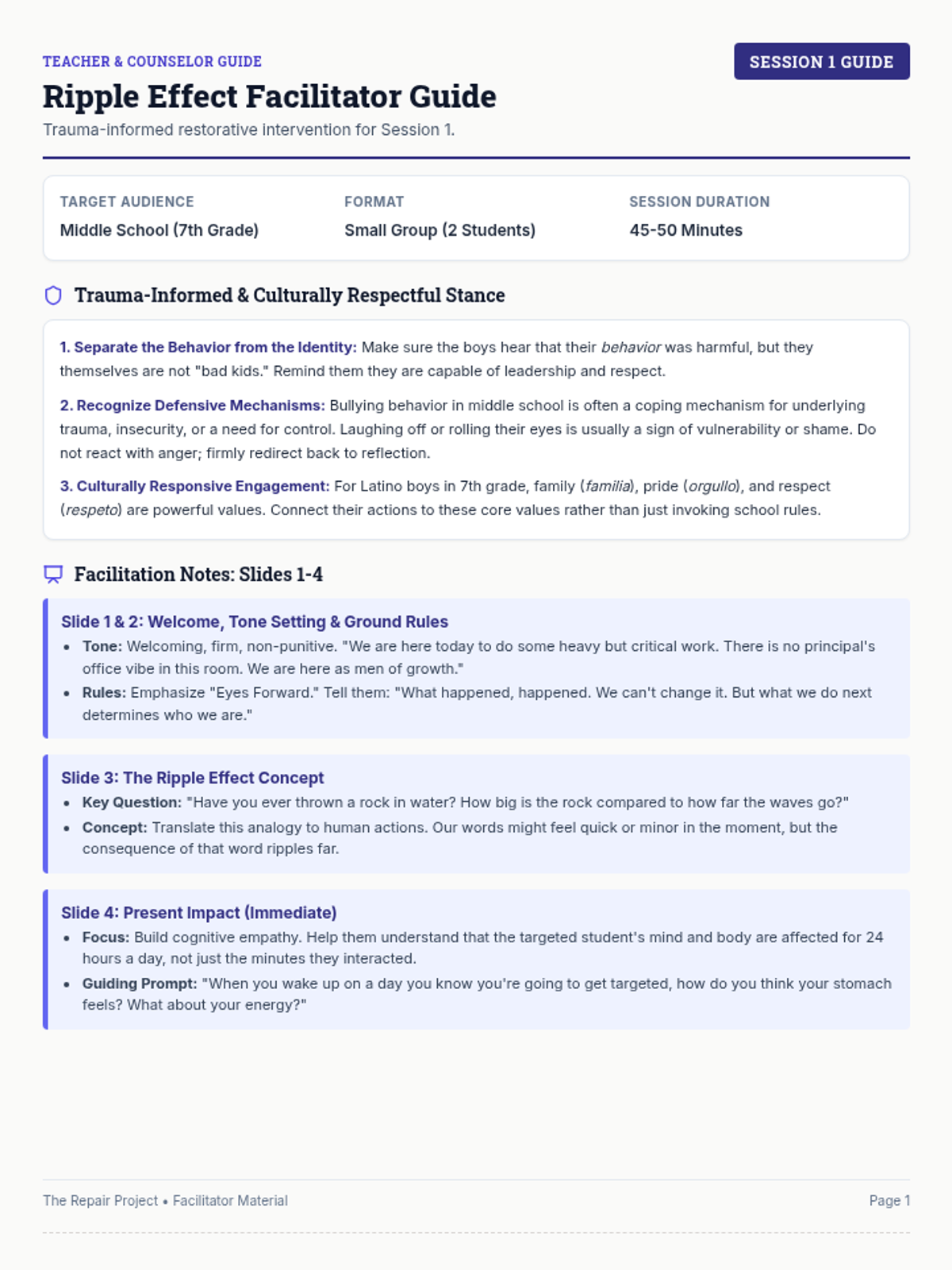
In this first session, students explore the concepts of cause and effect, analyzing how behavior ripples outward to affect the targeted student, their families, the school community, and themselves, both now and in the future.