Students learn the fundamental purpose of an OS by comparing different examples (Windows, macOS, ChromeOS, Linux). They discuss the user interface and how the OS manages the computer's basic start-up processes.
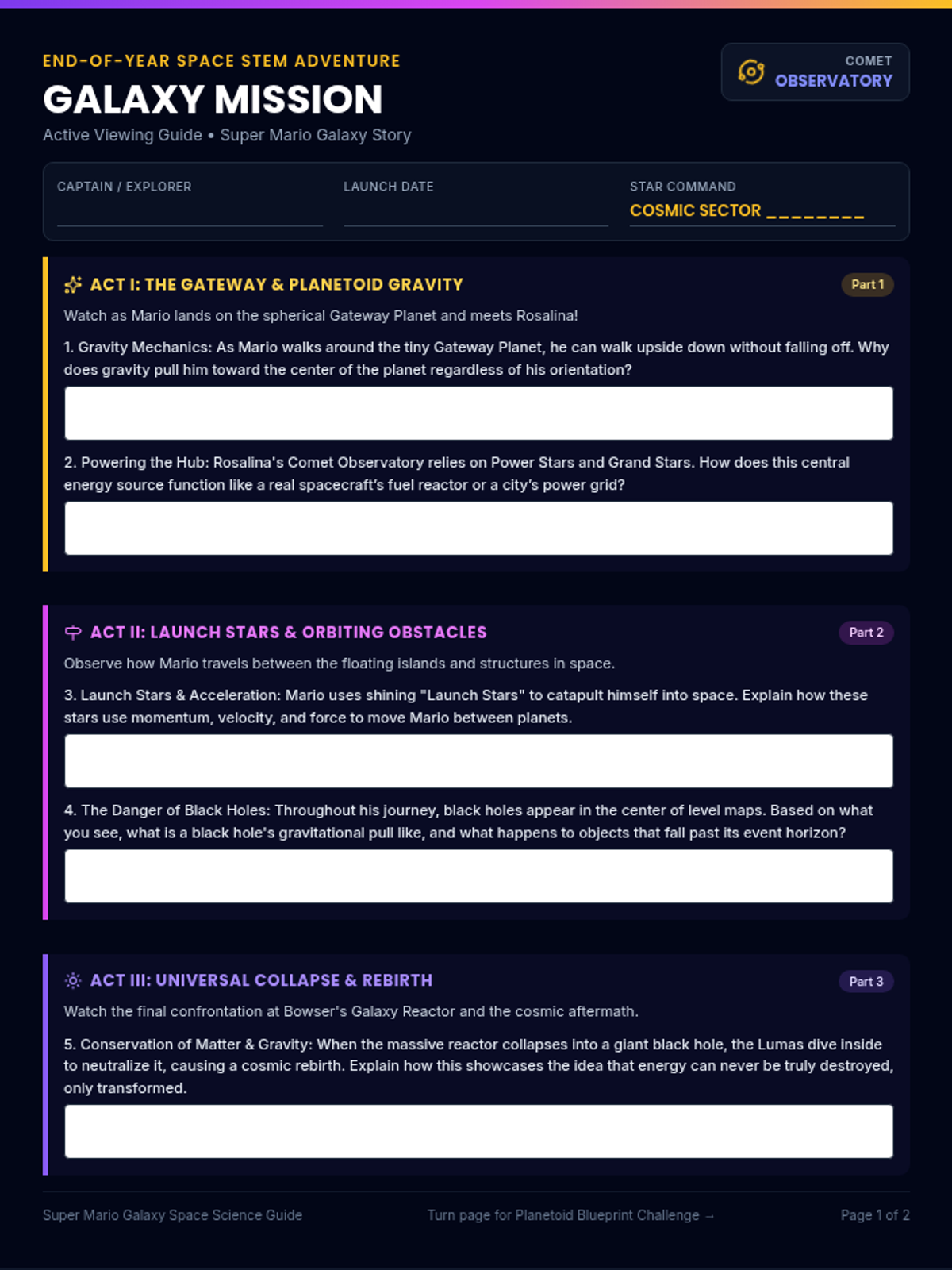
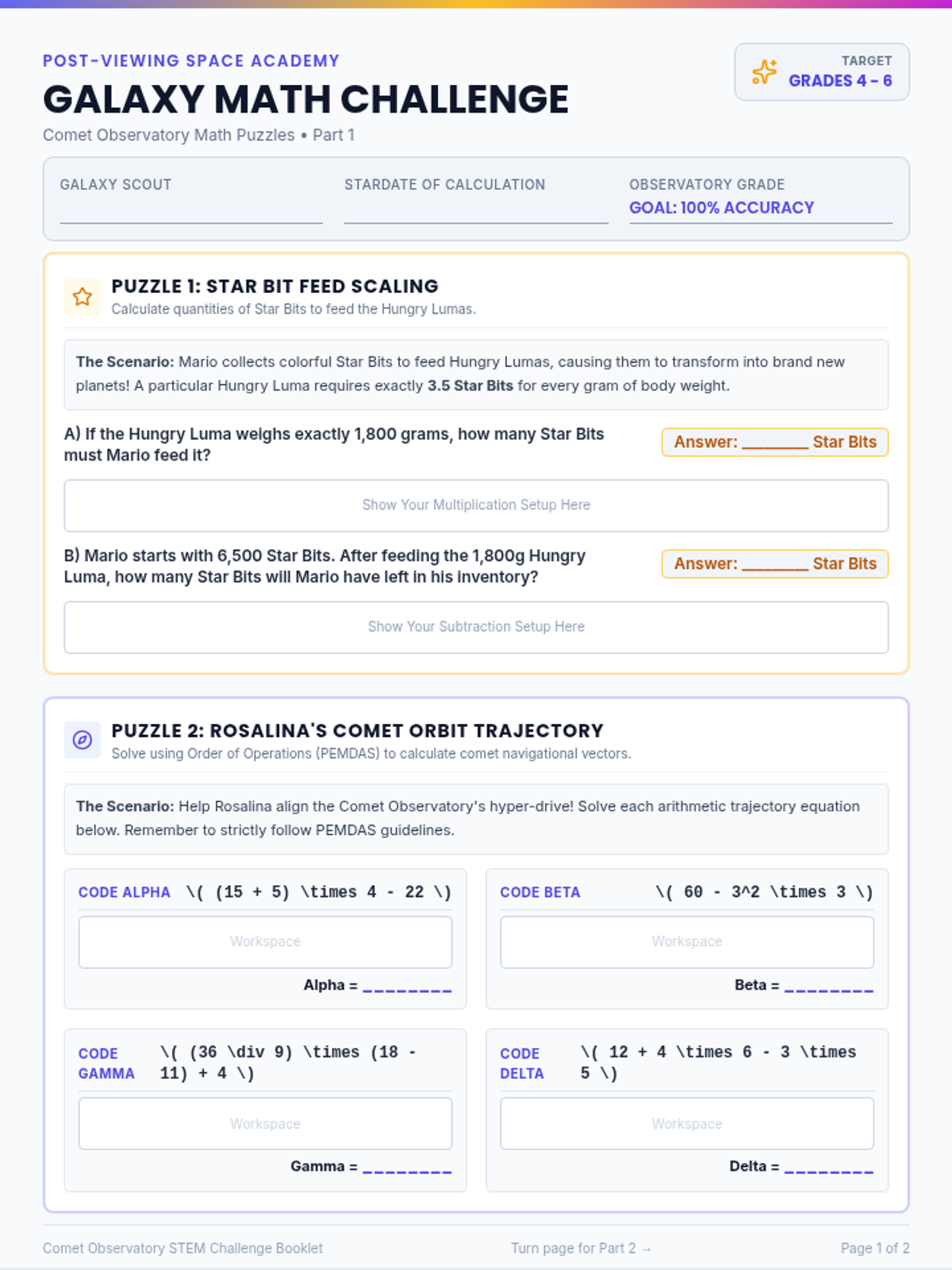
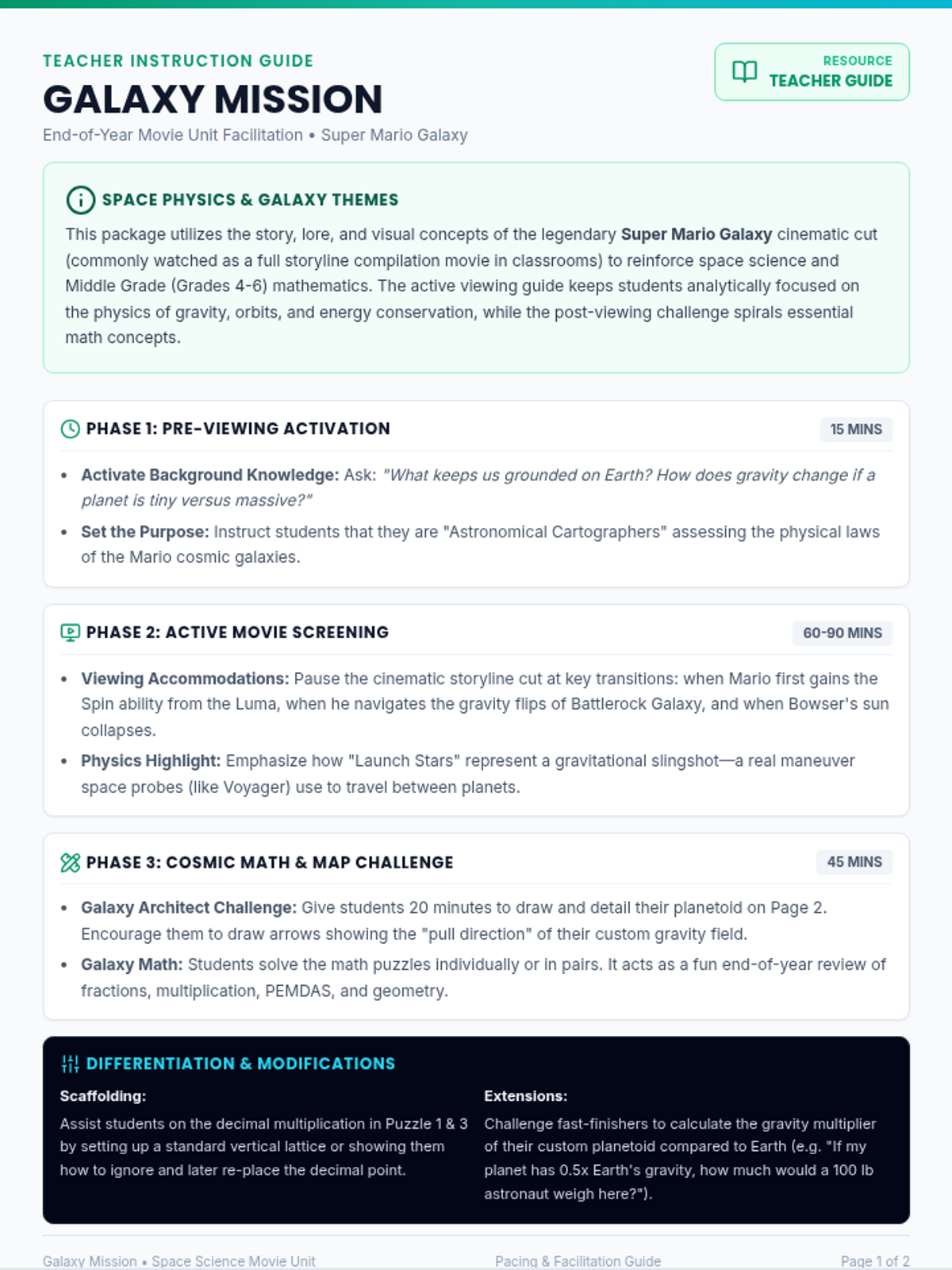
An end-of-year educational movie unit and math workbook based on the story of Super Mario Galaxy. Students explore gravity, orbits, and space physics through active viewing, followed by high-energy space-themed math puzzles.
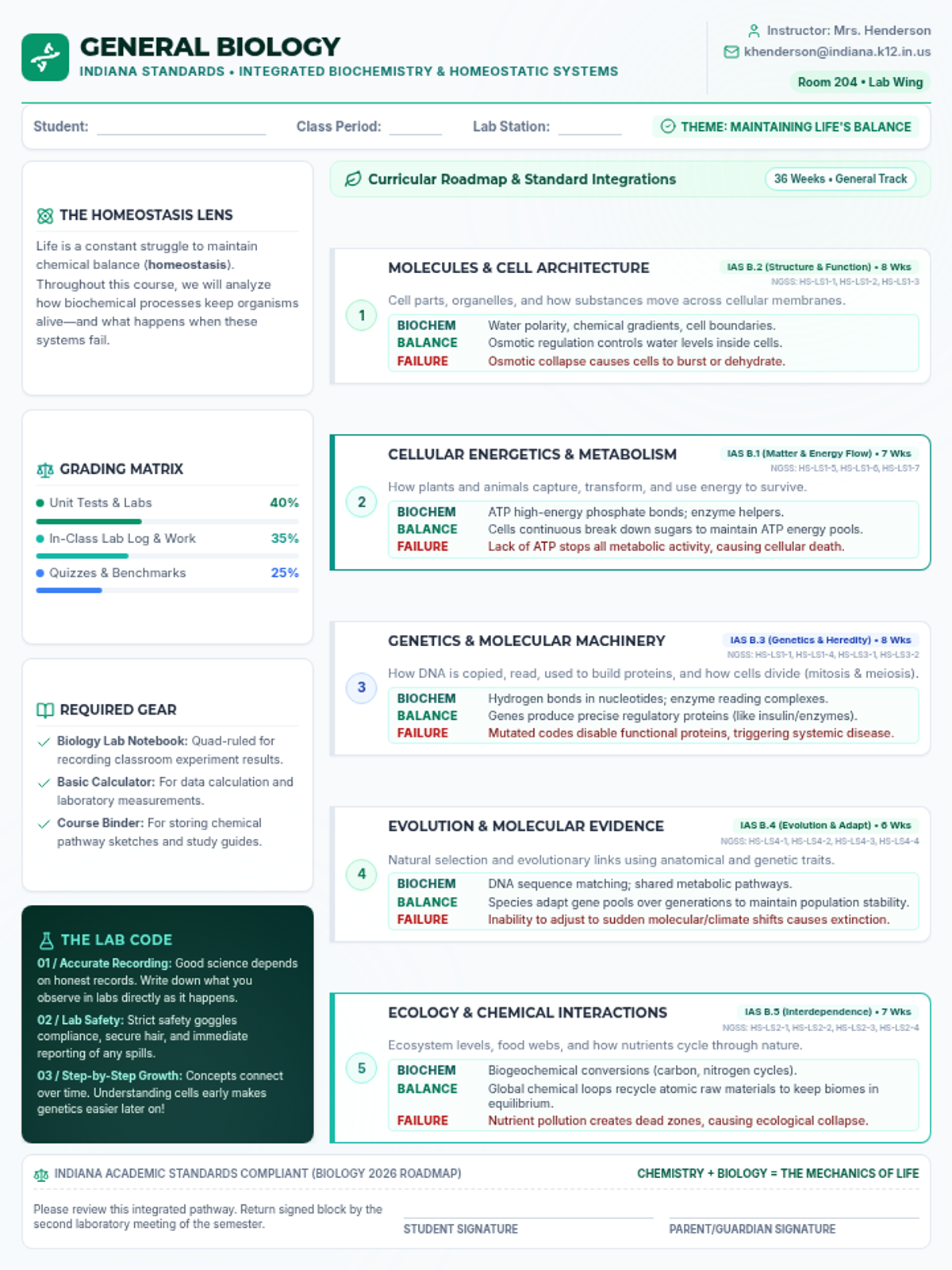
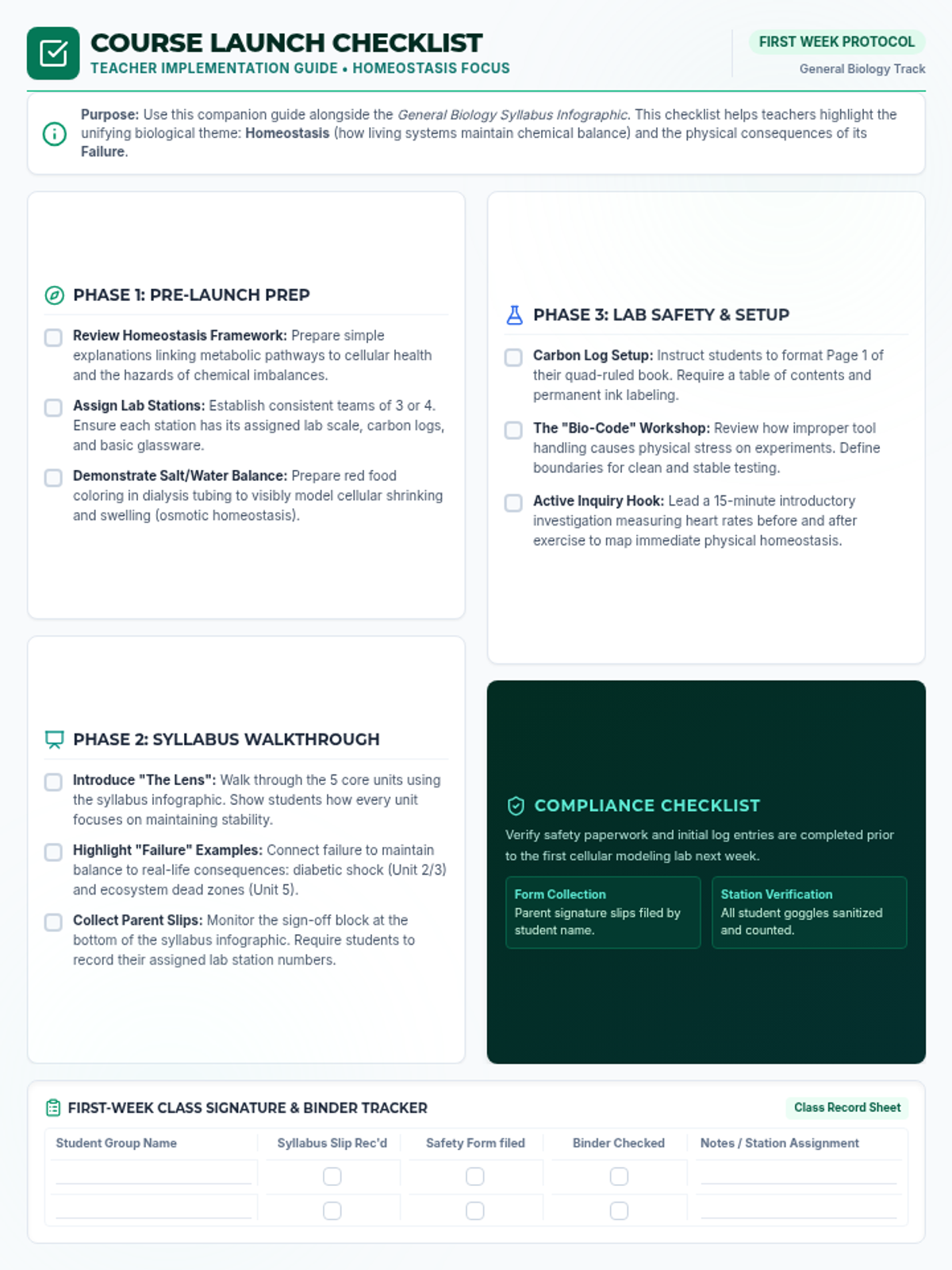
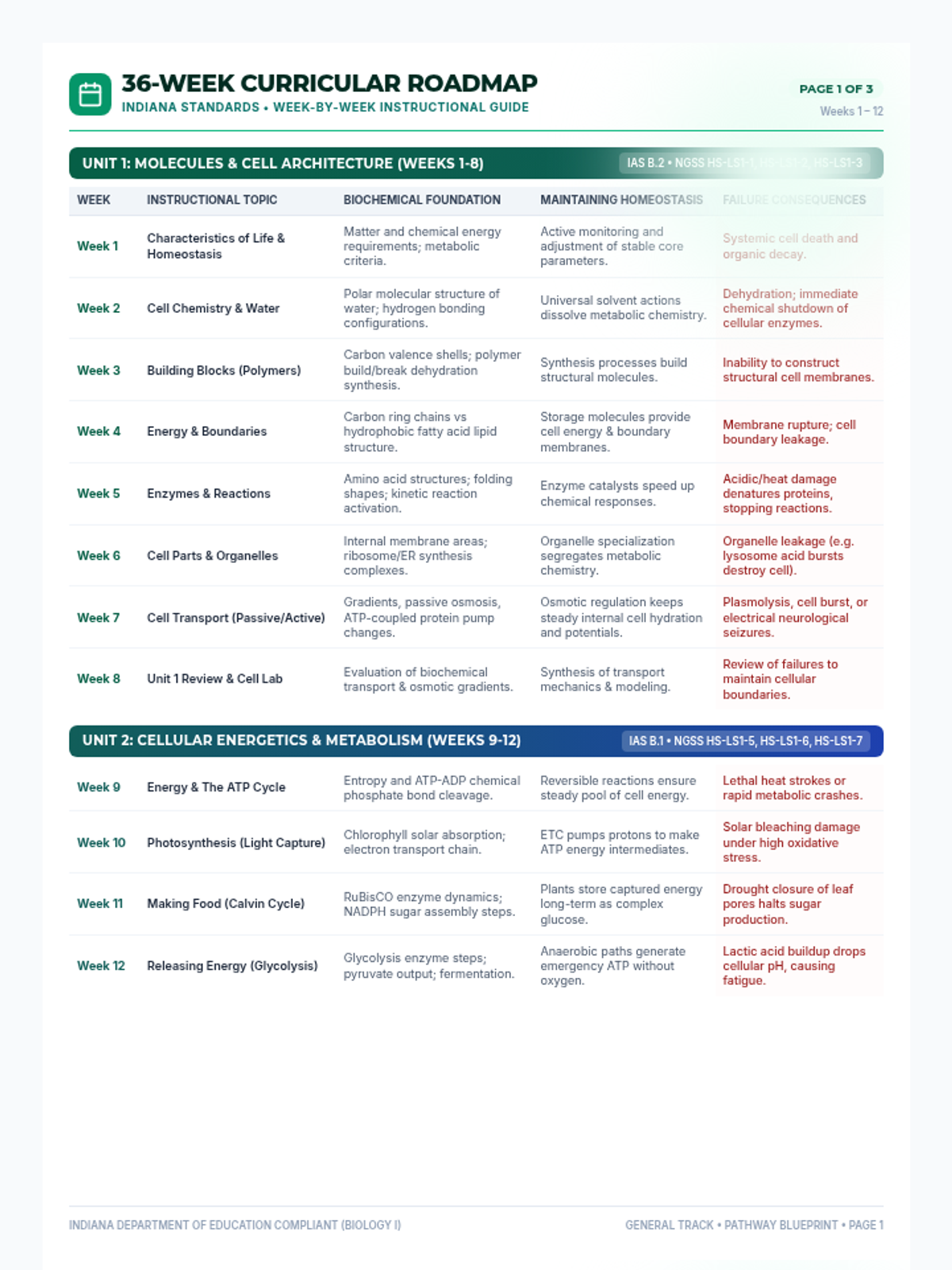
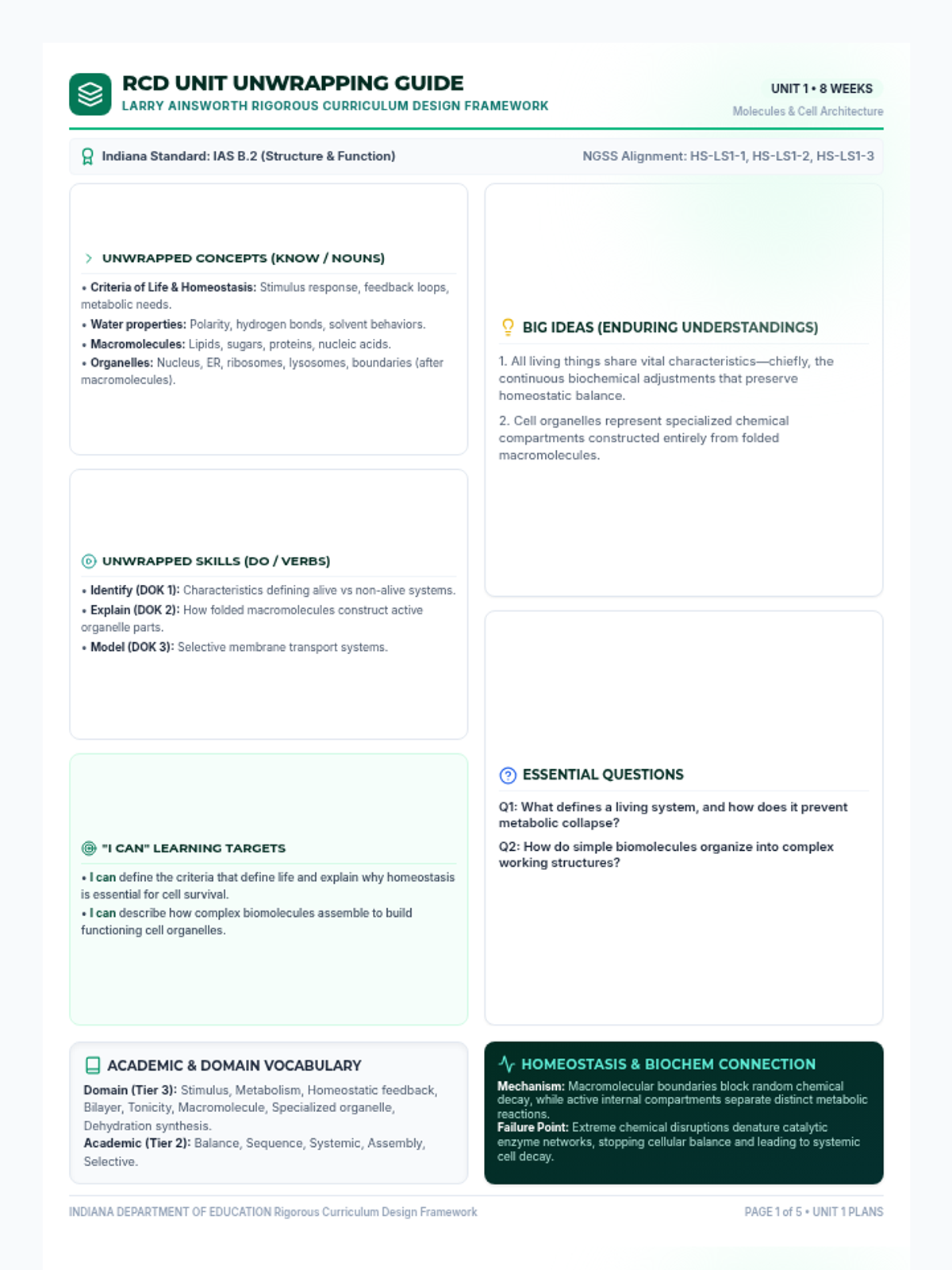
An introductory framework establishing course policies, Indiana state biology standards, and the integrated biochemistry roadmap for the academic year.
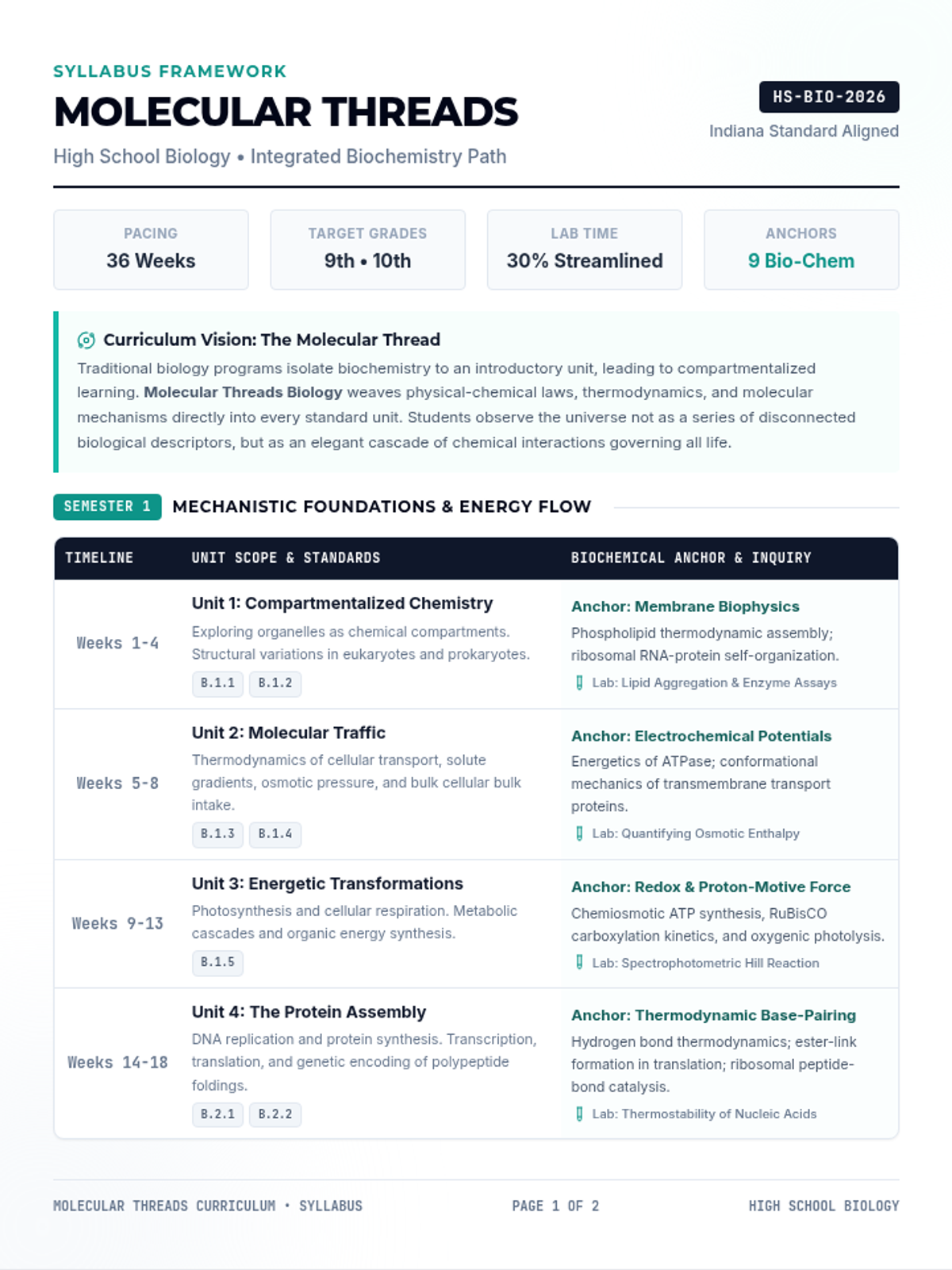
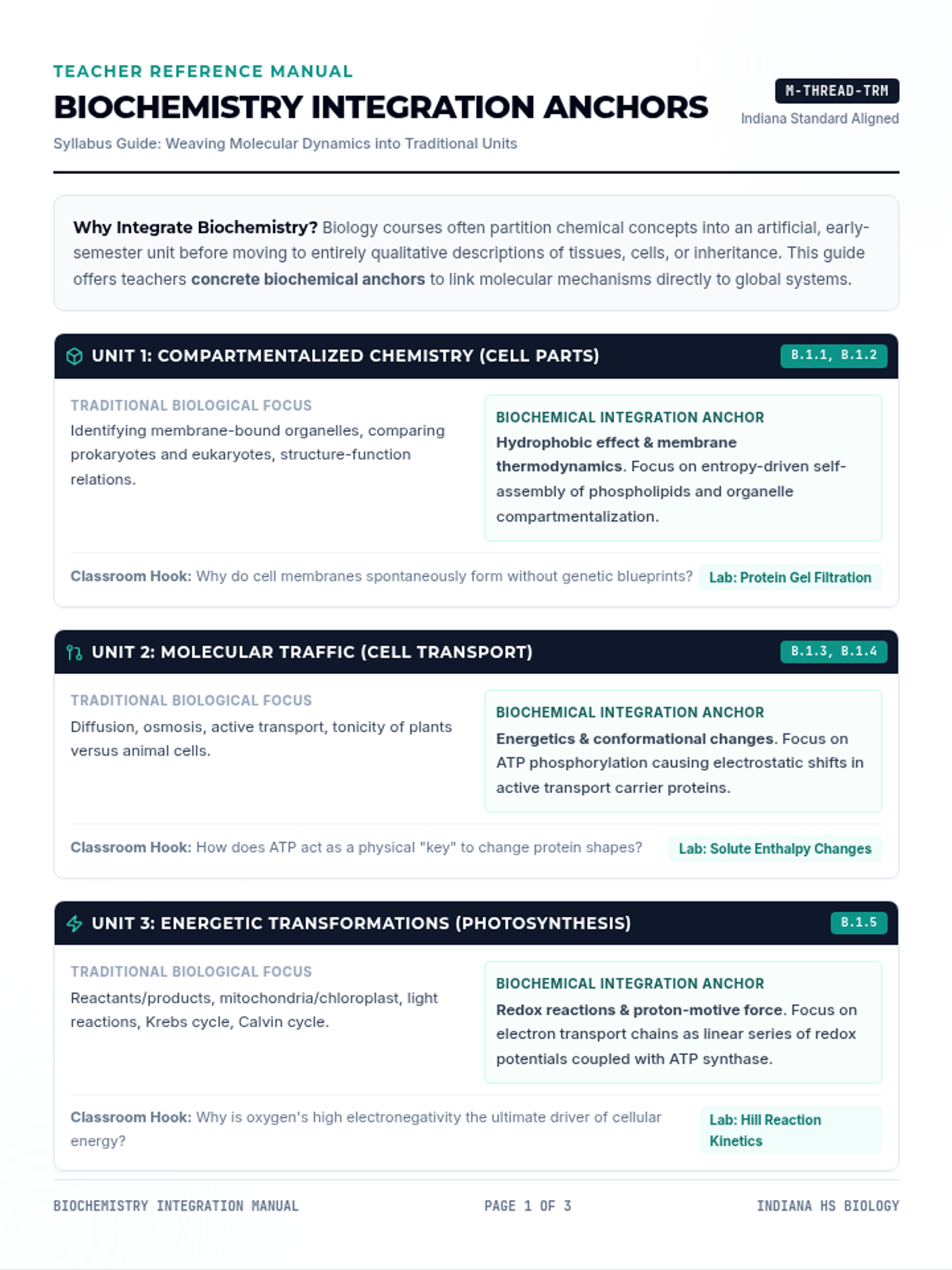
The master blueprint for the Molecular Threads Biology curriculum, featuring a comprehensive yearlong syllabus and a teacher reference guide for weaving biochemistry anchors into every unit.
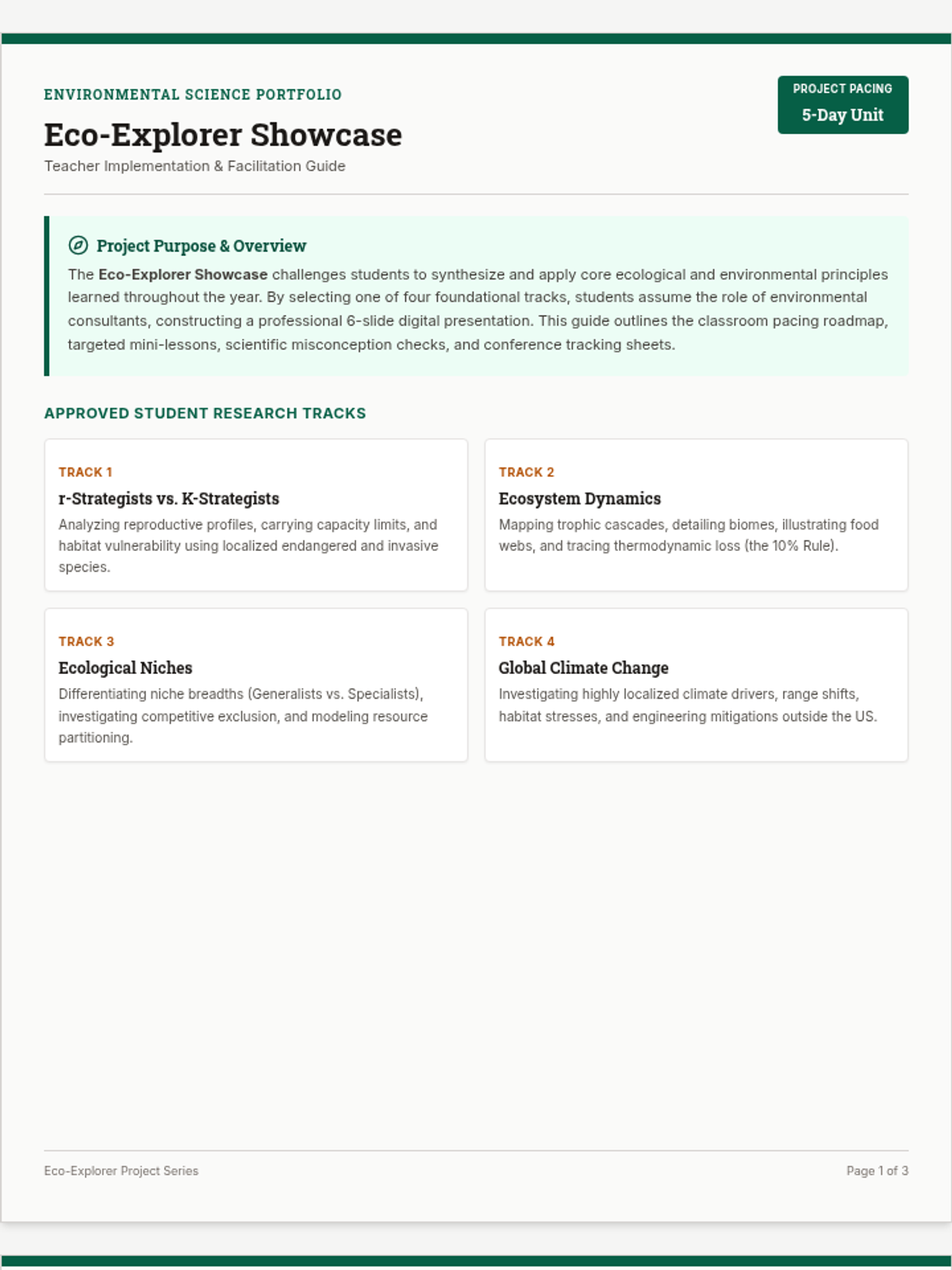
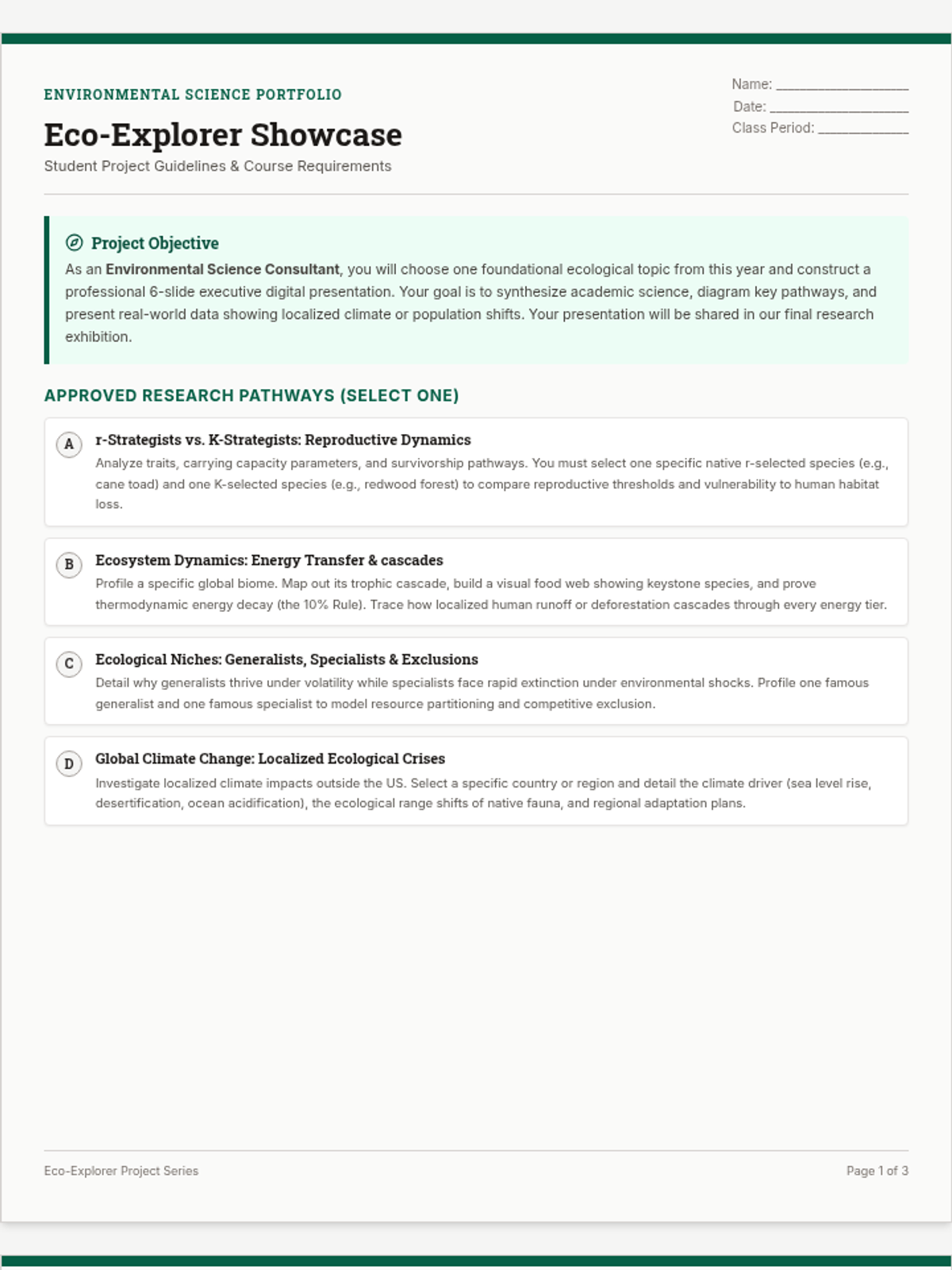
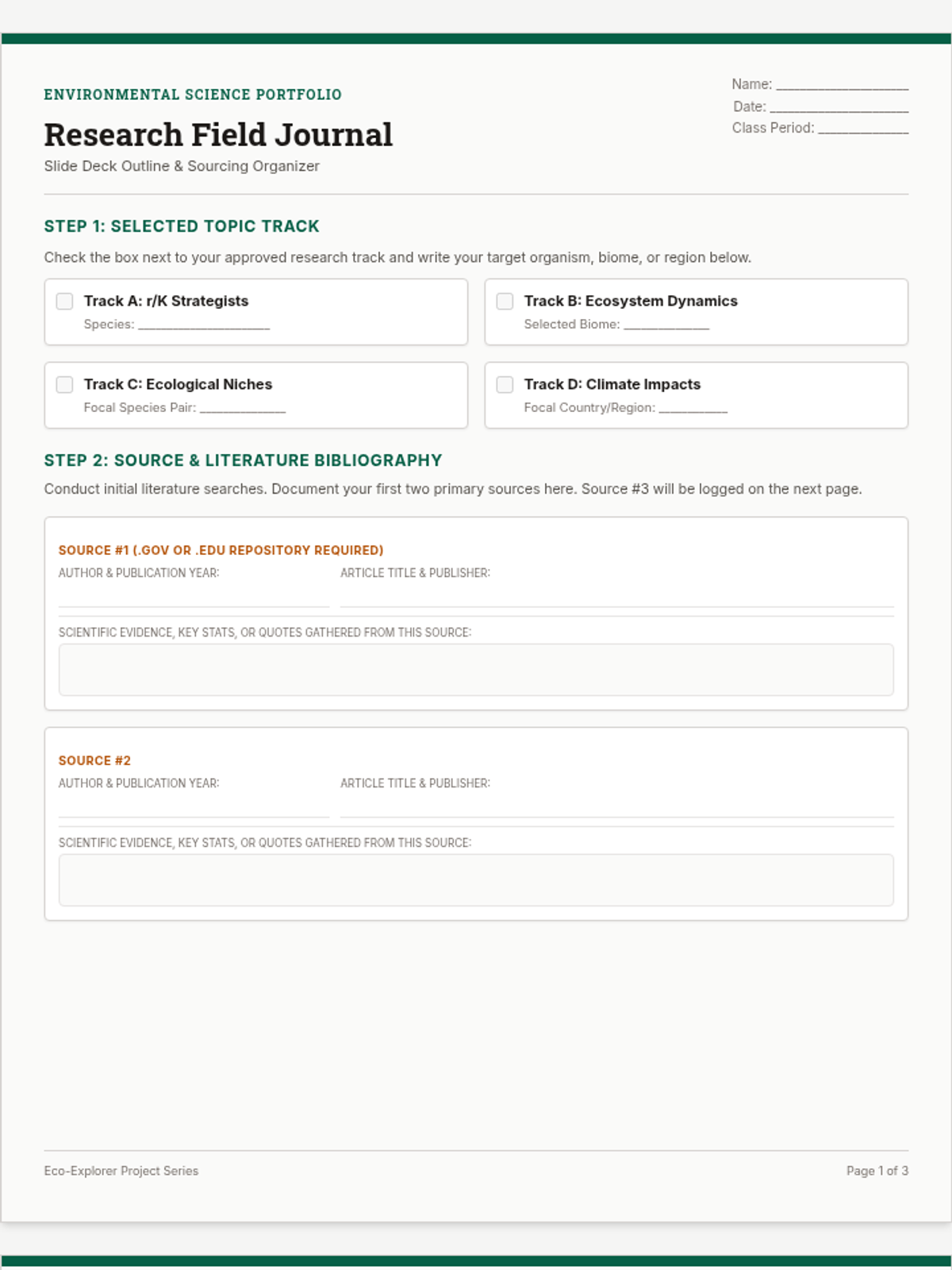
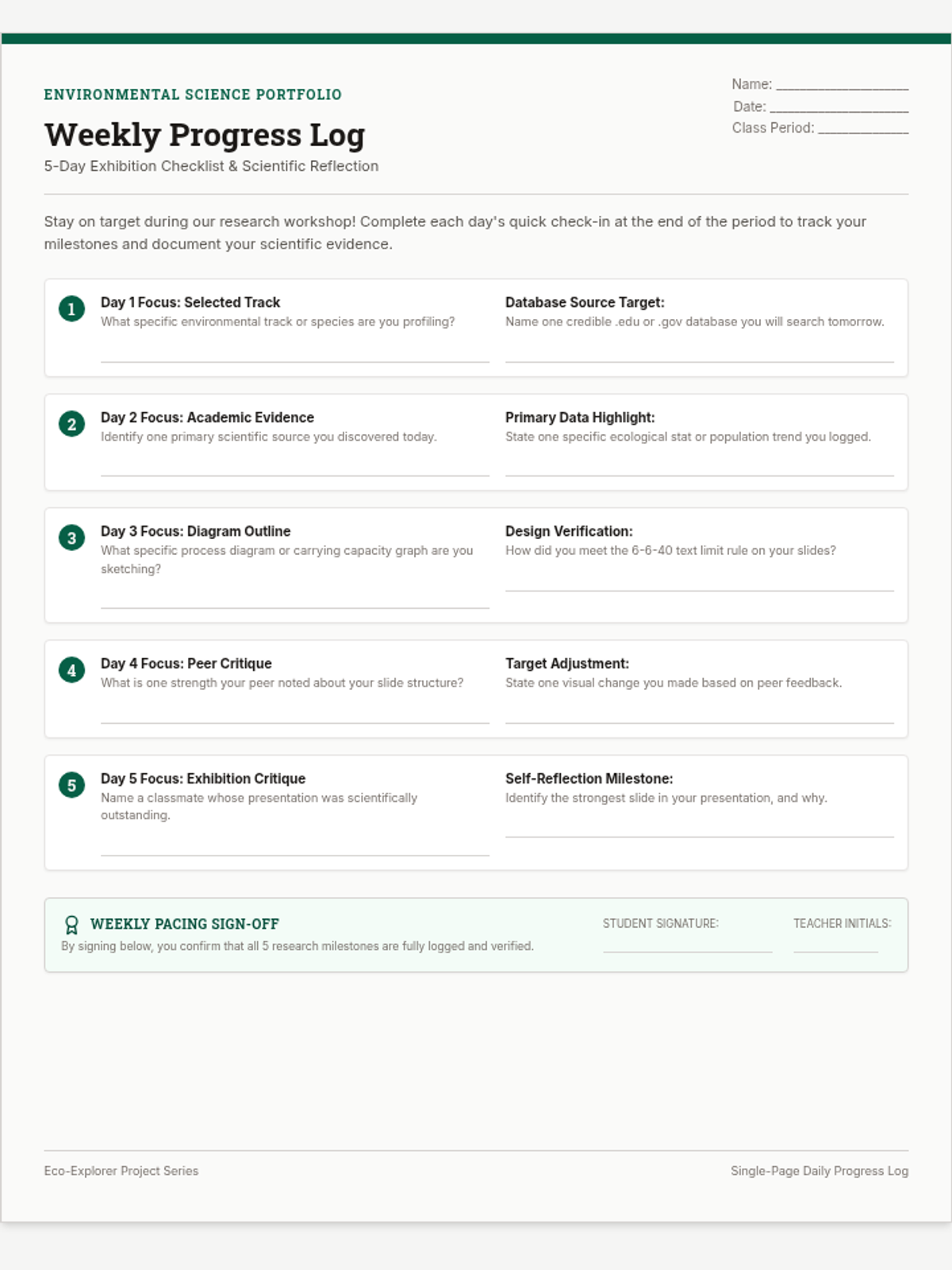
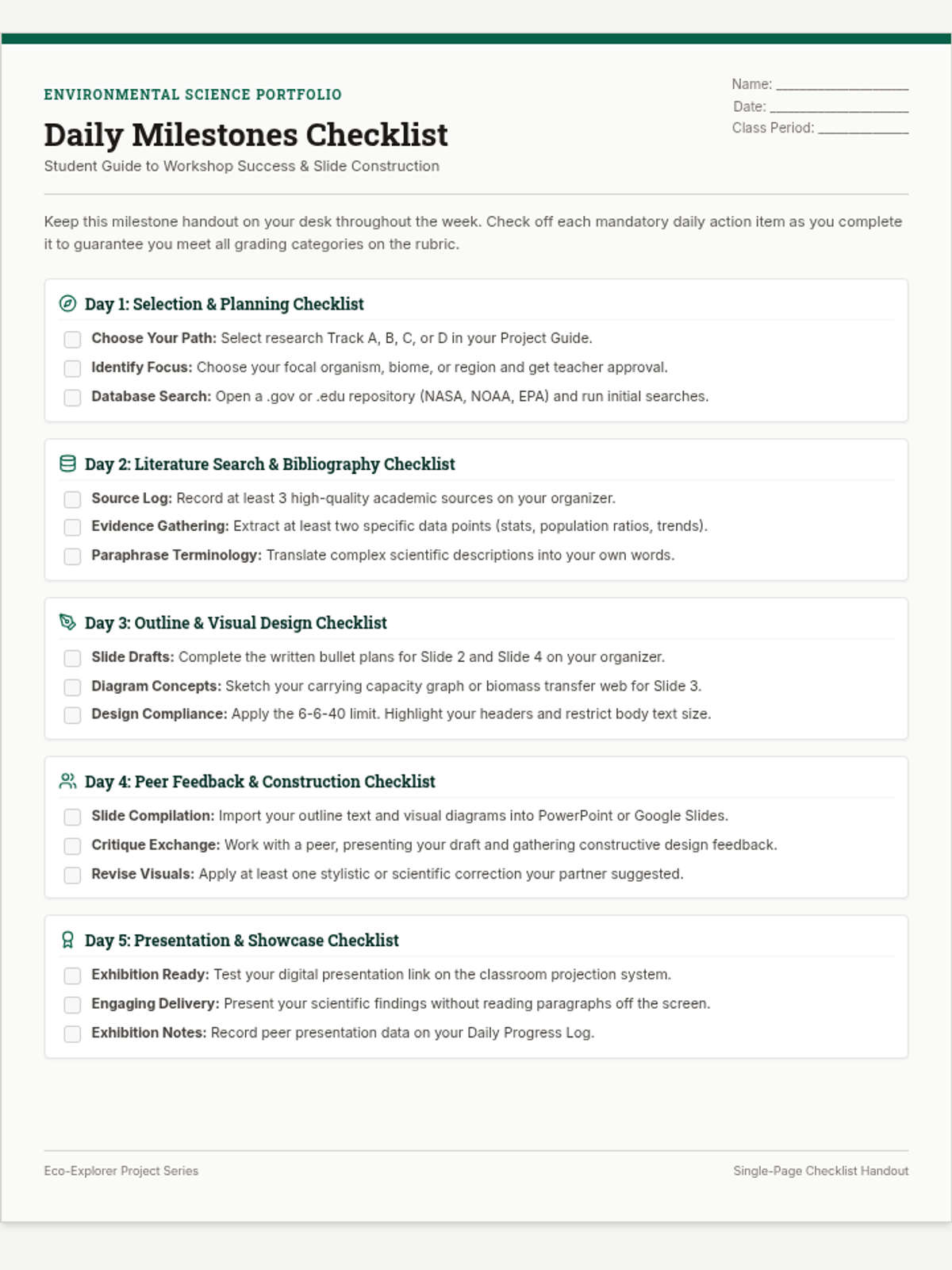
An environmental science research project where students choose a major topic from the year—such as life strategies, ecosystem dynamics, ecological niches, or global climate change—to research, synthesize, and present as a professional digital slide show.
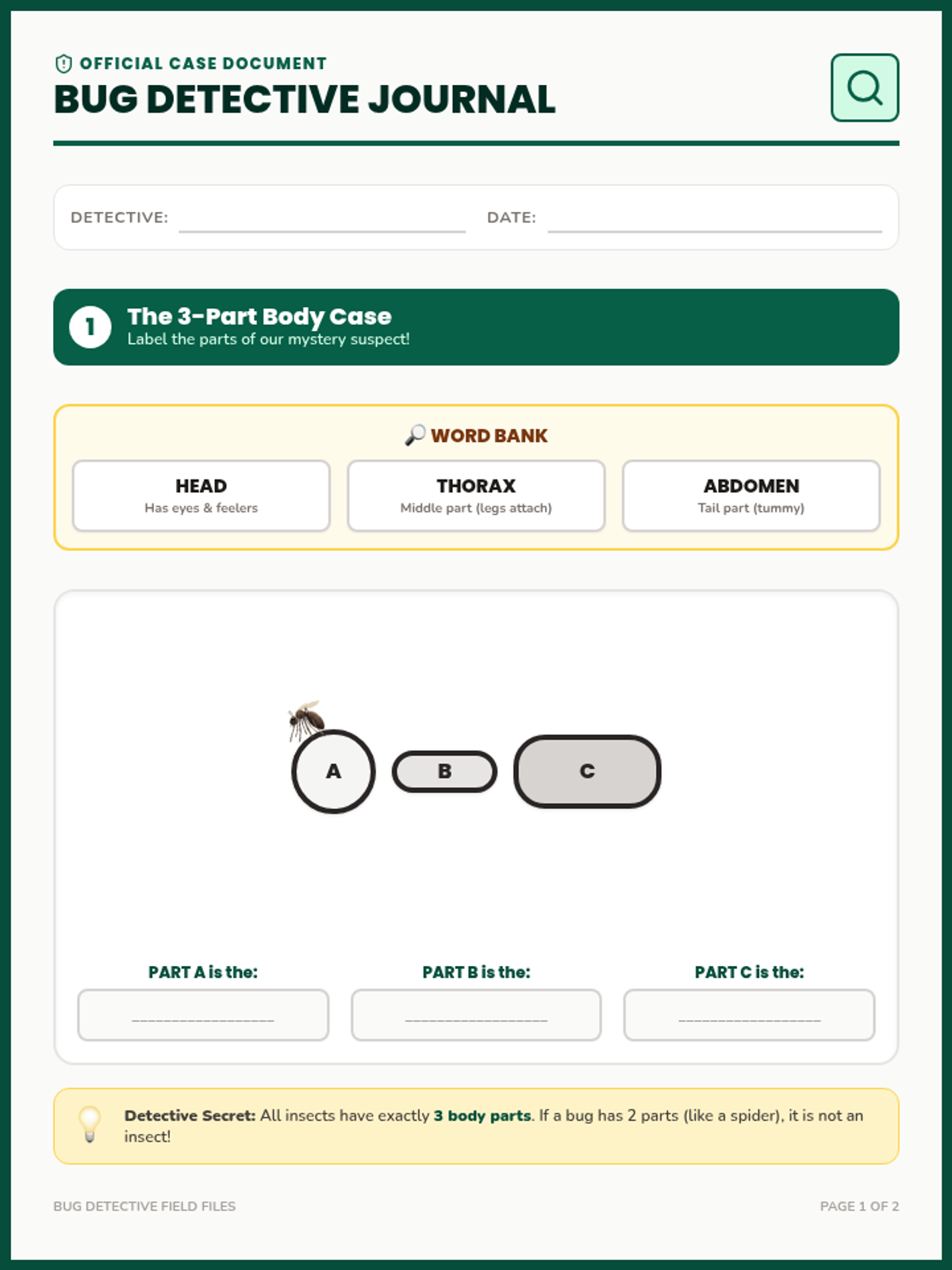
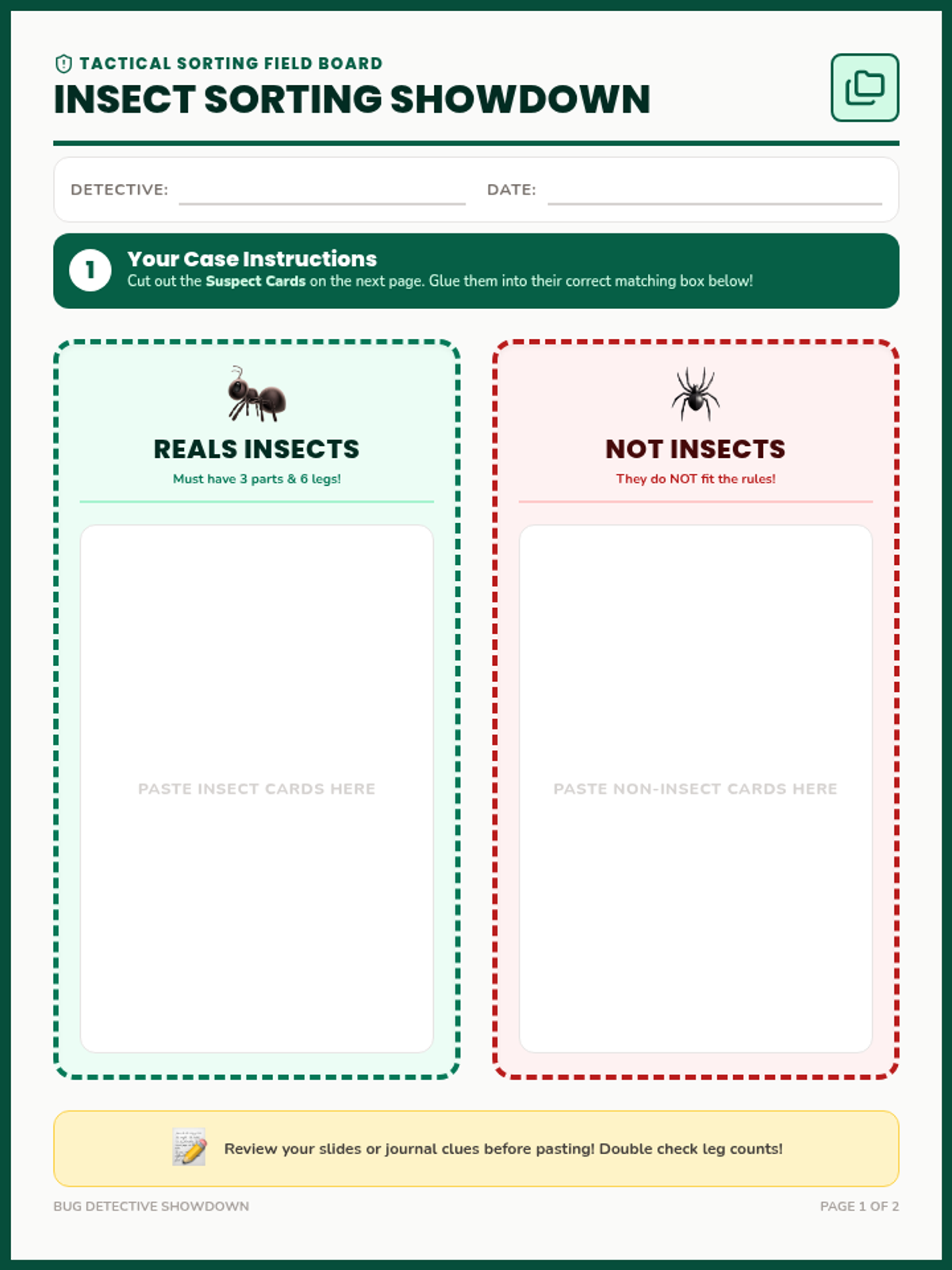
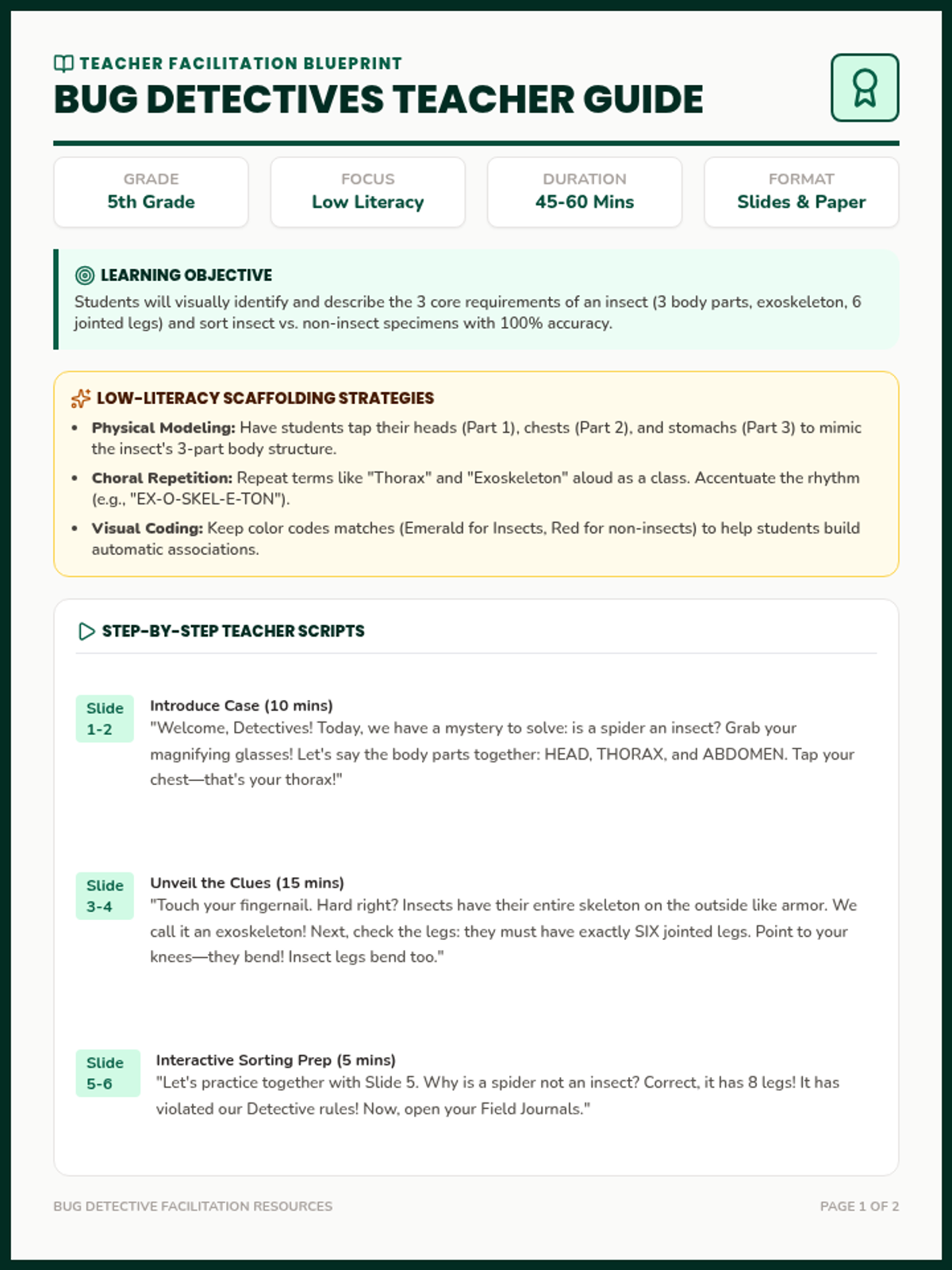
An introductory biology lesson for 5th-grade students with limited literacy, focusing on identifying the core characteristics of insects through highly visual materials. Students learn about the three body parts, exoskeletons, six jointed legs, and how to distinguish insects from non-insects.
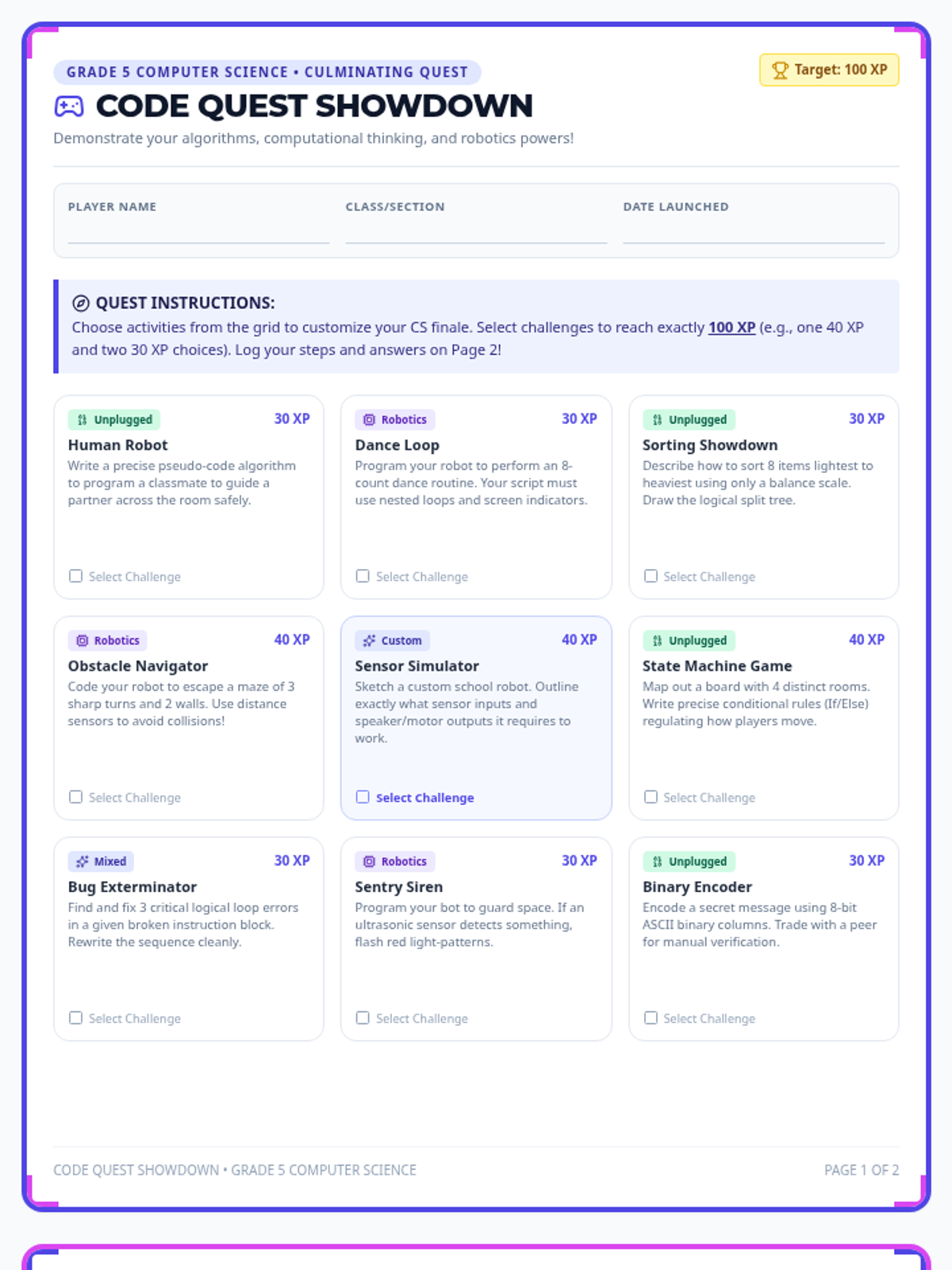
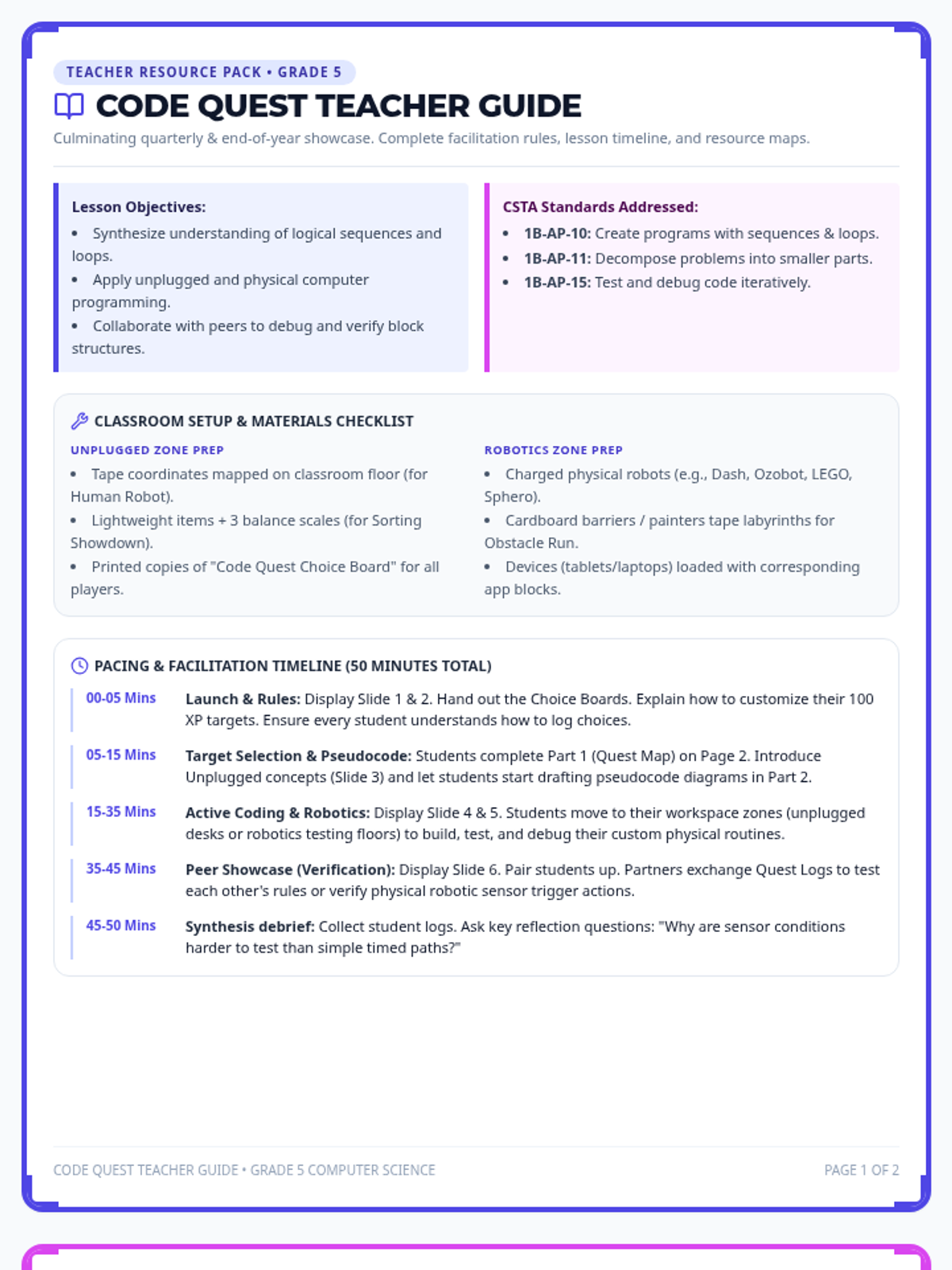
A culminating 5th-grade computer science activity celebrating computational thinking and robotics. Students choose their own adventures across unplugged algorithms and physical computing challenges in an arcade-themed finale.
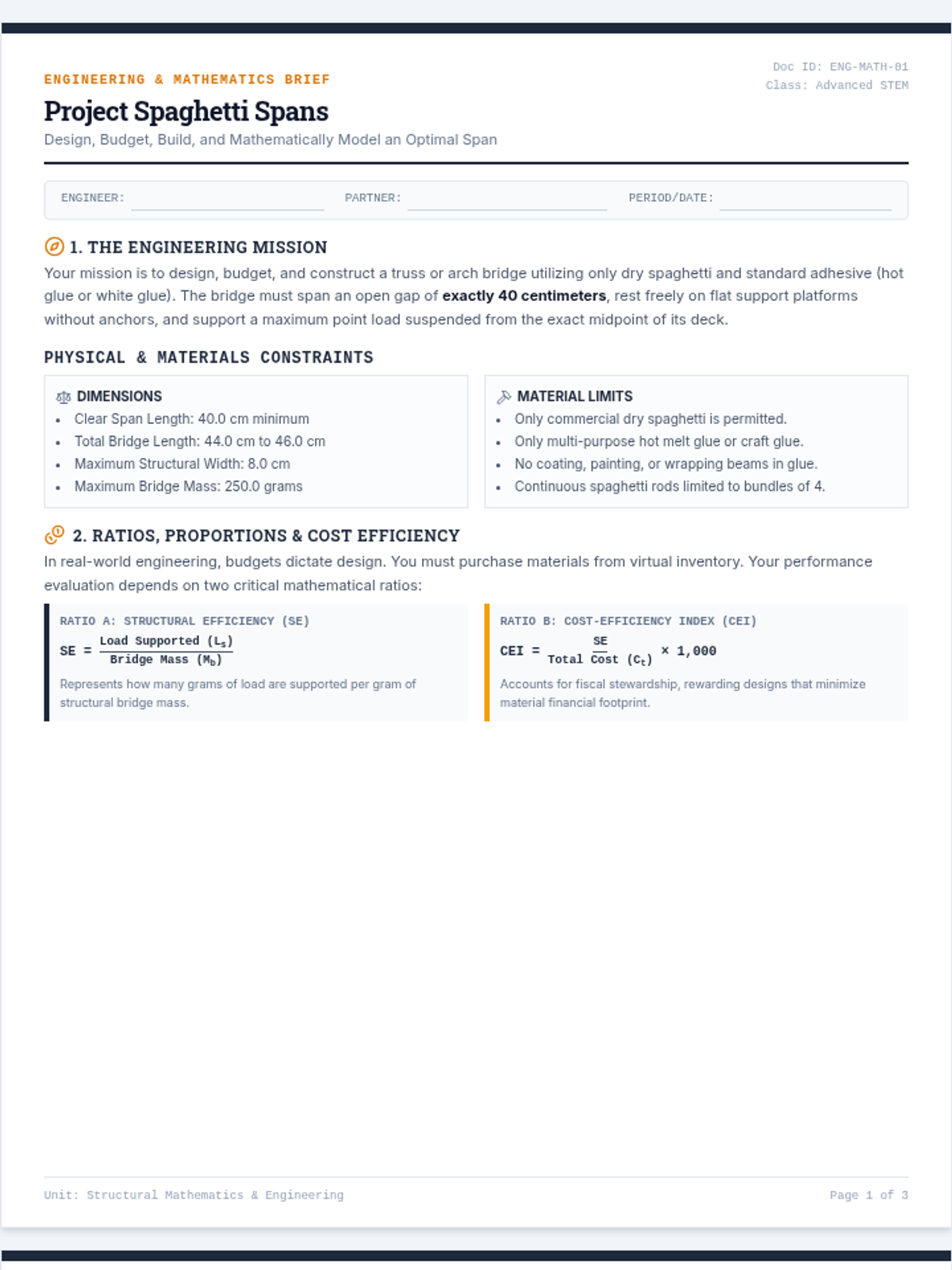
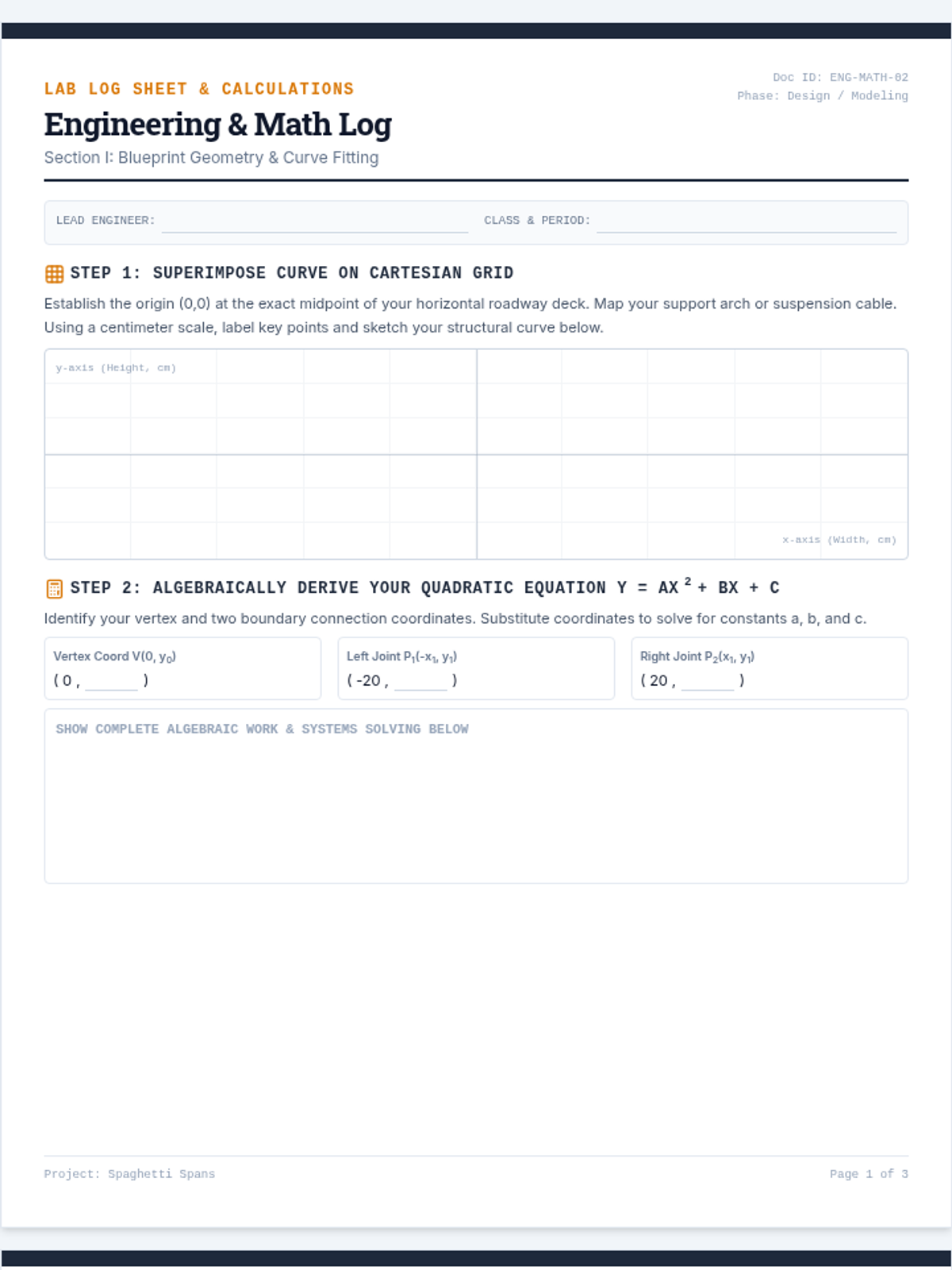
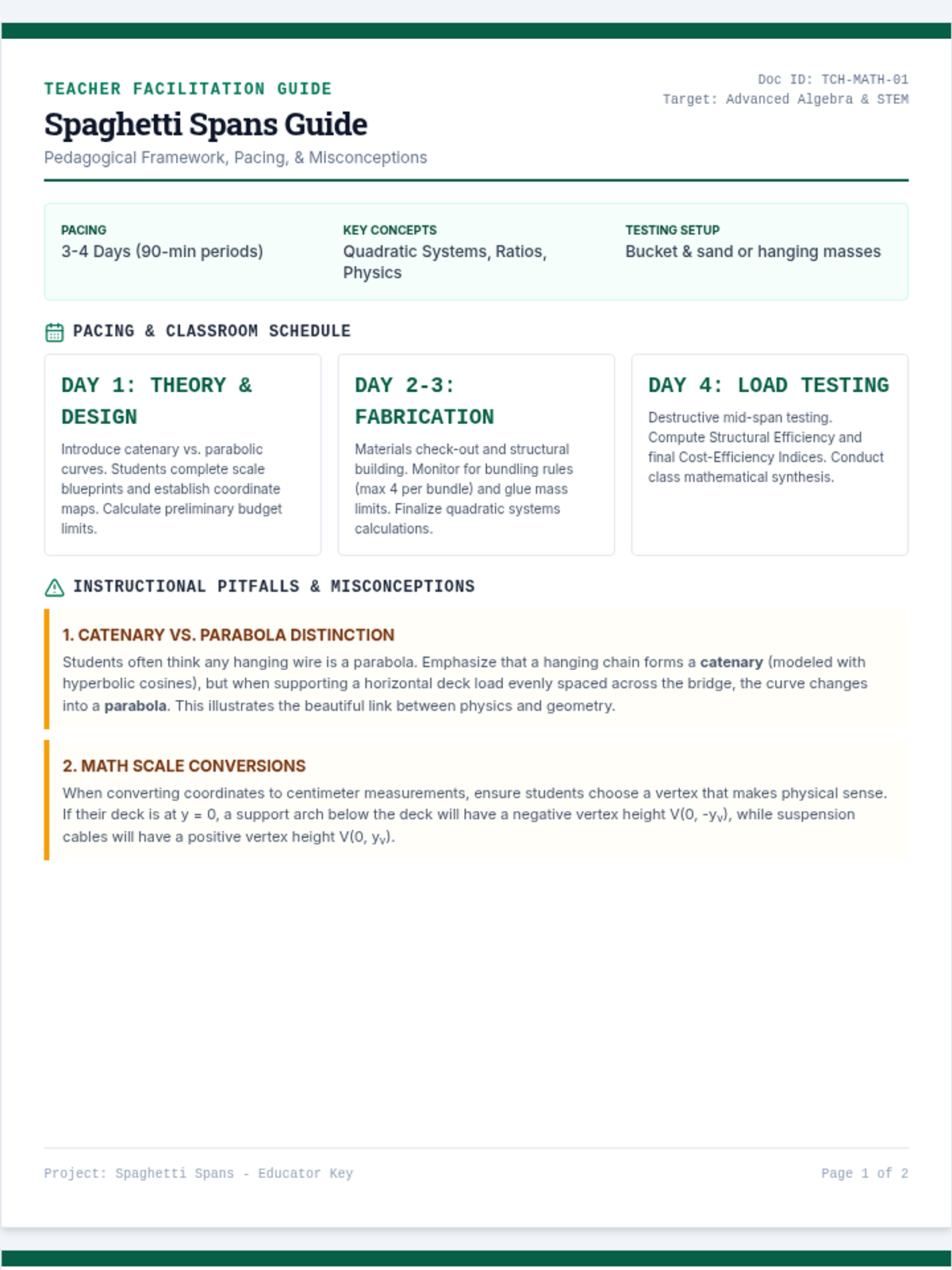
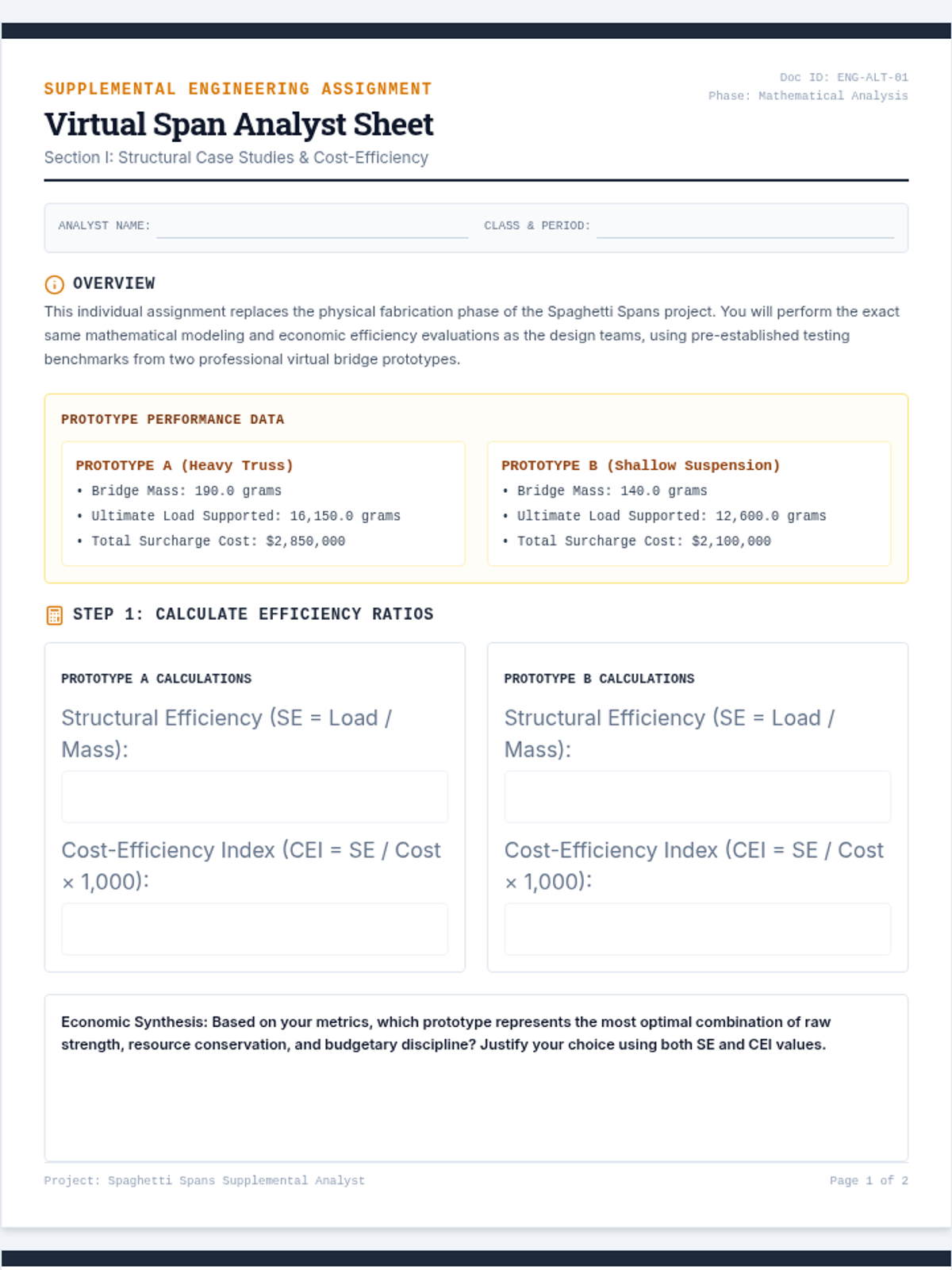
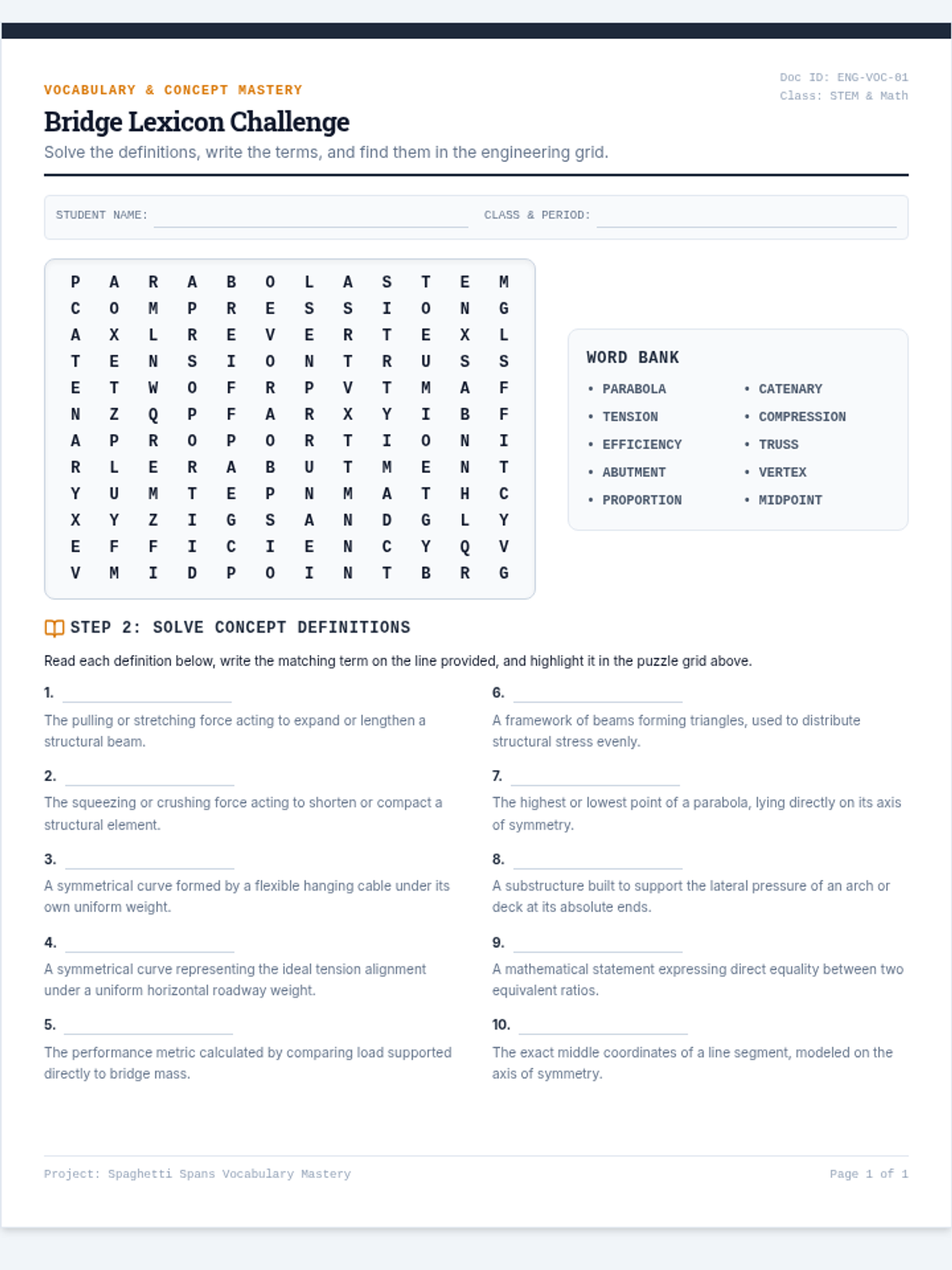
A rigorous STEM project combining structural engineering with advanced mathematics. Students design, budget, build, and test spaghetti bridges using ratios, proportions, cost-efficiency metrics, quadratic modeling, and catenary curves.
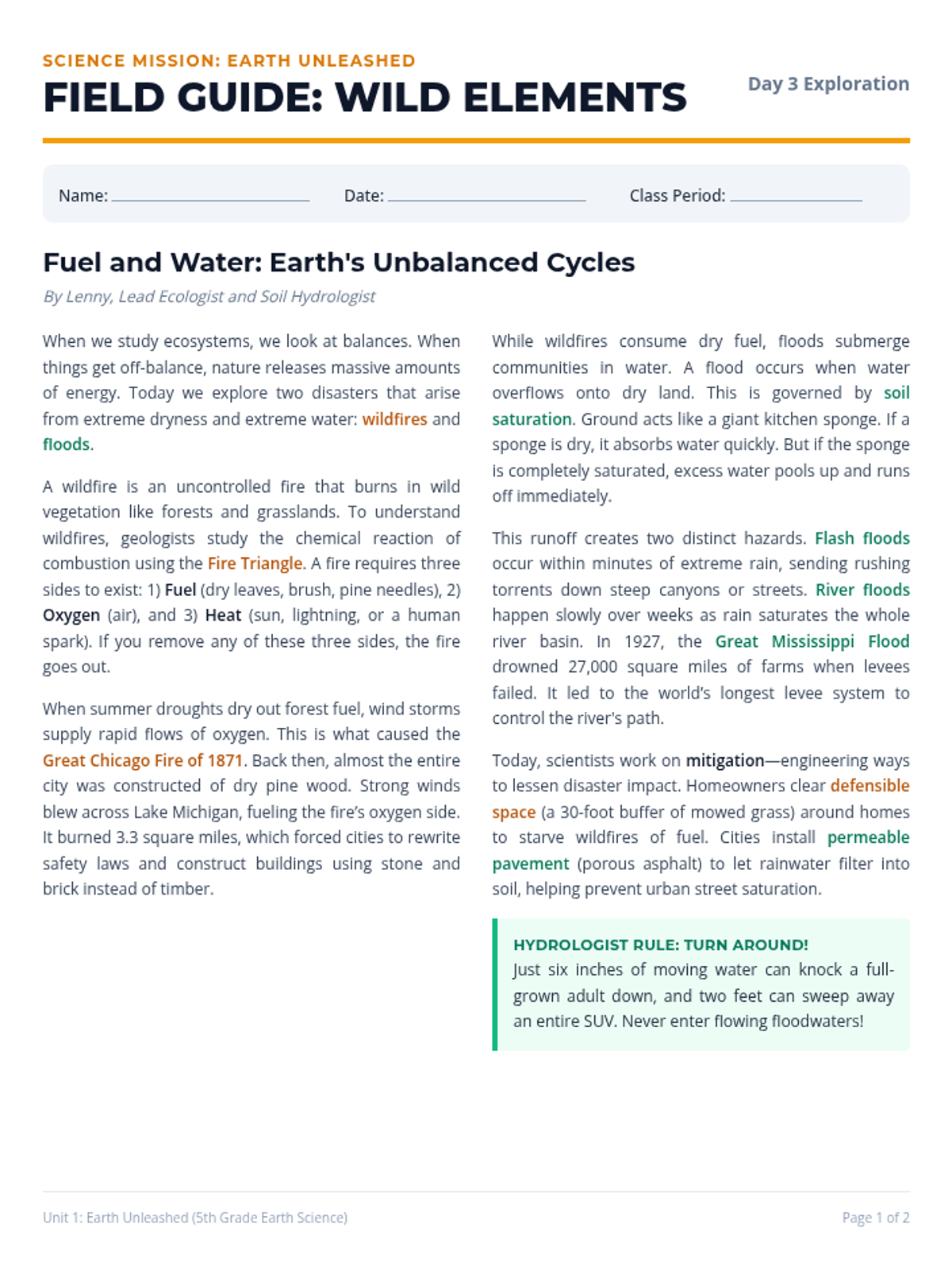
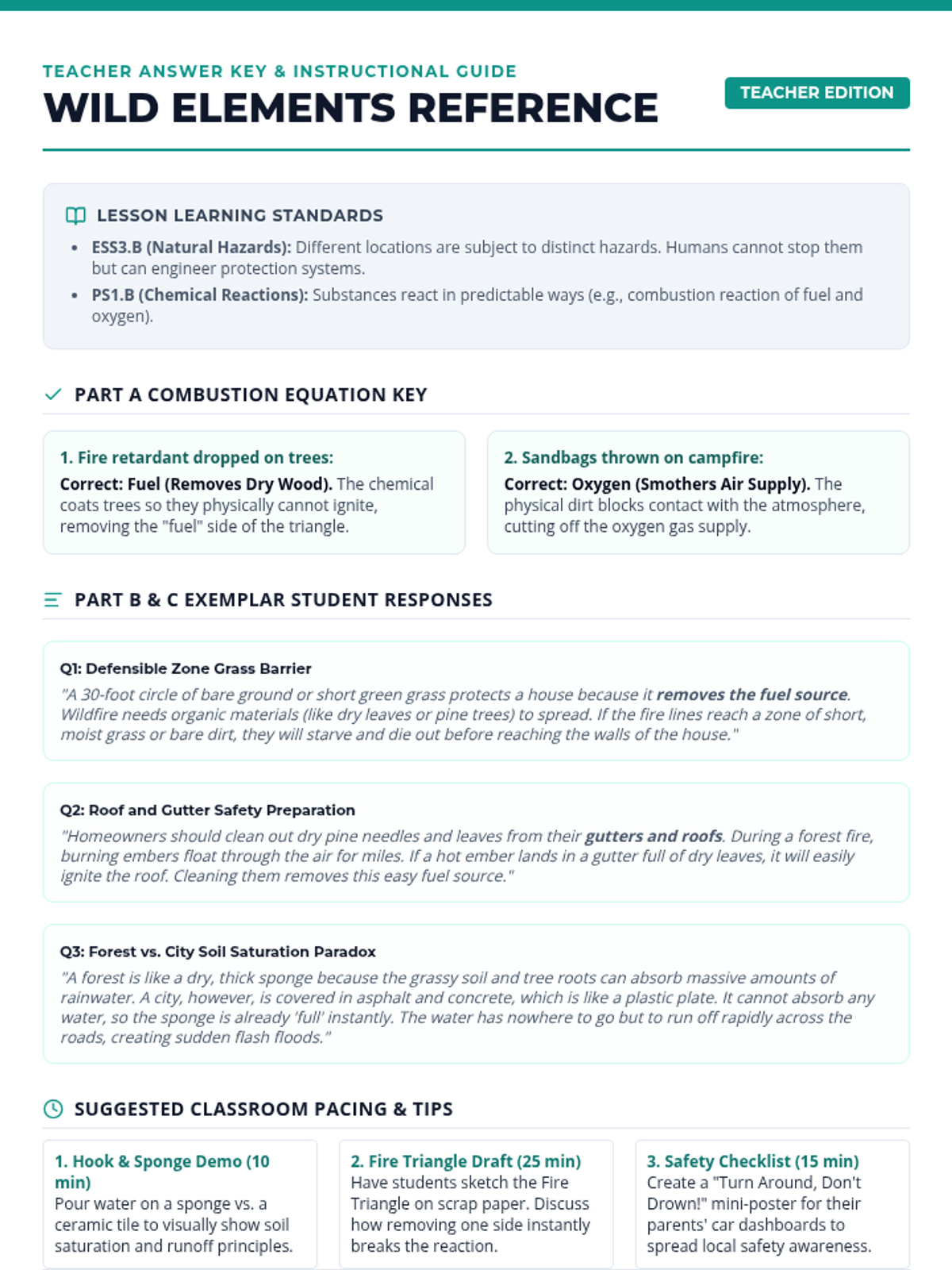
Examine the triggers and devastating impacts of wildfires and floods. Students learn about fuel sources, combustion, precipitation cycles, and flash floods, focusing on prevention, mitigation, and historical events.
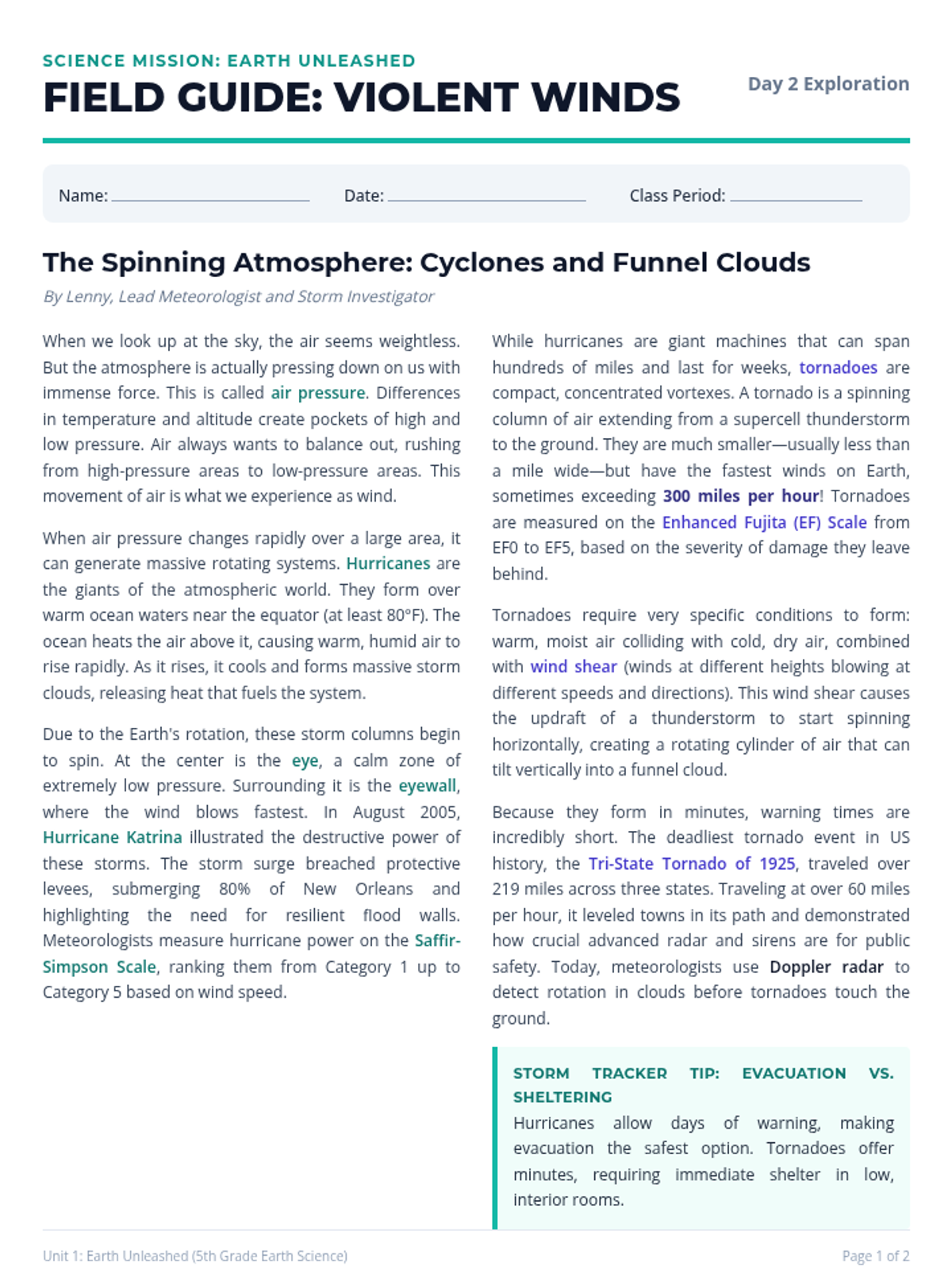
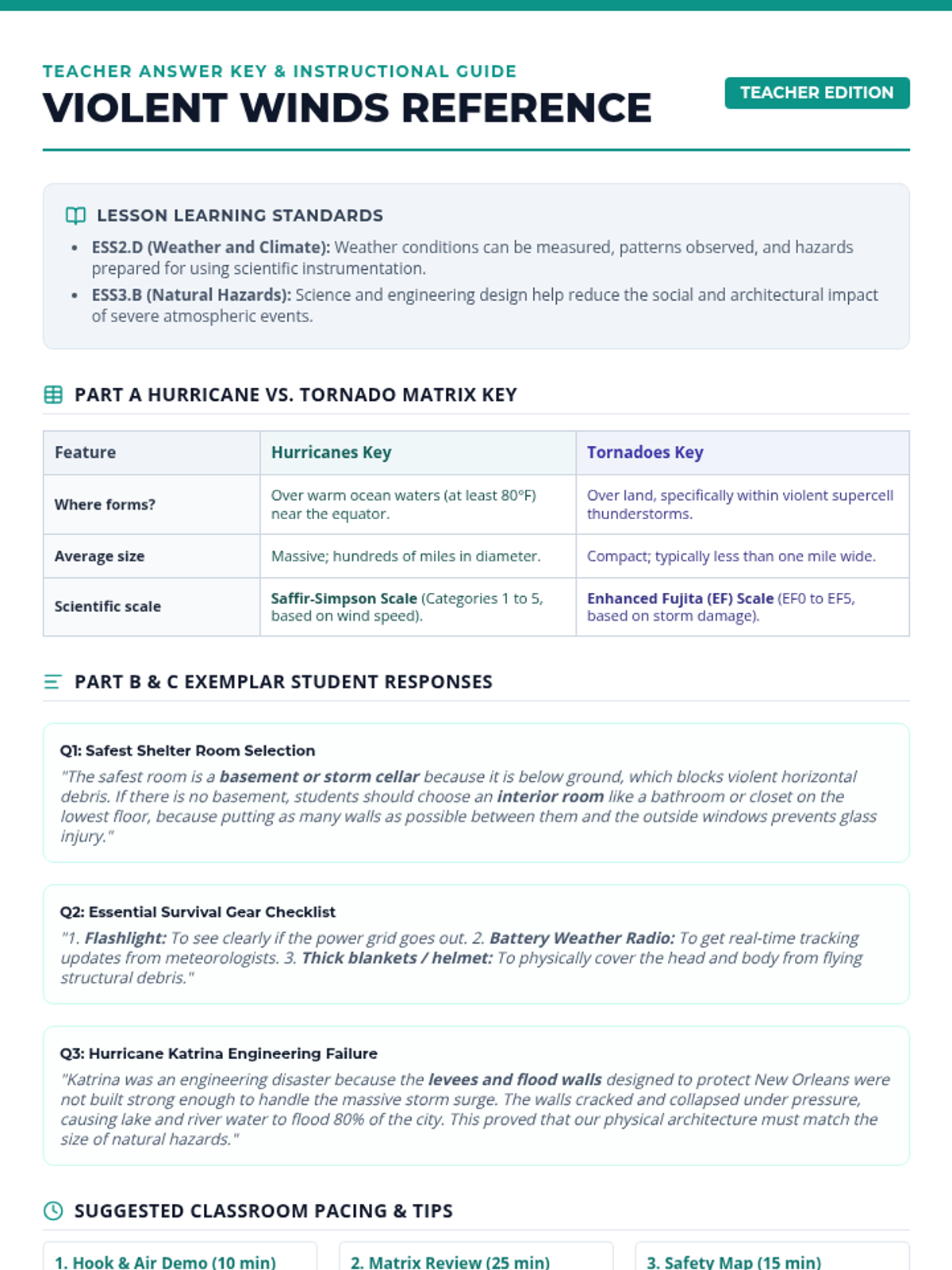
Investigate the atmospheric forces that create hurricanes and tornadoes. Students analyze weather patterns, pressure systems, and comparison charts, as well as the historical impacts of Hurricane Katrina and the Tri-State Tornado.
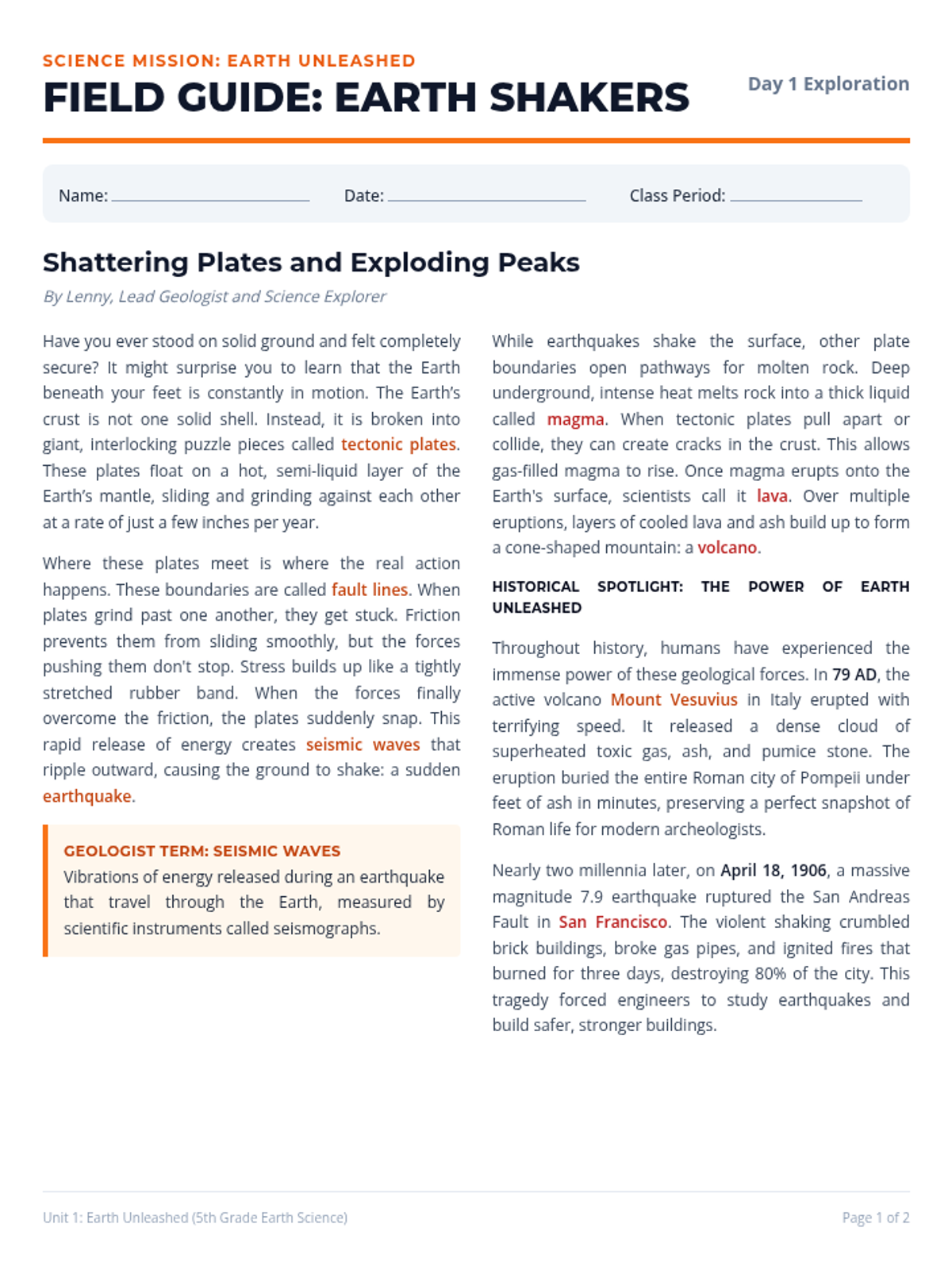
Explore the explosive science of volcanoes and the seismic power of earthquakes. Students learn about tectonic plates, magma chambers, seismic waves, and historical disasters like Mount Vesuvius and San Francisco.
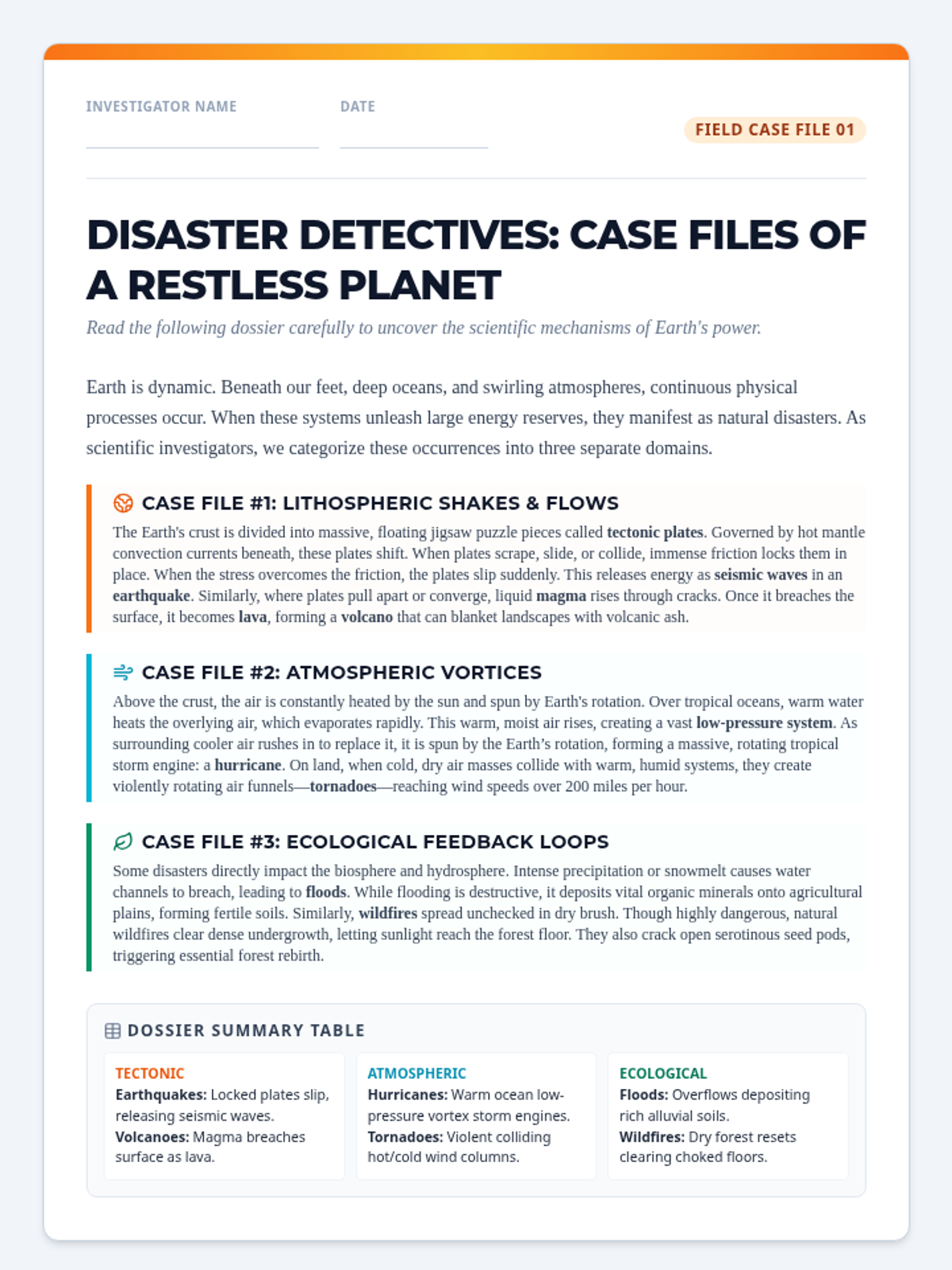
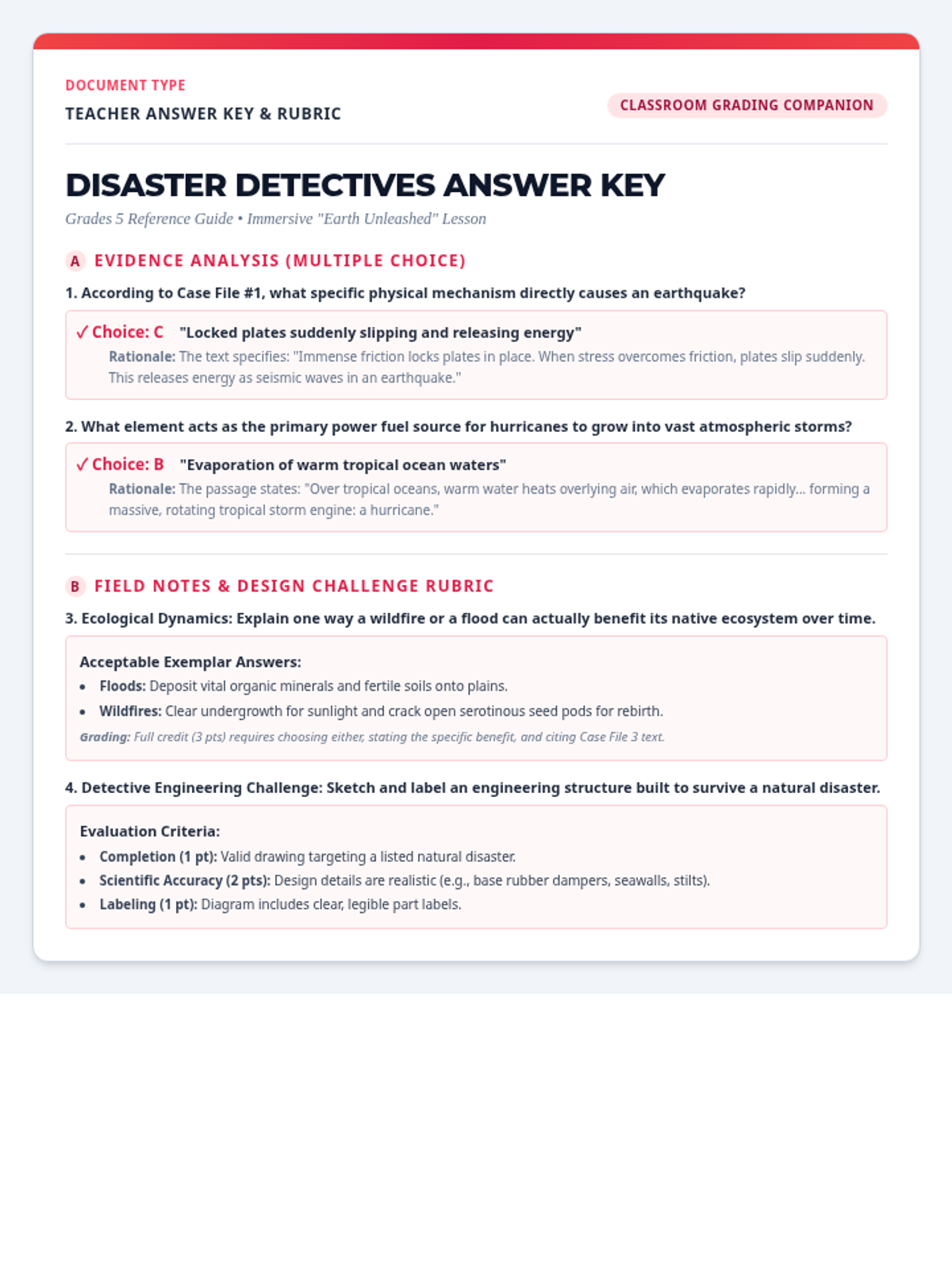
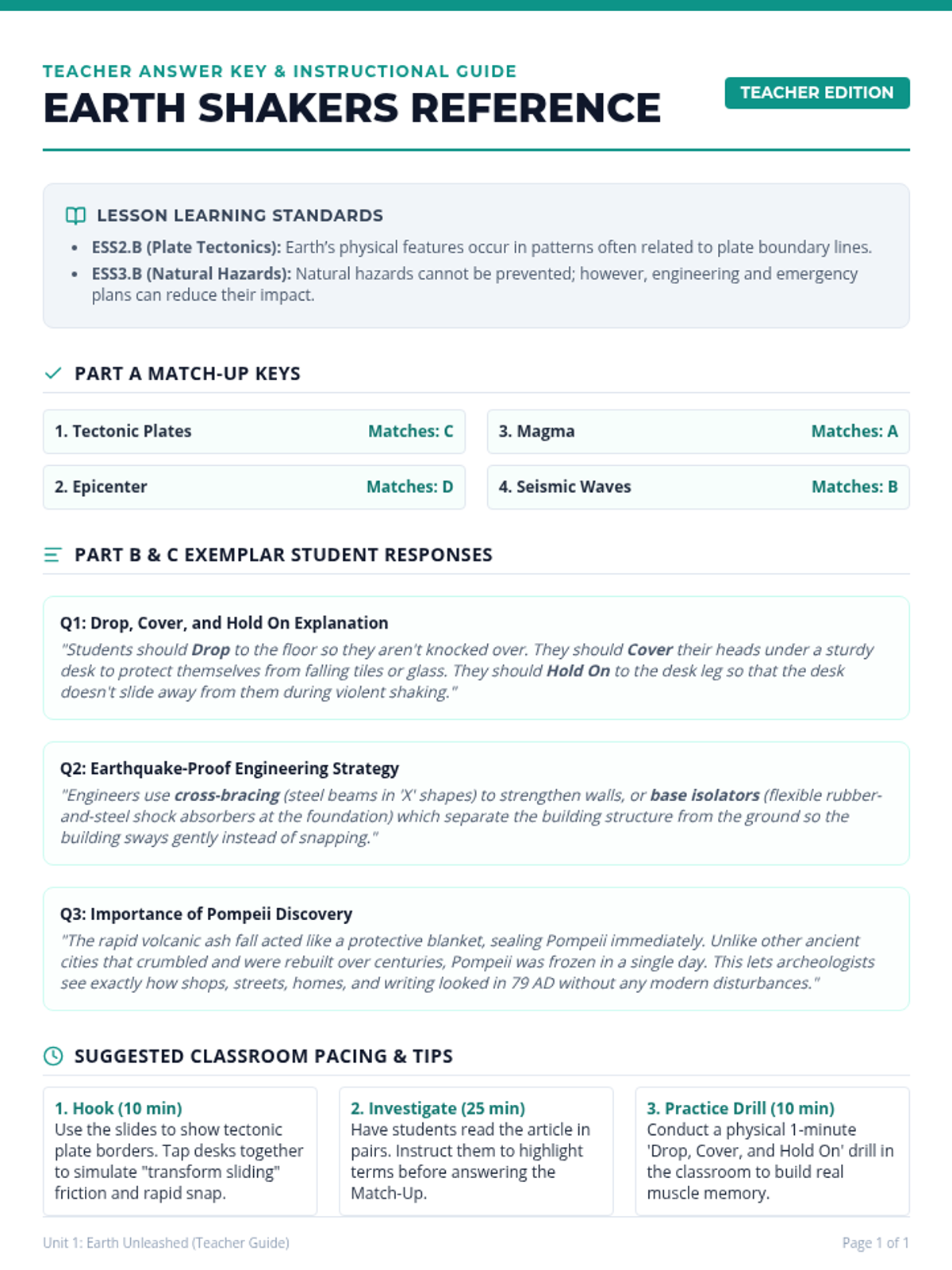
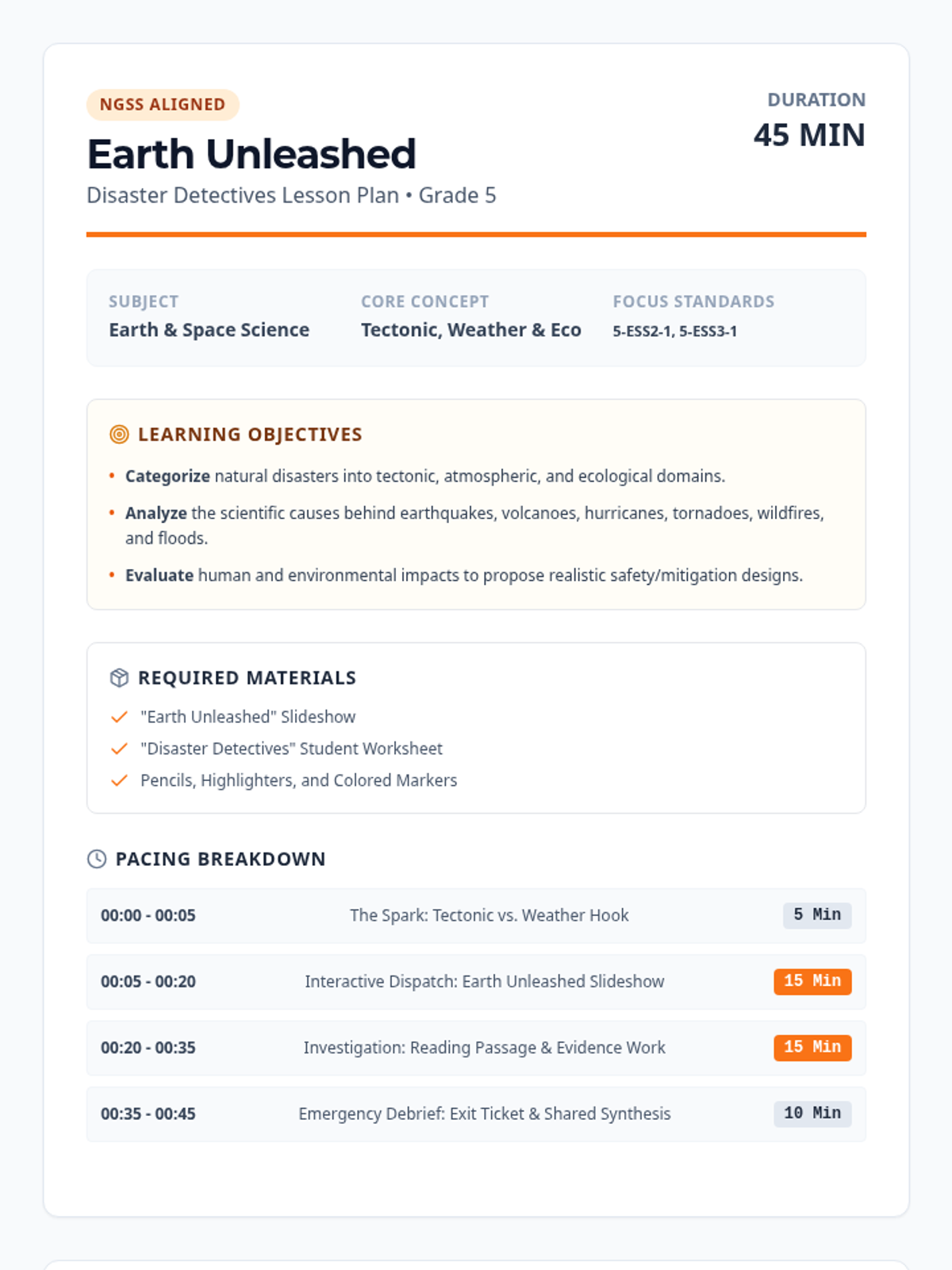
An immersive fifth-grade lesson exploring natural disasters across tectonic, atmospheric, and ecological domains. Students act as 'Disaster Detectives' to analyze the science behind volcanoes, earthquakes, hurricanes, tornadoes, wildfires, and floods.
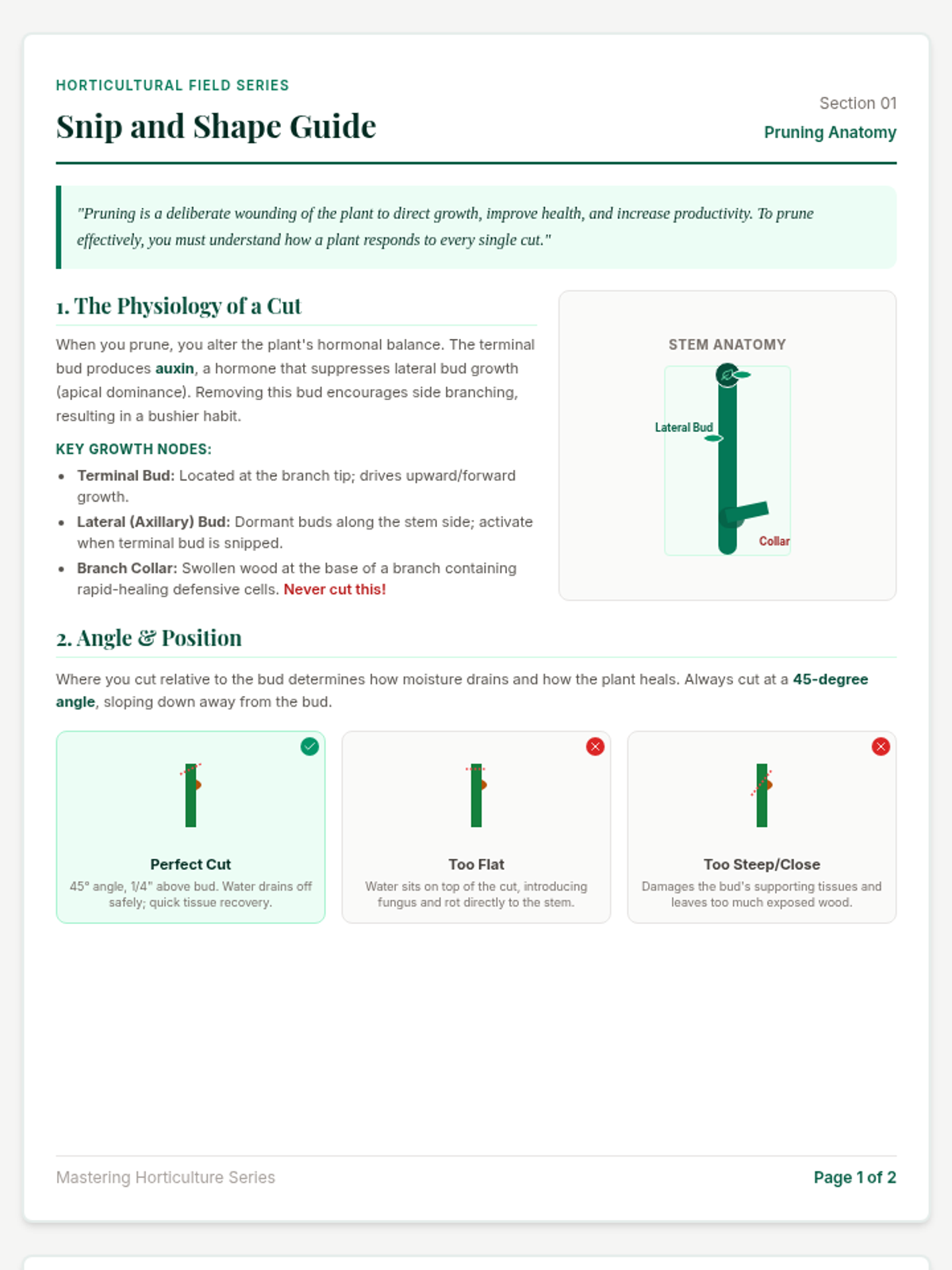
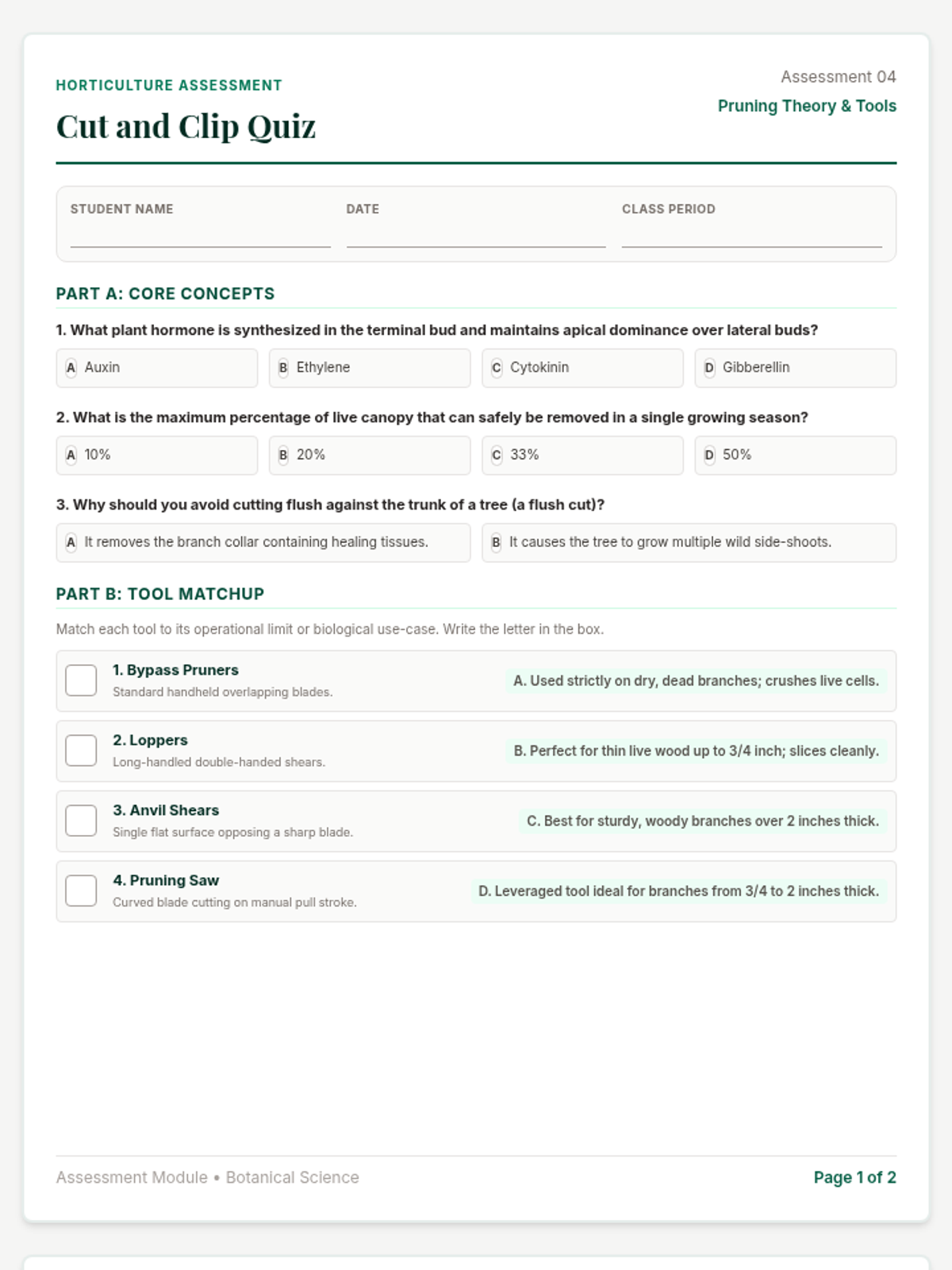
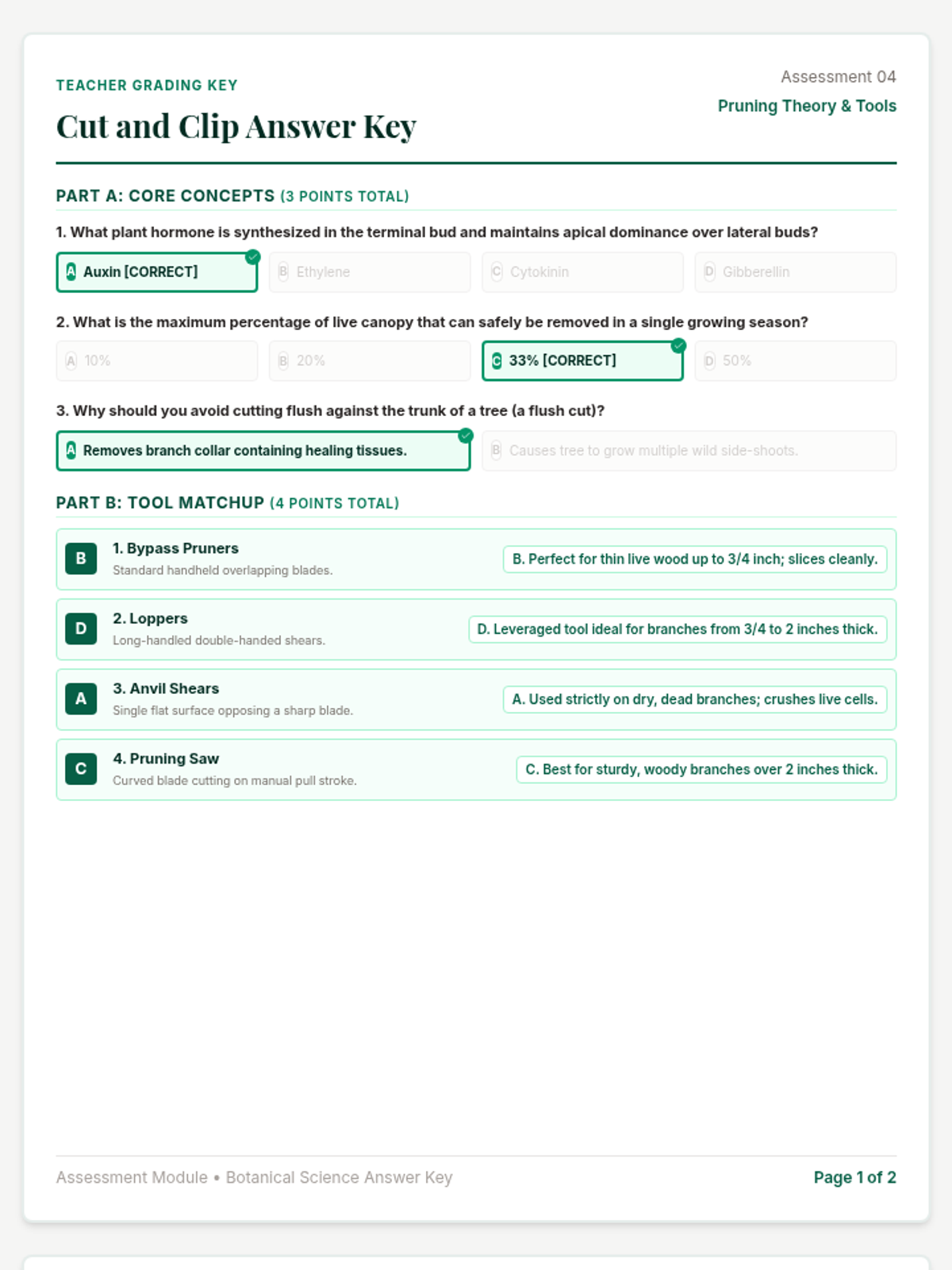
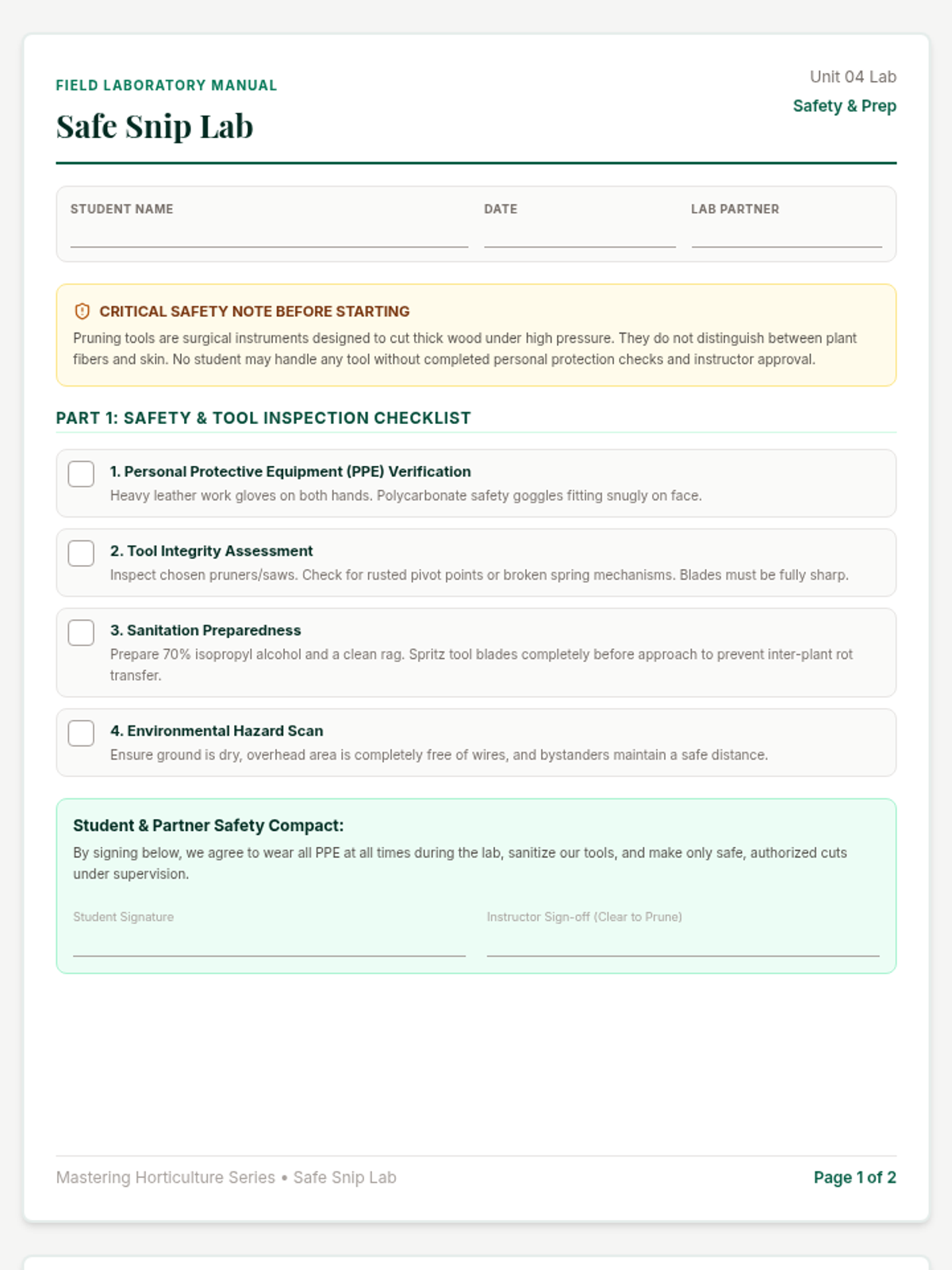
An immersive gardening lesson introducing pruning principles. Students master key tools, safety protocols, and the mechanics of plant growth to make clean, professional, and healthy cuts.
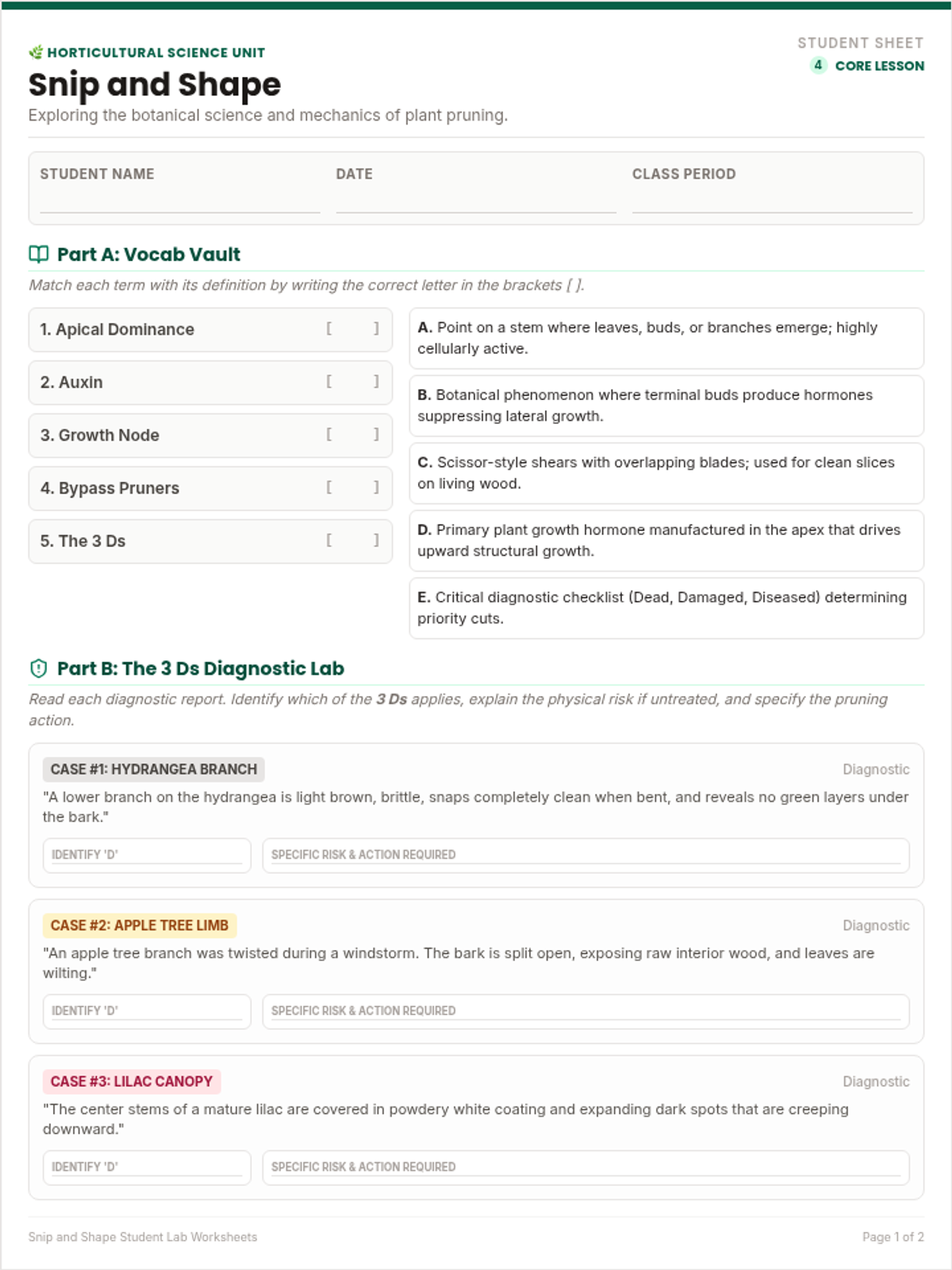
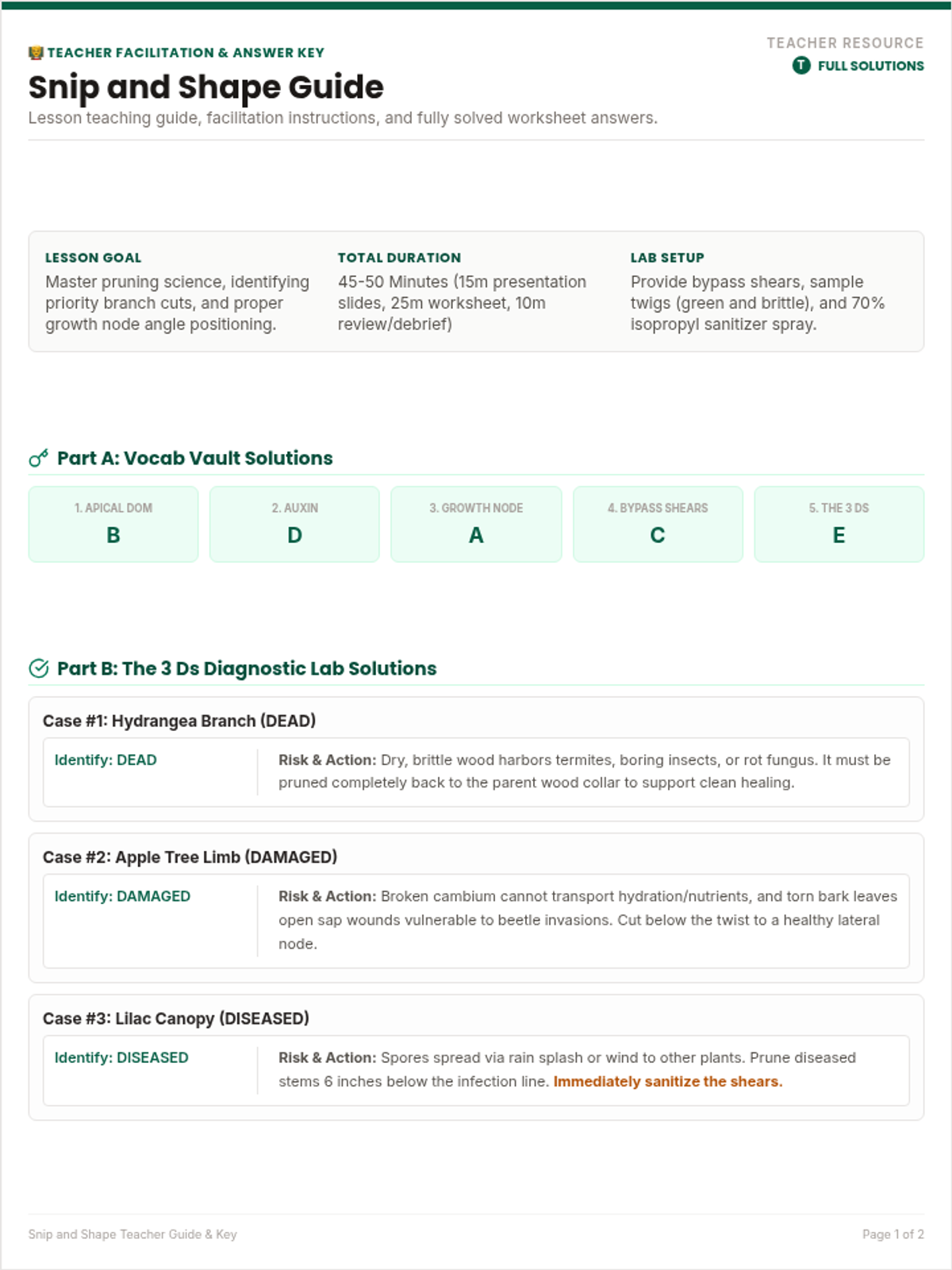
A hands-on, engaging lesson on the science and art of pruning. Students learn the botanical reasons for pruning (apical dominance), the "3 Ds" of identifying what to cut, and proper pruning cuts to keep plants healthy.
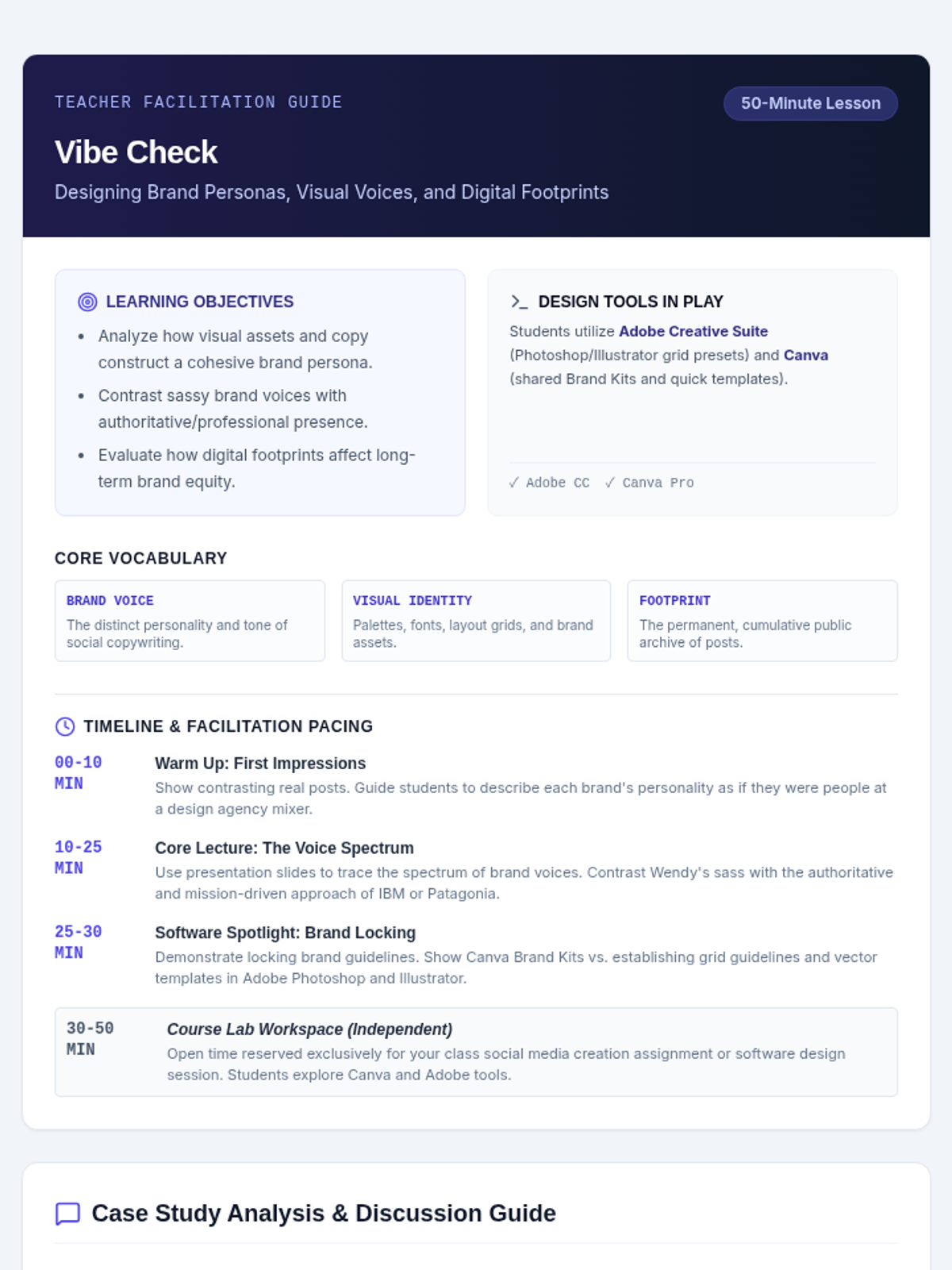
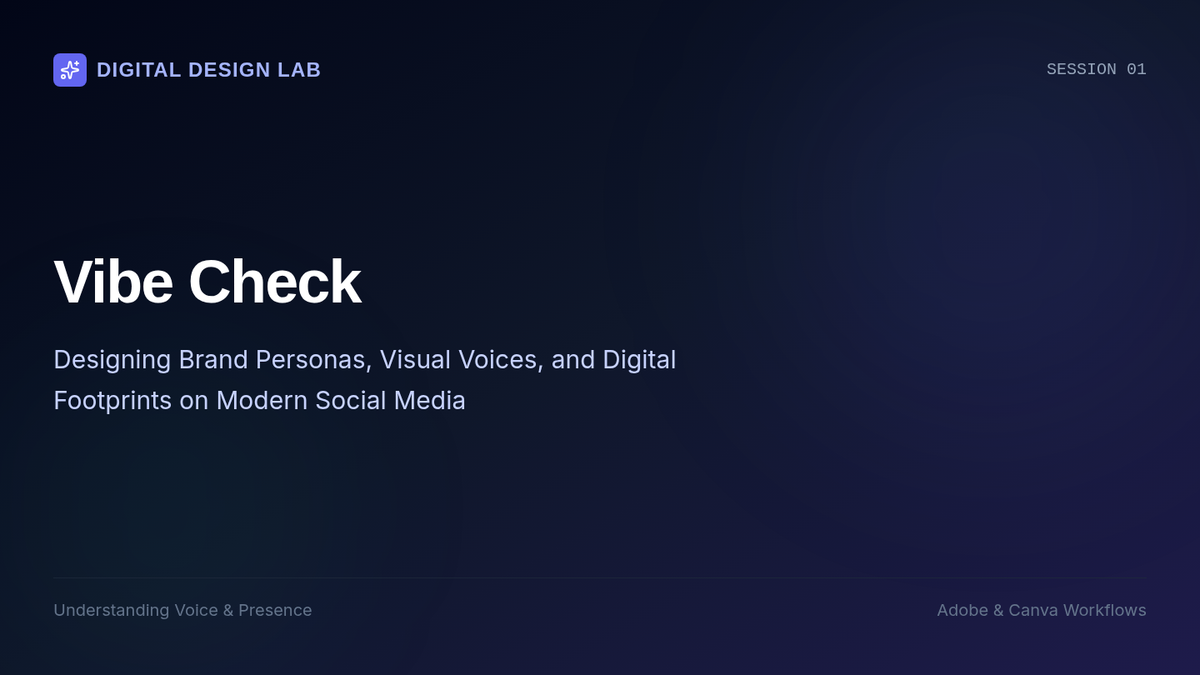
A digital design lesson focusing on social media brand personas, digital footprint, and visual design aesthetics using Adobe and Canva. Students compare contrasting brand voices, from Wendy's playful roasts to polished professional corporate presences.
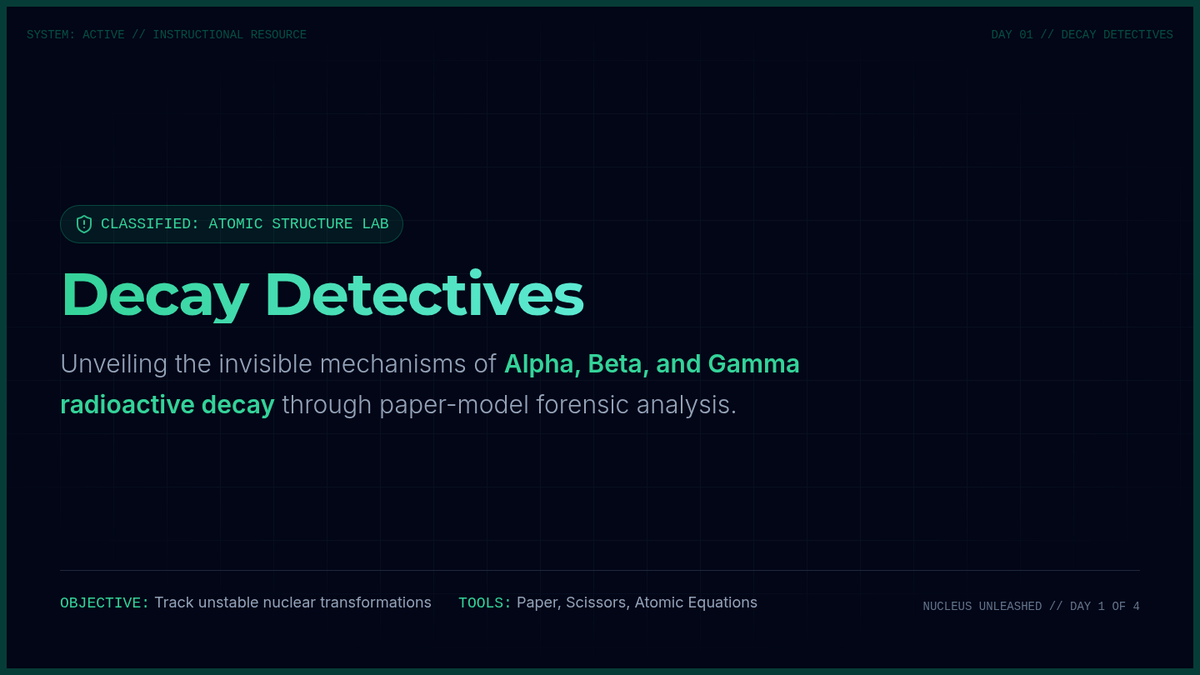
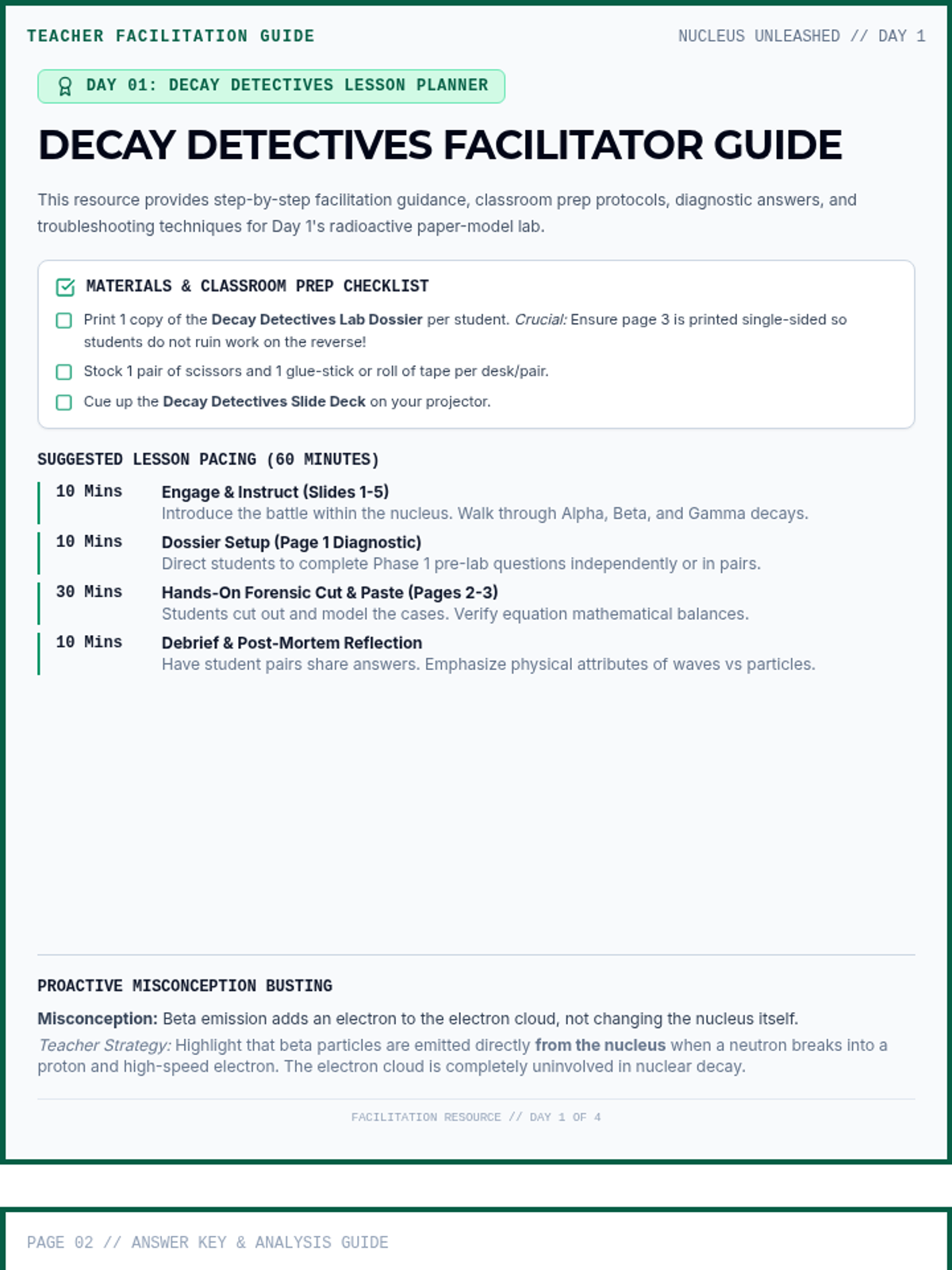
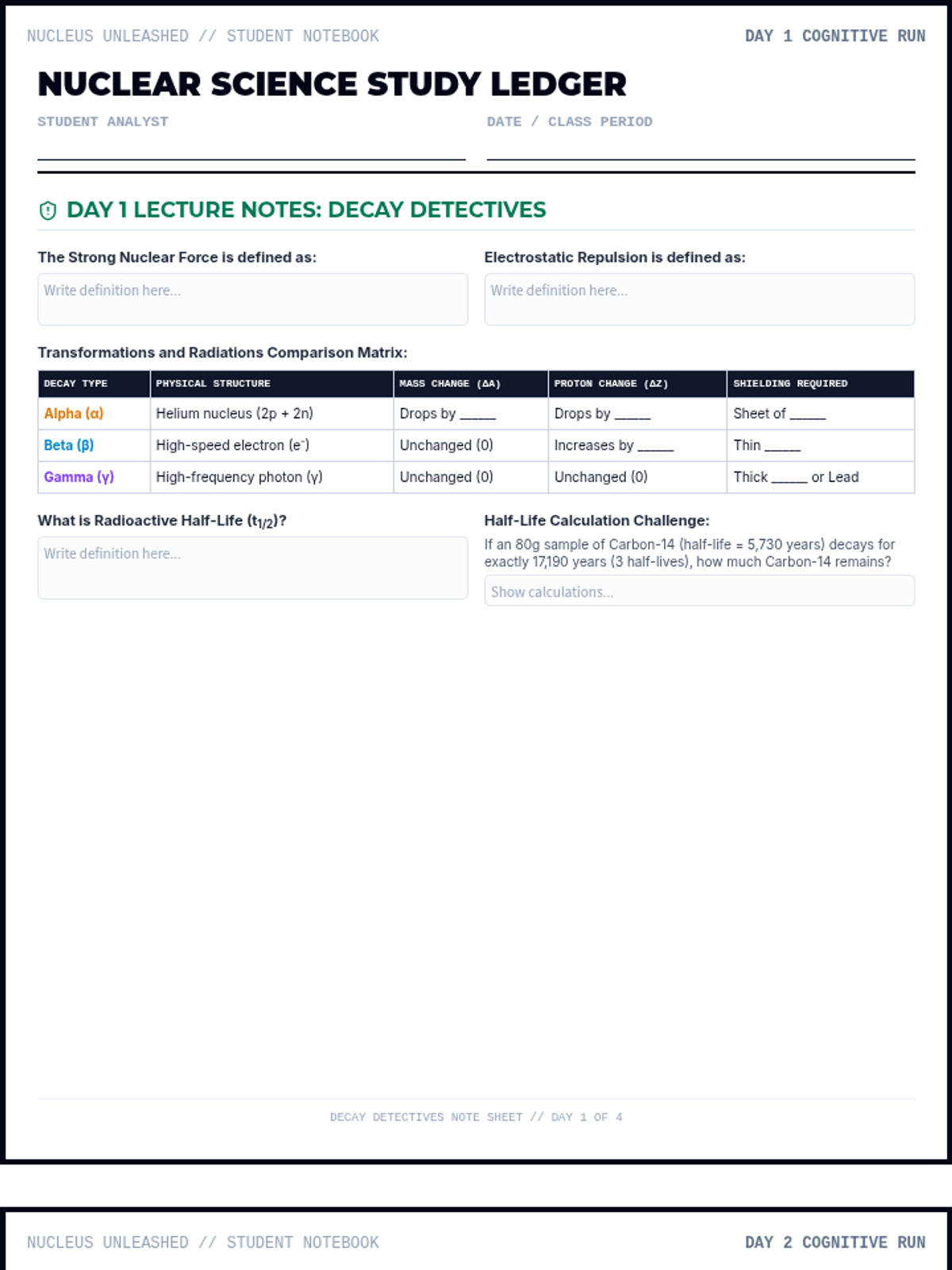
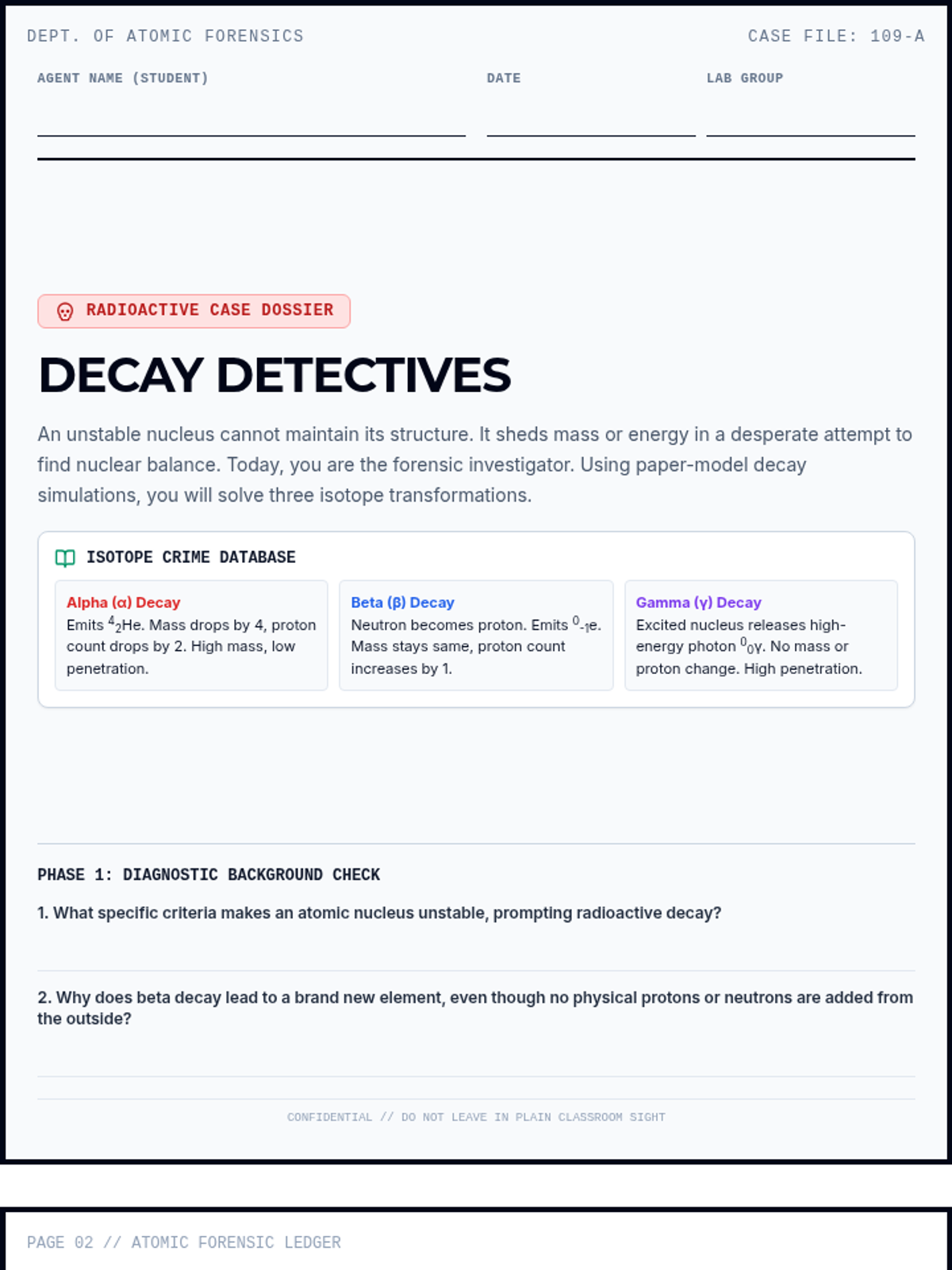
An interactive, station-based exploration of nuclear processes in chemistry. Students rotate through four distinct stations with comprehensive reading passages and analytical tasks covering radioactive decay and stability, fission versus fusion, half-life calculations for archaeological dating, and modern technological applications.
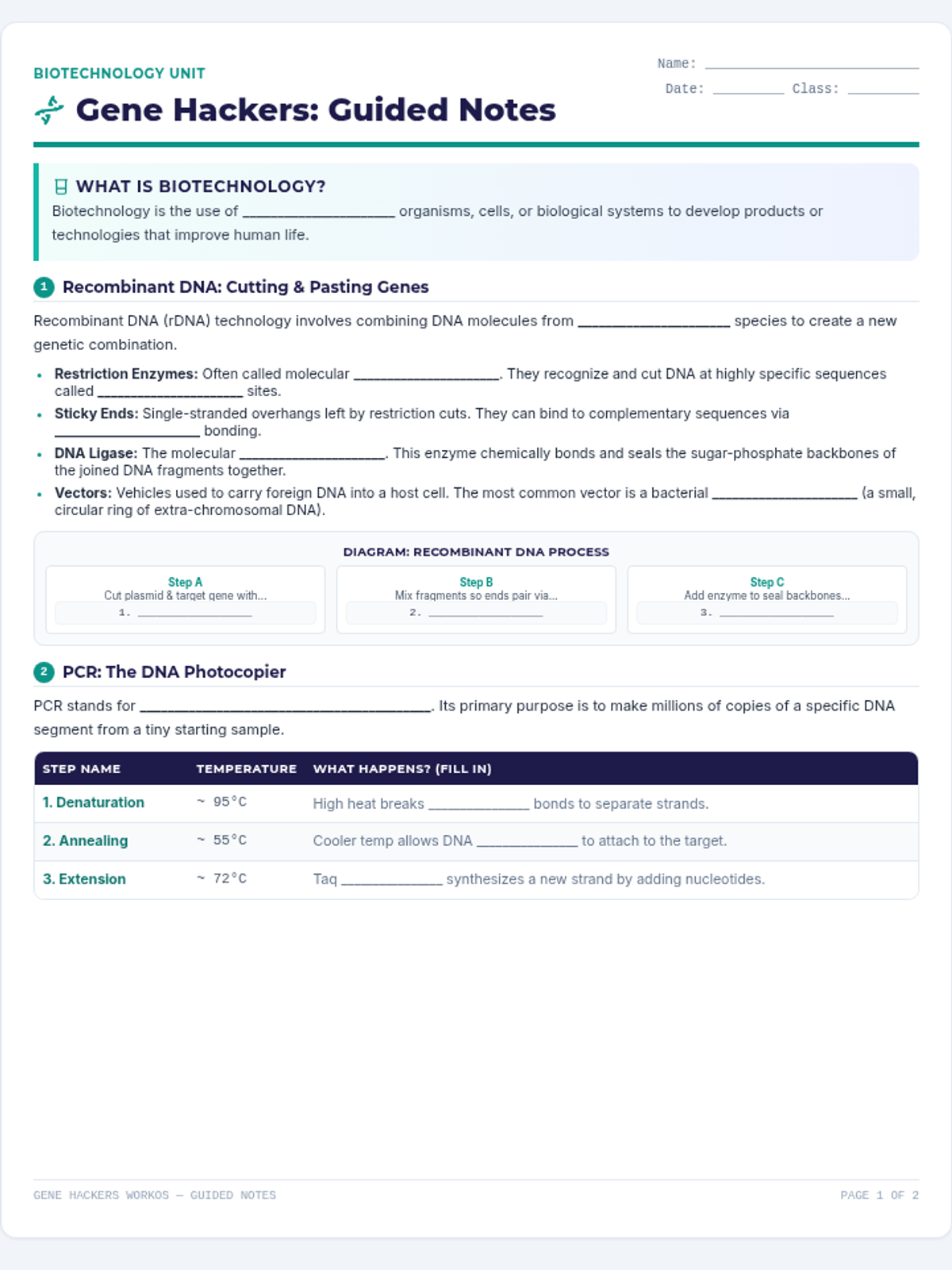
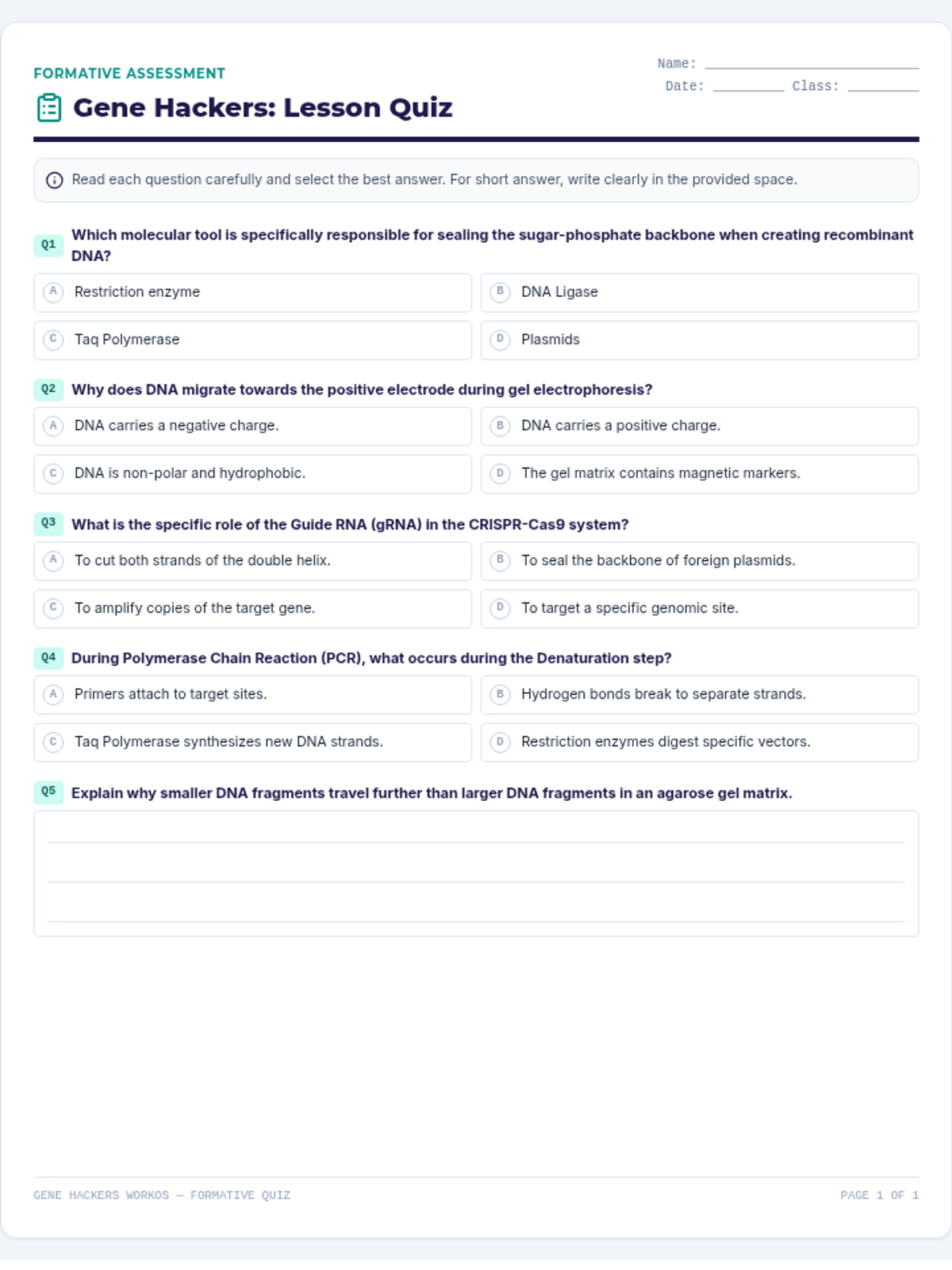
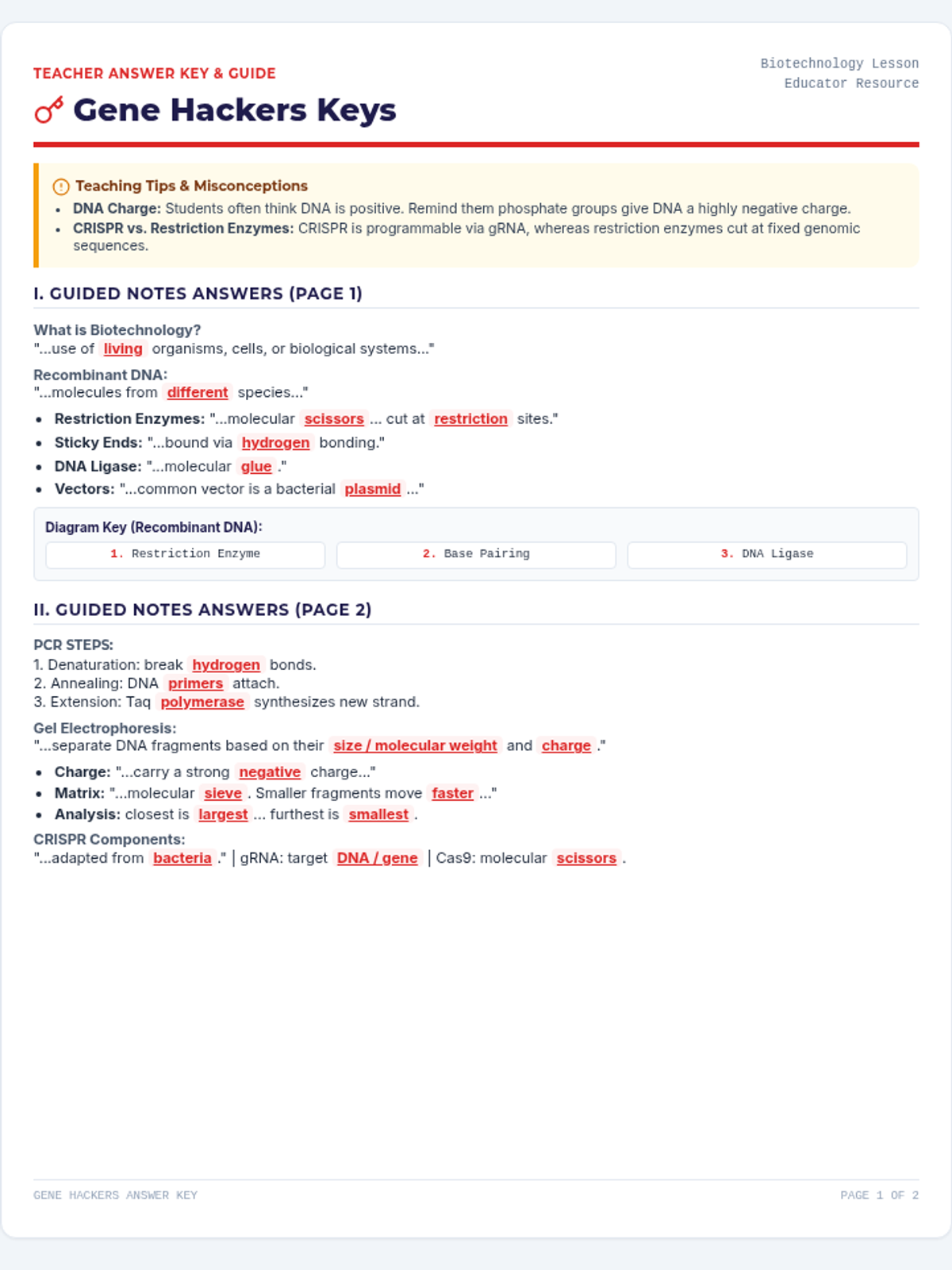
An introductory lesson on biotechnology, focusing on key tools like CRISPR, recombinant DNA, and gel electrophoresis. Students complete interactive guided notes and a formative assessment to demonstrate understanding of genetic engineering.
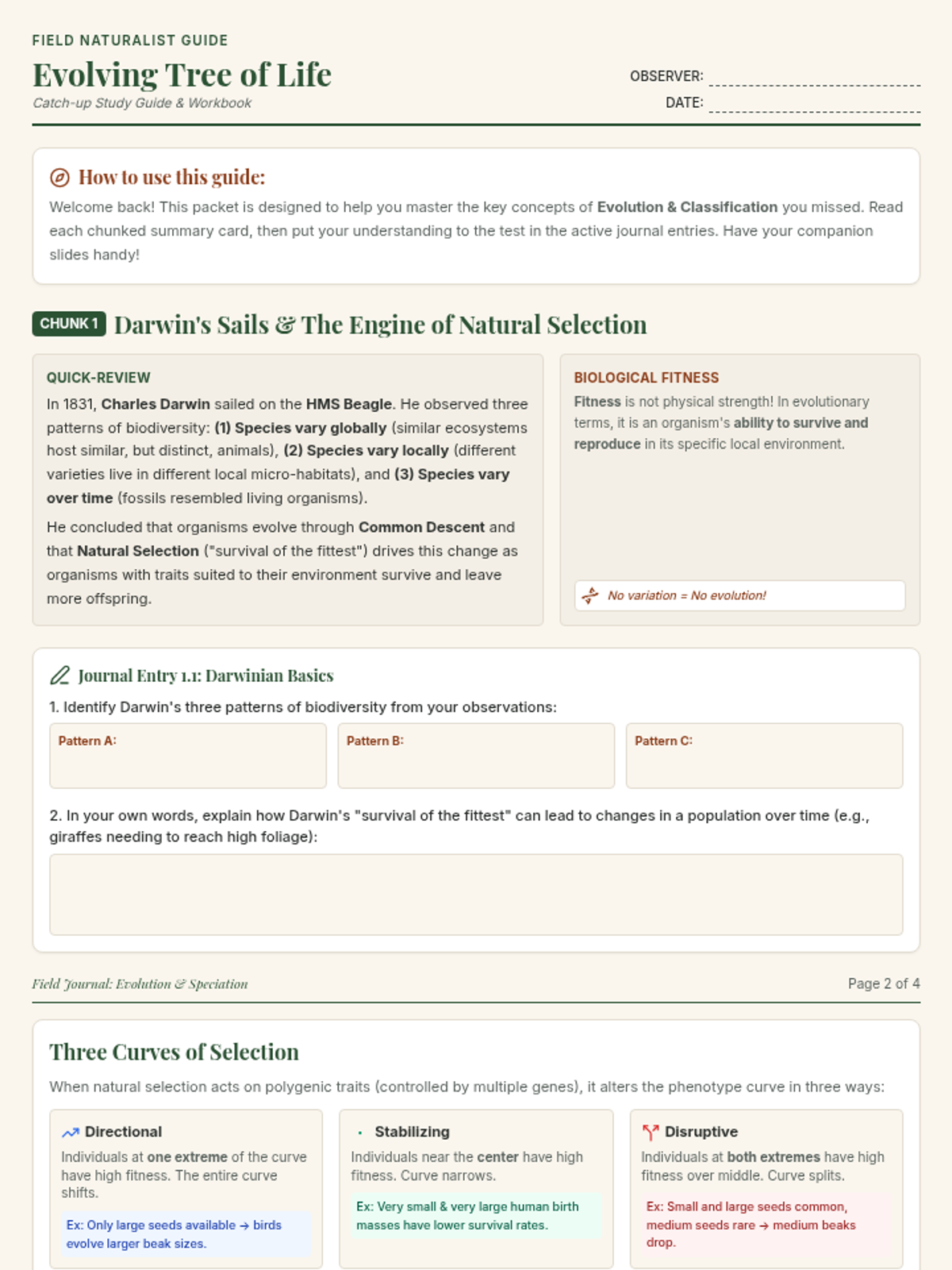
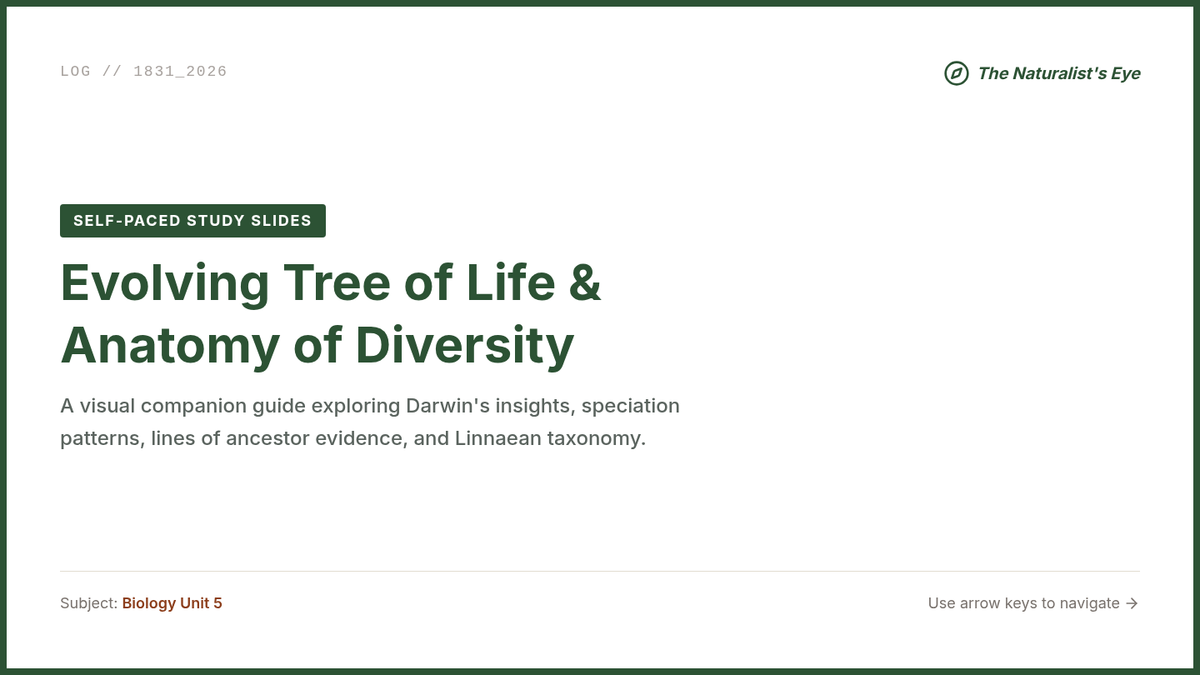
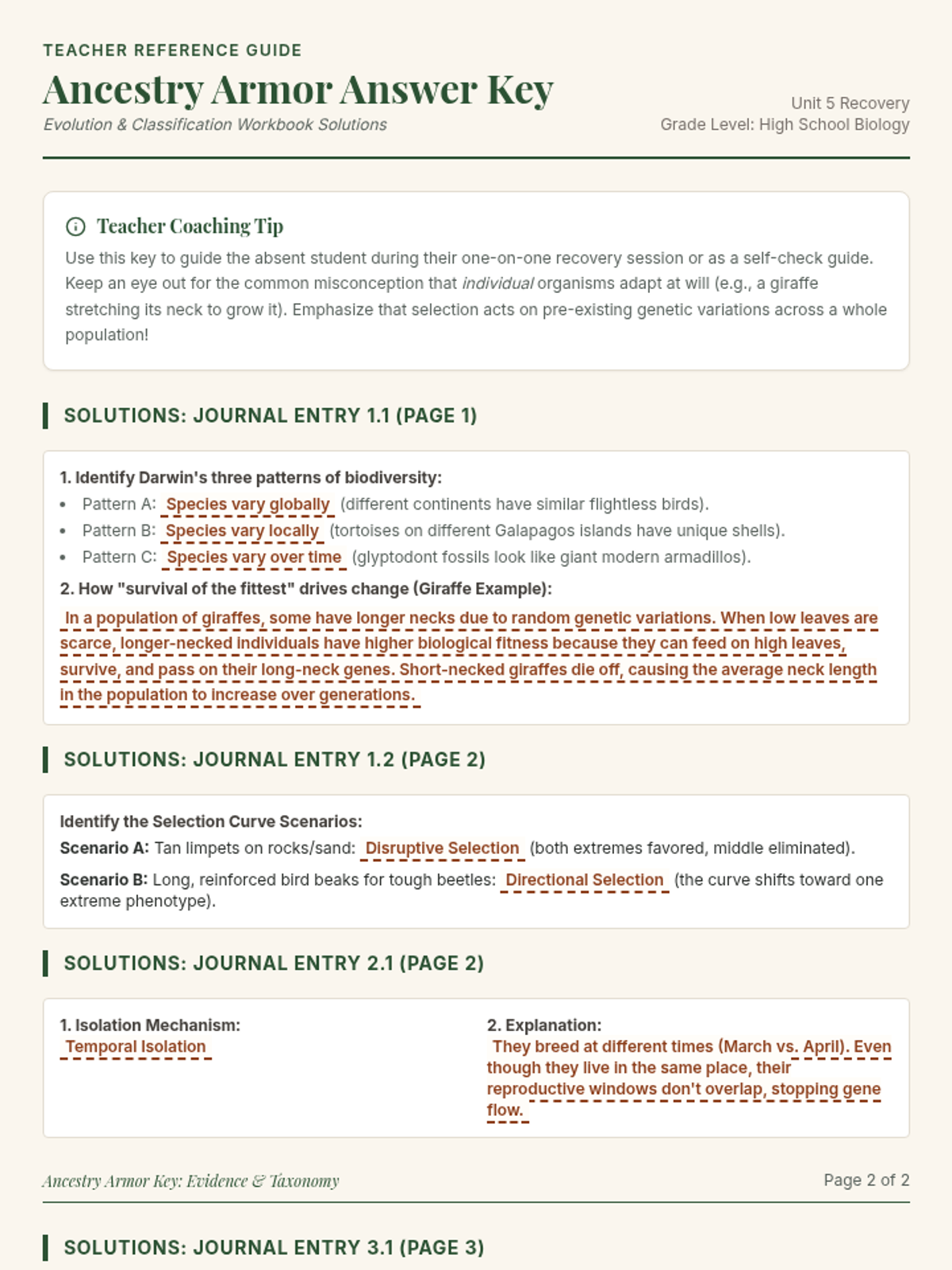
A self-paced study lesson designed for students catching up on Evolution and Classification. It chunk-packs Darwinian theory, speciation, lines of evolutionary evidence, Linnaean taxonomy, and cladograms into accessible, digestible visual summaries and active workbook exercises.
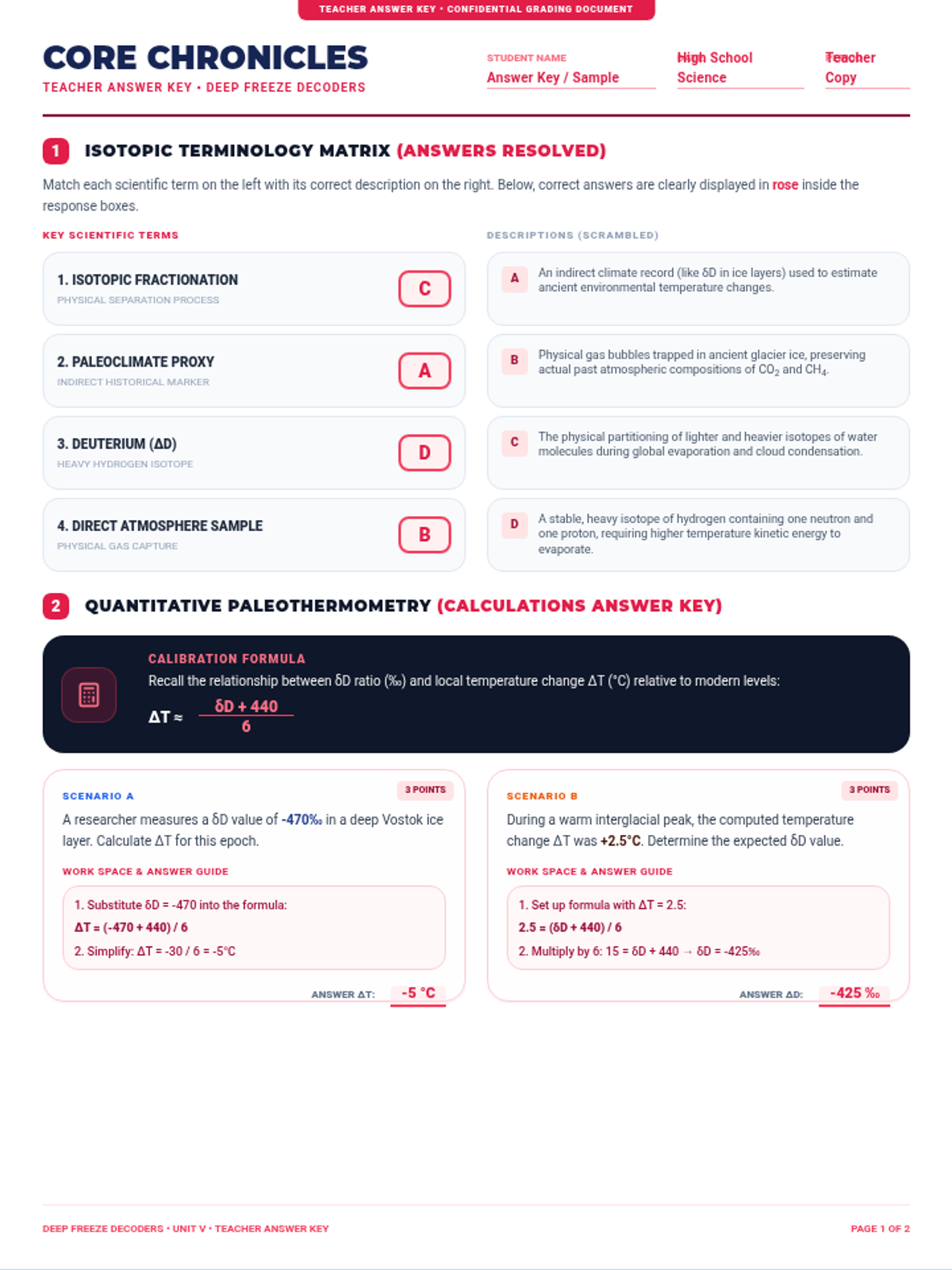
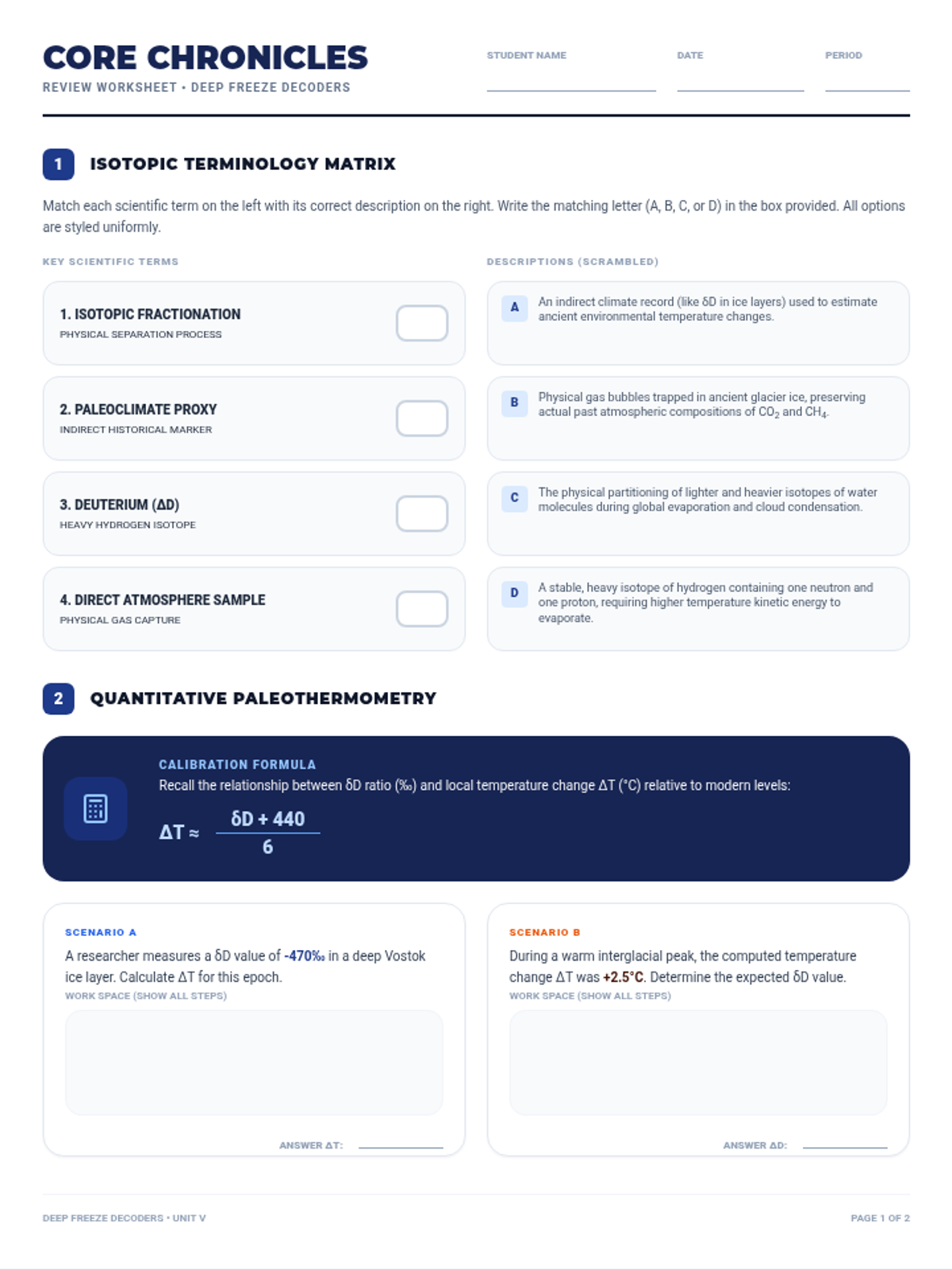
A comprehensive review lesson where students synthesize paleoclimate concepts, isotope calculations, and feedback loops. Students participate in interactive review challenges and complete a structured synthesis worksheet to demonstrate mastery.
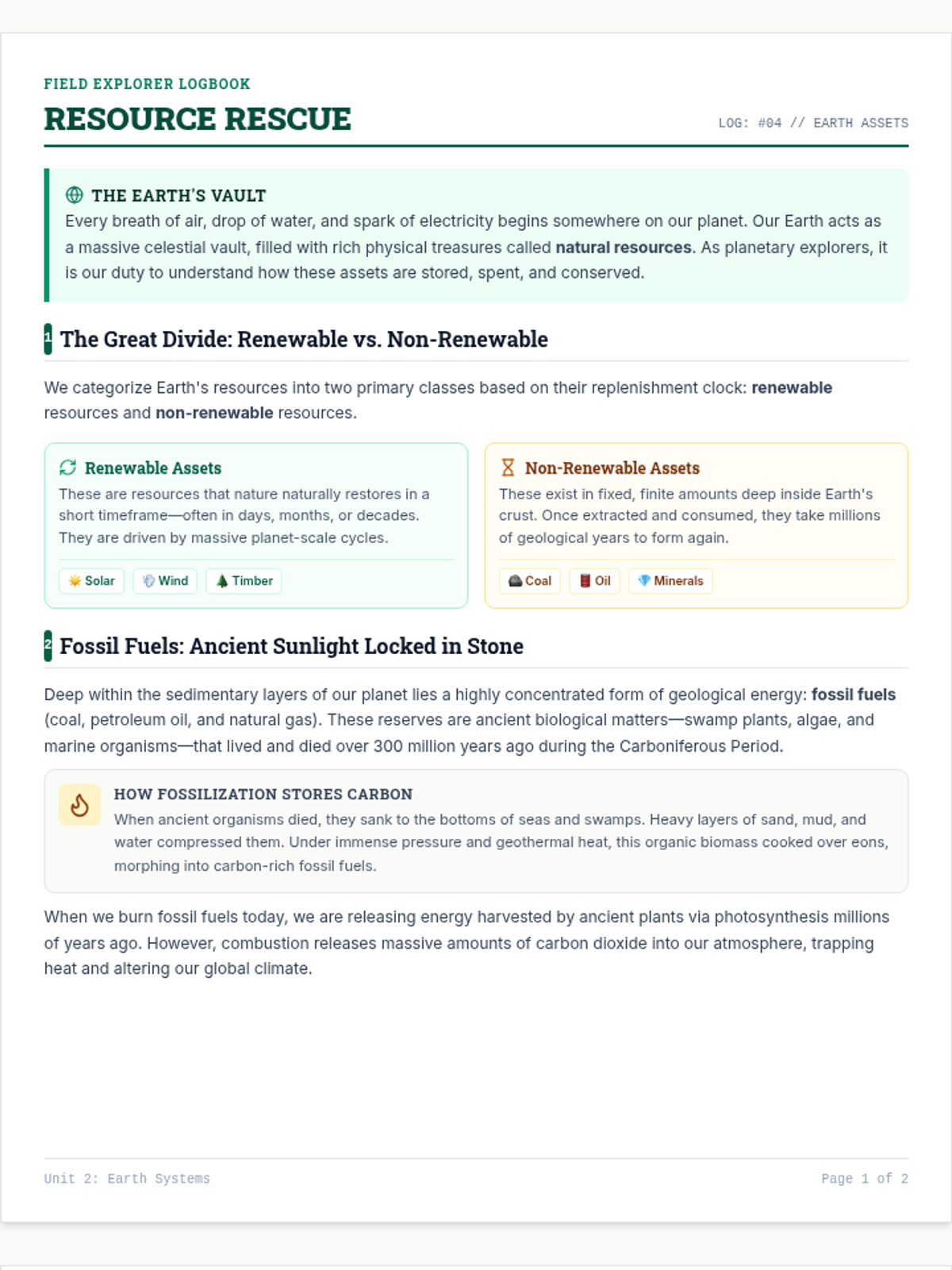
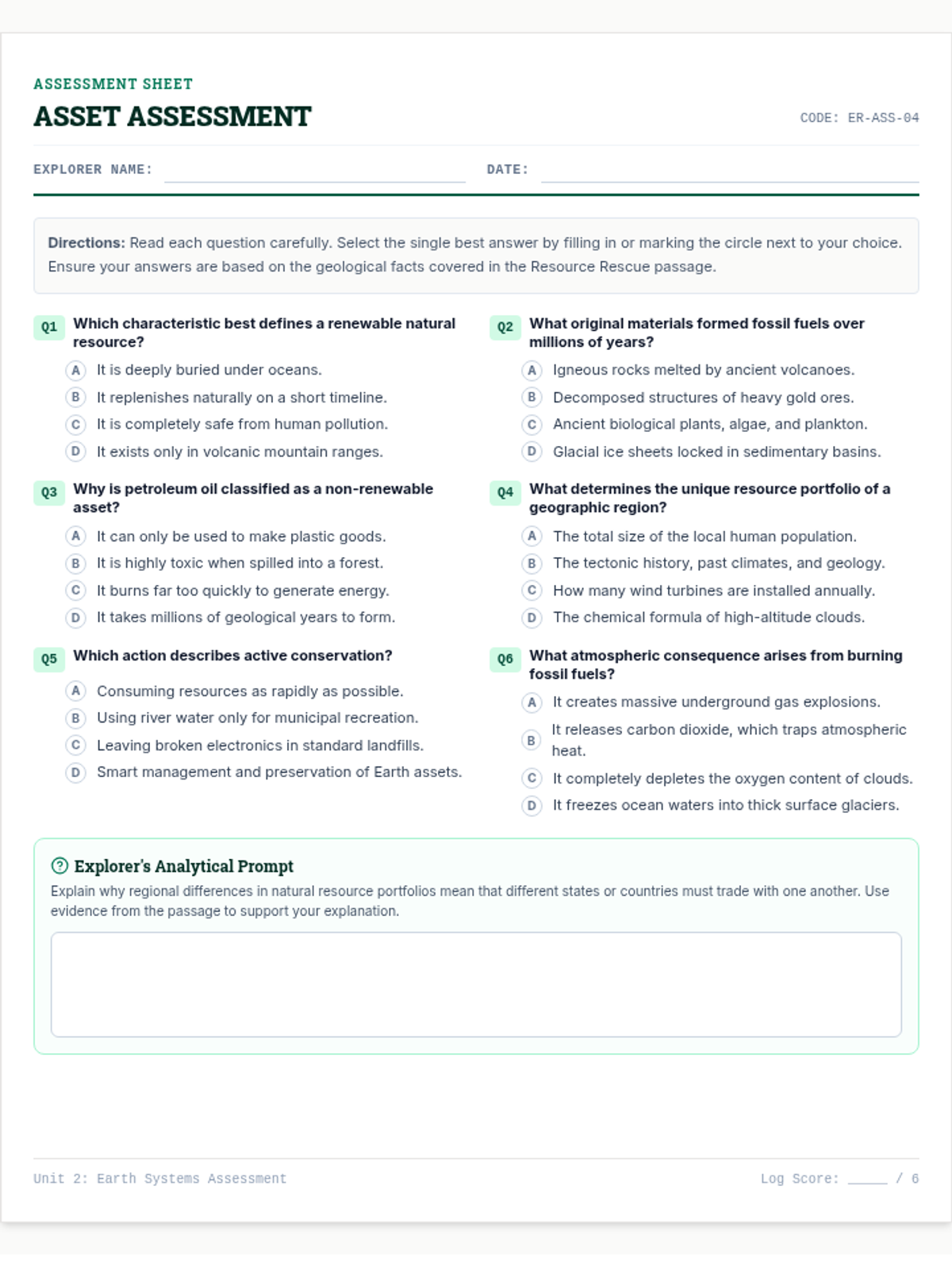
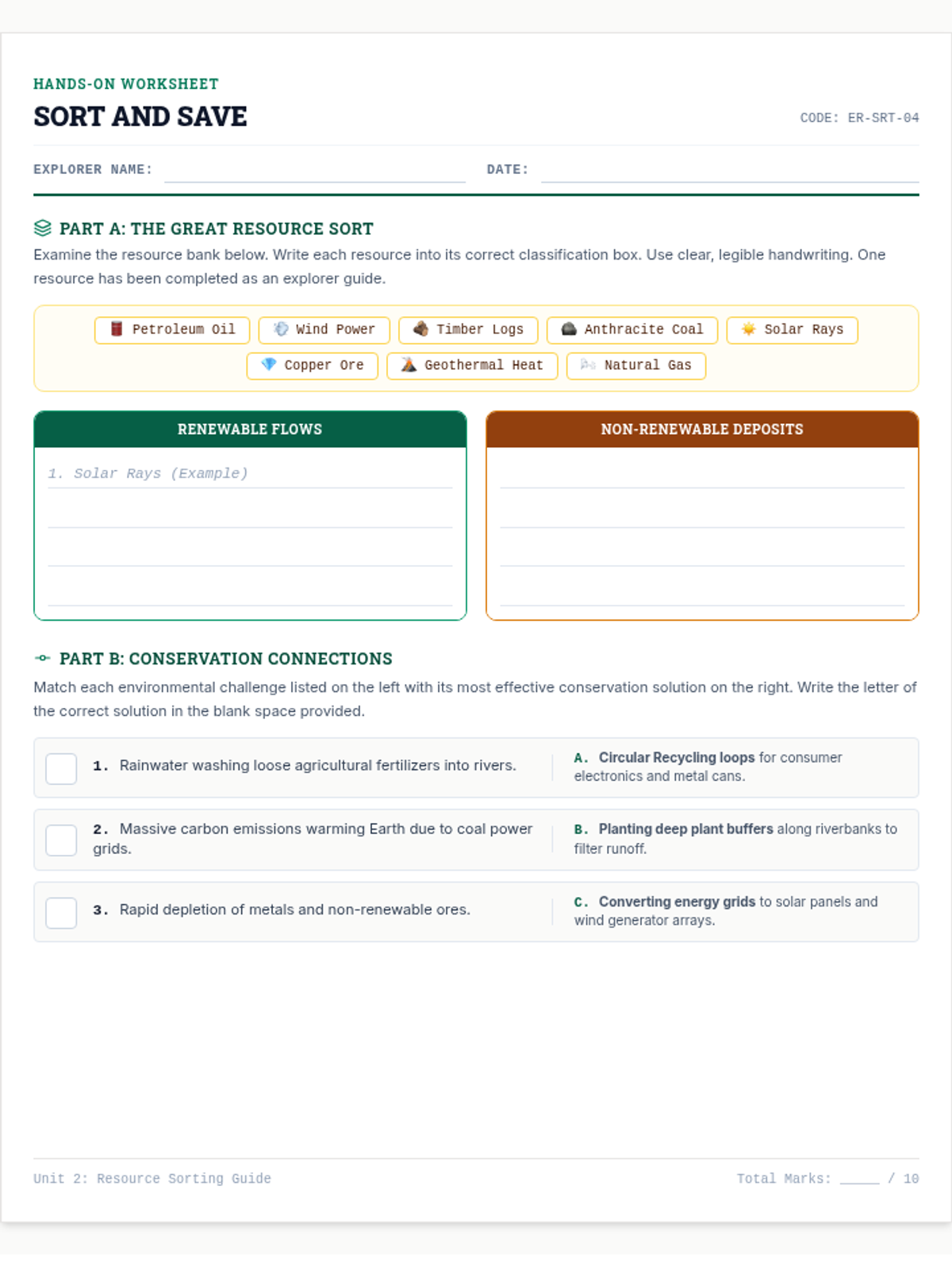
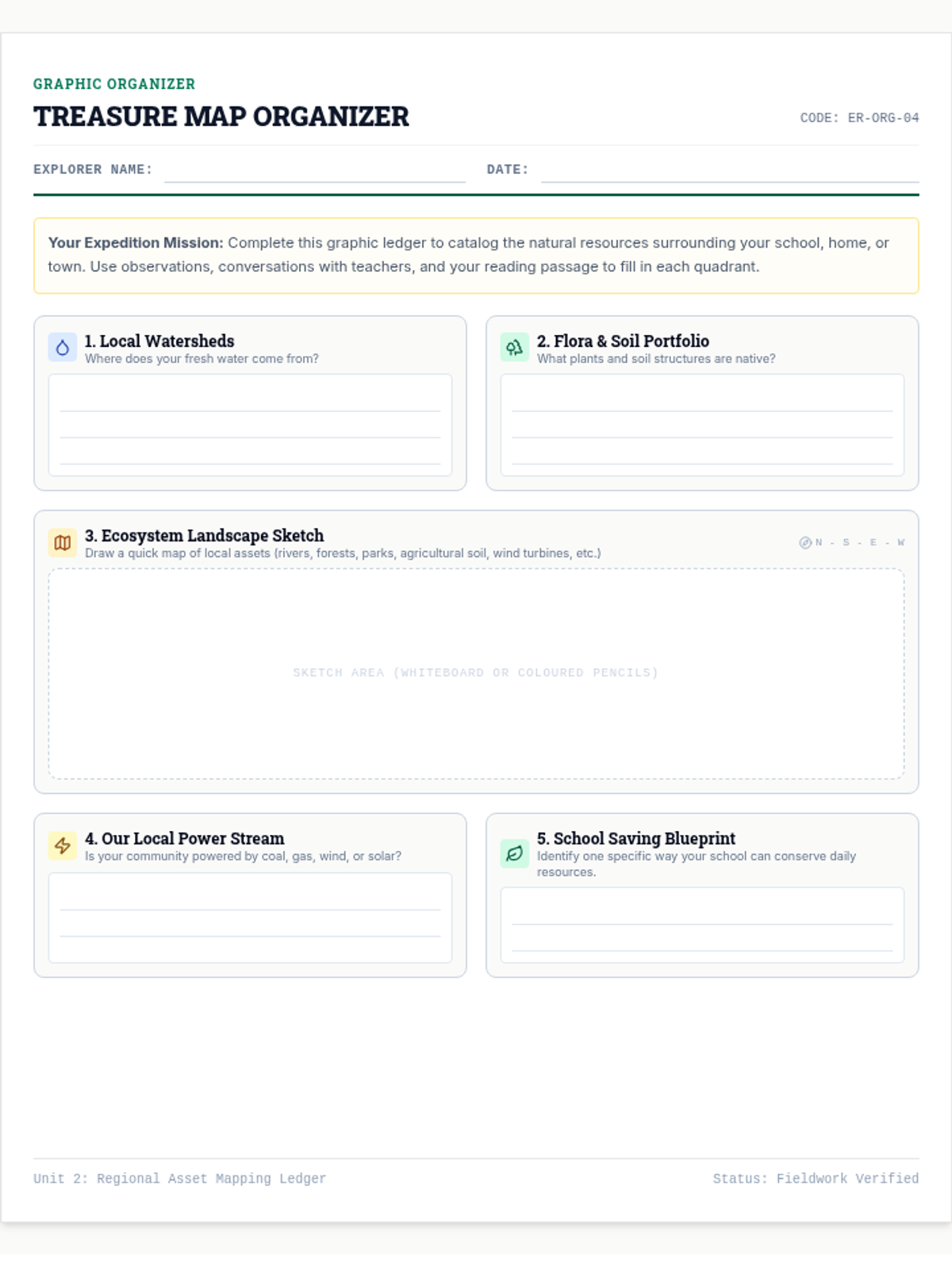
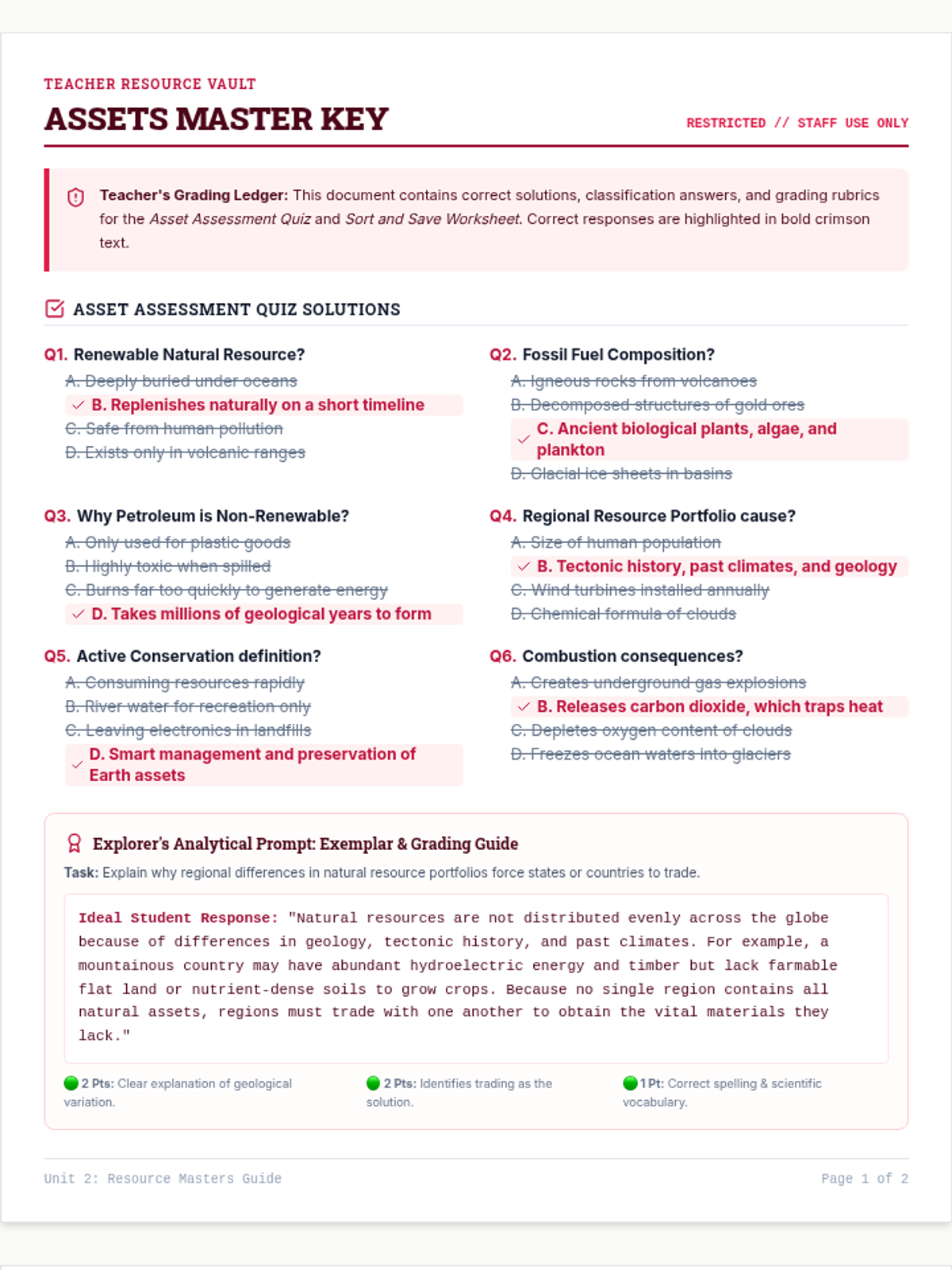
An engaging exploration of renewable and non-renewable natural resources, fossil fuels, and local conservation efforts through field-guide inspired readings, assessments, interactive sorting, and local mapping exercises.
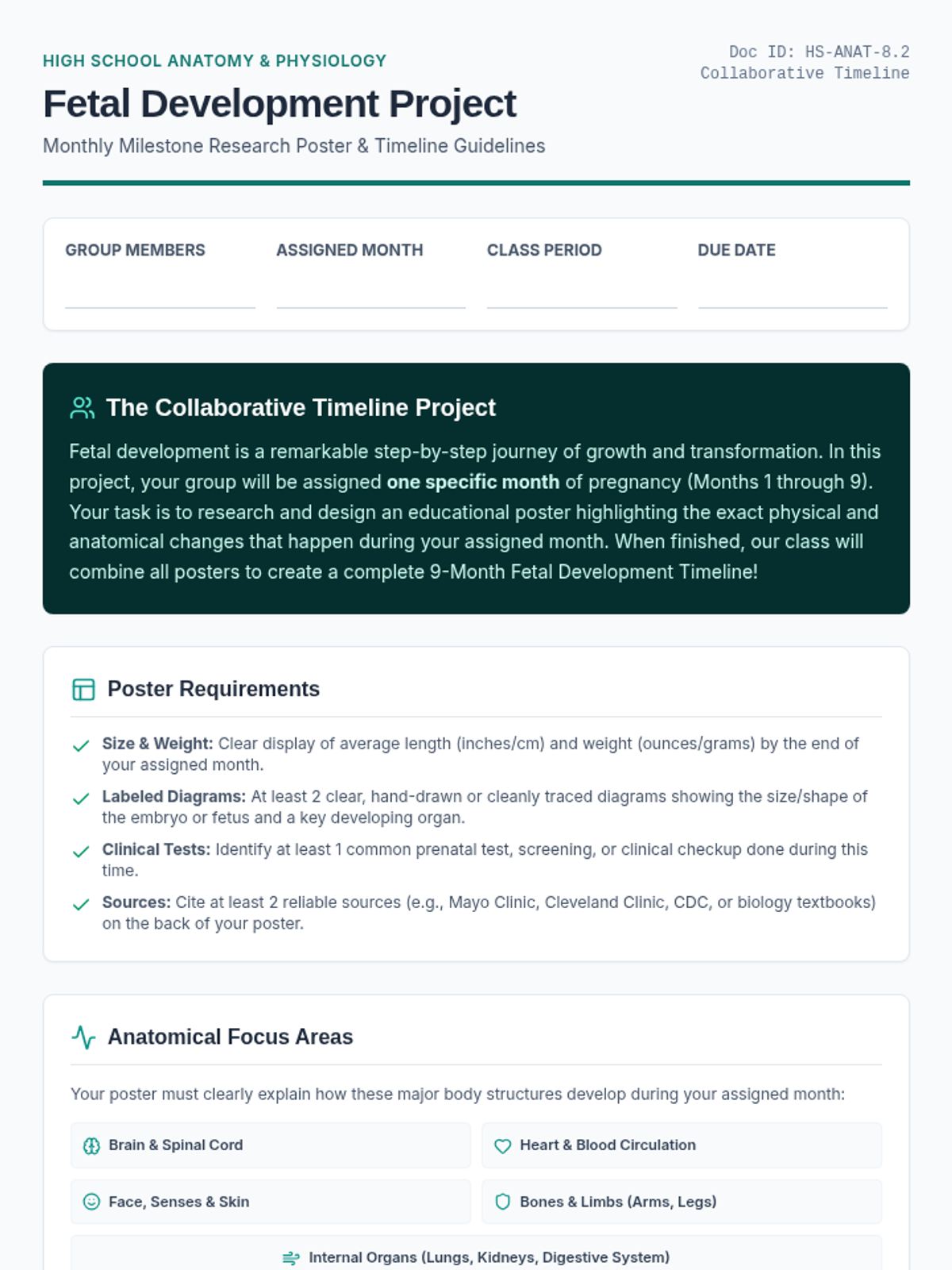
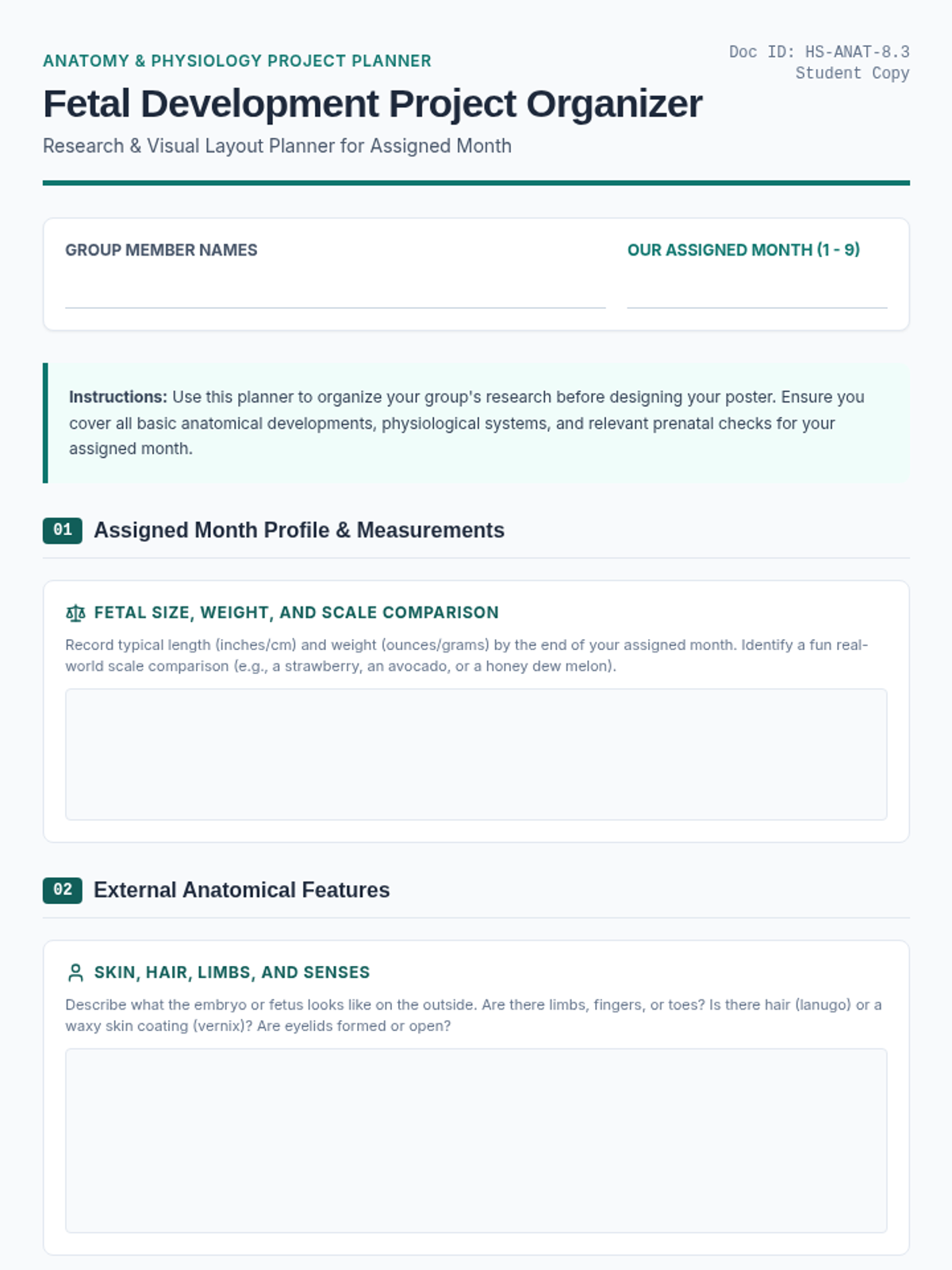
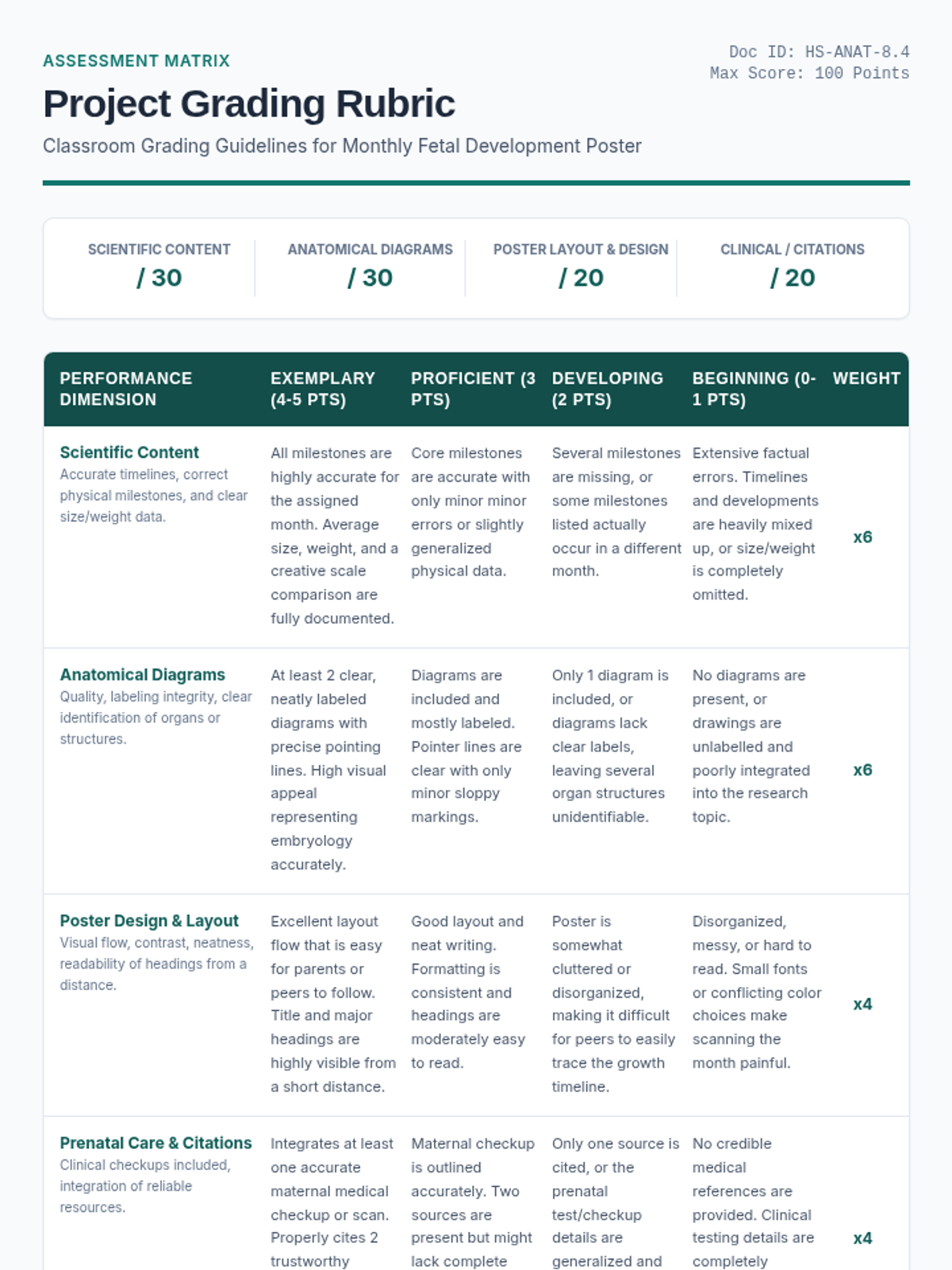
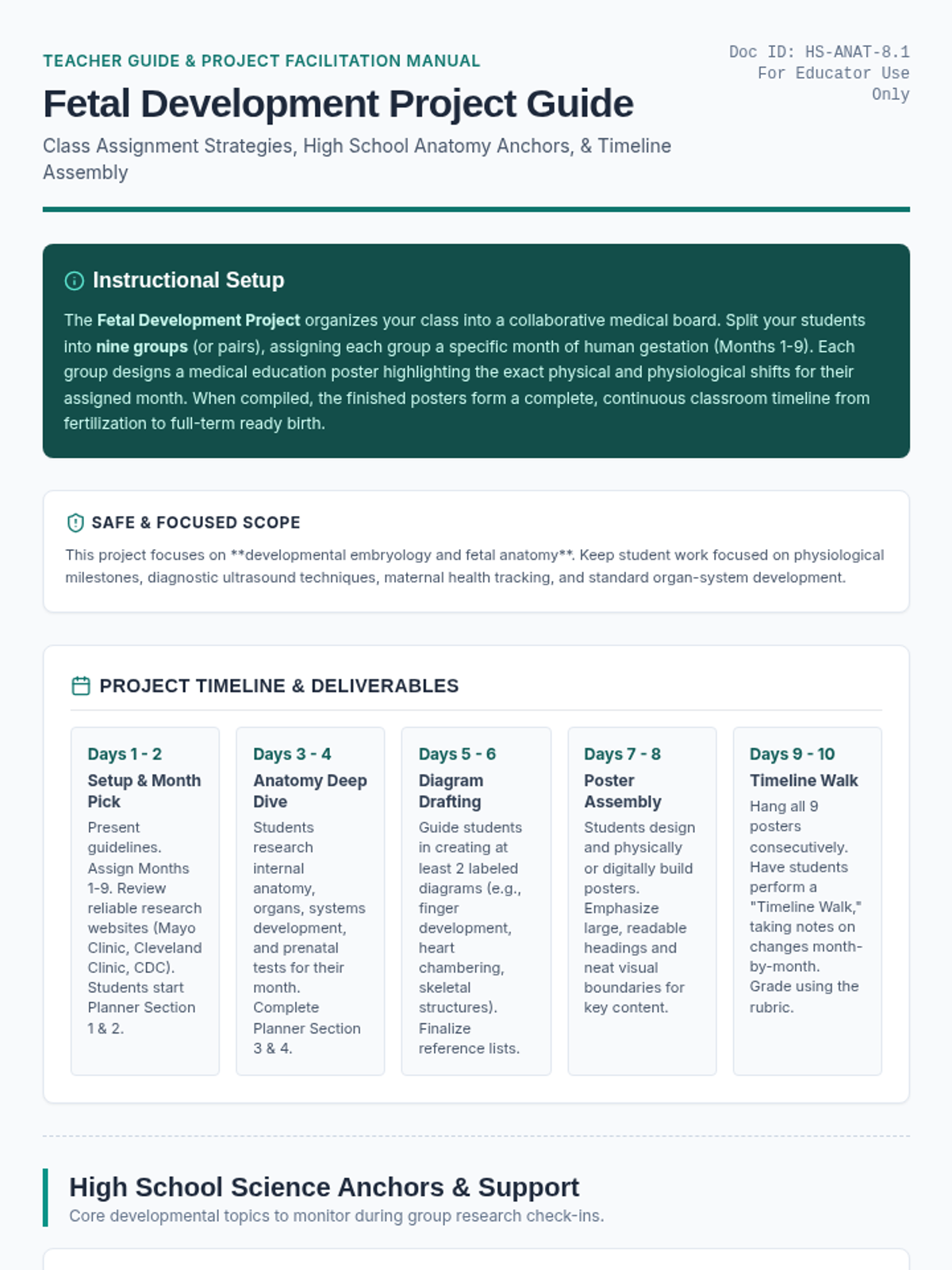
An engaging, collaborative high school anatomy project where students research and design educational communication posters tracking the monthly physical and physiological milestones of human fetal development across gestation.
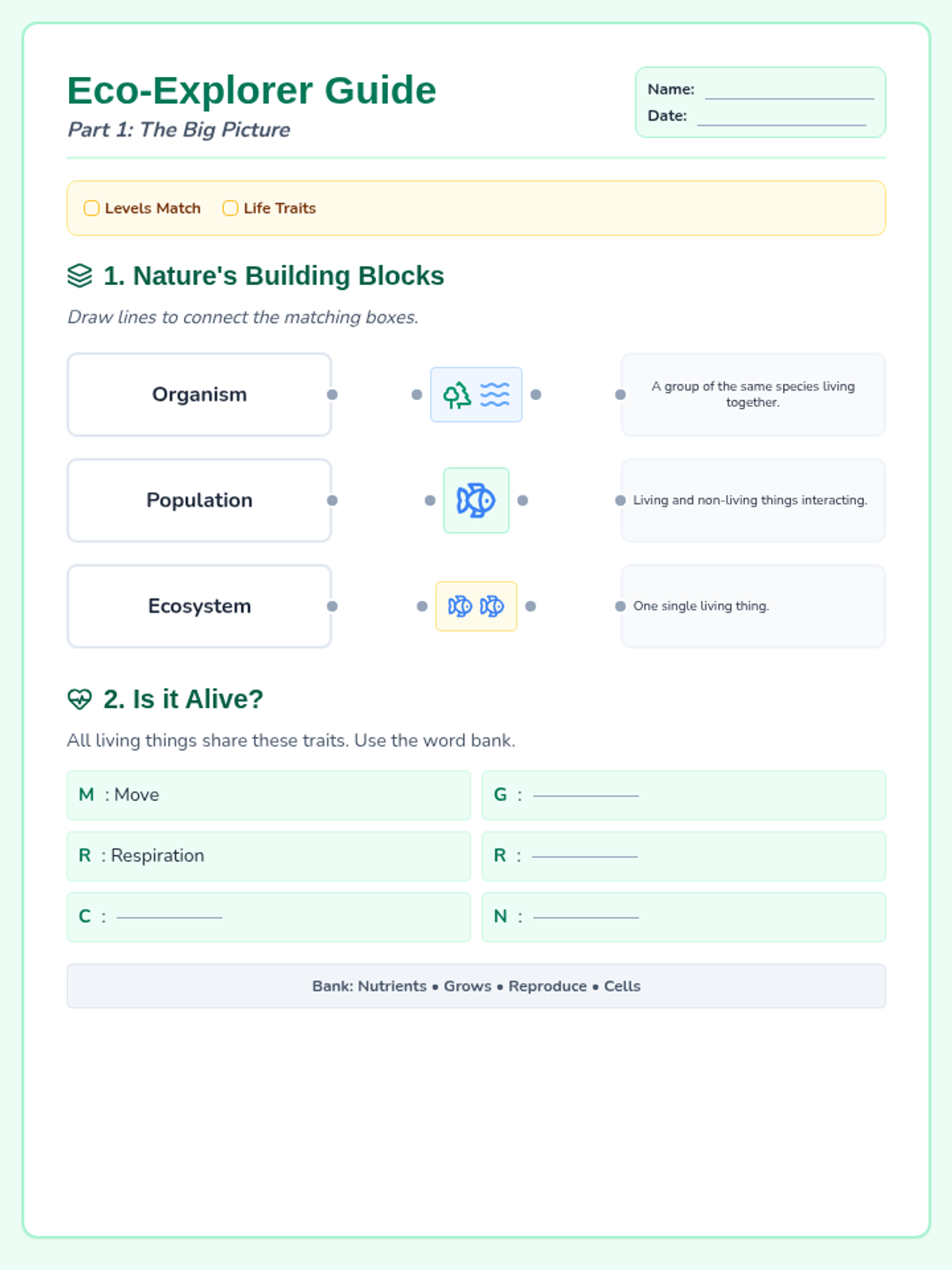
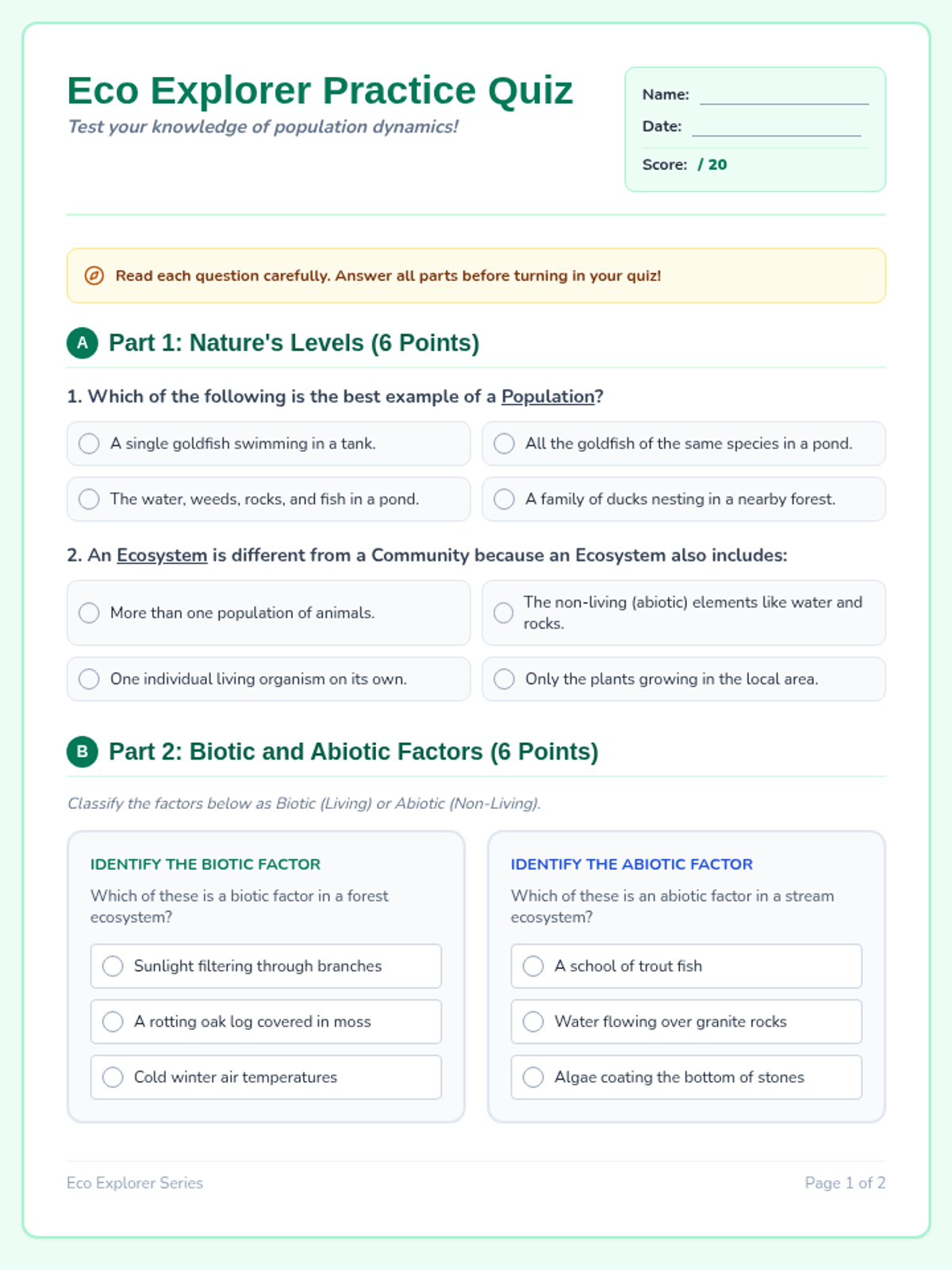
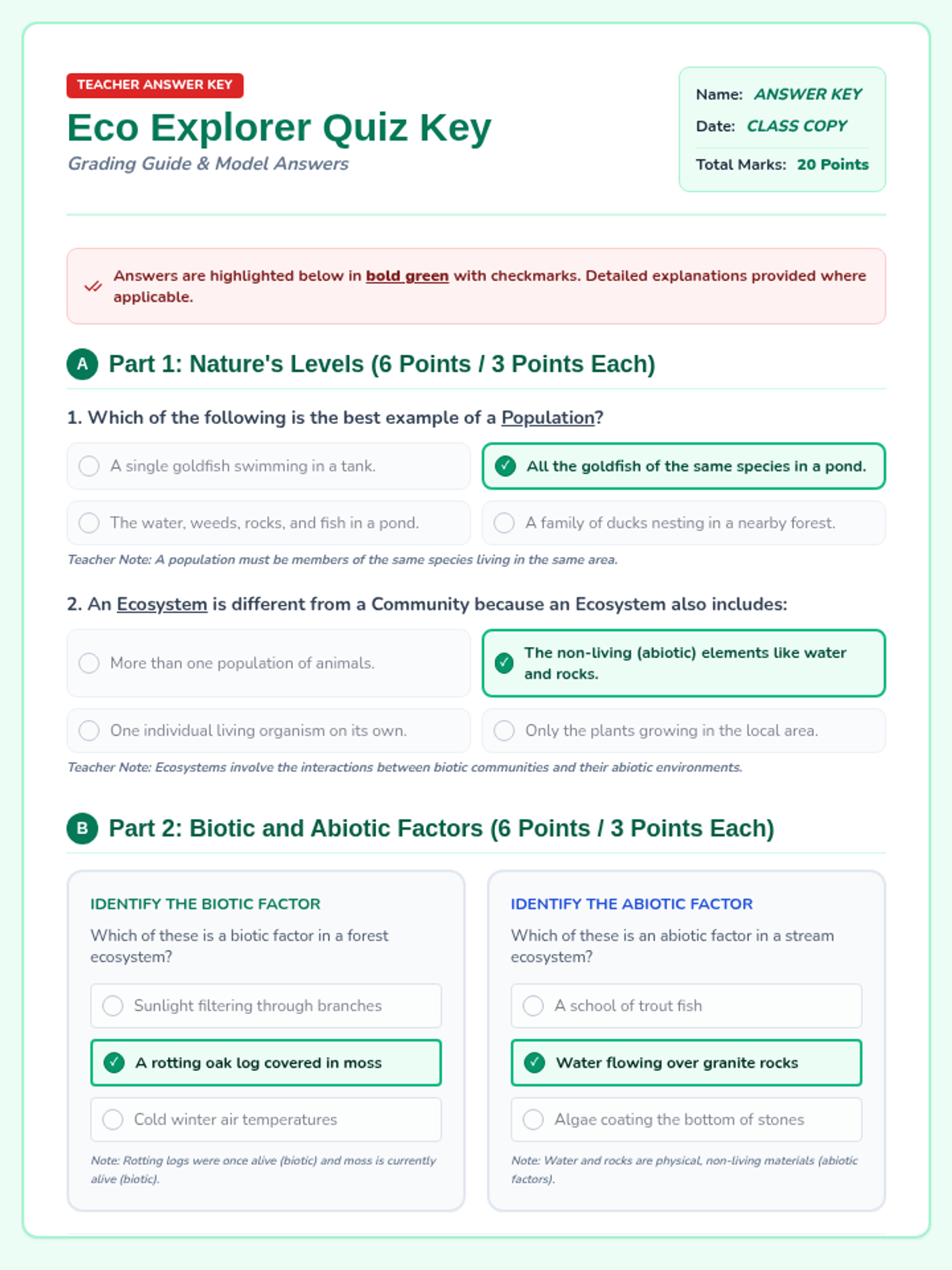
An introductory science lesson exploring ecological levels of organization, biotic versus abiotic factors, and population growth limits.
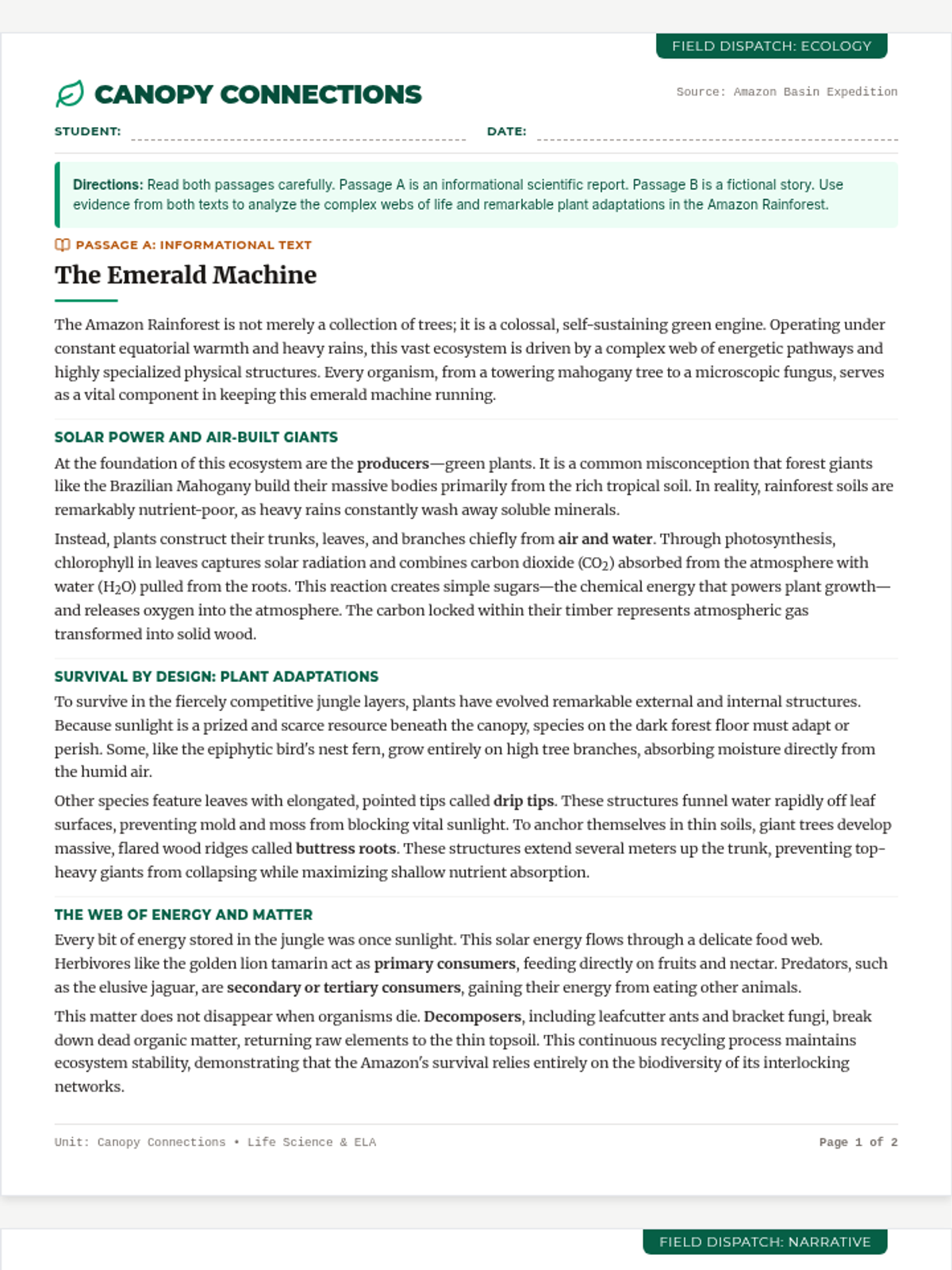
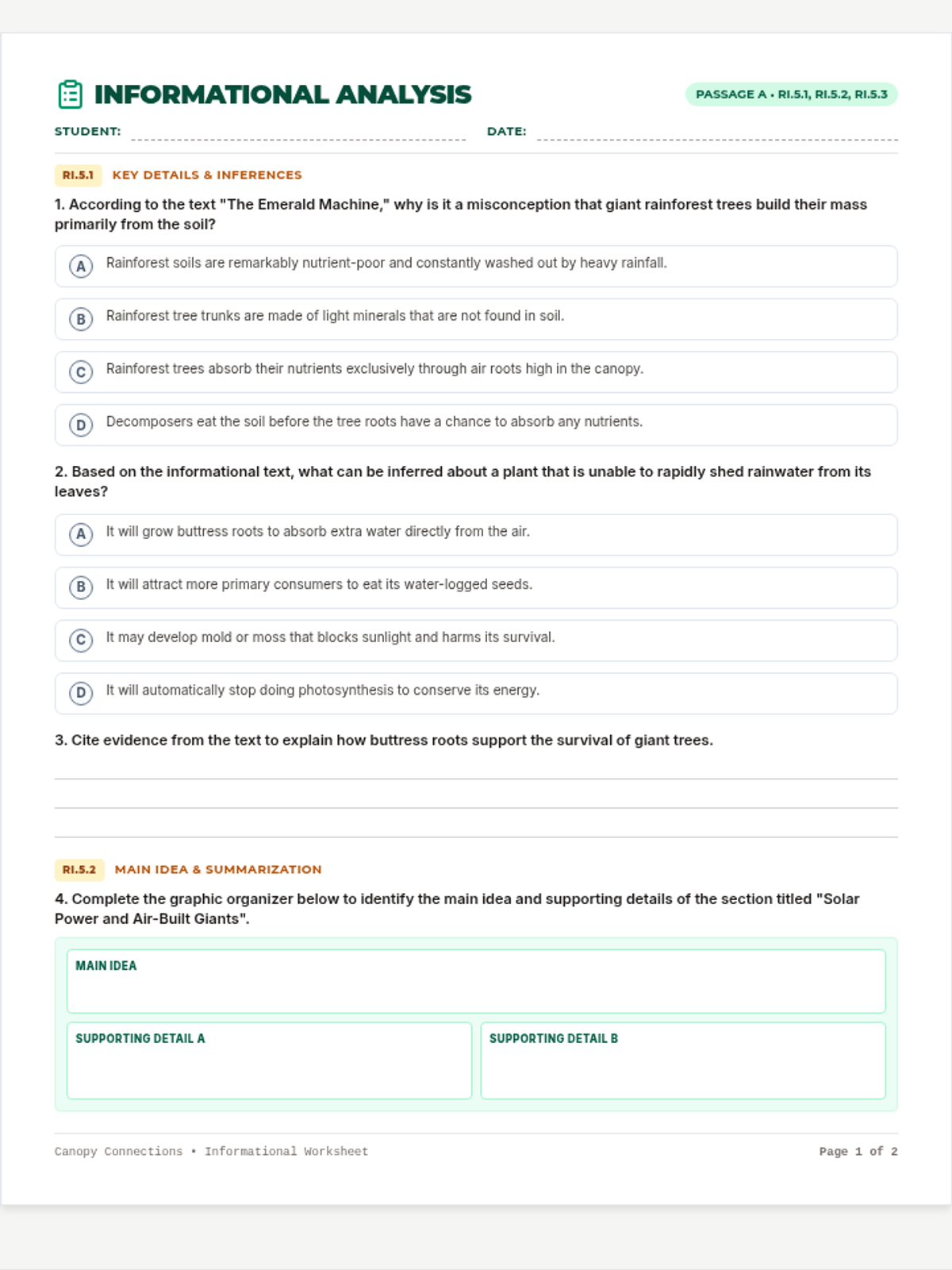
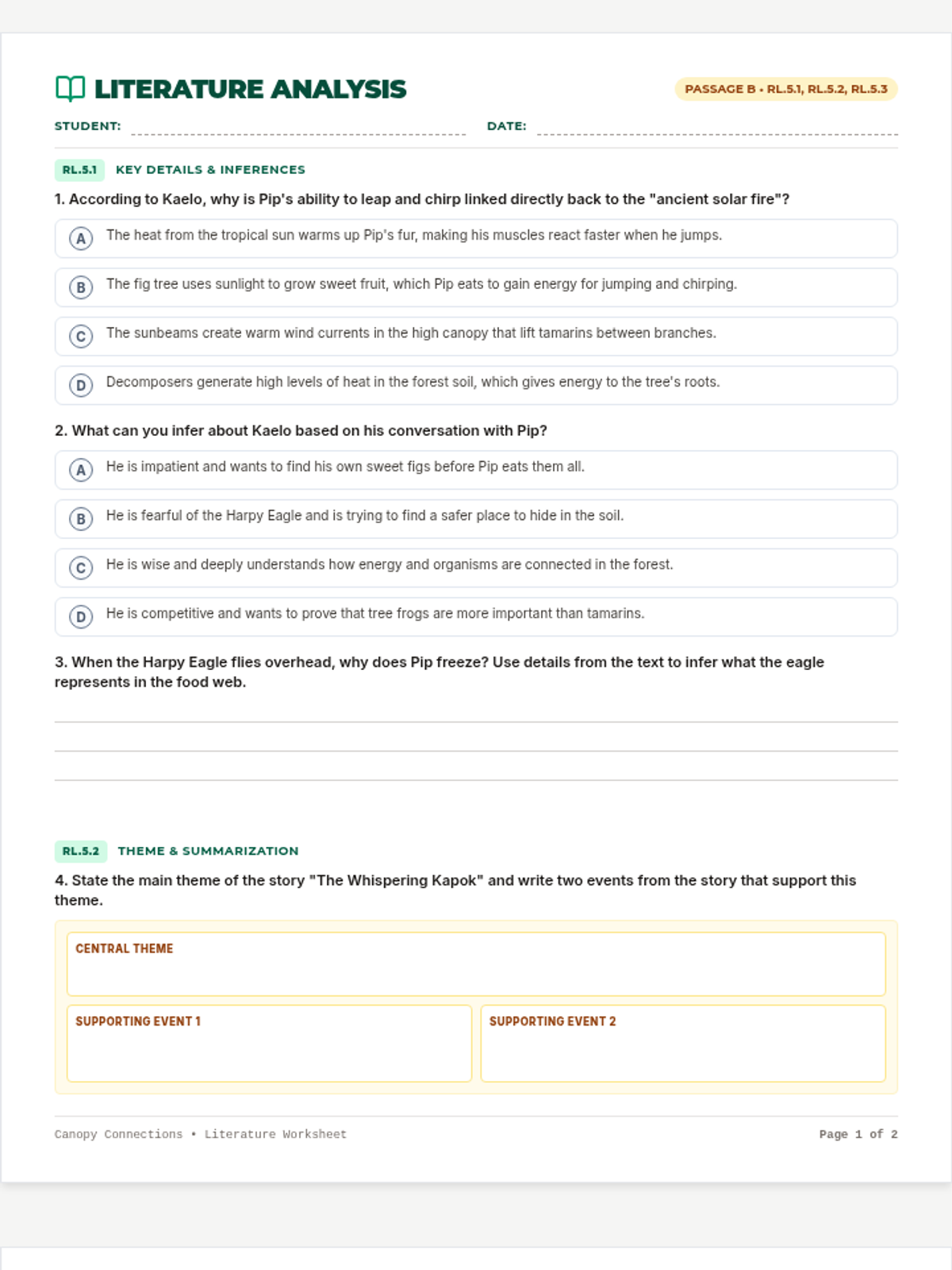
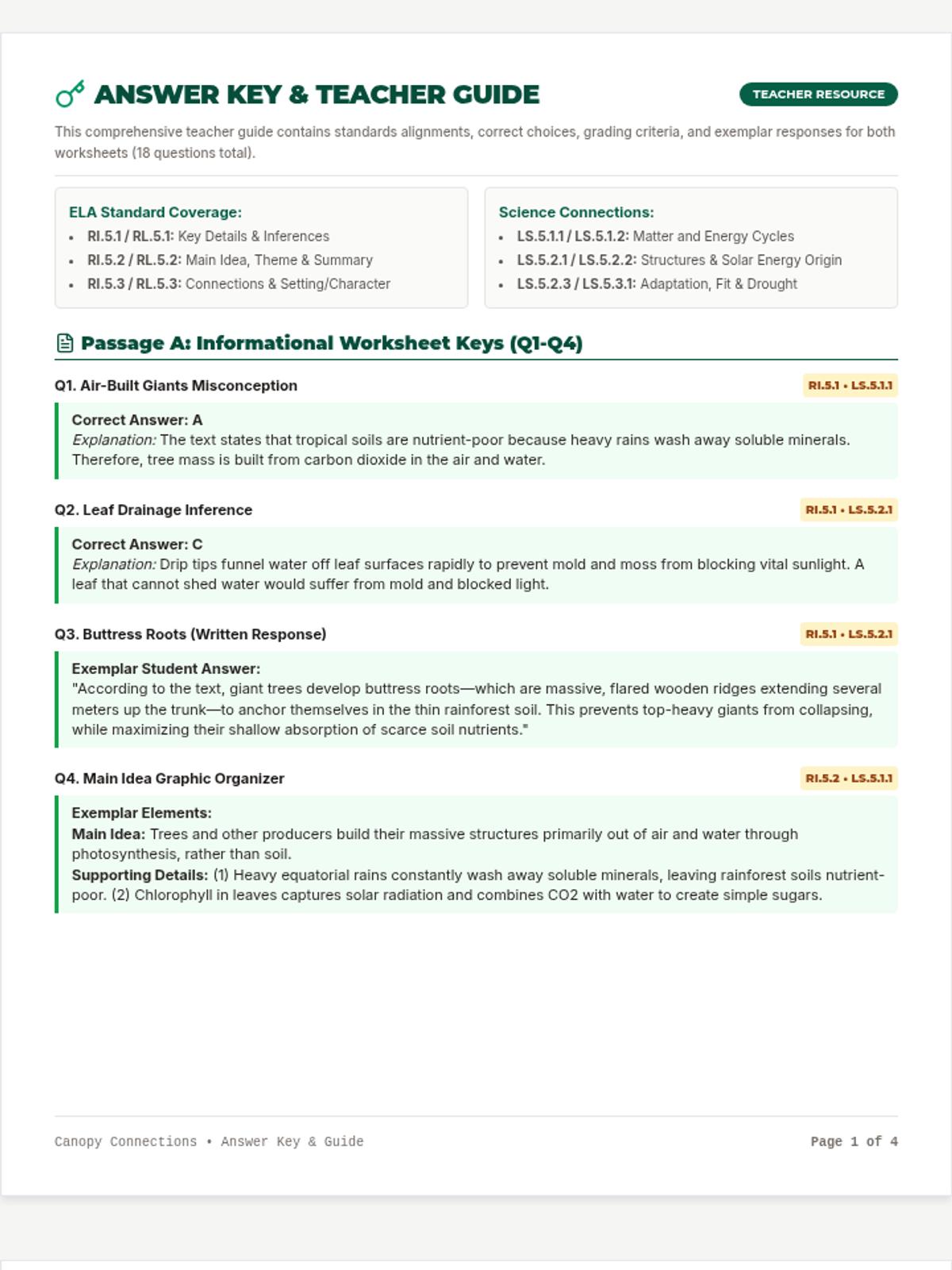
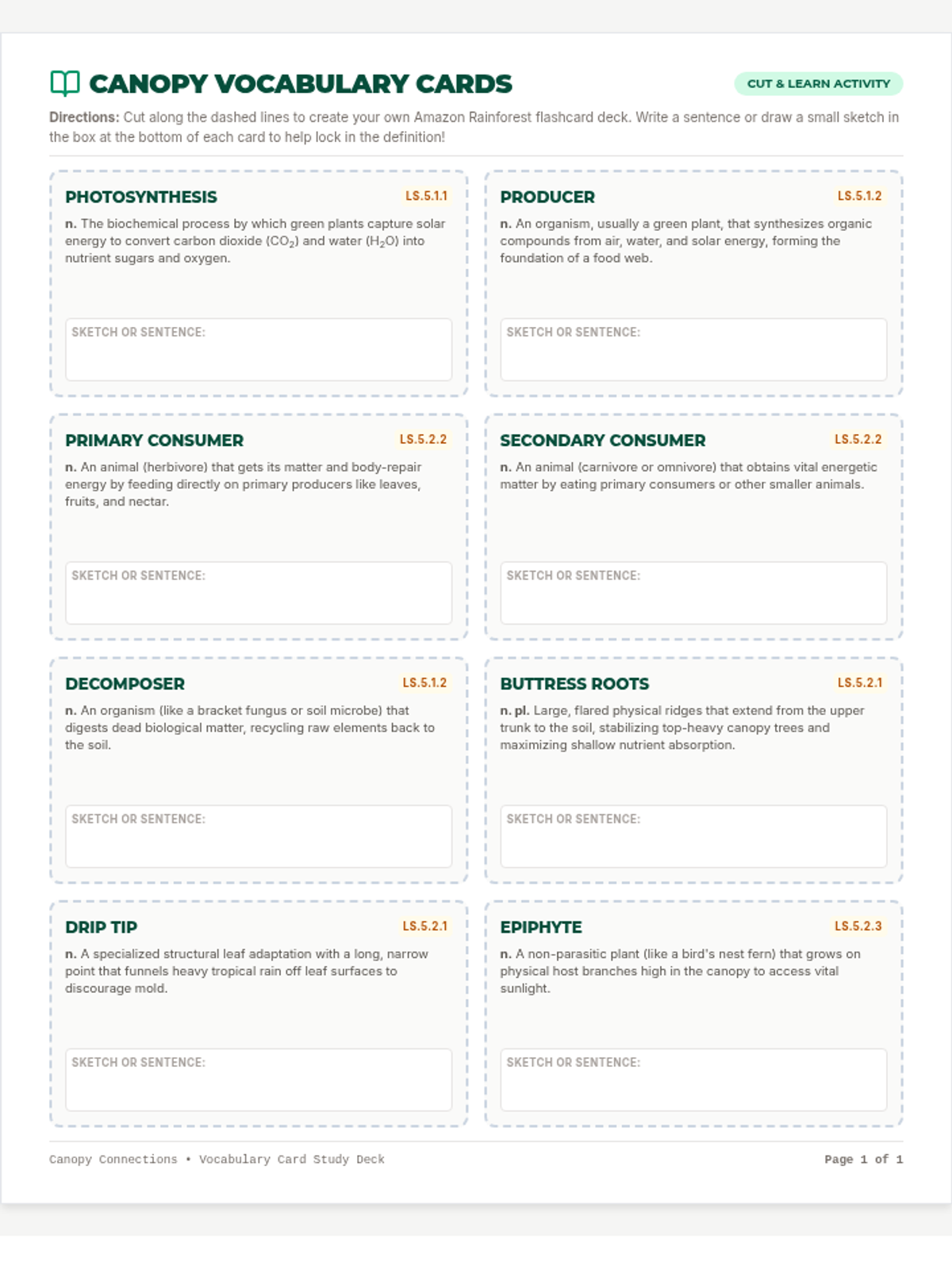
A comprehensive 5th-grade science and literacy lesson exploring the intricate food webs, energy flows, and unique plant adaptations of the Amazon Rainforest through paired texts and standard-aligned analysis.
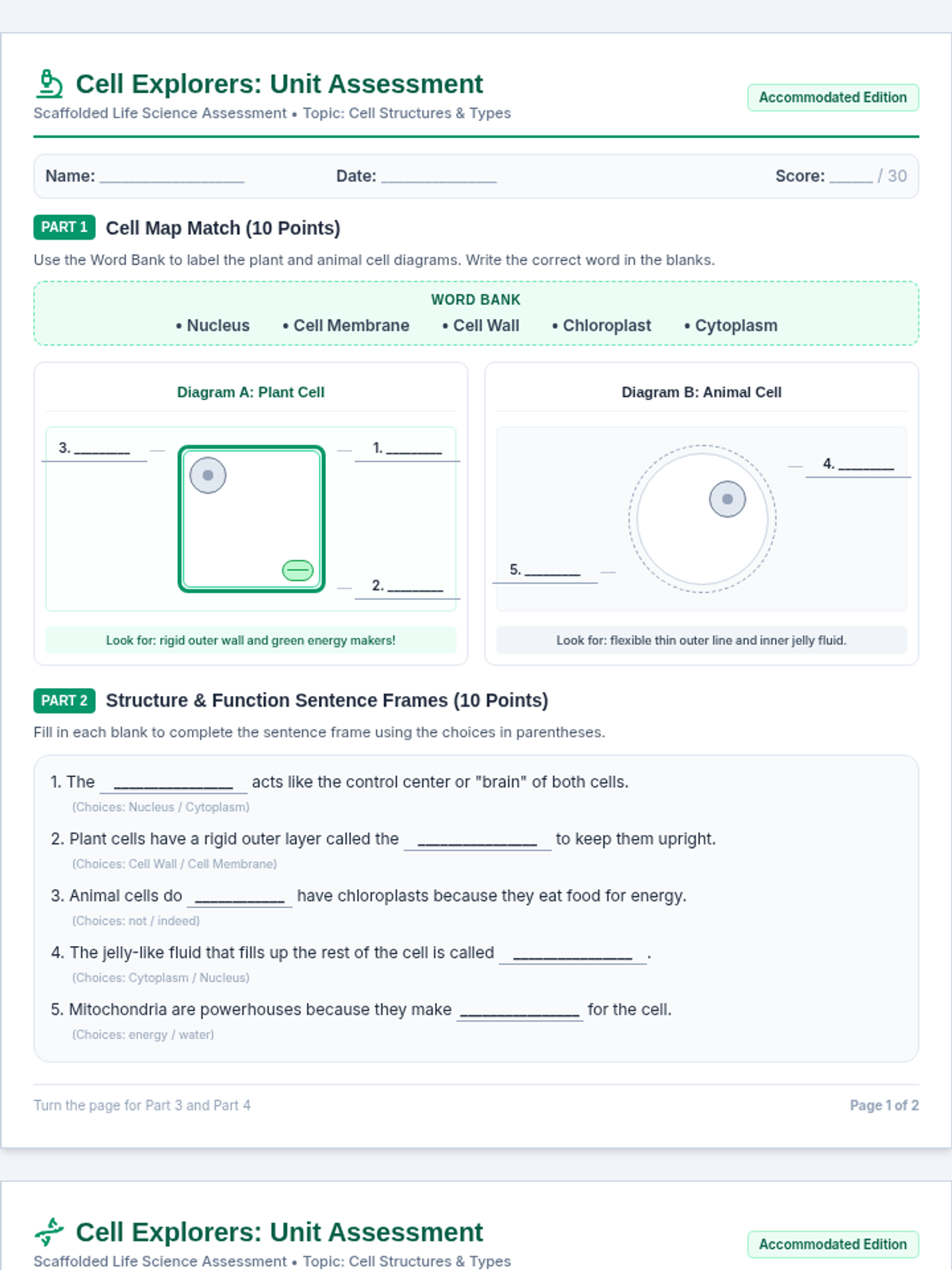
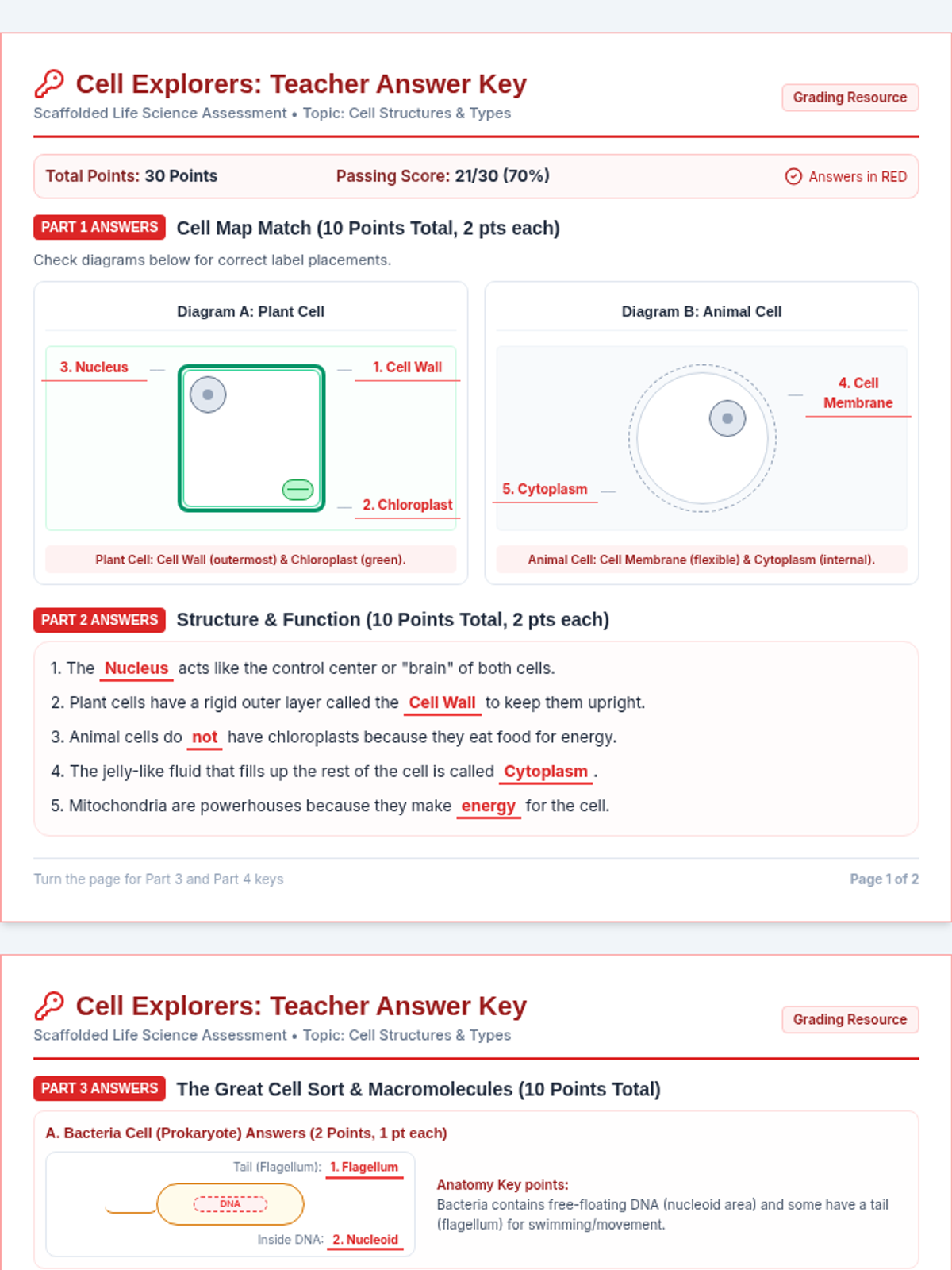
A scaffolded 2-page assessment and corresponding answer key covering prokaryotic and eukaryotic cells, including bacteria, plant, animal, and human cells. Features visual matching, labeling with word banks, sentence frames, and guided sentence starters.
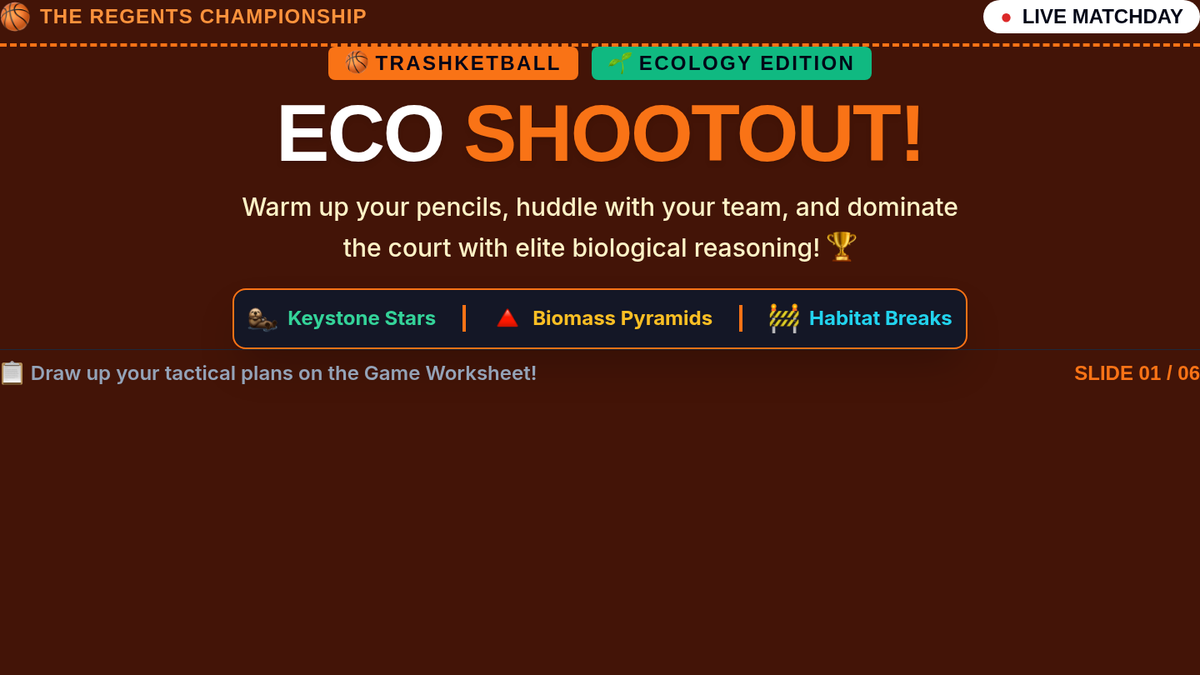
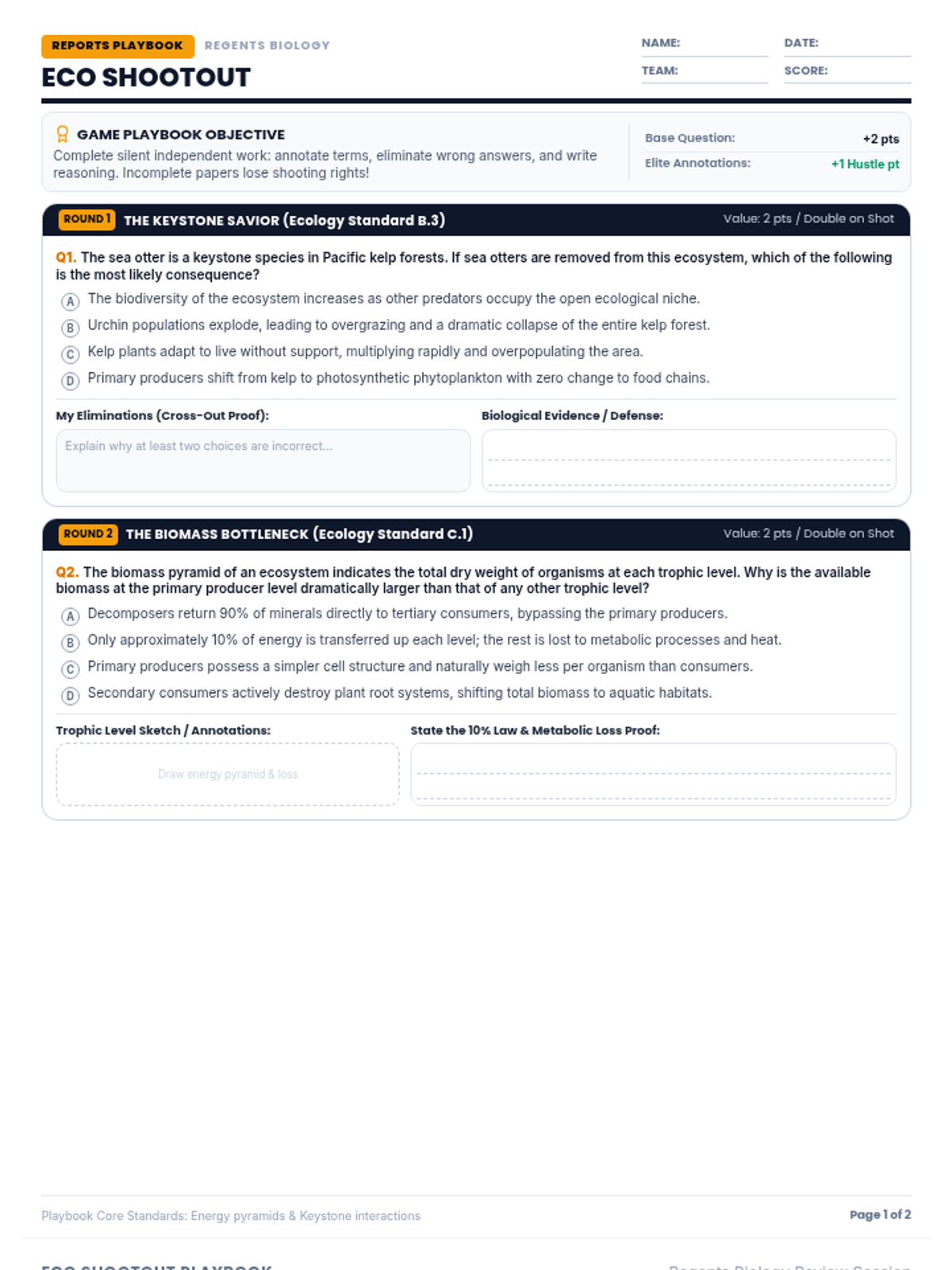
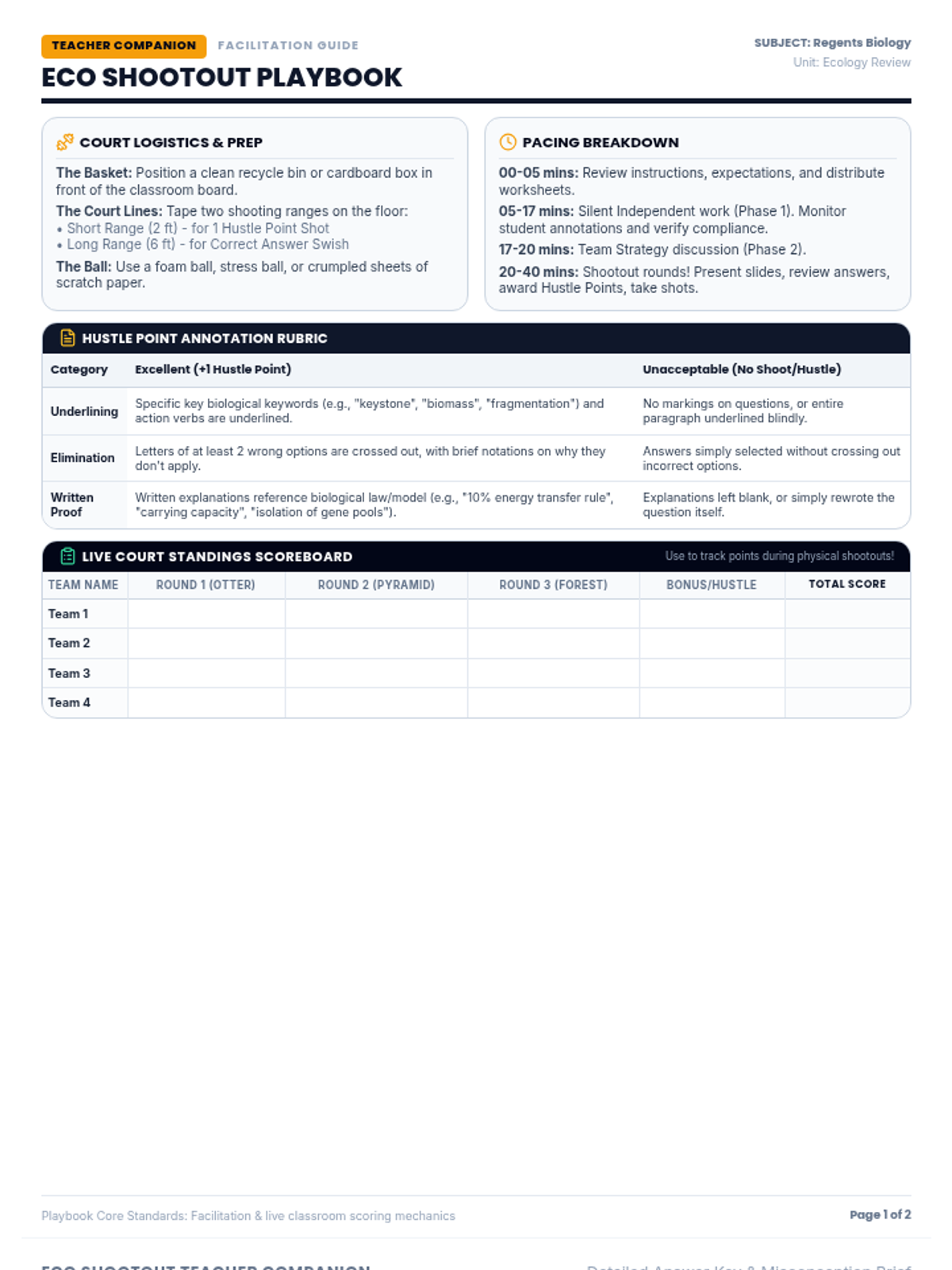
An interactive Regents Biology review game centered around keystone species, habitat fragmentation, and biomass pyramids. Students solve and annotate challenging Regents-style questions, collaborate in teams, and shoot for points in a high-energy classroom game.
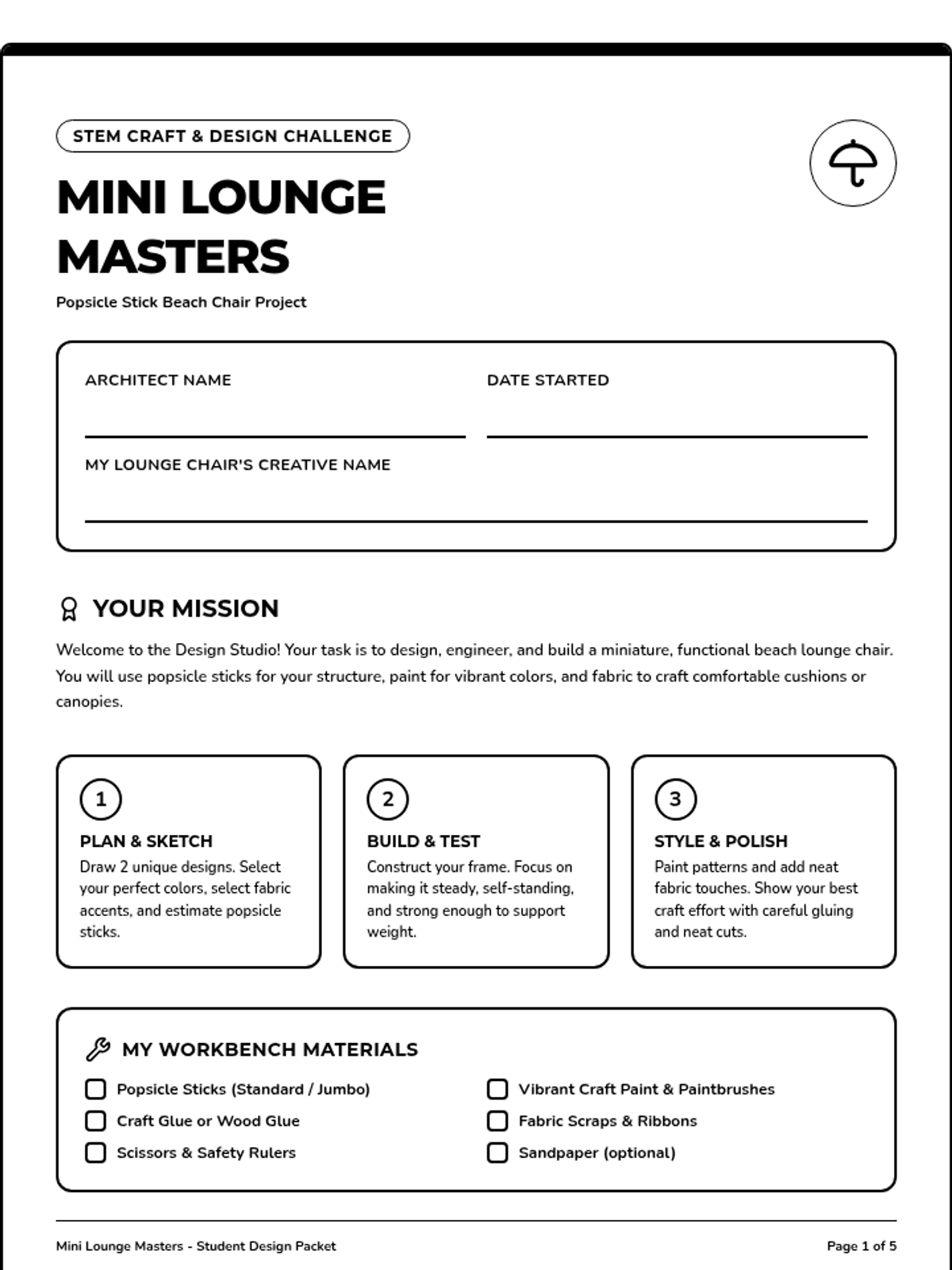
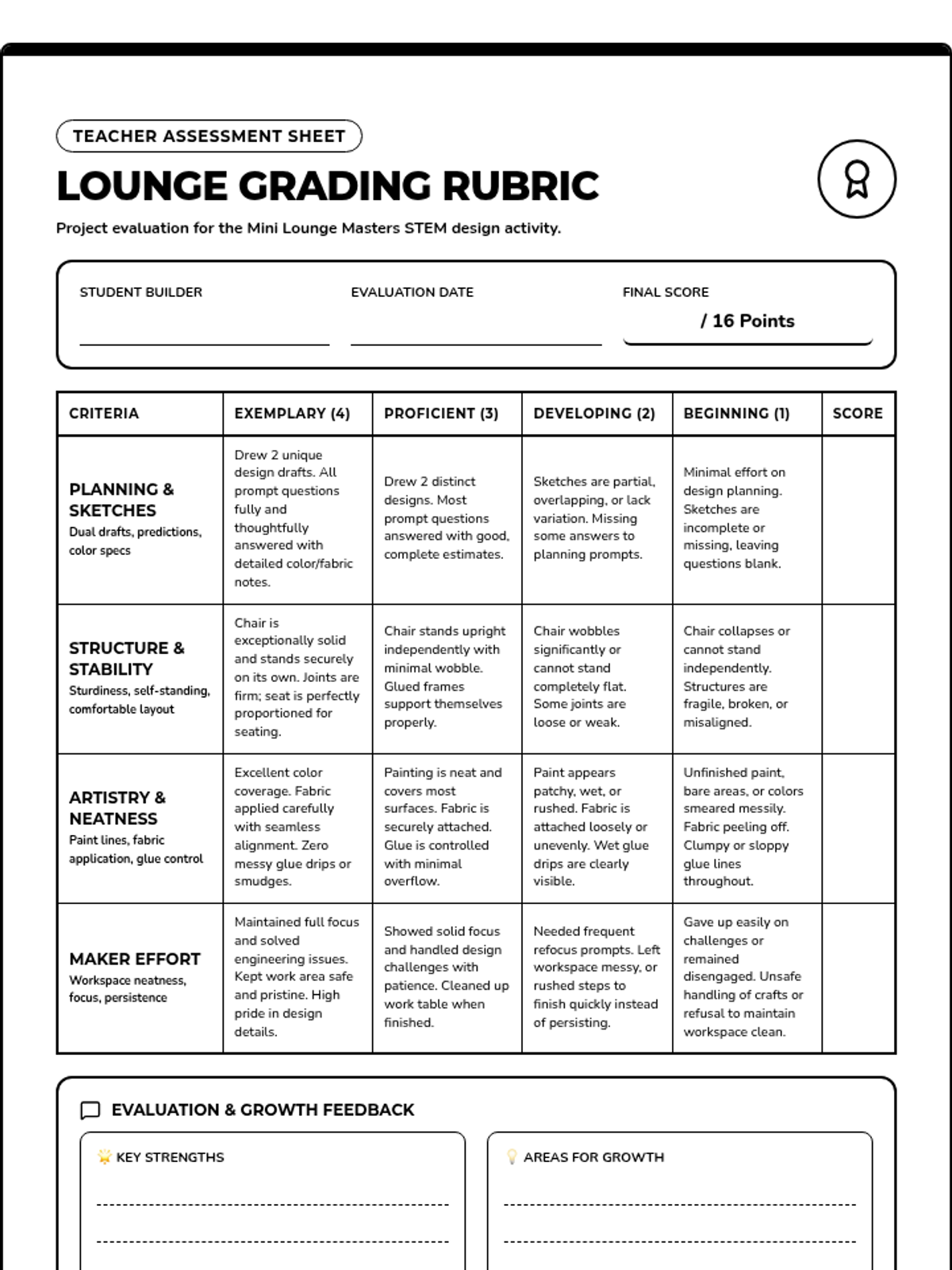
A hands-on engineering and design project where students sketch, build, and decorate a miniature beach chair using popsicle sticks, fabric, and paint. Includes a comprehensive student-facing project packet with milestone checklist and a teacher grading rubric.
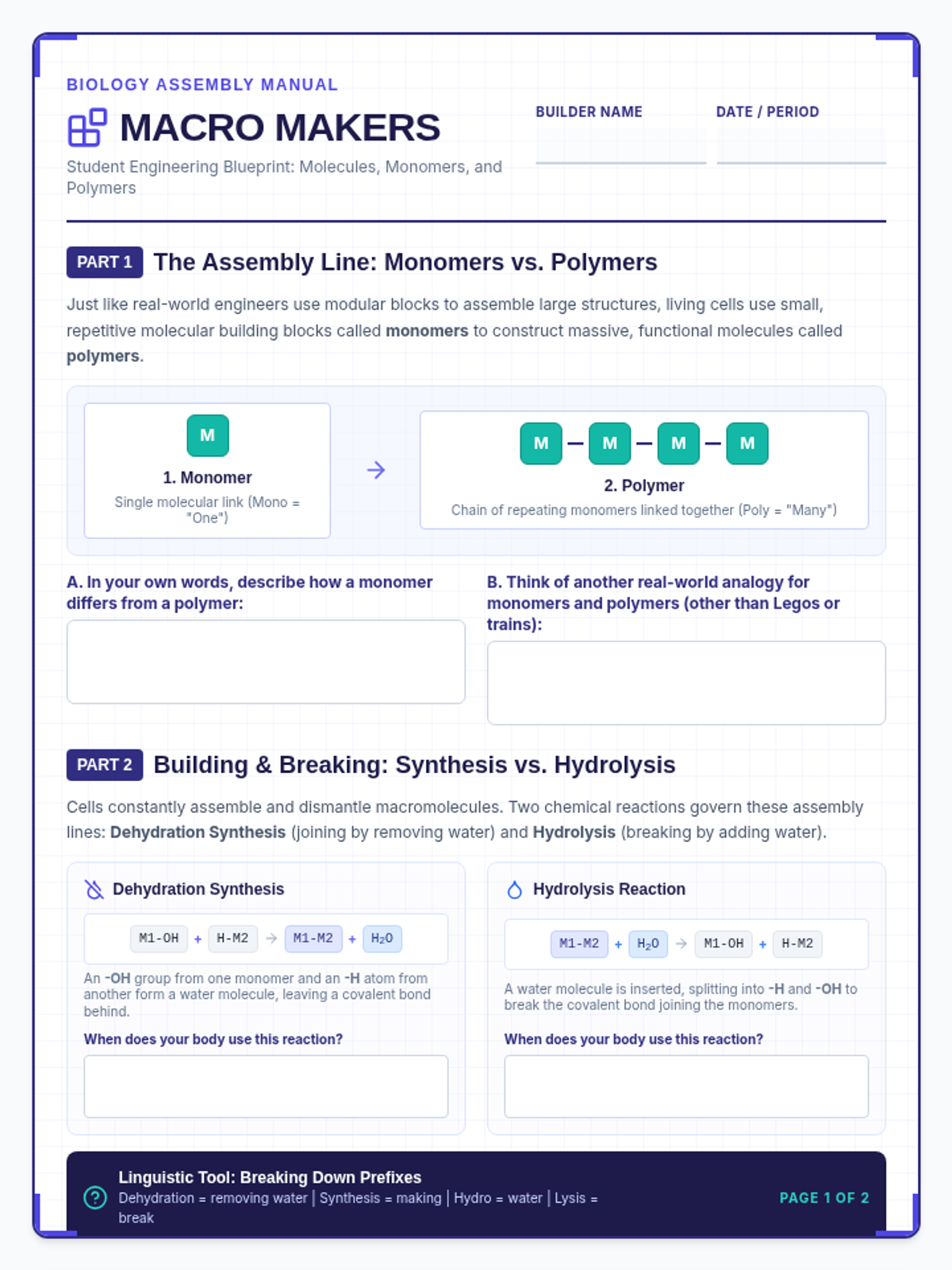
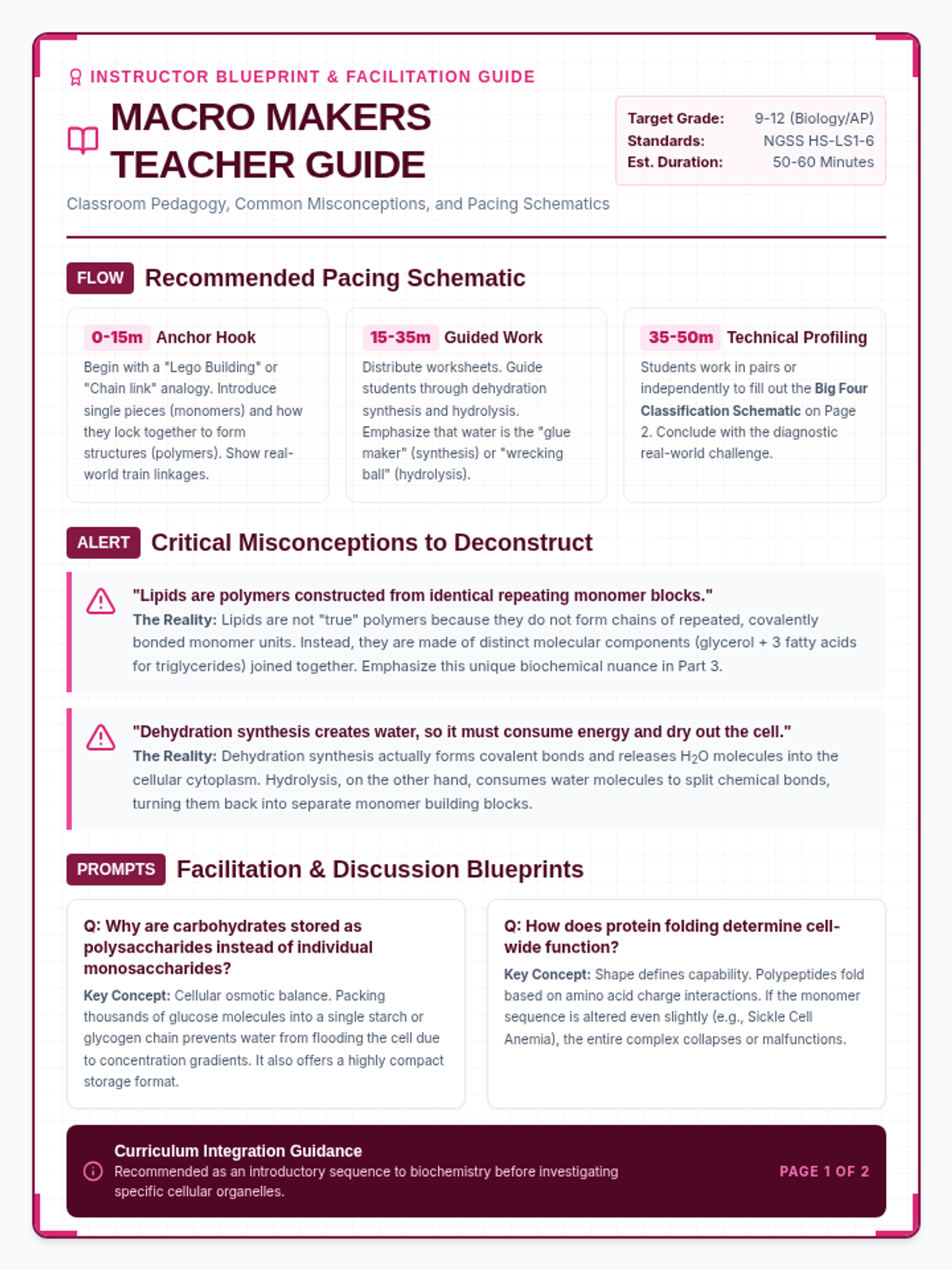
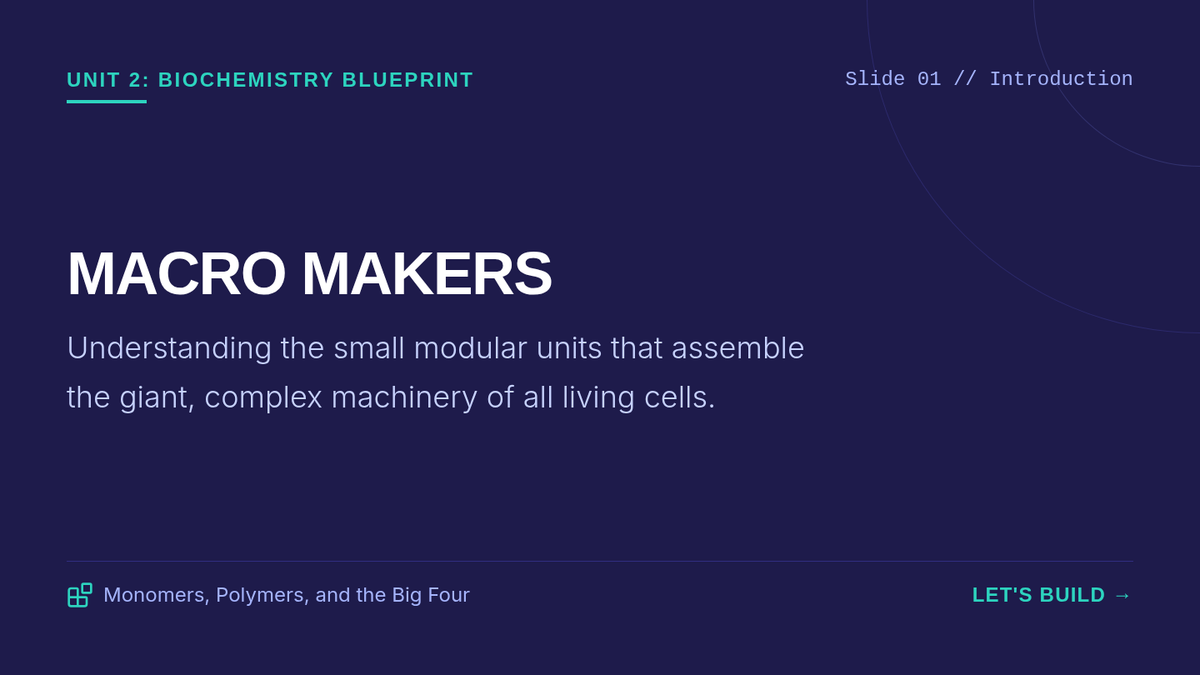
A highly visual lesson introducing the concepts of molecules, monomers, and polymers through the lens of the four biological macromolecules: carbohydrates, lipids, proteins, and nucleic acids. Students learn how monomer building blocks assemble into complex cellular structures.
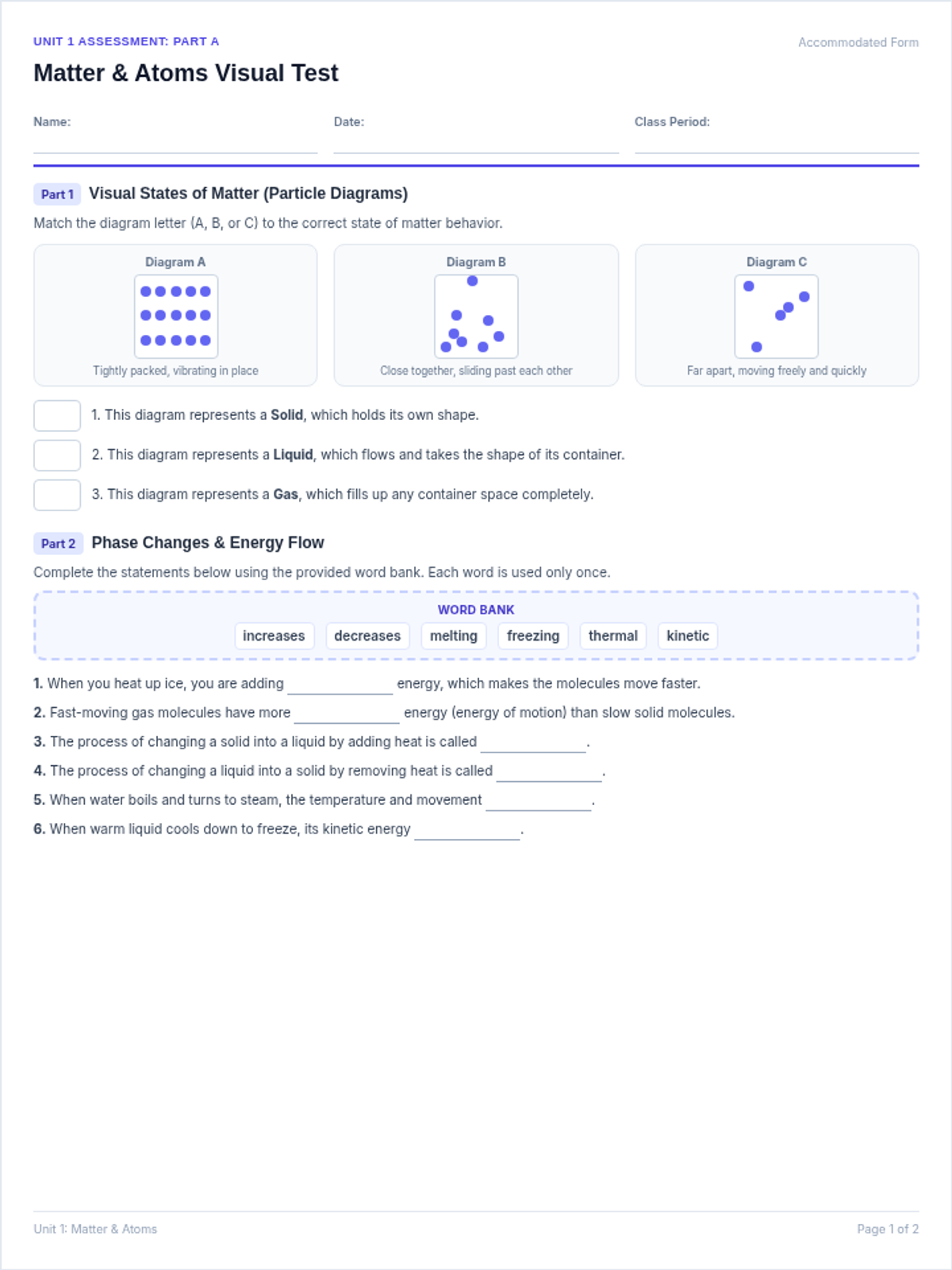
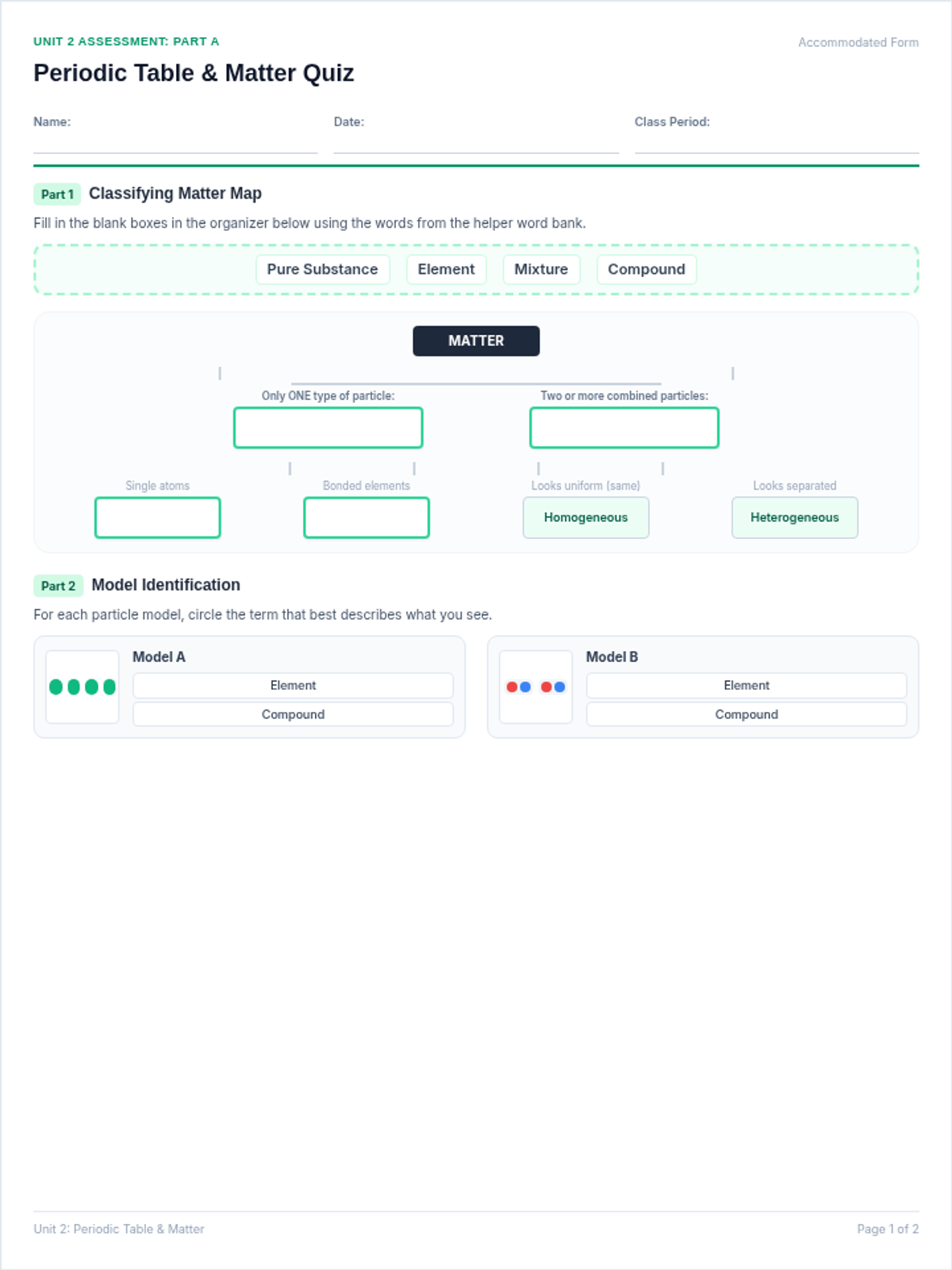
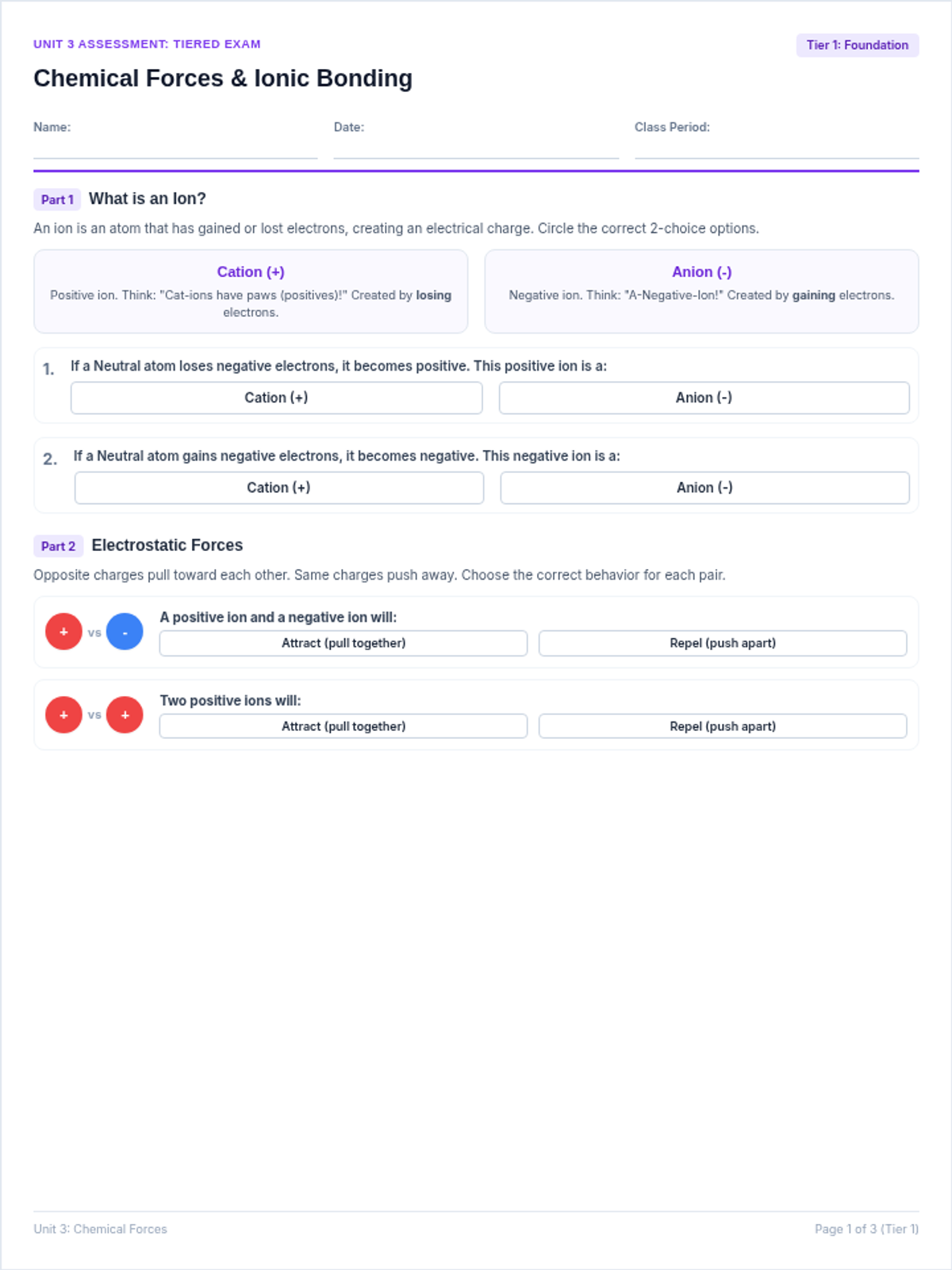
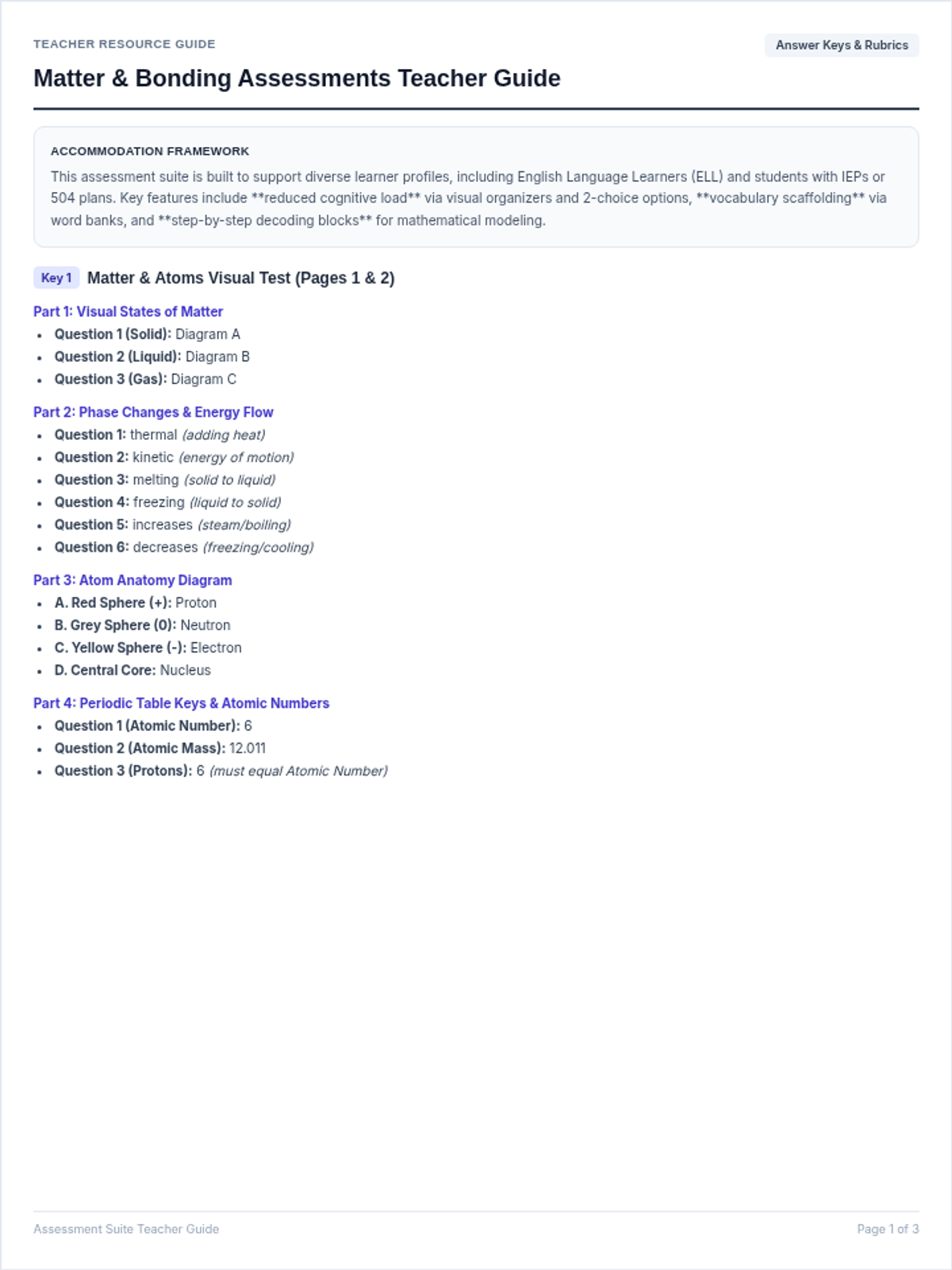
A comprehensive, highly accommodated, and tiered assessment suite covering states of matter, atomic structure, classifications of matter, periodic table trends, ions, and ionic bonding with Coulomb's Law. Built-in diverse learner supports include visual organizers, sentence starters, 2-choice questions, and step-by-step guided calculations.
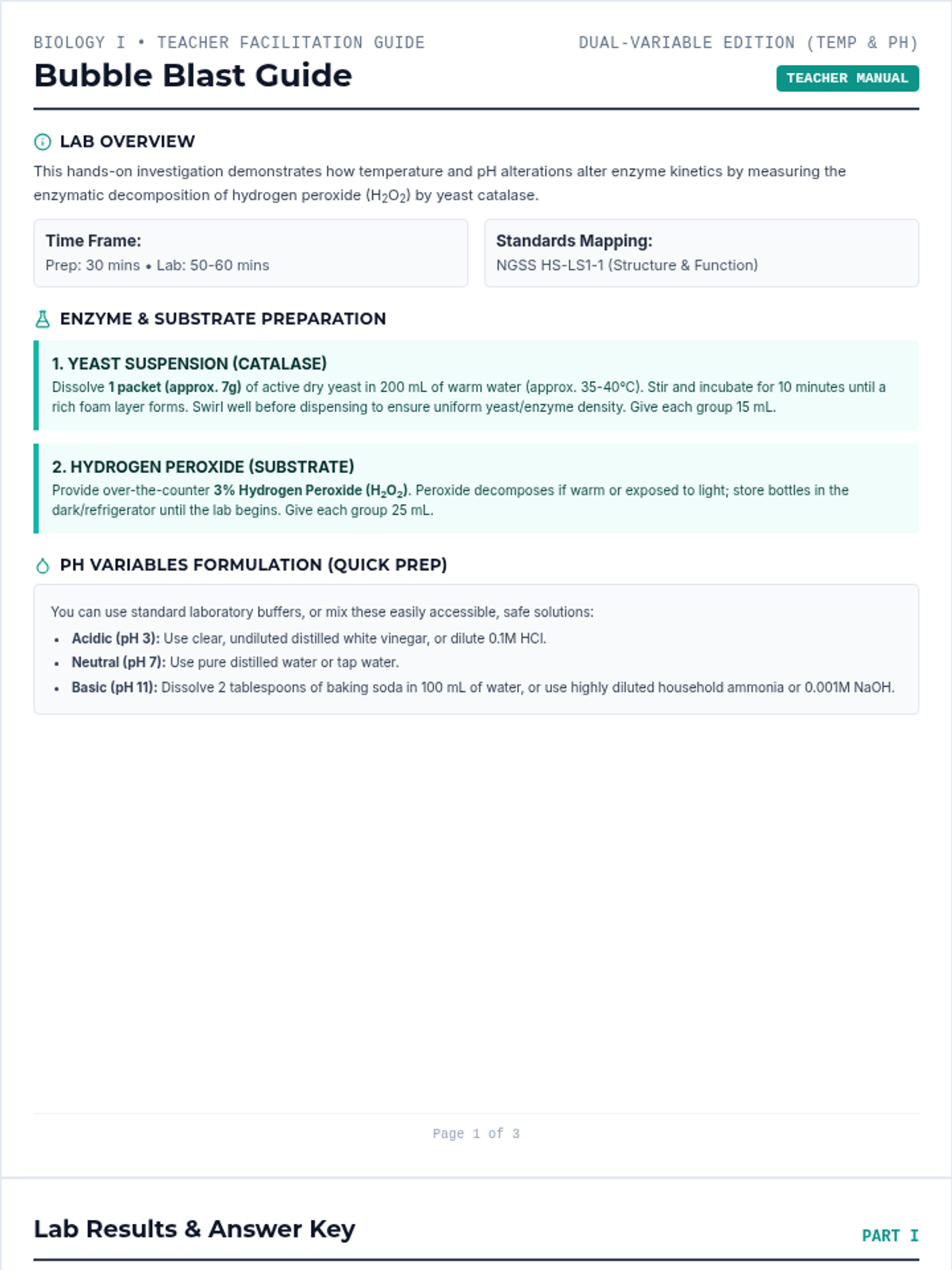
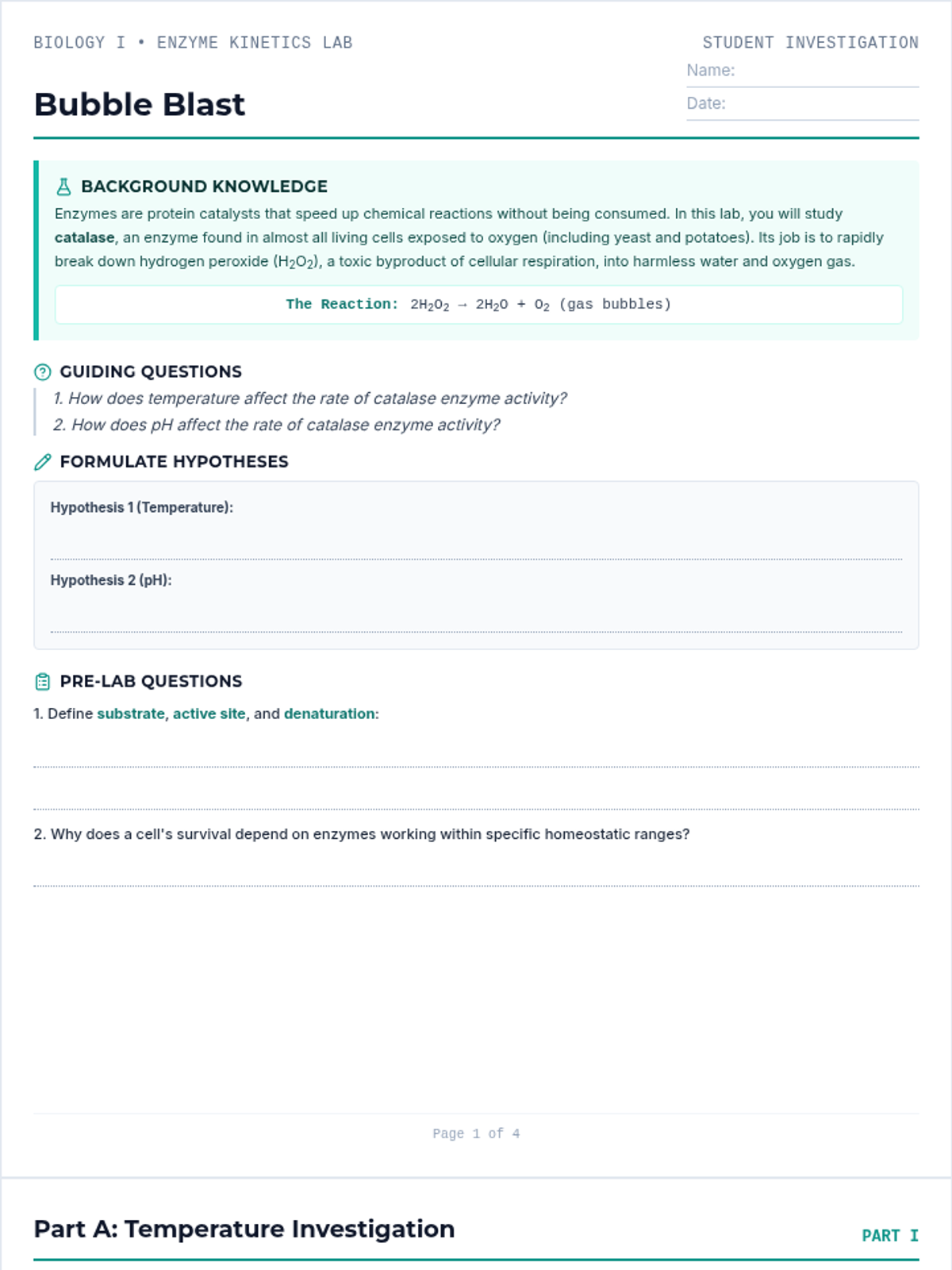
A comprehensive 9th-grade Biology laboratory lesson focusing on enzyme kinetics using catalase from yeast/potato and hydrogen peroxide. Students investigate the effects of temperature and pH on enzyme activity, complete data tables, and construct graphs.
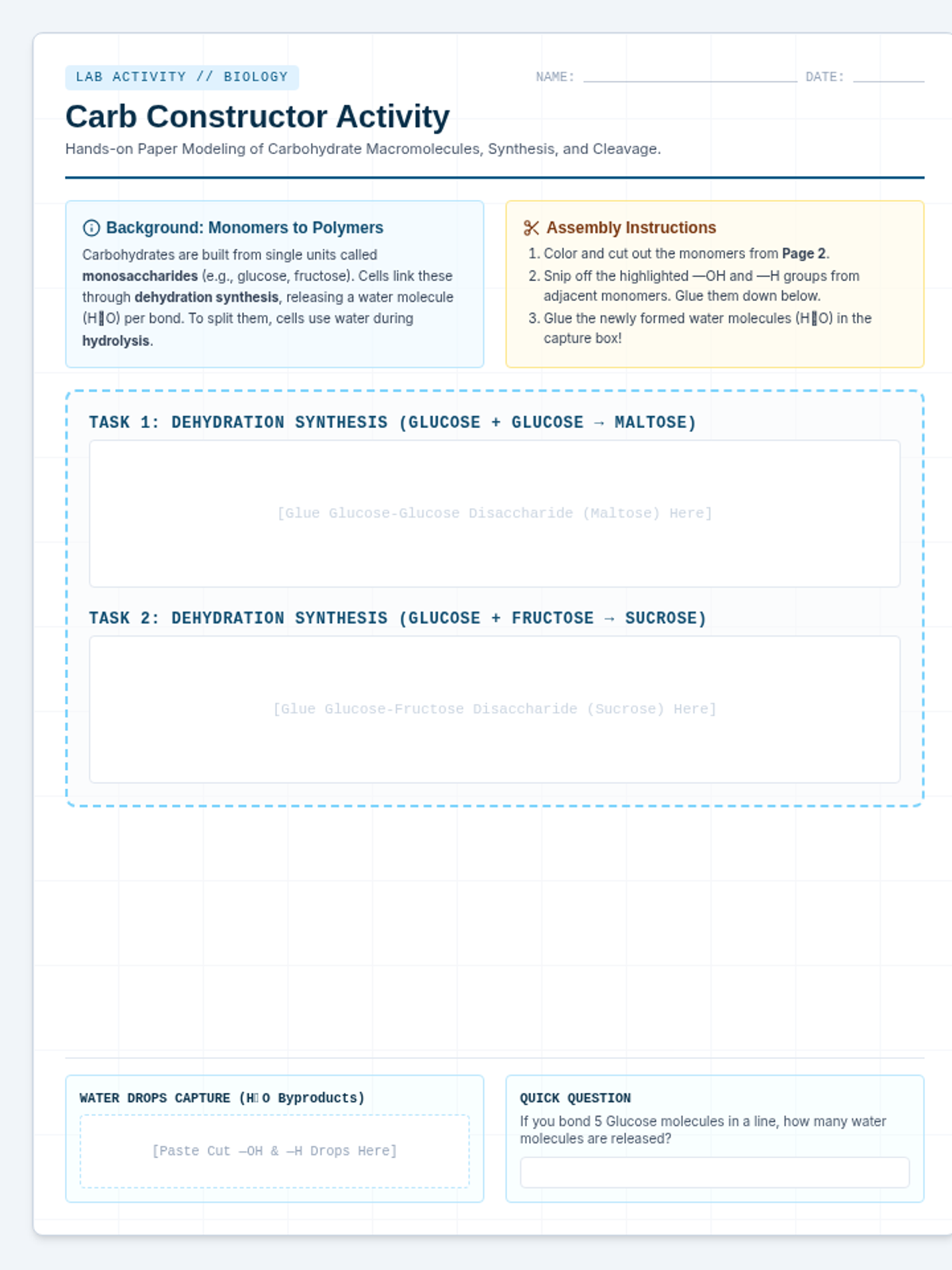
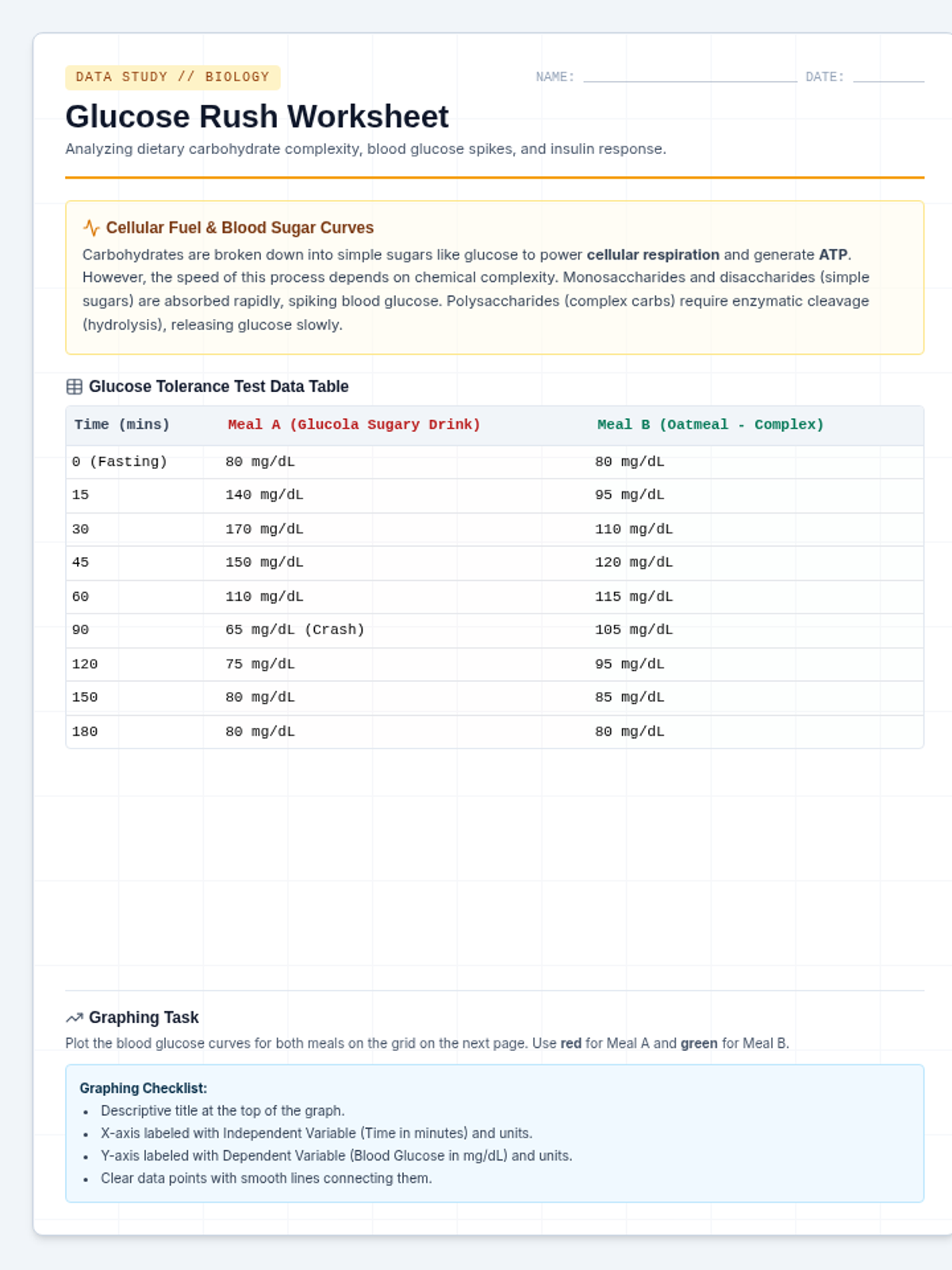
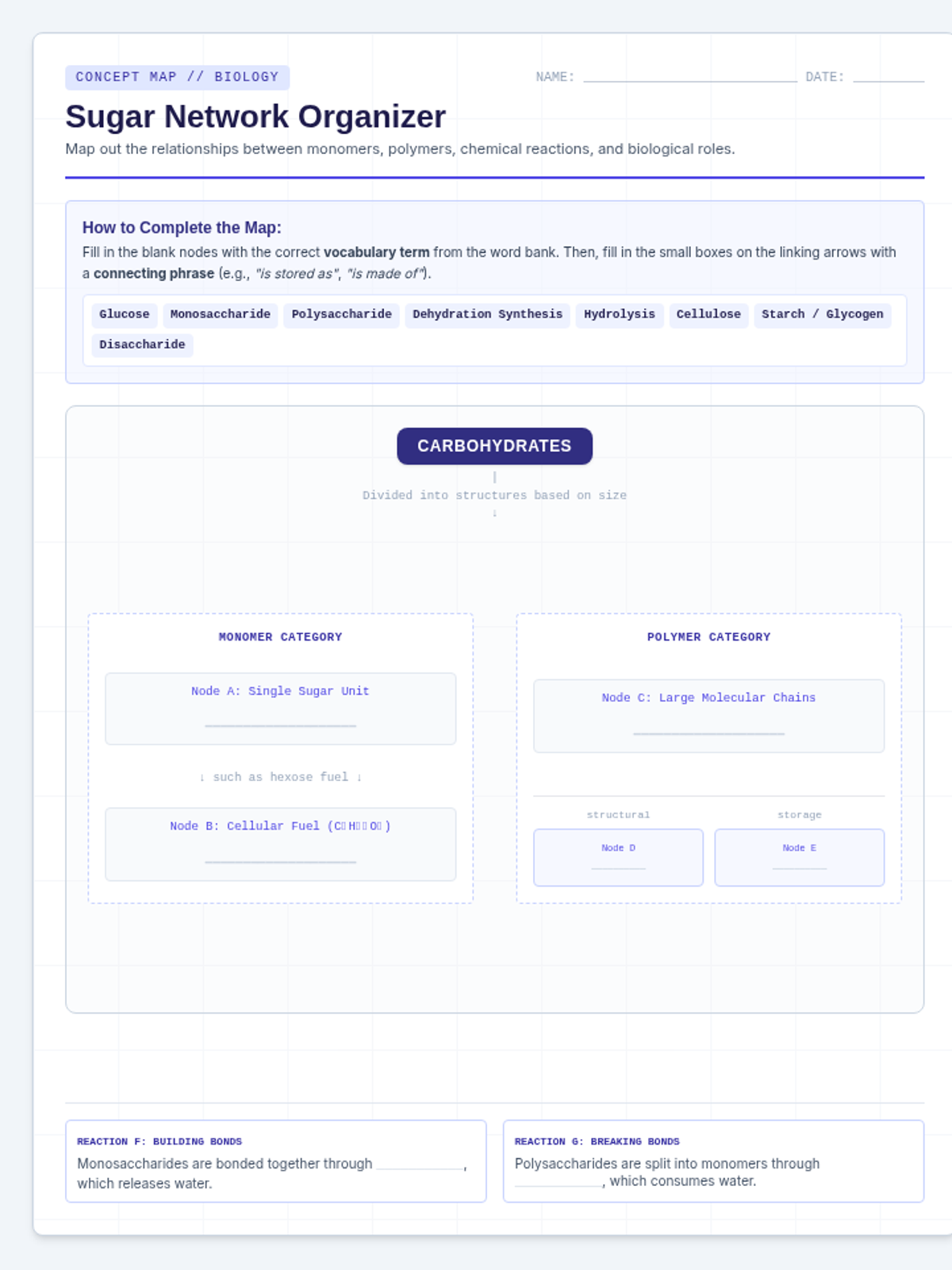
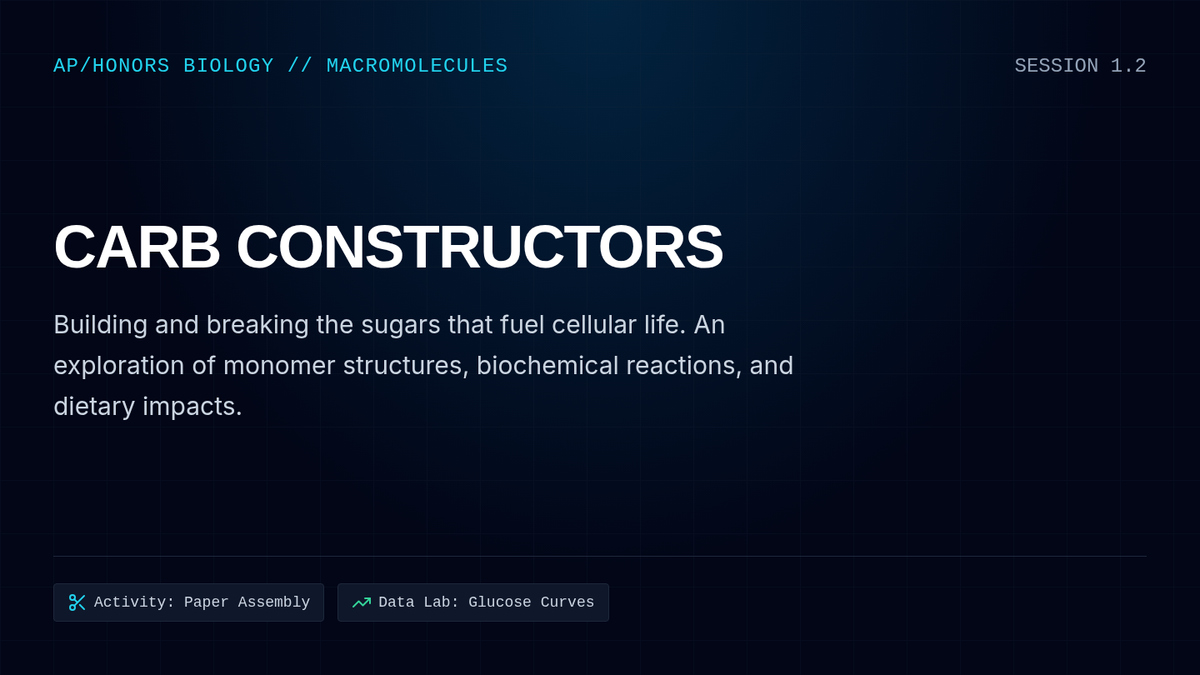
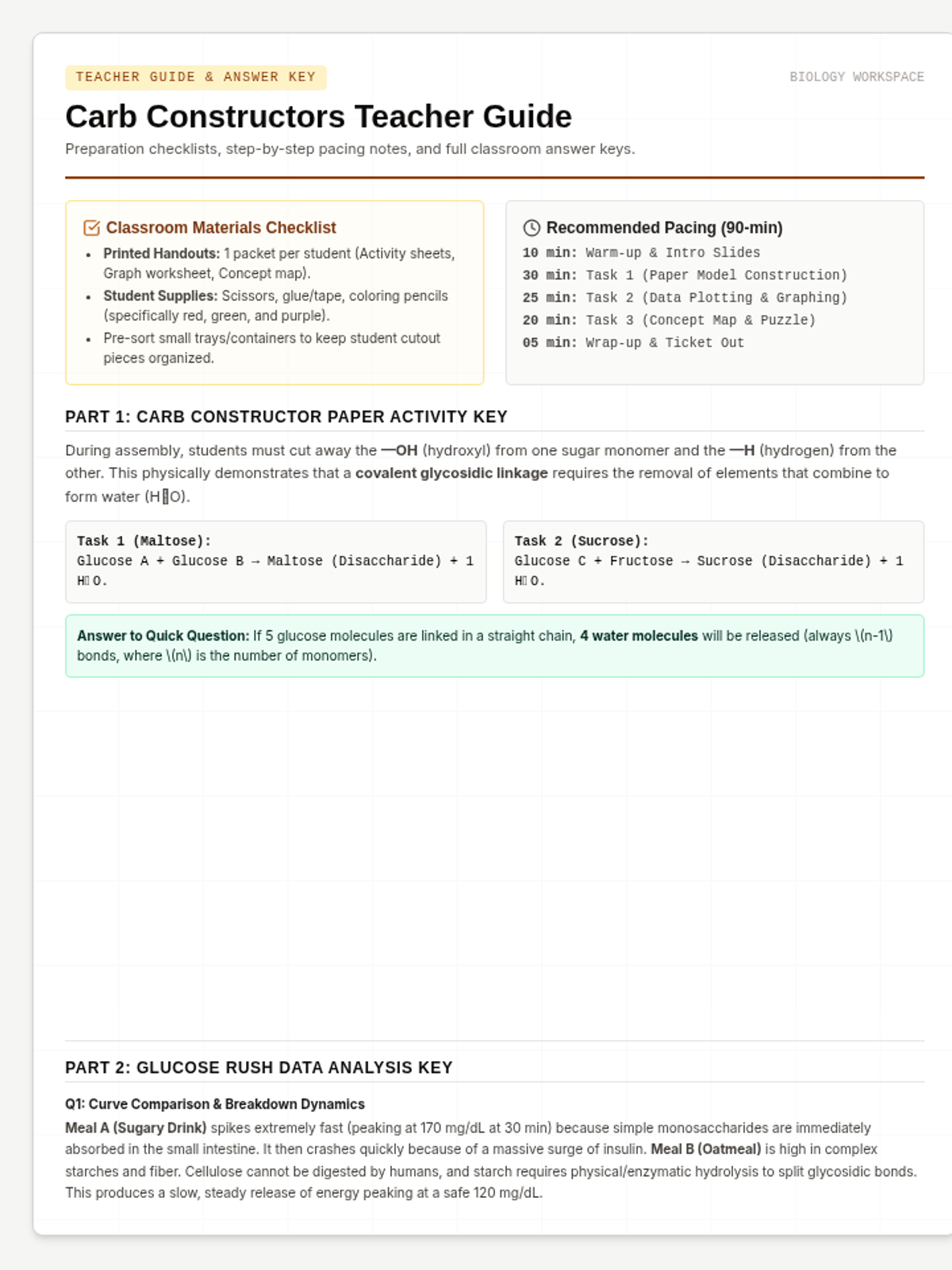
A hands-on biology lesson exploring carbohydrate structures, synthesis, dietary impacts, and cellular energy through paper modeling, blood glucose data analysis, and vocabulary concept maps.
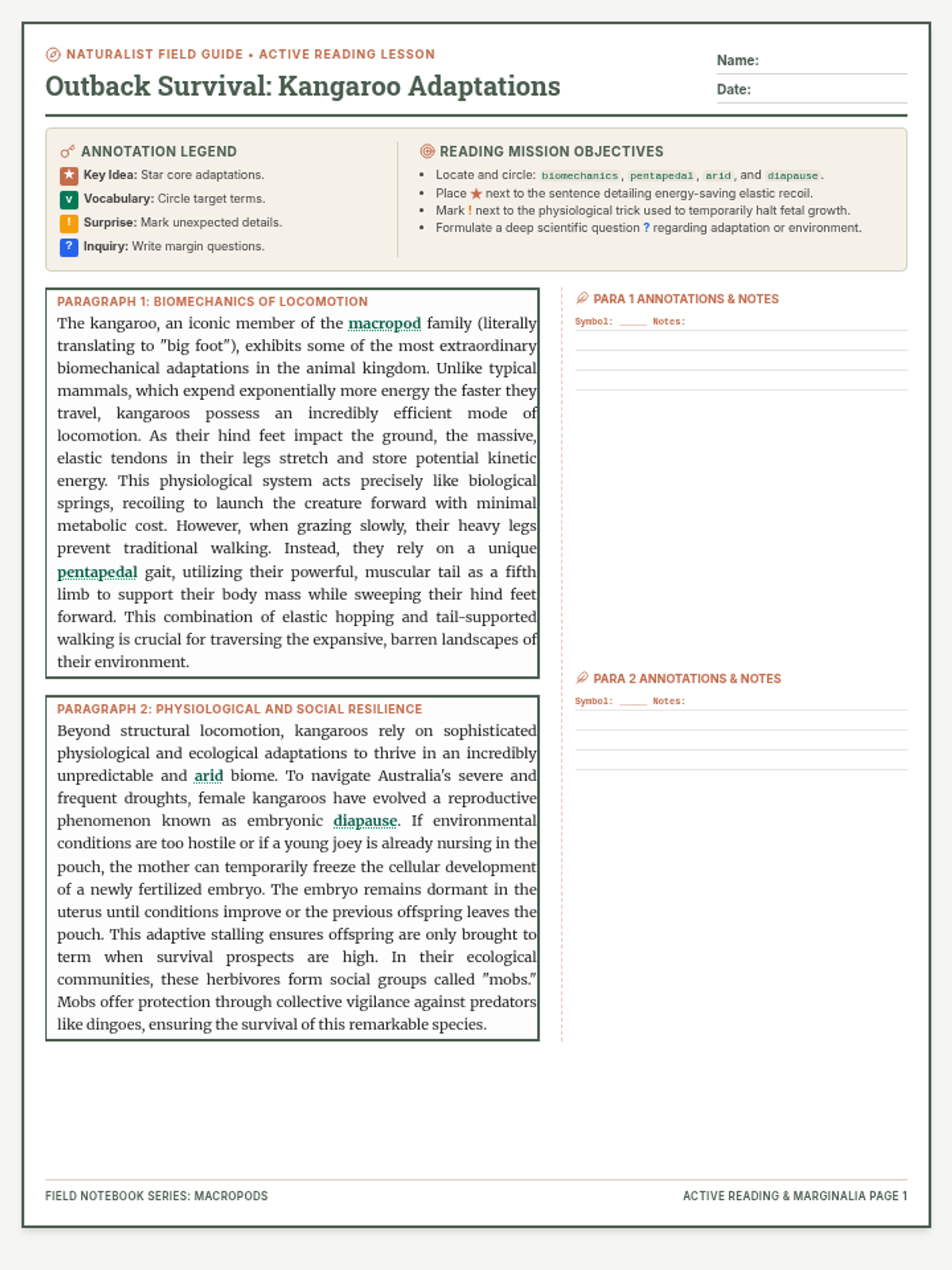
A rigorous 9th-grade active reading and annotation lesson focused on the ecological and biomechanical survival adaptations of kangaroos in the Australian outback.
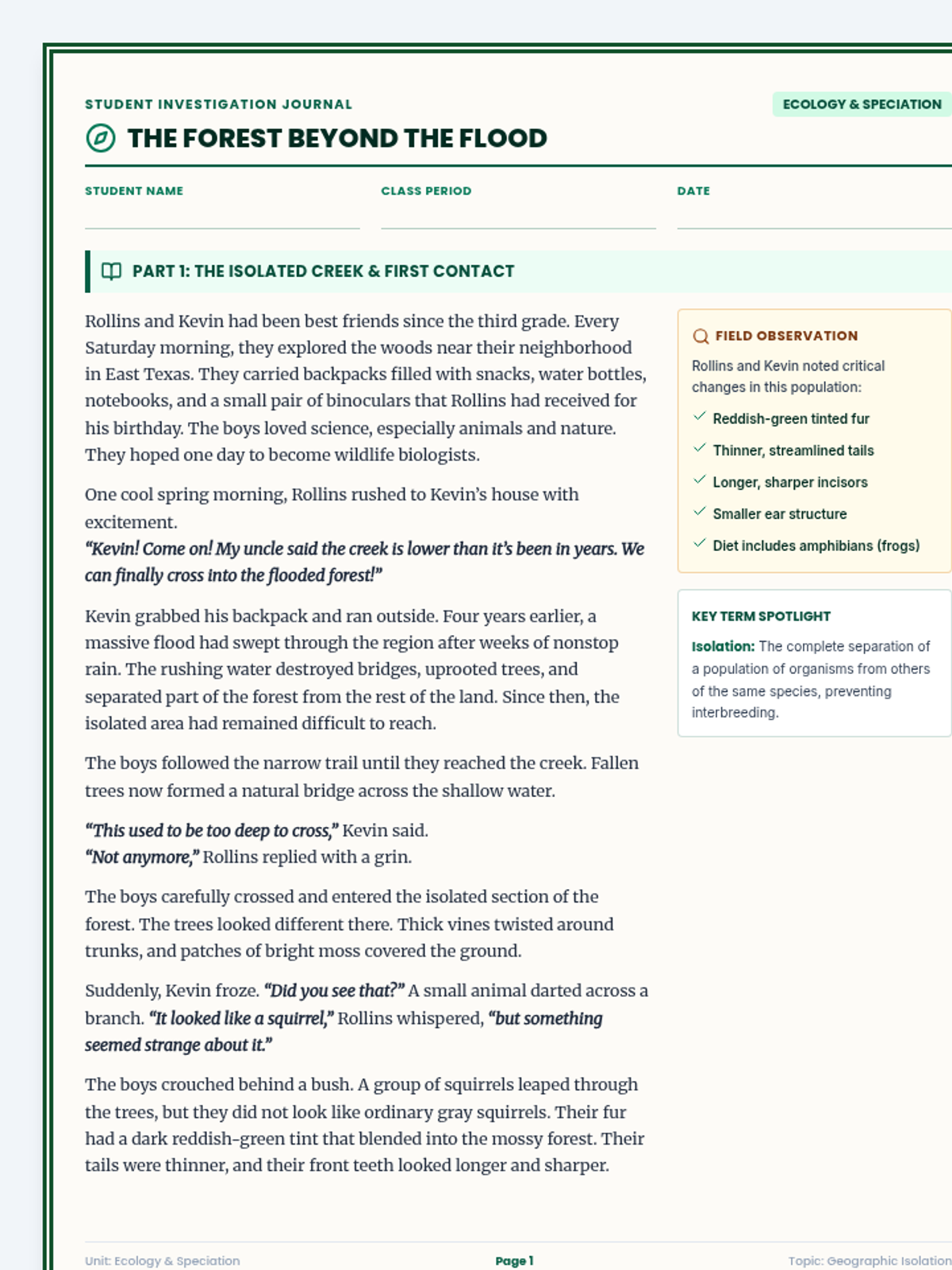
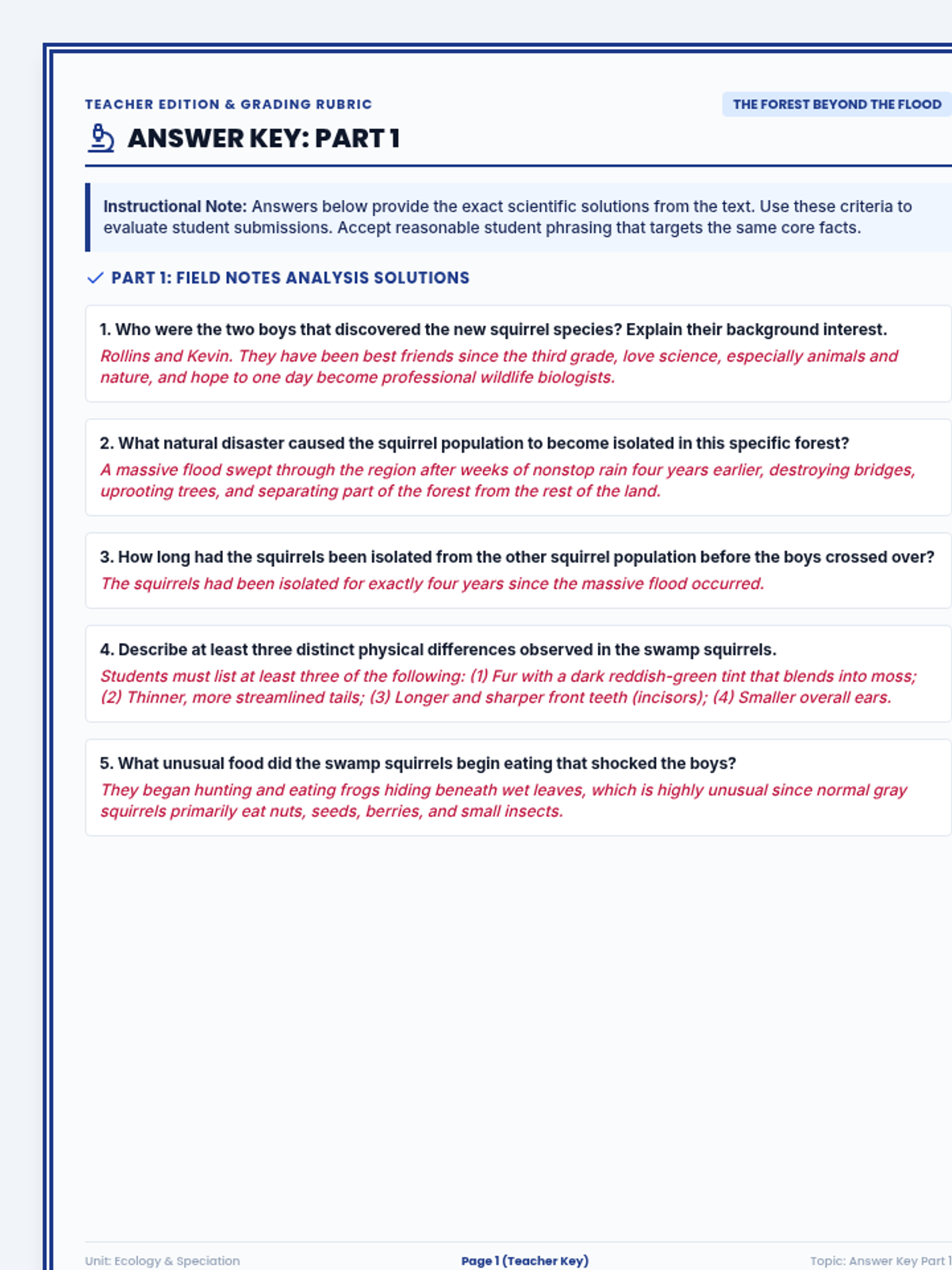
A complete lesson exploring natural selection, speciation, and invasive species through the story of Rollins and Kevin discovering the 'Swamp Squirrels' in an isolated East Texas forest. Includes a student reading packet with integrated comprehension questions and a detailed teacher answer key.
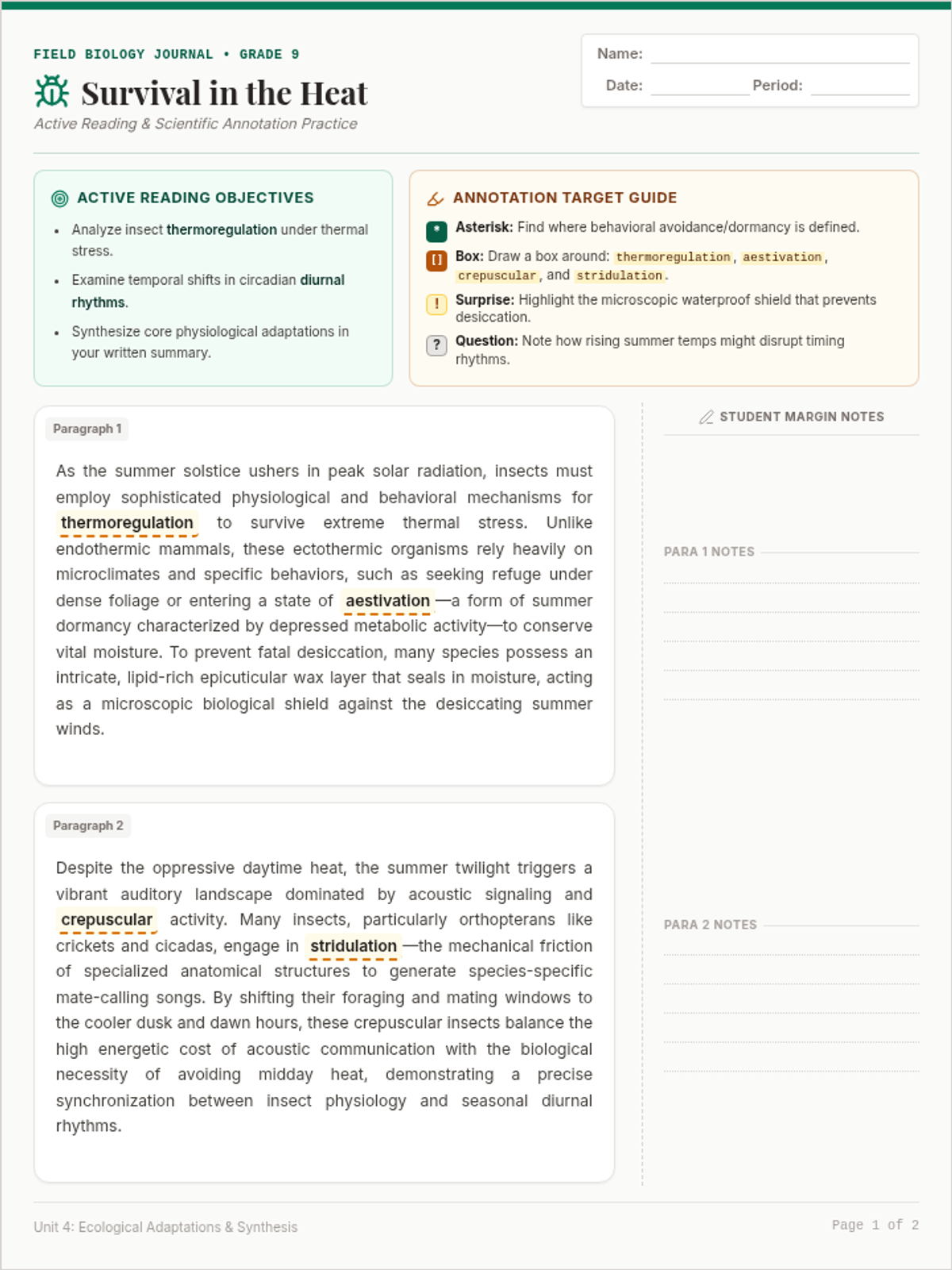
A 9th-grade biology and English language arts lesson focusing on reading comprehension, scientific annotation, and synthesis. Students read a complex passage on summer insect adaptations and write a structured summary.
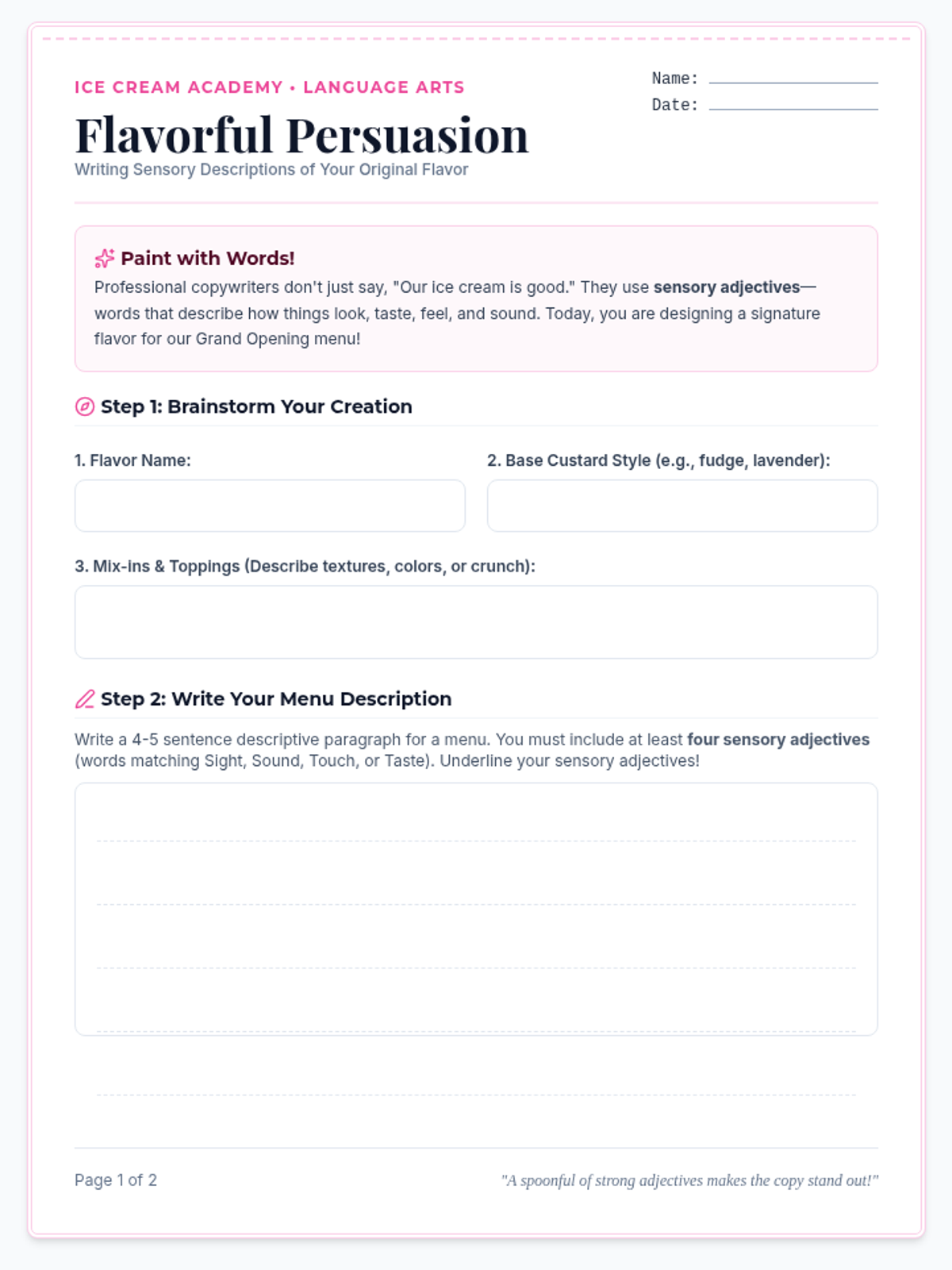
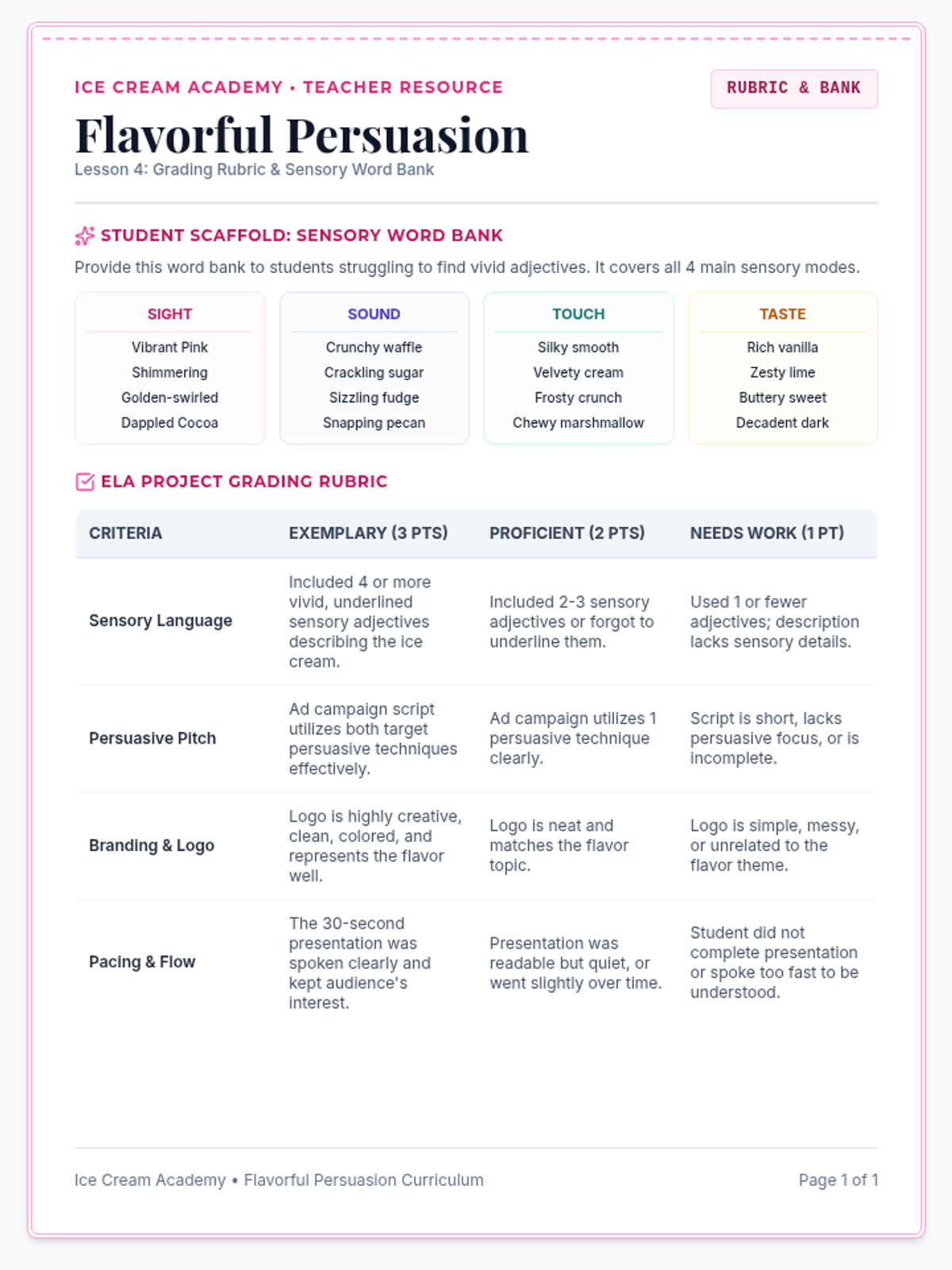
Master sensory language and persuasive advertising techniques by designing an original ice cream flavor, brand logo, and marketing pitch.
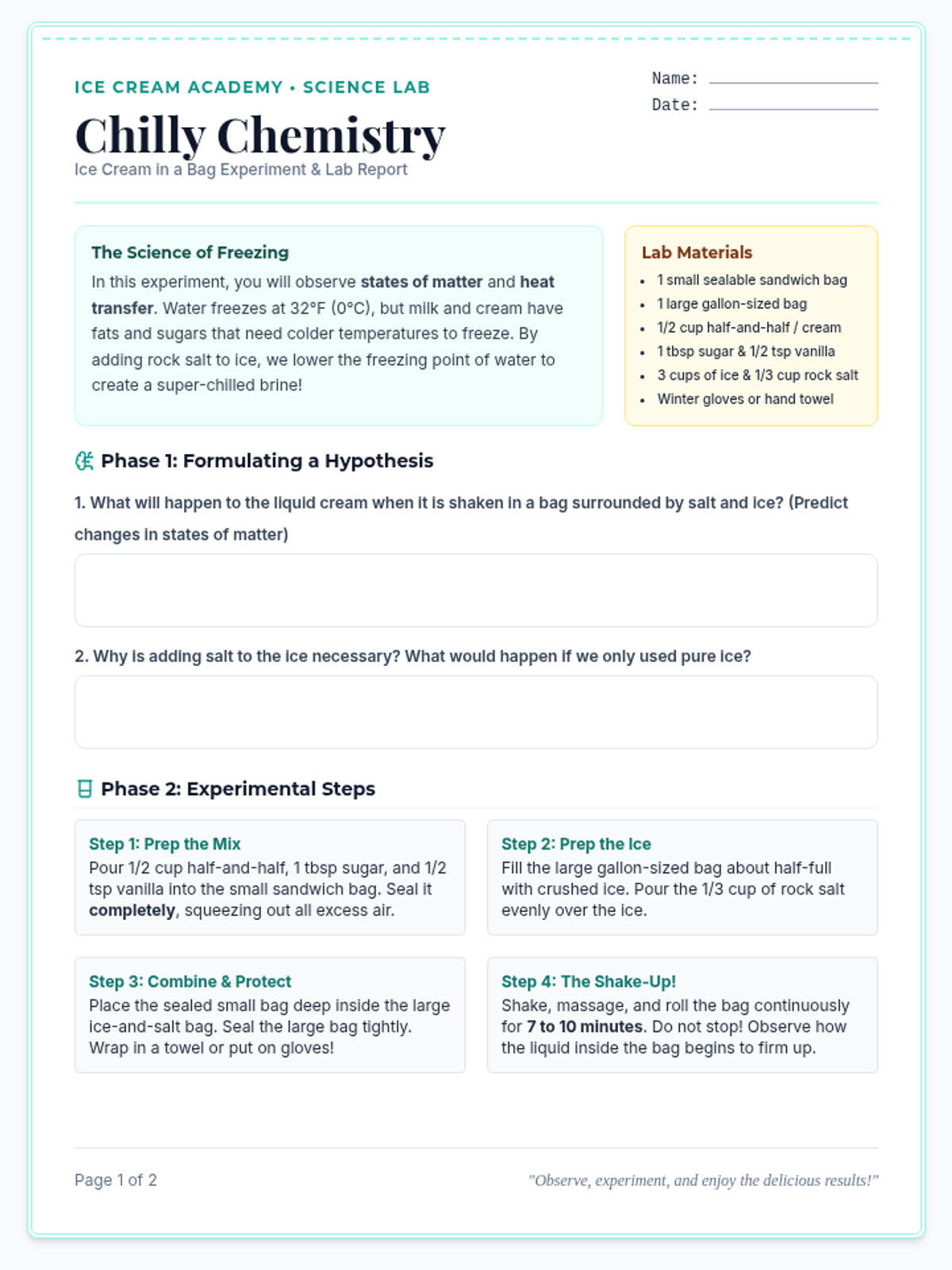
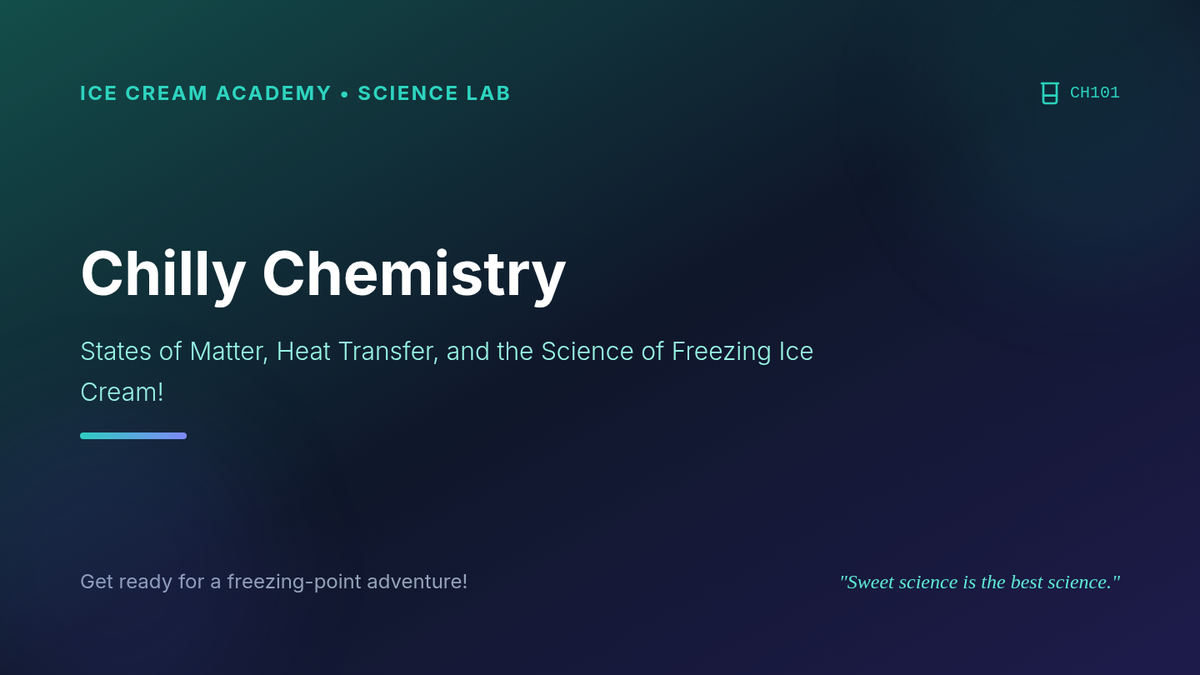
Explore states of matter, heat transfer, and freezing-point depression by making homemade ice cream in a bag using ice, salt, and cream.
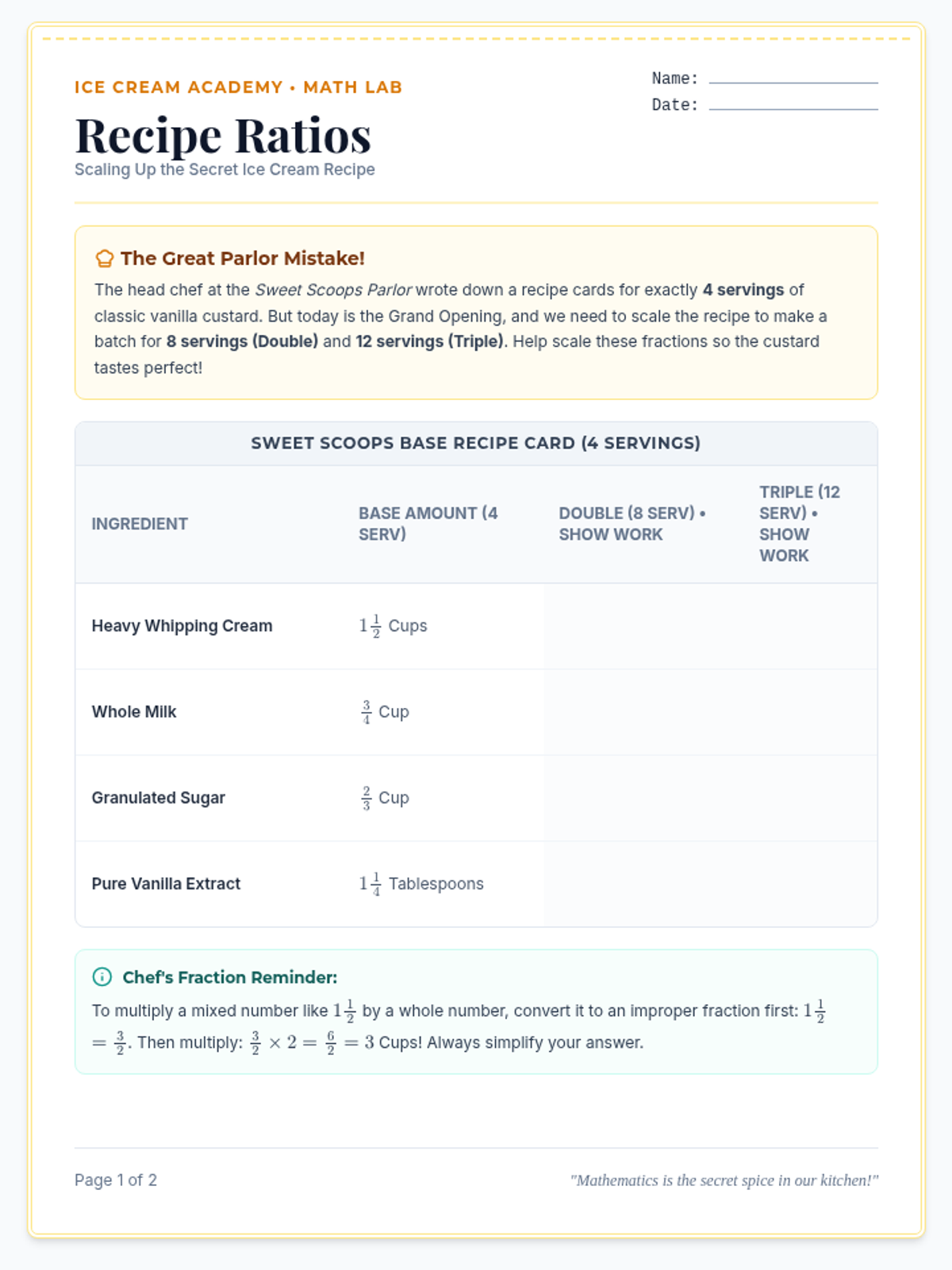
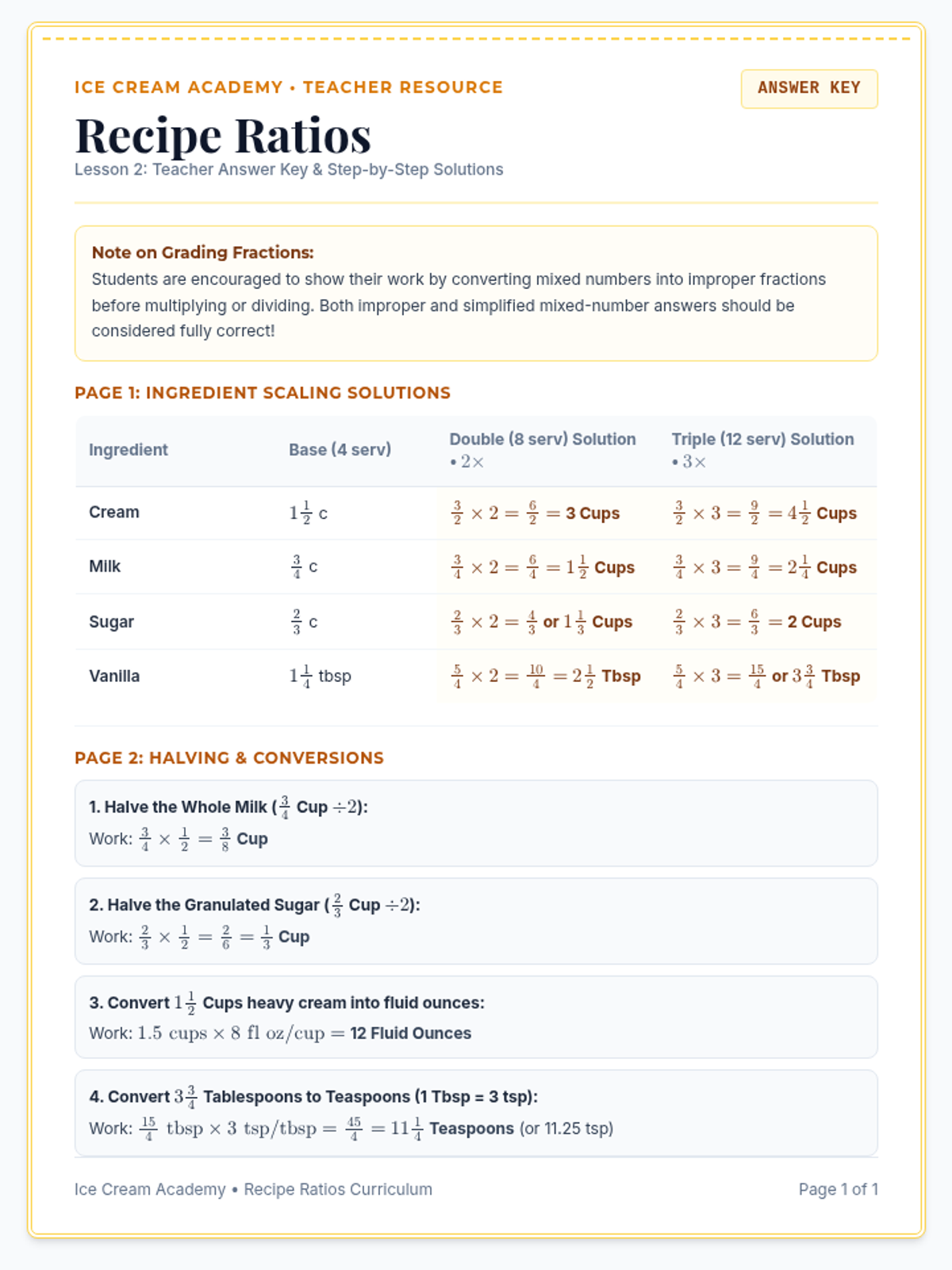
Apply fraction multiplication and division to scale ice cream recipes up and down, converting fluid ounces, cups, and tablespoons.
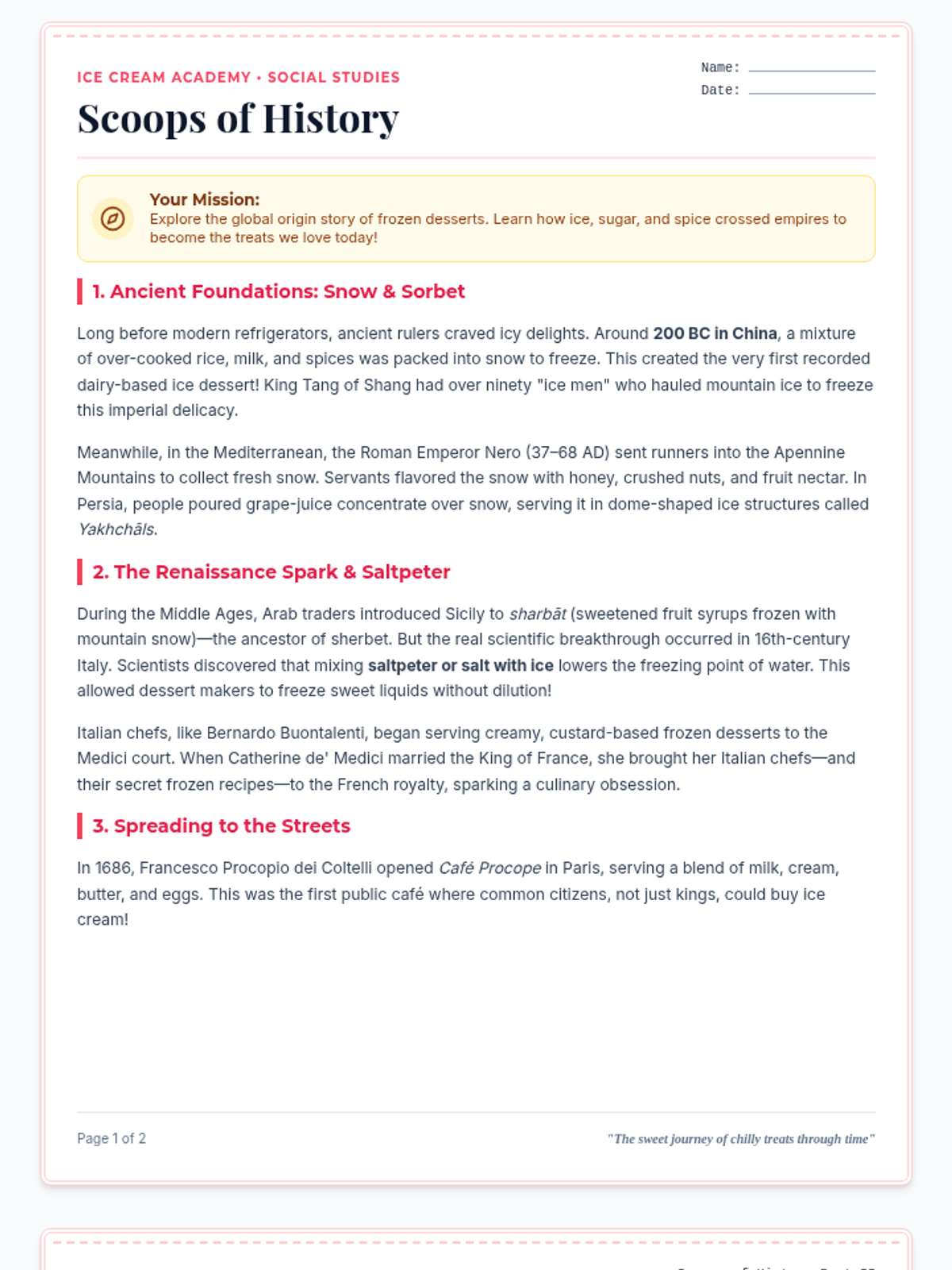
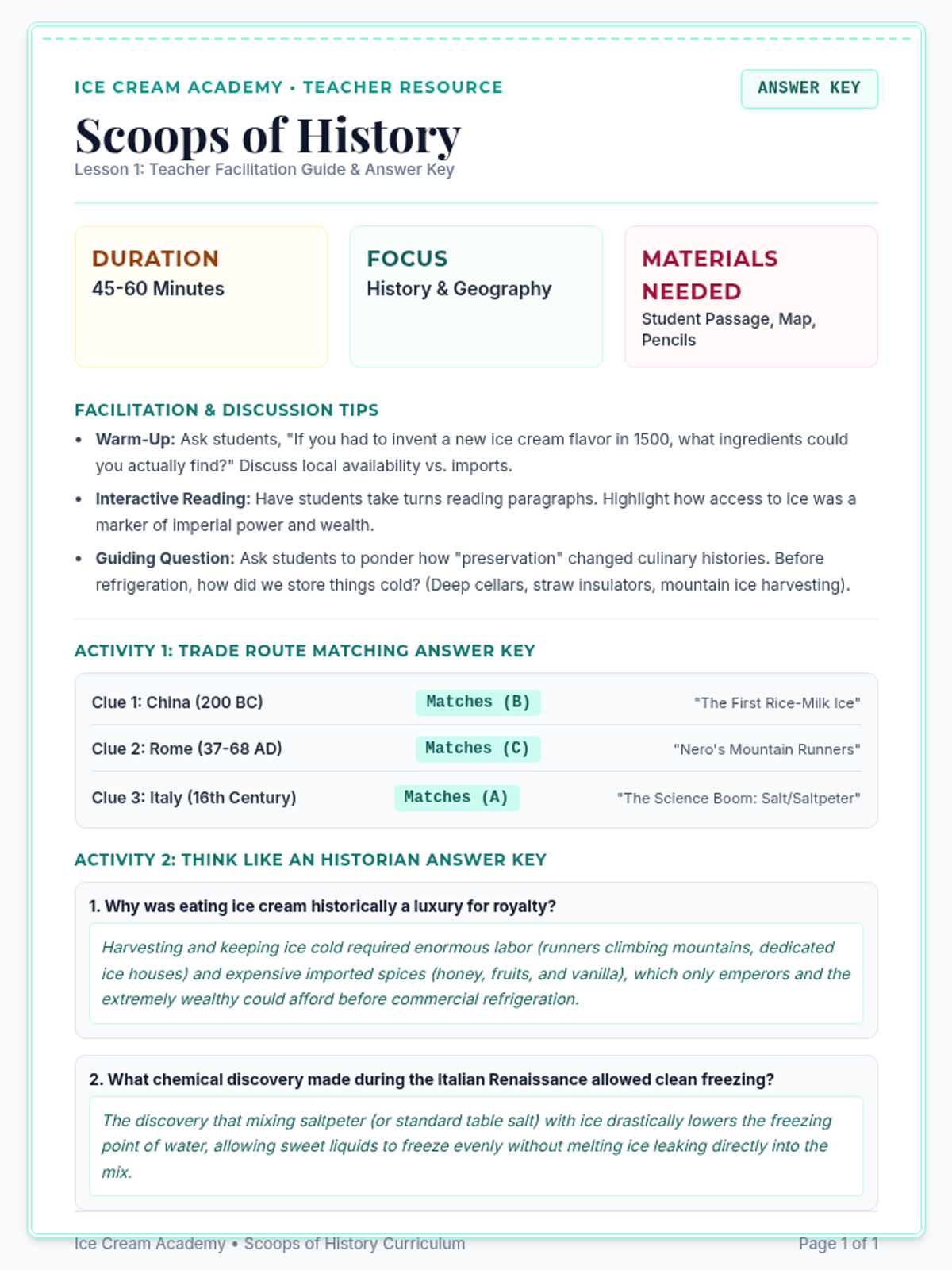
Trace the historical origins of frozen desserts from ancient China and Rome to modern day, mapping how ingredients like vanilla, sugar, and cacao traveled globally.
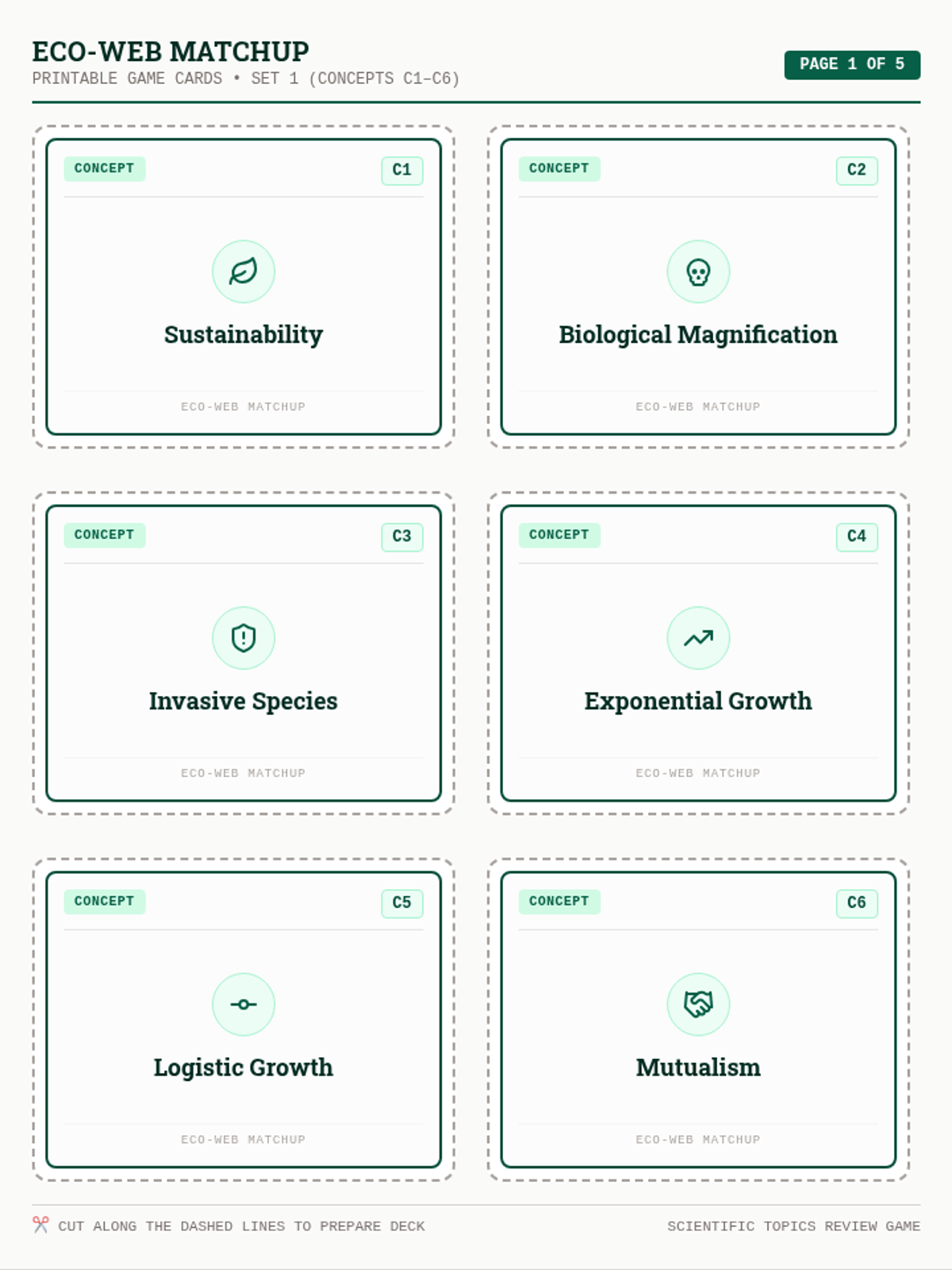
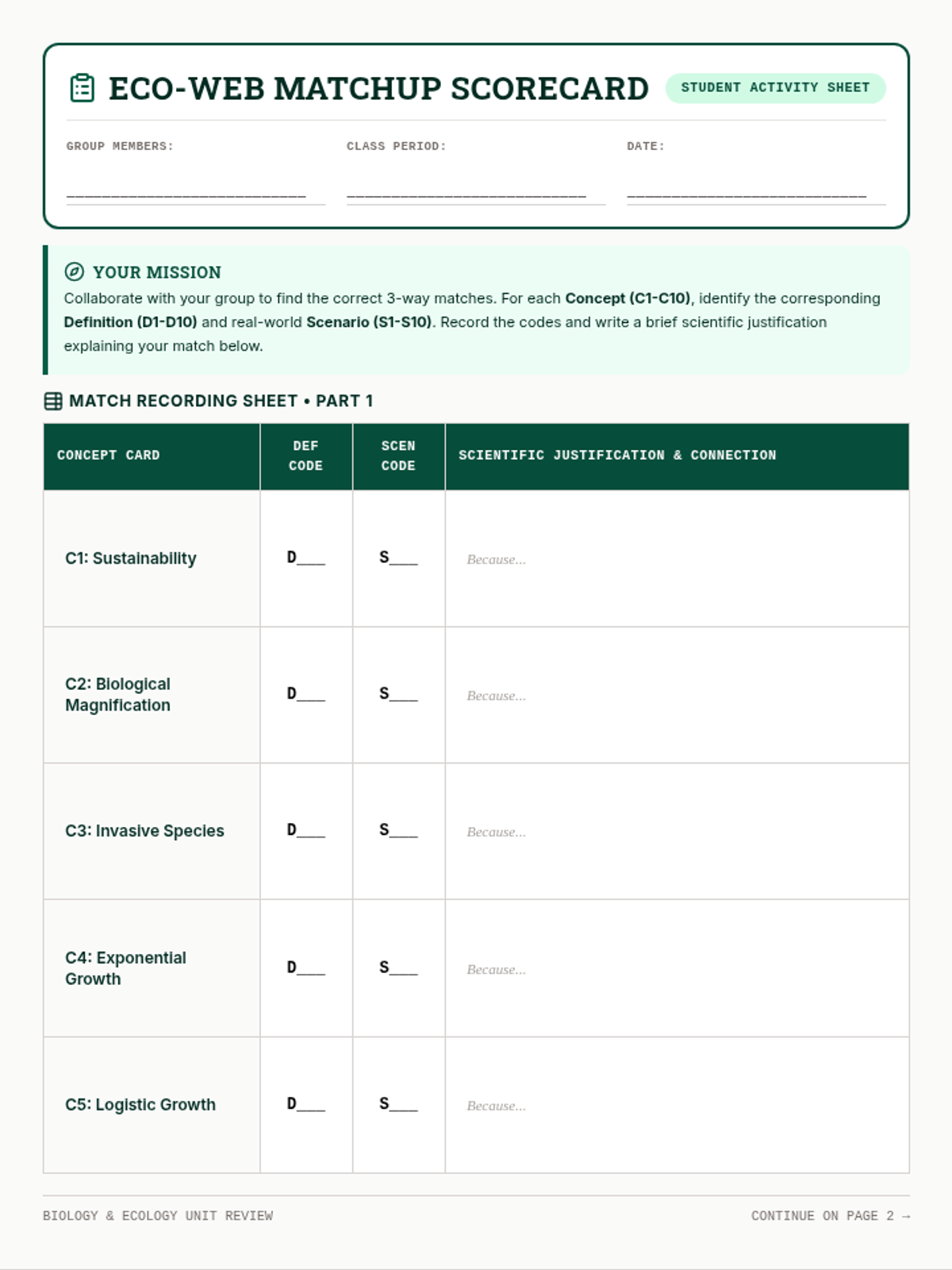
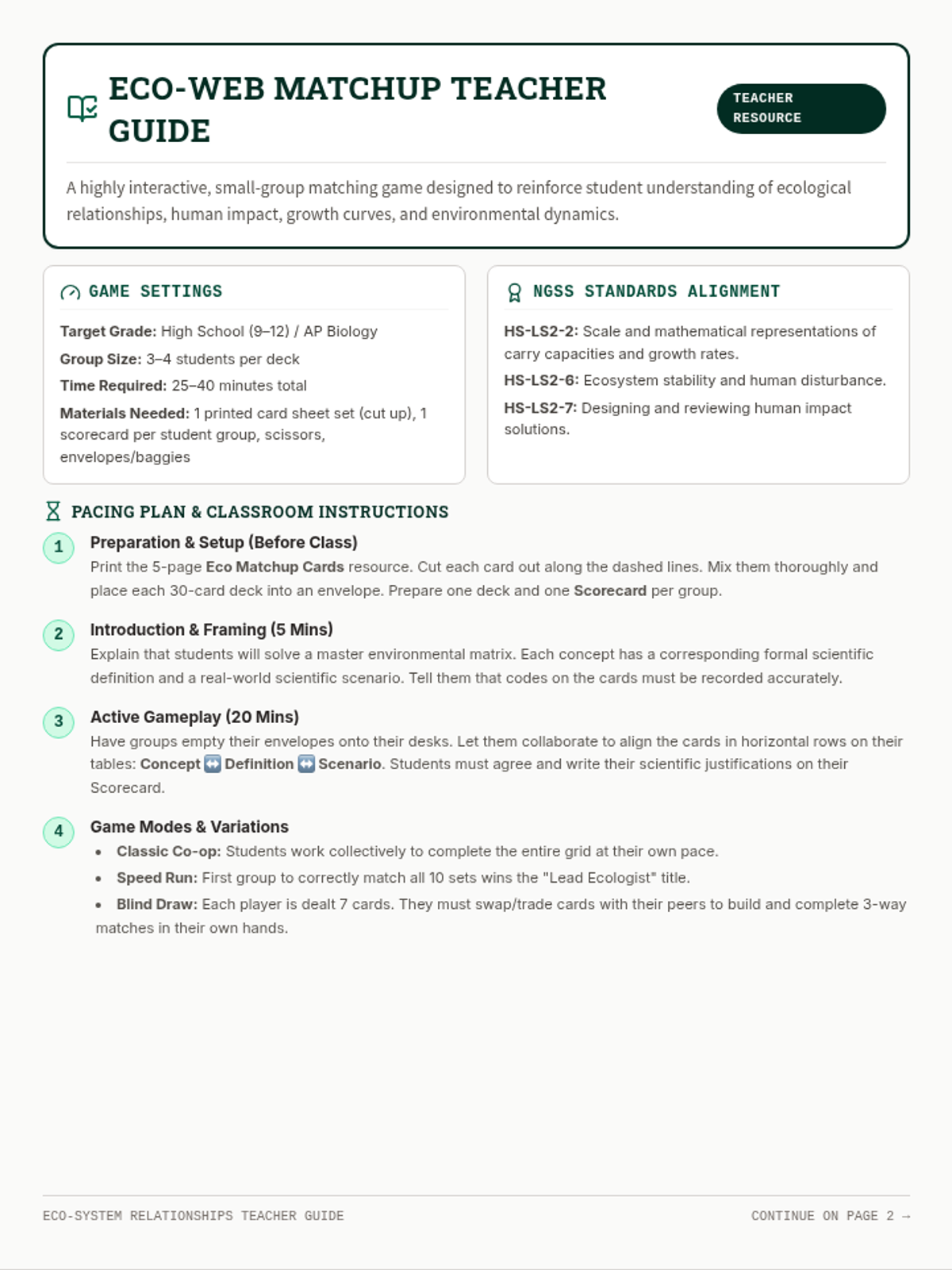
A highly engaging, collaborative card-matching game covering sustainability, human impact, population ecology, symbiosis, and conservation. Students work in small groups to match key concepts, definitions, and real-world ecological scenarios.
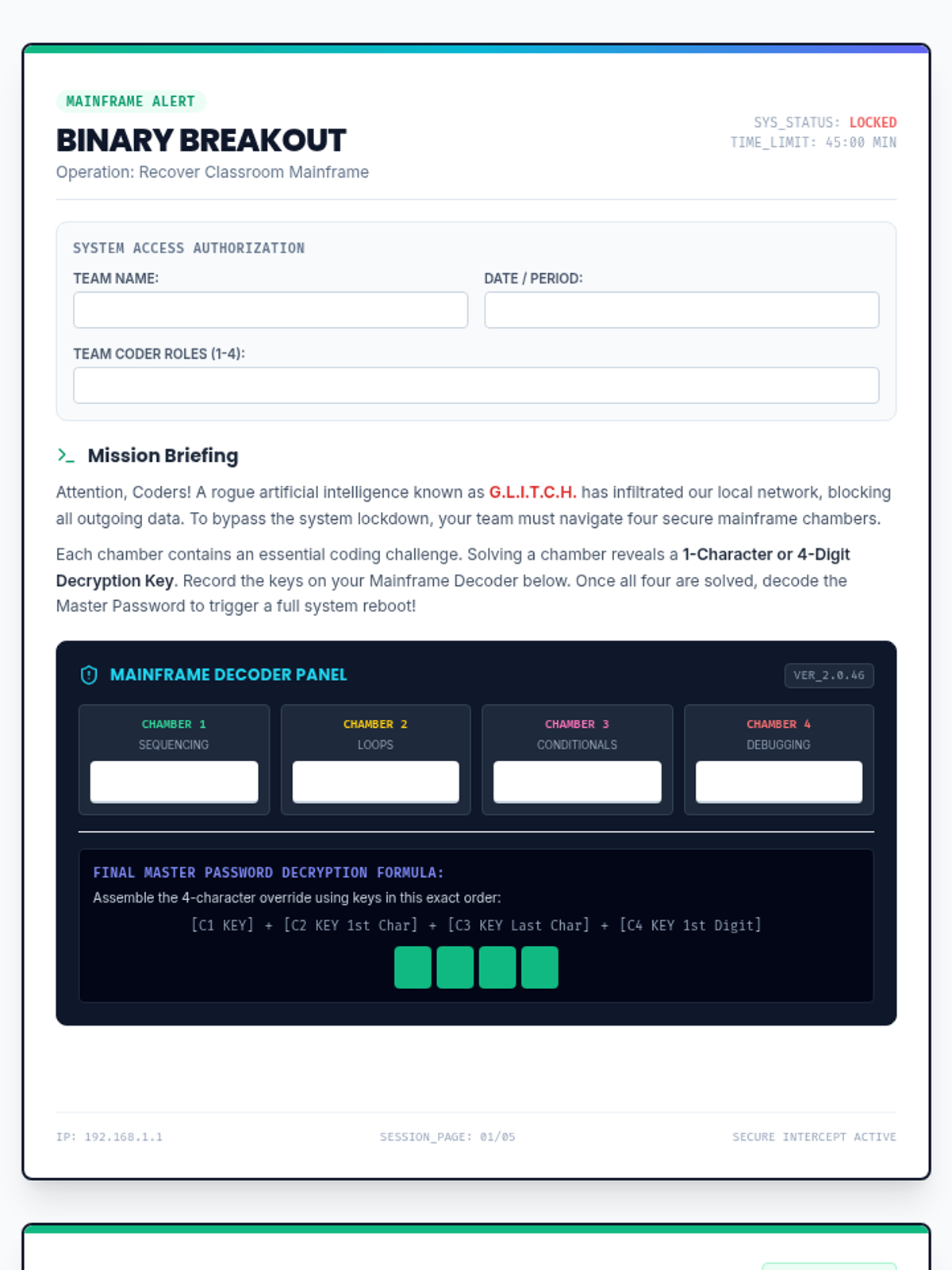
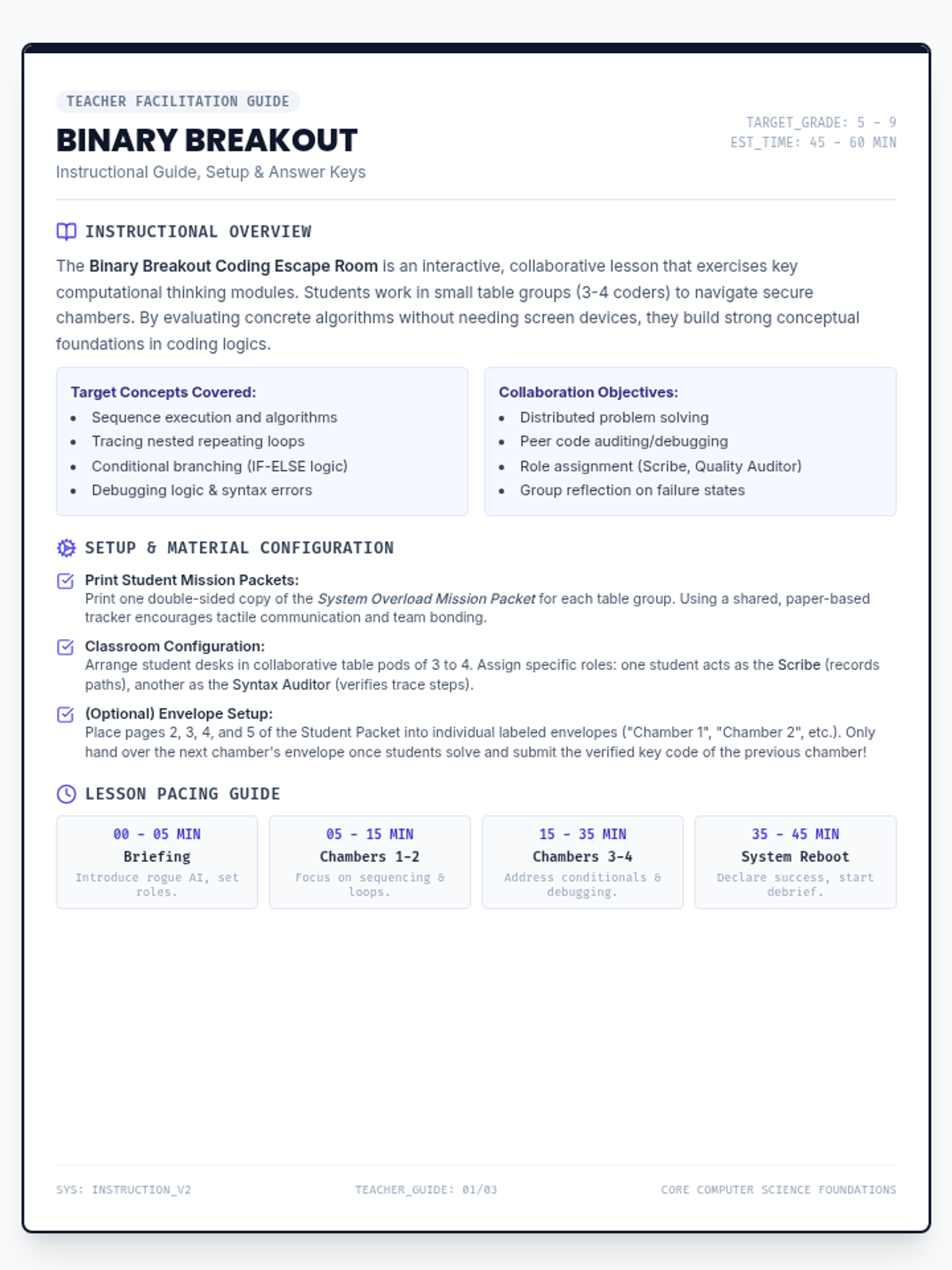
An immersive, puzzle-driven coding escape room where students work in table groups to defeat a rogue AI. By solving four distinct chambers focusing on sequencing, loops, conditionals, and debugging, students demonstrate core computational thinking skills.